1. High-Heat Searing
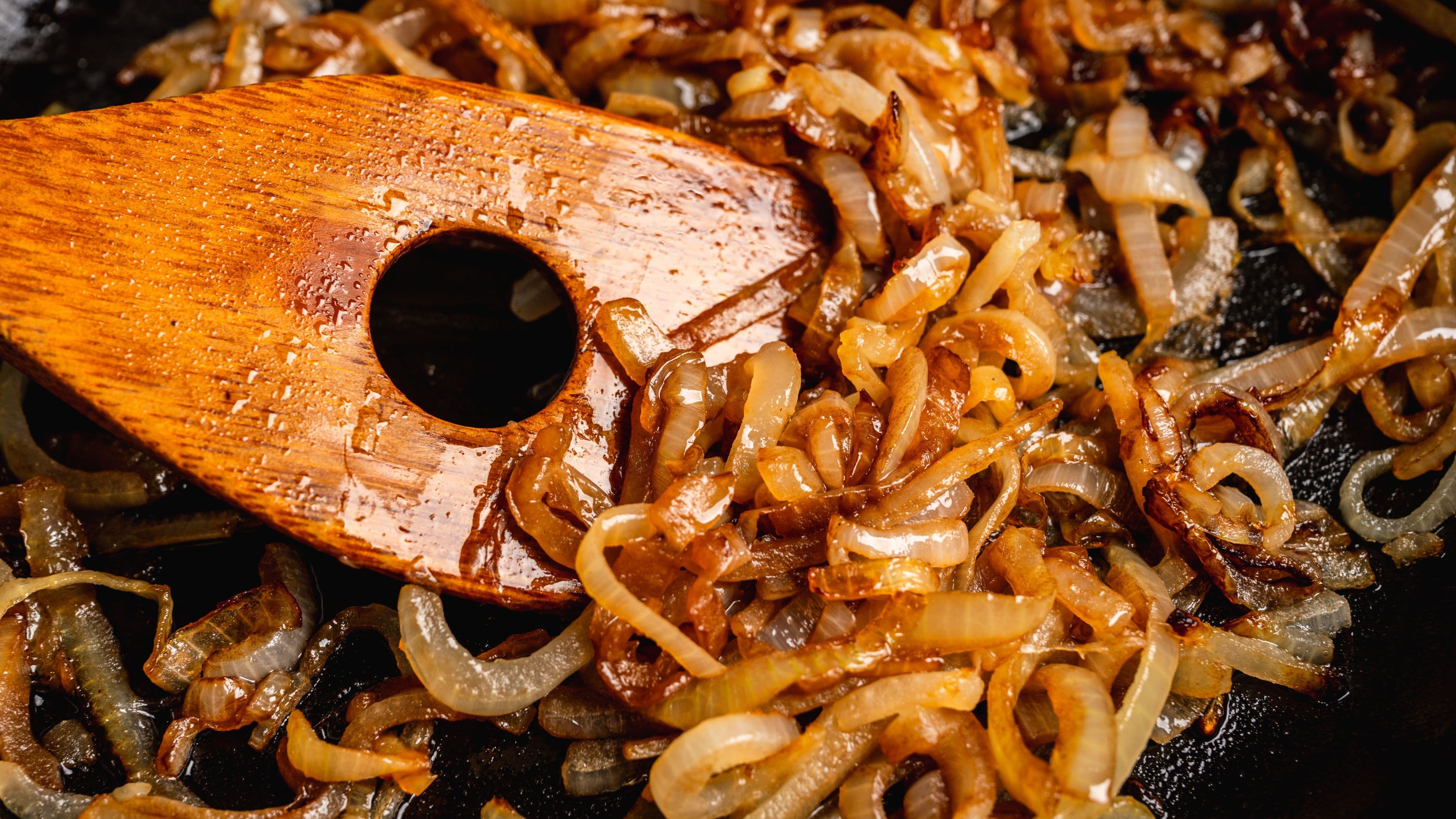
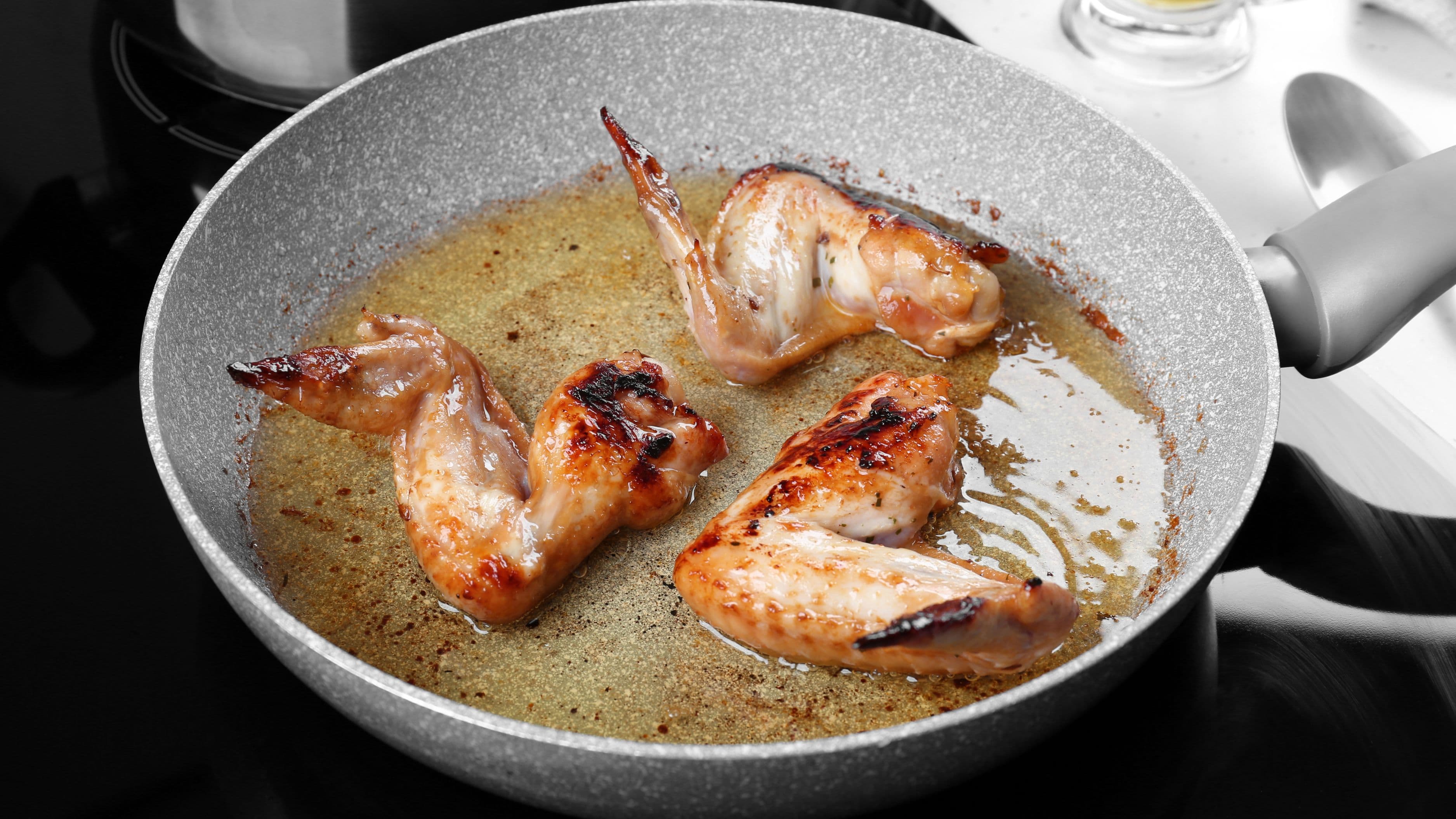
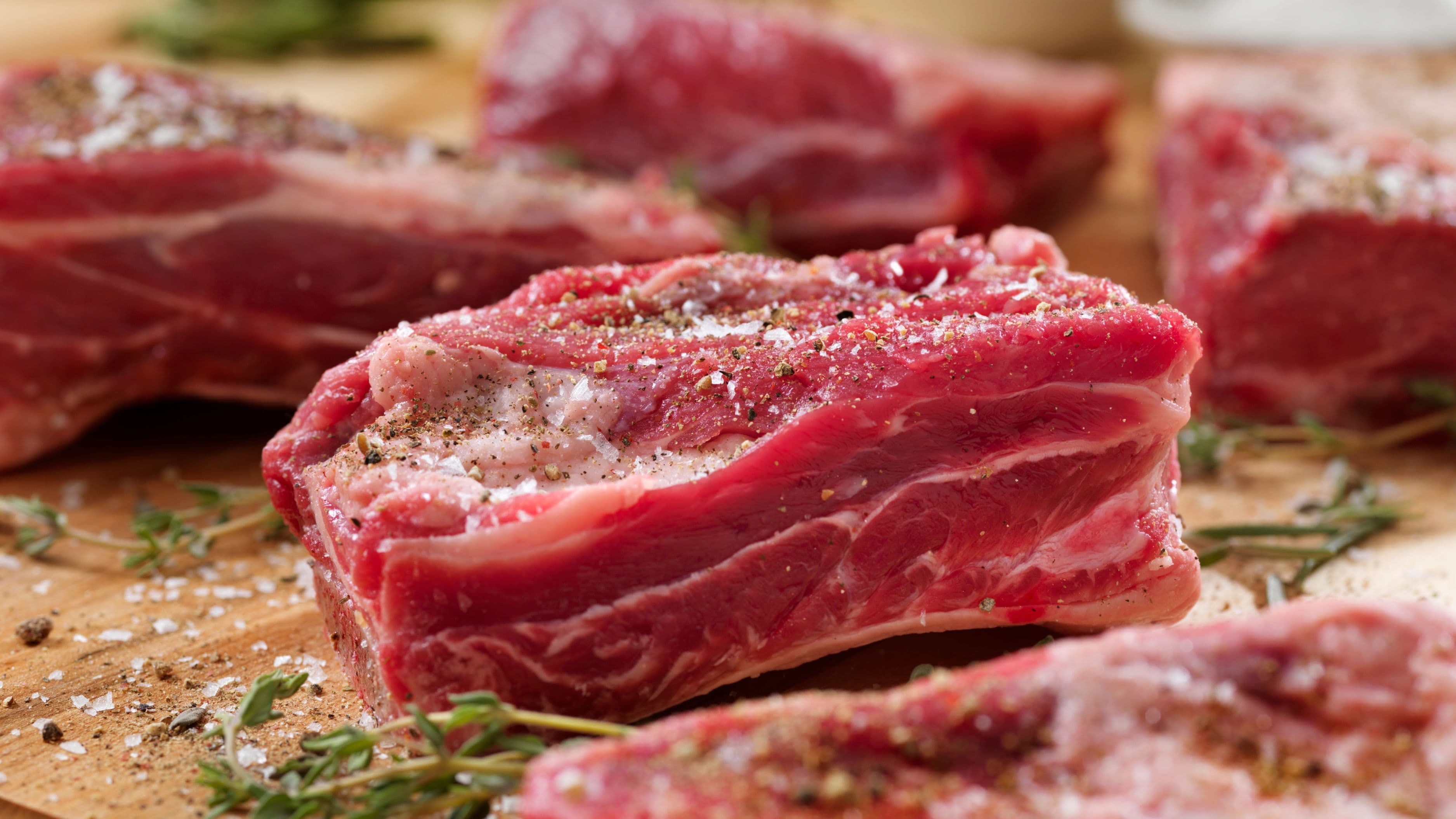
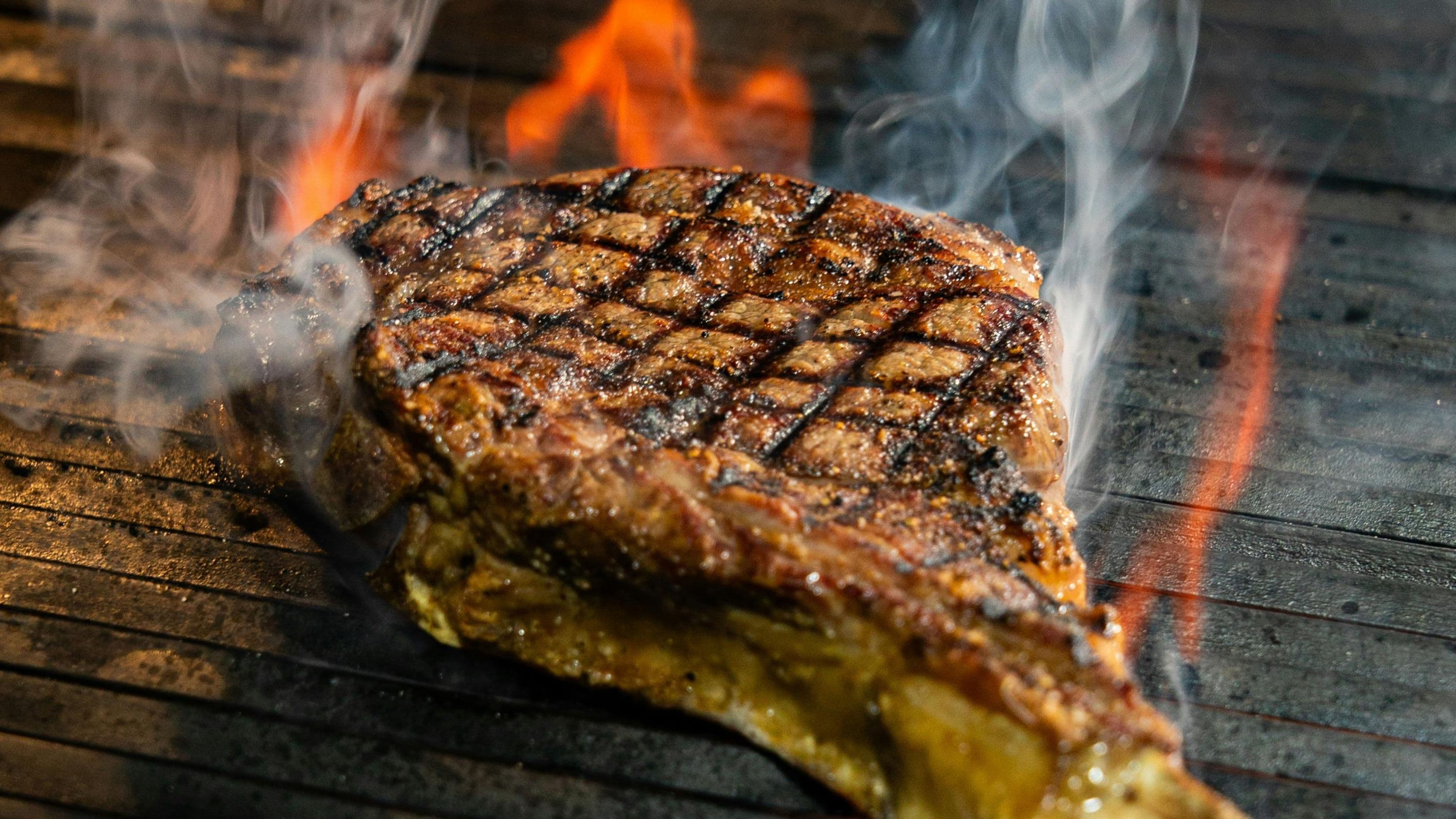
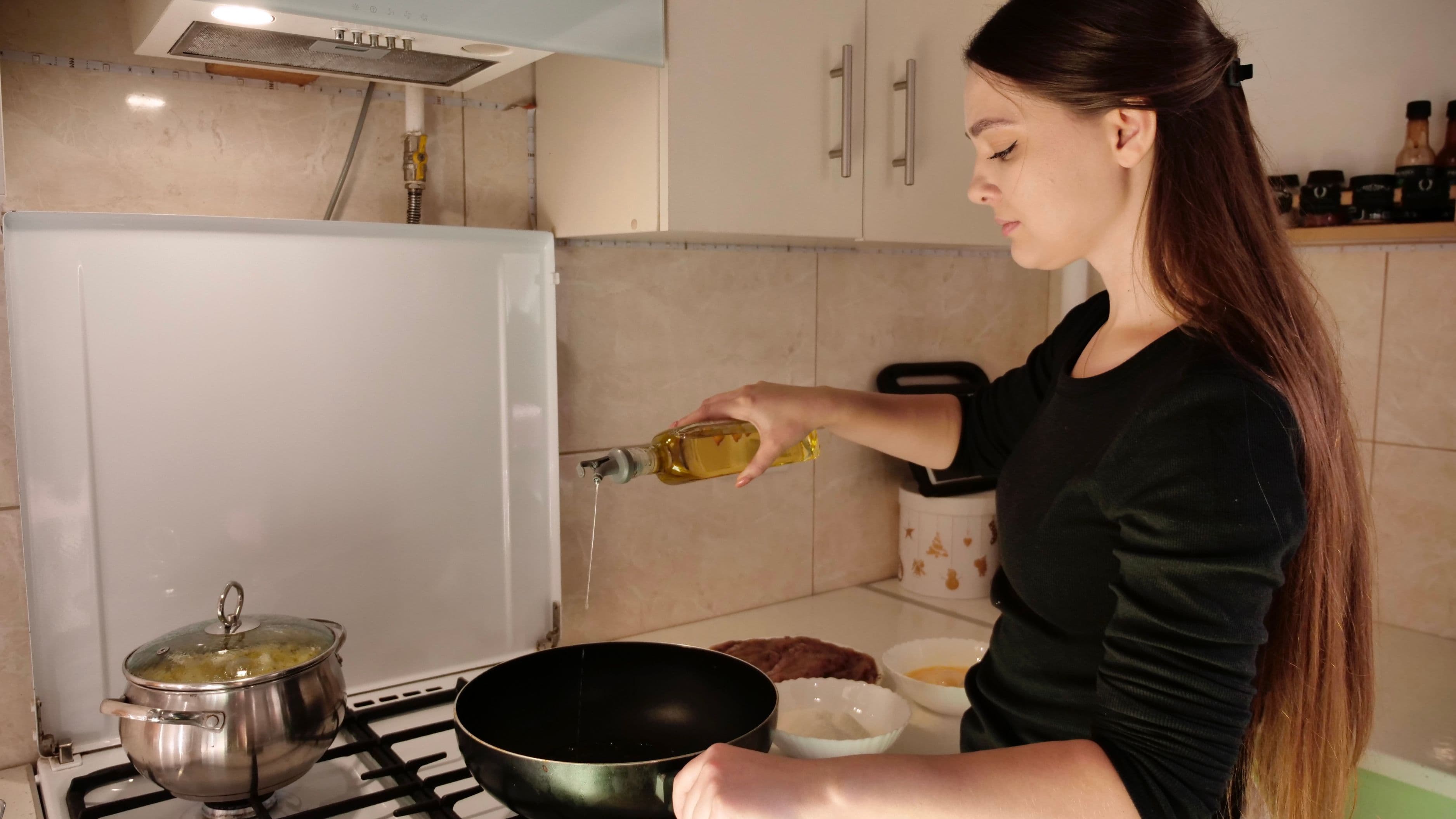
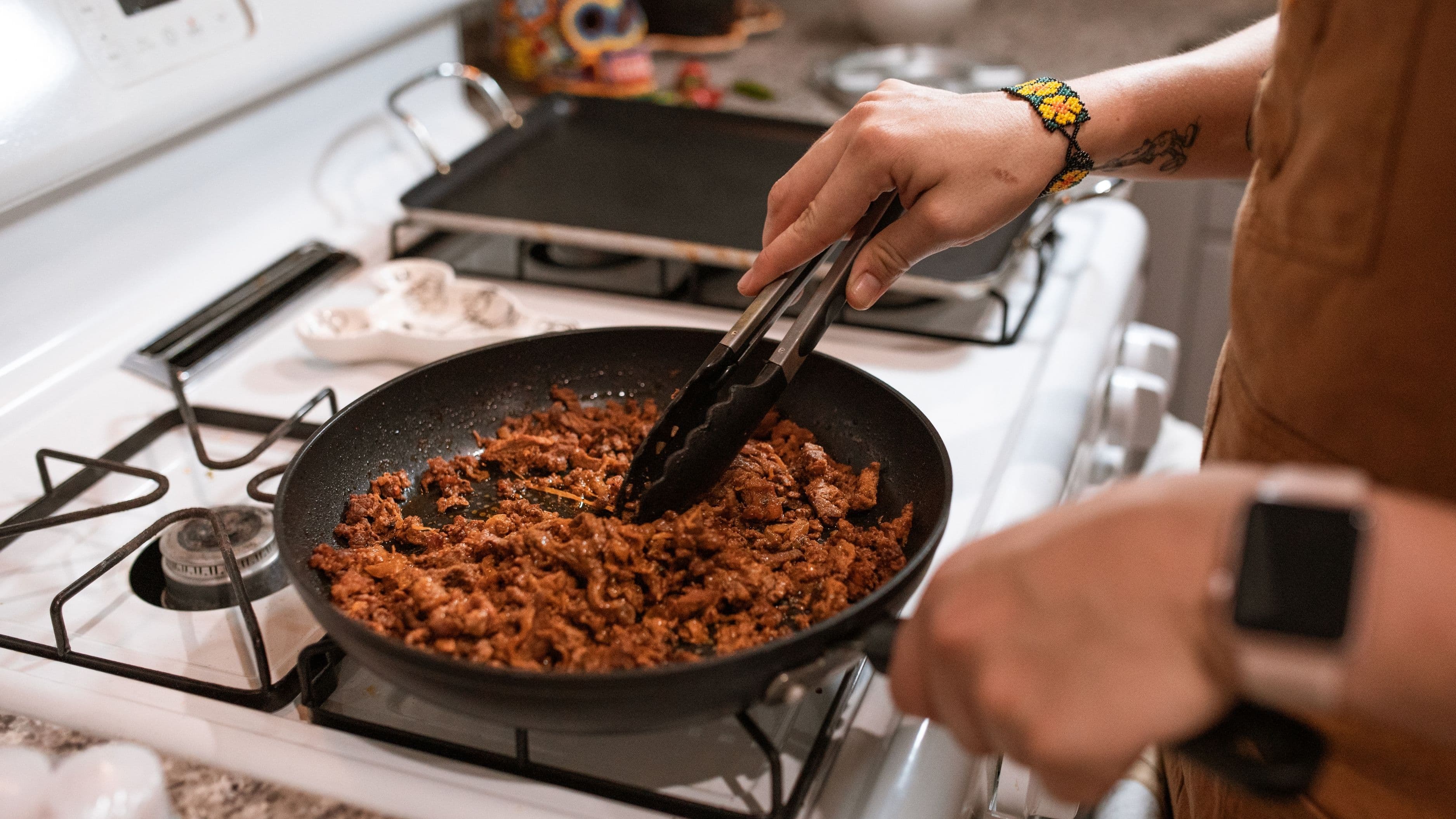
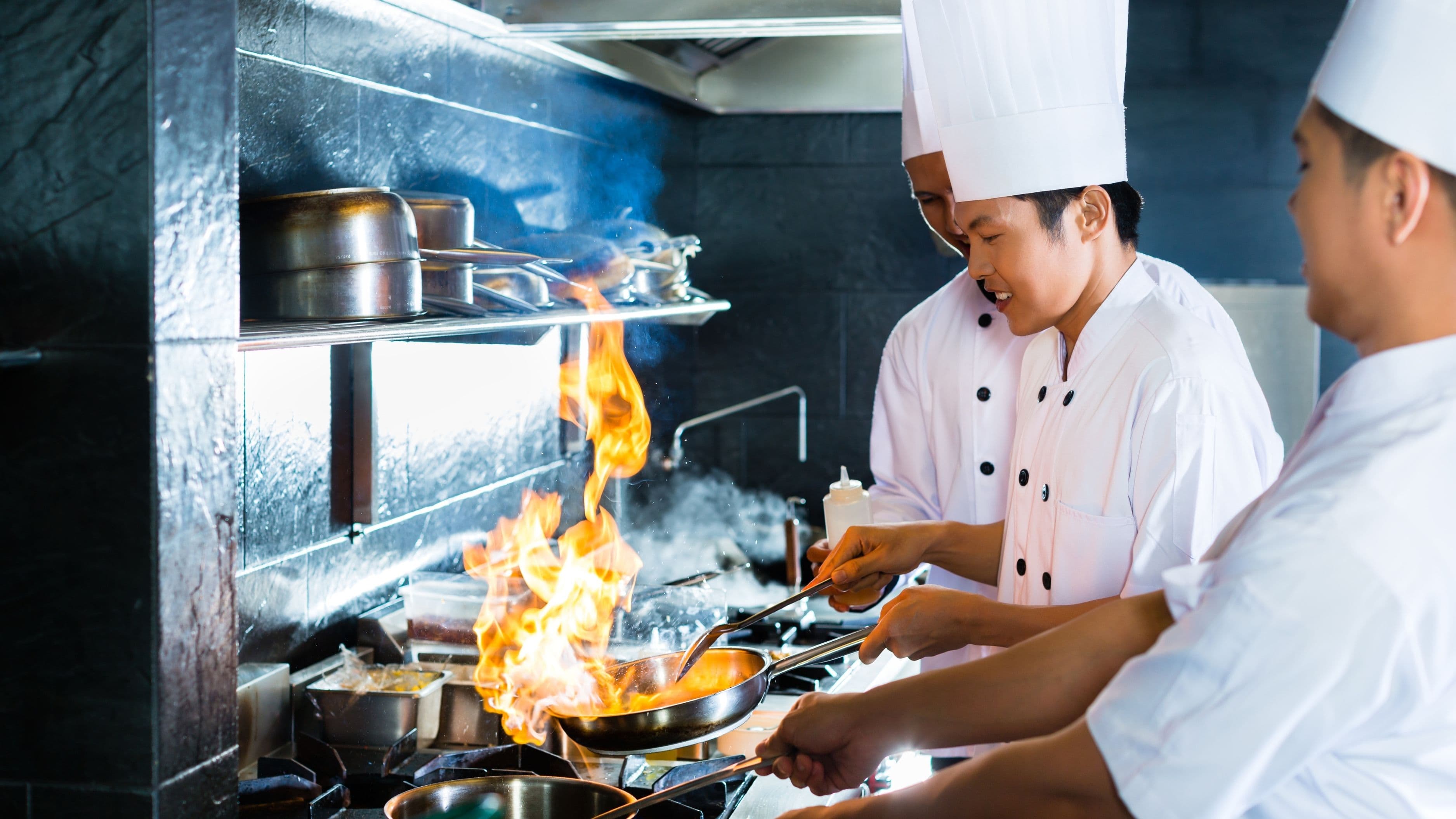
Get your pan screaming hot before the protein touches it. This creates the caramelized crust that locks in flavor and gives food that restaurant-quality appearance. Wait for the oil to shimmer and almost smoke, then don't touch the meat for at least two minutes—let physics do its work. The food will release naturally when it's ready to flip; if it's sticking, it's not done searing yet.
2. Proper Knife Grip
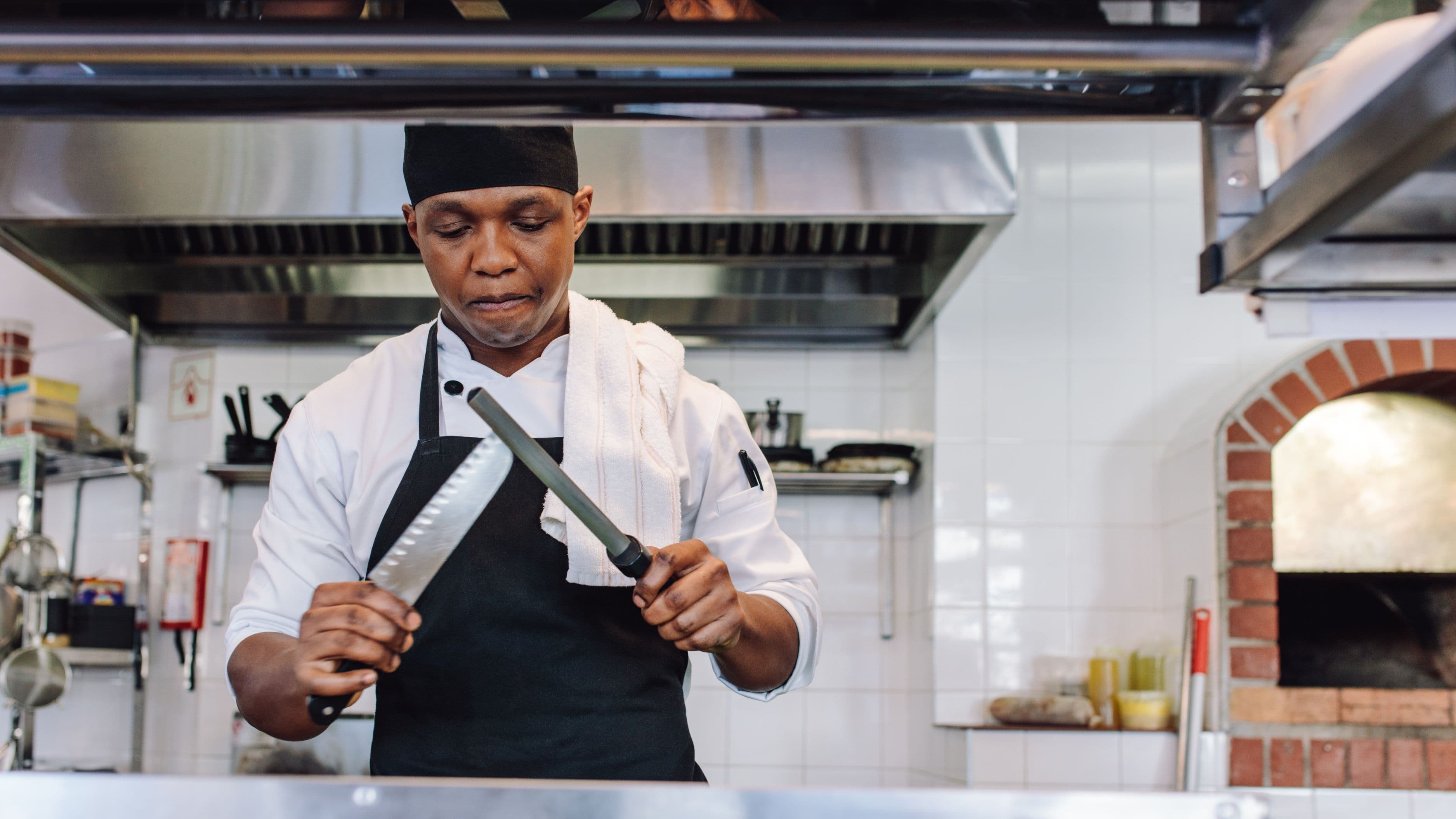
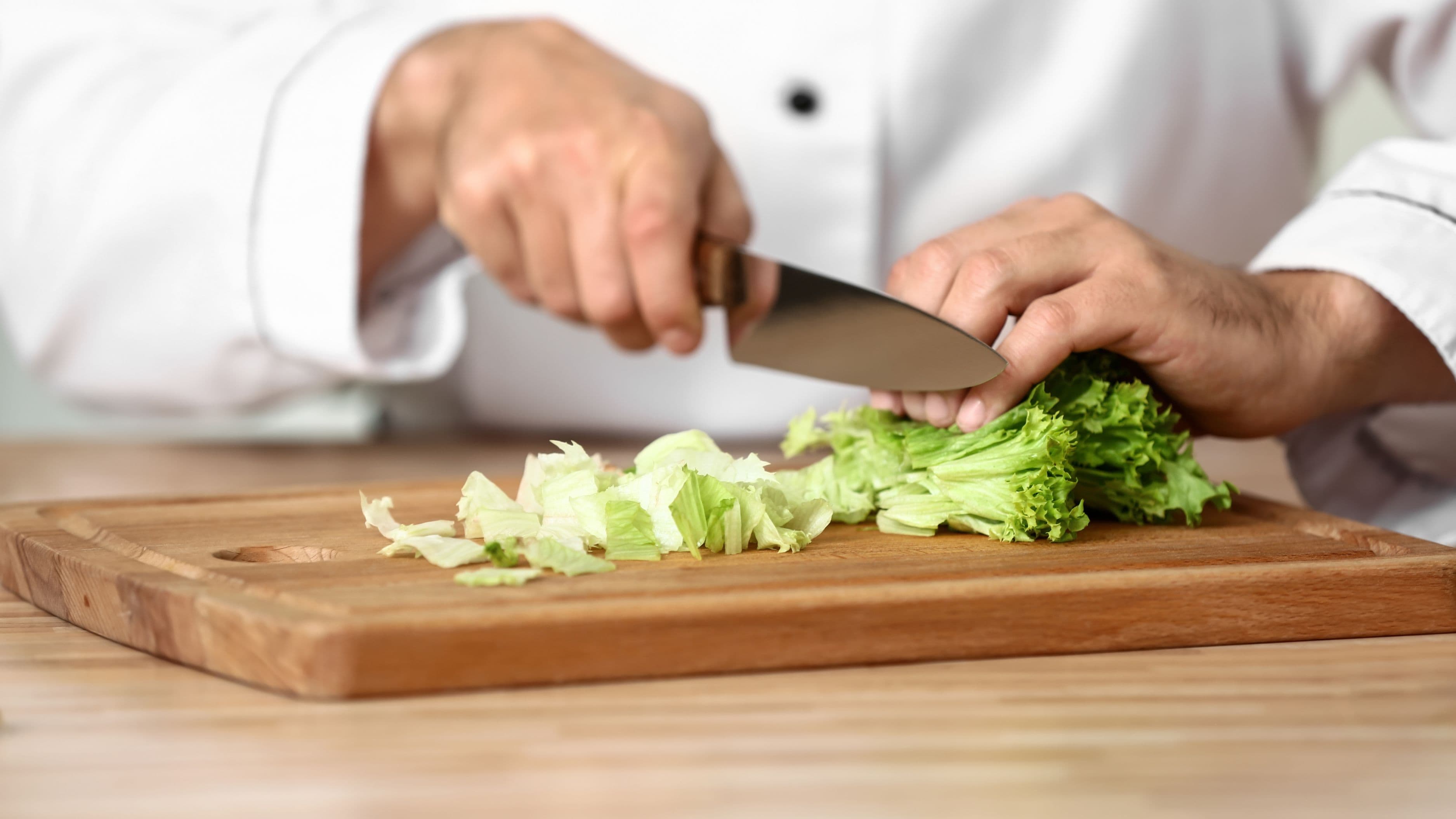
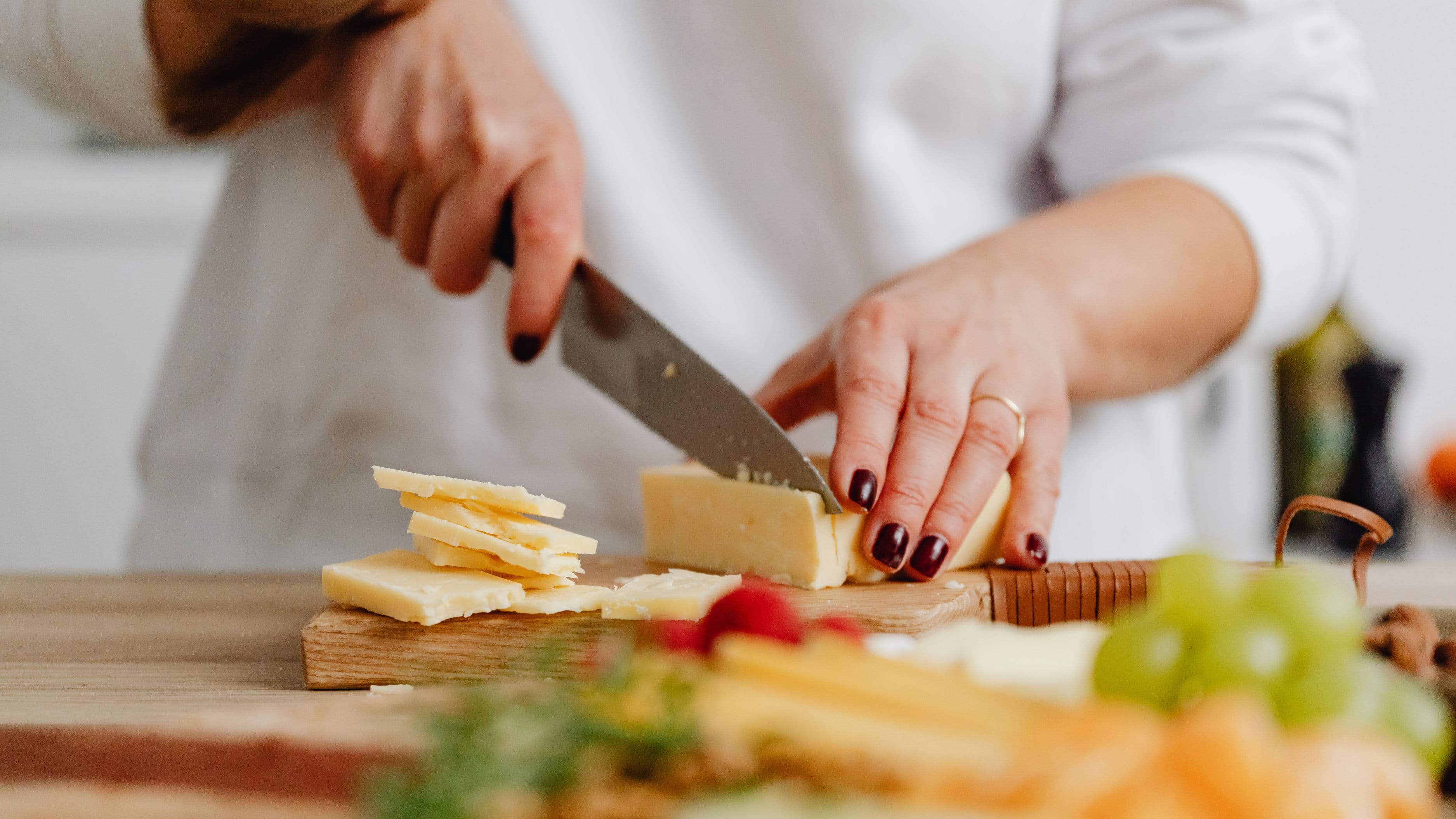
Hold the knife by pinching the blade where it meets the handle, not by gripping the handle alone. This grip gives you control and precision while reducing hand fatigue and the risk of slipping. Your other hand should curl into a claw shape, knuckles forward, to guide the blade while keeping fingertips safely tucked away. Practice this for ten minutes and you'll immediately feel the difference in your cutting speed and confidence.
3. Layered Seasoning
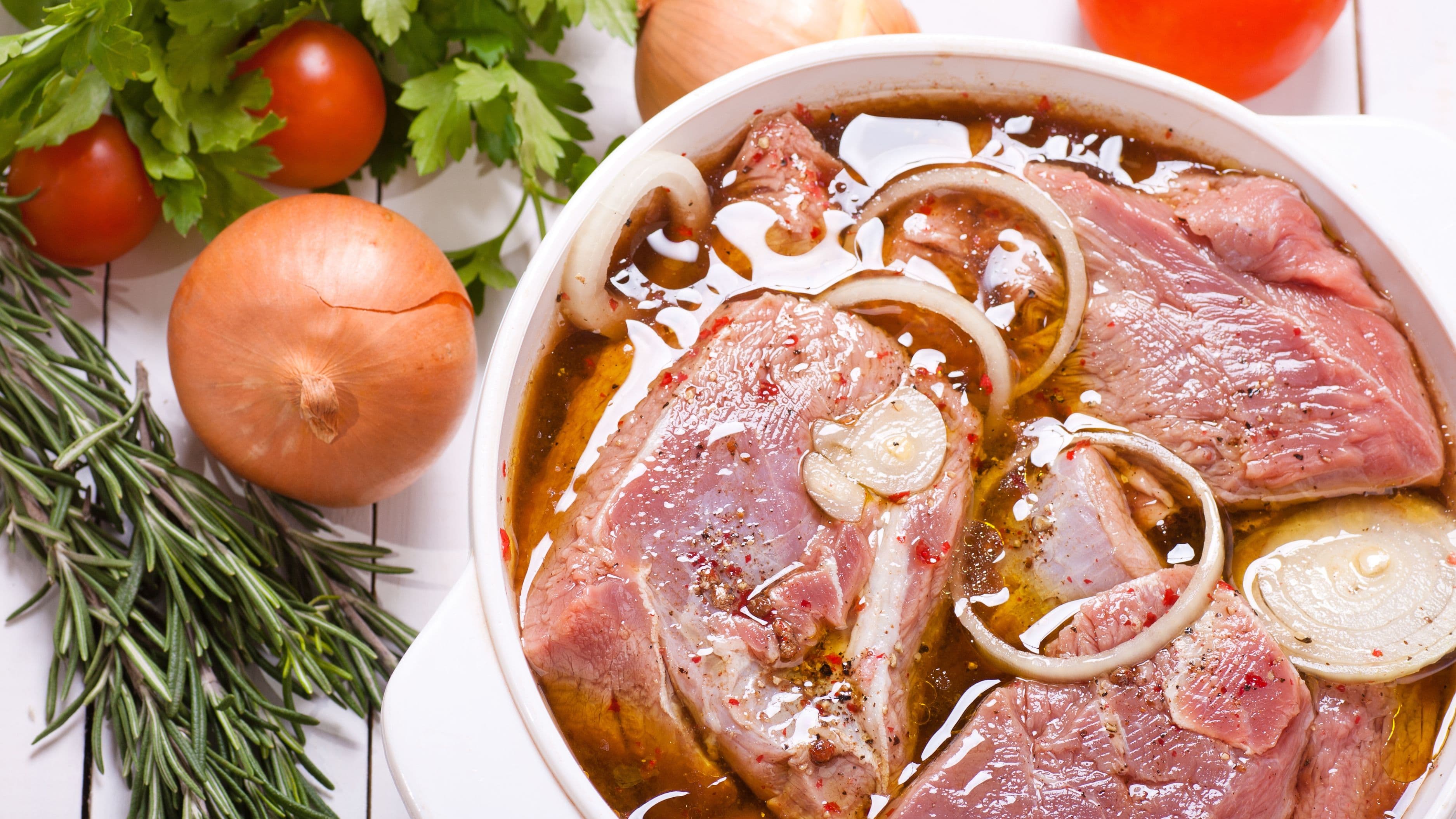
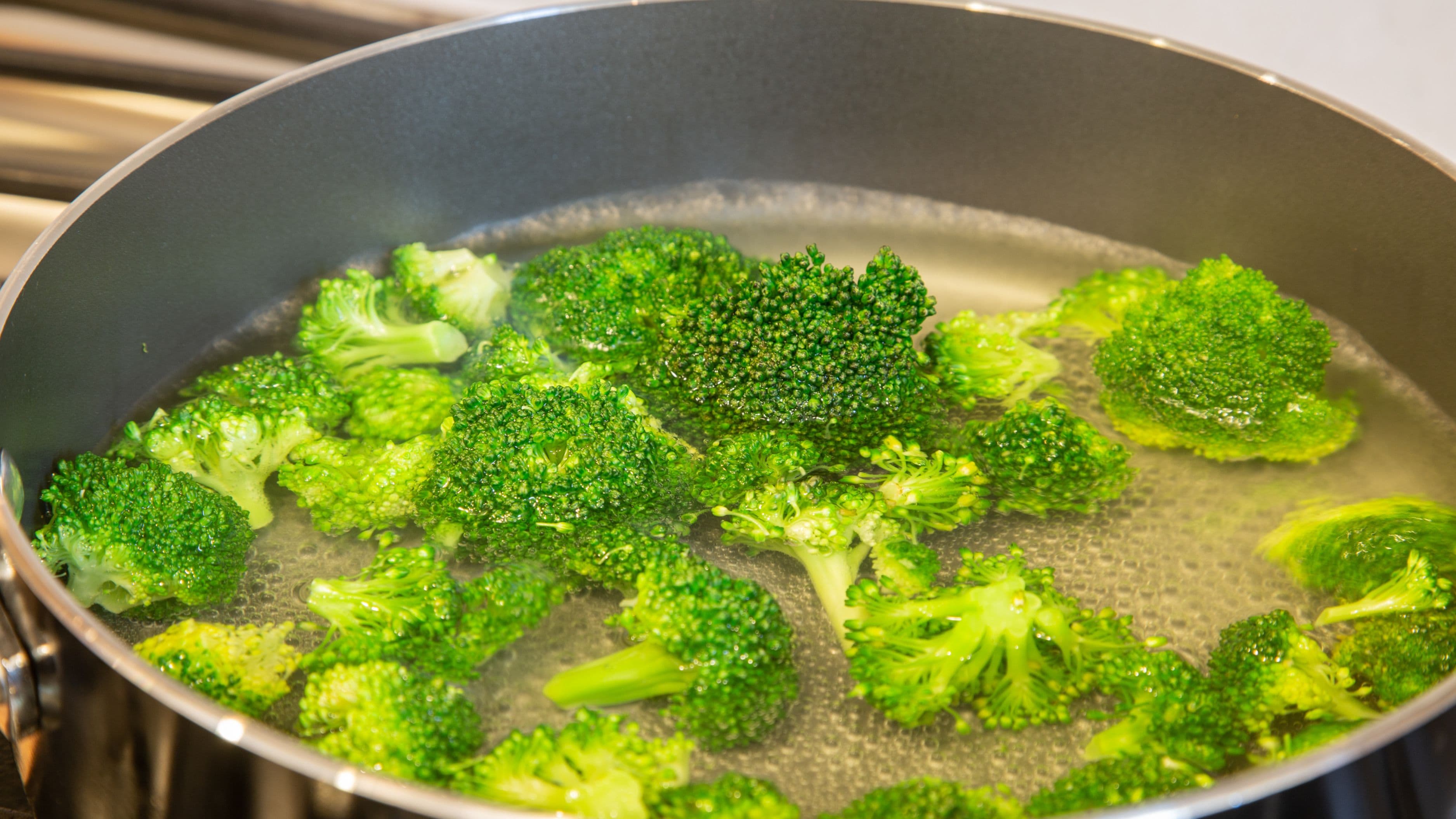
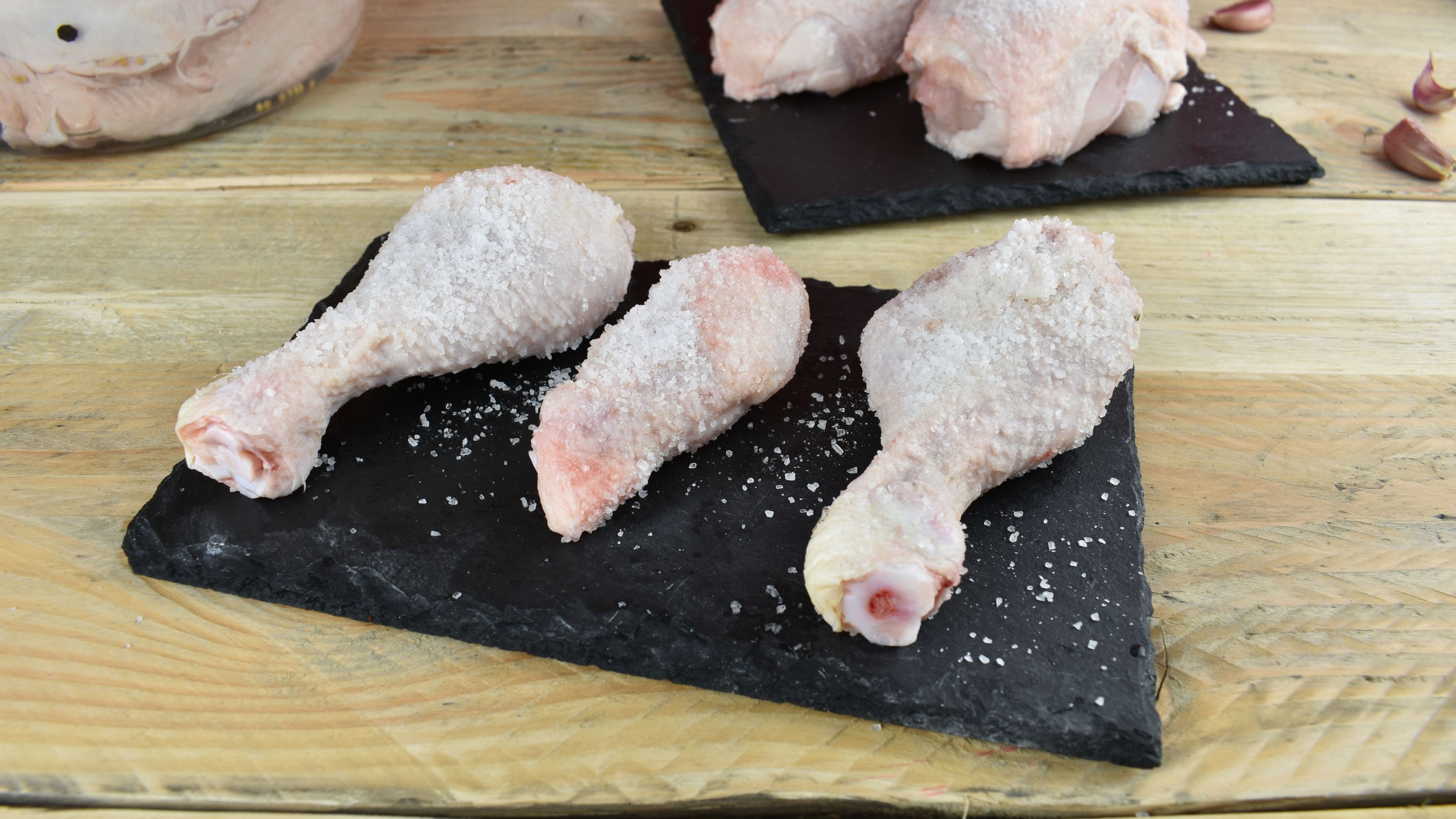
Salt your food at multiple stages, not just at the end. Season proteins before cooking, add salt to pasta water until it tastes like the ocean, and adjust again before serving. This builds depth and complexity that a single seasoning moment can't achieve. Think of it like painting—multiple thin layers create richer color than one thick coat.
4. Mise en Place
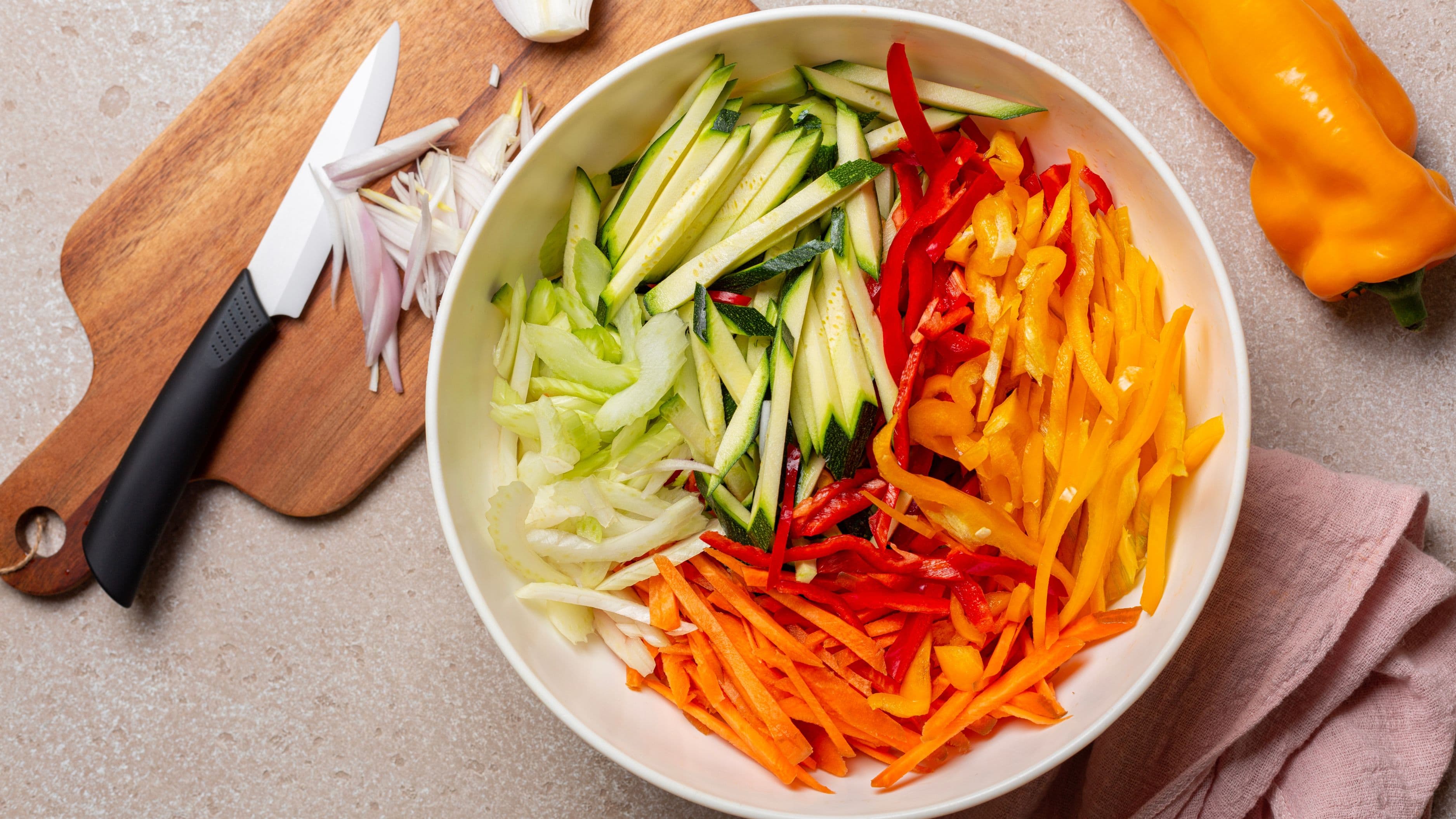
Measure and prep everything before you turn on the heat. This French term means "everything in its place," and it's the difference between cooking calmly versus scrambling in panic mode. When garlic is already minced, vegetables are chopped, and spices are measured out, you can focus on technique and timing instead of frantically searching for ingredients while something burns. Professional kitchens run on this principle because it works.
5. Understanding Emulsification
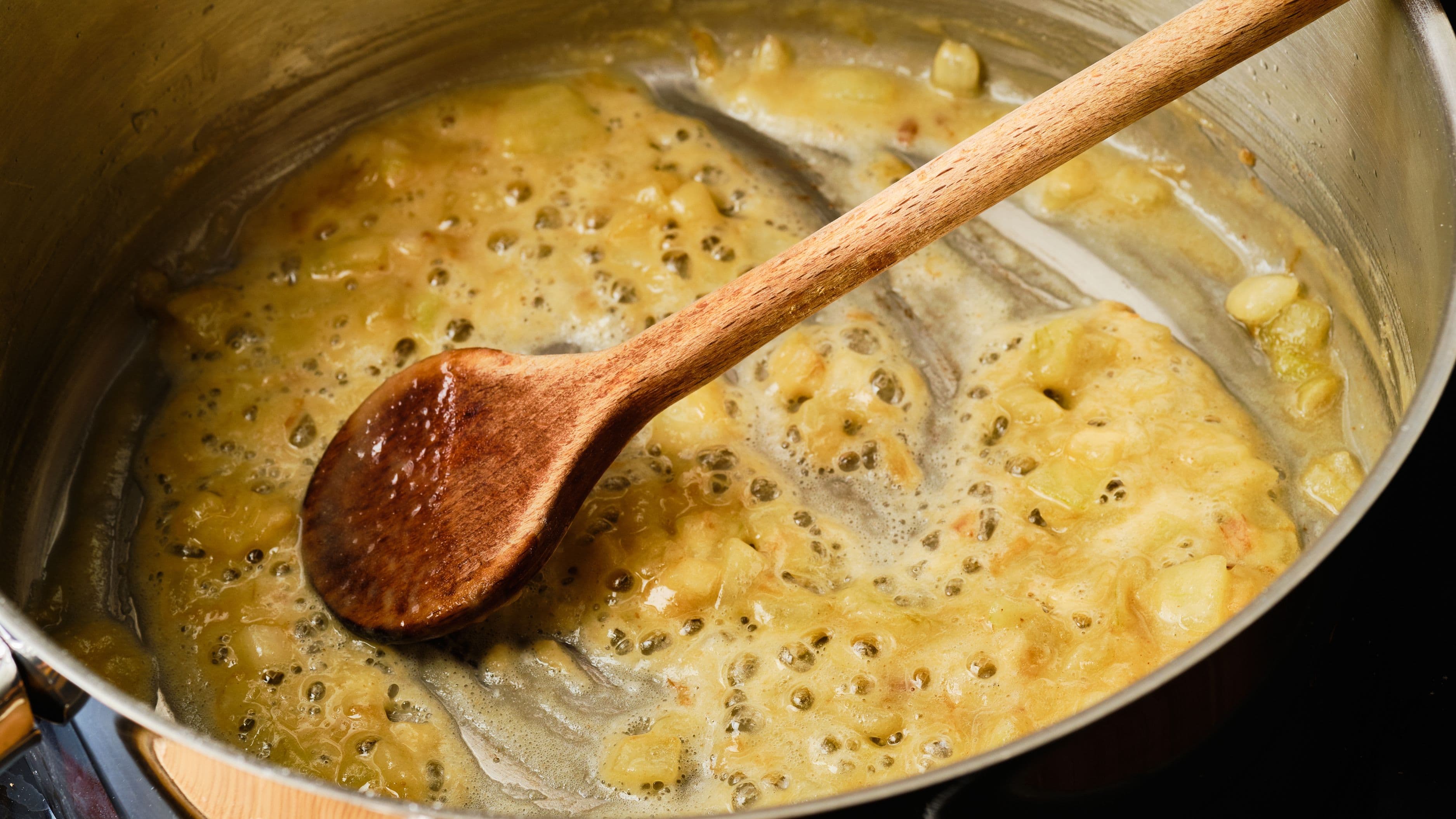
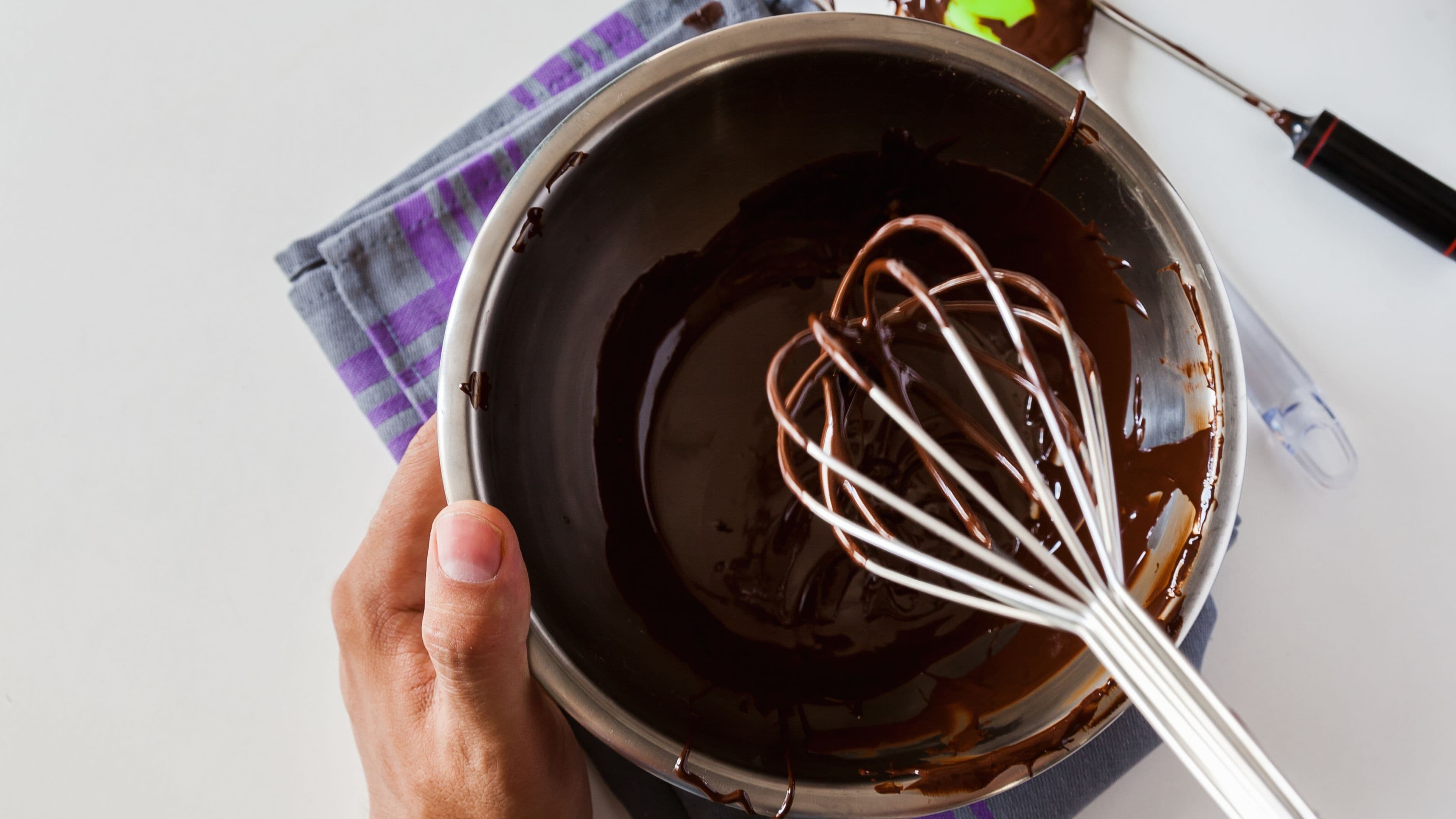
Learn to combine fat and water-based liquids into smooth sauces instead of separated messes. Whether you're making vinaigrette, hollandaise, or pan sauce, the trick is adding fat slowly while whisking constantly, creating tiny droplets suspended in liquid. Mustard, egg yolks, and even a bit of cold butter at the end help stabilize emulsions. Master this and your sauces will look and taste professional instead of broken and greasy.
6. Proper Pan Temperature
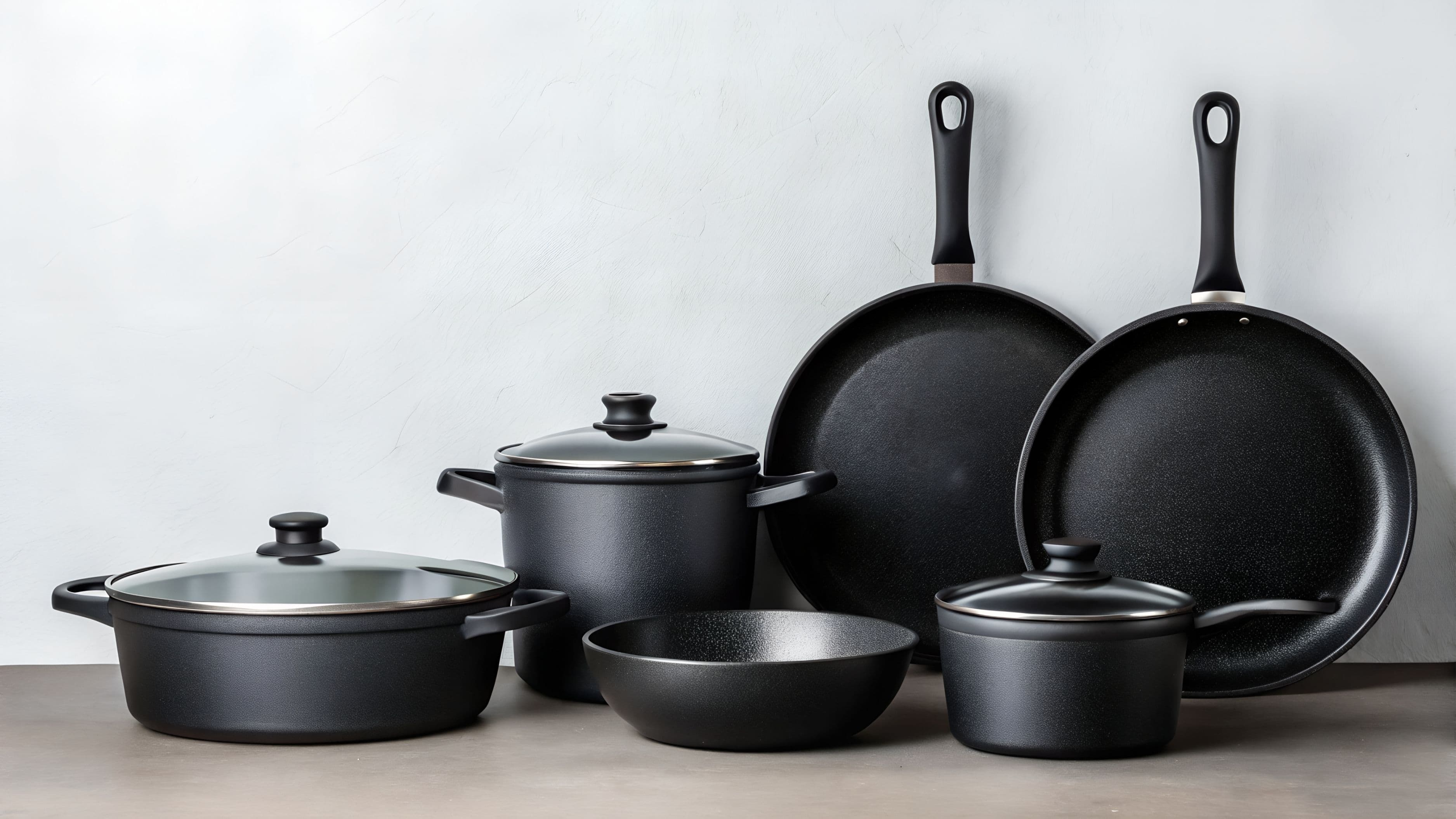
Stop cooking everything on high heat and learn to adjust temperature throughout the process. Start proteins in a hot pan to sear, then reduce heat to cook through without burning. Sweat aromatics over medium-low to develop sweetness without bitterness. Let pans preheat for a full two to three minutes before adding ingredients—impatience here ruins more dishes than any other single factor. Your stove has a range of settings for a reason; use them strategically instead of defaulting to maximum blast.
7. Resting Meat
Pull meat off the heat five to ten degrees before it reaches target temperature and let it rest for at least five minutes. The temperature continues rising during rest (called carryover cooking) while juices redistribute throughout the meat instead of spilling onto your cutting board. Cover loosely with foil to keep it warm but don't seal it tight or you'll steam away that beautiful crust you worked so hard to create. This single step prevents dry, disappointing meat and makes every protein you cook dramatically juicier.
Pick one technique and try it tonight. Not all seven—just one. Momentum starts small, but the confidence you build from mastering a single fundamental compounds quickly into genuine cooking skill that no recipe can teach you.