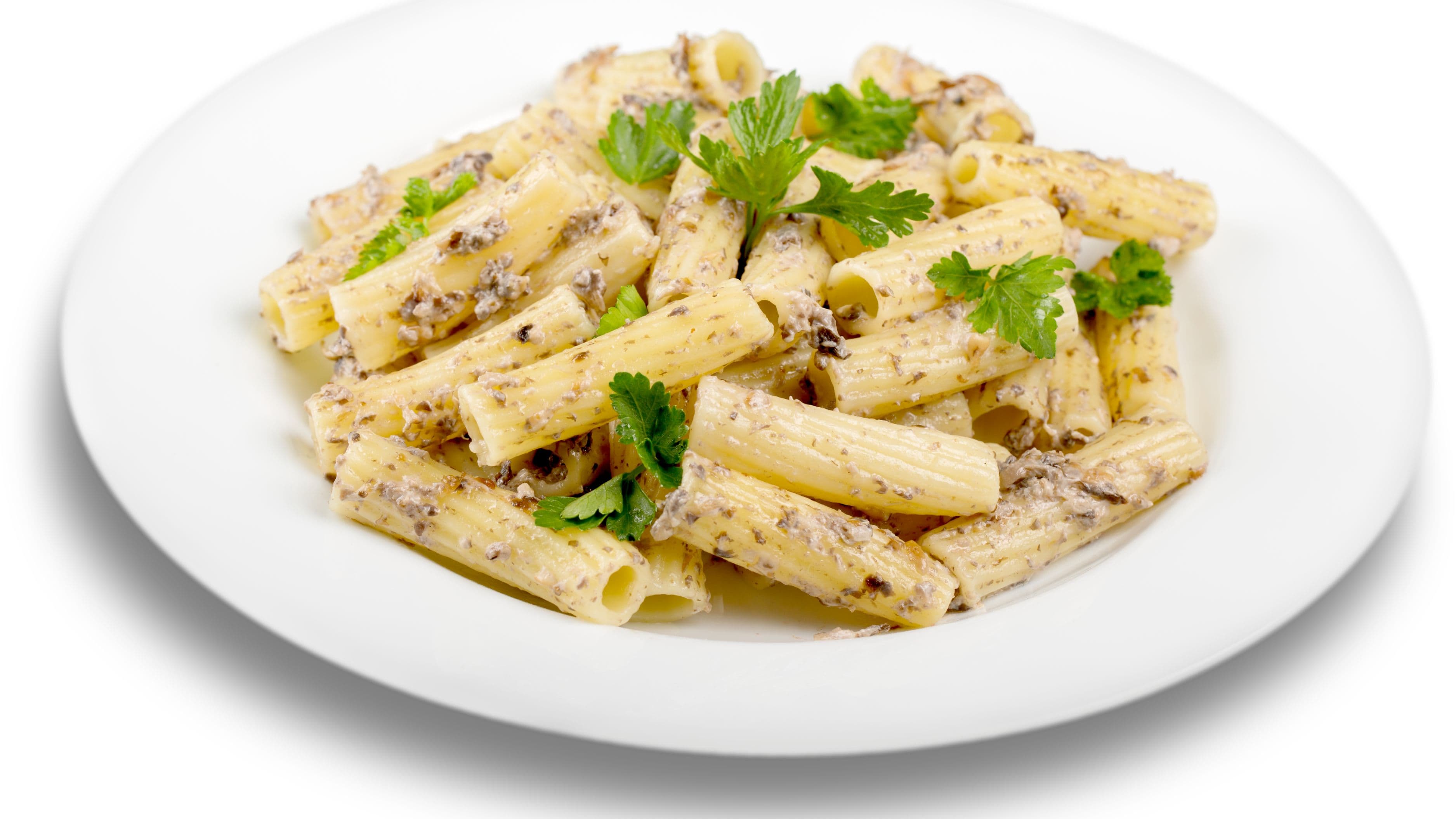
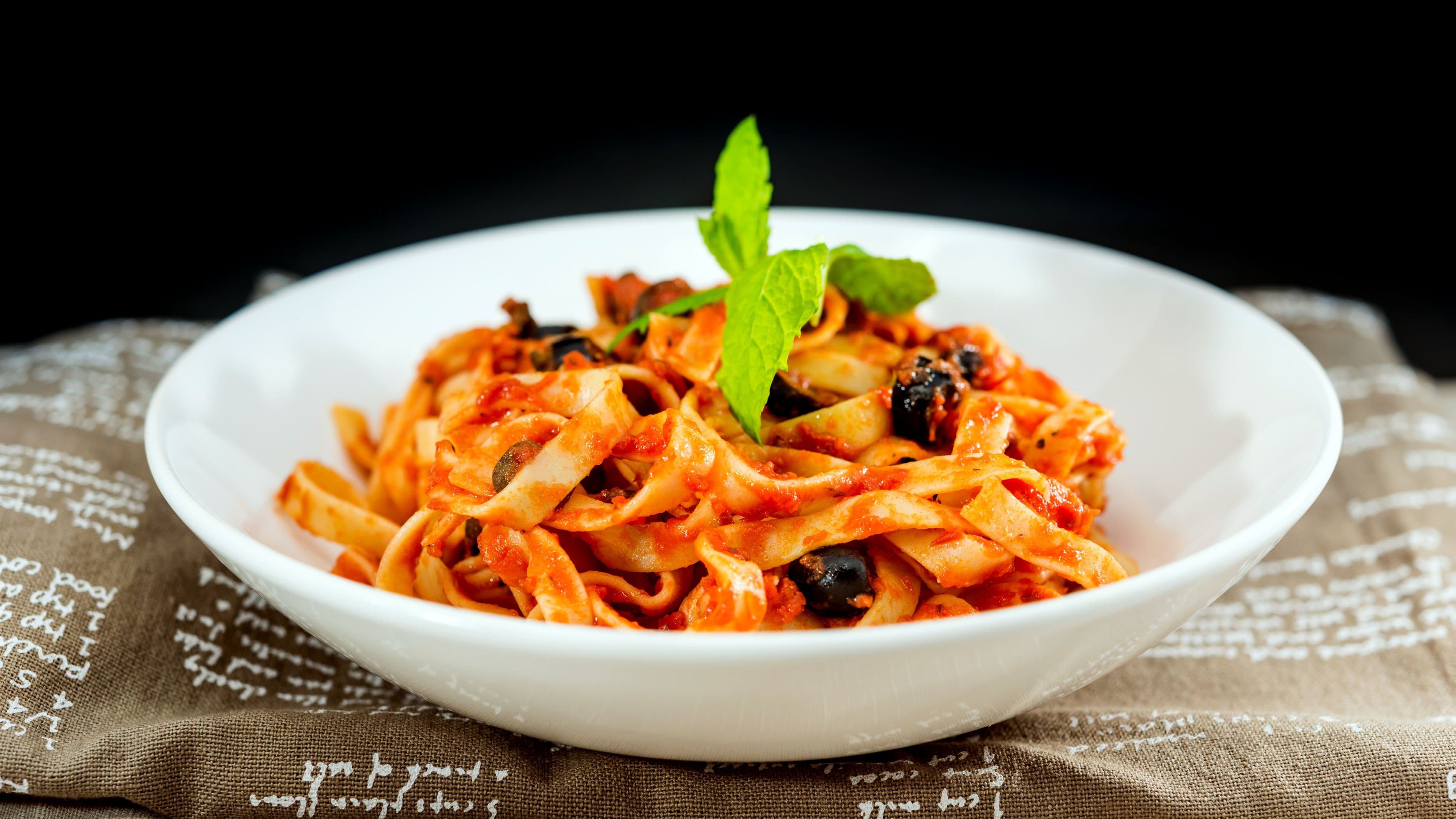
The truth is, pasta is deceptively simple. It's just flour, water, eggs, and salt in its most basic form—yet getting it right requires understanding the small details that make enormous differences. Whether you're boiling dried spaghetti on a busy weeknight or hand-rolling fresh pappardelle for Sunday dinner, these nine chef-approved tricks will elevate your pasta game from acceptable to outstanding. Let's dive into the techniques that separate forgettable pasta from the kind that makes people ask for seconds.
1. Salt Your Water Like the Ocean
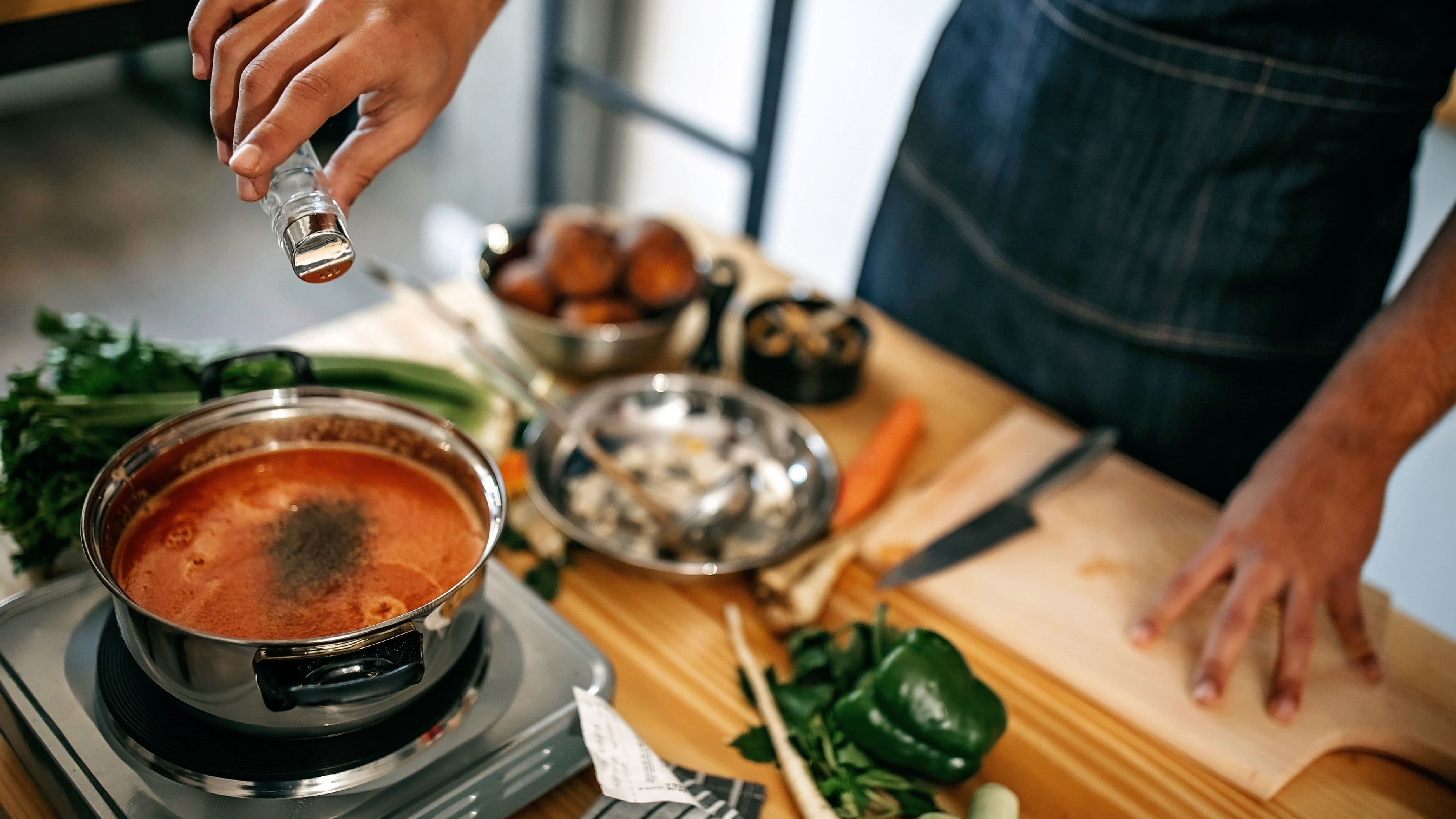
When chefs say to salt your pasta water generously, they don't mean a pinch or two—they mean it should taste almost as salty as seawater. This isn't about making your pasta salty; it's about properly seasoning it from the inside out. While the pasta cooks, it absorbs the salted water, developing flavor in a way that no amount of sauce can replicate later. Think of it as your only opportunity to season the pasta itself, not just what's coating the outside.
The standard ratio professional kitchens use is about one tablespoon of kosher salt per quart of water, which sounds like a lot until you realize most of it stays in the pot. When you taste properly salted pasta water, it should be pleasantly saline—not overwhelming, but definitely noticeable. This foundation of flavor makes every bite better, creating depth that carries through the finished dish no matter what sauce you're using.
2. Never Rinse Your Pasta
Rinsing cooked pasta under cold water might seem like common sense to stop the cooking process, but it's actually sabotaging your dish. That cloudy, starchy coating clinging to freshly drained pasta isn't something to wash away—it's liquid gold for creating silky, cohesive sauces. The surface starch acts as a natural emulsifier, helping oil-based and water-based ingredients blend together instead of separating into a greasy mess.
Professional chefs embrace this starchiness because it helps sauce cling to every strand or shape, creating the kind of glossy, unified dish you see in restaurant kitchens. The only exception to this rule is when you're making cold pasta salad, where you genuinely want to halt the cooking and prevent clumping. For everything else—carbonara, aglio e olio, marinara, pesto—skip the rinse and let that starch work its magic.
3. Save Your Pasta Water Like It's Precious
Before you drain your pasta, always scoop out at least a cup of that starchy cooking liquid. This cloudy, salty water is the secret ingredient that professional chefs use to adjust sauce consistency and help everything come together. Because it contains dissolved starch from the pasta, it thickens sauces naturally while adding a silky texture that plain water or broth can't achieve. It also helps the sauce adhere to the pasta rather than sliding off into a puddle at the bottom of the bowl.
Think of pasta water as your insurance policy against dry, clumpy pasta or broken sauces. Add it gradually to your pan—just a splash or two at first—as you toss the pasta with the sauce. The starch acts as a binder, creating an emulsion that makes oil-based sauces creamy and tomato sauces velvety. Keep that mug of pasta water nearby as you finish the dish, adding more as needed until the sauce reaches that perfect consistency where it coats each piece without pooling.
4. Finish Cooking Pasta in the Sauce
Here's where home cooks usually go wrong: they drain the pasta completely, dump it in a bowl, and then ladle sauce on top. Restaurants never do this. Instead, they pull the pasta from the water when it's still slightly underdone—about a minute or two before the package directions suggest—and transfer it directly to the pan with the sauce.
This technique allows the pasta to finish cooking while absorbing the flavors of the sauce, creating a unified dish instead of two separate components sitting together. As the pasta simmers in the sauce, it releases more starch, which helps thicken and bind everything together naturally. The result is pasta that tastes seasoned throughout, not just coated on the surface. This method works for virtually any pasta shape and sauce combination, and it's the single biggest difference between restaurant pasta and home-cooked versions.
5. Use the Right Pasta Shape for Your Sauce
Matching pasta shapes to sauces isn't just about aesthetics—it's about physics and functionality. Long, thin noodles like spaghetti or linguine work best with light, oil-based sauces or smooth tomato sauces that can coat the strands evenly. Chunky sauces with vegetables or meat need pasta shapes with curves, ridges, or tubes—like rigatoni, penne, or fusilli—that catch and hold onto bigger pieces.
The reason traditional Italian dishes pair specific shapes with particular sauces goes beyond regional preferences; it's about creating the ideal ratio of pasta to sauce in each bite. Delicate angel hair would get overwhelmed by a heavy Bolognese, while smooth penne would let a light lemon butter sauce slide right off. When you honor these pairings, you create better textural balance and ensure that every forkful delivers the perfect combination of pasta and sauce.
6. Don't Overcook—Aim for Al Dente
Al dente literally means "to the tooth" in Italian, referring to pasta that still has a slight firmness when you bite into it. This isn't about serving undercooked pasta; it's about understanding that pasta continues cooking even after you drain it, especially when you finish it in the sauce. Perfectly al dente pasta has a pleasant resistance in the center without any raw, chalky taste or brittle crunch.
Beyond texture, properly cooked pasta also has a lower glycemic index than mushy, overcooked pasta, meaning it won't spike your blood sugar as dramatically. Start testing your pasta about two minutes before the package directions suggest it's done. The pasta should feel tender on the outside but still have a tiny firm core in the very center. Remember, it will soften further in the sauce, so erring on the side of slightly underdone is always better than overdoing it.
7. Build Heat Gradually with Fresh Garlic
Raw garlic thrown into scorching olive oil turns bitter and acrid within seconds, ruining dishes like aglio e olio before you've even added the pasta. Professional chefs add sliced or minced garlic to cool or barely warm oil, then heat them together gently. This method allows the garlic to release its flavors slowly and evenly, infusing the oil with sweet, aromatic compounds instead of harsh, burnt ones.
The key is patience—let the garlic sizzle gently until it becomes fragrant and turns the palest golden color, which usually takes about one to two minutes over medium-low heat. If it starts browning too quickly, pull the pan off the heat temporarily. This gentle approach extracts the maximum flavor from the garlic while keeping it sweet and mellow, creating a flavorful foundation for countless pasta dishes from simple garlic and oil preparations to more complex sauces.
8. Add Fat at the End for Glossy Perfection
The final swirl of butter, olive oil, or even a spoonful of mascarpone just before serving isn't optional—it's what gives restaurant pasta that glossy, luxurious appearance and rich mouthfeel. This technique, called "mounting" in professional kitchens, emulsifies the remaining sauce and adds a silky texture that makes everything taste more cohesive and satisfying. The fat also helps coat your palate, carrying flavors more effectively with each bite.
Even if your sauce already contains fat, adding a fresh hit at the end makes a noticeable difference in texture and sheen. Use high-quality ingredients for this final touch—good extra virgin olive oil or real butter, not margarine or cheap vegetable oil. Remove the pan from direct heat before stirring in the fat to prevent it from separating, and toss everything together vigorously to create that glossy emulsion that professional chefs prize.
9. Taste and Adjust Before Serving
This might seem obvious, but most home cooks forget this crucial final step: tasting the pasta before it goes into bowls. Professional chefs constantly taste as they cook, making micro-adjustments to seasoning, acidity, and texture until everything hits the right balance. Your pasta might need an extra pinch of salt, a squeeze of lemon to brighten the flavors, a grind of black pepper for depth, or just a splash more pasta water to loosen the sauce.
Think of this final tasting as quality control—it's your last chance to perfect the dish before serving. Does the sauce cling nicely to the pasta, or is it too thick or too thin? Are the flavors balanced, or does something taste flat? Sometimes a dish needs richness (add cheese or butter), sometimes it needs brightness (add citrus or vinegar), and sometimes it just needs more salt. Trust your palate and make those adjustments confidently; this attention to detail is what separates good pasta from exceptional pasta.
The beauty of pasta lies in its simplicity, which means small improvements create outsized results. These nine techniques aren't complicated or expensive to implement—they're simply the accumulated wisdom of professional kitchens, refined over centuries of pasta-making tradition. Next time you boil water for spaghetti, remember that you're not just following a recipe; you're participating in a culinary practice that rewards attention to detail and respect for ingredients.
The gap between acceptable pasta and extraordinary pasta is narrower than you think. It's in the salted water, the saved cooking liquid, the gentle handling of garlic, and the final taste that tells you everything is exactly right. What will your pasta taste like tonight when you approach it with the care and intention it deserves?
📚 Sources
1. Segal, L. M., & Beck, L. C. (2016). Pasta and the glycemic response: Clinical implications for diabetes management. Journal of the Academy of Nutrition and Dietetics, 116(11), 1818-1824.
2. McGee, H. (2004). On Food and Cooking: The Science and Lore of the Kitchen. Scribner.