
1. The "Most Important Meal" Claim Has Marketing DNA
Here's something that might surprise you: the phrase "breakfast is the most important meal of the day" wasn't coined by nutritionists or doctors conducting rigorous research. It was popularized in the late 1800s by James Caleb Jackson and John Harvey Kellogg—yes, the cereal guys—who had a vested interest in convincing Americans to buy their new breakfast products. What started as marketing genius became cultural gospel, repeated so often that we internalized it as biological fact. This doesn't mean breakfast is unimportant, but it does mean we should question whether we're following science or century-old advertising. The truth is far more nuanced than a catchy slogan, and understanding where our beliefs come from helps us make better choices about what actually works for our bodies and schedules.
2. Your Body Doesn't Read the Rulebook
Our obsession with breakfast timing ignores a crucial fact: human bodies are wildly individual. Some people wake up genuinely hungry, their stomachs growling before their eyes fully open, while others can't imagine eating before 11 AM without feeling nauseous. According to research published in the American Journal of Clinical Nutrition, there's significant variation in how people's metabolisms respond to meal timing, and forcing yourself to eat when you're not hungry might actually work against your natural rhythms. The entertainment industry has caught onto this individualization—notice how influencers and celebrities have moved away from prescriptive "everyone should do this" content toward "here's what works for me" authenticity. We're learning that personalization matters more than following universal rules, whether we're talking about Netflix algorithms or nutritional needs.
3. We've Confused Eating with Fueling
Somewhere along the way, breakfast transformed from a meal into a utilitarian transaction. We grab protein bars labeled with athletic-sounding names, chug meal replacement shakes designed for efficiency, and eat standing up because sitting seems wasteful. But here's what we've lost: the actual experience of eating. Food became fuel, mornings became launch sequences, and we stopped noticing whether we even enjoyed what we were consuming. This shift mirrors how we've approached other aspects of modern life—streaming shows at 1.5x speed, listening to podcasts during every commute, optimizing every moment for productivity. When did we decide that nourishment and pleasure were mutually exclusive? The most interesting content creators today are pushing back against this optimization obsession, championing slowness and presence as radical acts. Maybe breakfast deserves the same rebellion.
4. Intermittent Fasting Crashed the Breakfast Party
The rise of intermittent fasting fundamentally challenged everything we thought we knew about breakfast's necessity. Suddenly, millions of people were skipping breakfast entirely—and claiming they felt better, had more energy, and even lost weight. Whether intermittent fasting is right for you is beside the point; what matters is that it revealed breakfast's "most important meal" status was negotiable. Social media amplified this shift dramatically, with wellness influencers sharing their fasting windows and biohackers discussing autophagy over Instagram stories. This democratization of nutritional experimentation, for better or worse, broke breakfast's monopoly on morning importance. Now we're in a post-breakfast-orthodoxy world where people design their eating windows based on personal preference, work schedules, and individual goals rather than inherited wisdom about what mornings should look like.
5. The Rush is the Real Problem
Maybe breakfast isn't the issue—maybe it's the rushing. That frantic energy I felt eating a granola bar while one shoe dangled off my foot wasn't about the meal itself; it was about trying to cram too much into too little time. When we do eat breakfast in a state of stress—scrolling through news, mentally rehearsing presentations, or literally running out the door—our bodies process food differently. Stress hormones like cortisol affect digestion, making even nutritious food less beneficial than it could be. The content we consume in the morning follows similar patterns: we scroll through headlines anxiety-inducing news, and outrage-bait instead of intentionally choosing what enters our consciousness. Whether it's food or media, the delivery method matters as much as the content. A peaceful breakfast eaten at 9 AM beats a stressed breakfast eaten at 7 AM, just like thoughtfully chosen morning content beats doomscrolling.
6. Breakfast Culture Varies Wildly Worldwide
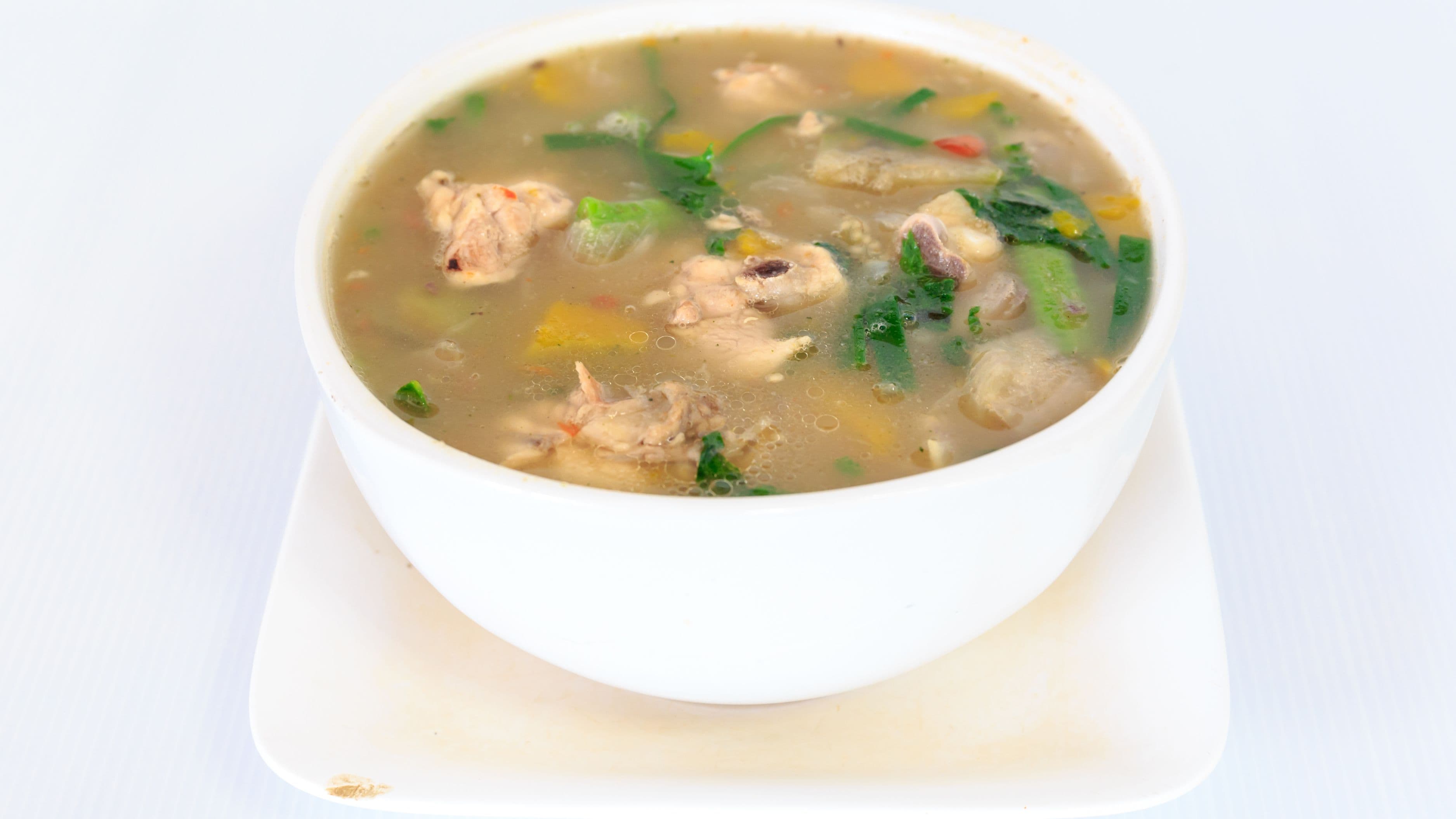
Americans treat breakfast like a productivity checkpoint, but travel anywhere else and you'll find radically different approaches. In Spain, breakfast might be coffee and a small pastry at 10 AM, with the main meal happening at 2 PM. Mediterranean cultures often emphasize social breakfast experiences—lingering over coffee, conversing with neighbors, starting the day with connection rather than calories. Asian breakfast traditions feature savory options like congee, miso soup, or dim sum, completely different from Western sweet breakfast paradigms. These cultural variations reveal that our breakfast anxiety is culturally constructed, not biologically mandated. Global streaming platforms have inadvertently exposed audiences to these different lifestyle patterns through international content, subtly challenging our assumptions about what mornings "should" look like. When you watch a French film where characters spend an hour at a café or a Korean drama where breakfast is elaborate and communal, you realize how arbitrary our rushed American breakfast culture actually is.
7. Social Media Sold Us Breakfast Aesthetics
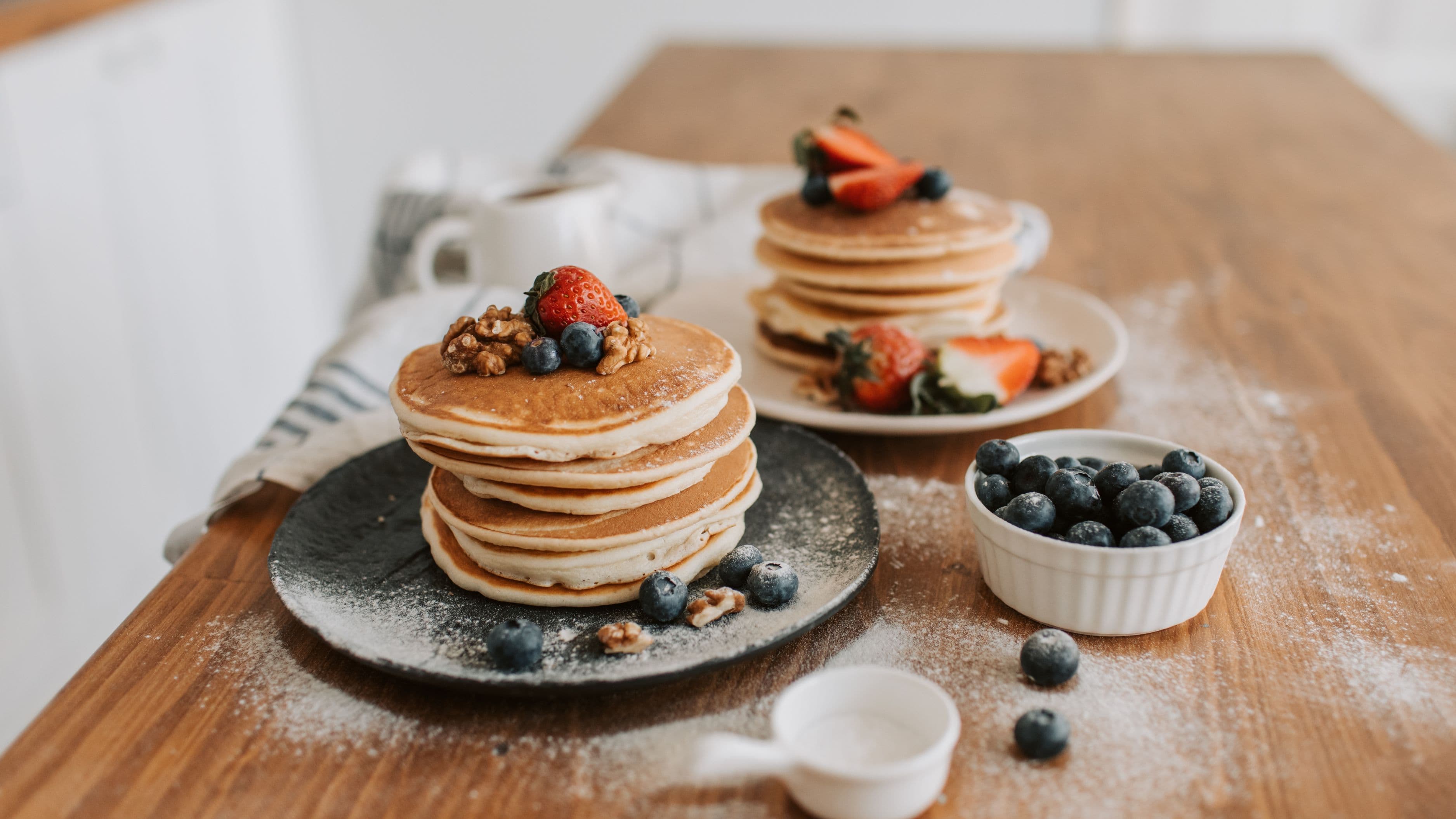
Instagram transformed breakfast from private sustenance into public performance. Suddenly it wasn't enough to just eat breakfast—you had to photograph it, style it, hashtag it. Avocado toast became a generational symbol, smoothie bowls required edible flower arrangements, and overnight oats demanded mason jar presentations. This aesthetic pressure added another layer of stress to an already rushed morning routine. We weren't just trying to eat breakfast; we were trying to eat beautiful breakfast worthy of documentation. The irony? Most influencers posting those perfectly styled breakfast spreads probably photograph them at 2 PM with professional lighting. TikTok has started exposing these illusions through "Instagram vs. Reality" content, revealing the gap between aspirational breakfast culture and actual morning chaos. Maybe acknowledging this gap helps us release the pressure to perform breakfast perfectly and simply focus on what nourishes us individually.
8. Breakfast Skipping Carries Class Implications
Not everyone rushing through breakfast is doing it by choice. For many people, especially those working multiple jobs or early shifts, breakfast gets skipped not for wellness reasons but due to economic and time constraints. The luxury of debating whether to practice intermittent fasting or enjoy a leisurely breakfast exists only for those with flexible schedules and adequate resources. School breakfast programs exist precisely because many children depend on them for their first meal, revealing how breakfast access intersects with inequality. Entertainment media has slowly started representing these realities more honestly—shows like Shameless or The Bear depict characters grabbing whatever's available while managing impossible schedules, rather than lingering over elaborate morning spreads. When we discuss whether breakfast is necessary, we need to acknowledge that for many people, the question isn't philosophical but practical: do they have time, money, and access to make breakfast happen at all?
9. Your Breakfast Schedule is About More Than Food
What time you eat breakfast often reflects larger lifestyle structures: your work schedule, whether you have kids, your commute length, your sleep patterns, and countless other factors. Someone working night shifts experiences "breakfast" at completely different times than a 9-to-5 office worker. Parents of young children might eat breakfast in three separate installments between preparing food for their kids, finding lost shoes, and managing morning meltdowns. The gig economy has fractured traditional meal timing entirely, with people eating first meals anywhere from 5 AM to 2 PM depending on their work that day. Streaming platforms and content creation operate 24/7, contributing to this temporal disruption—you can't work in entertainment or media without accepting that traditional schedules are obsolete. Perhaps instead of asking "when should I eat breakfast," we should ask "how can I create a morning routine that works with my actual life rather than against it?"
10. We're Rediscovering Breakfast Intention
Despite all this breakfast chaos and confusion, something interesting is happening: people are starting to reclaim breakfast as an intentional practice rather than an obligation. Some folks are waking up earlier specifically to have unhurried breakfast time, treating it as self-care rather than fuel-up. Others are proudly declaring themselves non-breakfast people and eating their first meal at noon without guilt. Still others are turning breakfast into creative experimentation, trying new recipes and flavor combinations just for the pleasure of it. This mirrors broader cultural shifts toward intentionality and authenticity that we see across social media and entertainment. The creators generating the most engagement aren't those following formulas—they're those honestly sharing what actually works for them. Maybe breakfast's evolution follows the same pattern: moving from prescriptive rules toward authentic personal choice, from obligation toward genuine desire, from rushed routine toward intentional ritual or conscious decision to skip it entirely.
Standing in my kitchen that Tuesday morning, granola bar crumbs decorating my shirt, I realized the problem wasn't breakfast itself—it was my relationship with mornings, with time, with the stories I'd absorbed about what productivity should look like. Breakfast doesn't need to be the most important meal of the day, but it also doesn't deserve to be reduced to a frantic afterthought eaten between emails. Whether you eat breakfast at 6 AM or noon, whether you prefer smoothies or scrambled eggs, whether you skip it entirely—what matters is making a conscious choice rather than unconsciously following inherited scripts. The entertainment industry is learning that audiences crave authenticity over perfection, and our breakfast habits might benefit from the same philosophy. Maybe the most important thing about breakfast isn't when you eat it or what you eat, but whether you're present for it—or present for the decision to skip it. That presence, not the meal itself, is what truly nourishes us.
📚 Sources
Leidy, H. J., & Campbell, W. W. (2011). The effect of eating frequency on appetite control and food intake: Brief synopsis of controlled feeding studies. American Journal of Clinical Nutrition, 85(4), 981-988.