1. Overcrowding the Pan
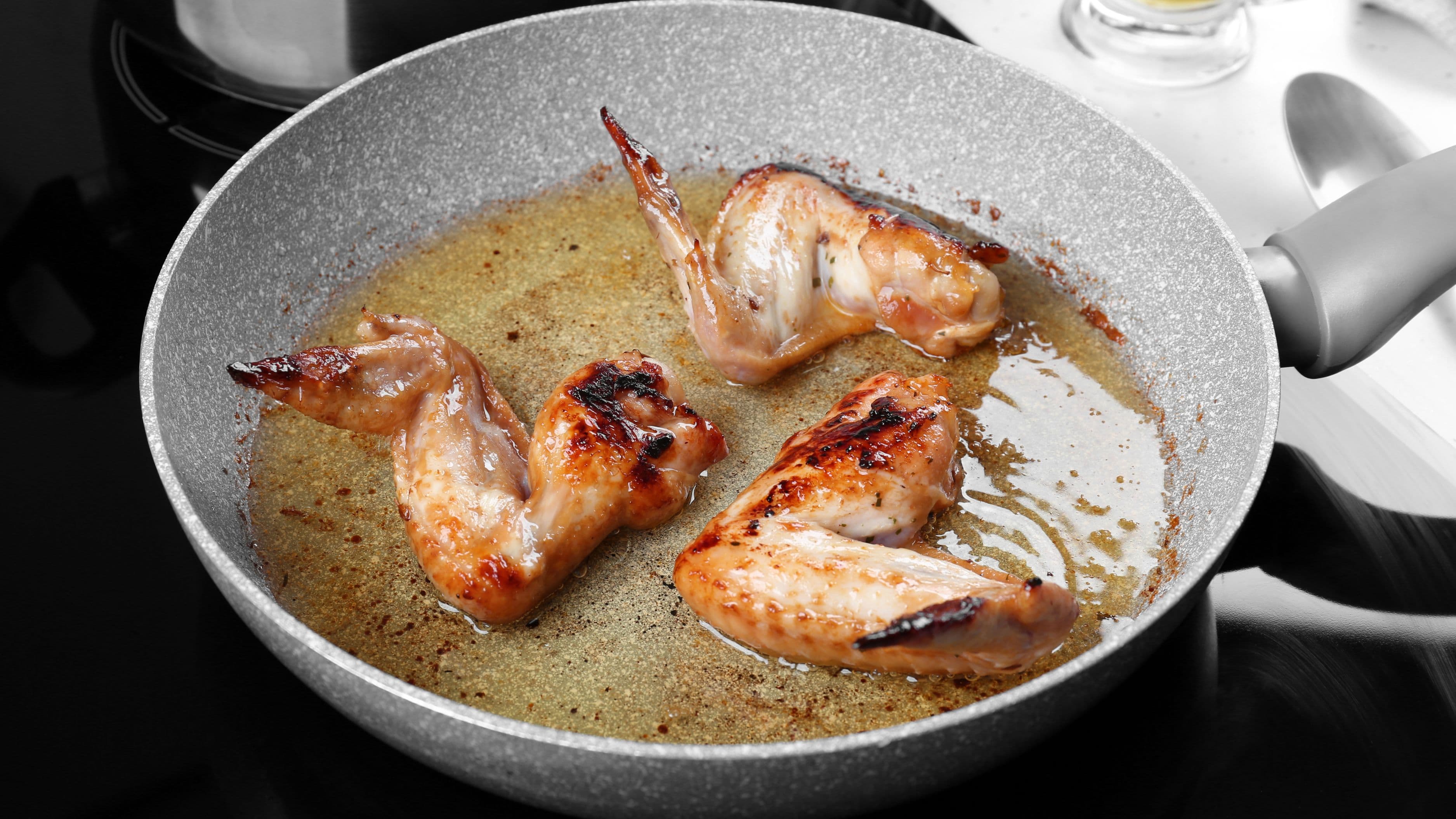
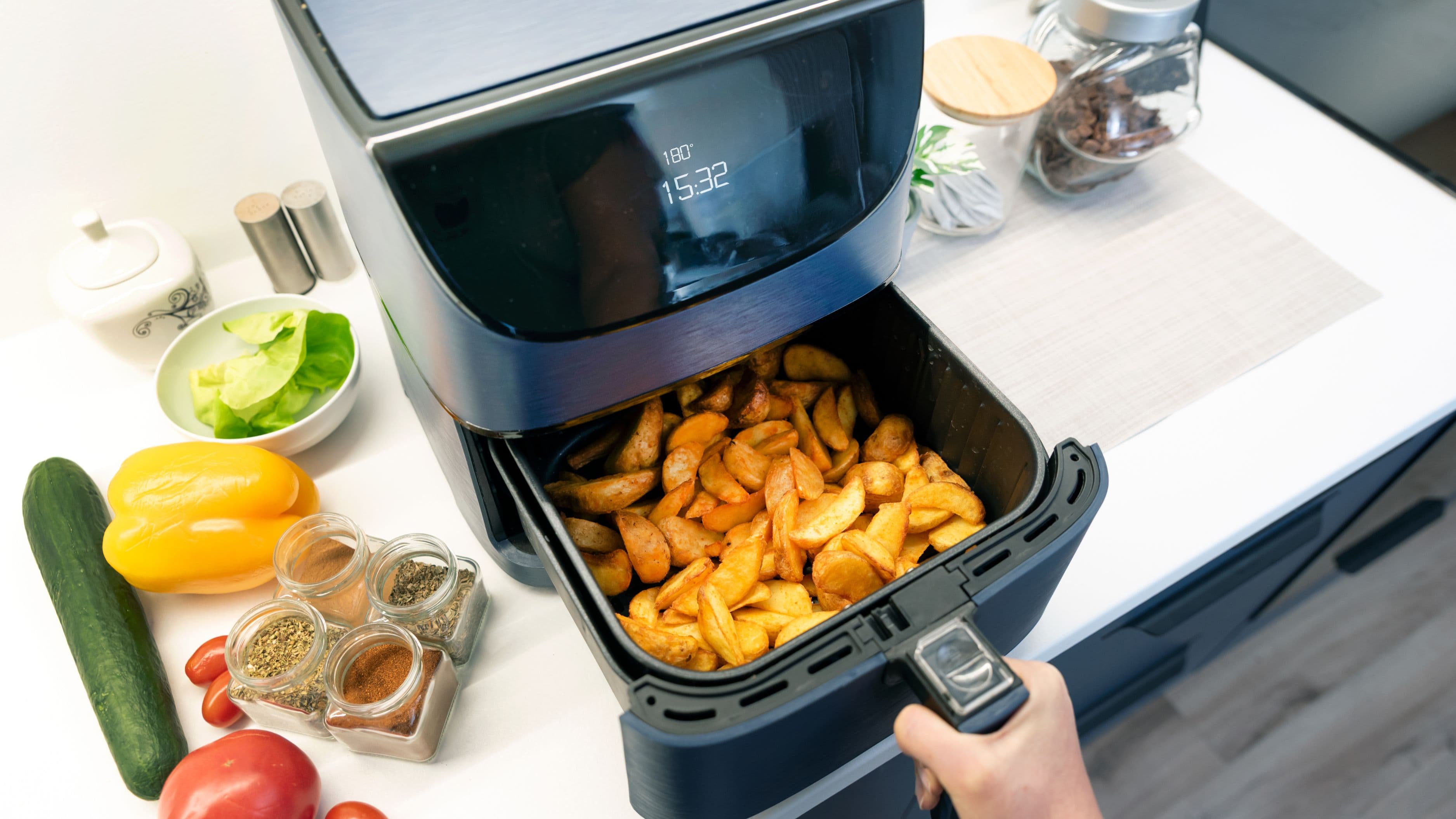
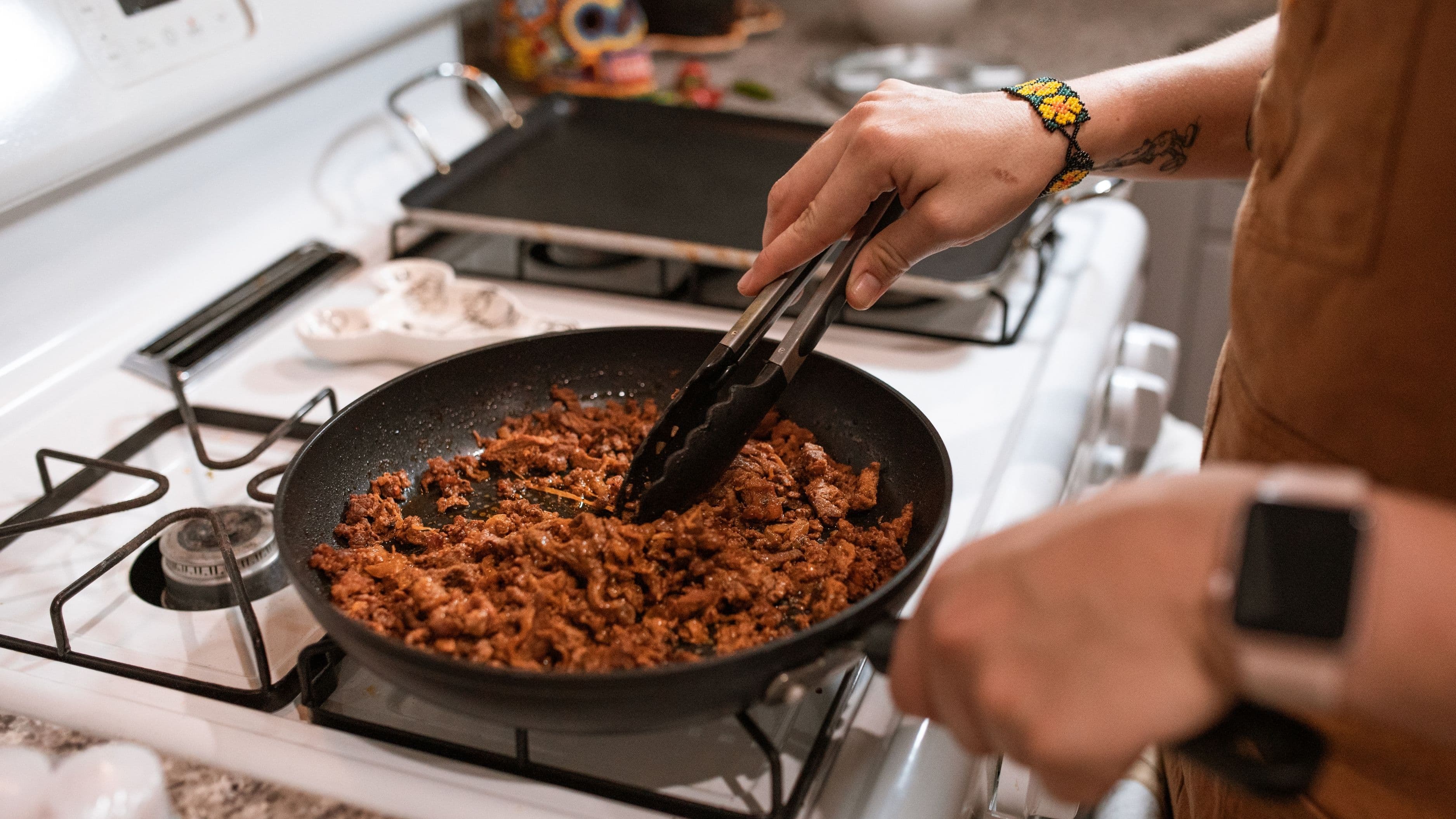
When you pile too much into a pan, food steams instead of browns. Leave space between pieces so hot air can circulate and moisture can escape. You'll get gorgeous caramelization instead of sad, gray protein.
2. Not Preheating Properly
Throwing food into a cold pan or oven produces uneven cooking and poor texture. Wait until your pan is properly hot (water should sizzle and evaporate immediately) before adding ingredients. Your patience will be rewarded with better sears and crispier vegetables.
3. Using Dull Knives
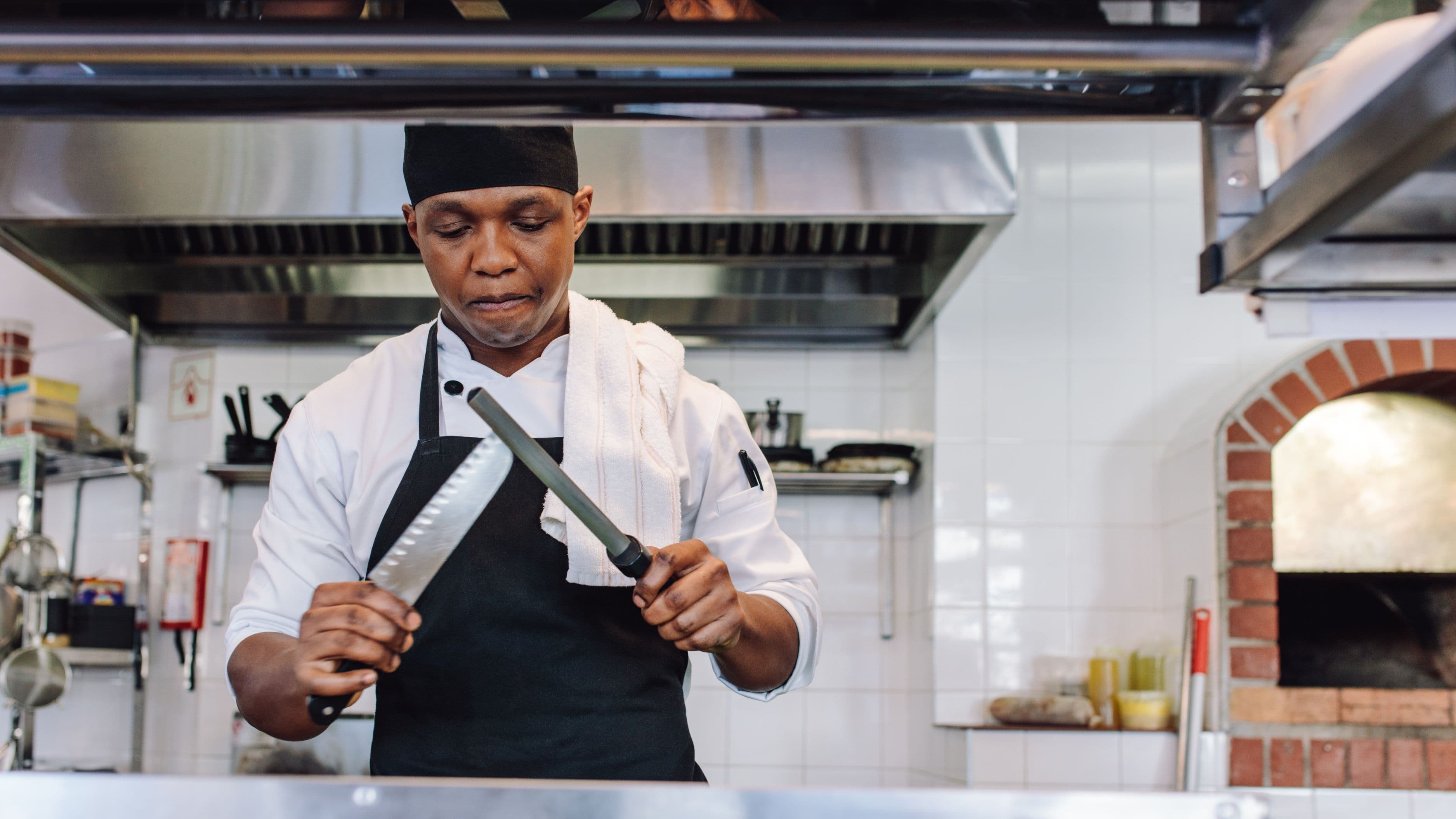
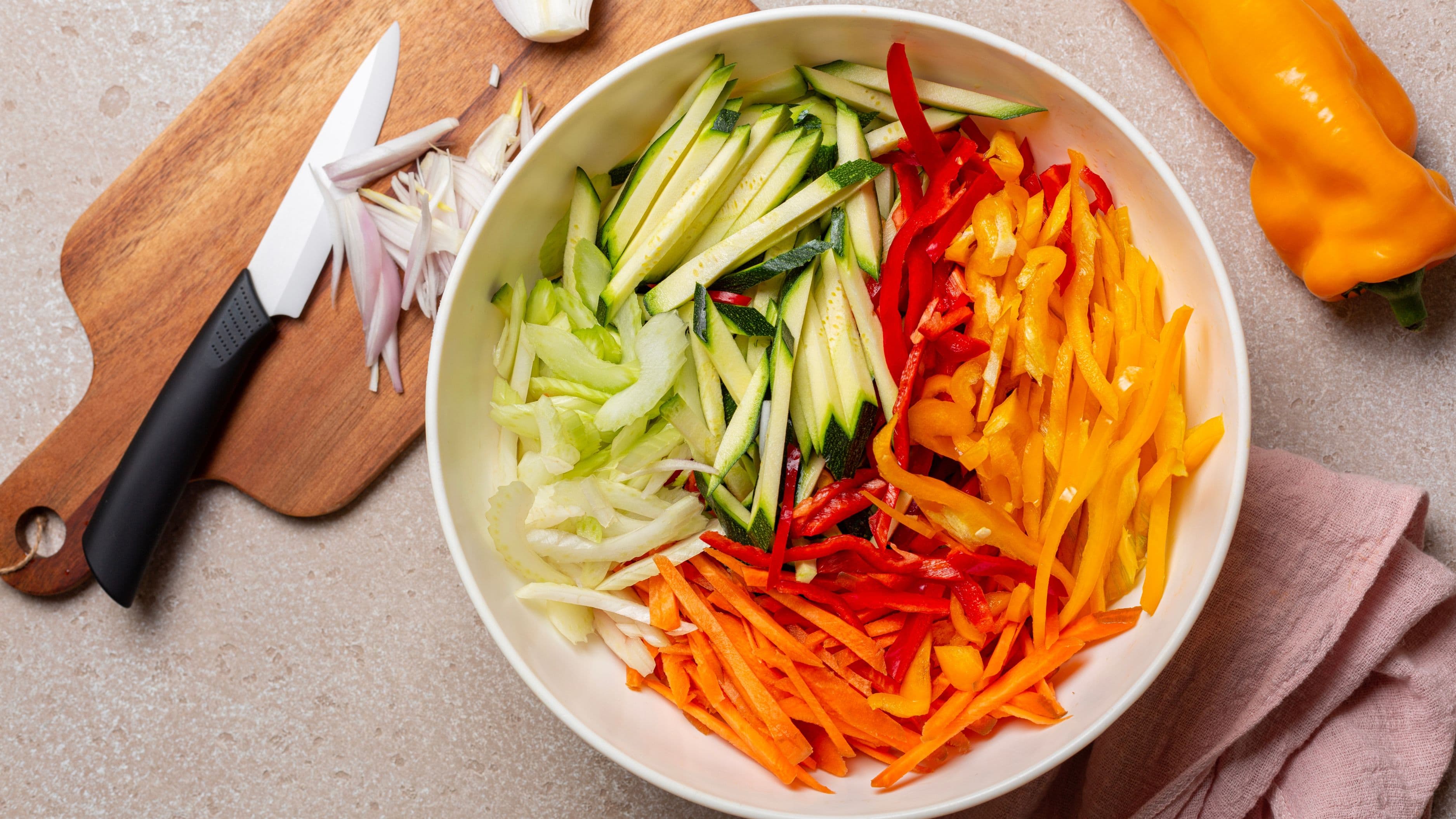
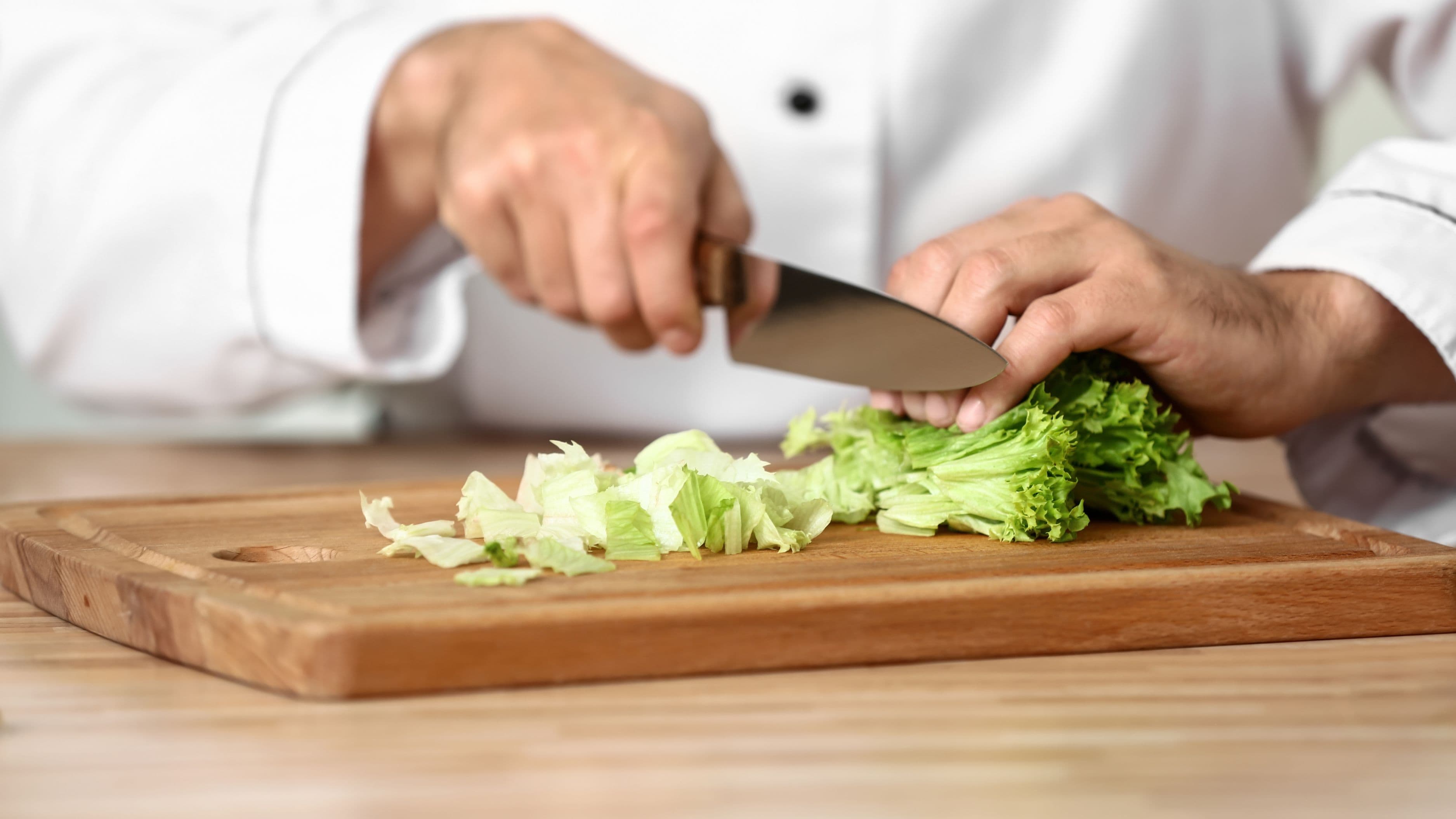
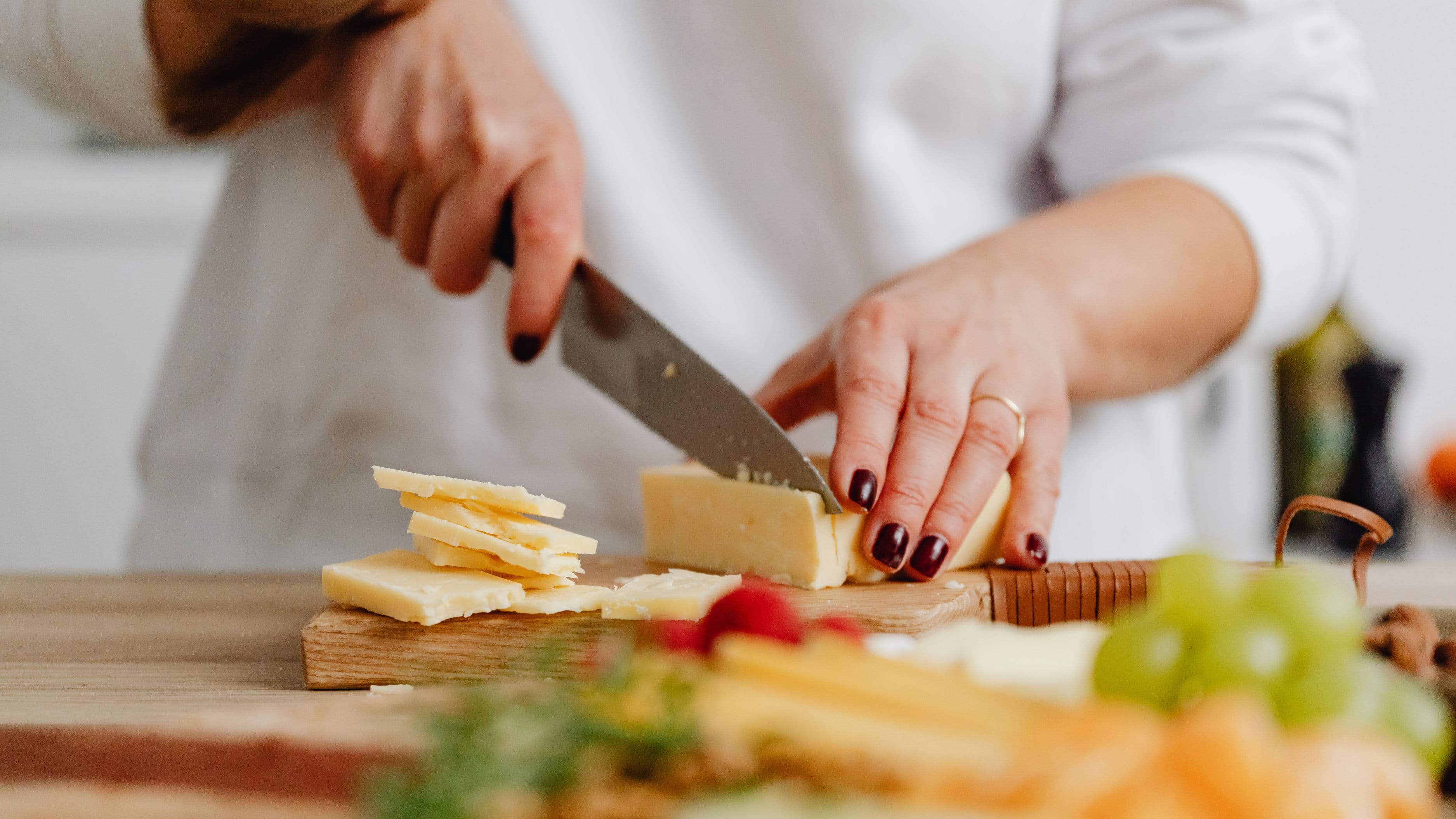
Dull blades slip and require more pressure, making them actually more dangerous than sharp ones. A properly sharpened knife glides through food with minimal effort, giving you clean cuts and safer prep work. Sharpen every few months or use a honing steel before each cooking session.
4. Not Reading the Entire Recipe First
Starting to cook before understanding all the steps leads to frantic scrambling and missed timing. Read through completely, gather ingredients, and understand the workflow before you turn on any heat. This "mise en place" approach eliminates kitchen chaos.
5. Overcooking Protein
Meat continues cooking after you remove it from heat, a process called carryover cooking. Pull chicken at 160°F (it'll reach 165°F while resting), steak 5 degrees below your target, and fish when it's slightly translucent in the center. Resting also allows juices to redistribute instead of running all over your cutting board.
6. Adding Garlic Too Early
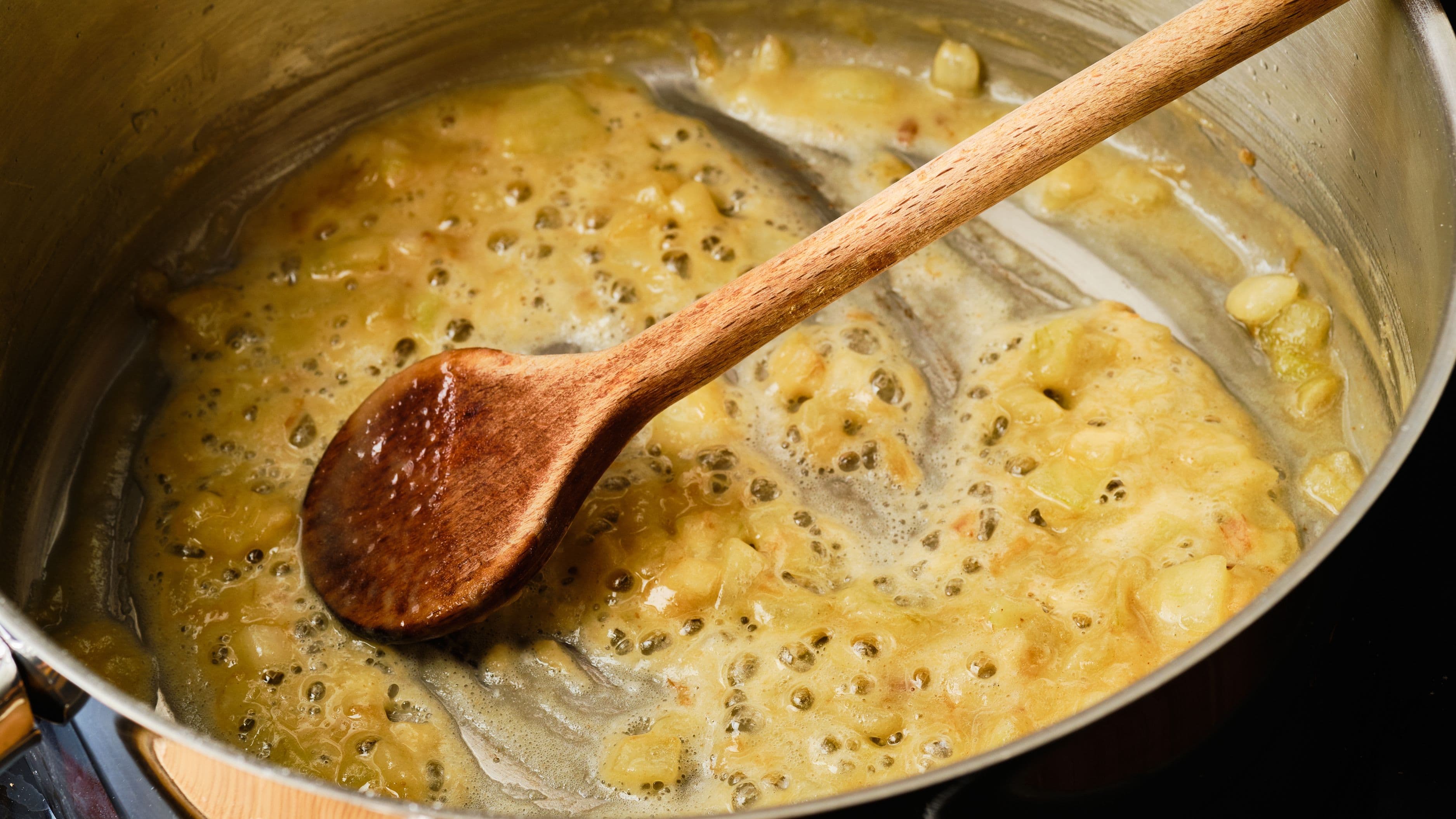
Garlic burns quickly and turns bitter when exposed to high heat for too long. Add it in the last 30-60 seconds of sautéing aromatics so it releases fragrance without scorching. This small timing adjustment prevents that acrid, burnt taste that ruins otherwise perfect dishes.
7. Not Salting Pasta Water Enough
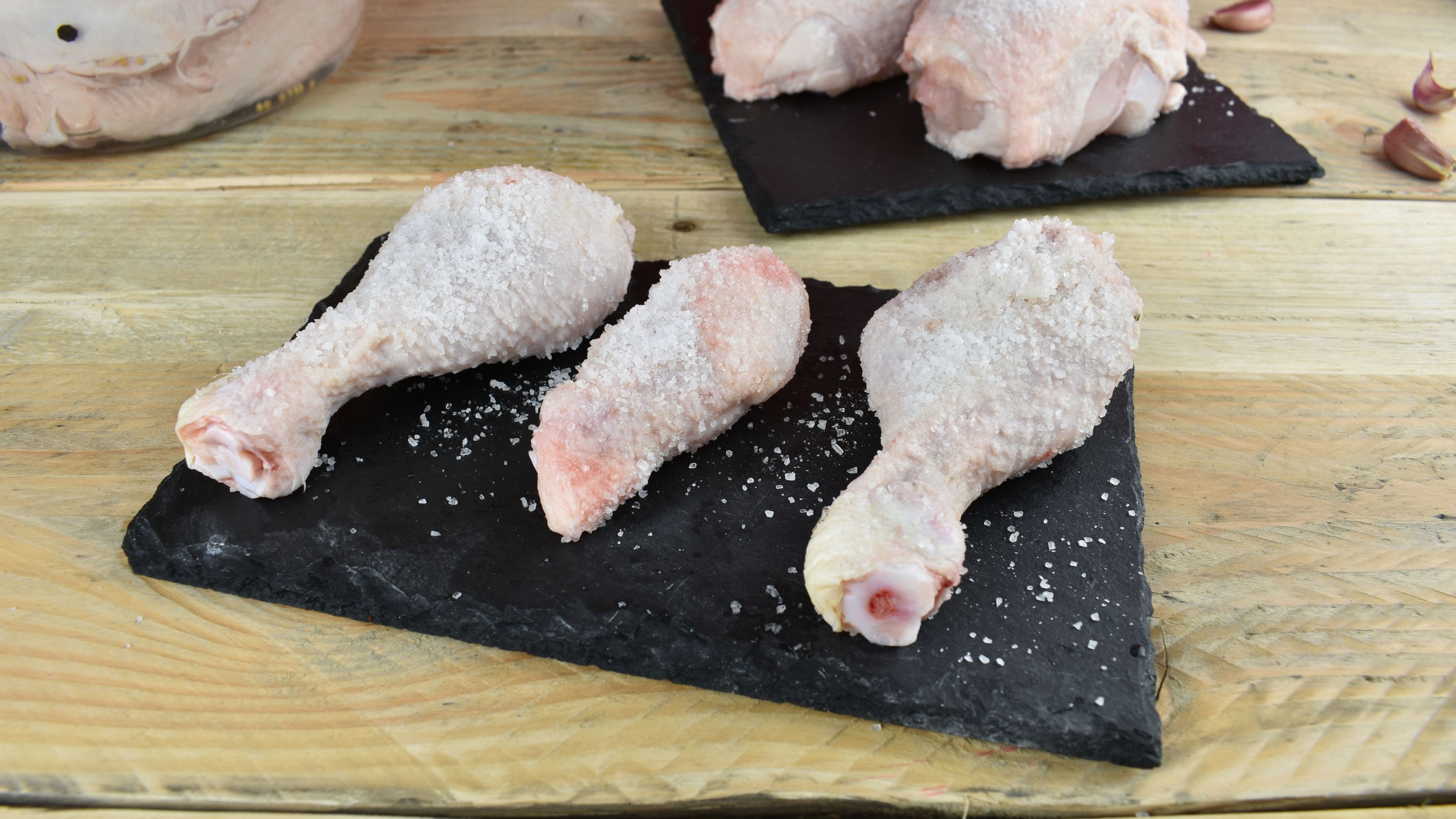
Your pasta water should taste like the ocean—that's not an exaggeration. Undersalted water means bland pasta that no amount of sauce can fix because seasoning needs to penetrate the pasta itself. Use about 1-2 tablespoons of salt per pound of pasta in well-salted water.
8. Flipping Food Too Often
Constantly flipping or stirring prevents proper browning and breaks down delicate ingredients. Let food sit undisturbed to develop that flavorful crust, only flipping once or twice. Resist the urge to poke, prod, and flip—trust the process and you'll see better results.
9. Using the Wrong Oil for High Heat
Extra virgin olive oil has a low smoke point and breaks down at high temperatures, turning bitter and losing health benefits. Use avocado oil, refined coconut oil, or grapeseed oil for high-heat cooking, and save your fancy olive oil for finishing dishes or dressings. Match your oil to your cooking method.
10. Not Tasting as You Go
Seasoning only at the end means you're guessing instead of adjusting based on reality. Taste multiple times throughout cooking and adjust salt, acid, sweetness, and heat as needed. Your palate is your most important tool—use it constantly to guide your decisions.
11. Cooking Everything on High Heat
High heat has its place, but medium and medium-high are actually where most cooking should happen. Blasting everything on maximum leads to burned exteriors and raw interiors. Learn to modulate your heat based on what you're cooking—scrambled eggs need low and slow, while stir-fries demand high heat.
12. Not Letting Meat Rest
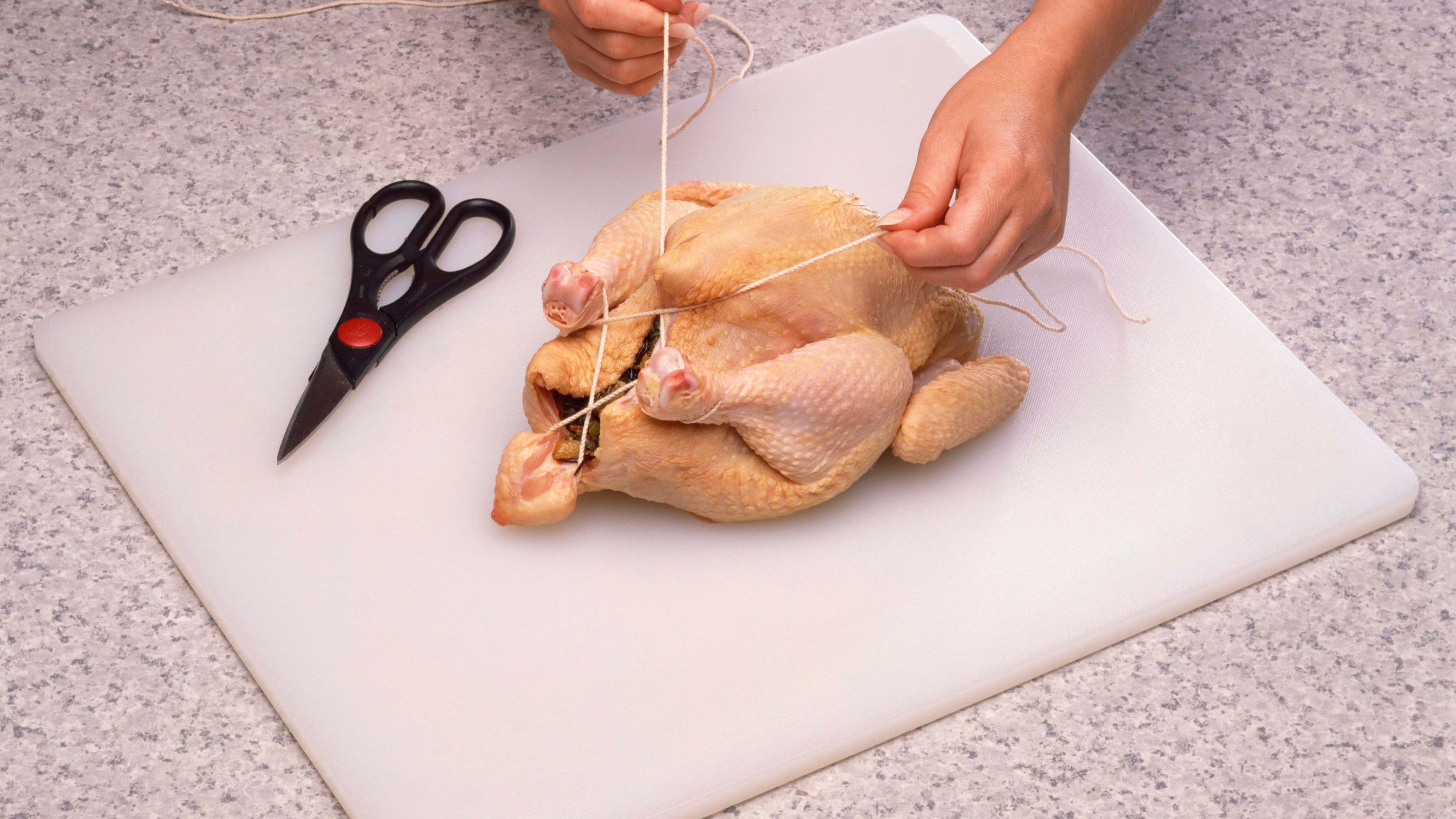
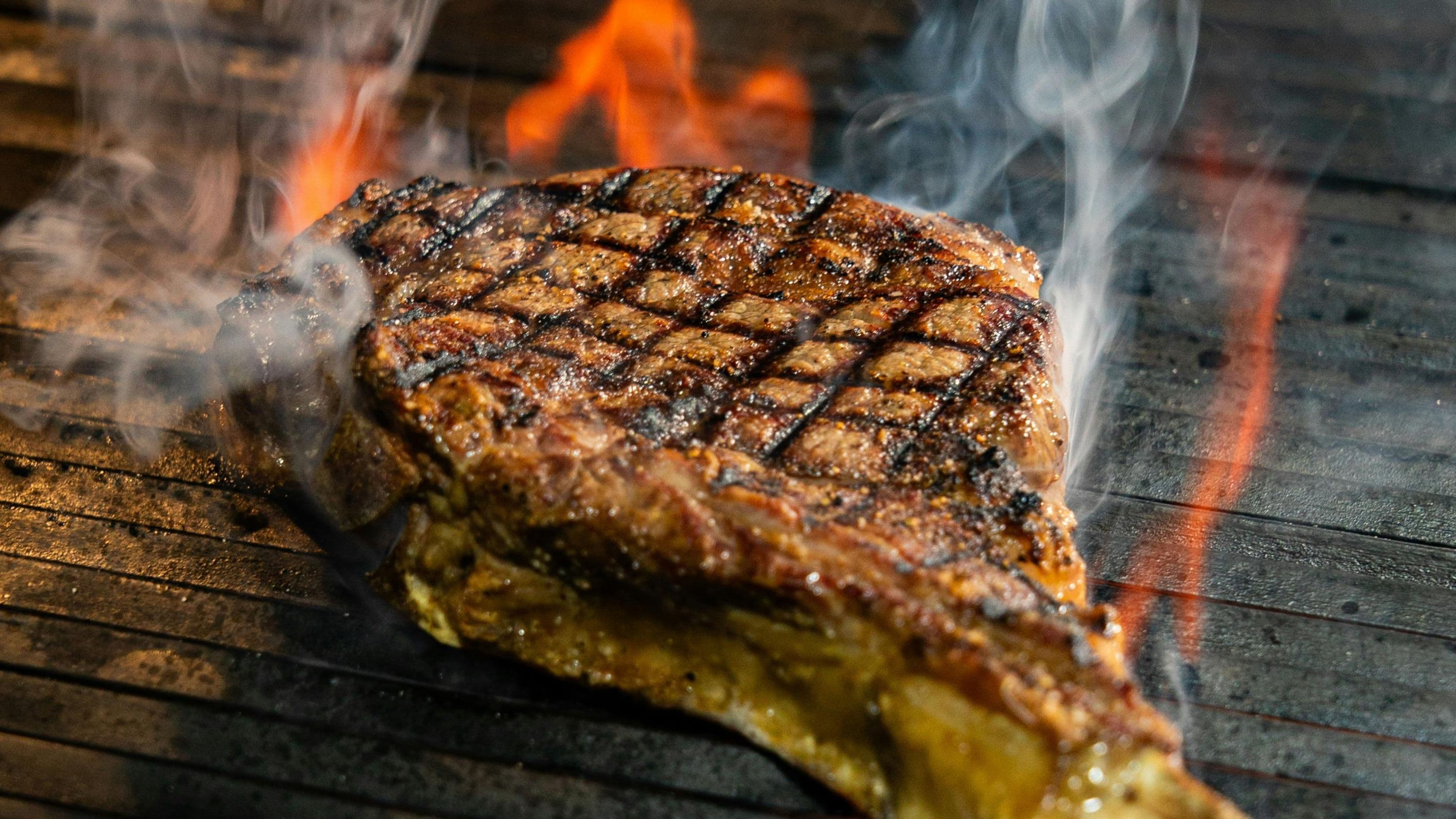
Cutting into meat immediately after cooking releases all those precious juices onto your cutting board instead of keeping them inside. Rest steaks for 5-10 minutes, whole chickens for 15-20 minutes, covered loosely with foil. The wait makes every bite juicier and more flavorful.
13. Using Wet Ingredients on Hot Oil
Water and hot oil are enemies—adding wet vegetables or protein to a hot pan causes dangerous splattering and prevents browning. Pat everything dry with paper towels before it hits the pan. This simple step protects you from burns and ensures proper caramelization.
14. Overworking Ground Meat
Handling ground meat too much makes it dense and tough instead of tender and juicy. Mix seasonings gently and shape burgers or meatballs with a light touch. The less you compact the meat, the more tender your final result will be.
15. Not Using Acid to Balance Flavors
When food tastes flat or one-dimensional, it usually needs acid, not more salt. A squeeze of lemon juice, splash of vinegar, or spoonful of tomato paste brightens flavors and adds complexity. Keep citrus and vinegar within reach to rescue bland dishes.
16. Baking Without Measuring Properly
Baking is chemistry, not art—eyeballing flour or sugar throws off ratios and ruins results. Use a kitchen scale for accuracy, or at minimum, spoon flour into measuring cups and level off instead of scooping directly. Precision in baking isn't optional.
17. Opening the Oven Door Constantly
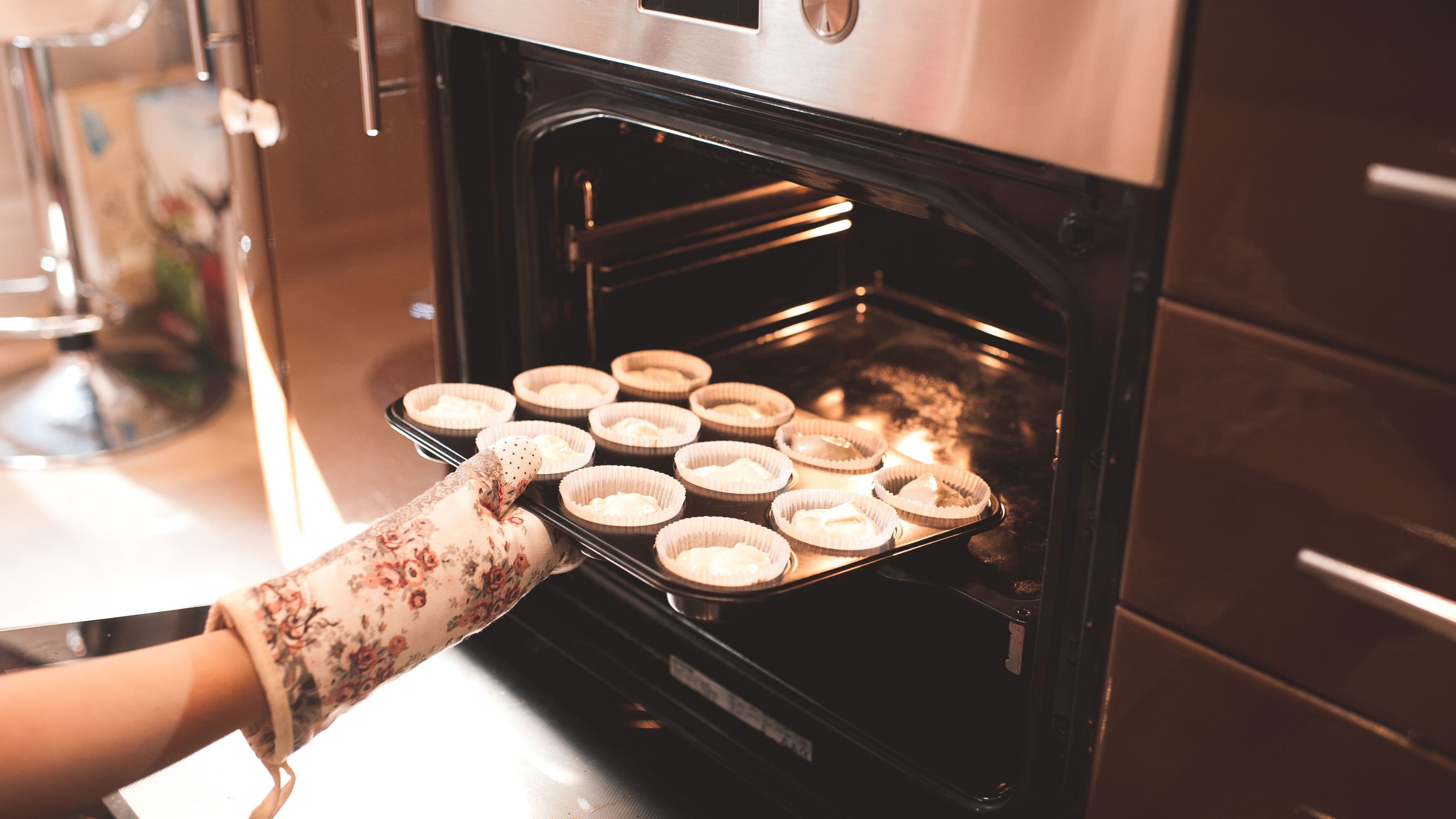
Every time you open the oven, the temperature drops by 25-50 degrees, extending cooking time and affecting texture. Use your oven light and window to check progress instead of repeatedly opening the door. Trust your timer and only open when absolutely necessary.
18. Not Letting Dough or Batter Rest
Gluten needs time to relax after mixing, and flavors need time to develop. Let pancake batter sit for 10 minutes, bread dough for the time specified, and pasta dough for at least 30 minutes. This patience produces better texture and flavor every time.
19. Using Expired Baking Powder or Soda
Leavening agents lose potency after 6-12 months, leading to flat, dense baked goods. Test baking powder by adding a spoonful to hot water (it should fizz vigorously) or baking soda to vinegar. Replace these inexpensive ingredients regularly to ensure your baking rises properly.
20. Not Adjusting for Altitude or Humidity
Cooking at high altitude or in very humid conditions affects everything from boiling points to rising times. Water boils at lower temperatures at altitude, requiring longer cooking times, while humidity affects how flour absorbs liquid. Research adjustments for your specific location and conditions.
21. Cooking Cold Protein Straight from the Fridge
Cold meat doesn't cook evenly—the outside overcooks while the inside stays raw. Let meat sit at room temperature for 20-30 minutes before cooking for more even results. This simple step dramatically improves texture and doneness.
22. Not Deglazing the Pan
Those browned bits stuck to your pan after searing aren't mess—they're concentrated flavor called fond. Pour in wine, broth, or water and scrape with a wooden spoon to create an instant sauce. Never waste this flavor goldmine by just washing it down the drain.
23. Using Too Much Liquid in Stir-Fries
Adding sauce too early or using too much creates steam instead of that crispy, restaurant-quality result. Keep your wok or pan screaming hot, use minimal oil, and add sauce only at the very end. Quick cooking at high heat is the secret to proper stir-fry texture.
24. Not Adjusting Seasoning for Serving Temperature
Hot food tastes more intense than cold food because heat enhances our perception of flavors. Season cold dishes like potato salad or gazpacho more aggressively than you think necessary—they'll taste perfect when chilled. Conversely, hot soups served cold need a flavor boost.
25. Ignoring Your Instincts
Recipe times are guidelines, not gospel—your oven, altitude, ingredient sizes, and pan all affect cooking. If something looks done before the timer goes off, trust your eyes and nose over the recipe. Developing this intuition is what transforms recipe-followers into confident cooks.
Pick one mistake from this list that you know you're making and commit to fixing it today. Maybe you'll start salting your pasta water properly, or finally let that steak rest before slicing. Small adjustments compound into significantly better cooking over time. Momentum starts small—choose one thing and watch how it improves everything else you make. Your kitchen confidence is just one corrected mistake away from leveling up.