1. Ingredients Tell Immigration Stories
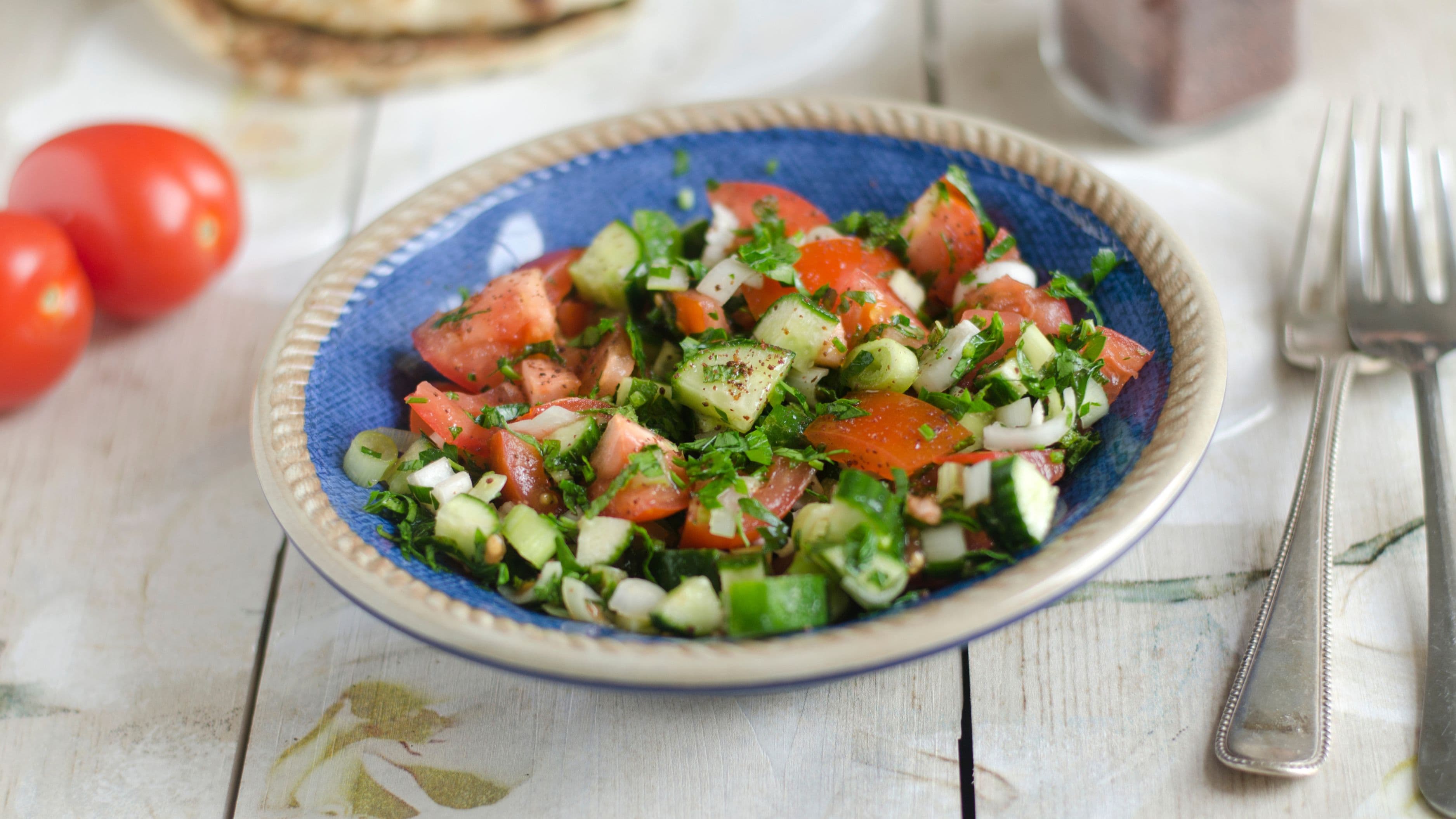
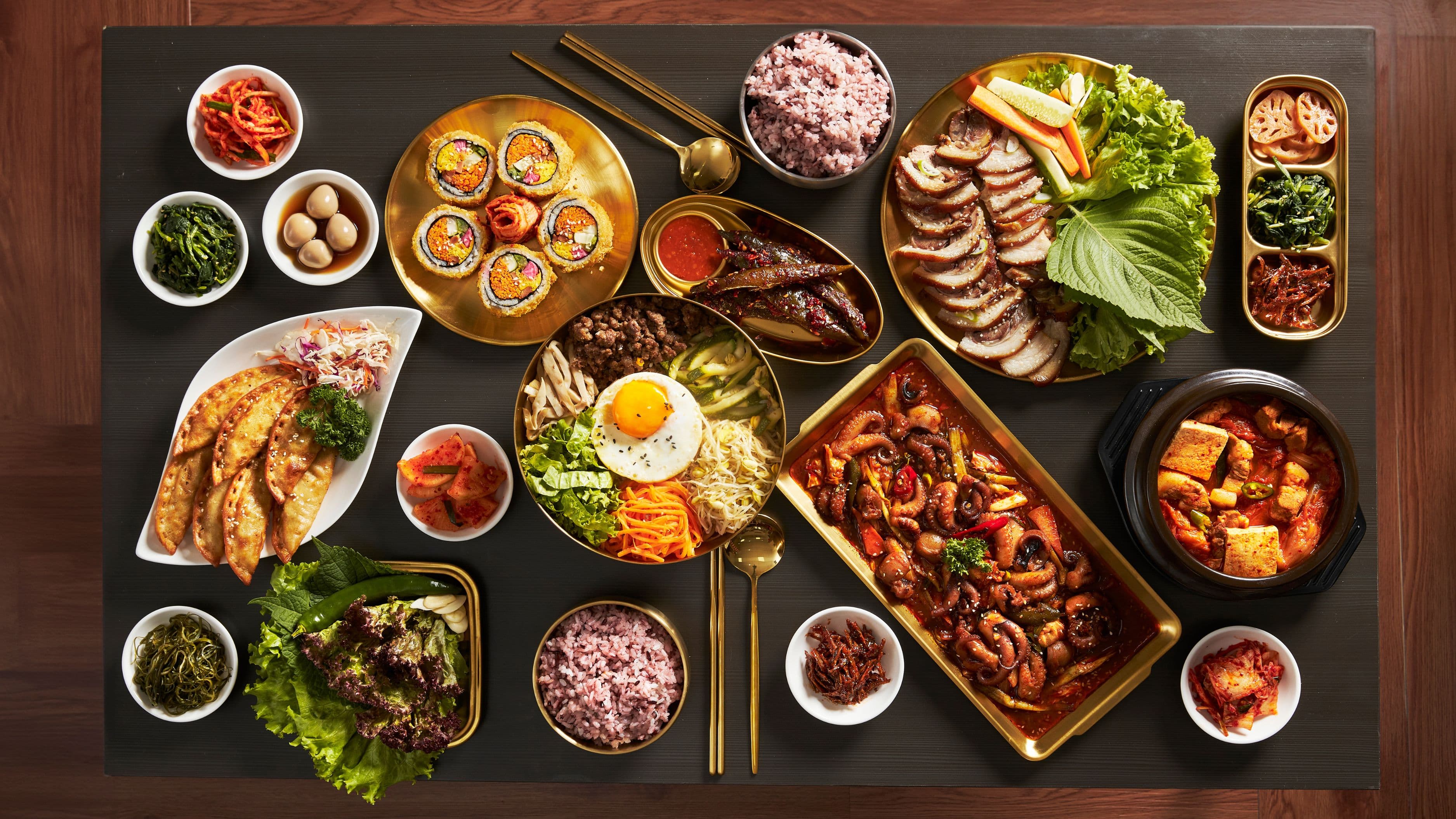
Every ethnic grocery store in your city maps migration patterns and diaspora communities. The Korean supermarket near me exists because of the 1965 Immigration Act; the shelves of gochugaru and doenjang represent decades of cultural persistence. When I searched for Persian ingredients for my Iranian month, I discovered a whole neighborhood I'd never noticed, filled with shops selling dried limes, barberries, and rose water—ingredients that connect people to home across thousands of miles.
2. Spice Blends Are Cultural Philosophies
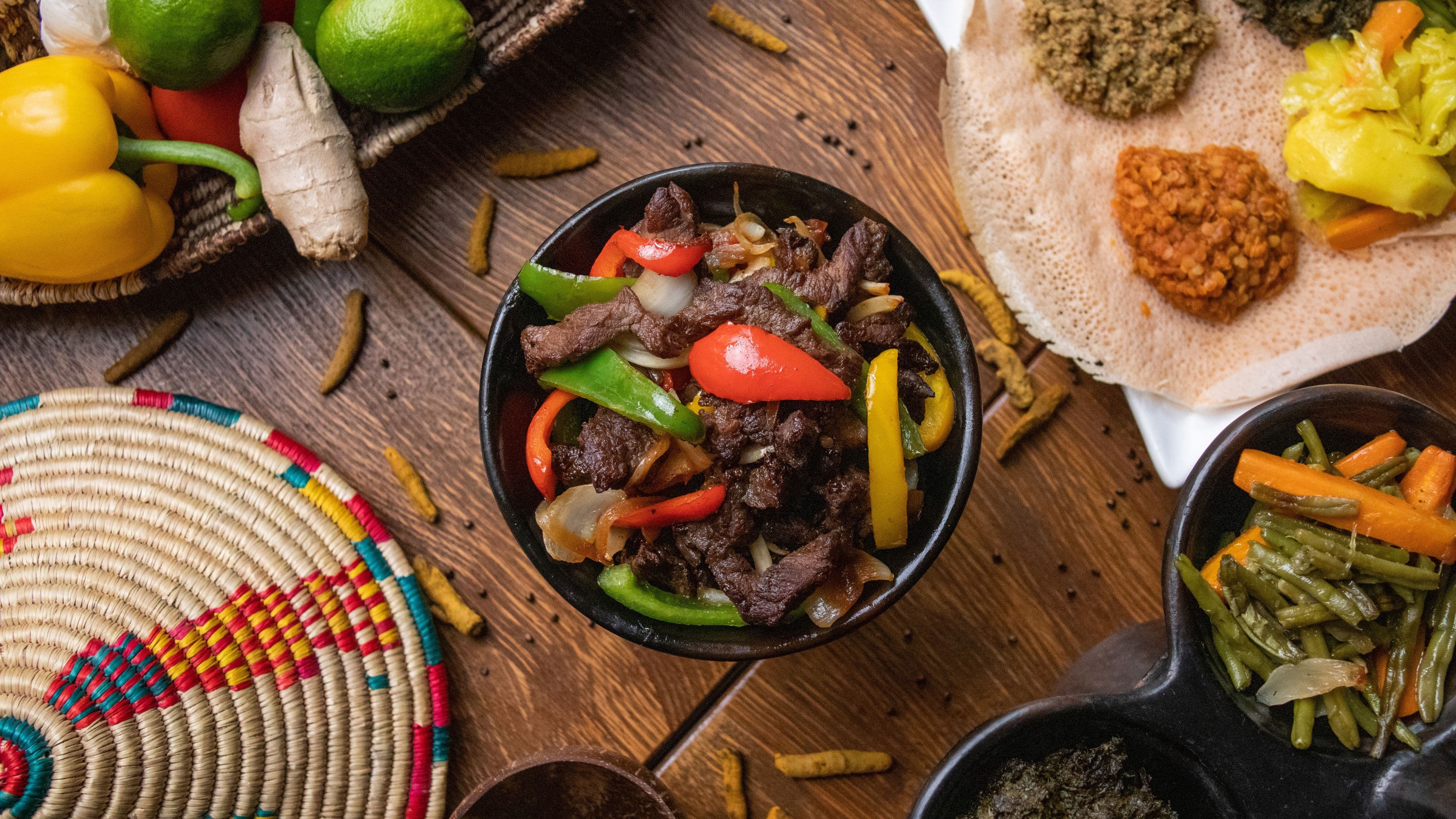
Ras el hanout, garam masala, berbere—these aren't just flavor combinations; they're regional worldviews in edible form. Each blend reflects what grows locally, what tastes developed over centuries, and what a culture values in balance and complexity. Making Ethiopian berbere from scratch taught me that some cultures embrace fiery complexity while others prefer subtle layering, and neither approach is superior—just different expressions of culinary wisdom.
3. Cooking Methods Reveal Resource Reality
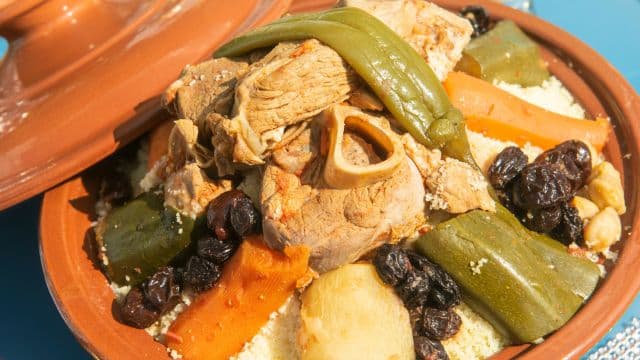
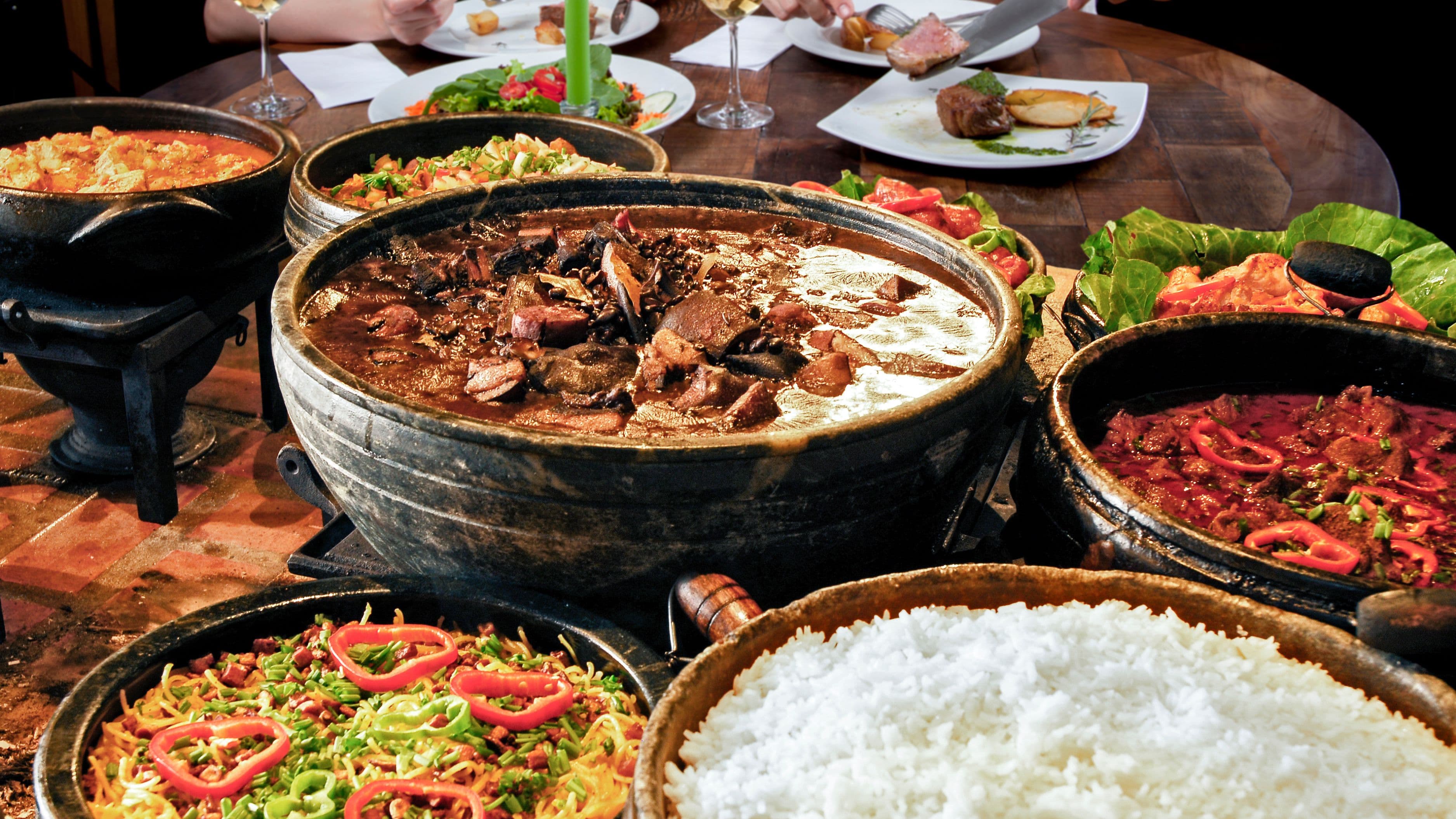
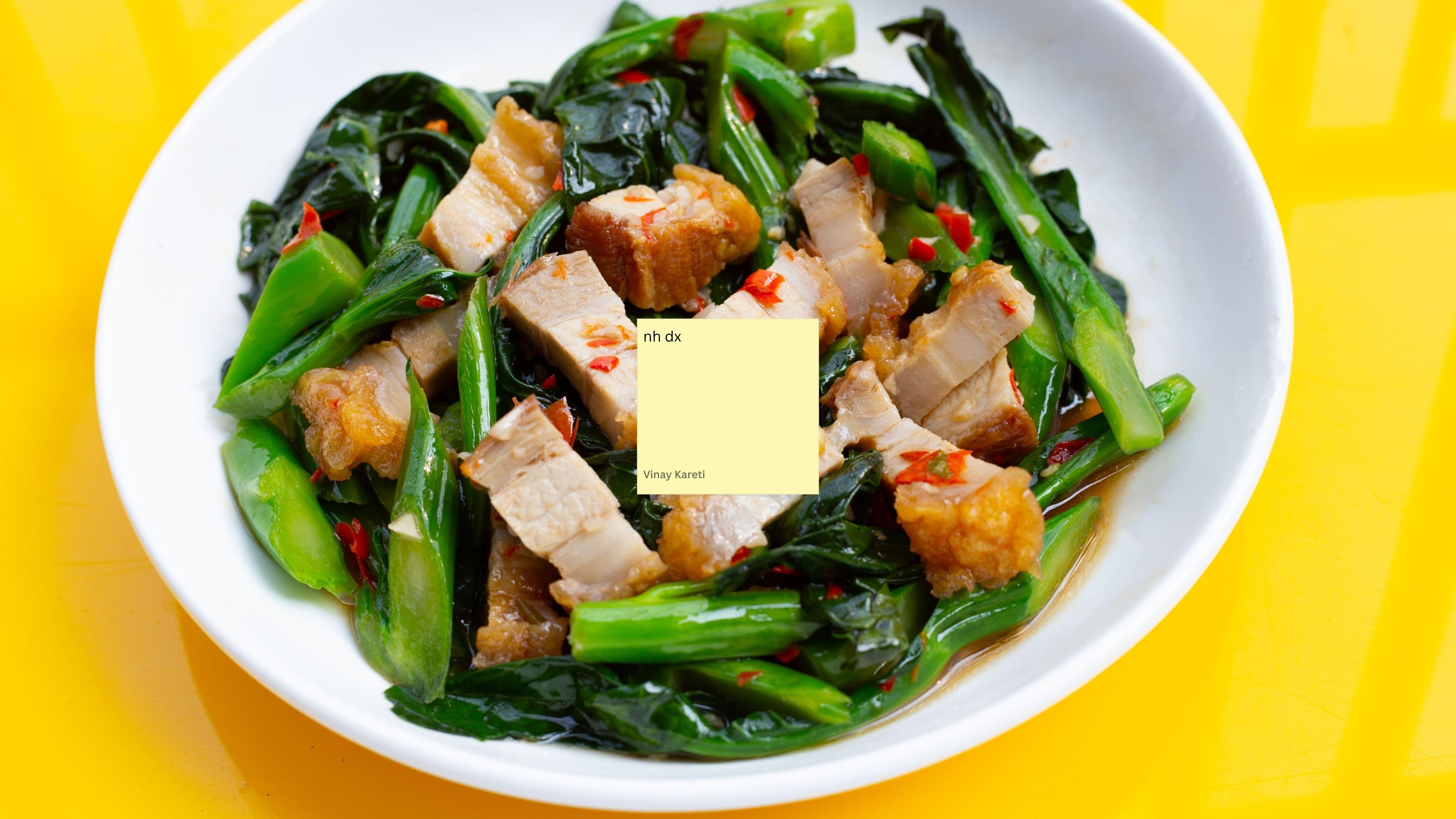
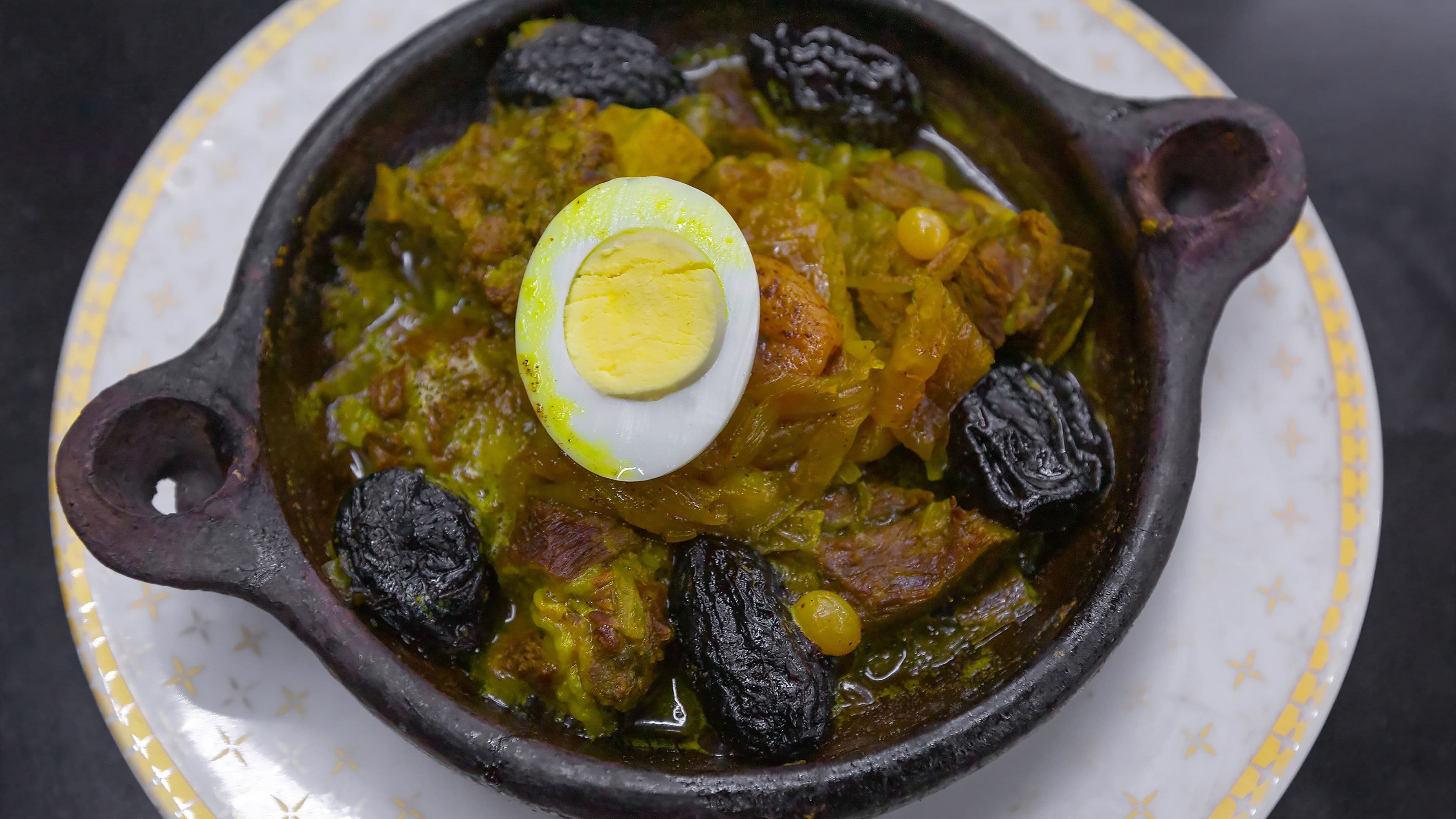
Tagines exist because Moroccan cooks needed to conserve water in arid climates. Stir-frying developed from fuel scarcity in China, requiring high heat and quick cooking. When I made Brazilian moqueca, the clay pot wasn't just traditional—it was the technology available to indigenous and African communities who created the dish. Every cooking technique tells you something about the environment and constraints that shaped a cuisine.
4. "Authentic" Is More Complicated Than TikTok Suggests
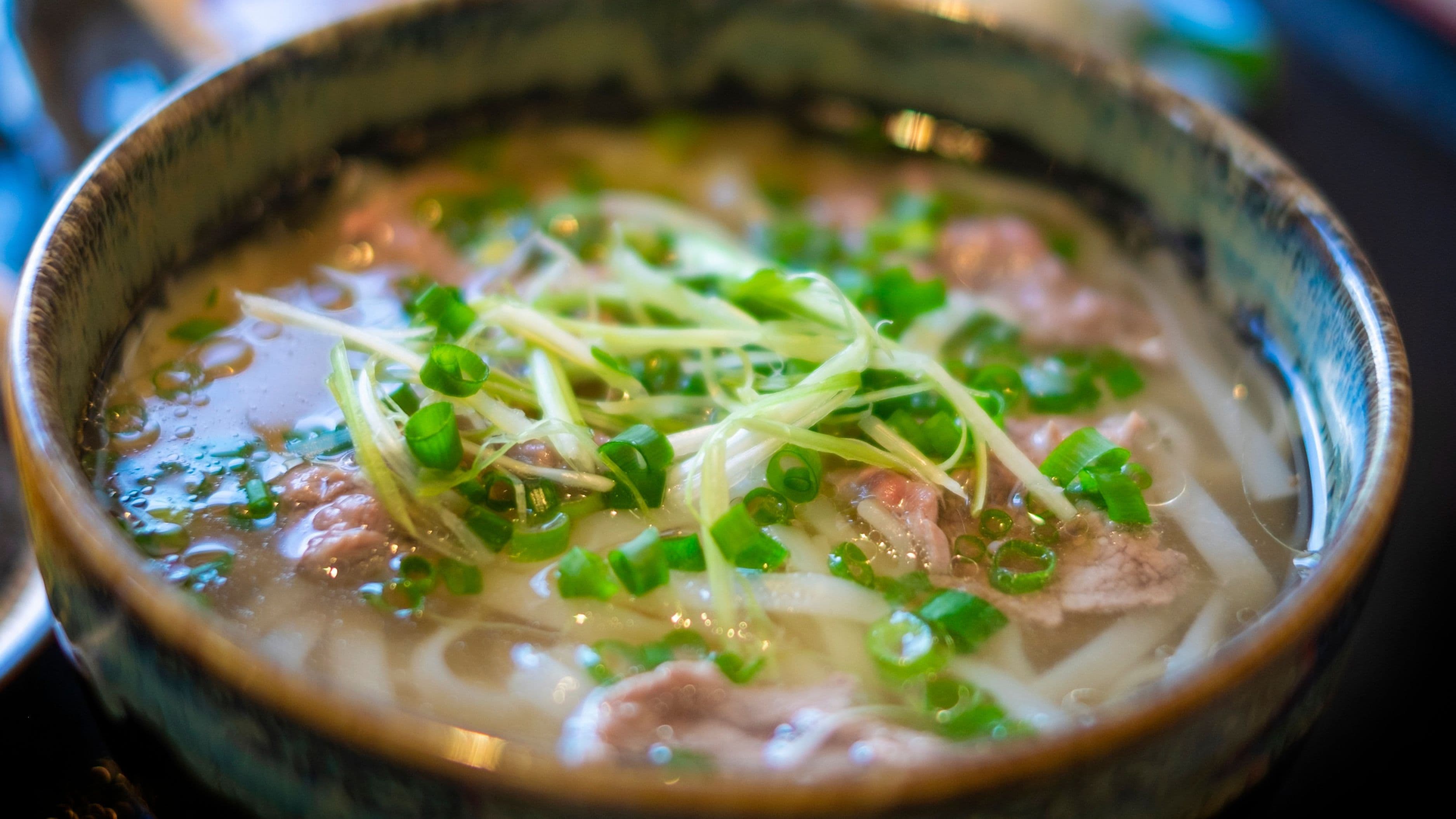
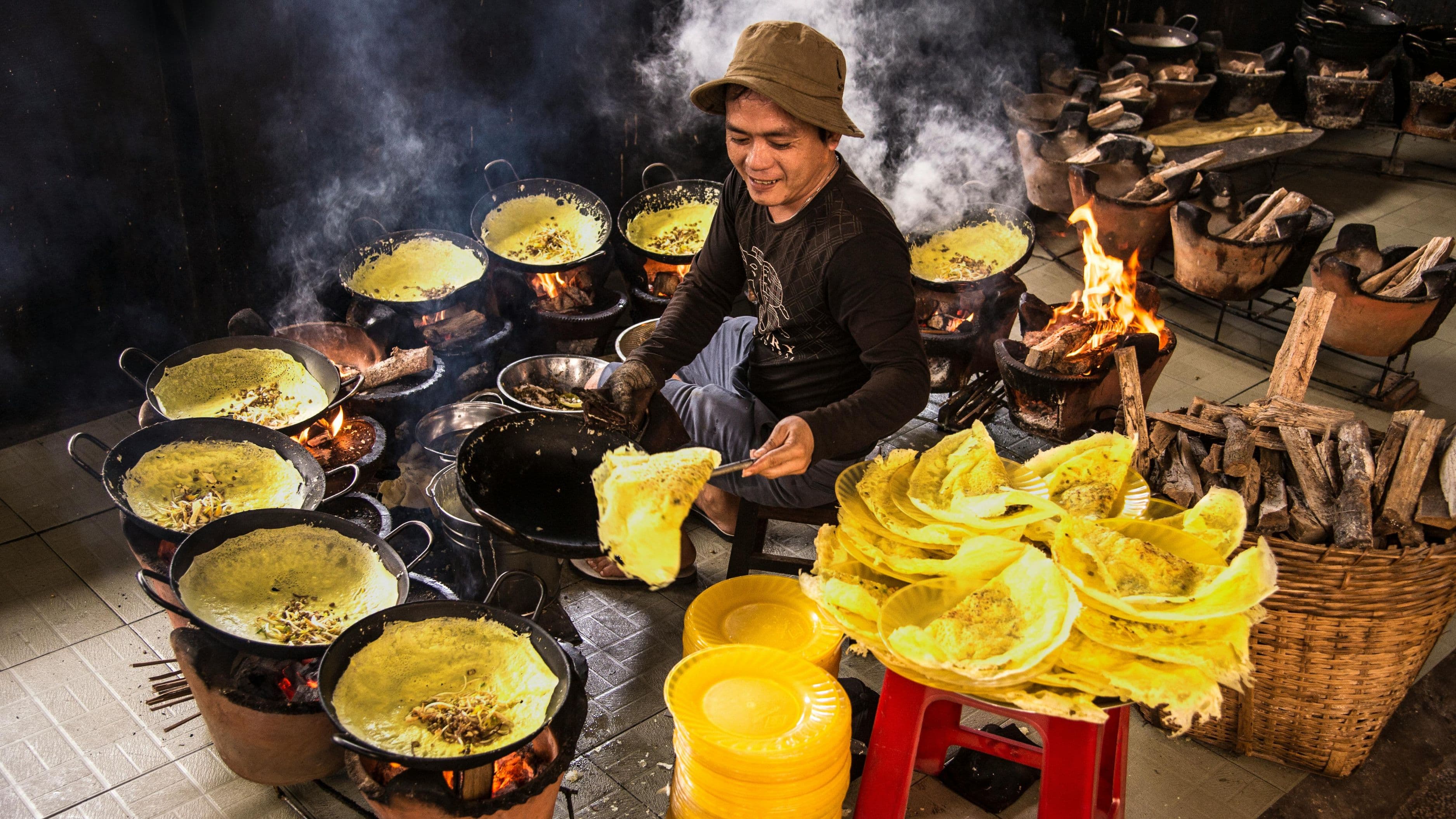
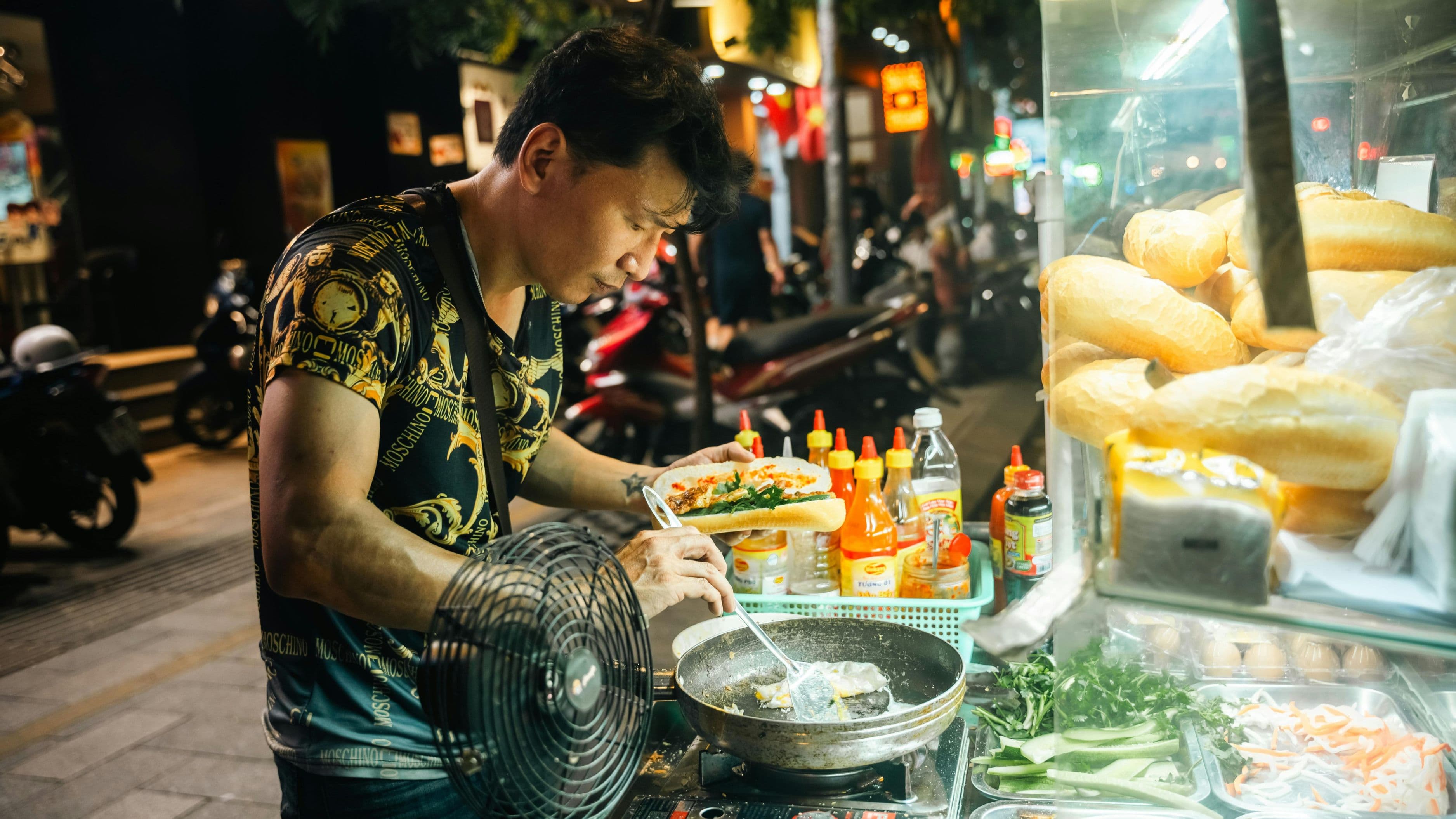
My Vietnamese month shattered my assumptions about pho. I discovered that Southern and Northern Vietnamese versions differ significantly, that the dish itself is relatively modern, and that what Americans call "authentic" is often one specific regional interpretation. Authenticity isn't a fixed target—it's a moving conversation between tradition, adaptation, and personal memory. The "real" version is whichever one connects someone to their heritage or community.
5. Meal Structure Reflects Social Values
Japanese meals emphasize variety and small portions across multiple dishes, reflecting values of balance and seasonality. Ethiopian food served on communal injera promotes sharing and connection—you literally eat from the same plate. When I cooked Italian, I learned that pasta is a first course, not the main event, because Italian dining culture prioritizes leisurely, multi-course experiences. How we structure meals reveals what we value: speed, community, abundance, or ritual.
6. Fermentation Connects Every Culture
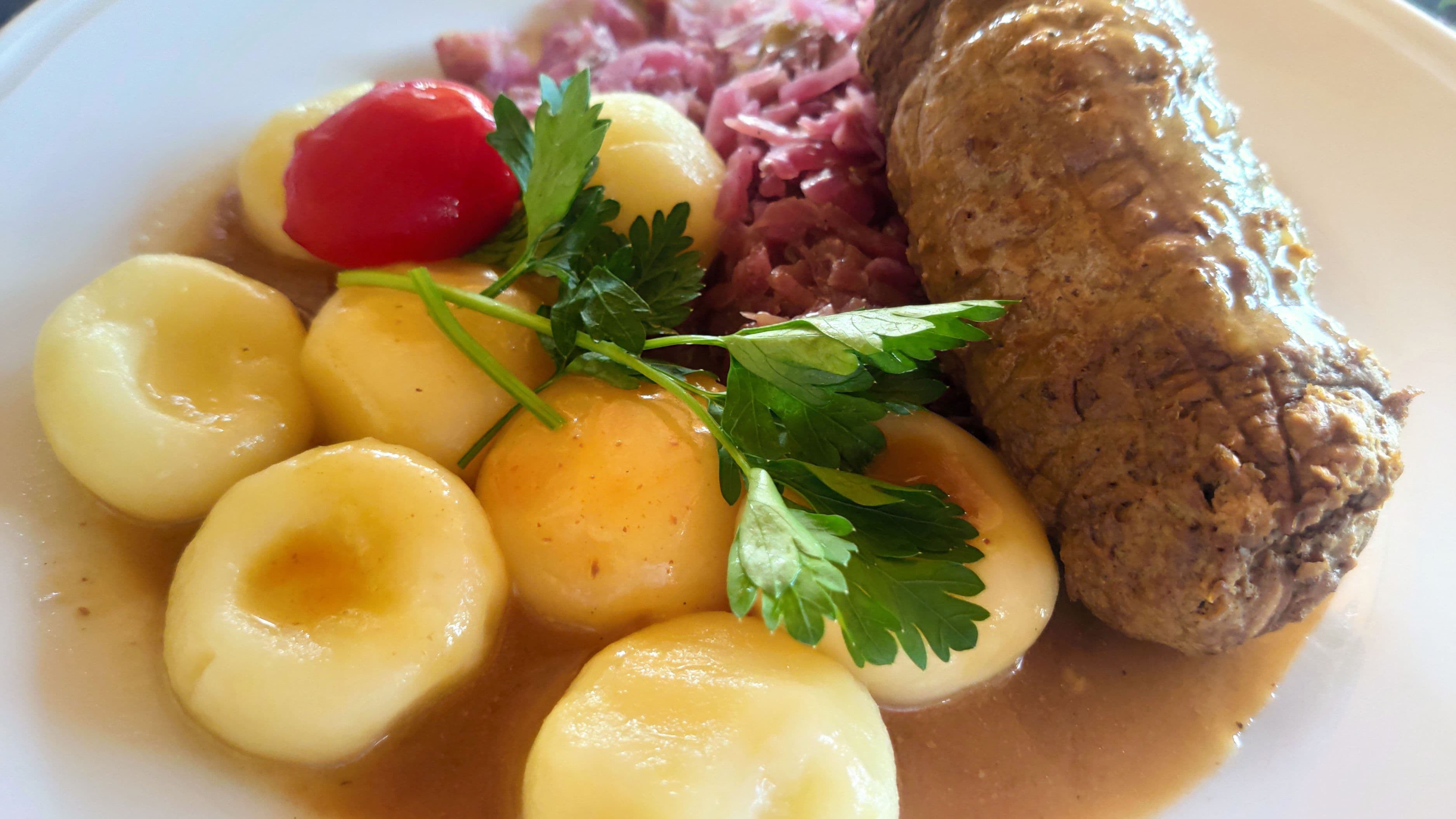
From Korean kimchi to German sauerkraut to Mexican tepache, I discovered that every culture developed fermentation techniques. This isn't coincidence—it's humans solving the same problem (food preservation) with locally available ingredients and microbes. Making Polish pickles in the same week I'd made Indian achaar showed me that culinary innovation happens in parallel across continents, driven by similar needs and creative problem-solving. Fermentation is perhaps our most universal culinary language.
7. Religious Dietary Laws Shaped Entire Cuisines
Cooking kosher and halal months taught me that religious restrictions drove incredible culinary creativity. Jewish cooks developed techniques for making dairy-free "cream" sauces centuries before veganism trended. Islamic dietary laws influenced spice trade routes and the prominence of lamb and chicken in Middle Eastern cooking. Constraints don't limit cuisine—they focus innovation and create distinctive flavors that define entire culinary traditions.
8. Colonial History Lives in Every Recipe
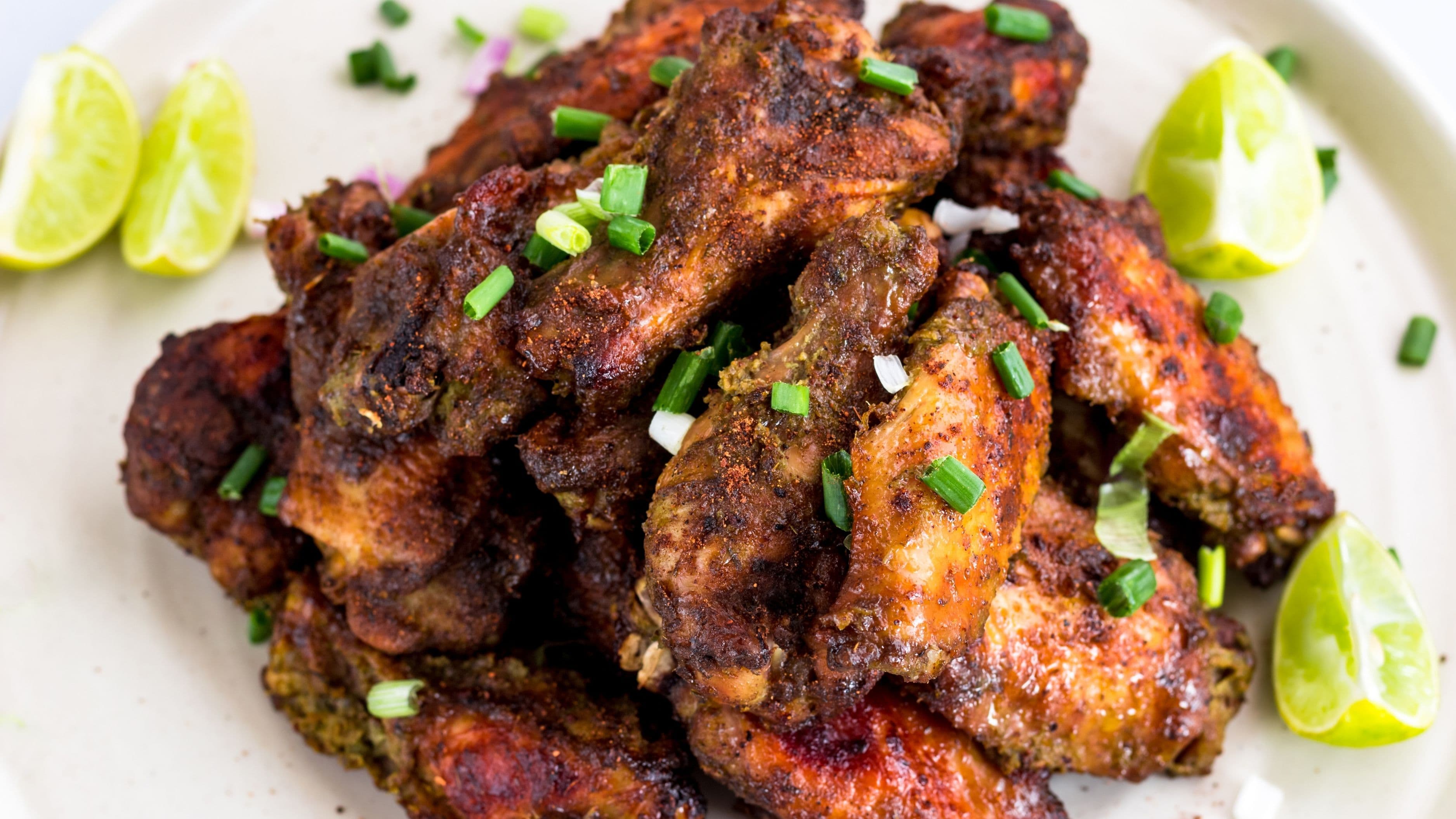
When I made Jamaican curry goat, I tasted the story of Indian indentured servants brought to the Caribbean after slavery ended. Peruvian lomo saltado exists because Chinese immigrants adapted their wok techniques to local ingredients. British colonialism explains why tea culture exists in India and Kenya. You can't separate food from the often brutal historical forces that moved people, ingredients, and techniques around the globe. Every fusion dish has a story, and that story isn't always comfortable.
9. Hospitality Standards Vary Wildly
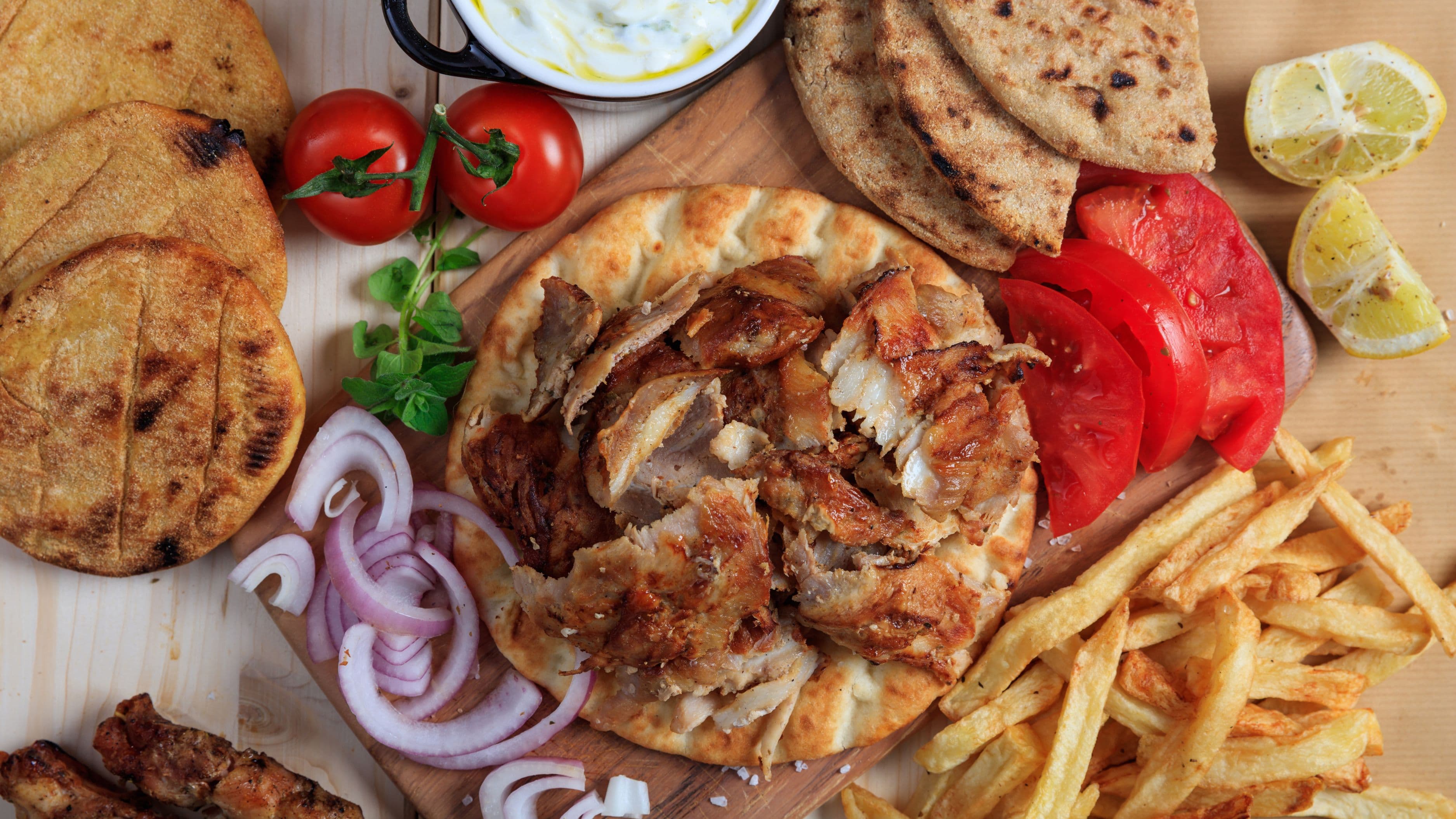
Greek cooking taught me that serving small portions is considered rude—abundance signals generosity and care. Japanese cuisine showed me that meticulous presentation demonstrates respect for guests. When I cooked Mexican, I learned that the act of making tortillas from scratch communicates love in ways pre-made versions can't. Different cultures express care through food in completely different ways, and understanding these differences prevents misunderstandings about someone's intentions or character.
10. Poverty Foods Became Trendy Without Credit
Oxtail, chicken feet, offal, beans and rice—ingredients that sustained poor and marginalized communities now appear on expensive restaurant menus without context. My soul food month reminded me that what food media celebrates as "nose-to-tail" eating or "peasant cuisine" represents survival and resourcefulness born from economic oppression. When these dishes get gentrified, the communities that developed them often get priced out. Food trends have ethics we rarely discuss.
11. Kitchen Equipment Tells Technology Stories
The wok's shape evolved for specific Chinese stoves. The molcajete's volcanic rock adds flavor that blenders can't replicate. When I tried making Indian roti without a tava, I understood why specific tools matter—they're optimized for techniques developed over generations. Modern kitchens assume European cooking methods are universal, but they're not. Investing in culture-specific equipment isn't about collection—it's about respecting that different techniques require different tools.
12. Timing and Patience Mean Different Things
Italian cooking taught me that slow food isn't lazy—it's intentional. Indian tempering happens in seconds but requires perfect timing. Thai cuisine balances flavors that constantly shift as dishes sit. Every cuisine has its own relationship with time, and rushing through techniques developed over centuries produces inferior results. The discipline to wait for onions to properly caramelize or dough to rest adequately taught me more about cultural values than any book could.
13. YouTube Became My Cultural Bridge
I learned more from watching grandmas in Bangladesh cook on grainy phone videos than from any celebrity chef. These informal tutorials, often filmed in home kitchens with family chattering in the background, showed me real technique without performance or pretension. The algorithm connected me to home cooks worldwide who generously shared knowledge that cookbooks often miss. Technology democratized culinary education in ways that would have been impossible a decade ago.
14. Seasonality Isn't Universal
My Scandinavian month in February made perfect sense—root vegetables and preserved fish align with Nordic winters. Trying to cook Thai food in December meant compromising on produce that's meant to be eaten in tropical heat. Understanding that cuisines evolved around specific growing seasons and climates explained why some dishes tasted off when I cooked them—I was fighting nature instead of working with it. Seasonal eating isn't trendy; it's how food was always meant to work.
15. Language Barriers Forced Better Observation
Watching cooking videos in languages I don't speak sharpened my visual learning. Without understanding verbal instructions, I noticed hand positions, timing cues, texture changes, and techniques I'd previously overlooked. This forced attention made me a better cook overall. Sometimes not understanding the language helps you see the universal language of technique and transformation that transcends words.
16. Diaspora Cooking Preserves and Innovates
Second and third-generation immigrants adapt their ancestral recipes with available ingredients, creating new traditions that honor heritage while embracing reality. The Chinese-American dishes I grew up thinking were "inauthentic" actually represent creative adaptation and cultural survival. Diaspora cooking isn't less valid—it's evolution, memory, and innovation combined. Dismissing it as fake misses the entire point of how food keeps culture alive across distances and generations.
17. Grocery Store Geography Reflects Power
Premium ingredients from Europe occupy eye-level shelves with beautiful packaging and high prices. Asian, African, and Latin American ingredients often get relegated to bottom shelves or separate "ethnic" aisles with budget positioning. This physical arrangement in stores mirrors global power dynamics and which cultures get valued or dismissed. Noticing these patterns changed how I think about food marketing and whose culinary traditions get respect versus exoticization.
18. Every Cuisine Has Comfort Food Logic
Whether it's Japanese okayu, Mexican caldo, or Southern grits, every culture developed gentle, nourishing foods for when someone feels sick or sad. These dishes aren't fancy, but they represent care, memory, and the universal human need for edible comfort. Cooking porridge-style dishes from different countries showed me that "comfort food" isn't culturally specific—the concept itself is universal, only the ingredients and preparations change.
19. Waste Looks Different Everywhere
Zero-waste cooking isn't new—it's how most of the world always cooked. Using vegetable scraps for stock, turning stale bread into panzanella, fermenting cabbage cores—these techniques existed long before sustainability became trendy. Wealthy countries invented food waste by having the luxury to discard perfectly usable ingredients. Learning traditional preservation and scrap-using techniques from various cultures taught me that "nose-to-tail" and "root-to-stem" cooking is just cooking as most people have always done it.
20. You Can't Separate Food from Politics
Palestinian cooking exists in the context of occupation. Indigenous American cuisine represents survival despite genocide. Cuban food tells the story of embargo and resourcefulness. Every time I researched a country's cuisine, I had to confront its political reality, historical trauma, and current struggles. Food is never neutral—it's always political, always connected to power, access, and justice. Cooking without acknowledging this context is consuming culture while ignoring the people who created it.
Pick one country that intrigues you and commit to cooking one meal this week. Don't worry about perfection or authenticity—worry about curiosity and respect. Buy ingredients from a market you've never entered, watch videos from home cooks in that country, and pay attention to what the process teaches you beyond the recipe. Momentum starts small, but so does understanding. Your kitchen can become a portal to empathy and connection if you're willing to chop, stir, and learn with intention.