
1. The Holy Trinity Detective
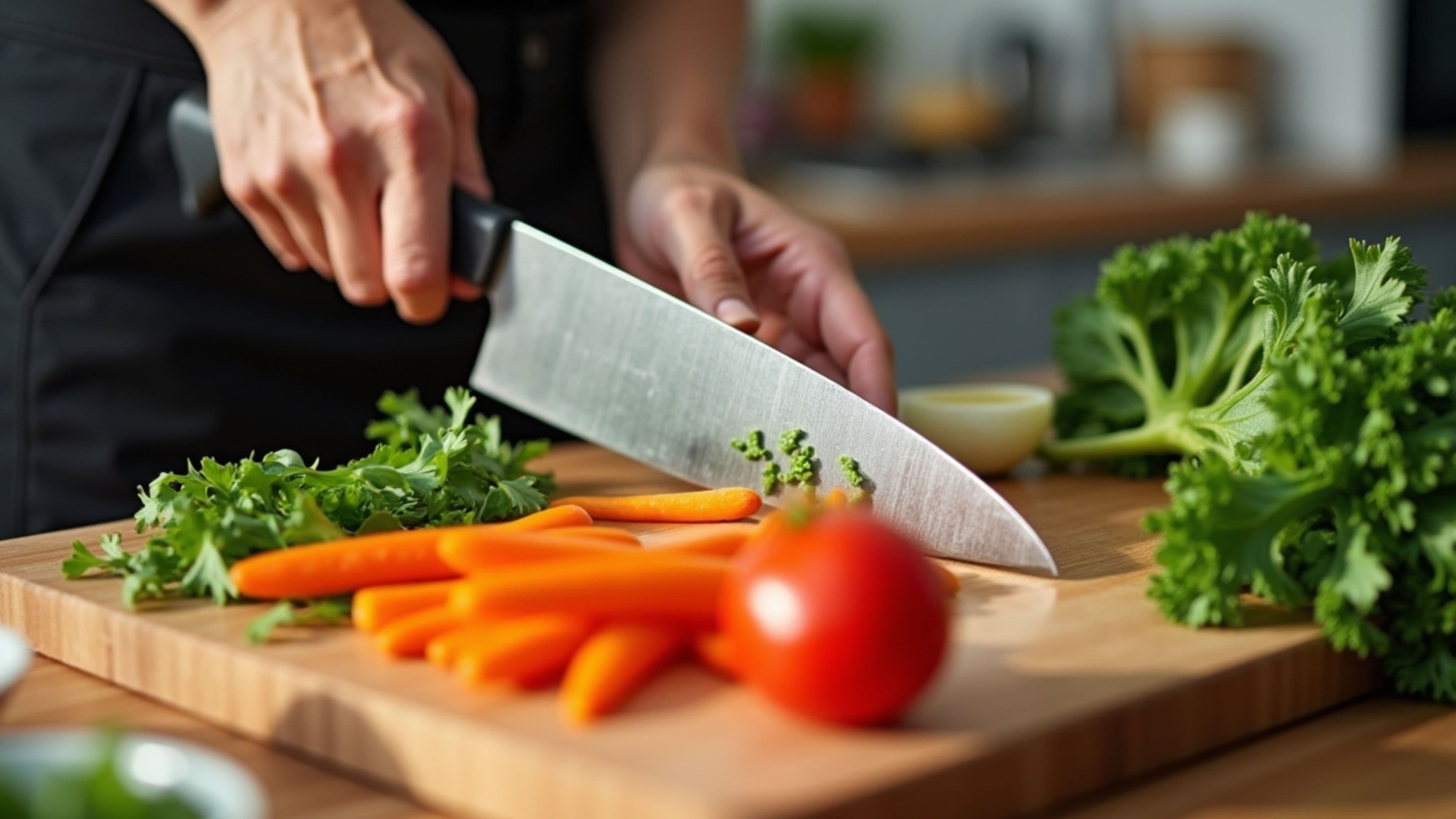
Every cuisine has its aromatic foundation—the three-ingredient combo that shows up in nearly every savory dish like a reliable sitcom character. French cooking starts with mirepoix (onions, carrots, celery), Cajun food launches with the holy trinity (onions, bell peppers, celery), and Chinese cuisine builds on ginger, garlic, and scallions. These aren't random; they're the flavor scaffolding that gives each cuisine its recognizable identity before you even add the main ingredients. Learn a cuisine's aromatic base and you've basically downloaded its operating system—everything else is just apps running on that foundation. The brilliant part? Once you can identify these patterns, you stop following recipes blindly and start understanding why dishes taste the way they do, which means you can improvise confidently instead of panicking when you're missing one ingredient.
2. The Acid-Fat-Heat Triangle Whisperer
Samin Nosrat built an entire empire explaining that salt, fat, acid, and heat govern all cooking, but here's the insider shortcut: different cuisines emphasize different corners of that triangle. Italian food loves the fat-acid balance (olive oil meeting tomatoes or vinegar), Southeast Asian cooking celebrates acid-heat combinations (lime juice cutting through chili fire), and Indian cuisine masters fat-heat through ghee and spice blooming. When you taste a dish from an unfamiliar cuisine, ask yourself which element dominates—is it rich and fatty, bright and acidic, or aggressively spiced? That answer tells you the flavor philosophy of the entire culinary tradition, giving you a mental map for every other dish from that region. Understanding this balance means you can adjust seasoning intelligently instead of just adding more salt and hoping for the best.
3. The Spice Blend Speedrunner
Instead of memorizing hundreds of individual spices, learn the five or six signature spice blends that define major cuisines, and suddenly you've unlocked entire continents of flavor. Garam masala screams Indian cooking, five-spice powder means Chinese dishes, za'atar signals Middle Eastern food, and herbes de Provence instantly transports you to France. These blends aren't just convenience—they represent centuries of trial and error about which spices complement each other and the core ingredients of that region's cuisine. Buy or make these foundational blends, keep them in your pantry, and you can make convincingly authentic-tasting food without owning forty individual spice jars that slowly go stale while you figure out what to do with fenugreek. The spice blend approach works because someone already did the hard work of balancing ratios; you're just applying their research to your weeknight dinner.
4. The Cooking Fat Translator
The fat you cook with isn't neutral—it's a flavor declaration that immediately places your dish in a specific culinary context. Butter says French or Italian, olive oil screams Mediterranean, sesame oil means East Asian, ghee or mustard oil points to Indian, and lard or schmaltz suggests Central European cooking. This seems obvious until you realize how many people make "Mexican" food with olive oil or "Chinese" stir-fry with butter, creating Franken-dishes that taste confused and inauthentic. Matching your cooking fat to your cuisine isn't snobbery—it's recognizing that these fats carry distinct flavors that either harmonize with or fight against the other ingredients you're using. Swap out just this one element and watch how much more cohesive and legitimate your cooking tastes, even if everything else stays exactly the same.
5. The Umami Unlocksmith
Every cuisine has discovered its own umami bombs—ingredients that add that savory, mouth-filling depth that makes food irresistibly satisfying. Japanese cooking uses miso, bonito flakes, and soy sauce; Italian cuisine relies on Parmesan, anchovies, and tomato paste; Southeast Asian food deploys fish sauce and shrimp paste; Korean cooking loves gochujang and doenjang. These ingredients aren't interchangeable, but they serve the same function: providing that elusive fifth taste that makes simple ingredients taste complex and complete. Once you identify which umami source belongs to which cuisine, you can add depth to any dish without randomly throwing ingredients together and hoping they work. The umami element is often what separates "this tastes good" from "this tastes like it came from an actual restaurant," so learning these regional umami carriers is like gaining access to professional-level flavor development without culinary school.
6. The Texture Architect
Different cuisines prioritize wildly different textural elements, and ignoring this is why your homemade versions often feel incomplete even when the flavors are close. Japanese food obsesses over textural variety—crunchy, chewy, soft, and silky all appearing in single dishes. Mexican cuisine loves textural contrast through crispy toppings (radishes, fried tortilla strips, chicharrón) against creamy bases. Middle Eastern food incorporates crunch through nuts and crispy elements even in otherwise smooth dishes. Indian cooking often includes textural complexity through different preparation methods in one meal—crispy papadum, fluffy naan, creamy dal, crispy pakora. When you study a new cuisine, pay attention not just to what's in the dish but how it feels in your mouth—that textural signature is as important as flavor and often gets overlooked by home cooks focused solely on taste. Adding the right textural element at the end transforms competent cooking into memorable meals that feel complete and intentional.
7. The Sweetness Spy
Western cooks often underestimate how much sugar or sweet elements appear in savory dishes from other cuisines, then wonder why their versions taste flat. Thai food balances sweet-sour-salty-spicy with palm sugar in nearly everything; Chinese cooking uses sugar in stir-fries and braises; Vietnamese dishes incorporate sweetness through hoisin sauce or caramelized sugar; even Italian cooking uses sugar to balance tomato acidity. This isn't about making food taste like dessert—it's about achieving balance where sweetness rounds out harsh edges and creates complexity. The amount varies dramatically by cuisine: Korean food might be aggressively sweet compared to Japanese food's restraint, while Indian dishes use jaggery or sugar strategically rather than pervasively. Understanding each cuisine's relationship with sweetness means you stop making dishes that taste aggressive or one-dimensional because you skipped this crucial balancing element thinking "savory" meant "no sugar ever."
8. The Fresh Herb Finisher
Every cuisine has signature herbs added at specific moments, and timing matters as much as selection. Italian cooking throws in basil at the last second to preserve its brightness, Vietnamese food tops everything with fresh cilantro and mint, Thai cuisine adds sweet basil and cilantro at the end, while Middle Eastern food loves finishing with parsley and dill. These aren't garnishes in the "optional decoration" sense—they're integral flavor components that complete the dish, adding brightness and complexity that cooked herbs can't provide. Western cooking often treats fresh herbs as optional pretty things, but in many global cuisines, they're as essential as salt. The rule here is simple: learn which herbs define a cuisine and when they're added (beginning for building flavor, end for brightness), and suddenly your cooking will have that "something's missing" gap filled. Fresh herbs are also the easiest, cheapest way to make dishes taste authentically tied to their culinary tradition, requiring zero cooking skill and delivering maximum impact.
Your cooking doesn't need to be perfect—just less generic and more intentional about understanding the flavor logic behind what you're making. These eight rules won't make you an expert in every world cuisine overnight, but they'll give you a framework for learning any new cooking style dramatically faster than memorizing individual recipes ever could. Start with one cuisine that interests you, identify its patterns using these rules, and practice until the logic becomes intuitive. Then move to another cuisine and watch how quickly you can decode its flavor system using the same framework. Before long, you'll stop seeing "exotic" cooking as mysterious and start recognizing the predictable, learnable patterns that make every culinary tradition accessible to anyone willing to pay attention. The world's flavor palette is waiting—go decode it one holy trinity at a time.
📚 Sources
Nosrat, S. (2017). Salt, Fat, Acid, Heat: Mastering the Elements of Good Cooking. Simon & Schuster.