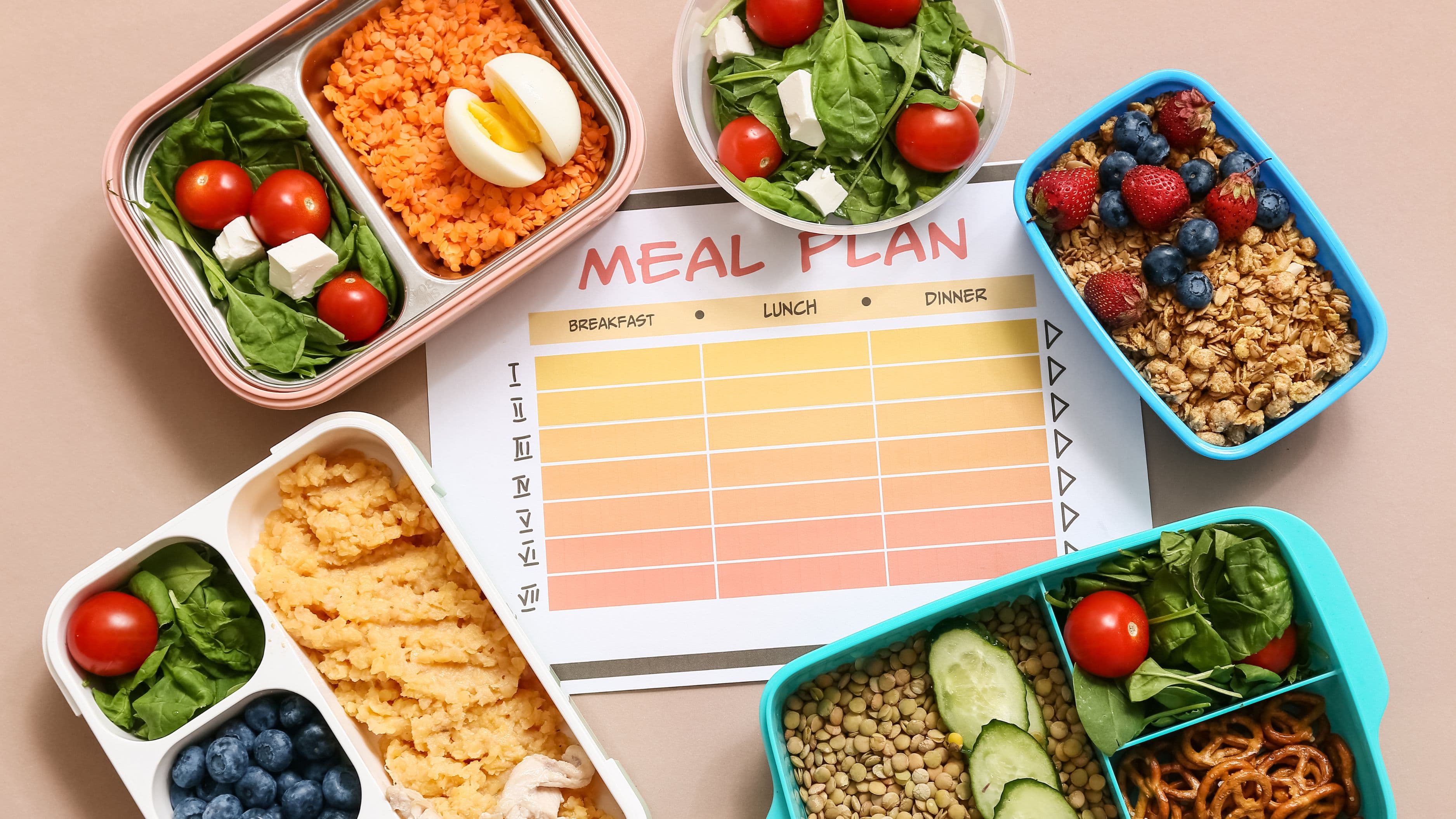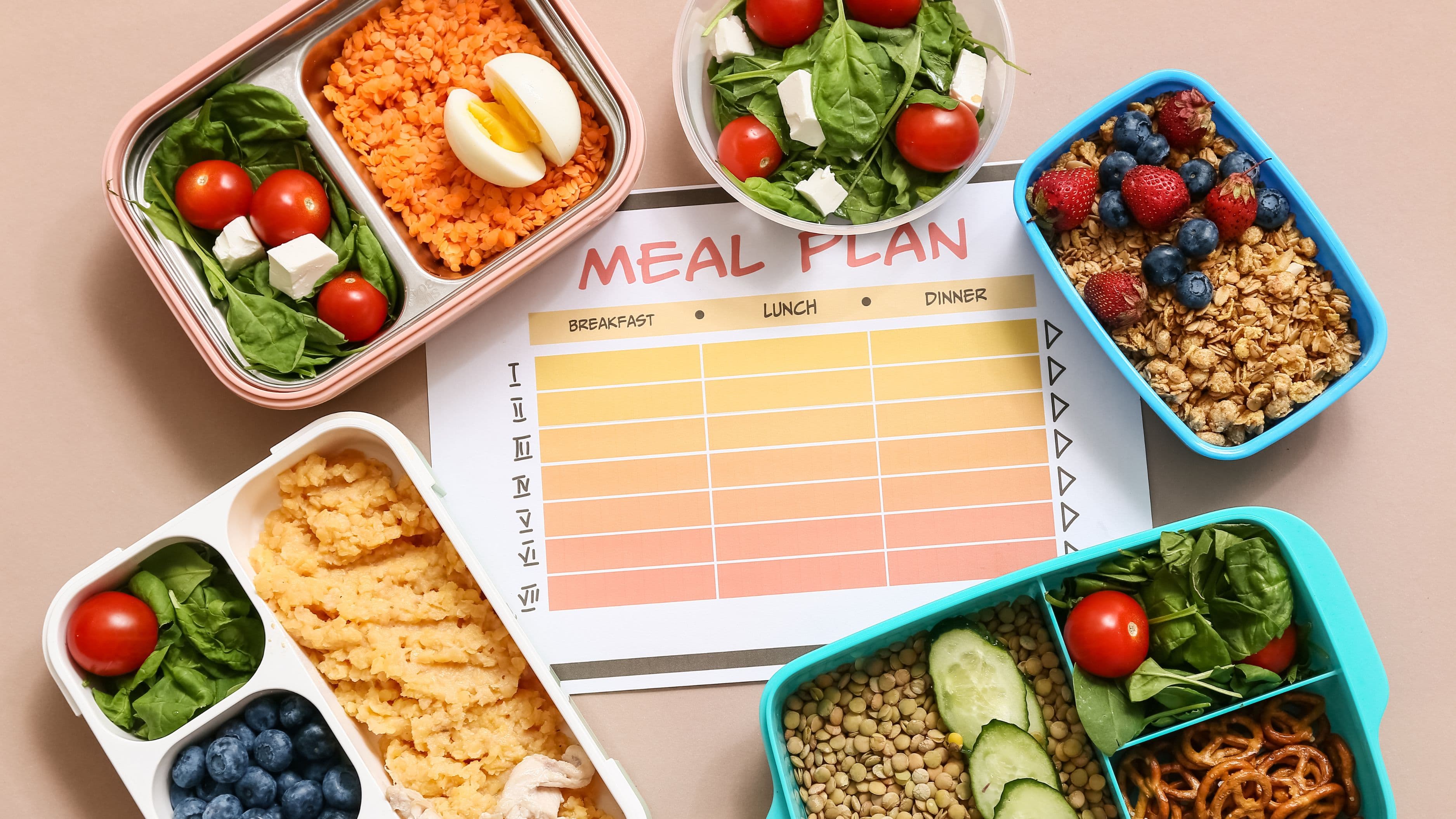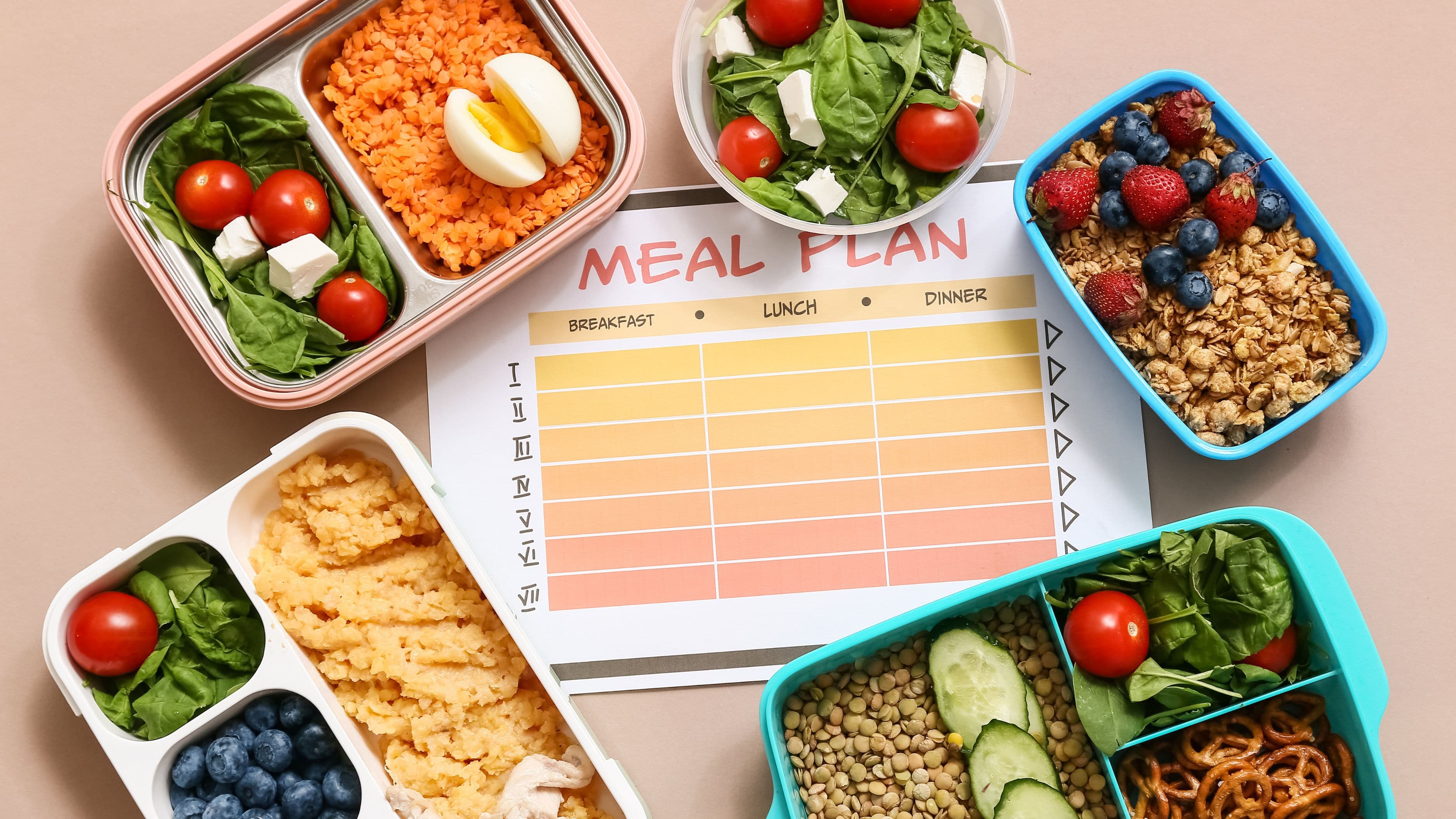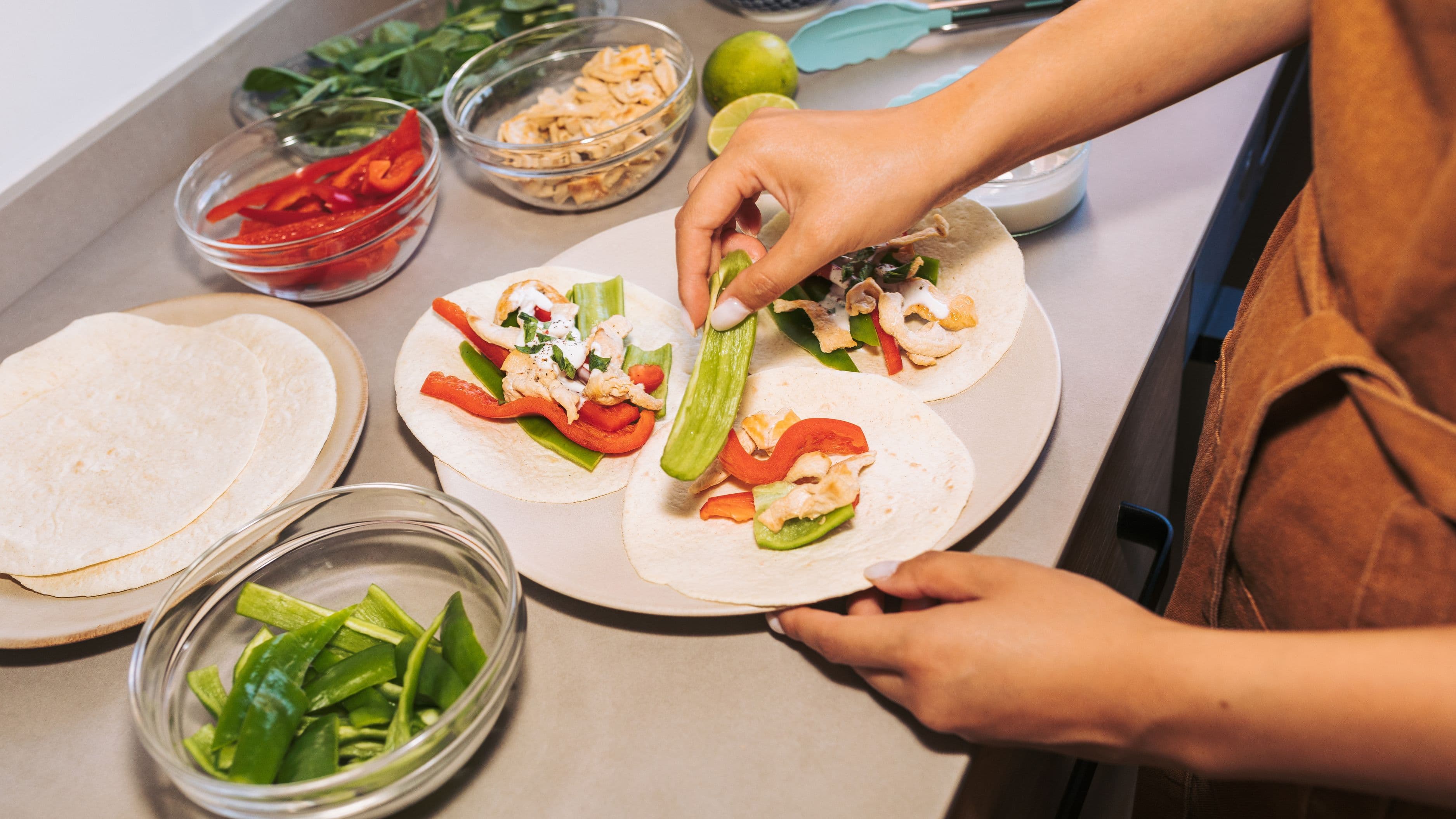

Welcome to the world of energy-based eating, where the question shifts from "How many calories?" to "How will this make me feel?" It's a perspective that honors your body's rhythms, respects your daily demands, and recognizes that food is information, not just fuel. Let's explore what happens when you make this fundamental shift.
1. Your Blood Sugar Becomes Your Best Friend
When you plan meals around sustained energy, you naturally gravitate toward foods that keep your blood sugar steady throughout the day. Imagine your energy as a gently rolling wave rather than a rollercoaster careening between peaks and crashes. This happens when you combine complex carbohydrates with protein and healthy fats—think quinoa bowls with grilled chicken and avocado, or whole-grain toast with almond butter and sliced pear.
Your body responds to this balance by releasing glucose slowly into your bloodstream, providing consistent fuel for your brain and muscles. Those mid-afternoon slumps that used to send you reaching for sugary snacks? They start fading into memory. You'll notice your mood stabilizing too, since blood sugar fluctuations directly impact irritability, anxiety, and mental clarity. The beauty is that you're not measuring or restricting—you're simply choosing foods that work with your body's natural design.
2. You Start Eating More, Not Less
Here's a delicious irony: when you focus on energy instead of calories, you often end up eating larger volumes of food. A massive salad packed with leafy greens, roasted vegetables, chickpeas, seeds, and a tahini dressing might clock in at fewer calories than a small fast-food burger, yet it provides exponentially more nutrients, fiber, and sustained energy. You get to feel full, satisfied, and nourished without the restrictive mentality that makes traditional dieting so miserable.
Your plate becomes more colorful and varied as you seek out nutrient-dense whole foods. These foods—vegetables, fruits, whole grains, legumes, nuts, and seeds—are packed with vitamins, minerals, and phytonutrients that support cellular energy production. Meanwhile, they're also high in fiber and water content, which means they fill you up without the energy drain that comes from processed, calorie-dense foods. The psychological relief of eating abundantly rather than restrictively? That's energizing all on its own.
3. Your Cravings Transform Into Intuitive Signals
Something fascinating happens when you consistently fuel your body with energy-sustaining foods: your cravings evolve. Instead of desperate urges for candy or chips, you start genuinely wanting foods that make you feel good. That spinach and lentil soup suddenly sounds appealing. Fresh berries become dessert. Your body begins speaking a clearer language.
This transformation doesn't happen overnight, but as your blood sugar stabilizes and your cells get consistent, quality nutrition, the biological drivers of cravings diminish. You're no longer stuck in the cycle of eating refined carbs, crashing, and craving more refined carbs. When cravings do arise, they become informative rather than overwhelming—a signal that you might need more protein, healthy fats, or perhaps just more food in general. You develop a partnership with your body instead of fighting against it.
4. Your Energy Patterns Become Predictable and Reliable
Imagine waking up and actually knowing how you'll feel at 2 PM. When you align your eating with energy needs, your days become more consistent and manageable. You start noticing patterns: protein-rich breakfasts help you power through morning meetings, balanced lunches prevent afternoon fog, and lighter evening meals lead to better sleep and morning alertness.
This predictability extends to your workouts, your work productivity, and your social interactions. You're not gambling with your energy anymore, hoping you'll feel decent enough to make it through your plans. Instead, you're strategically fueling your life's demands. Need mental clarity for a big presentation? You know that wild salmon with sweet potato and broccoli will deliver. Planning a long hike? That oatmeal with nut butter and banana becomes your reliable foundation. Food becomes a tool you wield with confidence.
5. You Sleep Better and Recover Faster
Energy-based eating naturally extends into how your body recovers and regenerates. When you're not overloading your digestive system with heavy, processed foods late in the day, your body can dedicate resources to repair and restoration during sleep. You'll notice falling asleep becomes easier, and waking up feels less like dragging yourself from quicksand.
The nutrients you consume throughout the day—magnesium from leafy greens, B vitamins from whole grains, omega-3s from fish—directly support your body's recovery mechanisms. Your muscles repair more efficiently after exercise. Your brain consolidates memories and clears metabolic waste more effectively. Even your immune system functions better when it's not constantly managing inflammation from poor food choices. The compounding effect is remarkable: better sleep leads to better food choices, which lead to even better sleep.
6. Your Mental Clarity Sharpens Dramatically
Your brain is an energy-hungry organ, consuming about 20% of your body's total energy despite representing only 2% of your body weight. When you feed it consistently with the nutrients it needs—healthy fats, steady glucose, B vitamins, antioxidants—the difference in cognitive function is striking. That brain fog you thought was just part of aging or stress? It might have been nutritional all along.
People who switch to energy-based eating often report improved focus, faster mental processing, and better memory. They find themselves less distracted, more creative, and capable of sustaining concentration for longer periods. The connection between your gut and brain (the gut-brain axis) means that the quality of your nutrition directly influences neurotransmitter production, affecting everything from mood to motivation. Feed your brain well, and it returns the favor with clarity and sharpness.
7. You Break Free from Food Guilt and Shame
Perhaps the most liberating transformation is psychological. When you stop judging food as "good" or "bad" based on calorie content, and instead evaluate it based on how it makes you feel, food morality disappears. That slice of birthday cake isn't a failure or a cheat—it's a conscious choice made in context of celebration and enjoyment.
This shift dissolves the toxic cycle of restriction, bingeing, and guilt that plagues so many people's relationship with food. You can enjoy treats mindfully, knowing that one indulgent meal doesn't derail your overall pattern of energy-supporting nutrition. Food becomes pleasurable again, not stressful. The mental energy previously spent calculating, restricting, and feeling guilty? It gets redirected toward actually living your life fully and joyfully.
8. Your Body Composition Changes Naturally
Here's what's interesting: when you stop obsessing over calories and start optimizing for energy, your body often finds its natural, healthy weight without force. Because you're eating whole, nutrient-dense foods that satisfy you, you're not constantly battling hunger or feeling deprived. Your metabolism functions more efficiently when consistently fueled, rather than stressed by restriction.
Muscle mass often increases because you're naturally eating adequate protein and have the energy to move your body regularly. Fat stores normalize as your hormones balance and inflammation decreases. The transformation is gradual and sustainable rather than dramatic and temporary. Most importantly, these changes happen as a side effect of feeling great, not as the primary goal that dominates your thoughts and actions.
9. You Become Attuned to Your Unique Needs
Energy-based eating is inherently personalized because everyone's energy needs differ. An athlete training for a marathon needs different fuel than someone with a desk job. A night shift worker's meal timing looks different than a typical 9-to-5 schedule. When you pay attention to how foods affect your energy, you discover your own nutritional truth rather than following generic advice.
You might discover that you're particularly sensitive to gluten, or that dairy makes you sluggish, or that you need more carbohydrates than your friend does. These insights come from observation and experience, not from rules in a diet book. You become the expert on your own body, making informed choices based on real feedback. This self-knowledge is empowering and sustainable in ways that externally imposed rules never are.
10. Food Becomes Medicine and Joy Simultaneously
When you plan meals around energy, you naturally gravitate toward foods that both nourish and delight. That vibrant Buddha bowl isn't just functional fuel—it's also beautiful and satisfying. The herbs and spices you add for flavor also happen to have anti-inflammatory and antioxidant properties. The dark chocolate square after dinner provides both pleasure and beneficial compounds for heart and brain health.
This integration of nutrition and enjoyment represents food at its best: sustaining your body while feeding your soul. You stop seeing health and pleasure as opposing forces requiring compromise. Instead, they merge into an approach where taking care of yourself feels indulgent, and treating yourself is also nourishing. The ancient wisdom that food is medicine becomes lived experience rather than abstract concept.
The shift from calorie-counting to energy-based eating isn't about abandoning structure or awareness—it's about upgrading your framework. Instead of reducing food to numbers, you're expanding it into a rich conversation between your body's needs and your life's demands. You're recognizing that not all calories are created equal, that context matters, and that how you feel is data worth paying attention to.
This approach asks more of you in some ways—it requires tuning in, experimenting, and developing self-awareness—but it gives back exponentially in quality of life. When your energy is consistent, your mind is clear, and your relationship with food is peaceful, you have resources to direct toward the things that actually matter: your relationships, your passions, your purpose.
So here's the open-ended thought to carry forward: What could you accomplish, create, or experience if you weren't spending mental energy counting calories and fighting your body's signals? What if the key to your best life isn't found in restriction, but in abundance—of nutrients, of energy, of joy? The answer might be waiting in your next meal, if you're willing to shift what you're measuring.
📚 Sources
Harvard Health Publishing. "The truth about fats: the good, the bad, and the in-between." Harvard Medical School, 2022.
Gómez-Pinilla, Fernando. "Brain foods: the effects of nutrients on brain function." Nature Reviews Neuroscience, vol. 9, no. 7, 2008, pp. 568-578.
Ludwig, David S., et al. "The carbohydrate-insulin model: a physiological perspective on the obesity pandemic." The American Journal of Clinical Nutrition, vol. 114, no. 6, 2021, pp. 1873-1885.