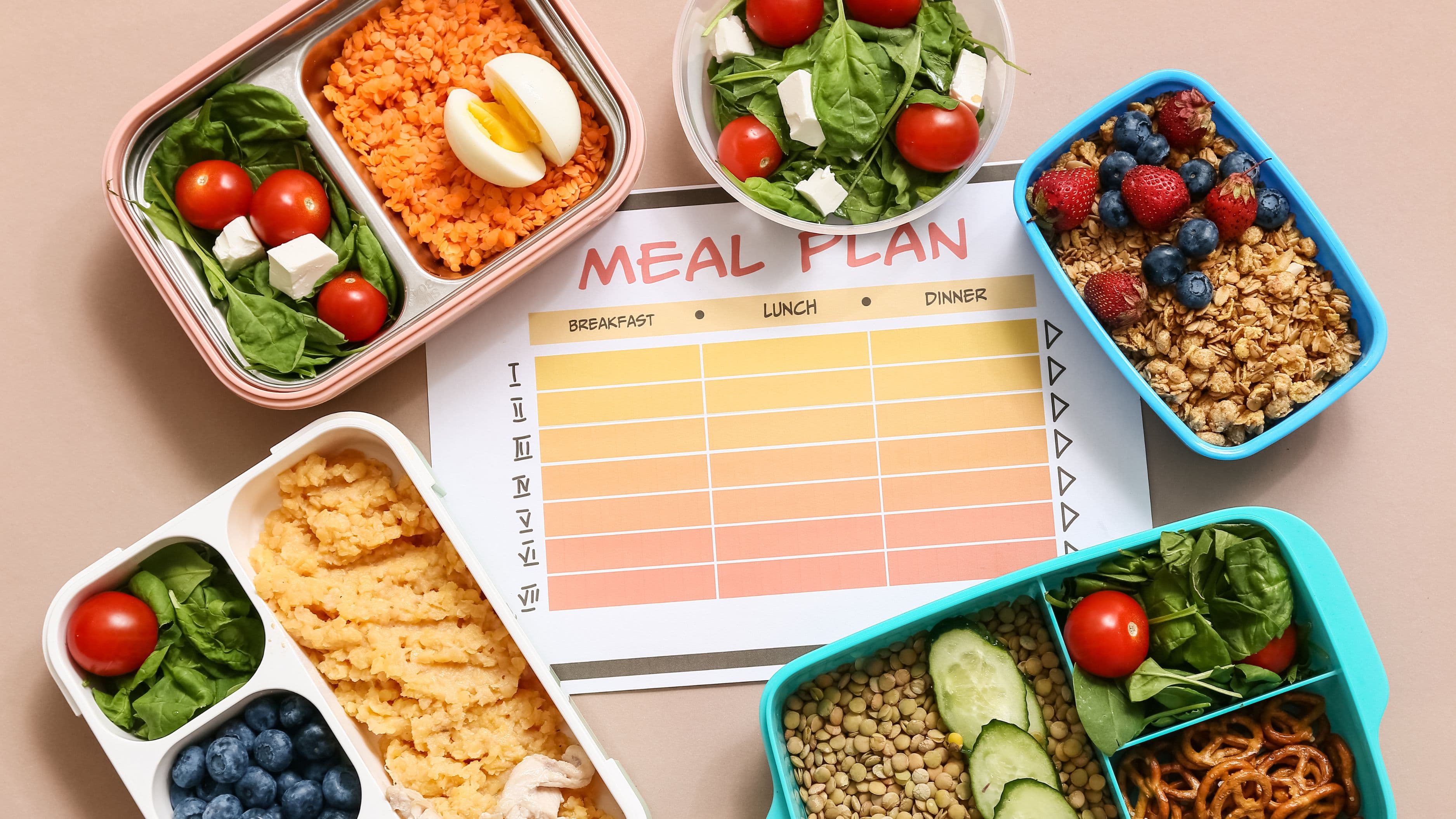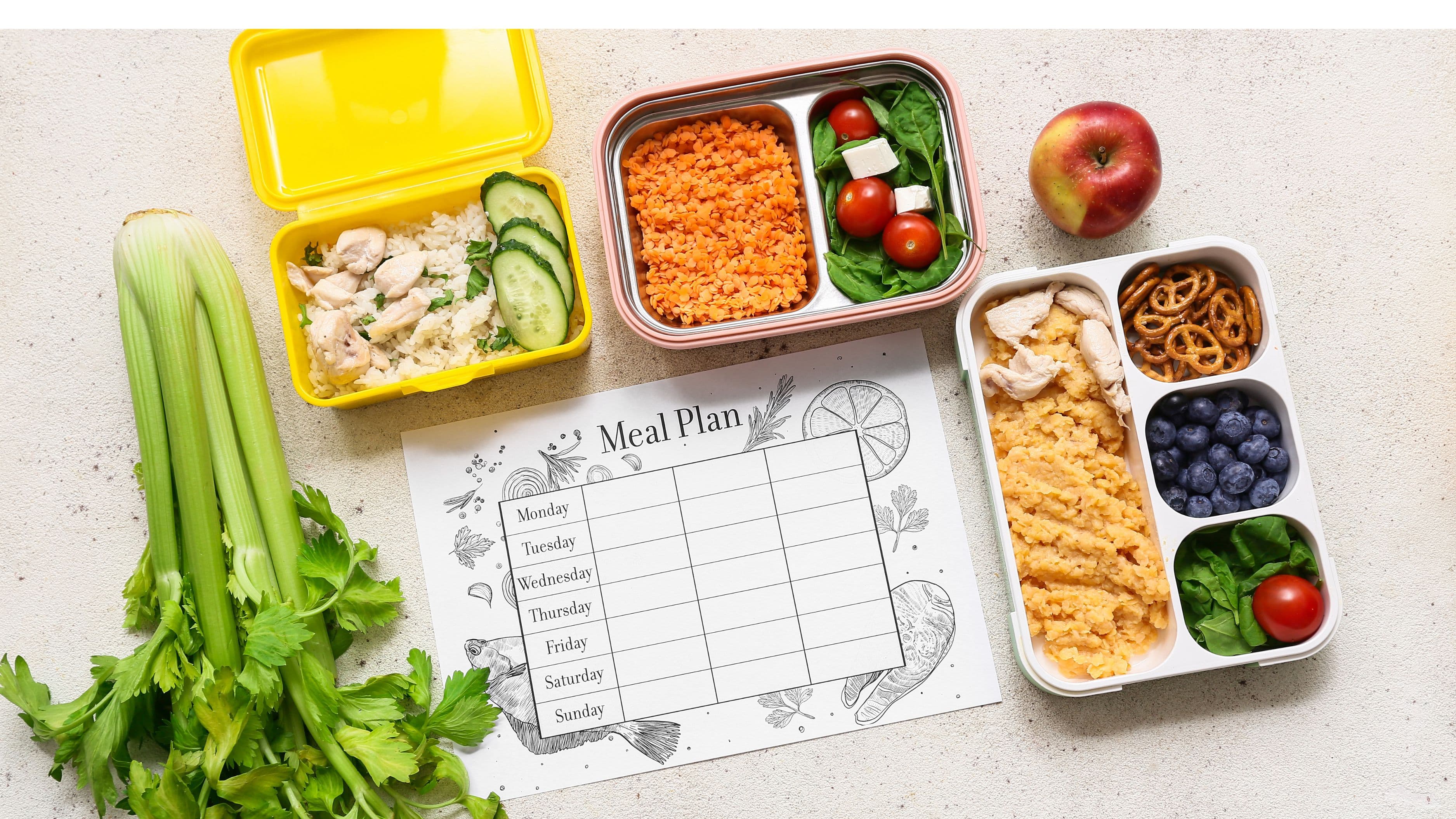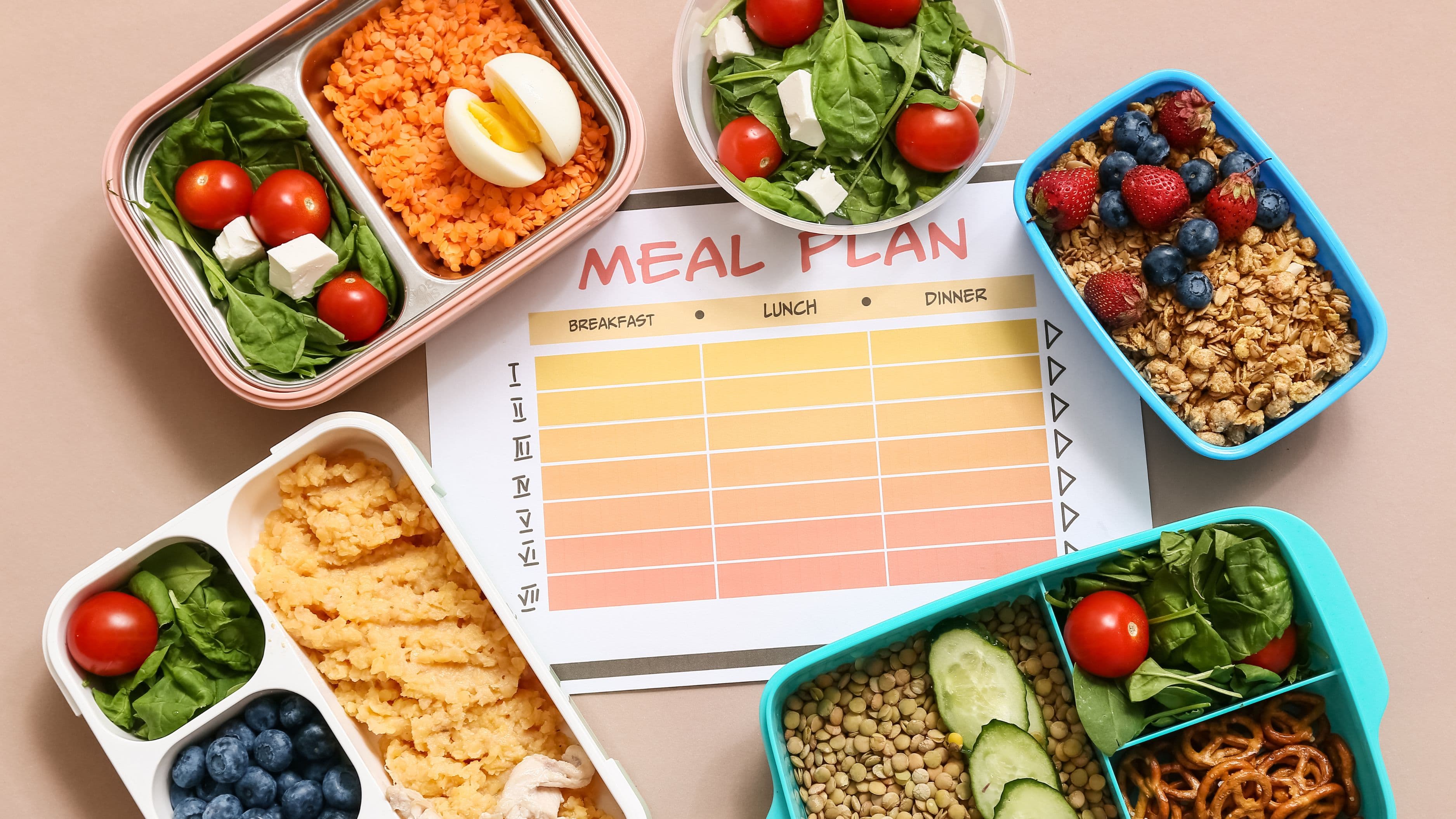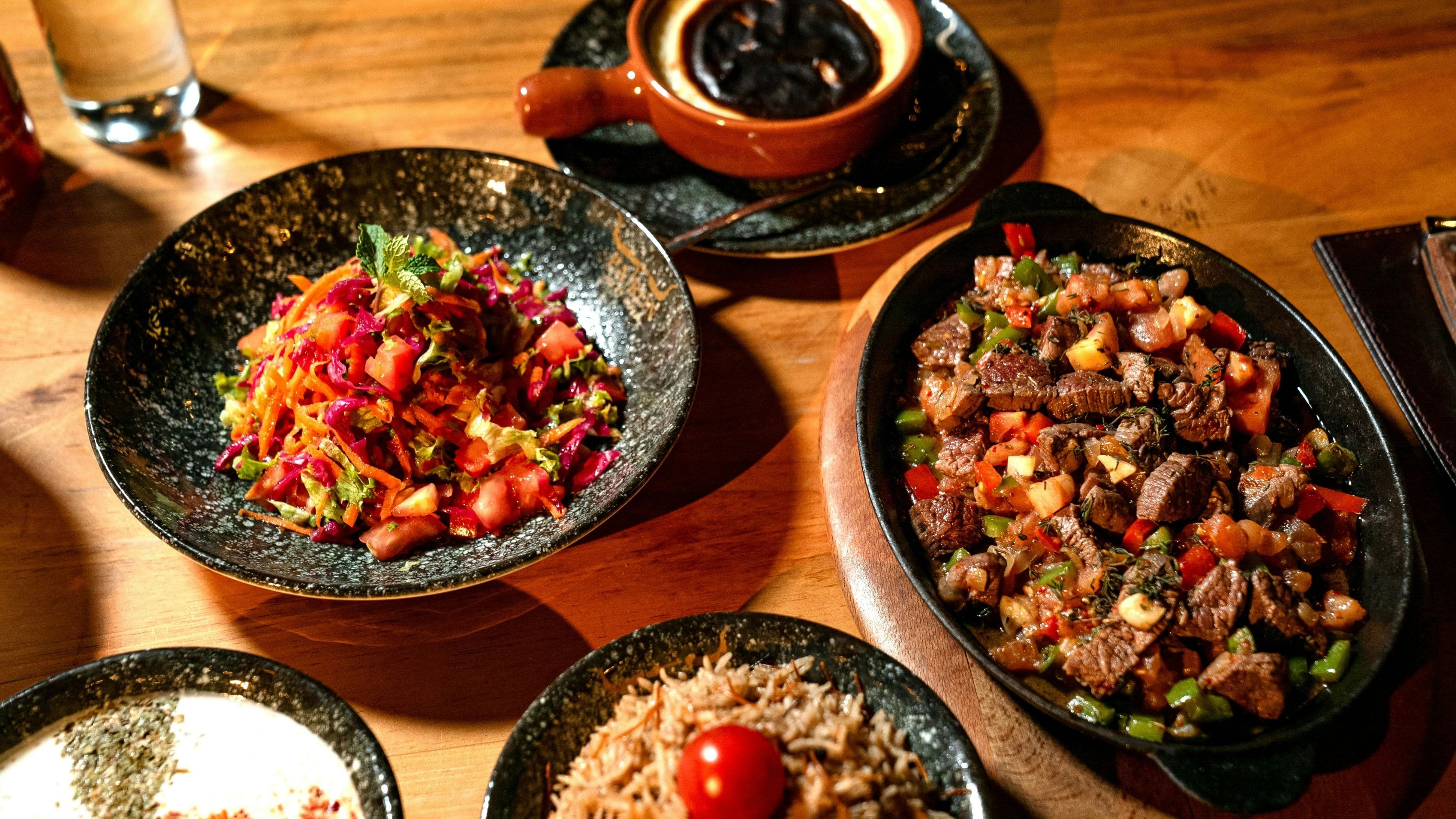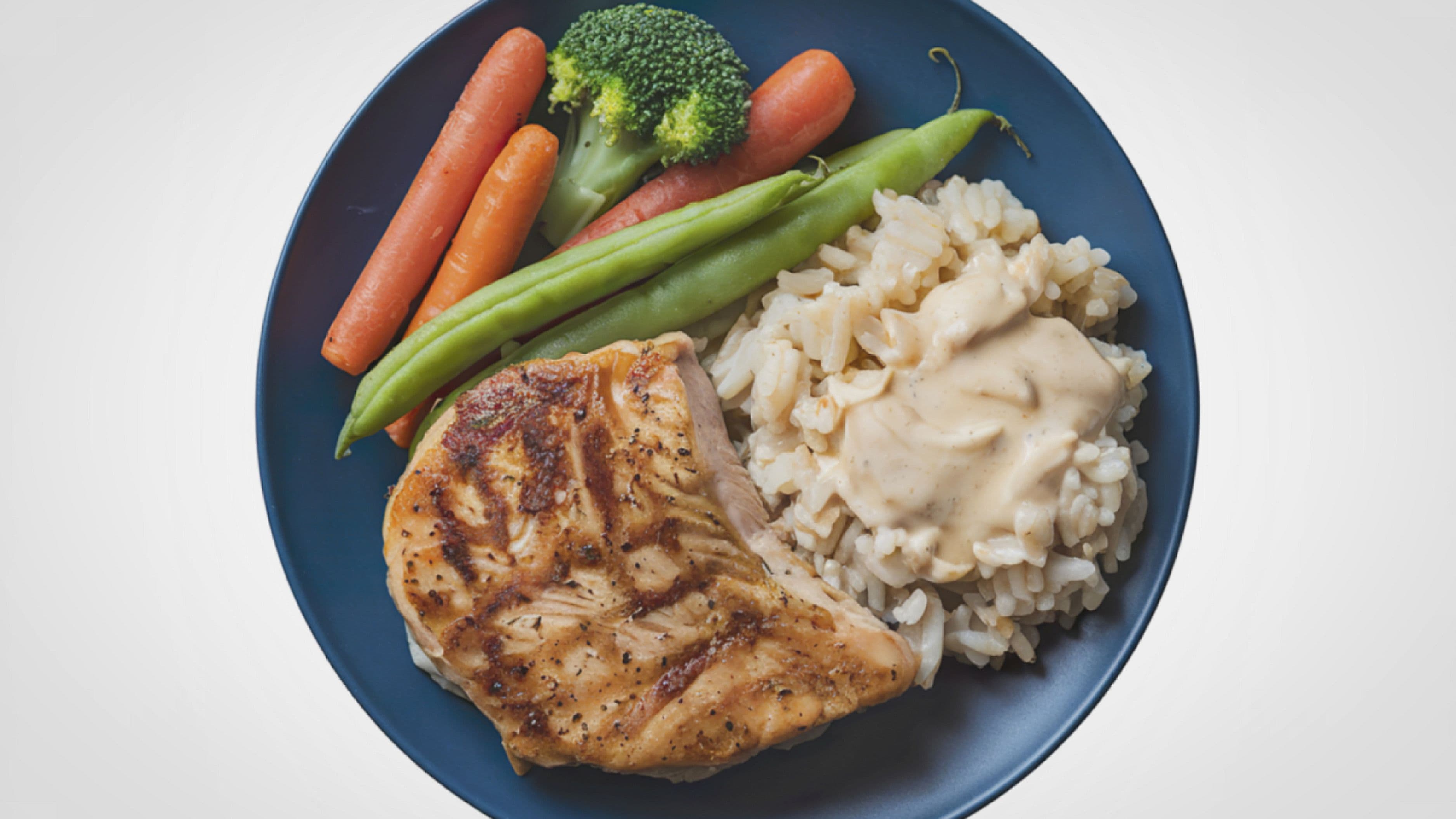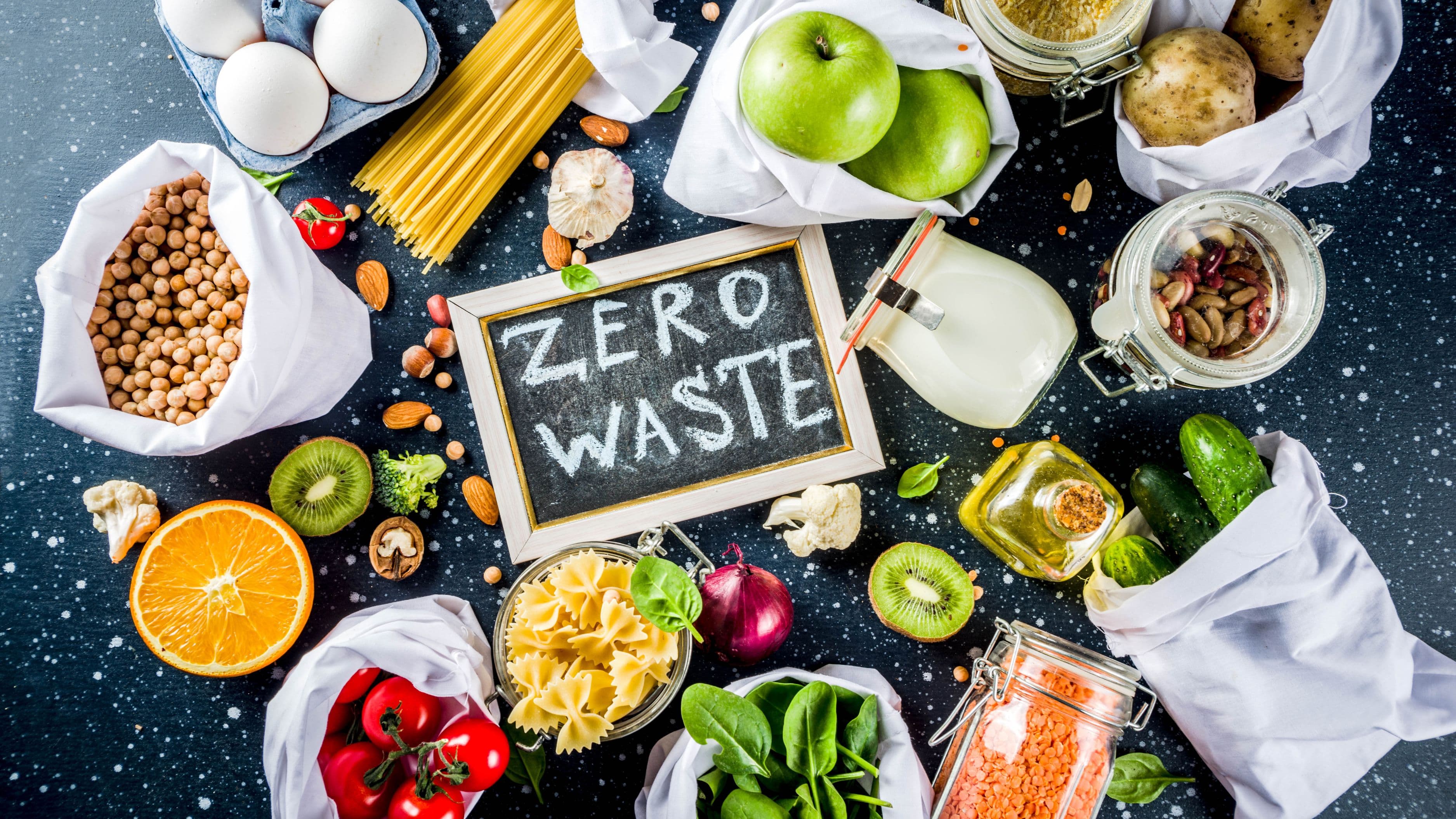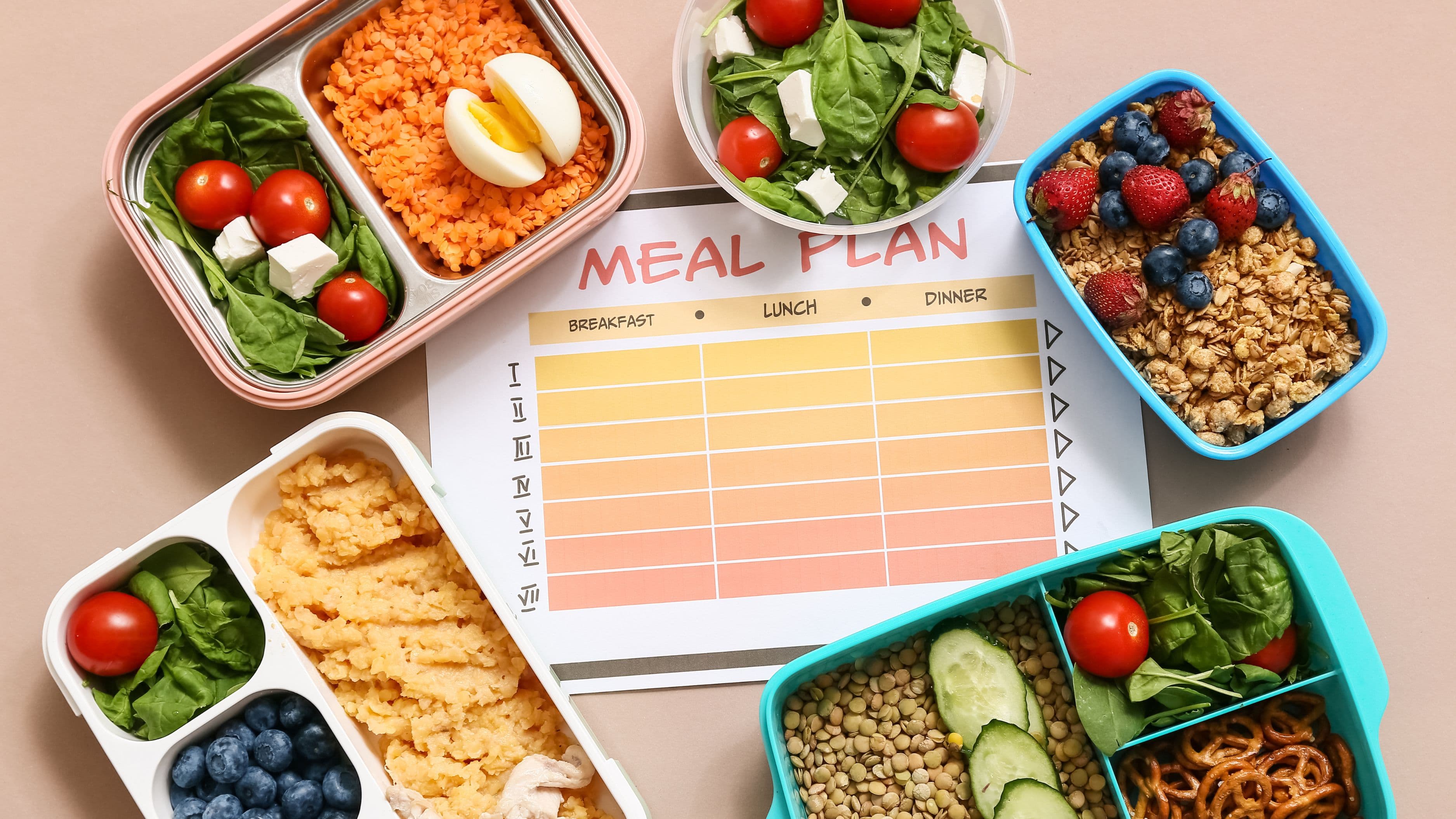

The answer surprised me, and it might surprise you too. Meal planning isn't about rigidity or removing joy from eating—it's about creating the mental space and practical framework that allows you to truly engage with food again. Let's explore how this seemingly mundane practice can transform your relationship with what's on your plate.
1. Decision Fatigue Disappears, Pleasure Rushes In
Your brain makes approximately 35,000 decisions every single day, and many of those revolve around food. What should I eat for breakfast? Do I have ingredients for dinner? Should I stop at the grocery store? This constant low-level decision-making creates a phenomenon psychologists call "decision fatigue," where your mental energy depletes with each choice you make. By the time you're standing in front of your refrigerator at 6 PM, exhausted and hungry, you're operating on fumes. No wonder that frozen pizza starts looking appealing, even though it never quite satisfies.
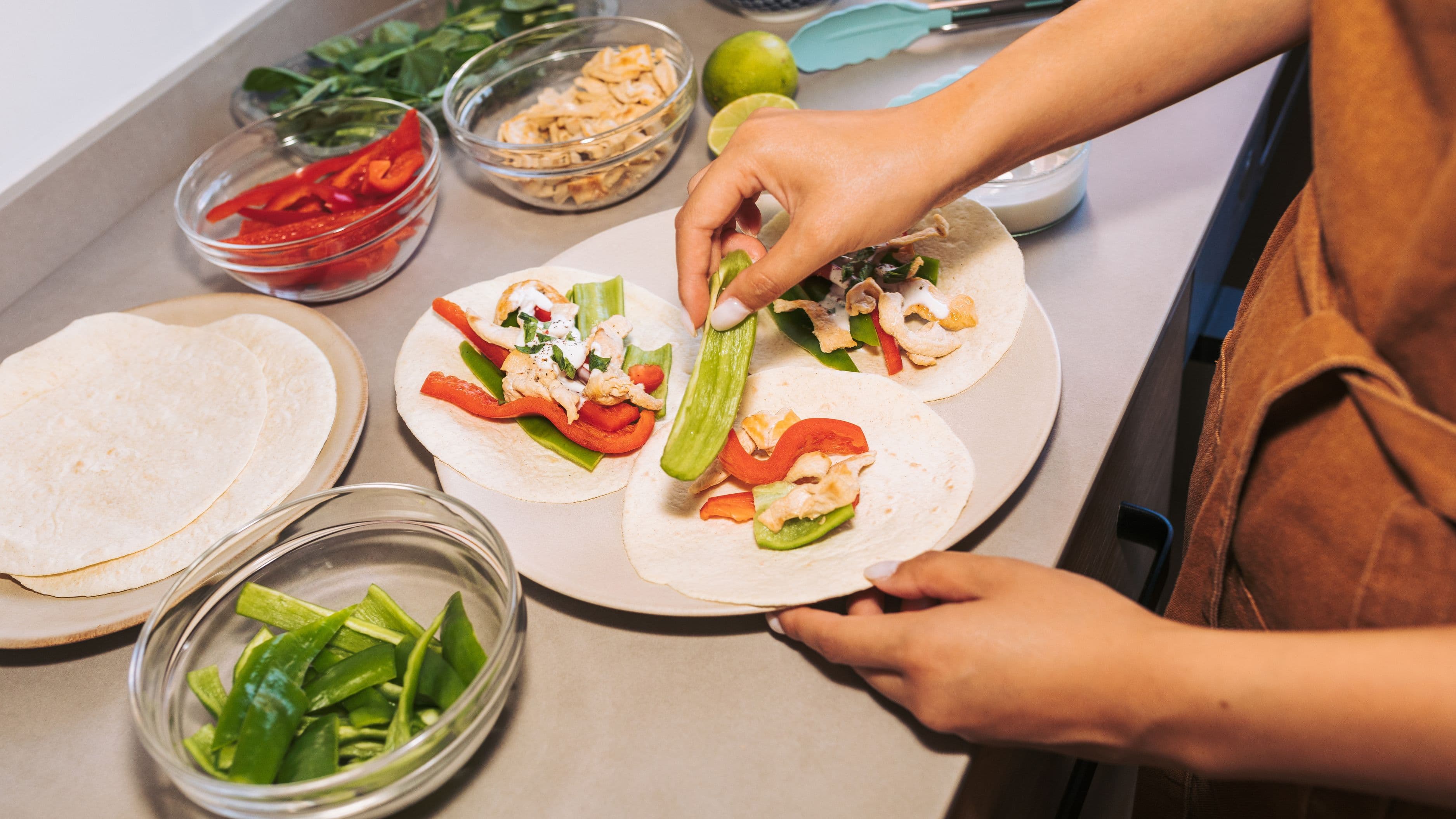
Meal planning eliminates this exhausting cycle. When you've already decided what you're eating, you free up enormous cognitive resources. Instead of spending mental energy figuring out what to cook, you can focus on how to cook it beautifully. You notice the way fresh basil releases its fragrance when you tear the leaves. You pay attention to achieving the perfect sear on your chicken. You're present with the food itself rather than anxious about the logistics surrounding it.
2. Anticipation Becomes a Secret Ingredient
Think back to your favorite meal at a restaurant you've been looking forward to visiting for weeks. Part of what made that meal memorable wasn't just the food itself—it was the anticipation building up to it. Meal planning taps into this same psychological principle right in your own kitchen. When you know you're making Thai basil chicken on Thursday, Wednesday becomes deliciously charged with expectation.
This anticipation activates your brain's reward centers before you even take the first bite. You might find yourself thinking about that meal during your afternoon meeting, mentally savoring the flavors to come. You start noticing the fresh basil at the farmer's market with new eyes, imagining how its bright, peppery notes will transform your dish. The actual cooking and eating becomes the culmination of a multi-day sensory journey rather than a hurried last-minute scramble.
3. You Actually Try New Things Instead of Defaulting to the Same Five Meals
Without a plan, most of us cycle through the same comfortable repertoire week after week. There's nothing wrong with having go-to meals, but this culinary rut can make eating feel monotonous. You're not excited about dinner because you already know exactly how it will taste—you've made those spaghetti and meatballs forty-seven times this year. The flavors have become background noise.
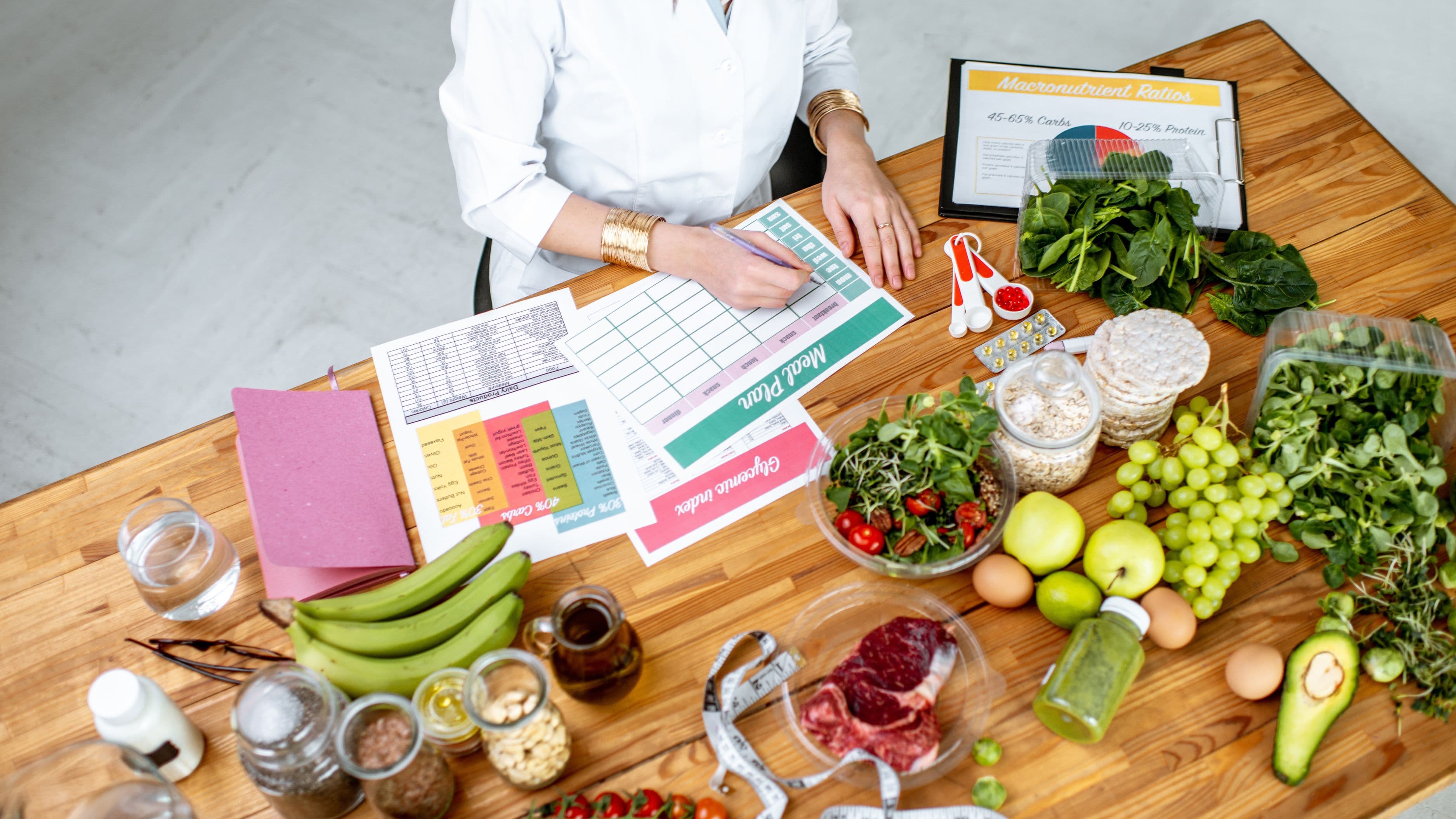
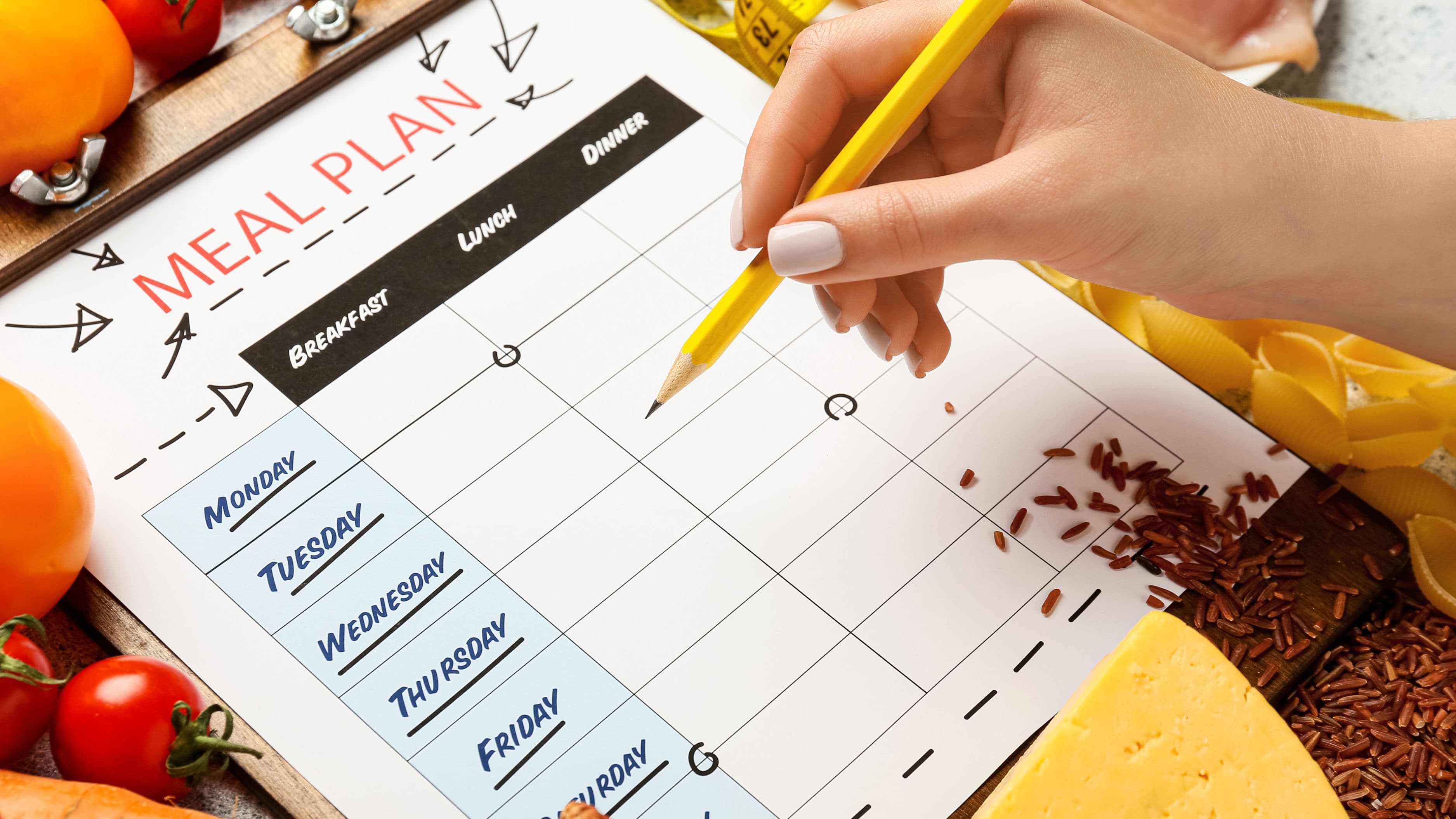
Meal planning creates natural opportunities for culinary exploration. When you're sitting down on Sunday to plan your week, you're in a calm, creative headspace—perfect for browsing new recipes or remembering that interesting Moroccan dish you bookmarked months ago. You can intentionally weave variety into your week, perhaps trying one new recipe alongside your reliable favorites. This balanced approach keeps your palate engaged and curious without overwhelming you with unfamiliar territory every single night.
4. Ingredients at Their Peak Become the Star
Have you ever bought beautiful heirloom tomatoes only to watch them slowly wrinkle in your refrigerator because you never got around to using them? Or grabbed fresh herbs with good intentions, only to discover them liquefied in your produce drawer two weeks later? This isn't just wasteful—it's a missed opportunity for genuine pleasure. Those tomatoes were at their summer-sweet peak the day you bought them.
When you meal plan, you can strategically use ingredients when they're at their absolute best. You buy those tomatoes because you know you're making a Caprese salad tomorrow. You pick up fresh dill for the salmon you're grilling Wednesday night. Each ingredient has a purpose and a timeline, which means you experience it exactly when its flavor and texture are optimal. There's profound satisfaction in biting into produce that's perfectly ripe rather than slightly sad and past its prime.
5. Cooking Becomes a Ritual, Not a Chore
When meal preparation is unpredictable and stressful, it feels like an obstacle between you and eating. You're just trying to get food on the table as quickly as possible so you can collapse on the couch. But when you've planned ahead, cooking transforms into something closer to a ritual—a intentional act that bookends your workday and transitions you into evening.
You're more likely to pour yourself a glass of wine while you chop vegetables. You might put on music that sets the mood for your meal. The act of cooking becomes a form of meditation, a way to decompress and be present with your senses. Your hands know what they're doing because you've already thought through the recipe. You can actually enjoy the process rather than frantically consulting your phone every thirty seconds while something burns on the stove.
6. You Stop Eating What's Convenient and Start Eating What's Delicious
Convenience is the enemy of mindful eating. When you haven't planned, you eat whatever requires the least effort, which often means food that's highly processed, oversalted, and ultimately unsatisfying. You finish your takeout feeling full but somehow still wanting something more. This isn't about the quantity of food—it's about the quality of the experience.
Meal planning lets you choose based on what will genuinely nourish and delight you rather than what's fastest. You can balance your week with different flavors, textures, and cooking methods. Maybe Monday is slow-cooked comfort food, Tuesday is bright and fresh with lots of raw vegetables, Wednesday brings warming spices, and Thursday features something crispy and golden. Each meal becomes an intentional choice rather than a default option, and that intentionality translates directly into enjoyment.
7. Your Grocery Shopping Transforms Into Treasure Hunting
Walking into a grocery store without a plan is overwhelming. The sheer number of choices, the bright packaging competing for attention, the pressure to remember what you need—it's sensory overload. Shopping becomes a task you want to complete as quickly as possible, which means you're not noticing what's seasonal, what looks exceptional today, or what might inspire your cooking.
With a meal plan guiding you, grocery shopping shifts from obligation to opportunity. You move through the store with purpose, hunting for the specific ingredients that will bring your planned meals to life. But you also have the mental bandwidth to notice that the stone fruits look incredible this week or that wild salmon just came in. You can make strategic substitutions based on what looks best. Shopping becomes a creative, sensory experience rather than a stress-inducing race against time.
8. Leftovers Become Intentional, Not Accidental
Few things are less appetizing than mystery containers in your refrigerator—unidentifiable remnants from meals you can barely remember making. These accidental leftovers rarely get eaten with enthusiasm. They feel like obligations or last resorts rather than legitimate meals. But intentional leftovers, planned from the start, are completely different.
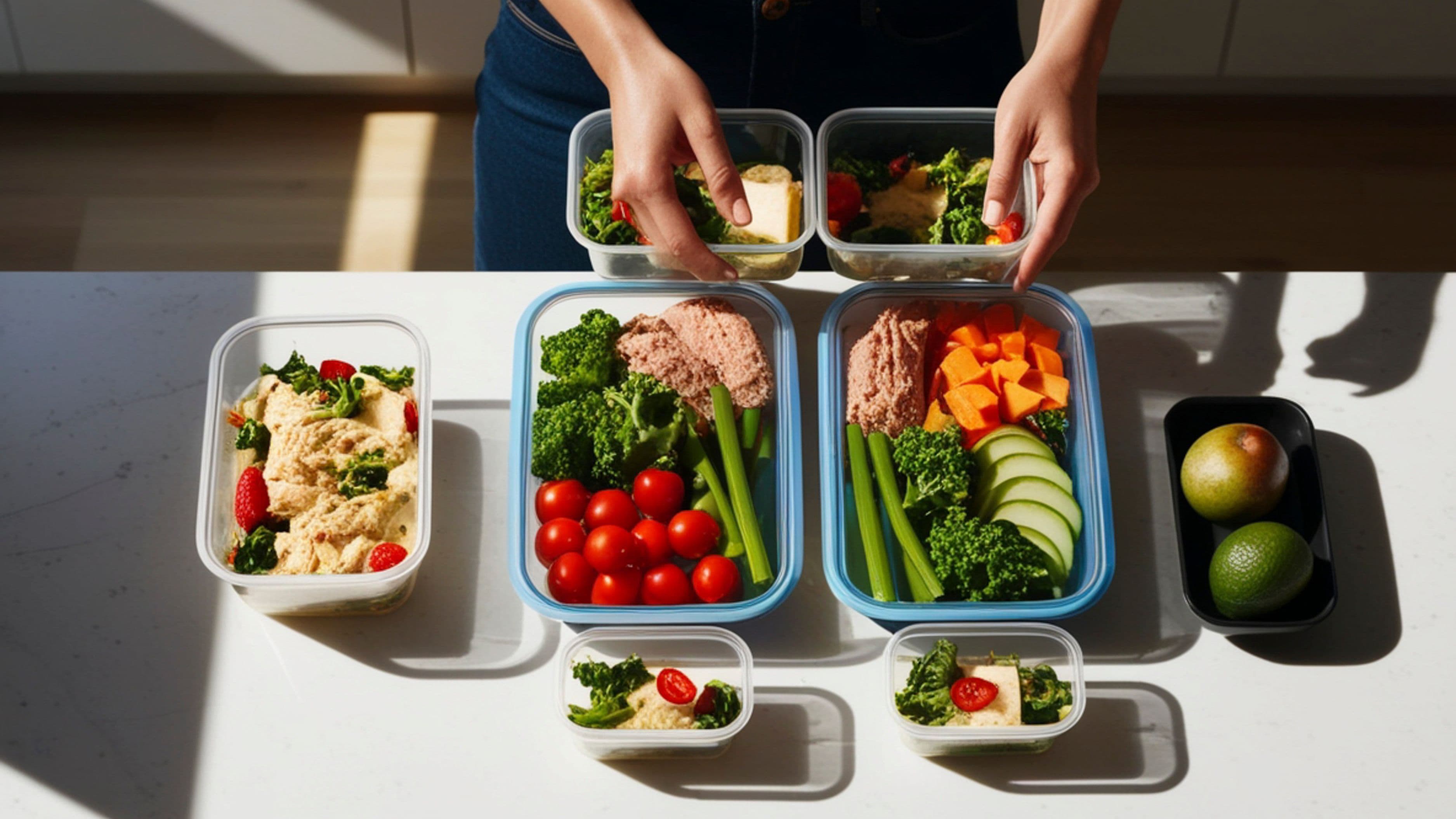
When you meal plan, you can cook larger batches of foods you genuinely enjoy eating twice. That extra portion of curry isn't a sad leftover—it's tomorrow's lunch that you're already looking forward to. You might plan to use your roasted chicken in three different ways throughout the week, each preparation feeling fresh and intentional. This approach reduces food waste while ensuring you're always eating food that genuinely appeals to you in that moment.
9. Food Becomes Social Again
In our rushed, modern lives, eating has become increasingly solitary and distracted. We eat lunch at our desks while answering emails. We scroll through our phones while mechanically shoveling dinner into our mouths. We've lost the communal, connective aspect of sharing food. Meal planning can help restore this social dimension.
When you know what you're making in advance, it's easier to invite someone to join you. You can tell your partner on Tuesday that you're making their favorite meal Thursday and build that shared anticipation together. You can invite friends over for Saturday dinner because you already know what you're serving and that you have everything you need. The meal becomes an occasion, a reason to gather, rather than just fuel. This social context dramatically increases the pleasure we derive from food.
10. You Rediscover Why You Love Cooking in the First Place
Perhaps the most significant way meal planning increases food enjoyment is that it reconnects you with the fundamental pleasure of cooking itself. When every meal is a last-minute scramble, you never get to experience the full arc of the cooking process—from imagining a dish, to gathering ingredients, to the actual transformation of raw components into something nourishing and beautiful, to finally savoring the results.
Meal planning restores this complete experience. You get to daydream about food, to anticipate flavors, to feel excited about cooking. You remember that cooking isn't just about feeding yourself—it's a creative act, a form of self-care, a way to express love for yourself and others. When you have the mental space and practical framework that meal planning provides, these deeper satisfactions resurface. Food stops being merely functional and becomes genuinely joyful again.
The paradox of meal planning is that adding structure actually creates freedom. By making some decisions in advance, you liberate yourself to be fully present with the sensory, creative, and social pleasures of food. You're not constraining your enjoyment—you're clearing away the obstacles that were preventing you from truly tasting, smelling, and savoring your meals in the first place.
So maybe the question isn't whether meal planning helps you enjoy food more. Maybe the real question is: what becomes possible when you give yourself permission to approach food with intention rather than desperation? The answer might just transform not only what you eat, but how you experience each delicious bite.
📚 Sources
1. Tierney, J., & Baumeister, R. F. (2011). Willpower: Rediscovering the Greatest Human Strength. Penguin Press.
2. Wansink, B. (2007). Mindless Eating: Why We Eat More Than We Think. Bantam Books.