1. Knife Skills Aren't Just for TV Chefs
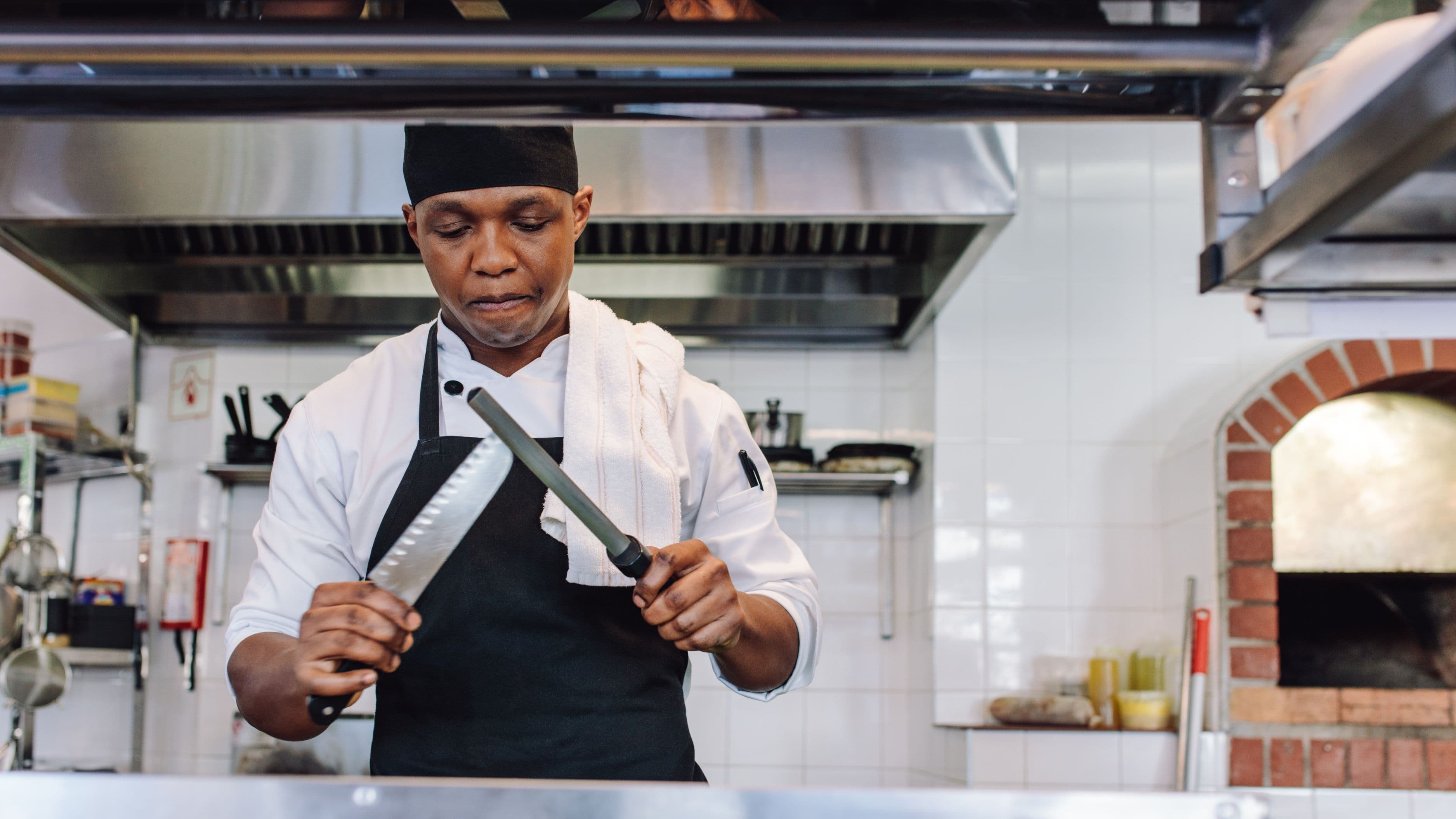
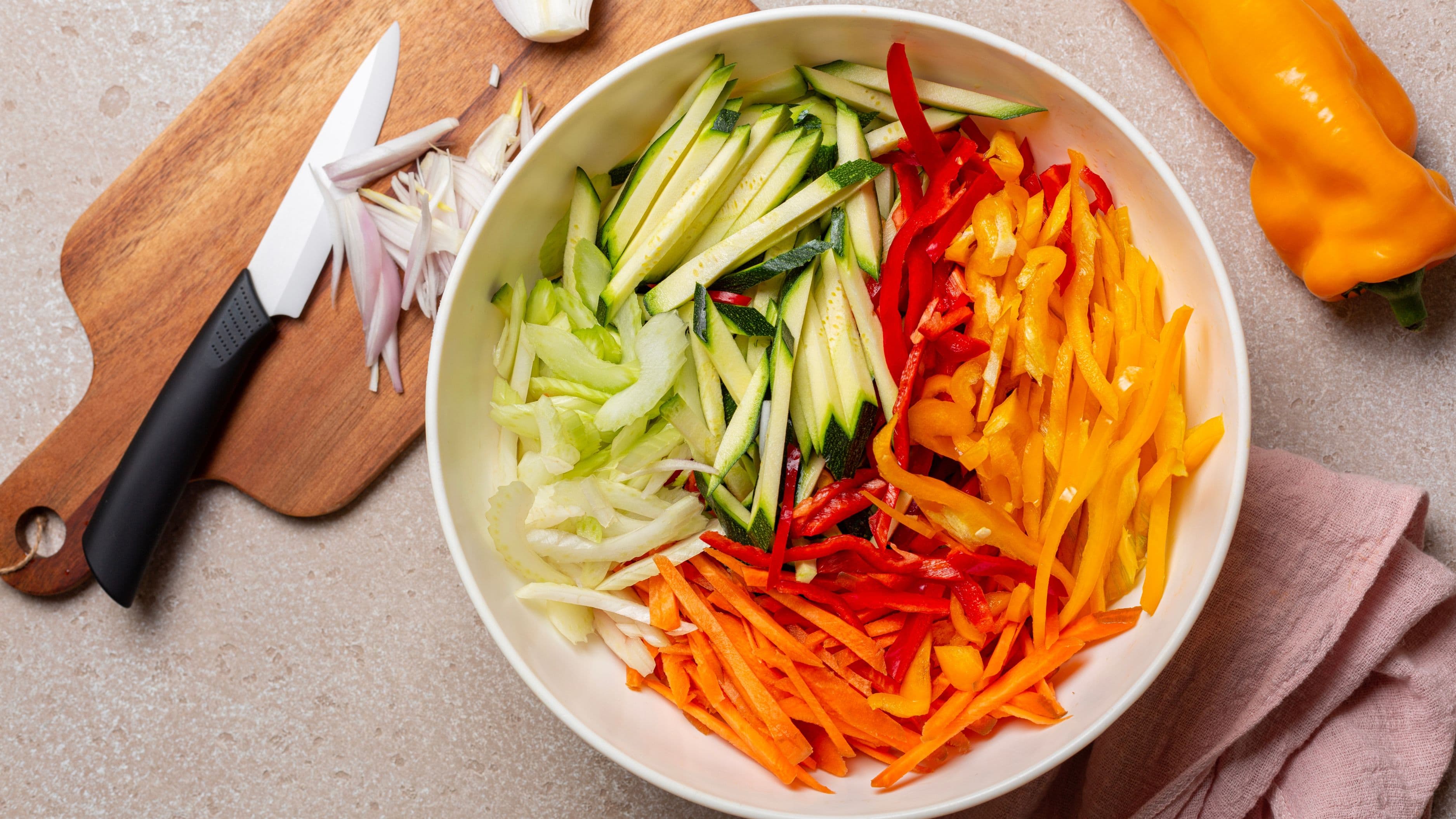
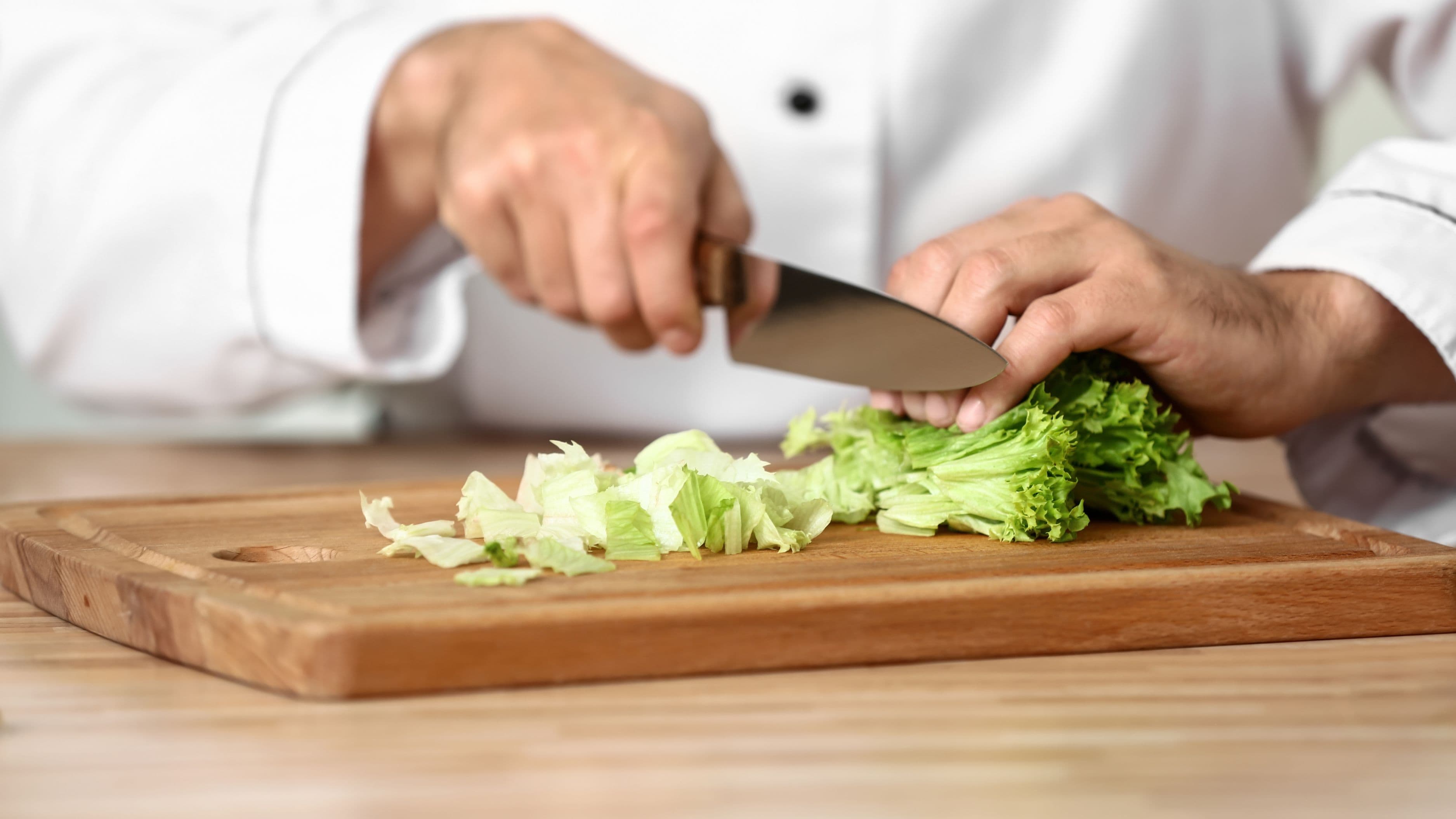
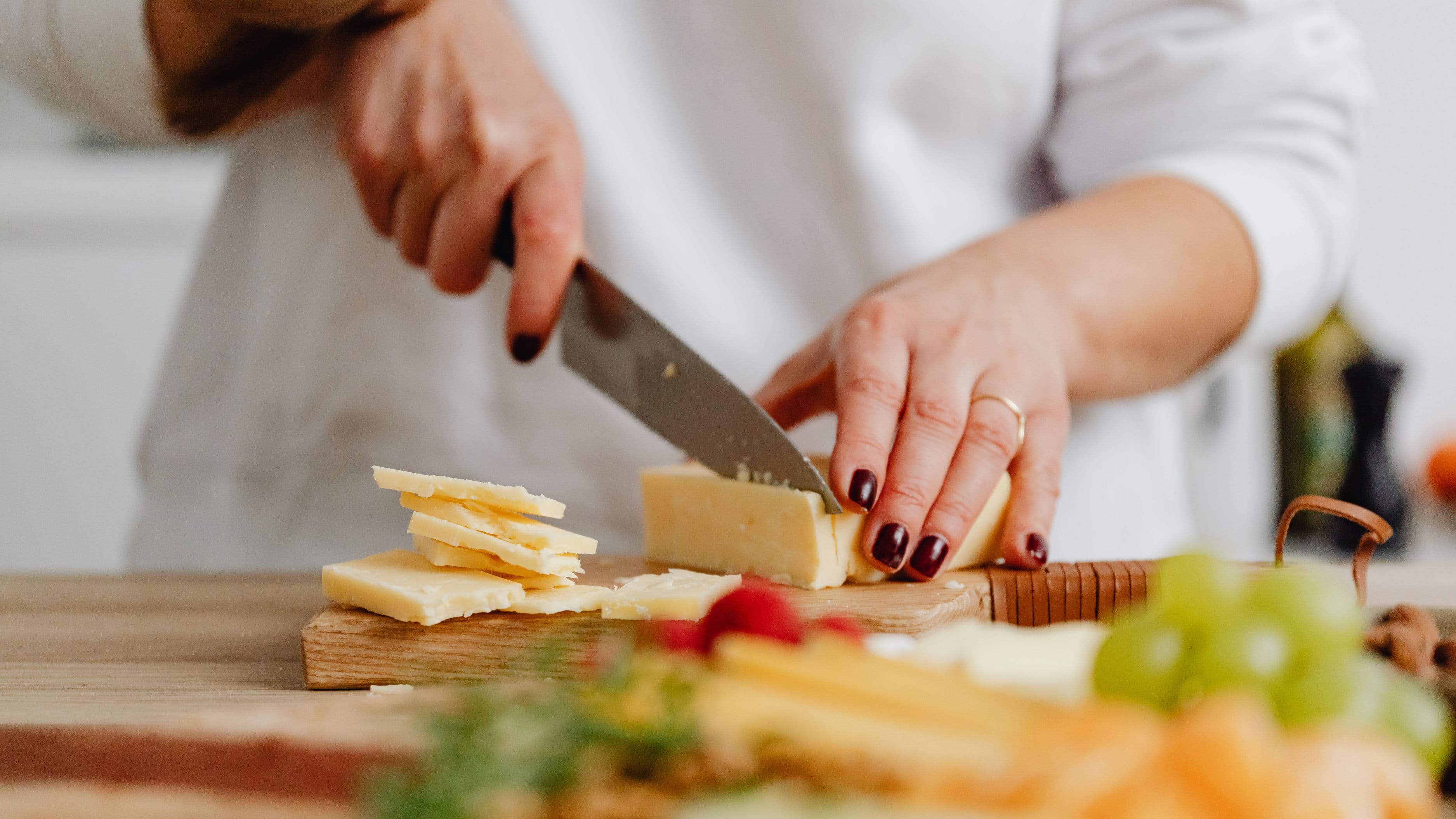
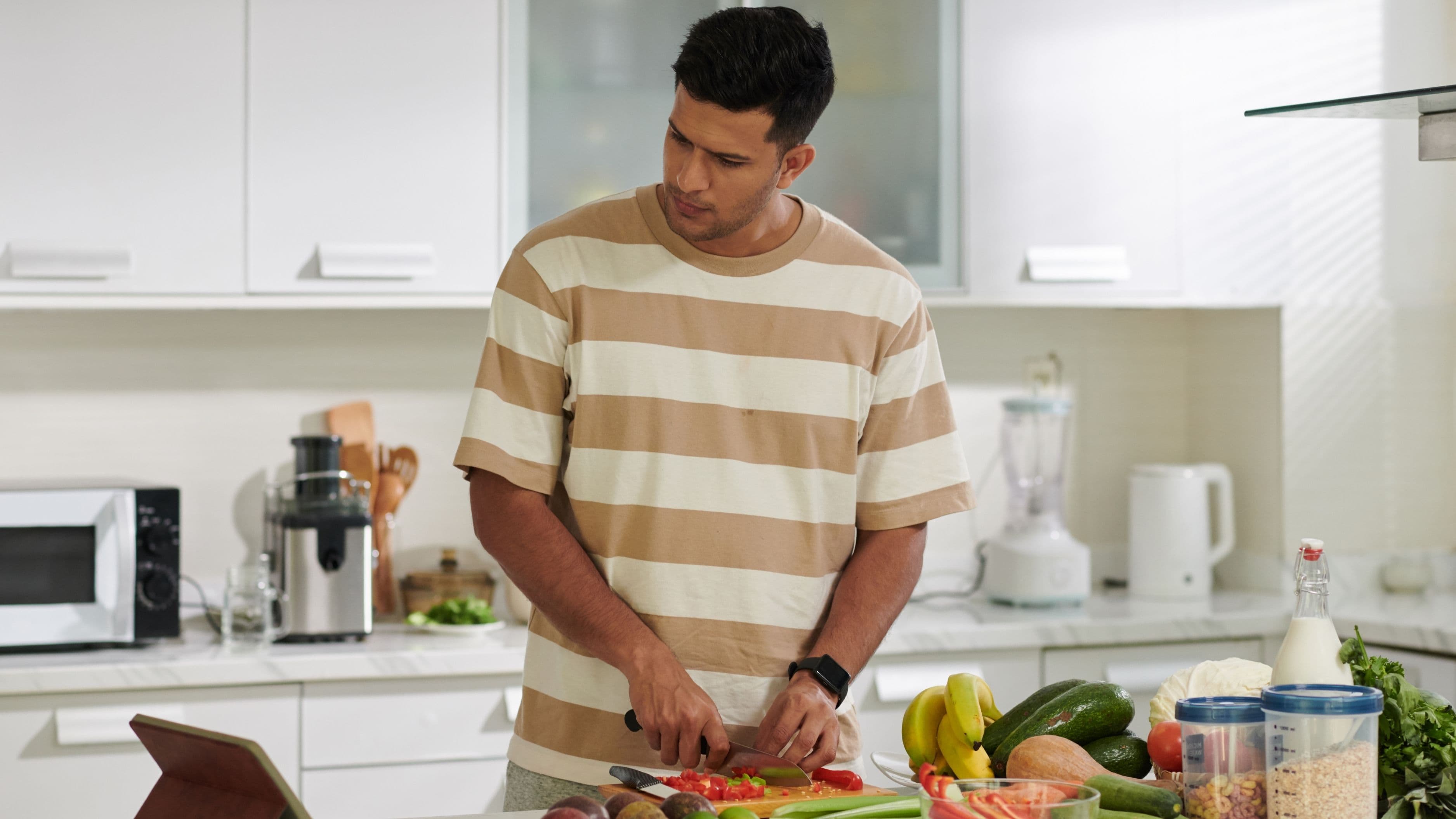
The day I finally learned to properly hold a chef's knife changed everything. For years, I'd been gripping it like a baseball bat, sawing through onions with the grace of someone performing surgery with oven mitts on. Proper knife skills aren't about speed or looking impressive—they're about safety, efficiency, and actually enjoying the prep work instead of dreading it. When you learn the basic cuts (dice, mince, julienne, chiffonade), suddenly recipes make sense and your ingredients cook evenly instead of becoming a chaotic mix of burnt bits and raw chunks. I spent one Saturday watching YouTube videos and practicing on carrots until my hand cramped, and by Sunday, I was chopping faster and more confidently than I had in my entire adult life. The confidence that comes from knowing you can break down any vegetable or piece of meat transforms cooking from intimidating to empowering.
2. Seasoning is a Conversation, Not a Monologue
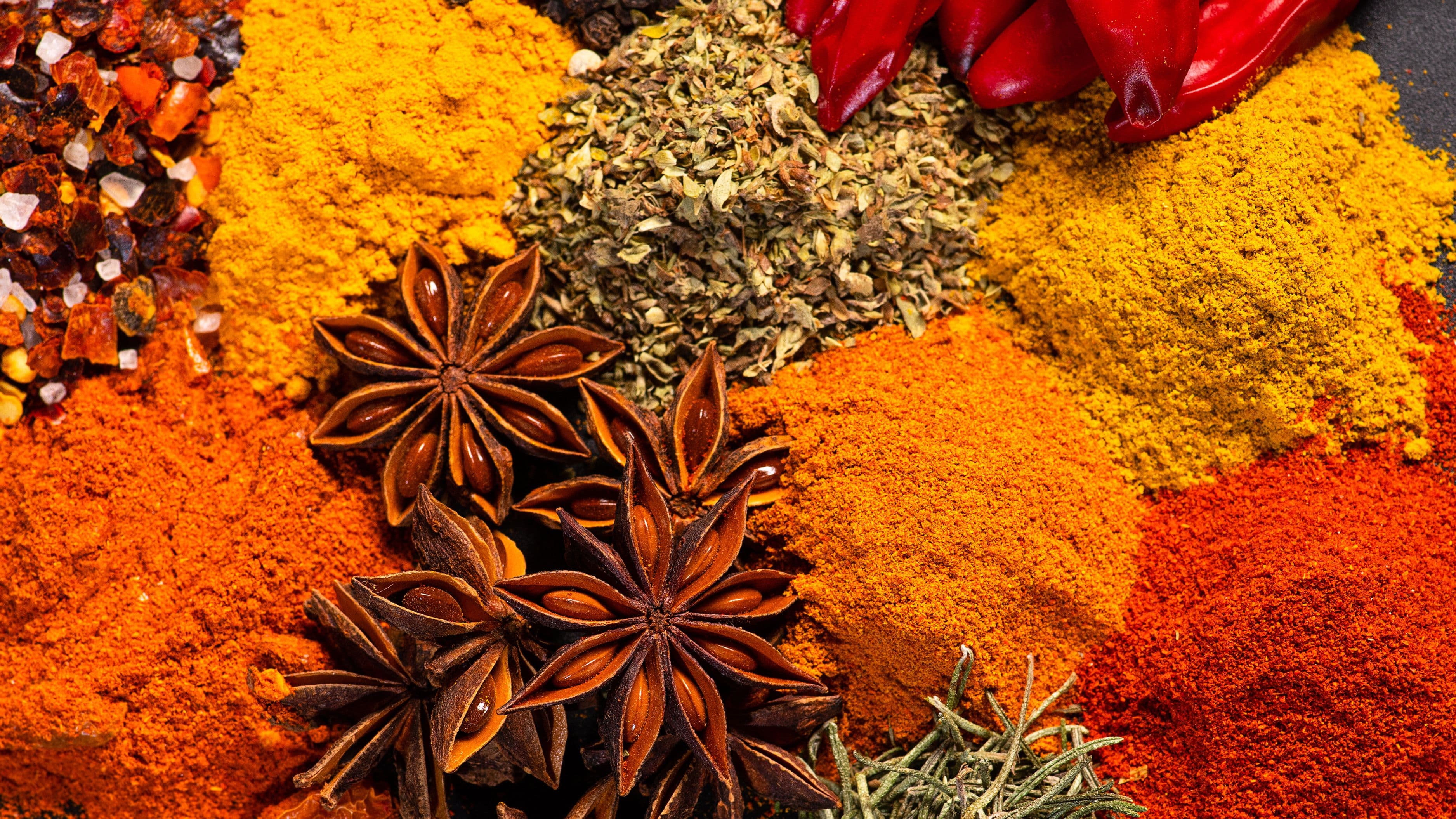
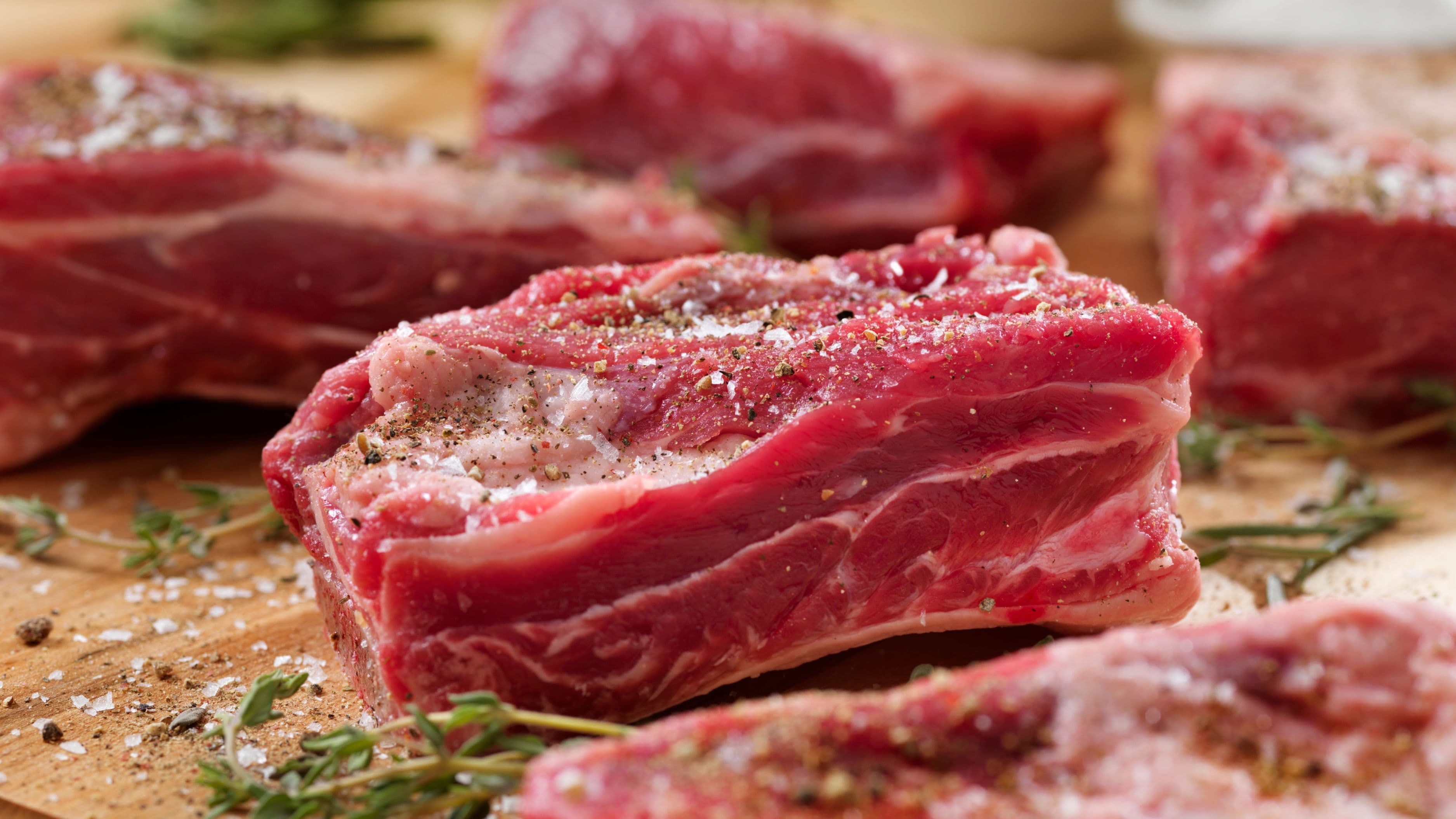
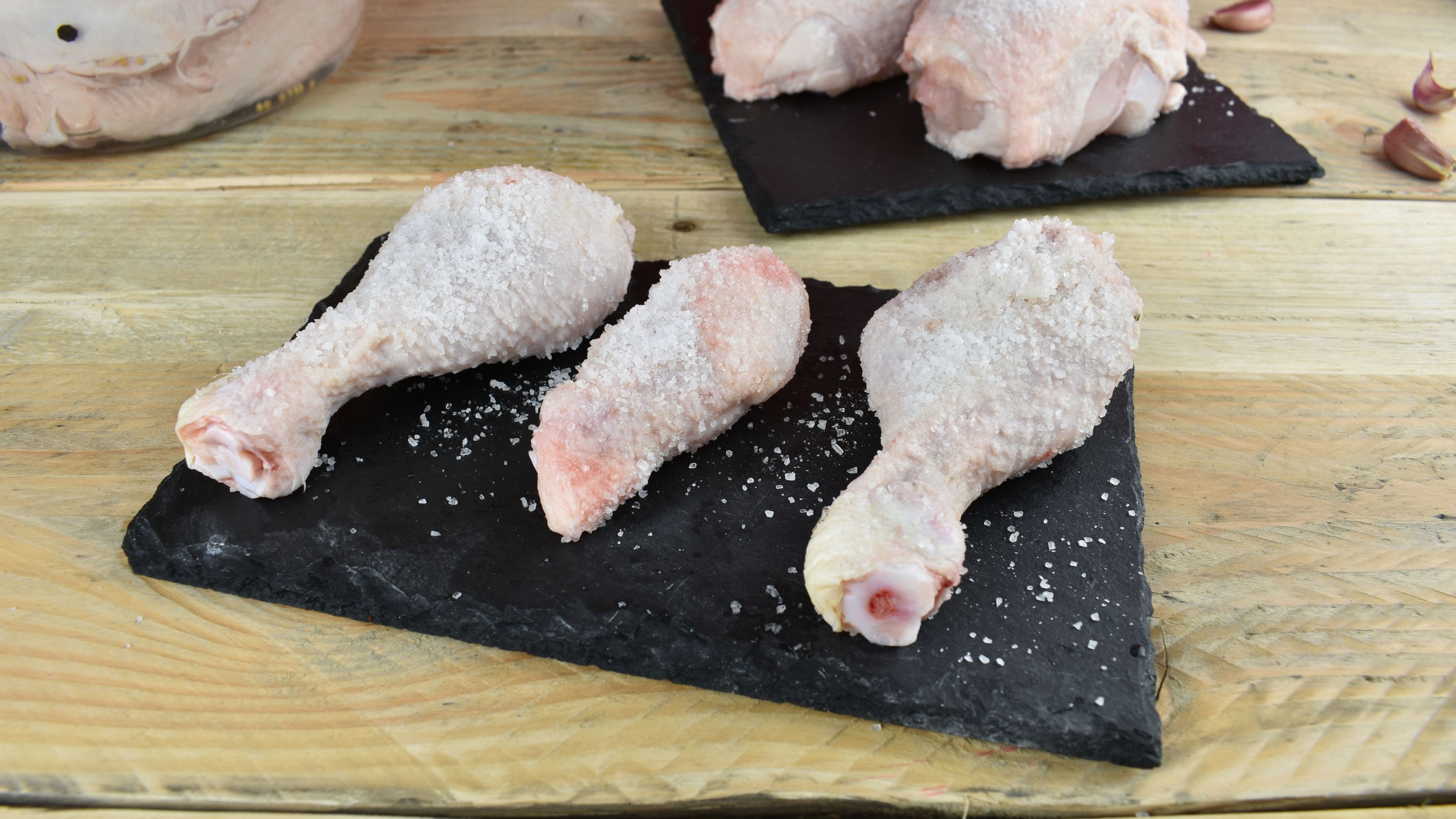
My biggest cooking mistake for the first decade of my adult life? Adding salt and pepper at the end and wondering why everything tasted flat and one-dimensional. Seasoning needs to happen in layers throughout the cooking process—salt your pasta water generously, season meat before it hits the pan, taste and adjust your sauce multiple times. Think of it like building a song: you wouldn't just add all the instruments in the final second and expect harmony. Salt doesn't just make food salty; it enhances flavors, brings out sweetness, and makes everything taste more like itself. I learned this watching a friend's Italian grandmother make Sunday sauce, tasting and adjusting every twenty minutes, treating the pot like it was alive and evolving. Now I keep kosher salt within arm's reach of my stove and taste compulsively, and the difference in my cooking is night and day.
3. Heat Control Separates Cooks from Recipe-Followers
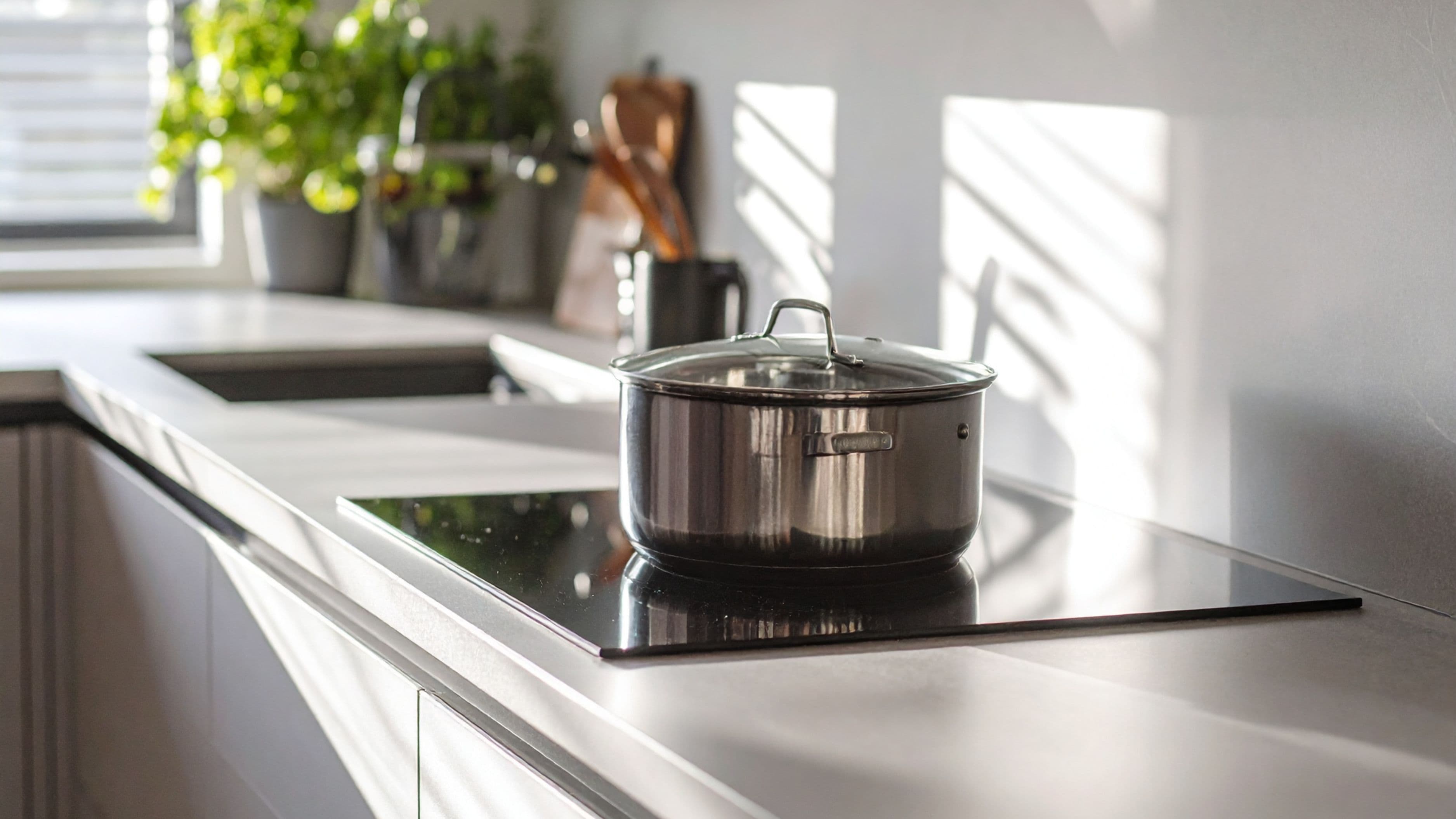
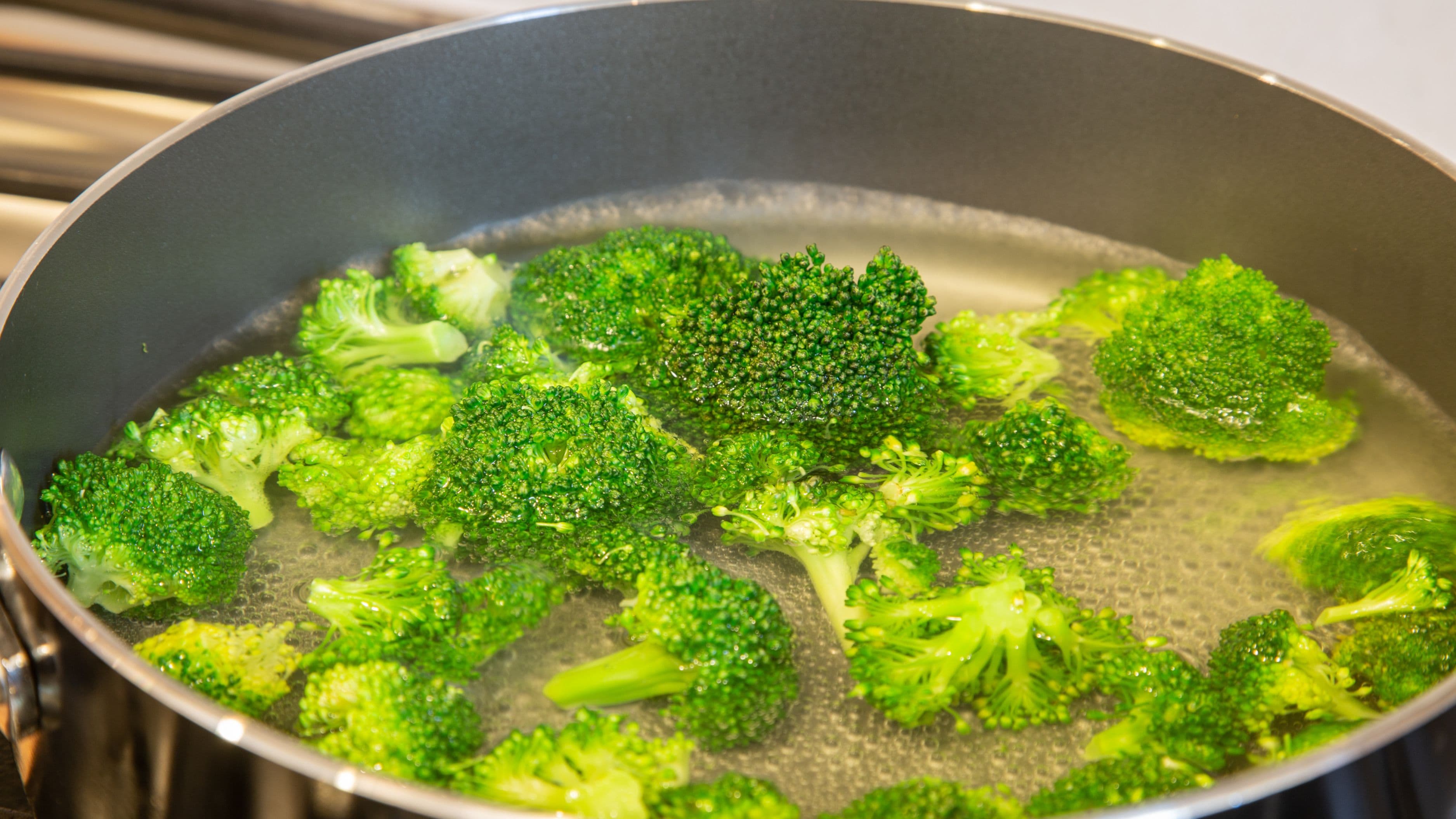
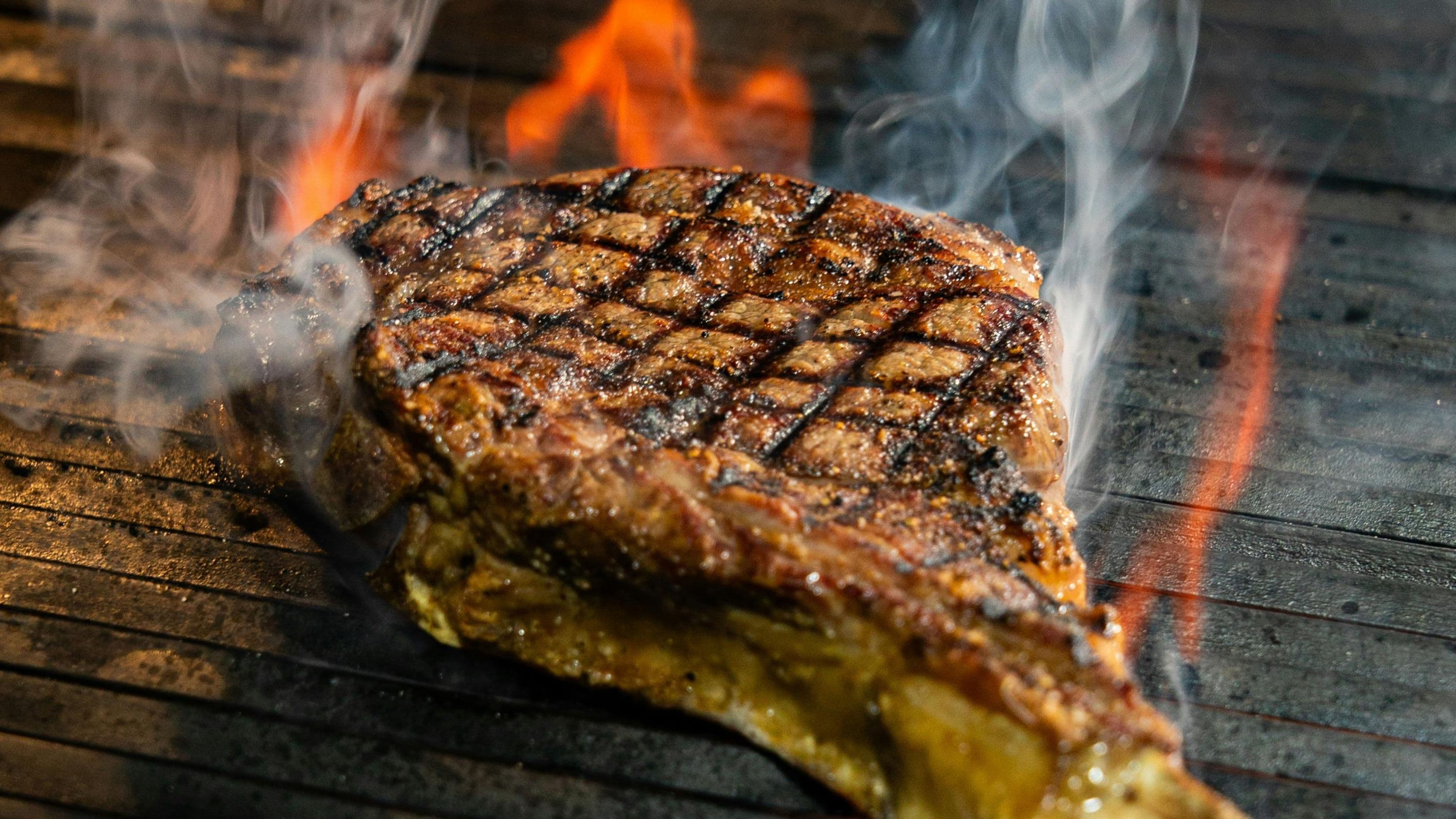
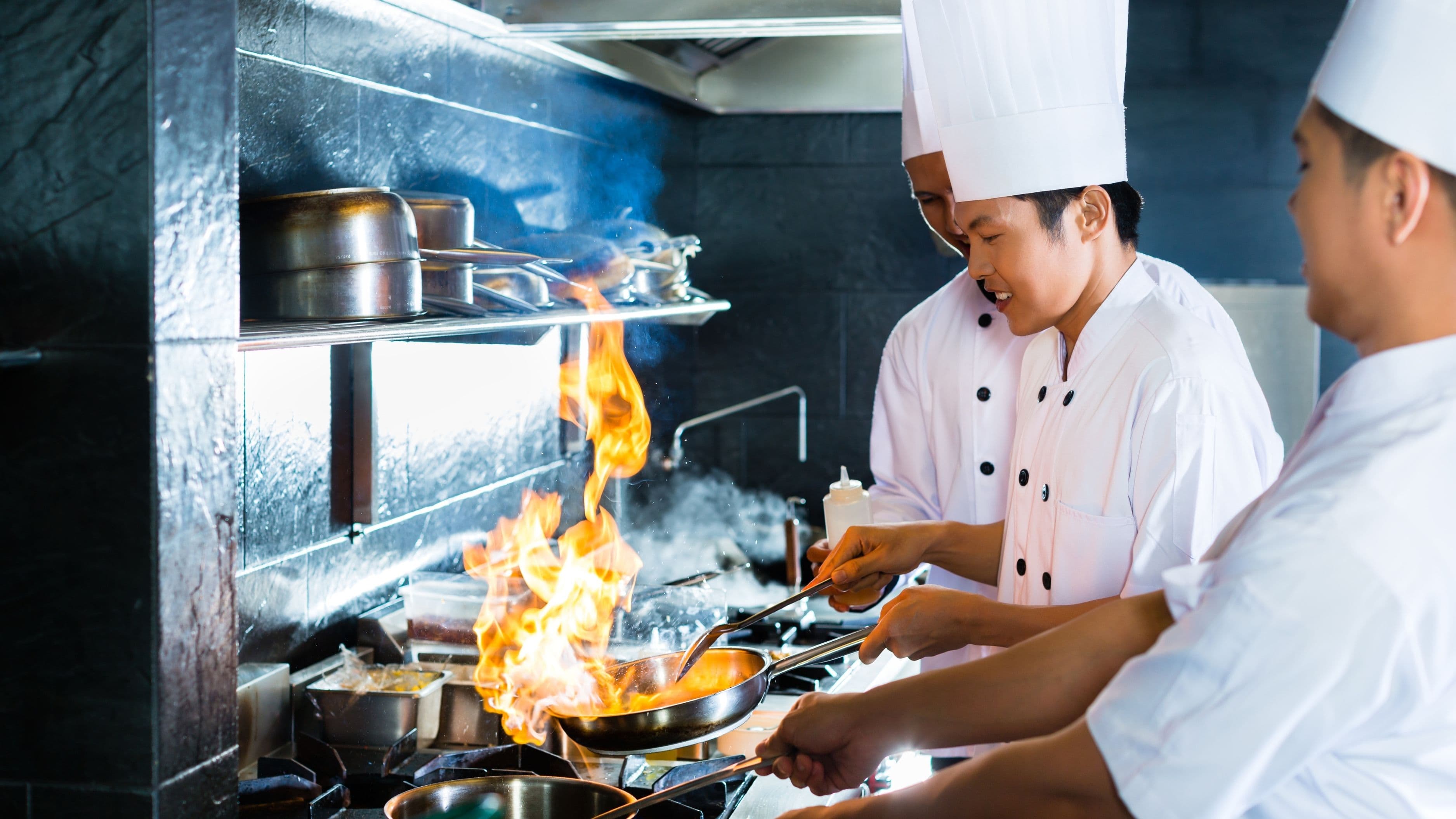
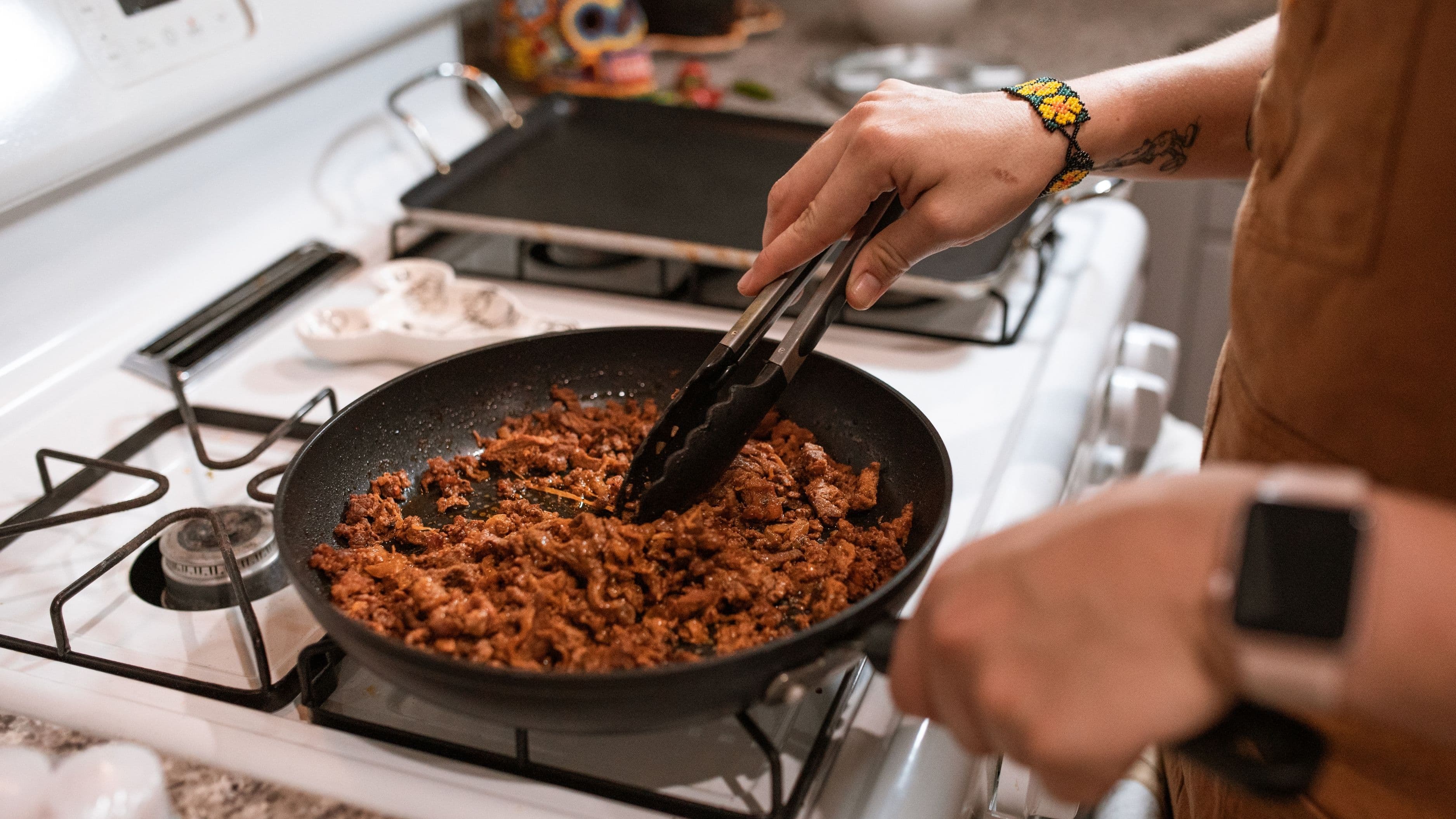
For years, I treated my stove like it had two settings: off and high. I'd crank burners to maximum and wonder why everything either burned on the outside while staying raw inside or turned into a sad, steamed mess. Understanding heat—when to sear, when to simmer, when to let things gently bubble versus aggressively boil—is the difference between following instructions and actually cooking. Medium-high isn't just a suggestion; it's often the sweet spot where food caramelizes without scorching, where flavors develop complexity instead of just getting hot. I once watched a line cook at a restaurant barely touch his burner dials all night, making micro-adjustments that resulted in perfectly seared fish and vegetables with gorgeous color. That observation taught me that heat control requires attention and adjustment, not the "set it and forget it" mentality I'd been using. Now I hover near my stove, adjusting flames like I'm conducting an orchestra, and my food finally has the color and texture I'd only seen in cookbooks.
4. Building Flavor Starts Before Ingredients Hit the Pan
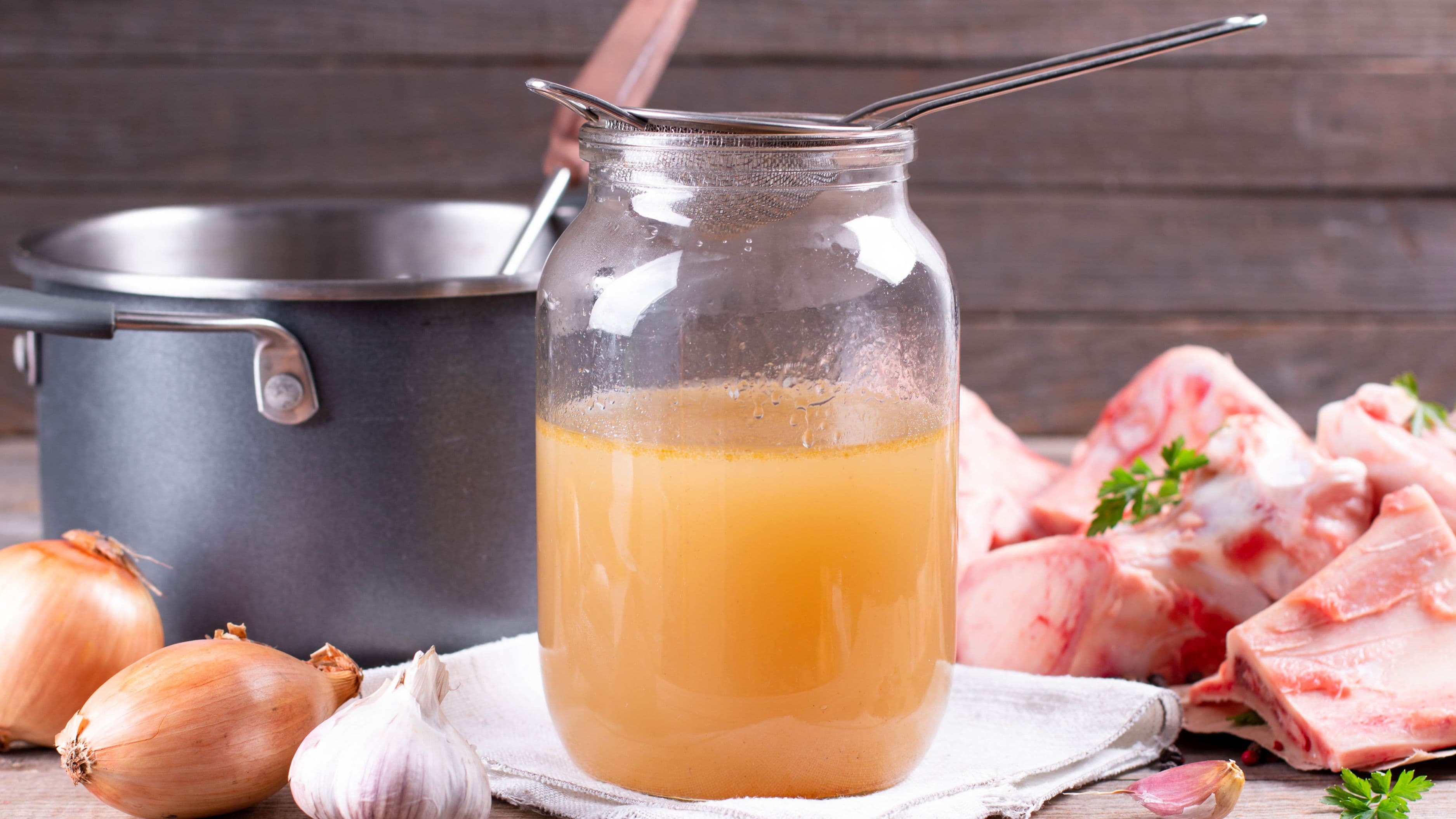
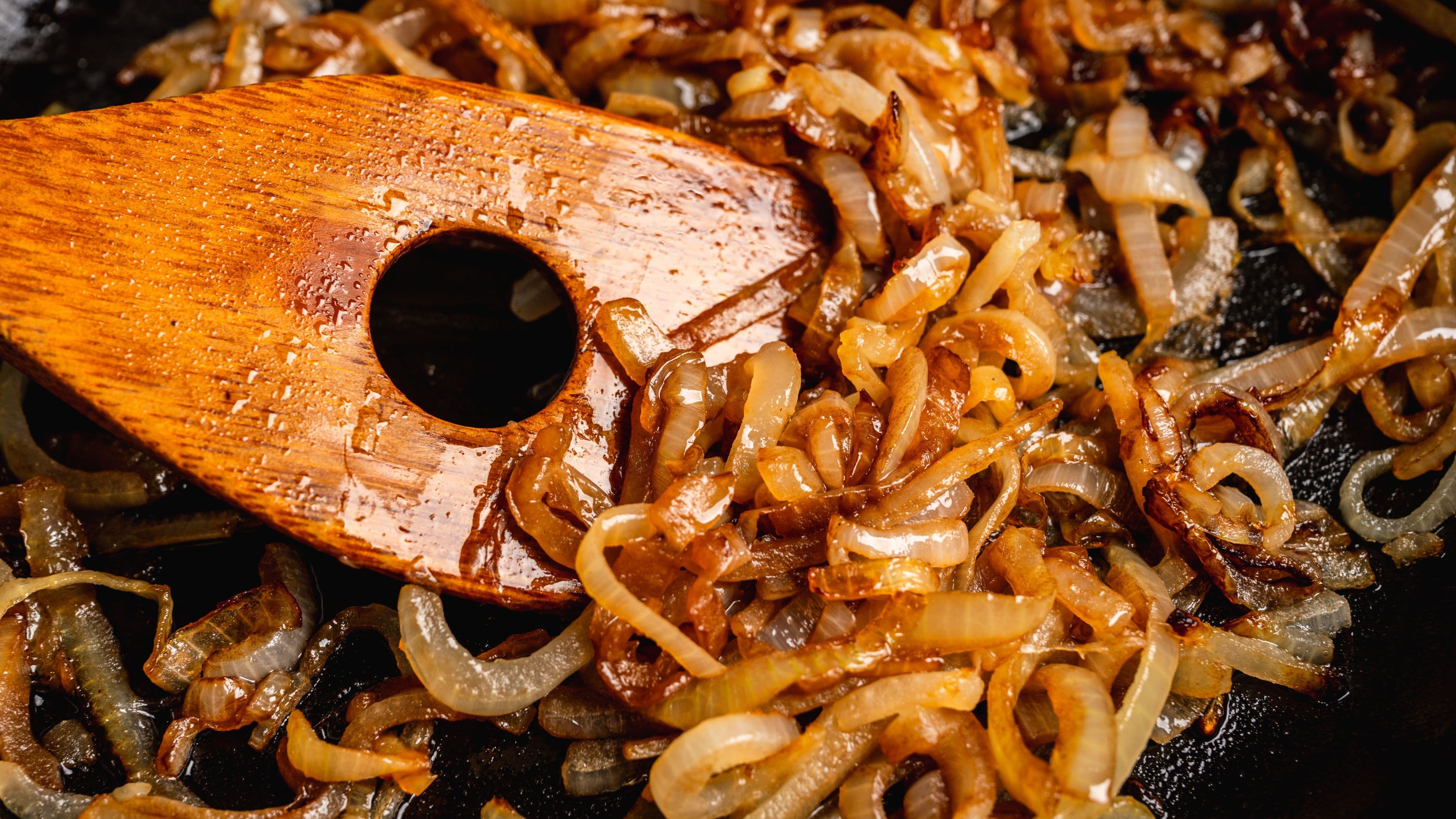
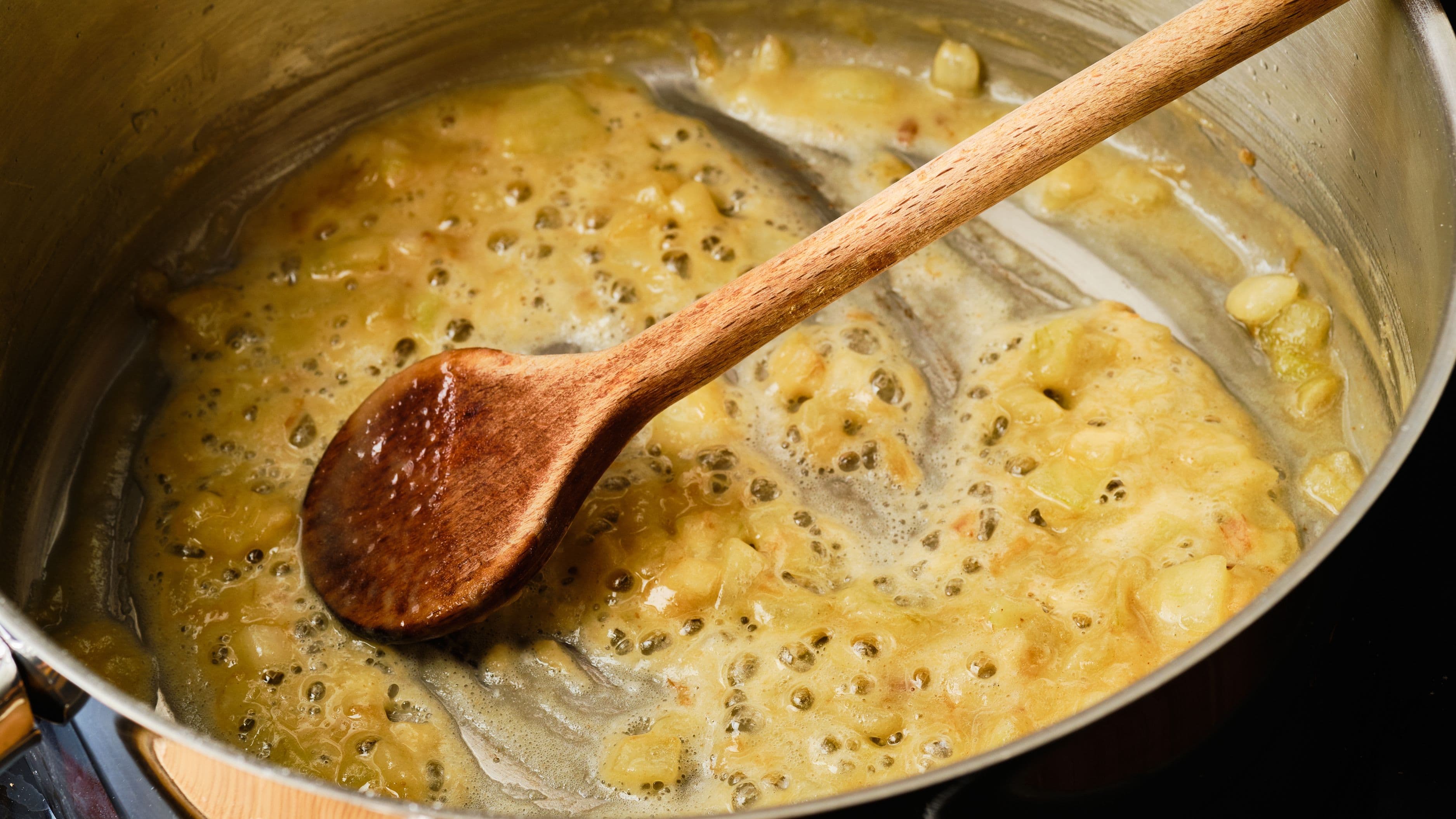
The holy trinity of cooking—onions, celery, and carrots (or whatever variation your cuisine prefers)—exists for a reason. Starting your dish with aromatics sautéed in fat creates a flavor foundation that packet seasonings and shortcuts can't replicate. I used to throw everything into the pan simultaneously, wondering why my soups and stews tasted thin and uninspired. Learning to build flavor in stages—sweating onions until translucent, toasting spices to wake them up, deglazing pans to capture those caramelized bits—changed my relationship with cooking entirely. It's the difference between paint-by-numbers and actually creating art. One night I made a simple tomato sauce, taking the time to slowly caramelize onions for twenty minutes before adding anything else, and my roommate asked what fancy restaurant I'd ordered from. Building flavor requires patience, but the payoff is food that tastes intentional and layered instead of like someone dumped ingredients into a pot and hoped for the best.
5. Reading the Whole Recipe First Isn't Optional
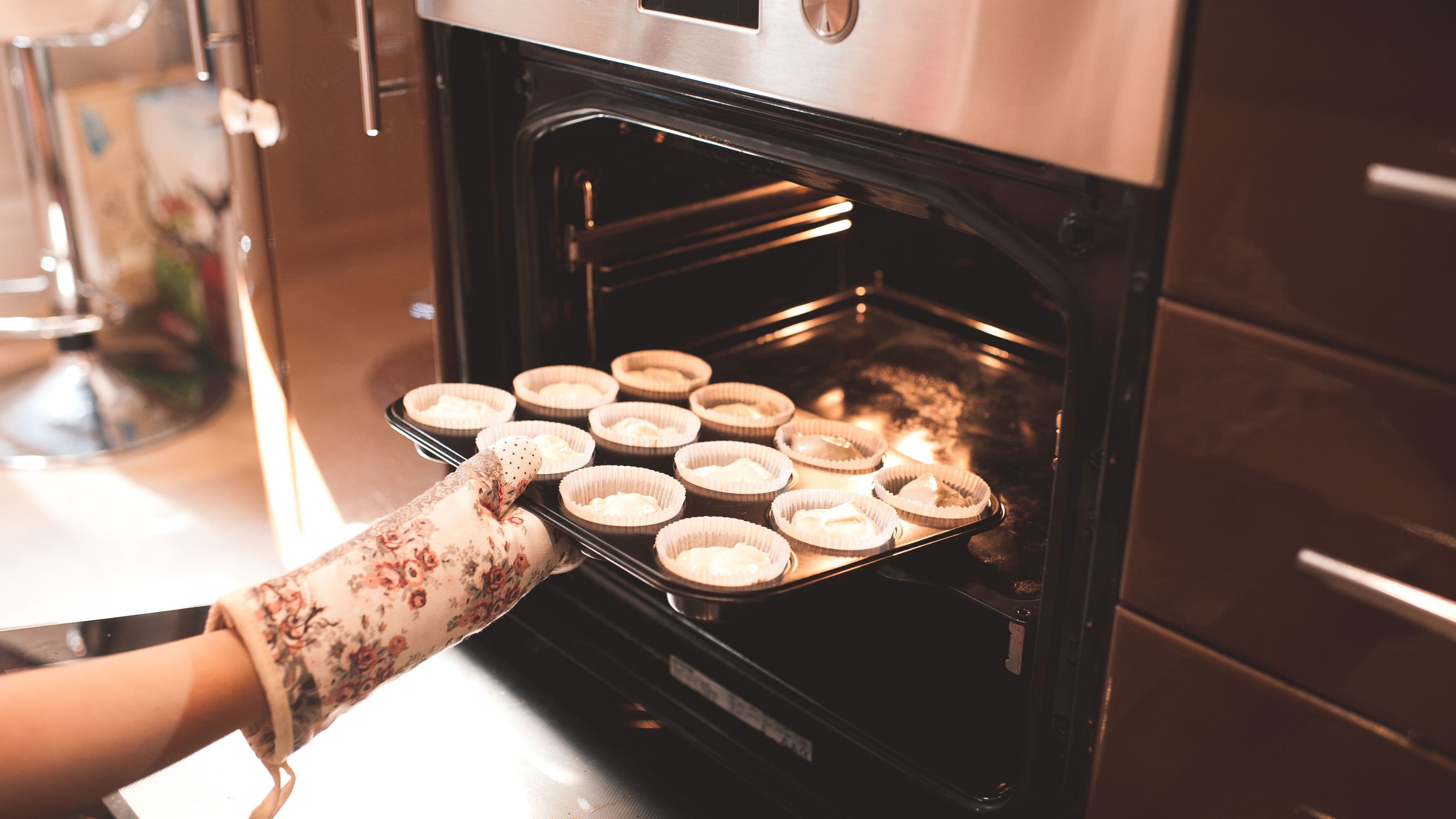
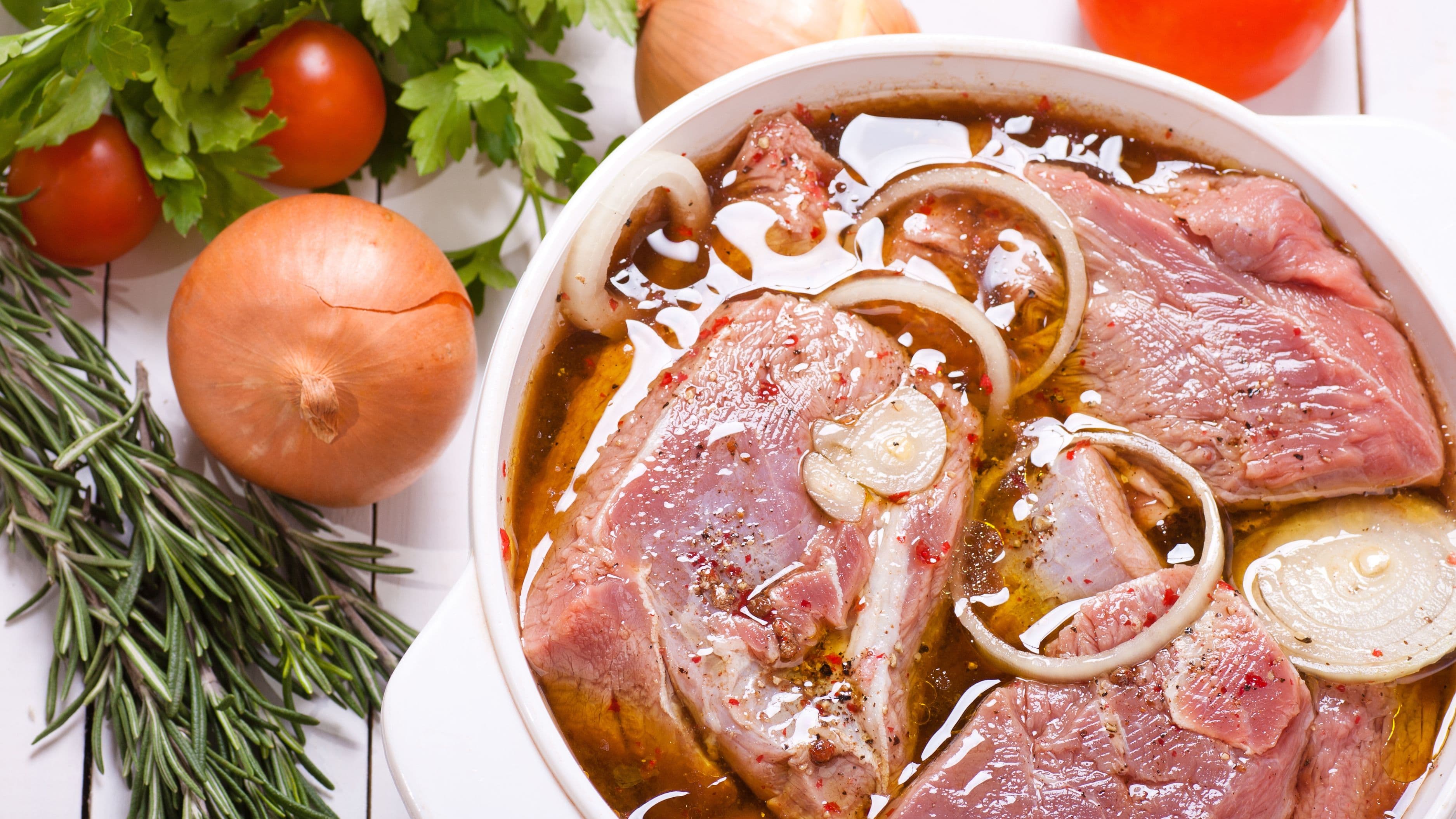
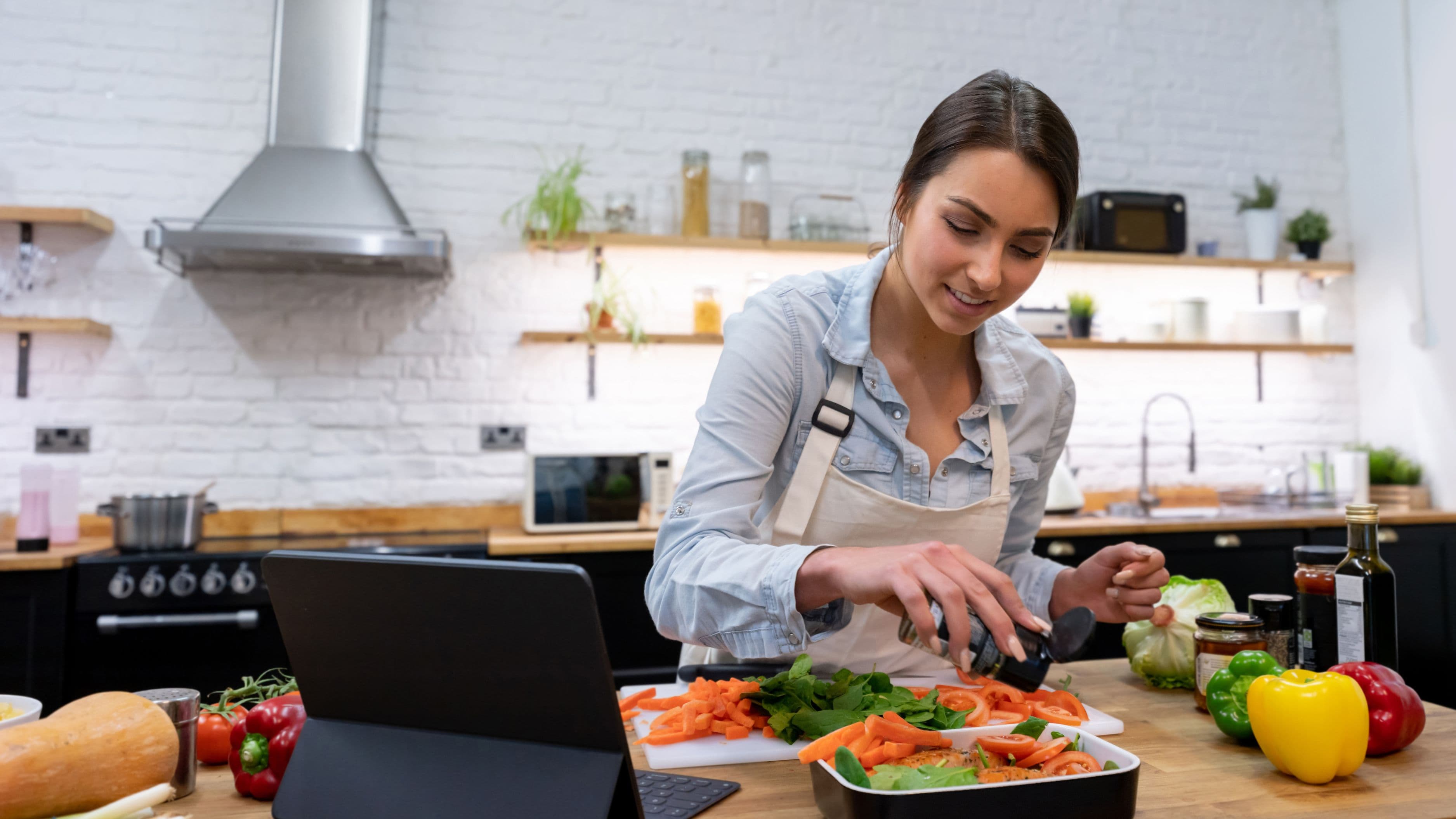
Nothing creates kitchen chaos quite like discovering mid-recipe that you need to marinate meat overnight or chill dough for two hours when you planned to eat in thirty minutes. I learned this lesson the hard way multiple times, most memorably when attempting a birthday cake that casually mentioned "refrigerate overnight" in step fourteen. Reading recipes completely before starting isn't about being cautious—it's about understanding the journey so you can plan accordingly and avoid panic. Professional cooks call this "mise en place," having everything in its place before you start cooking. Now I read recipes twice, gather all ingredients and equipment first, and save myself the frantic scrambling that used to characterize my time in the kitchen. This simple habit transformed cooking from stressful to meditative, giving me control instead of leaving me constantly behind and reactive.
6. Tasting as You Cook Isn't Cheating
For some reason, I spent my twenties believing that tasting food before it was "done" was somehow wrong, like peeking at presents before Christmas. This absurd mindset meant I'd season once, cook everything, then discover at the table that the dish needed more salt, acid, or literally anything to make it edible. Your palate is your most important tool, more valuable than any gadget or expensive knife. Tasting throughout the cooking process allows you to make adjustments, to understand how flavors develop and change, to rescue dishes before they become disasters. I watched a chef friend taste every single component of a salad—the greens, the dressing, the nuts—before assembling it, ensuring each element worked perfectly before combining them. That level of attention seemed excessive until I tried it myself and realized how much control it gave me. Now I taste obsessively, keeping a spoon nearby specifically for this purpose, and my food finally reflects my intentions instead of happy accidents or unfortunate surprises.
7. Embracing Fat Improves Everything
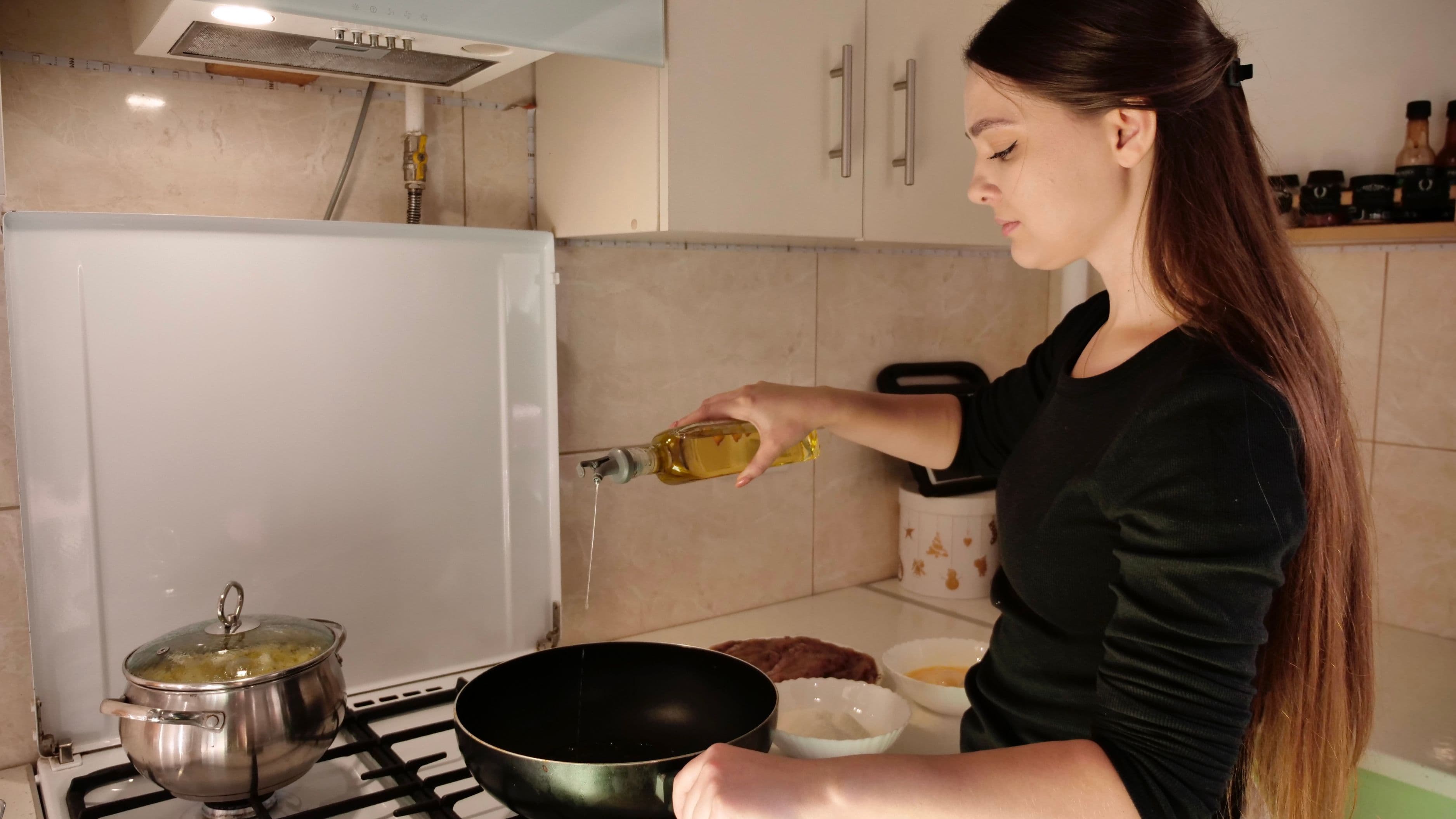
Growing up in the low-fat era of the '90s damaged my cooking more than I realized. I'd use cooking spray instead of butter, drain all fat from ground meat, and wonder why my food tasted like cardboard with ambition. Fat carries flavor, creates texture, and makes food satisfying in ways that fat-free alternatives never can. Learning to properly use butter, olive oil, and even bacon fat revolutionized my cooking and honestly made me enjoy eating my own food for the first time. A proper sear requires fat, vegetables need fat to caramelize beautifully, and sauces gain body and richness from fat in ways that cornstarch can't replicate. I'm not suggesting you deep-fry everything, but understanding that fat is a crucial ingredient rather than an enemy transforms cooking from producing "healthy but bland" to creating "delicious and nourishing." The confidence to add a tablespoon of butter to finish a sauce or to actually measure out olive oil generously changed what I could create in my kitchen.
8. Basic Techniques Beat Recipe Collections
I used to collect recipes like they were Pokémon, convinced that having 500 saved Instagram posts would somehow make me a better cook. What actually improved my cooking was learning five core techniques: sautéing, roasting, braising, searing, and making pan sauces. Once you understand these methods, you can apply them to virtually any ingredient and create hundreds of different dishes without following a single recipe. A properly seared piece of protein with a simple pan sauce works for chicken, pork, fish, or even tofu. Roasting vegetables with high heat and good seasoning creates magic regardless of whether you're cooking broccoli or Brussels sprouts. I spent a month focusing on one technique each week, practicing it with different ingredients until it became intuitive. That concentrated learning did more for my cooking confidence than years of randomly trying recipes ever did. Now I rarely follow recipes exactly because I understand the underlying principles, which means I can improvise, substitute, and create based on what's in my fridge rather than what's in my bookmarked collection.
9. Understanding Ratios Unlocks Creative Freedom
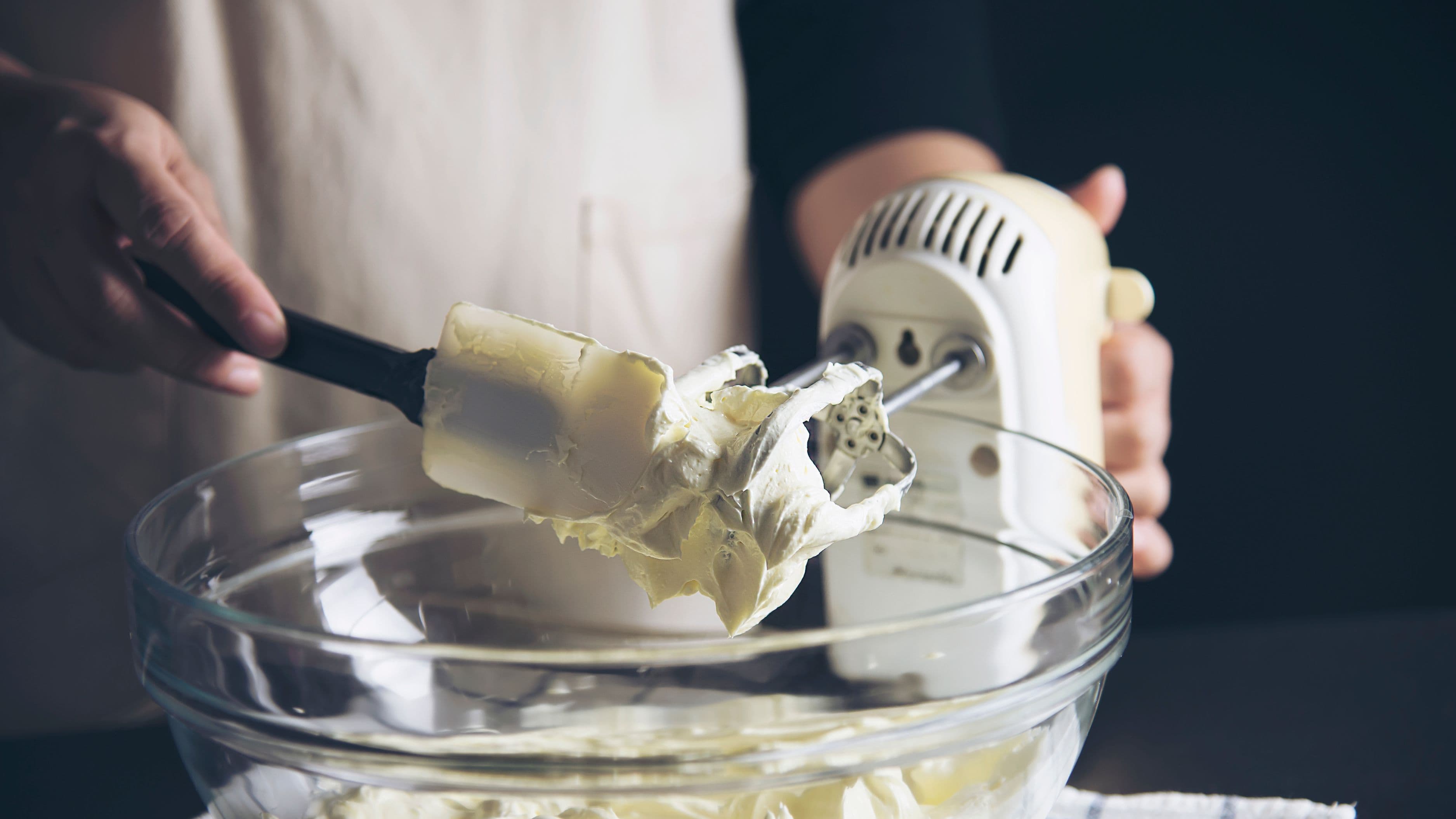
Baking a cake shouldn't require googling a new recipe every time you want to change the flavor. Once I learned that most cakes follow a basic ratio—equal parts flour and sugar, half as much fat and eggs—I could create endless variations by changing extracts, add-ins, and flavorings. The same applies to vinaigrettes (three parts oil to one part acid), bread (five parts flour to three parts water), and countless other preparations. Understanding ratios instead of memorizing recipes gives you the framework to experiment without fear of complete failure. I learned this from a bread-baking book that taught ratios instead of strict recipes, and suddenly I could make focaccia, pizza dough, and sandwich bread from the same basic understanding. This knowledge is what separates home cooks who need instructions from those who actually understand cooking. It's like learning grammar instead of memorizing sentences—once you know the structure, you can say anything you want.
10. Mistakes Are Just Expensive Lessons
My final and perhaps most important realization: every cooking disaster teaches you something valuable if you pay attention. That oversalted soup taught me about balance and how to rescue dishes with acid or starch. The burned garlic incident educated me about how quickly aromatics can go from fragrant to bitter. The undercooked chicken made me finally invest in a meat thermometer and stop relying on guesswork. Instead of letting failures defeat me, I started treating them as tuition paid to the culinary education I never formally received. Professional chefs burn things, oversalt dishes, and create absolute garbage sometimes—the difference is they analyze what went wrong instead of just feeling bad about it. I keep a small notebook where I jot down what worked and what didn't, and over time, patterns emerged that improved my intuition and decision-making. Embracing failure as part of the learning process removed the pressure to be perfect and allowed me to actually enjoy the experimental, creative aspects of cooking.
Looking back at that disastrous dinner party, I'm almost grateful for the embarrassment. It pushed me to finally invest time in learning skills I'd been avoiding, to treat cooking as something worth mastering instead of just enduring. The truth is, these skills aren't complicated or mysterious—they just require attention, practice, and a willingness to learn from the inevitable mistakes along the way. If you're in your twenties reading this, don't wait for a humiliating moment to motivate you. Start now. Pick one skill from this list and dedicate a month to practicing it until it feels natural. Your future self—the one who can confidently cook for dates, friends, and bosses without ordering secret backup pizza—will thank you. And more importantly, you'll discover that cooking isn't just about feeding yourself; it's about creativity, confidence, and the quiet satisfaction of creating something delicious with your own hands.