
1. Decision Fatigue Disappears
The first thing I noticed wasn't about the food at all—it was about my brain suddenly having space to breathe. Without a dozen spices to choose from, five types of pasta in my pantry, and endless recipe variations to scroll through, I felt a strange sense of lightness. Research from Cornell University found that we make over 200 food-related decisions every day, from what to eat to how much to serve, and each choice depletes our mental energy. When I limited myself to just five ingredients per meal, that number plummeted dramatically. I wasn't standing in the grocery store paralyzed by seventeen varieties of tomato sauce or wondering if I should buy that specialty ingredient for one recipe I'd probably never make again. Instead, I grabbed my five things and moved on with my day, preserving mental bandwidth for things that actually mattered.
2. Ingredient Quality Suddenly Matters
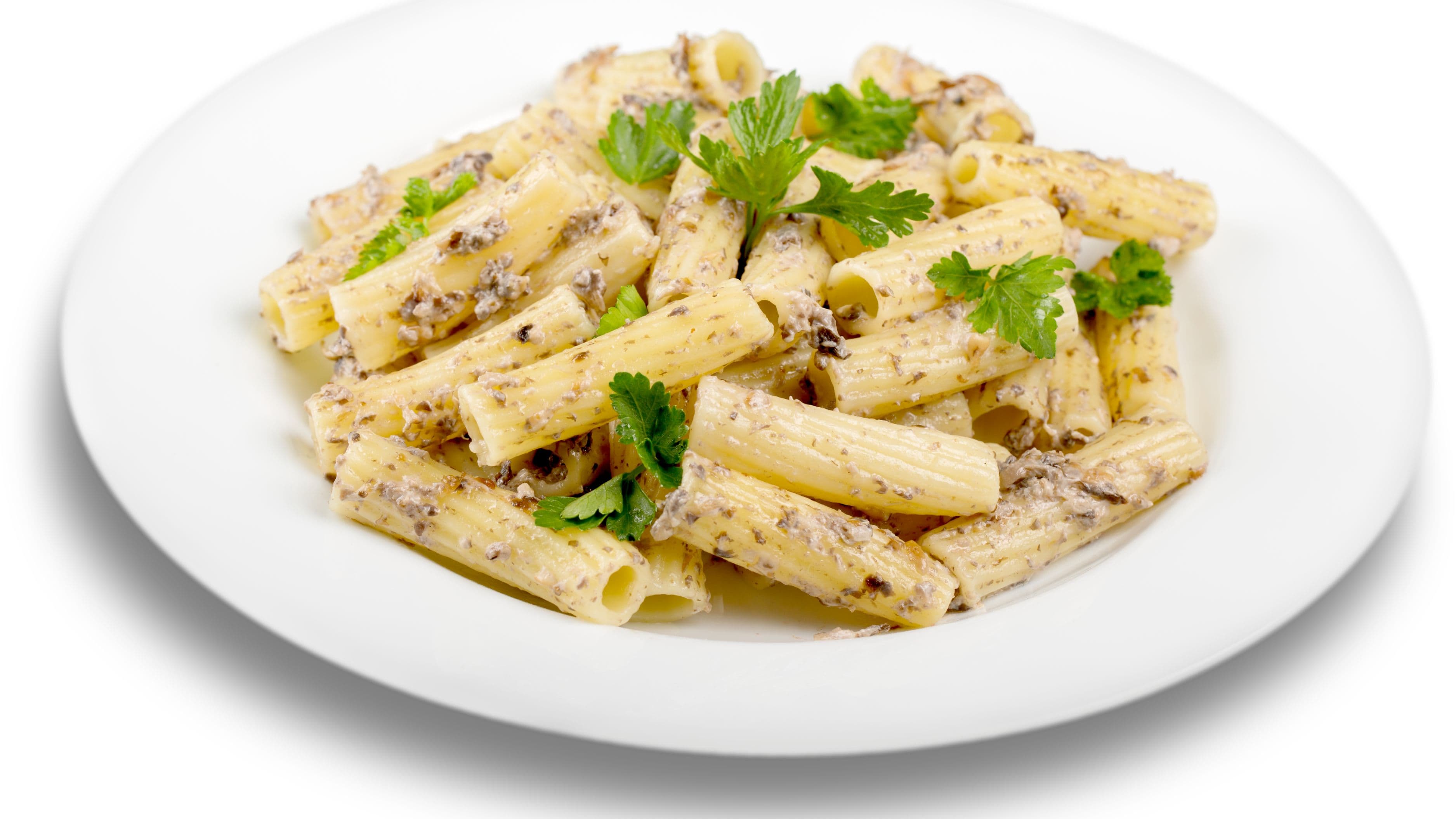
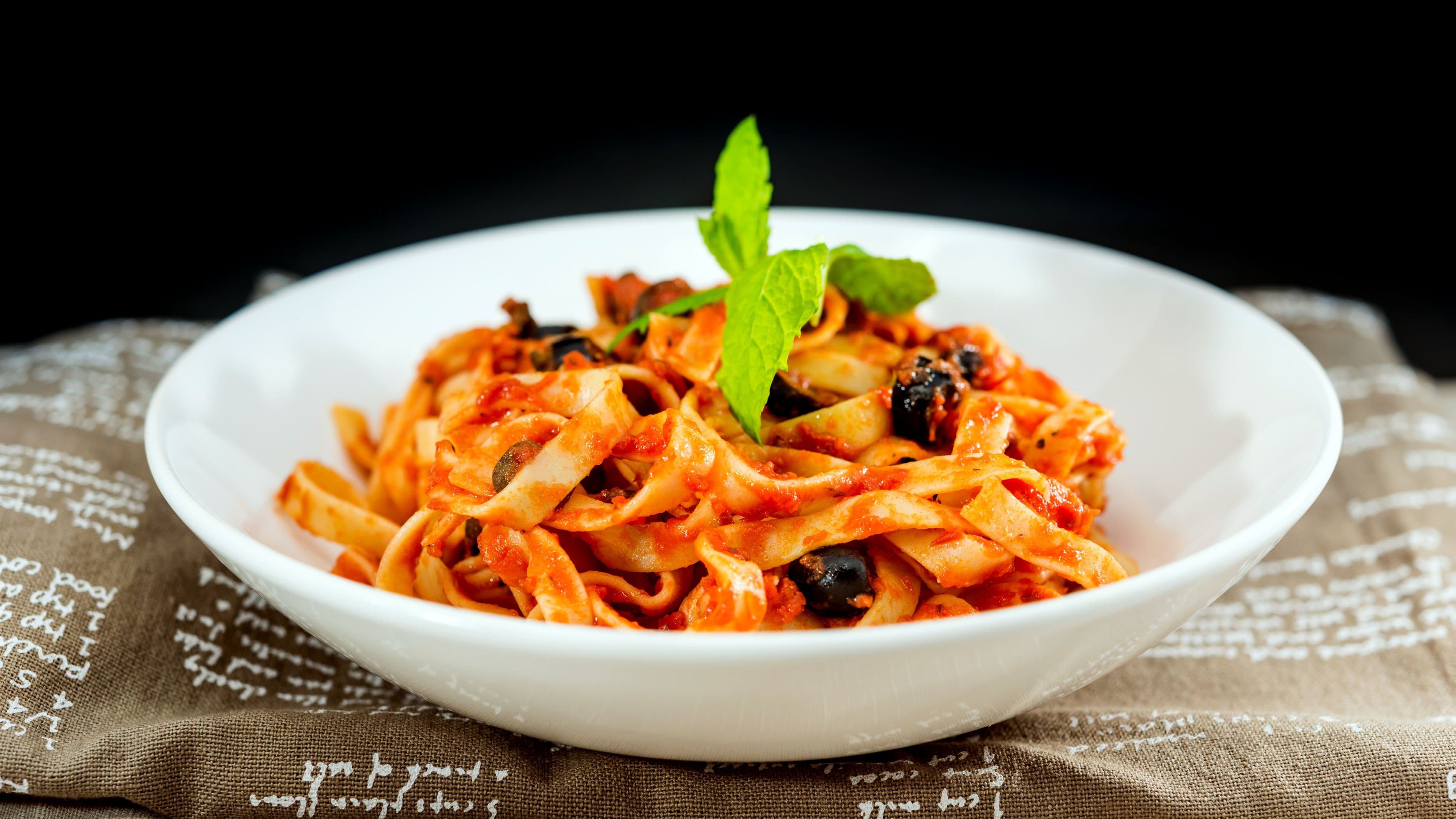
When you only have five ingredients to work with, you can't hide behind complexity or drown mediocre produce in fifteen different seasonings. I found myself actually caring about whether my olive oil tasted good, if my tomatoes were ripe, and whether that cheese was the real deal or a sad imposter. This shift felt almost revolutionary in an era where we're conditioned to think more is always better. With fewer elements on my plate, each one had to pull its weight and contribute something meaningful to the final dish. A simple pasta with garlic, olive oil, Parmesan, red pepper flakes, and fresh basil became a revelation because I bought the good Parmesan and the basil was fragrant and alive, not wilted and forgotten in my crisper drawer. Quality over quantity stopped being a cliché and became a tangible, taste-able reality.
3. Your Pantry Staples Become Creative Gold
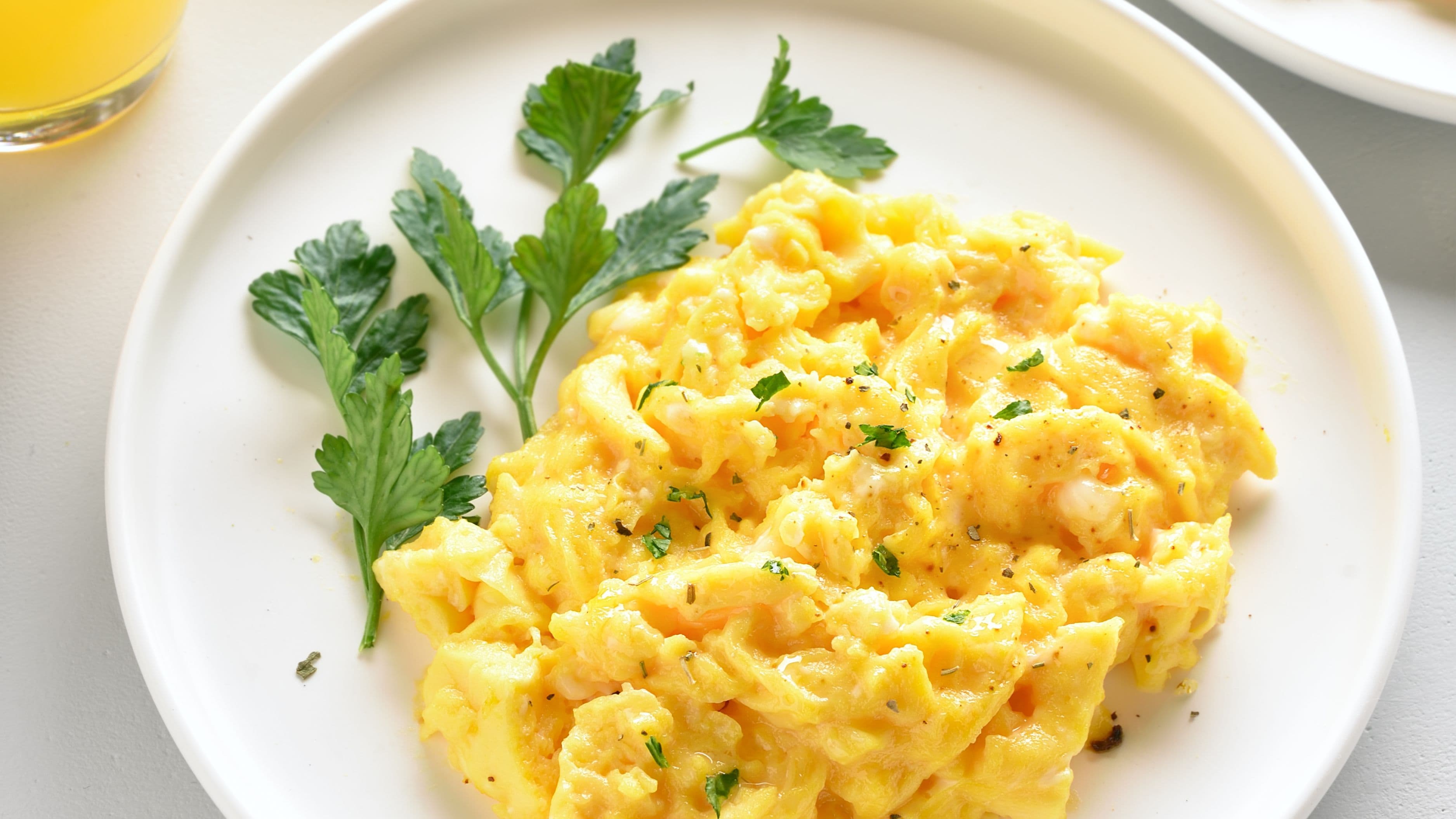
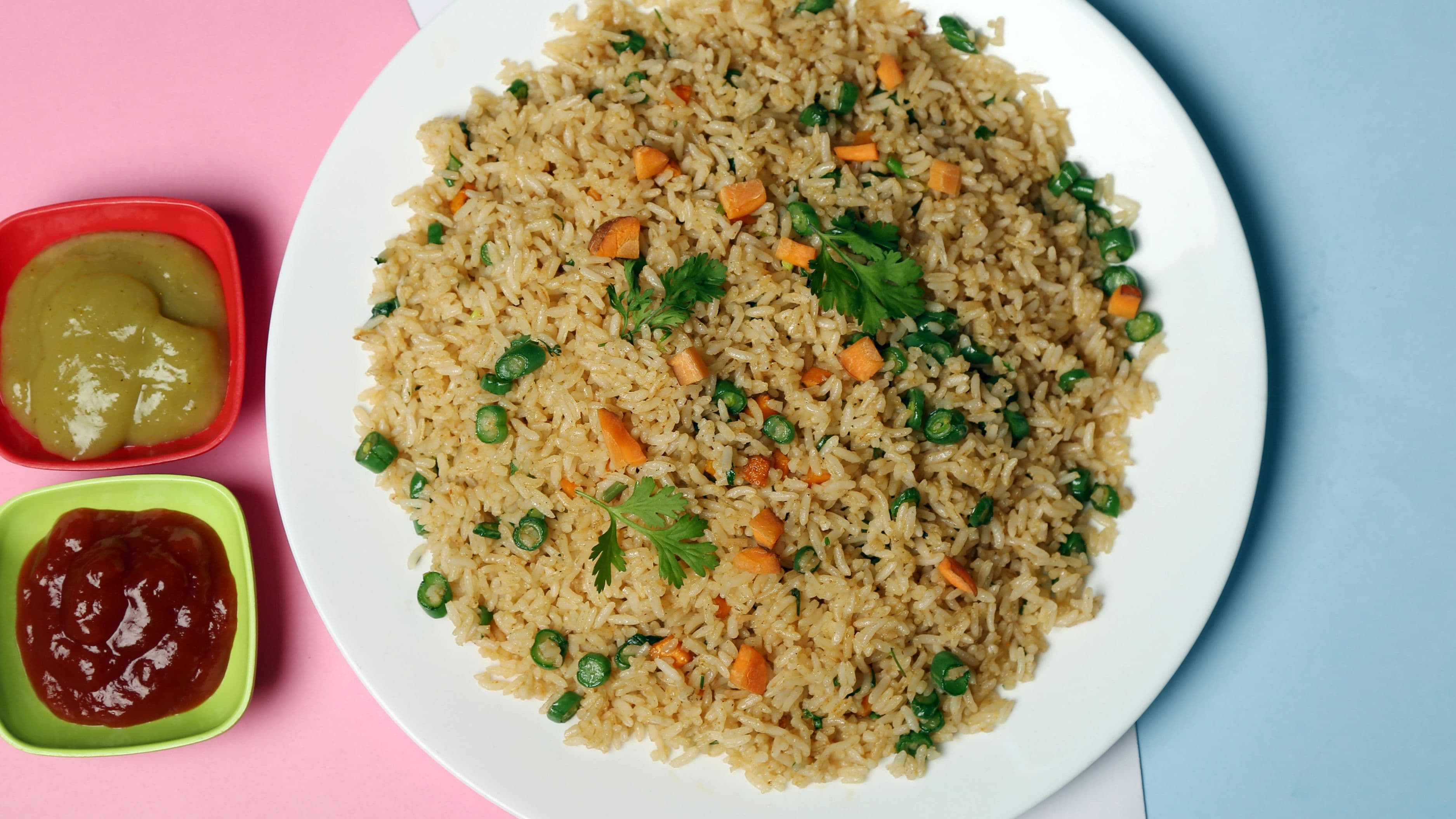
By day three, I realized I'd been treating ingredients like single-use tools rather than versatile building blocks. Eggs weren't just for scrambling anymore—they became the binder for quick frittatas, the protein in fried rice, and the silky coating for carbonara. A can of chickpeas transformed from "I guess I should use this someday" to a star ingredient in three completely different meals: mashed with garlic and olive oil for a spread, roasted until crispy for a snack, and simmered in a simple tomato sauce for dinner. The limitation forced me to see each ingredient's potential rather than constantly chasing novelty. This kind of creative problem-solving within constraints is exactly what professional chefs do, and it's why restaurant menus with fewer items often taste better—they've mastered their ingredients instead of trying to do everything at once.
4. Cooking Time Gets Cut in Half
Without the need to measure out twelve different spices, chop seven types of vegetables, or hunt through my pantry for that one specific ingredient the recipe called for, I was suddenly cooking actual meals in twenty minutes or less. The prep work simplified dramatically when I only needed to wash, chop, and prepare five things. Clean-up became almost laughably easy compared to my previous elaborate cooking sessions that left my kitchen looking like a test site. This efficiency revelation felt particularly relevant in our current media landscape where cooking content often glorifies complexity and time-intensive processes for the sake of views and engagement. The reality nobody talks about in those aesthetically perfect cooking videos is that most of us don't have three hours to caramelize onions or the energy to dirty fifteen bowls for one meal.
5. Food Waste Practically Vanishes
Perhaps the most surprising outcome was opening my refrigerator on day seven and not finding a single wilted herb, forgotten vegetable, or mystery container growing something concerning. When you're working with limited ingredients, you use what you have completely before moving on to something else. That bunch of cilantro I bought for tacos on Monday became the fresh element in my Wednesday rice bowl and the flavor boost for Friday's soup. Nothing lingered long enough to go bad because everything had multiple purposes across different meals. According to the USDA, American households waste approximately 30-40% of their food supply, much of it fresh produce and ingredients bought with good intentions but forgotten in the chaos of too many options. My five-ingredient constraint eliminated that waste entirely, which meant I saved money while also feeling less guilty about my environmental impact.
6. Technique Becomes Your Secret Weapon
When you can't rely on adding another ingredient to "fix" a dish, you start paying attention to how you're actually cooking. I learned that properly seasoning water for pasta makes a massive difference, that letting garlic get golden (but not brown) completely changes its flavor profile, and that finishing a dish with a squeeze of lemon or a drizzle of good olive oil elevates everything. These techniques were always available to me, but I'd been too distracted by ingredient lists that read like chemistry experiments to notice them. Content creators in the food space often emphasize exotic ingredients and complicated methods, but the chefs who've trained in professional kitchens will tell you that mastering temperature control, timing, and basic techniques matters more than having fifty bottles in your spice cabinet.
7. Meal Planning Stops Being Overwhelming
Before this experiment, meal planning felt like preparing for a major expedition—hours of scrolling through recipes, making elaborate grocery lists, and ultimately abandoning the plan by Wednesday when I felt too tired to cook something complicated. With only five ingredients per meal, planning became almost absurdly simple. I could visualize complete meals in seconds, and grocery shopping took fifteen minutes instead of an hour. The cognitive load reduction made me actually stick to my plan instead of defaulting to takeout. This aligns with what behavioral scientists understand about decision-making: when we reduce the friction in a process, we're exponentially more likely to follow through with our intentions.
8. You Start Tasting Food Again
Somewhere along the way, my palate had become so overwhelmed by complex flavor combinations that I'd stopped really tasting individual ingredients. A meal with five thoughtfully chosen elements let each flavor shine without competing for attention. I could taste the sweetness of roasted cherry tomatoes, the peppery bite of arugula, the richness of butter, the salt of Parmesan, and how they harmonized together. It reminded me of why minimalist plating became trendy in fine dining—not because chefs were being pretentious, but because simplicity allows diners to actually experience what they're eating. Our content-saturated food culture constantly pushes "more" at us, but this week taught me that sometimes less delivers a more memorable experience.
9. Cooking Confidence Skyrockets
By the end of the week, I wasn't following recipes anymore—I was improvising based on what I understood about how ingredients work together. That kind of confidence comes from repetition and deep familiarity with a smaller set of ingredients rather than superficial knowledge of hundreds. I knew exactly how much salt my pasta water needed, how long to sauté onions until they turned sweet, and which five ingredients would combine into something delicious without needing to Google "what to make with [ingredient]." This transformation felt empowering in a way that watching endless cooking tutorials never did. The algorithmic feed wants us constantly seeking the next recipe, the next hack, the next trend, but mastery comes from simplification and repetition.
10. You Realize How Much Marketing Influences Your Cart
The most uncomfortable revelation was recognizing how much of my grocery shopping was driven by food media, influencer recommendations, and trending ingredients rather than what I actually needed or enjoyed. I'd been buying specialty items because they showed up in my feed, not because they fit into my real life or cooking style. The five-ingredient constraint forced me to think about what I truly valued and used regularly versus what I bought to feel like I was keeping up with culinary trends. This awareness felt particularly relevant given how intertwined social media and consumer behavior have become, with platforms essentially functioning as endless shopping catalogs disguised as entertainment and inspiration.
When the week ended, I didn't immediately rush back to my old habits. Something fundamental had shifted. I'd discovered that constraints don't limit creativity—they focus it. The abundance that digital media promises us in every aspect of life, from streaming options to recipe databases, often paralyzes rather than empowers. By stripping away excess and working within boundaries, I found more satisfaction, less stress, and a genuine connection to the act of feeding myself. The irony isn't lost on me that it took intentional limitation to feel truly free in my kitchen. Maybe that's the real lesson here: sometimes the best way to find your voice, whether in cooking or any creative endeavor, is to stop listening to the noise telling you that you need more of everything and instead master the essentials you already have. The next time you feel overwhelmed by choice, try choosing less. You might be surprised by how much more you gain.
📚 Sources
Wansink, B., & Sobal, J. (2007). Mindless eating: The 200 daily food decisions we overlook. Environment and Behavior, 39(1), 106-123.
United States Department of Agriculture. (2023). Food waste and loss. Economic Research Service.