
When Recipes Demand Precision
1. Baking is chemistry, not cooking. Cake ratios, leavening agents, and temperatures aren't suggestions—they're formulas that determine whether you get fluffy bread or hockey pucks. Mess with a cake recipe and you'll learn this lesson expensively.
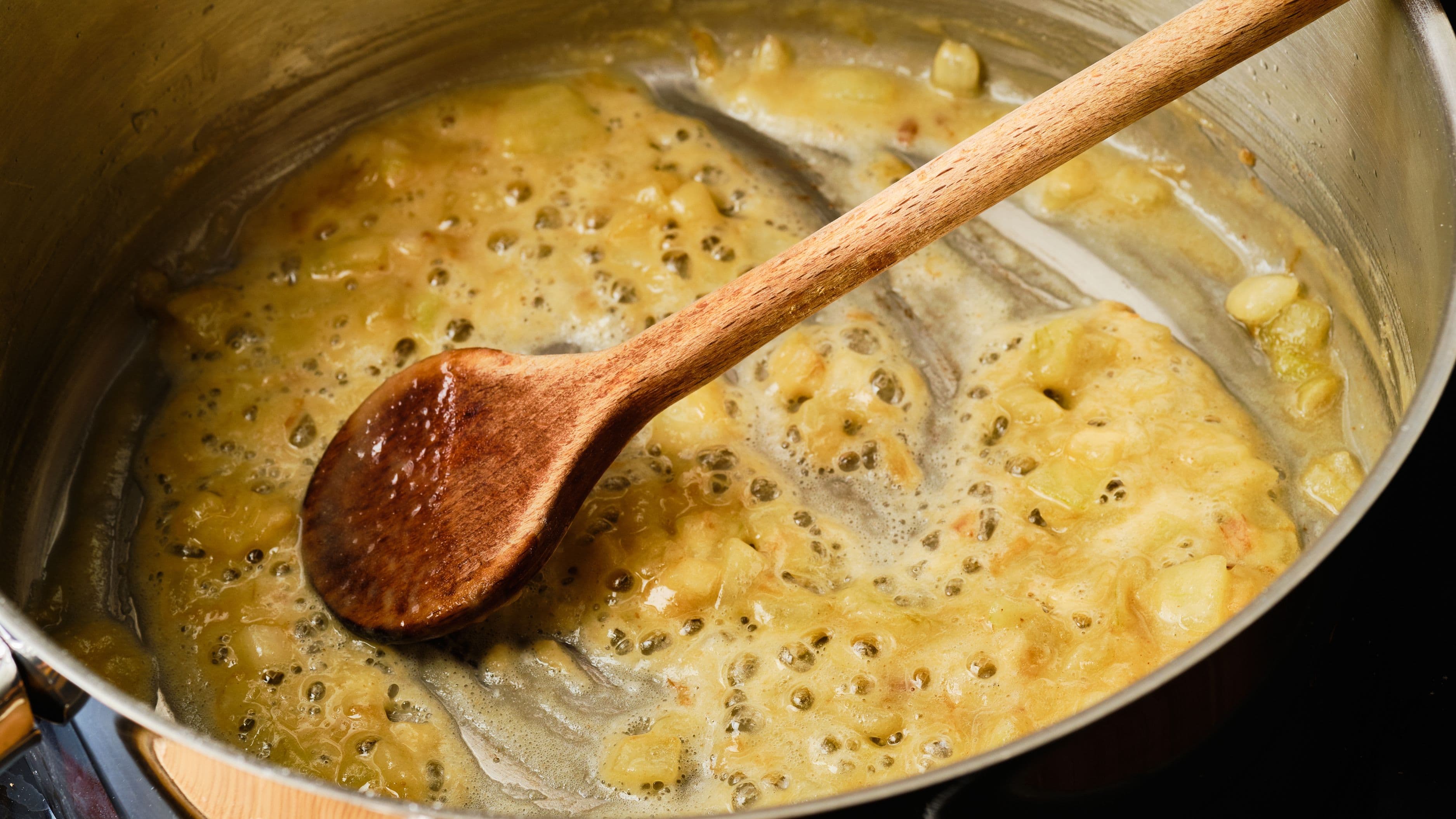
2. First-time techniques require following instructions. If you've never made hollandaise or tempered chocolate, now's not the time to improvise. Master the method first, then experiment once you understand why each step matters.
3. Certain cuisines have sacred ratios. Traditional French mother sauces, authentic ramen broth, or proper risotto have specific techniques developed over centuries. Respect the foundation before you start remixing.
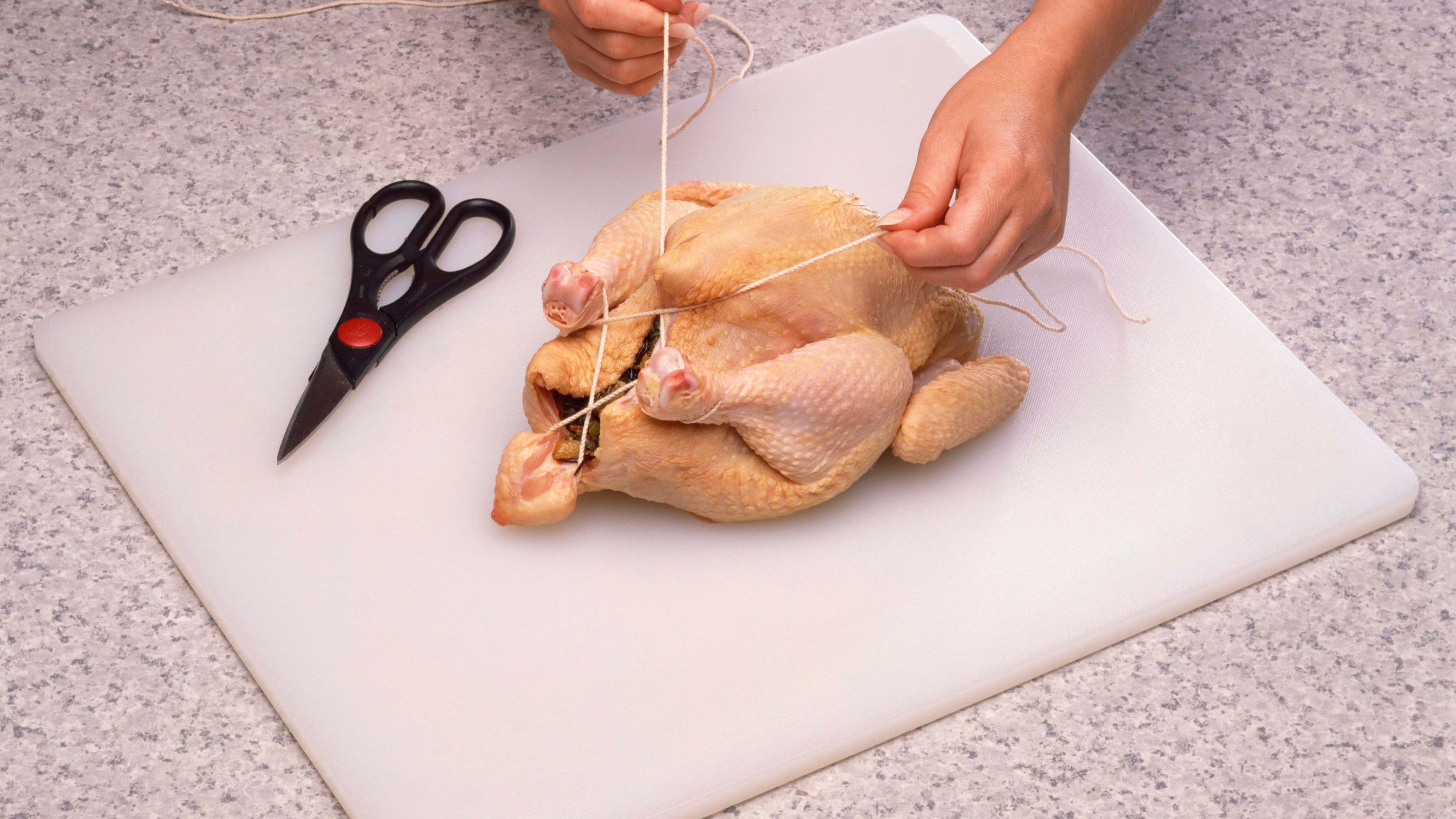
4. Meat temperatures aren't negotiable. Food safety isn't about instinct—it's about thermometers and USDA guidelines. Your intuition about whether chicken is done can literally make people sick.
5. Canning and preserving require exact measurements. Botulism doesn't care about your creative spirit. When acidity levels and processing times prevent deadly bacteria, follow recipes precisely or don't do it at all.
6. Competition cooking needs reproducibility. If you're baking for a competition or cooking professionally, recipes ensure consistency. Customers ordering the same dish expect the same experience every time.
When Your Instincts Should Lead
7. Seasoning is always personal. Recipe writers can't taste your food or know your preferences. Salt levels, spice heat, and acid balance require you to taste and adjust constantly, not blindly follow measurements.
8. Ingredient quality varies wildly. That recipe calling for "1 tablespoon lemon juice" assumes average lemons, but yours might be tiny and bitter or huge and sweet. Taste and adjust based on what you actually have, not what the recipe writer imagined.
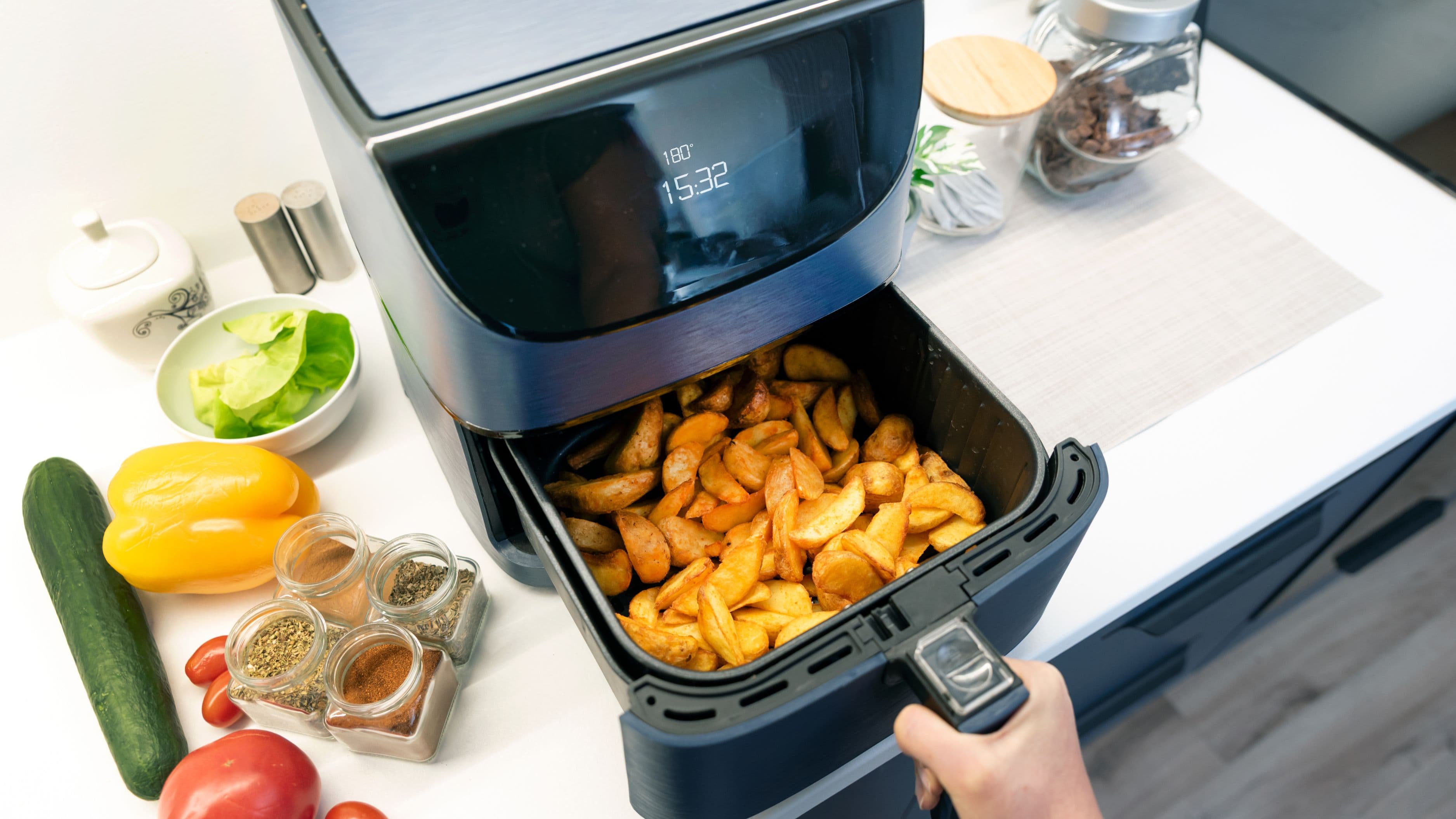
9. Your equipment changes everything. Their "medium-high heat" on a professional gas range differs completely from your electric coil or induction burner. Watch your food, not the instructions, and adjust accordingly.
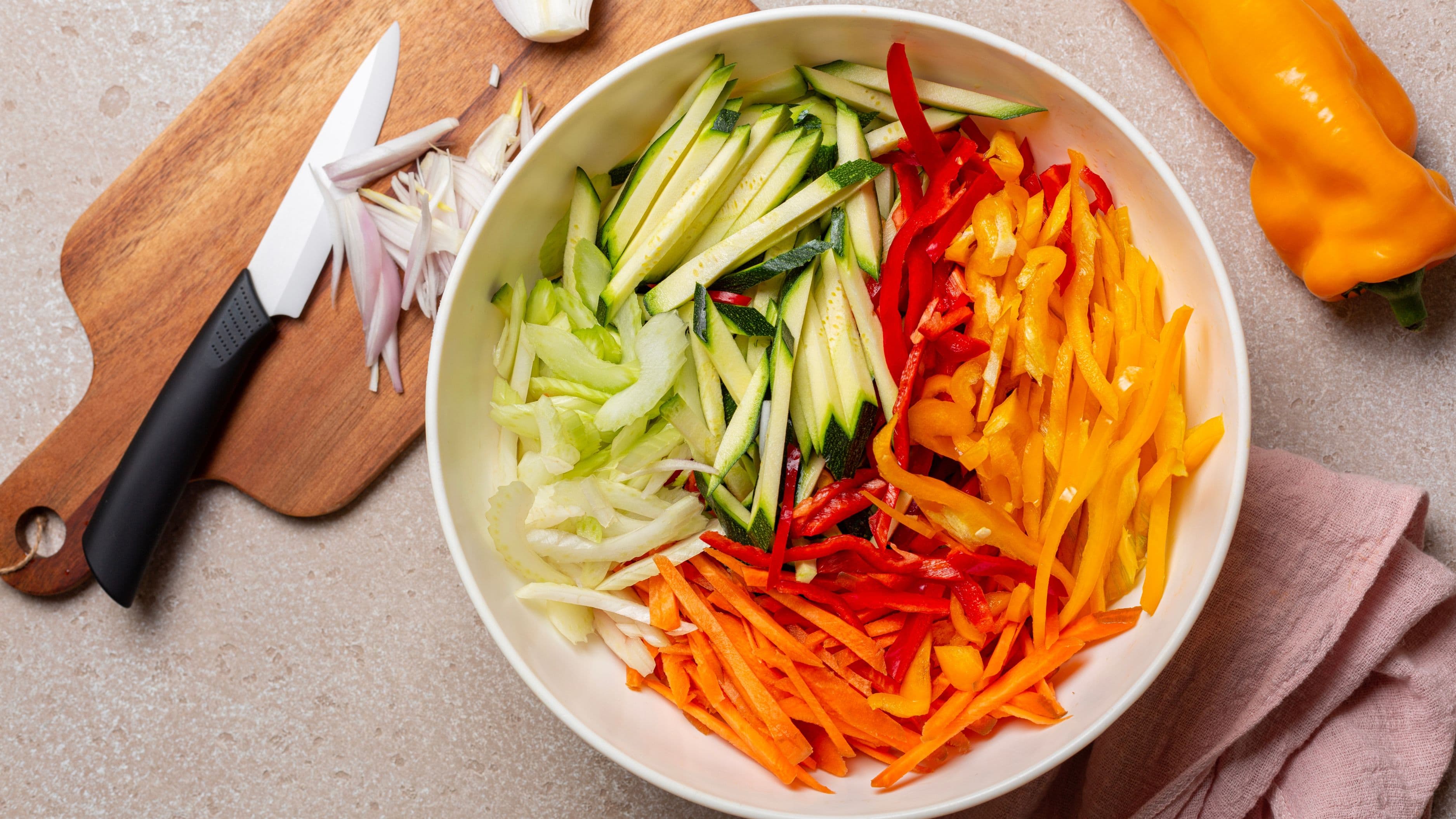
10. Vegetables aren't standardized. One "medium onion" means nothing when yours is twice the size of theirs. Use your eyes and judgment—if it looks like too much onion, it probably is.
11. Substitutions often work perfectly fine. No fresh basil? Dried basil or even parsley might work great. Most herbs, spices, and aromatics have reasonable alternatives that won't ruin your dish.
12. Timing depends on countless factors. "Bake for 25 minutes" assumes your oven is calibrated correctly, your pan is the right size, and your altitude matches theirs. Trust visual cues and texture over arbitrary time stamps.
13. Personal taste trumps recipe authority. If you hate cilantro, don't add cilantro just because the recipe insists. Cooking for yourself or loved ones means creating food people actually want to eat, not following orders.
14. Leftovers and scraps inspire creativity. The best meals often come from improvising with what's in your fridge. No recipe can account for your specific combination of random vegetables and that half-can of coconut milk.
15. Experience builds reliable instincts. The more you cook, the more you recognize patterns and understand why certain combinations work. Your accumulated knowledge eventually becomes more valuable than any single recipe.
The Hybrid Approach
16. Use recipes as training wheels. Follow them closely when learning new techniques, then gradually deviate as you understand the principles behind each step.
17. Read recipes completely first. Even if you plan to improvise, understanding the original intent helps you make smarter modifications rather than random changes.
18. Notice recipe patterns across sources. If every pasta carbonara recipe says to add pasta water to the egg mixture, that's probably essential. If garnish varies wildly, that's clearly optional.
19. Test modifications on low-stakes meals. Experiment with Tuesday dinner, not Thanksgiving or your anniversary meal. Give yourself permission to fail when the consequences are minimal.
20. Keep notes on successful deviations. When your instinct leads to something delicious, write it down. You're essentially writing your own personalized cookbook of what works for your taste and kitchen.
21. Understand the "why" behind techniques. Recipes telling you to rest meat or salt eggplant have reasons. Once you understand the science, you'll know which steps are crucial and which are flexible.
22. Start with tested recipes for new ingredients. Never cooked with miso? Follow a recipe. Once you understand its flavor profile and how it behaves, then start adding it to everything instinctively.
23. Trust measurements for unfamiliar ingredients. That "pinch of saffron" or "dash of fish sauce" reflects experience with potent ingredients. Your instinct with something you've never used before is just guessing.
Building Your Instincts
24. Cook the same dish multiple ways. Make spaghetti carbonara three times using three different recipes, then create your own perfect version. This comparative approach builds understanding faster than following one recipe repeatedly.
25. Taste raw ingredients before cooking. Understanding how ingredients taste in their original state helps you predict how they'll behave when cooked, salted, or combined with others.
26. Practice "mise en place" to see proportions. Laying out all measured ingredients before cooking gives you a visual understanding of ratios that builds instinct for next time.
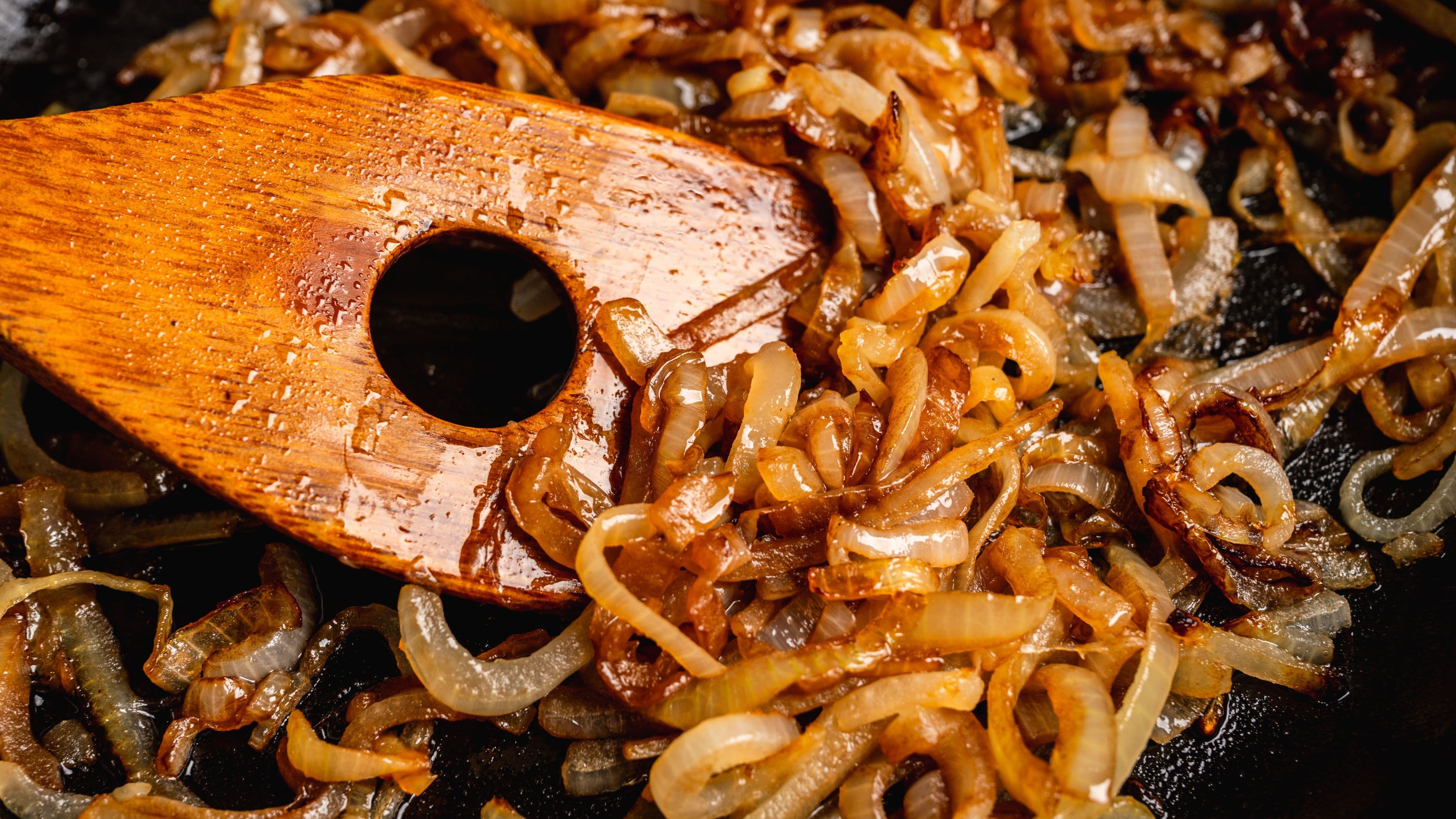
27. Ask "what's the goal here?" for each step. If you understand that sweating onions develops sweetness, you'll know when they're ready based on taste and appearance, not a timer.
28. Cook with more experienced people. Watching someone confidently taste and adjust teaches you the decision-making process recipes can't capture in written steps.
29. Study ingredient substitution charts. Understanding what makes good swaps—similar moisture content, comparable flavor profiles, matching textures—trains your brain to think like a recipe developer.
30. Embrace specific types of mistakes. Oversalt something once and you'll forever know what "too much" tastes like. These lessons stick better than any recipe warning could.
Cultural Context Matters
31. Traditional recipes carry cultural weight. Your improvised "pad thai" might taste good but disrespects tradition if you fundamentally change what makes it pad thai. Know when you're riffing versus appropriating.
32. Family recipes deserve initial respect. Grandma's exact cookie recipe matters to family identity. Make it her way first, then experiment with your own version separately rather than "improving" hers.
33. Regional variations already exist. Most traditional dishes have dozens of legitimate versions across regions and families. Your instinct to modify might just be discovering an existing variation.
When to Completely Ignore Recipes
34. You're using up random ingredients. No recipe exists for "wilting kale, three mushrooms, and that sauce from last week." This is where instinct shines and creativity flourishes.
35. Dietary restrictions require changes. Making recipes gluten-free, dairy-free, or vegan often demands major modifications. At that point, you're essentially creating a new recipe anyway.
36. You know the dish intimately. After making something fifty times, you don't need the recipe anymore. Your muscle memory and taste understanding surpass any written instructions.
37. Recipes conflict with each other dramatically. When five recipes for the same dish show wildly different approaches, they're essentially admitting there's no single correct method. Your instinct becomes as valid as any of theirs.
The Real Answer
The truth? Both approaches work in different contexts. Precision matters for baking, safety, and learning new techniques, while instinct drives seasoning, timing adjustments, and creative improvisation. The best cooks move fluidly between following recipes and trusting themselves, knowing which situations demand which approach. They read recipes for inspiration and structure, then make them their own through confident adjustments based on experience, available ingredients, and personal taste. This flexibility—not rigid rule-following or reckless improvisation—separates competent cooks from confident ones.
Stop treating recipes as either sacred scripture or useless suggestions. Instead, see them as conversations with other cooks who are sharing what worked for them in their kitchen, with their ingredients, for their taste preferences. Your job is to translate that information into your specific context, making adjustments that honor both the recipe's wisdom and your own growing expertise. The recipe provides the map, but you're still the one steering the journey.
Pick one recipe you make regularly and change just one element this week—swap an herb, adjust the seasoning, modify the cooking time based on visual cues instead of the clock. Notice what happens. That small act of trusting yourself starts building the cooking confidence that eventually makes you less dependent on recipes and more connected to the food you're creating. Momentum starts small, but it starts with believing your palate and instincts deserve a seat at the table alongside those printed instructions.