1. The Time-Traveling Nutrient Protector
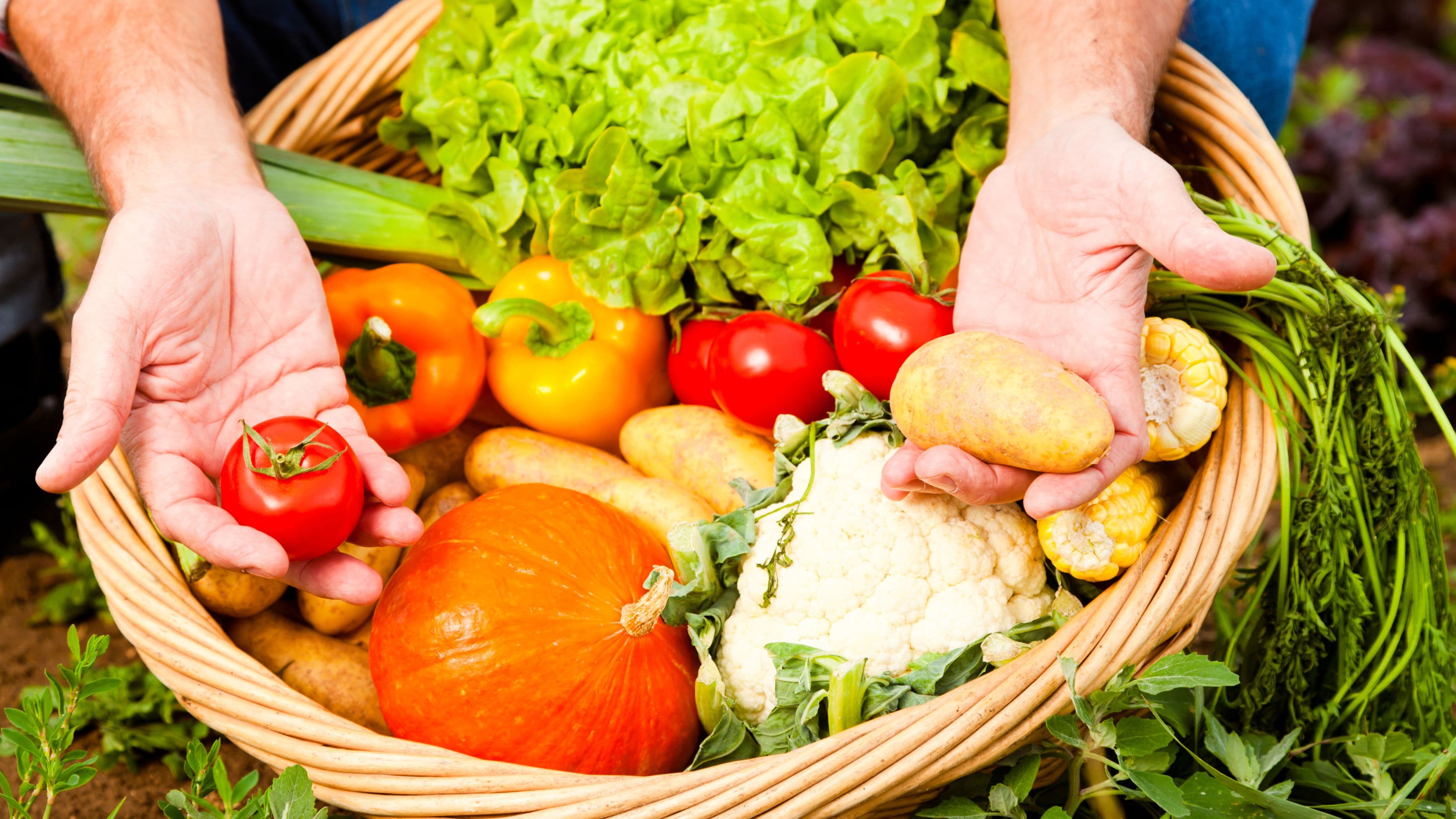
Frozen vegetables are basically cryogenically preserved at their nutritional peak, like Captain America but for your broccoli. They're harvested at maximum ripeness and flash-frozen within hours, locking in vitamins and minerals before they have a chance to degrade. Meanwhile, your "fresh" green beans have been on a multi-day road trip from farm to distribution center to grocery store to your fridge, losing nutrients with every passing hour like a leaky bucket. Research published in the Journal of Agricultural and Food Chemistry found that frozen fruits and vegetables can actually contain higher levels of vitamins A and C compared to their fresh counterparts that have been sitting around for days. That bag of frozen spinach you've been side-eyeing? It's probably more nutritious than the fresh bunch slowly liquefying in your crisper drawer while you feel guilty about not using it fast enough.
2. The Waste-Not Champion
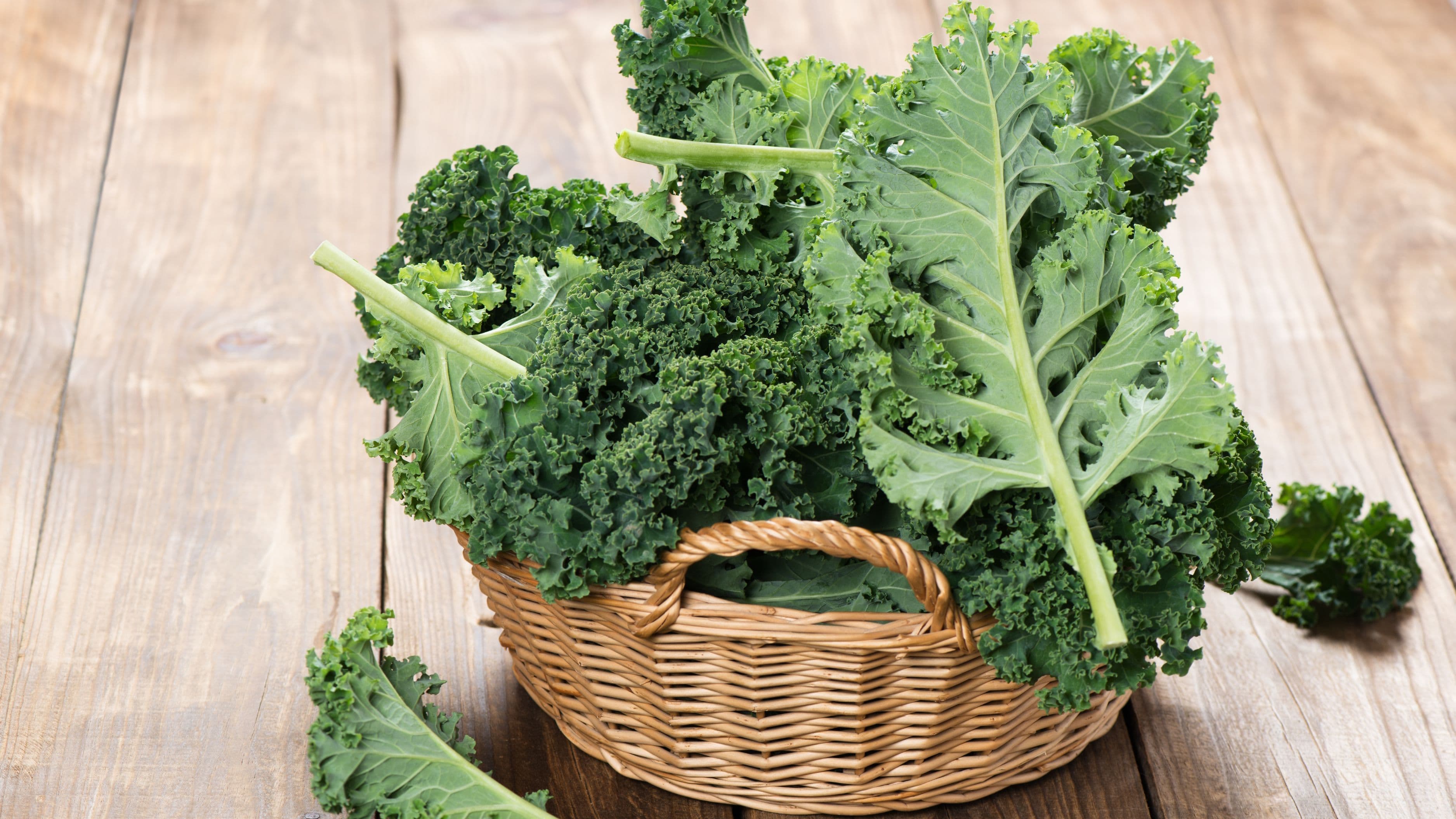
Fresh produce guilt is real, and it's expensive. You buy that beautiful bunch of kale with the best intentions, and a week later you're playing forensic detective trying to determine if it's still edible or has crossed into compost territory. Frozen produce eliminates this emotional and financial drain entirely—it waits patiently for months without judgment, without turning into mysterious slime, without making you feel like a failure every time you open your vegetable drawer. According to the Natural Resources Defense Council, Americans waste approximately 25% of the food they purchase, with fresh produce being among the highest waste categories. That frozen bag of mixed vegetables isn't just convenient; it's a rebellion against the tyranny of expiration dates and the shame spiral of watching expensive organic produce rot because life got busy. You can use exactly what you need and save the rest for another day without any deterioration or drama.
3. The Budget-Friendly Reality Check
Let's talk money, because those gorgeous heirloom tomatoes at the farmers market cost approximately one million dollars per pound (okay, maybe just $8, but still). Frozen produce offers consistent pricing year-round without the seasonal fluctuations that make fresh berries either affordable or mortgage-payment expensive depending on the month. A study by the University of Georgia found that frozen vegetables cost on average 50% less than fresh equivalents while providing comparable or superior nutritional value. That's not settling or compromising—that's being smart with your resources so you can spend money on things that actually matter, like that streaming service you definitely watch all the time and isn't just charging you monthly for no reason. Frozen produce democratizes healthy eating by removing the premium pricing that makes fresh options inaccessible for many households, especially outside of growing seasons.
4. The Convenience Revolution
Nobody wants to admit that convenience matters, as if struggling unnecessarily somehow makes you more virtuous. But frozen produce is pre-washed, pre-chopped, and ready to throw directly into whatever you're cooking without any prep work. No scrubbing, no peeling, no cutting boards to wash—just open the bag and pour. For people working multiple jobs, managing families, or simply existing in the chaos of modern life, this time savings isn't laziness; it's survival. The difference between cooking a healthy meal and ordering takeout often comes down to whether you have fifteen minutes or forty-five minutes, and frozen ingredients consistently win that race. That frozen stir-fry mix turns a weeknight dinner from a production into a simple sauté, meaning you're more likely to actually cook instead of convincing yourself that pizza counts as a vegetable because there's tomato sauce on it.
5. The Seasonal Access Portal
Remember when strawberries were a special summer treat instead of a year-round expectation? Frozen produce lets you access out-of-season items without the environmental guilt of air-freighted fresh berries from South America. Those frozen blueberries were picked at peak season, frozen immediately, and now wait patiently to add antioxidants to your smoothies in January without requiring jet fuel and refrigerated shipping containers. You get seasonal quality at any time of year without the carbon footprint of maintaining the illusion that geography and seasons don't exist. It's like having a time machine in your freezer that brings July berries to February mornings, except instead of causing paradoxes, it just makes your breakfast better. The environmental impact of frozen produce is often lower than fresh alternatives shipped long distances, making your freezer an unexpected ally in sustainable eating.
6. The Texture Truthteller
Here's where frozen sometimes needs to sit in the corner and think about what it's done. Certain vegetables like lettuce, cucumbers, or tomatoes turn into sad, watery disappointments when frozen because their high water content creates ice crystals that destroy cell structure. But for cooked applications—stir-fries, soups, casseroles, smoothies—frozen works brilliantly because you're not relying on crisp texture anyway. Nobody's making a salad from frozen romaine (please don't), but those frozen bell pepper strips perform beautifully in fajitas without the premium price of fresh peppers. Knowing which foods freeze well and which don't is the difference between smart shopping and sad meals. Berries, peas, corn, broccoli, spinach, and green beans all handle freezing like champions, while delicate herbs and watery vegetables should stay fresh or be avoided frozen entirely.
7. The Protein Perspective
Let's extend this conversation beyond vegetables because frozen protein deserves redemption too. That frozen wild-caught salmon is often fresher than the "fresh" fish sitting on ice at the grocery store, which might have been previously frozen anyway before being thawed for display. The seafood industry often freezes fish directly on boats within hours of catching, preserving flavor and texture better than "fresh" options that spent days traveling to your landlocked city. Frozen chicken breasts, shrimp, and other proteins offer the same convenience and cost benefits as frozen vegetables, with the added security of knowing they're safely preserved without the food safety concerns of fresh meat approaching its expiration date. The stigma against frozen protein is even less justified than the vegetable version, yet we still treat it like a lesser option despite evidence suggesting otherwise.
8. The Quality Control Advantage
Frozen produce undergoes consistent quality standards because it's processed in controlled environments rather than sold as-is from farms with varying conditions. That bag of frozen corn contains kernels that met specific size, sweetness, and quality criteria, while fresh corn at the store might be a mixed bag—literally. You're getting reliability and consistency with frozen options, which matters when you're trying to cook a meal that actually tastes good. Fresh produce quality varies wildly depending on season, weather, handling, and how long it's been sitting around, creating unpredictability that can sabotage recipes. Frozen eliminates that variable, giving you dependable results every time you reach into your freezer instead of playing ingredient roulette with fresh items that might be amazing or disappointingly bland.
9. The Flash-Frozen Magic
The technology behind modern frozen food is genuinely impressive and nothing like the slow-freeze methods your grandma used in her chest freezer. Industrial flash-freezing uses extremely cold temperatures applied very quickly, creating tiny ice crystals that don't damage cell structure the way slow freezing does. This preserves texture, flavor, and nutrients in ways that traditional freezing never could. It's the difference between cryogenic preservation and just leaving something in a cold place for a while—the science matters. Companies like Birds Eye pioneered these techniques in the 1920s, but modern technology has refined the process to the point where properly frozen produce is virtually indistinguishable from fresh in cooked applications. Understanding this technology helps overcome the psychological barrier that treats frozen as inherently inferior when it's actually just different, with its own advantages depending on use case.
10. The Preparation Flexibility Factor
Frozen produce gives you options that fresh doesn't always allow. Need just half a cup of corn for a recipe? Grab it from the frozen bag and return the rest to the freezer. Fresh corn requires committing to the entire cob, which might be more than you need and creates waste. This portion control capability means you can cook for one or two people without either wasting food or eating the same leftovers for a week. Frozen ingredients let you be spontaneous and flexible with meal planning because you're not racing against expiration dates or forced to use up quantities you don't actually need. It's the difference between cooking being a stressful calculation of what needs using before it dies versus a creative act where you use exactly what each meal requires.
11. The Pandemic Proof Pantry
If 2020 taught us anything, it's that having a well-stocked freezer isn't paranoid prep—it's practical planning. When supply chains got weird and grocery trips became stressful adventures in mask-wearing and social distancing, people with full freezers had security and options. Frozen produce doesn't just offer convenience; it provides resilience against disruptions, whether that's a pandemic, a snowstorm, or just a crazy week where leaving the house feels impossible. This isn't about hoarding or survivalist extremes; it's about creating a buffer against life's unpredictability so you can eat well regardless of circumstances. The peace of mind that comes from knowing you have multiple meals' worth of ingredients safely preserved is worth far more than any perceived prestige of only buying fresh.
12. The Smoothie Supremacy
Frozen fruit in smoothies isn't just acceptable—it's actually superior to fresh for this specific application. It provides thickness and that slushy texture without needing tons of ice that dilutes flavor and nutrition. Plus, frozen fruit is already portioned and ready to blend, while fresh fruit requires washing, cutting, and often adding ice anyway to achieve the same consistency. Your morning smoothie made with frozen berries, spinach, and mango is just as nutritious (often more so) than the fresh version, costs less, takes less time, and creates the texture you actually want. This is frozen produce playing to its strengths rather than trying to compete where fresh excels. Recognizing these ideal use cases means you can strategically use frozen when it's the better choice and fresh when texture or raw preparation demands it.
Your life doesn't need to be perfect—just less wasteful, more practical, and freed from food snobbery that serves no one except the marketers who convinced you that "fresh" is always worth a premium. Frozen produce isn't a compromise or a failure; it's often the smarter choice that preserves nutrients, saves money, reduces waste, and makes cooking accessible on busy weeknights when the alternative is defeat-ordering pizza again. The next time someone judges your frozen vegetable bag with that subtle superiority that says "I only buy fresh," remember that you're the one actually eating your vegetables instead of composting them, and your nutrient levels probably prove it. Stock your freezer without guilt, cook with whatever works, and save the food elitism for people with personal chefs and unlimited grocery budgets. The frozen aisle has been waiting patiently for you to recognize its value—maybe it's time to give it the respect it deserves.
📚 Sources
Bouzari, A., Holstege, D., & Barrett, D. M. (2015). Vitamin retention in eight fruits and vegetables: A comparison of refrigerated and frozen storage. Journal of Agricultural and Food Chemistry, 63(3), 957-962.
Natural Resources Defense Council. (2017). Wasted: How America is losing up to 40 percent of its food from farm to fork to landfill. NRDC Issue Paper.
Rickman, J. C., Barrett, D. M., & Bruhn, C. M. (2007). Nutritional comparison of fresh, frozen and canned fruits and vegetables. Part 1. Vitamins C and B and phenolic compounds. Journal of the Science of Food and Agriculture, 87(6), 930-944.