1. The Taco Whisperer (Mexico)
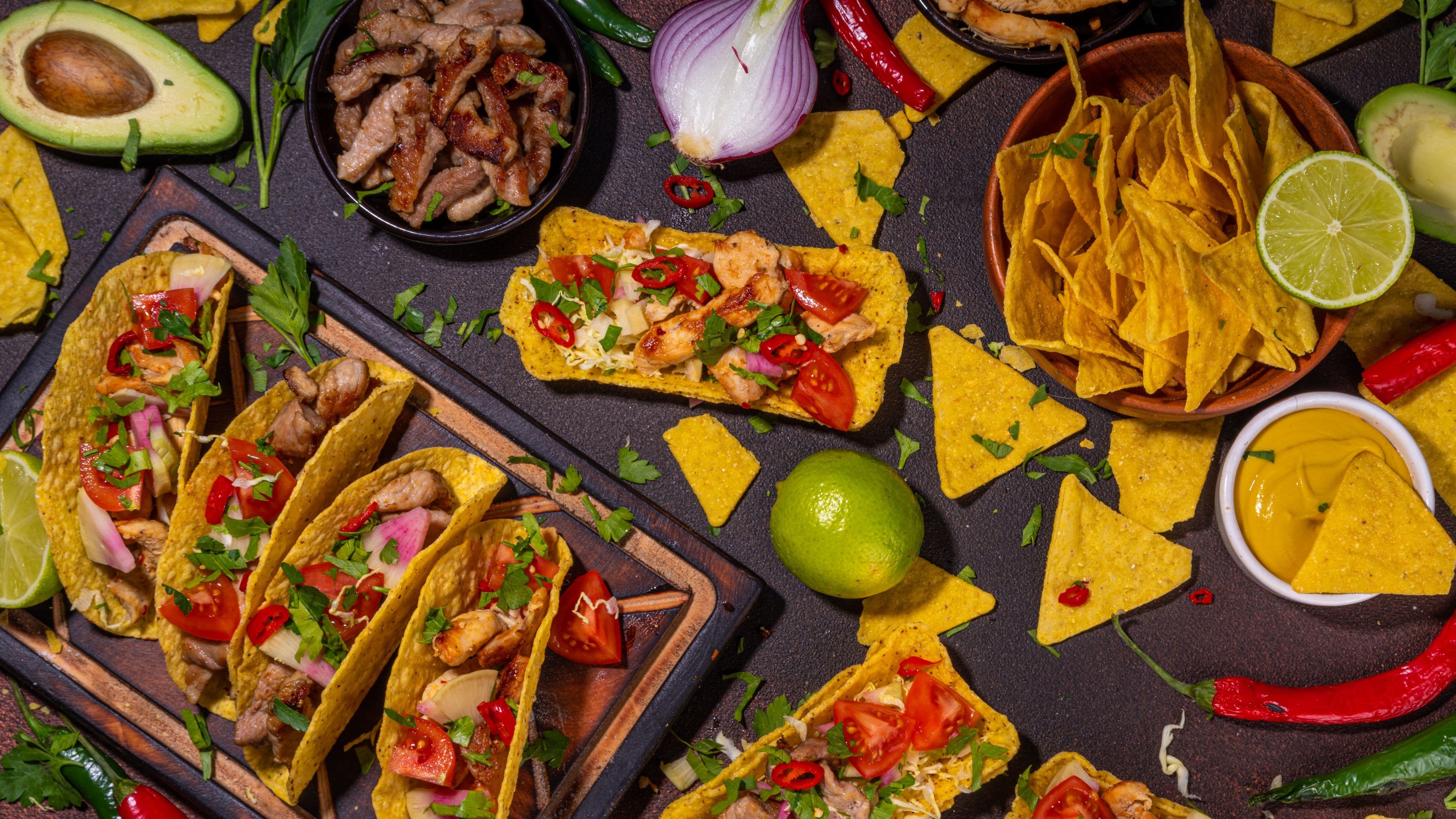
Forget everything Taco Bell taught you—real Mexican street tacos are small, simple, and so good they'll make you question every previous taco experience. Corn tortillas warmed until they're pliable and slightly charred, filled with simply seasoned meat (carne asada, al pastor, or carnitas), topped with fresh cilantro, diced onion, and a squeeze of lime. That's it. No cheese avalanche, no sour cream landslide, no lettuce acting like it belongs there. The genius is in the quality of each component and the balance of flavors—the richness of the meat, the brightness of lime, the herbal punch of cilantro, the bite of raw onion. Make your own by marinating flank steak in lime juice, garlic, and cumin, grilling it hot and fast, then chopping it into bite-sized pieces. Warm your tortillas directly over a gas flame or in a dry skillet until they spot with char. Assemble quickly, eat immediately, and understand why street vendors in Mexico City have lines that stretch around blocks.
2. The Banh Mi Architect (Vietnam)
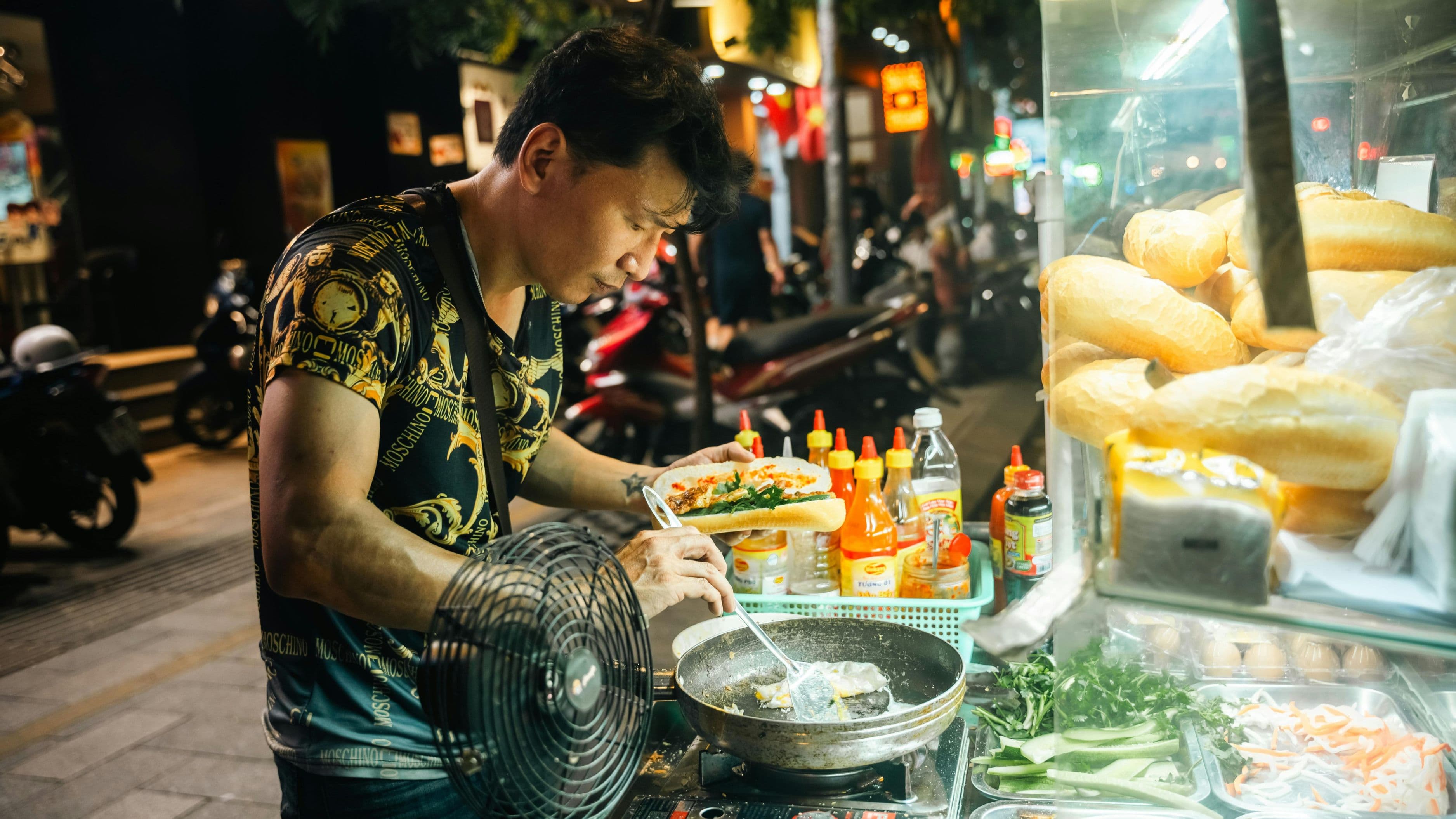
This sandwich is what happens when French colonialism accidentally creates something phenomenal—crispy baguette meets Vietnamese flavor bombs in the most delicious cultural fusion you'll ever bite into. The bread needs to be crusty outside and airy inside, the pâté provides richness, pickled carrots and daikon add tang and crunch, cucumber brings freshness, cilantro gives herbal notes, and jalapeños deliver heat. The protein—grilled pork, lemongrass chicken, or even tofu—gets marinated in fish sauce, garlic, and sugar for that perfect sweet-savory-umami trifecta. You can absolutely find decent baguettes at your local bakery, and the quick-pickled vegetables take fifteen minutes to make. The assembly matters: spread pâté and mayo on the bread, layer your protein, pile on the pickles and cucumber, add a generous handful of cilantro and jalapeño slices, then press gently so everything melds. Each bite should deliver all the flavors and textures simultaneously—that's the banh mi engineering that makes Vietnamese street food legendary.
3. The Empanada Enthusiast (Argentina)
These golden, flaky half-moons are Argentina's answer to "what if we made everything portable and delicious?" Empanadas are the ultimate street food because they're self-contained flavor explosions you can eat while walking, talking, or doing absolutely anything else. The dough, enriched with butter or lard, bakes into crispy, shattering layers that give way to juicy fillings—traditionally ground beef with onions, hard-boiled eggs, olives, and raisins, though chicken, cheese, or vegetable versions exist too. The repulgue (the twisted edge) isn't just decorative; it seals in the juices and identifies what's inside through different folding patterns. Making empanadas at home becomes a meditative assembly line: roll dough, add filling, fold, crimp, repeat. Bake until golden and listen for that perfect crunch when you bite through the crust into the savory, slightly sweet filling. Serve them with chimichurri for the full Argentine street experience, and watch them disappear faster than you can make them.
4. The Pad Thai Perfectionist (Thailand)
Bangkok's street carts serve pad thai so good that people plan entire vacations around eating it from specific vendors. The magic lives in the balance of sweet, sour, salty, and umami, with textures ranging from chewy noodles to crunchy peanuts to tender shrimp or chicken. Tamarind paste provides the authentic sour note that lime juice alone can't replicate, fish sauce brings umami depth, and palm sugar adds caramel sweetness. Rice noodles get soaked until pliable, then hit screaming-hot wok with garlic, egg, protein, and sauce, cooking for maybe ninety seconds total. Bean sprouts and scallions added at the end stay crisp, crushed peanuts provide crunch, and a lime wedge lets you adjust acidity at the table. The key is high heat and fast cooking—if you're stirring for more than two minutes, your heat isn't high enough. Make it once and you'll understand why Thai street food is revered globally; make it twice and you'll stop ordering takeout because yours is better.
5. The Falafel Fanatic (Middle East)
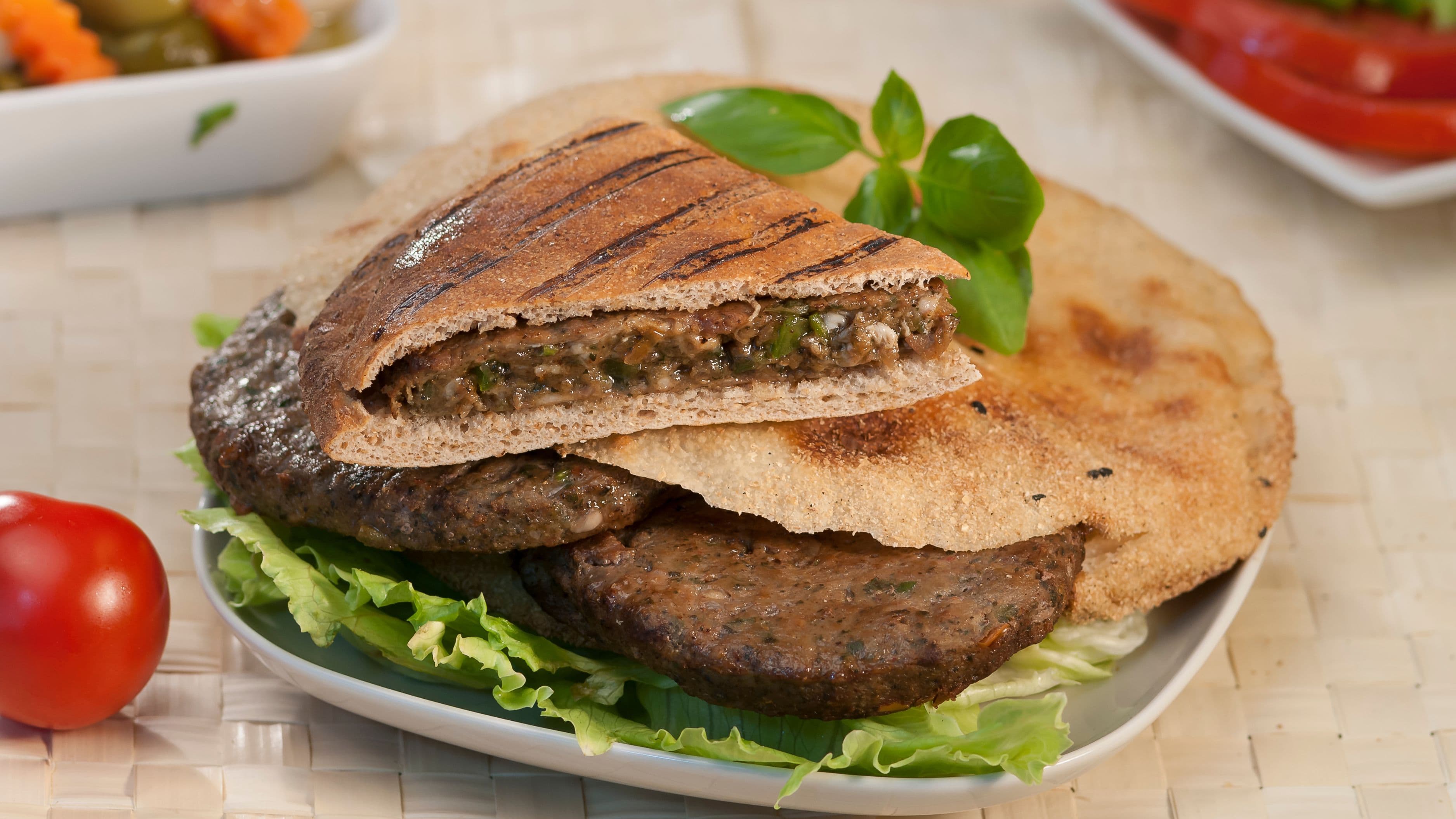
These crispy chickpea fritters are proof that vegetarian street food can absolutely hold its own against any meat option. Dried chickpeas (never canned—this is crucial) get soaked overnight, then ground with herbs, onions, and spices into a mixture that's cohesive but still textured. The exterior fries into a deep golden crust that shatters when you bite, revealing a fluffy, herb-flecked interior that's somehow rich without being heavy. Stuff them into warm pita with tahini sauce, pickled turnips, tomatoes, cucumber, and lettuce, and you've got a complete meal that costs pennies to make but tastes like you robbed a Tel Aviv food stall. The secrets: don't over-process the chickpeas (you want texture, not hummus), add baking powder for extra fluffiness, and fry at the right temperature so the outside browns before the inside dries out. Served hot, these are legitimately addictive—plan to make double what you think you need.
6. The Okonomiyaki Optimizer (Japan)
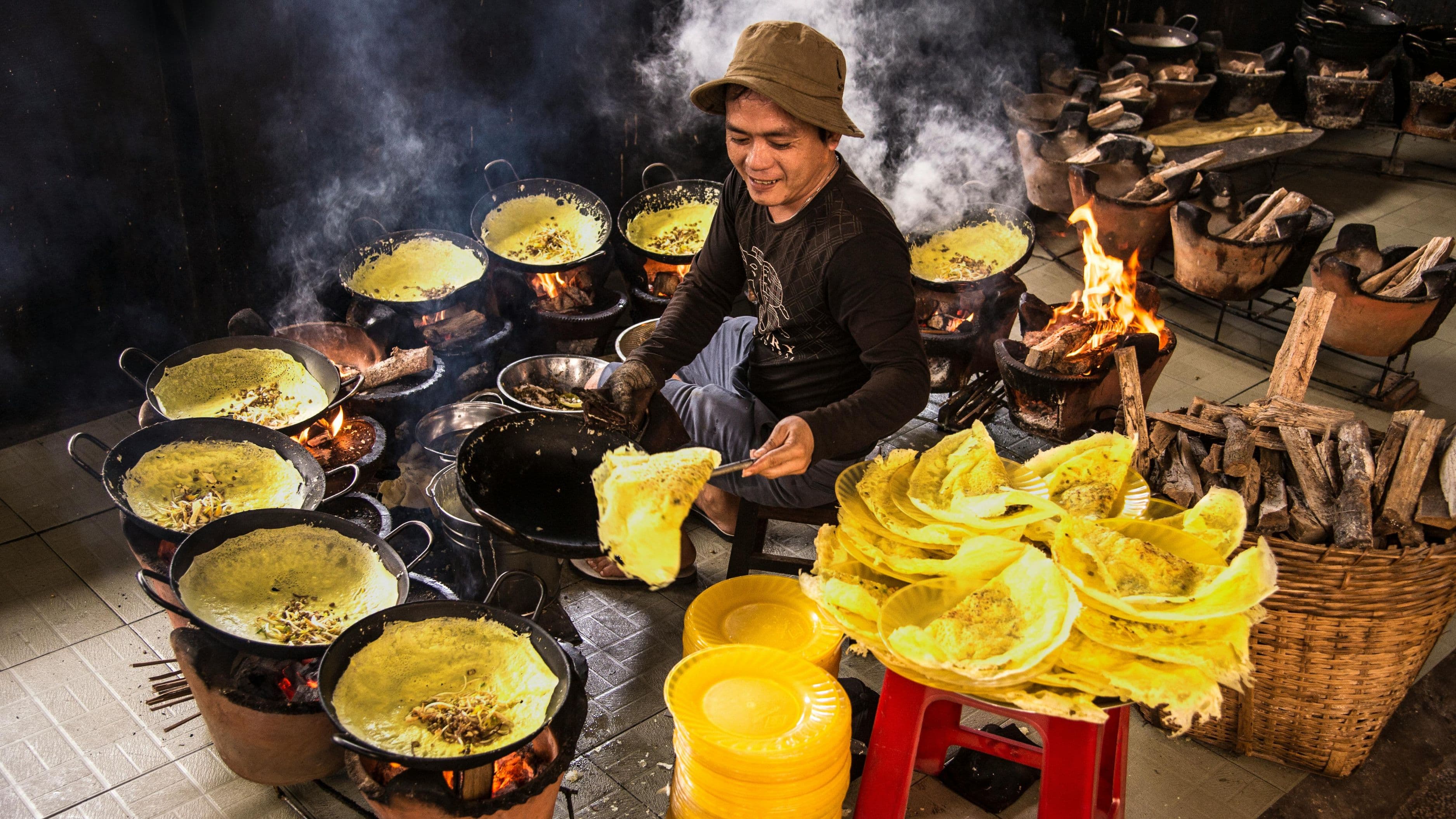
Japanese savory pancakes are basically "whatever you want" in food form—the name literally means "grilled as you like it." A simple batter of flour, eggs, dashi, and shredded cabbage becomes the canvas for whatever protein and toppings you desire: pork belly, shrimp, squid, cheese, kimchi, or just more vegetables. Cook it on a griddle or in a large skillet until the bottom is crispy and golden, flip carefully, then top with okonomiyaki sauce (similar to Worcestershire but sweeter), Japanese mayo drizzled in artistic zigzags, bonito flakes that dance from the heat, and aonori seaweed for umami. The contrast between the crispy exterior and soft, cabbage-packed interior makes each bite interesting, and the toppings add layers of sweet, savory, and smoky flavors. This is Japanese comfort food at its most approachable—no special skills required, endlessly customizable, and so satisfying you'll wonder why pizza gets all the attention.
7. The Arepa Ambassador (Colombia/Venezuela)
These griddled corn cakes split the difference between bread and pancake, serving as edible plates for whatever filling your heart desires. Made from pre-cooked cornmeal (masarepa), water, and salt, the dough comes together in minutes and cooks on a griddle until the outside develops a slight crust while the inside stays soft and steamy. Once cooked, you split them open like pita and stuff them with cheese, shredded beef, black beans, avocado, plantains—the combinations are endless and regionally specific. Venezuelans tend toward more elaborate fillings while Colombians keep it simpler, but both approaches create handheld meals that are simultaneously hearty and light. The corn flavor is gentle but present, providing a neutral base that complements rather than competes with fillings. Make a batch on Sunday and reheat them throughout the week, stuffing them differently each time depending on what's in your fridge.
8. The Dosa Devotee (India)
South Indian street food offers some of the most ingenious vegetarian eating on the planet, and dosas exemplify this perfectly. These crispy, lacy crepes made from fermented rice and lentil batter stretch as wide as dinner plates, developing bubbles and brown spots that crunch when you bite into them. The most popular version, masala dosa, wraps around spiced potato filling—turmeric-yellow potatoes seasoned with mustard seeds, curry leaves, and chilies. Served with coconut chutney and sambar (a tangy lentil soup), dosas deliver complex flavors and textures that belie their simple, naturally gluten-free ingredient list. The fermentation is what makes dosas special, giving them a subtle tang and helping them crisp up beautifully when cooked on a hot griddle. Yes, the batter needs to ferment overnight, but the actual cooking takes minutes, and the results justify the planning ahead. Serve them for breakfast like they do in India, or embrace them for lunch or dinner because rules are made to be broken.
9. The Roti Roll Revolutionary (India/Caribbean)
Sometimes called "kati rolls" in India or simply "roti" in the Caribbean, these wraps prove that flatbread is humanity's greatest invention. Soft roti or paratha wraps around spiced fillings—chicken tikka, paneer, chickpea curry, goat—along with crunchy onions, fresh cilantro, and tangy chutneys or hot sauces. The genius is how portable and neat they are despite being loaded with saucy fillings; the flatbread acts as both plate and utensil. Making roti from scratch requires practice to get them thin and soft, but store-bought versions work perfectly fine for home cooking. The real magic happens in the filling—whether you're going Indian with garam masala and yogurt marinades or Caribbean with curry powder and scotch bonnets. Warm your roti, add your filling down the center, fold in the sides, roll from the bottom, and you've got street food that travels well, eats cleanly, and satisfies completely.
10. The Churro Champion (Spain/Latin America)
Crispy on the outside, soft and doughy inside, rolled in cinnamon sugar while still hot—churros are the street food that makes you believe in happiness. The dough is essentially choux pastry piped into hot oil through a star-shaped tip, creating ridges that maximize crispy surface area. Fresh churros have an almost hollow interior, light and airy, barely sweetened so the cinnamon sugar coating provides most of the flavor. In Spain, they dip them in thick hot chocolate; in Mexico, they fill them with dulce de leche or chocolate. Making them at home is easier than you'd think—the dough comes together in one pot, you pipe it directly into hot oil using a pastry bag with a star tip, fry until golden, then roll immediately in cinnamon sugar. Eat them warm, ideally within minutes of frying, and understand why churros have conquered every culture they've encountered.
11. The Pupusa Pioneer (El Salvador)
El Salvador's national dish is a thick corn tortilla stuffed with fillings, then griddled until crispy spots form on the outside while the inside stays soft and the filling melts into gooey goodness. Traditional fillings include cheese, refried beans, chicharrón (ground pork), or loroco (an edible flower bud), or combinations thereof. The dough, made from masa harina, gets formed into a ball, flattened, filled, sealed, then patted into a thick disc before hitting the hot griddle. Serve them with curtido (tangy cabbage slaw) and thin tomato salsa, and you've got a complete meal that's filling without being heavy. The technique takes practice—getting the dough thickness right, sealing the filling completely so it doesn't leak, achieving the perfect char on the outside. But even imperfect pupusas taste phenomenal, and making them becomes easier with each attempt. They're naturally gluten-free, can be vegetarian or not, and freeze beautifully for future lazy dinners.
12. The Poutine Protagonist (Canada)
Quebec gave the world this glorious mess of french fries, cheese curds, and gravy—a combination that sounds questionable until you taste it and immediately understand why it's Canada's most famous culinary export. The components matter enormously: fries need to be crispy (ideally double-fried), cheese curds must be fresh and squeaky (not regular cheese), and the gravy should be brown, rich, and piping hot so it melts the curds into gooey perfection. The texture contrast between crispy fries, melting cheese, and silky gravy creates something transcendent—greater than the sum of its parts. Making authentic poutine at home requires sourcing cheese curds (check specialty cheese shops or make a cheese run to Canada), properly frying potatoes twice for maximum crispiness, and making or buying good brown gravy. Assemble everything hot and eat immediately because poutine is a time-sensitive experience—wait too long and the fries get soggy, transforming from perfect to merely okay in minutes.
Your kitchen doesn't need to be a Michelin-starred establishment to produce street food that rivals what you'd find on actual streets across the globe. The beauty of street food is its accessibility—these recipes evolved in environments with limited equipment, tight budgets, and the need to feed people quickly without sacrificing flavor. They're designed to be reproducible by regular people using everyday ingredients and techniques. Start with one recipe that speaks to you, gather the ingredients, embrace the mess and imperfection inherent in learning something new, and cook it. Then make it again, tweaking and adjusting until it tastes like your version of that global classic. Your life doesn't need to be perfect—just less boring and more you, one delicious international street food adventure at a time. Plus, you can eat these in your pajamas without anyone judging you, which is arguably better than any authentic street food experience.