1. Social Media Sold Us a Lie About Baking
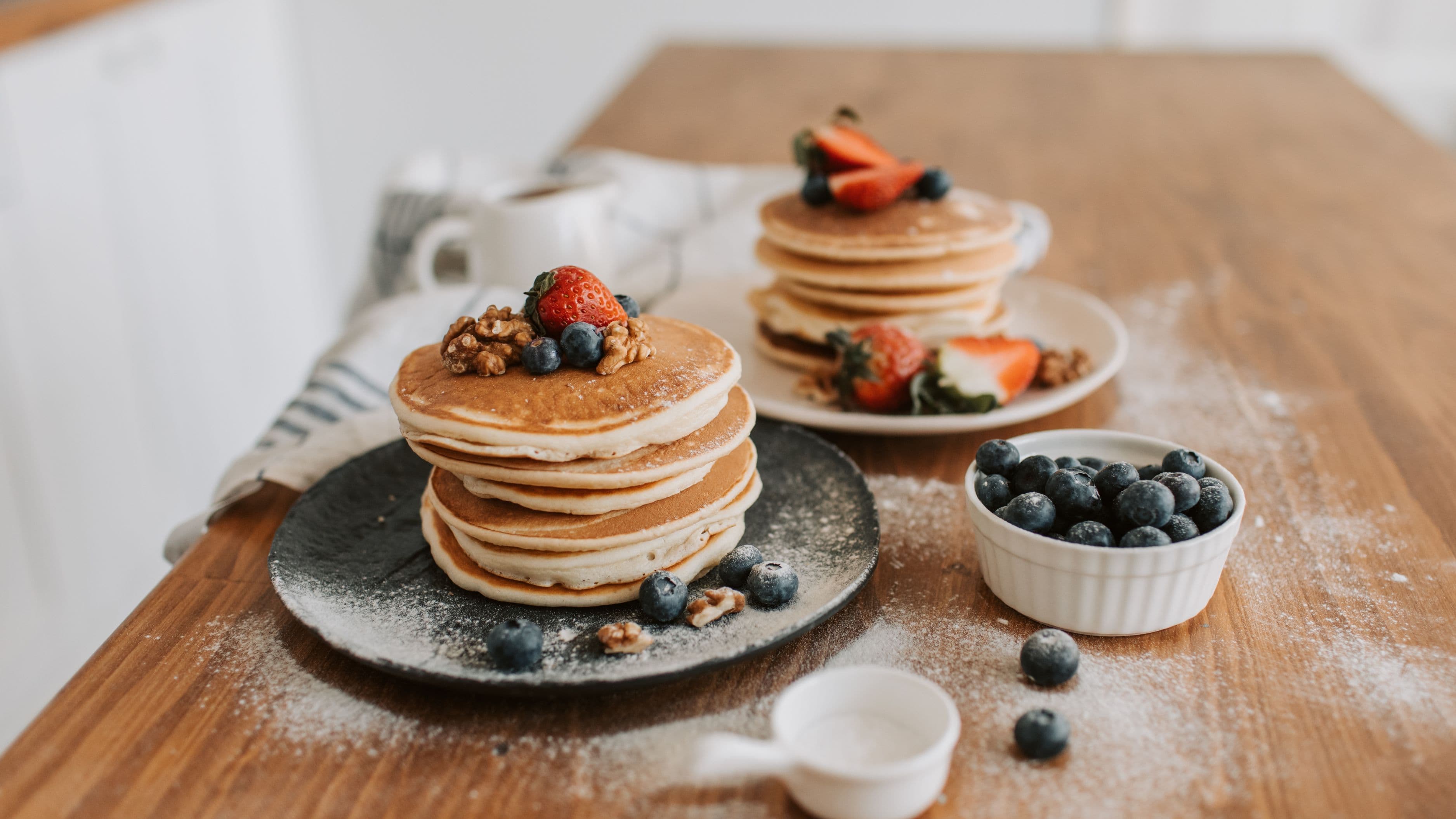
We've been conditioned to believe that desserts are primarily visual content, not food. Scroll through any food hashtag and you'll find thousands of geometrically flawless cakes, macarons arranged like pastel soldiers, and tarts so pristine they look computer-generated. This isn't accidental—it's algorithmic. According to research from the Pew Research Center, visual platforms prioritize aesthetically striking content, creating an arms race of increasingly elaborate presentations that have almost nothing to do with taste. The actual experience of eating—the crack of caramelized sugar, the give of perfectly whipped cream, the way chocolate melts across your tongue—can't be photographed, so it gets forgotten in our pursuit of likes and shares.
The truth hiding behind those perfect posts? Professional food stylists often spend hours creating a single "casual" shot, using inedible tricks like motor oil instead of syrup and mashed potatoes instead of ice cream. Home bakers comparing their real, edible desserts to these constructed fantasies are competing against something that was never meant to be eaten in the first place. Your lopsided birthday cake made with love and real ingredients has already won a contest that those styled shots never even entered.
2. Imperfection Creates Story and Memory
Think about your most treasured dessert memories. I'd bet money they're not about flawless execution. Maybe it's your grandmother's apple pie with its uneven lattice, or the birthday cake your kid decorated with enough sprinkles to constitute a choking hazard, or the cookies you burned slightly but ate anyway at 2 AM during finals week. These desserts become memorable precisely because they're imperfect, unrepeatable, human. They carry the fingerprints of specific moments, specific people, specific feelings that no professionally decorated cake could ever replicate.
My friend Miguel tells a story about his mother's flan that never quite set properly—it would wobble dangerously on the plate, always threatening to collapse into a puddle. For years, she apologized for it. After she passed away, Miguel tried dozens of "perfect" flans from bakeries and restaurants, searching for that taste. None came close. He eventually realized that the slight under-set texture, the way it trembled and barely held together, was what made it hers. Perfection would have erased the very thing that made it irreplaceable. Sometimes what we call flaws are actually signatures, the unique marks that transform generic desserts into personal artifacts.
3. Flavor Happens in Layers, Not Surfaces
Here's something pastry school doesn't advertise: most "ugly" desserts taste better than their pretty cousins. That cracked cheesecake? The cracks mean it's creamy, not overbaked into rubbery submission. Those spreading cookies that merged into one giant cookie blob? They're probably perfectly chewy with crispy edges. The cake layers that slid slightly askew? Still moist and delicious, just geometrically challenged. We've confused structural engineering with flavor creation, assuming they're the same skill set when they're often inversely related.
Professional bakers will quietly admit that many techniques designed to create Instagram-worthy desserts actually compromise taste. Mirror glazes require so much gelatin they can turn unpleasantly gummy. Fondant creates smooth, perfect surfaces while tasting like sweetened Play-Doh. Multi-layer cakes soaked in simple syrup photograph beautifully but can become soggy and overly sweet. Meanwhile, that rustic galette with its rough-folded edges and exposed fruit? That's crust getting properly crispy and fruit caramelizing beautifully without any interference from aesthetics-first thinking. Sometimes the shortest distance between you and deliciousness is embracing the mess.
4. Perfectionism Kills Joy and Creativity
The pressure to create perfect desserts doesn't just affect the final product—it poisons the entire process. When you're obsessing over whether your macaron feet are exactly the right height or your icing is perfectly smooth, you're not present in the actual experience of baking. You're not noticing how butter and sugar transform when creamed together, or how your kitchen smells when vanilla hits a hot oven, or how therapeutic it feels to knead dough when you've had a rough day. You've turned a potentially joyful, sensory experience into a high-stakes performance where you're simultaneously the artist and the harshest critic.
This perfectionism also prevents experimentation, which is where all interesting desserts actually come from. You won't try that weird flavor combination or new technique if you're terrified of imperfect results. But culinary innovation requires failure. The chocolate chip cookie was allegedly invented by accident when Ruth Wakefield expected chocolate chunks to melt completely into her dough. Tarte Tatin was supposedly created when a French cook dropped an apple tart and served it upside down anyway. Some of our most beloved desserts exist because someone was willing to serve something imperfect rather than throw it away in shame.
5. Your Standards Are Higher Than Anyone Else's
There's a psychological phenomenon where creators judge their work far more harshly than their audience does. You know every mistake because you know what you intended to create. You see the gap between imagination and execution. Everyone else just sees a delicious dessert they didn't have to make themselves. That microscopic crack in your panna cotta? Nobody else will notice it because they're too busy enjoying the silky texture and delicate flavor. Those cookies that spread too much? Your guests are already reaching for seconds before you've finished apologizing for them.
I learned this lesson definitively when I made "ugly" brownies for a potluck—they'd stuck to the pan and I'd had to scrape them out in chunks rather than neat squares. I arranged the rubble on a plate and wrote "brownie debris" on the label, partially as a joke and partially as preemptive apology. They were gone in minutes while the picture-perfect store-bought cake sat mostly untouched. People didn't care about appearance because their taste buds were too busy celebrating. Your internal critic is working overtime while everyone else's mouth is too happy to notice what you're worried about.
6. Dessert Is About Generosity, Not Performance
At its heart, making dessert for others is an act of generosity—you're spending your time and effort to create sweetness and pleasure. The dessert itself is just the vehicle for that care. When you show up with homemade cookies, even imperfect ones, you're saying "I thought about you, I made time for you, I wanted to bring you something that would make you smile." That message comes through whether your cookies are perfectly round or slightly lopsided. In fact, the imperfections often amplify that message because they prove these desserts are genuinely homemade, created specifically for this moment rather than mass-produced or purchased.
Some of my favorite hosting memories involve desserts that went hilariously wrong but became conversation pieces and bonding moments. The pie that leaked all over the oven and set off the smoke alarm. The cake that collapsed but got reconstructed as "deconstructed cake" served in bowls with extra whipped cream. These "disasters" created stories and laughter that perfect desserts never could have generated. They gave people permission to relax, to share their own baking failures, to stop performing perfection for each other and just enjoy being together with something sweet.
7. "Good Enough" Is Usually Excellent
The gap between pretty good and absolutely perfect is enormous in terms of effort but negligible in terms of actual eating experience. Getting your buttercream smooth enough for a nice-looking cake might take 20 minutes. Getting it Instagram-perfect might take two hours and leave you stressed, tired, and resentful of the entire process. Meanwhile, both versions taste identical. The same principle applies across dessert-making: there's a point of diminishing returns where additional effort stops improving the actual eating experience and only affects appearance.
Professional bakers understand this, which is why many of them keep their home baking refreshingly casual. They save their perfectionism for paid work and make rustic, simple desserts for family and friends. They know that a slightly lumpy homemade pudding eaten while still warm from the stove beats a professionally plated dessert eaten under restaurant lighting where you're afraid to disturb the artistic arrangement. Context matters. A Tuesday night dessert doesn't need Sunday dinner presentation. A casual gathering doesn't require centerpiece-worthy treats. Matching your effort to the occasion isn't lowering standards—it's wisdom.
8. Embracing Imperfection Expands Your Repertoire
When you release the need for perfection, entire categories of desserts suddenly become accessible. All those "rustic" desserts—crisps, cobblers, galettes, bread puddings, trifles—are specifically designed to look homemade and imperfect. They're delicious precisely because they prioritize flavor and texture over geometric precision. You can make them quickly, with whatever fruit needs using, without stress about whether they'll photograph well. They're the dessert equivalent of comfortable clothes—less impressive at first glance but far more satisfying to actually experience.
This mindset also makes you more adventurous with flavors and techniques. You'll try making panna cotta for the first time because who cares if it doesn't unmold perfectly—it'll taste good either way. You'll experiment with that unusual spice combination because even if it's weird, it'll still be sweet and interesting. You'll make dessert on random weeknights instead of reserving it for special occasions when the stakes feel too high to risk imperfection. Essentially, letting go of perfectionism transforms dessert from a performance art into an everyday pleasure, which is what it should have been all along.
My chocolate raspberry tart taught me something crucial that night: desserts are meant to be eaten, not exhibited. Their purpose is pleasure, not perfection. Every time we prioritize how something looks over how it tastes and feels, we're optimizing for cameras and strangers on the internet rather than for the people actually in our kitchens and around our tables. The next time your dessert doesn't turn out as planned, serve it anyway. Watch how quickly it disappears. Notice how nobody cares about the aesthetic issues you were obsessing over. Let yourself be surprised by the gap between your harsh self-judgment and everyone else's genuine enjoyment. Because here's the secret that perfect Instagram desserts will never teach you: the best desserts aren't the ones that photograph well. They're the ones that make people close their eyes in happiness, reach for seconds, and ask if you'll share the recipe. And those desserts? They look like whatever you managed to create with the time, tools, and ingredients you had available. They look like real life. And they taste absolutely delicious.