1. The Flavor Time Machine (Fish Sauce)
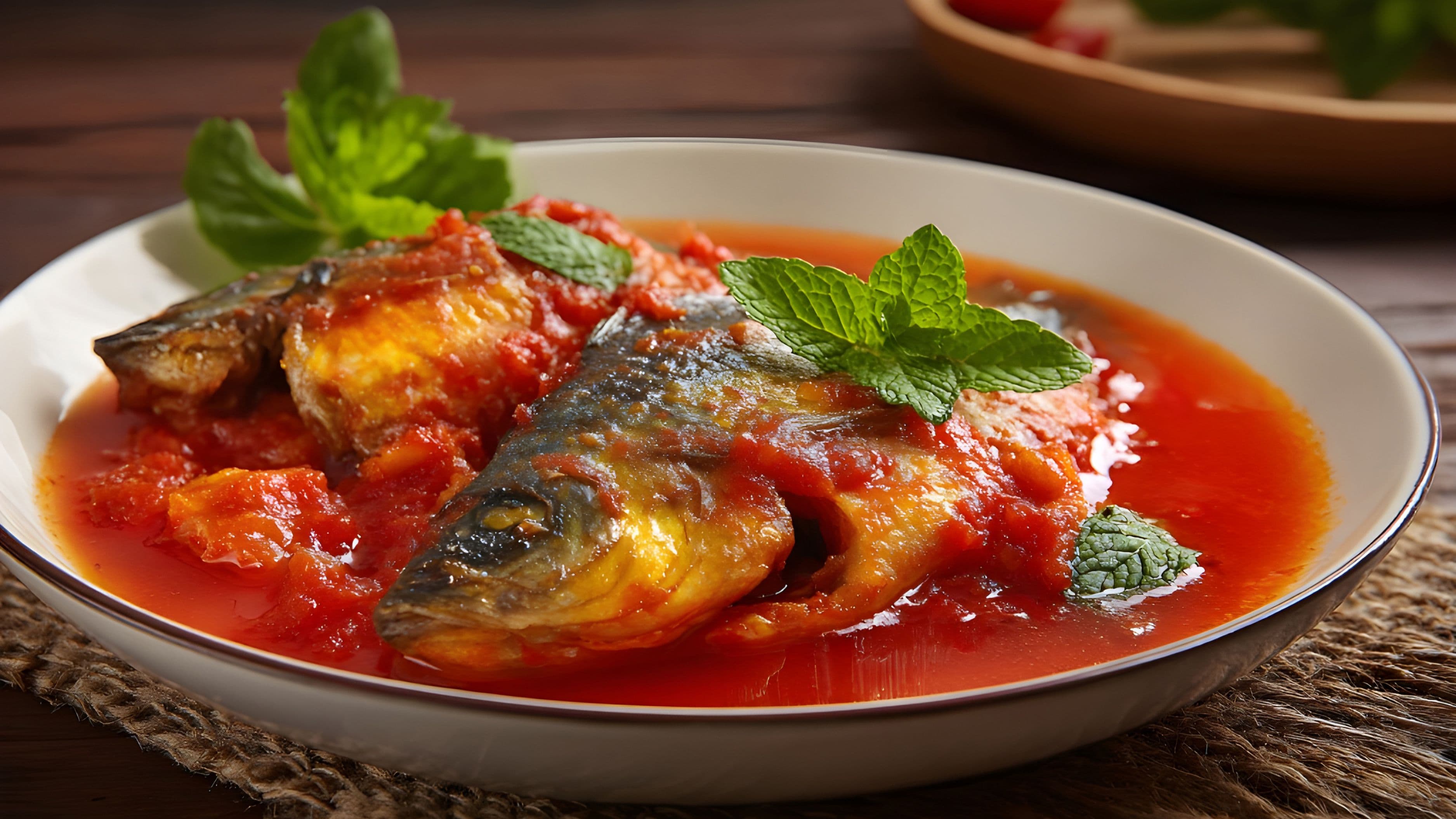
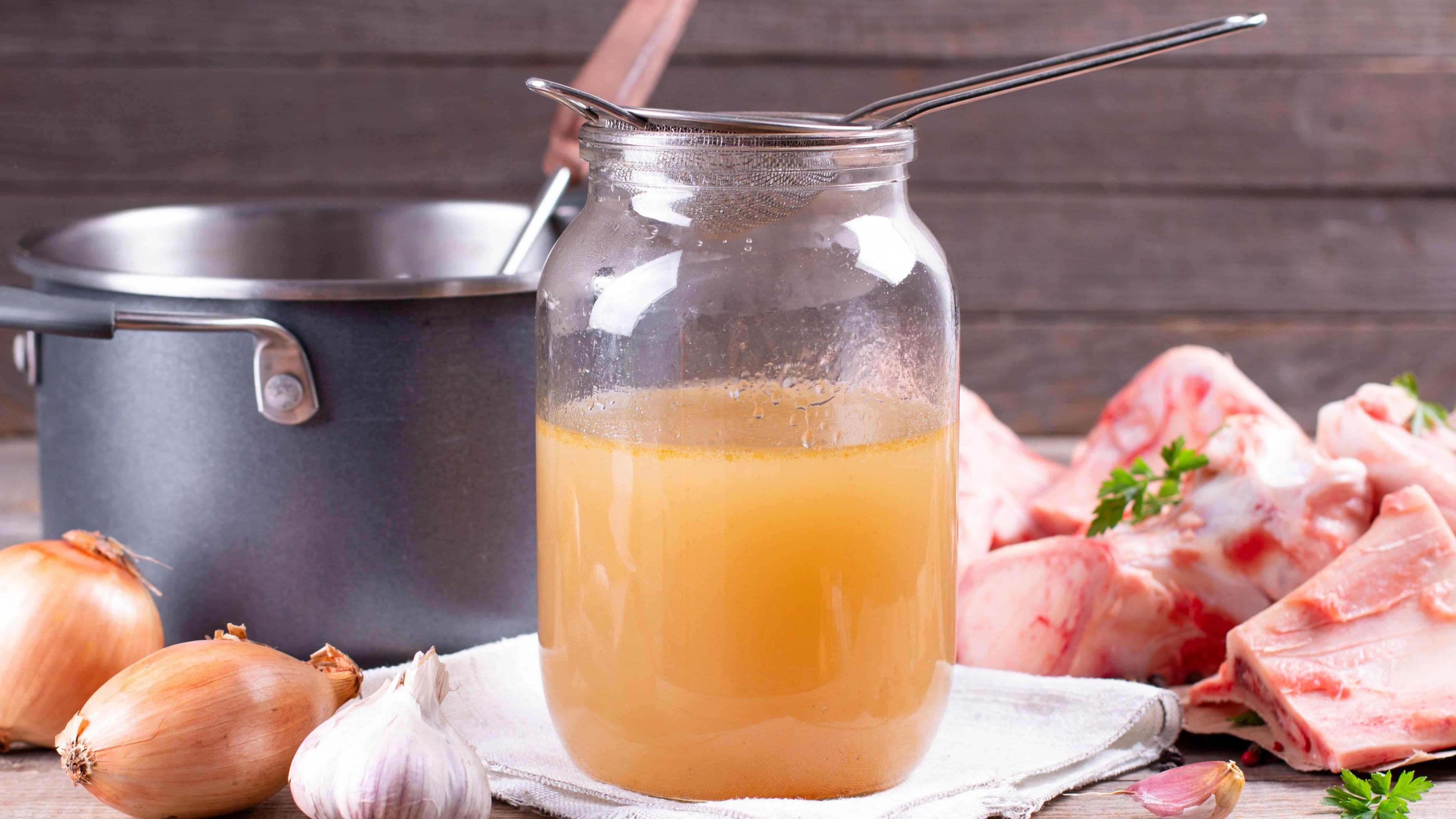
Before you wrinkle your nose at the thought of fermented fish in a bottle, understand that this funky liquid is basically MSG's cooler, more sophisticated cousin. A few splashes of fish sauce add the kind of deep, savory, can't-quite-put-your-finger-on-it umami that makes people scrape their plates clean and ask what your secret is. You're not making food taste fishy—you're adding complexity and depth that salt alone can never achieve. Use it in marinades, stir-fries, salad dressings, pasta sauces, or even scrambled eggs, and watch as dishes suddenly taste restaurant-quality without requiring any additional cooking skills. The bottle costs about $5, lasts for months in your fridge, and works in virtually every cuisine from Italian to Mexican to traditional Asian cooking.
2. The Instant Sophistication Sprinkle (Finishing Salt)
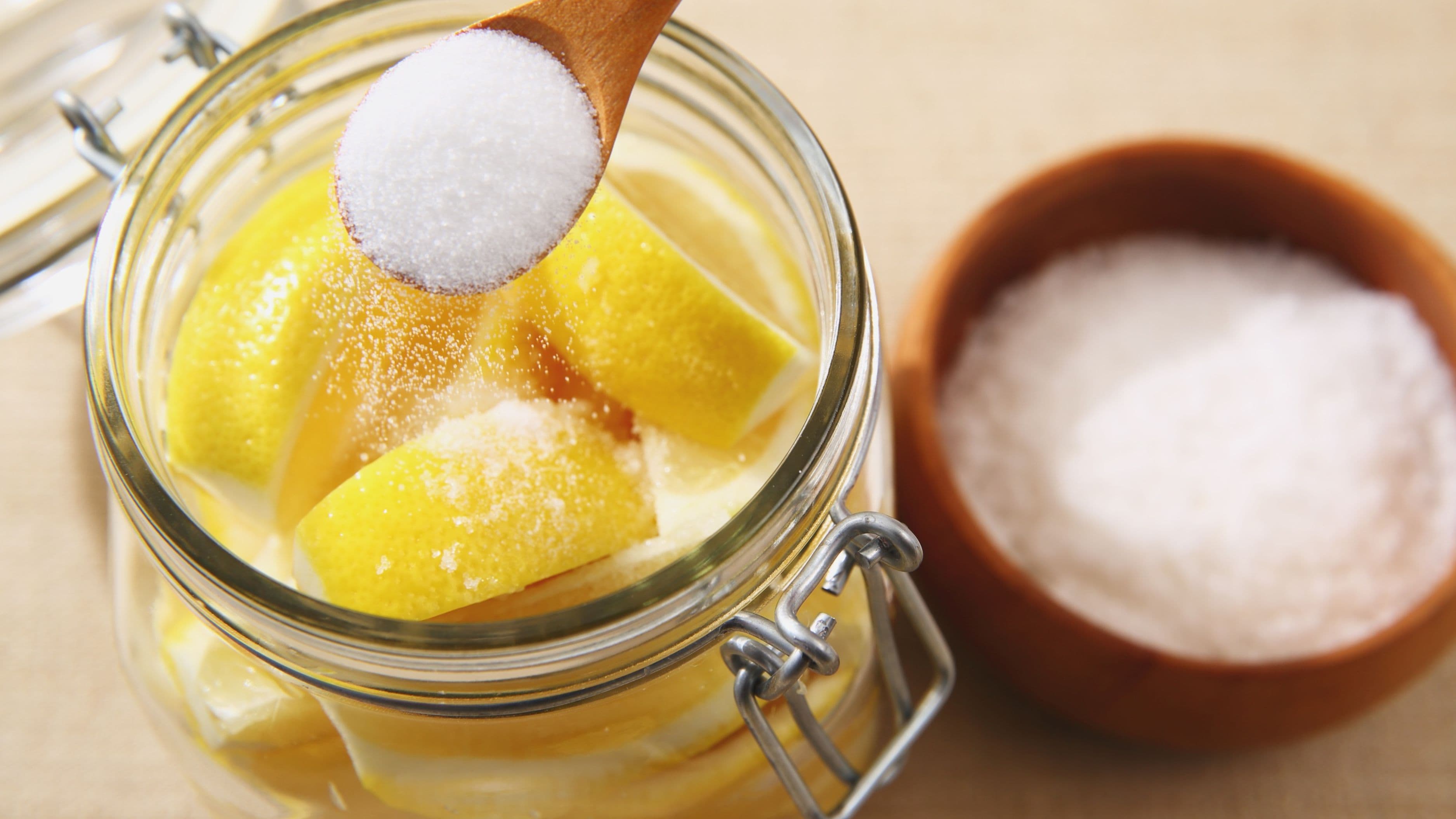
Regular table salt gets the job done, but flaky finishing salt—like Maldon or fleur de sel—turns every dish into something you'd photograph for Instagram. The irregular crystals dissolve on your tongue at different rates, creating little bursts of salinity that make your brain pay attention in ways uniform table salt never could. Sprinkle it on anything from chocolate chip cookies to roasted vegetables to grilled steak, and suddenly you're delivering textural interest alongside flavor enhancement. It's the culinary equivalent of adding jewelry to an outfit—not strictly necessary, but the difference between looking put-together and looking exceptional. A small box costs around $8 and because you use just a pinch as a final touch rather than cooking with it, that box lasts surprisingly long while making you feel like a professional chef every time you reach for it.
3. The Complexity Bomb (Miso Paste)
This fermented soybean paste sitting in Japanese refrigerators worldwide is basically a cheat code for making anything taste more interesting with zero additional effort. Stir a spoonful into butter for vegetables, whisk it into salad dressings for depth, add it to marinades for meat, or mix it into soup for instant richness that tastes like you simmered stock for hours. The fermentation process creates layers of flavor—sweet, salty, funky, earthy—that single ingredients simply cannot replicate on their own. White miso tastes mild and slightly sweet while red miso brings more assertive, darker flavors, but honestly either one works magic in your cooking. One tub costs about $6, lives in your fridge for months without spoiling, and transforms everything from corn on the cob to chocolate brownies (yes, really) into conversation-starting food.
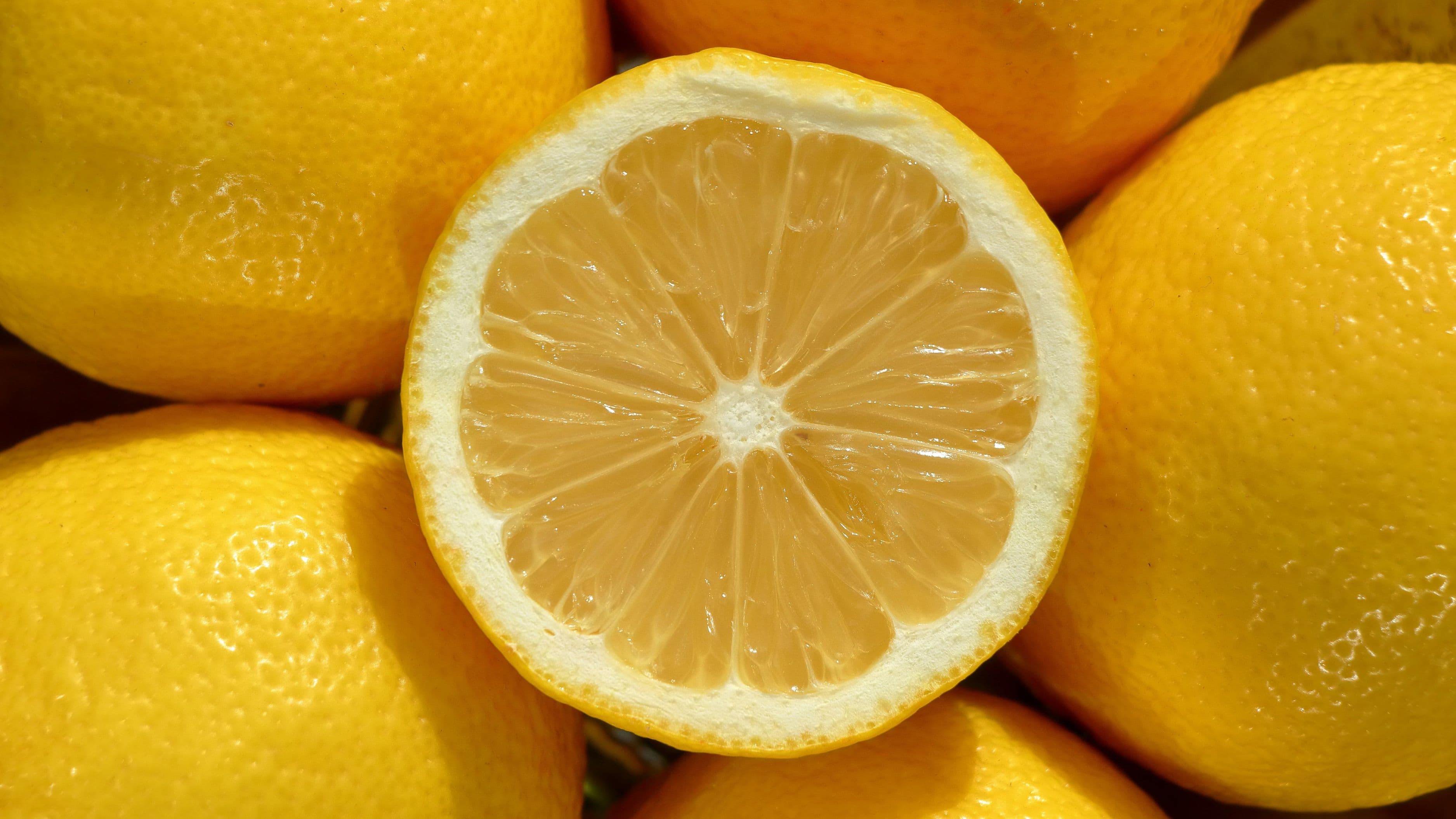
4. The Emergency Freshness Button (Citrus Zest)
You're probably already squeezing lemon or lime juice into your cooking, but you're throwing away the most flavorful part—that colorful outer peel packed with aromatic oils. Zesting citrus directly over finished dishes releases a burst of bright, complex flavor that juice alone can't deliver because those oils contain compounds that taste completely different from citric acid. Grate it over pasta, roasted fish, grilled vegetables, baked goods, or literally anything that needs waking up, and watch as flatness transforms into vibrancy. The investment here isn't even the citrus itself—it's a $10 microplane grater that you'll use multiple times weekly once you discover how dramatically it improves food. Those little shreds of peel deliver essential oils that make your taste buds stand at attention and your kitchen smell like you're running a Mediterranean restaurant instead of reheating leftovers.
5. The Weeknight Hero (Good Olive Oil)
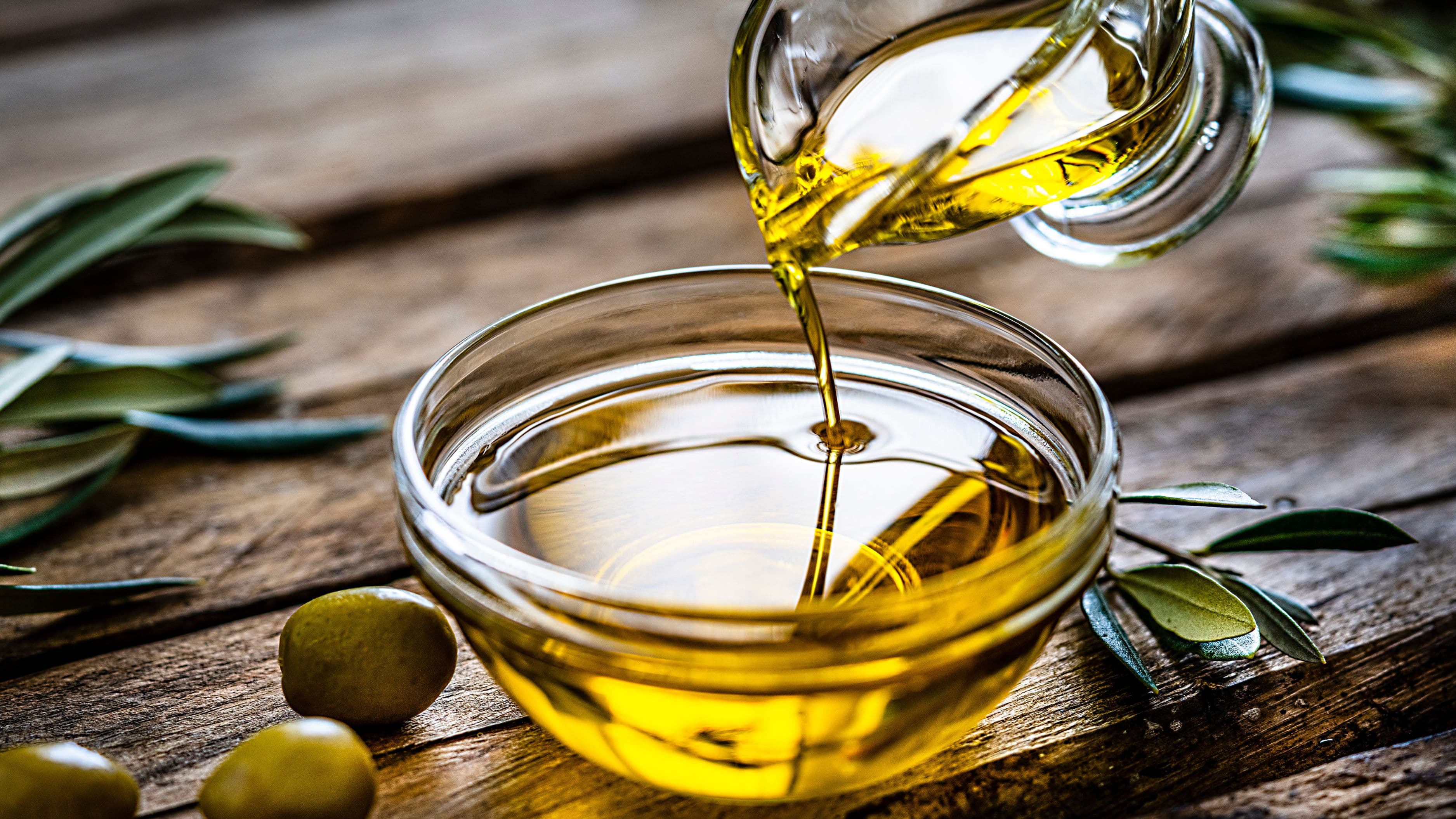
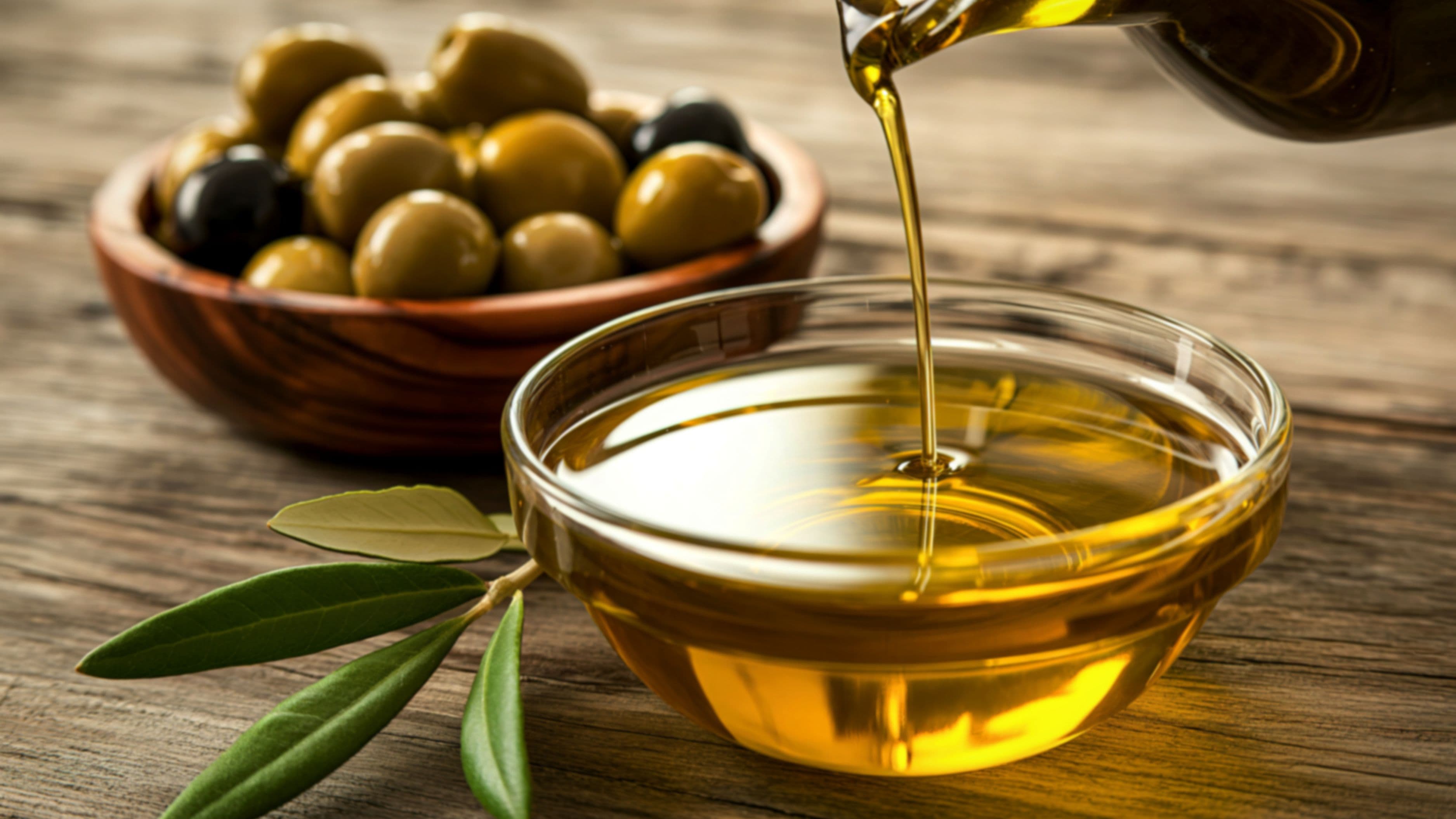
Not the $4 bulk bottle for sautéing—a $20-30 bottle of actual extra virgin olive oil that tastes peppery, grassy, and alive when you drizzle it over finished dishes. This is the ingredient that separates people who cook from people who know how to make food delicious, because that final drizzle of quality oil adds richness, flavor, and a glossy sheen that makes everything look and taste professional. Use it on soups, salads, pasta, bread, vegetables, or even vanilla ice cream (trust the Italians on this one), and you're adding complexity without any cooking required. The trick is never heating this good oil—heat destroys those delicate flavors you paid for, so save it for finishing touches where it can actually shine. One bottle lasts months because you're using small amounts strategically rather than dumping it into pans, and the difference in your cooking is immediately noticeable to anyone who eats your food.
6. The Secret Weapon (Anchovies)
Yes, those tiny tinned fish that everyone claims to hate until they unknowingly devour them melted into Caesar dressing or pasta sauce. Anchovies dissolve into cooking oil or butter, leaving behind pure savory goodness without any identifiable fishiness—they're basically a delivery system for umami that even anchovy-haters love once you don't tell them the ingredient list. Mince a few into your tomato sauce, mash them into compound butter for steak, or melt them into the base of braised dishes, and suddenly everything tastes richer and more complex without anyone being able to identify why. A tin costs $3-5, keeps for years in your pantry, and each anchovy packs enough flavor to transform an entire pot of food. This is the ingredient professional chefs use constantly while home cooks avoid irrationally, creating the divide between restaurant food and home cooking more than any fancy technique ever could.
7. The Texture Disruptor (Toasted Nuts and Seeds)
Raw nuts are fine, but toasted nuts turn every boring salad, pasta dish, or vegetable side into something with actual textural interest and nutty complexity. Spend five minutes in a dry pan toasting almonds, walnuts, pine nuts, or sesame seeds until fragrant and golden, and you've created a garnish that makes people think you tried way harder than you did. The toasting process brings out oils and develops flavors that raw nuts keep hidden, plus the crunch factor makes every bite more interesting than the last. Keep a container of toasted nuts in your fridge and suddenly you have an instant upgrade for grain bowls, roasted vegetables, soups, or even oatmeal that requires zero additional effort beyond grabbing a handful. This takes minimal time and money but delivers maximum impact on both flavor and texture, making it possibly the highest ROI move you can make in your cooking routine.
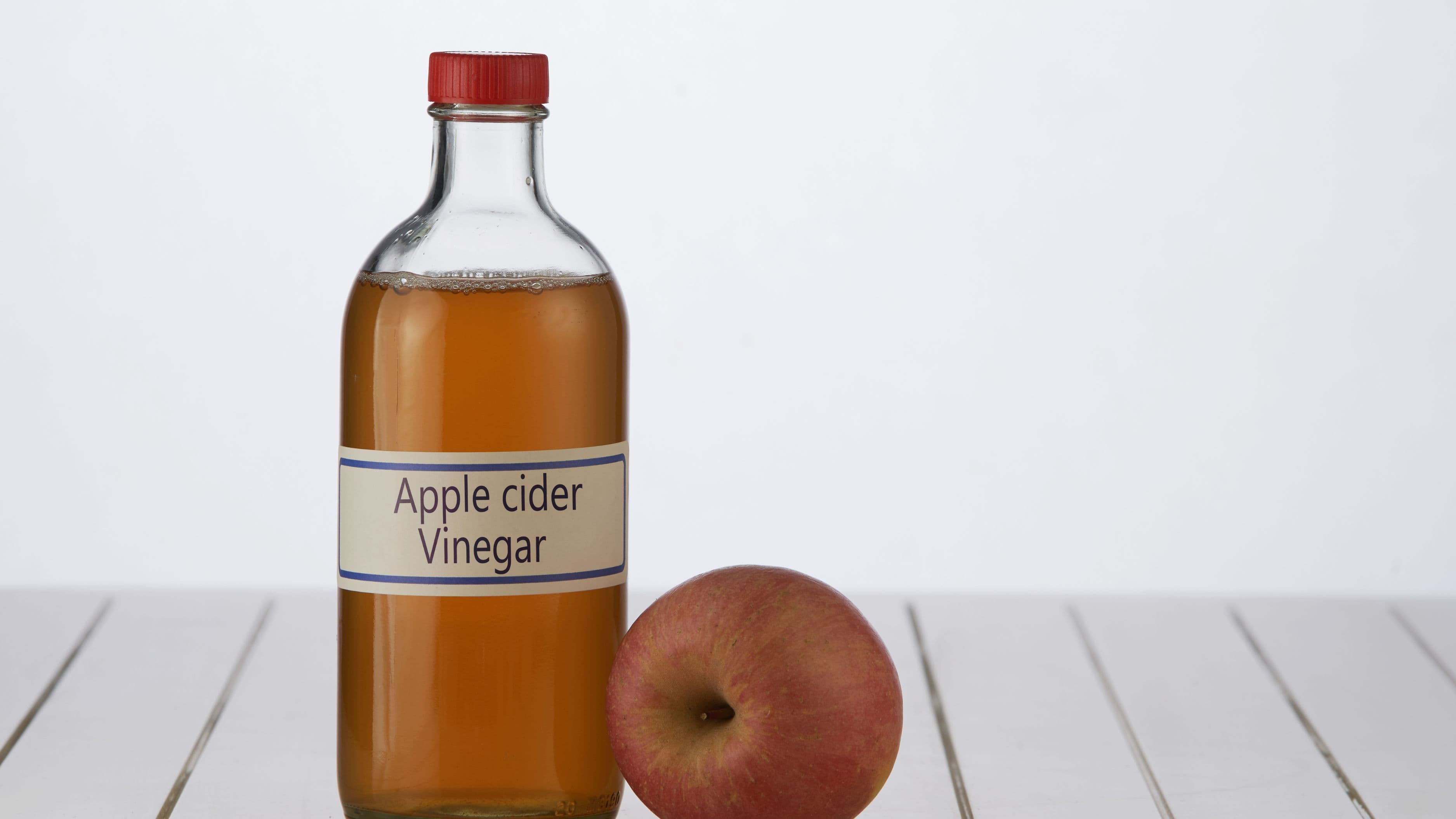
8. The Acid Balancer (Quality Vinegar)
That dusty bottle of white vinegar under your sink isn't cutting it—investing in good balsamic, sherry, or red wine vinegar changes how you think about balancing flavors. A splash of vinegar at the end of cooking brightens heavy dishes, cuts through richness, and makes flavors pop in ways that even salt can't achieve. Most home cooks under-season with acid, which is why restaurant food often tastes more vibrant and balanced despite using similar ingredients and techniques. Keep multiple vinegars around for different applications—balsamic for Italian dishes and roasted vegetables, sherry vinegar for Spanish-inspired food, rice vinegar for Asian cooking, and red wine vinegar as your all-purpose workhorse. A $12 bottle lasts for months because you're using tablespoons, not cups, and the impact on your cooking is disproportionate to both the cost and the effort required to simply add a splash before serving.
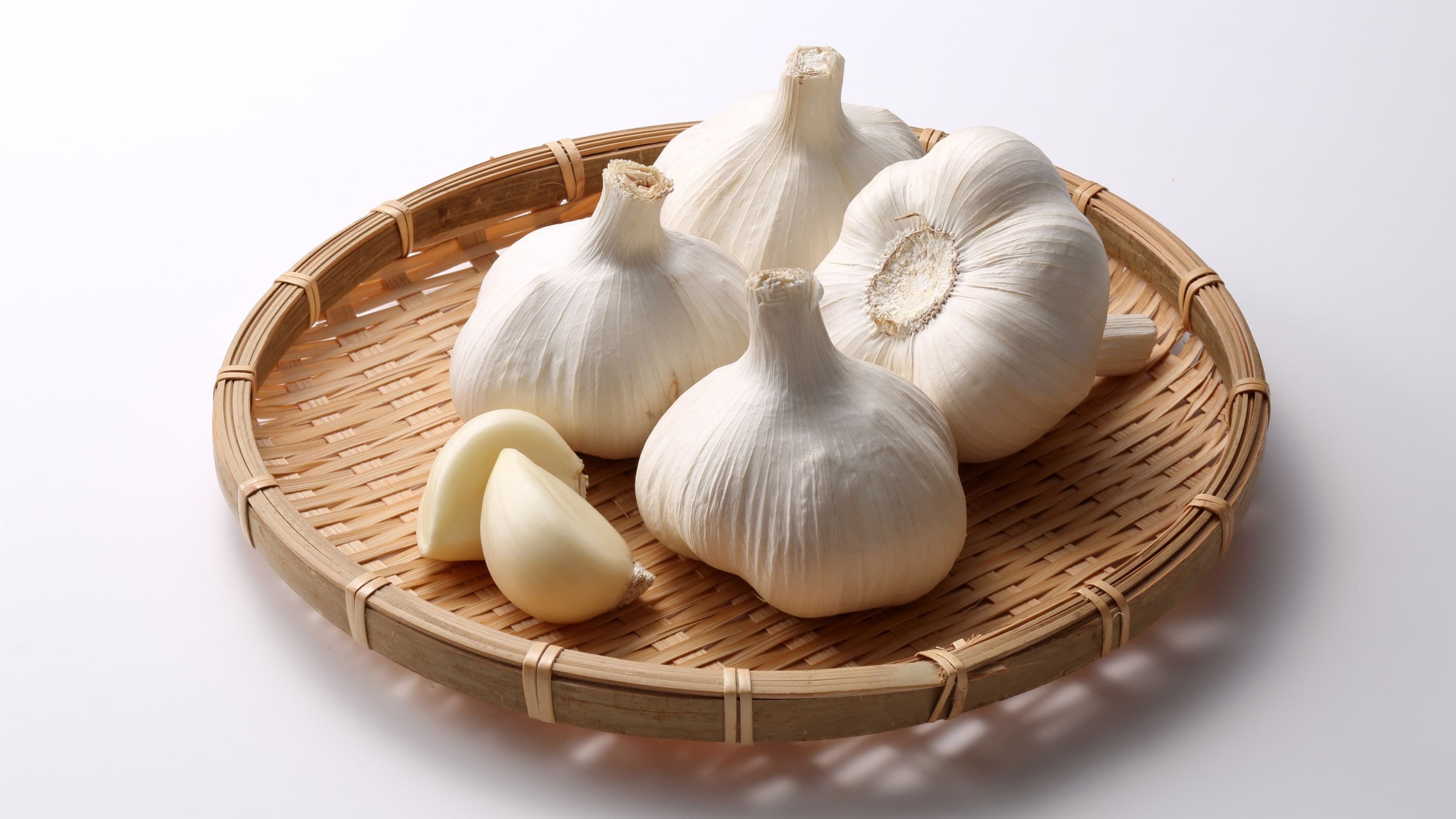
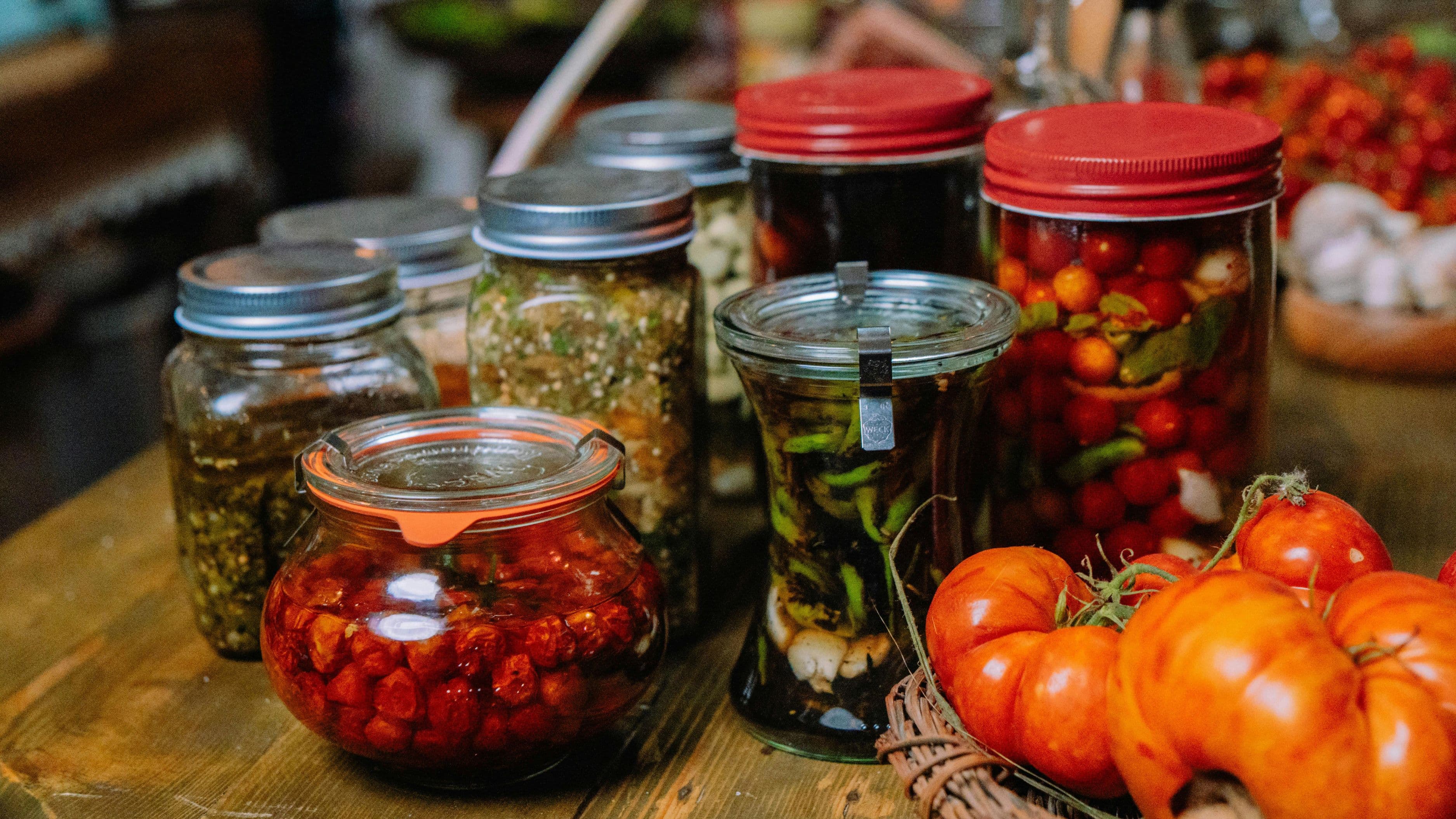
9. The Convenience Flavor Pack (Aromatics Frozen in Oil)
This isn't an ingredient you buy—it's a habit that saves you from bland weeknight cooking forever. Whenever you're mincing garlic, ginger, or herbs, make extra and freeze them in ice cube trays covered with olive oil. Pop out a cube whenever you're starting a dish, and suddenly you have the foundation of flavor without the tedious prep work that often prevents people from cooking on busy nights. These frozen flavor bombs mean you're never more than thirty seconds away from properly seasoned food, even when you're exhausted and tempted to order delivery. The time investment happens once during weekend prep, but the payoff continues for weeks as you effortlessly start every dish with aromatic depth that most people skip because chopping garlic feels like too much work after a long day. This one habit might do more for your cooking than any single ingredient purchase because it removes the friction that stands between you and actually using flavor-building techniques you already know.
Your life doesn't need to be perfect—just less chaotic and more you. Stocking these nine ingredients won't turn you into a Michelin-starred chef, but they will close the gap between what you're currently cooking and what you wish you were eating. The best part? None of these require advanced techniques or complicated recipes. They're basically shortcut buttons that add complexity, depth, and deliciousness to whatever you were already planning to make, transforming "this is fine" meals into "wait, you made this?" moments with minimal additional effort. Start with two or three from this list, use them until they become automatic, then gradually add the others as your confidence grows. Before you know it, you'll be that person whose cooking everyone wants to replicate, and your secret won't be some elaborate technique—it'll be knowing which simple ingredients punch way above their weight class.