1. The Fist Grip Makes You Work Harder
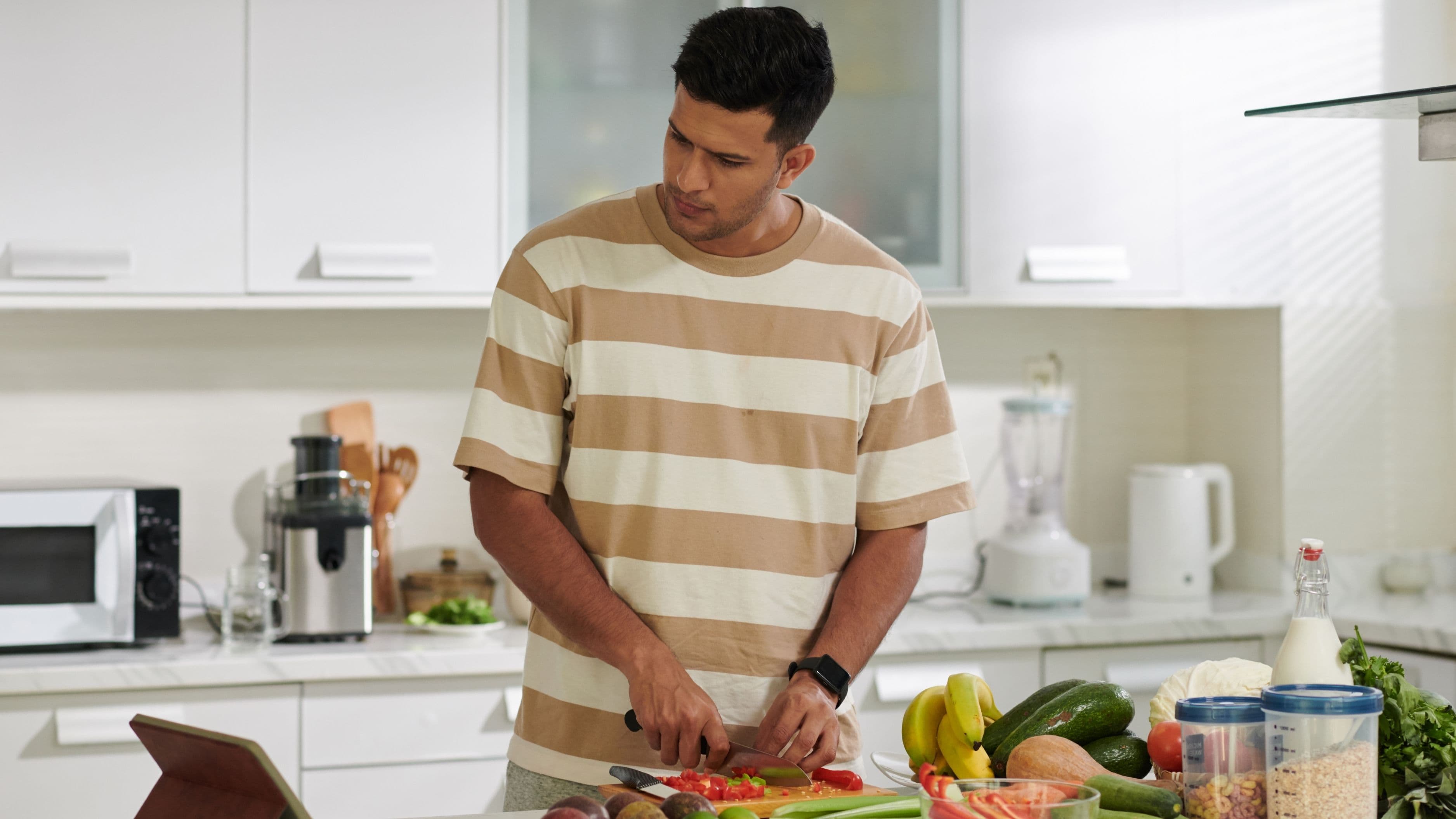
If you're wrapping all your fingers around the handle like you're gripping a baseball bat or a hammer, you're in the majority—and you're doing it wrong. This "fist grip" or "hammer grip" feels natural and secure, which is exactly why so many people default to it without questioning whether there's a better way. The problem is that this grip gives you almost no control over the blade's movement and forces you to use your entire arm for cutting motions rather than leveraging the knife's natural rocking motion.
Professional chefs use what's called the "pinch grip," where your thumb and the side of your index finger pinch the blade itself just in front of the handle, while your remaining three fingers curl loosely around the handle for support. This grip feels weird and insecure at first—like you're going to cut yourself or drop the knife—but it actually provides exponentially more control and precision. When you pinch the blade, your hand becomes an extension of the knife itself rather than something separate pushing the knife around. You can feel the blade's position, adjust angles microscopically, and guide cuts with the kind of accuracy that makes dicing an onion feel less like a chore and more like a satisfying skill you're genuinely good at.
2. Your Other Hand is Probably in Danger
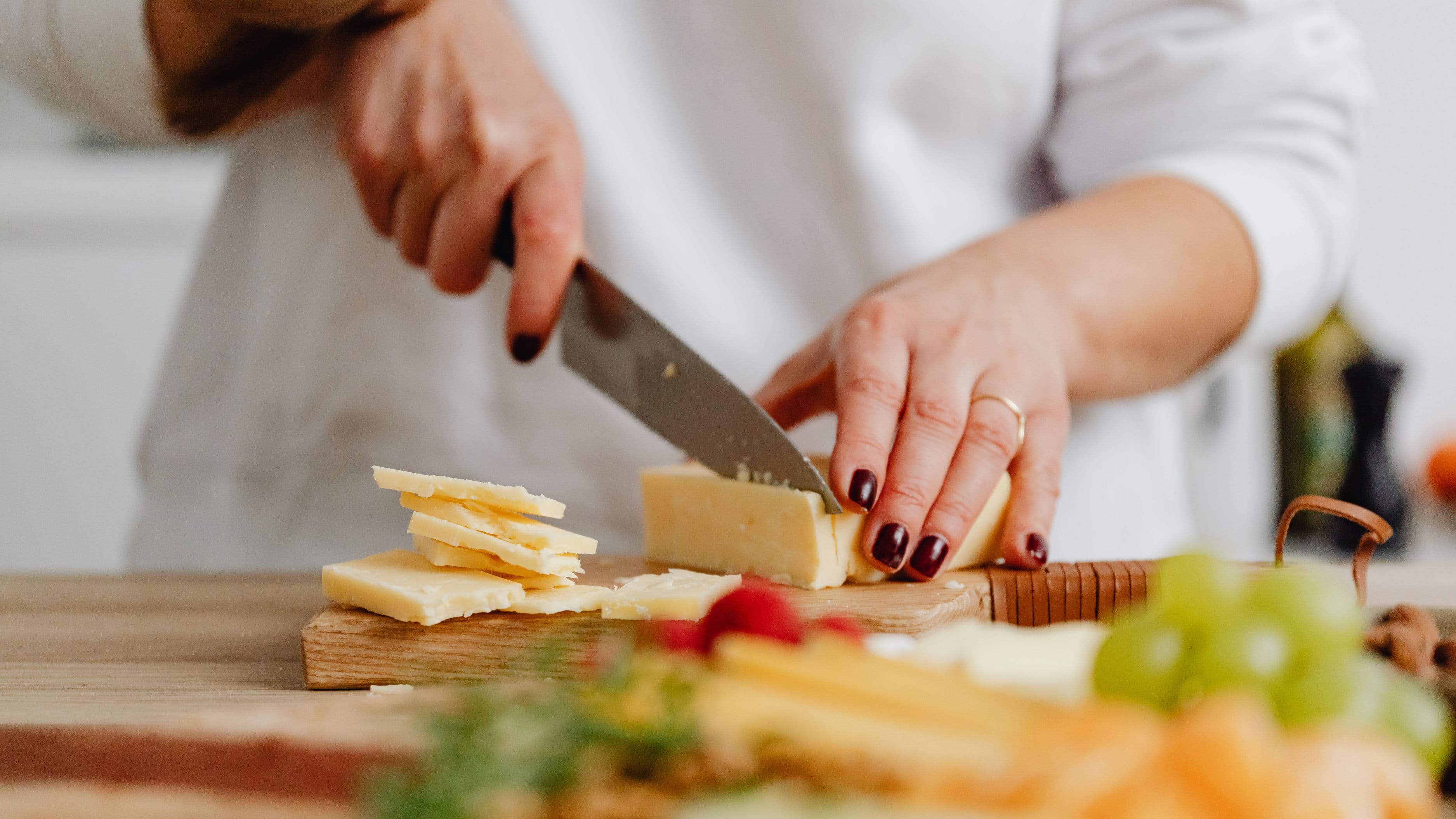
Here's where things get genuinely scary: while most people obsess over their knife hand, they completely ignore the hand that's holding the food. If you're keeping your fingers extended, touching the food's surface with your fingertips flat against the cutting board, you're one distracted moment away from a trip to the emergency room. This is how most home cooking injuries happen—not through aggressive chopping, but through a momentary lapse in concentration when your extended fingertips are directly in the blade's path.
The professional technique is called the "claw grip," and once you learn it, you'll wonder how you ever cooked without it. Curl your fingertips inward toward your palm, letting your knuckles become the forward-most point of contact with the knife blade. Your fingertips hold the food securely while staying safely tucked away, and the flat surface of your knuckles actually guides the blade as it moves through the cutting motion. The knife rides along your knuckles like a train on tracks, making it nearly impossible to accidentally cut yourself. This technique looks intimidating when you first see it—like the chef is recklessly putting their hand right next to a sharp blade—but it's actually the safest possible way to hold food while cutting it.
3. You're Chopping When You Should Be Rocking
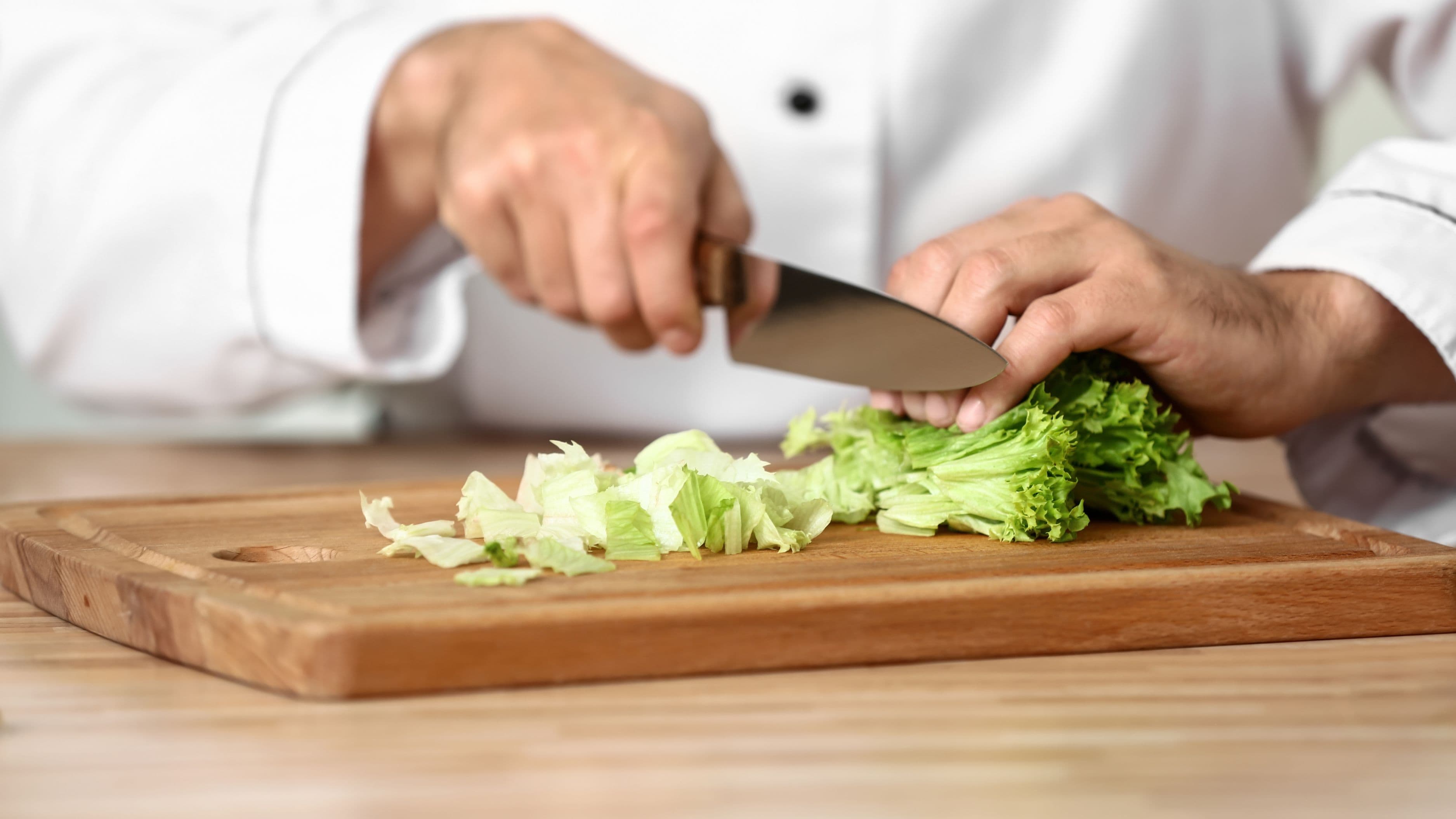
Watch someone who's never received culinary training mince garlic or chop herbs, and you'll see a lot of vertical, stabbing motions—the knife coming completely off the cutting board between each cut, requiring the cook to reposition and realign for every single chop. This approach is exhausting, inefficient, and produces inconsistent results because you're essentially starting from scratch with each motion instead of building a rhythm. It's the knife equivalent of typing with one finger instead of learning to touch-type properly.
Professional cooks keep the knife's tip on the cutting board and use a gentle rocking motion, pivoting the blade up and down while the tip stays anchored. This technique leverages the knife's natural curve (called the "belly" of the blade) and allows you to develop a smooth, almost meditative rhythm where cuts happen automatically without conscious thought. Your knife barely leaves the board, your motions become smaller and more controlled, and somehow you're moving through ingredients twice as fast with half the effort. The first time you successfully rock-chop through a pile of parsley using this method, creating a perfectly uniform mince in seconds instead of minutes, you'll feel like you've unlocked a cheat code for cooking.
4. Your Knife Might Be Too Dull to Hold Correctly
Here's an ironic truth that surprises most home cooks: dull knives are actually more dangerous than sharp ones, and they're a major reason why people develop bad knife habits in the first place. When your knife doesn't easily bite into food, you compensate by applying more pressure, which requires a tighter grip and more forceful movements. This extra force makes it harder to maintain proper technique, and when the blade finally does break through, it's moving with so much momentum that you've got no control over where it goes next.
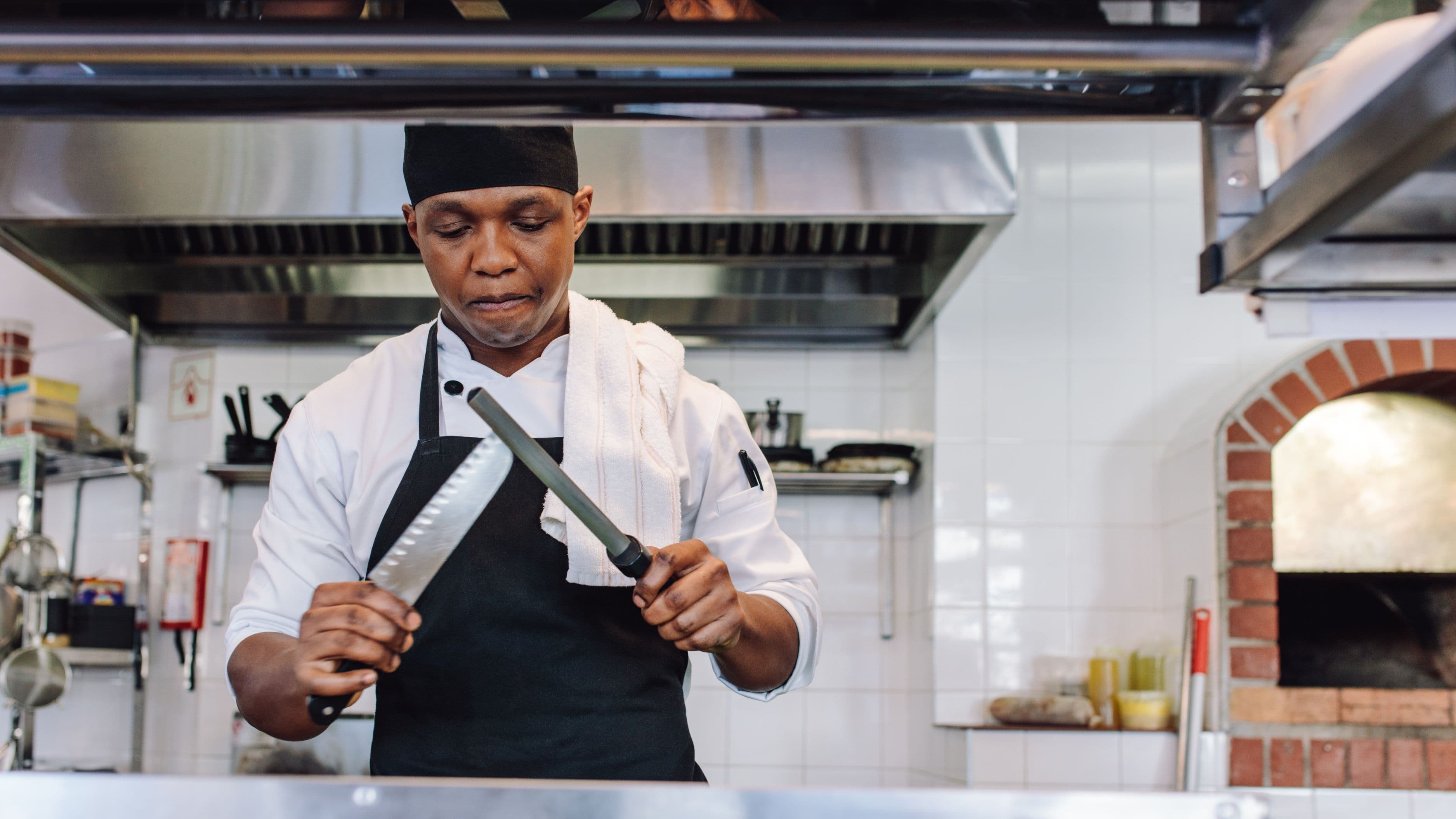
A properly sharp knife requires almost no downward pressure—it cuts through food with minimal effort, allowing you to focus on precision rather than force. This is why professional chefs are borderline obsessive about knife sharpness and why they'll spend the money on regular professional sharpening or learn to use whetstones themselves. When your knife glides through a tomato using only the blade's weight and a gentle sawing motion, when you can slice paper-thin garlic that's almost translucent, maintaining proper grip and technique becomes effortless because you're working with the tool rather than fighting against it. Most home cooks have never experienced what a truly sharp knife feels like, so they don't realize that much of their struggle with proper technique stems from trying to use equipment that's not up to the task.
5. The Cutting Board Matters More Than You Think
Even if you nail the pinch grip, master the claw, and keep your knives sharp, you can still undermine all that good technique with a bad cutting board setup. If your board slides around on the counter, you'll unconsciously tense up and grip the knife tighter, reverting to less efficient techniques in the name of stability and safety. If your board is too small, you'll run out of space to work, creating awkward angles that make proper form nearly impossible to maintain.
Professional kitchens always use damp towels or rubber mats underneath cutting boards to prevent sliding—a simple trick that instantly makes knife work feel more controlled and confident. They also use boards that are large enough to accommodate their ingredients with room to spare, typically at least 12 by 18 inches for serious prep work. The height of your cutting board relative to your body matters too—ideally, your elbows should be at roughly 90-degree angles when your hands are on the board, which might mean you need to raise your board on a stable platform or lower it by adjusting your standing position. These environmental factors might seem trivial compared to grip technique, but they're the foundation that makes good technique sustainable rather than something you can only maintain for a few minutes before fatigue sets in.
6. Speed Isn't the Goal (But It Happens Anyway)
When people watch professional chefs work, they're often mesmerized by the speed—the blur of motion as vegetables are transformed into perfect, uniform pieces in what seems like seconds. This leads many home cooks to think speed is the point of good knife technique, so they try to chop faster while still using inefficient grips and methods. The result is usually sloppy cuts, near-misses with fingers, and a lot of frustration about why they can't match the professionals' pace.
Here's the secret: professional chefs aren't fast because they're trying to be fast. They're fast because they've practiced efficient techniques so extensively that speed emerges naturally as a byproduct of correct form. When you use the pinch grip, the claw, and the rocking motion, your movements become smaller, more controlled, and more rhythmic. These efficient movements require less energy and can be sustained longer without fatigue, which means you can gradually increase your pace without consciously trying to rush. It's like how skilled pianists play complex pieces quickly—not by forcing speed, but by practicing until the correct movements become second nature and speed arrives on its own. Focus on doing it right, and eventually you'll look up from your cutting board to discover you've prepped an entire meal's worth of vegetables in the time it used to take you to chop a single onion.
7. Every Knife Demands Different Technique
One reason knife skills feel frustrating is that home cooks often try to use the same grip and technique for every knife in their kitchen, not realizing that different blades require different approaches. The pinch grip works beautifully for a chef's knife—the workhorse blade you'll use for 80% of your cutting tasks—but it feels wrong on a paring knife, where a more traditional grip with the handle nestled in your palm actually provides better control for detailed, precision work. A serrated bread knife requires a pure sawing motion with almost no downward pressure, while a cleaver demands yet another technique entirely.
Understanding that different knives serve different purposes and require different handling might seem like it complicates things, but it actually simplifies your cooking life once you embrace it. Instead of fighting with a chef's knife to peel an apple or struggling to slice bread with a straight-edged blade, you learn to match the tool to the task and adjust your technique accordingly. This is why professional kitchens have extensive knife collections—not as a status symbol, but because specialized tools paired with appropriate technique make every task easier and more efficient. You don't need a dozen knives to start, but understanding that your grip and motion should adapt to the blade you're holding will immediately improve your results across the board.
The truth about knife skills is both humbling and liberating: most of us have been making cooking harder than it needs to be, but that also means there's enormous potential for improvement with relatively simple adjustments. You don't need expensive equipment or years of culinary school to transform your knife work—you just need to be willing to feel awkward and inefficient for a few days while you retrain muscle memory that's been developing incorrectly for years. Start with the pinch grip, practice the claw with your guiding hand, and focus on smooth, controlled movements rather than speed. Your fingers will feel clumsy at first, your cuts will be slower and less consistent, and you'll probably want to revert to your old habits when you're in a hurry. Push through that discomfort. Within a week, proper technique will start feeling natural. Within a month, you'll wonder how you ever cooked any other way. And the next time you watch a cooking show and see a chef's hands dancing across a cutting board with effortless precision, you'll recognize the technique—because it's the same one you're now using in your own kitchen.