
1. The Tomato Whisperer: When One Ingredient Becomes Your Signature
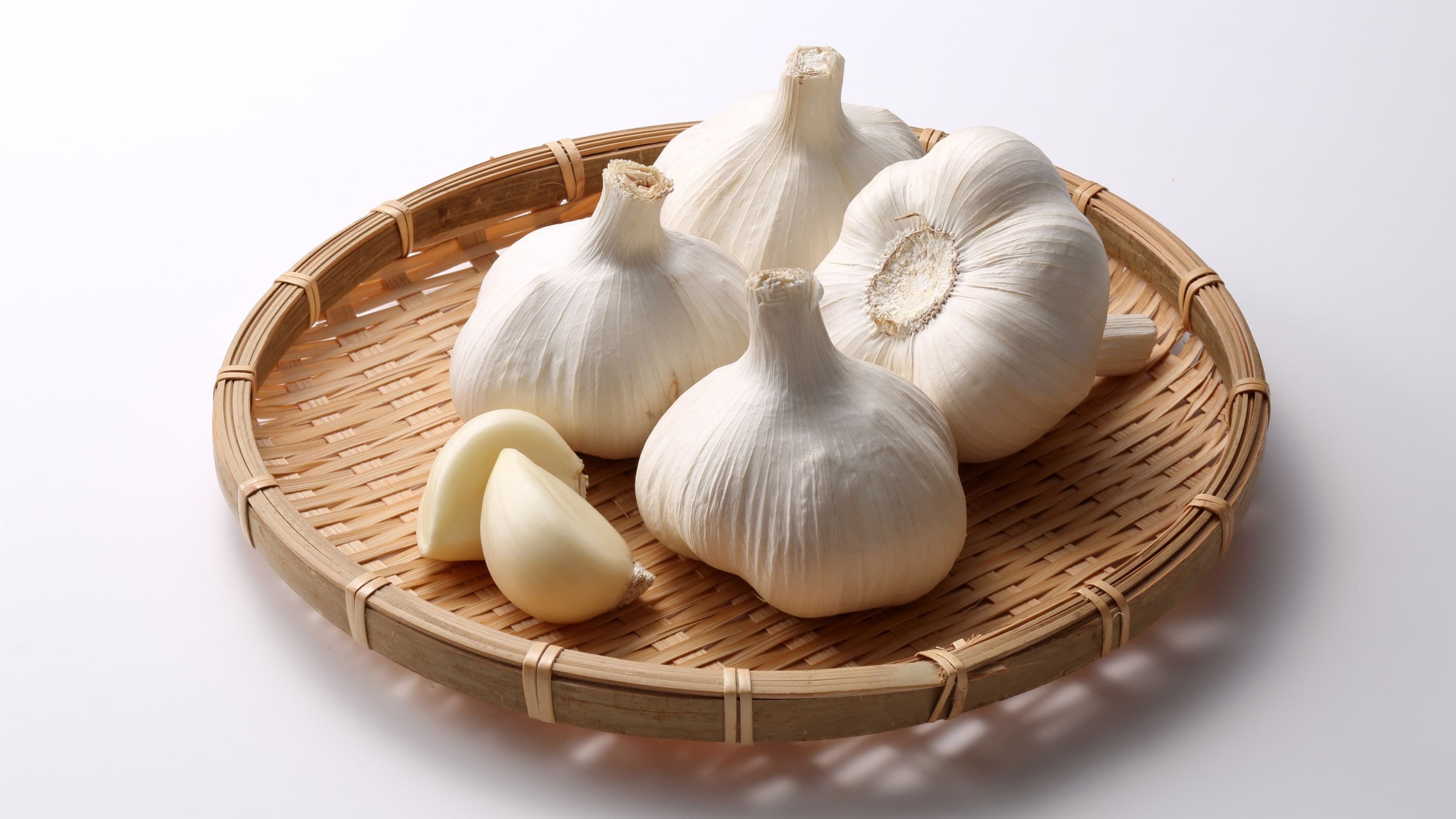
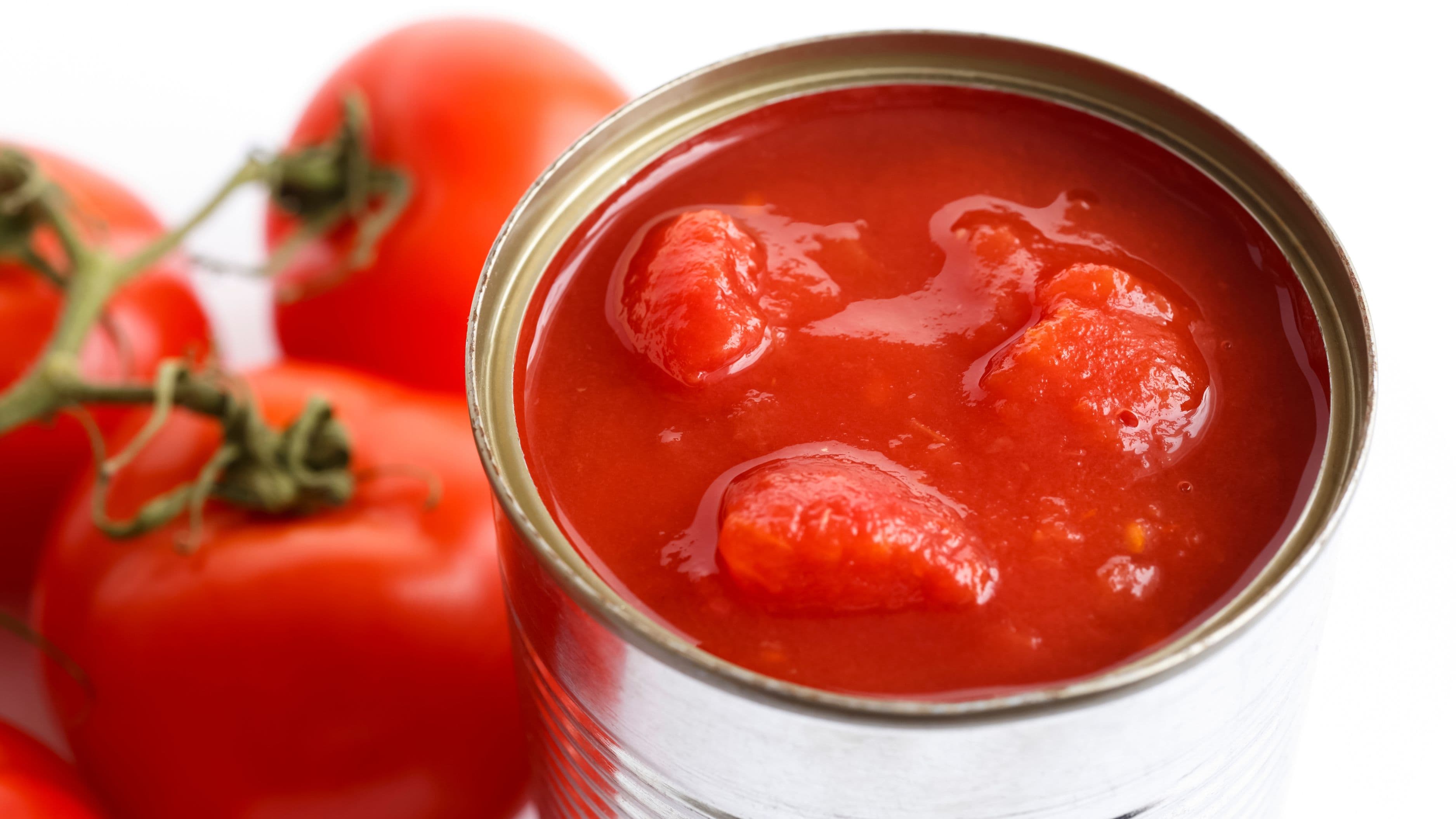
Remember how Ross from Friends became "the divorces guy" because he couldn't stop doing that one thing? You want to be that person, but with tomatoes (or garlic, or lemon, or whatever speaks to your soul). When you dedicate yourself to truly understanding one ingredient—how it behaves raw versus cooked, what it loves to pair with, how different varieties taste—you stop being someone who follows recipes and start being someone who cooks. Choose your ingredient like you're choosing your Hogwarts house: pick something that genuinely excites you, that you'd happily eat multiple times weekly, and that appears across different cuisines so you won't get bored. Maybe you become the person who can riff endlessly on eggs, creating frittatas, custards, and perfect omelets without thinking. Or perhaps you're the garlic devotee who knows exactly how long to cook it before it turns bitter, who understands the difference between roasted garlic's sweetness and raw garlic's punch. This focused obsession builds intuition that scattered learning never can.
2. The Repetition Revolution: Why Doing the Same Thing Isn't Boring
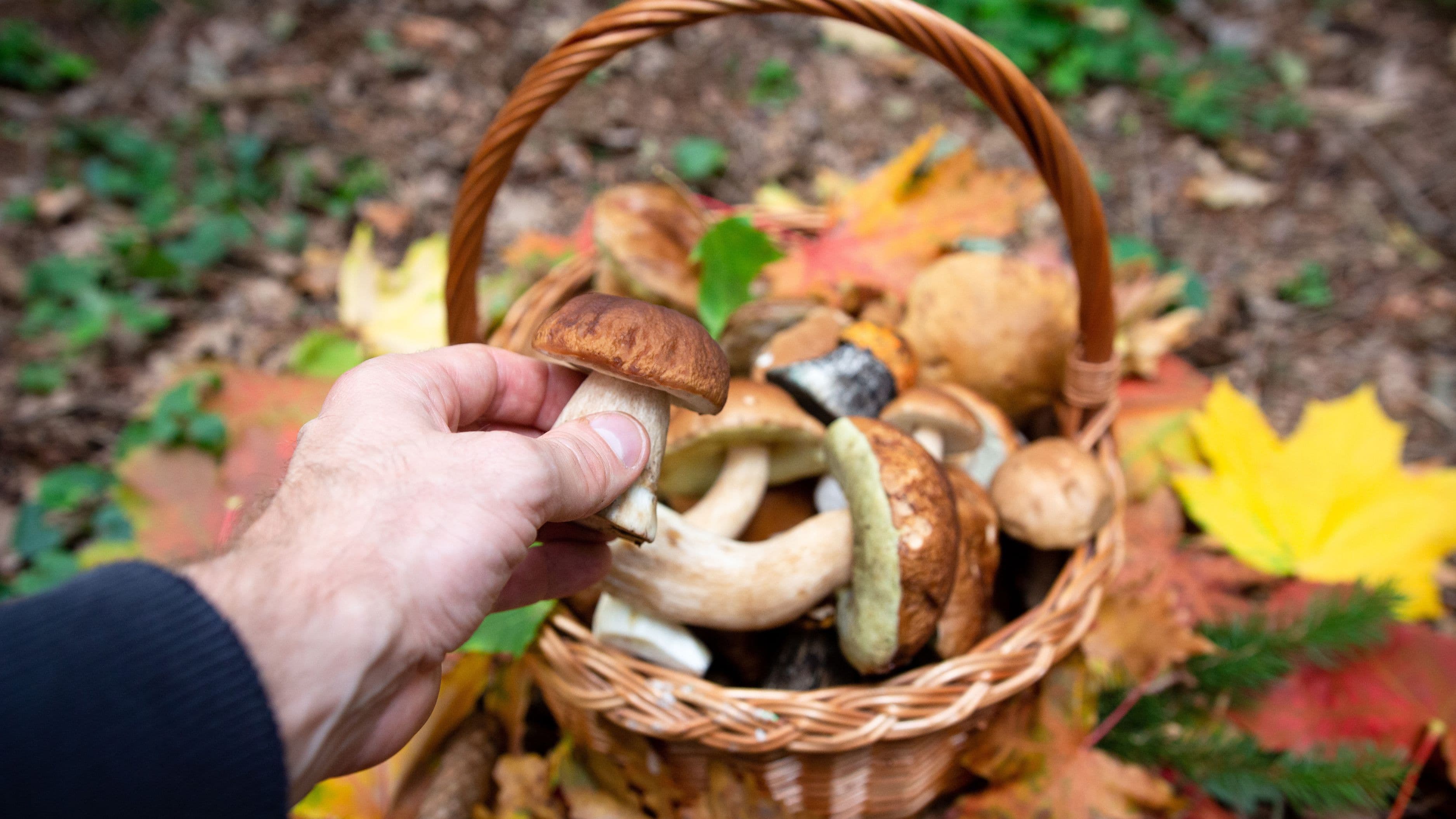
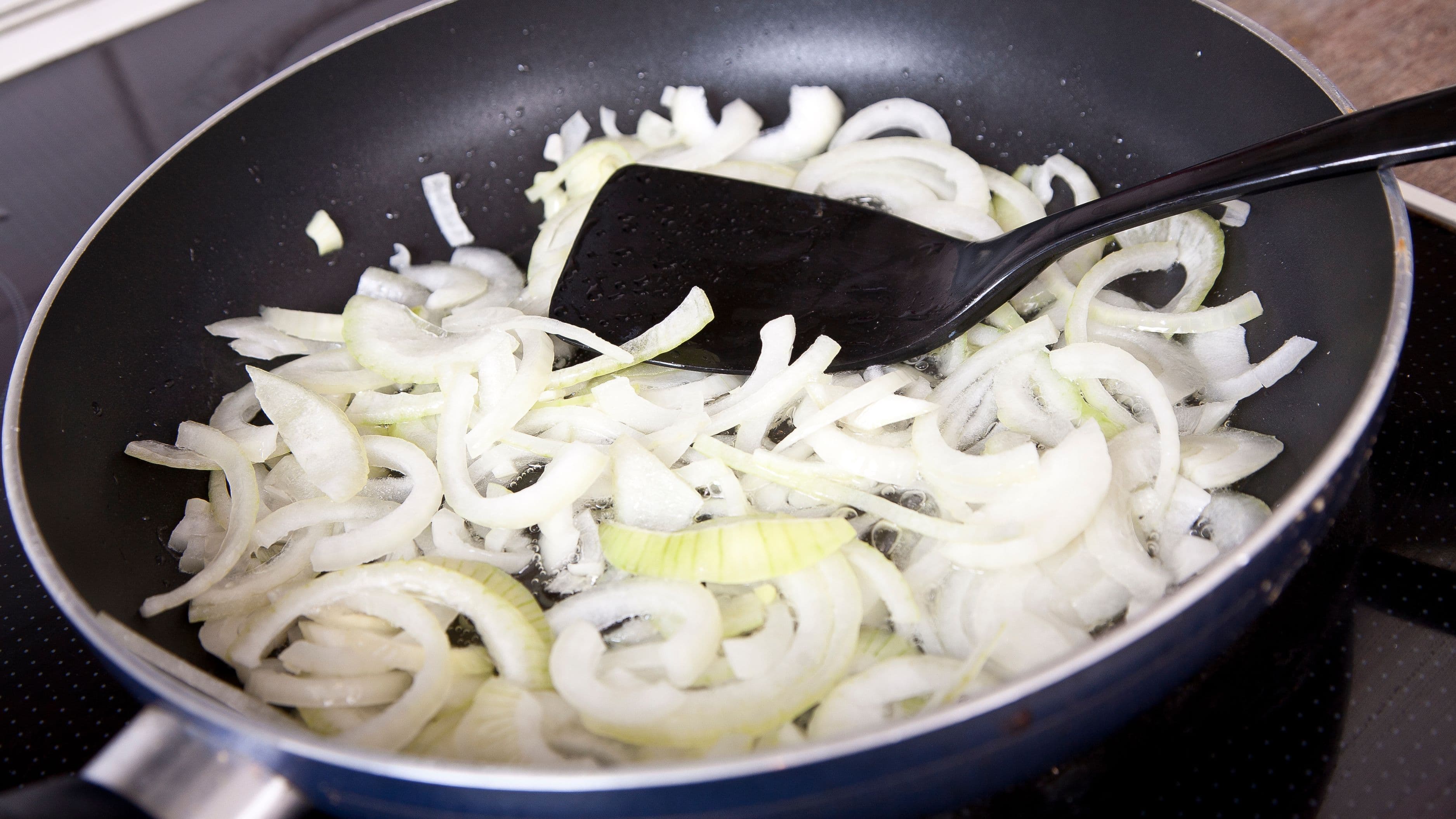
Our culture worships novelty like it's a religion, but Malcolm Gladwell's 10,000-hour rule exists for a reason (even if it's slightly exaggerated). Cooking the same ingredient twenty different ways in a month teaches you more than cooking twenty different ingredients once each. You start noticing subtleties: how this batch of mushrooms releases more water than last week's, how your onions caramelize faster on Tuesday than they did on Sunday, how the garlic you minced fine behaves completely differently than the garlic you sliced thick. These observations build pattern recognition that your brain can apply across cooking situations. It's like how gamers develop muscle memory for complex controller sequences—except your reward is actually delicious food instead of virtual coins. The repetition also removes decision fatigue; when you're working with your chosen ingredient, you stop agonizing over what to make and start playing with possibilities.
3. The Budget-Friendly Specialist: Your Wallet Will Thank You
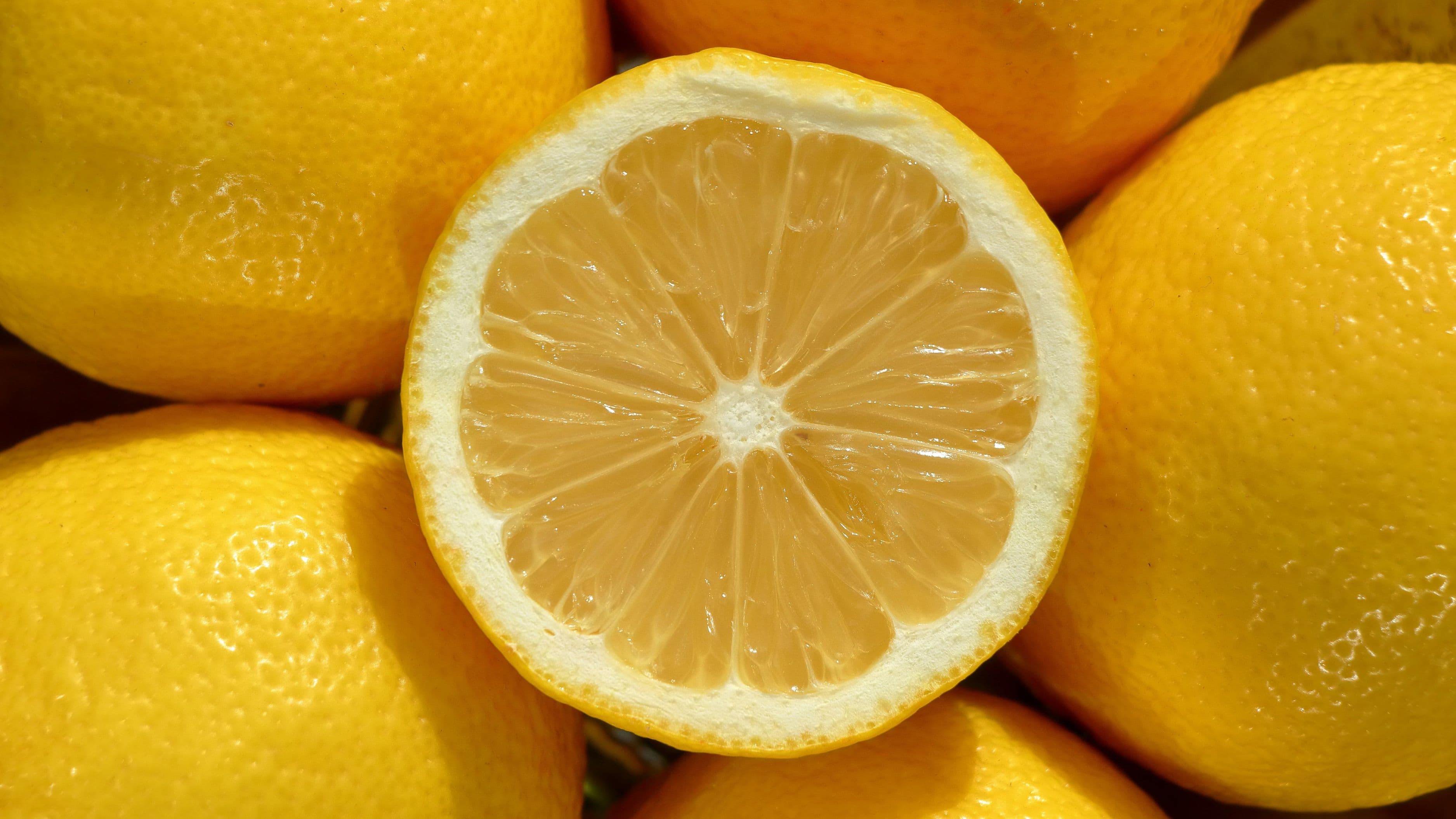
Buying one ingredient in bulk or consistently means you're getting deals that ingredient-hoppers never access. When you're the person who always needs lemons, you start buying the five-pound bags at Costco instead of paying $0.75 per lemon at the grocery store. You learn which stores have the best prices on your ingredient, when it goes on sale seasonally, and how to properly store large quantities so nothing goes to waste. Meanwhile, your friend who's trying a new recipe every night is dropping $12 on specialty ingredients they'll use once before they expire in the back of the fridge. According to the USDA, American households waste approximately 31% of their food supply, with specialty ingredients bought for single recipes being major contributors. Your focused approach means you're using everything you buy because you know fifteen ways to deploy your chosen ingredient before it goes bad. Plus, you stop impulse-buying random ingredients that seemed exciting in the store but have been sitting unused for eight months.
4. The Confidence Builder: Becoming the Person Who "Just Knows"
There's something magical about the moment you stop needing to measure, check recipes, or second-guess your cooking decisions. When you deeply understand one ingredient, you develop instincts that make you look like a culinary genius to everyone else. You can taste a dish at a restaurant and identify exactly how they prepared your ingredient. You can look in your fridge, see your ingredient plus random leftovers, and instantly know what to make without consulting Google. This confidence bleeds into other areas of your cooking because you've learned the fundamental principle: expertise comes from depth, not breadth. You stop being intimidated by recipes because you understand that cooking is about understanding ingredients and techniques, not memorizing instructions. The confidence also makes cooking more enjoyable; instead of stressed recipe-following, you're playing and experimenting with something familiar.
5. The Technique Accumulator: Learning Methods Through One Lens
Every ingredient can be prepared dozens of ways, and exploring them all teaches you techniques applicable everywhere. Let's say you chose potatoes as your ingredient (solid choice, very versatile). You'll learn to roast them until crispy, boil them for mashing, slice them paper-thin for gratins, shred them for hash browns, twice-bake them, turn them into gnocchi, fry them into chips, and simmer them in stews. Each method teaches you broader cooking principles: roasting and caramelization, boiling and starch behavior, knife skills and mandoline use, emulsification for mashed potatoes, dough handling for gnocchi, frying temperatures, and braising techniques. By the time you've exhausted potato possibilities, you've accidentally learned techniques that work for countless other ingredients. It's like learning guitar through one song played in every possible style—you end up understanding music theory without realizing you were studying. This approach is actually how culinary schools often teach, focusing students on mastering core techniques through repeated practice with similar ingredients.
6. The Flavor Profile Detective: Understanding What Works and Why
When you cook with the same ingredient constantly, you become a detective of flavor combinations. You discover through experimentation that your ingredient loves acid, or needs fat to shine, or pairs surprisingly well with sweet elements. These aren't abstract concepts you read in books—they're lived experiences that change how you think about food. If you're deep into understanding chicken, you learn that dark meat needs different treatment than breast, that it pairs beautifully with almost any global flavor profile, that it benefits from brining or dry-salting, and that different cooking methods create wildly different textures and flavors. This knowledge makes you dangerous in the kitchen (in a good way). You can look at any cuisine's approach to chicken and understand why they're making their choices, then adapt those techniques to your own style. You're no longer copying recipes; you're understanding the underlying logic of cooking itself.
7. The Creative Constraint Champion: Limitations Breed Innovation
Chefs on Chopped create incredible dishes despite (or because of) seemingly random ingredient limitations. Psychologist Barry Schwartz's research on the "paradox of choice" shows that too many options actually paralyze us and decrease satisfaction. When you limit yourself to mastering one ingredient, you're forced to get creative within constraints, which paradoxically leads to more innovation than infinite options ever could. You start combining your ingredient with things you'd never have considered if you weren't pushing boundaries. The person obsessed with eggs discovers that they make carbonara sauce silky, bind meatballs, create custards for ice cream, clarify consommé, and provide protein structure in countless baked goods. Each discovery opens new doors because you're actively problem-solving ("How else can I use this?") rather than passively following recipes. This constraint-driven creativity is exactly how regional cuisines developed—people got incredibly innovative with limited local ingredients, creating depth through technique rather than variety through access.
8. The Seasonal Savant: Knowing Your Ingredient's Life Cycle
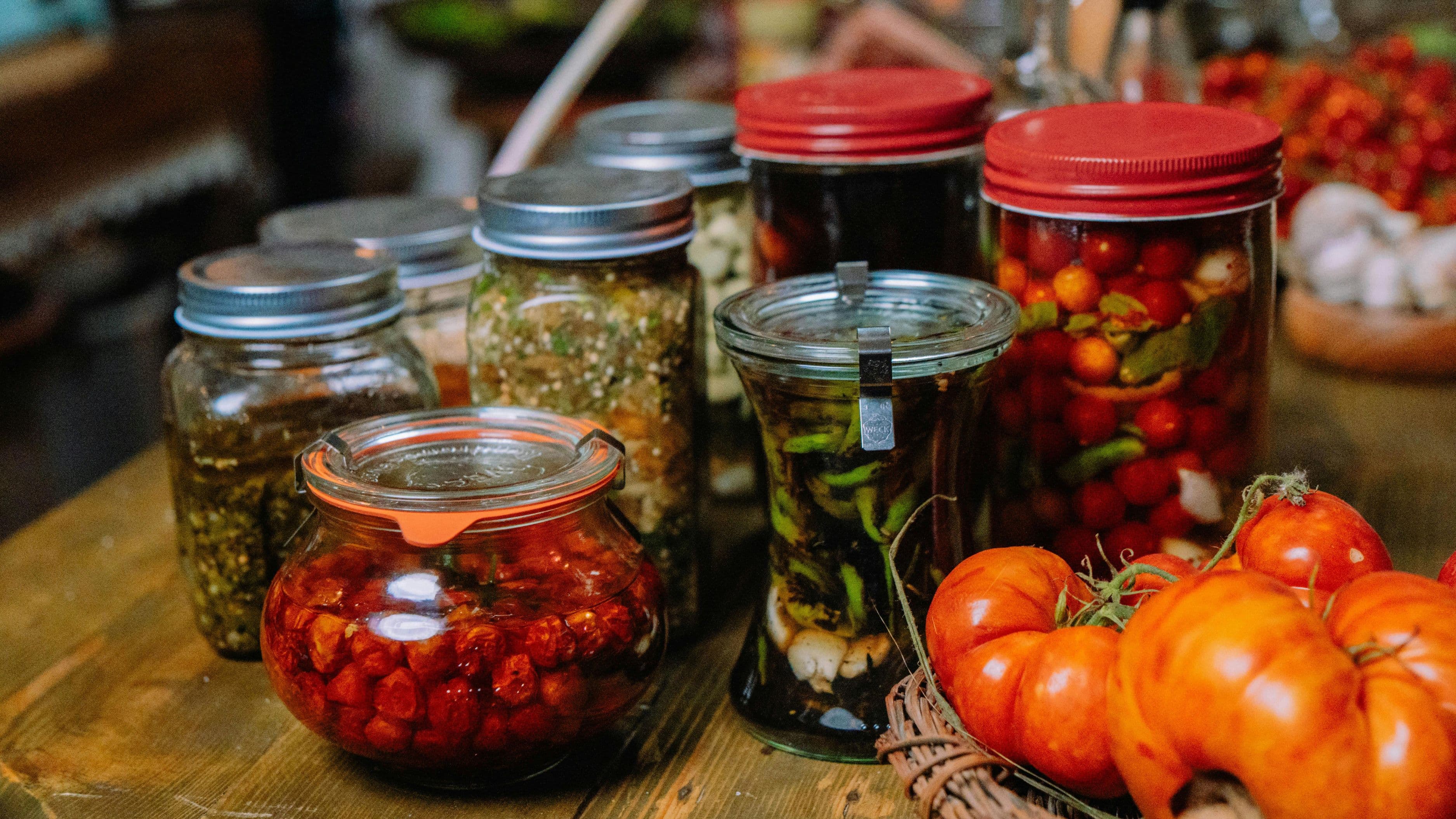
Truly understanding one ingredient means recognizing how it changes across seasons, varieties, and growing conditions. Tomato people know that early summer tomatoes taste different from August's peak-season beauties, which differ from fall's last hurrah. They understand which varieties work for sauce versus salads, how to tell ripeness by smell and touch, and how to store them so they don't lose flavor (never in the fridge unless they're already cut). This seasonal awareness connects you to food systems and natural rhythms in ways that buying the same produce year-round never can. You start anticipating your ingredient's arrival like fans anticipating new seasons of their favorite shows. You plan around peak season, preserving and canning to extend the joy, and you genuinely miss your ingredient when it's gone. This relationship with food feels completely different from the transactional grocery store experience most people have.
9. The Teaching Opportunity: Becoming the Go-To Expert
Once you've mastered your ingredient, you become the person everyone asks for advice. Your friend texts you about garlic questions, your mom calls asking about chicken techniques, your coworkers want your mushroom pasta recipe. This feels good—being genuinely helpful and knowledgeable rather than pretending expertise across everything. You can teach others with confidence because you're speaking from deep experience rather than regurgitated recipe instructions. Teaching also reinforces your own knowledge; explaining why certain techniques work deepens your understanding and often reveals gaps you didn't know existed. Plus, there's something delightful about having a "thing"—being known for something specific rather than being generally competent at everything. It's personal branding for your cooking life, and people remember specialists more than generalists.
10. The Gateway Ingredient: How One Leads to Others
Here's the beautiful plot twist: mastering one ingredient doesn't trap you in monotony—it actually accelerates learning everything else. Once you deeply understand how potatoes behave, sweet potatoes make intuitive sense by comparison. Your egg expertise transfers beautifully when you start exploring soufflés and meringues. The garlic knowledge helps you understand how onions, shallots, and leeks work differently but similarly. You've built a foundation of understanding that makes learning additional ingredients exponentially faster because you're recognizing patterns rather than starting from zero. It's like learning your second language being easier than your first because you already understand grammar concepts and learning strategies. You're not limiting yourself permanently—you're building a launchpad that makes everything else more accessible. The focused approach paradoxically creates more freedom than scattered learning ever promised.
Your cooking life doesn't need to be perfect—just less chaotic and more you. Stop trying to master every ingredient and technique simultaneously like you're speedrunning a culinary degree. Pick one ingredient that genuinely excites you, commit to exploring it obsessively for a month or three, and watch what happens to your confidence, creativity, and actual desire to cook. The worst-case scenario? You become really, really good at cooking one thing, which is infinitely better than being mediocre at everything. The best-case scenario? You accidentally become a confident cook who understands food deeply rather than superficially, all because you gave yourself permission to go narrow instead of wide. Choose your ingredient this week, cook it three different ways, and start your journey from recipe-follower to actual cook. Your future self—the one confidently improvising dinner instead of panic-ordering pizza—is waiting for you to begin.
📚 Sources
USDA Economic Research Service. (2014). The Estimated Amount, Value, and Calories of Postharvest Food Losses at the Retail and Consumer Levels in the United States.
Schwartz, B. (2004). The Paradox of Choice: Why More Is Less. New York: Harper Perennial.