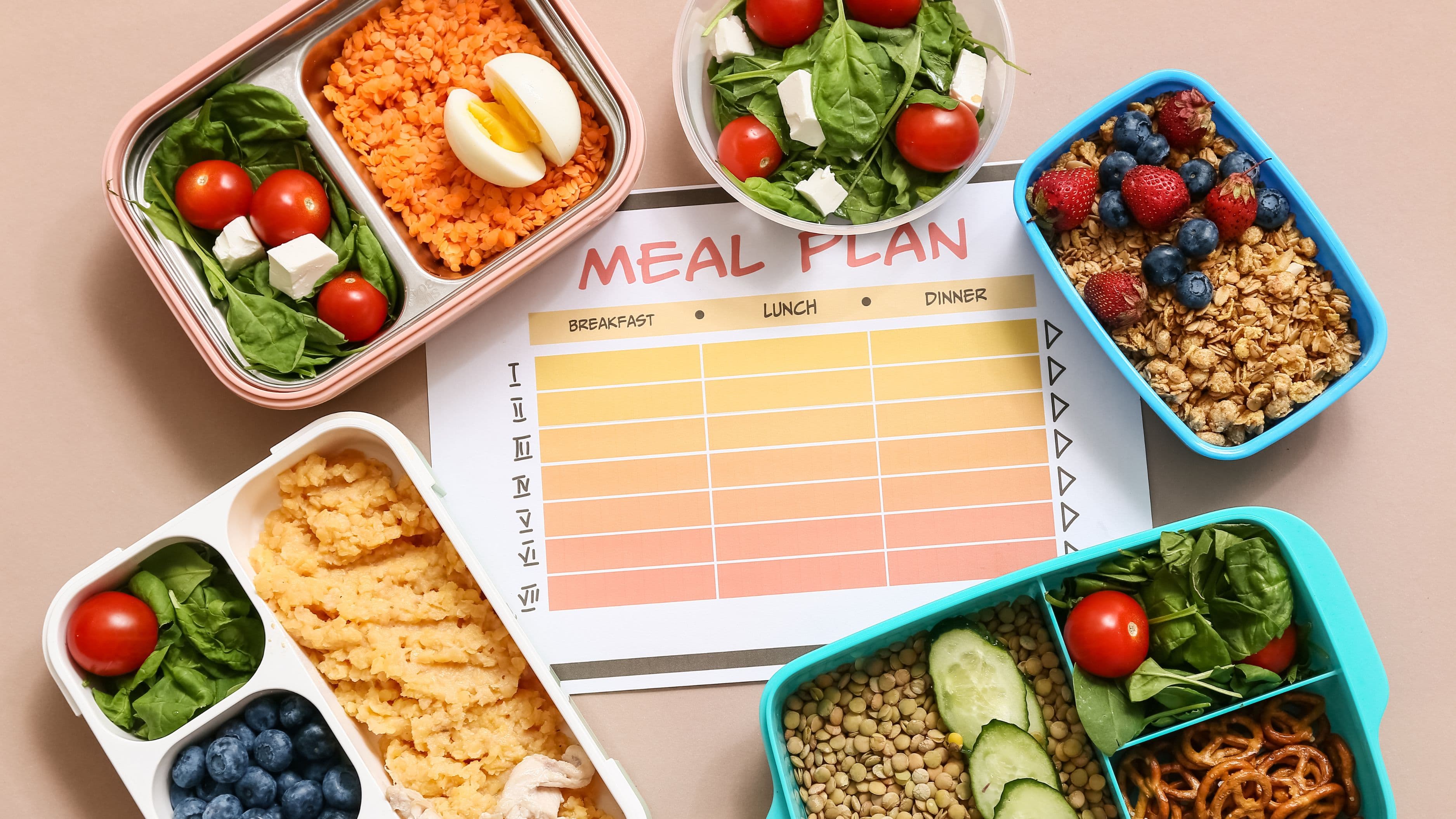
The Case For: Why Meal Planning Actually Works
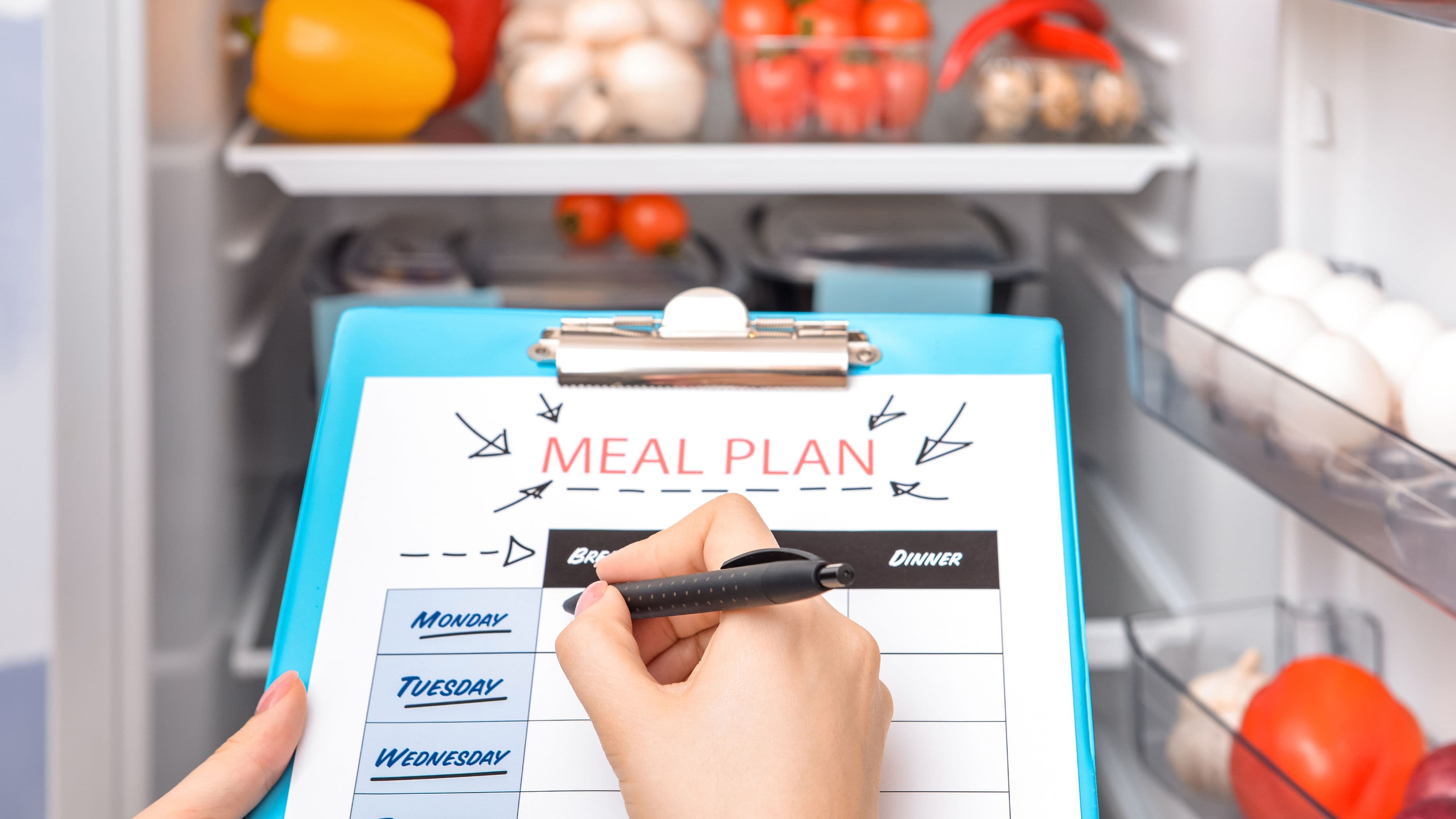
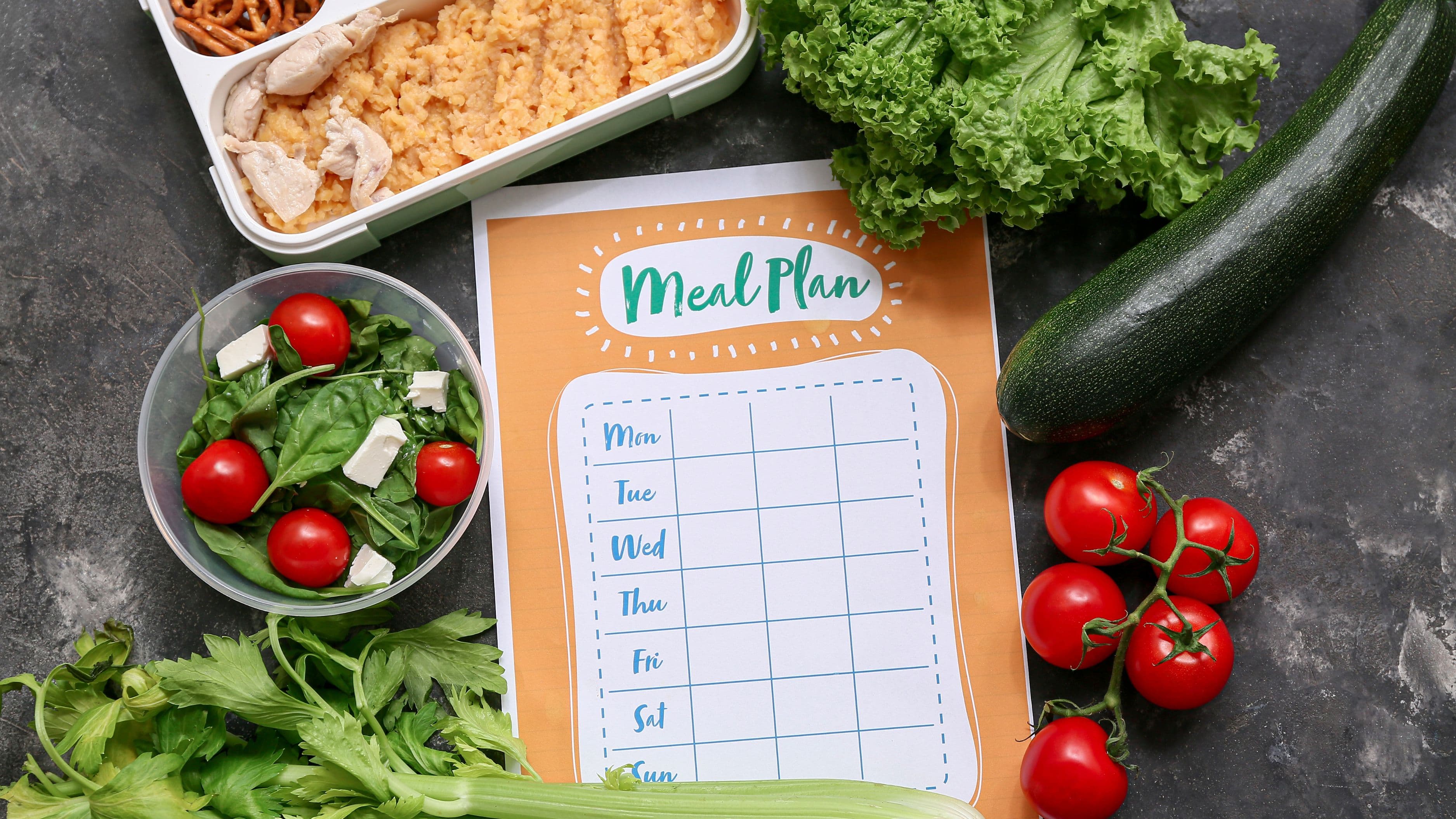
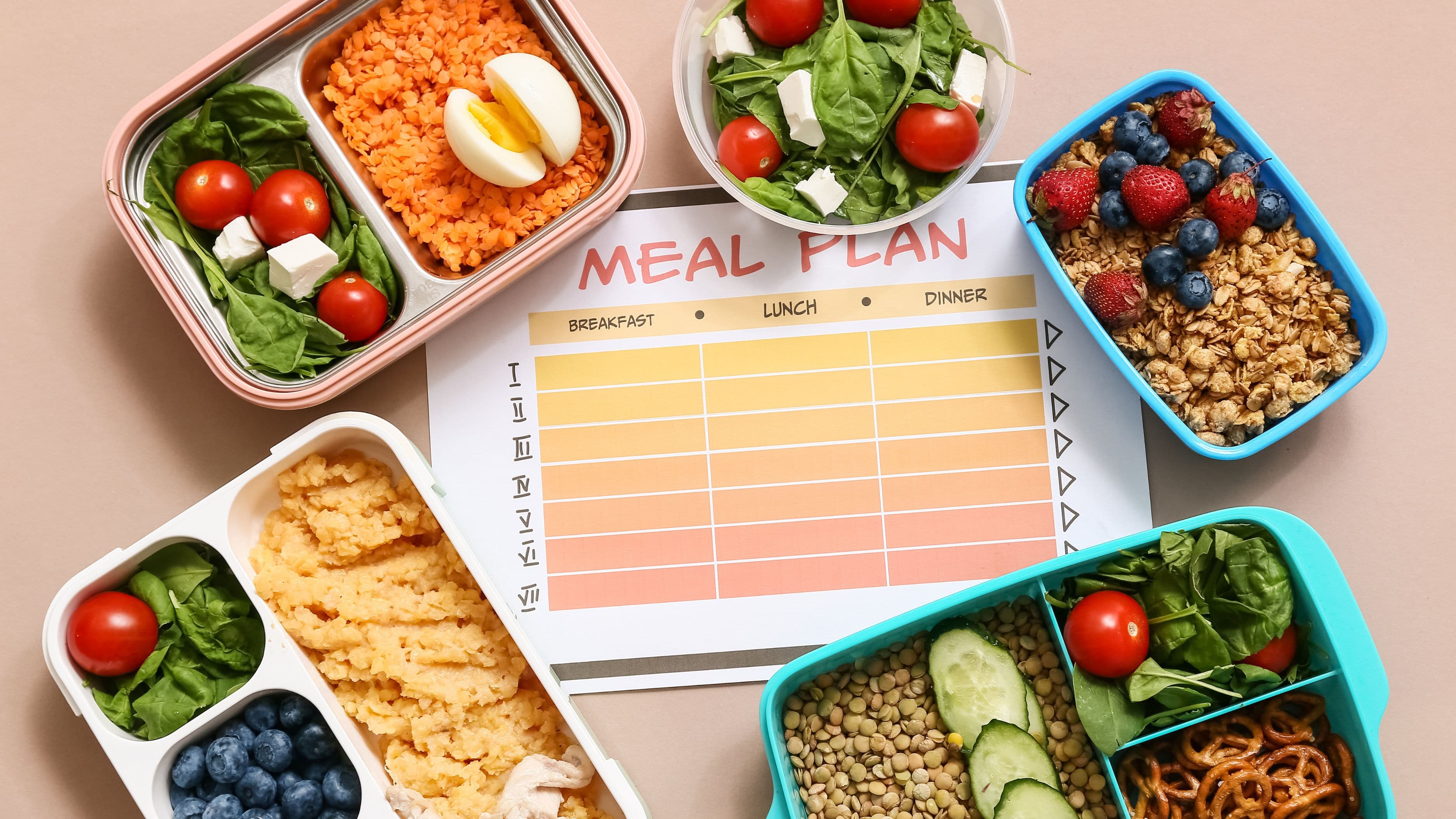
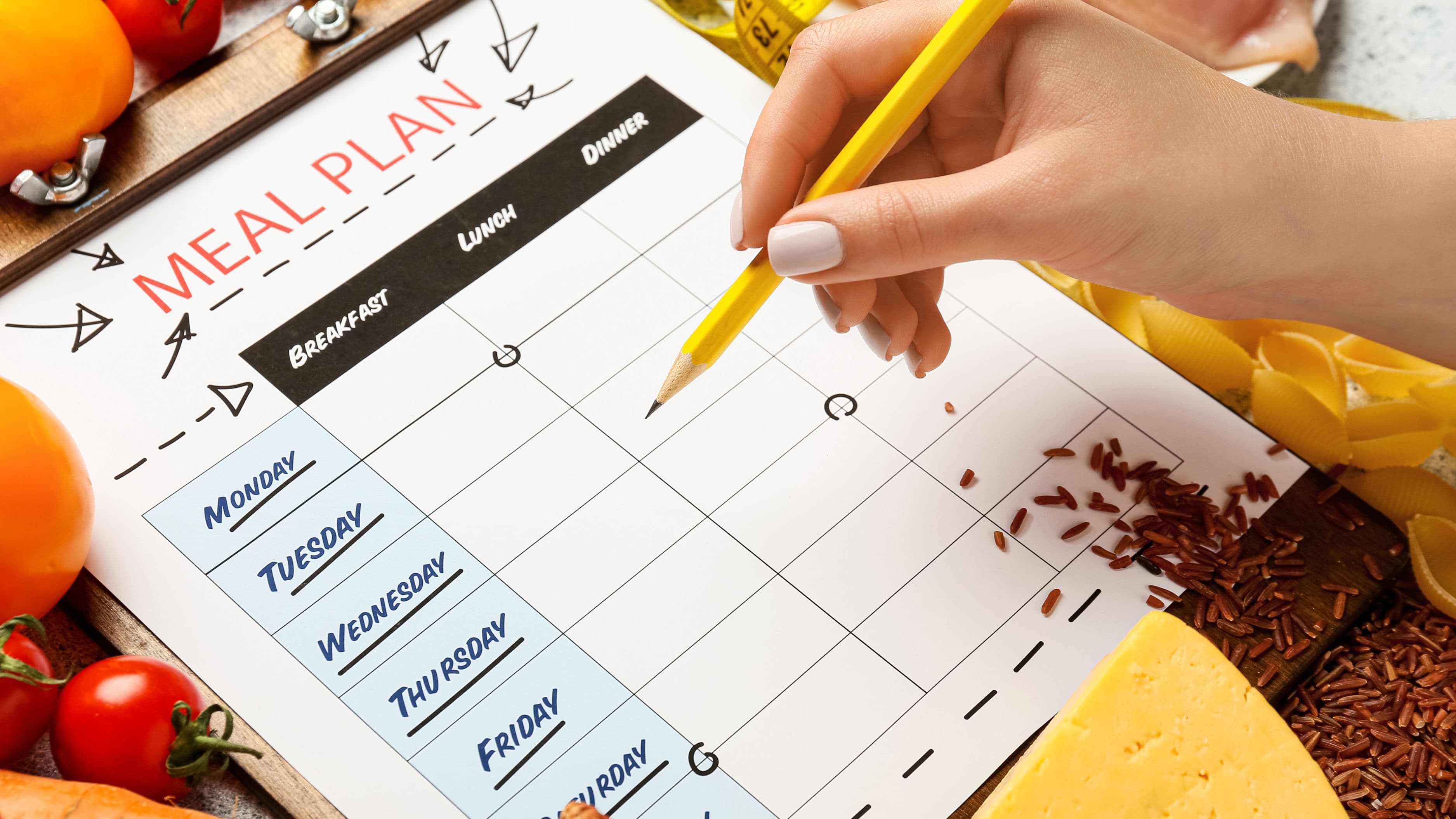
1. Decision fatigue disappears when you plan ahead. Making thirty food decisions weekly drains mental energy that could go elsewhere. Plan once, decide once, eat without the 6 p.m. "what's for dinner" panic that leads to overpriced takeout or sad cereal meals.
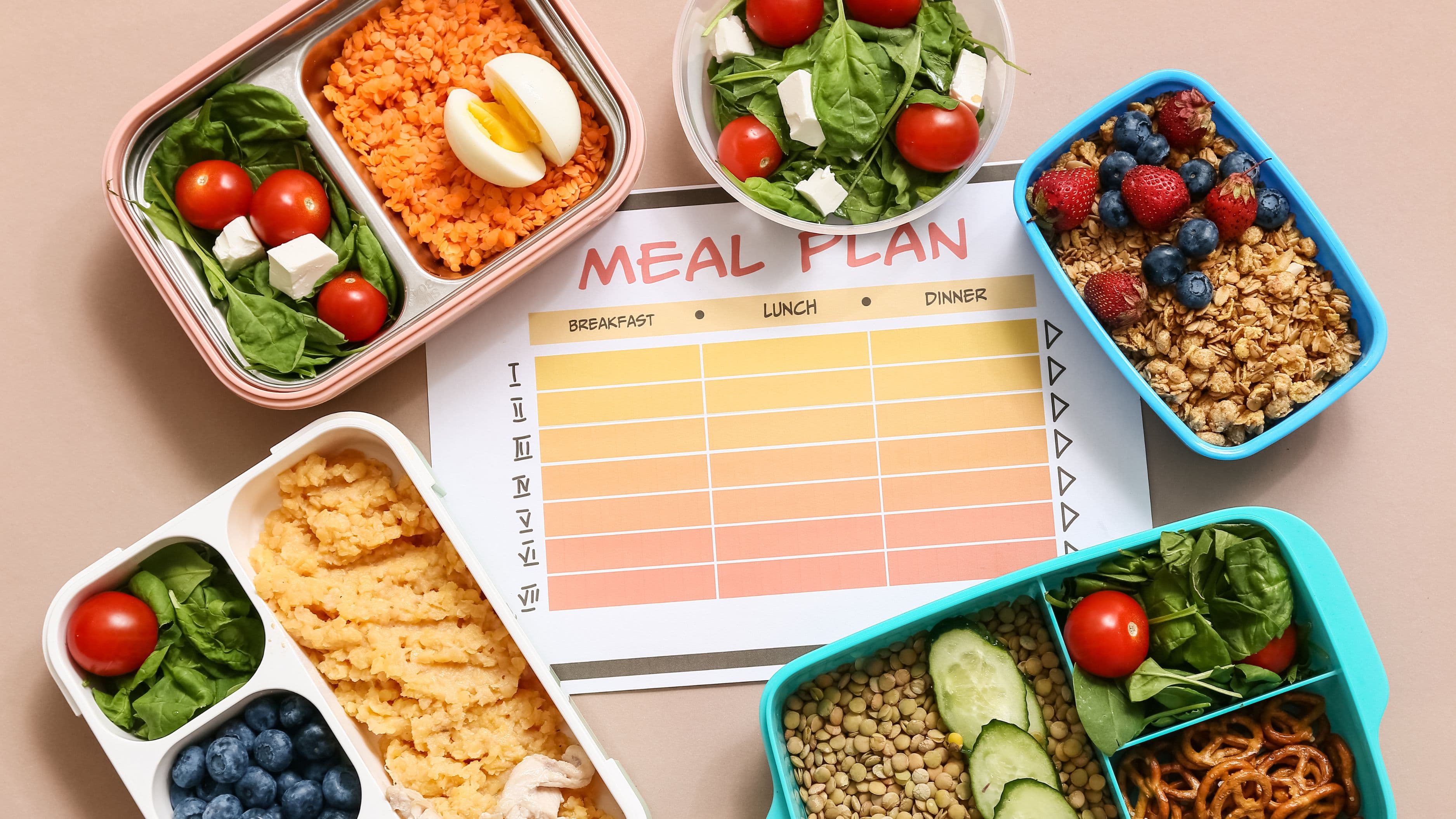
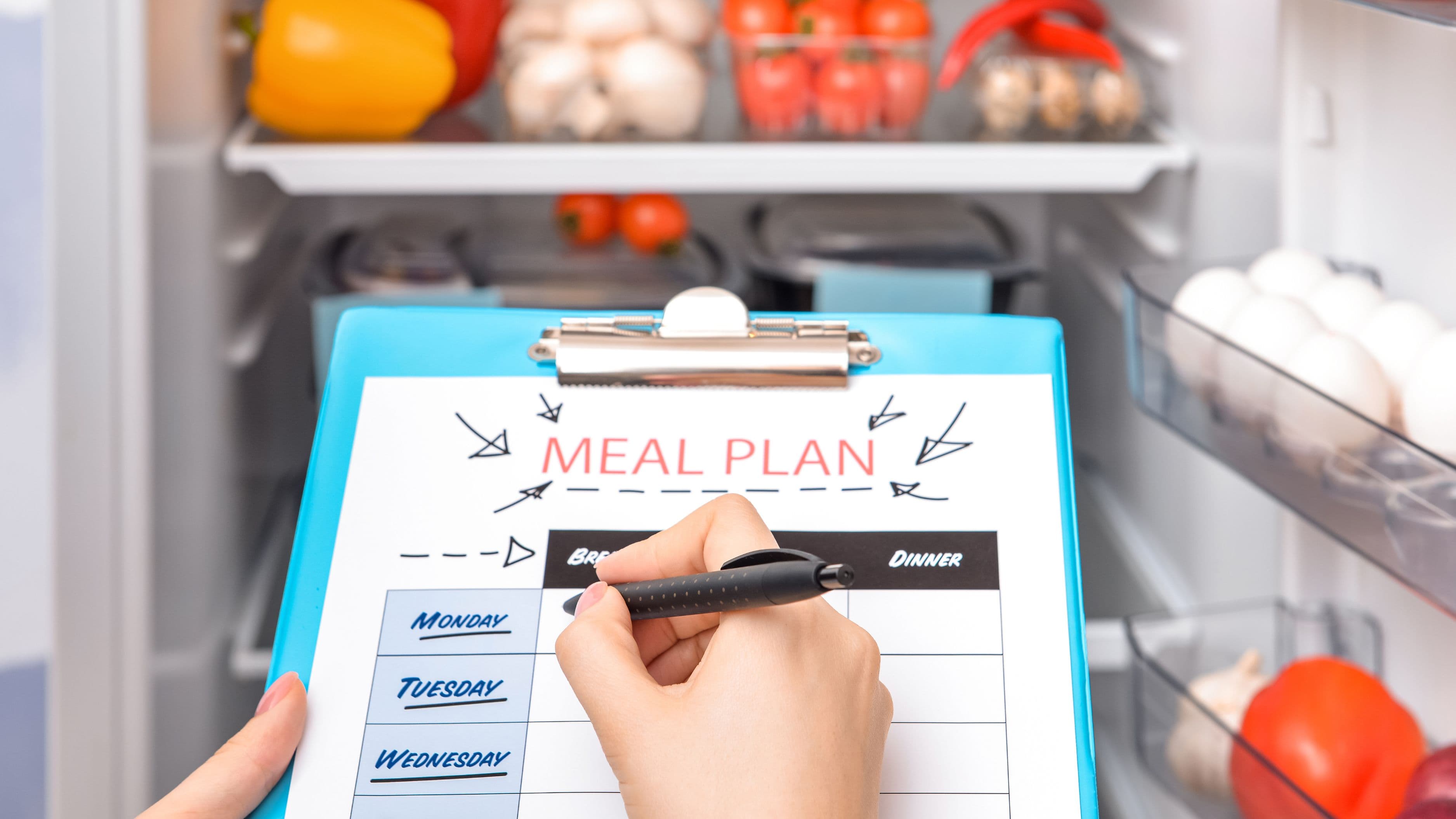
2. Your grocery bill drops significantly with a plan. Random shopping leads to impulse purchases and ingredients that rot in your crisper drawer. A list based on actual meals means you buy what you'll use, nothing more, cutting food waste and unnecessary spending by up to 25%.
3. Nutrition improves when meals aren't last-minute choices. Rushed decisions default to convenience over health—drive-thrus, frozen pizzas, whatever's quickest. Planning lets you build balanced meals intentionally, ensuring vegetables actually make it onto your plate instead of staying aspirational in the fridge.
4. Cooking skills develop faster with repeated practice. When you cook similar base recipes weekly, techniques become automatic and you start improvising confidently. What begins as following instructions evolves into intuitive cooking where you understand why things work.
5. Stress reduces dramatically when food isn't a daily crisis. Knowing exactly what you're eating and having ingredients ready eliminates the anxiety of staring into an empty fridge at 7 p.m. The mental relief of "dinner is handled" creates space for other priorities.
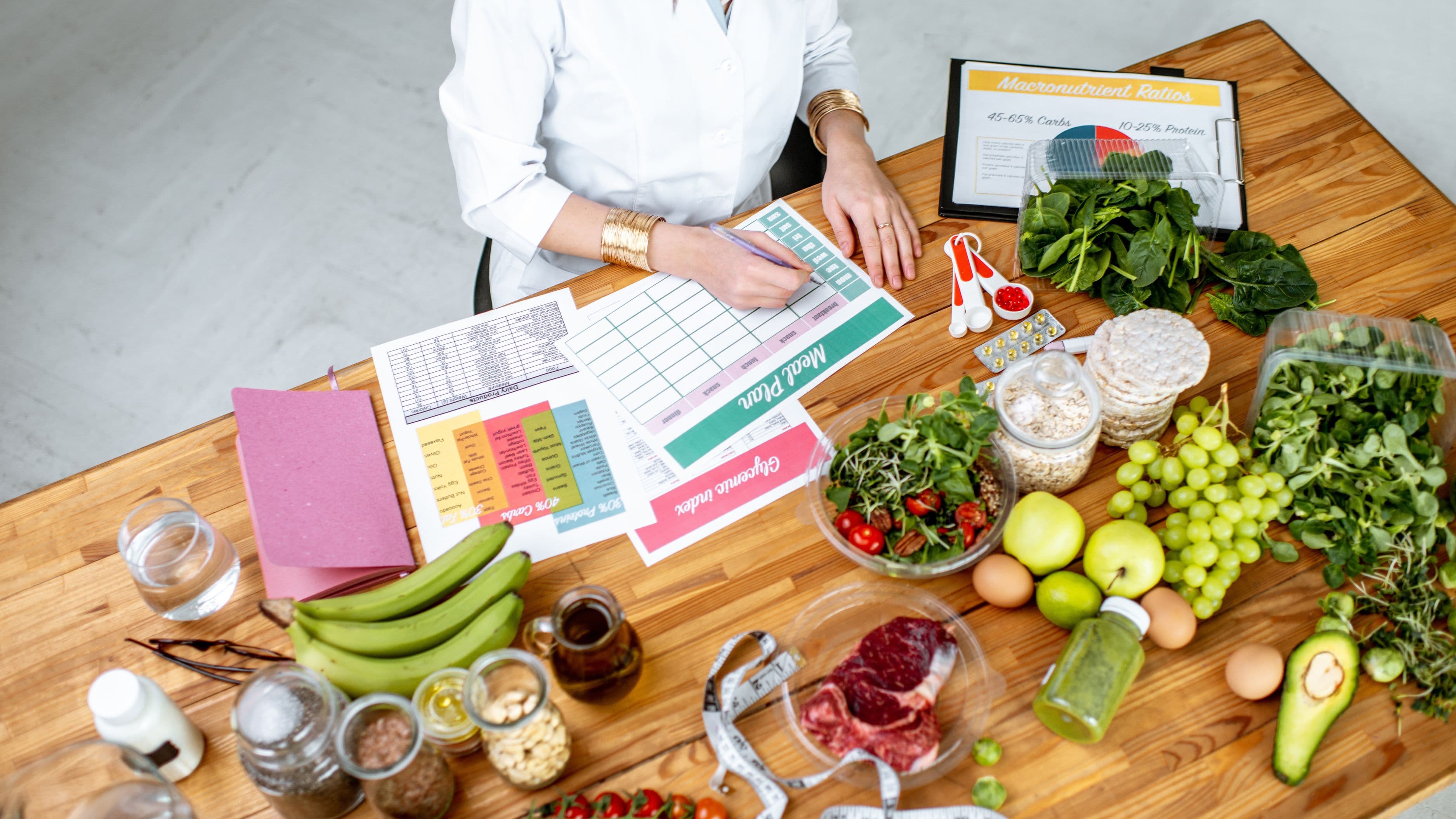
6. Meal planning supports specific health goals measurably. Whether you're tracking macros, managing allergies, or eating more plants, planning ensures your goals translate into actual meals. Intentions without plans stay theoretical; plans with prep become results.
The Case Against: When Meal Planning Backfires
1. Rigidity kills spontaneity and culinary joy. Life happens—unexpected dinner invitations, sudden cravings, that perfect farmers market find you didn't plan for. Strict meal plans turn flexibility into "failure" and make you miss opportunities for memorable meals.
2. Repetition breeds monotony faster than you think. That chicken and rice combo feels efficient on Sunday but soul-crushing by Wednesday. Eating the same rotation weekly turns meals into fuel rather than pleasure, draining the joy that makes healthy eating sustainable.
3. Batch cooking often sacrifices quality for convenience. Day-five reheated salmon tastes nothing like fresh-cooked fish, and mushy vegetables from Monday's prep don't inspire anyone to choose salad. The efficiency argument collapses when food quality makes meals unappealing.
4. Plans create guilt when you deviate from them. Miss one planned meal and suddenly you've "wasted" ingredients and "failed" your system. This all-or-nothing mentality makes meal planning feel like a restrictive diet rather than a helpful tool.
5. The time investment can exceed actual benefits. Hours spent planning, shopping, and prepping might not save time if you enjoy cooking fresh meals. For some people, daily cooking feels meditative rather than burdensome, making extensive prep unnecessary.
6. Meal planning can disconnect you from intuitive eating. Pre-deciding all meals ignores what your body actually wants in the moment—are you genuinely hungry, craving something specific, or just following the plan? Rigid planning can override natural hunger cues.
The Middle Ground: Flexible Meal Planning That Actually Works
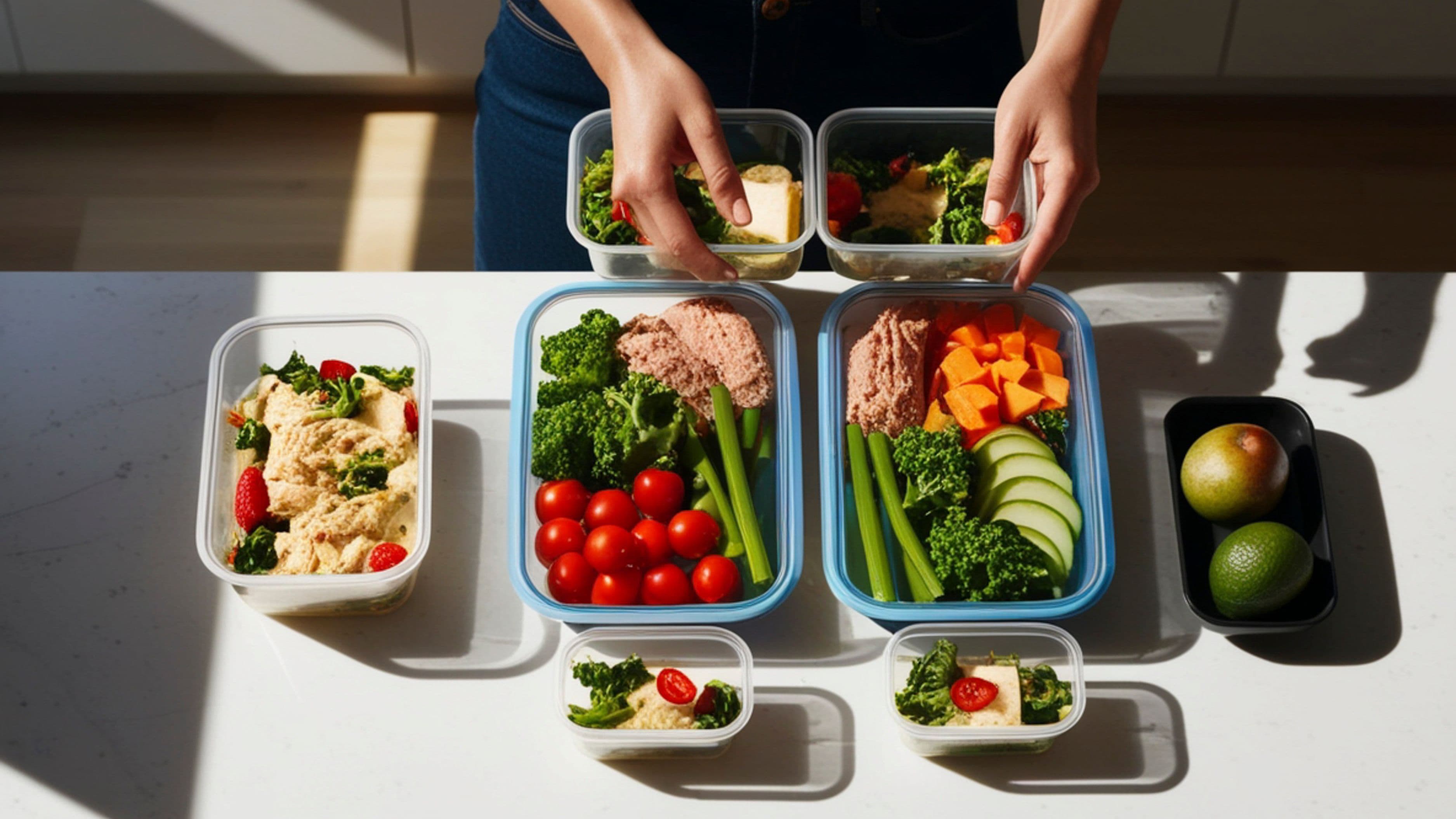
1. Plan proteins and starches, improvise everything else. Know you're having chicken and rice but decide vegetables and seasonings based on mood and what looks fresh. This structure provides direction without suffocating creativity or requiring military precision.
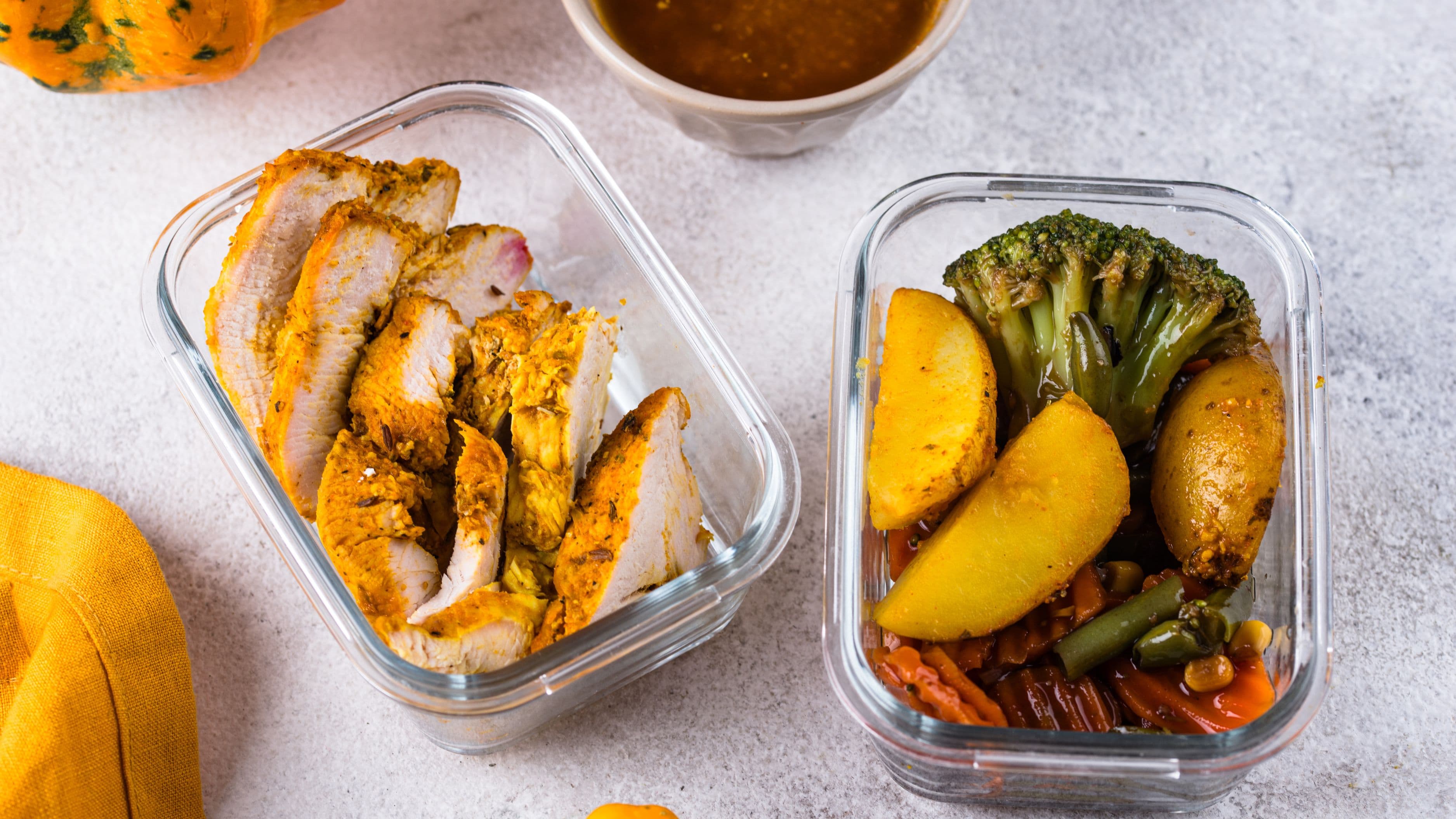
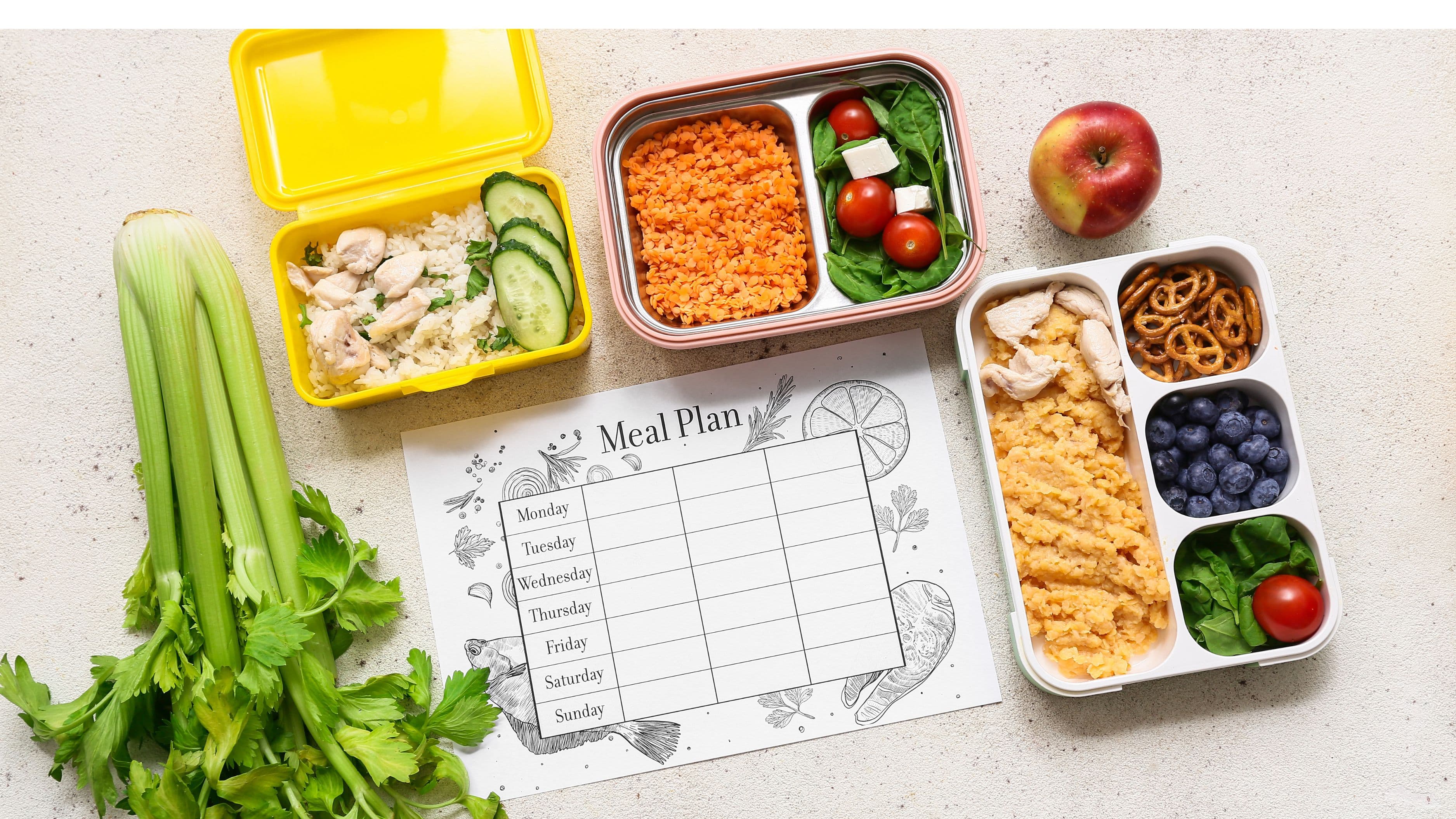
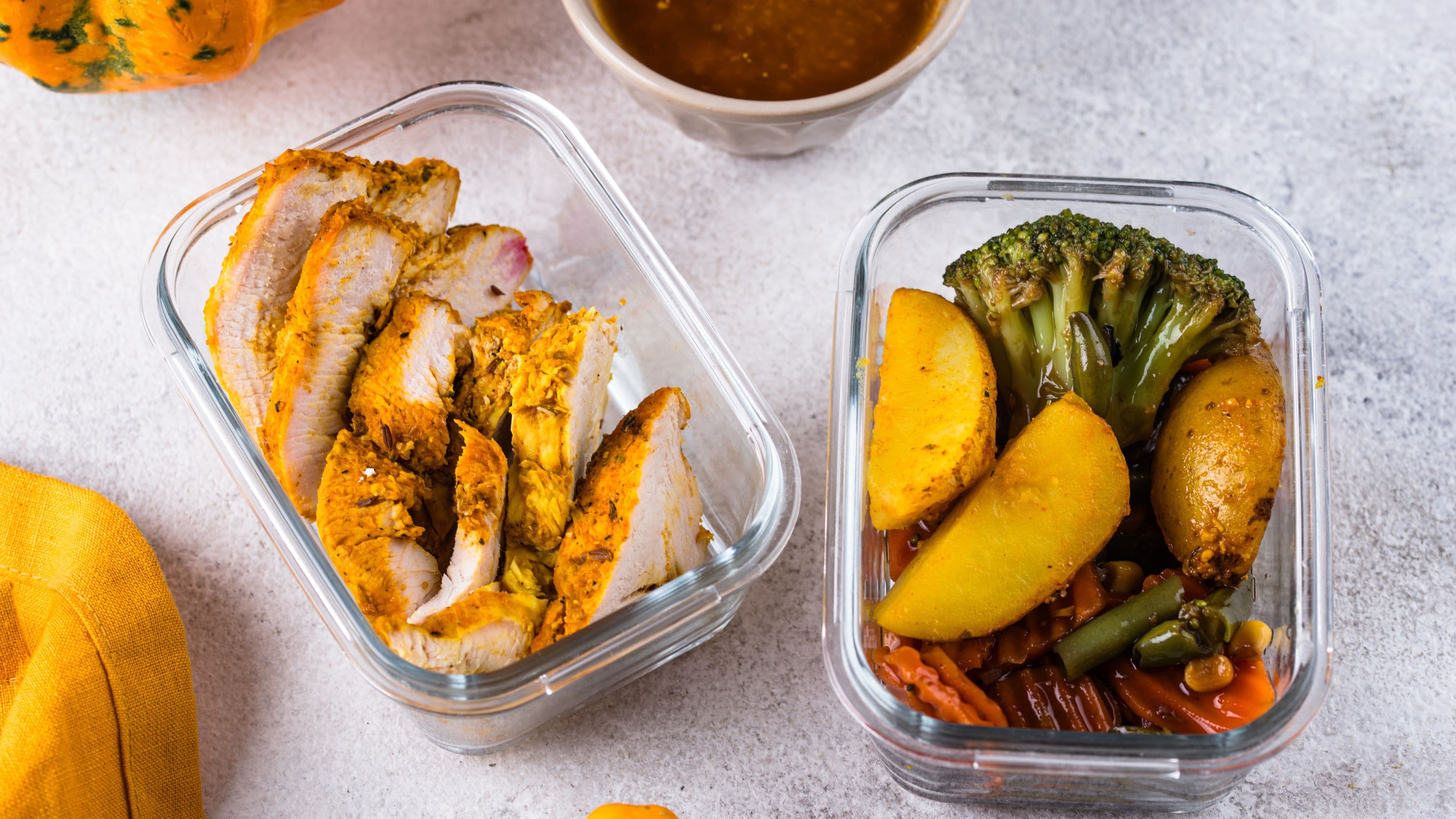
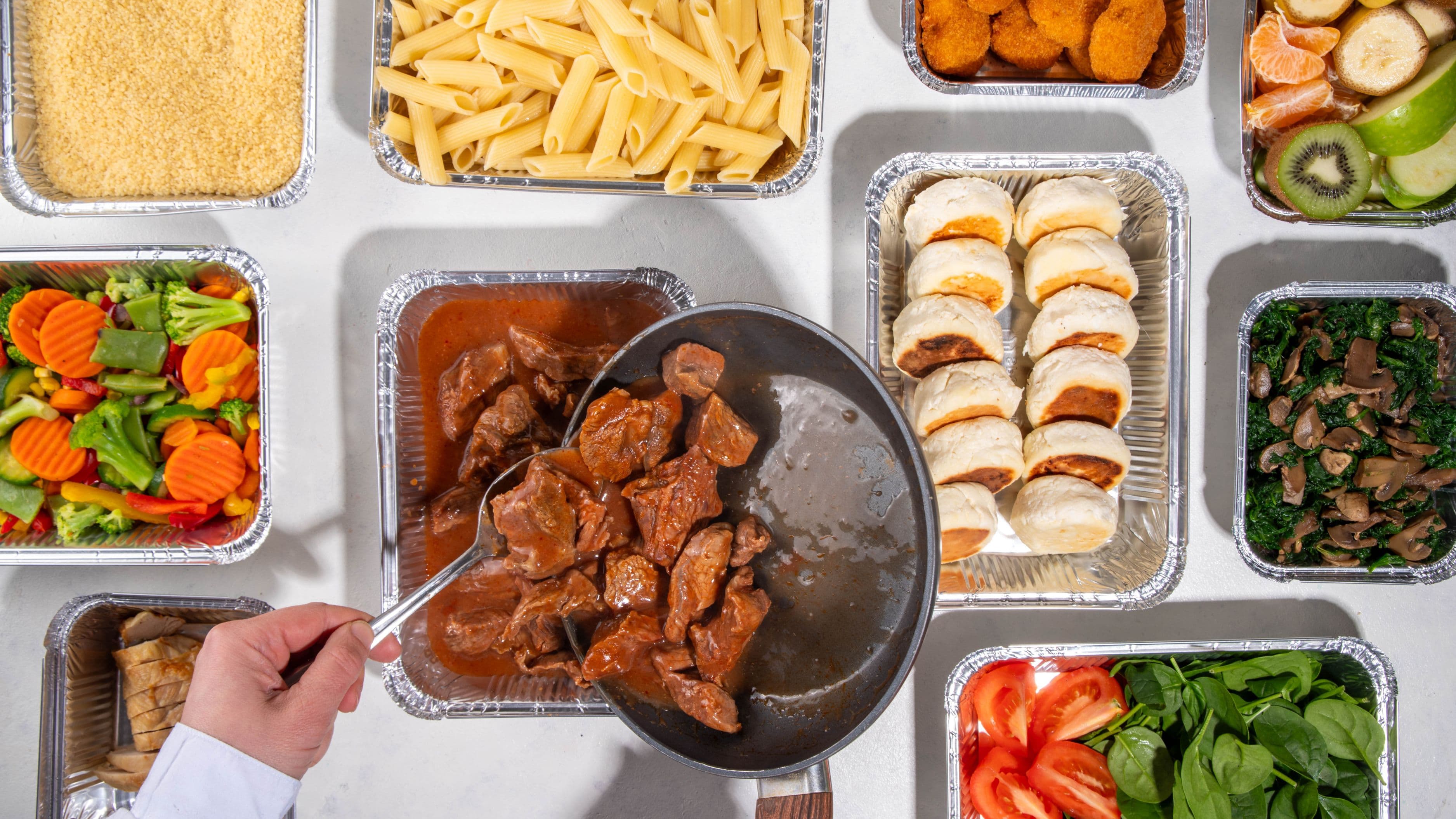
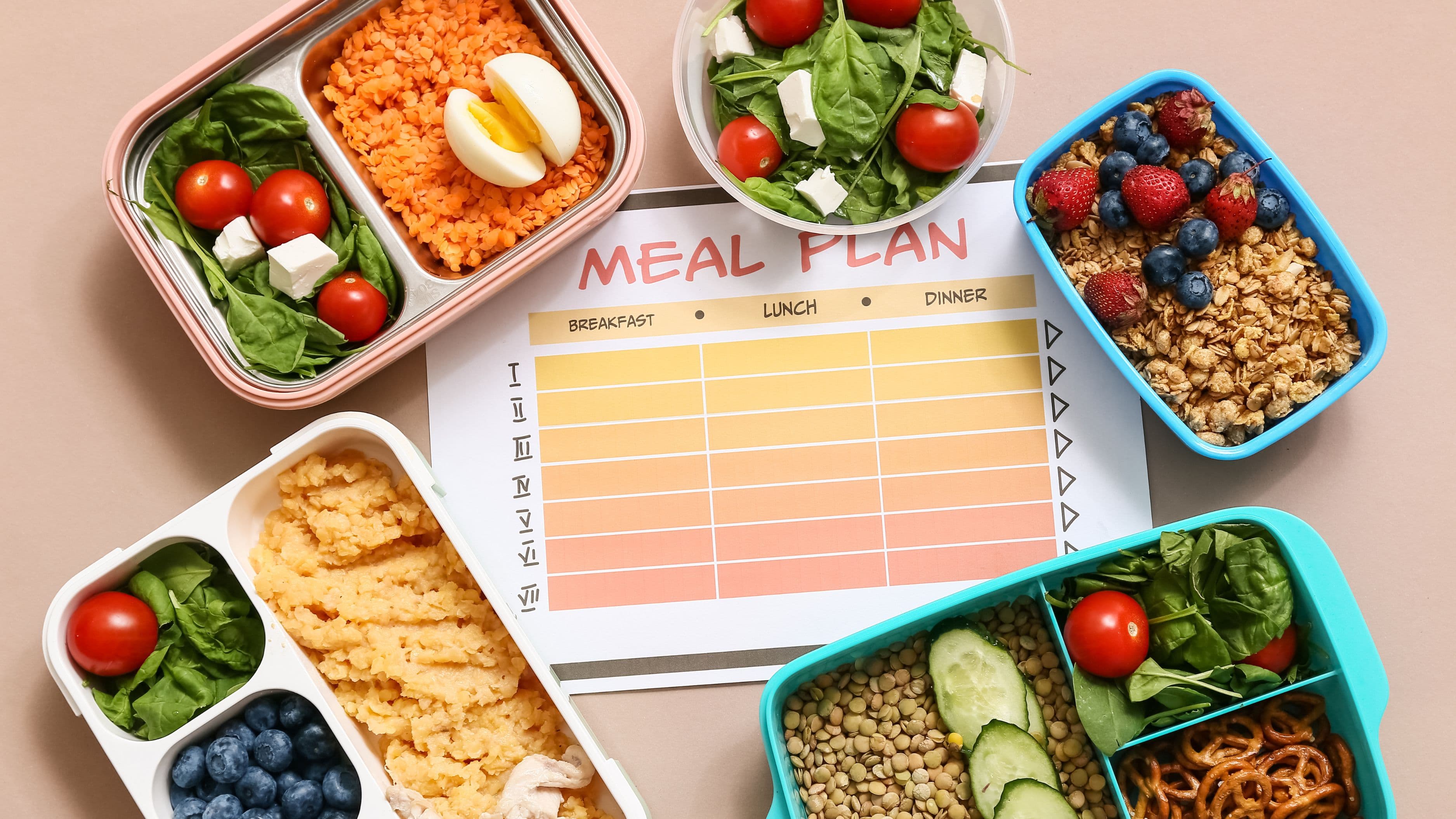
2. Batch prep components, not complete meals. Cook grains, chop vegetables, marinate proteins separately, then combine them differently throughout the week. Monday's rice becomes Tuesday's fried rice becomes Wednesday's burrito bowl—same prep, varied results.
3. Keep a "emergency meal" list for plan derailments. Write down five quick meals you can make from pantry staples without planning. When plans fail, you have immediate backup options that don't involve depressing takeout or feelings of defeat.
4. Plan only dinners, freestyle breakfast and lunch. These meals typically have lower stakes and more flexibility. Focusing planning energy on dinner—the meal most likely to derail into unhealthy choices—maximizes impact while minimizing restriction.
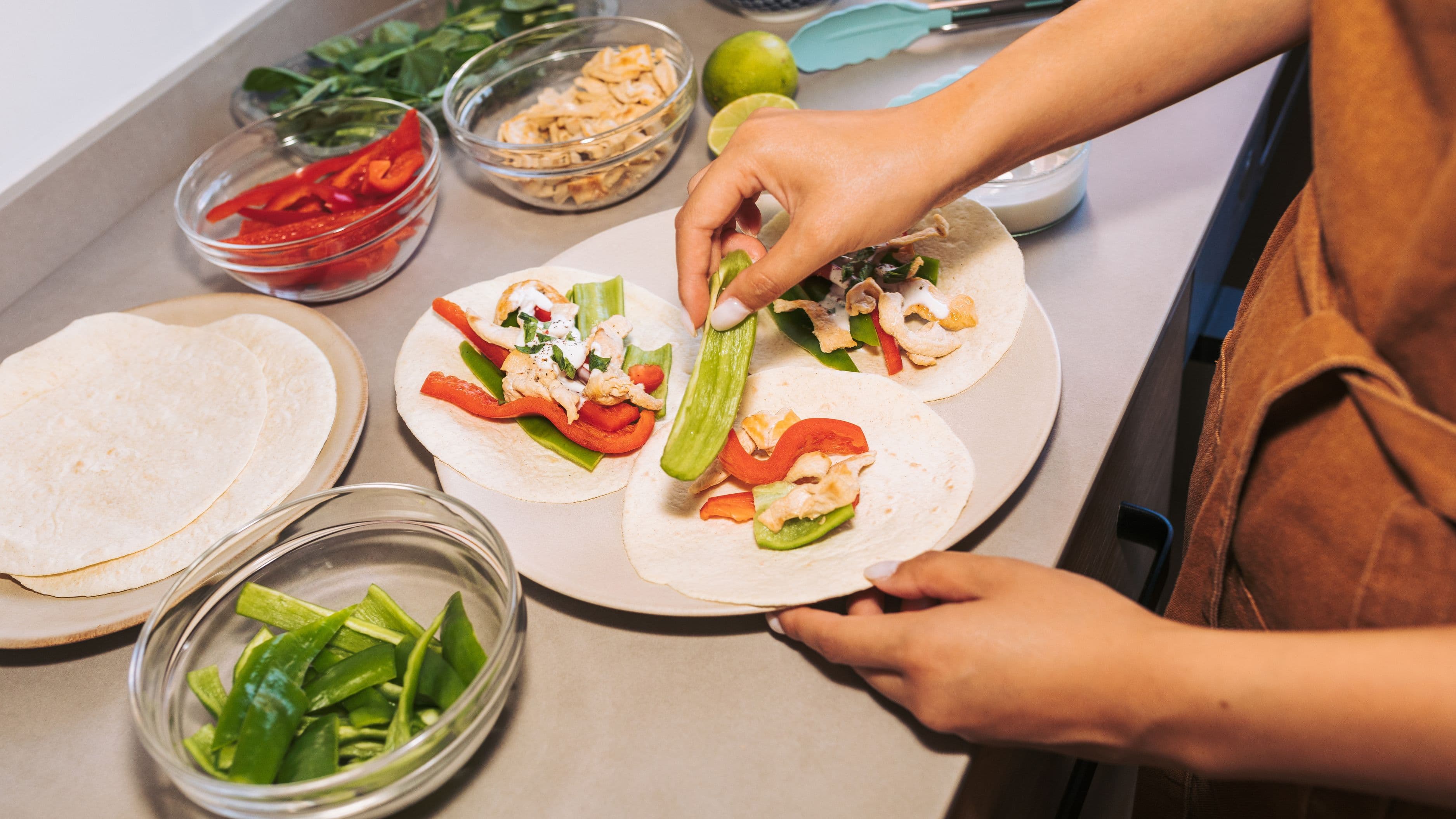
5. Theme nights replace specific meal dictation. "Taco Tuesday" or "Pasta Thursday" provides structure without rigidity. You know the category but choose the specific dish based on current mood, available ingredients, and energy levels.
6. Accept that some weeks need more planning than others. Busy weeks demand more structure; relaxed weeks allow spontaneity. Treating meal planning as an adaptable tool rather than a lifestyle identity prevents burnout and maintains long-term sustainability.
7. Involve others to increase variety and buy-in. When everyone contributes one meal idea weekly, you get diverse options and shared responsibility. This collaborative approach prevents the planner from becoming resentful while ensuring meals appeal to multiple palates.
8. Schedule one "wildcard" night with zero plan. Knowing Friday is deliberately unplanned gives you something to look forward to—maybe you'll discover a new restaurant, experiment with a random recipe, or eat breakfast for dinner because why not.
9. Use meal planning for boring necessities, not exciting meals. Plan weeknight dinners to eliminate stress but keep weekends open for culinary adventure. This balance maintains structure where it's helpful while preserving the joy of spontaneous, special meals.
10. Track what you actually eat, not just what you plan. Notice patterns in what gets skipped, what you genuinely enjoy, and what sits untouched until trash day. This data tells you whether your planning aligns with reality or needs adjustment.
The Real Question: What Are You Actually Optimizing For?
Meal planning works brilliantly when it serves your specific needs rather than following someone else's system. If your goal is saving money, basic planning prevents waste without requiring color-coded spreadsheets. If health matters most, planning ensures nutrition happens consistently rather than accidentally. But if joy, spontaneity, and culinary exploration rank highest, rigid planning might solve the wrong problem entirely. Research from the American Journal of Clinical Nutrition suggests that people who enjoy their food and eat mindfully maintain healthier relationships with eating long-term compared to those following restrictive plans, even when those plans are theoretically "healthier."
The most successful approach treats meal planning like jazz—structure provides the foundation, but improvisation creates the magic. You need enough framework to prevent chaos and decision paralysis, but enough flexibility to respond to life's inevitable curveballs and capitalize on unexpected opportunities. The goal isn't perfect adherence to a predetermined menu; it's reducing daily stress while maintaining the pleasure that makes eating one of life's genuine joys rather than just biological maintenance.
Consider your actual pain points honestly. Do you genuinely hate deciding what to eat, or do you resent the time cooking takes? Are you avoiding meal planning because it feels restrictive, or because you haven't found an approach that fits your lifestyle? The answers reveal whether you need more structure, more flexibility, or perhaps just better time management rather than a complete meal planning overhaul.
Stop treating meal planning as either essential or evil—it's just a tool that works for some situations and some people. Experiment with the flexible approaches in this article rather than copying someone else's system wholesale. Your ideal balance between structure and spontaneity exists somewhere between "no plan ever" and "every meal predetermined for eternity." Pick one strategy from the middle ground section and test it this week. Maybe theme nights work perfectly for your household, or perhaps component prep solves your weeknight stress without the boredom of identical meals. Momentum starts small. Try one adjustment, notice what changes, and build from there. Your relationship with food deserves better than dogmatic adherence to any system—including the anti-planning stance. Find what actually serves you, not what looks impressive in Instagram meal prep posts.
📚 Sources
Wansink, B., & Sobal, J. (2007). Mindless eating: The 200 daily food decisions we overlook. Environment and Behavior, 39(1), 106-123.