1. Planning Like You're Hosting a Cooking Show
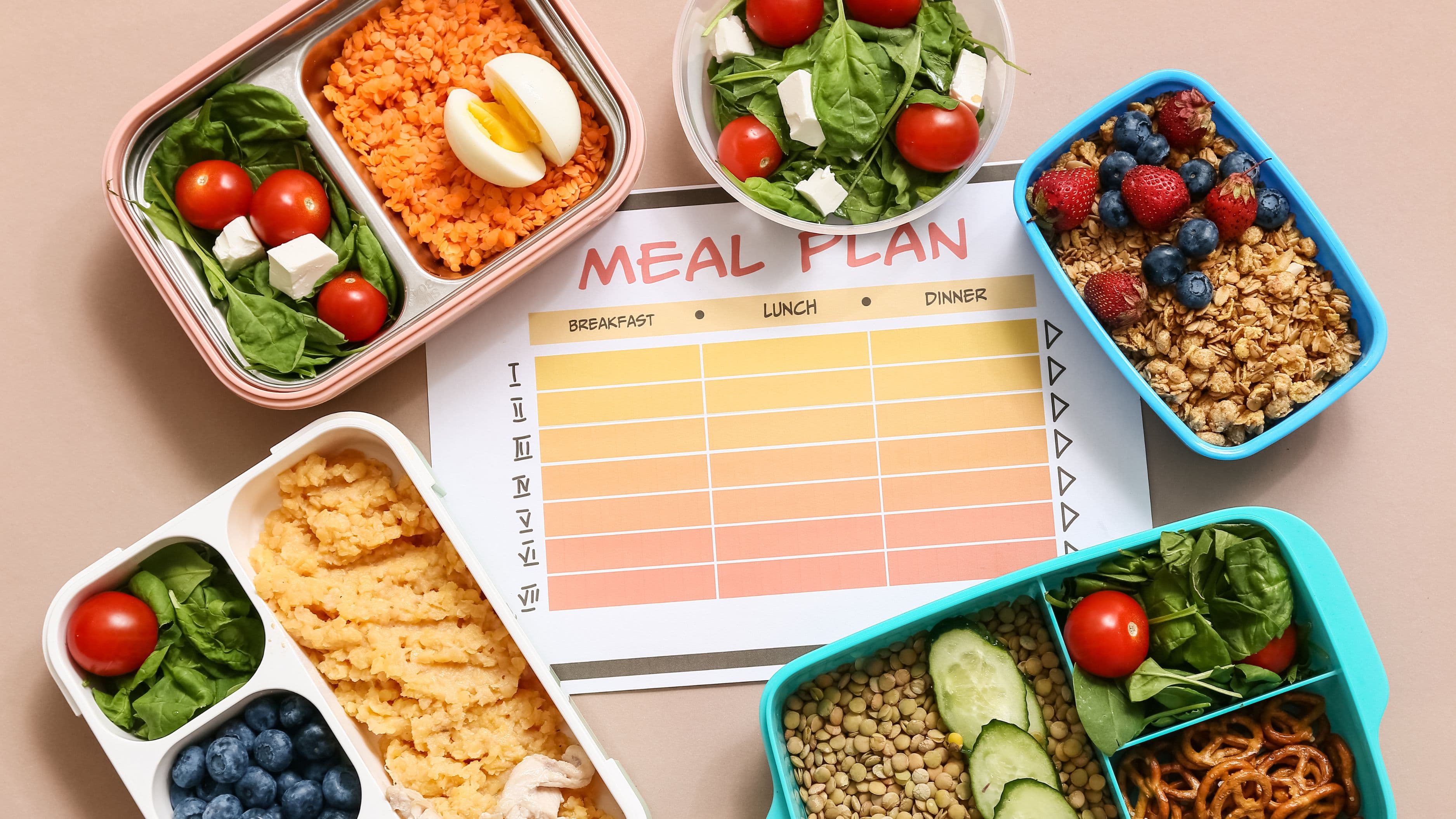
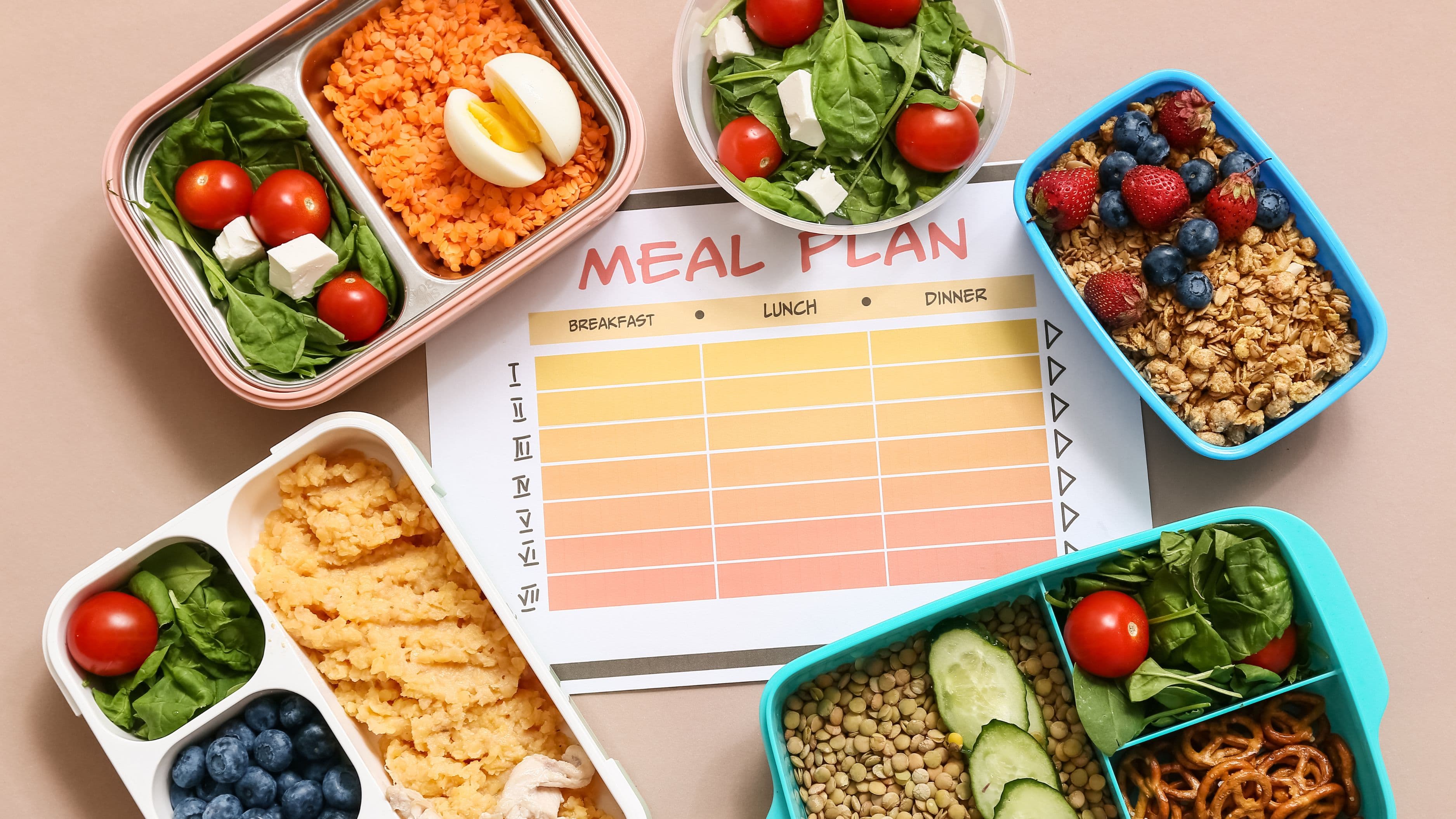
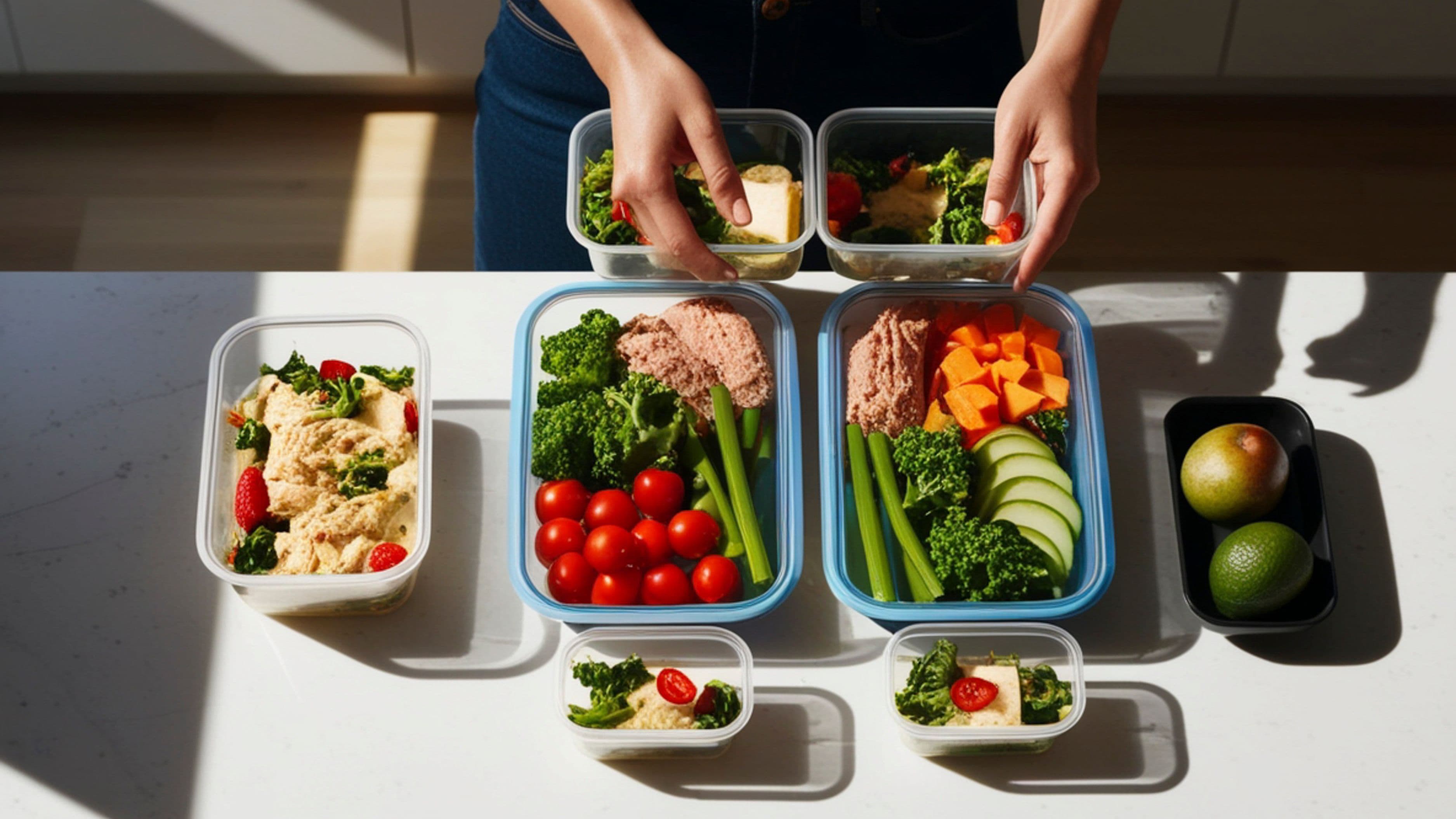
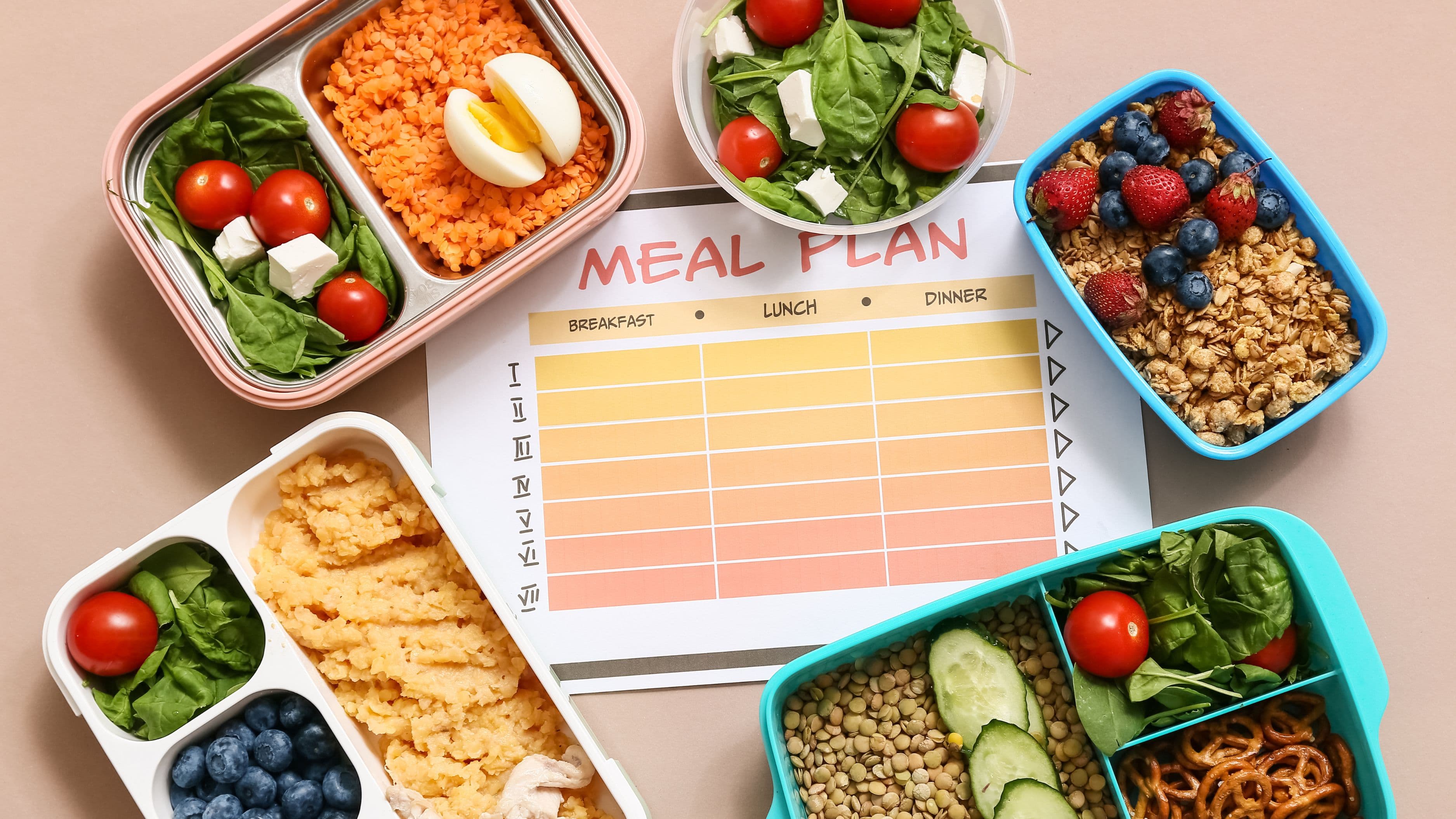
You've seen those Instagram reels where someone preps fourteen perfectly portioned meals in matching glass containers, each one looking like it belongs in a food magazine. Inspired, you plan a week of Thai curry, homemade bread, stuffed bell peppers, and a from-scratch ramen that requires ingredients you can't even pronounce. Fast forward to Tuesday night: you're exhausted, your kitchen looks like a tornado hit it, and you're eating cereal for dinner. The mistake isn't ambition—it's forgetting that you're not running a test kitchen with sous chefs and unlimited time. Real meal planning means accounting for your actual energy levels, not your fantasy ones. Save the elaborate recipes for weekends when you genuinely have time to enjoy the process. Weeknight meals should be simple enough that future-you won't curse present-you for overcomplicating things.
2. Ignoring Your Refrigerator's Feelings
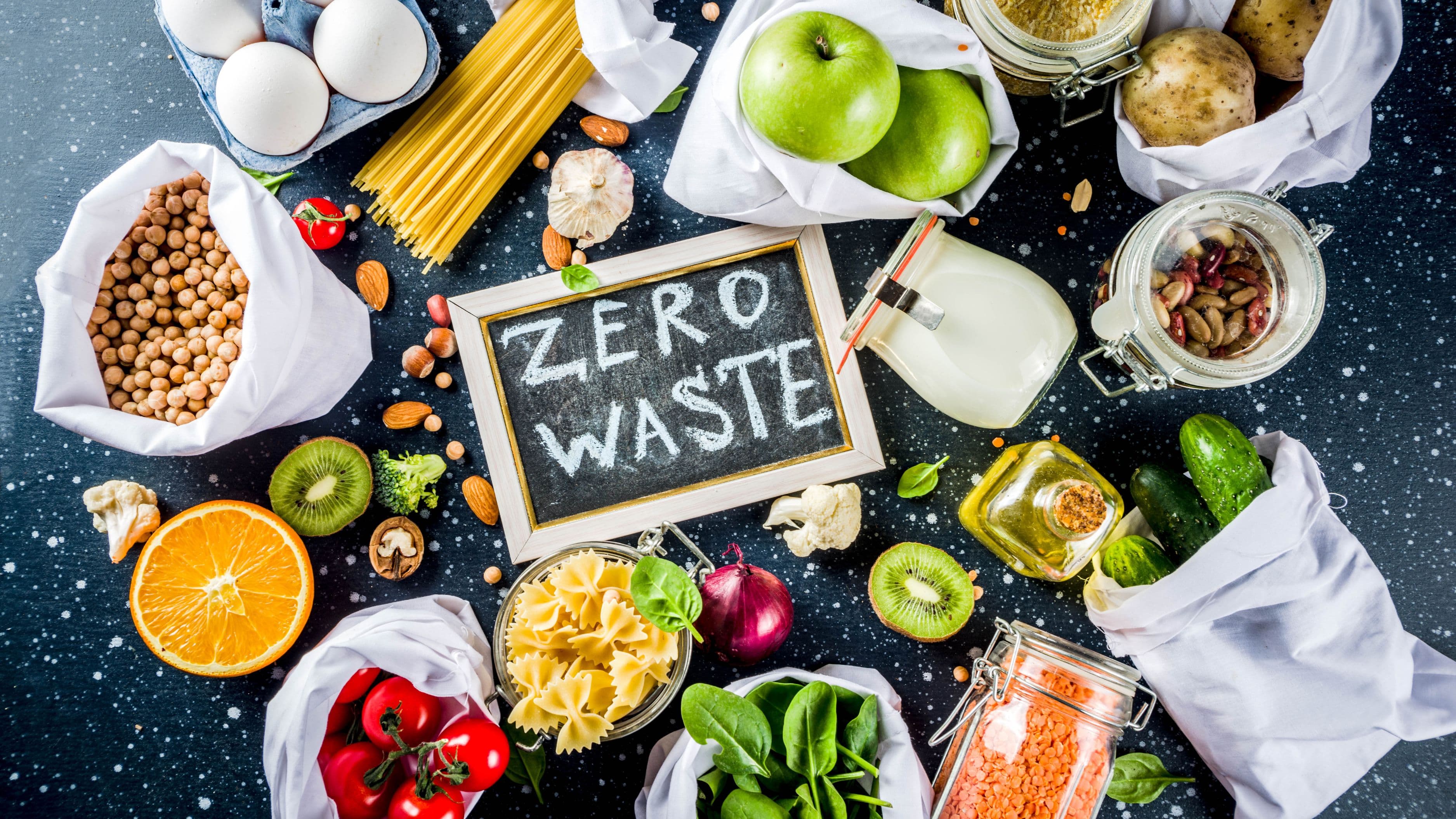
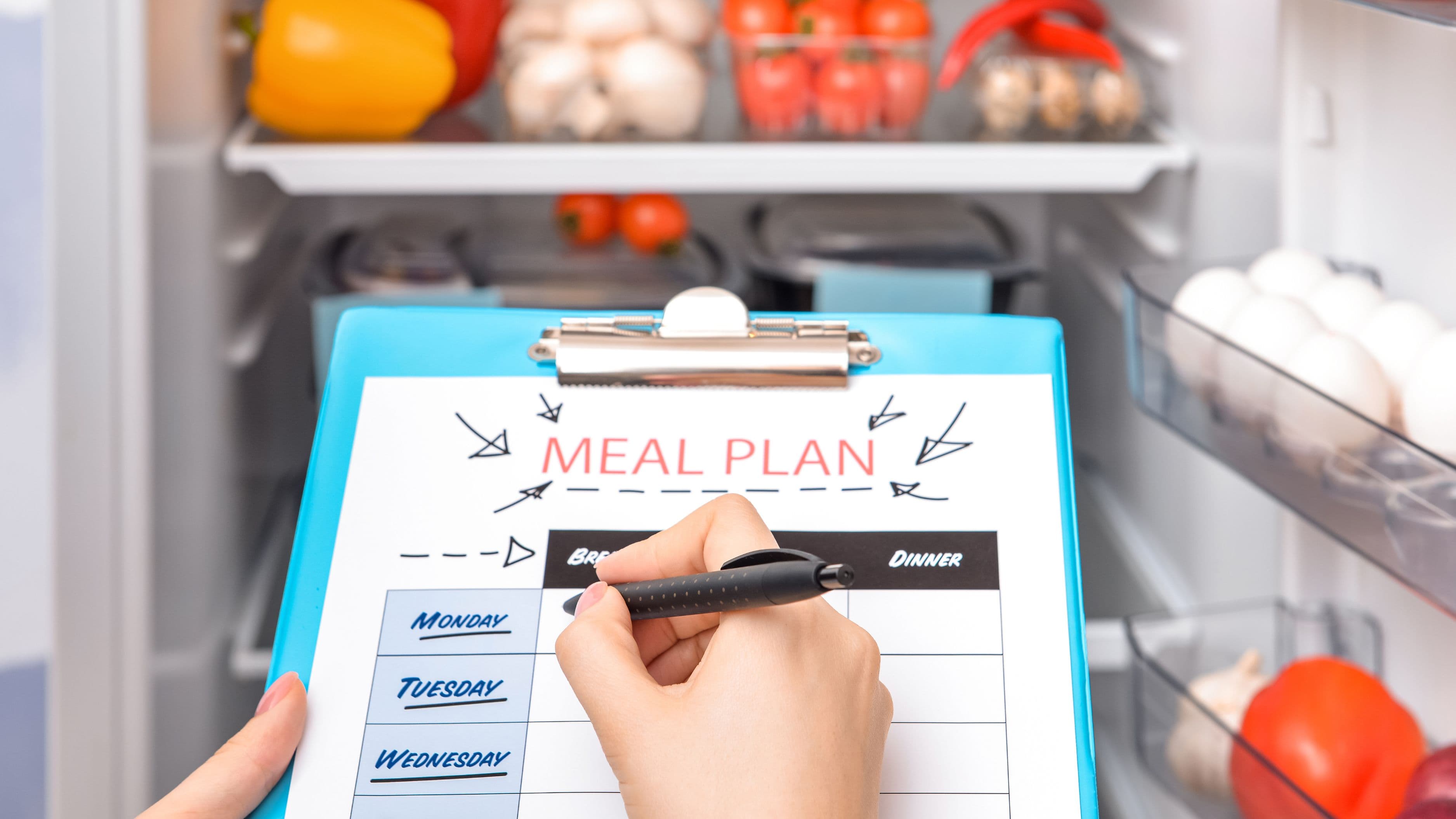
Your fridge has been trying to tell you something, but you keep ignoring its cries. That half-used jar of pesto? The lonely carrot sticks? The cheese that's approaching its existential crisis? Instead of building meals around what's already waiting for you, we plan entirely new grocery lists and create even more orphaned ingredients. This cycle of culinary neglect leads to waste, guilt, and a refrigerator that's basically a science experiment. Before you plan a single meal, take a good look at what you already have. That rotisserie chicken carcass can become tomorrow's soup. Those random vegetables can transform into a sheet pan dinner or a hearty frittata. Meal planning should start with inventory, not inspiration—though both are important.
3. Forgetting You're Human on Wednesdays
Here's a universal truth: Wednesday evenings are where meal plans go to die. You've scheduled a complicated fish dish that requires precise timing and three separate components. But Wednesday-you is running on fumes, dealing with work stress, and possibly contemplating a career change to hermit life. The mistake is planning every night as if you'll have equal amounts of energy and motivation. Some days you're a culinary warrior; other days you're barely keeping it together. Build flexibility into your plan by designating certain nights as "easy-out" nights—think sheet pan meals, slow cooker wonders, or breakfast-for-dinner. Your meal plan should support your life, not add another item to your stress list.
4. The Groundhog Day Syndrome
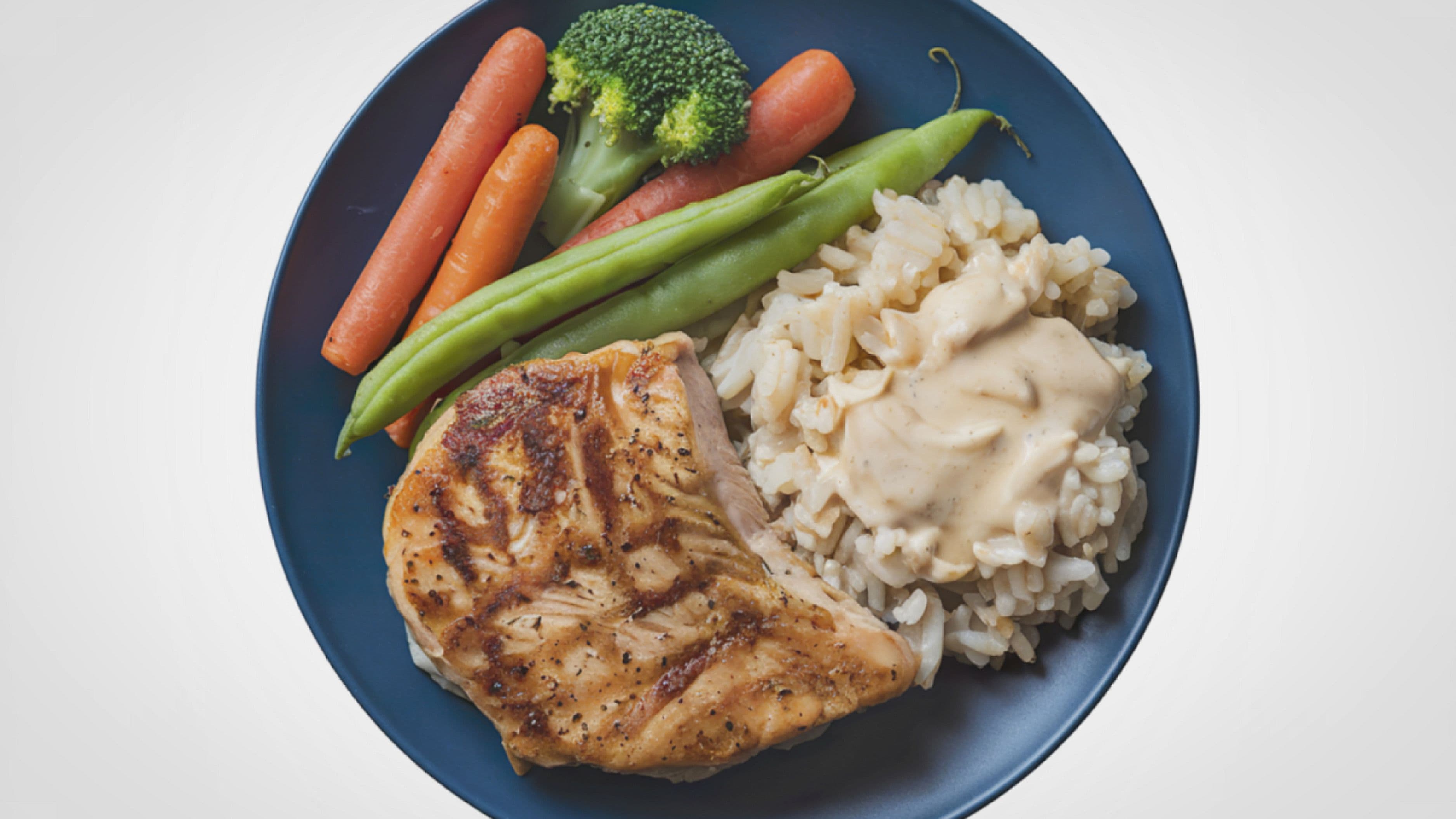
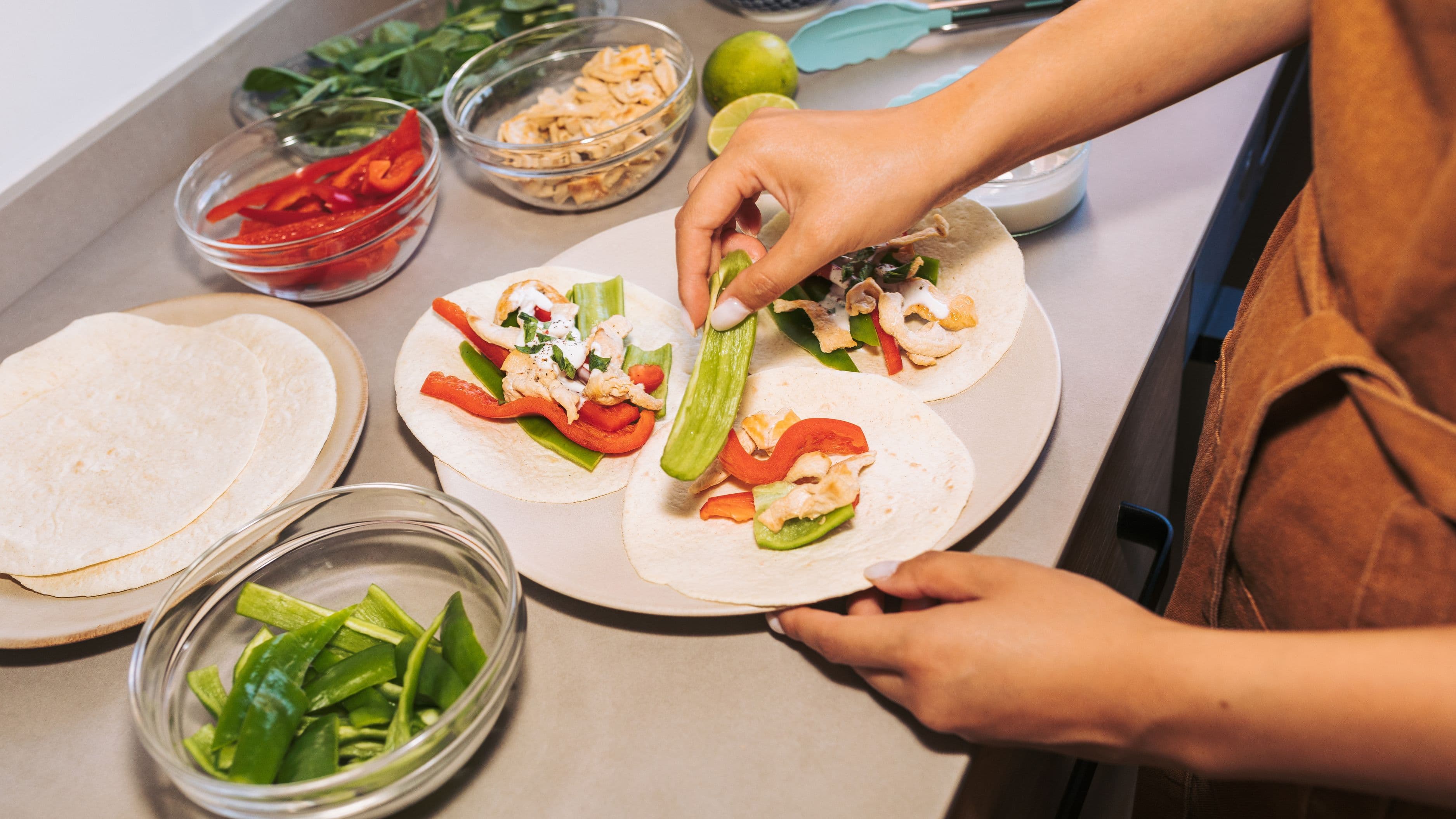
Efficiency becomes monotony when you eat the same grilled chicken and broccoli combination for the seventh night in a row. Yes, batch cooking is practical, but your taste buds eventually stage a rebellion. The mistake is confusing efficiency with variety-elimination. You can still meal plan strategically without eating identical meals every day. Try cooking one protein three different ways or using the same base vegetables with different seasonings and cooking methods. Monday's roasted chicken thighs can become Tuesday's chicken tacos and Wednesday's chicken salad, each feeling completely different. Your meal plan should make life easier, not boring.
5. Shopping Without a Reality Check
You've written the perfect grocery list based on your perfect meal plan. At the store, inspiration strikes—oh, those heirloom tomatoes look amazing, and wait, are those dragon fruits? Suddenly your cart contains ingredients for meals you never planned and items that contradict your original strategy. Two hours later, you've spent double your budget and have ingredients for approximately zero complete meals. The mistake is treating grocery shopping like a creative free-for-all instead of a focused mission. Stick to your list with maybe one or two flexible items for experimentation. Those impulse purchases might look beautiful, but they often end up wilting sadly while you scramble to figure out what to do with them.
6. Planning in a Vacuum
You've created an elaborate meal plan without checking anyone's schedule, including your own. Thursday's slow-cooked stew requires you to be home by 3 PM to start it, but Thursday is actually your late meeting day. Or you've planned a family taco night for the same evening your partner has dinner plans and your kid has practice until 8 PM. The mistake is treating meal planning as purely a food puzzle rather than a life-coordination exercise. Before you plan a single meal, look at everyone's actual schedules. Which nights does someone have activities? When are you likely to be genuinely home and available? Your meal plan needs to fit into your life's rhythm, not fight against it.
7. The Leftover Amnesia
You've cooked a beautiful Sunday dinner with intentional leftovers for Monday. Monday arrives, but instead of eating those perfectly good leftovers, you cook something entirely new because you've forgotten they exist or suddenly find them unappealing. By Friday, your refrigerator contains four different sets of forgotten leftovers that have transformed into mystery containers. The mistake is not planning for leftovers—not just creating them accidentally. Designate specific leftover nights in your meal plan, and get creative with reimagining them. Last night's roasted vegetables can top today's grain bowl. Saturday's pot roast can fill tonight's quesadillas. Give leftovers a starring role instead of letting them languish.
8. Perfectionism Paralysis
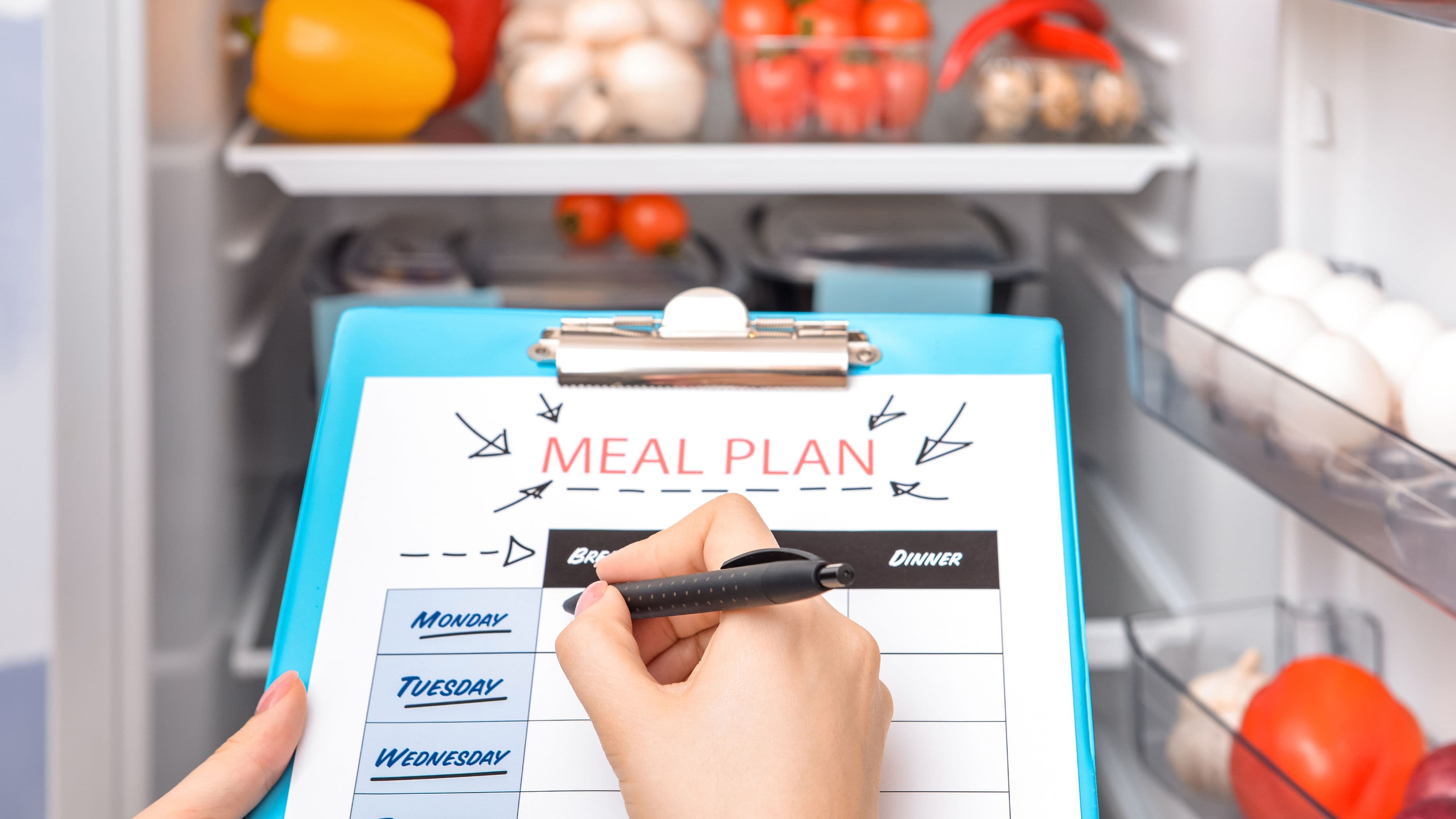
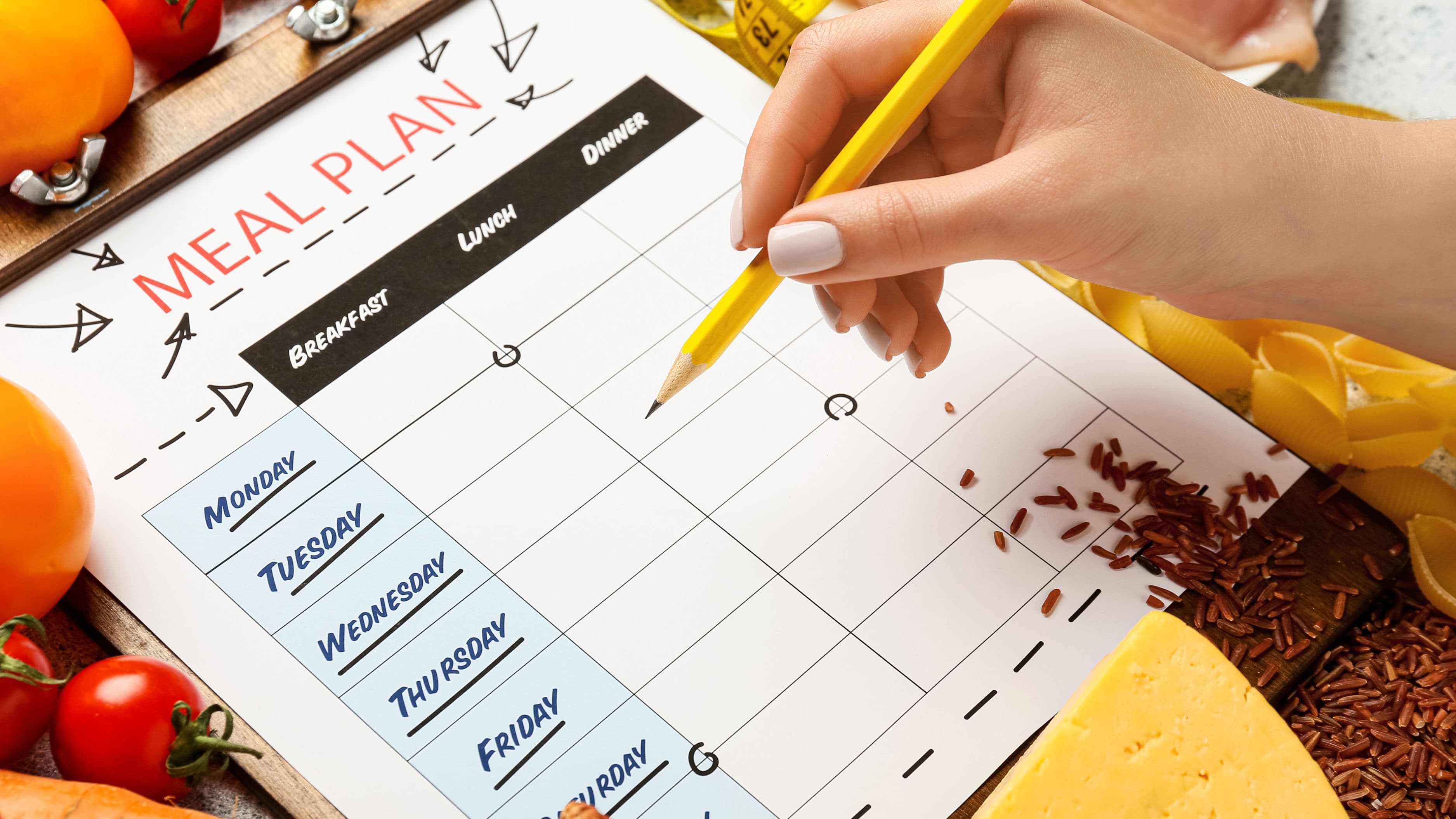
You've been meaning to start meal planning for months, but you keep waiting for the perfect system. Should you use an app? A spreadsheet? Color-coded sticky notes? You've researched meal planning methods for so long that you could have already planned and cooked fifty meals. The mistake is believing that meal planning requires a flawless system before you begin. The truth is, any plan is better than no plan. Start simple—just plan three dinners for the week. Use a scrap of paper if that's what you have. The best meal planning system is the one you'll actually use, not the most aesthetically perfect one. You can refine your approach as you go, but you have to start somewhere, even if it's messy.
9. Recipe Ingredient Roulette
Your meal plan looks brilliant on paper, but each recipe requires one unique ingredient that you'll never use again. Sumac for Monday's salad, fish sauce for Wednesday's stir-fry, berbere spice for Friday's stew. Your pantry becomes a graveyard of half-used specialty ingredients, and your budget weeps. The mistake is not considering ingredient overlap when selecting recipes. Smart meal planning means choosing recipes that share common ingredients or at least ensuring you have multiple uses for any specialty item you buy. If you're buying fish sauce, plan two or three Asian-inspired meals that week. Building meals around ingredient synergy rather than isolated recipes saves money and reduces waste.
10. The "I'll Just Wing It" Hybrid
You've planned some meals but left several days completely blank, figuring you'll "just figure it out later." Later arrives, and suddenly you're stressed, hungry, and making poor decisions at the drive-through again. The mistake is mixing structured planning with complete chaos instead of strategic flexibility. If you want flexibility in your meal plan, build it in intentionally. Keep emergency backup options like frozen pizzas, pasta with jarred sauce, or rotisserie chicken from the grocery store. These aren't failures—they're strategic reserves for when life happens. The goal isn't perfection; it's having a plan B that doesn't involve stress-eating crackers over the sink.
Embracing the Beautiful Mess
Meal planning mistakes aren't evidence that you're doing it wrong—they're proof that you're doing it, period. Every forgotten ingredient, over-ambitious recipe, and Wednesday evening meltdown teaches you something about your actual needs, preferences, and rhythms. The home cooks who seem to have it all figured out have simply made these mistakes before you and adjusted accordingly. They've learned that meal planning isn't about controlling every variable or achieving Instagram-worthy perfection. It's about reducing daily decision fatigue, minimizing waste, and creating space for the joy of cooking rather than the stress of it.
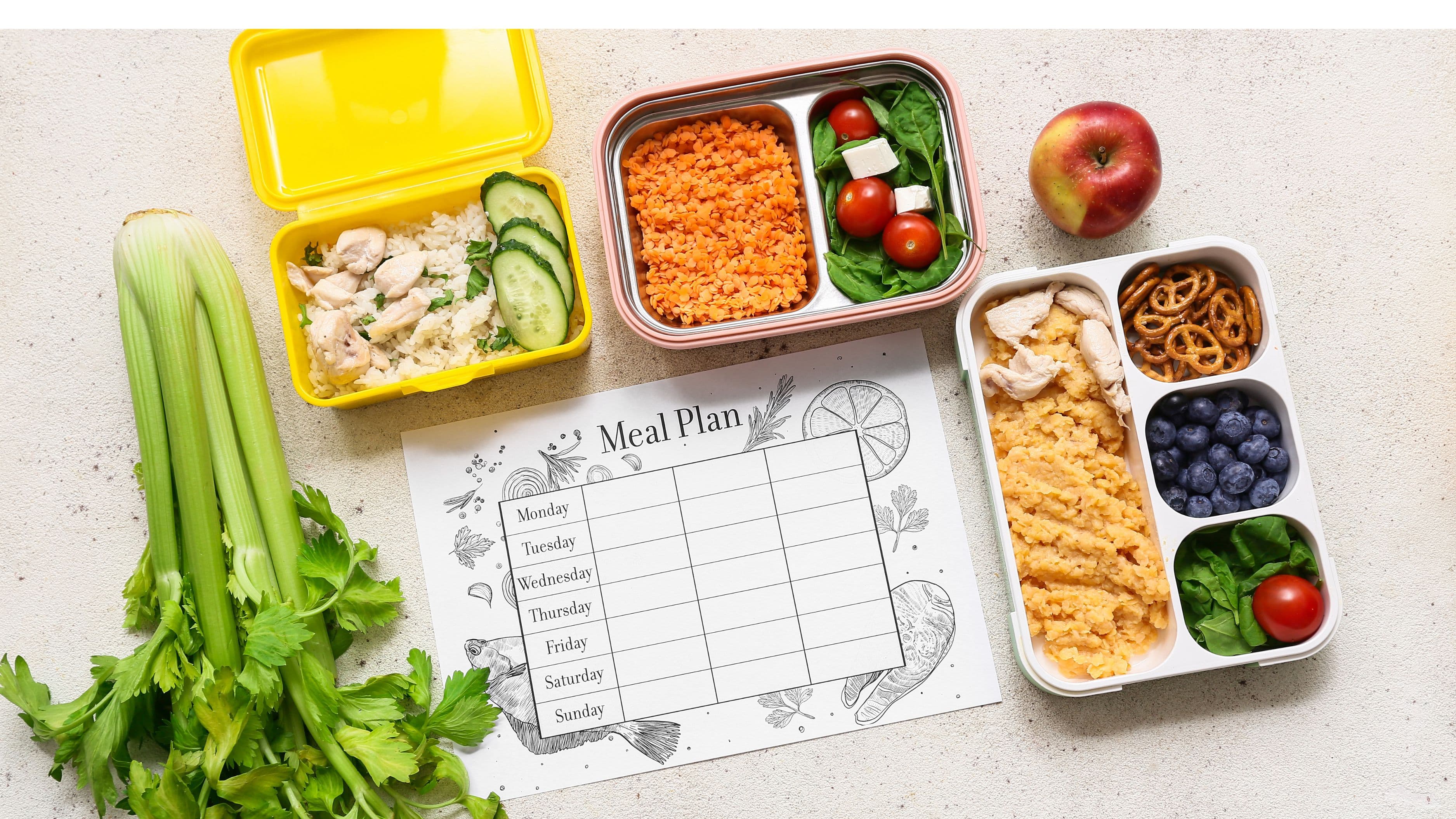
The most successful meal planners laugh at their mistakes, adjust their strategies, and keep showing up. They know that some weeks will go perfectly and others will fall spectacularly apart—and both outcomes are completely normal. Maybe you'll never be the person with color-coded meal prep containers photographed in perfect natural light. But you can absolutely be the person who feeds themselves and their family with less stress, less waste, and more satisfaction. Start where you are, plan what you can, and remember that every meal doesn't need to be a masterpiece. Sometimes it just needs to be dinner, served with humor and grace.
📚 Sources
1. ReFED. (2022). "Household Food Waste: The Single Biggest Contributor to Food Waste." ReFED Insights Engine.
2. American Psychological Association. (2023). "Decision Fatigue and Daily Stress Management."