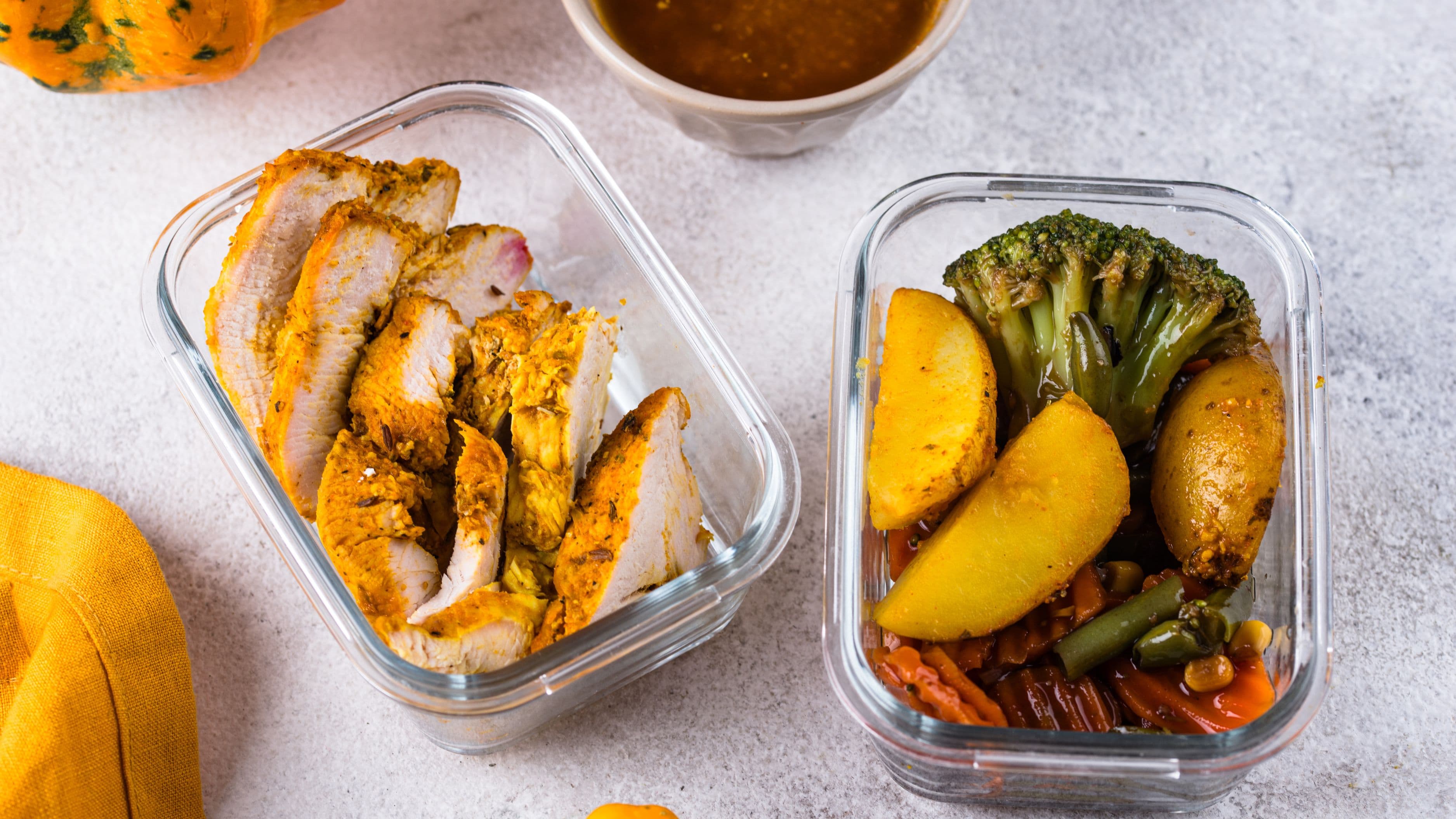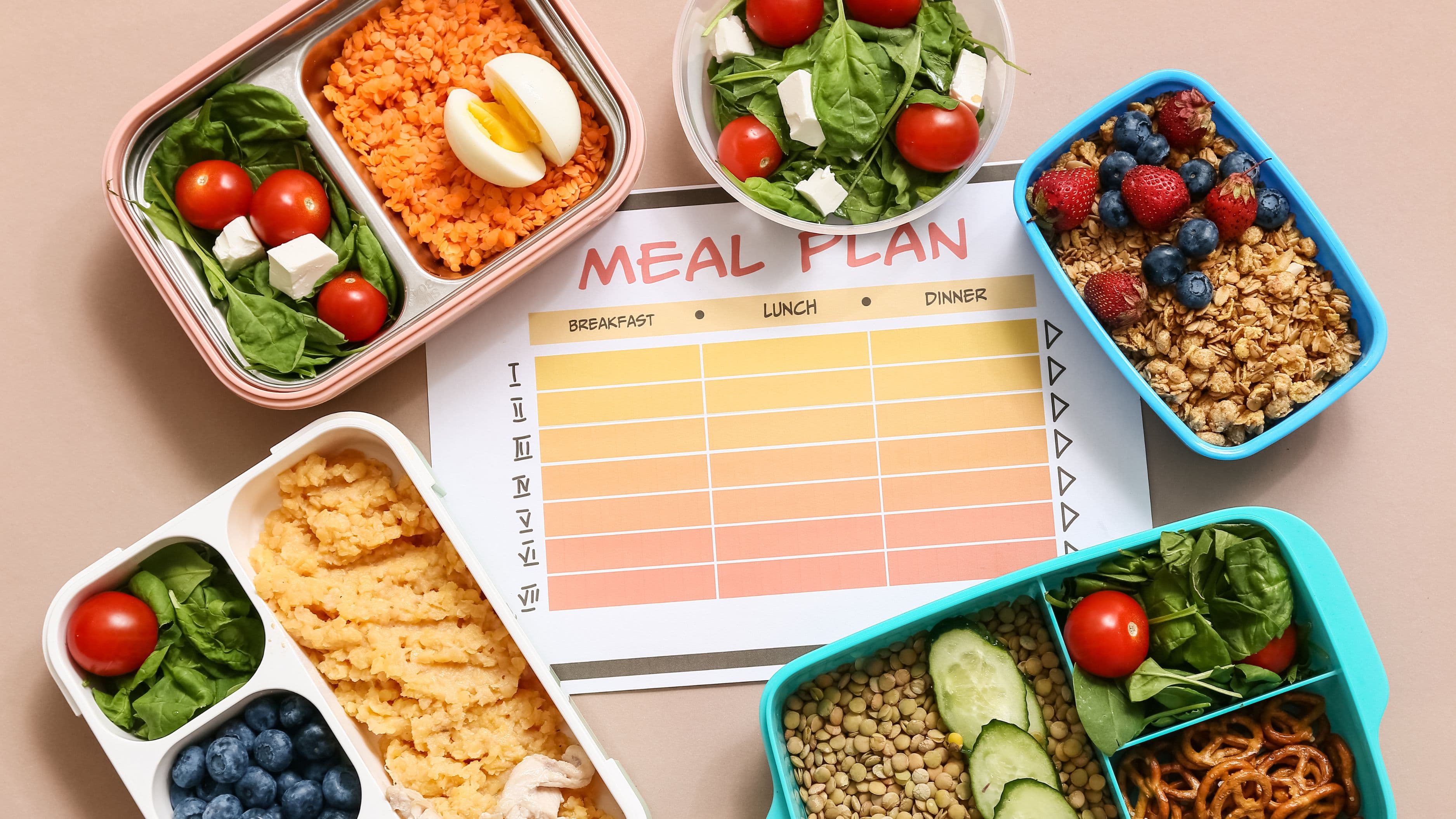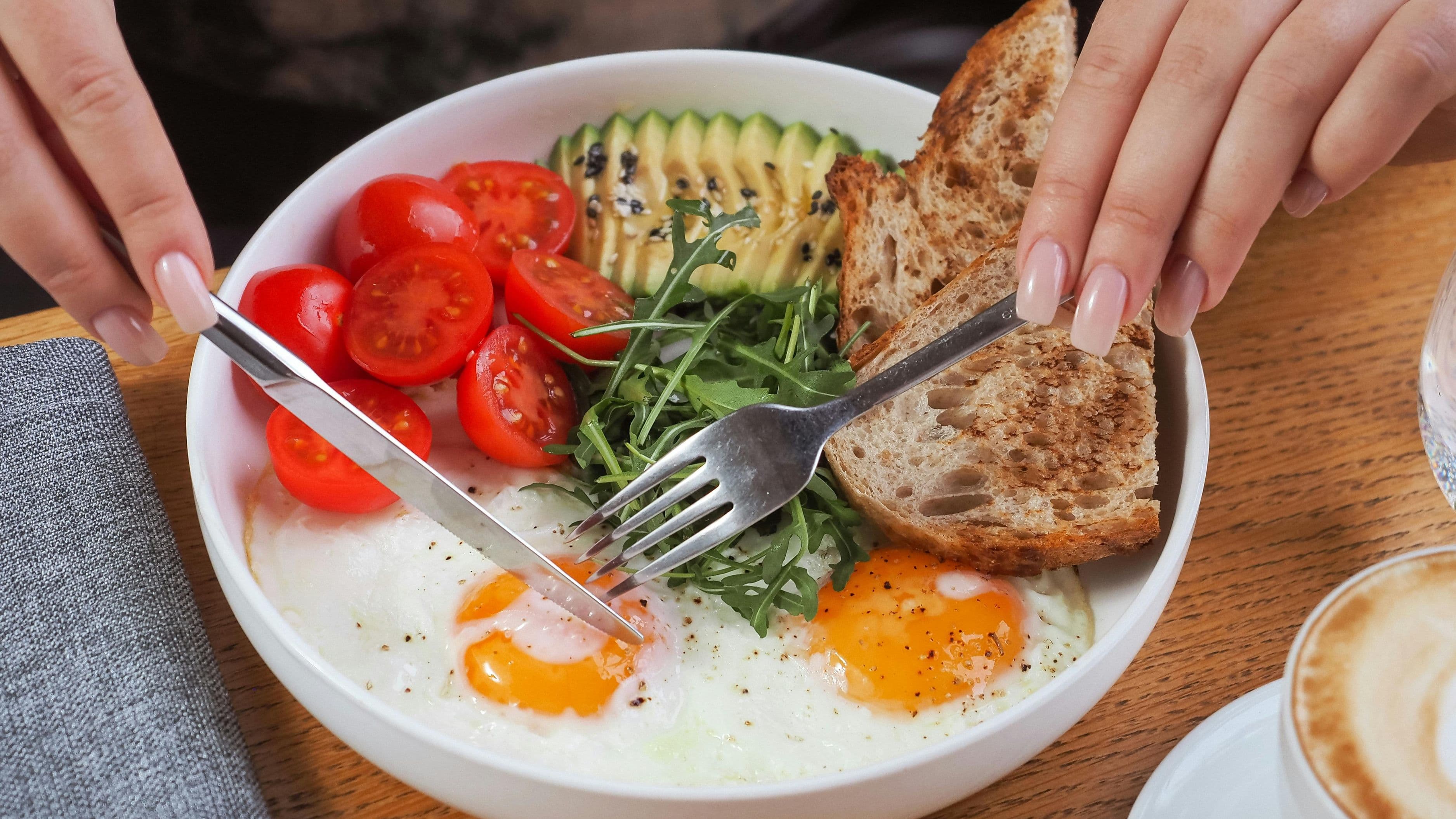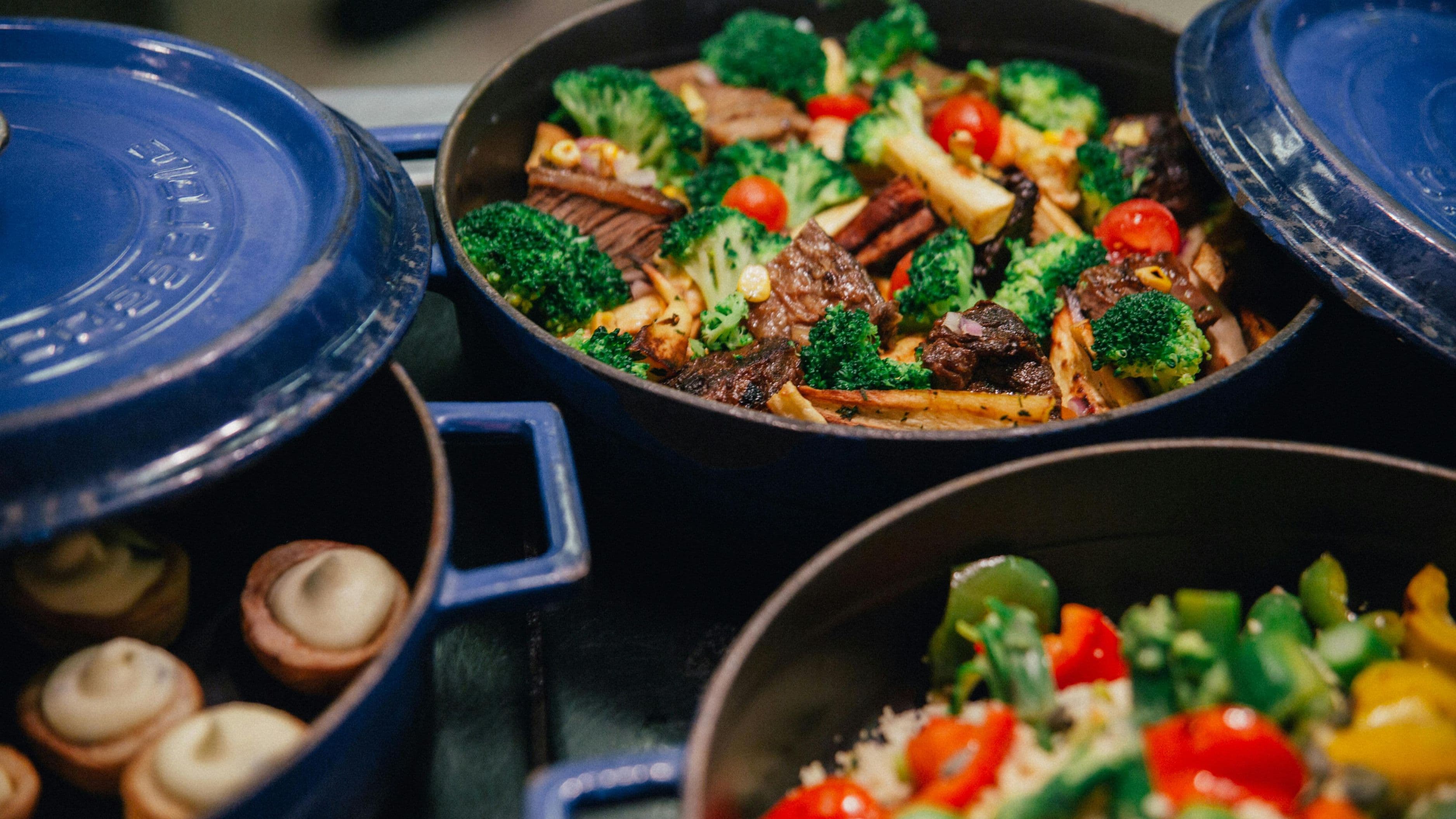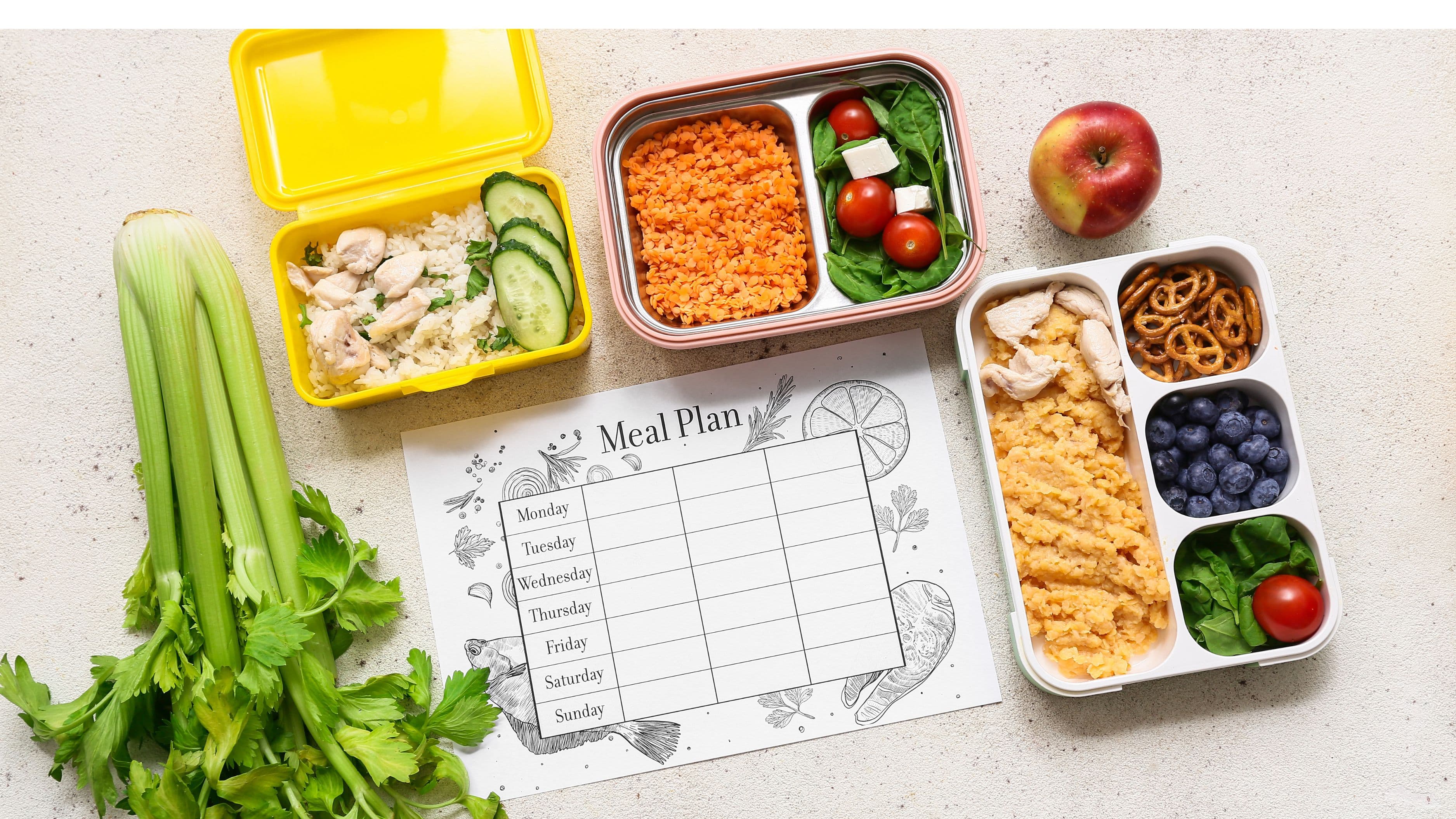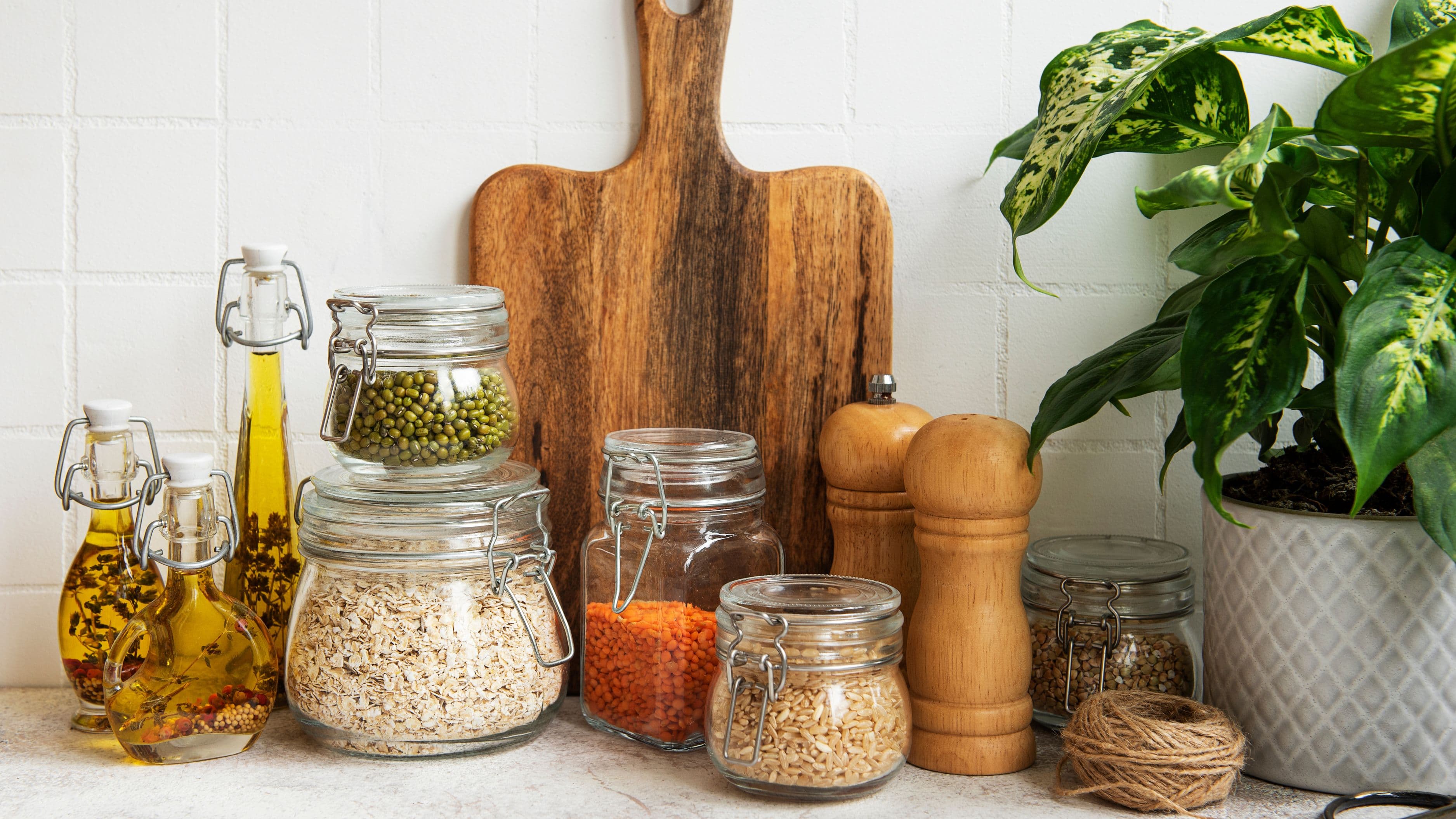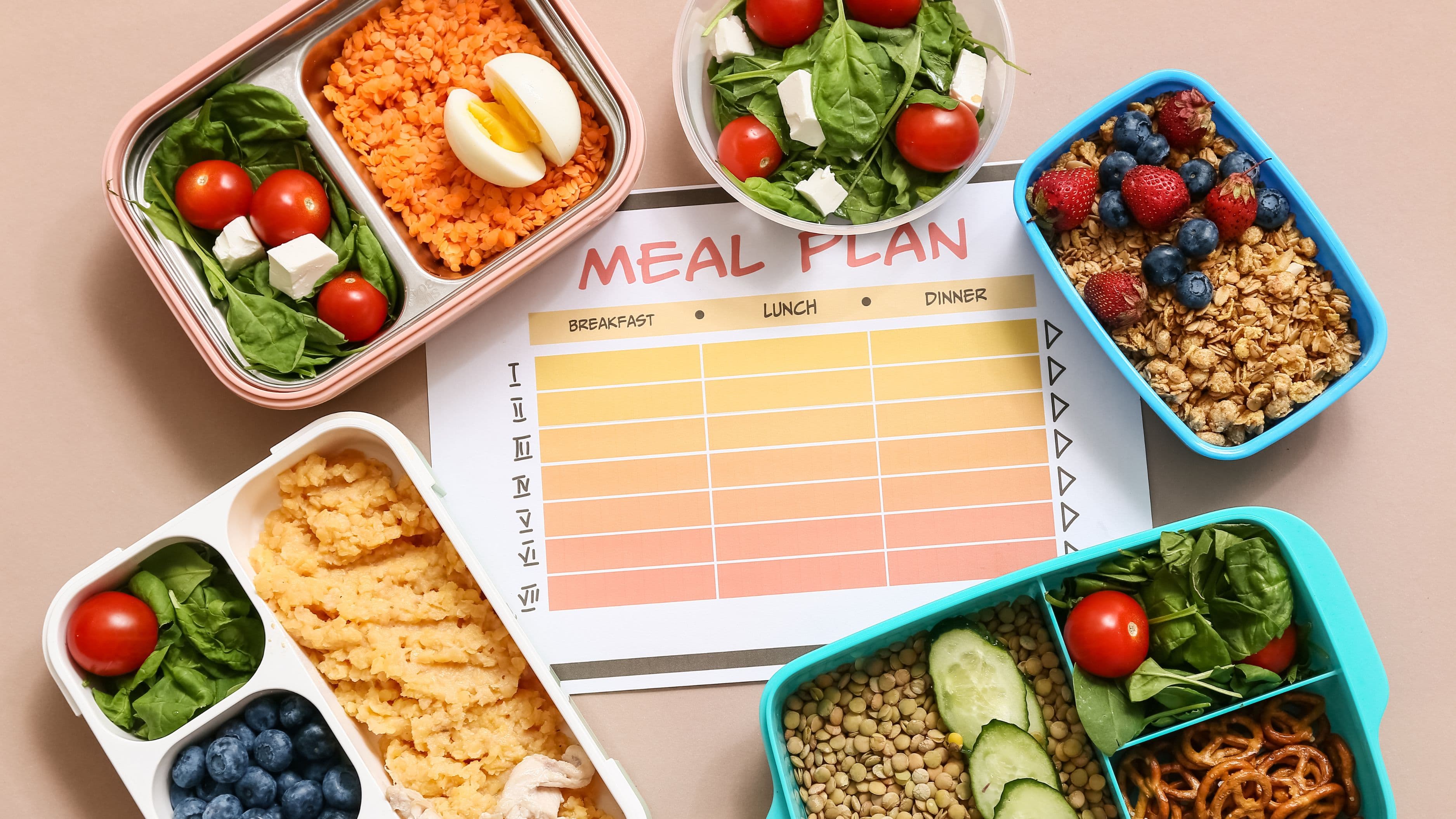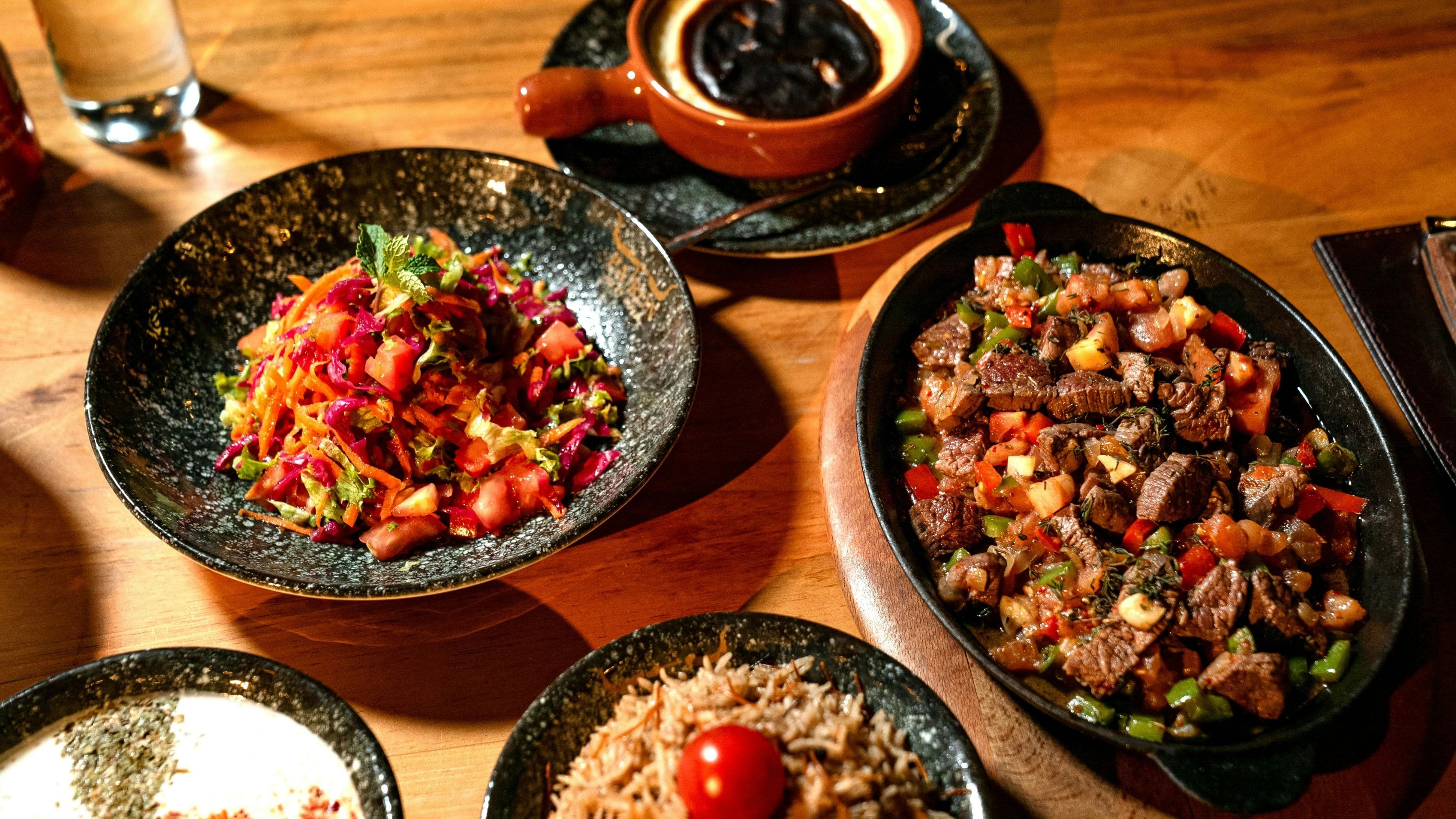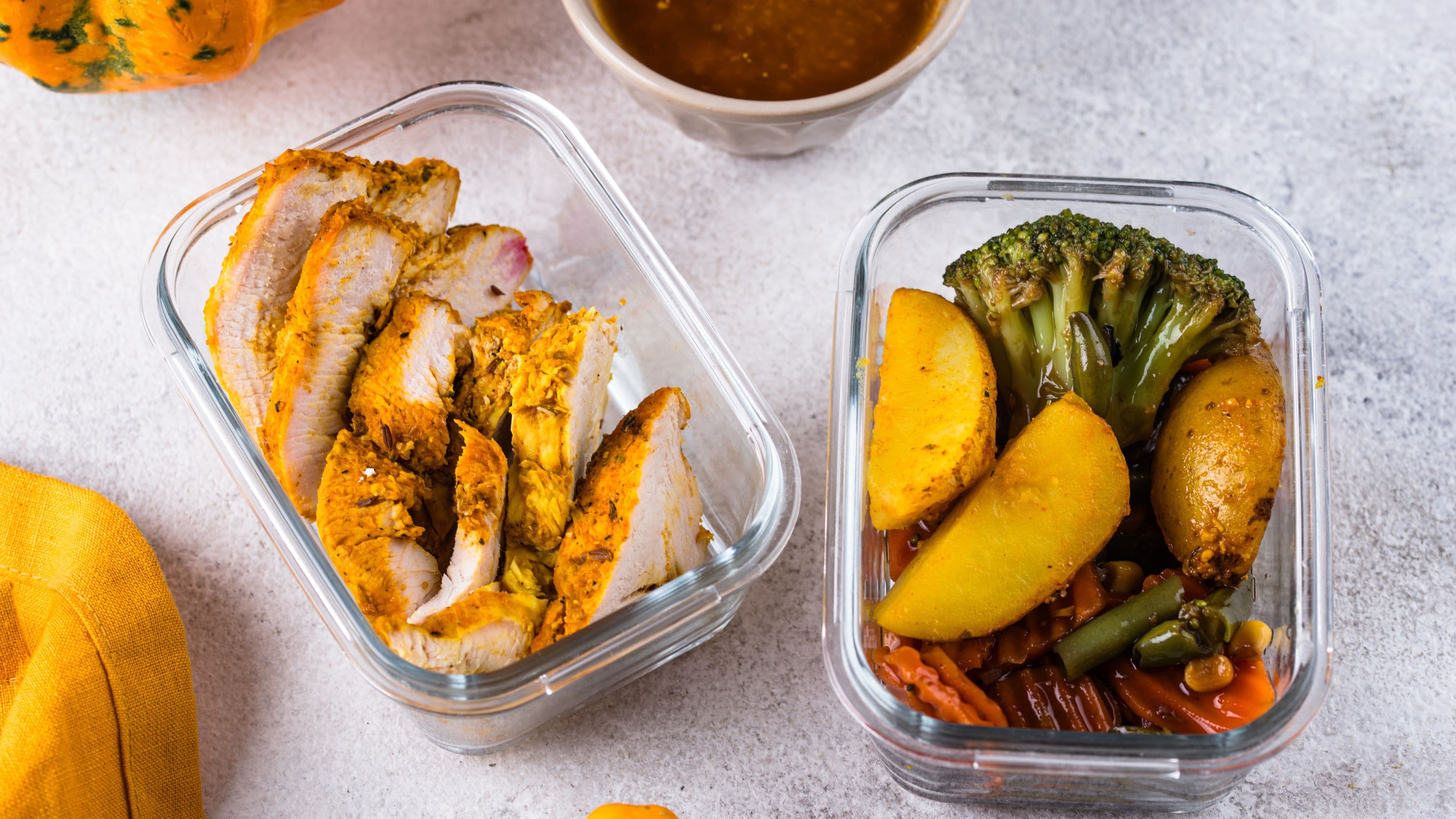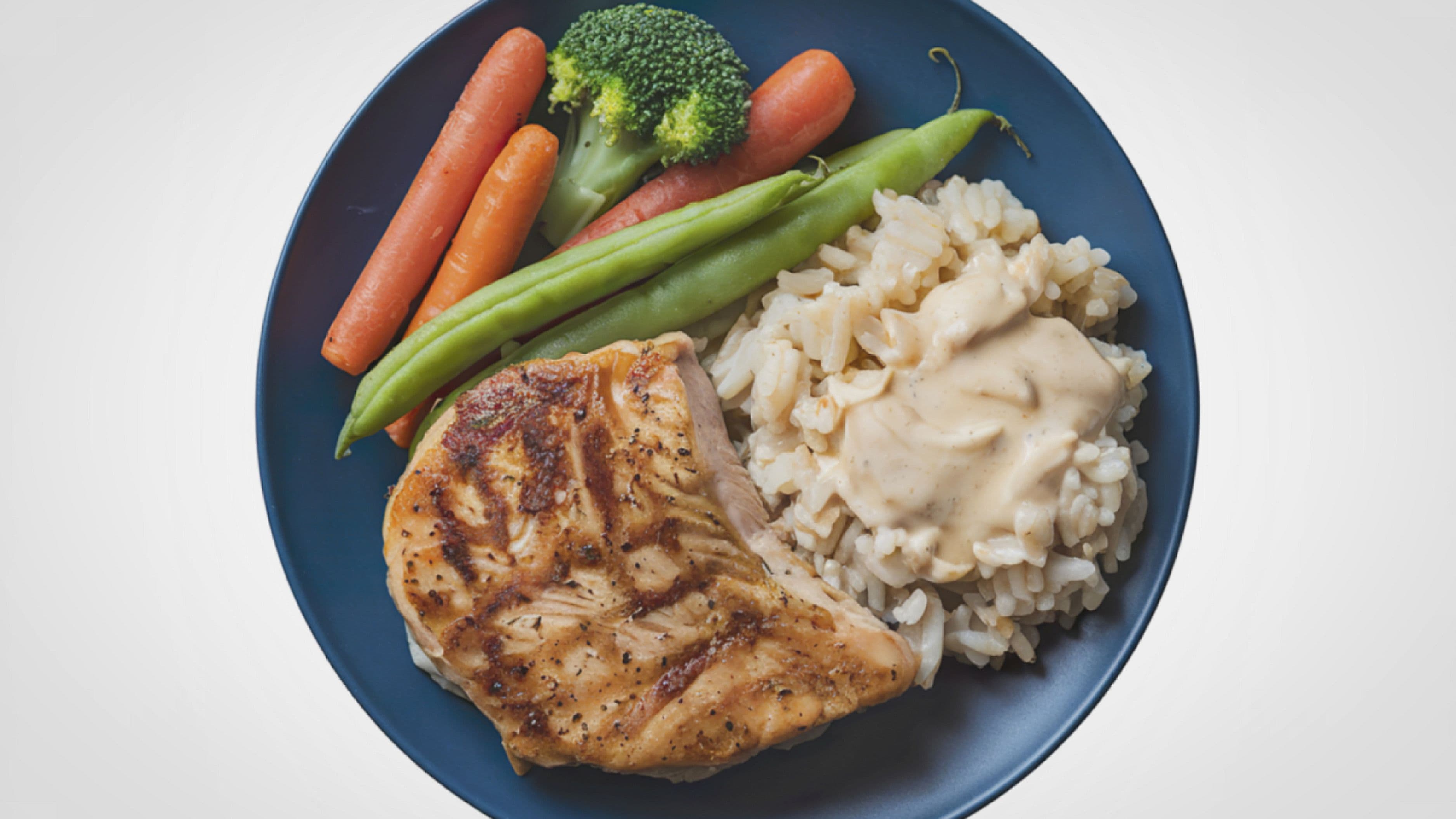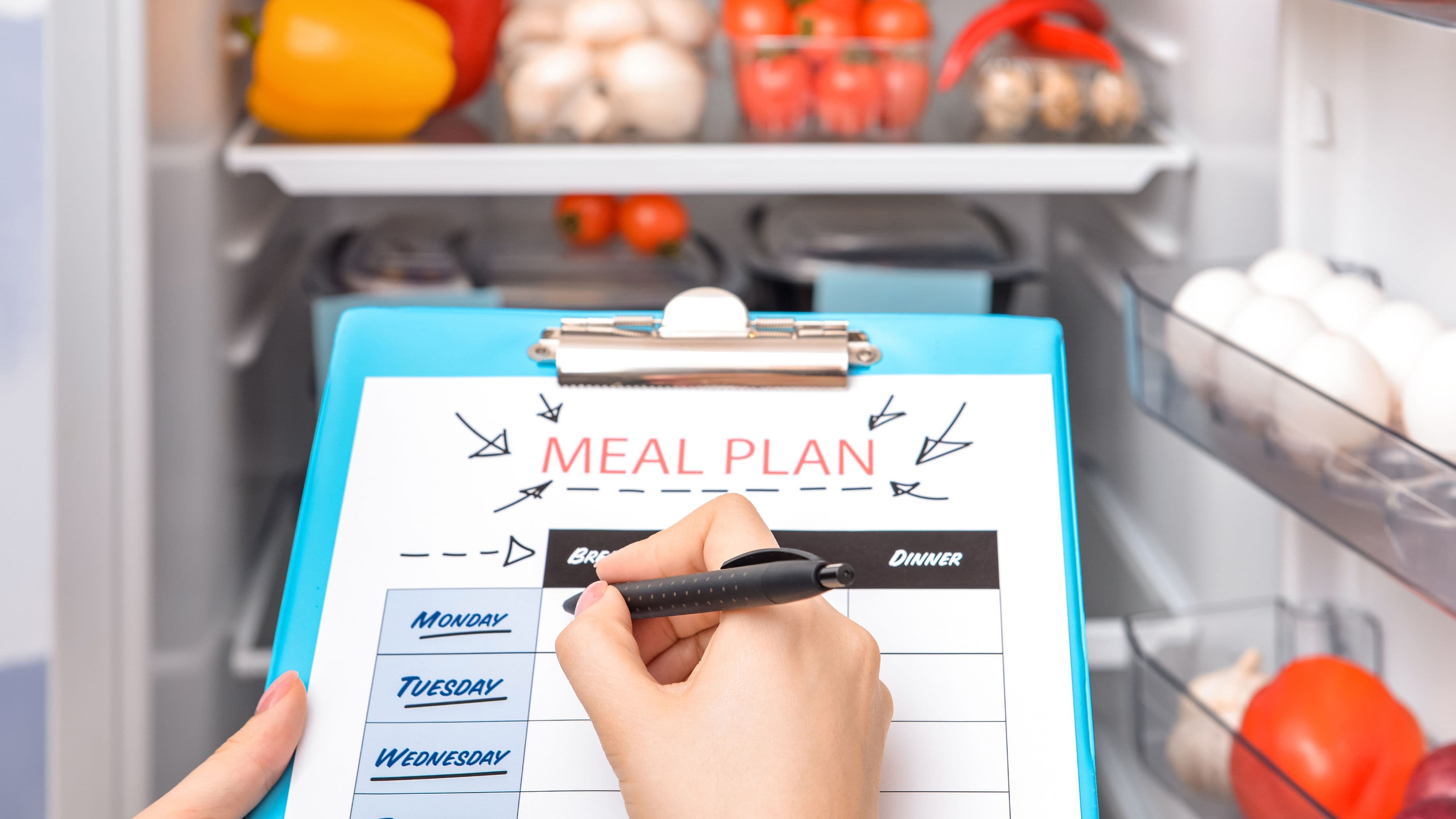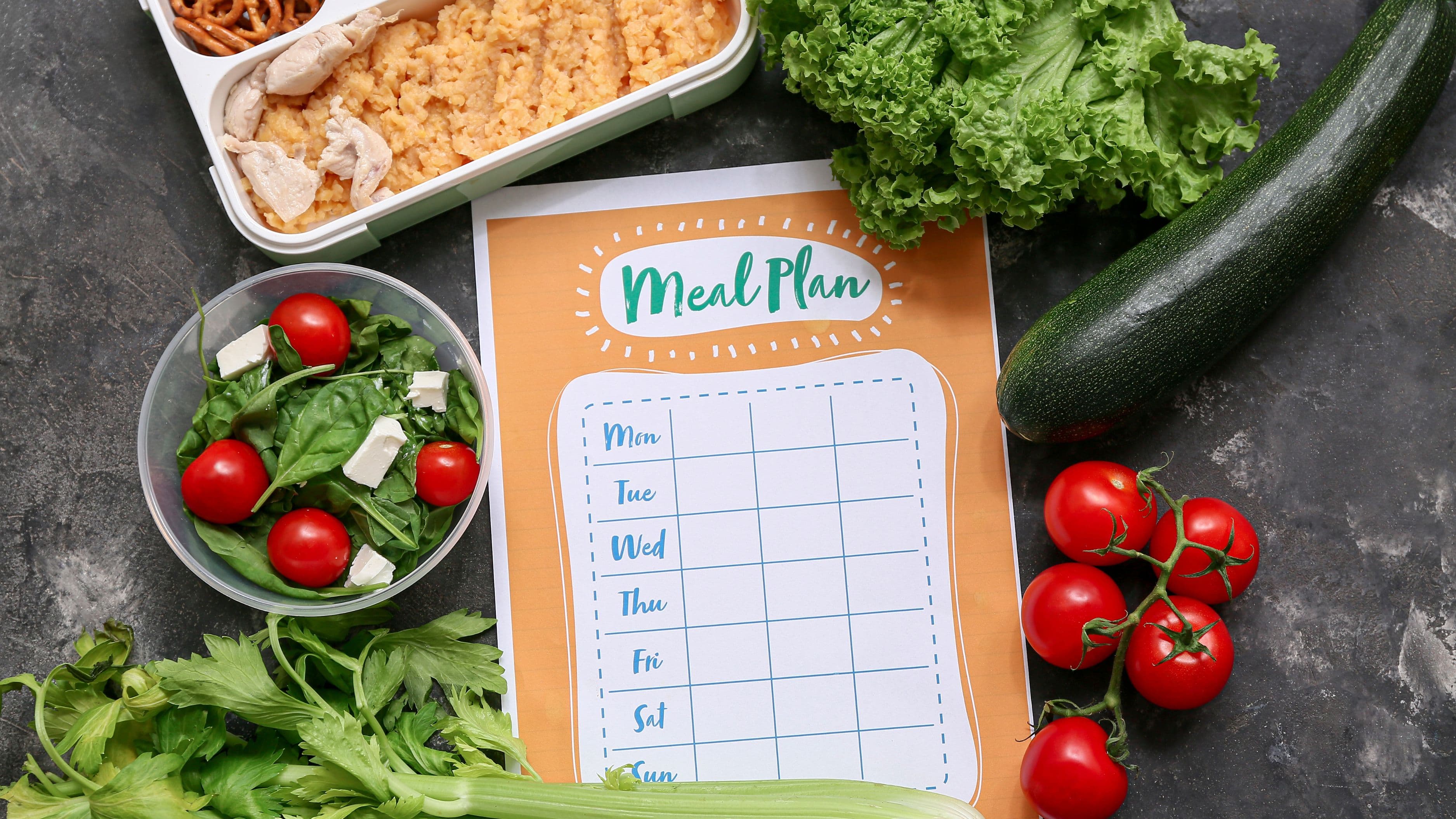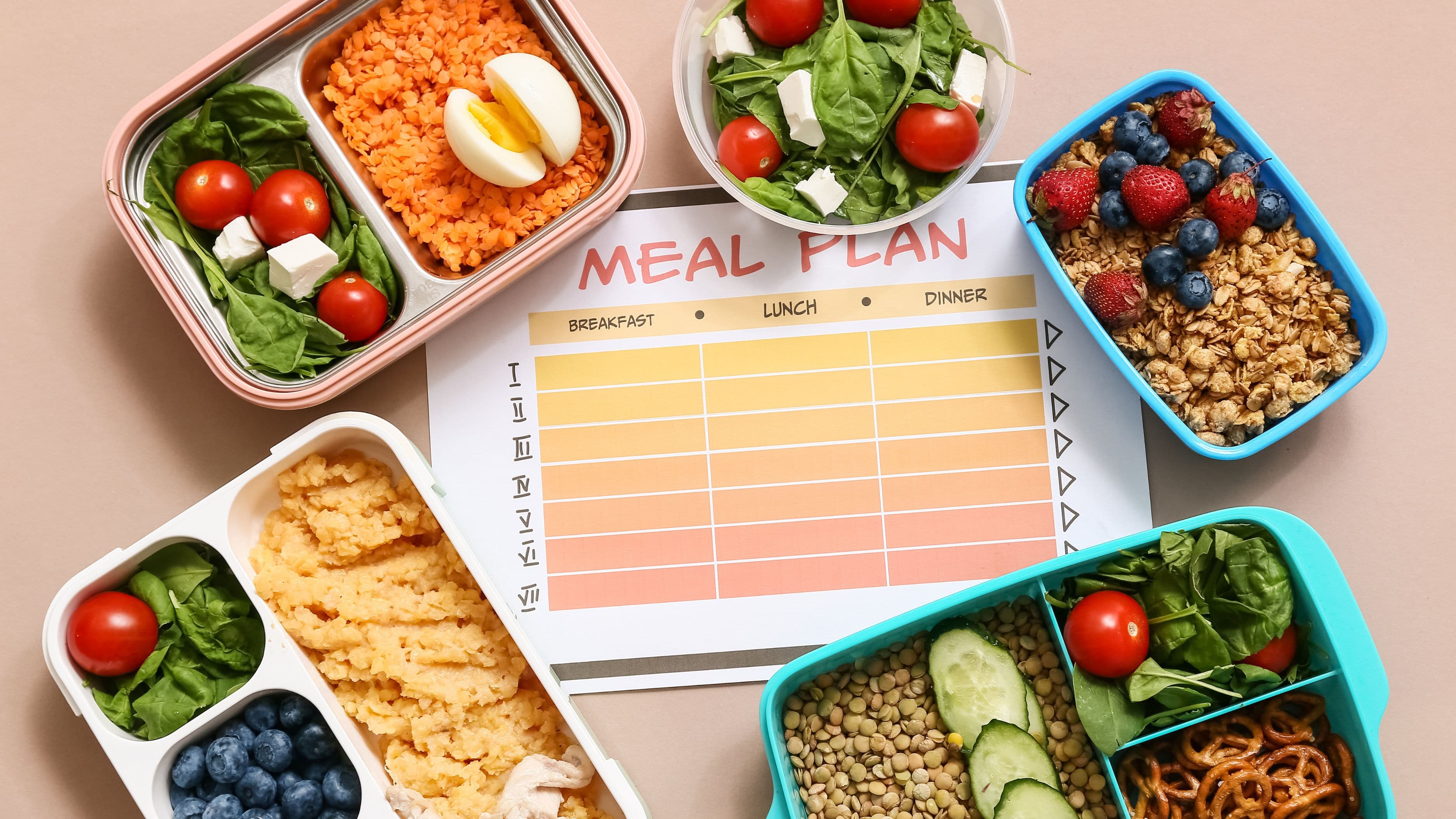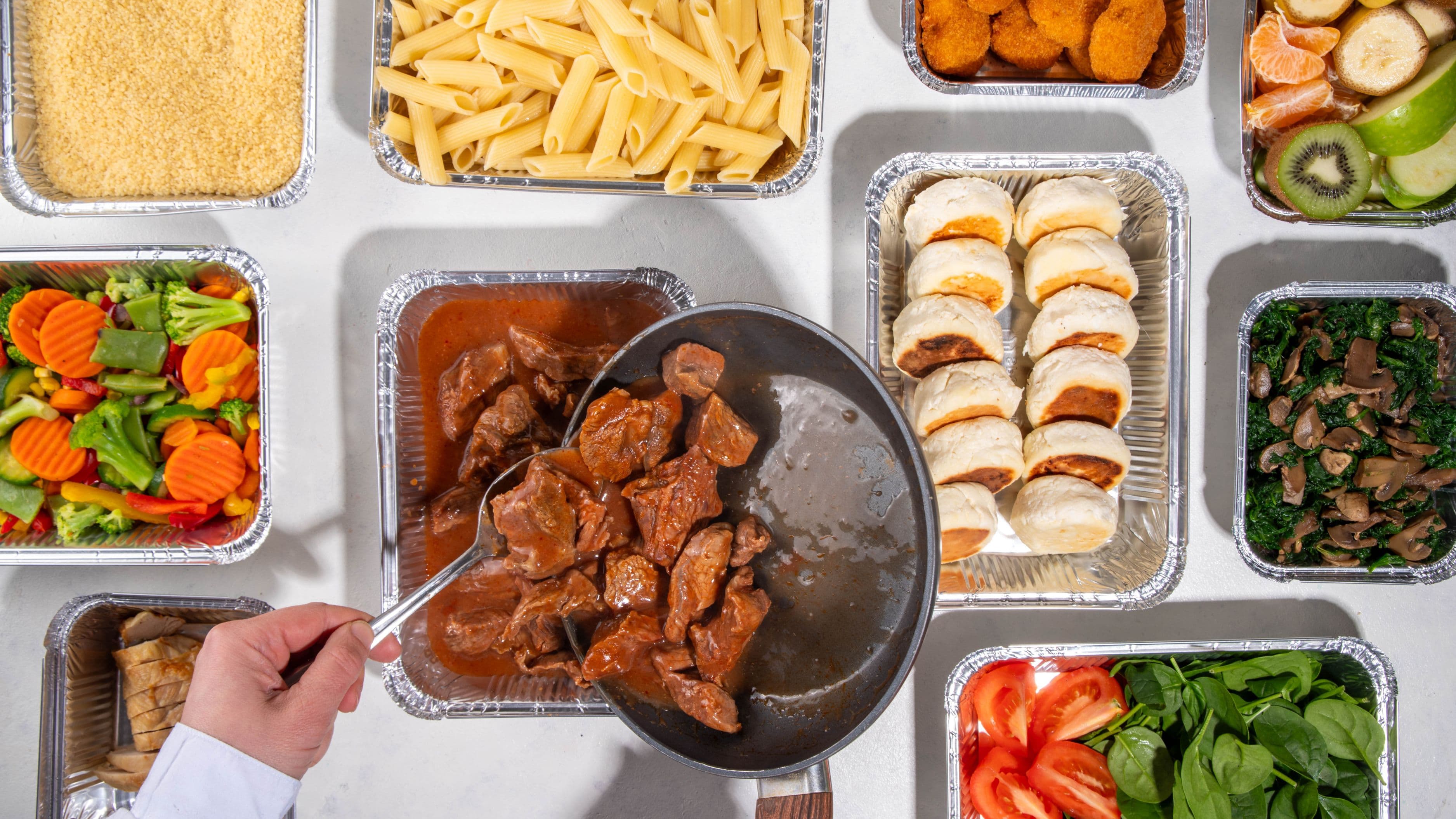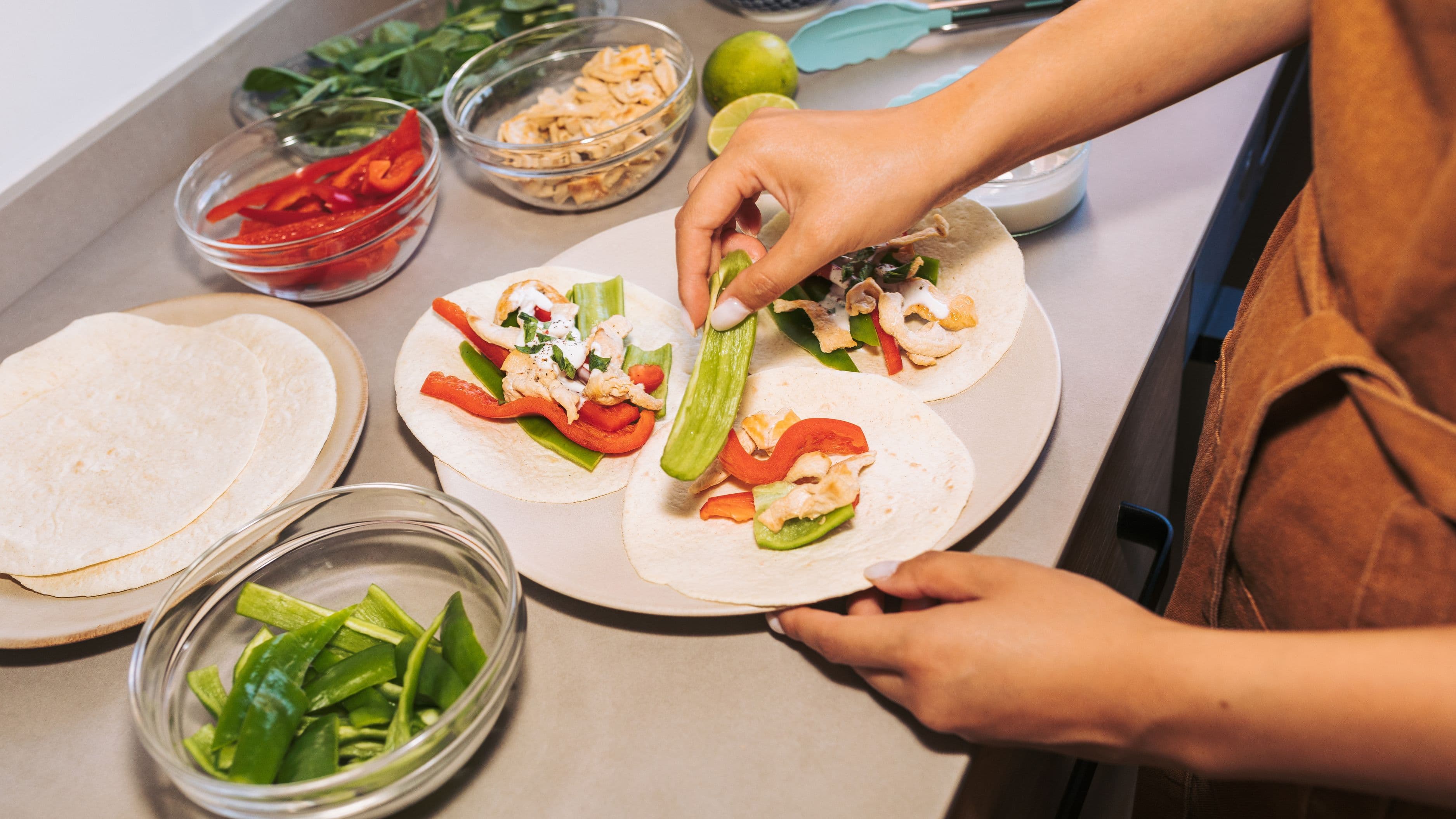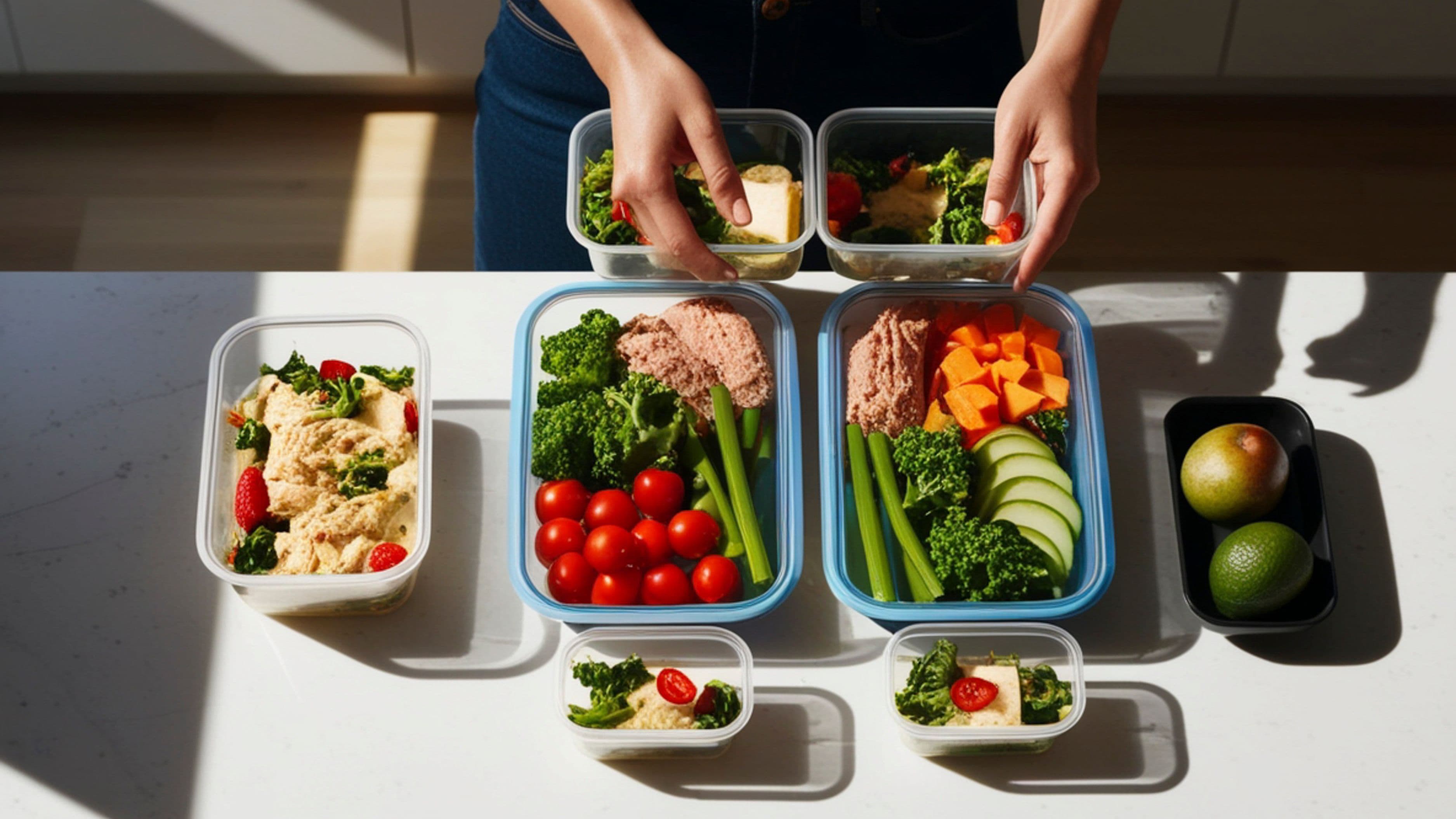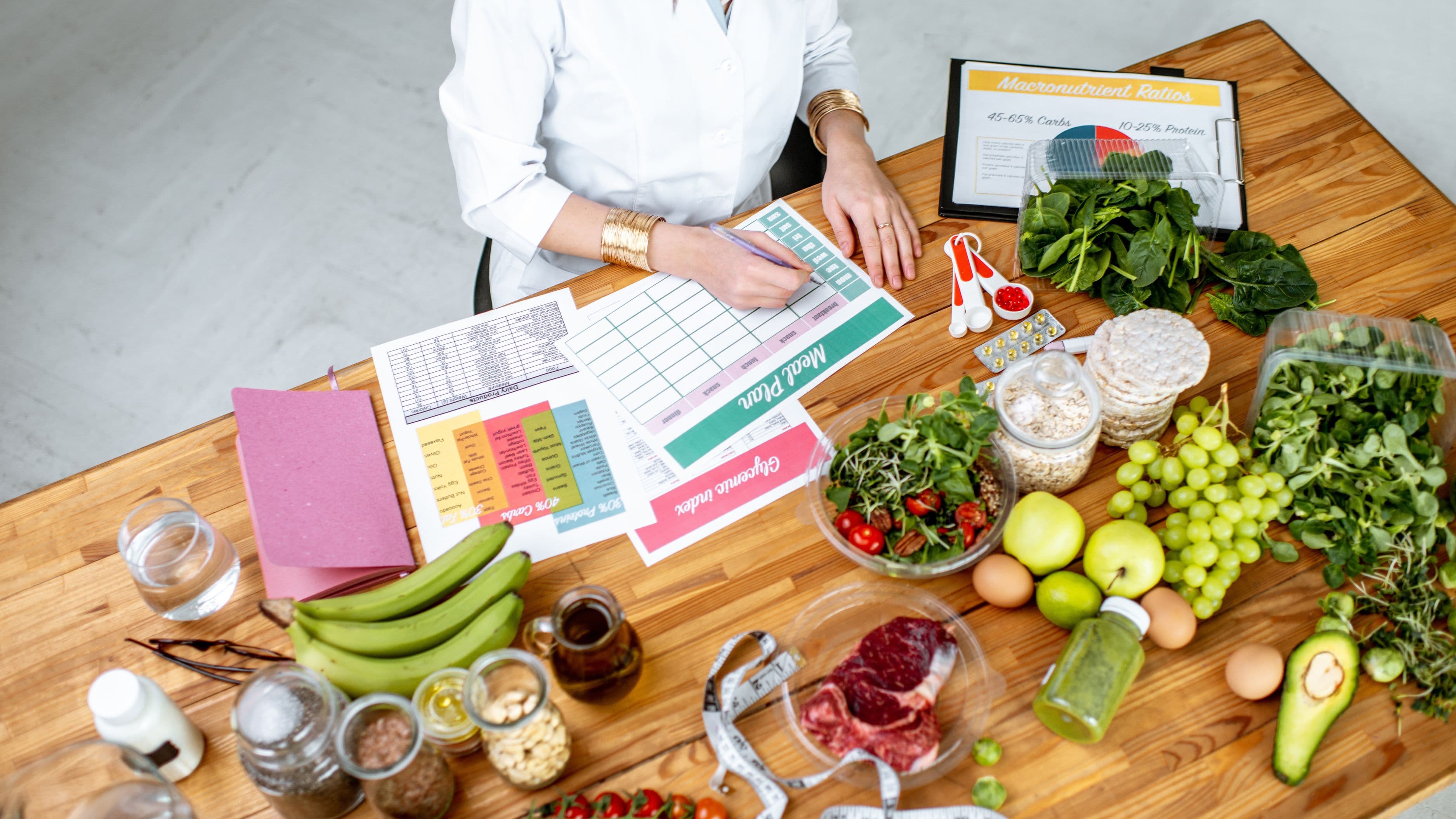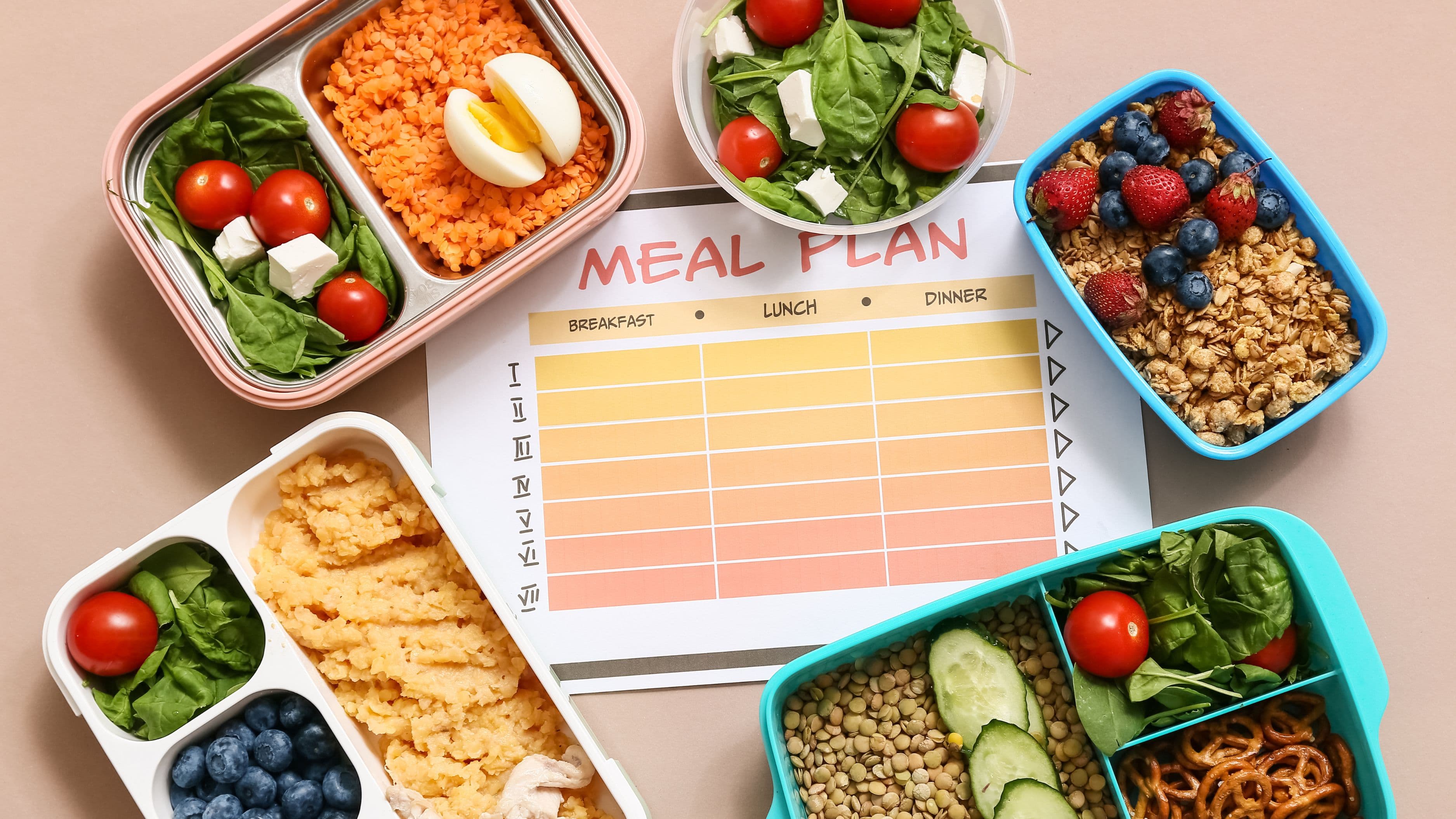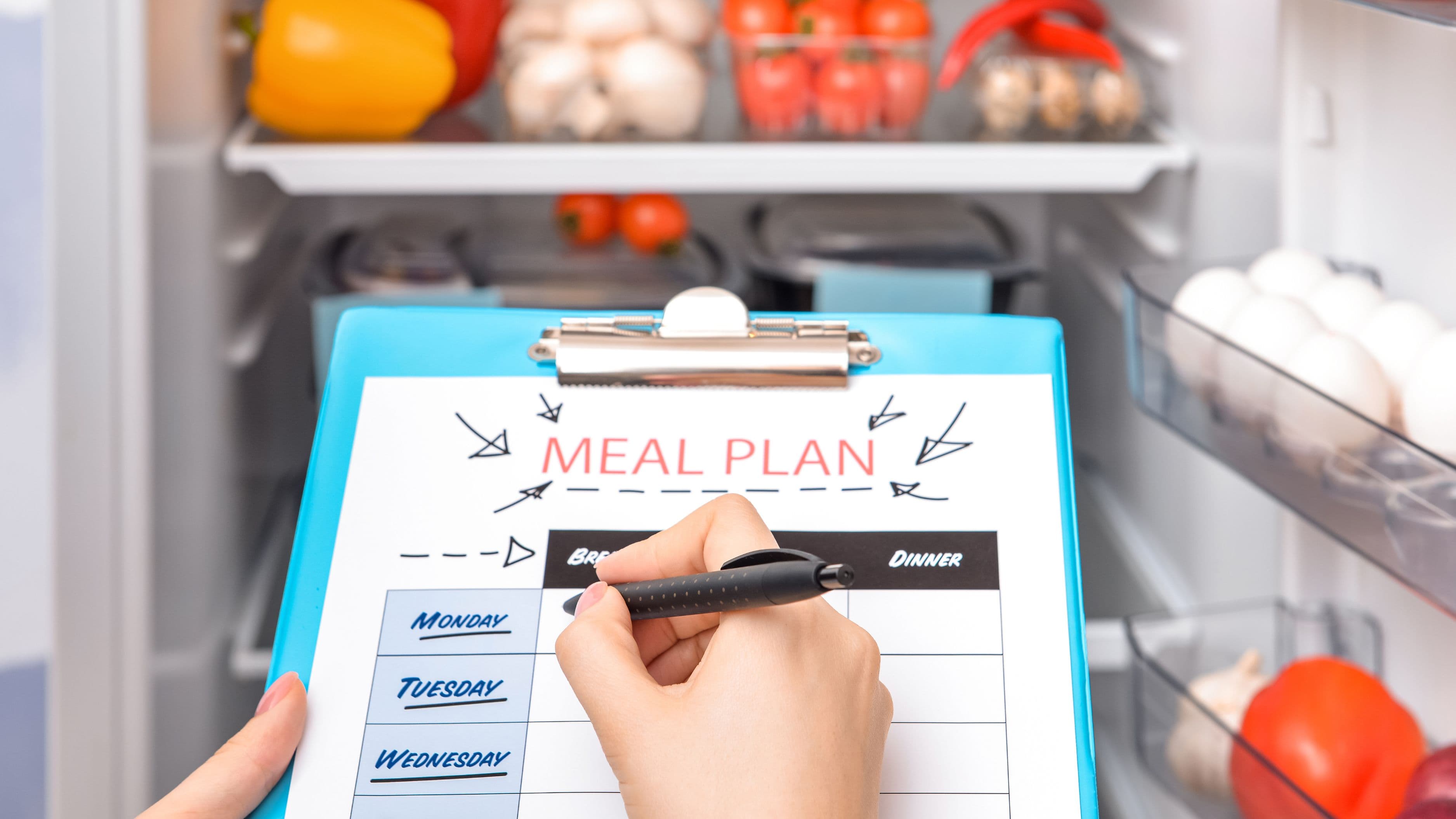
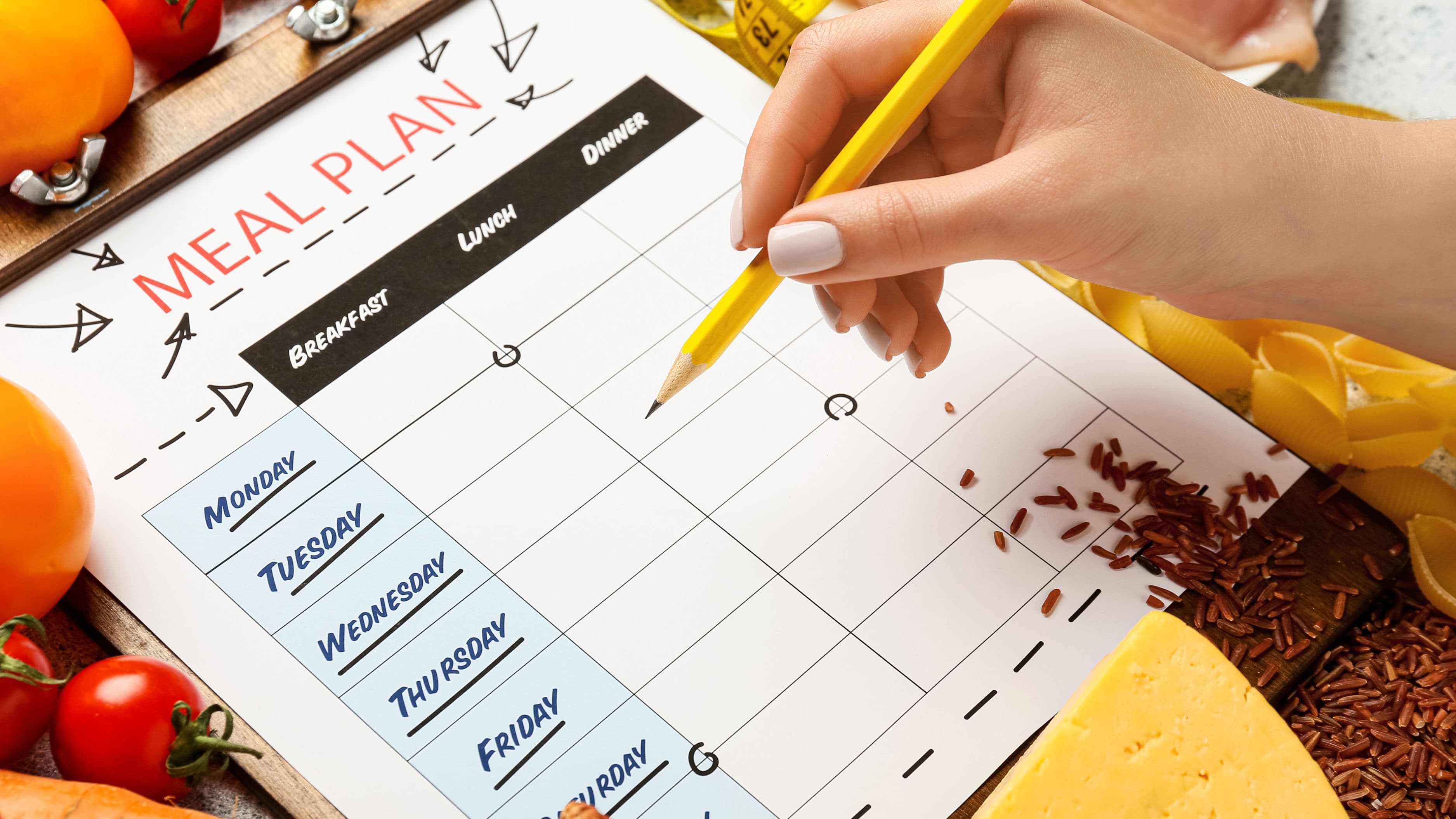
The truth is, most of us don't need another rigid seven-day meal plan with assigned recipes for Tuesday at 6:47 PM. What we need is a flexible system that works with our actual lives—the ones where meetings run late, kids refuse what they loved last week, and sometimes cereal for dinner is the victory. Let's explore what that system might look like and whether traditional meal planning is really the answer.
1. The Meal Plan Trap: When Structure Becomes Stress
Traditional meal planning sounds perfect in theory. You spend Sunday afternoon mapping out every breakfast, lunch, and dinner for the week, create a detailed shopping list, and congratulate yourself on being organized. Then Wednesday arrives, you're not remotely in the mood for that curry you scheduled, half the ingredients are still untouched, and you order takeout anyway.
This isn't personal failure—it's a design flaw. Rigid meal plans assume your week will unfold exactly as predicted, but life rarely cooperates. You can't anticipate that you'll work late Thursday, that your partner will suddenly crave pasta instead of chicken, or that the tomatoes you bought will ripen faster than expected. When your plan doesn't match reality, you feel like you've failed before you've even started cooking.
The emotional cost adds up quickly. That guilt about wasted groceries, the frustration of not following through, the exhausting cycle of planning and re-planning—these create anxiety around something that should bring pleasure. A better approach acknowledges that flexibility isn't laziness; it's wisdom.
2. Building Blocks Beat Blueprints
Instead of planning specific meals, consider stocking your kitchen with versatile building blocks that can transform into dozens of different dishes. Think of proteins you can cook multiple ways (chicken thighs, eggs, canned beans), grains that store well (rice, pasta, quinoa), and a solid foundation of aromatics and pantry staples. This approach gives you options rather than obligations.
The magic happens when you understand flavor combinations and basic techniques rather than following recipes religiously. With roasted chicken, you can make tacos one night, toss it with pasta and pesto the next, or pile it over rice with a quick pan sauce. The same vegetables can go into a frittata, a stir-fry, or a simple side dish depending on your mood and time. You're not deciding what to cook on Sunday for the following Thursday—you're deciding Thursday evening based on what sounds good and what needs using.
This method also reduces waste dramatically because you're responding to what's actually in your kitchen rather than letting a predetermined plan dictate purchases you might not use. Your grocery shopping becomes about replenishing ingredients you know you'll use rather than buying for specific recipes that may or may not happen.
3. The "Dinner Zones" Method
Here's a game-changing framework: instead of planning seven different meals, identify four or five "dinner zones" that cover most of what you actually want to eat. These might be Bowl Night (grain + protein + vegetables + sauce), Pasta Night, Soup or Stew Night, Sheet Pan Night, and Breakfast-for-Dinner. Within each zone, you have infinite variations.
The beauty of this system is that it provides just enough structure to eliminate decision fatigue without the rigidity of traditional meal planning. You know Tuesday is Bowl Night, but whether that's burrito bowls, rice bowls with Korean-inspired flavors, or grain bowls with roasted vegetables depends on what you have and what sounds appealing. You're not meal planning in the traditional sense, but you're also not staring blankly into the fridge at 6:30 PM wondering what on earth to make.
This approach also makes grocery shopping intuitive. You know you need ingredients for each zone without buying for specific recipes. You grab proteins, vegetables in different colors, a few carbs, and your flavor-makers (sauces, spices, acids, herbs). Everything works together in multiple combinations rather than being locked into a single dish.
4. The Strategic Prep Session
The most effective meal planning isn't about planning meals at all—it's about reducing cooking friction. Instead of prepping complete meals or following elaborate meal-prep tutorials that promise five perfect containers, focus on strategic tasks that make weeknight cooking genuinely faster. Wash and chop vegetables when you get home from the store. Cook a big batch of grains. Marinate proteins or portion them for easy access. These small actions compound throughout the week.
Think of it as front-loading the annoying parts so your future self can actually cook. When vegetables are already prepped in the fridge, you're far more likely to roast them or throw them in a pan than if they're sitting whole in the crisper, silently judging you. When rice is already cooked, a quick stir-fry becomes realistic on a Tuesday evening. You're not assembling meals from containers—you're giving yourself ingredients that are ready to transform into whatever sounds good.
This approach also allows for spontaneity and responsiveness. If someone brings home surprise sourdough bread, you can pivot to a bread-centric dinner because your components are flexible. Your prep work serves multiple possible outcomes rather than locking you into predetermined meals.
5. Embrace the Repeating Favorites
Here's permission you might need: it's completely fine to eat the same things regularly. In fact, having a mental rotation of 10-15 meals you genuinely enjoy and can make confidently is more valuable than constantly seeking novelty. Food culture's obsession with variety and new recipes every week creates unnecessary pressure and actually makes cooking harder.
Professional chefs often eat simple, repeated meals at home because they understand that mastery and efficiency come from repetition. When you make the same frittata or pasta dish regularly, you get faster at it, you can do it without thinking, and you can improvise variations based on what you have. These become your fallback meals—the ones that happen almost automatically when you're tired or busy. There's profound comfort in knowing exactly what you're making and how it will turn out.
The goal isn't monotony; it's building a reliable repertoire. You can absolutely try new recipes and explore different cuisines, but those should be bonus adventures, not the baseline expectation. Your core rotation keeps you fed without drama, and occasional experiments keep cooking interesting. This balance is far more sustainable than the pressure to constantly innovate.
6. The Real-Time Inventory Check
One of the most overlooked aspects of cooking isn't planning ahead—it's knowing what you actually have right now. Many people overbuy groceries because they don't know what's already in their pantry, or they waste food because ingredients get lost in the back of the fridge. Developing a habit of regular inventory checks, even quick ones, changes everything.
This doesn't mean cataloging every can of beans in a spreadsheet. It means taking two minutes before you go shopping to actually look at what needs using. It means organizing your fridge so you can see what you have at a glance. That half-head of cabbage, those three carrots, the yogurt approaching its date—these become prompts rather than guilt triggers when you notice them in time to use them. Your "meal planning" becomes responsive rather than predictive.
This habit also develops your cooking intuition because you start connecting ingredients with possibilities. You see cilantro and immediately think about what else you have that could become a fresh salsa or a Thai-inspired dish. Over time, you become better at shopping for what you'll actually use rather than what meal plans tell you to buy.
7. Technology as Tool, Not Master
Meal planning apps and recipe websites can be incredibly helpful, but they work best when you control them rather than letting them control you. Use technology to capture recipes you actually want to make, organize your favorites for easy access, or generate shopping lists from ingredients you need. Don't let it become another source of obligation or comparison.
The most useful digital approach is probably having a simple note on your phone with ingredients you need to replenish and a folder of go-to recipes you've actually made and liked. Fancy apps with social features and meal plan generators often create more work than they solve. They seduce you with beautiful interfaces while adding complexity to something that should be straightforward. The best system is the one you'll actually use consistently, which is usually the simplest one.
Remember that recipes are guidelines, not law. That highly-rated recipe with 147 enthusiastic comments might not suit your taste or timing. Your goal isn't to execute someone else's vision perfectly—it's to get food on the table that nourishes and satisfies you. Sometimes that means following a recipe closely; often it means using it as inspiration and adapting based on what you have and prefer.
The System That Serves You
Maybe you don't need a meal plan at all. Maybe you need permission to cook more intuitively, to repeat the things that work, to waste less energy on planning and more on enjoying the process. The best "system" is the one that reduces stress rather than adding to it, that works with your actual schedule and preferences rather than against them.
Great home cooking isn't about having the perfect plan—it's about building skills, stocking strategically, and developing the confidence to work with what you have. It's about knowing your dinner zones, maintaining your inventory, and keeping things flexible enough to accommodate real life. When you shift from rigid planning to responsive cooking, you might discover that food becomes less of a chore and more of a creative, satisfying part of your day.
So before you download another meal planning app or commit to another color-coded weekly schedule, ask yourself: do you need more plans, or do you need better systems? The answer might surprise you.
📚 Sources
ReFED. (2023). Food Waste Monitor. Retrieved from ReFED's annual food waste analysis and economic impact assessment.