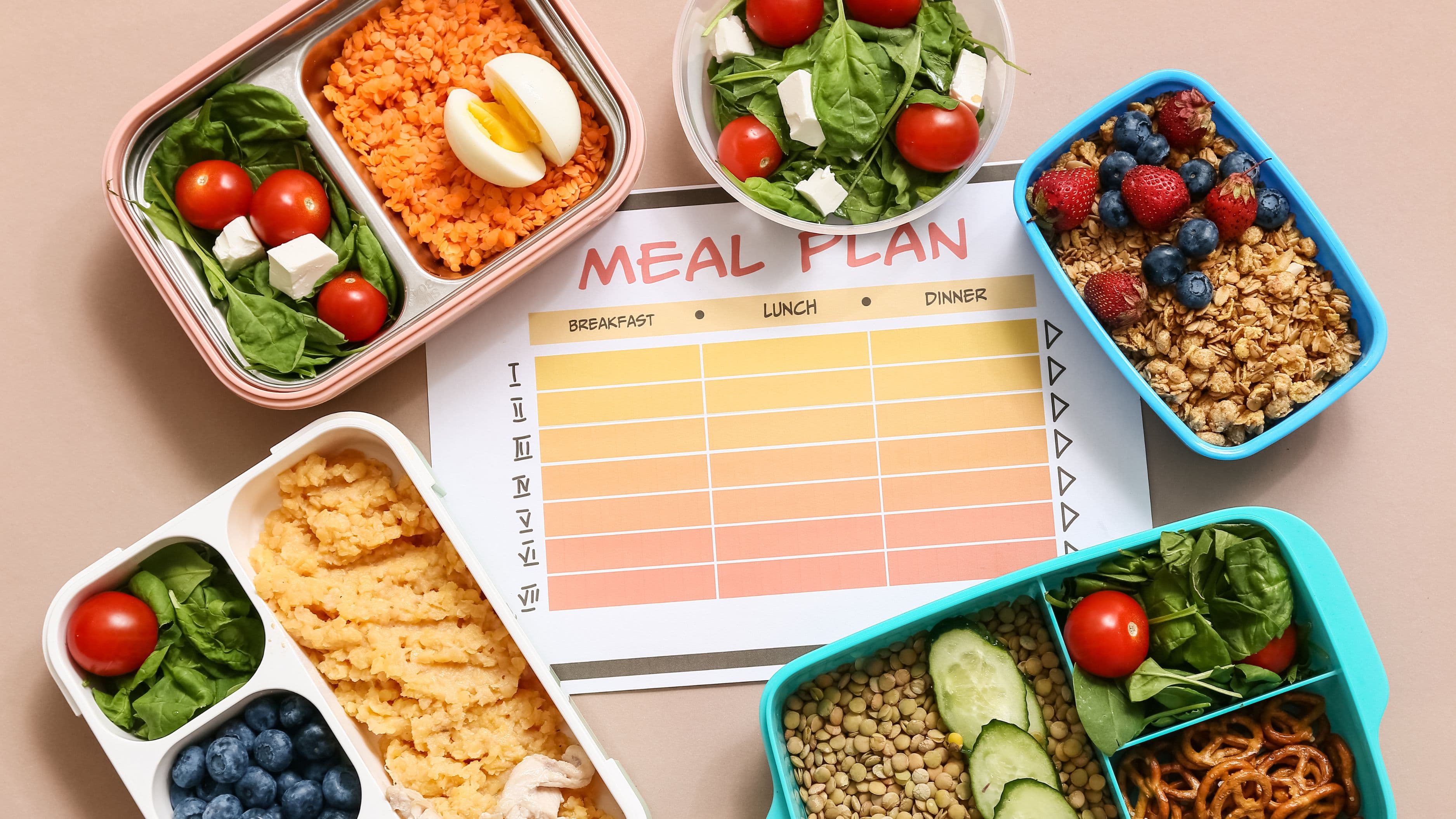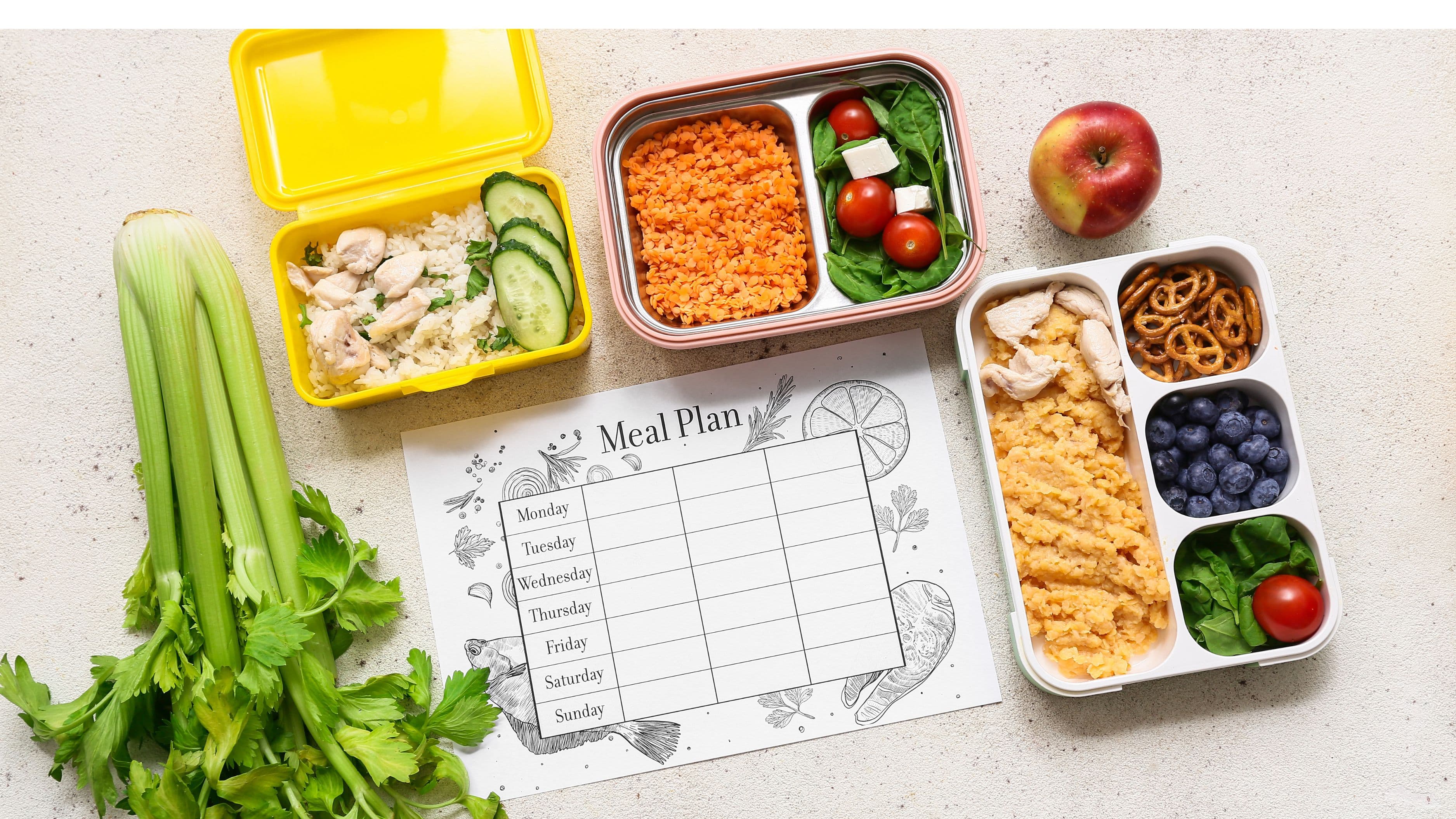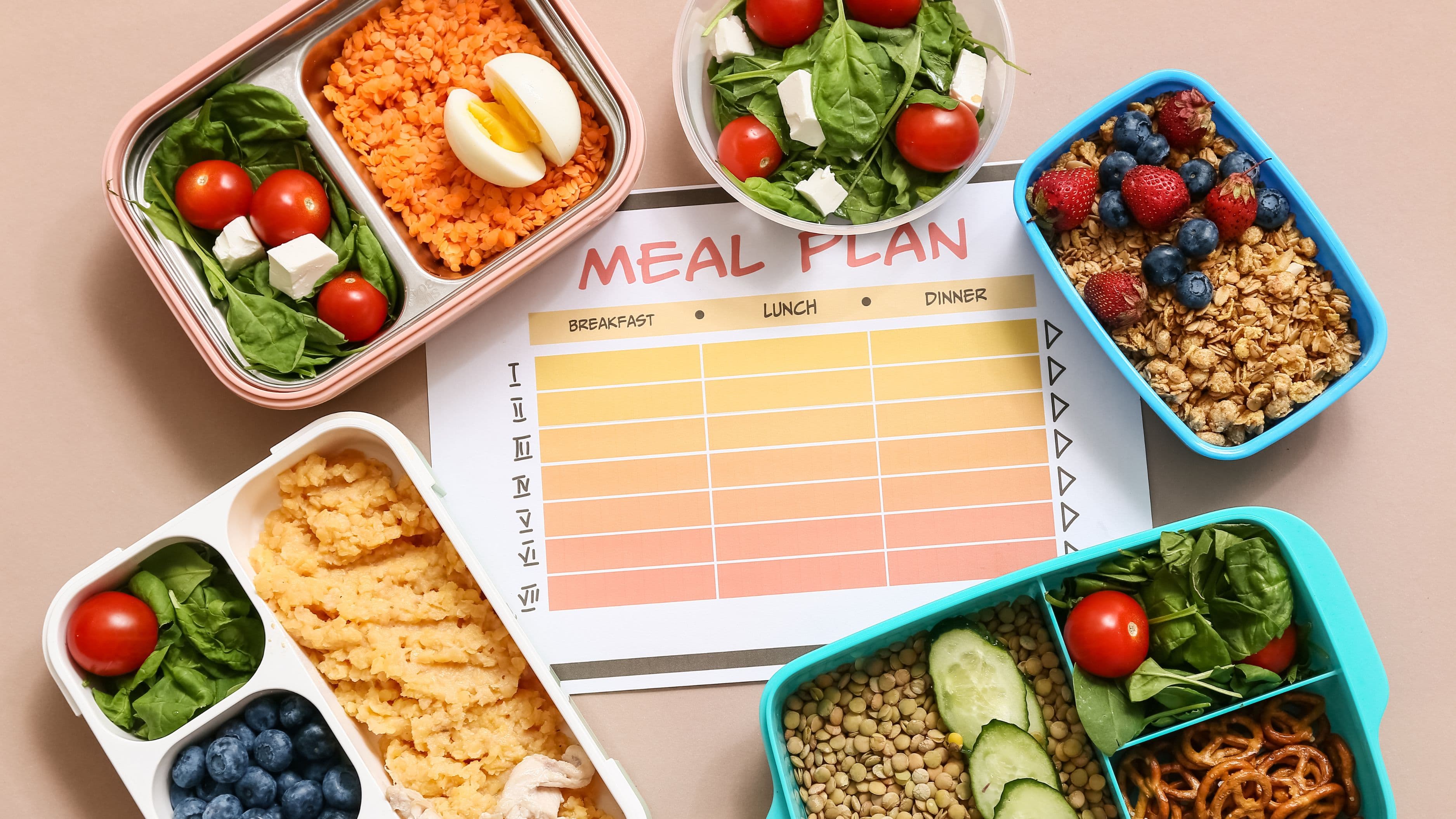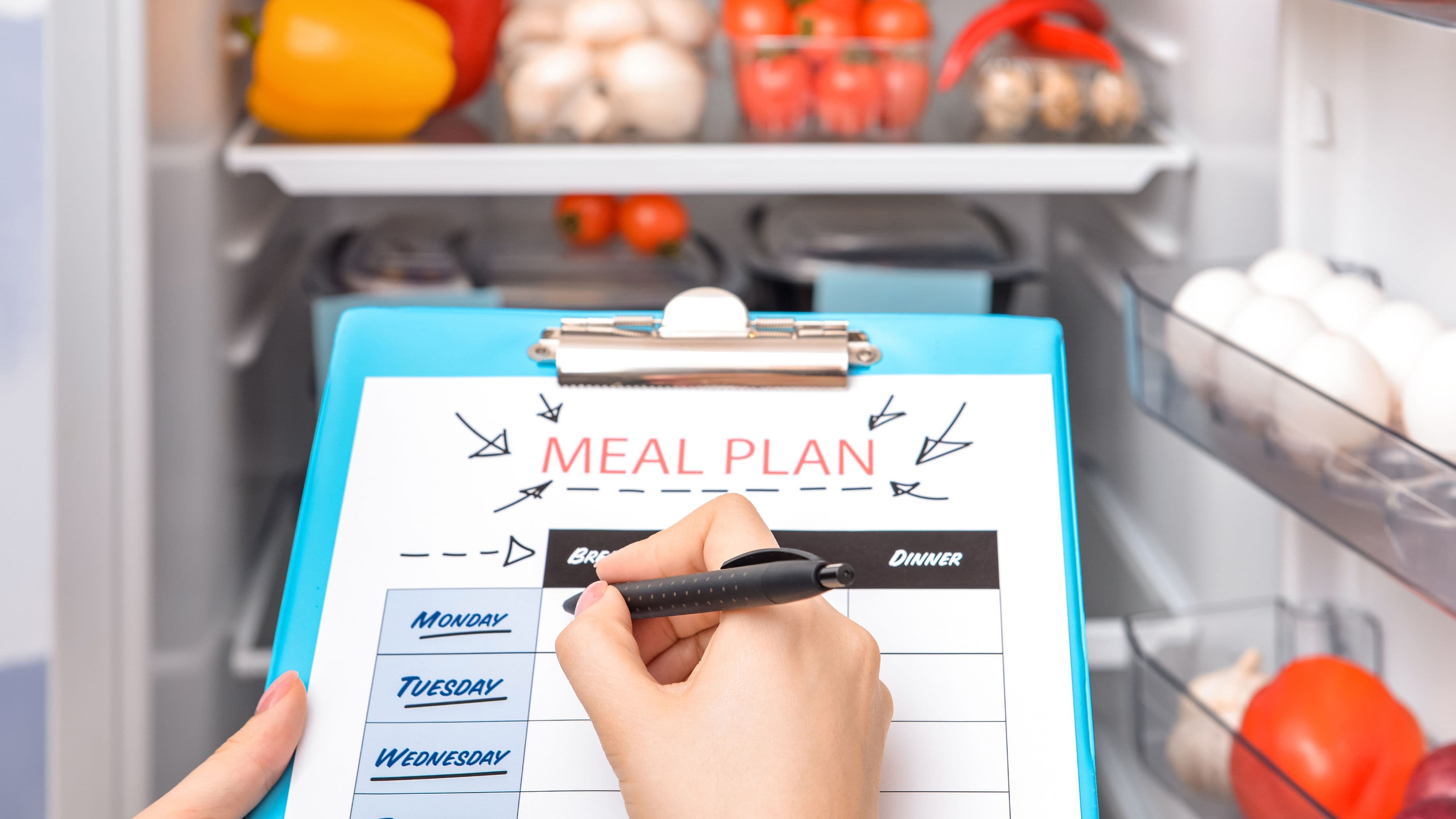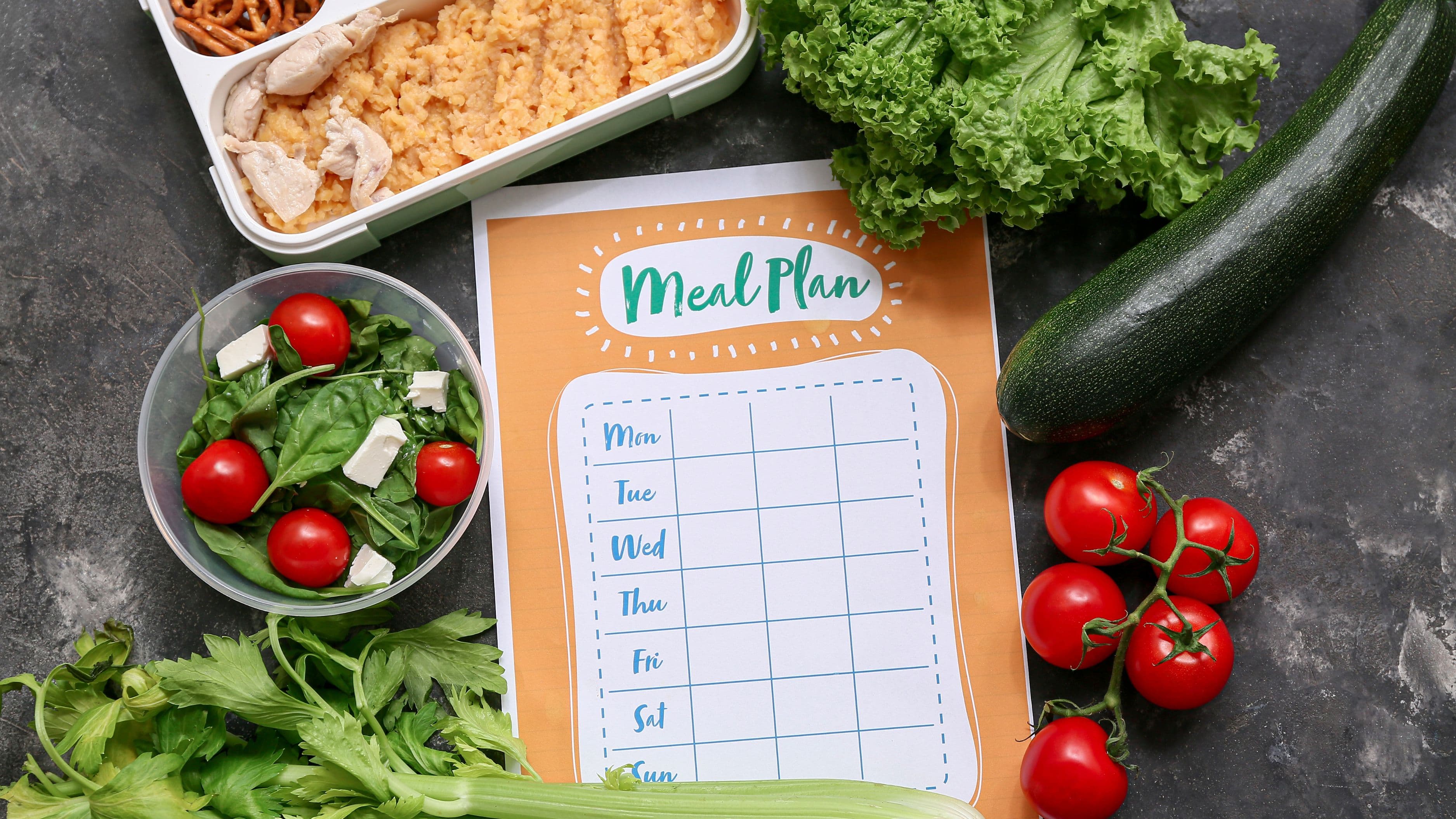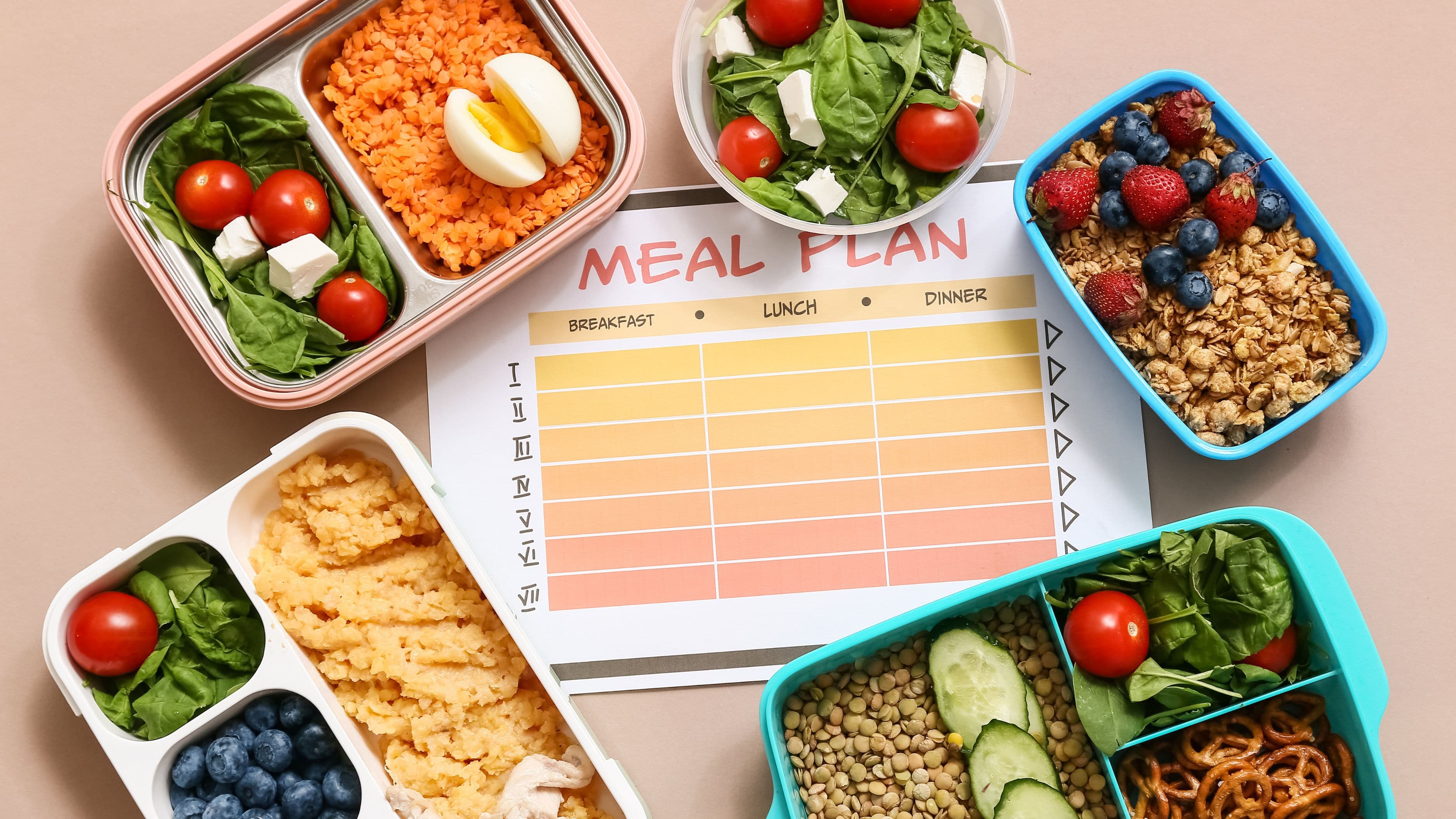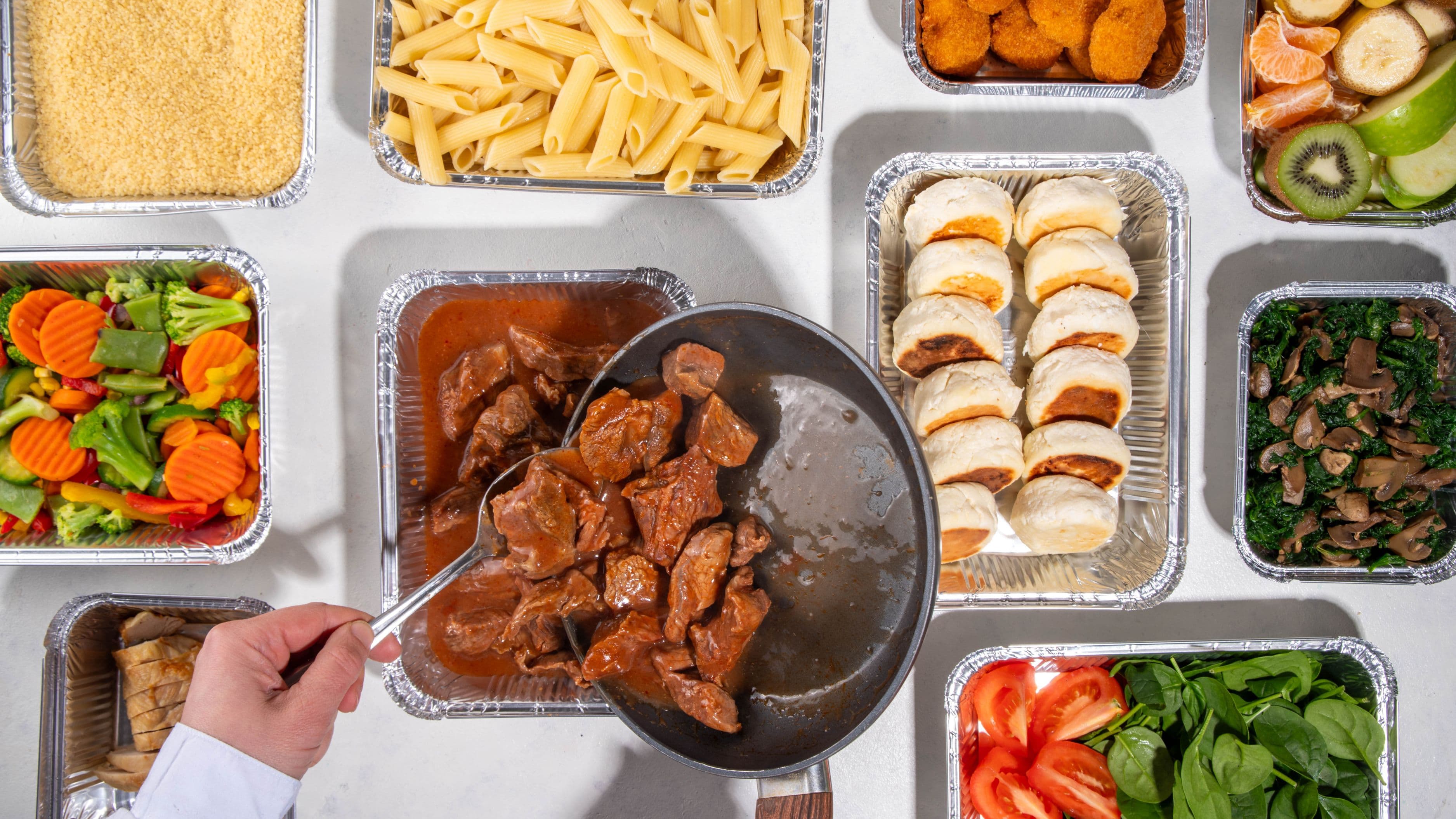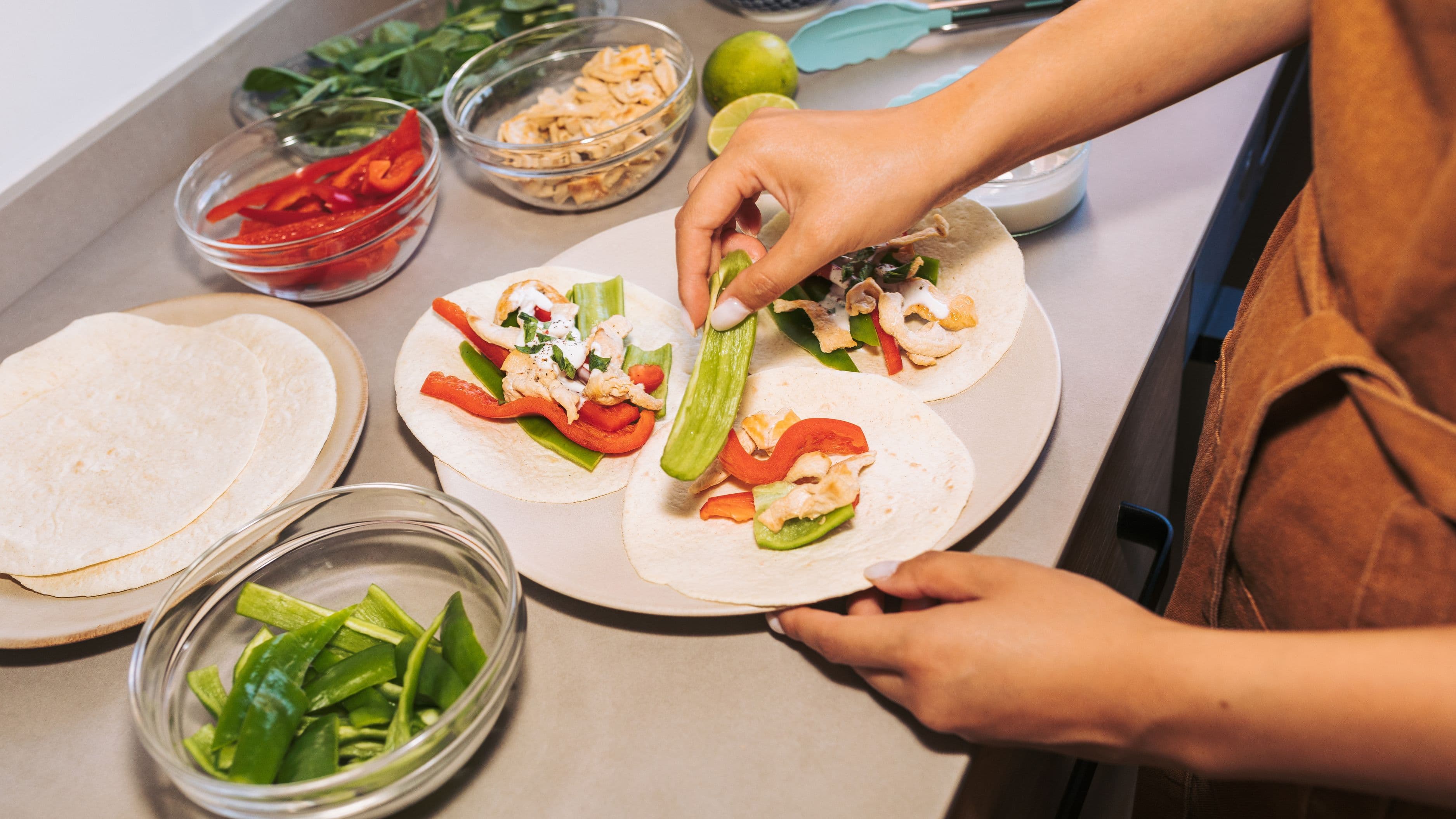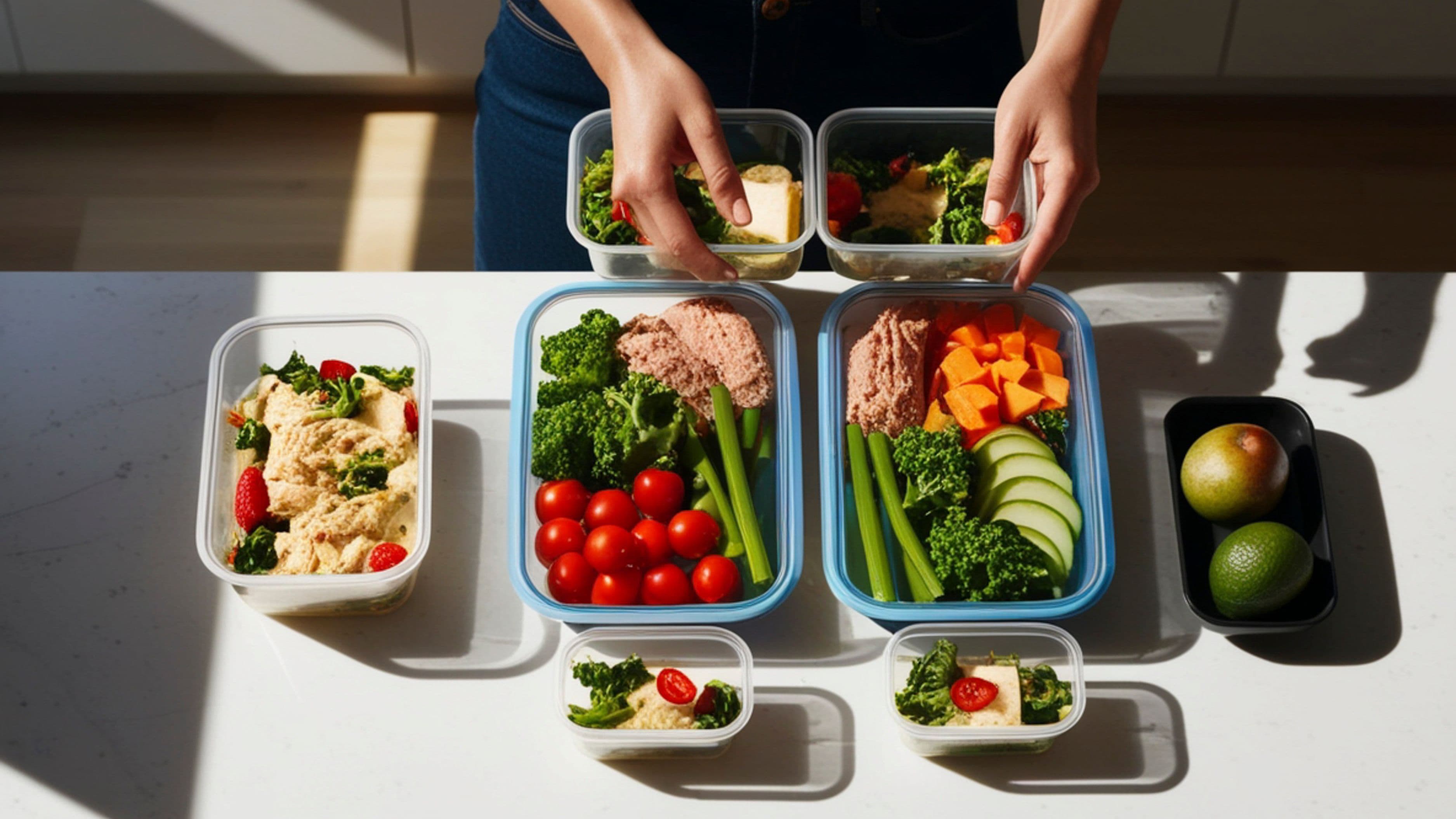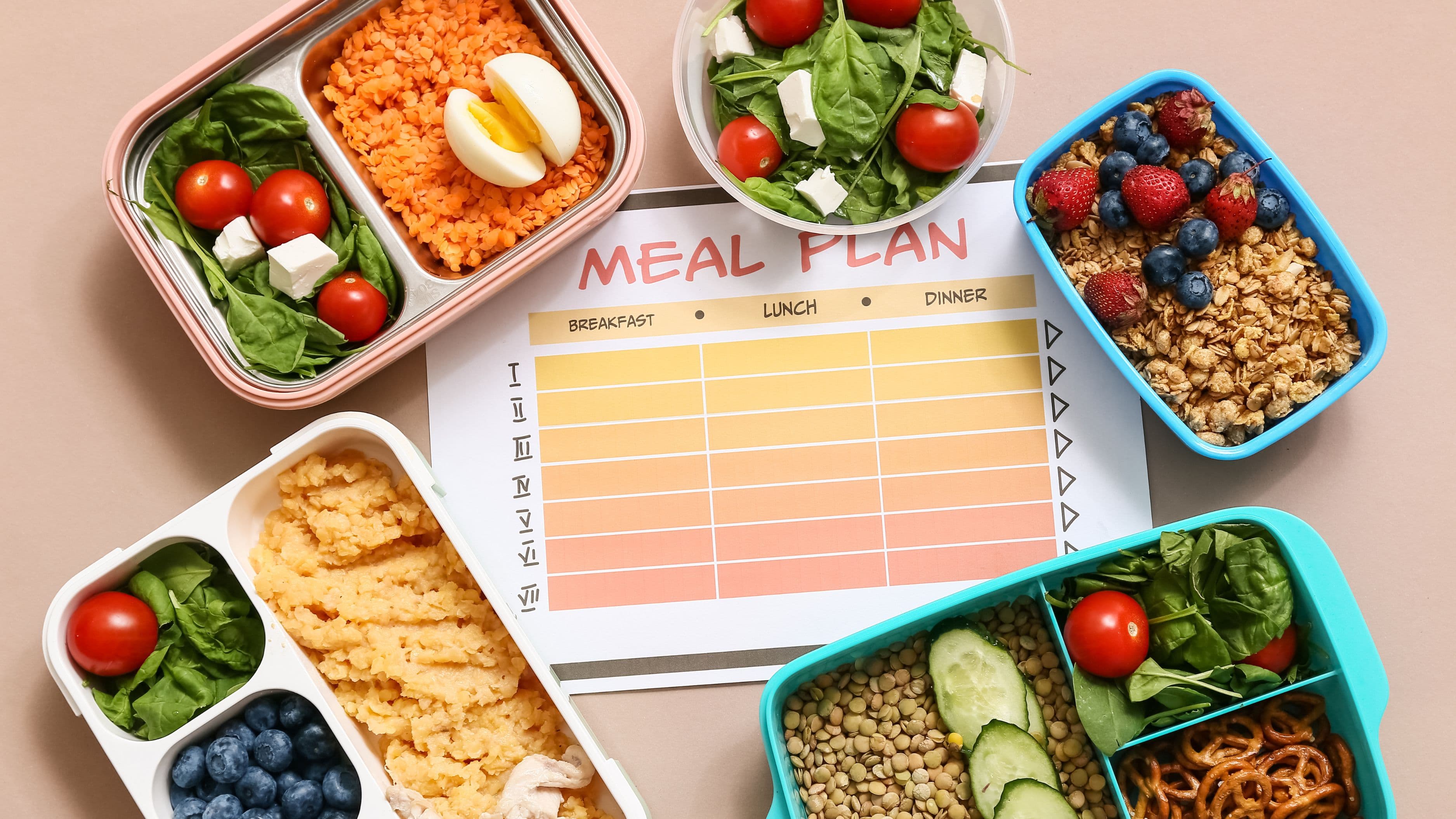

When we think about meal planning, many of us picture rigid spreadsheets and joyless containers of identical lunches lined up for the week. That's not what this is about. Real meal planning is less about control and more about liberation—freeing yourself from the constant mental chatter of "what's for dinner?" so you can focus on the things that actually matter to you.
1. You'll Stop Spending Mental Energy on Repeat Decisions
Every time you open your pantry without a plan, your brain has to work through the same exhausting process: scanning options, weighing preferences, considering nutrition, calculating time, and negotiating with yourself about effort versus desire. Decision fatigue is real, and it accumulates throughout the day. By the time evening rolls around, you've already burned through so much cognitive fuel that even a simple choice feels overwhelming.
Meal planning eliminates this daily drain by front-loading those decisions to a single, focused session. When you sit down once a week to map out your meals, you're making choices when your mind is fresh and clear. The rest of the week, you simply execute the plan—no deliberation required. Your brain gets to conserve its energy for creative projects, meaningful conversations, or simply being present with the people you love.
2. Your Grocery Trips Become Purposeful, Not Stressful
There's a special kind of anxiety that comes with wandering through a grocery store without direction. You second-guess every item, worry about forgetting something essential, and inevitably end up buying things you don't need while missing things you do. The average American makes 1.6 trips to the grocery store per week, but how many of those trips feel efficient or satisfying?
When you shop with a meal plan in hand, everything changes. You move through the aisles with confidence, ticking items off your list without the nagging voice asking "but what will I make with this?" You're not tempted by impulse purchases that will languish in your pantry. You know exactly what you need, and more importantly, you know why you need it. The trip becomes a quick, straightforward errand rather than an exhausting expedition into possibility.
3. You Actually Save Money Without Trying
Financial stress has a way of creeping into every corner of our lives, and food spending is often where it shows up most visibly. When you don't have a plan, you're vulnerable to expensive last-minute takeout orders, redundant grocery purchases, and the slow bleed of ingredients that spoil before you use them. The USDA estimates that American families waste about 31% of their food supply, which translates to roughly $1,500 per year for a family of four.
Meal planning naturally curbs this waste. You buy ingredients with specific purposes in mind, which means you're more likely to use everything you purchase. You can design meals that share ingredients, ensuring that bunch of cilantro gets used in both Tuesday's tacos and Friday's curry. When you know Wednesday's dinner is already prepped, you're less likely to cave to the convenience of expensive delivery. The mental relief of knowing you're not bleeding money on food creates a surprising sense of financial ease.
4. Cooking Becomes Creative Again, Not a Chore
It might seem counterintuitive, but constraints actually fuel creativity. When you plan your meals in advance, you give yourself permission to be intentional about variety and experimentation. You might dedicate Monday to trying that new Mediterranean recipe you've been eyeing, reserve Wednesday for comfort food classics, and designate Friday as "use up the leftovers" night.
Without a plan, cooking often devolves into making the same five safe recipes on repeat because you're too tired to think creatively. But when you've carved out planning time to browse recipes, draw inspiration from seasonal produce, or revisit a cuisine you love, cooking transforms back into an act of exploration. You're not scrambling to feed yourself; you're deliberately creating meals that excite you. That shift in mindset makes all the difference between viewing the kitchen as a burden and seeing it as a place of possibility.
5. You Eat Better Without the Pressure of Perfection
One of the most insidious effects of not having a meal plan is defaulting to whatever is easiest in the moment—which is rarely what makes us feel our best. We grab fast food, rely on processed snacks, or cobble together meals that leave us unsatisfied. Then we feel guilty about our choices, which creates a negative cycle of stress around food.
Meal planning removes you from this reactive pattern. When you plan ahead, you naturally consider balance and nutrition because you're thinking clearly, not desperately. You can ensure your week includes plenty of vegetables, diverse proteins, and meals that genuinely nourish you. But here's the key: you can also plan for pizza night or your favorite indulgent pasta without guilt, because it's an intentional choice rather than a defeat. This approach to eating feels sustainable because it honors both your nutritional needs and your desire for pleasure.
6. Your Evenings Open Up for What Actually Matters
Think about how much time you spend each evening figuring out dinner: browsing delivery apps, debating options with your household, waiting for food to arrive, or standing in the kitchen improvising a meal. Even if the cooking itself only takes 30 minutes, the mental load surrounding it can consume your entire evening.
When dinner is already decided, prepped, or even partially cooked, you reclaim those hours. Maybe you spend them on a hobby you've been neglecting, take a walk while something simmers, or simply sit down to a meal without arriving at the table already exhausted. The gift of meal planning isn't just about the food—it's about creating space in your life for presence and rest. You're not constantly managing the next meal; you're living beyond it.
7. You Reduce Daily Anxiety by Eliminating Uncertainty
Uncertainty is one of the most reliable generators of low-grade anxiety. When you don't know what you're making for dinner, that uncertainty hums quietly in the background of your day, occasionally surfacing as a spike of stress. It's one more open loop your brain has to track, one more problem waiting to be solved.
Closing that loop through planning brings an unexpected calm. You wake up knowing tonight is the night for that sheet pan chicken with roasted vegetables. There's no looming question mark, no decision waiting to ambush you when you're tired. This might sound like a small thing, but our nervous systems are exquisitely sensitive to these tiny sources of stress. Eliminating even one persistent uncertainty can create a noticeable shift in your overall sense of ease and control.
The irony of meal planning is that it requires you to think more deliberately about food so that you can think about it less in your daily life. It's an upfront investment that pays dividends in mental clarity, reduced stress, and more intentional living. You're not restricting your freedom—you're designing the conditions for it.
So maybe the question isn't whether you have time to plan your meals, but whether you can afford not to. What would you do with all that recovered mental energy if you weren't spending it on endless food decisions? What could open up in your life if dinner wasn't a nightly negotiation? The answers might surprise you, but you'll have to plan a few meals to find out.
📚 Sources
Wansink, B., & Sobal, J. (2007). Mindless Eating: The 200 Daily Food Decisions We Overlook. Environment and Behavior, 39(1), 106-123.
United States Department of Agriculture. (2022). Food Waste Statistics and Facts. USDA Economic Research Service.