Myth: All Extra Virgin Olive Oil is High Quality
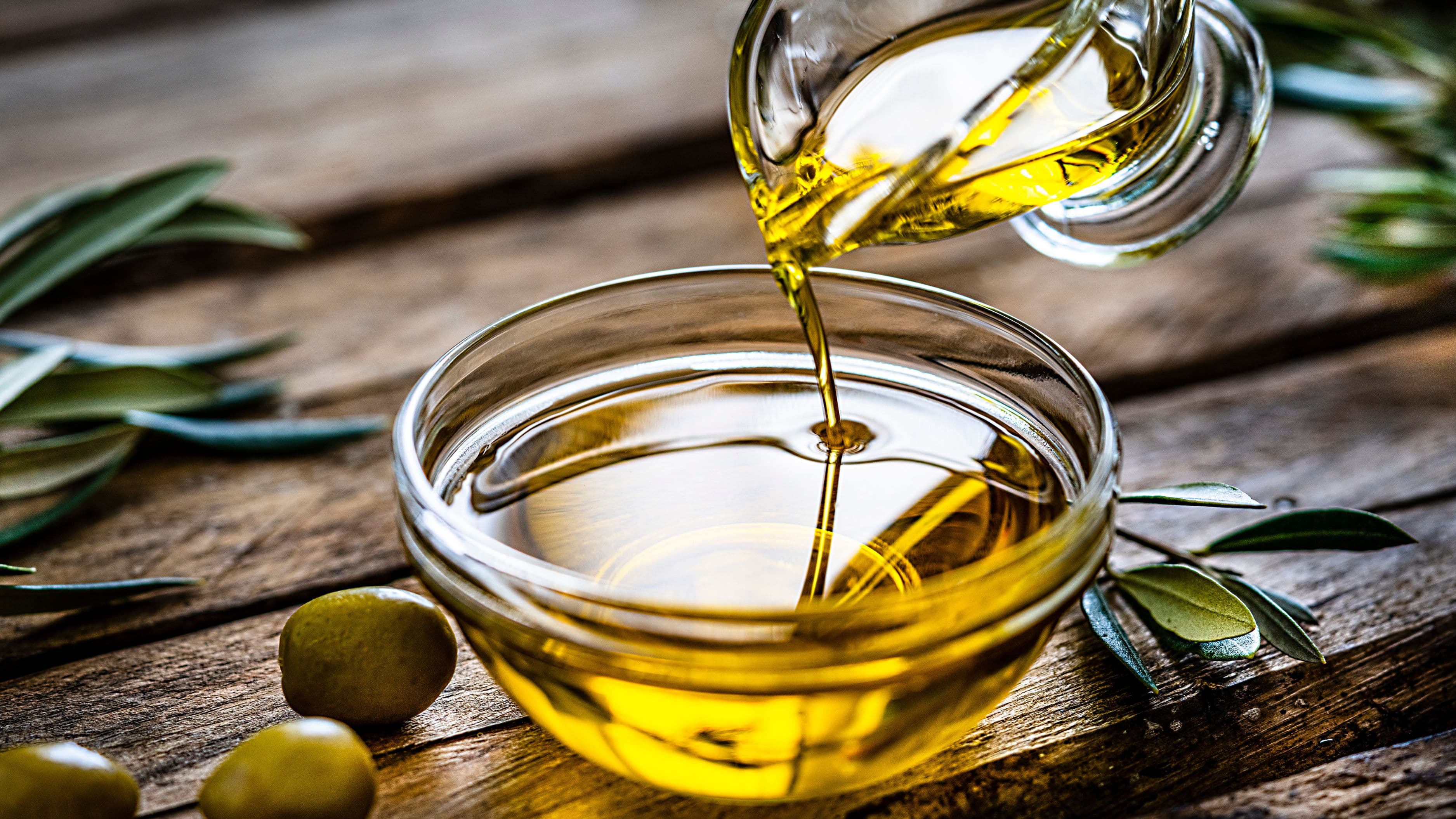
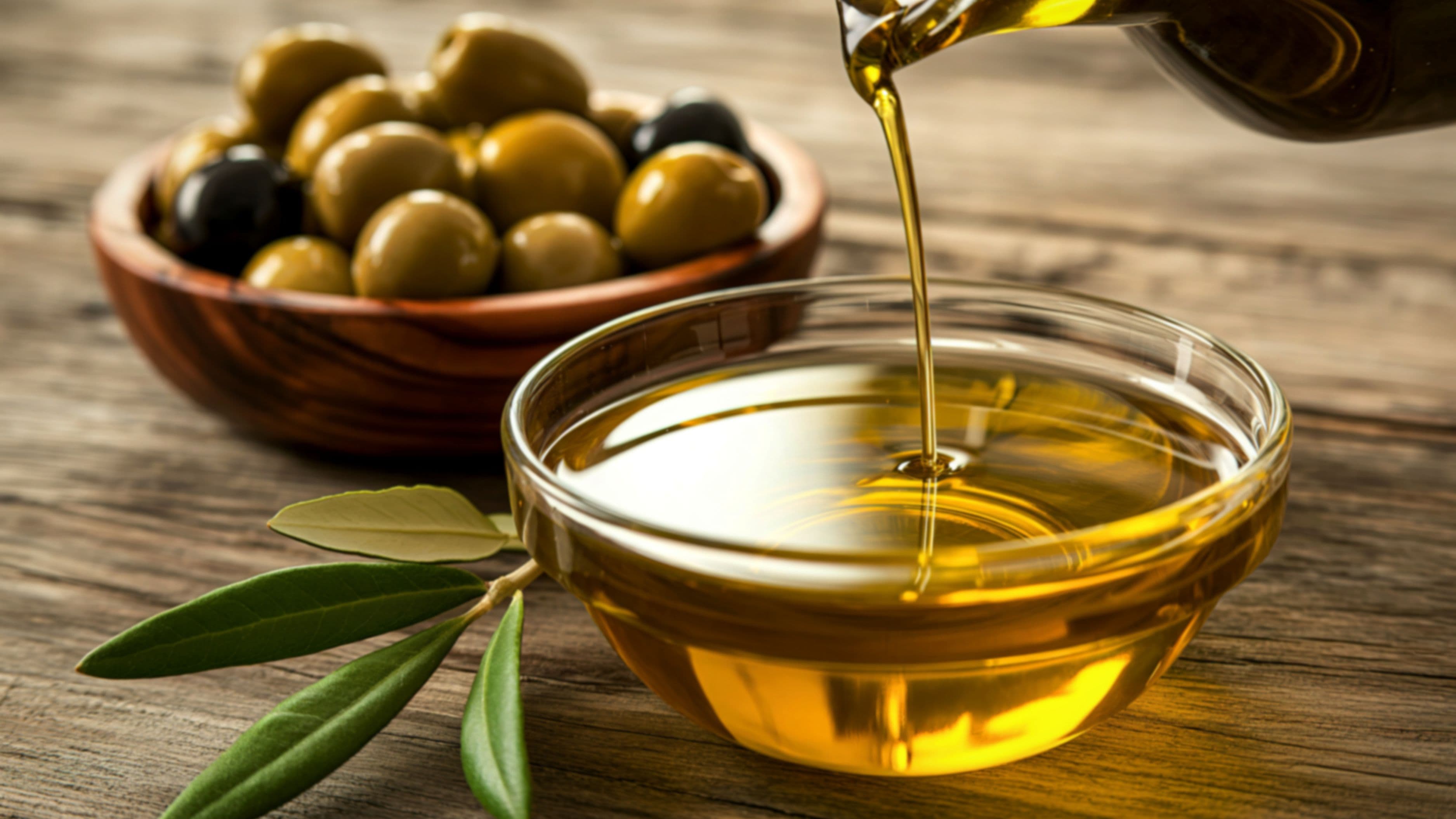
Truth: "Extra Virgin" is barely regulated and frequently fraudulent. Studies estimate that up to 69% of imported extra virgin olive oil in U.S. stores fails to meet international standards, according to research from the UC Davis Olive Center. That fancy Italian bottle might contain refined oils mixed with a touch of real olive oil, or oil from multiple countries that never saw Italy except during the bottling process. The "extra virgin" designation technically means the oil comes from the first pressing and contains less than 0.8% acidity, but without rigorous testing and enforcement, it's essentially an honor system that dishonest producers regularly exploit.
Look for specific certifications beyond just "extra virgin"—seals from the California Olive Oil Council (COOC), the Australian Olive Association, or PDO/PGI designations from Europe indicate third-party testing. Check for harvest dates rather than just "best by" dates, since fresh olive oil should be consumed within 18-24 months of harvest. If the bottle doesn't tell you where the olives were grown (not just bottled) or when they were pressed, you're probably holding mediocre oil with excellent marketing.
Myth: You Shouldn't Cook with Expensive Olive Oil
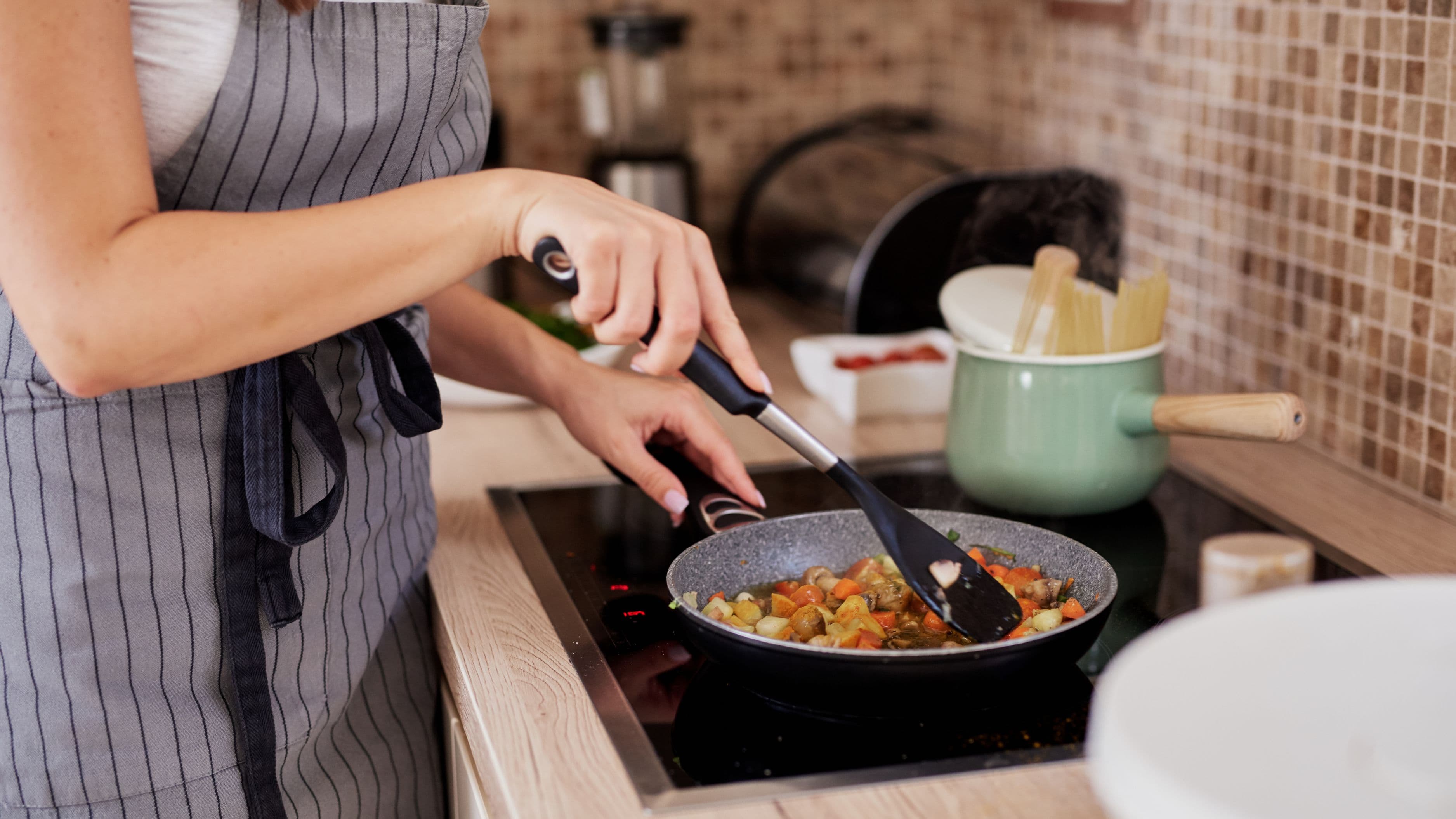
Truth: High-quality olive oil is more stable at high heat than you think. The persistent belief that extra virgin olive oil has a low smoke point and shouldn't be used for cooking is outdated and incomplete. Quality EVOO typically has a smoke point between 350-410°F, making it perfectly suitable for most sautéing, roasting, and even shallow frying. The presence of antioxidants and polyphenols in real extra virgin oil actually helps it resist oxidation and breakdown at high temperatures better than many refined oils.
The real wisdom isn't "never cook with good olive oil"—it's "use the right oil for the job." Save your most expensive, intensely flavored oils for finishing dishes where you'll taste their fruity, peppery, or grassy notes. Use your mid-range extra virgin for everyday cooking where heat will mellow its flavors anyway. This approach maximizes both your budget and your taste experience without following arbitrary rules that waste money or sacrifice flavor.
Myth: Light or Pure Olive Oil is a Healthier Option
Truth: "Light" olive oil is just refined oil with minimal olive character. The word "light" refers to flavor and color, not calories or health benefits. These oils have been chemically processed and stripped of the polyphenols, antioxidants, and flavor compounds that make extra virgin olive oil valuable. What you're left with is essentially neutral-tasting fat that costs more than canola oil but delivers fewer health benefits than real extra virgin.
If you want a neutral cooking oil, buy neutral cooking oil and save your money. If you want olive oil's health benefits—those famous anti-inflammatory compounds and heart-healthy fats—you need the unrefined stuff with its bitter, pungent flavors intact. Those flavors you might find too strong? They're chemical signatures of the polyphenols that researchers associate with olive oil's health benefits. Refining them away defeats the entire purpose of choosing olive oil in the first place.
Myth: Olive Oil from Italy is Always Best
Truth: Origin matters less than production methods and freshness. Italy certainly produces exceptional olive oil, but it also imports massive quantities of oil from Spain, Greece, Tunisia, and Turkey, then bottles it as "Product of Italy." That romantic Tuscan landscape on your bottle might have nothing to do with where the olives actually grew. Meanwhile, California, Chile, Australia, and Greece produce world-class oils that often beat Italian competitors in blind tastings but get overlooked due to branding bias.
Focus on producers rather than countries. Small estates that grow, press, and bottle their own olives typically produce better oil than large commercial operations that blend oils from multiple sources. Look for single-origin designations, specific farm or mill names, and transparent labeling about olive varieties. A $15 bottle from a reputable California producer will often surpass a $30 bottle with vague Italian marketing and no verifiable sourcing information.
Myth: Darker Bottles Always Mean Better Quality
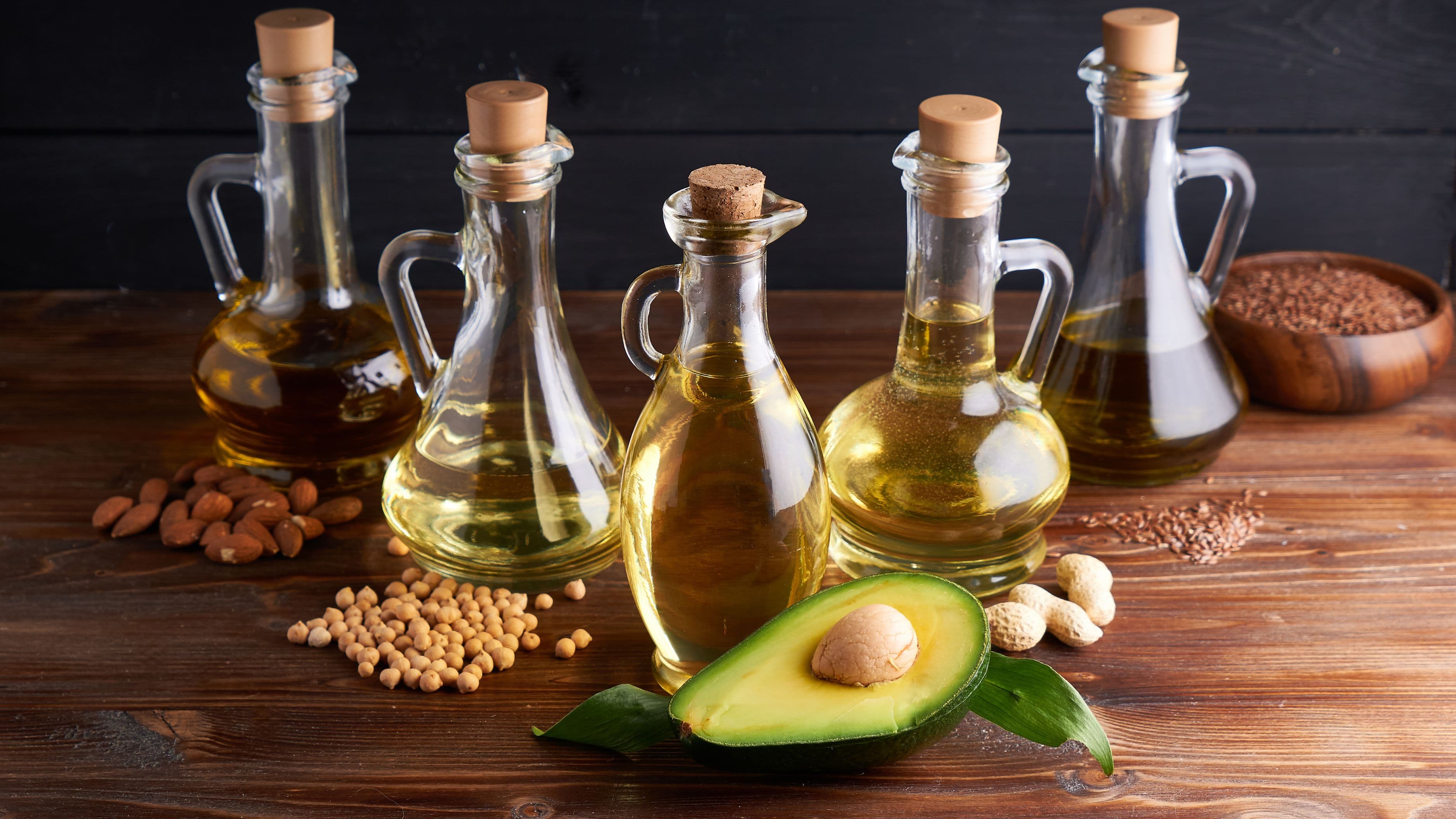
Truth: Dark bottles protect oil but don't guarantee what's inside. Light exposure degrades olive oil, so quality producers use dark glass or tin containers to preserve freshness. However, deceptive brands have caught on and now package mediocre oil in dark bottles to create the appearance of premium quality. The packaging tells you the producer understands storage principles, but reveals nothing about the oil's actual quality, freshness, or authenticity.
What actually matters is what happens before the oil reaches that dark bottle. Olives should be pressed within hours of harvest, not days. Oil should be stored in temperature-controlled facilities, not sitting in warehouses through summer heat. Transport conditions, storage duration, and handling practices affect quality far more than final packaging. A clear glass bottle of fresh oil from a careful producer beats ancient oil in fancy packaging every time.
Myth: One Bottle Works for Everything
Truth: Different olive oils serve different purposes. Delicate oils with subtle flavors get lost in hearty stews or high-heat cooking. Robust, peppery oils overwhelm delicate fish or light salads. Serious cooks keep multiple bottles for different applications: a mild, fruity oil for baking and delicate dishes; a medium-intensity oil for everyday cooking; and an assertive, pungent oil for finishing bold dishes where you want that aggressive olive presence.
Think of olive oil like wine—you wouldn't use your best vintage in cooking and you wouldn't serve cooking wine to dinner guests. Building a small olive oil collection based on intensity and application makes you a more versatile cook while ensuring you're not wasting expensive oil where it won't be appreciated. Start with two bottles: one affordable workhorse for cooking, one special bottle for drizzling and finishing. Expand from there as you discover which flavors you prefer for specific dishes.
Myth: Bitter or Peppery Oil is Rancid
Truth: Bitterness and pepperiness indicate high-quality, fresh oil. That throat-catching sensation when you taste good olive oil—that cough-inducing peppery bite—comes from oleocanthal, a powerful anti-inflammatory compound found in fresh, quality oil. Bitterness signals the presence of polyphenols and antioxidants. These "defects" that many Americans mistake for rancidity are actually markers of the real thing, the qualities that professionals judge favorably in competitions.
Rancid oil actually tastes flat, greasy, and sometimes waxy or like crayons—nothing like the aggressive, vibrant flavors of fresh oil. Americans raised on bland, refined oils often find authentic extra virgin too intense initially, then learn to appreciate those bold flavors as signs of quality. If your olive oil tastes like nothing, it probably is nothing. Real olive oil should taste alive—fruity, grassy, peppery, sometimes bitter—not neutral and inoffensive.
Myth: Olive Oil Lasts Forever in Your Pantry
Truth: Olive oil is fresh produce with a limited shelf life. Unlike wine, olive oil doesn't improve with age. From the moment olives are pressed, oxidation begins degrading flavor and nutrients. Most olive oil peaks within 6-12 months of harvest and becomes noticeably declined by 18 months. That bottle you've had for three years? It's cooking oil at best, rancid fat at worst, definitely not delivering any of olive oil's celebrated benefits.
Buy smaller bottles that you'll finish within a few months rather than giant jugs that languish in your pantry. Store oil away from heat and light—not next to your stove where it looks convenient. Check harvest dates when buying and prioritize recently pressed oil over discounted bottles from last year's harvest. Treat olive oil like you'd treat fresh herbs or citrus: valuable when fresh, disappointing when old, and definitely worth replacing regularly rather than hoarding indefinitely.
Myth: Cold-Pressed Means Higher Quality
Truth: Nearly all extra virgin olive oil is cold-pressed by default. This term appears on labels as a quality indicator, but it's essentially redundant. To qualify as extra virgin, oil must be extracted mechanically without heat or chemicals—that's literally the definition. Producers slap "cold-pressed" on labels because it sounds premium, but it distinguishes their product from exactly nothing since all EVOO meets this standard already.
What actually matters is how quickly olives reach the press after harvest, what temperature the oil reaches during extraction (lower is better, ideally below 80°F), and how the oil is stored afterward. These details rarely appear on labels because they require transparency that many producers avoid. Instead of responding to marketing buzzwords like "cold-pressed" or "first cold press," look for substantive information: harvest date, olive variety, specific origin, and third-party quality certifications that verify claims through testing.
Myth: Olive Oil Can't Be Used for Baking
Truth: Olive oil creates incredible baked goods with unique character. Mediterranean cuisines have used olive oil in cakes, breads, and pastries for centuries, creating desserts with subtle fruitiness and remarkable moisture. Olive oil's fat structure makes exceptionally tender cakes and keeps baked goods fresh longer than butter-based recipes. The key is choosing mild olive oil for delicate sweets and embracing bolder oils for rustic breads and savory baked goods where their flavor adds complexity.
Substitute olive oil for butter or vegetable oil in most recipes using a 3:4 ratio (use 3 tablespoons oil for every 4 tablespoons butter). The results won't taste identical to butter-based versions, but they'll develop their own character—often more interesting and complex. Olive oil chocolate cake, olive oil citrus cakes, and focaccia represent just the beginning of what's possible when you stop treating olive oil as exclusively savory. Experiment with different intensity levels to discover which oil profiles complement your favorite baked goods.
Myth: Price Directly Correlates with Quality
Truth: Expensive doesn't guarantee authentic, and bargains exist. Some pricey bottles justify their cost through careful production, traceable sourcing, and genuine quality. Others charge premium prices for attractive packaging and compelling marketing while containing mediocre oil. Meanwhile, some affordable bottles from reputable producers offer excellent value, particularly oils from Spain or California where production costs run lower than in fashionable Italian regions.
Educate your palate by tasting oils at different price points from certified producers. You'll discover that the $25 bottle doesn't always taste better than the $15 option, and that brand recognition matters less than production transparency. Join an olive oil tasting group, visit specialty stores that offer samples, or buy several small bottles to compare directly. Once you know what quality tastes like, you can spot genuine articles at any price point and avoid expensive frauds that rely on consumer ignorance.
Let go of olive oil confusion—and start making choices based on freshness, transparency, and intended use rather than romantic labels and marketing mystique. The industry thrives on consumer confusion, banking on your assumption that Italian names and dark bottles automatically signal quality. But you're smarter than that now. You know to check harvest dates, demand specific origins, taste for those bitter and peppery notes that signal authenticity, and match your oil intensity to your cooking application. Stop overpaying for fraudulent imports and start seeking out transparent producers who treat olive oil as the agricultural product it is—fresh, seasonal, and variable—rather than a shelf-stable commodity with indefinite life. Your cooking, your health, and your wallet will all benefit from seeing through the industry's beautiful lies and embracing the simple truth: good olive oil should taste alive, tell you where it came from, and enhance your food without costing a fortune. Anything else is just expensive marketing in a pretty bottle.
📚 Sources
Selina Wang, et al. (2010). "Assessment of Chemical Quality of Extra Virgin Olive Oil Sold in California." UC Davis Olive Center Report.