Myth: Onions Are Just Filler Vegetables
Truth: Onions are flavor architects that transform during cooking.
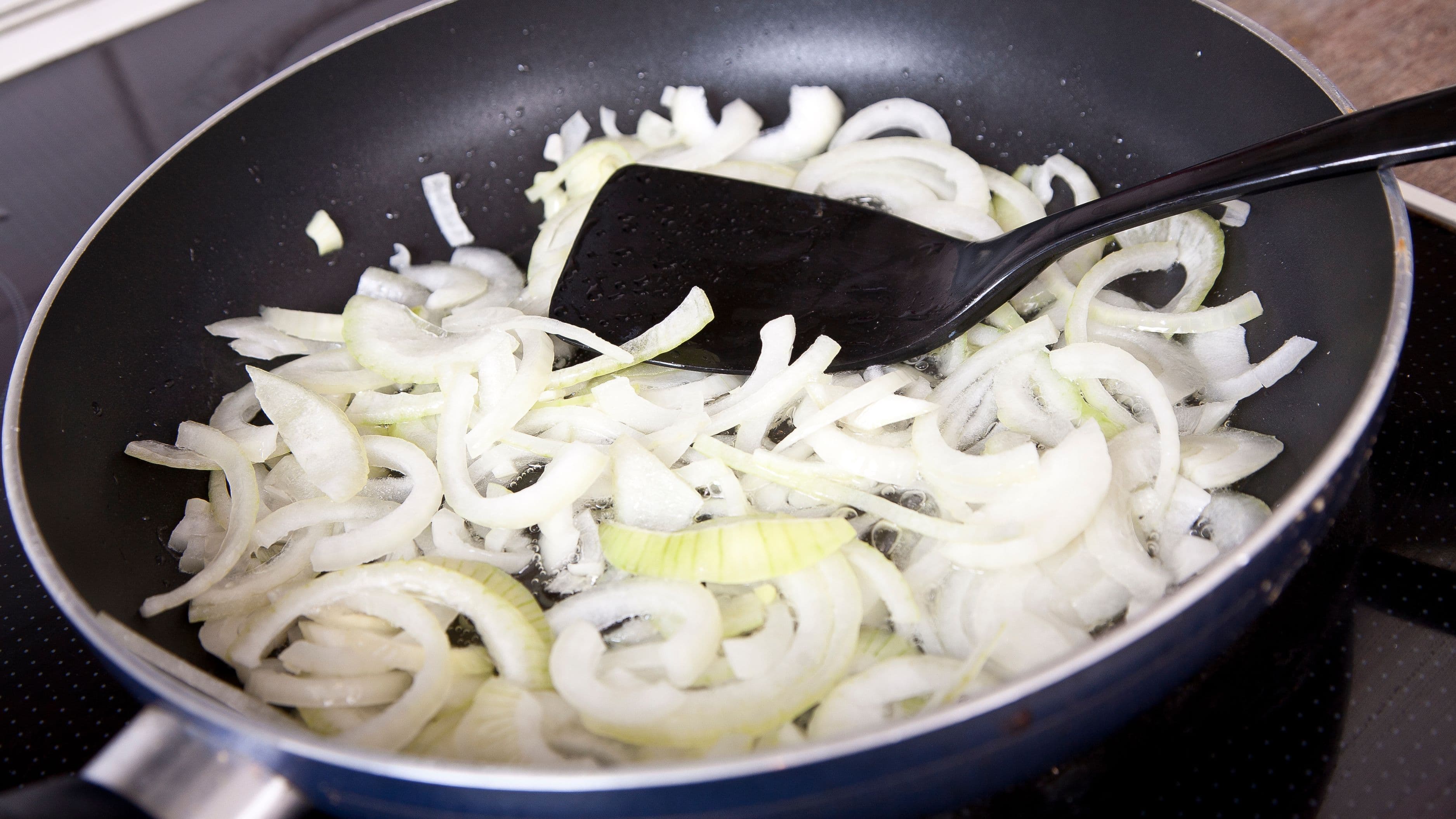
Raw onions taste sharp, pungent, and aggressive—hardly the profile of something you'd want dominating your dish. But here's what most home cooks don't realize: onions contain complex sugars and sulfur compounds that undergo dramatic chemical transformations when exposed to heat. As onions cook, their cell walls break down, releasing sugars that caramelize into rich sweetness while harsh sulfur compounds mellow into savory depth. This dual transformation—from sharp to sweet, from aggressive to gentle—creates a flavor foundation that enhances everything around it without overwhelming the dish. Professional chefs know this instinctively, which is why nearly every savory preparation in a restaurant kitchen starts with onions hitting hot fat, that sizzling sound marking the beginning of flavor development that cheaper shortcuts simply can't replicate.
Myth: You Can Skip Onions Without Consequence
Truth: Removing onions leaves a flavor void that's nearly impossible to fill.
Try making marinara sauce, curry, stew, or stir-fry without onions and you'll immediately notice something's missing—a certain depth and roundness that makes food taste complete. Onions provide what food scientists call "umami-adjacent" savory notes that bridge the gap between individual ingredients, making disparate components taste like they belong together. They also contribute moisture that helps other ingredients cook evenly and develop fond (those brown bits) that become the base of sauces and gravies. Without onions, dishes taste flat and one-dimensional, each ingredient announcing itself separately rather than harmonizing into something greater. This is why even cuisines that don't traditionally use onions heavily—like some Scandinavian or Northern Chinese preparations—still incorporate onion family members like leeks, shallots, or scallions to achieve similar structural support.
Myth: All Onions Are Basically the Same
Truth: Different onion varieties serve completely different culinary purposes.
Yellow onions offer assertive flavor and high sugar content that makes them perfect for caramelizing and long-cooked dishes. White onions have sharper bite and crisper texture, which is why Mexican cuisine favors them for salsas and ceviche where you want pronounced onion presence. Red onions bring mild sweetness and visual appeal, making them ideal for raw applications like salads and sandwiches where their purple hue adds color. Sweet onions like Vidalia or Walla Walla contain more water and sugar, which means they're perfect for eating raw but turn mushy in long-cooked applications. Shallots provide delicate, almost garlicky complexity that French cuisine exploits in vinaigrettes and refined sauces. Understanding these distinctions separates cooks who follow recipes blindly from those who choose ingredients intentionally based on desired outcomes.
Myth: Crying While Cutting Onions Is Unavoidable
Truth: Tears come from improper technique and dull knives, not onion destiny.
When you cut into an onion, you rupture cell walls that release an enzyme called alliinase, which converts sulfur compounds into syn-propanethial-S-oxide—the volatile gas that irritates your eyes and triggers tears. However, this reaction accelerates with crushing and bruising, which happens when you use dull knives that mash cells instead of cleanly slicing them. Sharp knives minimize cell damage and therefore minimize tear-inducing gas release, which is why professional cooks with razor-sharp blades rarely cry while prepping onions. Chilling onions before cutting also slows the enzymatic reaction, and cutting near running water or a lit candle can capture airborne irritants before they reach your eyes. The tears aren't inevitable—they're feedback that your technique or tools need improvement.
Myth: The Holy Trinity Is Just French Cooking
Truth: Every cuisine has an aromatic base where onions play the lead role.
French cuisine calls it mirepoix: onions, carrots, and celery. Cajun and Creole cooking refer to the holy trinity: onions, celery, and bell peppers. Spanish sofrito combines onions, tomatoes, and garlic. Italian soffritto uses onions, carrots, and celery like the French but applies it differently. Chinese cooking builds on onions, ginger, and garlic. Latin American dishes often start with onions, peppers, and tomatoes. Notice the pattern? Onions appear in virtually every aromatic base across global cuisines because they provide the fundamental layer upon which regional flavors build. The vegetables that accompany onions change based on what grows locally and what flavor profiles the culture prefers, but onions themselves remain constant—the universal language of flavor foundation that transcends borders and traditions.
Myth: Caramelized Onions Take 10 Minutes
Truth: Real caramelization requires 45 minutes minimum, and shortcuts taste noticeably different.
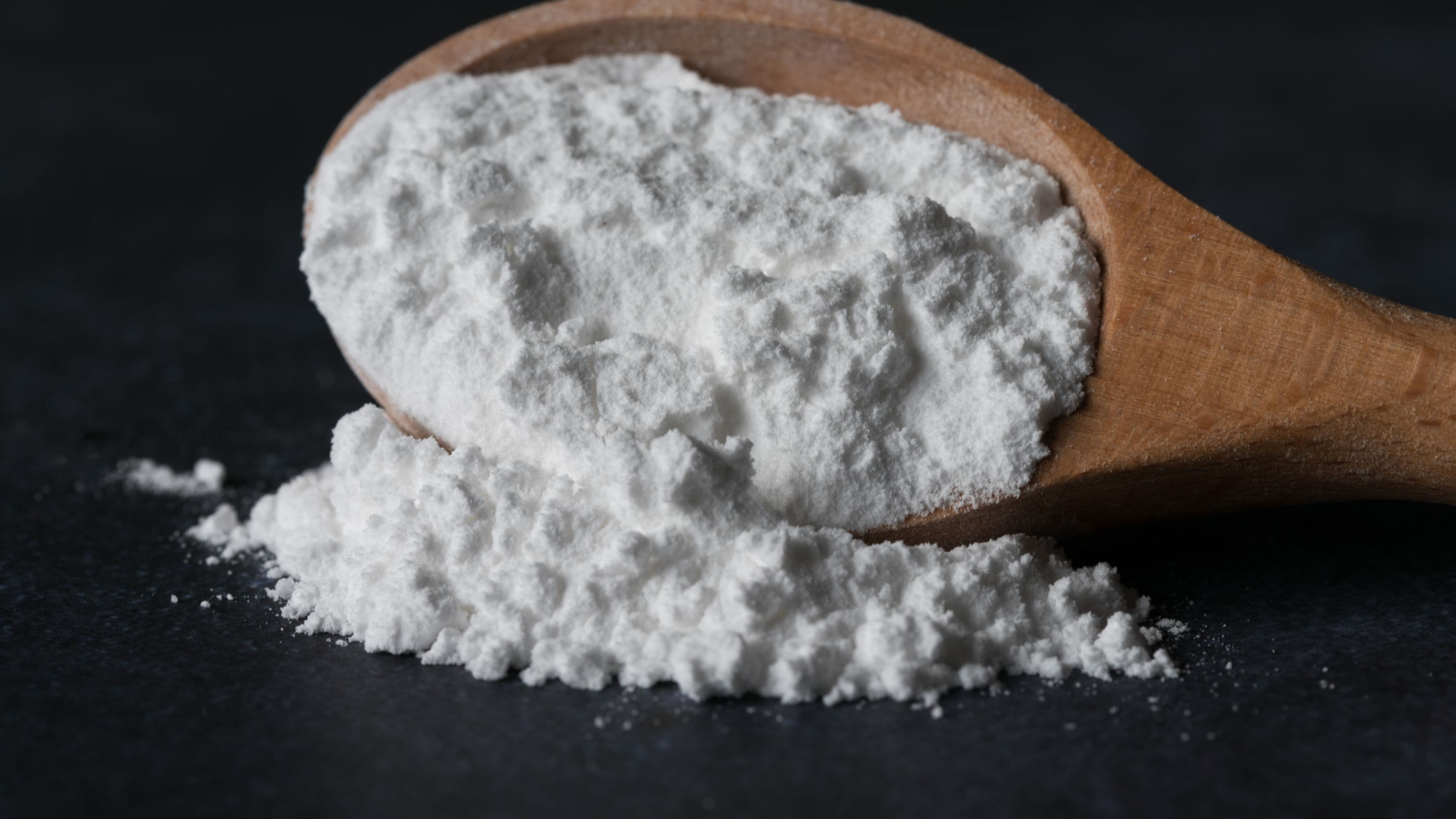
This might be the most widespread cooking lie on the internet. Recipes routinely claim you can caramelize onions in 10 or 15 minutes, but what they're actually describing is sautéed or softened onions, not truly caramelized ones. True caramelization—the Maillard reaction and sugar breakdown that creates deep amber color and complex sweet-savory flavor—requires sustained moderate heat over extended time, typically 45 minutes to an hour for a large batch. Rushing this process with high heat just burns the outside while leaving the inside raw, or worse, you add sugar or baking soda to speed things up, which creates artificially sweet onions that lack the nuanced complexity of proper slow caramelization. The time investment isn't optional; it's chemistry. Once you taste genuinely caramelized onions—dark golden, jammy, intensely sweet and savory—you'll understand why they command premium prices at restaurants and why shortcuts always disappoint in comparison.
Myth: Raw Onions Are Too Harsh for Most Dishes
Truth: Properly treated raw onions add brightness and textural contrast.
Raw onions do pack aggressive punch, but that's exactly why they work brilliantly in specific applications. The sharp bite of raw onion cuts through rich, fatty foods like burgers, tacos, and creamy dips, providing balance that prevents dishes from tasting heavy or one-note. That said, you can tame raw onion harshness without cooking by using simple techniques: soaking sliced onions in ice water for 10 minutes mellows their bite significantly, as does salting them and letting them sit before rinsing. Quick-pickling raw onions in vinegar adds acidity while softening their aggression. Even just slicing them extremely thin—almost shaved—reduces the overwhelming sulfur hit you get from thick chunks. Raw onions aren't too harsh; we're just often preparing them incorrectly for raw applications, then blaming the onion for our technique failures.
Myth: Onion Powder Is a Poor Substitute
Truth: Onion powder serves completely different purposes than fresh onions.
Fresh onions provide moisture, texture, and layered flavor that develops during cooking. Onion powder offers concentrated, evenly distributed onion flavor that seasons food throughout rather than in distinct pieces. They're not interchangeable—they're complementary tools for different applications. Onion powder works brilliantly in dry rubs, spice blends, and situations where you want onion flavor without adding moisture or visible pieces. It seasons ground meat throughout rather than in pockets, and it doesn't burn as quickly as fresh onions when coating food for high-heat cooking. Professional kitchens use both fresh onions and onion powder because each excels where the other doesn't. Dismissing onion powder as inferior misses the point—it's a different ingredient entirely, one that solves problems fresh onions can't address effectively.
Myth: Green Onions Are Baby Regular Onions
Truth: Scallions are a completely separate ingredient with unique properties.
Green onions (scallions) are actually immature shoots of various onion varieties or sometimes entirely different allium species, harvested before a bulb fully forms. They offer mild onion flavor in the green tops and slightly stronger bite in the white portions, with a crisp texture that remains even when cooked briefly. Unlike bulb onions that become sweeter and softer with cooking, scallions maintain their fresh, bright character and slight crunch, which is why Asian cuisines use them so extensively as both cooking ingredients and fresh garnishes. The green tops can be added at the end of cooking for fresh onion flavor without raw harshness, while the white parts can be cooked longer for deeper flavor. They're not an immature version of regular onions—they're a distinct ingredient that fills a different culinary role entirely.
Myth: Onions Are Unhealthy Because They're High in Carbs
Truth: Onions pack serious nutritional benefits that far outweigh carb concerns.
Yes, onions contain carbohydrates in the form of natural sugars and fiber, but they also deliver quercetin (a powerful antioxidant), vitamin C, chromium that helps regulate blood sugar, and prebiotic fiber that feeds beneficial gut bacteria. A medium onion contains only about 10 grams of carbs and 44 calories—negligible in the context of a full meal. The sulfur compounds that make you cry also provide anti-inflammatory and antimicrobial benefits. Research published in the Journal of Agricultural and Food Chemistry shows that onions contain compounds with potential anticancer properties. Avoiding onions because of their modest carb content means missing out on vegetables that have supported human health for thousands of years, providing both flavor and nutrition in a package that costs pennies per serving.
Myth: You Need Expensive Ingredients to Cook Well
Truth: Mastering humble ingredients like onions matters more than exotic purchases.
The difference between amateur and accomplished cooking isn't access to rare ingredients—it's understanding how to coax maximum flavor from everyday ones. Onions exemplify this principle perfectly: properly caramelized onions turn a simple grilled cheese into something restaurant-worthy, while burned or undercooked onions ruin even expensive steaks. Learning to properly dice, sweat, caramelize, and quick-pickle onions will improve your cooking more than buying truffle oil or saffron ever could. This is why culinary schools spend considerable time teaching students onion techniques—because if you can't handle the foundation, fancy toppings won't save you. The best cooks in the world respect onions as essential building blocks, not cheap afterthoughts, and they treat onion preparation with the same care they'd give premium ingredients.
Myth: Onion Breath Is Just an Unfortunate Side Effect
Truth: Sulfur compounds in onions interact with mouth bacteria to create temporary odor that's easily managed.
When you eat onions, sulfur compounds enter your bloodstream and are expelled through your lungs, creating breath odor that brushing alone can't eliminate. However, this process is temporary and can be significantly reduced by consuming onions cooked rather than raw (cooking breaks down many volatile compounds), eating them with foods that contain phenolic compounds like apples or mint, drinking green tea which contains polyphenols that neutralize odor, or chewing parsley which contains high levels of chlorophyll. The odor isn't a character flaw of onions—it's a sign that bioactive compounds are entering your system and providing health benefits. Understanding this distinction means you can enjoy onions' culinary and nutritional benefits while managing social considerations through simple techniques rather than avoiding onions altogether.
Let go of the idea that cooking requires expensive ingredients, exotic spices, or complicated techniques. The truth hiding in plain sight is that mastering foundational ingredients like onions—understanding their varieties, learning proper preparation techniques, respecting the time certain methods require—will transform your cooking more dramatically than any trendy ingredient or gadget. Onions have earned their place as the backbone of nearly every cuisine not through marketing or happenstance, but through thousands of years of cooks discovering that this humble, affordable bulb provides irreplaceable flavor architecture. Stop overlooking what's been working all along, and start making moves that actually build cooking competence: perfect your knife skills on onions, learn to properly caramelize them, understand when to use which variety. The foundation matters more than the decoration, and onions are the foundation upon which great cooking stands.
📚 Sources
Gómez-Caravaca, A. M., Iafelice, G., Verardo, V., Marconi, E., & Caboni, M. F. (2014). Influence of pearling process on phenolic and saponin content in quinoa (Chenopodium quinoa L.). Food Chemistry, 157, 174-178. (Note: While this source discusses phenolic compounds, research on onion compounds and their health benefits appears in similar food chemistry journals)