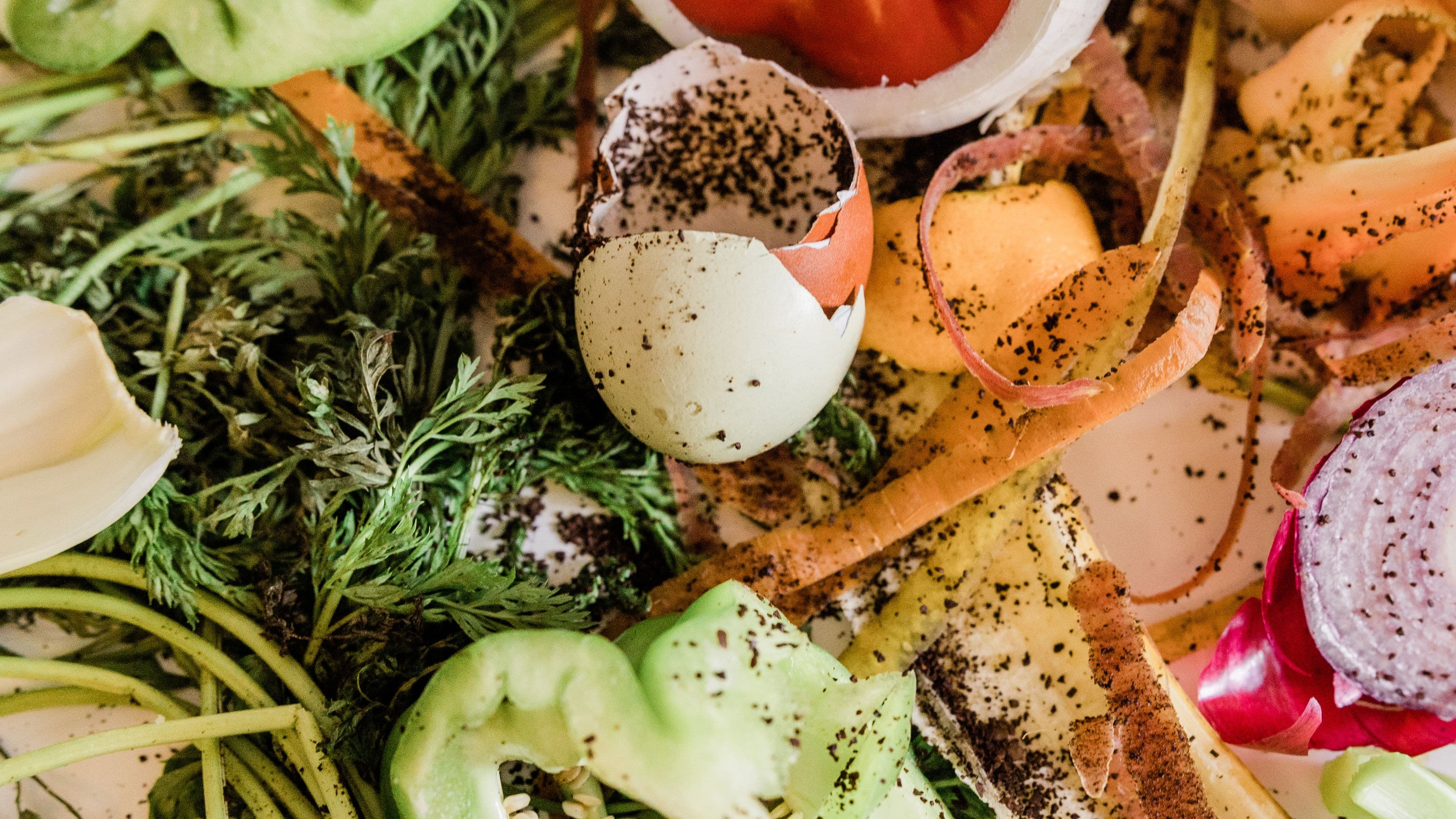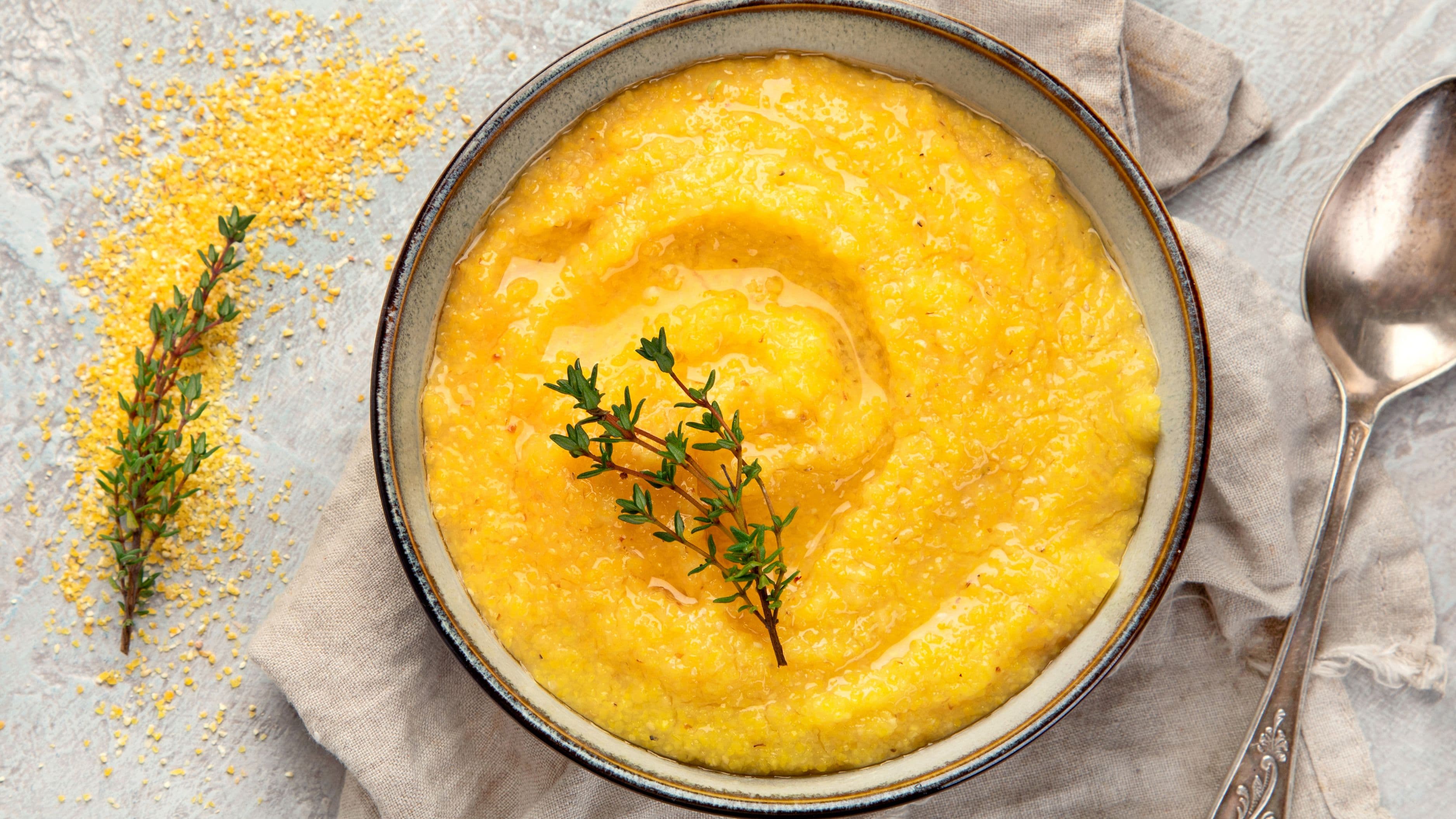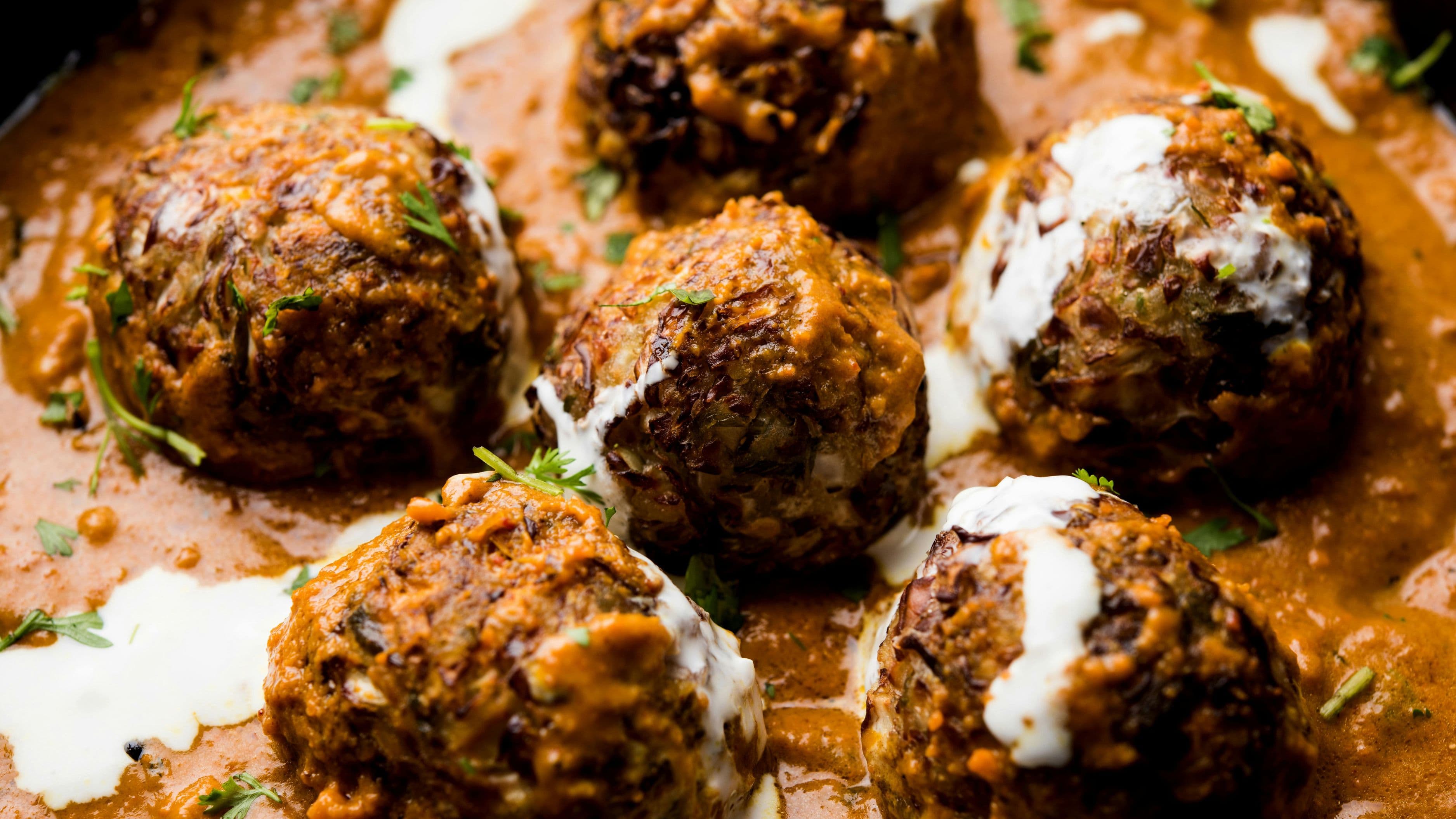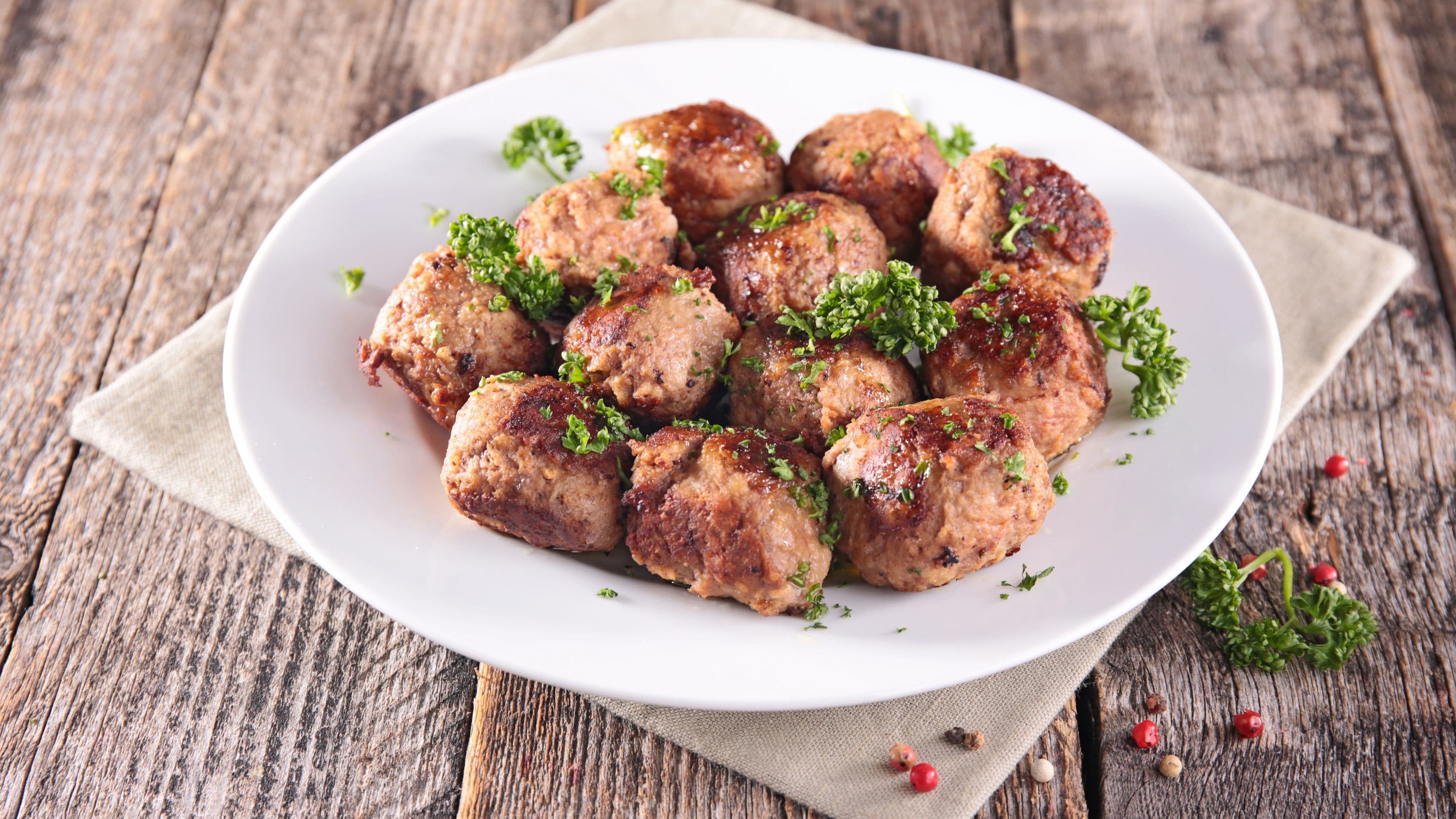
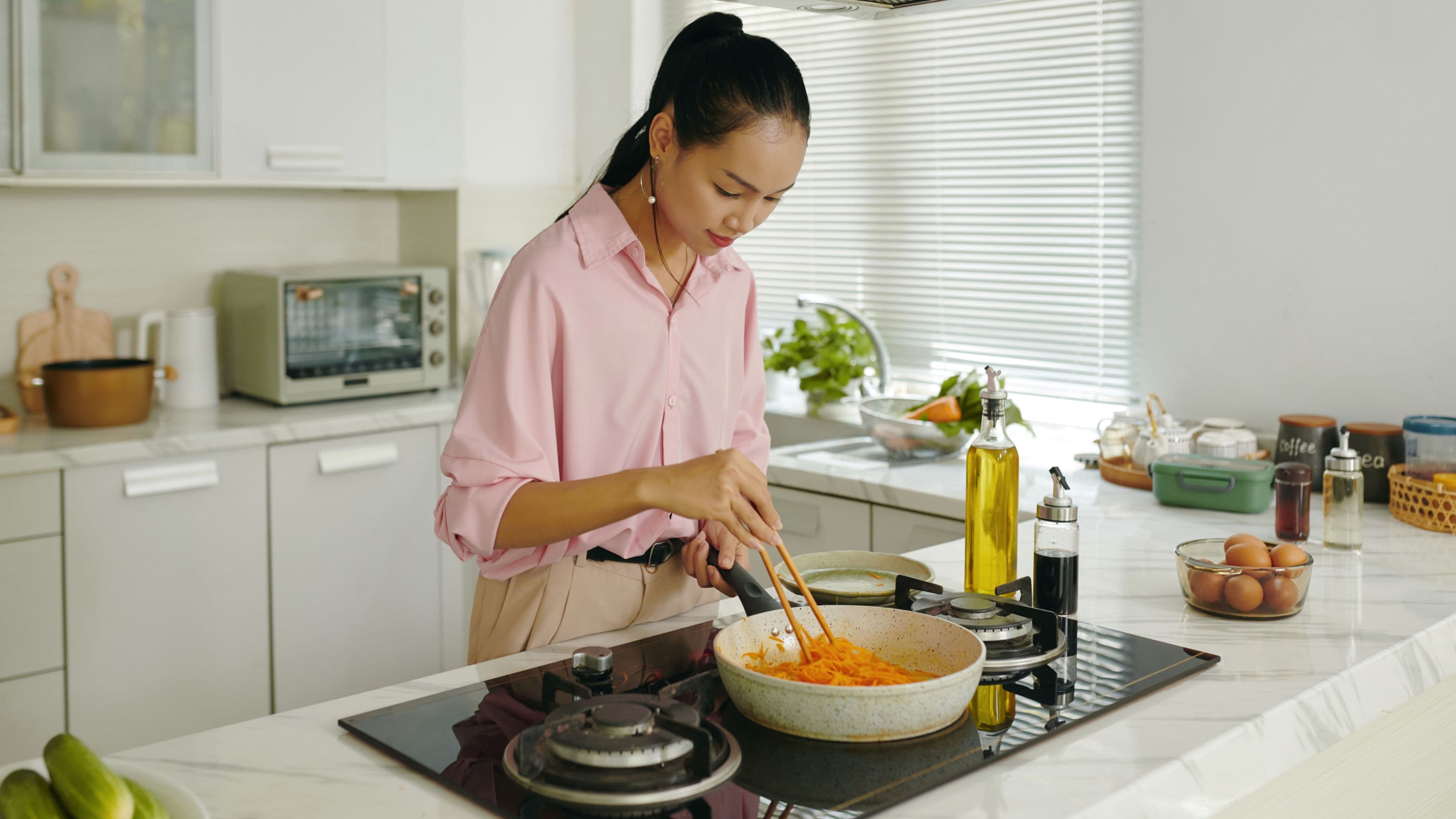
The overseasoning epidemic has quietly infiltrated kitchens across America, turning naturally delicious ingredients into one-dimensional flavor bombs. Understanding when you're crossing the line from perfectly seasoned to overseasoned isn't just about salvaging dinner—it's about rediscovering the joy of tasting food as it was meant to be experienced.
1. The Restaurant Illusion Is Lying to You
Professional kitchens operate under completely different rules than your home kitchen, and this fundamental disconnect creates unrealistic expectations. Restaurant dishes are engineered to deliver an immediate wow factor—they're loaded with butter, salt, and umami bombs because diners are paying for an experience that hits hard and fast. These chefs know you're eating this meal once, not five nights a week, so they can push flavors to theatrical extremes.
At home, you're cooking for sustained nourishment and everyday pleasure, not for Instagram-worthy drama. When you try to replicate restaurant-level seasoning, you're essentially asking your palate to live in a constant state of sensory overload. Your body and taste buds need variety and subtlety to truly appreciate food over time. The chef on TV who says "season generously" is working with professional training, calibrated palates, and dishes designed for immediate consumption, not your Tuesday night chicken dinner.
2. Your Taste Buds Have Been Hijacked
Modern processed foods have fundamentally rewired how we perceive flavor, creating a vicious cycle of overseasoning. The average American consumes over 3,400 milligrams of sodium daily—nearly 50% more than the recommended limit—and most of it comes from packaged foods, not the salt shaker. This constant sodium bombardment has numbed our palates to the point where naturally seasoned food tastes bland by comparison, prompting us to reach for more salt, more spice, more everything.
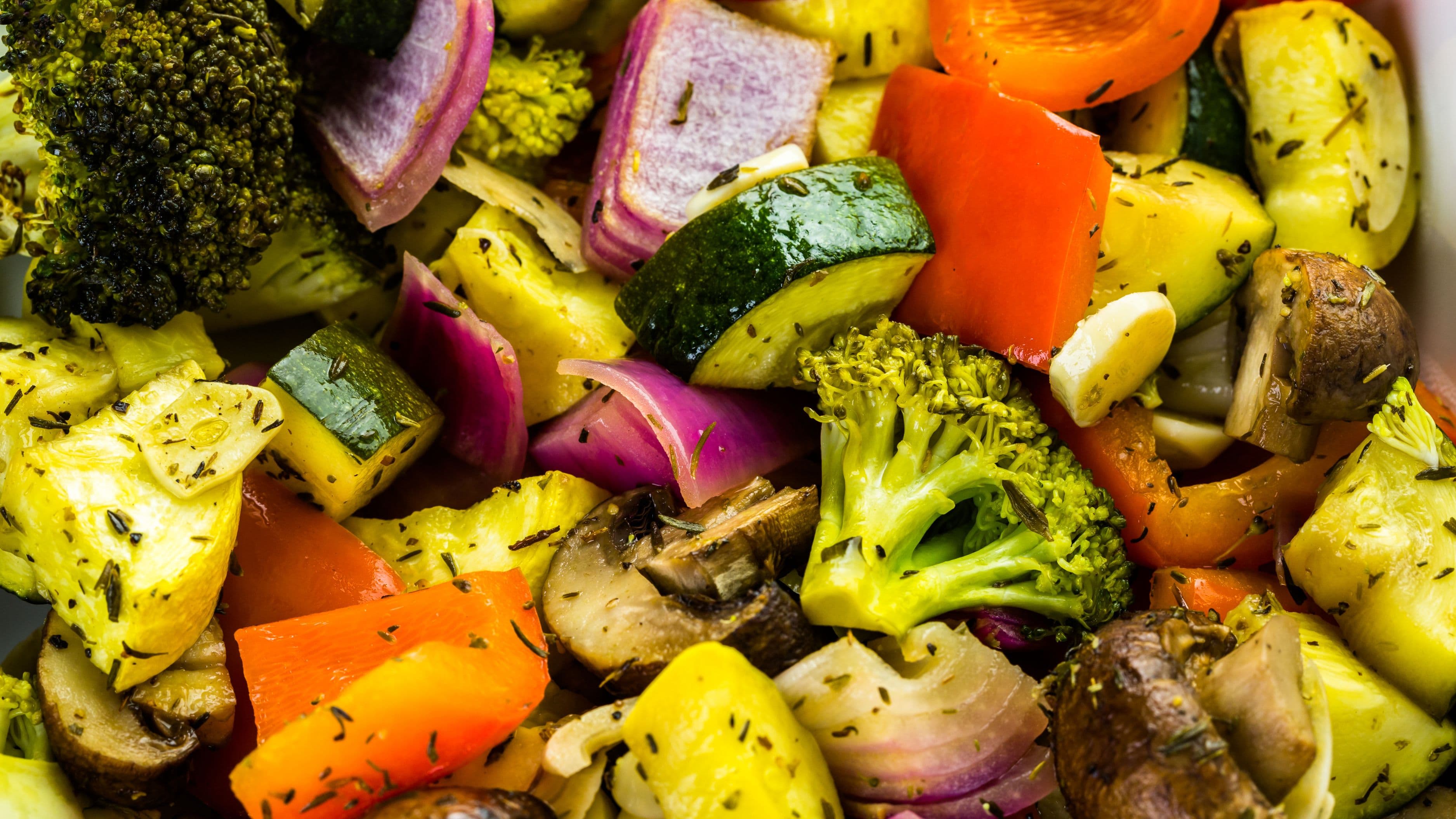
When you've been eating foods engineered in laboratories to trigger maximum pleasure responses, a perfectly roasted carrot tastes like nothing. This isn't a failure of the carrot or your cooking—it's evidence that your taste receptors have been conditioned to expect artificial intensity. The good news? Taste buds regenerate every ten to fourteen days, meaning you can retrain your palate faster than you think. But first, you need to stop drowning everything in seasoning and give your tongue a chance to reset.
3. Ingredient Quality Matters More Than Spice Quantity
The dirty secret of overseasoning is that it's often compensation for mediocre ingredients, and recognizing this changes everything about how you approach cooking. A tomato grown in season and picked at peak ripeness needs almost nothing—maybe a whisper of salt, a drizzle of olive oil. That same tomato in January, shipped across continents and picked while still green, requires culinary heroics just to taste like something approximating a tomato.
When you invest in better ingredients—fresher produce, properly raised meat, quality oils—you'll find yourself naturally pulling back on seasonings because the food is already doing the heavy lifting. This doesn't mean you need to shop exclusively at farmers markets or blow your budget on organic everything. It means being strategic: buy conventional apples but splurge on good butter, use frozen vegetables at their peak rather than sad fresh ones, choose bone-in chicken thighs over boneless breasts. Quality ingredients have inherent flavor that seasoning should enhance, not obliterate.
4. You're Confusing Complexity with Intensity
Sophisticated flavor doesn't come from adding more spices—it comes from understanding how flavors build and interact over time. Many home cooks make the mistake of treating their spice cabinet like a paint palette, thinking that mixing more colors will create something beautiful, when in reality it often creates muddy brown. True depth comes from layering: the sweetness from properly caramelized onions, the umami from a long-simmered stock, the brightness from a squeeze of lemon at the end.
Consider classic French cooking, which built its reputation on extracting maximum flavor from minimal ingredients through technique rather than aggressive seasoning. A traditional coq au vin uses wine, herbs, and aromatics to create complexity, but the star is still the chicken. Compare this to the modern tendency to throw cumin, coriander, turmeric, paprika, and cayenne at everything until individual ingredients become indistinguishable. Restraint and timing create sophistication; overwhelming everything with spice creates monotony.
5. The Critical Timing Problem
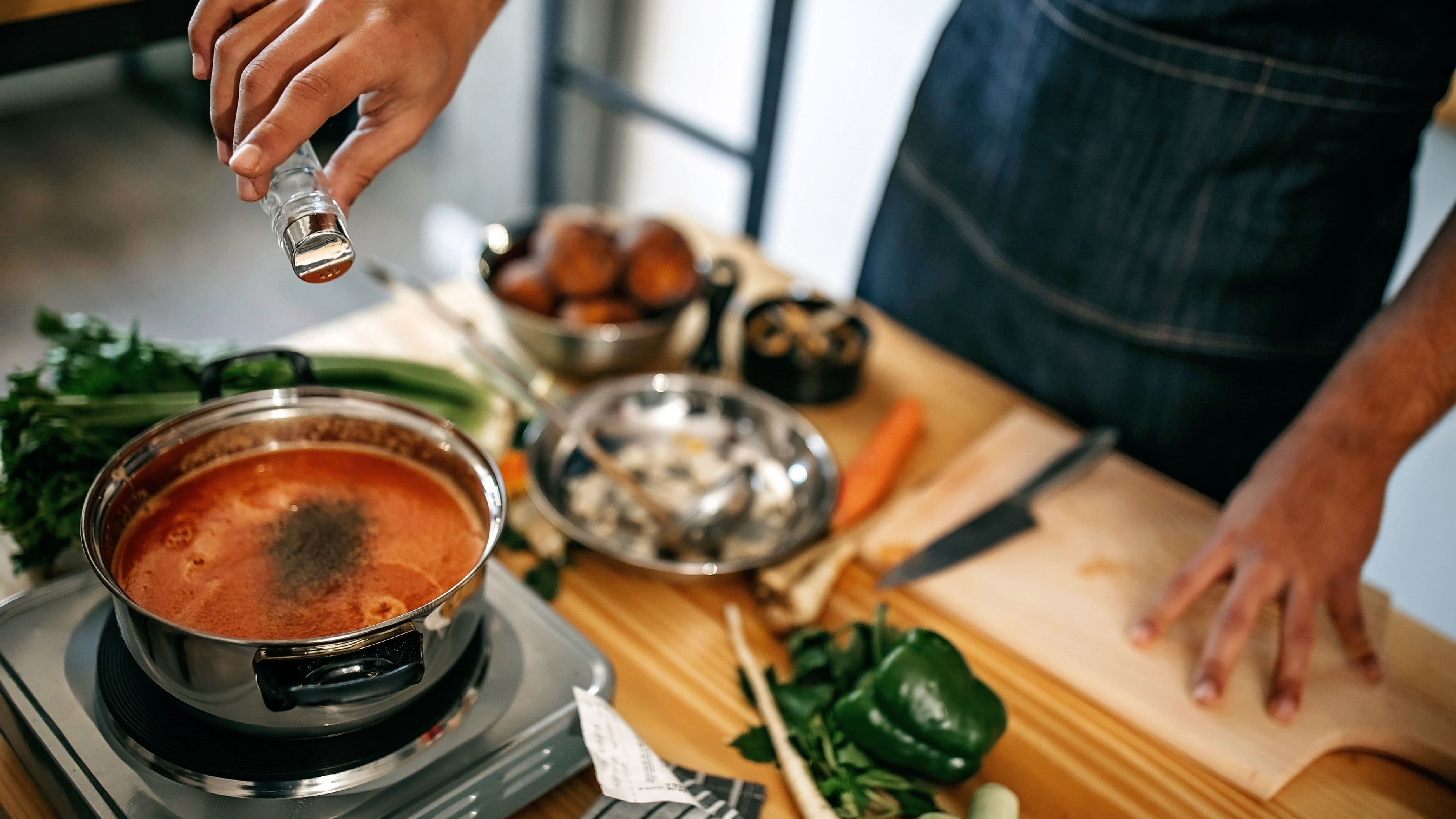
When you add seasoning matters just as much as how much you add, yet this remains one of the most overlooked aspects of home cooking. Salt added at the beginning of cooking draws out moisture and helps ingredients break down; salt added at the end provides a bright, finishing pop. Spices bloomed in oil at the start develop completely different characteristics than those stirred in at the end. Most home cooks dump everything in at once and wonder why their dishes taste muddled and one-dimensional.
Understanding seasoning timing transforms your cooking from chaotic to controlled. Woody herbs like rosemary and thyme can withstand long cooking and should go in early; delicate herbs like basil and cilantro turn bitter with heat and belong at the finish. Garlic becomes sweet with long cooking but acrid if burned; knowing when to add it changes everything. Ground spices lose potency quickly with heat, while whole spices need time to infuse. Stop seasoning like you're checking items off a list and start thinking about when each element should enter the party.
6. You're Not Tasting as You Go
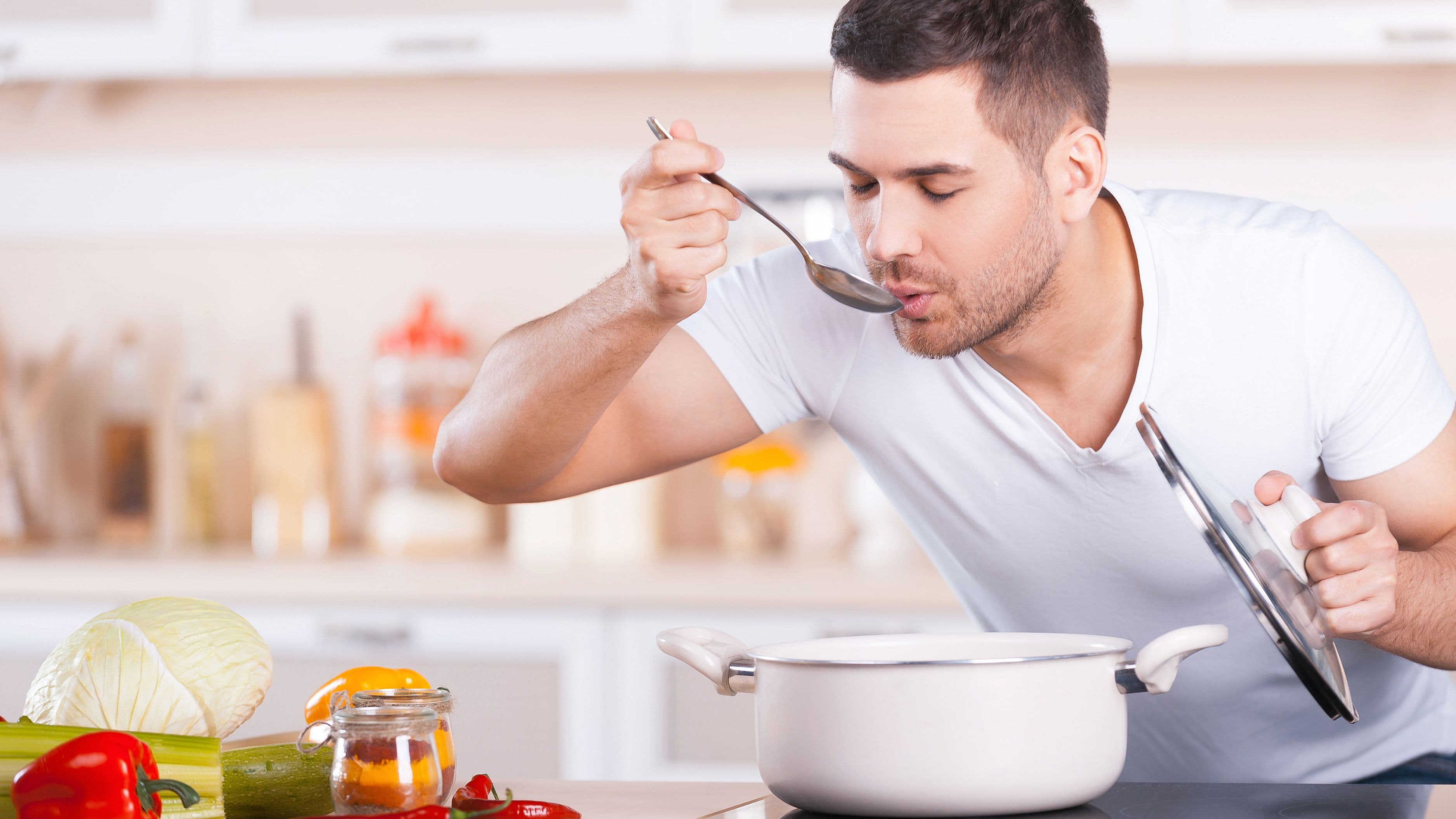
The single most important habit separating good cooks from mediocre ones isn't knife skills or recipe knowledge—it's the willingness to actually taste food while cooking it. Overseasoning almost always happens because cooks follow recipes blindly or season from memory without checking their work. Every tomato has a different level of acidity, every batch of stock a different concentration, every piece of meat a different size. If you're not tasting and adjusting, you're cooking blind.
Develop a tasting ritual: use a clean spoon each time, taste at different stages, consider how flavors will concentrate as liquids reduce. Remember that food tastes different at different temperatures—what seems perfectly seasoned hot might taste aggressively salty when cold. Factor in that you'll likely be serving your dish with other elements (rice, bread, wine) that affect overall perception. Tasting isn't a single checkpoint; it's an ongoing conversation with your food.
7. The Acid and Fat Solution Nobody Talks About
When food tastes flat, most cooks reflexively reach for more salt or spice, but often the problem isn't insufficient seasoning—it's unbalanced seasoning. Dishes need acidity to brighten flavors and fat to carry them; without these elements, you can add salt until your food tastes like the ocean and it still won't taste right. A squeeze of lemon, a splash of vinegar, or a spoonful of yogurt often solves what seems like an underseasoning problem.
Fat acts as a flavor vehicle, coating your tongue and extending the sensory experience of eating. This is why restaurant food often tastes richer—not necessarily because of more seasoning, but because of the liberal use of butter, cream, and oil. Before you add another shake of salt, try stirring in a tablespoon of butter or finishing with a drizzle of quality olive oil. The transformation can be dramatic. Acid and fat create the context that allows proper seasoning to shine rather than overwhelm.
8. Cultural Seasoning Wisdom You're Ignoring
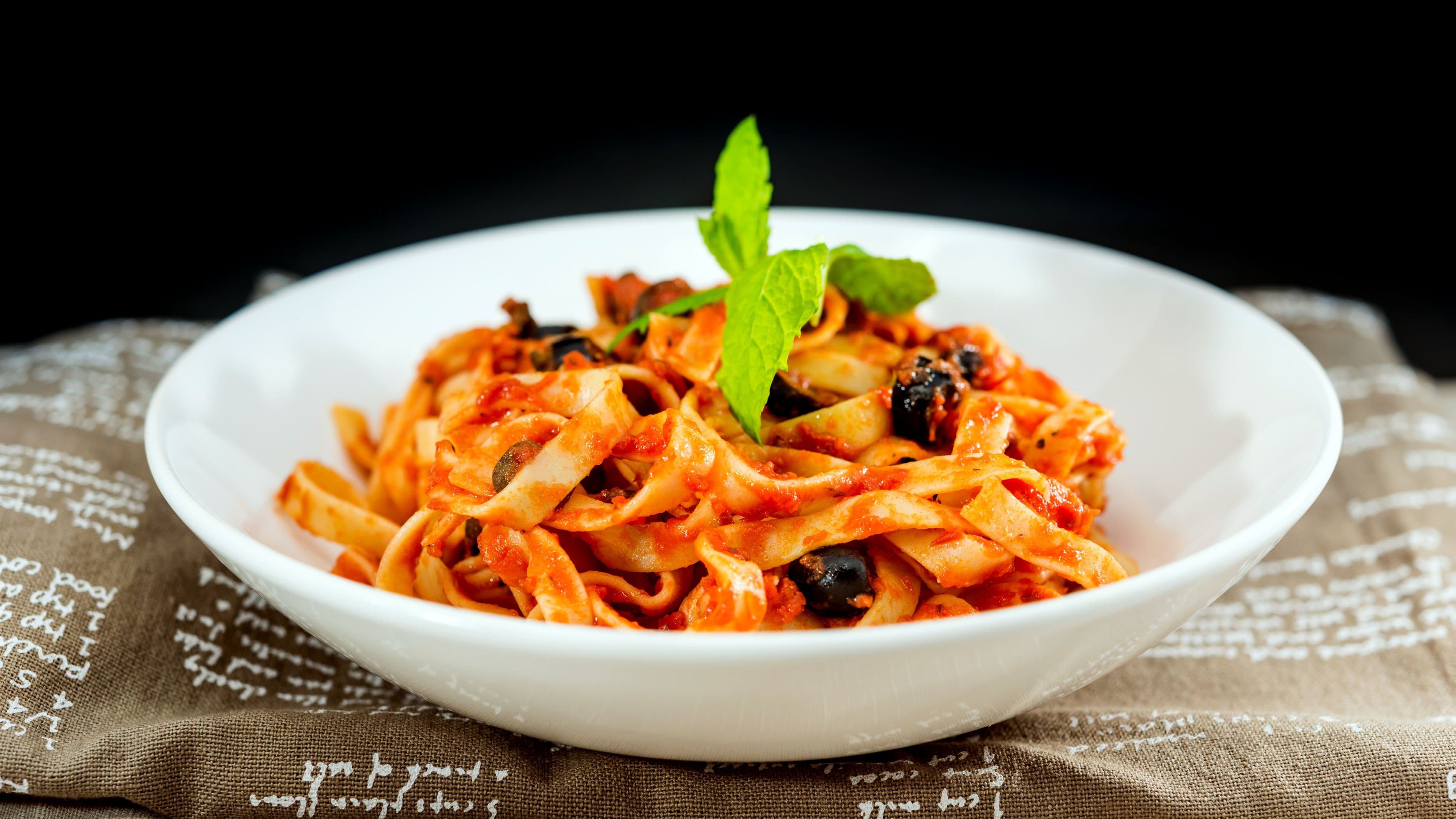
Traditional cuisines that have developed over centuries understand restraint in ways that modern fusion cooking often misses. Japanese cooking celebrates the intrinsic flavor of ingredients with minimal interference—the term "umami" itself reflects a philosophy of enhancing rather than masking. Italian cuisine famously relies on just a few high-quality ingredients rather than a spice bombardment. Even Indian cooking, often stereotyped as "heavily spiced," is actually about complex spice blends where no single element dominates.
These culinary traditions developed without access to global spice markets or industrial food processing, forcing cooks to deeply understand their local ingredients. When you cook within these frameworks, you discover that restraint isn't limitation—it's sophistication. Try cooking a dish from a traditional cuisine exactly as written before you start improvising. You might discover that the centuries-old balance doesn't need your creative salt bomb "improvement."
9. The Psychological Trap of "More Is Better"
We live in a culture that equates abundance with value, and this mindset infiltrates our cooking in insidious ways. If some spice is good, more must be better; if this needs salt, it probably needs more salt than I think. This scarcity mentality—the fear that food won't be flavorful enough—drives us to overshoot consistently. The anxiety about disappointing diners or wasting ingredients pushes home cooks toward aggressive seasoning as insurance.
Breaking this psychological pattern requires trusting that restraint can be impressive and that subtle can be memorable. Some of the most celebrated meals aren't flavor explosions—they're quietly perfect expressions of simple ingredients treated with respect. Start keeping a cooking journal noting when you pulled back on seasoning and whether anyone complained (they probably didn't). Build evidence that less can genuinely be more, and watch your confidence in restraint grow.
10. Learning to Taste Food Again
The ultimate goal isn't to create strict rules about seasoning—it's to redevelop your relationship with taste itself. Many home cooks have lost touch with what food actually tastes like beneath the seasoning, viewing the base ingredient as merely a vehicle for salt, spice, and sauce. Overseasoning is ultimately a symptom of this disconnection, a barrier between you and the actual experience of eating.
Try this experiment: prepare the same vegetable three ways over three days—completely plain, lightly seasoned, and heavily seasoned. Notice what you can taste in each version, how your perception changes, what gets lost or revealed. This kind of mindful eating practice rebuilds the intuition that recipes can never provide. When you relearn how to taste, you stop needing rules about seasoning because your palate becomes your guide. The goal isn't perfect seasoning technique—it's recovering the joy of tasting food as it actually is.
The myth that more seasoning equals better cooking has probably ruined more home meals than any other single misconception. It convinces talented cooks that they're failures, masks the natural beauty of ingredients, and creates a dependence on intensity that numbs our ability to appreciate subtlety. But here's the liberating truth: you don't need to master complex spice blends or memorize salt ratios to cook delicious food. You need to slow down, pay attention, and trust that ingredients treated with respect and restraint can be revelatory.
The next time you're cooking and reach for another pinch of salt or shake of spice, pause. Taste first. Ask yourself whether you're actually improving the dish or just making it louder. Consider whether you're seasoning to enhance or to hide. Good cooking isn't about following rules—it's about developing a relationship with food where you listen more than you talk. Your ingredients have something to say; stop drowning them out.
📚 Sources
1. American Heart Association. "How much sodium should I eat per day?" Dietary Sodium Recommendations and Average American Consumption Statistics, 2024.
2. Feng, P., et al. "Taste bud homeostasis and lifespan: A comprehensive review." Chemical Senses, vol. 39, no. 4, 2014, pp. 265-278.
3. Child, Julia. "Mastering the Art of French Cooking." Knopf Publishing, 1961. Principles of classical French technique and seasoning philosophy.