1. Vanilla Extract: The Expensive Undercover Agent
Your vanilla extract costs more per ounce than some perfumes, and there's a reason that tiny bottle is locked up at certain grocery stores like it's contraband. Real vanilla comes from hand-pollinated orchid pods that grow only in specific tropical climates, making it one of the most labor-intensive crops on Earth. Each vanilla flower blooms for just one day, and if it's not pollinated in that narrow window, no vanilla bean develops—talk about high-stakes botanical drama. The global vanilla market has experienced such intense price fluctuations that it's been called "brown gold," with theft and counterfeiting problems that rival the drug trade. That little splash you add to cookies represents months of careful cultivation, hand-pollination, curing, and aging that transforms green pods into those dark, aromatic beans. And here's the twist: most "vanilla flavoring" in processed foods isn't from vanilla beans at all but from lignin, a byproduct of wood pulp processing, or even castoreum, which comes from beaver anal glands (seriously, Google it if you dare).
2. Black Pepper: The Spice That Launched a Thousand Ships
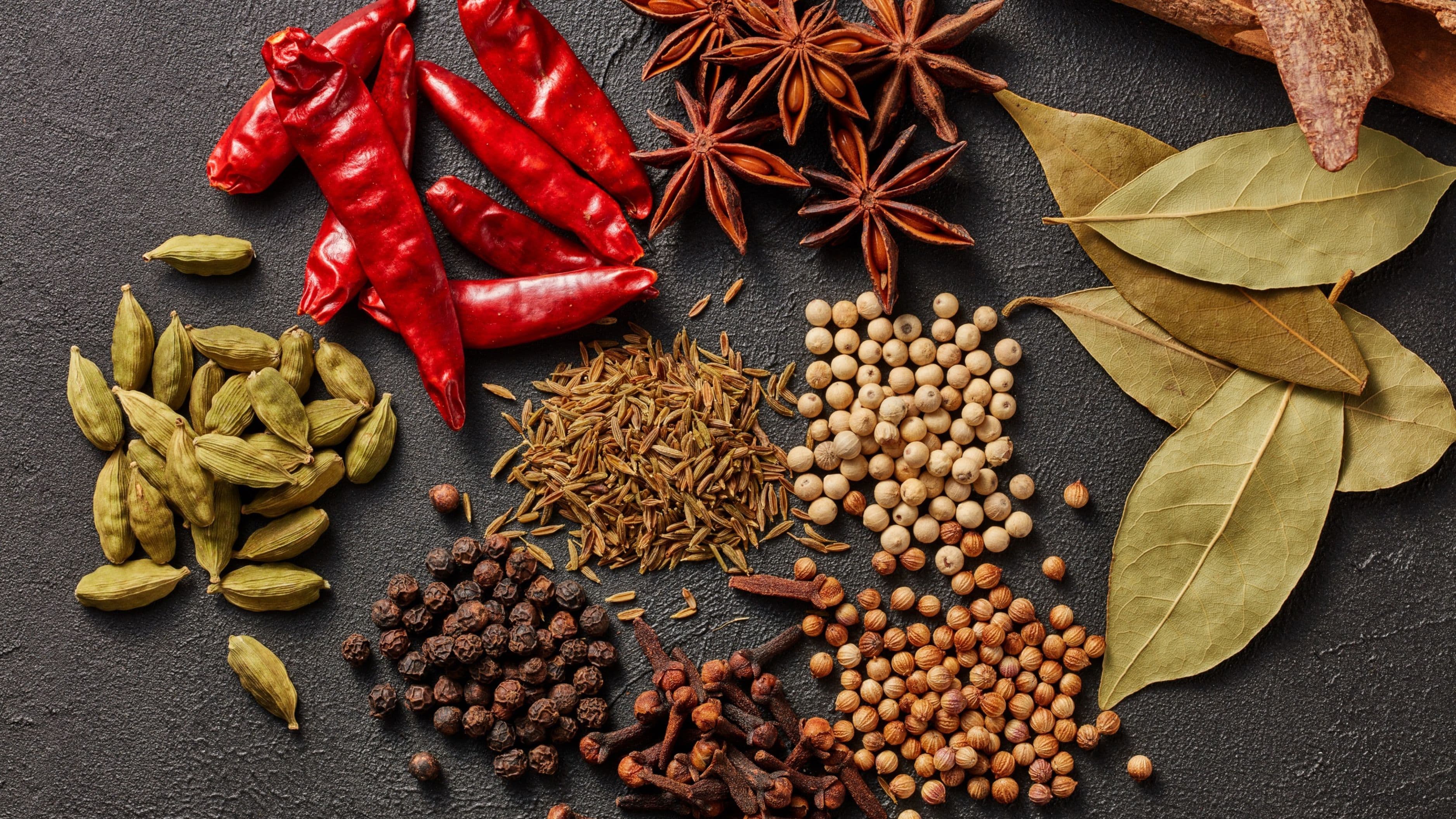
That grinder you twist without thinking once motivated empires to cross oceans and sparked literal wars over trade routes. Black pepper was so valuable in medieval Europe that it was used as currency, given as dowries, and counted peppercorn by peppercorn in wills as precious inheritance. The search for direct pepper trade routes to India drove the Age of Exploration, leading Columbus to accidentally discover the Americas while looking for a shortcut to the "Spice Islands." Today you can buy a year's supply for five dollars at Costco, but for centuries, pepper represented wealth, status, and power so significant that being able to afford it distinguished nobility from peasants. Each little black peppercorn is actually a dried fruit, picked green and fermented, containing a compound called piperine that literally tricks your pain receptors into feeling heat—it's not spicy in the chemical sense like chili peppers, it's creating a sensory illusion. Your pepper grinder is basically a time machine to when these tiny dried berries could determine your social class and fund maritime expeditions.
3. Baking Soda: The Overachieving Multi-Tasker
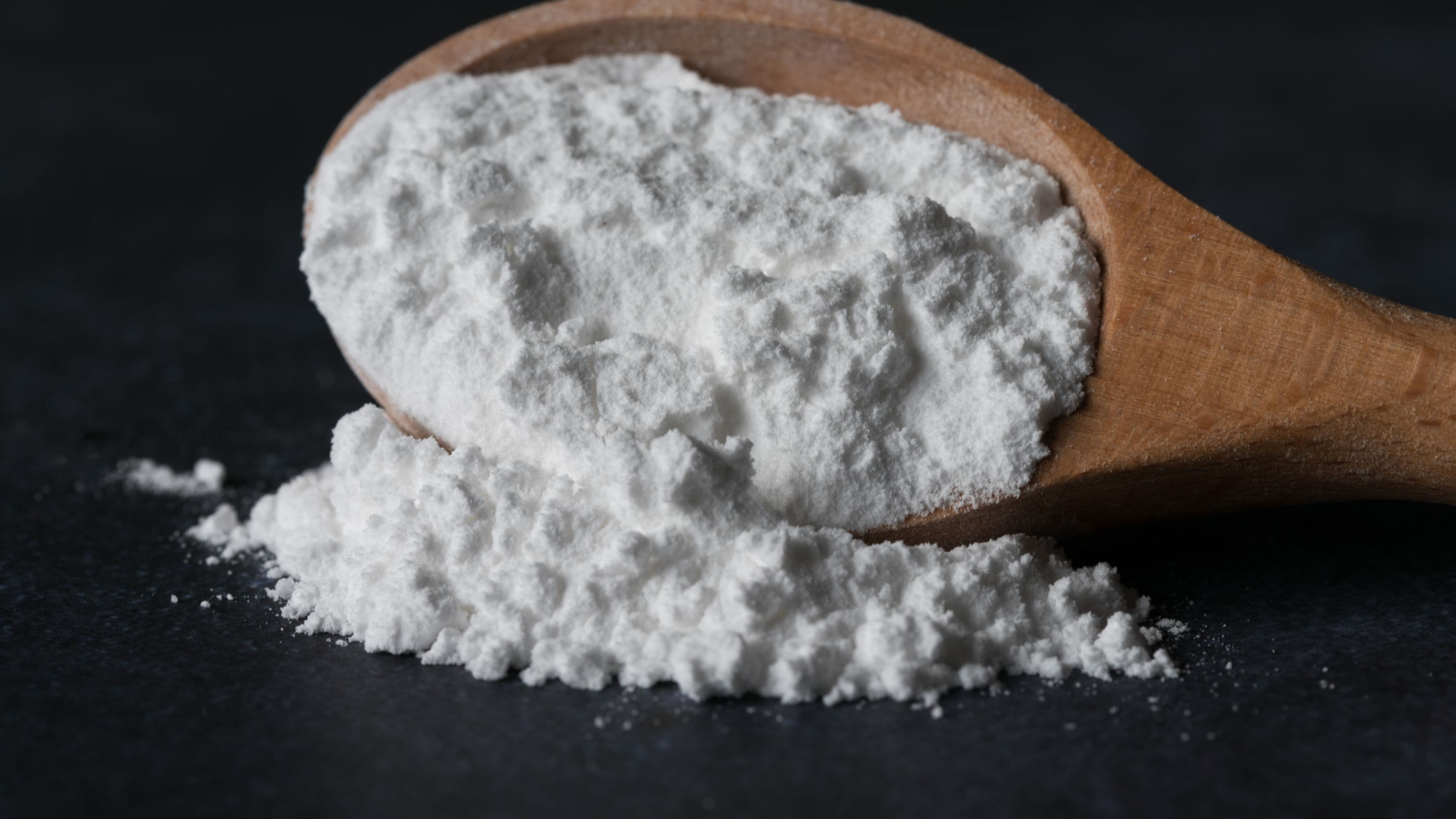
If baking soda were a person, it would be that friend who somehow has three side hustles, volunteers on weekends, and still makes time for yoga. Chemically known as sodium bicarbonate, this humble white powder works as a leavening agent in baking, a cleaning product, a deodorizer, a fire extinguisher, a teeth whitener, an antacid, a produce wash, a laundry booster, and about fifty other things your grandmother swears by. The Arm & Hammer company has been selling essentially the same product since 1846, and their marketing genius lies in convincing generations that one box belongs in your fridge, another in your freezer, another in your bathroom, and another in your laundry room—when it's literally all the same thing. Baking soda's superpower is its ability to neutralize both acids and bases, making it Switzerland in chemical form, which explains why it can both make your cookies rise and clean your oven. Ancient Egyptians used natural deposits of sodium bicarbonate (called natron) for mummification, so this stuff has literally been preserving things for thousands of years—your fridge odor-absorption box is part of an unbroken tradition stretching back to the pharaohs.
4. Olive Oil: The Fraudulent Fancy Friend
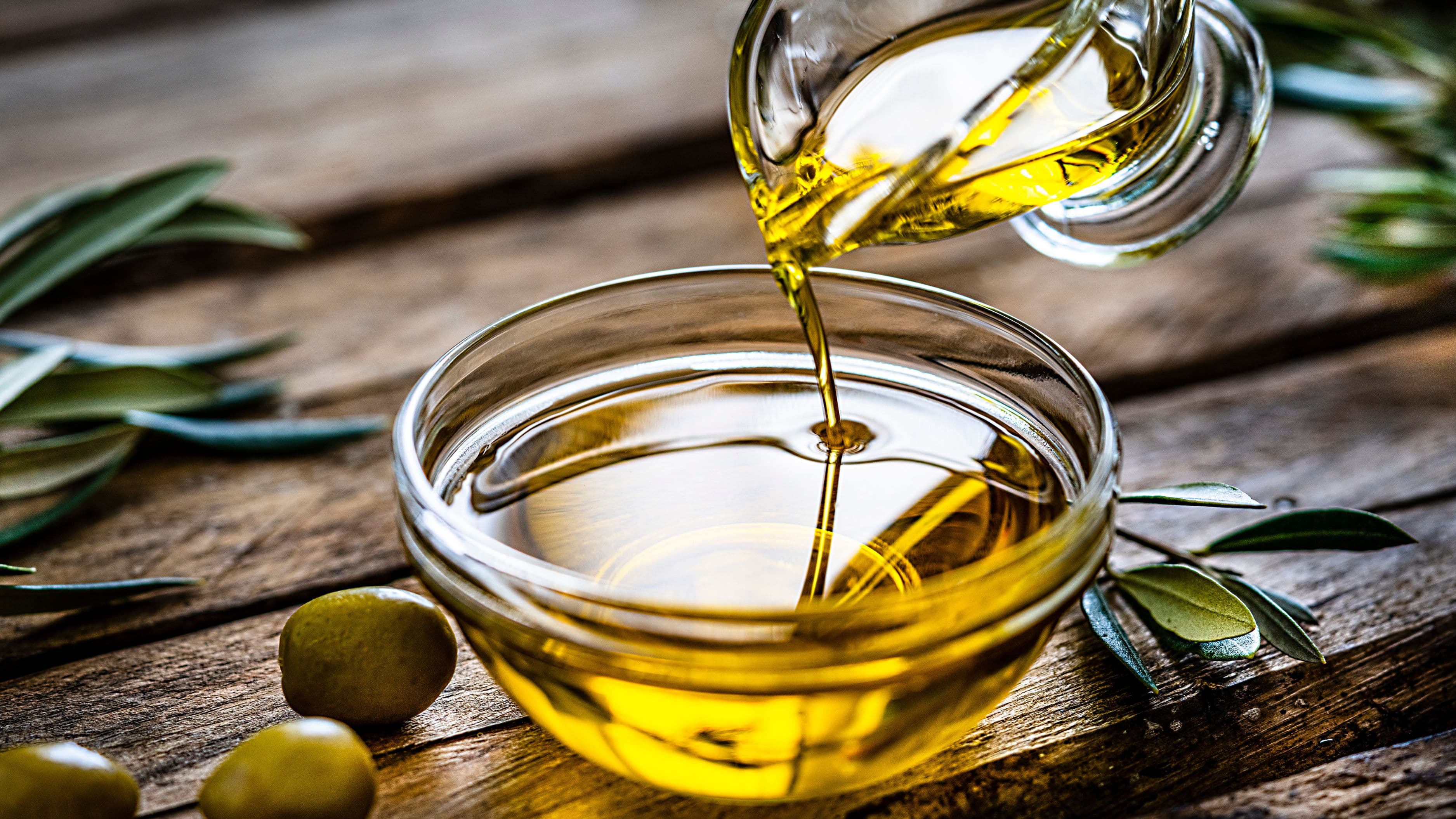
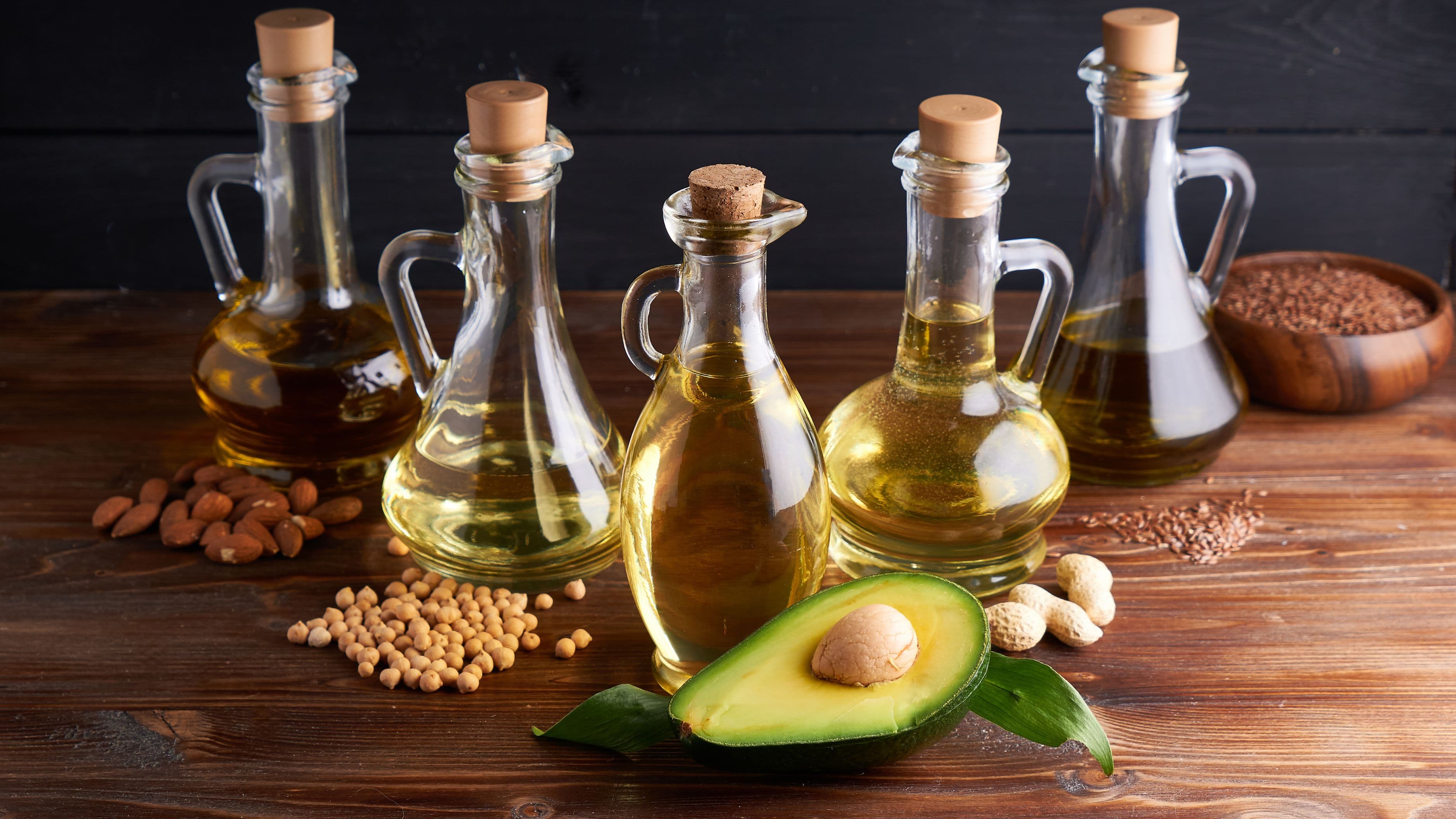
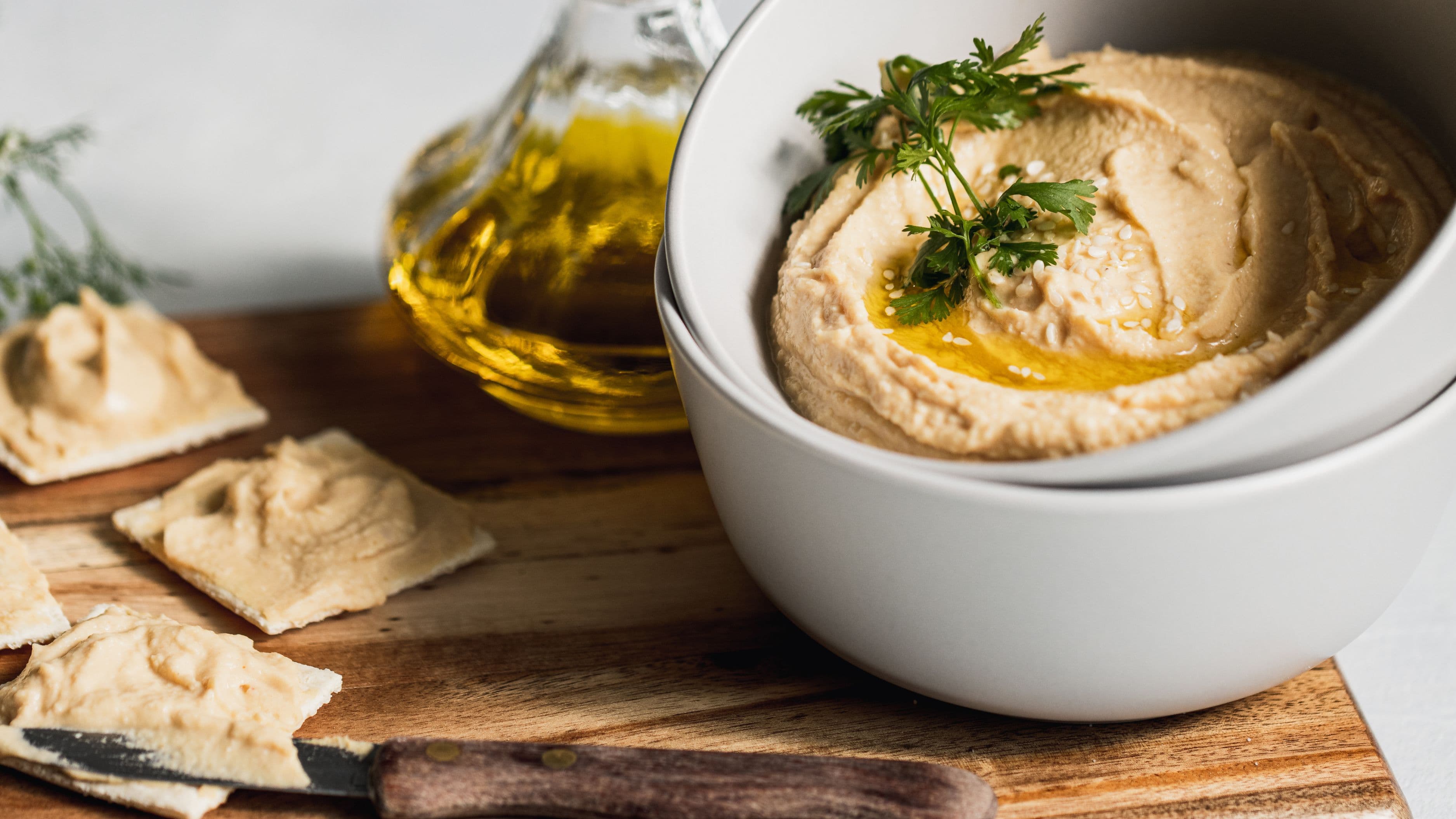
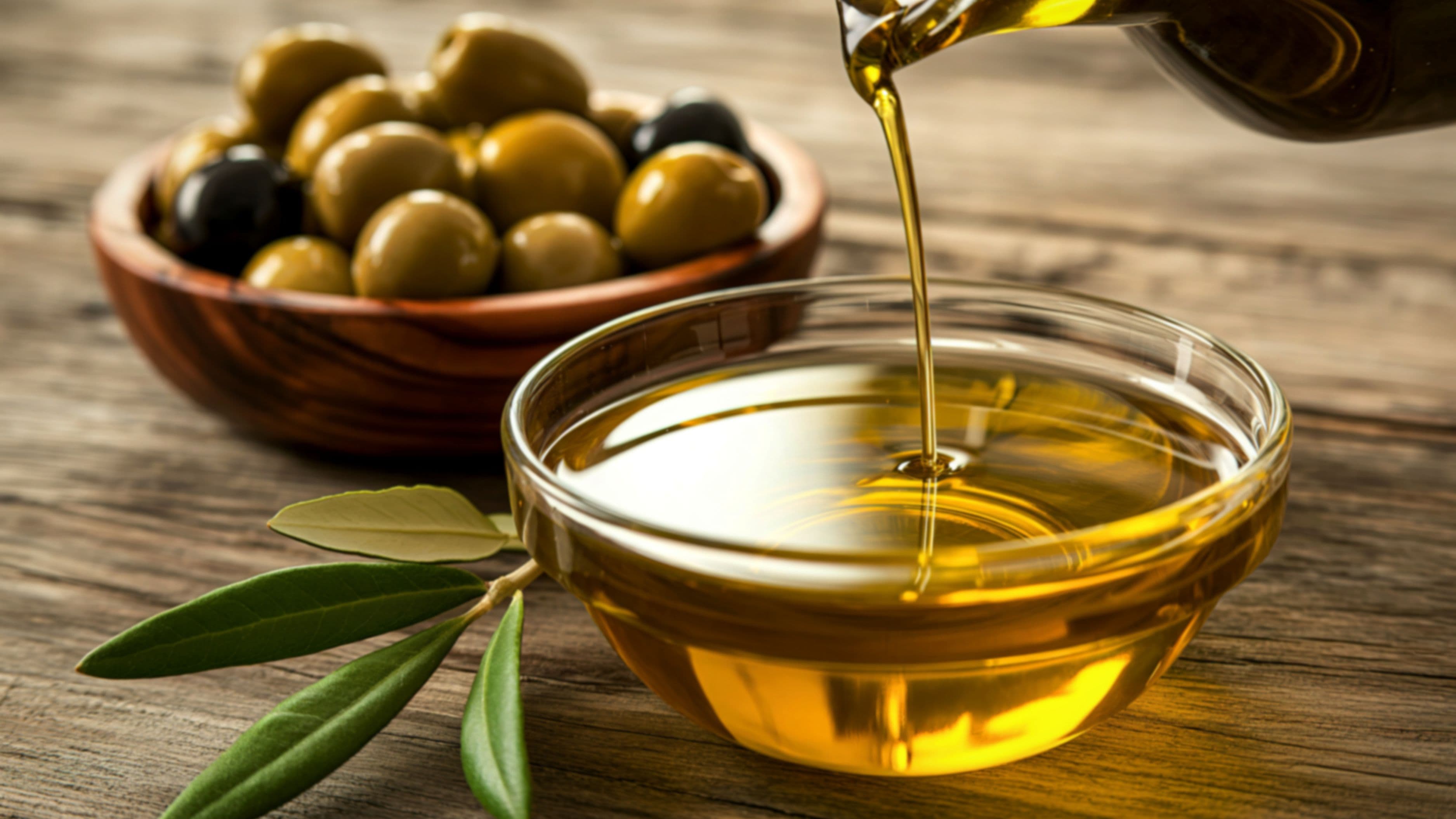
That bottle of "extra virgin" olive oil you paid premium prices for might be lying to you more than a dating app profile. Olive oil fraud is so widespread that some estimates suggest up to 70% of extra virgin olive oil sold in the U.S. doesn't meet the standards for that designation, often being cut with cheaper oils or mislabeled entirely. The Italian Mafia makes hundreds of millions annually from counterfeit olive oil operations, and yes, there are actual olive oil detectives investigating this crime. Real extra virgin olive oil—cold-pressed from olives without chemical processing—contains powerful antioxidants and anti-inflammatory compounds that have been studied for everything from heart health to cognitive function. But the stuff in your cabinet might be refined lampante oil (literally the lowest grade, historically used for lamp fuel) mixed with a bit of the real thing for color and smell. The olive oil industry has more drama than The Godfather, with geographical disputes, quality controversies, and organized crime involvement that would make for incredible television if it weren't about something as mundane-seeming as salad dressing.
5. Salt: The Mineral That Built and Destroyed Civilizations
Your salt shaker contains the same mineral that was worth its weight in gold, sparked revolutions, and gave us the word "salary" (from the Latin "salarium," salt money paid to Roman soldiers). Salt preserved food before refrigeration existed, making it essential for survival and a strategic resource that determined which armies could march and which populations could survive winters. The French Revolution was partially triggered by an unpopular salt tax called the gabelle, and Gandhi's famous Salt March protesting British colonial salt monopolies helped India gain independence—all because of that stuff you absent-mindedly sprinkle on fries. Chemically, salt is sodium chloride, and your body literally cannot function without it—it's essential for nerve transmission, muscle contraction, and maintaining fluid balance, which is why you crave it instinctively. The modern health debate around salt would baffle our ancestors, who saw it as so precious that spilling it brought bad luck (hence throwing it over your shoulder to ward off evil). Those fancy pink Himalayan and black lava salts you see at bougie grocery stores? They're still just salt with trace minerals that provide color and marketing stories more than meaningfully different nutrition.
6. Sugar: The Sweet Villain with a Bitter History
Sugar's journey from rare luxury to ubiquitous ingredient fueled the Atlantic slave trade and shaped geopolitical power dynamics for centuries. The demand for sugar drove European colonialism in the Caribbean and Americas, creating plantation economies built on the brutal forced labor of enslaved people—every spoonful carries that heavy historical weight whether we acknowledge it or not. For most of human history, honey was the primary sweetener, and cane sugar was so expensive that it was displayed in locked containers as a status symbol at Victorian dinner parties. Today the average American consumes about 17 teaspoons of added sugar daily, an amount that would have seemed fantastical to anyone living before the 20th century when sugar was still relatively precious. Your body processes sugar by triggering dopamine release in the same brain regions activated by cocaine and opioids, which explains why food companies engineer "bliss points" of sweetness designed to maximize cravings and consumption. That innocent-looking bag of white sugar in your pantry is simultaneously a preserved piece of photosynthesized sunlight energy, a remnant of one of history's darkest economic systems, and a molecule that modern food science has weaponized into hyperpalatable processed foods your ancestors' bodies never evolved to handle.
7. Flour: The Ancient Technology Still Running Your Kitchen
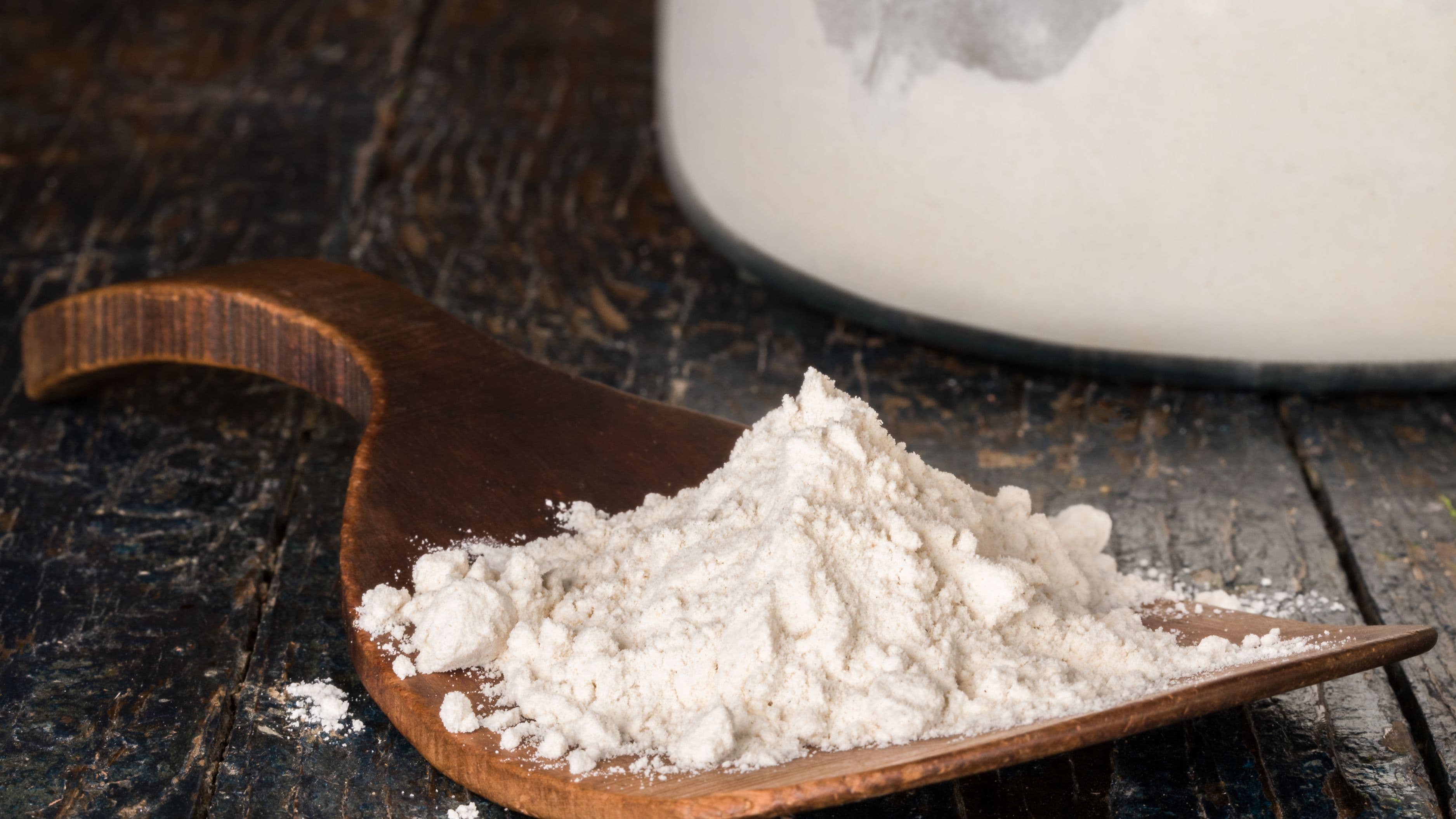
Flour is essentially pulverized grass seeds that humans figured out how to process about 30,000 years ago, fundamentally changing our species' trajectory from nomadic hunters to settled agricultural societies. The development of grinding grains into flour and baking it into bread is considered one of the pivotal innovations in human history, up there with fire and the wheel in terms of civilization-altering impact. Different flours behave completely differently because of their protein content—bread flour's high gluten creates chewy structure, cake flour's low protein yields tenderness, and whole wheat flour includes the bran and germ that white flour removes. The industrialization of flour processing in the 19th century, creating uniform white flour by stripping away the grain's most nutritious parts, arguably contributed to nutritional deficiencies even as it made bread cheaper and more accessible. Your bag of all-purpose flour represents thousands of years of agricultural development, milling technology, and nutritional trade-offs that most people never consider while making pancakes on Sunday morning.
8. Soy Sauce: The Fermentation Miracle You Pour Without Thinking
That bottle of soy sauce went through a more complex transformation than a caterpillar becoming a butterfly, and most people have no idea they're consuming the result of controlled decomposition. Traditional soy sauce fermentation takes six months to several years, involving specific mold cultures, bacterial fermentation, and aging processes that create hundreds of flavor compounds not present in the original soybeans and wheat. The umami-rich liquid is basically the heavily concentrated essence of protein breakdown, which sounds disgusting but tastes amazing because your tongue has specific receptors that evolved to detect and crave these amino acids. Cheaper soy sauces skip the fermentation entirely, using acid-hydrolyzed soy protein—essentially breaking down soybeans with chemicals—then adding corn syrup, caramel coloring, and salt to approximate the flavor of the real thing in days instead of months. That distinction between naturally brewed and chemically processed soy sauce is like comparing aged bourbon to alcohol with brown food coloring, yet most American households have never tasted the real thing. A Japanese artisan soy sauce maker might spend years perfecting their process with the same dedication a winemaker applies to viticulture, but we treat it as a throwaway condiment for takeout.
9. Honey: The Immortal Food That Never Expires
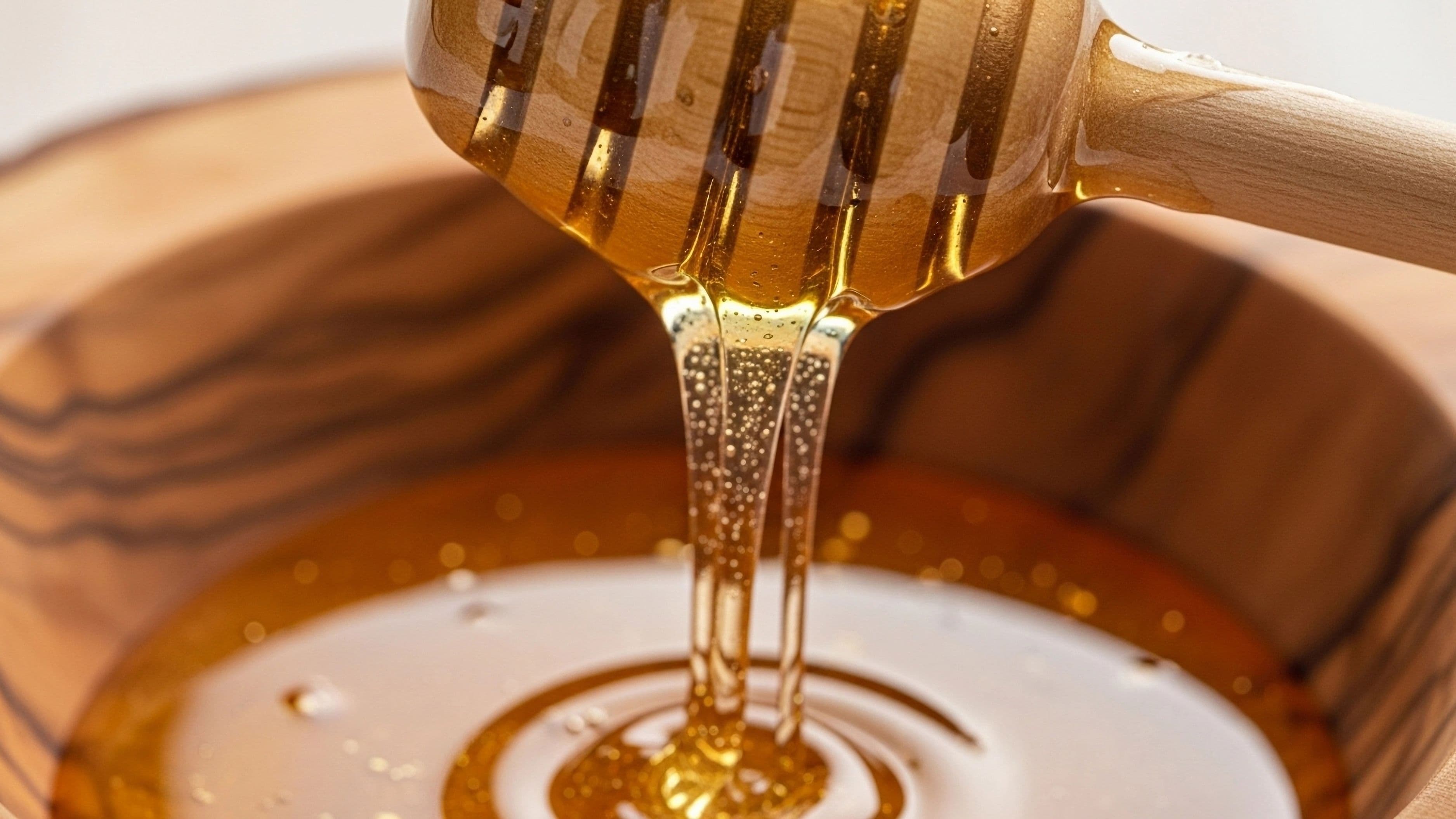
Archaeologists have found 3,000-year-old honey in Egyptian tombs that's still perfectly edible, because honey is one of the only foods that literally never goes bad. The bees' magic trick involves collecting nectar, evaporating most of its water content through wing-fanning, then adding enzymes that break down sugars and create hydrogen peroxide—essentially making an acidic, low-moisture environment where bacteria and mold cannot survive. Each jar of honey represents about two million flower visits by bees, with each bee producing only about 1/12 of a teaspoon in its entire lifetime—suddenly that bear-shaped bottle seems a lot more precious. But here's the scandal: honey fraud is rampant, with some estimates suggesting a third of honey sold globally is adulterated with corn syrup, rice syrup, or other sweeteners, yet still labeled as pure honey. Different flowers produce distinctly different honey flavors—acacia honey tastes nothing like buckwheat honey, which tastes nothing like orange blossom honey—but most people only know the generic blended stuff that tastes like "honey" without any character. That golden liquid is simultaneously an ancient food, a preservative, an antibiotic, a cough suppressant, and a complete food source that's kept humans alive during famines, all created by insects that definitely deserve more respect than they get.
10. Canned Tomatoes: The Accidental Italian-American Innovation
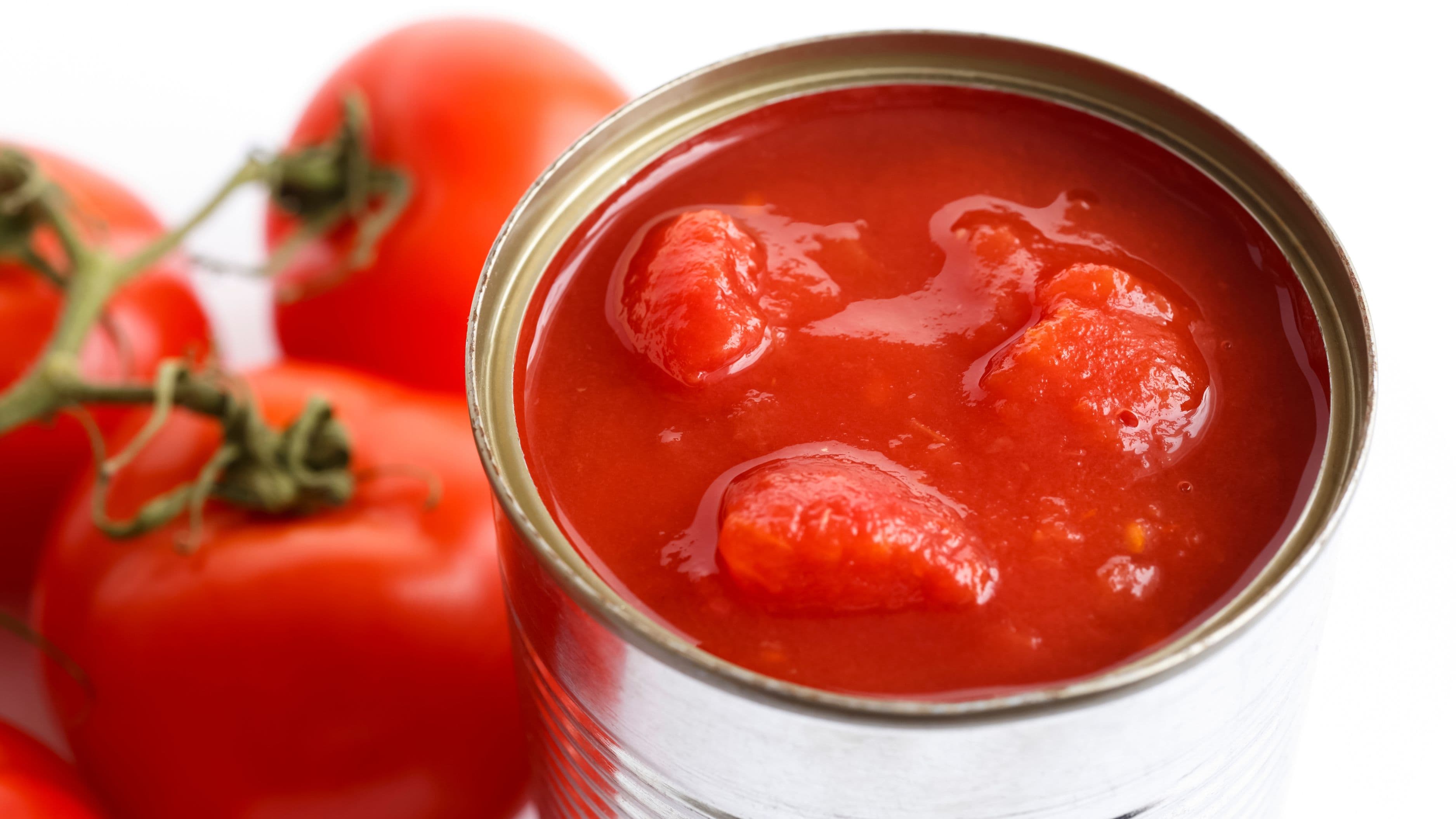
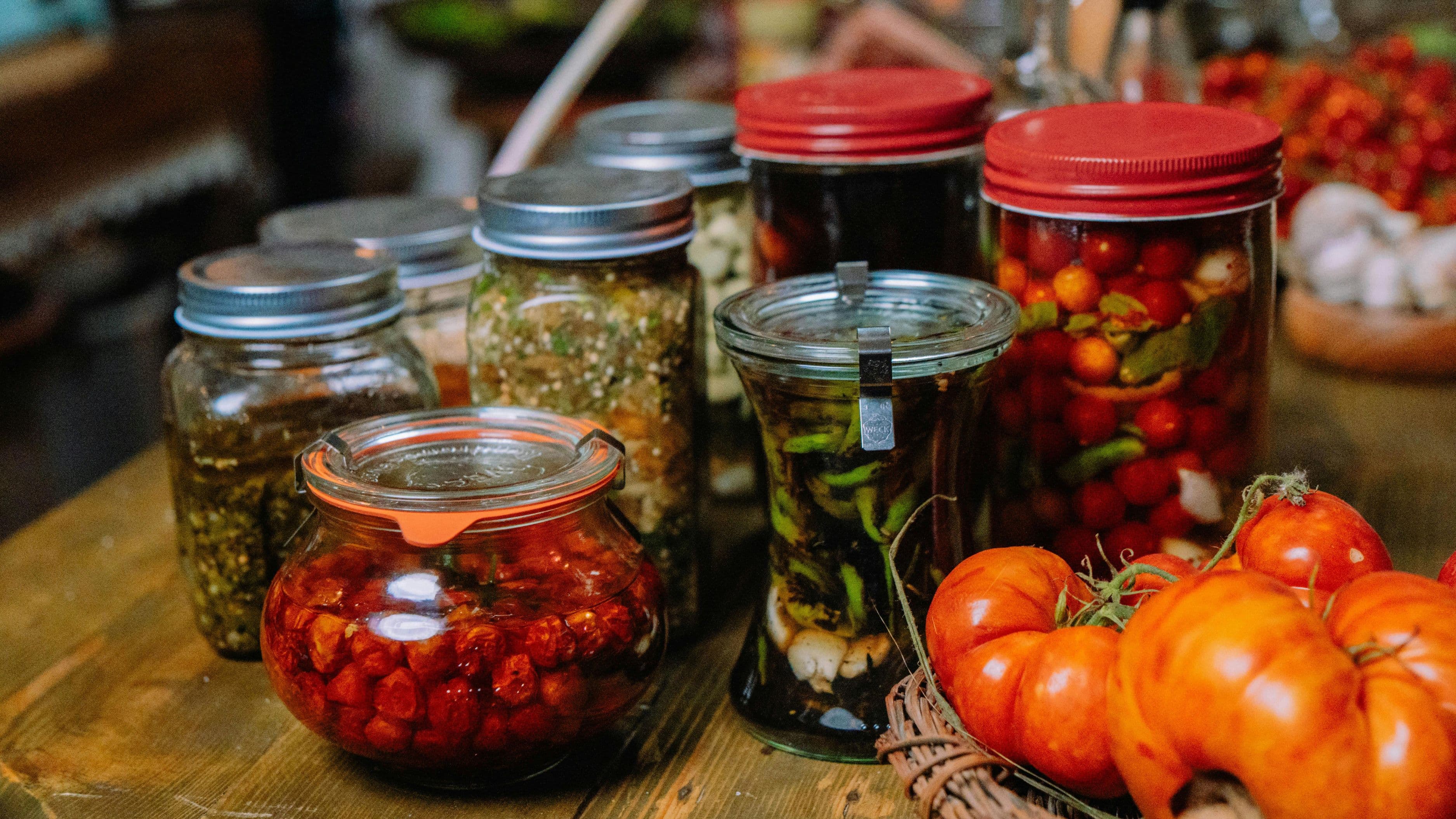
Italian cuisine as Americans know it basically wouldn't exist without canned tomatoes, which is ironic because tomatoes aren't even native to Italy—they came from the Americas and were initially thought poisonous by Europeans. Canning technology developed in the 19th century coincided with massive Italian immigration to America, and canned San Marzano tomatoes from Italy became the backbone of Italian-American cooking because they allowed year-round access to summer flavors. Here's a secret that chefs know: canned tomatoes are often better than fresh for cooking because they're picked and processed at peak ripeness, while "fresh" supermarket tomatoes are typically picked green and gassed with ethylene to ripen cosmetically while staying flavorless. Those cans in your pantry contain tomatoes that were vine-ripened, cooked, and sealed within hours of harvest, preserving nutrients and flavor that out-of-season fresh tomatoes can't match. The global canned tomato market is dominated by Italian brands, but much of the production actually happens in China, then gets shipped to Italy for processing and labeling—your "Italian" tomatoes might have traveled farther than you'd guess. That dented can you grabbed without thinking is a technological marvel of preservation, a symbol of immigrant adaptation, and evidence that "fresh is always better" isn't actually true.
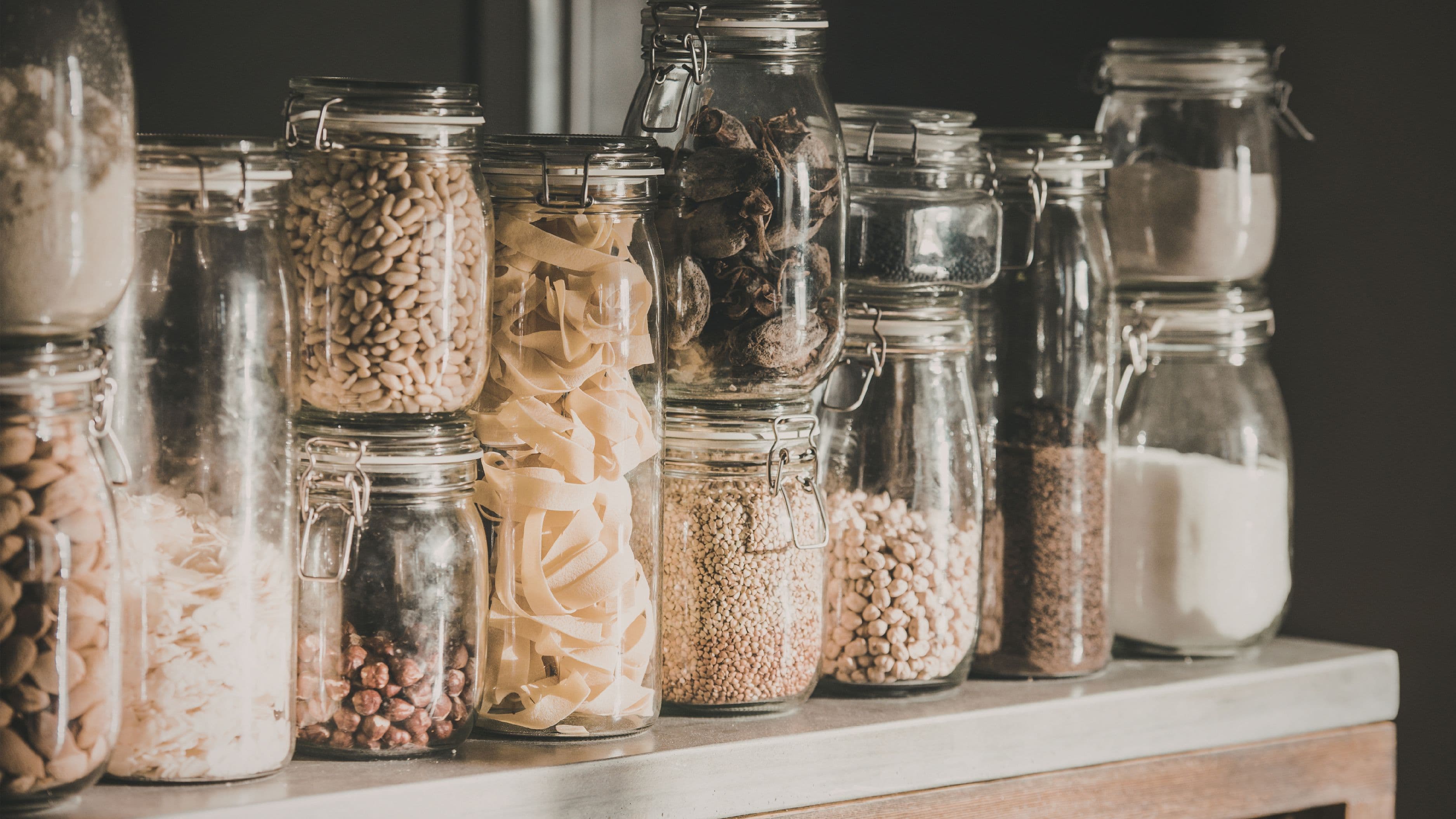
Your pantry isn't just a collection of cooking ingredients—it's a museum of human ingenuity, a crime scene of food fraud, and a reminder that the most ordinary things in your life often have the most extraordinary backstories. These staples don't need your constant attention or gratitude, but maybe occasionally acknowledging their secret lives makes cooking feel less like a chore and more like participating in thousands of years of human civilization. Your life doesn't need to be perfect—just less chaotic and more you. And if "you" includes occasionally geeking out about the bizarre history of vanilla extract or the scandalous underworld of olive oil fraud while making dinner, well, that's exactly the kind of specific weirdness that makes life interesting. Now go forth and season your food with newfound appreciation, you historically-informed home chef, you.