
1. I Stopped Shopping Like a Restaurant Menu Reader
For years, I'd wander through the grocery store like I was browsing a restaurant menu, picking up whatever sounded good that day. Salmon? Sure. Pre-marinated chicken thighs? Why not. Artisan crackers I'd eat twice? Into the cart. This approach was bleeding my wallet dry because I was paying premium prices for convenience and variety without any real plan.
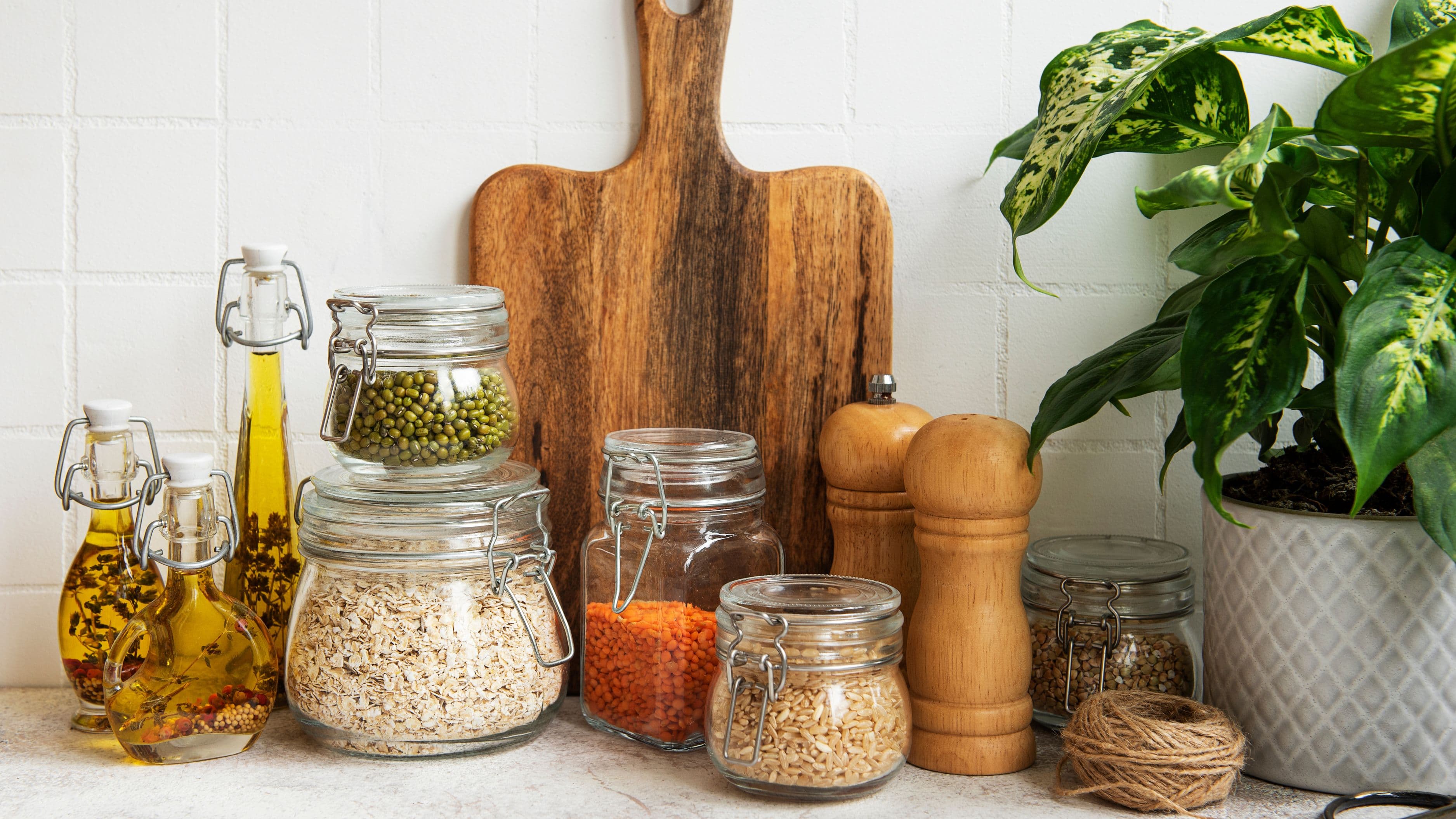
The shift happened when I started shopping my pantry first. Before making any list, I'd take inventory of what I already had—that half-bag of lentils, the can of coconut milk, the wilting herbs in the crisper. Then I'd build meals around those ingredients, only buying what would complete the dish. Suddenly, I wasn't letting food go to waste or duplicating items I already owned. This single habit saved me approximately $120 monthly, and it forced me to get creative in ways that actually made cooking more exciting.
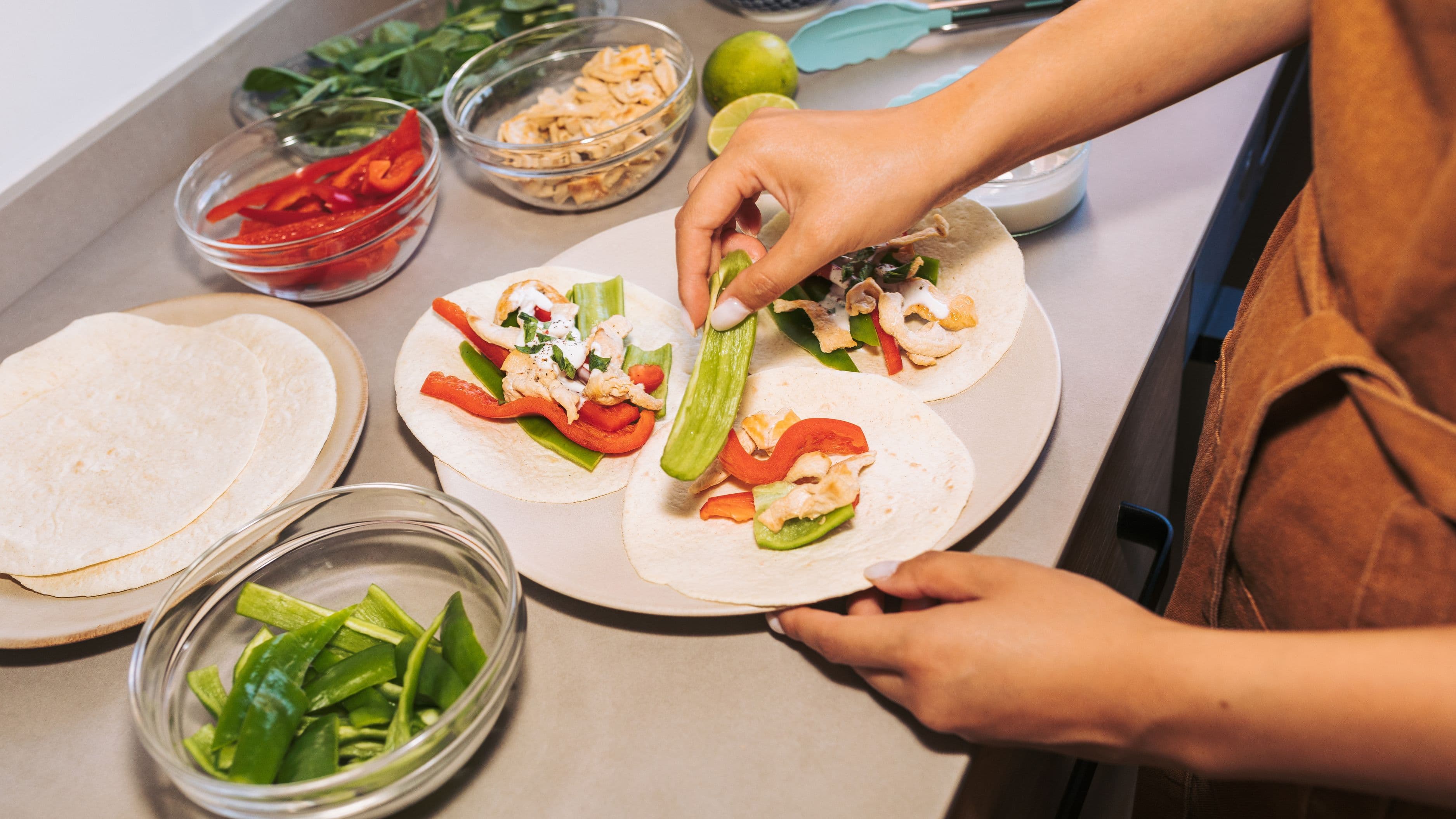
I also embraced the concept of "ingredient shopping" rather than "recipe shopping." Instead of buying specific ingredients for one elaborate recipe, I'd choose versatile ingredients that could star in multiple dishes throughout the week. A bunch of cilantro became the hero in tacos, a bright note in coconut curry, and a fresh garnish for scrambled eggs.
2. Whole Spices Became My Secret Weapon
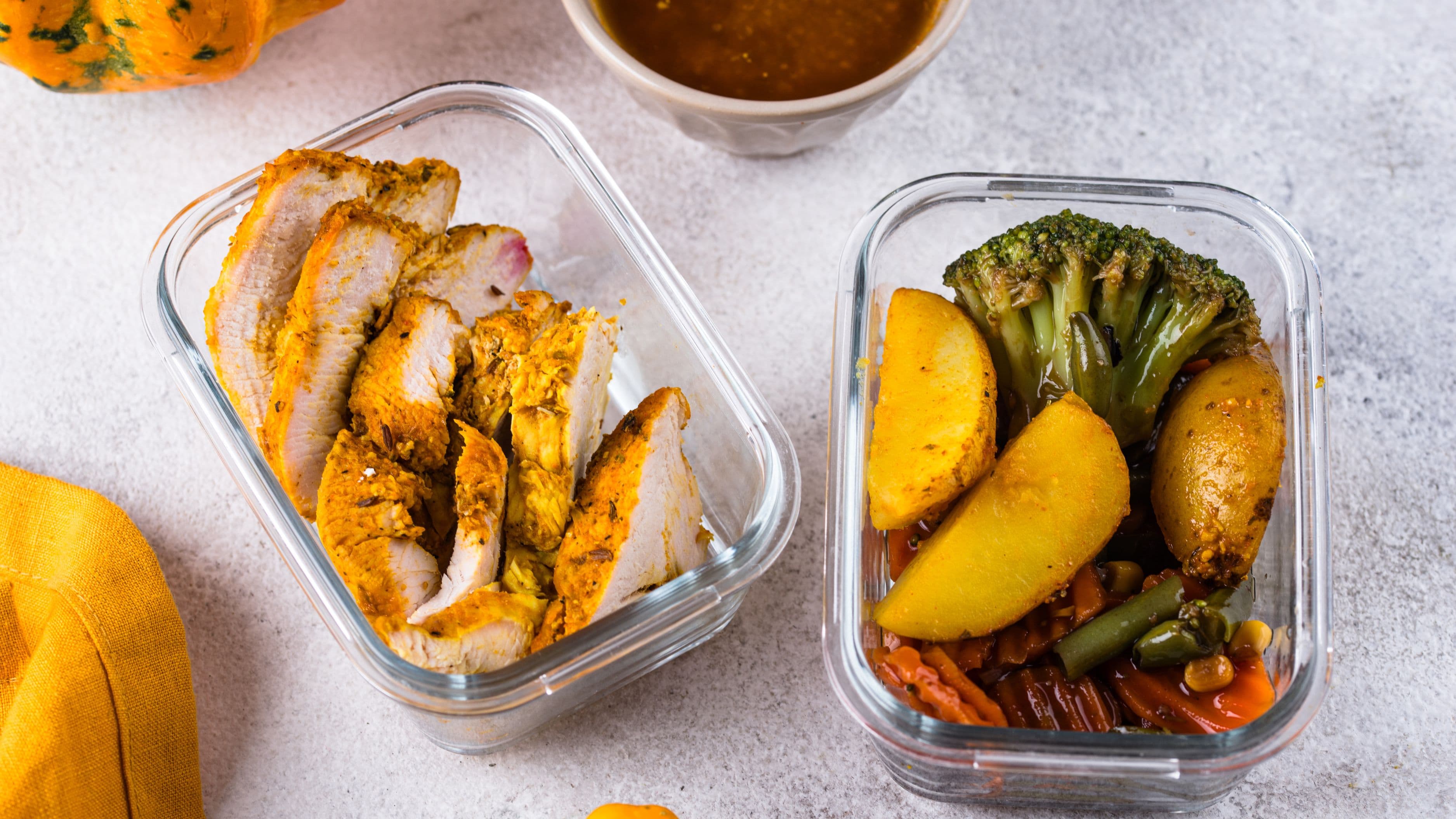
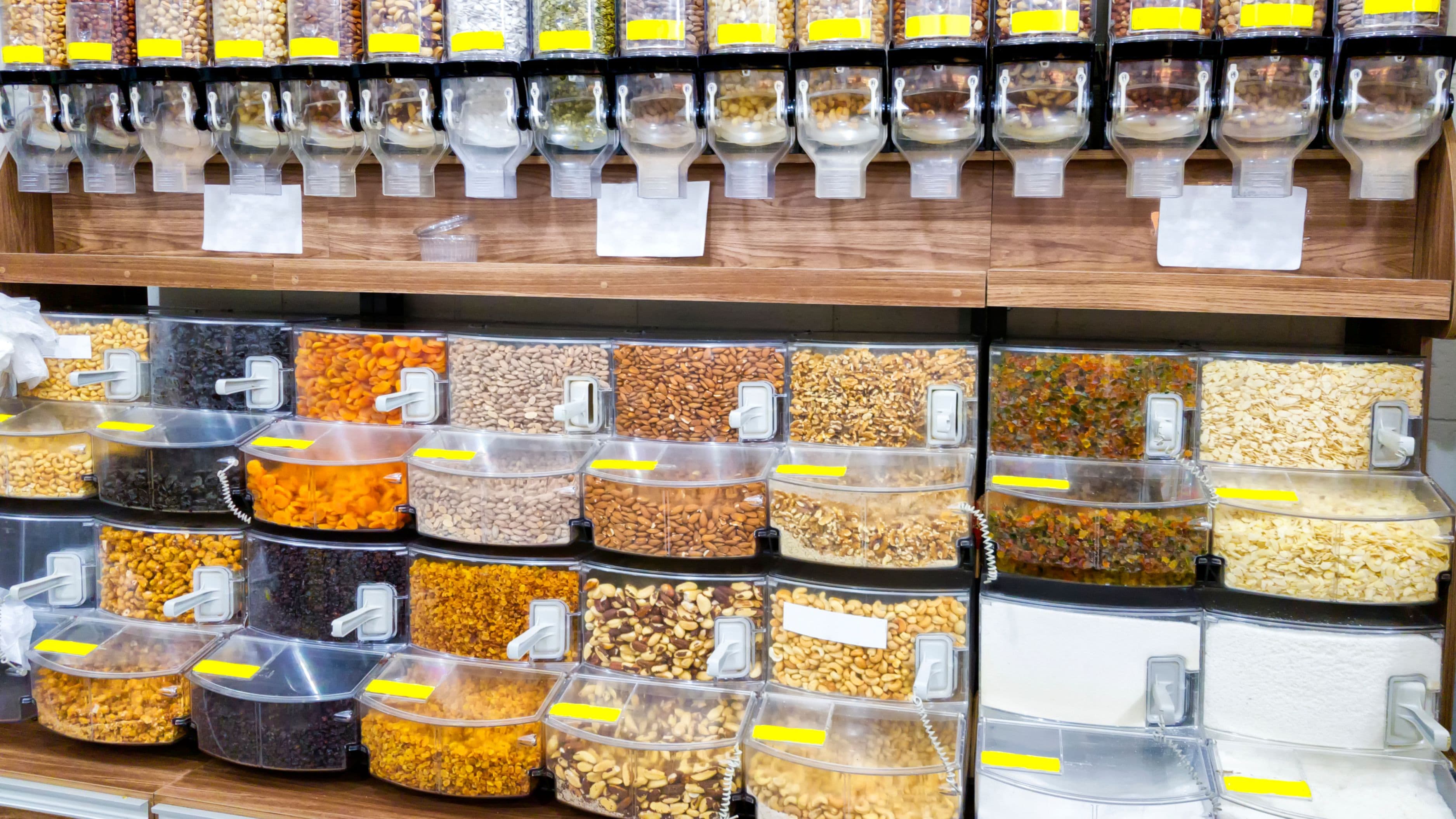
Pre-ground spices sitting in your cabinet for months lose their potency, which means you're essentially seasoning your food with expensive dust. When I invested in a $15 spice grinder and started buying whole spices in bulk, everything changed. Whole cumin seeds, coriander, peppercorns, and cinnamon sticks cost a fraction of their pre-ground counterparts and deliver explosive flavor that makes even simple dishes taste restaurant-worthy.
Toasting whole spices before grinding them releases aromatic oils that transform your cooking. A simple dal goes from bland to intoxicating. Roasted vegetables become crave-worthy. The upfront cost feels slightly higher, but whole spices last for years when stored properly, and you use less because the flavor is so concentrated. I calculated that switching to whole spices saved me about $8 per month while dramatically elevating every single meal.
3. I Married Myself to Seasonal Produce
Buying strawberries in January or butternut squash in July meant paying inflated prices for produce that traveled thousands of miles and tasted disappointingly bland. When I committed to eating seasonally, my produce costs dropped by nearly 60%, and paradoxically, my meals became more varied and flavorful. Summer meant gorging on tomatoes, zucchini, and corn. Fall brought sweet potatoes, apples, and hearty greens. Winter introduced me to the beauty of root vegetables and citrus.
Shopping at farmers' markets or joining a CSA (Community Supported Agriculture) box connected me directly with local growers, cutting out middlemen and reducing costs even further. I'd often score "ugly" produce—perfectly delicious fruits and vegetables with cosmetic imperfections—for a fraction of the price. That misshapen heirloom tomato? It made the same incredible sauce as its picture-perfect cousin, but cost 40% less.
Seasonal eating also taught me to preserve abundance. When peaches were $1 per pound, I'd make jam. When basil was everywhere, I'd blend pesto and freeze it in ice cube trays. This preserved summer's bounty for winter months when fresh herbs cost $4 for a tiny plastic clamshell.
4. Meat Became the Supporting Actor, Not the Star
I didn't become vegetarian, but I stopped centering every meal around a large cut of meat. Instead, I treated meat as a flavoring agent—a little bacon to enhance a pot of beans, shredded rotisserie chicken stretched across three meals, or ground beef mixed with lentils for tacos that tasted just as satisfying but used half the meat.
This approach, sometimes called "flexitarian," saved me approximately $180 monthly. Beans, lentils, eggs, and tofu became protein staples that cost pennies per serving but delivered incredible versatility. A pot of black beans could become refried beans for breakfast burritos, the base of a hearty soup, or mixed with rice for a simple dinner. These plant-based proteins also happen to be nutritional powerhouses, so I was eating better while spending less.
When I did buy meat, I purchased larger cuts on sale and butchered them myself. A whole chicken cost less than buying individual parts and provided bones for stock. A pork shoulder could be slow-cooked into pulled pork that fed us for days. Learning basic butchery skills—mostly from YouTube videos—gave me more control over portions and quality.
5. I Befriended My Freezer
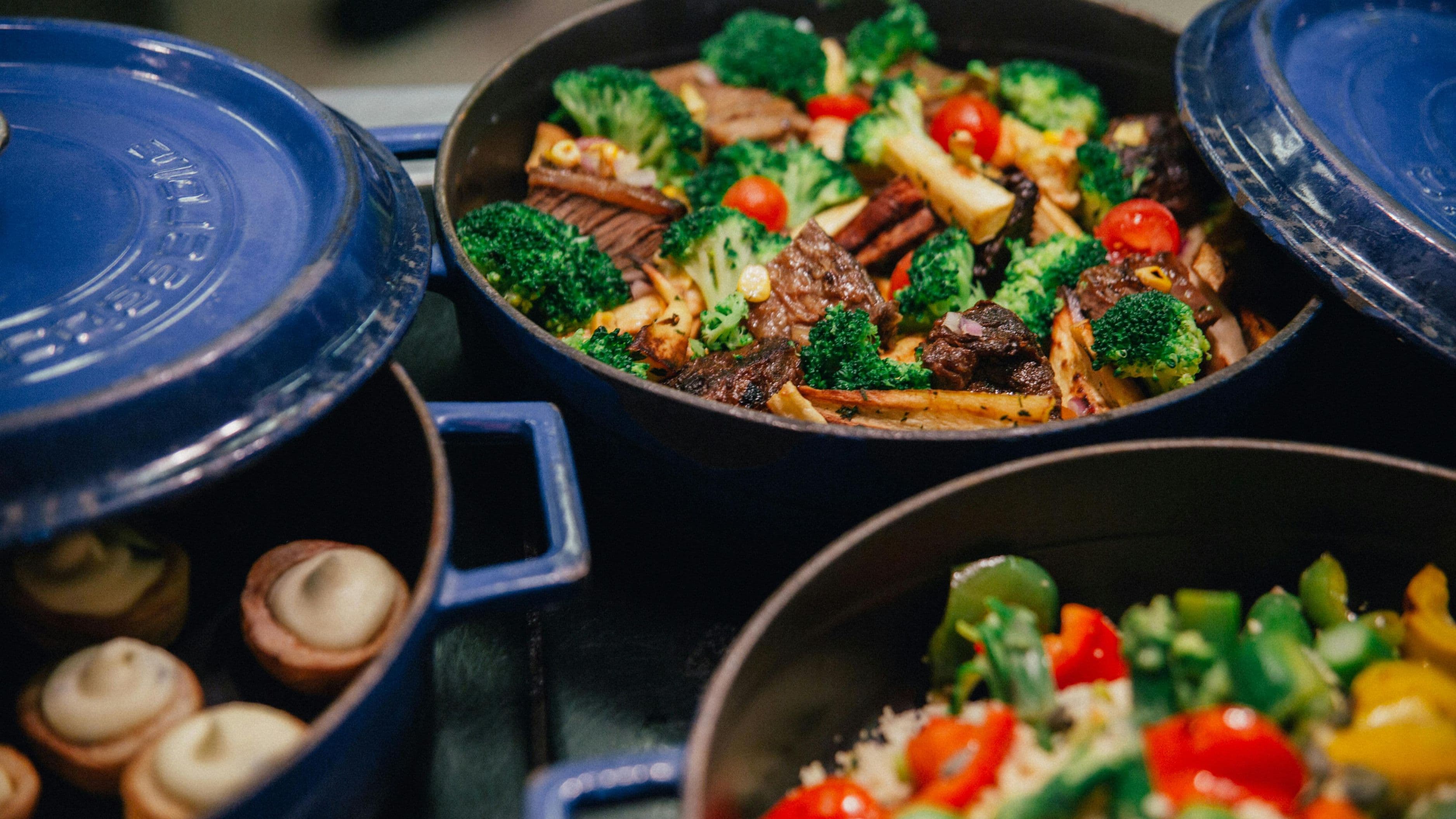
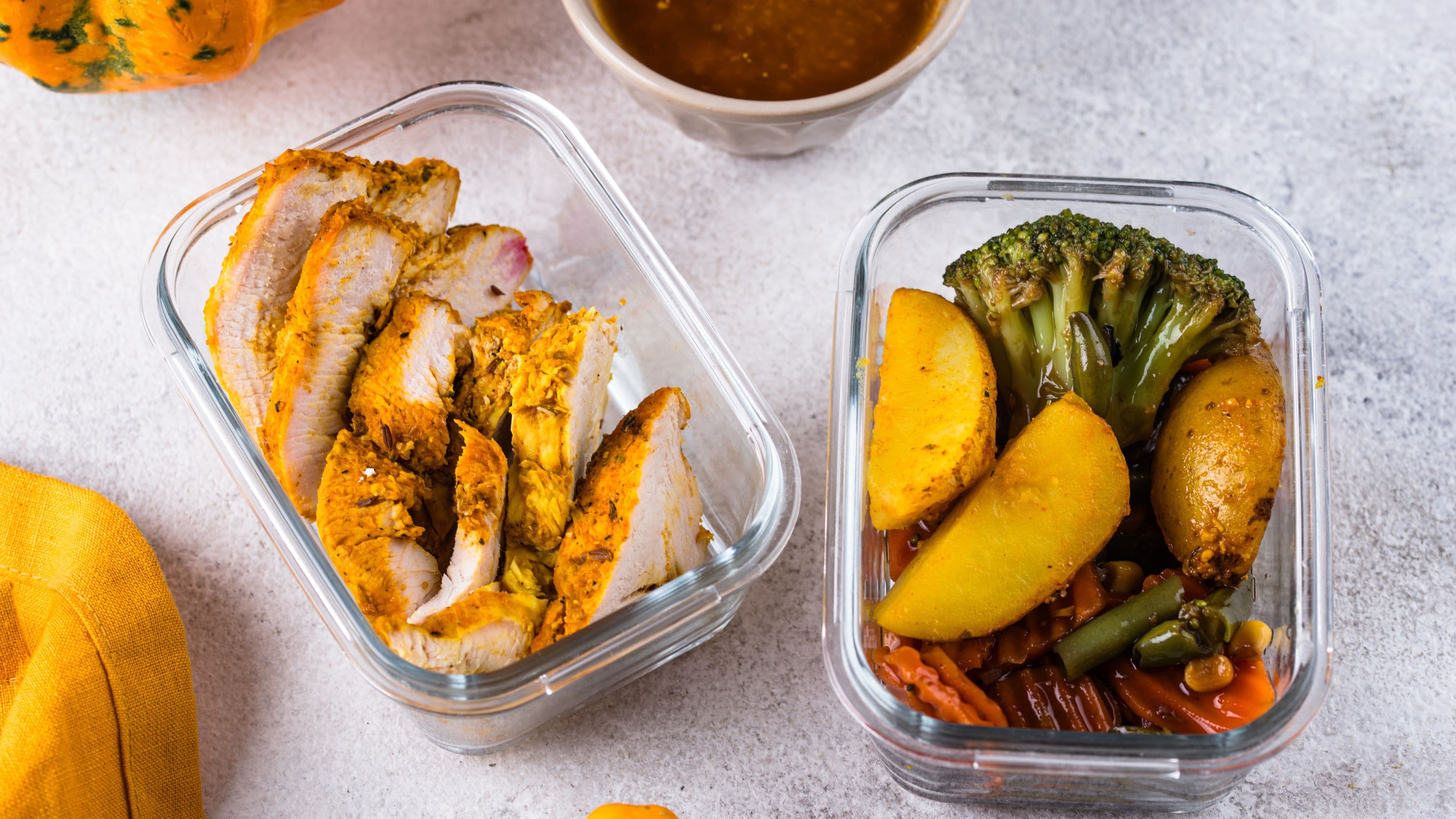
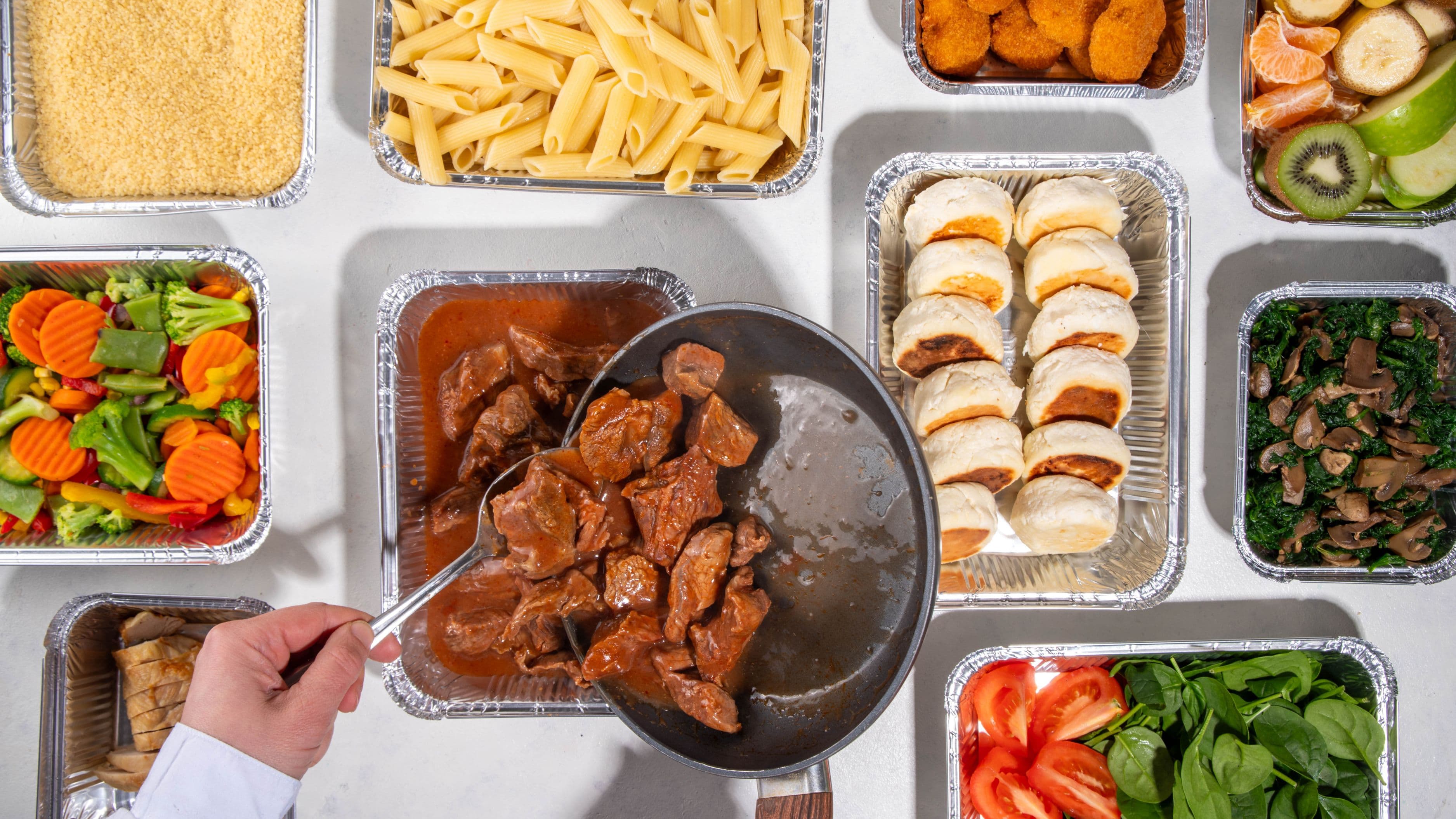
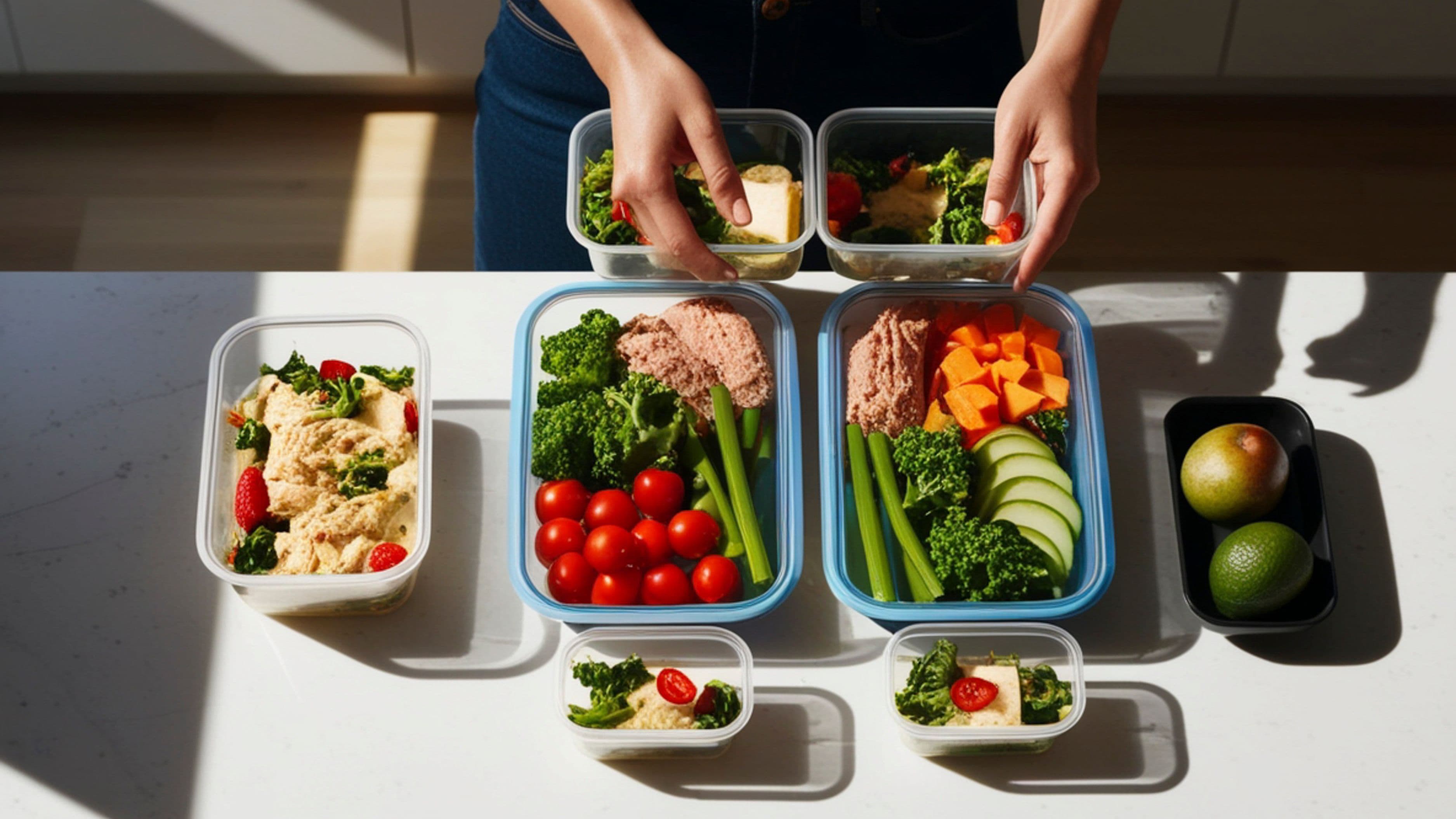
My freezer transformed from a graveyard of forgotten leftovers into a strategic arsenal of convenience. I started batch-cooking on Sundays—big pots of chili, lasagna, curry, or soup—that I'd portion and freeze. On chaotic weeknights, instead of ordering $40 worth of takeout, I'd reheat a homemade meal that cost maybe $8 total and tasted better than anything I could've ordered.
I also began freezing ingredients at their peak. Overripe bananas became smoothie fodder or banana bread. Fresh herbs were chopped and frozen in olive oil. Vegetable scraps accumulated in a freezer bag until I had enough to make stock. Bread went stale? Into the freezer for future croutons or breadcrumbs. This eliminated waste and ensured I always had building blocks for quick meals.
Flash-freezing individual portions of cooked rice, caramelized onions, or roasted vegetables meant I could add complexity to meals without extra work. That frozen cup of caramelized onions could transform a simple soup or elevate scrambled eggs in seconds.
6. Store Brands Lost Their Stigma
I used to be a brand snob, convinced that name-brand products were somehow superior. Then I started doing blind taste tests with my family, and we couldn't consistently tell the difference between name-brand and store-brand pasta, canned tomatoes, olive oil, dairy products, or baking staples. In some cases, we actually preferred the store brand.
Switching to store brands for pantry staples saved me about $75 monthly without any noticeable impact on flavor or quality. The secret? Most store-brand products are manufactured by the same companies that make name brands—they're just packaged differently and marked up less. I kept buying name-brand for items where I genuinely noticed a quality difference (for me, that's soy sauce and vanilla extract), but everything else went generic.
This extends to "fancy" ingredients too. That $12 bottle of truffle oil? The store-brand version for $6 tasted nearly identical in blind testing. Specialty cheese from the deli counter versus pre-packaged? Often the same cheese at different price points.
7. I Mastered the Art of "Use Everything" Cooking
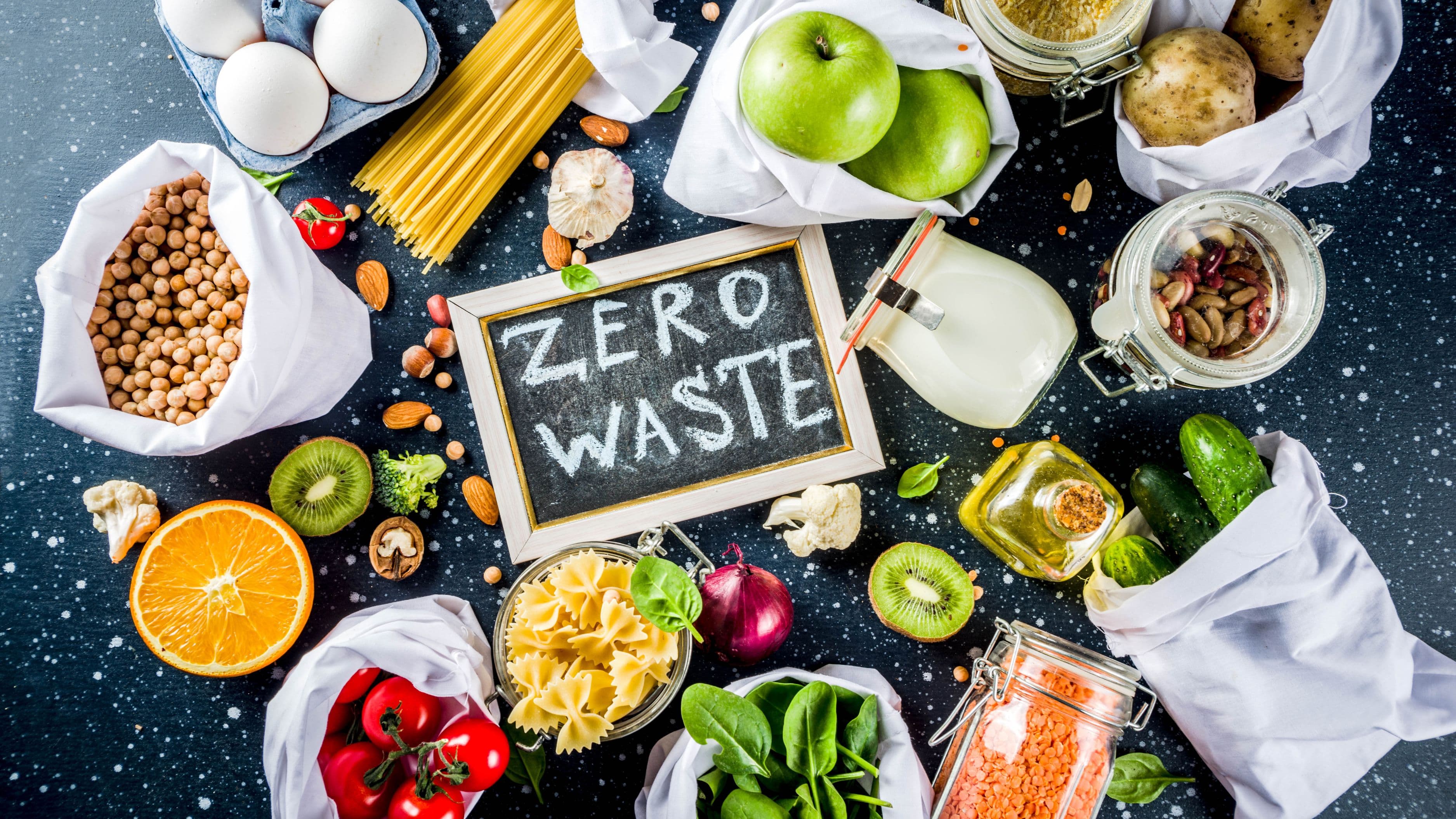
Broccoli stems became slaw. Carrot tops transformed into pesto. Chicken carcasses simmered into liquid gold—rich, flavorful stock that cost nothing but elevated every soup and grain dish. I stopped throwing away the parts of ingredients I'd previously considered scraps and started seeing potential everywhere.
Stale bread became croutons, breadcrumbs, or panzanella. The liquid from canned beans (aquafaba) whipped into meringue. Wilting greens went into smoothies or were sautéed into pasta. Parmesan rinds simmered in soups for umami depth. This nose-to-tail, root-to-stem approach meant I was extracting maximum value from every ingredient.
I kept a running "use it up" list on my fridge, noting ingredients that needed to be consumed soon. This kept food waste at nearly zero and forced creative cooking. That random combination of leftover roasted vegetables, cooked quinoa, and feta became a delicious grain bowl. The last bits of several jars of jam mixed with balsamic vinegar created an incredible glaze for roasted chicken.
8. Meal Planning Became Non-Negotiable
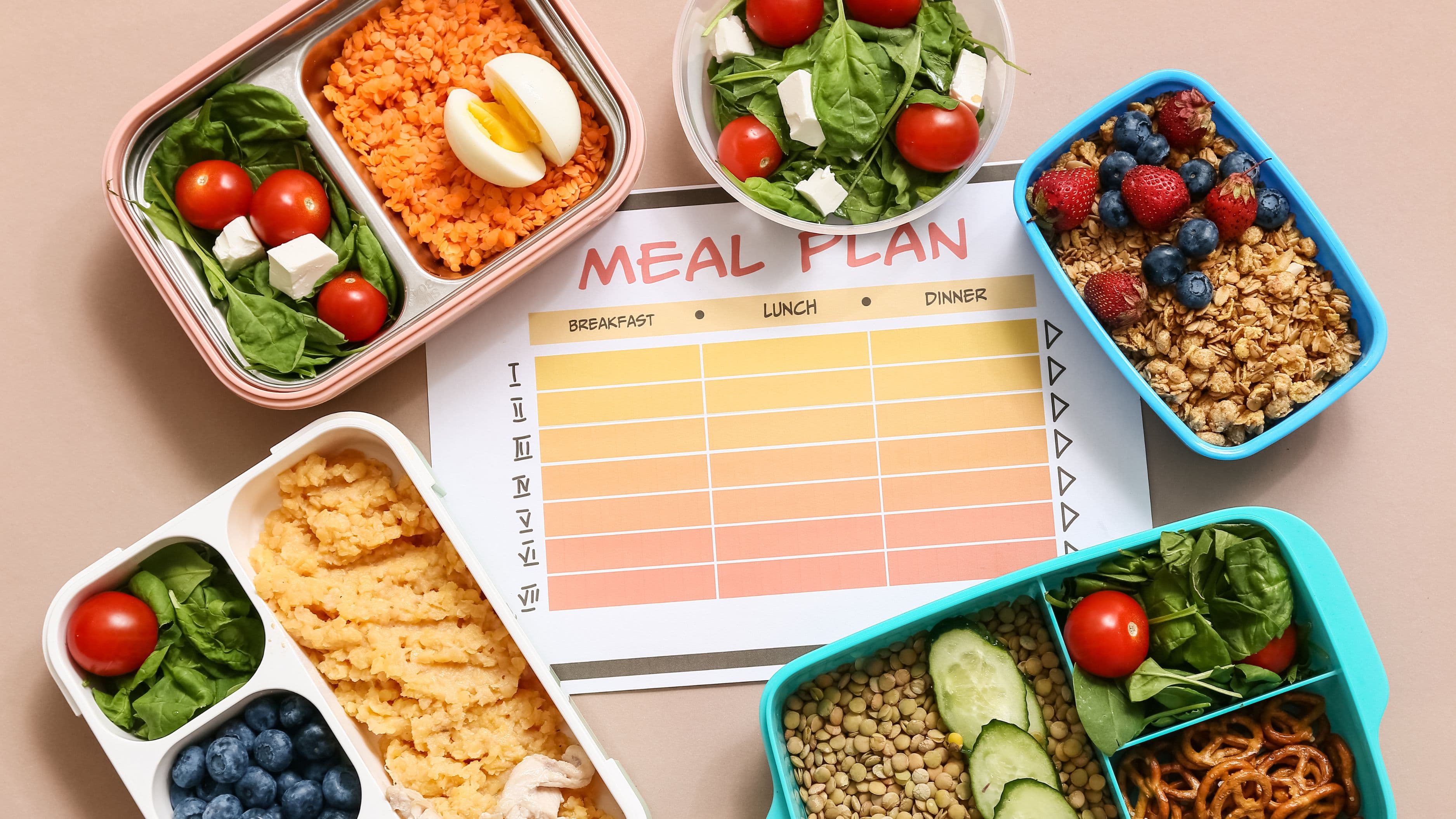
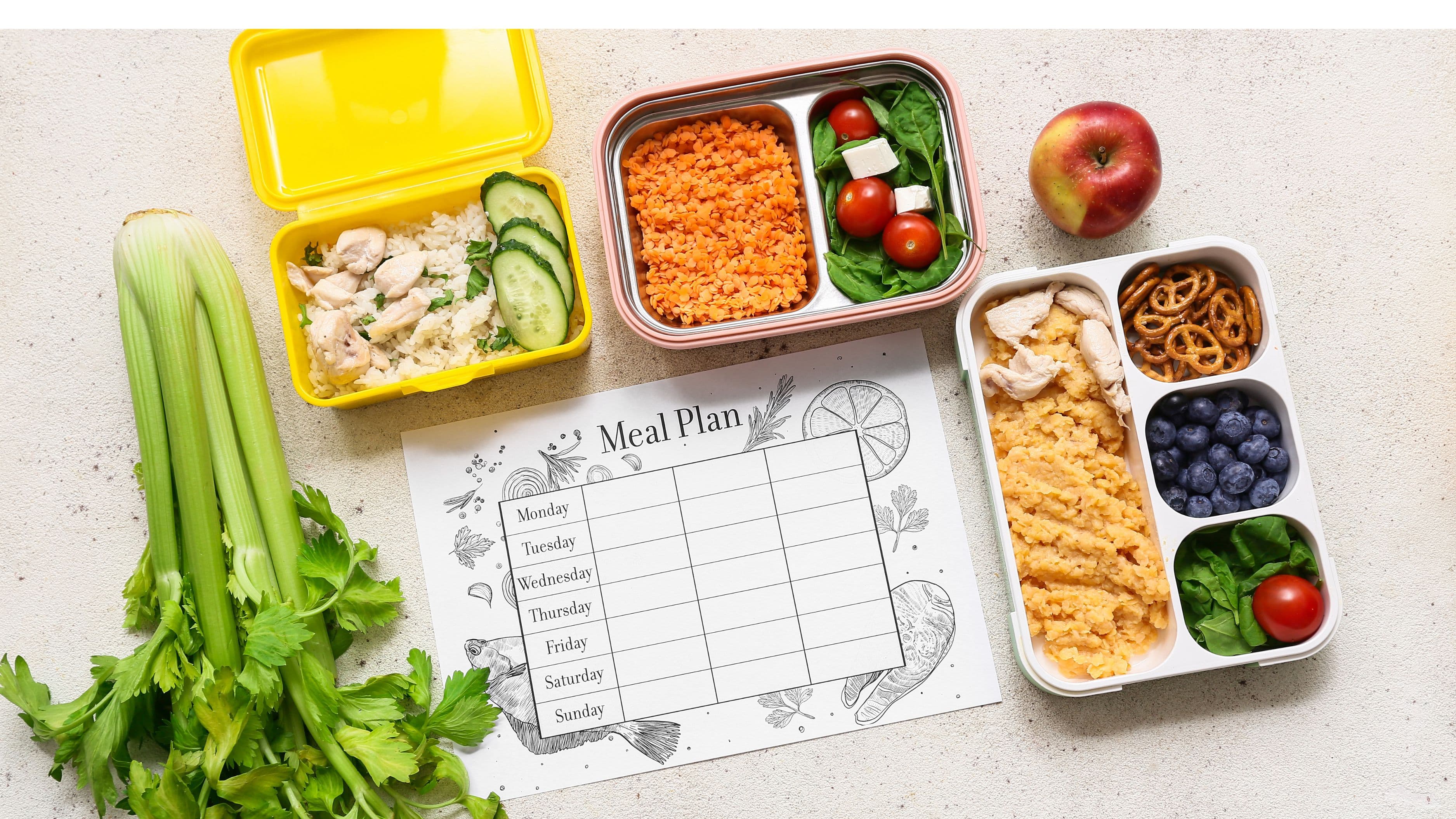
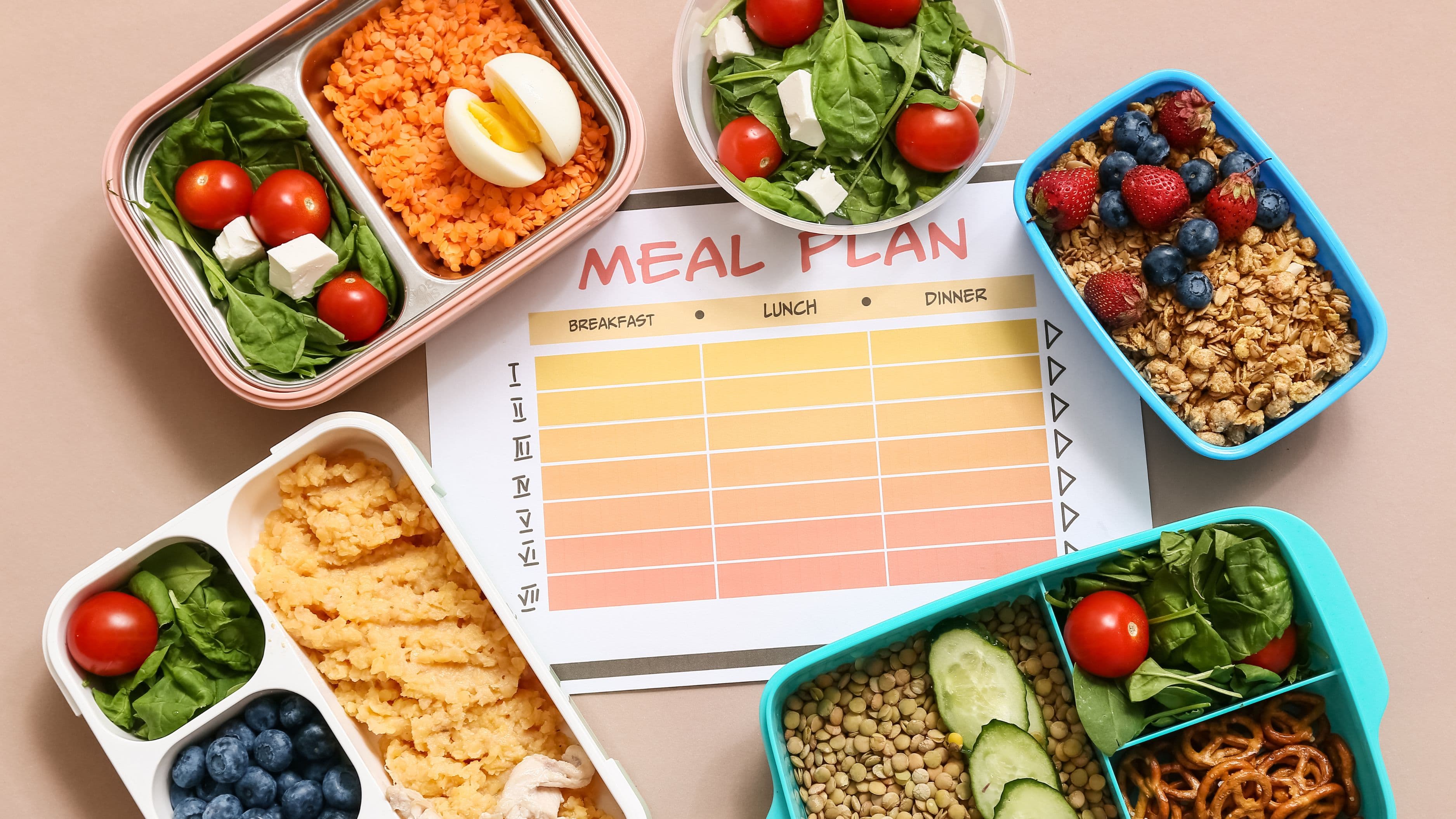
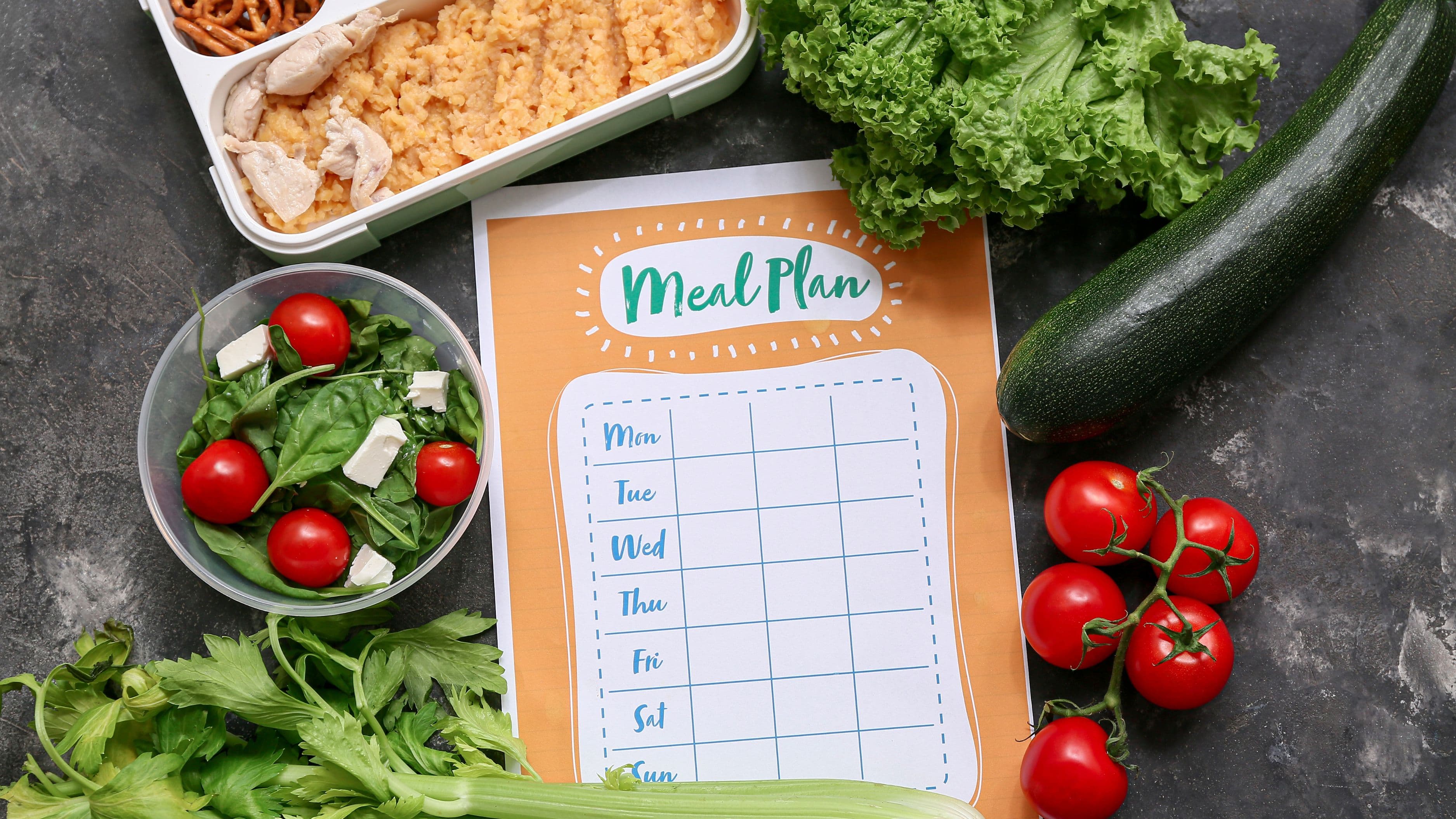
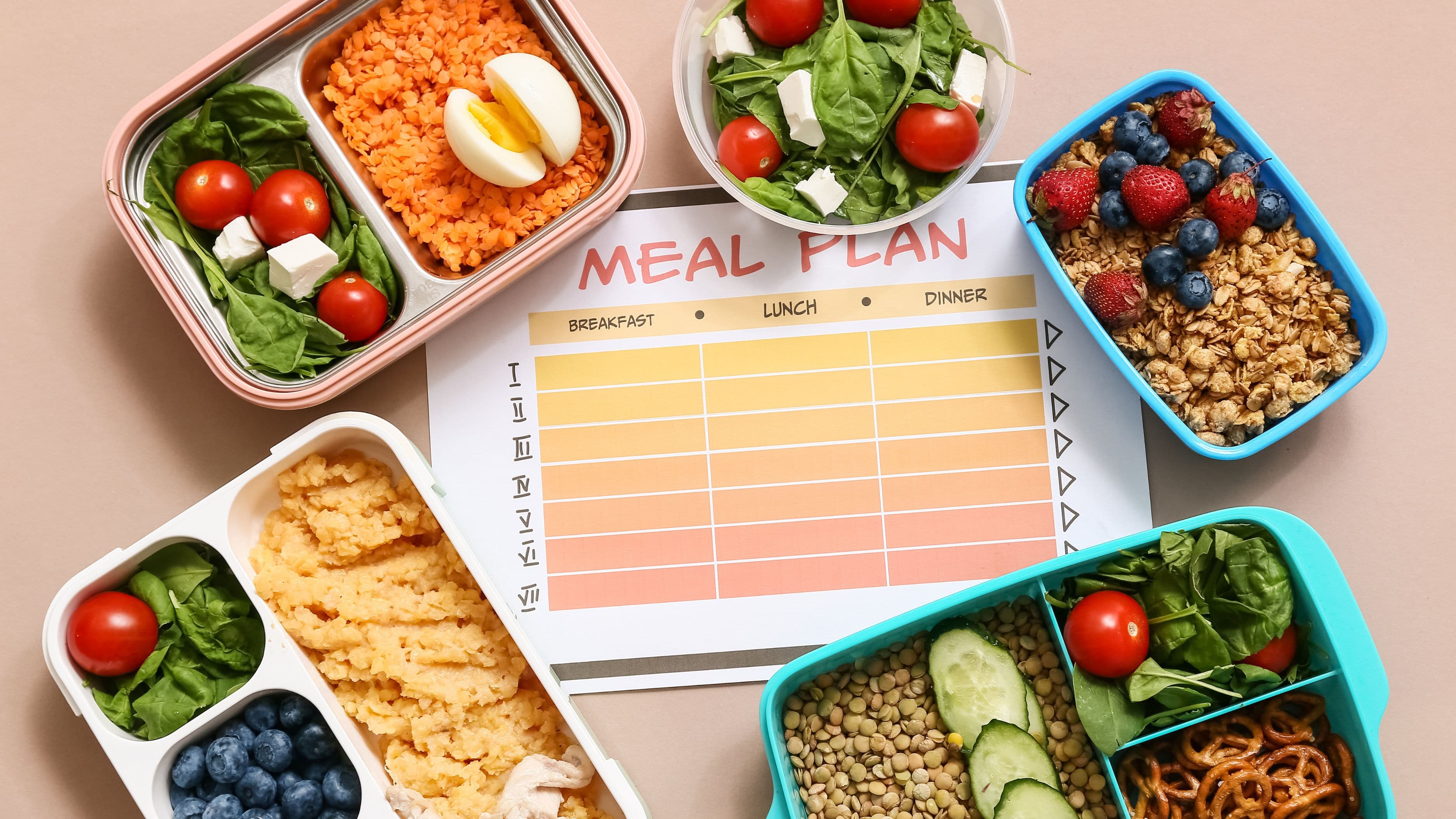
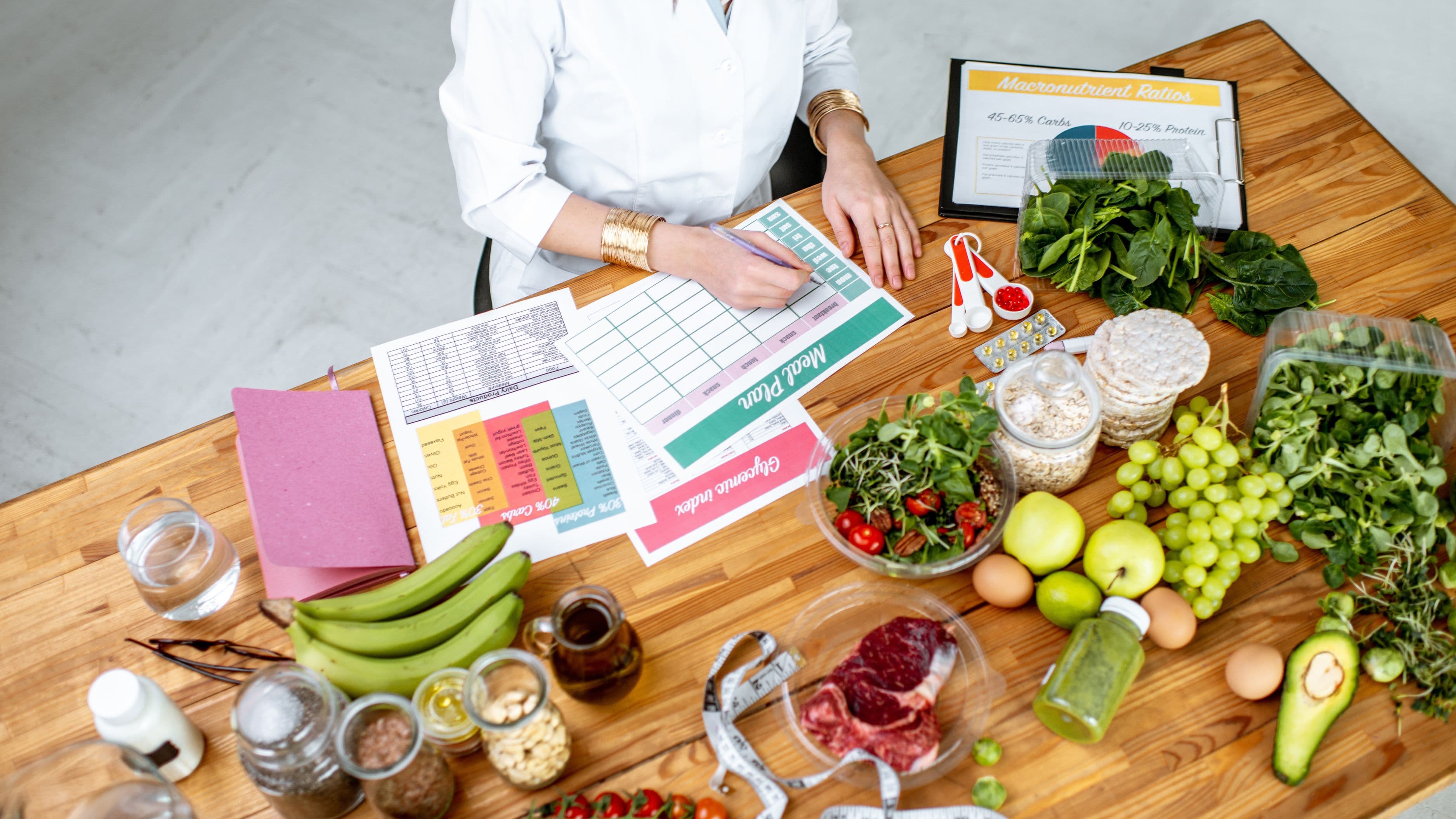
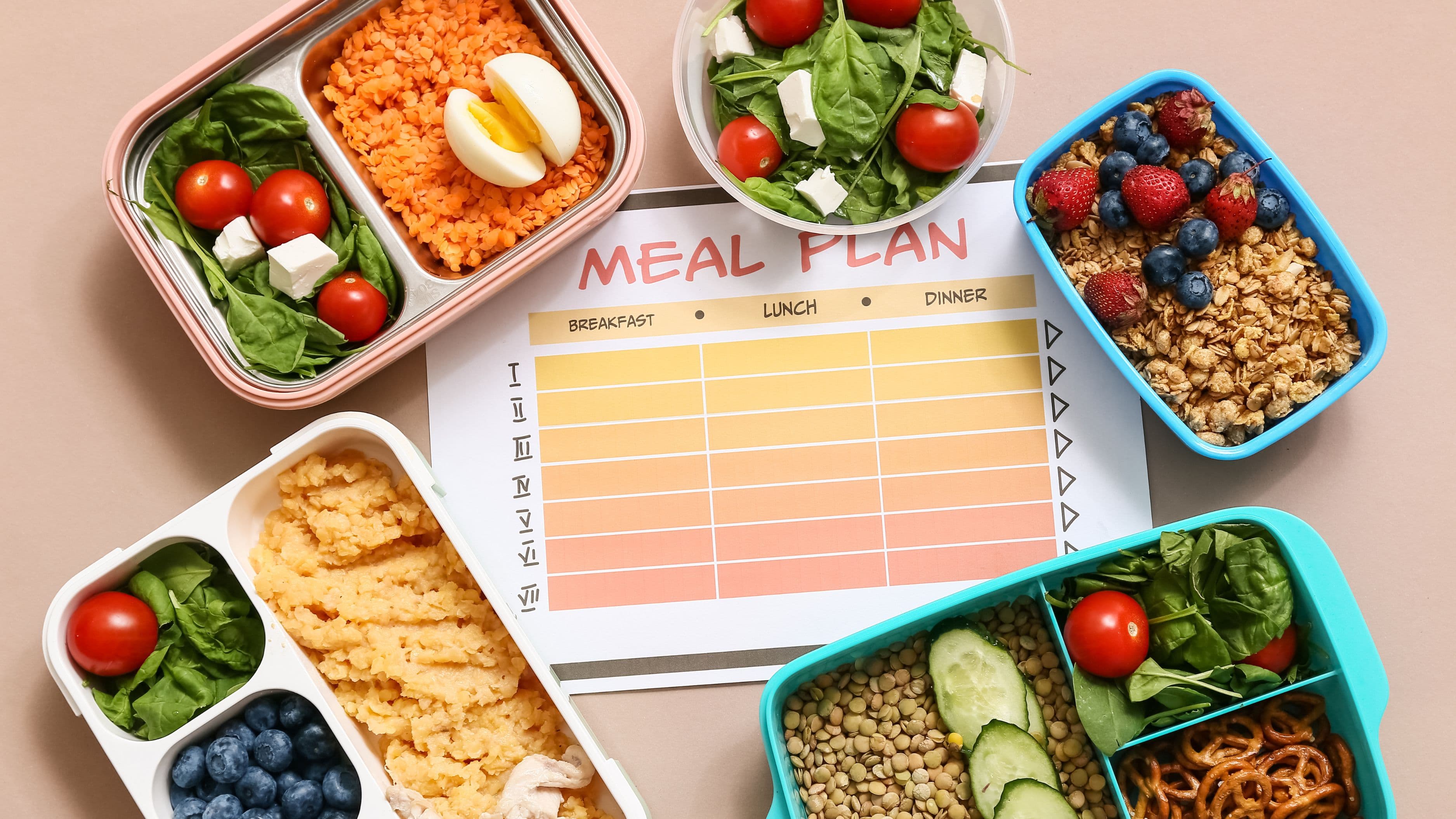
Every Sunday, I'd spend 20 minutes planning the week's meals based on what was on sale, what I already had, and what we were craving. This simple habit eliminated impulse purchases, reduced food waste, and removed the "what's for dinner" stress that used to lead to expensive takeout orders. I'd cook strategically, making dishes that shared ingredients—roast chicken one night meant chicken tacos the next and chicken soup later in the week.
The key was building flexibility into the plan. I'd designate one night for "leftovers remix" and another for "pantry surprise," giving myself permission to improvise rather than feeling locked into a rigid schedule. This approach reduced our dining-out frequency from four times per week to twice monthly, saving roughly $320 per month.
I also discovered that doubling recipes added minimal cost but provided built-in future meals. Making two lasagnas instead of one meant barely any extra work or expense (you're already dirty-ing the dishes and heating the oven), but it delivered another complete meal for the freezer.
The Bigger Picture: Abundance Through Constraint
Cutting my grocery bill wasn't about deprivation—it was about intentionality. By removing mindless spending, I created space for the foods that truly mattered. I could afford higher-quality olive oil, pasture-raised eggs, and the occasional splurge on really good cheese because I wasn't hemorrhaging money on convenience items and wasted food.
These strategies taught me that flavor doesn't require expensive ingredients; it requires technique, creativity, and respect for what you already have. The most memorable meals I've cooked this year weren't the ones with premium ingredients—they were the ones where I transformed humble beans, seasonal vegetables, and smart seasoning into something that made my family lean back from the table with satisfied sighs.
What if the key to eating better wasn't spending more, but spending smarter? What could your kitchen become if you saw every ingredient as potential rather than just components of a single meal?
📚 Sources
1. U.S. Department of Agriculture, Economic Research Service. "Official USDA Food Plans: Cost of Food at Home at Four Levels, U.S. Average." USDA.gov, 2024.