Myth: Seasonal Eating Means Boring Winter Meals
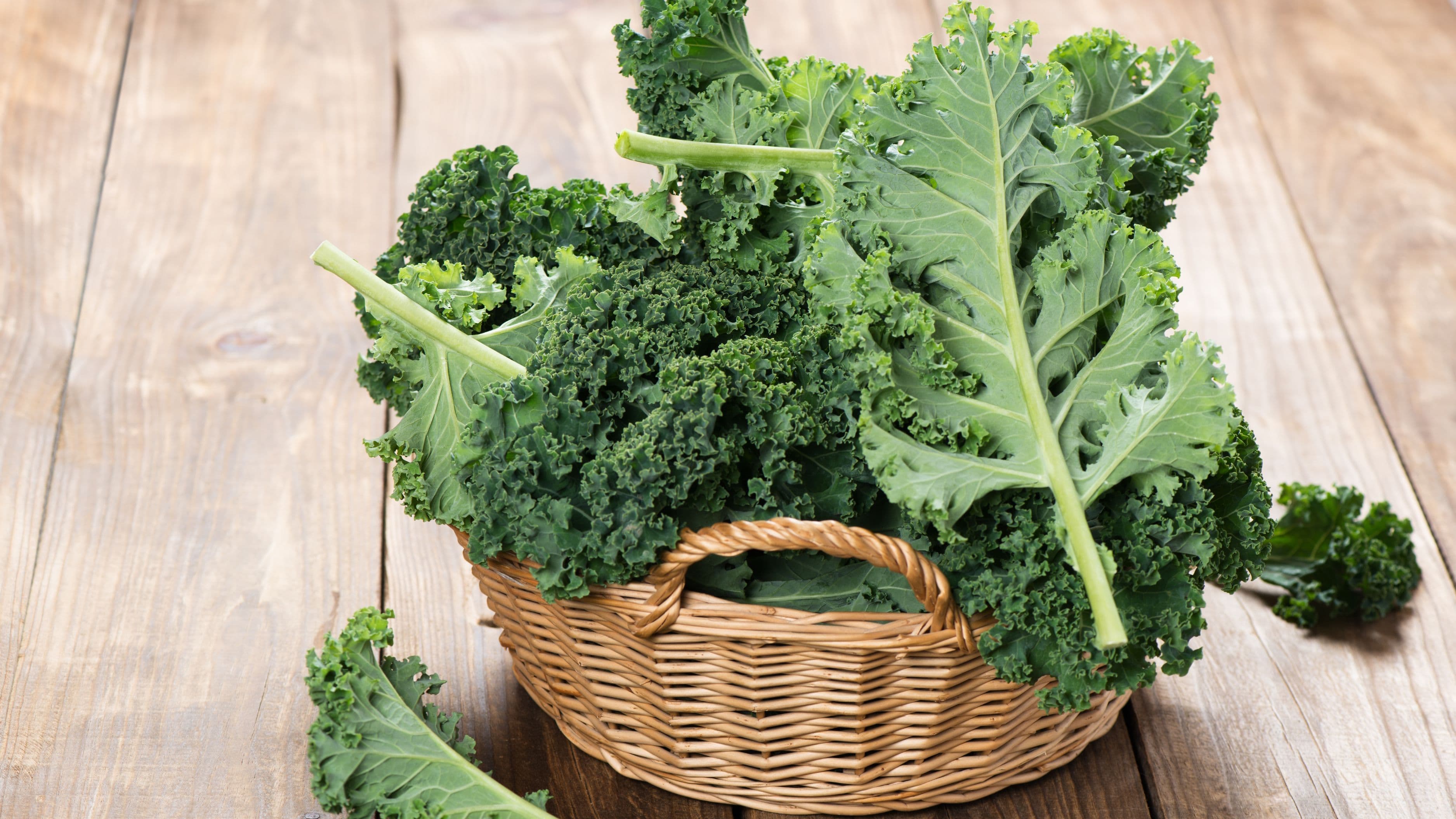
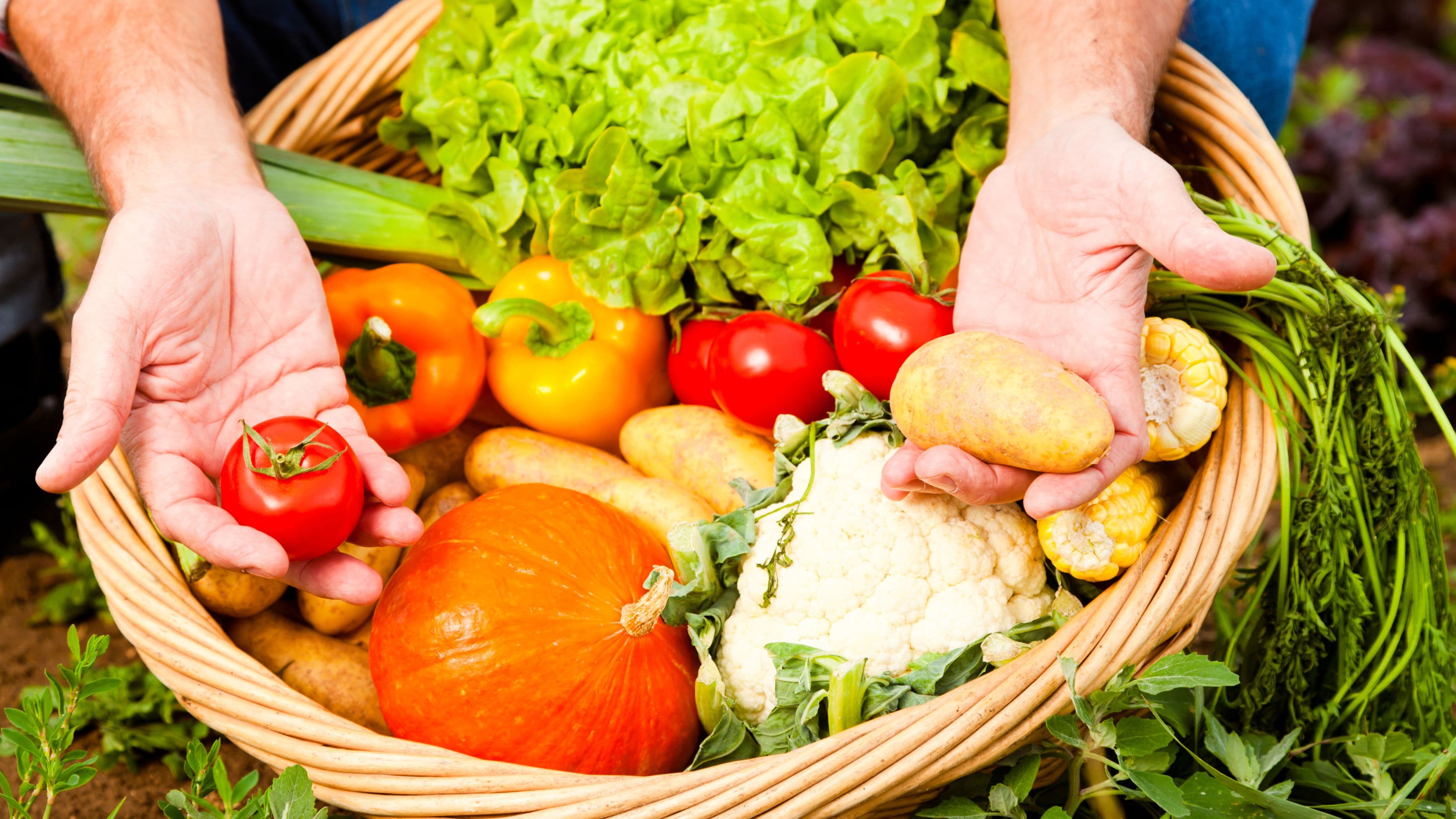
Truth: Winter produce creates the deepest, most satisfying flavors you'll experience all year. Those root vegetables you ignore in summer—carrots, parsnips, turnips, celery root—develop concentrated sweetness when they mature in cold weather, storing sugars as a natural antifreeze. Winter squashes, Brussels sprouts, and hearty greens like kale actually taste better after the first frost touches them, their bitterness mellowing into something almost nutty and complex. The idea that winter eating is deprivating comes from people who've never properly roasted a beet until its edges caramelize or braised cabbage until it becomes silky and sweet. Cold-weather vegetables demand different cooking techniques—roasting, braising, long simmering—that build flavors summer produce never needs because it's already bursting with brightness.
Myth: You'll Miss Your Favorite Foods Too Much
Truth: Anticipation makes food taste objectively better than constant availability ever could. When you haven't eaten a tomato for eight months, that first summer heirloom tastes like revelation, like the platonic ideal of what tomatoes were meant to be before industrial agriculture bred them for durability instead of flavor. Research in behavioral psychology shows that limiting access to pleasurable experiences actually increases satisfaction when you finally experience them again—a phenomenon called "hedonic adaptation" that explains why your favorite song eventually becomes background noise. Eating strawberries only in late spring, corn only in high summer, and apples only in fall restores the excitement and appreciation that year-round availability slowly erodes. You're not depriving yourself; you're recovering the ability to actually taste and celebrate food instead of mindlessly consuming it fifty-two weeks a year.
Myth: Seasonal Produce Is More Expensive
Truth: In-season produce is dramatically cheaper because supply is abundant exactly when you're buying it. That's literally how markets work—when farmers have tons of zucchini in August, prices drop because supply exceeds demand, but when you buy zucchini in February, you're paying for transportation from another hemisphere plus the premium of scarcity. A study by the Leopold Center for Sustainable Agriculture found that produce traveling an average of 1,500 miles costs significantly more than local, seasonal alternatives when you factor in the hidden costs of fuel, refrigeration, and spoilage. Shop at farmers markets during peak season and you'll find vendors practically begging you to take home flats of tomatoes or bags of green beans at prices grocery stores can't match. Your grocery bill actually decreases when you buy what's abundant right now instead of forcing nature's calendar to match your cravings.
Myth: You Need Recipes for Every Meal
Truth: Seasonal cooking teaches you to improvise because you're working with fewer, more familiar ingredients repeatedly. When you cook with the same seven vegetables for three months, you learn them intimately—how they behave under different heat, what flavors complement them, how their texture changes from raw to roasted to pureed. This repetition builds intuition faster than constantly trying new recipes with unfamiliar ingredients. You stop needing step-by-step instructions because you understand the principles: these bitter greens need acid to balance them, these roots want high heat to caramelize, these delicate lettuces barely need cooking at all. Professional chefs call this "cooking by market" rather than "cooking by recipe," and it's how restaurants create specials based on whatever arrived fresh that morning. The constraint of seasonality paradoxically creates more freedom because deep knowledge of a few ingredients beats shallow familiarity with everything.
Myth: You'll Lack Nutritional Variety
Truth: Seasonal eating forces you to consume a wider range of nutrients across the year than you probably do now. Most people claim to want variety but actually rotate through the same ten ingredients endlessly—chicken, broccoli, tomatoes, lettuce, peppers, onions, potatoes, bananas, apples, and berries regardless of season. Eating seasonally means you consume bitter greens in spring (loaded with liver-supporting compounds), diverse summer vegetables (providing different antioxidants and phytonutrients), dense fall produce (rich in vitamin A and fiber), and hearty winter roots (packed with minerals). Your body actually evolved to eat this way, with different nutritional profiles across seasons supporting different physiological needs—lighter foods in summer when you're more active, denser foods in winter when you need more energy. A study published in the Journal of Agricultural and Food Chemistry found that seasonal produce harvested at peak ripeness contains significantly higher levels of vitamins, minerals, and beneficial compounds than out-of-season alternatives picked early and ripened in transit.
Myth: It's Too Restrictive for Families
Truth: Kids develop healthier relationships with food when they understand where it comes from and when it naturally appears. Children who visit farms, pick their own strawberries, or watch tomatoes ripen through summer learn that food comes from soil and seasons, not just packages and shelves. This connection builds appreciation, reduces pickiness, and establishes eating patterns that honor natural rhythms instead of treating food as an industrial commodity available on demand. Families eating seasonally report more adventurous eating because trying new preparations of available vegetables becomes a game rather than a battle—how many ways can we cook butternut squash this month? The constraint actually sparks creativity and conversation that endless choice somehow suppresses. Plus, when everyone knows peaches only last six weeks, there's incentive to celebrate them together while they're here rather than taking them for granted.
Myth: You Can't Make Your Favorite Dishes
Truth: Seasonal eating teaches you to make better versions of your favorite dishes using what's actually available. Want pasta with vegetables in January? Use roasted Brussels sprouts, caramelized onions, and crispy pancetta instead of summer squash and tomatoes, and you'll create something arguably more satisfying for cold weather. Craving something fresh in February? Winter citrus salads with fennel and olives deliver bright acidity without out-of-season berries flown in from Chile. The constraint forces you to understand what role each ingredient plays—texture, acidity, sweetness, bitterness—so you can substitute seasonally appropriate alternatives that serve the same function. This makes you a more skilled, intuitive cook because you're thinking about principles rather than rigidly following recipes. Your favorite dishes evolve with the seasons, which means you're actually expanding your repertoire rather than limiting it.
Myth: It's Impossible in Modern Life
Truth: Seasonal eating is easier now than it's been in fifty years thanks to farmers markets, CSAs, and apps that tell you what's in season. You don't need to grow your own food or live on a farm—you just need to pay attention to what's abundant and cheap at any given moment. Most regions now have year-round farmers markets, community-supported agriculture programs that deliver seasonal boxes weekly, and online guides specific to your area showing what's currently at peak. The technology and infrastructure supporting local, seasonal food has exploded in the past decade, making this lifestyle more accessible than when our grandparents did it out of necessity. Start small: commit to buying one seasonal vegetable at the farmers market each week and building a meal around it. That single habit creates momentum that gradually shifts your entire relationship with cooking and shopping without requiring dramatic lifestyle overhaul.
Myth: Seasonal Produce Lacks Convenience
Truth: Seasonal produce requires less manipulation because it's actually ripe and flavorful when you buy it. Those rock-hard tomatoes you buy in winter need dicing, salting, and doctoring with vinegar and sugar to taste like anything. Summer tomatoes at peak ripeness need only slicing and a sprinkle of salt because they're already perfect. Out-of-season produce demands more work—more seasoning, more cooking techniques, more additions—to compensate for its inherent lack of flavor from being picked unripe and shipped thousands of miles. Seasonal produce is convenient in the way that actually matters: it tastes good with minimal effort, which means faster, simpler meals that still satisfy. The "convenience" of year-round availability is illusory when every meal requires extra steps to make bland ingredients remotely palatable.
Myth: You'll Waste Money on Unfamiliar Vegetables
Truth: Experimentation with cheap, abundant seasonal produce is the lowest-risk way to expand your cooking repertoire. When kohlrabi costs $2 per pound because it's everywhere in June, trying it doesn't require major financial commitment. You can afford to experiment, to fail, to discover that you actually love something you'd never have tried if it cost $6 per pound imported out of season. Farmers at markets will tell you how to cook unfamiliar vegetables because they want you to come back—free cooking education comes with your purchase. The abundance of seasonal produce creates natural opportunities to learn and grow as a cook without the pressure of expensive ingredients you feel obligated to use perfectly. Some experiments become new favorites, others don't, but the low stakes mean you're building skills and knowledge without financial stress.
Myth: It Doesn't Make a Real Environmental Impact
Truth: Eating seasonally and locally is one of the most significant individual actions you can take to reduce your carbon footprint. According to research from the University of Michigan's Center for Sustainable Systems, food miles—the distance food travels from farm to plate—account for a substantial portion of food-related greenhouse gas emissions, especially for air-freighted produce like berries and asparagus. When you eat asparagus in season from a farm fifty miles away versus asparagus flown from Peru in December, you're making a choice with measurable environmental consequences. Multiply that choice across meals and months and you're participating in a food system that prioritizes ecological sustainability over convenience. This isn't about perfection or guilt—it's about recognizing that your purchasing decisions shape what food systems thrive and what farming practices get supported financially.
Myth: Seasonal Eating Is All or Nothing
Truth: Even partial adoption of seasonal eating creates meaningful benefits for your health, budget, and palate. Nobody expects you to give up coffee, chocolate, or bananas just because they don't grow locally—these global staples operate differently in our food systems. The goal is shifting your produce purchases toward seasonal choices while maintaining flexibility for staples and occasional splurges. Start by making 70% of your vegetable and fruit purchases seasonal and local, and you'll still experience dramatic improvements in flavor, cost, and environmental impact without requiring monastic discipline. The perfect is the enemy of the good here; incremental changes sustained over time matter more than rigid adherence followed by burnout and abandonment.
Let go of the idea that having everything available always represents progress or freedom. That mentality keeps you trapped in a bland, expensive, environmentally destructive food system that prioritizes corporate logistics over flavor, nutrition, and sustainability. Seasonal eating isn't about deprivation—it's about recovering the ability to taste food as it's meant to be experienced, to anticipate flavors that come and go with natural rhythms, to cook with ingredients that are affordable precisely because they're abundant right now. Start making moves that actually work: visit a farmers market this weekend, ask what's in season, buy something you've never cooked before, and prepare it simply. Feel the difference when food tastes like something, when your grocery bill drops, when cooking becomes an engagement with nature's calendar instead of a battle against it. The seasons are offering you better food at lower prices with less environmental impact—stop fighting them and start celebrating what each one brings.
📚 Sources
Leopold Center for Sustainable Systems, University of Iowa. (2003). Food, Fuel, and Freeways: An Iowa perspective on how far food travels, fuel usage, and greenhouse gas emissions.
Cheng, Z., Moore, J., & Yu, L. (2006). High-throughput relative DPPH radical scavenging capacity assay. Journal of Agricultural and Food Chemistry, 54(20), 7429-7436.