1. Reading the Full Recipe First Saves Panic Time
Skimming makes you reactive. When you read a recipe completely before starting, you catch surprises like "marinate for 2 hours" or "refrigerate overnight" before it's too late. This thirty-second investment prevents the frantic realization that you're missing a key ingredient or don't have enough time.
2. Mise en Place Eliminates Searching and Fumbling
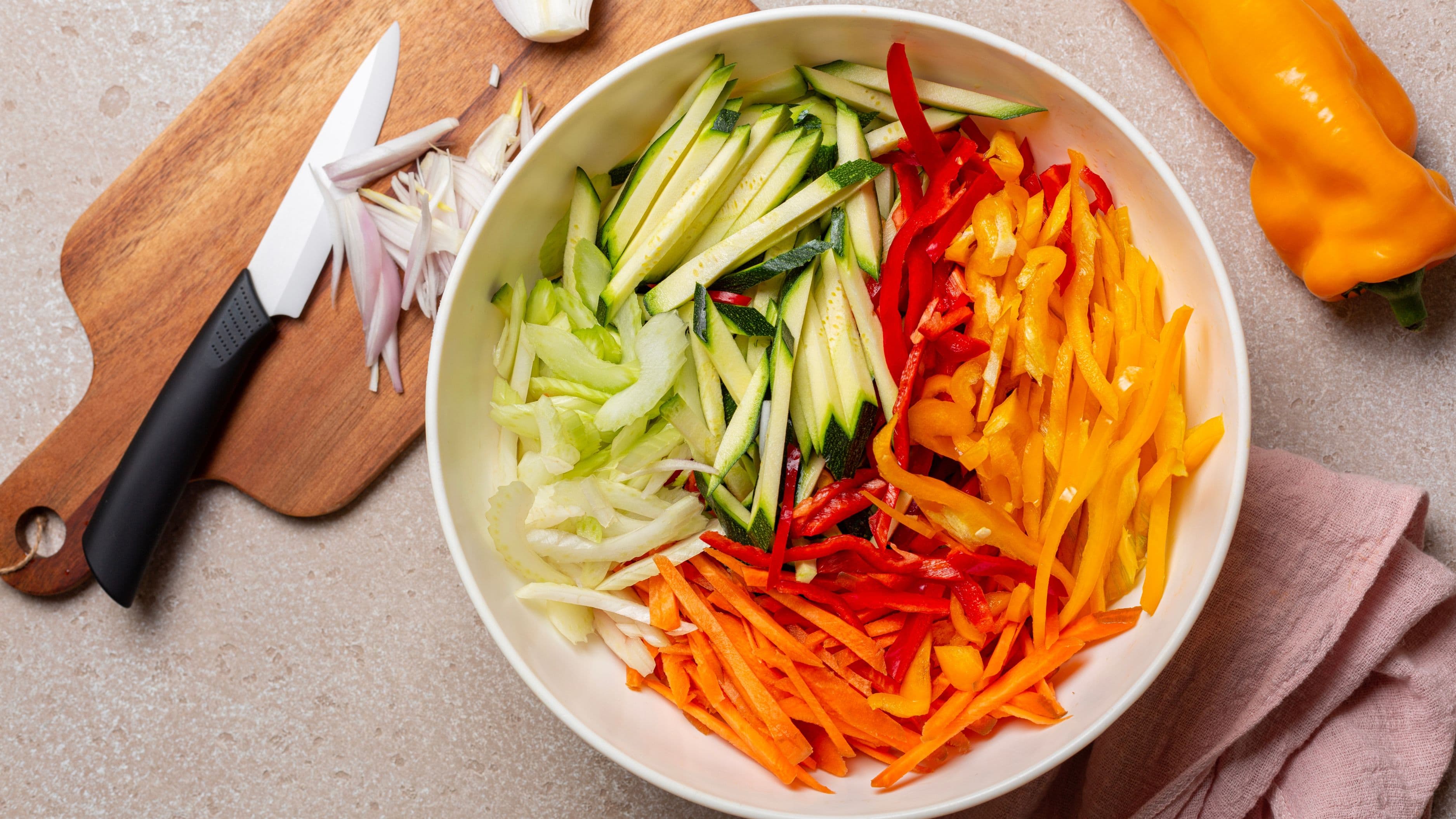
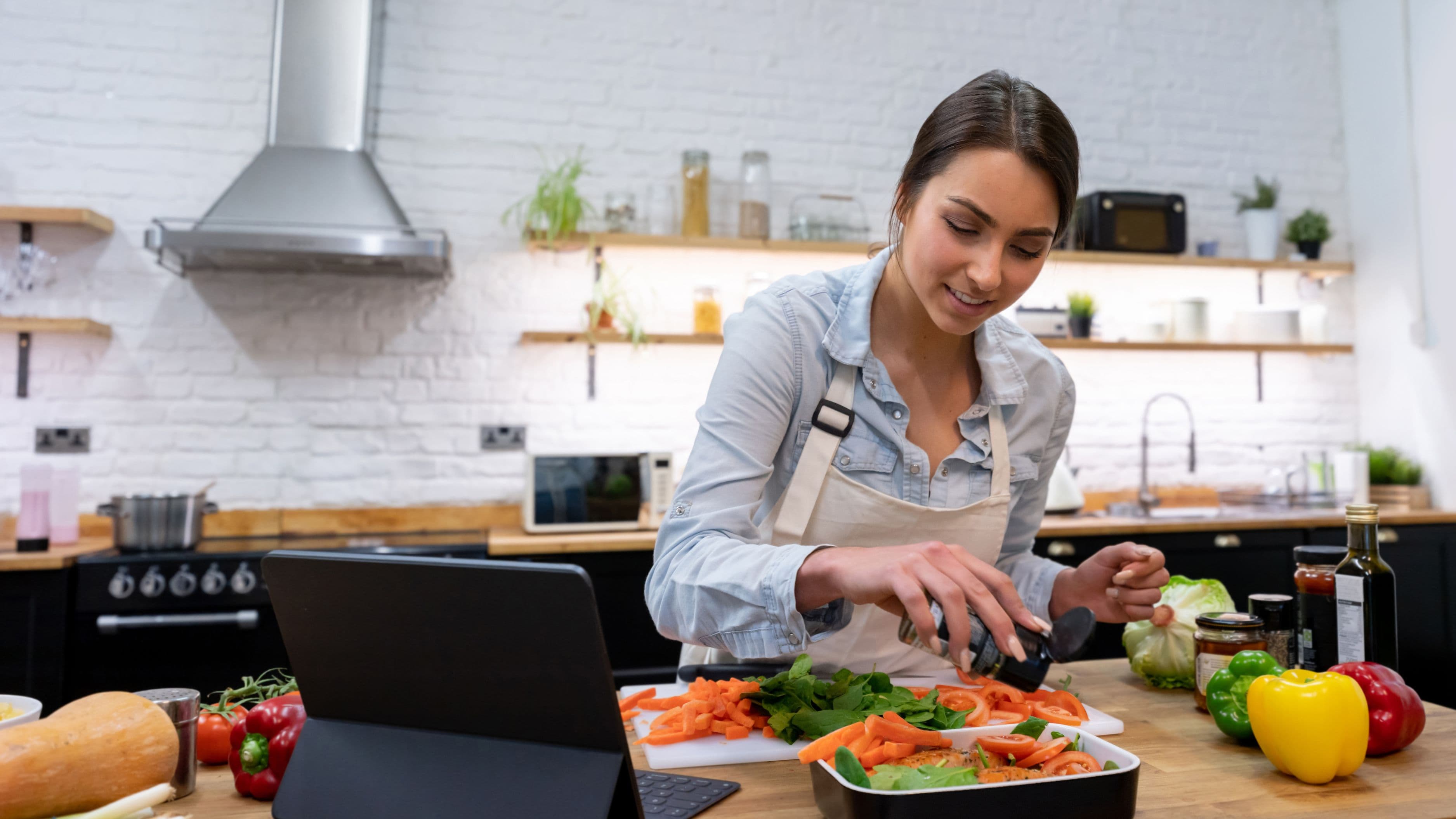
Chefs prep everything before touching heat. Chop all vegetables, measure all spices, have every ingredient within arm's reach before you turn on the stove. You'll move through cooking steps smoothly instead of scrambling to mince garlic while your onions burn.
3. Sharp Knives Cut Prep Time in Half
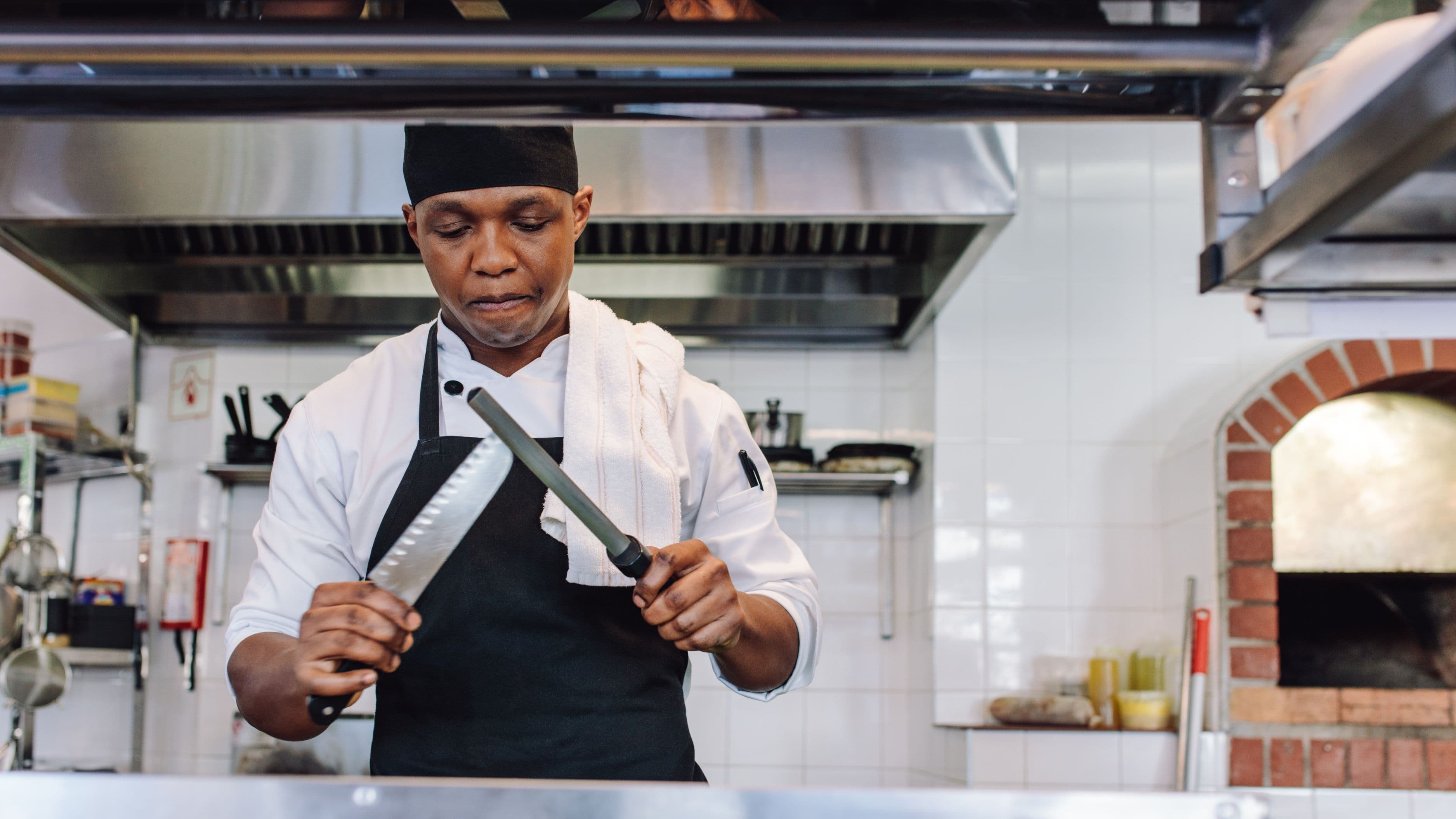
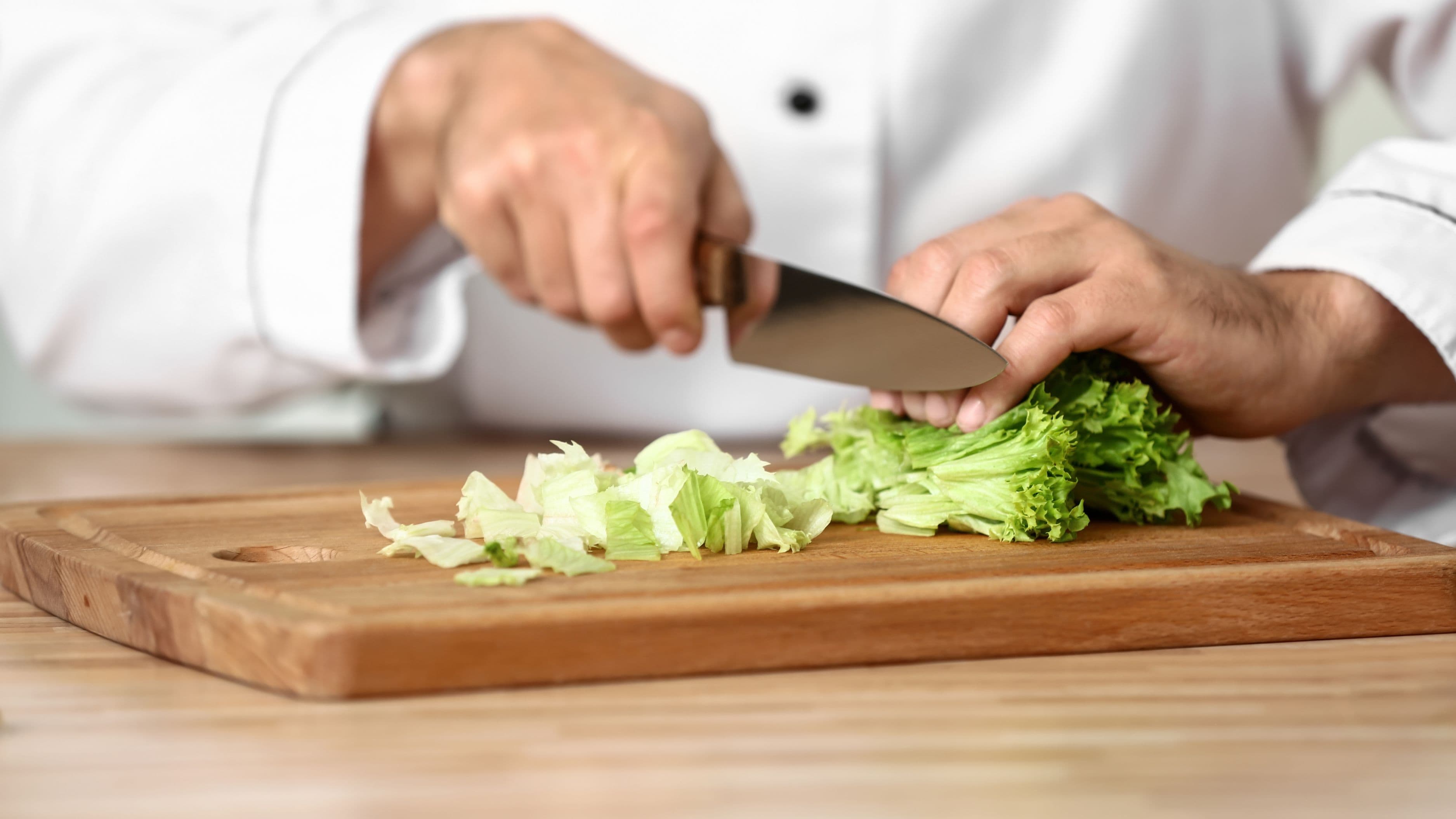
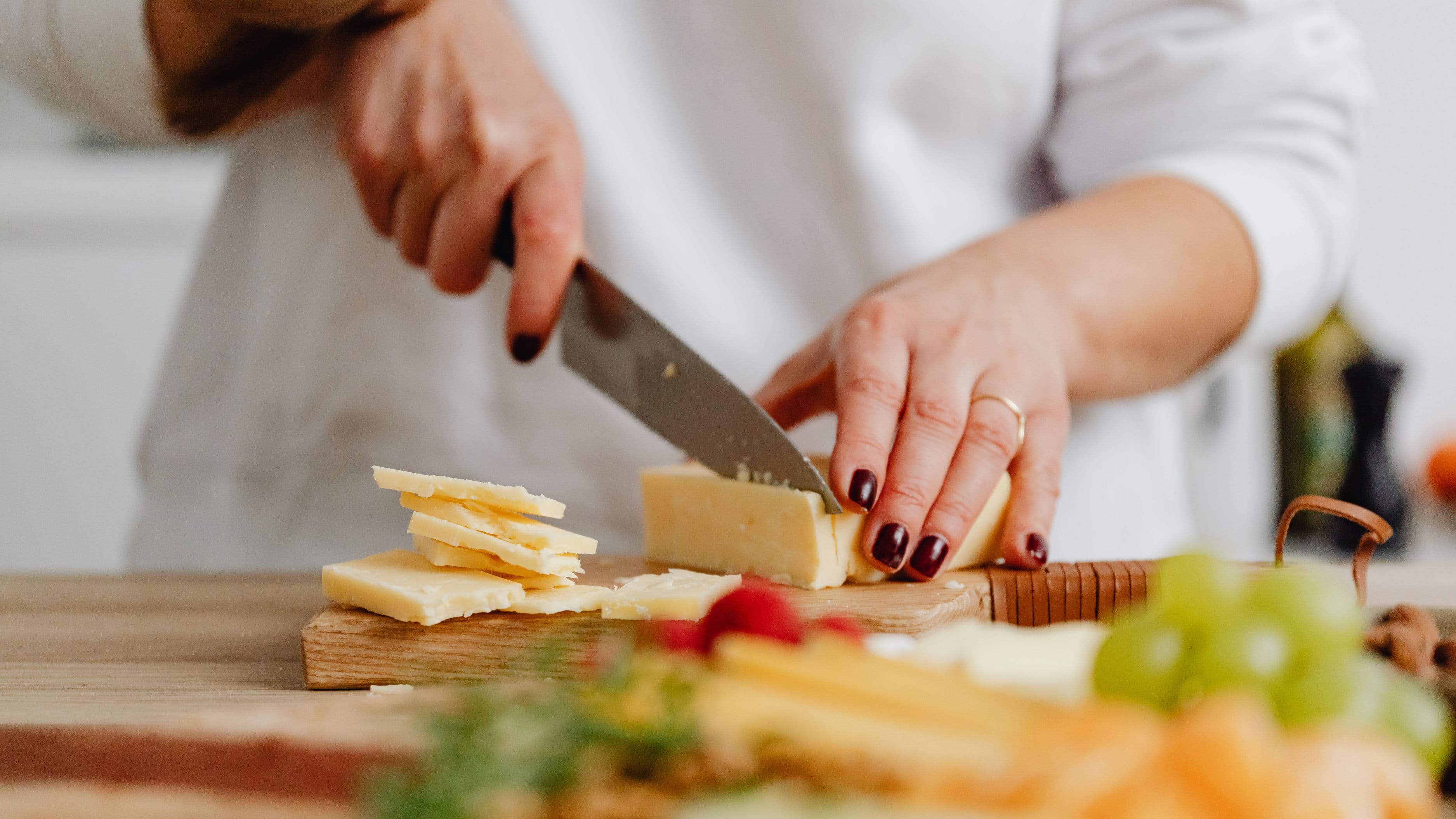
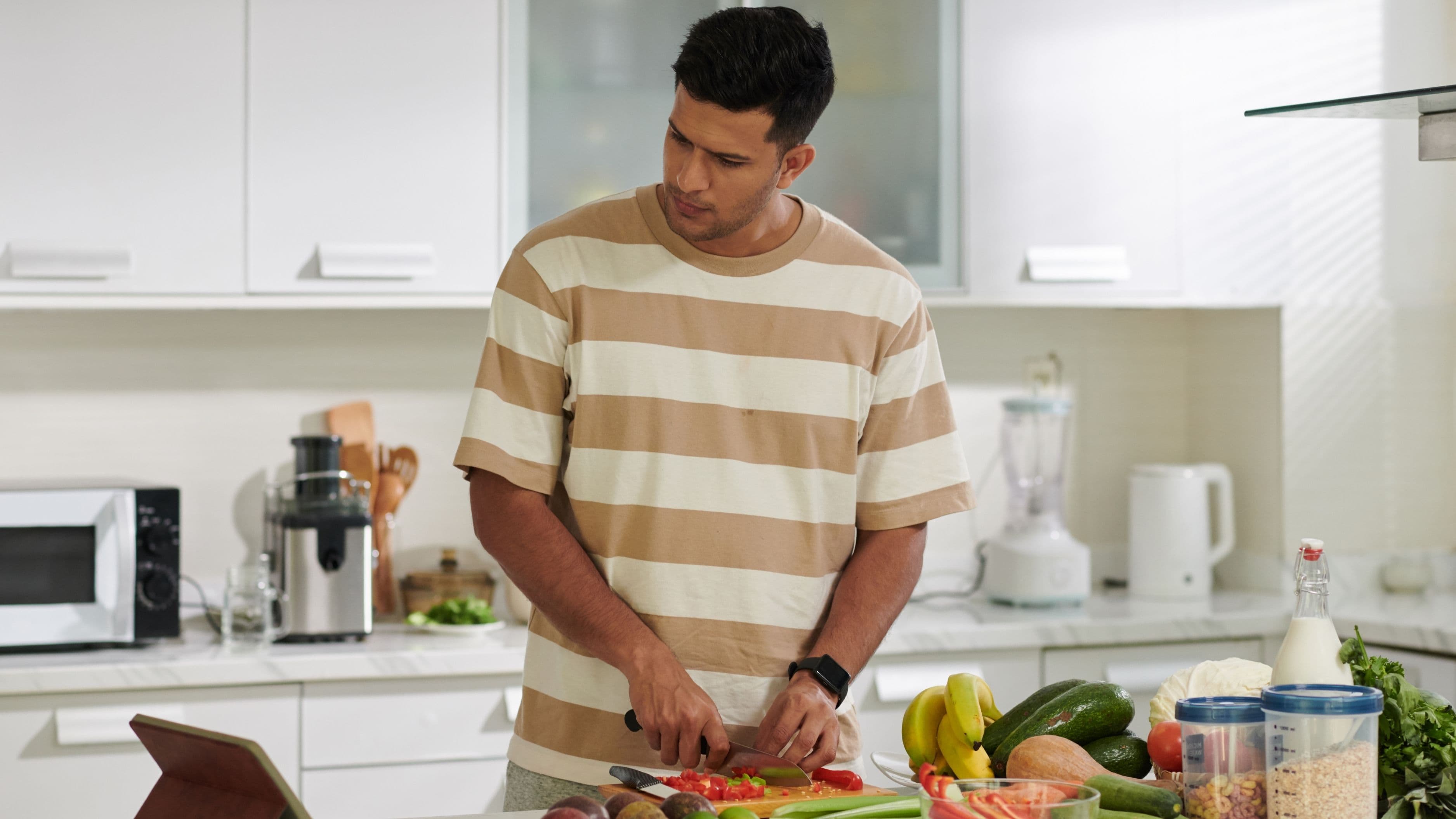
Dull blades require force and multiple passes. A properly sharpened knife glides through vegetables effortlessly, cutting your prep time dramatically while keeping your fingers safer. The five minutes spent sharpening saves you twenty minutes of sawing through ingredients.
4. Proper Knife Grip Increases Speed and Control
Holding the handle like a hammer slows you down. Pinch the blade between your thumb and forefinger for precision and speed that feels awkward initially but becomes second nature quickly. This professional grip gives you the control to move confidently through repetitive cuts.
5. Organizing Your Workspace Creates Flow
Clutter creates micro-delays that compound. Keep your cutting board, knife, and ingredient bowl in a tight triangle so everything you need lives within a small radius. A clean, organized station lets you develop rhythm instead of constantly hunting for tools or space.
6. Starting with Lower Heat Prevents Burning
Cranking burners to high causes constant monitoring. Medium heat gives you a buffer for timing mistakes and lets ingredients develop flavor without constant attention. You'll spend less time scraping burned bits and more time actually cooking.
7. Cleaning as You Go Eliminates End-of-Meal Chaos
Waiting creates an overwhelming mess. Wipe down surfaces during natural pauses, load the dishwasher while food simmers, and you'll finish cooking with a mostly clean kitchen. This distributed effort feels easier than facing a disaster after eating.
8. Tasting Throughout Prevents Major Corrections
Seasoning only at the end causes imbalance. Take small tastes every few minutes to catch issues early when they're easy to fix with a pinch of salt or splash of acid. Adjusting gradually is faster than trying to rescue an over-salted or bland finished dish.
9. Letting Meat Rest Improves Everything
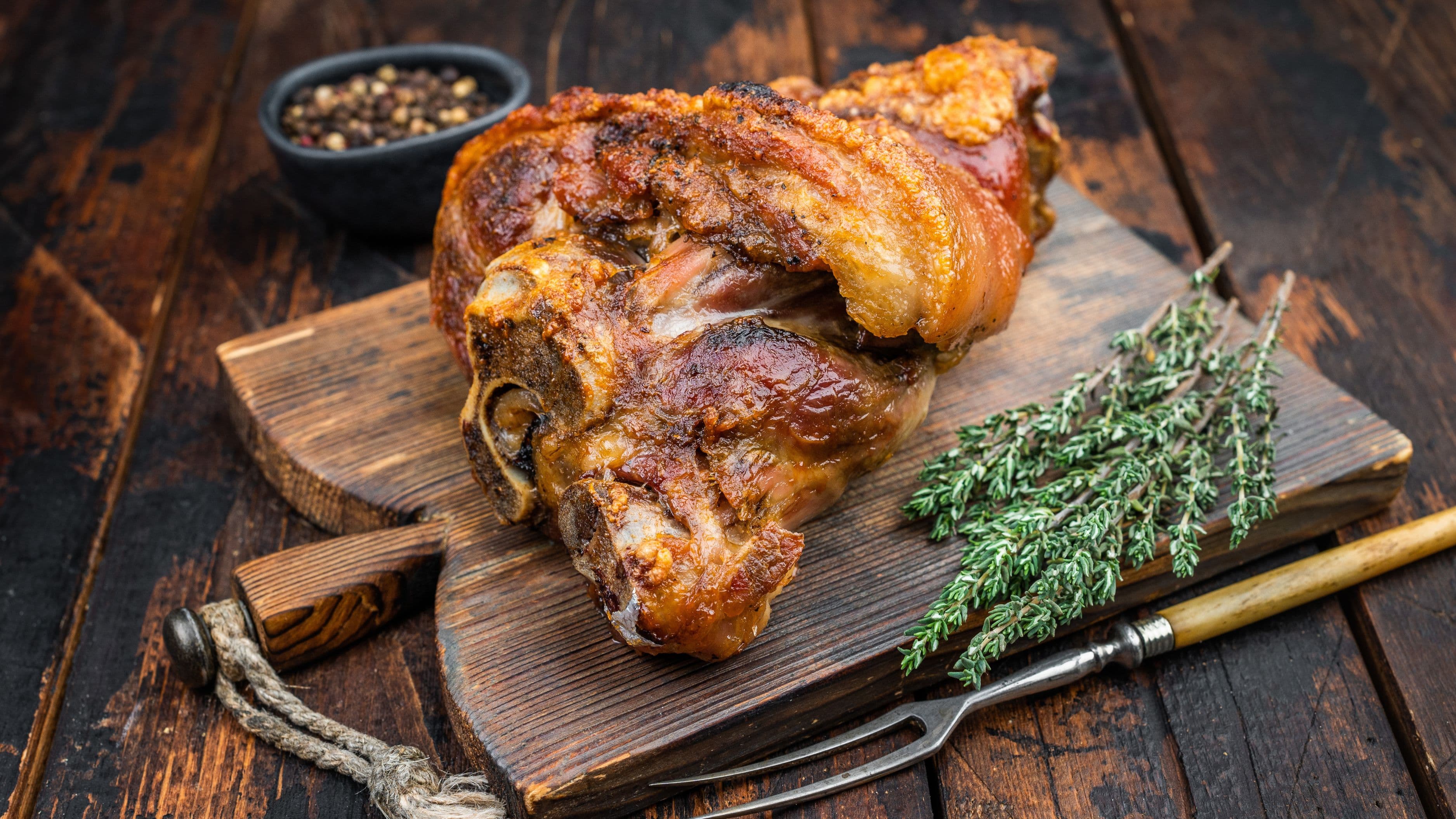
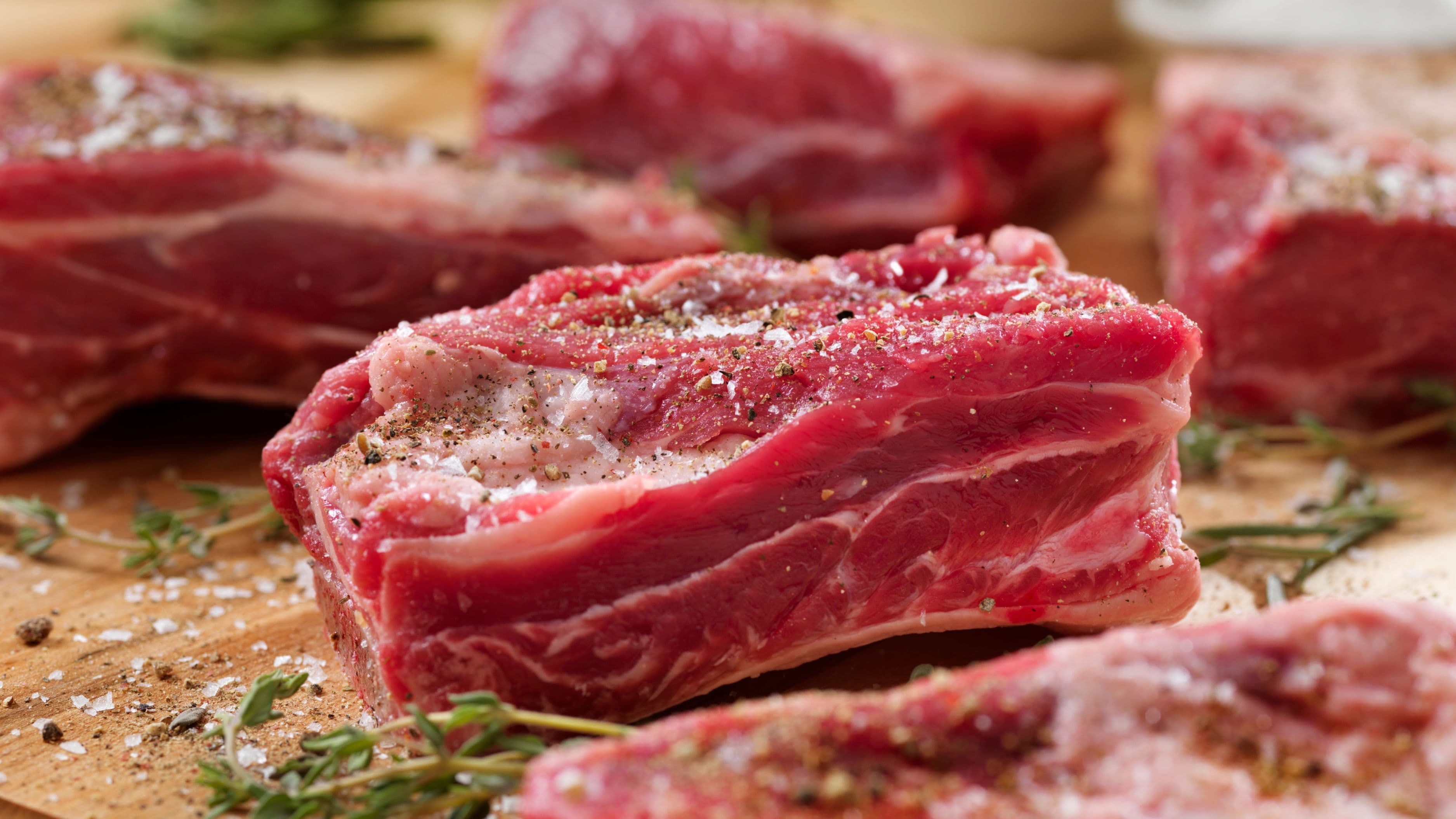
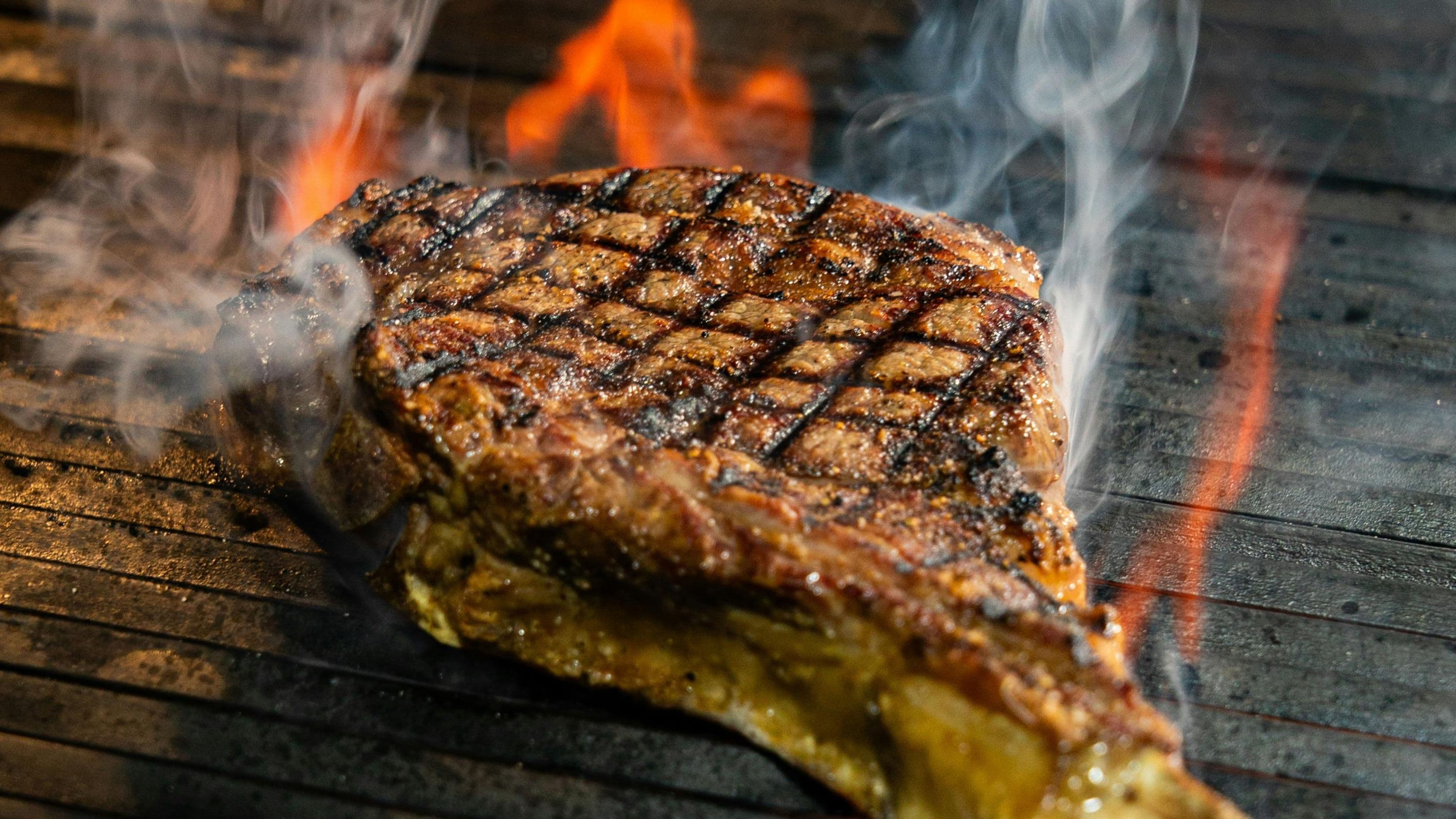
Cutting immediately loses precious juices. Those five minutes of patience mean meat stays moist and slices cleanly instead of shredding or bleeding liquid all over your cutting board. The wait literally makes the meat better and easier to work with.
10. Mastering One Technique Beats Collecting Random Recipes
Depth trumps breadth for efficiency. Spend a week perfecting how to properly sauté vegetables, and you'll cook dozens of dishes confidently without constantly checking instructions. Real speed comes from muscle memory, not from having 500 bookmarked recipes.
11. Proper Tool Selection Eliminates Frustration
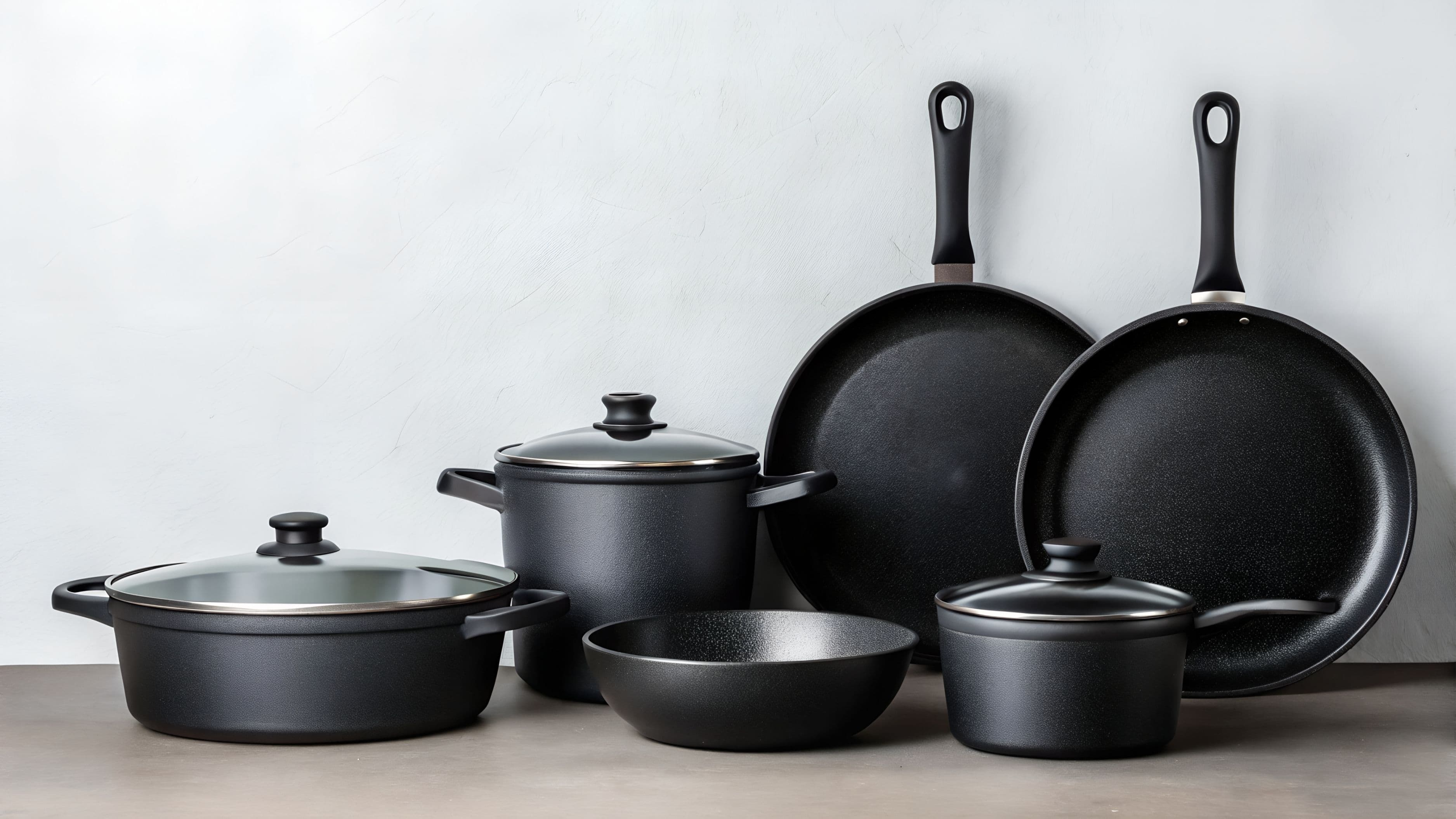
Using the wrong pan wastes time. A large skillet for small portions makes stirring awkward, while cramming too much into a small pan prevents proper browning. Match your tool to the task and watch your efficiency jump.
12. Understanding Carryover Cooking Prevents Overcooking
Residual heat continues cooking after you remove food from heat. Pull proteins off the heat 5-10 degrees before your target temperature, and they'll coast to perfection while you finish other tasks. This knowledge eliminates the constant checking and second-guessing that slows you down.
13. Batch Prepping Core Ingredients Streamlines Weeknights
Chopping one onion takes the same mental energy as chopping five. Spend thirty focused minutes on Sunday dicing onions, mincing garlic, and washing greens, and your weeknight cooking becomes almost automatic. The concentrated effort pays dividends in daily efficiency.
14. Developing Knife Rhythm Creates Meditation
Rushing creates uneven cuts that cook inconsistently. Find a steady, repetitive pace with your knife where each cut matches the last, and you'll enter a flow state that's both faster and more relaxing. Consistency in motion produces consistency in results.
15. Observing Instead of Clock-Watching Improves Timing
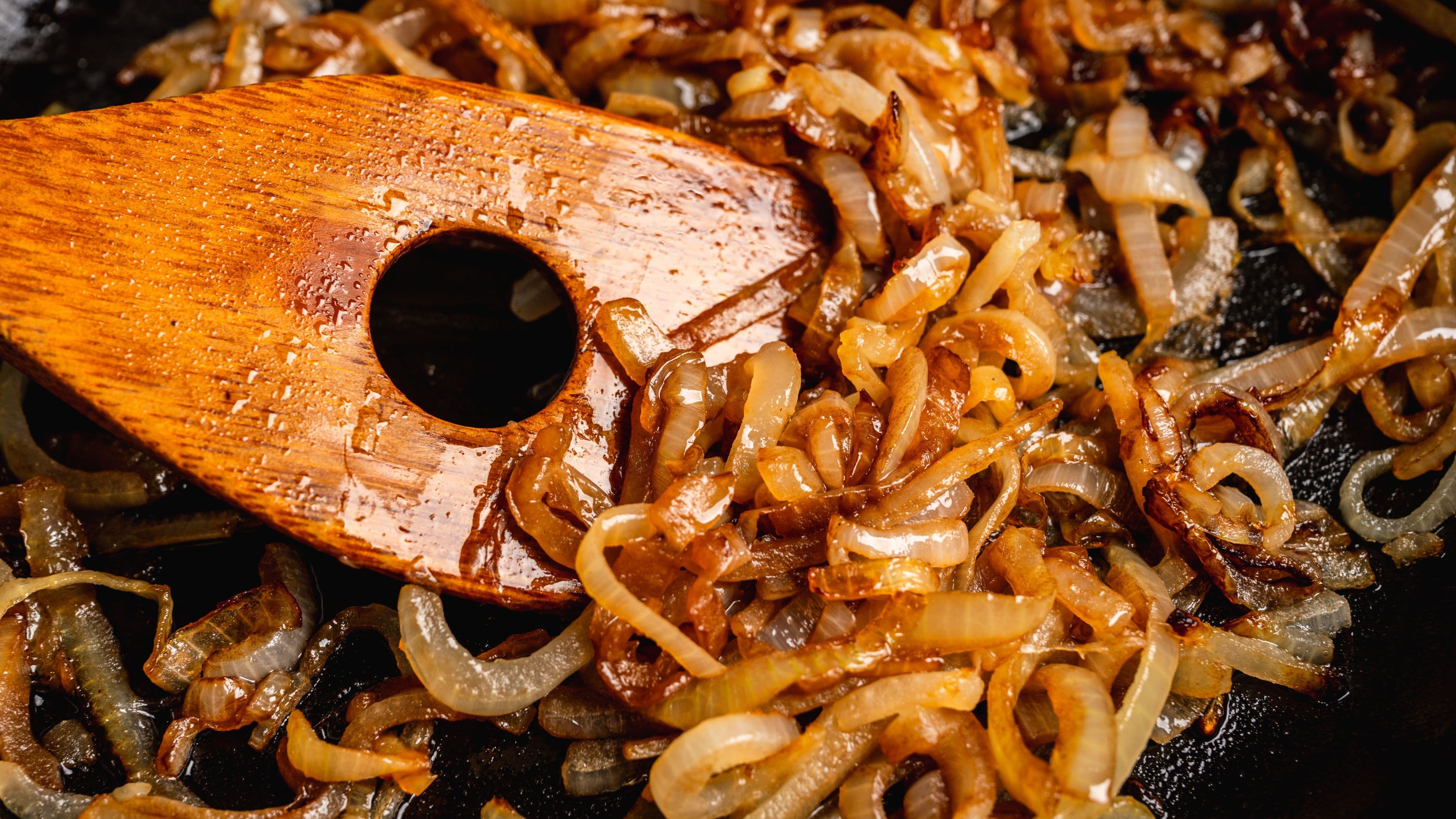
Recipes give estimates, not guarantees. Watch for visual and aromatic cues—garlic becoming fragrant, onions turning translucent, meat developing a crust—rather than rigidly following timings. This attentiveness prevents both undercooking and burning while building your intuition.
16. Properly Heating Pans Before Adding Food Prevents Sticking
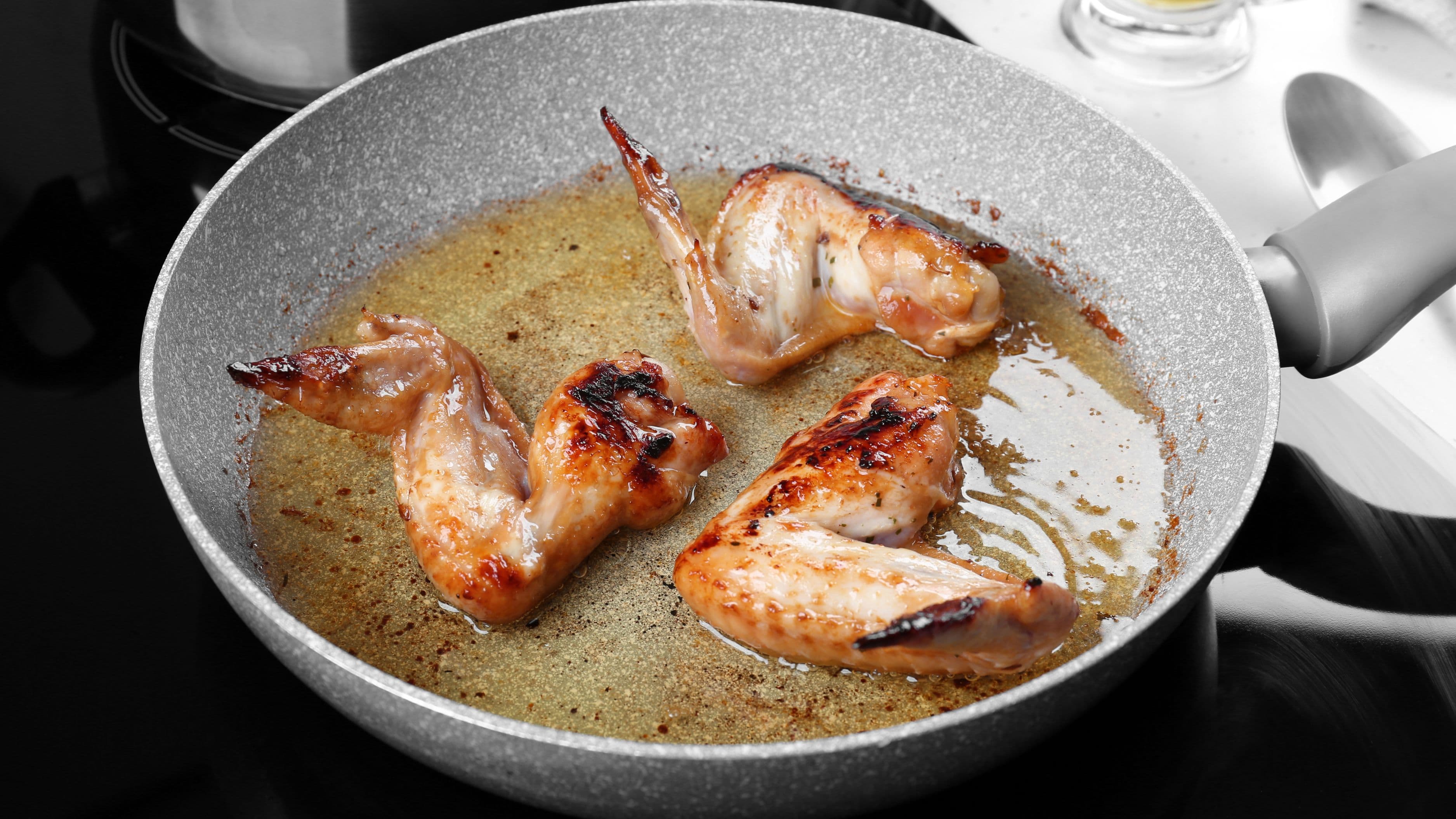
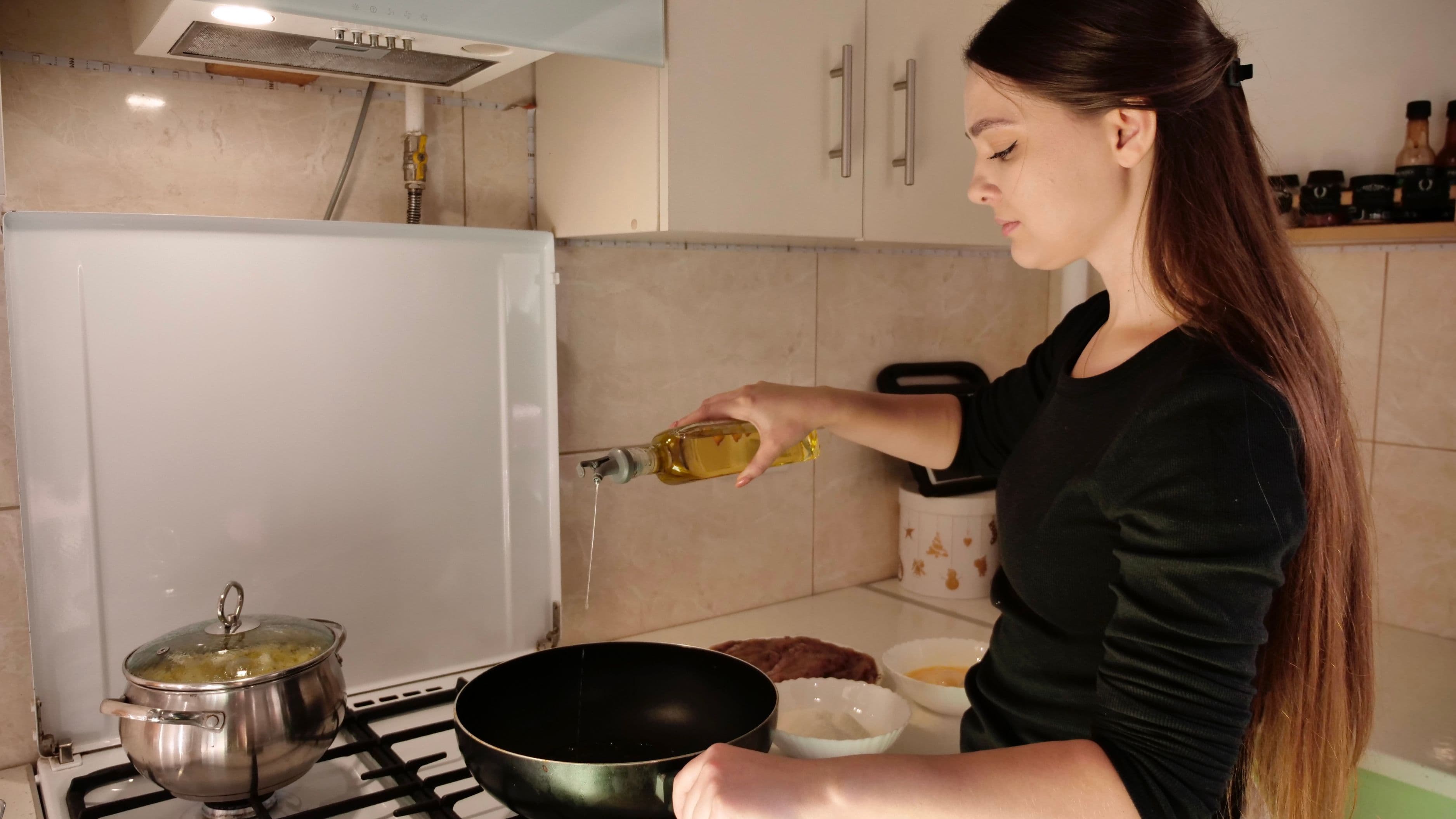
Cold pans cause chaos. Give your pan two full minutes to heat before adding oil, then another moment before adding ingredients, and food will release cleanly instead of sticking and tearing. This patience eliminates the frustrating scraping and flipping that wastes time.
17. Single-Tasking Each Step Reduces Mistakes
Multitasking in cooking creates errors. Focus completely on chopping until it's done, then shift your full attention to cooking, and you'll make fewer mistakes that require fixing. The mental clarity of doing one thing well beats the scattered energy of juggling poorly.
18. Learning to Season in Layers Builds Flavor Faster
Dumping all seasonings at once creates flatness. Add salt at multiple stages—to vegetables as they cook, to the sauce as it reduces, to the final dish before serving—and you'll develop depth without needing elaborate ingredient lists. Thoughtful seasoning throughout eliminates the need for complicated fixes.
19. Keeping a Kitchen Notebook Accelerates Learning
Memory fades between cooking sessions. Jot down quick notes about what worked, what didn't, and timing adjustments you'd make next time, and you'll compound your learning instead of repeating the same mistakes. This simple habit turns every cooking session into permanent skill-building.
20. Breathing Deeply Reduces Physical Tension
Kitchen stress creates physical tightness. Take three slow breaths before you start and whenever you feel rushed, releasing shoulder tension and slowing your heart rate. This momentary reset gives you the calm focus that actually speeds up your movements and decision-making.
Pick one technique from this list and try it tonight. Don't attempt everything at once—that's the rushing mindset this article argues against. Choose the single item that resonated most strongly, practice it with intention, and notice how that one change ripples through your entire cooking experience. Momentum starts small. Speed comes from mastery, not from hurry, and mastery begins with the decision to slow down enough to do one thing exceptionally well. Your kitchen isn't a race; it's a practice that rewards presence over pace.