Myth: Above the Stove is Convenient → Truth: It's a Flavor Graveyard
The conventional wisdom: Keep spices within arm's reach of your cooking surface for maximum efficiency and convenience during meal prep.
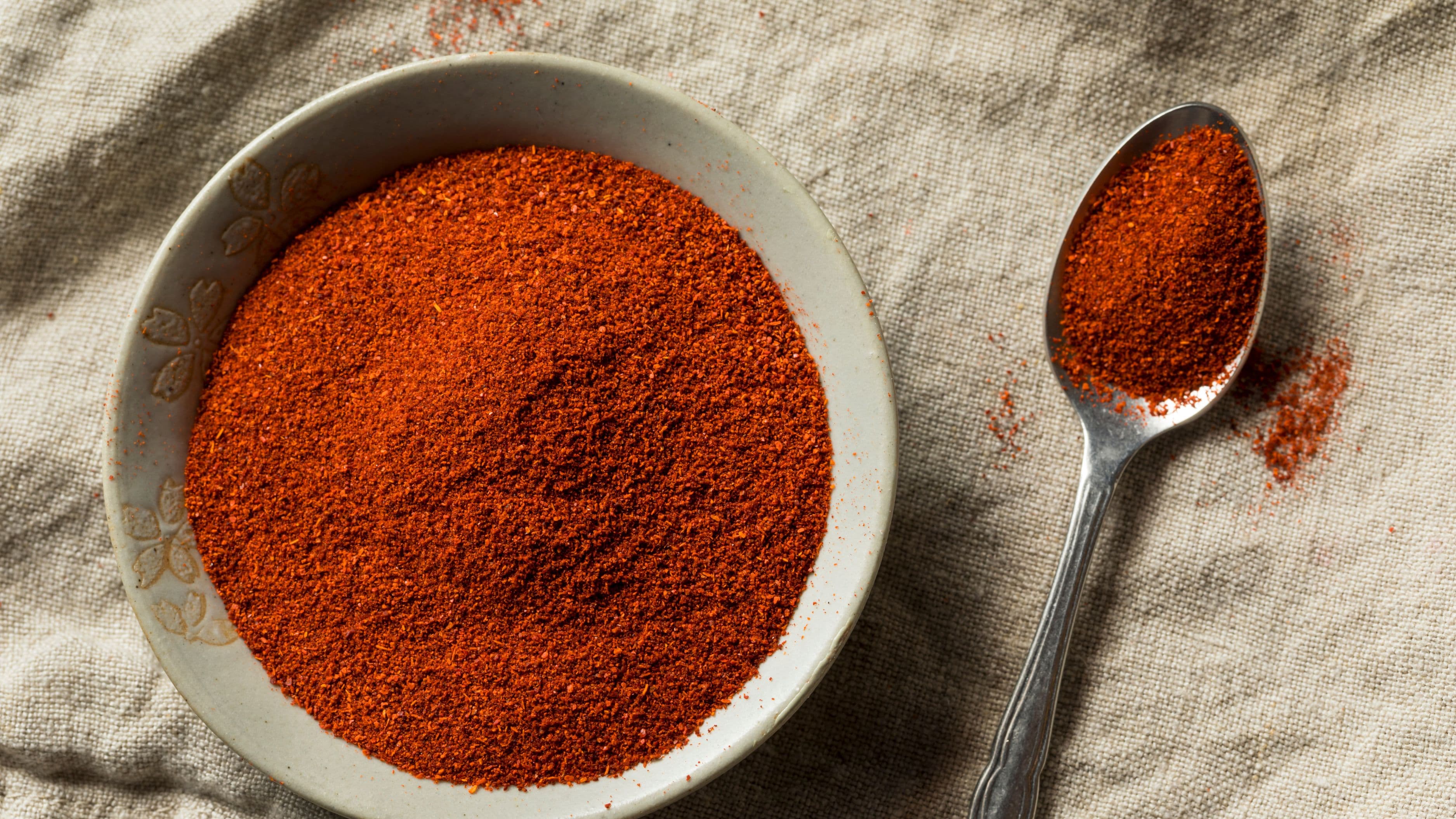
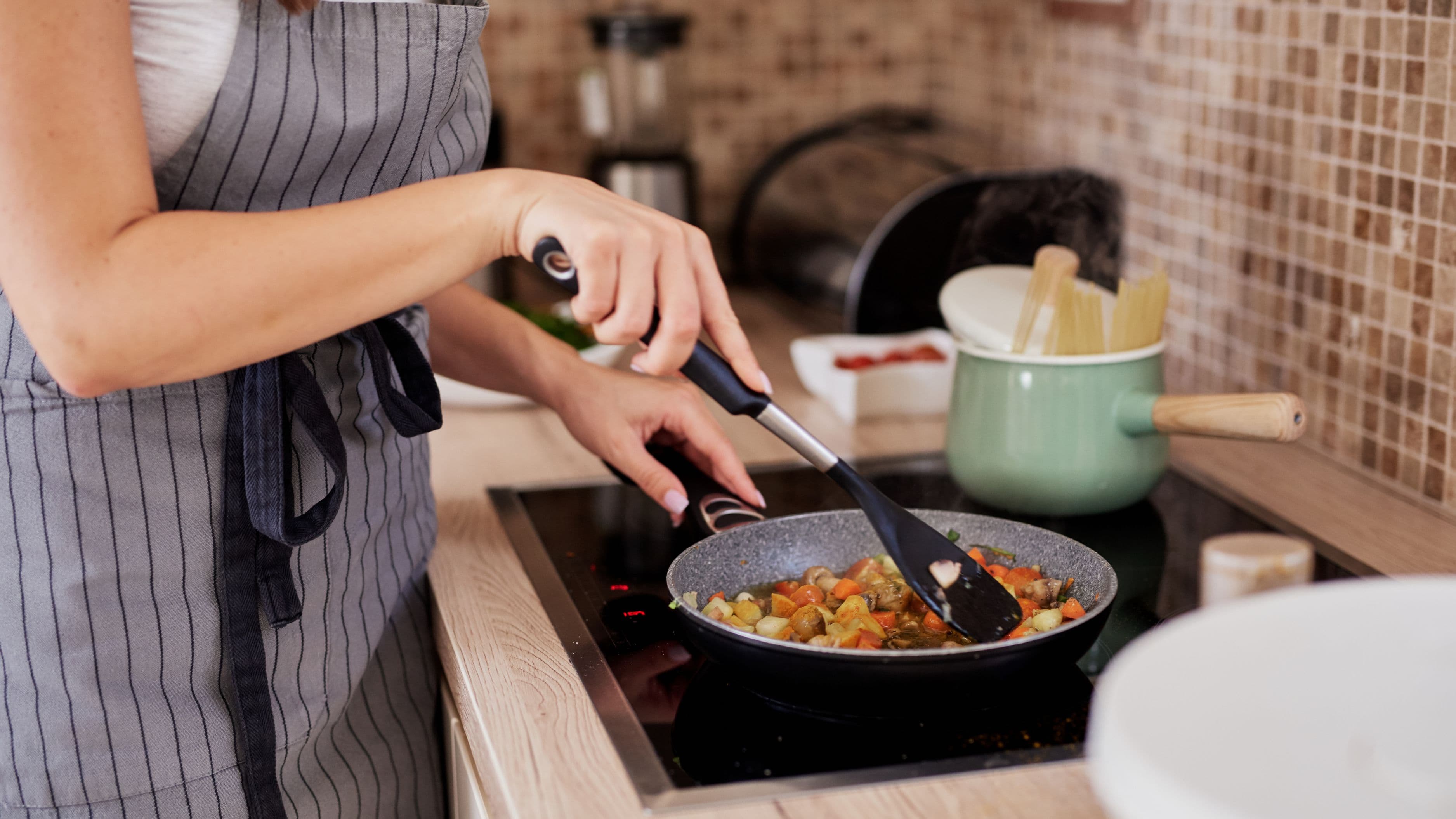
The reality: Heat is one of the primary enemies of spice longevity, breaking down the essential oils that give seasonings their distinctive flavors and aromas. That cabinet above your stove experiences temperature fluctuations every time you cook, essentially baking your spices slowly over time until they become flavorless dust. Your paprika exposed to repeated heating cycles loses its vibrant color and sweet smokiness, transforming into dull powder that adds nothing but sadness to your dishes. Store spices in a cool, dark cabinet away from the stove, even if it means taking three extra steps during cooking—the flavor preservation is worth the minor inconvenience.
Myth: Spices Last Forever → Truth: They Have Expiration Windows
The conventional wisdom: Dried spices are shelf-stable indefinitely, so that jar of cumin from 2015 is still perfectly fine to use.
The reality: While spices won't make you sick after their prime, they lose potency steadily over time, rendering them essentially useless for flavoring food. Whole spices maintain their power for about four years, ground spices peak around two to three years, and dried herbs barely make it past one year before becoming aromatic memories of their former selves. That ancient jar of oregano sitting in your cabinet isn't adding Mediterranean flair to your pasta sauce—it's adding expensive sawdust that contributes color without flavor. Check your spice collection right now and smell each jar; if it doesn't have a strong, distinctive aroma when you open it, toss it and start fresh with smaller quantities you'll actually use within their flavor window.
Myth: The Original Packaging is Fine → Truth: Most Store Containers Fail
The conventional wisdom: Keep spices in the bottles they came in from the grocery store since manufacturers designed them specifically for storage.
The reality: Most commercial spice containers are designed for shelf display and brand visibility, not optimal preservation of volatile flavor compounds. Those clear plastic or glass jars expose your spices to light degradation, while flip-top shaker lids allow air infiltration that accelerates staleness. Many store-bought containers also lack truly airtight seals, letting moisture creep in and create clumping or even mold growth in humid environments. Transfer your spices to opaque, airtight containers—amber glass jars, metal tins, or quality plastic containers—and label them clearly with both the spice name and purchase date so you can track freshness accurately.
Myth: Sunlight Doesn't Matter → Truth: UV Rays Destroy Flavor
The conventional wisdom: As long as spices are in sealed containers, positioning them near windows or under bright kitchen lights won't affect their quality.
The reality: Light, particularly UV rays, breaks down the chemical compounds responsible for color, flavor, and aroma in spices at an accelerated rate. That beautiful spice rack mounted on your sunny kitchen wall is essentially giving your seasonings a daily tanning session that fades their potency just like it fades fabric on your furniture. Even indirect natural light over time causes noticeable degradation, turning your vibrant turmeric pale yellow and your deep red chili powder into an anemic shadow of its former self. Store spices in dark drawers or inside cabinets with solid doors, and if you must display them, choose a location that never receives direct sunlight and has minimal ambient light exposure throughout the day.
Myth: Pre-Ground is Just as Good → Truth: Whole Spices Win Every Time
The conventional wisdom: Buying pre-ground spices saves time and effort, and the flavor difference is negligible for home cooking purposes.
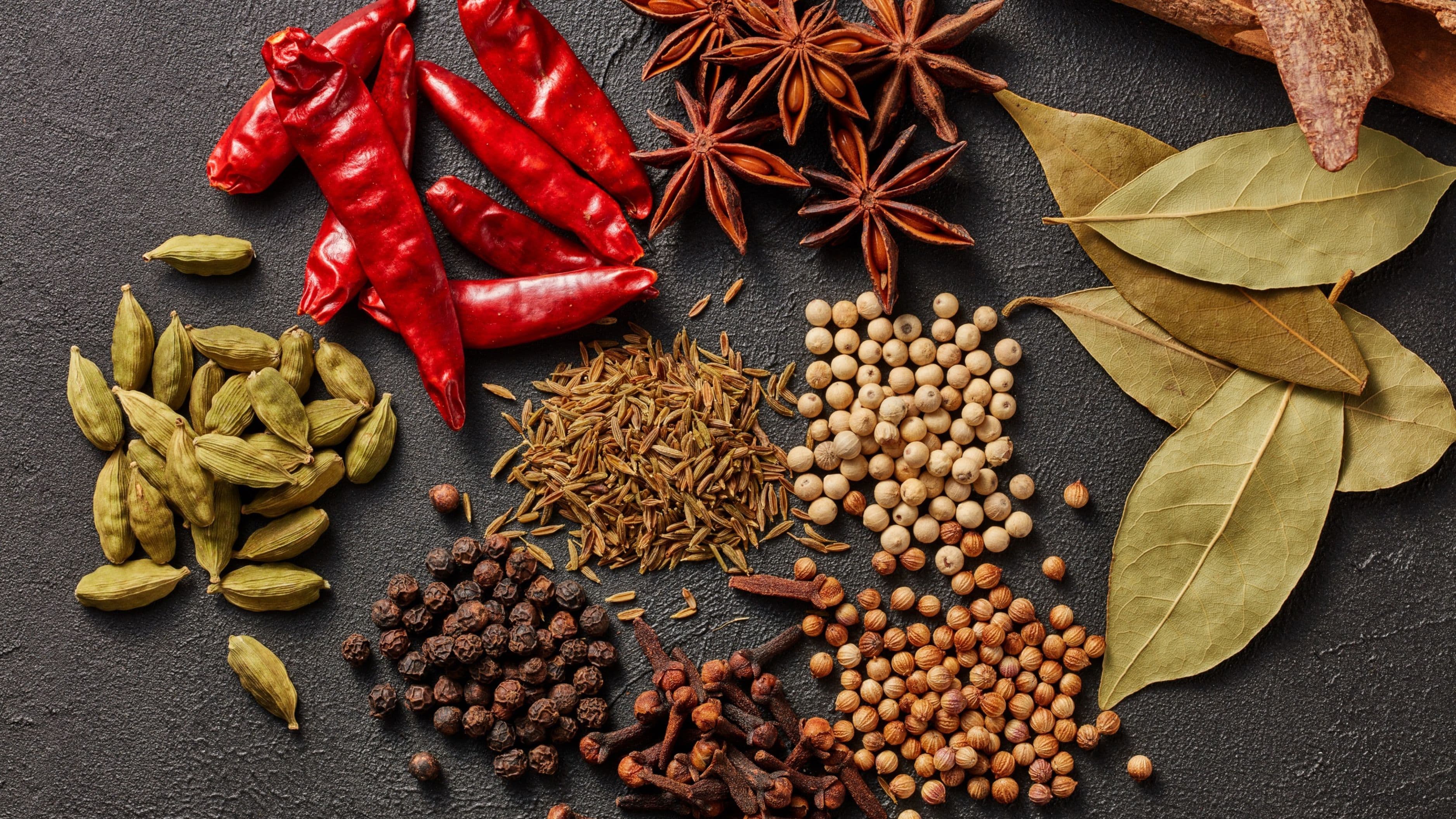
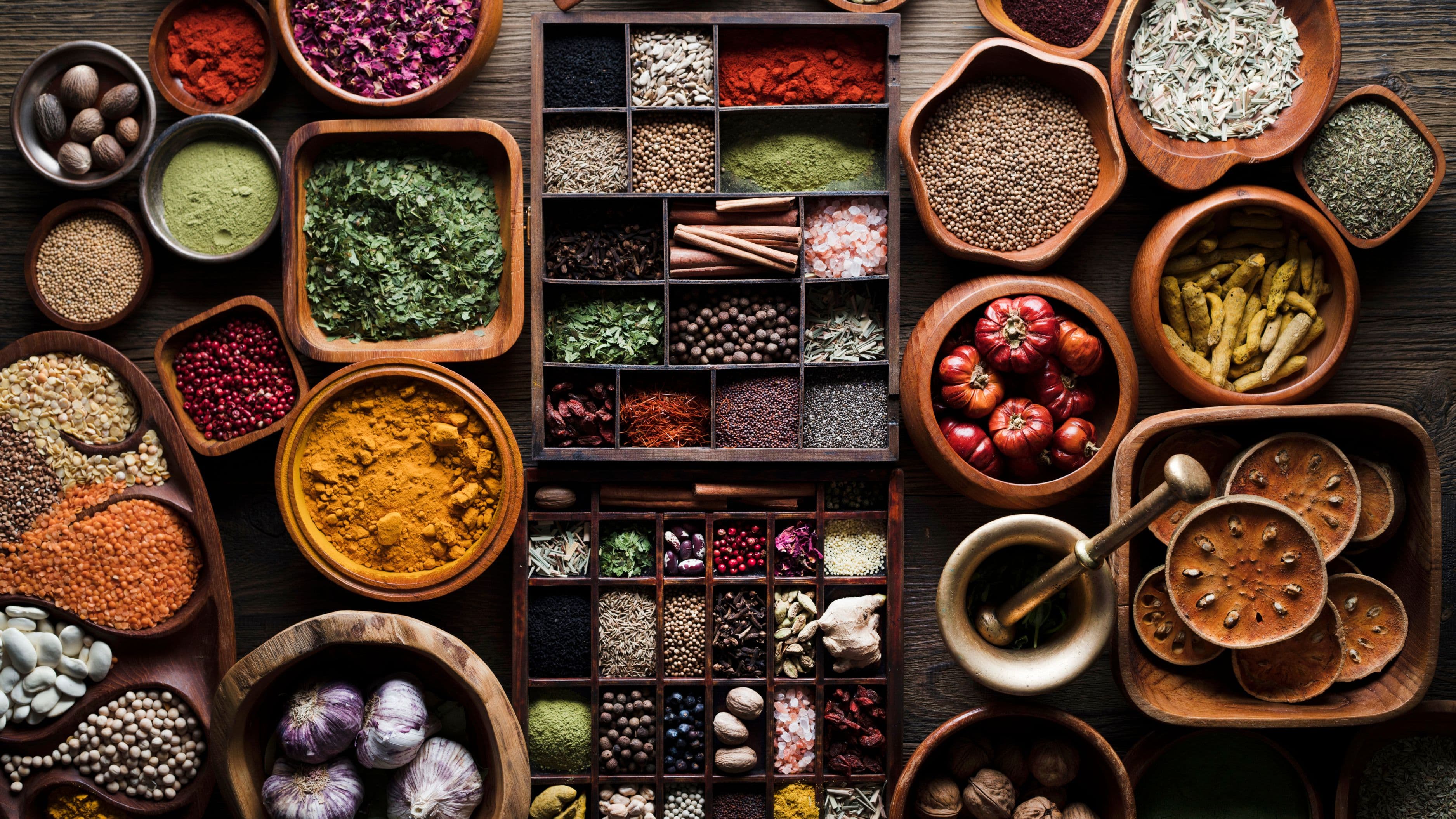
The reality: Grinding spices exposes exponentially more surface area to air, light, and heat, accelerating the degradation of essential oils by factors that make whole spices last literally years longer. When you grind black peppercorns fresh, the crack releases aromatic compounds that dissipate within minutes of exposure—imagine how much has evaporated from pre-ground pepper sitting in a jar for months. Whole spices like cumin seeds, coriander, and cardamom pods maintain their potency dramatically longer and deliver flavor intensity that pre-ground versions simply cannot match. Invest in an inexpensive spice grinder or use a mortar and pestle, and grind only what you need for each recipe; the difference in your cooking will be immediately noticeable and worth the minimal extra effort.
Myth: Bulk Buying Saves Money → Truth: It Creates Waste
The conventional wisdom: Purchasing spices in large quantities from warehouse stores or bulk bins reduces per-ounce costs and ensures you never run out.
The reality: Unless you're cooking commercially or using specific spices constantly, buying more than you'll consume within six months to a year guarantees that most of your "savings" will end up as flavorless waste. That three-pound bag of garlic powder seemed economical until you realize you've used maybe eight ounces over two years while the rest transformed into stale powder that doesn't actually taste like garlic anymore. The per-ounce cost means nothing if you're throwing away 70% of what you bought because it degraded before you could use it. Buy smaller quantities of spices you use occasionally, splurge on larger amounts only for seasonings you genuinely use weekly, and calculate your actual cost-per-usable-ounce rather than just looking at the sticker price.
Myth: Humidity Doesn't Affect Dried Spices → Truth: Moisture is the Enemy
The conventional wisdom: Since spices are already dried, additional moisture from your kitchen environment won't impact their quality or usability.
The reality: Dried spices are hygroscopic, meaning they actively absorb moisture from the air, which causes clumping, loss of flavor, and potentially even mold growth in humid environments. Storing your spices near the dishwasher, sink, or in a steamy kitchen means they're constantly rehydrating slightly, which breaks down their cell structure and allows essential oils to escape or oxidize. That clumped-up garlic powder isn't just inconvenient—it's evidence that moisture has infiltrated and compromised the spice's quality and potentially its safety. Store spices away from moisture sources, never shake them directly over steaming pots (which introduces steam into the container), and consider adding food-safe silica packets to containers in particularly humid climates.
Myth: The Freezer Extends Spice Life → Truth: It Creates More Problems
The conventional wisdom: Just like other foods, freezing spices will preserve them indefinitely and maintain their potency better than room temperature storage.
The reality: Freezing spices introduces moisture through condensation every time you remove them to use them, which damages their texture and can promote mold growth over repeated freeze-thaw cycles. The extreme temperature changes also can cause essential oils to separate or crystallize in ways that alter flavor profiles unpredictably. Additionally, taking frozen spices directly into a hot, steamy kitchen environment creates the perfect conditions for moisture absorption that ruins them faster than if you'd never frozen them at all. Cool, dark, dry storage at consistent room temperature actually preserves spices better than freezing for the vast majority of home cooks—save your freezer space for ingredients where freezing genuinely helps.
Myth: Spice Blends Last as Long as Singles → Truth: They Degrade Faster
The conventional wisdom: Pre-mixed spice blends like curry powder or Italian seasoning have the same shelf life as individual spices since they're just combinations of dried ingredients.
The reality: Spice blends degrade at the rate of their most volatile component, meaning your curry powder loses potency as quickly as its most fragile ingredient—often fenugreek or turmeric. When multiple spices combine, their essential oils can interact in ways that actually accelerate degradation compared to storing them separately. That Italian seasoning containing basil, oregano, thyme, and rosemary will lose the delicate basil notes within months while the hardier rosemary might last longer, resulting in an unbalanced flavor profile that doesn't match what the blend originally tasted like. Buy or make smaller quantities of spice blends, use them more quickly than single spices, and consider mixing your own fresh combinations from individual spices for recipes where the blend ratios really matter to the final dish.
Myth: Toasting Spices is Just for Professionals → Truth: It Revives and Intensifies Flavor
The conventional wisdom: The extra step of toasting spices before using them is something only serious cooks or professional chefs need to bother with.
The reality: Toasting whole spices in a dry pan for just one to two minutes before grinding them releases aromatic oils, intensifies flavors, and can even partially revive spices that have begun losing potency. The gentle heat transforms raw, sometimes harsh notes into deeper, more complex flavors while the oils become more volatile and aromatic, making your entire dish smell and taste more vibrant. This simple technique takes minimal time but delivers maximum impact, especially for spices like cumin, coriander, fennel seeds, and mustard seeds. Heat a dry skillet over medium heat, add whole spices, and shake the pan frequently until they become fragrant and slightly darkened—usually just one to two minutes—then grind and use immediately for flavor that makes people ask what your secret ingredient is.
Myth: All Spices Need the Same Storage → Truth: Different Spices Have Different Needs
The conventional wisdom: A one-size-fits-all storage approach works fine for every spice in your collection since they're all dried plant matter.
The reality: Delicate herbs like dried basil or parsley need gentler treatment and shorter timelines than hardy spices like black pepper or cinnamon sticks. Chili powders and paprika are particularly vulnerable to light and heat degradation due to their carotenoid content, requiring extra protection from these elements. Vanilla beans need airtight storage but actually benefit from being in slightly warm environments that keep them pliable rather than dried out. Seeds like sesame or poppy contain oils that can go rancid, making refrigeration actually beneficial for these specific items despite the general rule against it. Understand the specific vulnerabilities of your most-used spices and customize storage accordingly rather than treating everything identically.
Myth: Clear Jars Look Better → Truth: Function Beats Aesthetics
The conventional wisdom: Matching clear glass jars create a cohesive, attractive kitchen aesthetic that's worth any minor trade-offs in spice preservation.
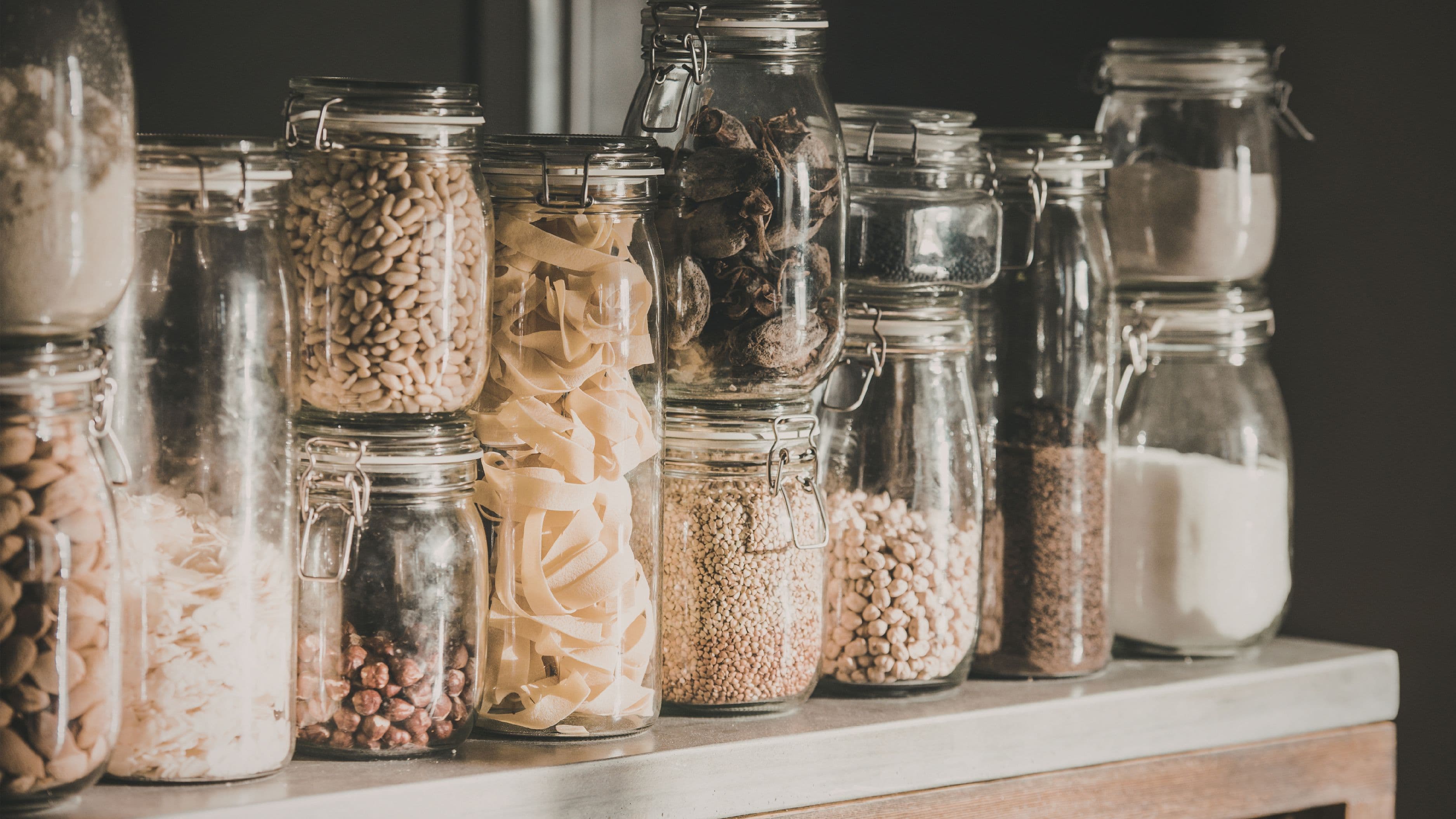
The reality: Clear containers sacrifice the single most important factor in spice storage—light protection—for the sake of visual appeal that literally nobody but you sees unless you're constantly hosting kitchen tours. Your Instagram followers might appreciate your coordinated spice display, but your taste buds will appreciate the dramatically better flavor from spices stored in opaque containers that actually protect their contents. The aesthetic appeal of seeing your spices fades quickly, while the frustration of bland, flavorless food because your spices degraded in their pretty jars lasts through every disappointing meal. Choose amber glass, metal tins, or painted/opaque containers that protect from light while still looking organized, or accept that the inside of a closed cabinet doesn't need to be Instagram-ready—it needs to preserve the ingredients that make your cooking actually taste good.
Let go of spice storage habits built around convenience and aesthetics rather than preservation and flavor. Stop keeping spices above your stove just because it's easy to reach, stop buying those gorgeous clear jar sets that doom your seasonings to rapid degradation, and stop holding onto ancient spices out of reluctance to "waste" them when they've already wasted themselves through staleness. Your cooking deserves ingredients that actually contribute flavor instead of taking up space and giving you false confidence that you're seasoning adequately. Proper spice storage isn't complicated or expensive—it just requires releasing outdated practices in favor of methods that actually work. Make these changes now, and taste the difference in literally every dish you cook going forward.