Let me show you how to build a week of delicious, stress-free meals in the time it takes to watch a sitcom.
1. Pick Your Protein Trinity
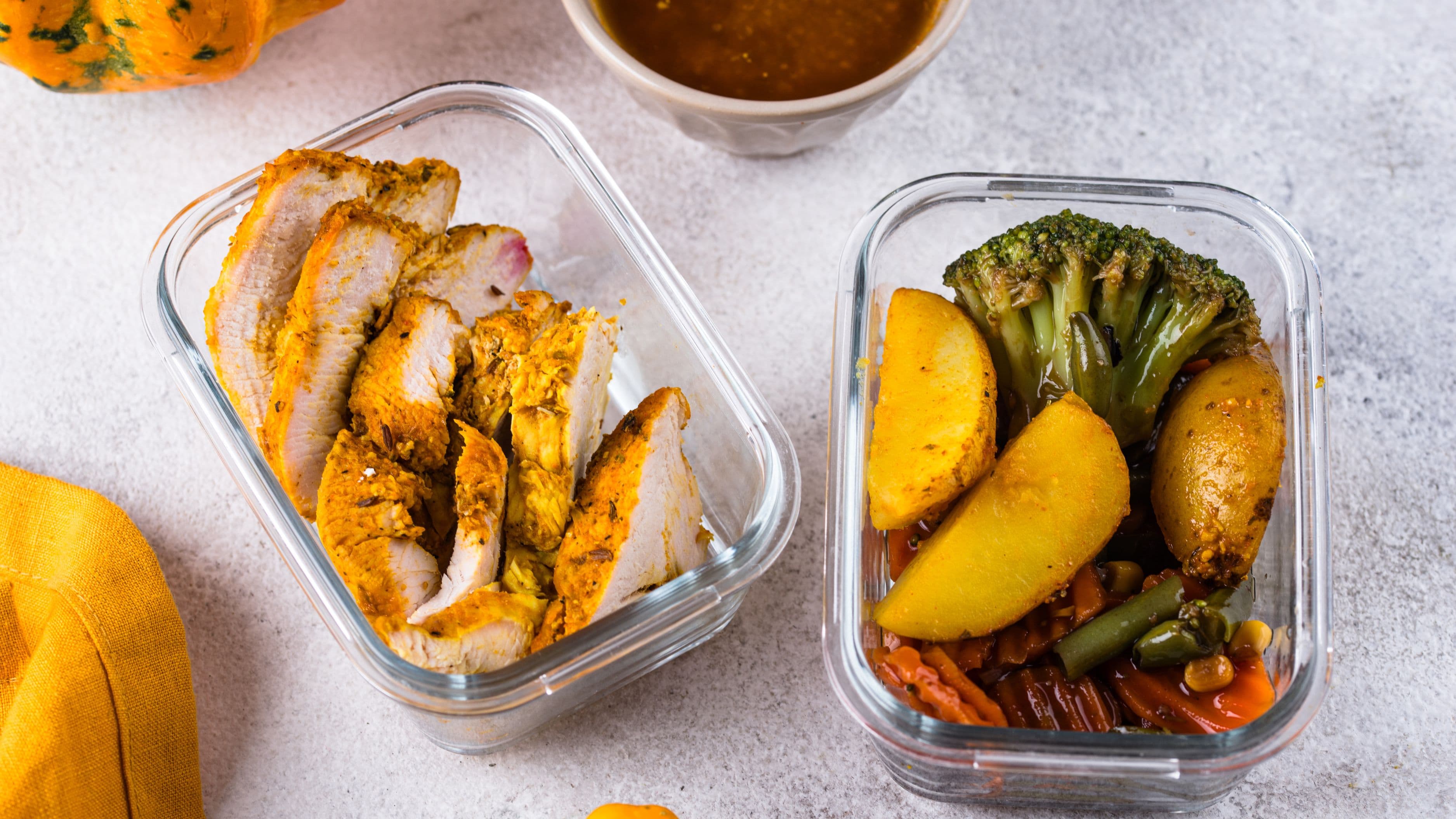
Start with three proteins that cook differently and satisfy various cravings throughout the week. Think chicken thighs for roasting, ground turkey for quick skillet meals, and a hearty bean option for meatless nights. This approach gives you variety without overwhelming your grocery list or your brain. When you're staring into your fridge on Wednesday night, you'll have options that feel different from Monday's dinner, even though you planned them all at once.
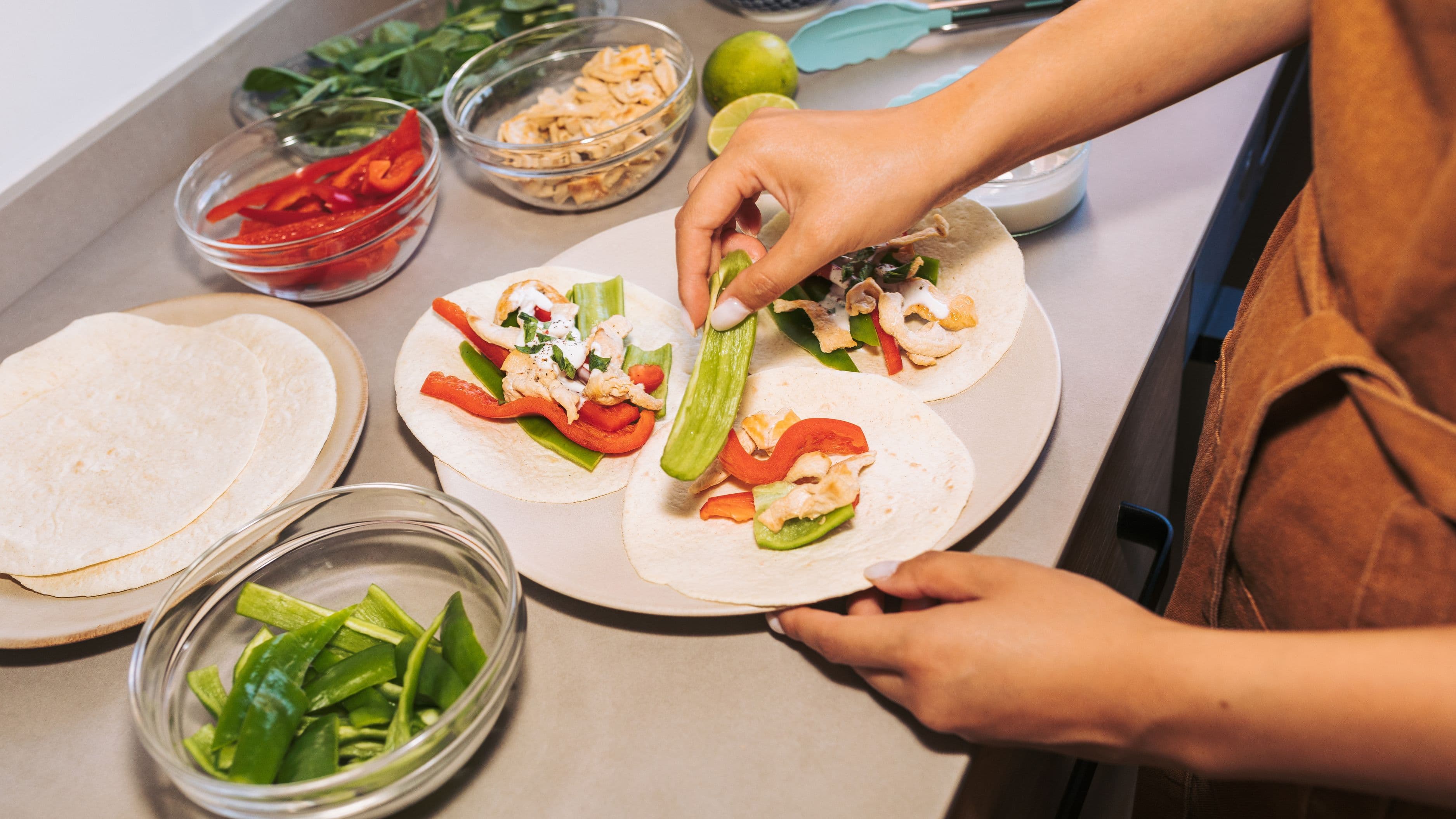
The beauty of the protein trinity is that each one can transform into multiple meals with minimal effort. Those roasted chicken thighs? They're tonight's main dish, tomorrow's grain bowl protein, and Friday's quesadilla filling. Ground turkey becomes taco meat, pasta sauce base, or stuffed pepper filling. Beans morph from soup to salad topping to burrito bowl star. You're not eating the same thing seven times—you're creating a flexible foundation.
2. Master the Grain-and-Green Formula
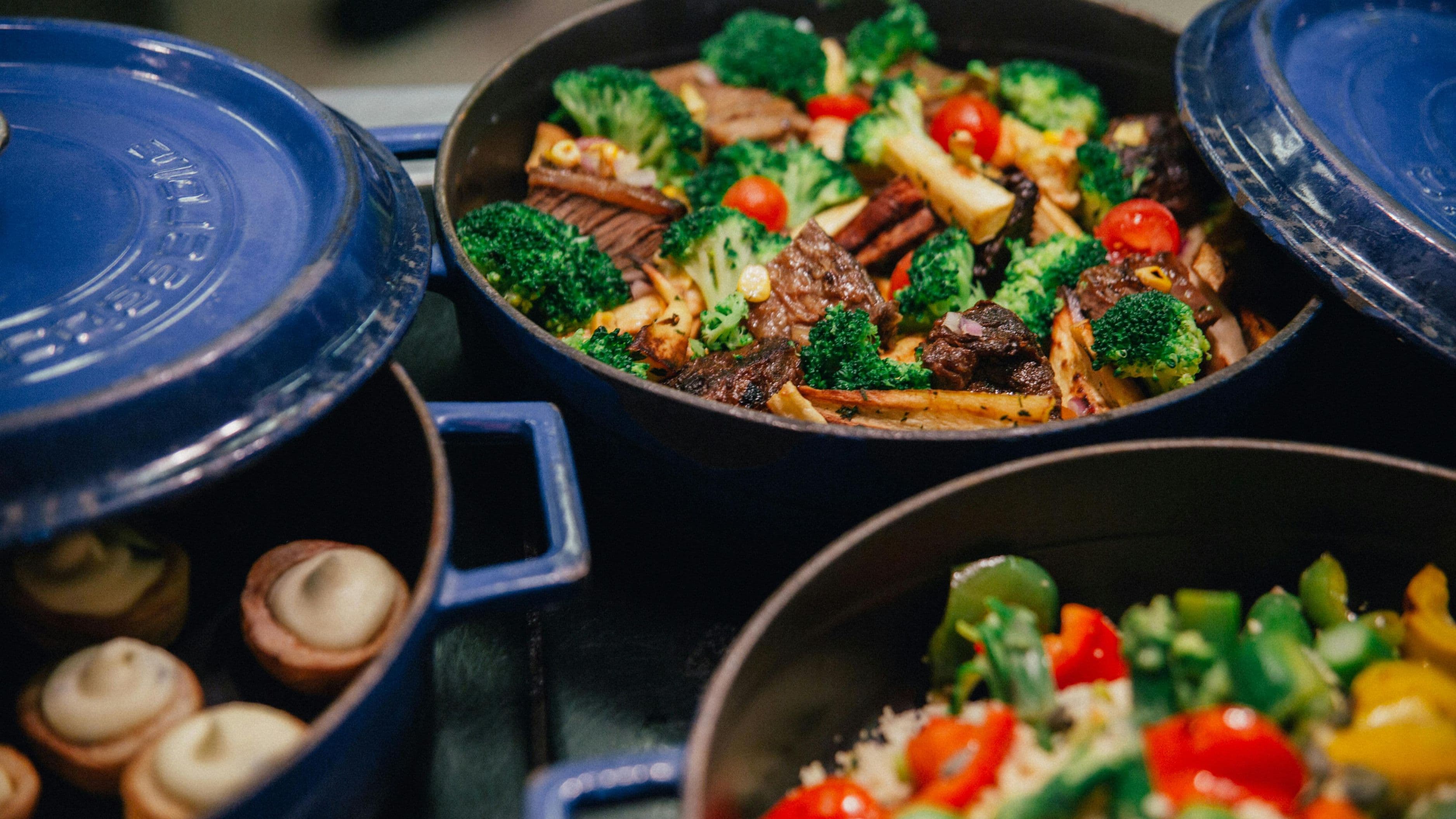
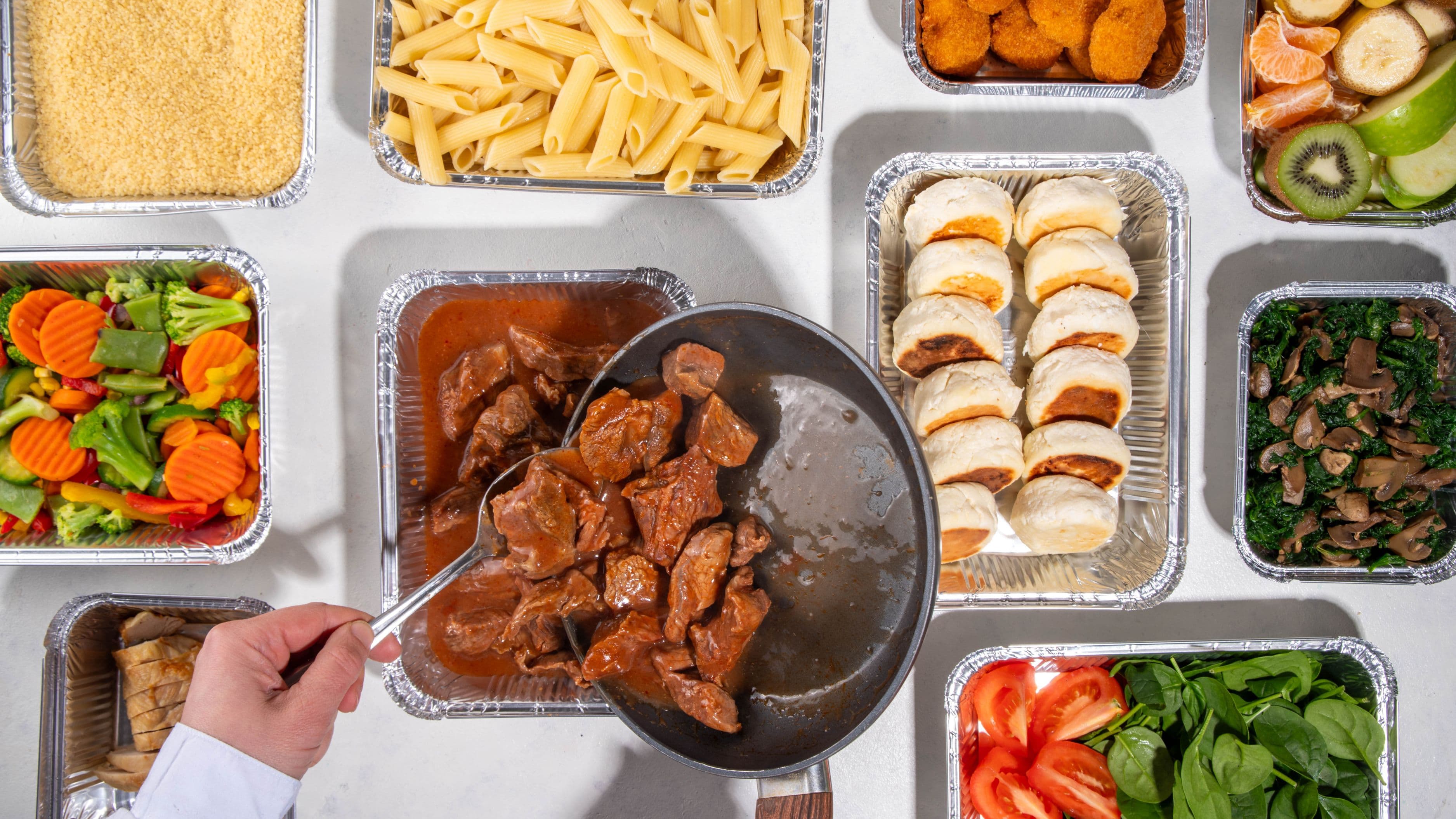
Every meal needs a vehicle and a vegetable, so let's make those decisions once instead of seven times. Pick two grains (rice, quinoa, pasta, farro) and prep them in batches. Then choose three to four vegetables that roast well together—think bell peppers, broccoli, zucchini, and red onion. Sheet-pan roasting means everything cooks at once while you're doing other things, and roasted vegetables stay delicious for days.
This formula turns meal assembly into mix-and-match simplicity. Monday might be chicken with quinoa and roasted peppers. Tuesday transforms into a grain bowl with those same roasted vegetables, fresh greens, and a different protein. The components stay the same, but the presentation keeps things interesting. You're not following rigid recipes—you're working with building blocks that snap together in endless combinations.
3. Build Your Flavor Arsenal
Here's where meal planning graduates from boring to brilliant. Spend five minutes gathering four different flavor profiles: a zesty citrus dressing, a creamy tahini sauce, a spicy chili oil, and a tangy vinaigrette. These sauces and seasonings do the heavy lifting of making your simple ingredients taste extraordinary. The same roasted chicken tastes completely different dressed in lime-cilantro versus harissa-yogurt sauce.
Mix your flavor arsenal in small jars or containers, and suddenly you're not just a meal planner—you're a home chef with options. That Monday grain bowl gets drizzled with tahini. Wednesday's chicken gets the chili oil treatment. Friday's beans swim in the bright vinaigrette. These aren't afterthoughts; they're what transform "I meal prepped" into "I genuinely want to eat this." Plus, most of these sauces take under three minutes to whisk together and last all week in the fridge.
4. Chart Your Week on Paper
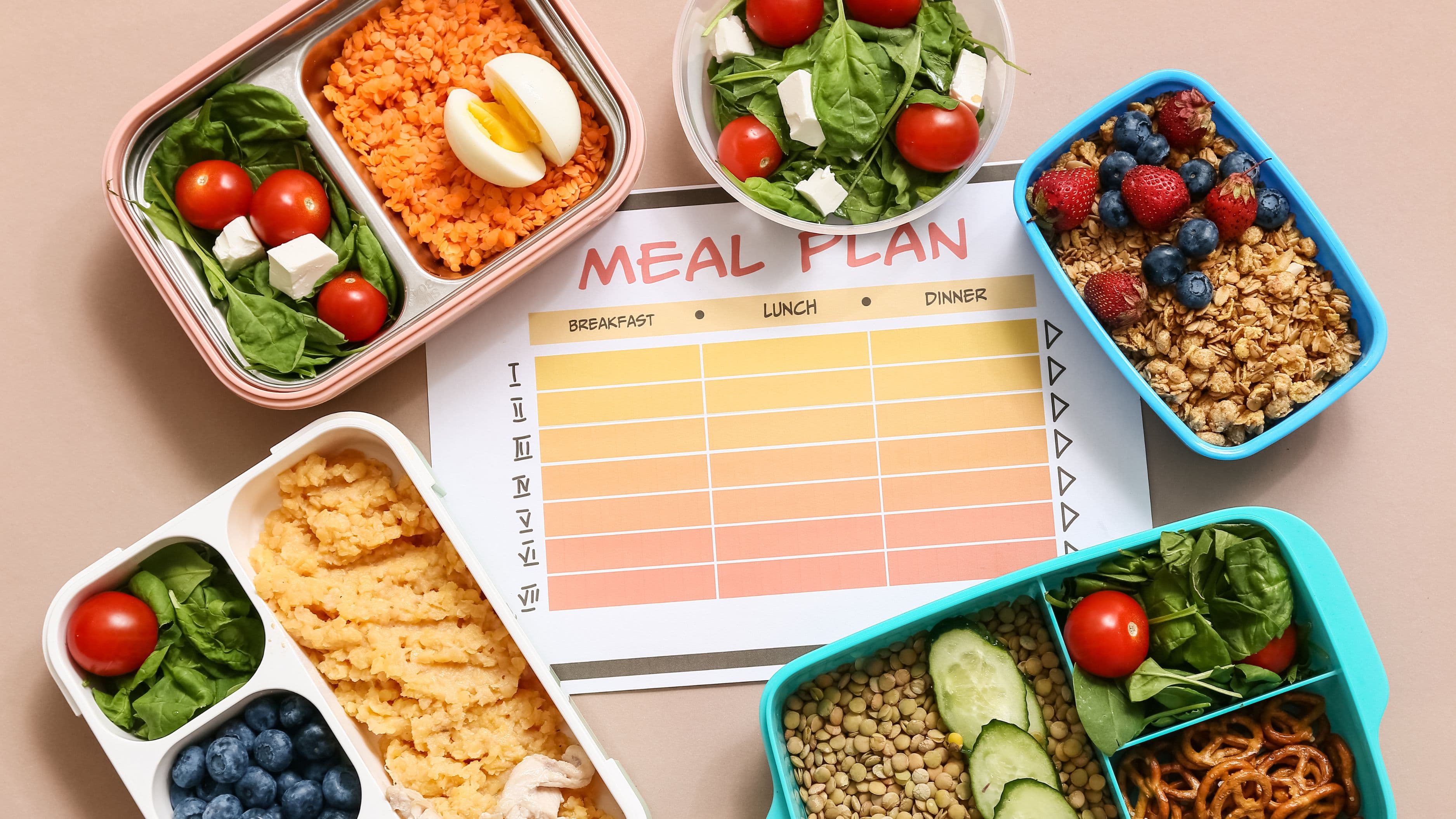
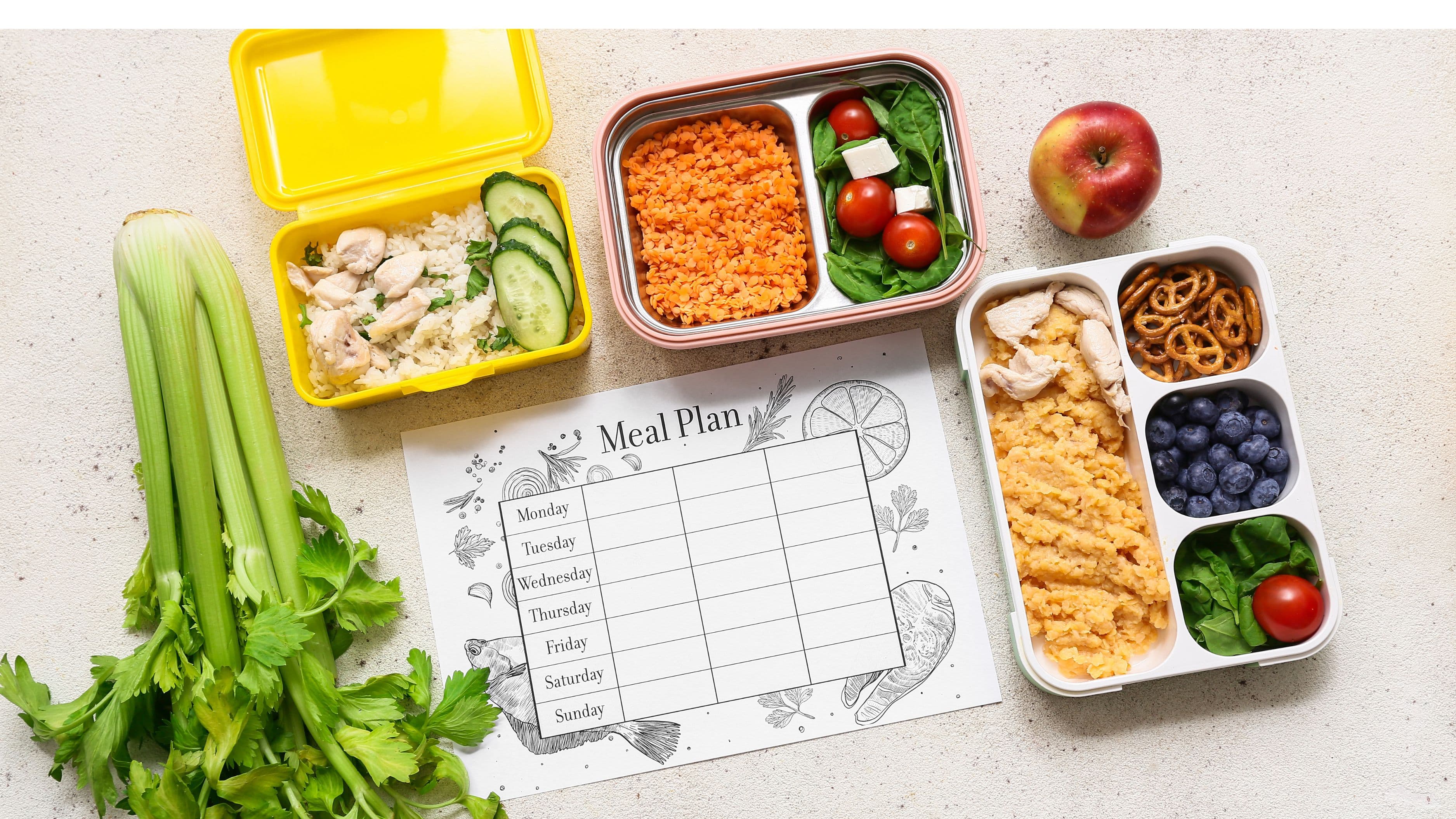
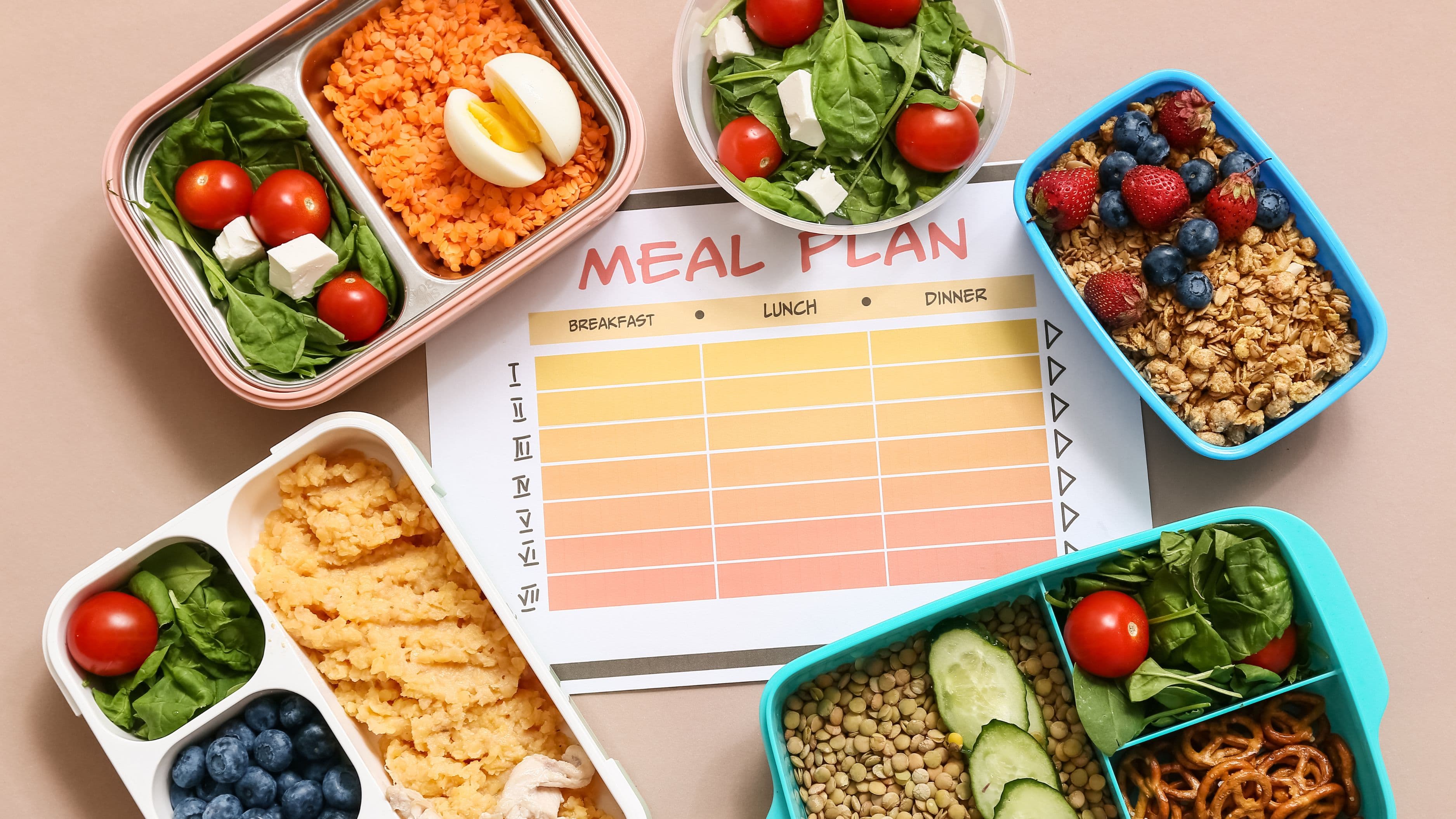
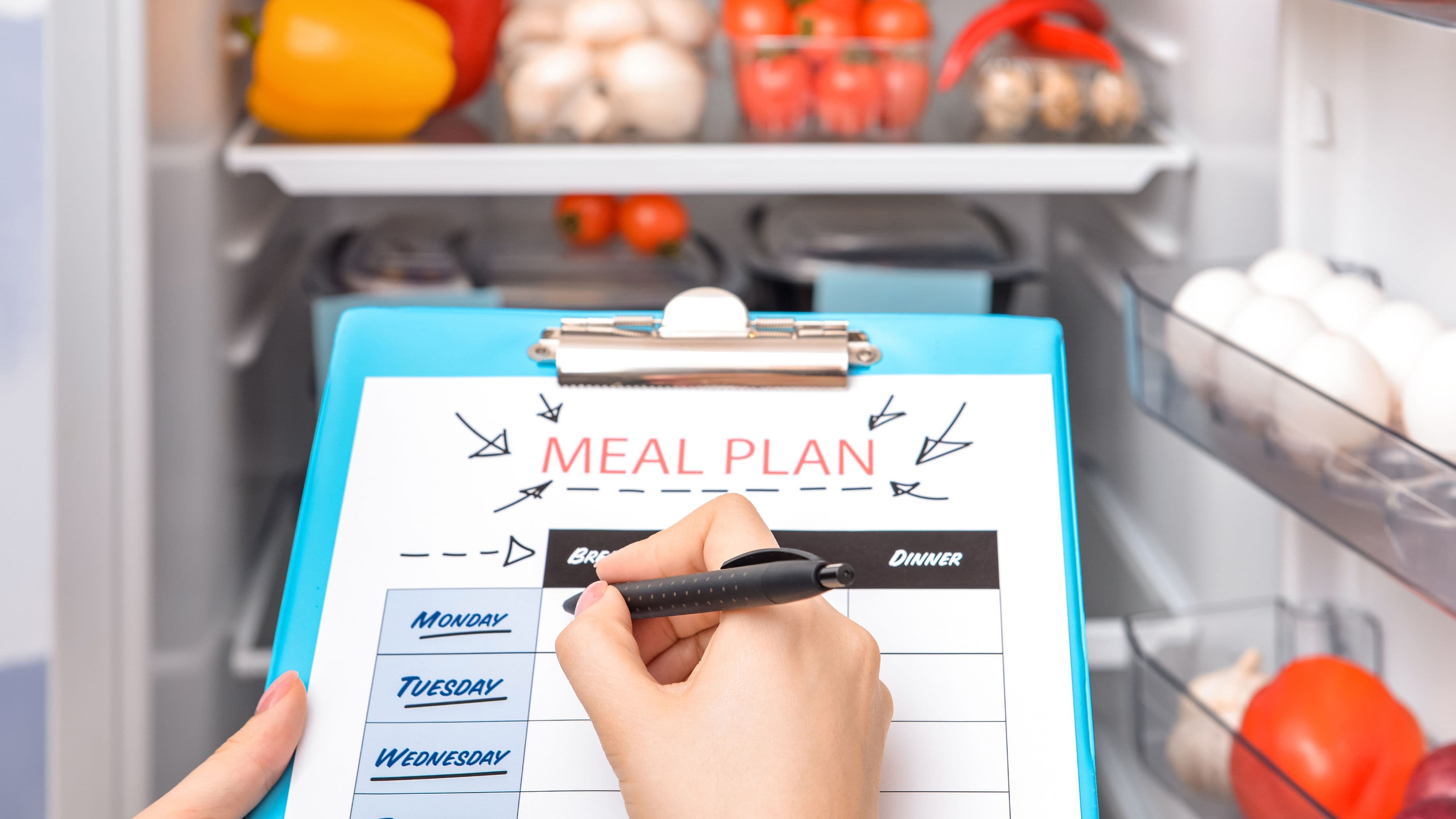
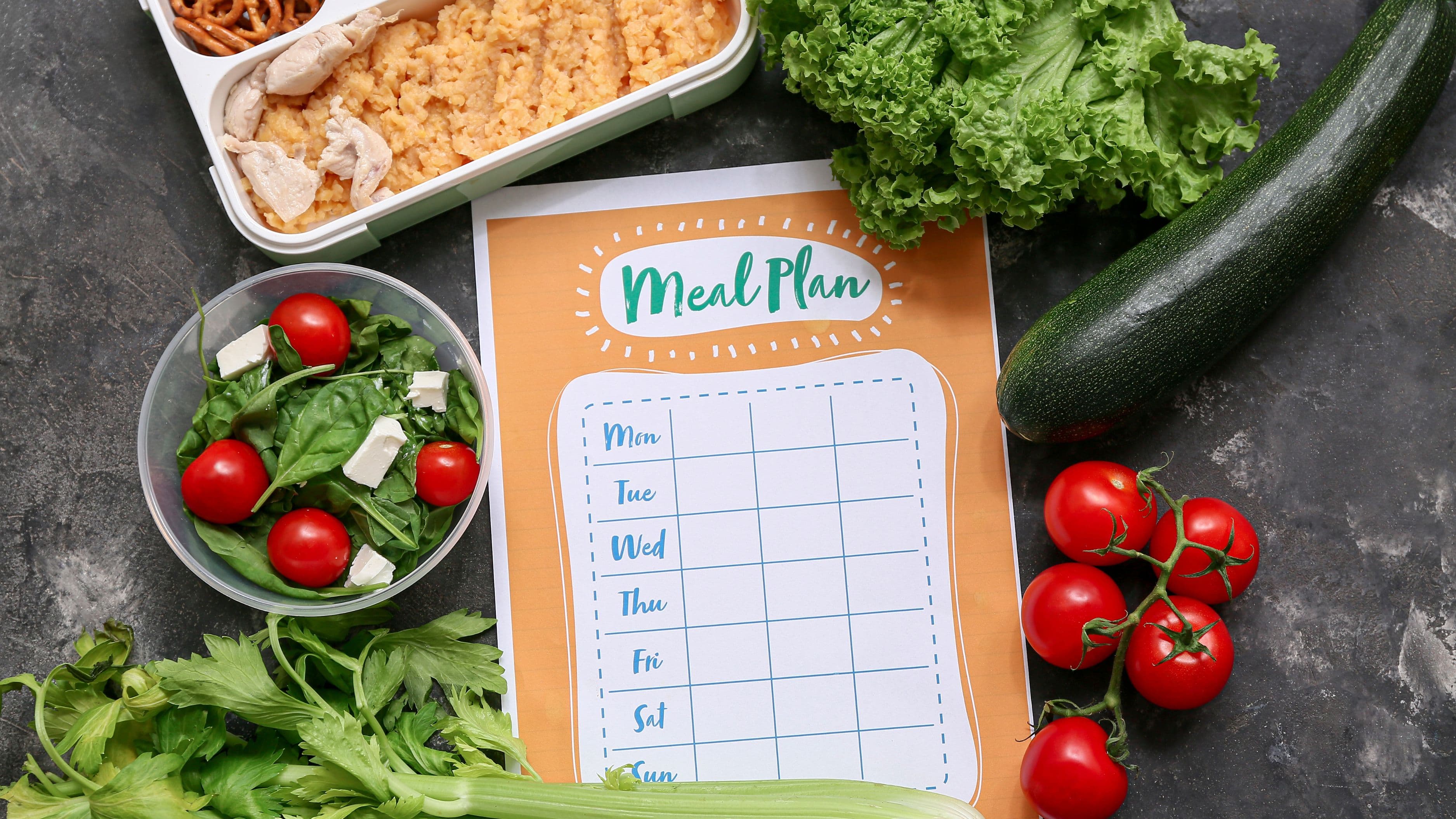
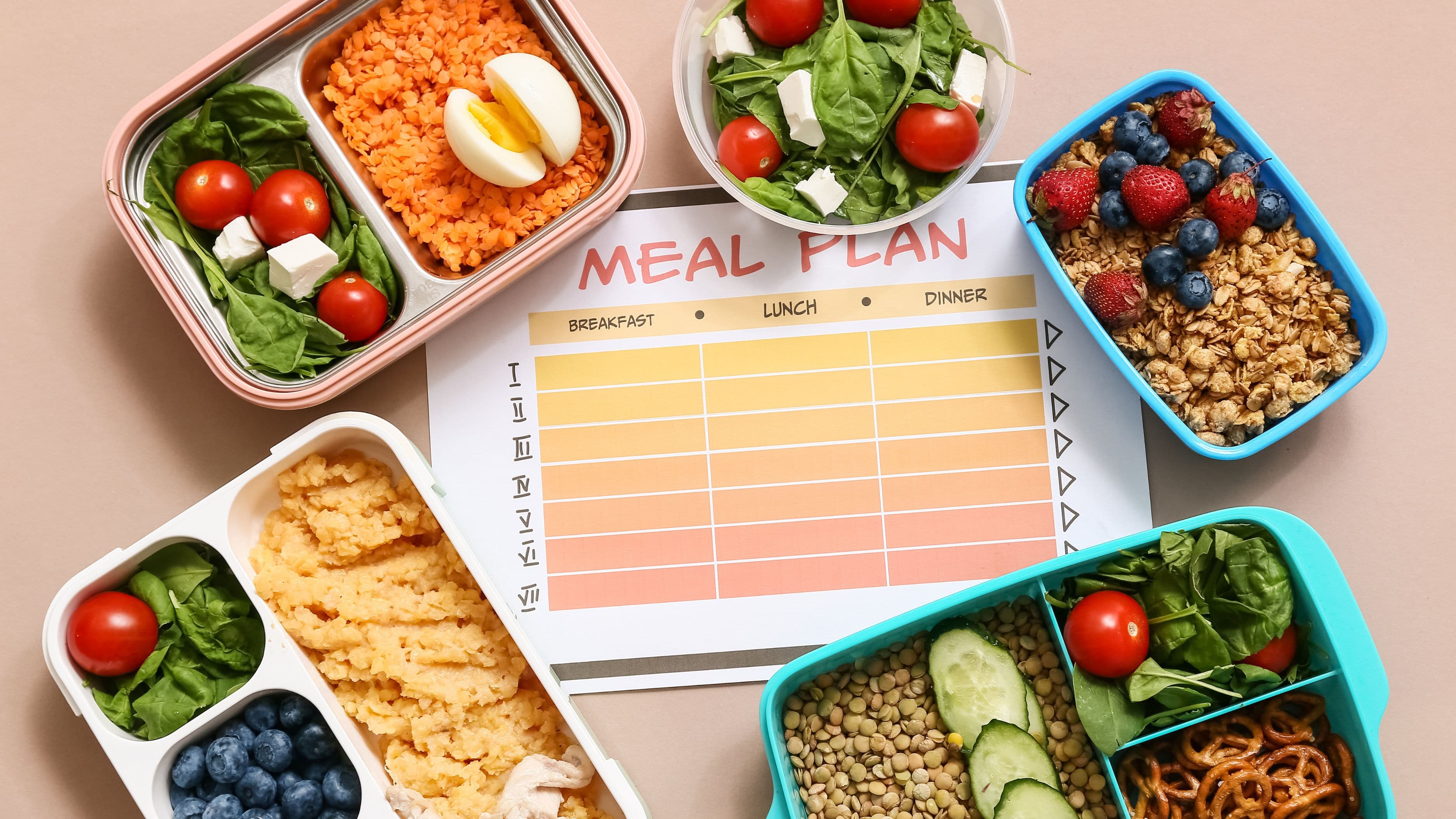
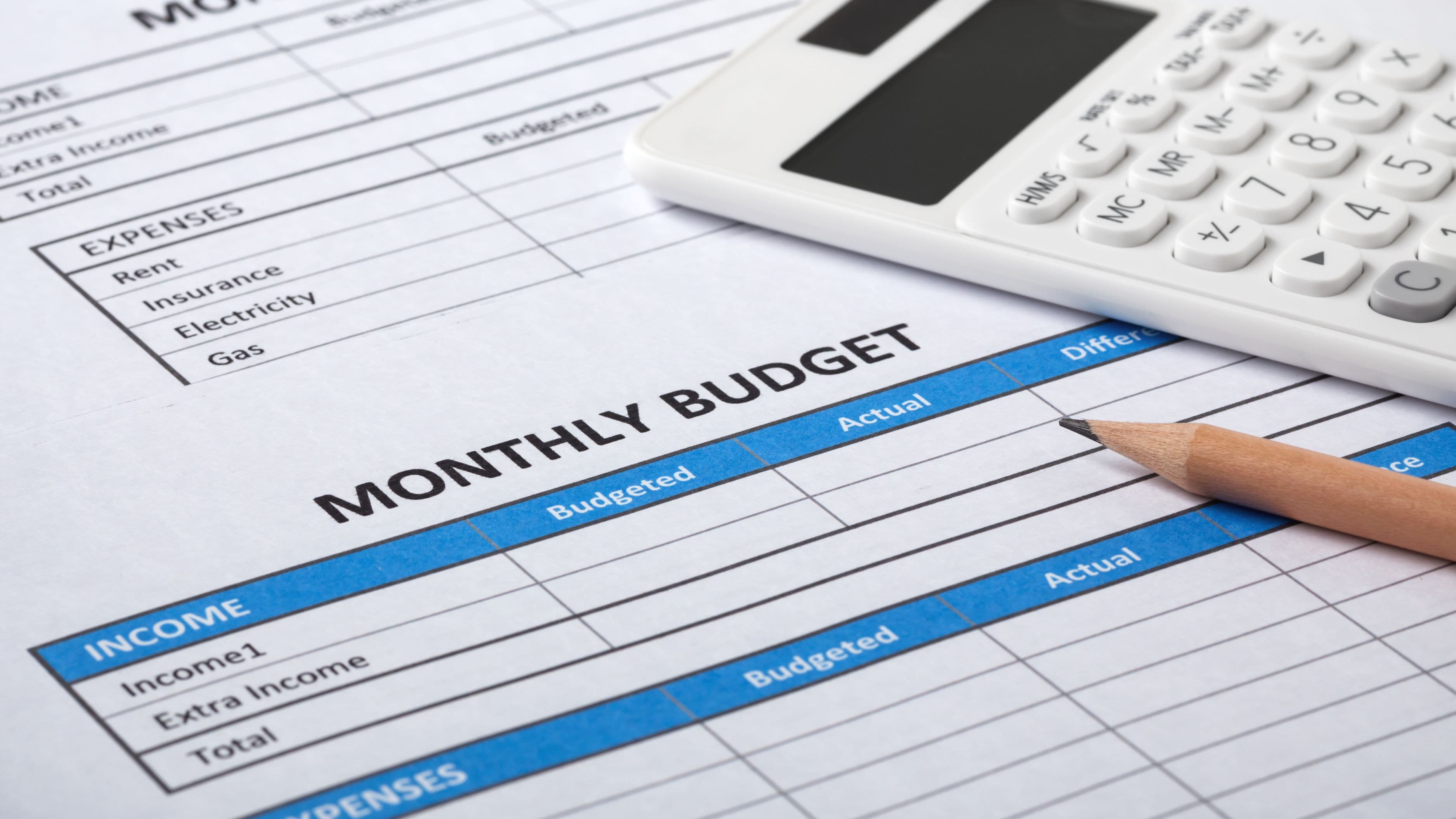
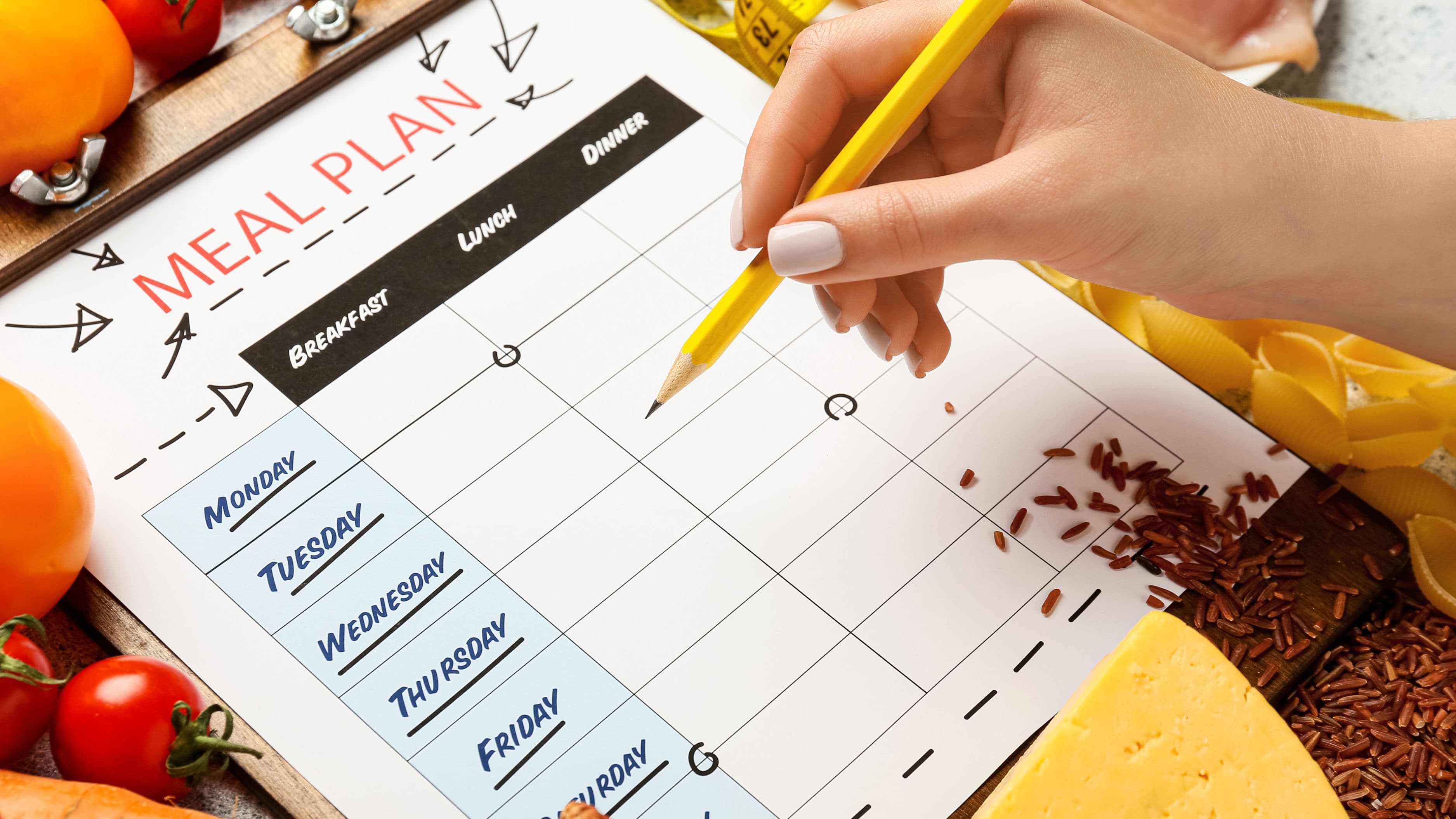
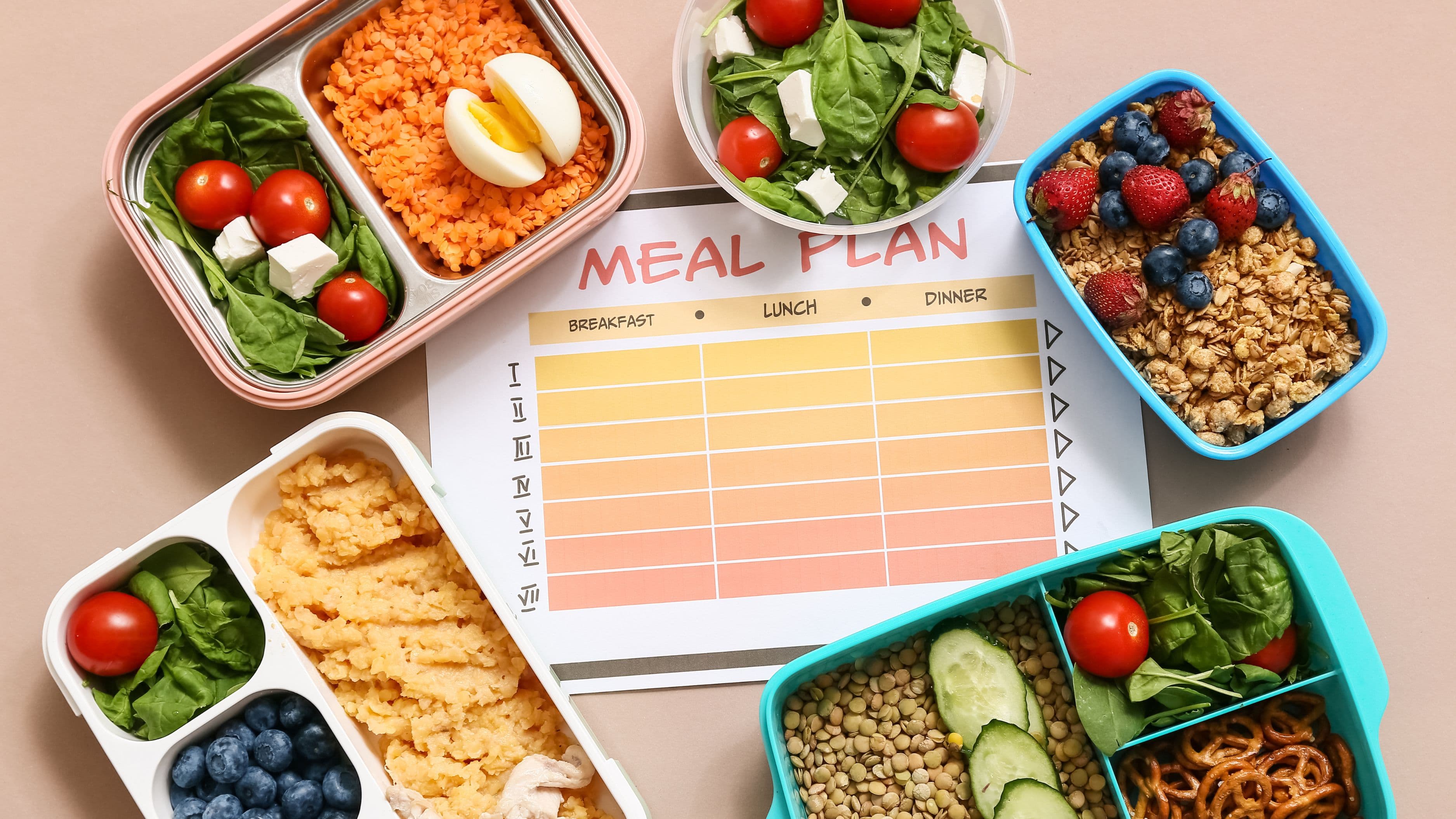
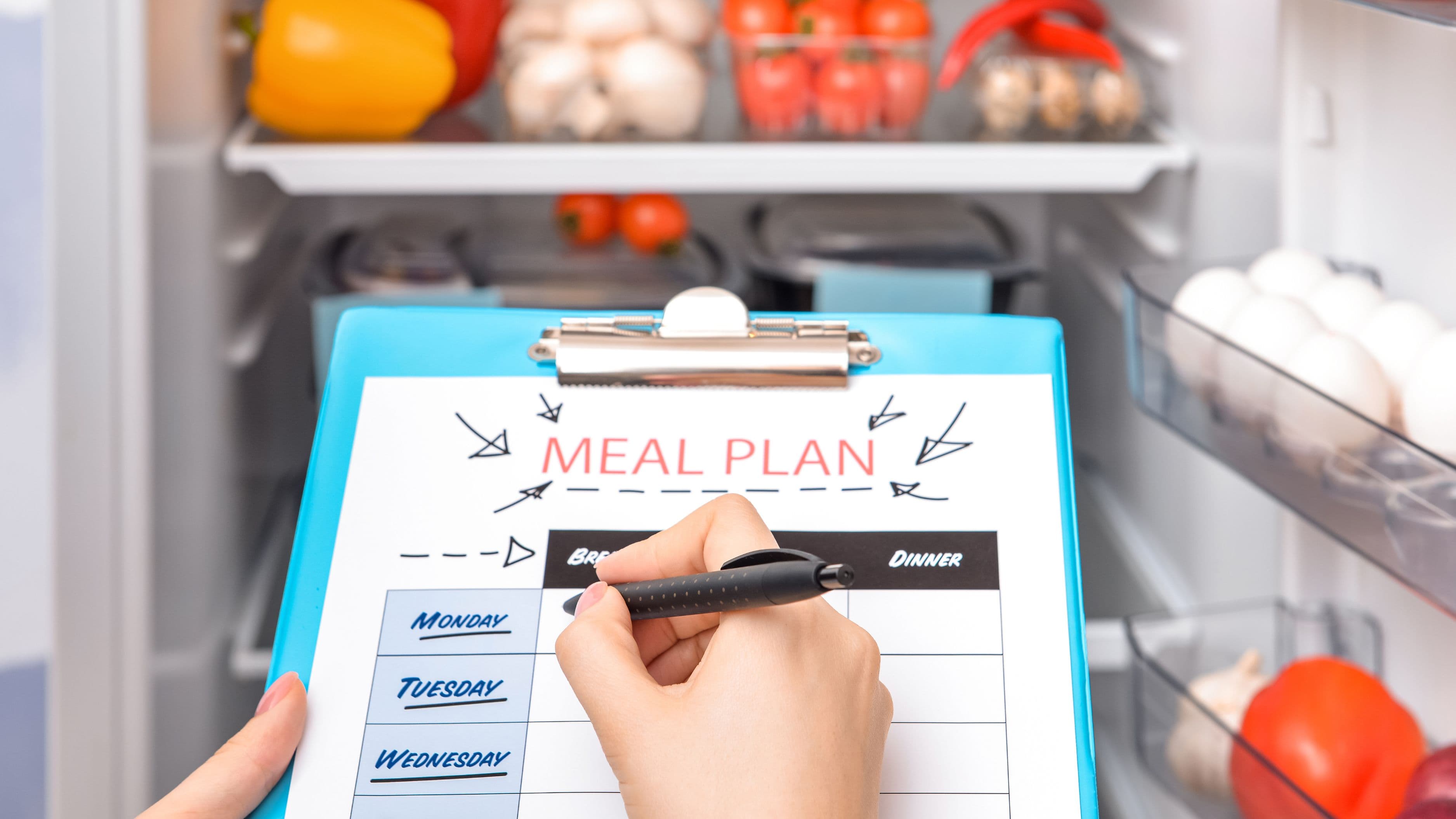
Grab a piece of paper or open your notes app and draw seven boxes—one for each dinner. This isn't about rigid scheduling; it's about seeing your week at a glance so nothing catches you off guard. Monday might be leftover night from weekend cooking. Tuesday through Thursday are your prepped components in different combinations. Friday could be pizza night or takeout. Saturday might be a more involved recipe you actually have time for. Sunday starts the cycle again.
The physical act of writing it down—or typing it out—releases that mental burden of "what's for dinner?" that plagues so many of us around 4 PM. You're not making decisions when you're tired and hungry; you're following a plan you made when you were calm and focused. And here's the secret: you can absolutely deviate from the plan. But having the structure means you're choosing to improvise, not scrambling because you forgot to think ahead.
5. Shop Smart with the Two-List System
Create two lists: your staples list and your weekly list. Staples are things you always keep on hand—olive oil, garlic, canned tomatoes, basic spices, onions. Your weekly list is the specific fresh items for this week's plan. This system prevents both the "I'm missing everything" panic and the "I bought too much and it all went bad" guilt. You're shopping with purpose, not hope.
Walking into the grocery store with these two lists transforms shopping from an overwhelming guessing game into a targeted mission. You spend less time wandering aisles, less money on impulse purchases, and less mental energy on decisions. Most people find they can complete their shopping in under 30 minutes when they know exactly what they need. That efficiency means you're spending your precious weekend time living, not just maintaining.
6. Batch Without Burnout
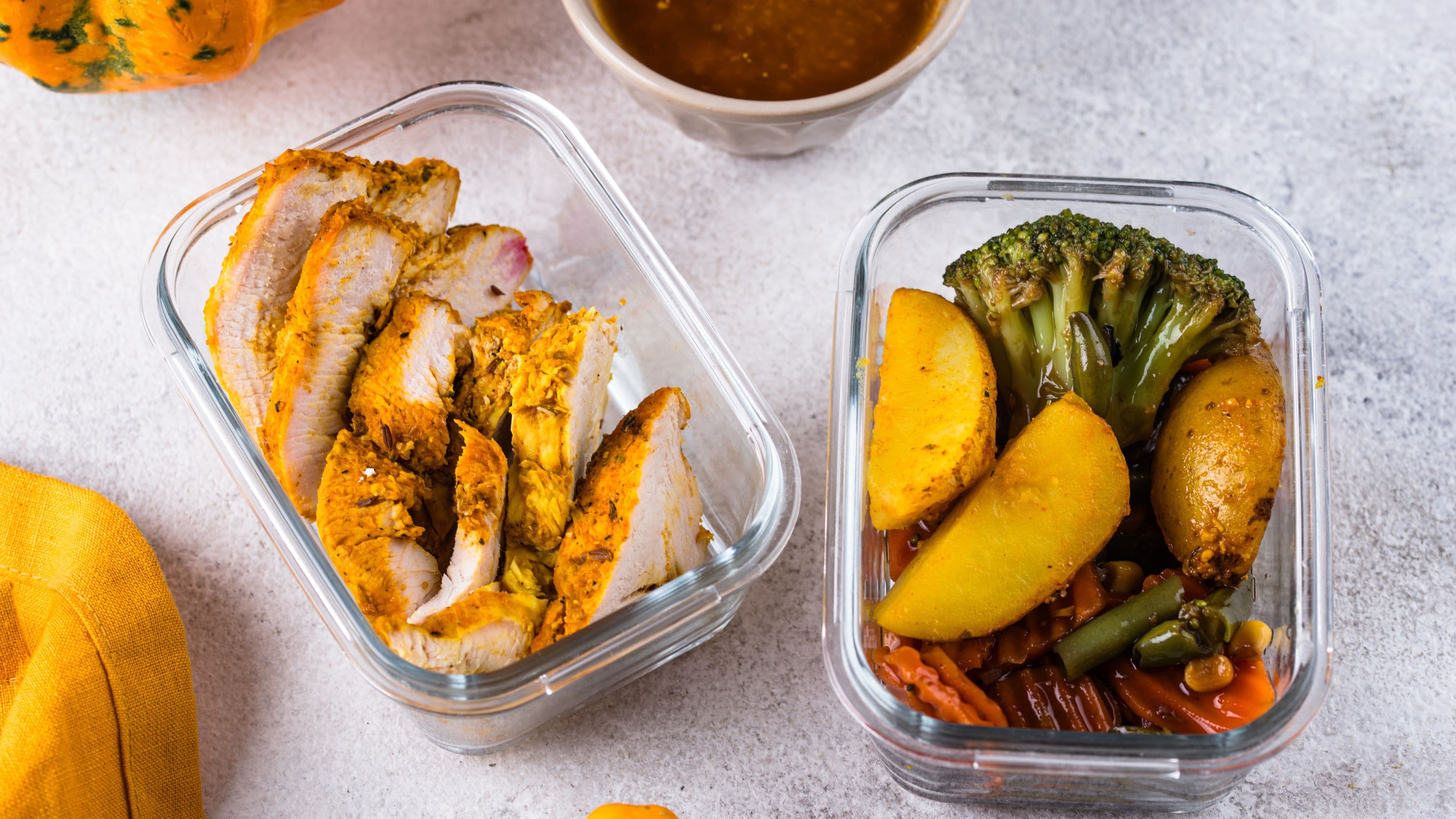
The 30-minute magic happens because you're not fully cooking seven meals—you're strategically prepping components that combine quickly later. Roast your vegetables while you cook your grains. While those are happening, mix your sauces and portion your proteins for seasoning. Everything happens in parallel, not in sequence. Set timers, use your oven and stovetop simultaneously, and embrace the organized chaos of an efficient kitchen.
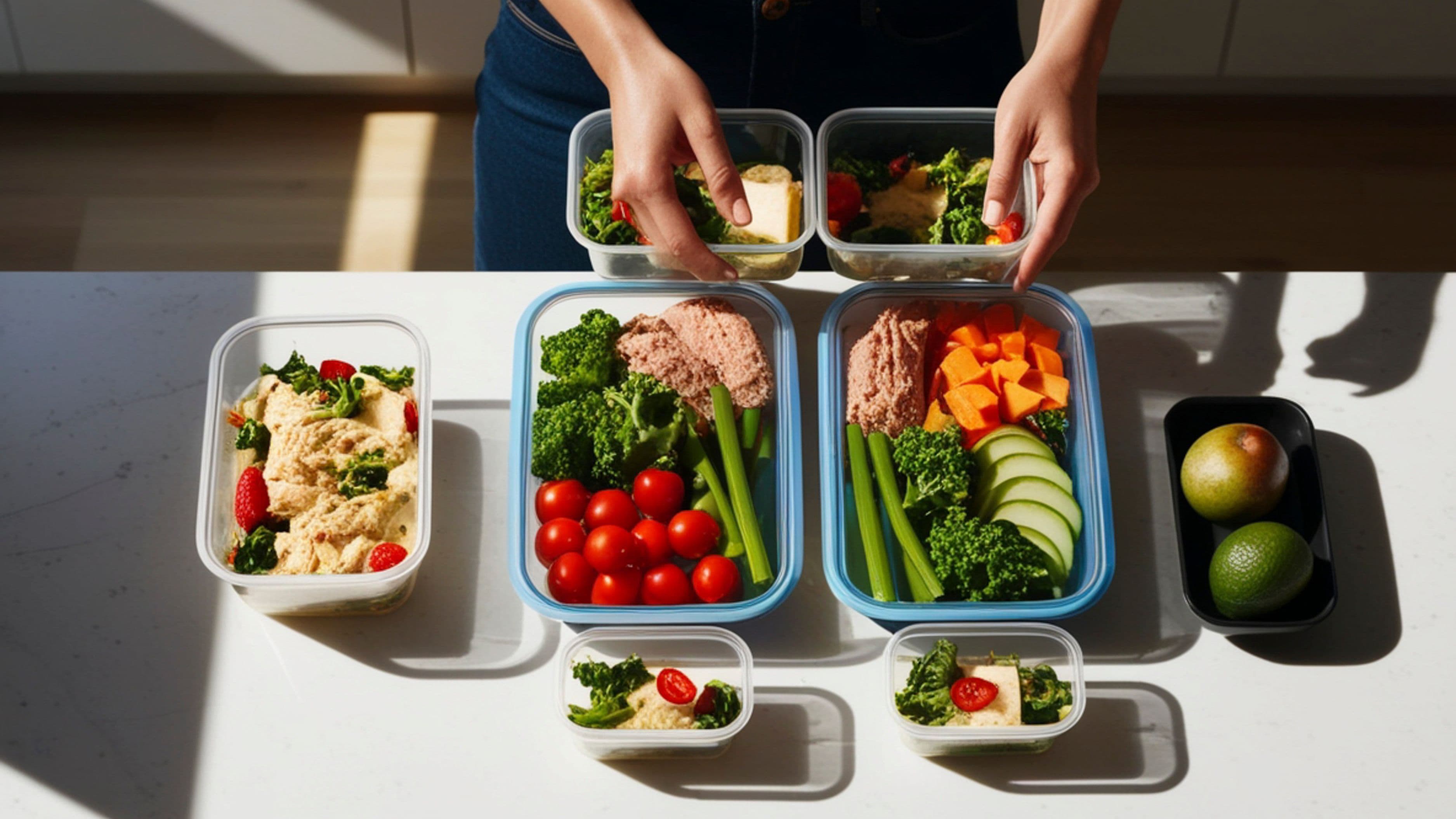
This isn't about spending your whole Sunday cooking. It's about spending 30 focused minutes creating a week of ease. When Wednesday evening arrives and you're tired from work, you'll open your fridge to find roasted vegetables ready to reheat, quinoa ready to microwave, and chicken that just needs a quick pan sear. The meal comes together in less than 15 minutes. That's the payoff—future you gets to relax because past you planned ahead.
7. Embrace Strategic Repetition
Here's permission to be human: you don't need seven wildly different meals. In fact, strategic repetition is your friend. Many successful meal planners use a "dinner rotation" approach—maybe 10 to 12 meals that cycle through over several weeks. Once you've prepped the components, you already know how they go together. There's comfort in that familiarity, and it removes the pressure to constantly reinvent dinner.
Strategic repetition also means you get better at making these meals. The first time you build a grain bowl, you might fumble with proportions. The fourth time, you're plating like a pro. Your knife skills improve. Your timing tightens. You learn which combinations your family devours and which ones get polite smiles. This isn't monotony—it's mastery. And mastery, ironically, gives you the confidence to improvise when inspiration strikes.
The transformation from weeknight stress to weeknight ease doesn't require expensive meal kits or hours of prep work. It requires 30 minutes of intentional planning and a willingness to work smarter, not harder. When you shift from deciding what's for dinner seven separate times to making that decision once, you reclaim time, money, and mental space. You stop eating cereal for dinner out of desperation (though sometimes cereal is exactly right) and start actually enjoying the meals you've thoughtfully planned.
The larger takeaway here extends beyond just meal planning—it's about recognizing which decisions drain our energy and finding systems to make those decisions once instead of repeatedly. Maybe meal planning becomes the gateway to planning other aspects of your life more intentionally. Or maybe it just means you eat better, waste less, and feel calmer at dinnertime. Either way, those 30 minutes you invest today ripple into seven easier evenings ahead. What other areas of your life might benefit from this kind of thoughtful preparation?
📚 Sources
1. Ohio State University. (2019). "Meal Planning and Food Waste Reduction in American Households." Journal of Nutrition Education and Behavior, 51(2), 240-250.