1. Khao Soi: The Golden Hug in a Bowl
The first time I saw khao soi, I thought someone had made a mistake. Crispy fried noodles perched on top of curry-drenched soft noodles? A combination that seemed structurally impossible and texturally chaotic? But one spoonful of that coconut curry broth—rich with turmeric, slightly sweet, deeply savory, with a whisper of spice building slowly—and I understood that Thai cuisine operates on a completely different level of genius. The interplay between those crunchy noodles softening gradually in the hot broth and the tender noodles below creates this evolving eating experience where no two bites taste or feel exactly the same. It's the dish that taught me Thai food doesn't just balance flavors; it choreographs them across time, temperature, and texture in ways that keep you engaged from first bite to last.
2. Som Tam: The Wake-Up Call Your Mouth Needed
Green papaya salad sounds healthy and boring until you realize it's essentially a flavor bomb disguised as vegetables. The pounding of ingredients in that mortar and pestle isn't just preparation—it's alchemy, bruising the papaya to absorb the dressing, crushing garlic and chilies to release their aggression, breaking down green beans so they submit to the lime juice's acidity. My first bite was a revelation and possibly a religious experience: sour lime juice making my cheeks pucker, fish sauce delivering umami depth, palm sugar providing just enough sweetness to keep everything civilized, and Thai chilies reminding me that I am, in fact, very much alive right now. The crunch of peanuts, the pop of cherry tomatoes, the sharp bite of raw green beans—som tam taught me that salads don't have to apologize for existing or pretend to be virtuous. They can be loud, aggressive, and utterly captivating.
3. Massaman Curry: The Slow Burn Love Affair
While other curries scream their presence, massaman whispers seductively, building complexity so gradually you don't realize you've fallen completely under its spell until you're scraping the bowl. The unexpected presence of peanuts, potatoes, and warming spices like cinnamon and cardamom betrays its Persian influences, creating something that feels simultaneously exotic and weirdly familiar. What hooked me was discovering that Thai cuisine isn't some monolithic tradition but a living conversation with centuries of trade routes, cultural exchanges, and culinary borrowing that somehow gets remixed into something distinctly Thai. The tender beef or chicken falling apart in that rich, slightly sweet, deeply spiced sauce taught me patience—both in cooking and in appreciating how flavors can develop slowly rather than hitting you all at once.
4. Larb: The Herb Explosion That Changed Everything
Before larb, I thought of herbs as garnish, as decoration, as that thing you sprinkle on top to make dishes look pretty in photos. Larb—that intensely herbal, lime-bright, toasted rice-crunchy meat salad—demolished that naive assumption completely. Fresh mint, cilantro, and sawtooth coriander aren't supporting actors here; they're the main event, creating a freshness so aggressive it almost stings. The toasted rice powder adds this nutty crunch that shouldn't work but does, the fish sauce and lime juice create acidity that makes everything pop, and the meat (whether pork, chicken, or duck) becomes almost secondary to the herb assault happening in your mouth. Eating larb feels like your taste buds are at a rave where herbs are the DJ and nobody's going home until every flavor receptor has been thoroughly activated. It taught me that "too much" is sometimes exactly the right amount.
5. Pad Krapow Moo Saap: The Late-Night Hero
Holy basil stir-fried pork with a fried egg on top sounds simple until you taste what high heat, holy basil's distinctive peppery bite, and the right balance of fish sauce, oyster sauce, and sugar can accomplish in about five minutes. This is Thai fast food at its finest—the dish that regular people eat when they're hungry and need something immediately satisfying. The basil gets almost crispy at the edges, the pork caramelizes in spots, the sauce clings to jasmine rice perfectly, and that runny-yolked fried egg on top? It's the genius move that ties everything together, adding richness and making the whole thing feel indulgent despite its humble ingredients. Pad krapow taught me that Thai cuisine's brilliance isn't just in complex curries that simmer for hours—it's equally present in dishes that come together faster than you can order delivery, but taste like someone actually cares about your happiness.
6. Tom Yum Goong: The Soup That Defies Logic
How does something so sour, so spicy, so aggressively flavored also manage to be refreshing and light? Tom yum's hot-and-sour broth shouldn't work—the lemongrass, galangal, kaffir lime leaves, fish sauce, lime juice, and chilies create a combination that sounds more like a dare than dinner. But when those fat, sweet prawns swim in that cloudy, aromatic broth, and you slurp it down feeling your sinuses clear and your body temperature rise, you understand that Thai cuisine plays by different rules than Western food logic allows. The mushrooms add earthiness, the tomatoes provide unexpected sweetness, and the whole thing somehow tastes simultaneously comforting and challenging. Tom yum taught me that comfort food doesn't have to be gentle or mild—sometimes comfort comes from flavors so bold they shock you out of whatever mood you were in and demand your full attention.
7. Mango Sticky Rice: The Dessert That Made Everything Make Sense
After all those aggressive flavors, all that heat and sourness and pungency, mango sticky rice arrives like a gentle hug from someone who understands you've been through something intense. Sweet glutinous rice cooked in coconut milk, served with perfectly ripe mango slices and topped with coconut cream and toasted mung beans creates this dessert that's creamy, fruity, nutty, and somehow lighter than it has any right to be. The rice has this chewy texture that's weirdly satisfying, the mango provides bright sweetness and acidity, and the coconut cream ties everything together without making it cloying. This dessert taught me the final lesson of Thai cuisine: after taking you on a wild ride through every possible flavor sensation, it knows exactly when to bring you back down gently, to remind you that balance isn't just about what happens within one dish—it's about how the entire meal flows from start to finish.
8. Gaeng Keow Wan: The Green Curry That Ruined All Other Curries
Green curry is what happens when someone decides coconut milk and Thai basil should have a passionate love affair supervised by green chilies and fish sauce. The first spoonful hits you with sweetness, then heat builds, then the basil's anise-like freshness cuts through, then the lime leaves add citrus complexity, and somehow it all works together instead of fighting for dominance. The Thai eggplants have this unique texture—slightly bitter, perfectly tender—that absorbs the curry in ways regular eggplant never could, and the bamboo shoots add crunch that keeps things interesting. What made me fall hard for green curry was realizing it could accommodate almost any protein or vegetable and somehow make it taste better than it would in any other preparation. It's simultaneously a specific dish and a template for infinite possibilities, which pretty much sums up why Thai cuisine is so endlessly fascinating.
9. Pad See Ew: The Smoky Noodle Revelation
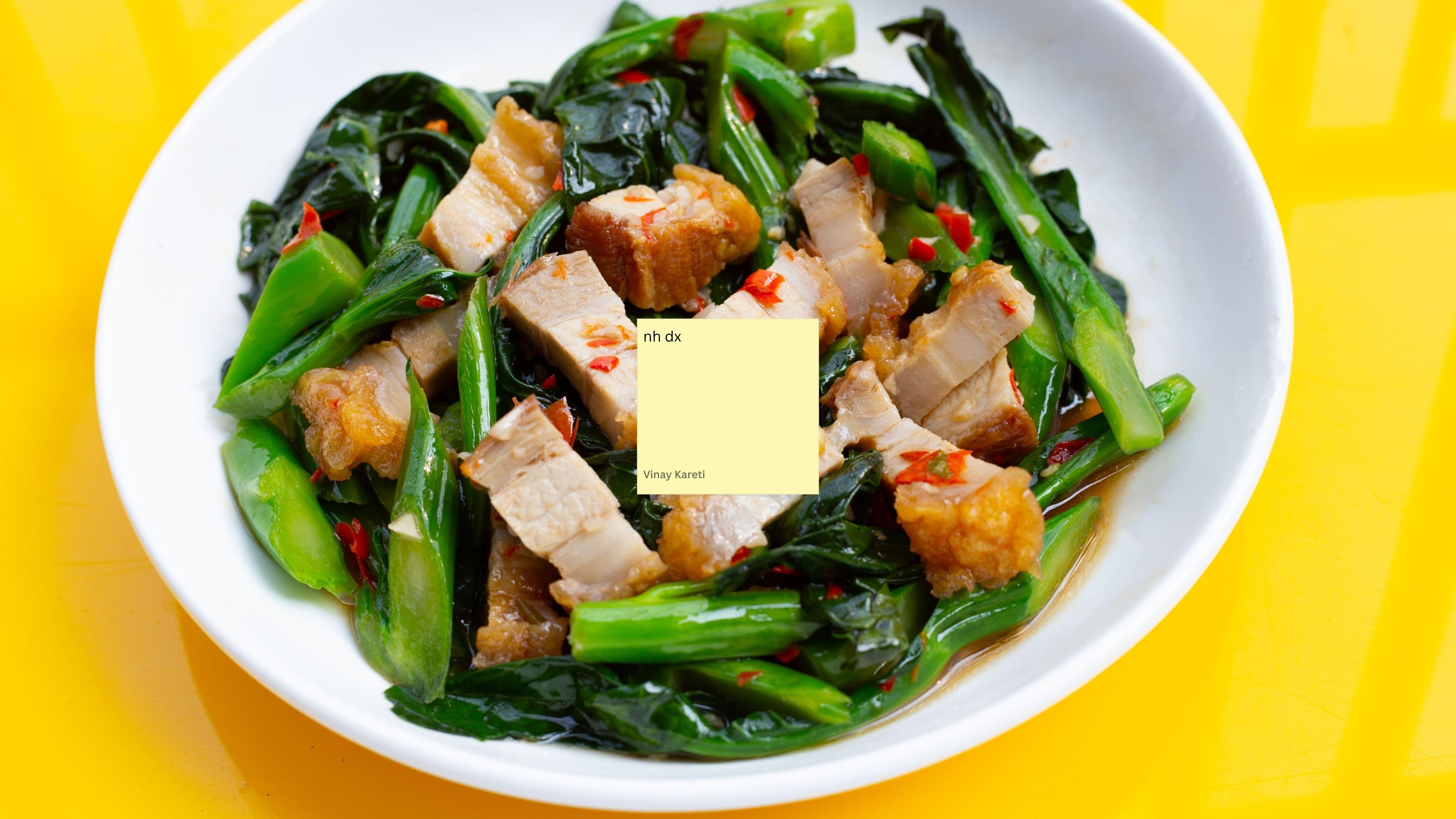
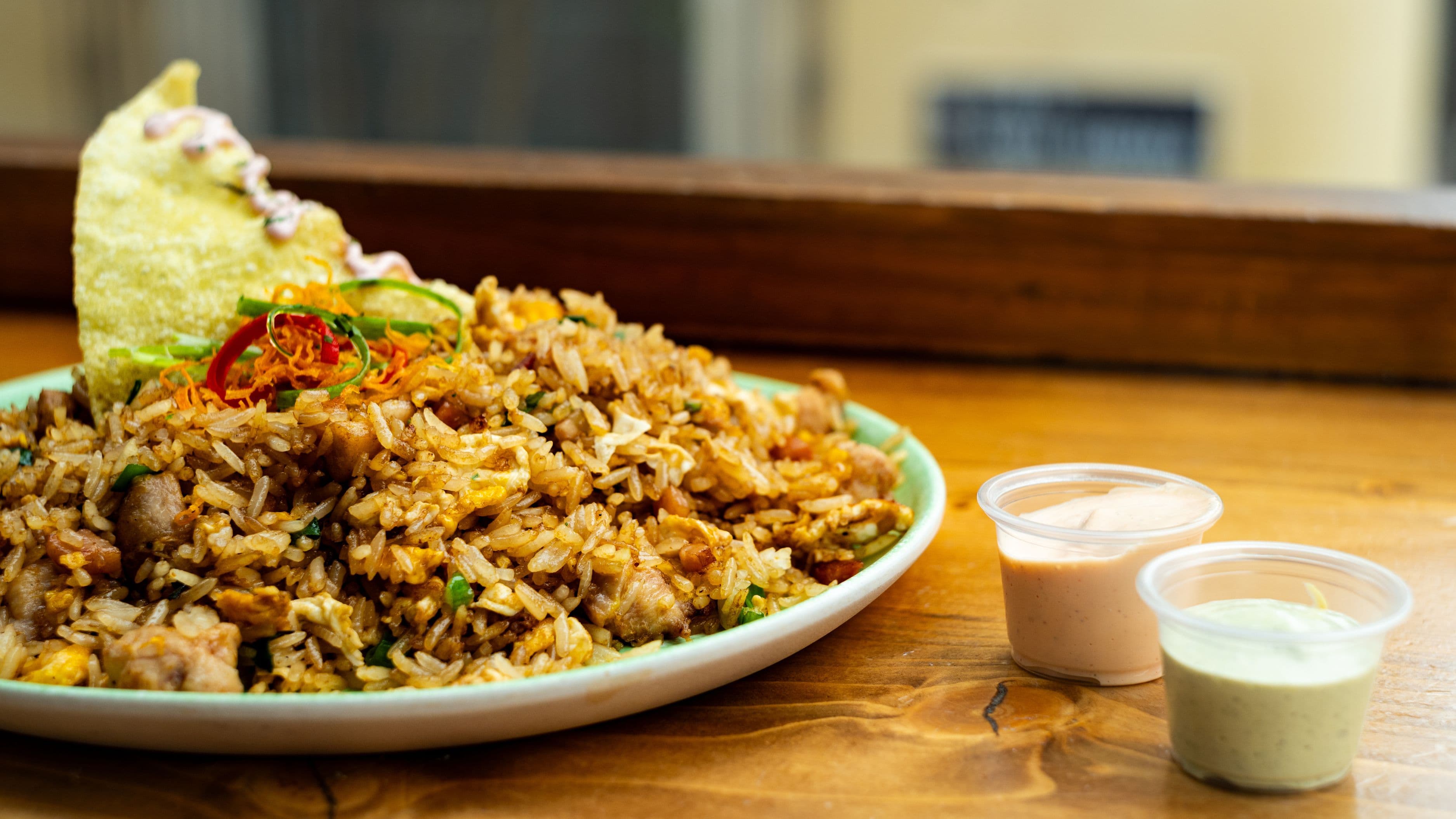
These wide rice noodles stir-fried with Chinese broccoli, egg, and meat in sweet soy sauce seem almost boring compared to flashier Thai dishes until you taste that wok hei—the breath of the wok—that slight smokiness only achievable with restaurant-level high heat. The noodles get these gorgeous charred bits, the Chinese broccoli maintains some bite despite being cooked through, and the sauce caramelizes in spots creating little pockets of concentrated sweetness. Pad see ew taught me that Thai cooking isn't all about complex curry pastes and exotic ingredients—sometimes it's about technique, about getting your wok screaming hot and moving fast, about understanding how different levels of doneness within the same dish create interest. It's the Thai dish that feels most Chinese, reminding me again that Thai cuisine is this beautiful hybrid that cherry-picks the best techniques and ingredients from neighbors and trading partners, then makes them distinctly Thai through specific flavor combinations and approaches.
10. Gai Yang: The Grilled Chicken That Shouldn't Be This Good
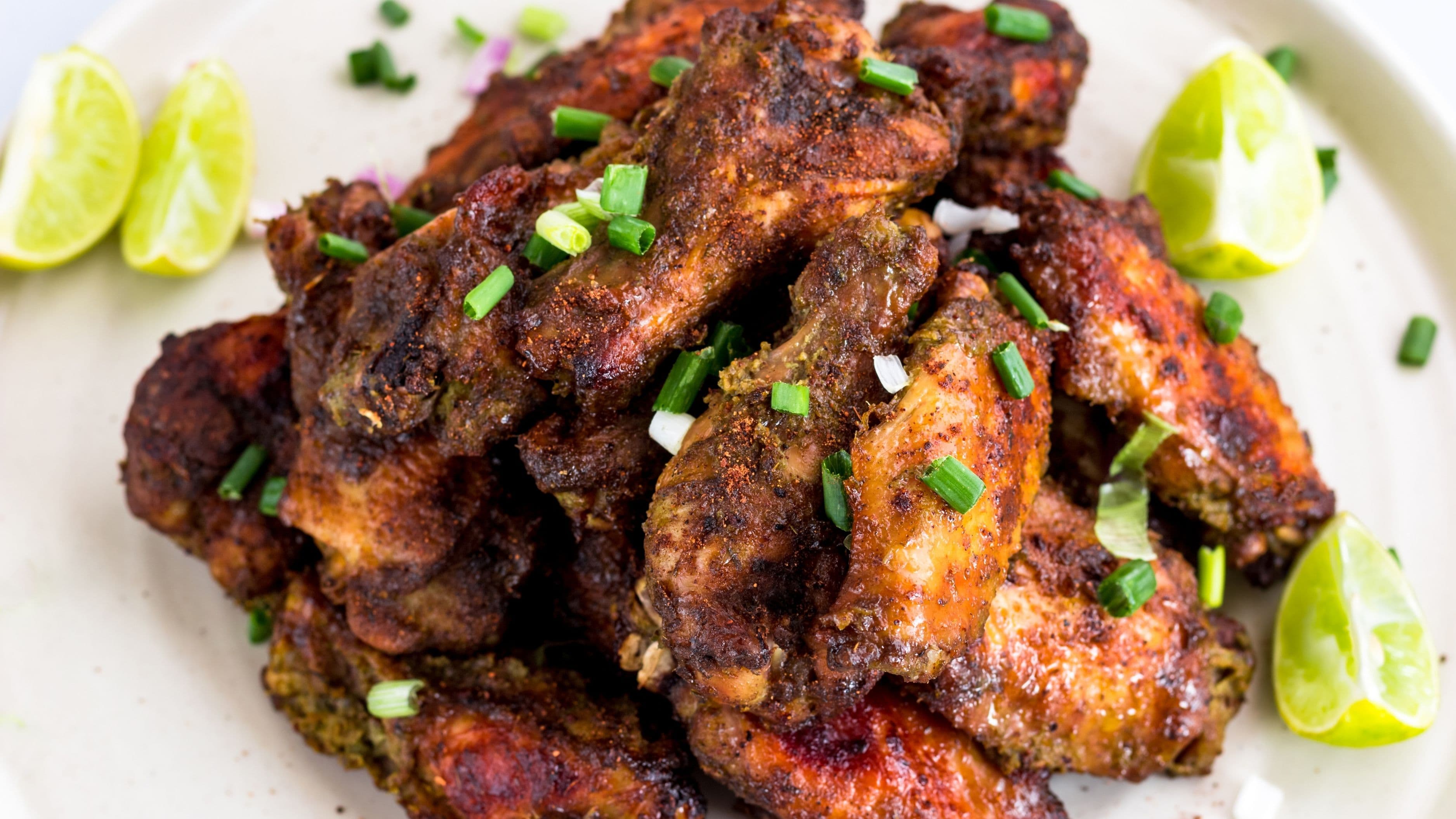
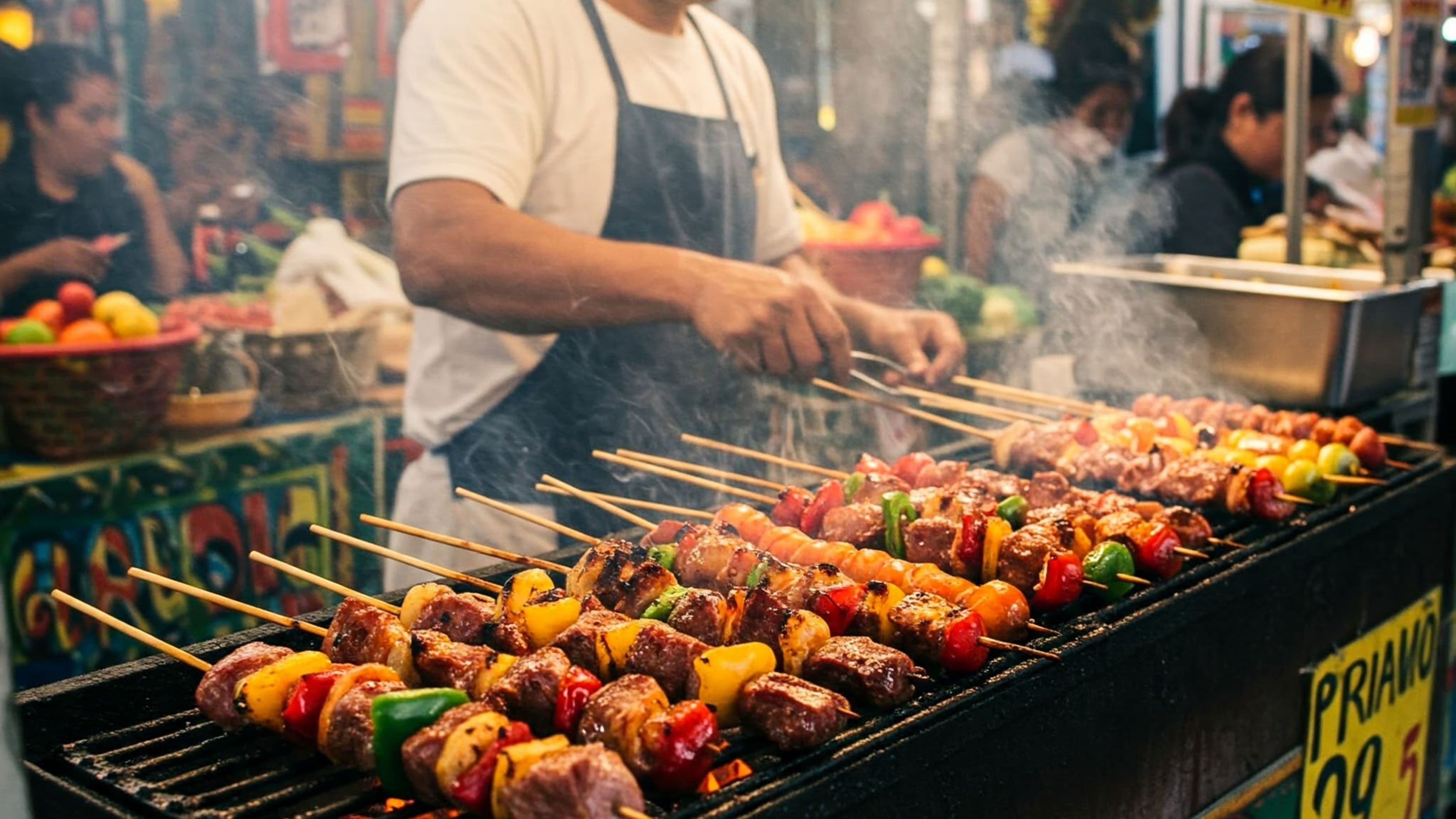
Grilled chicken is grilled chicken, right? Wrong—so wrong that it's almost offensive I ever thought that. Thai grilled chicken marinates in lemongrass, garlic, coriander root, white pepper, and fish sauce before getting cooked over charcoal until the skin crisps and those aromatics caramelize into something that transcends poultry. Served with sticky rice and som tam, this is Thai street food at its most elemental—meat, fire, rice, and that spicy papaya salad to cut through the richness. The dipping sauce, usually a tamarind-based concoction that's sweet, sour, and spicy all at once, adds another layer that makes you understand why Thai cuisine never lets a dish stand alone without considering what goes with it. Gai yang taught me that Thai cooking elevates even the simplest proteins through marinades that actually penetrate and transform the meat, not just sit on the surface pretending to add flavor.
Your culinary life doesn't need to be limited to the same seven cuisines rotating through your takeout orders—it just needs the right introduction to flavors that challenge your assumptions about what food can be. Thai cuisine grabbed me because it refuses to choose between sweet and savory, between aggressive and gentle, between simple and complex. It insists on all of it simultaneously, creating this flavor experience that feels more complete and satisfying than cuisines that play it safe or stick to familiar territory. These dishes taught me that great food should wake you up, should make you pay attention, should surprise you even when you think you know what's coming. Thai cuisine doesn't whisper politely—it sings loudly, dances boldly, and invites you to join a party where every flavor gets a speaking role and nothing apologizes for being too much. That's not just good cooking; that's a whole philosophy about experiencing life more fully, one transcendent bite at a time.