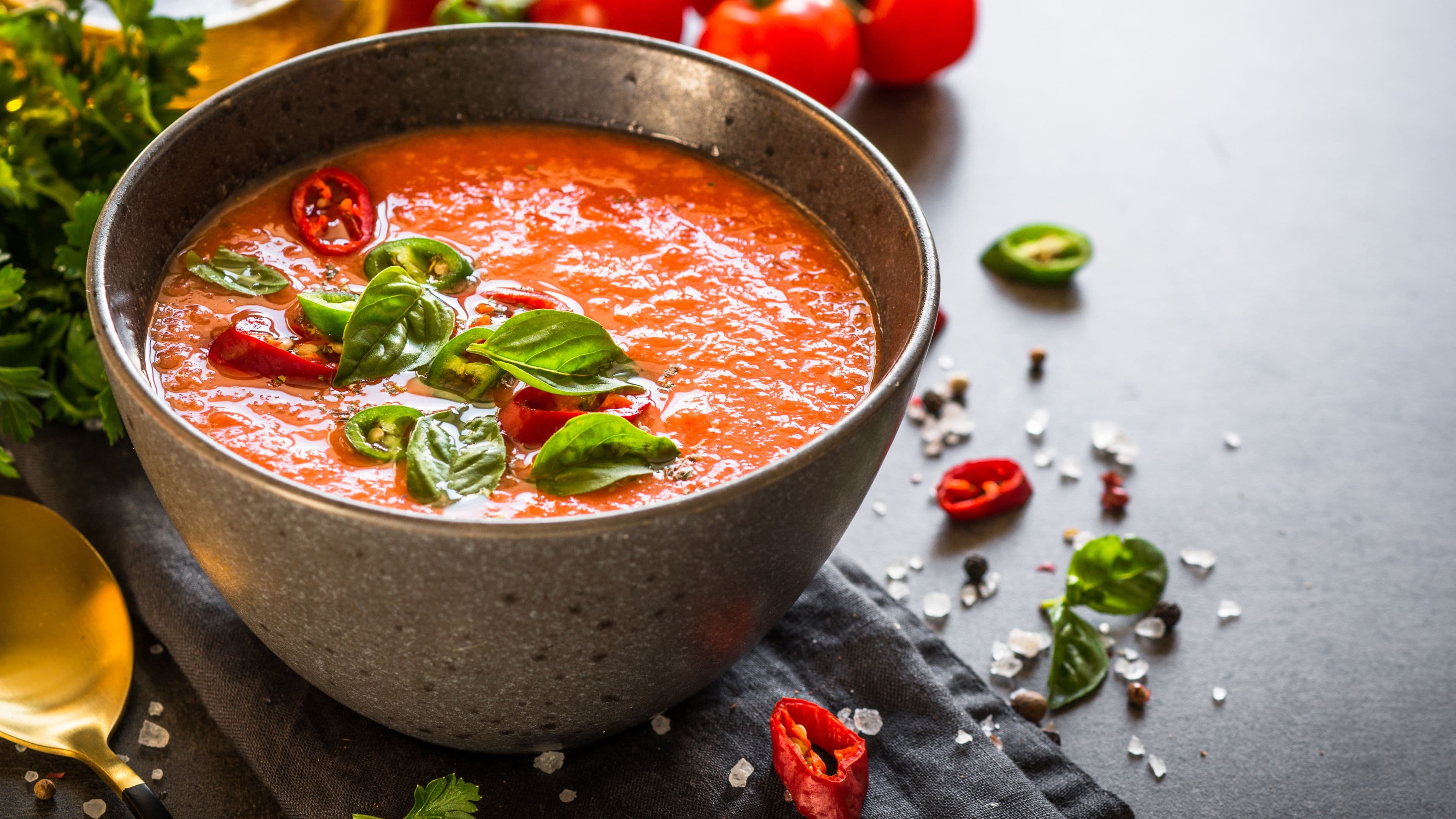
This isn't a shortcut that sacrifices anything. It's a technique that understands what tomato sauce actually needs to taste like it was cooked with care. Once you know the method, you'll stop reaching for the jar because this takes about the same time and tastes dramatically better.
Why This Sauce Works in 20 Minutes
A slow-cooked marinara gets its depth from time – the tomatoes break down slowly, the sugars concentrate, and the flavors meld together over a long simmer. To get similar results in a fraction of the time, you focus on two things: using canned whole tomatoes crushed by hand (which have better flavor and texture than pre-crushed canned tomatoes), and coaxing depth from the aromatics quickly in good olive oil before the tomatoes even hit the pan.
Garlic bloomed in olive oil over gentle heat develops a sweet, nutty quality that raw garlic doesn't have. A pinch of red pepper flakes adds background warmth without making the sauce spicy. And a small handful of fresh basil added at the end – not cooked into the sauce – keeps the herb flavor bright and clean rather than flat. These aren't complex techniques. They're just the right moves in the right order.
Ingredients
Serves: 4 (with 400g / 14 oz of pasta)
Active time: 20 minutes
Skill level: Beginner
3 tablespoons good olive oil
4 medium garlic cloves, thinly sliced (not minced – sliced stays sweeter)
¼ teaspoon red pepper flakes (or more to taste)
1 can (28 oz / 800g) whole peeled tomatoes, San Marzano or good quality
½ teaspoon fine salt, plus more to taste
1 teaspoon sugar (optional – balances acidity if your tomatoes are sharp)
8–10 fresh basil leaves, torn
Freshly grated Parmesan, for serving
Step-by-Step Instructions
Step 1: Bloom the Garlic Slowly
Add the olive oil to a wide, heavy skillet or saucepan and place it over medium-low heat. Add the sliced garlic and red pepper flakes. The goal here is patience – you want the garlic to sizzle gently in the oil for about 3 to 4 minutes until it's soft, fragrant, and just barely golden at the edges. It should smell sweet and nutty, not sharp or acrid. If the garlic starts browning quickly or you can smell it getting bitter, the heat is too high. Pull the pan off the heat for 30 seconds and reduce to low before continuing.
This step seems small but it's the most important one in the whole recipe. Properly bloomed garlic in olive oil is the flavor foundation the sauce is built on.
Step 2: Crush the Tomatoes by Hand
While the garlic is softening, open the can of tomatoes and use your hands to crush each whole tomato directly into the pan (hold the can over the pan or over a bowl first to avoid a mess). Squeeze each tomato until it breaks apart into rough, chunky pieces. The juice from the can goes in too – all of it. If you prefer a smoother sauce, you can use kitchen shears to snip the tomatoes in the can before adding them.
Crushing by hand rather than using pre-crushed canned tomatoes gives you better control over the final texture and typically results in better flavor, since whole peeled tomatoes are generally the highest quality product in the canned tomato lineup.
Step 3: Simmer and Season
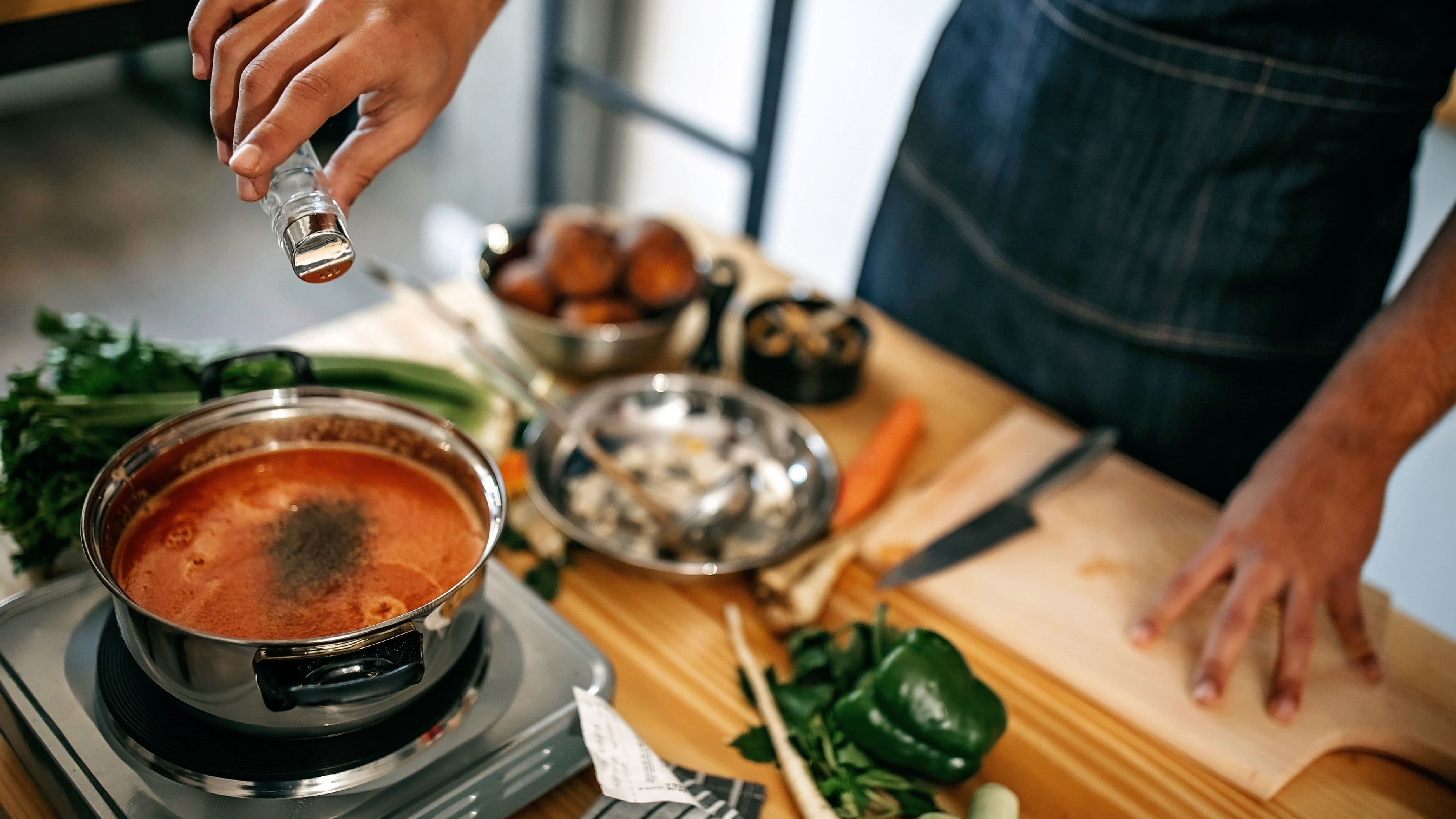
Increase the heat to medium-high and bring the sauce to a vigorous simmer – it should be actively bubbling, not just gently steaming. Add the salt. Let it cook at this pace for 12 to 15 minutes, stirring occasionally and pressing any remaining larger tomato pieces against the side of the pan with your spoon to break them down further. The sauce will reduce, deepen in color slightly, and thicken to a consistency that clings to pasta rather than sliding off it.
Taste it after 12 minutes. If the tomatoes taste sharp or acidic, add the teaspoon of sugar and stir it in – this balances the acidity without making the sauce taste sweet. Taste again and adjust salt as needed. A properly seasoned sauce should taste bright, slightly sweet, and full – not flat or sour.
Step 4: Finish and Toss With Pasta
Turn off the heat. Tear the fresh basil leaves over the sauce and stir them in gently. Taste one more time and adjust seasoning if needed. Add your cooked, drained pasta directly to the sauce (save a cup of pasta cooking water before draining – you may need it). Toss everything together over medium heat for 1 to 2 minutes, adding a splash or two of the starchy pasta water if the sauce feels thick or the pasta is sticking. The starch in the pasta water helps the sauce emulsify and coat every strand evenly.
Serve immediately with freshly grated Parmesan over the top.
Tips for the Best Results
Use whole peeled canned tomatoes, not diced or crushed. Diced tomatoes are treated with calcium chloride to hold their shape, which means they resist breaking down properly during cooking. Crushed tomatoes are already processed and often include added puree that can taste dull. Whole peeled tomatoes – especially San Marzano or a good domestic equivalent – have the cleanest flavor and give you the most control over the final texture.
Don't rush the garlic. Medium-low heat and patience are what turn raw, sharp garlic into something sweet and mellow. If your garlic browns in under two minutes, the heat is too high and the flavor will be bitter rather than sweet. The sauce is only 20 minutes total – the three or four minutes you spend on the garlic properly are worth it.
Salt the pasta water properly. Your sauce will taste better if it's finishing with well-salted pasta. The water should taste pleasantly salty – not like seawater, but noticeably seasoned. Under-salted pasta dilutes the sauce when you toss them together.
Save the pasta water. This is mentioned in the instructions but worth repeating because it's easy to forget. The starchy cooking water is the secret to a restaurant-quality sauce finish. A splash or two added while tossing the pasta into the sauce creates a glossy, cohesive coating that no amount of extra oil can replicate.
Taste at every step. Canned tomatoes vary by brand and season. Some are sweeter, some more acidic. The sugar and salt adjustments in the recipe are calibrated to typical tomato acidity, but your specific can may need more or less. Cooking to taste rather than following quantities mechanically is what separates a good cook from someone who just follows recipes.
Variations Worth Trying
Add meat: Brown ½ pound of Italian sausage (casings removed) or ground beef in the pan first, breaking it up as it cooks. Drain off excess fat, then add the garlic and proceed as written. The meat enriches the sauce significantly and turns it into a quick ragù-style sauce.
Arrabbiata (spicy): Double or triple the red pepper flakes and omit the basil. Arrabbiata means "angry" in Italian, and the heat level should be assertive. Finish with a drizzle of good olive oil instead of Parmesan.
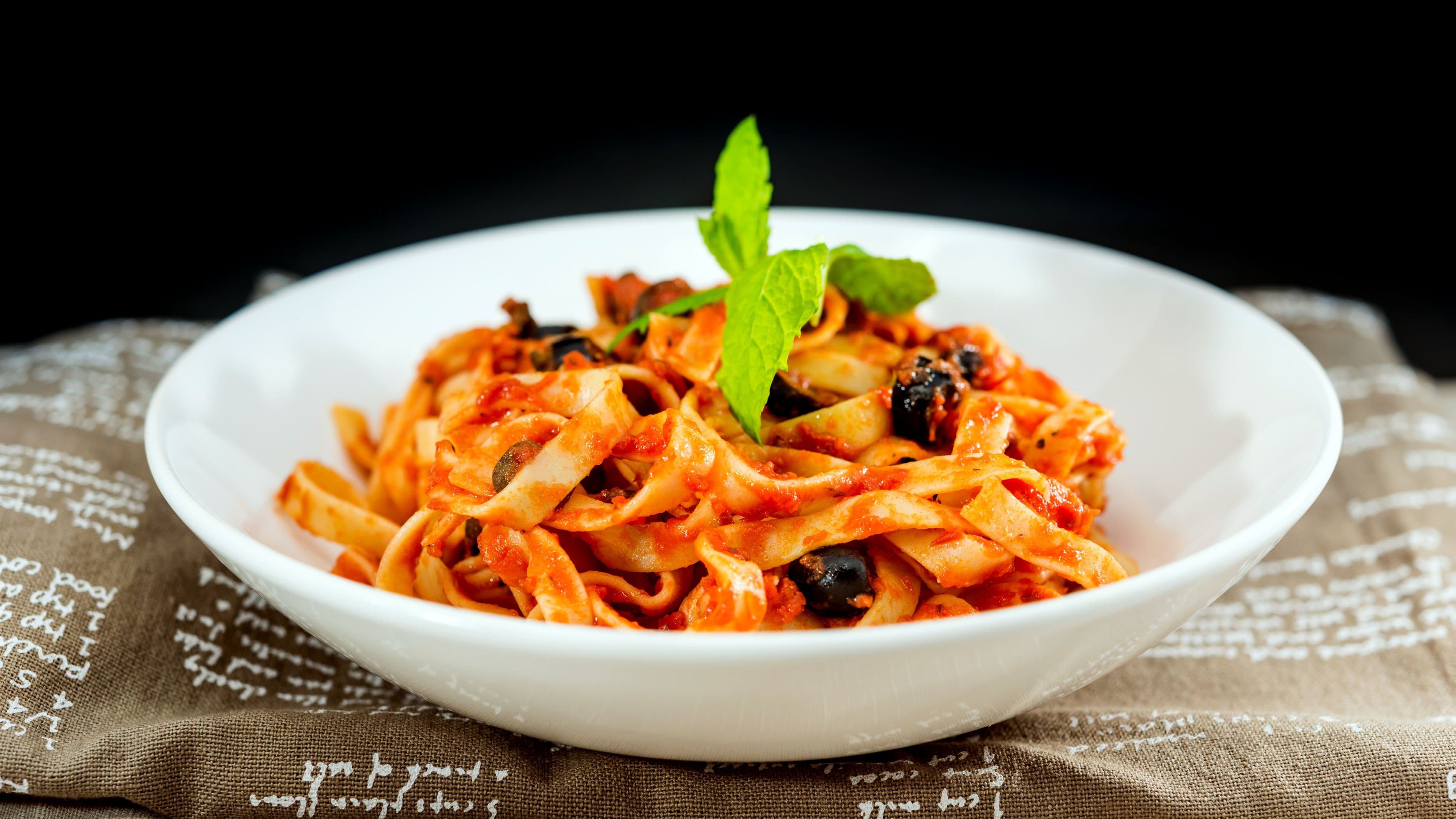
Puttanesca: After the garlic step, add 2 tablespoons of capers, ¼ cup of pitted olives (Kalamata work well), and 4–6 anchovy fillets (they'll dissolve into the oil). Proceed with the tomatoes as written. No salt is needed – the capers, olives, and anchovies provide it. Skip the Parmesan at the end; this sauce is traditionally served without it.
Cream tomato: After the sauce has finished cooking, stir in 3–4 tablespoons of heavy cream and simmer for one more minute. The cream softens the acidity and creates a blush-colored sauce with a richer, more velvety finish. Works beautifully with penne or rigatoni.
Roasted garlic version: If you have extra time, roast a full head of garlic in the oven (400°F, 40 minutes, wrapped in foil with a drizzle of olive oil) and squeeze the soft cloves into the sauce instead of sliced fresh garlic. The flavor is sweeter, nuttier, and considerably more complex – closer to a slow-cooked sauce.
What to Avoid
Don't let the garlic get dark brown. There's a short window between golden and burnt, and once garlic crosses into dark brown territory, the entire sauce will have a bitter undertone that no amount of extra seasoning can fix. If it happens, start over – it takes two minutes and costs almost nothing, and is far better than serving a sauce with bitterness baked into it.
Don't add the basil too early. Fresh basil loses its brightness and turns slightly muddy when cooked for more than a minute or two. Adding it right at the end, off the heat, preserves the grassy, aromatic quality that makes it worth using in the first place. Dried basil is a different ingredient with a different role – it can be added with the tomatoes if you only have dried, but fresh works best here and should always go in last.
Don't skip the pasta water step. Draining your pasta and tossing it with sauce in the pasta pot without any of the starchy cooking water results in a sauce that sits under the pasta rather than coating it. The toss with pasta water in the sauce pan for that final minute or two is what ties everything together.
Don't use a tiny pan. You need room for the sauce to reduce and bubble actively. A wide skillet or large saucepan gives the moisture somewhere to evaporate, which is what concentrates the flavor. A small pot makes the sauce steam and stew rather than reduce.
FAQ
Can I use fresh tomatoes instead of canned? Yes, when they're in season and genuinely ripe – peak summer tomatoes have enough sugar and flavor to work beautifully. Blanch, peel, and roughly chop about 1 ½ pounds of ripe tomatoes and use them in place of the canned. Out of season, canned tomatoes are reliably better than fresh because they're processed at peak ripeness.
Can I make this sauce ahead and store it? Yes. The sauce keeps well in the refrigerator for up to 5 days in an airtight container, and freezes beautifully for up to 3 months. Reheat gently in a pan with a splash of water or olive oil to loosen it. Add the fresh basil after reheating rather than before storage.
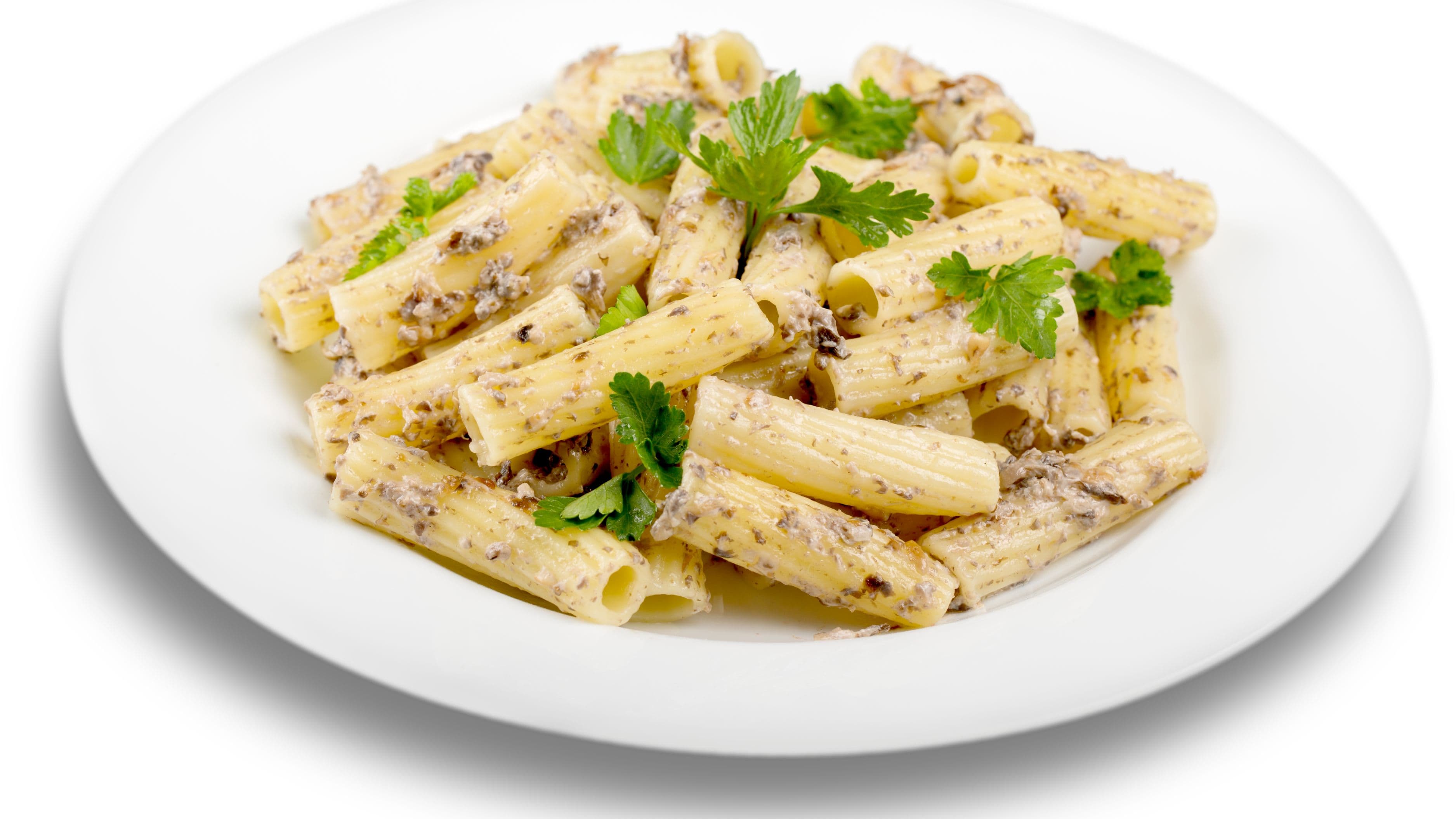
What pasta shapes work best with this sauce? Long strands – spaghetti, linguine, bucatini – work well because the sauce coats them evenly. Shorter, ridged shapes like rigatoni, penne, or pacchere trap the sauce in their ridges and tubes, which is excellent for a chunkier version. Avoid very delicate shapes like angel hair, which can get overwhelmed.
Do I need San Marzano tomatoes specifically? They're the benchmark for a reason – San Marzano tomatoes are sweeter, less acidic, and less watery than many domestic varieties. But a good quality domestic whole peeled tomato (look for ones that list tomatoes and salt as the only ingredients, with no added puree) works well. Taste the tomatoes before you cook them if you can – that's the most reliable guide.
Is olive oil quality really that important here? For the base of the sauce, yes. The garlic blooms in the olive oil and takes on its flavor, so a flat or stale oil produces a flat result. Use an oil you'd actually want to drizzle on bread – it doesn't have to be expensive, but it should taste good on its own.
The Sauce You'll Come Back To
What makes a recipe worth memorizing isn't complexity – it's the feeling that you can produce something genuinely good whenever you need it, without shopping for special ingredients or following a complicated process. This sauce earns that place. Learn the garlic technique, use good canned tomatoes, save some pasta water, and you have a foundation for dozens of meals. From there it's a short step to variations, additions, and ultimately a version that's yours.
📚 Sources
Serious Eats – The Science of Tomato Sauce: https://www.seriouseats.com/the-best-slow-cooked-italian-american-tomato-sauce-red-sauce-recipe
King Arthur Baking – Understanding Canned Tomatoes: https://www.kingarthurbaking.com/blog/2021/02/22/the-best-canned-tomatoes
America's Test Kitchen – Why Pasta Water Matters: https://www.americastestkitchen.com/articles/3040-science-why-pasta-water-matters
Gambero Rosso – San Marzano tomatoes explained: https://www.gamberorosso.it/en/food/san-marzano-tomatoes/
The Spruce Eats – How to Bloom Garlic in Oil: https://www.thespruceeats.com/how-to-use-garlic-in-cooking-1328574