World Cuisines
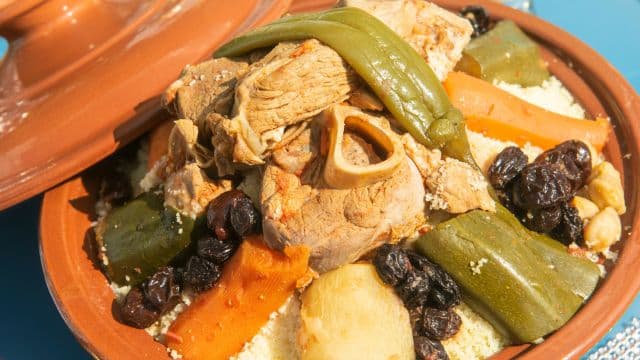
How to Cook Classic Algerian Dishes at Home
Algerian food doesn't get nearly the attention it deserves compared to some of its North African neighbors, but it has its own distinct identity, built on slow-cooked stews, fragrant spice blends, and a couscous tradition that anchors most family meals. If you've never cooked Algerian food before, a few foundational dishes will get you further than you'd expect, and none of them require hard-to-find ingredients.
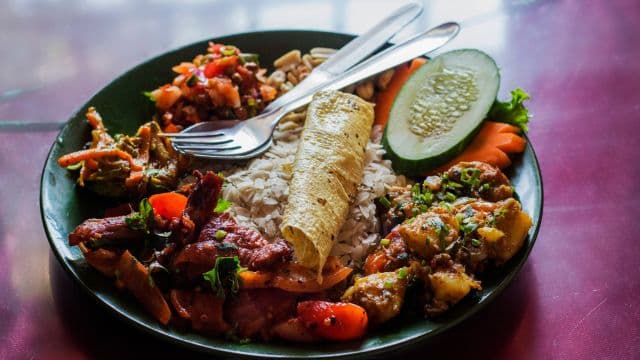
What Defines Nepali Food and the Best Dishes to Start With
Nepali food often gets lumped in with Indian or Tibetan cuisine in casual conversation, which sells it short. It has its own identity, shaped by Nepal's geography, mountainous terrain in the north bordering Tibet, fertile valleys in the middle, and tropical lowlands near India, and that geographic range shows up directly in the food. Understanding what actually makes it distinct makes it a lot easier to know where to start cooking it yourself.

A Beginner's Guide to Cooking Japanese Food at Home
Japanese food has a reputation for being difficult, technical, and time-consuming. Some of it is – but most of what you actually want to eat at home isn't. Once you understand a handful of core ingredients and how they work together, you'll find that Japanese home cooking is some of the most practical, satisfying cooking you can do. Simple techniques, clean flavours, and meals that genuinely come together in under 30 minutes once you have the pantry sorted.
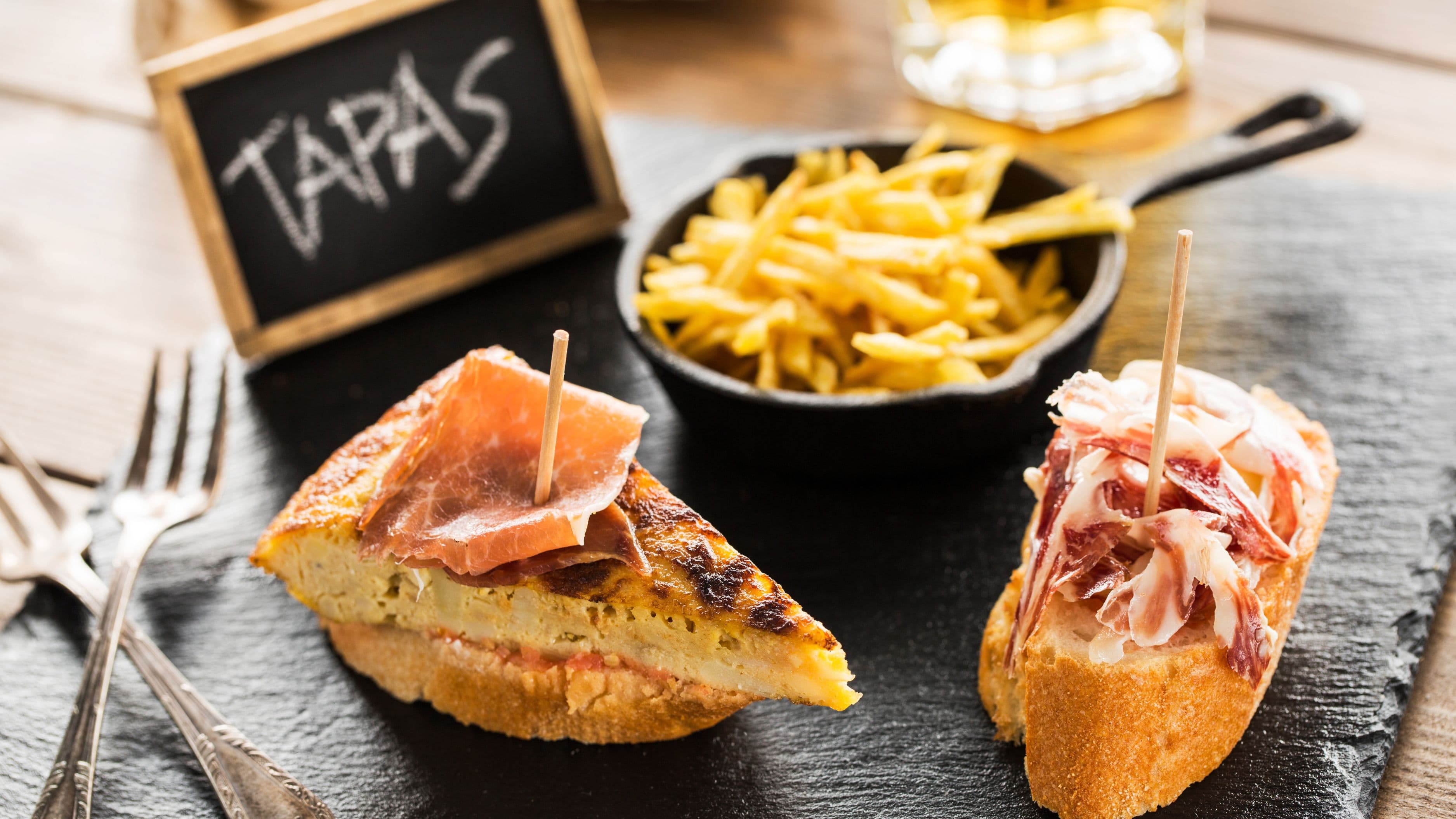
A First-Timer's Guide to Cooking Spanish Tapas at Home
Tapas have a reputation for being a restaurant thing – small plates, skilled hands, ingredients you can't find at a regular grocery store. That reputation is mostly wrong. The majority of classic Spanish tapas are genuinely simple, built from pantry staples, and designed to be made in quantity without much fuss. That's the whole point: tapas culture is about relaxed, communal eating, not elaborate production.
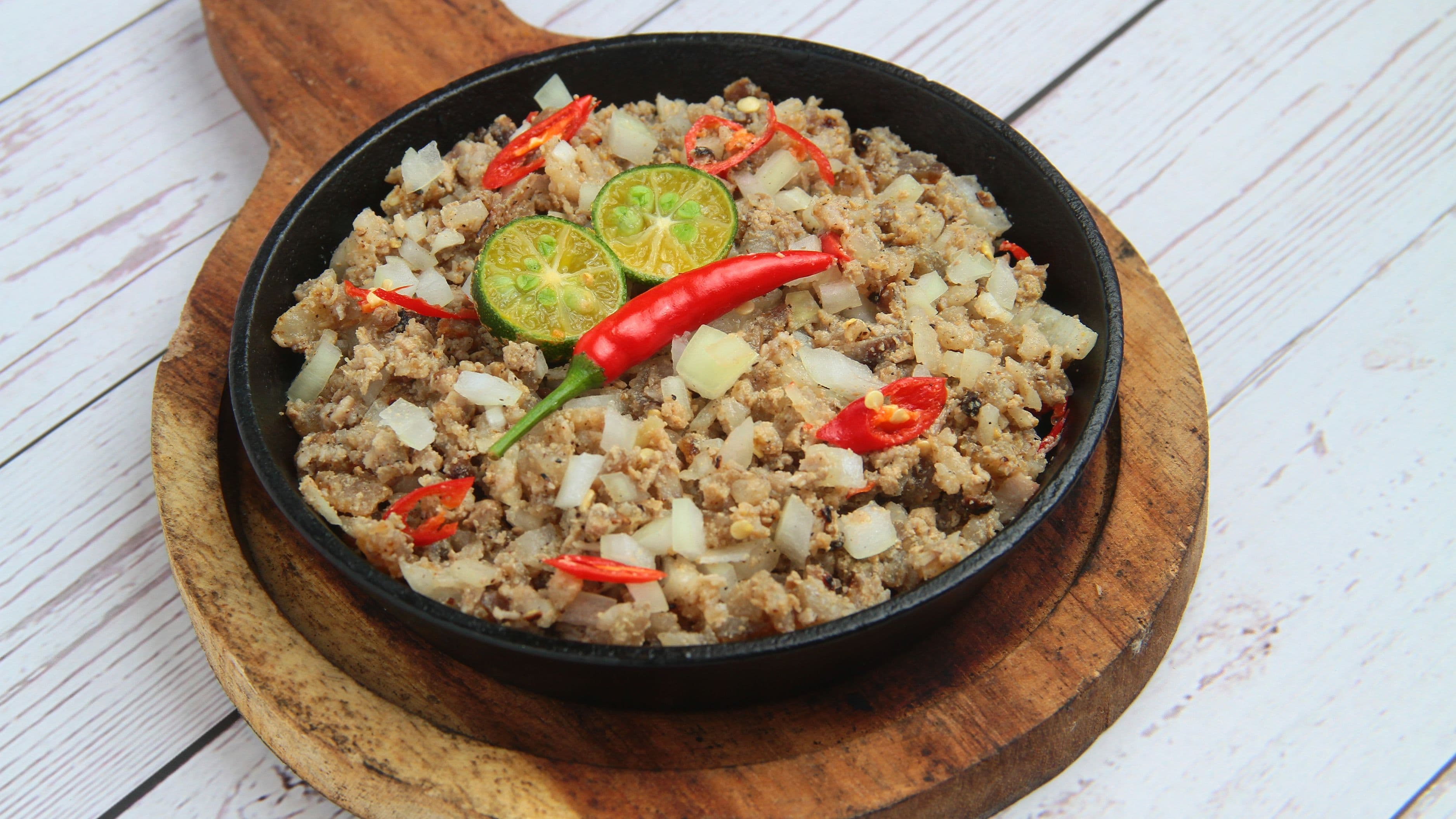
A Home Cook's Introduction to Filipino Flavors
Filipino food doesn't fit neatly into the flavor categories most home cooks already know, and that's actually part of why it's so worth exploring. It pulls sour, salty, and savory into the same dish at once, often in a single sauce, rather than leaning on one dominant note the way a lot of cuisines do. Once you understand the handful of techniques and pantry staples behind that balance, Filipino cooking becomes a lot more approachable than its reputation as an "undiscovered" cuisine might suggest.
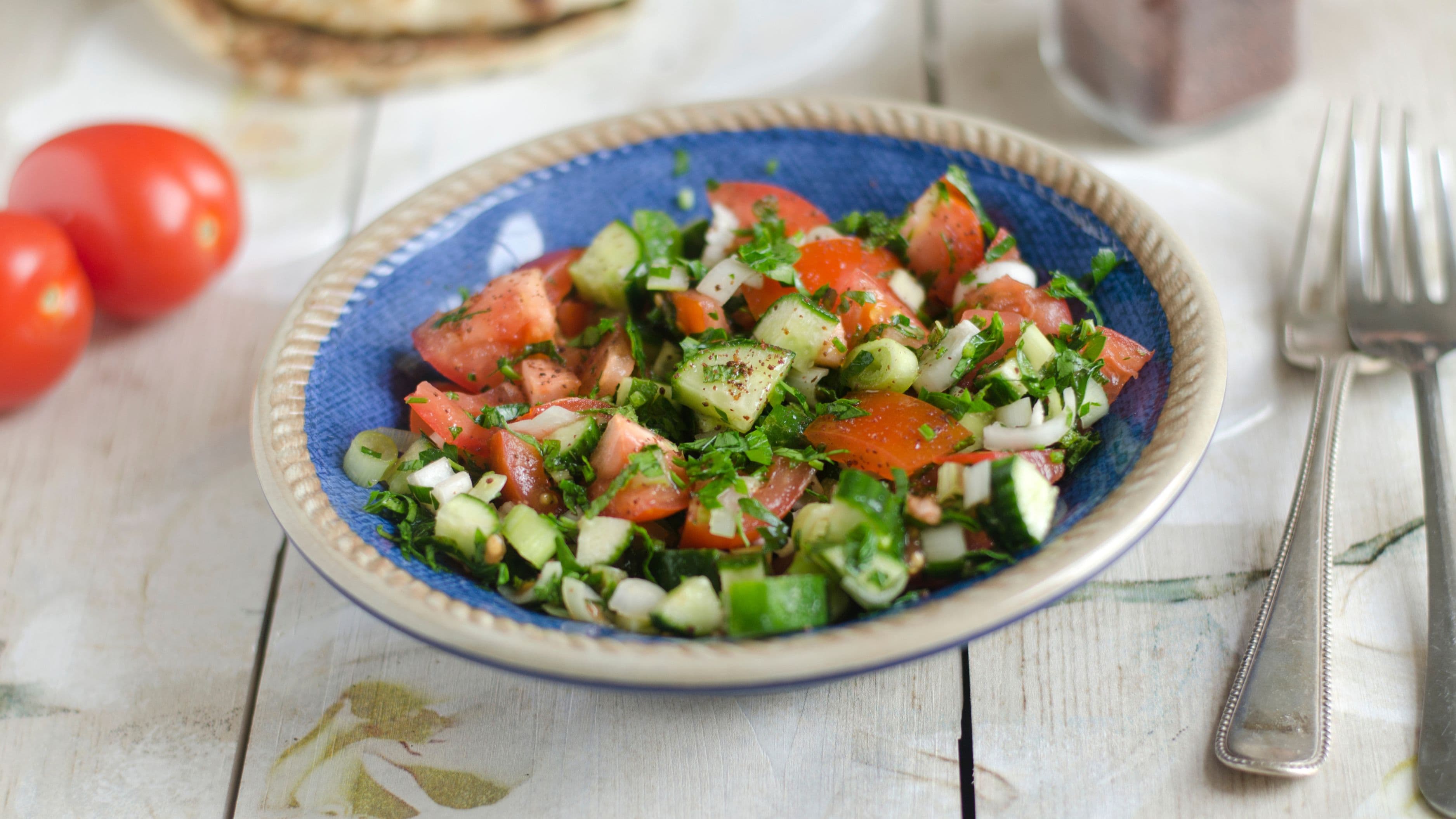
How to Cook Authentic Israeli Salads Without Much Effort
If you've ever had Israeli salad at a falafel stand or a friend's dinner table, you know the appeal instantly: crisp, bright, refreshing, and somehow more than the sum of its very simple parts. The good news is that this dish isn't hiding some complicated technique behind its flavor. It's built almost entirely on knife skills and good ingredients, which means you can make a genuinely authentic version at home tonight with almost no cooking involved at all.
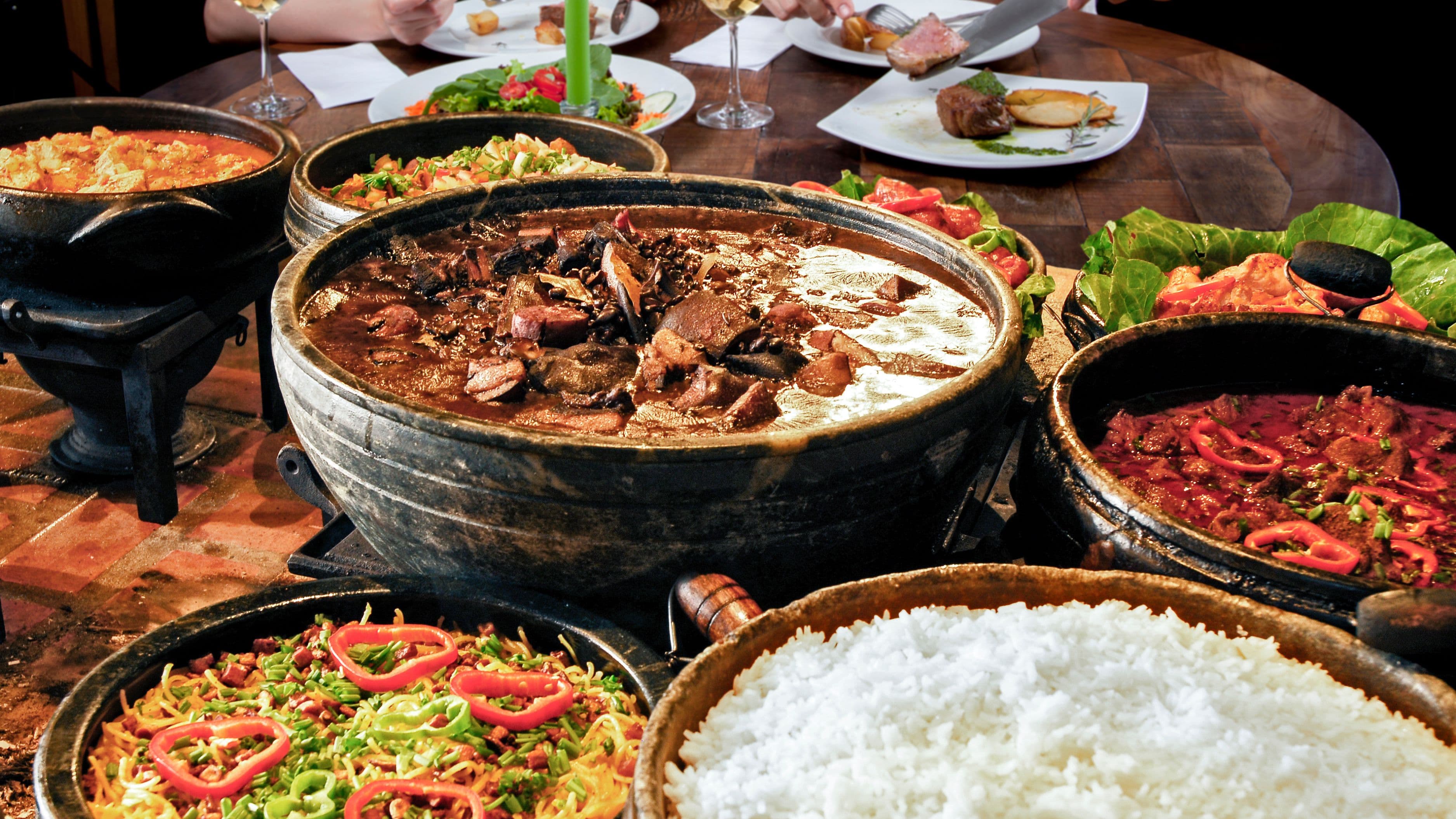
How to Cook Brazilian Staples Without a Specialty Market
You don't need to live near a Brazilian grocery store to bring the flavors of Brazil into your kitchen. Many of the ingredients behind Brazil's most beloved dishes have easy substitutes hiding in your regular grocery store, once you know what to look for. Here's how to recreate these staples with what's actually available to you.
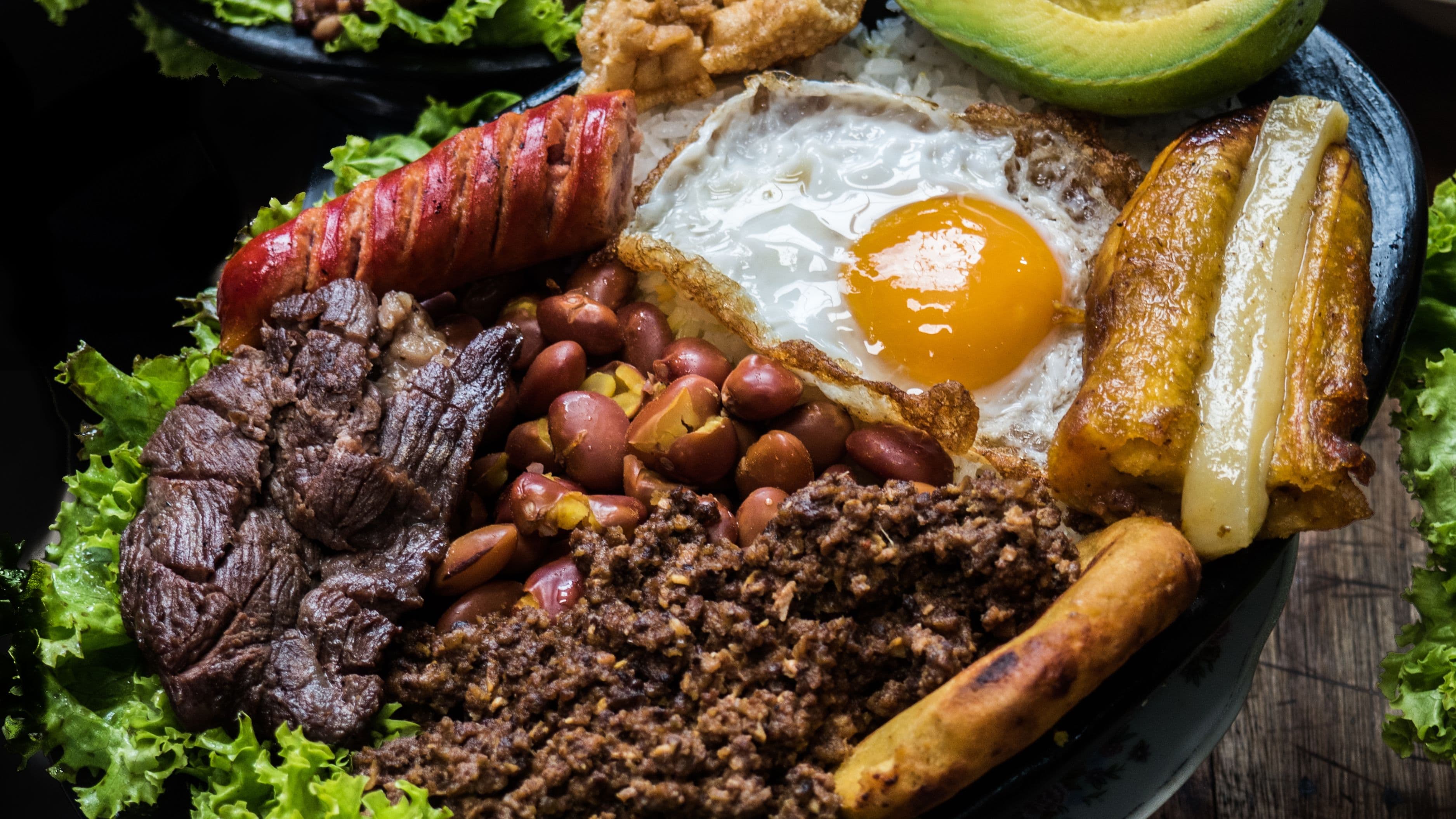
How to Cook Colombian Food on a Budget
Colombian cooking has a reputation for warmth and heartiness that doesn't require expensive ingredients to achieve. Most of the cuisine's foundational dishes were built around affordable staples – rice, beans, potatoes, corn, and cheaper cuts of meat – stretched further with simple, flavorful seasoning rather than costly imports. That makes it one of the more approachable world cuisines to start cooking regularly without straining your grocery budget.

How to Cook Cuban Food Using Pantry Staples
Cuban food is one of those cuisines that looks like it requires a specialty grocery run but actually doesn't. Most of the dishes that define Cuban cooking are built on things you probably already have: dried black beans, white rice, canned tomatoes, garlic, cumin, bay leaves, and a good bottle of olive oil. The flavors are bold and savory, the techniques are forgiving, and the meals are the kind that fill a kitchen with a smell that makes everyone wander in asking what's for dinner.
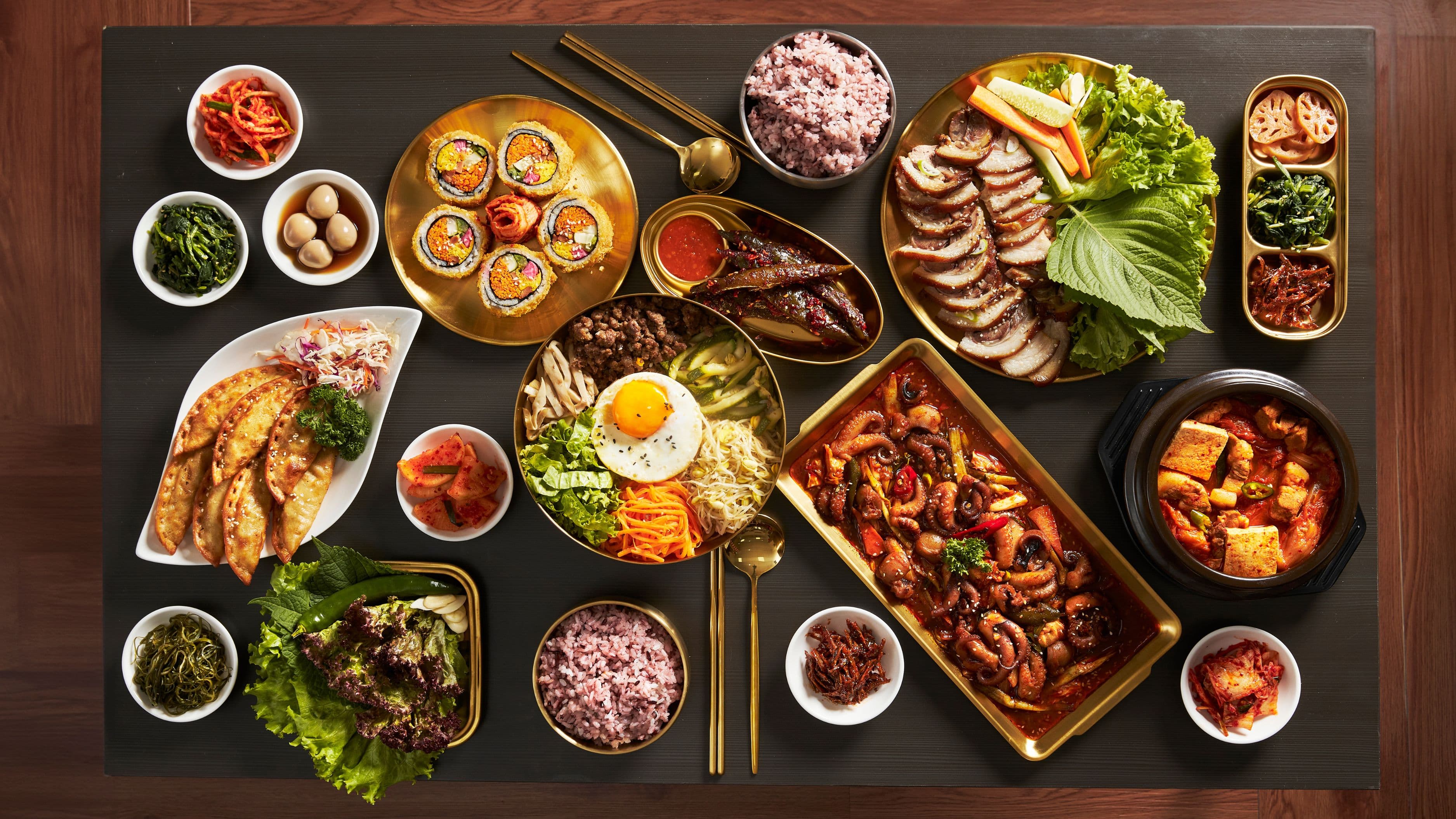
How to Cook Korean Food Without a Specialty Store
Korean food has a reputation for being ingredient-dependent – and if you've ever looked up a recipe and hit a wall trying to find gochugaru or doenjang at a regular grocery store, that reputation feels earned. But the reality is that most of the flavor foundation of Korean cooking can be built with ingredients that are increasingly available at mainstream supermarkets, accessible online, or substitutable without sacrificing the dish. You don't need a Korean grocery store to cook Korean food well. You need to know what actually matters and where to find it.
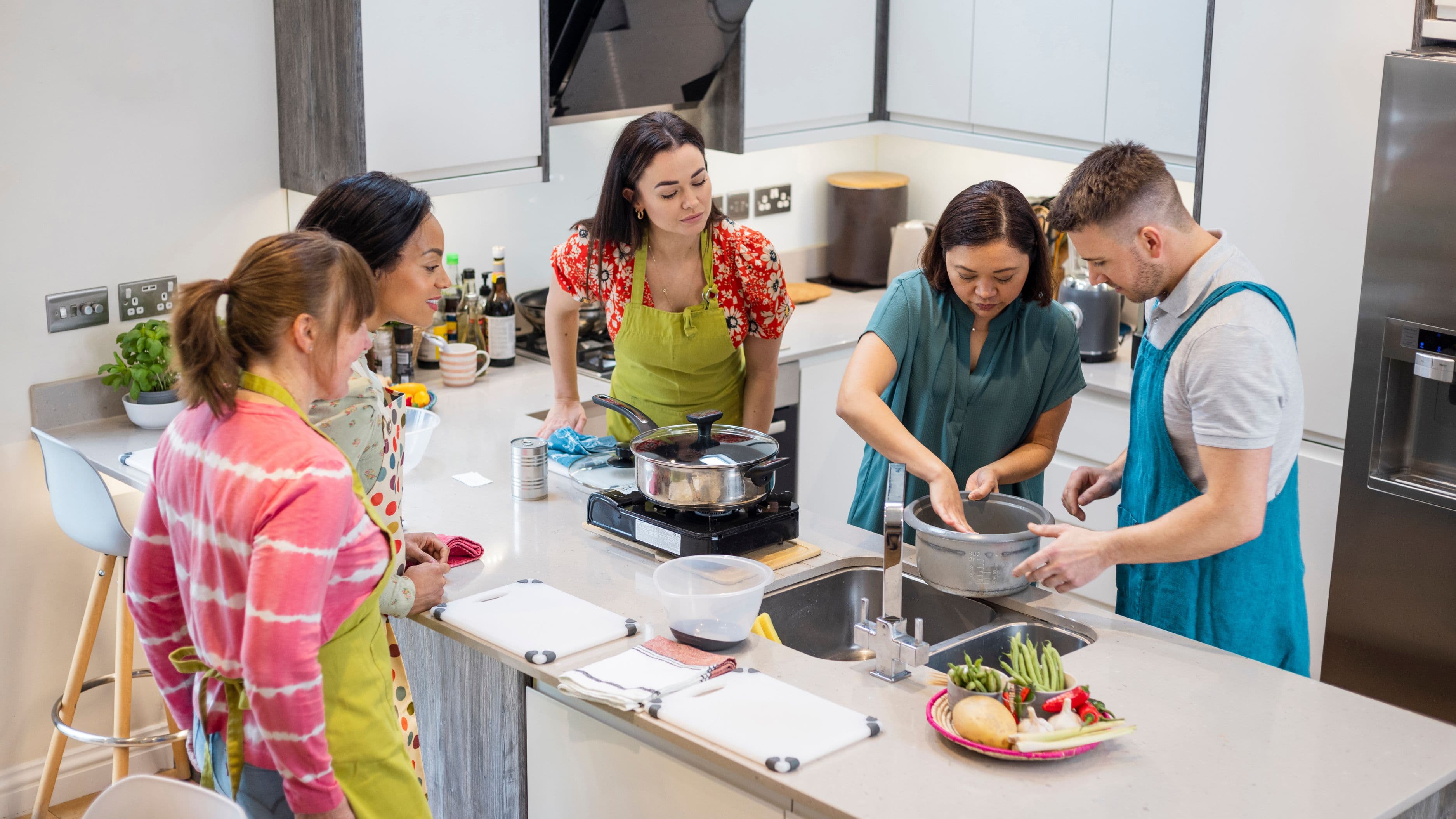
How to Cook Thai Food From Scratch Without a Paste Shortcut
Store-bought curry paste is convenient and not without merit. But if you've ever made Thai food from jarred paste and felt like something was missing – a brightness, a layered freshness, a sense that the dish was actually alive – you've identified exactly what the scratch approach provides. Making your own paste and building Thai dishes from base ingredients isn't as complicated as it seems. It mostly requires the right aromatics, a mortar and pestle or food processor, and understanding why each ingredient goes in when it does.
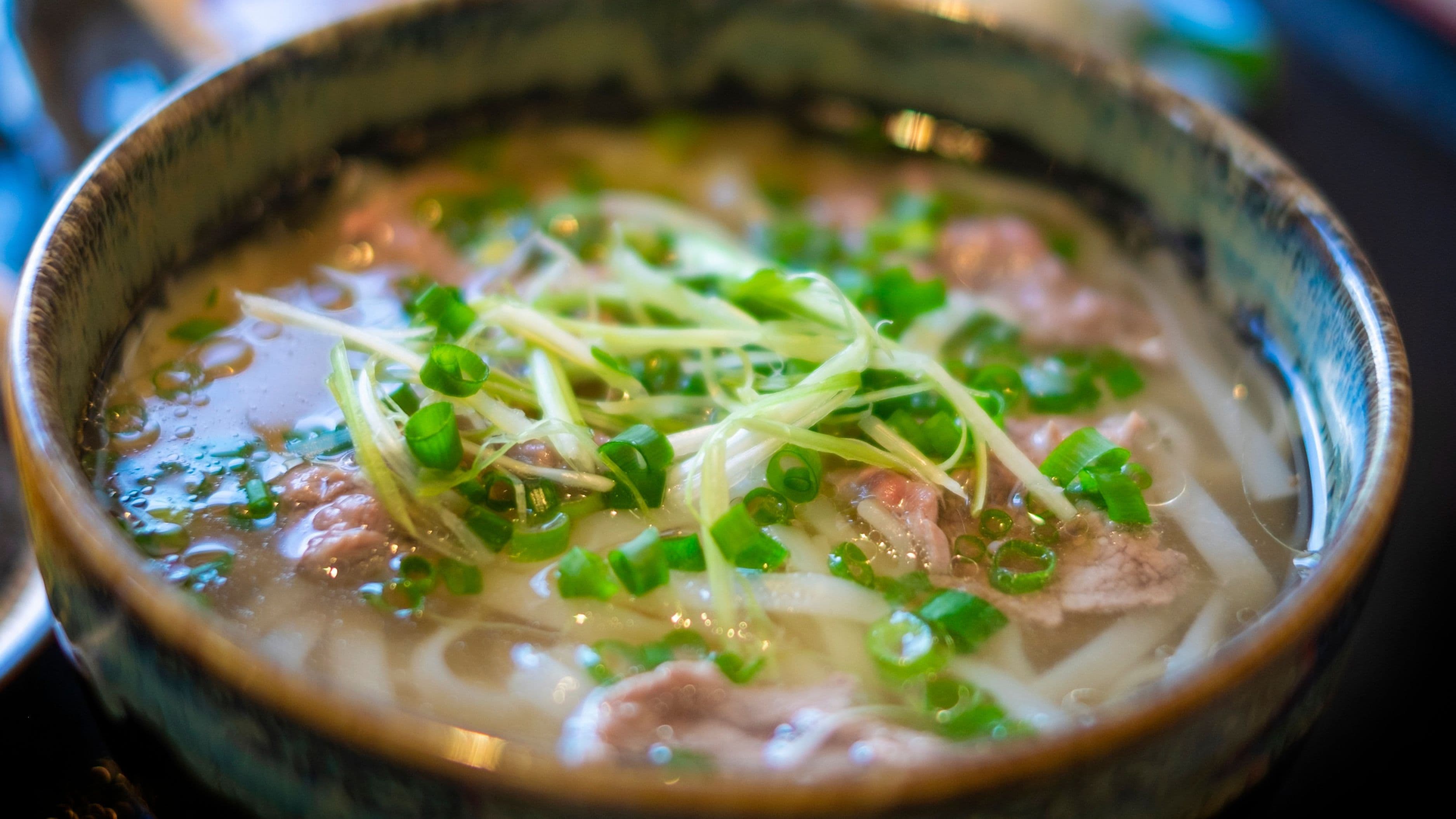
How to Cook Vietnamese Food Without Special Equipment
Vietnamese food has a reputation for being complex, but most of what makes it so good – the brightness, the balance of fresh herbs, the depth of broth – comes from technique and ingredients, not specialist tools. You don't need a clay pot, a bamboo steamer, or a specialized pho strainer to make genuinely good Vietnamese food at home. A large pot, a skillet, and a basic knife will get you surprisingly far.
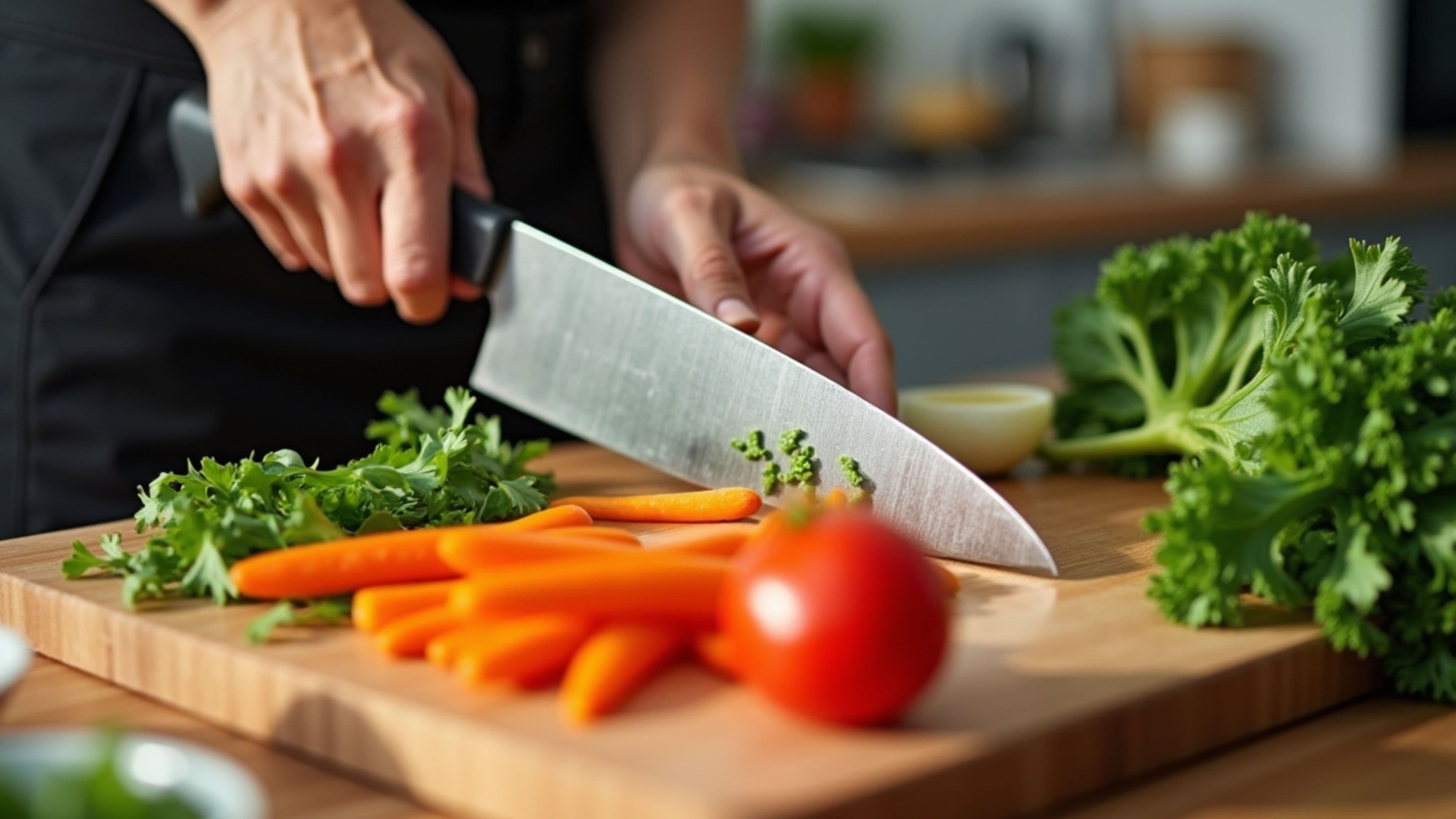
How to Get Started with Moroccan Cooking Without Overwhelm
Moroccan food looks intimidating from the outside. Long spice lists, unfamiliar techniques, dishes that simmer for hours. But the home cooking version – the kind that Moroccan families make on weeknights – is surprisingly approachable once you understand how it's built. A handful of spices used repeatedly, a few core techniques, and a slow, gentle cooking style that's actually more forgiving than most Western recipes.
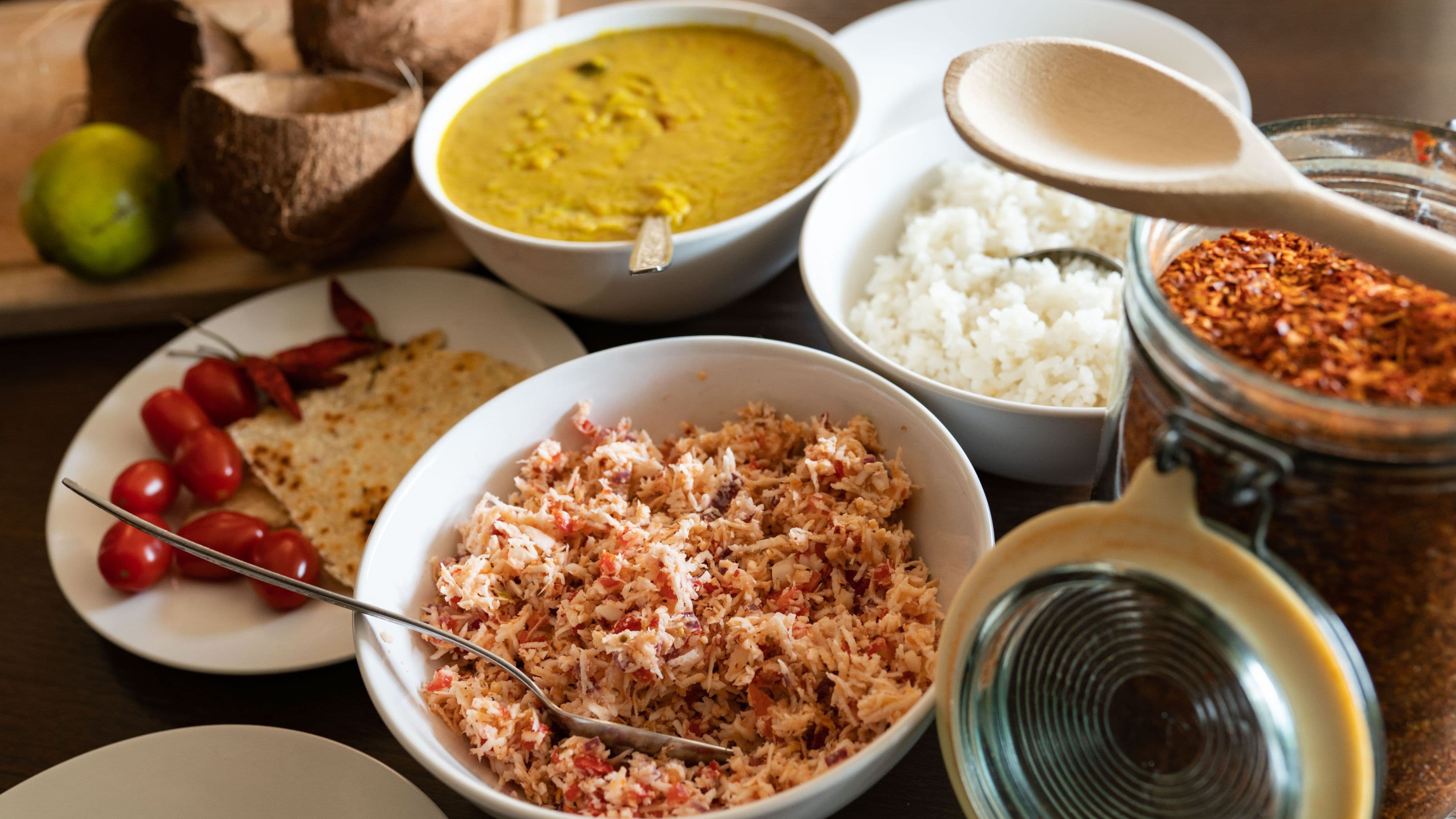
How to Make Sri Lankan Curry the Way Home Cooks Do It
Sri Lankan curry has a flavor profile unlike most other South Asian curries you might already be familiar with, built around roasted, deeply toasted spices rather than the raw or lightly cooked spice blends common in many Indian curries. That roasting step is the real secret behind the dish's distinctive smoky, almost nutty depth, and once you understand it, making an authentic-tasting Sri Lankan curry at home becomes a lot more approachable than it might seem.
How to Start Cooking Bangladeshi Food in Your Kitchen
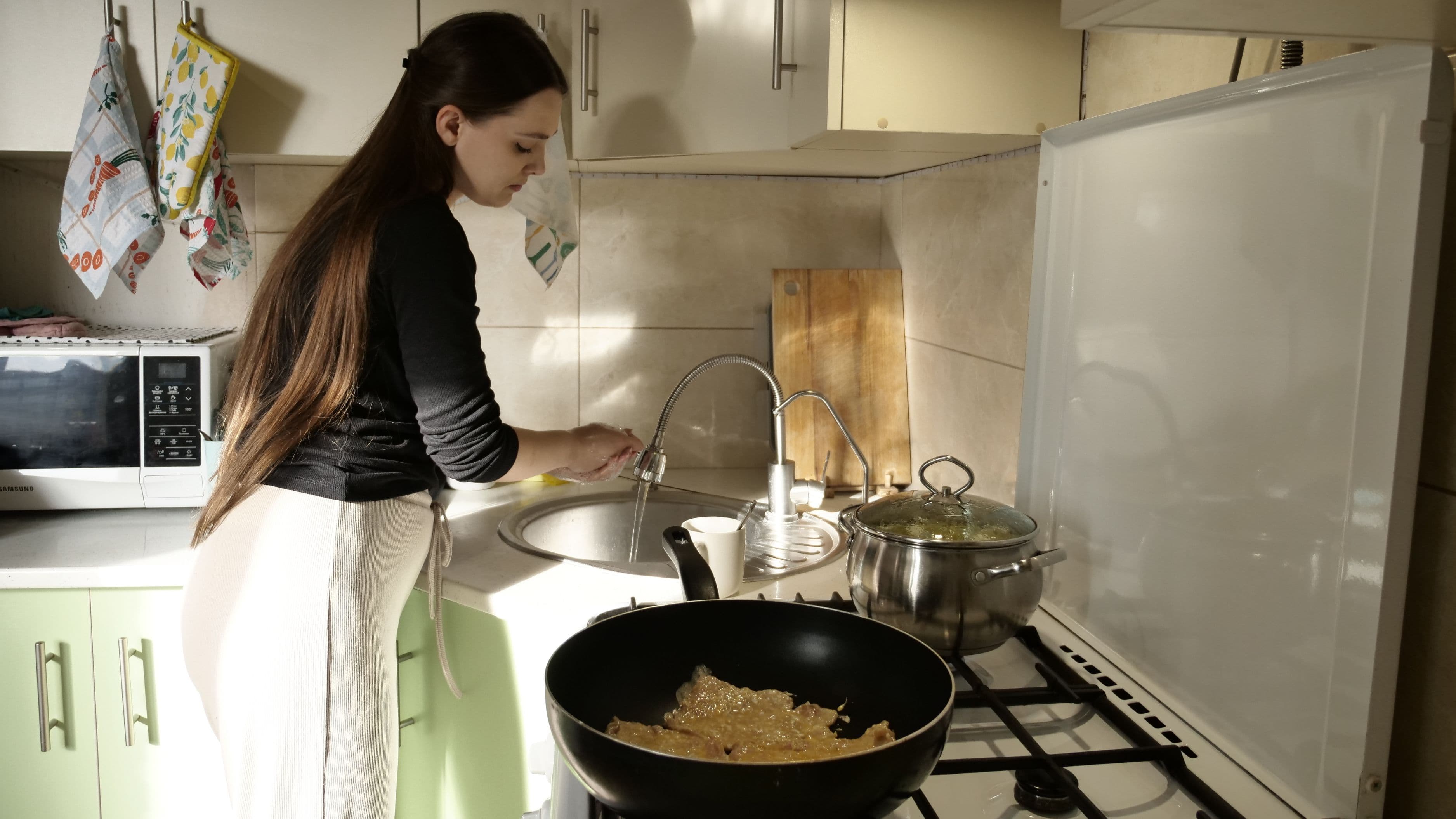
Bangladeshi cuisine often gets grouped loosely under a broader "South Asian food" umbrella, but it has its own distinct character – built around rice, fish, mustard oil, and a specific approach to spicing that's genuinely different from the more widely known Indian regional cuisines many home cooks are already familiar with. If you're curious to start cooking it at home, here's a practical entry point that doesn't require an overwhelming pantry overhaul on day one.
How to Start Cooking Ethiopian Food From Scratch
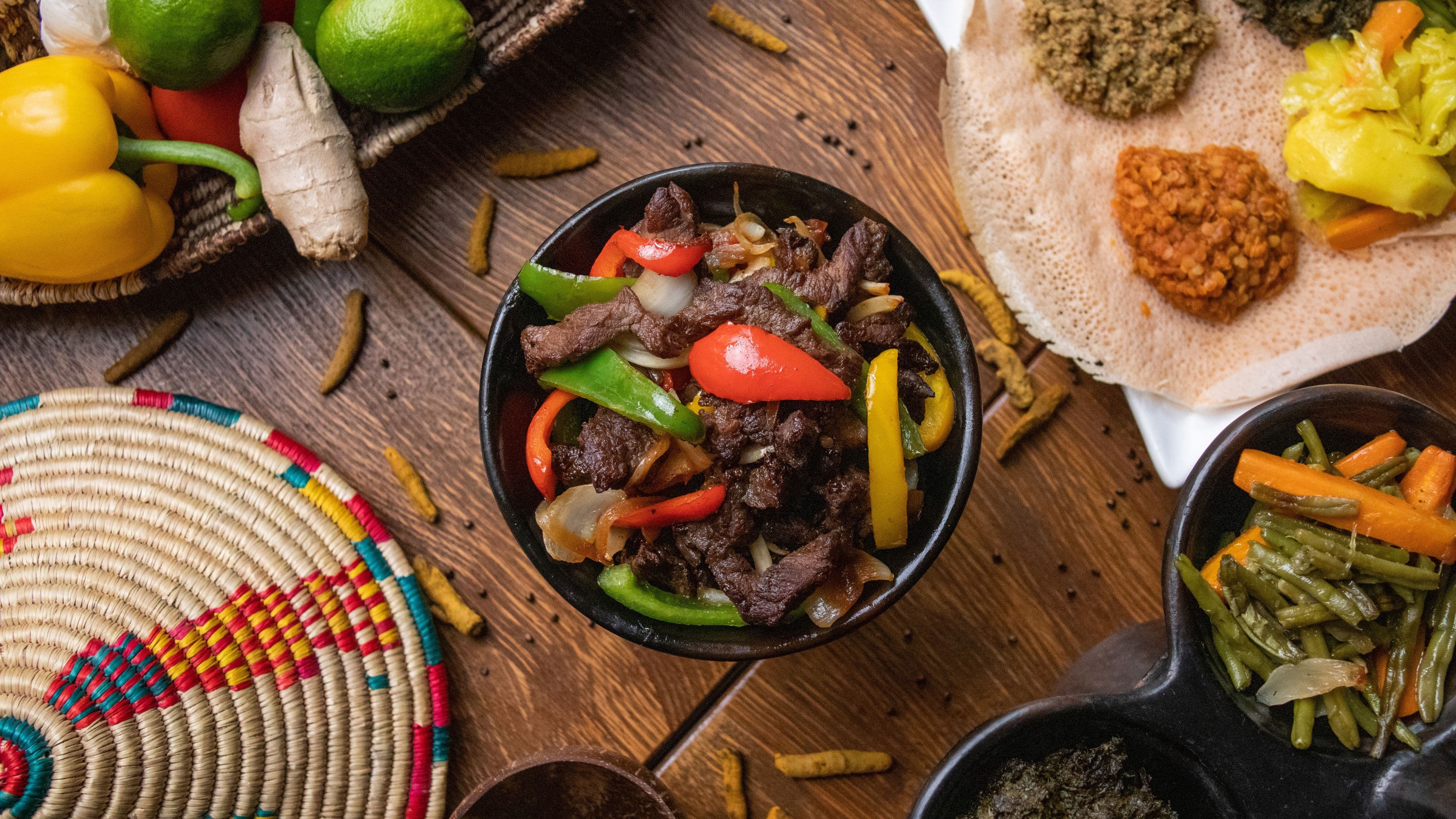
Ethiopian food is one of the most rewarding cuisines to learn at home — and one of the most underestimated in terms of approachability. It has a reputation for being complex, but most of the complexity lives in a single spice blend that you make once, store in a jar, and reach for constantly. Once you have that blend ready and understand the basic cooking logic, dishes that seem exotic become genuinely straightforward. The flavor payoff per effort is unusually high.
How to Start Cooking Indonesian Food at Home
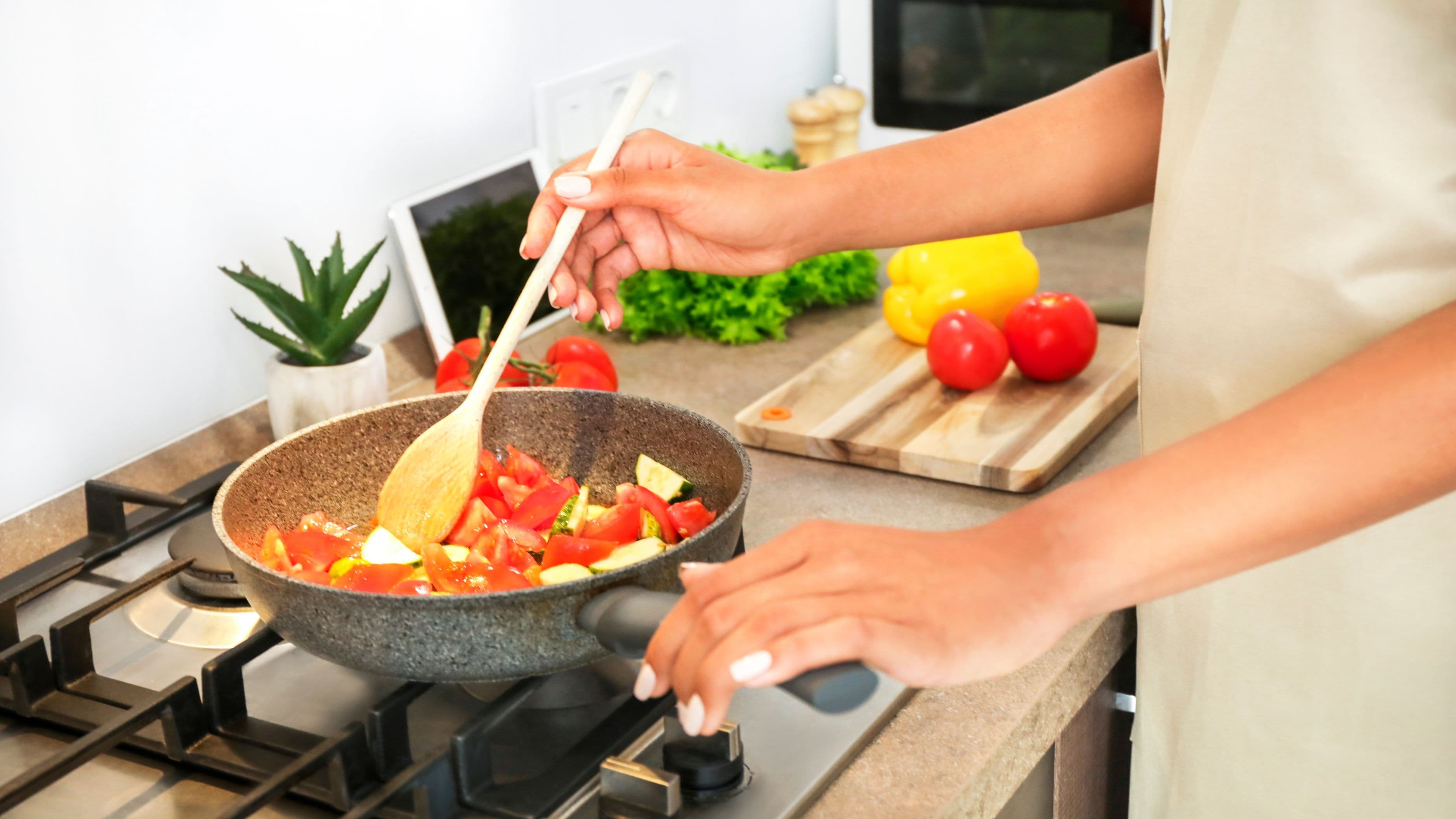
Indonesian cuisine tends to fly under the radar compared to some of its more globally recognized Southeast Asian neighbors, but its flavor profile is genuinely distinctive: a deep, complex layering of aromatics, sweetness from palm sugar and kecap manis, and a foundational reliance on freshly ground spice pastes that give many dishes their characteristic depth. Getting started is more approachable than it might initially seem, even without prior experience in this specific cuisine.
How to Start Cooking Jamaican Food at Home Without Jerk Paste
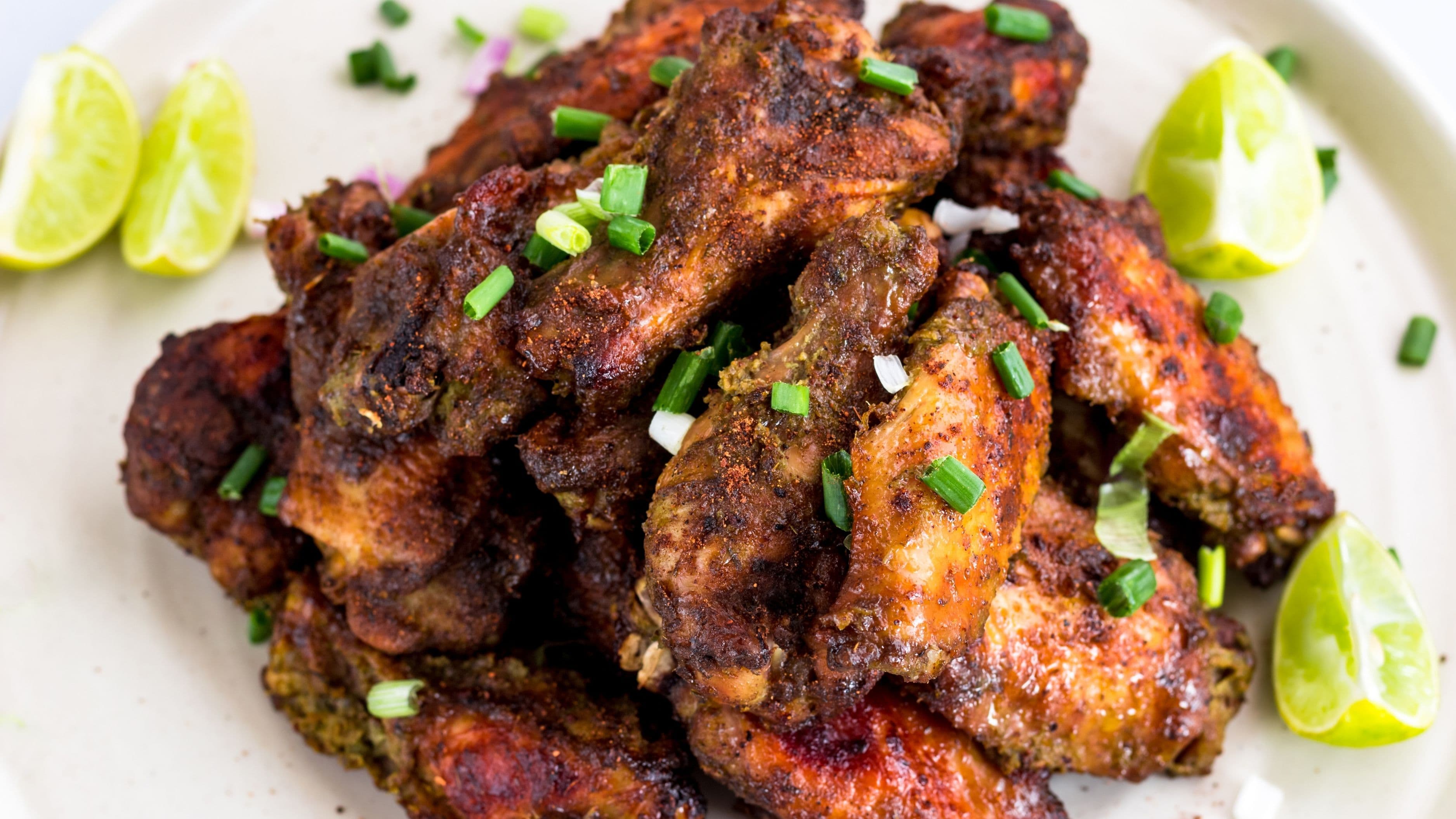
Jamaican cooking gets reduced to jerk seasoning more often than any other part of its food culture, which means a lot of home cooks assume they need a jar of jerk paste to even get started. Jamaican cuisine is actually built on a much wider foundation, rice and peas, stewed proteins, curries, and fried plantain, all achievable with a fairly short list of pantry staples and none of them require jerk paste at all.
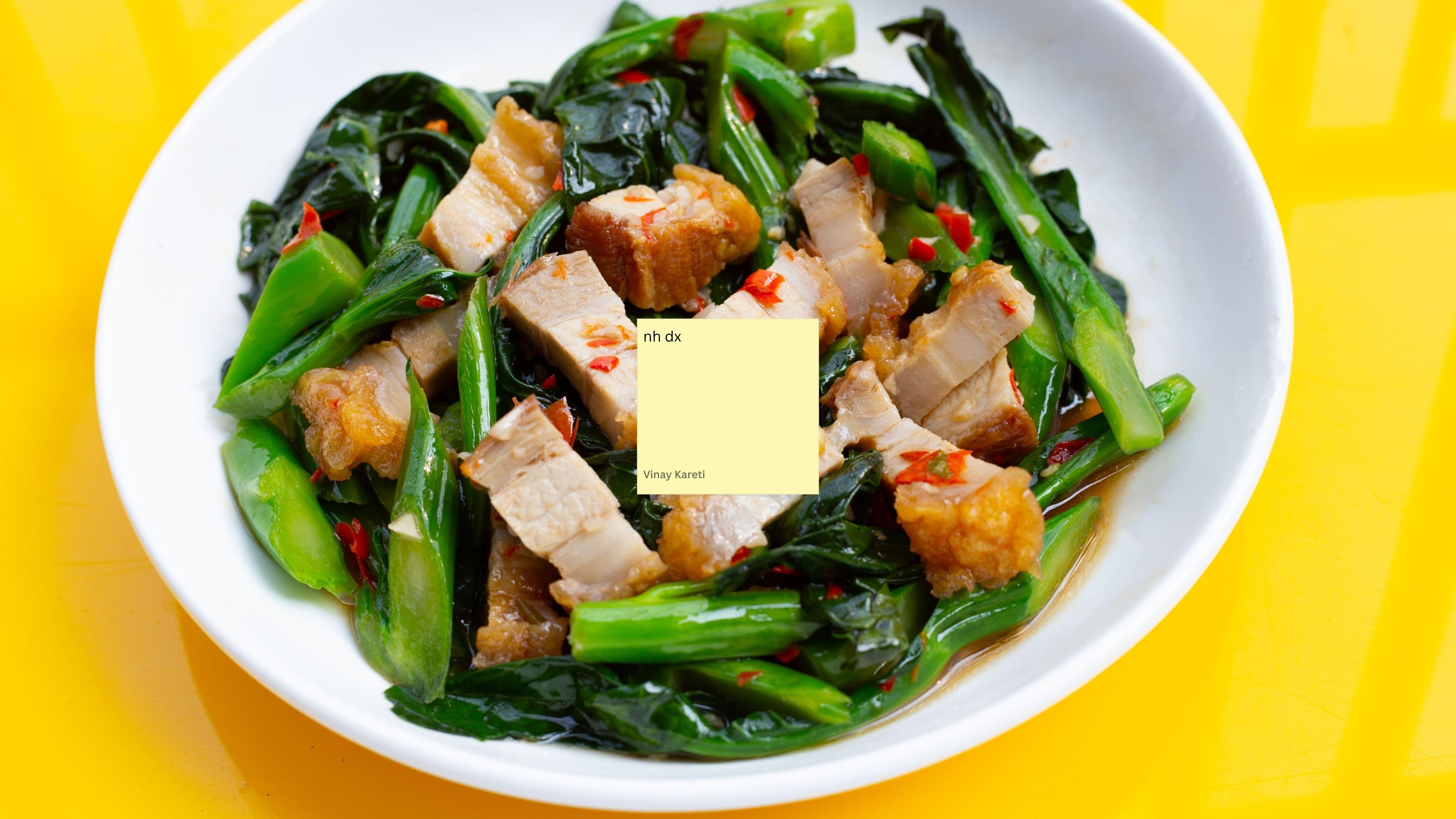
The Beginner's Map to Cooking Different Chinese Regional Dishes
"Chinese food" as a single category doesn't really exist in the way most menus present it. China's culinary traditions span a landmass with wildly different climates, staple crops, and historical trade routes, which means Sichuan cooking and Cantonese cooking can feel like they're barely related once you look past the shared use of a wok. Understanding the major regional traditions makes it much easier to know what you're actually trying to cook, and why.
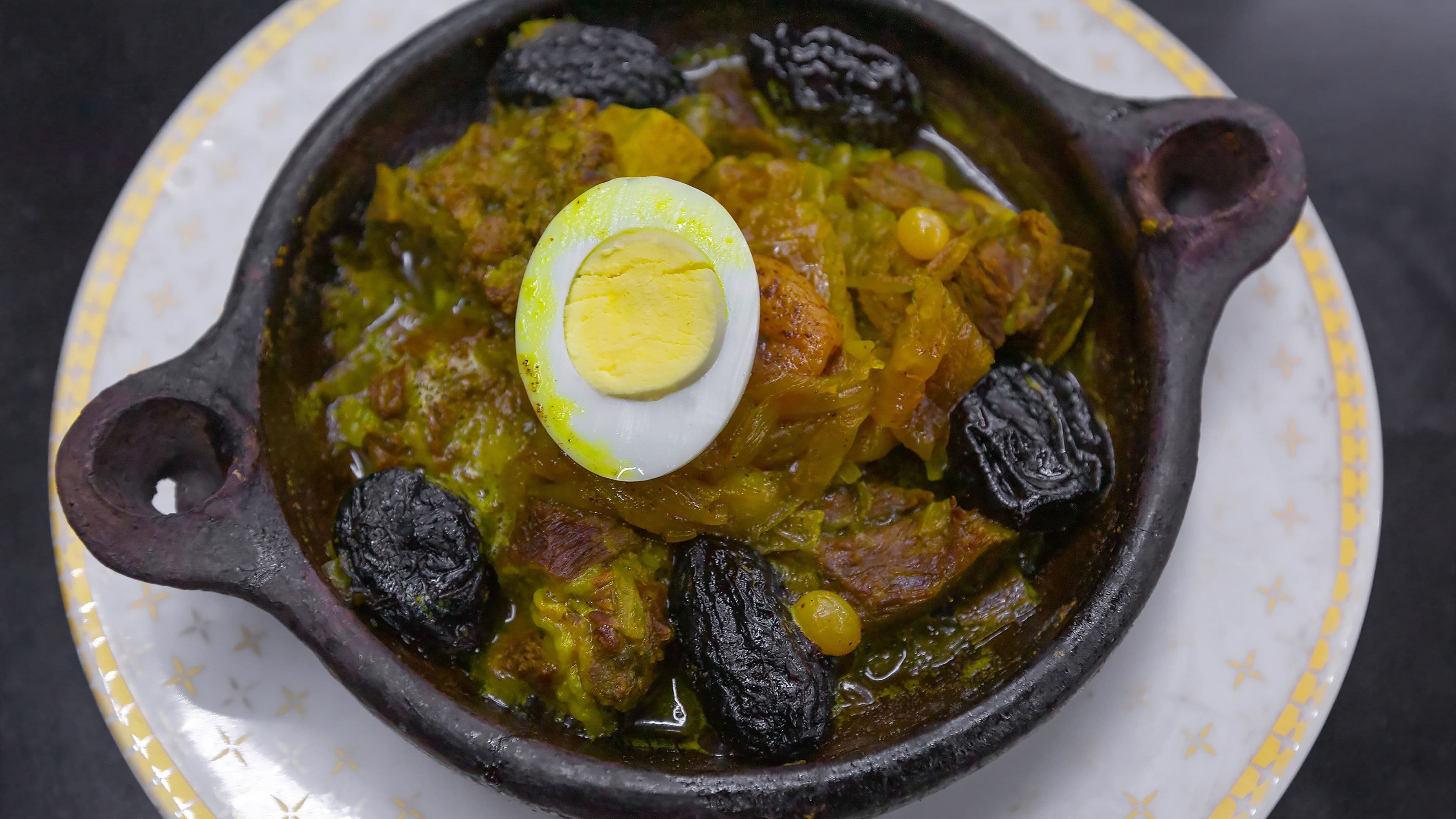
The Dishes That Define Yemeni Cuisine for Beginners
Yemeni food has gained increasing visibility in recent years, particularly through the growing popularity of Yemeni restaurants specializing in slow-cooked meats and distinctive bread, but the cuisine itself remains less broadly understood than many of its Middle Eastern neighbors. Understanding the handful of dishes that genuinely define this cuisine gives you a solid entry point, whether you're cooking at home or exploring a Yemeni restaurant for the first time.
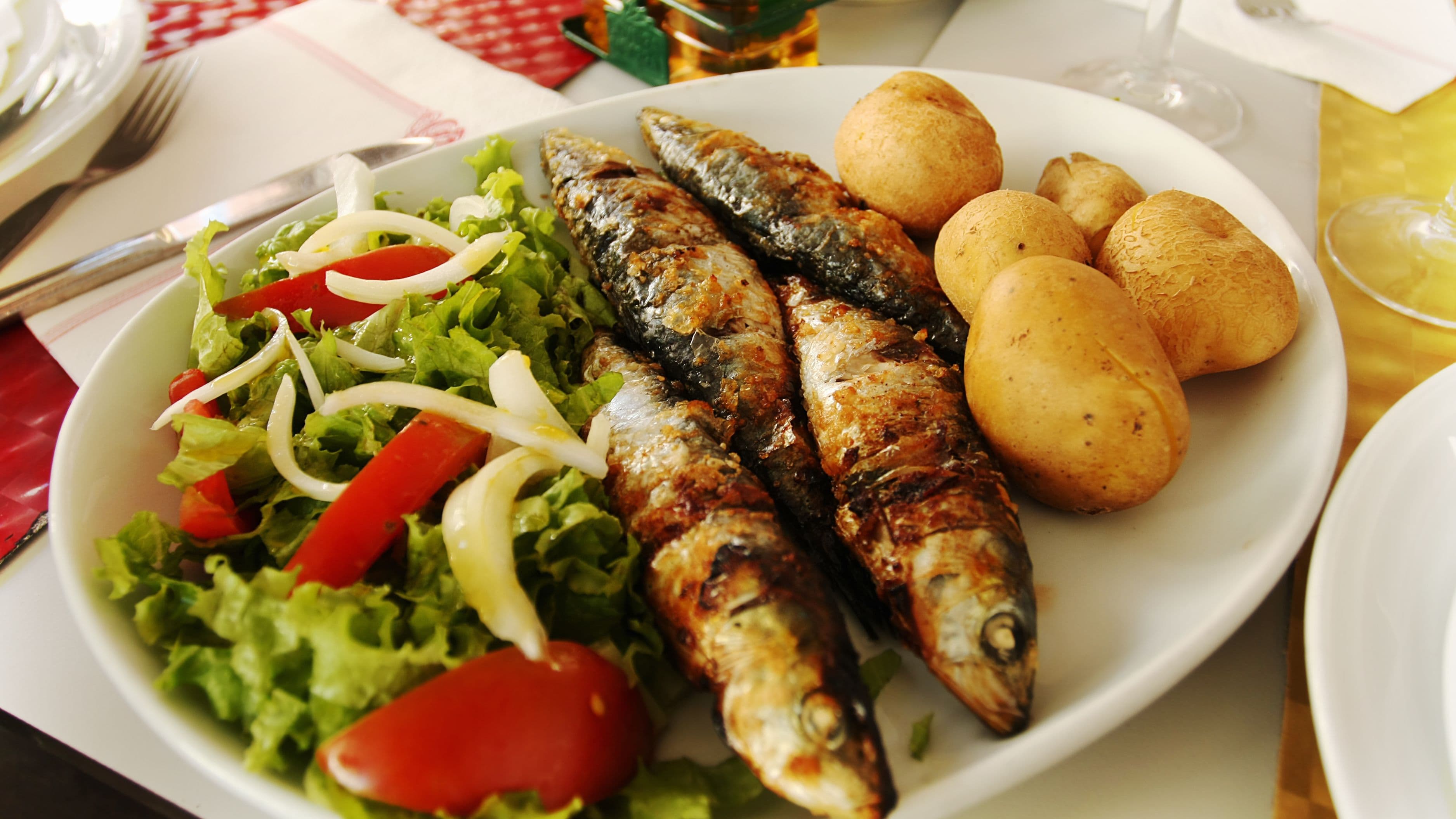
The Dishes That Make Portuguese Cuisine Worth Exploring
Portuguese food doesn't get nearly as much attention as Spanish or Italian cuisine, but that's part of what makes exploring it so rewarding. It's generous, deeply comforting, and full of flavors that feel both familiar and unexpected at the same time – salt cod that somehow tastes rich, not briny; custard tarts with a burnt, caramelized top that became a global obsession; hearty stews built on smoky sausage, white beans, and kale that taste like someone's grandmother made them just for you. This is a cuisine shaped by Atlantic fishing traditions, centuries of maritime exploration, and a genuine love of simple ingredients treated with care.
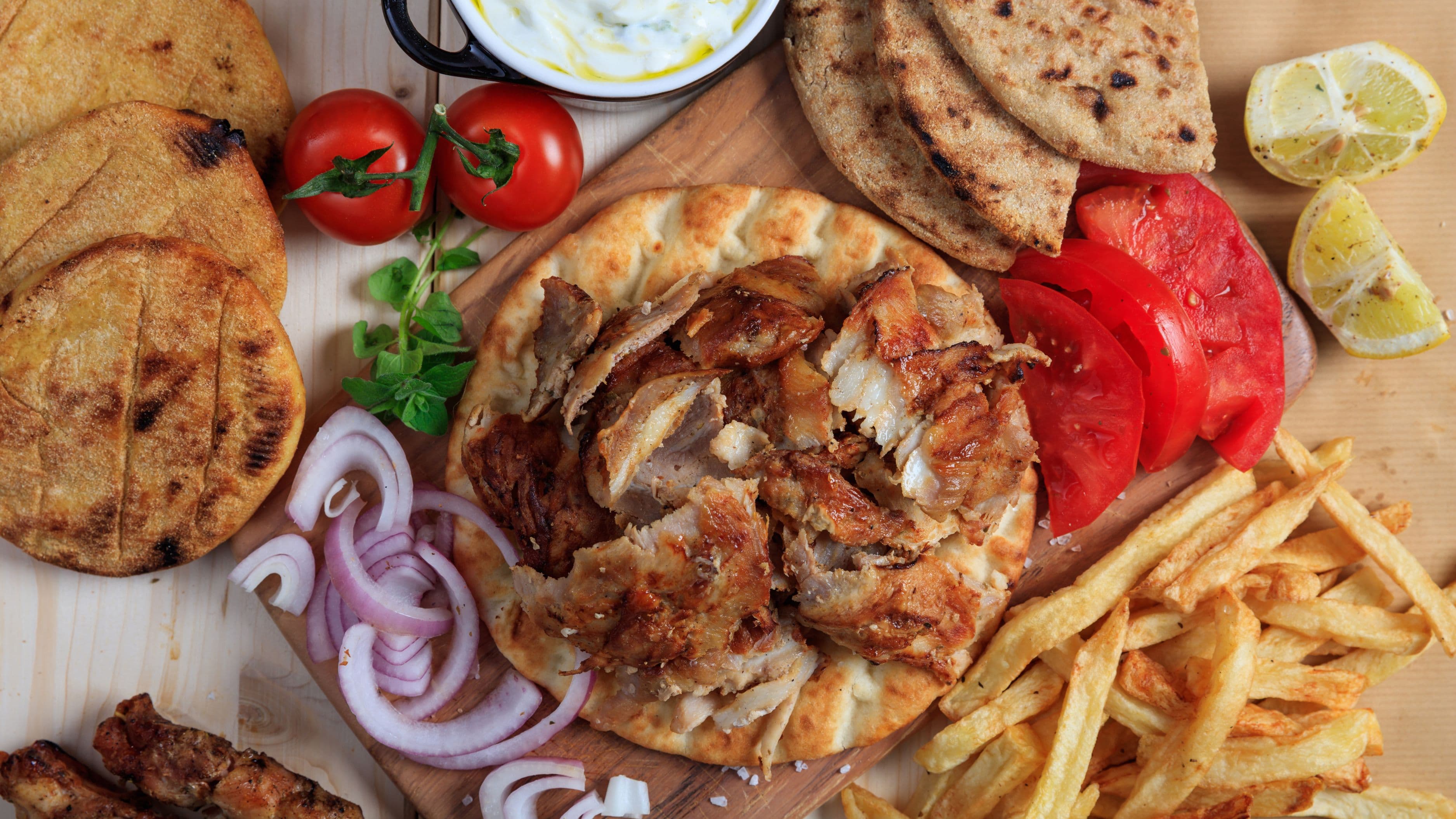
The Essential Dishes of Greek Cuisine Any Home Cook Can Try
Greek food has a reputation for being simple — and that reputation is earned, but it undersells the depth of what's actually there. At its core, Greek cooking is built on a handful of ingredients used with real intention: good olive oil, fresh herbs, lemon, garlic, dried legumes, and whatever meat, seafood, or vegetables are in season. Most essential Greek dishes are genuinely approachable for a home cook, requiring more patience and decent ingredients than technique.
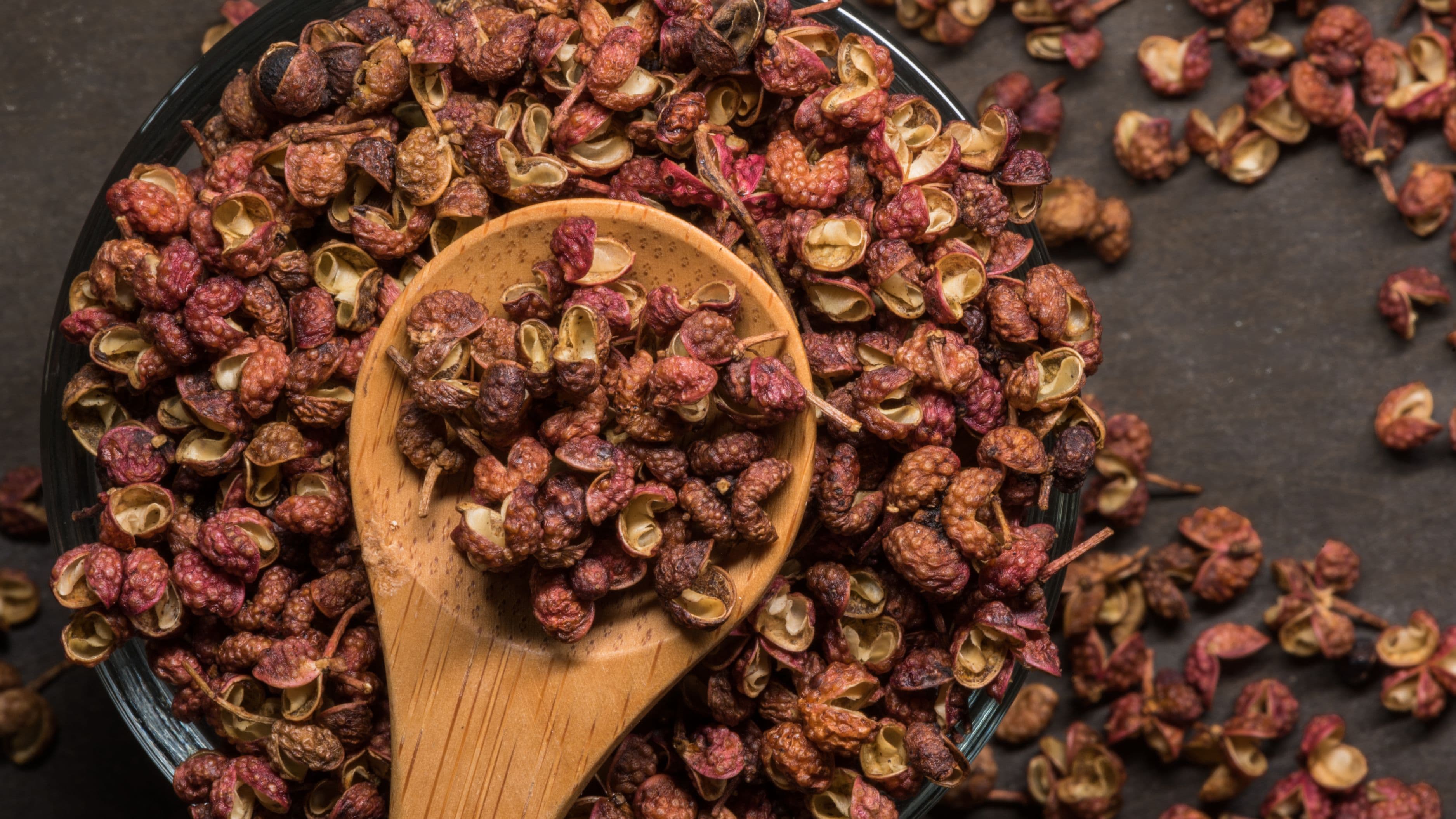
The Flavor Logic Behind Szechuan Cooking for Beginners
Szechuan food gets reduced pretty often to just "spicy Chinese food," but that misses what actually makes the cuisine distinctive and, once you understand it, genuinely approachable to cook at home. There's a real internal logic to how Szechuan cooking builds flavor, centered on a specific balance most people haven't encountered before trying it, and once that logic clicks, the cuisine becomes far less intimidating to recreate in your own kitchen.
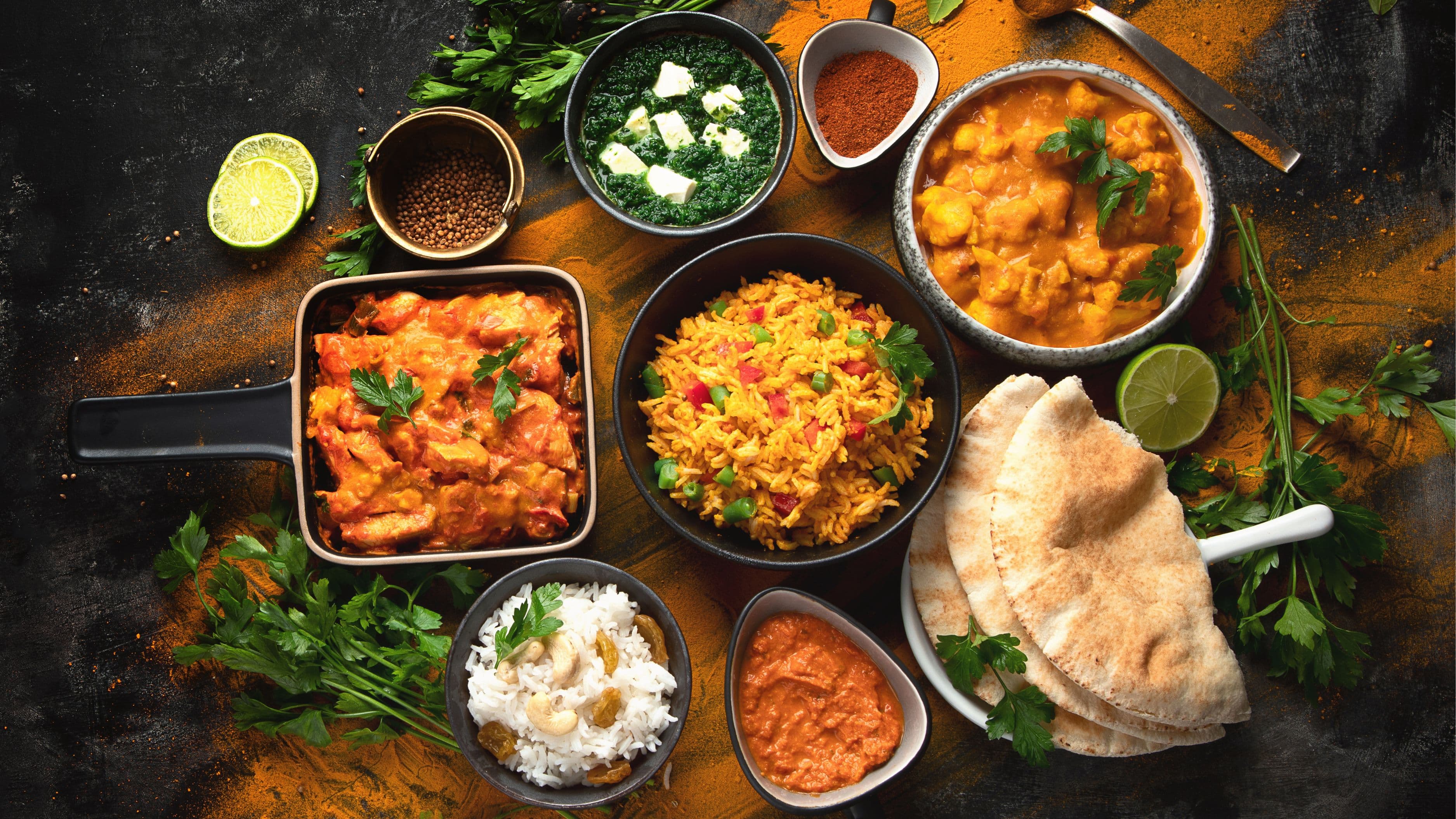
The Flavor Rules That Make Indian Cooking Click for Beginners
Most people who try Indian cooking for the first time and struggle aren't missing skill – they're missing a mental model. Indian cuisine looks intimidating from the outside because of the spice lists, but once you understand a handful of flavor principles that repeat across the entire cuisine, everything starts to make sense. The same logic that builds a simple dal also builds a complex biryani. Learn the rules, and a whole world of dishes opens up.
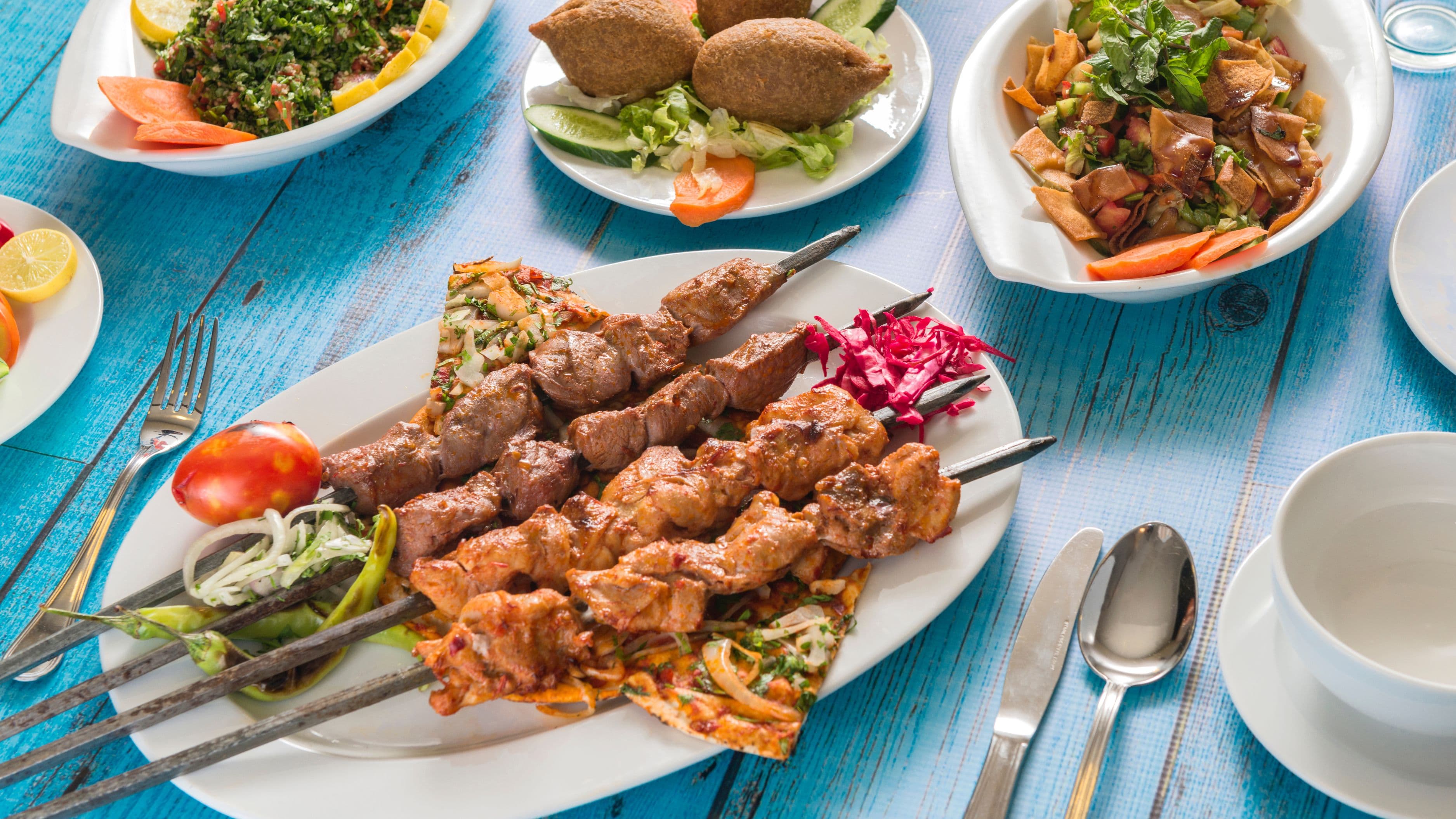
What Defines Syrian Cuisine and How to Cook It at Home
Syrian cooking carries a depth of flavor built over centuries at the crossroads of major trade routes, blending influences from across the Levant and beyond. Whether you're already familiar with the broader Middle Eastern pantry or completely new to it, Syrian cuisine offers an approachable entry point built on ingredients that are more available than you might expect.

What Defines West African Cooking and How to Start
West African food is bold, deeply layered, and built on a philosophy that every dish should feel like it was made with care. If you've never cooked it before, the flavors might seem complex, but the foundation is surprisingly approachable – a handful of key ingredients, a few core techniques, and a willingness to let things simmer and develop. Once you understand the basics, an entirely new world of home cooking opens up.

What Makes Austrian Baking Worth Learning at Home
Austrian baking has an outsized reputation for a country its size, and once you dig into why, it's not hard to understand. Vienna's coffeehouse culture turned pastry into a genuine art form, and the techniques that emerged from it – laminated doughs, delicate sponge cakes, precise custards – are foundational to a huge amount of Western baking, even when people don't realize the Austrian origin behind them.
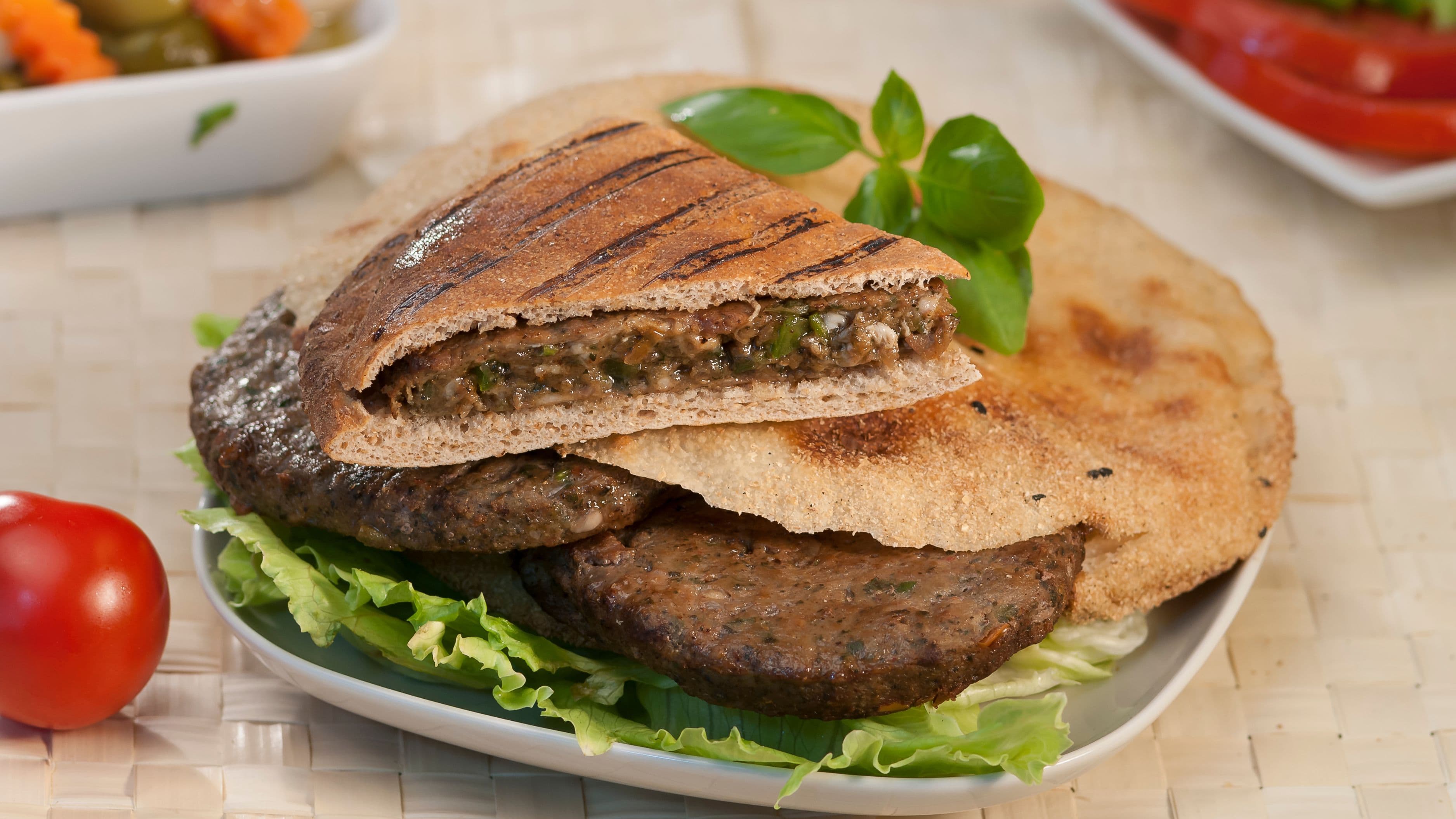
What Makes Egyptian Street Food So Easy to Recreate
Egyptian street food has a reputation for deep, comforting flavor, the kind that makes you assume there's a complicated technique or a long list of specialty ingredients behind it. In reality, most of Egypt's most beloved street dishes are built from humble pantry staples, straightforward cooking methods, and a layering approach that rewards patience more than skill. Once you understand the handful of building blocks these dishes share, recreating them at home becomes far more approachable than the flavors would suggest.
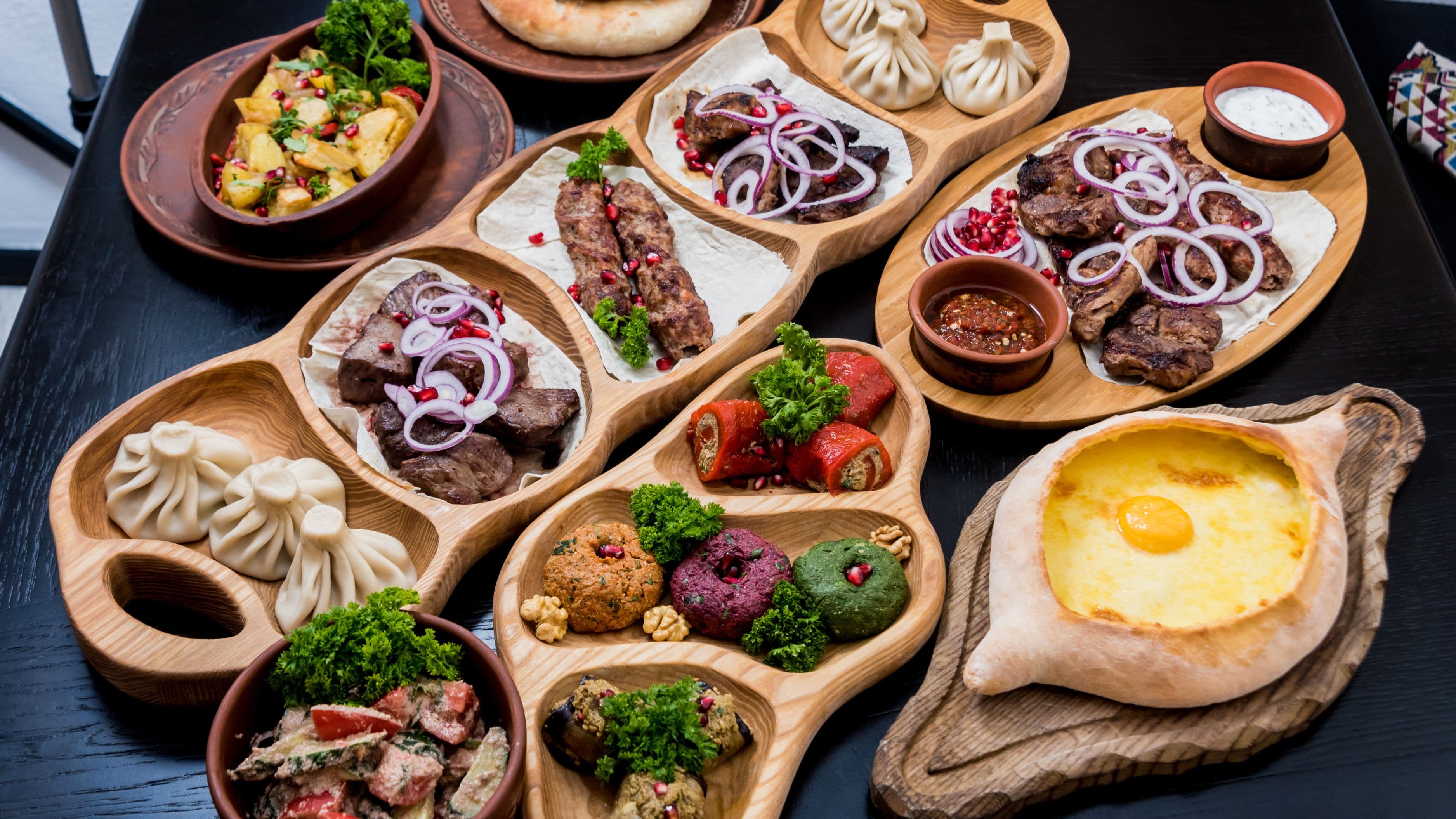
What Makes Georgian Cuisine So Unexpectedly Approachable
If you've never cooked Georgian food before, the name alone might make it sound like a niche, hard-to-replicate cuisine reserved for specialty restaurants. The reality is almost the opposite. Georgian cooking leans on a handful of pantry-friendly techniques, forgiving doughs, and bold but simple flavor combinations that come together more easily at home than you'd expect from a cuisine this rich and storied.
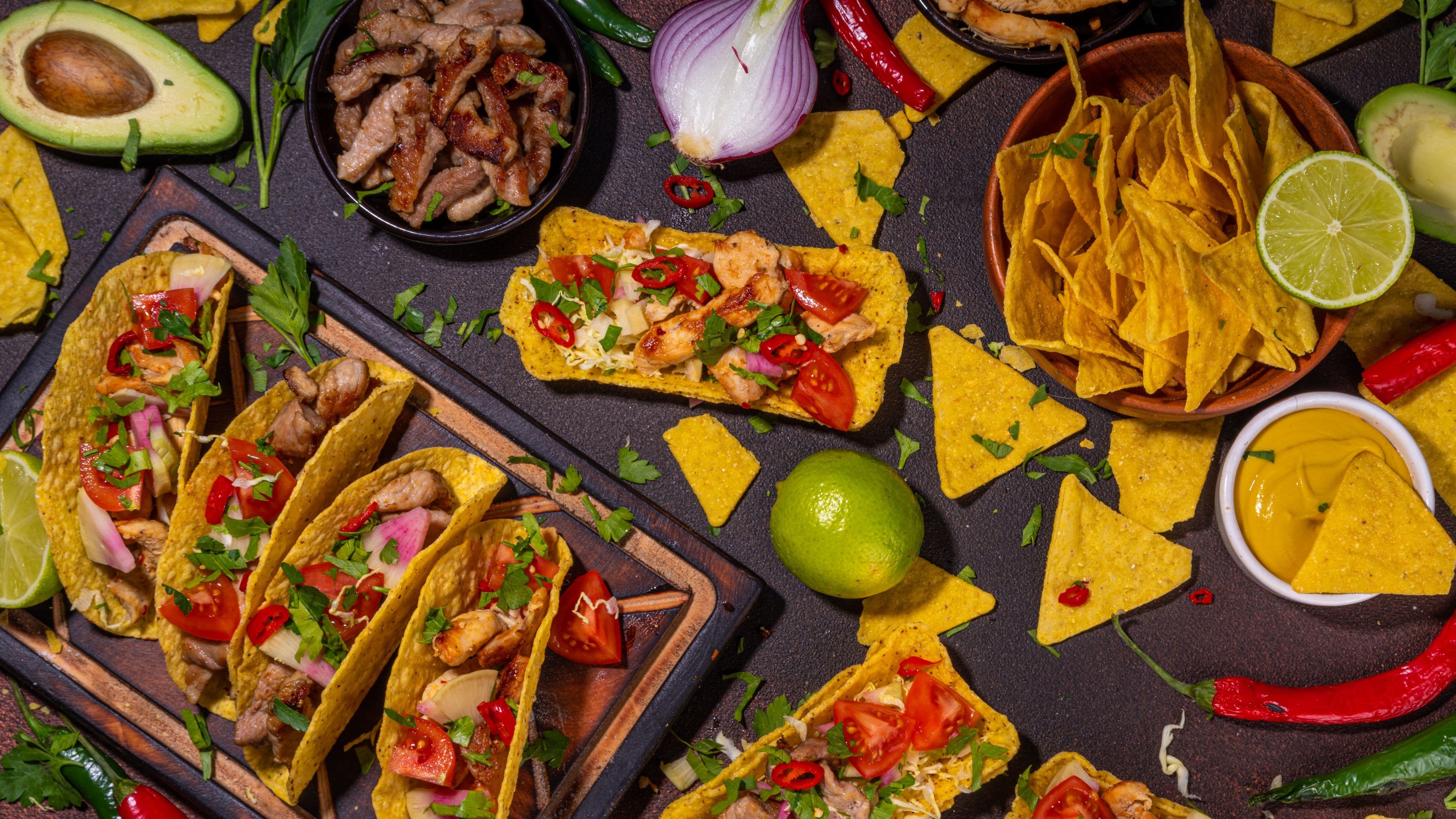
What Makes Mexican Street Food So Satisfying to Cook at Home
There's a reason Mexican street food has become one of the most popular things to cook at home – and it's not just because tacos are delicious. It's because the whole philosophy behind it is perfectly suited to a home kitchen. Big flavors built from simple ingredients. Dishes that come together fast. Food that's meant to be shared, customized, and eaten with your hands. Once you understand what makes it work, you'll find yourself coming back to it week after week.
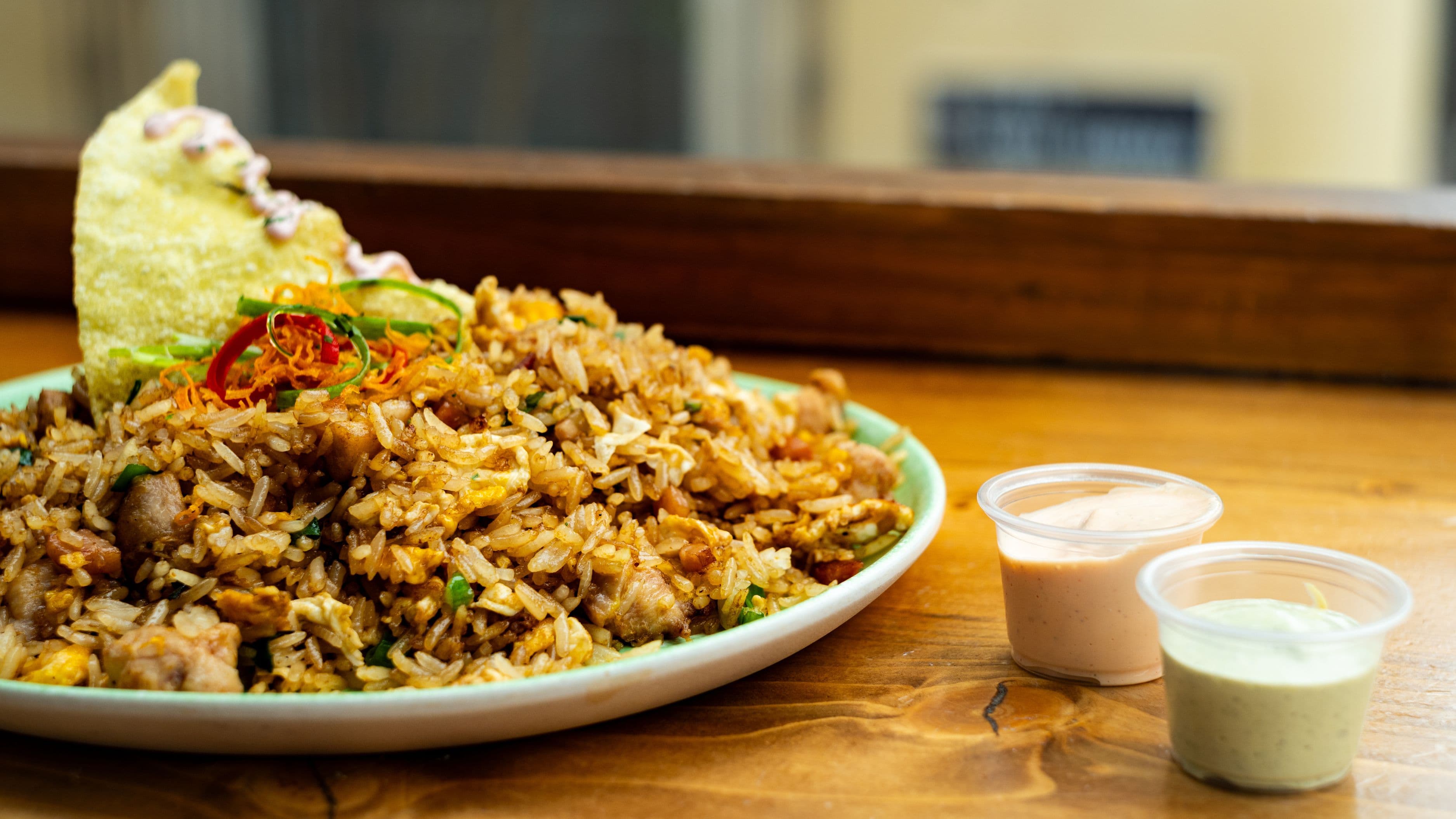
What Makes Peruvian Food So Layered in Flavor
If you've ever eaten Peruvian food and found yourself trying to identify what exactly you just tasted, you're not imagining things. Peruvian cuisine genuinely is more complex than most – not in a way that's difficult to enjoy, but in a way that keeps revealing new things the more you pay attention. A dish that tastes bright and citrusy up front turns warm and earthy halfway through. A sauce that looks simple has heat that builds slowly rather than hitting all at once.
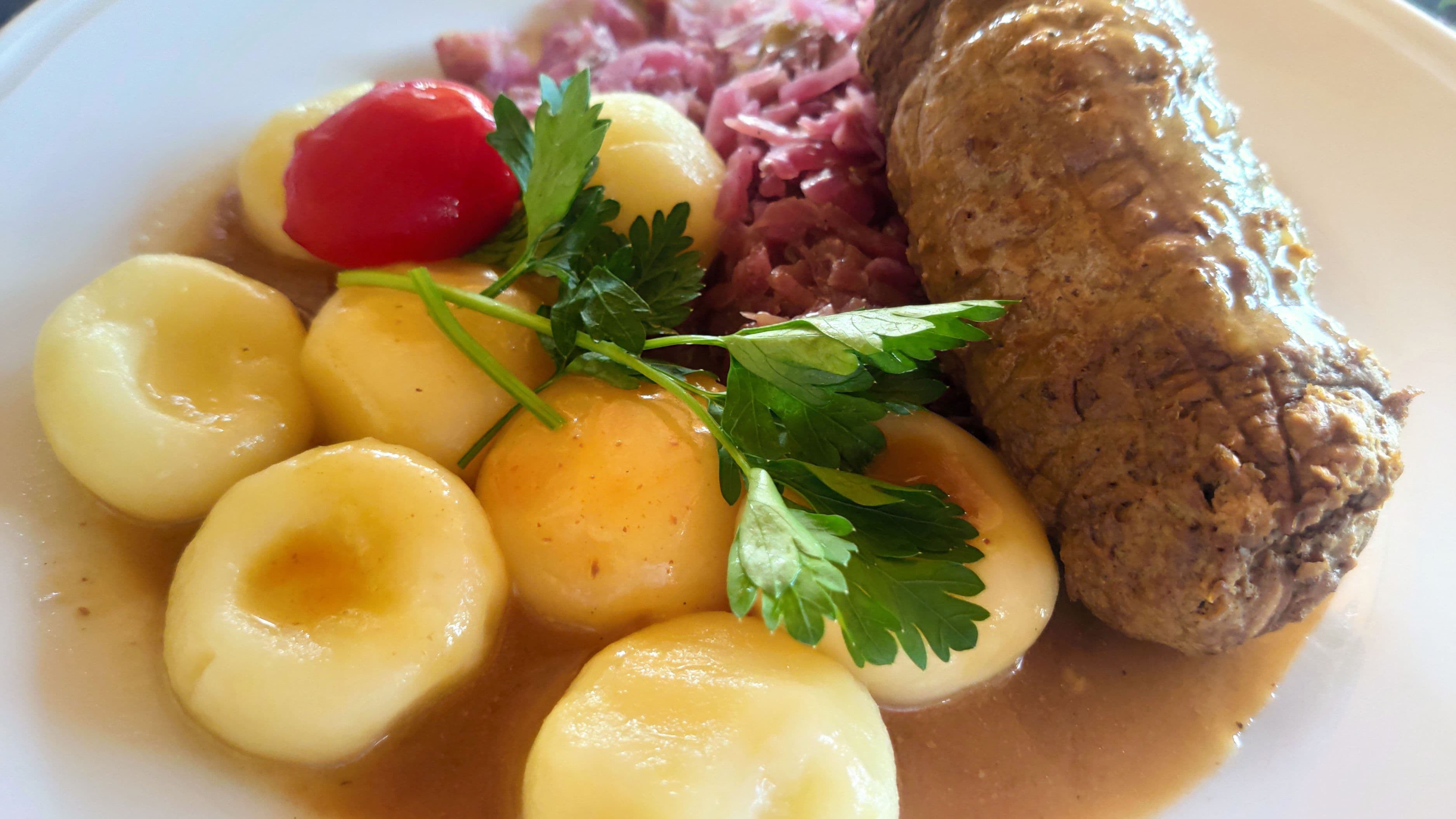
What Makes Polish Home Cooking So Comforting to Learn
Polish home cooking has a way of feeling immediately familiar, even to people who've never tasted it before, and there's a real reason for that. It leans heavily on techniques and ingredients that show up across a lot of comfort food traditions: slow braising, hearty root vegetables, dumplings, and a generous hand with butter and sour cream. Learning to cook Polish dishes at home doesn't require tracking down obscure ingredients or mastering complicated techniques, which is part of why it's such an approachable cuisine to start exploring.
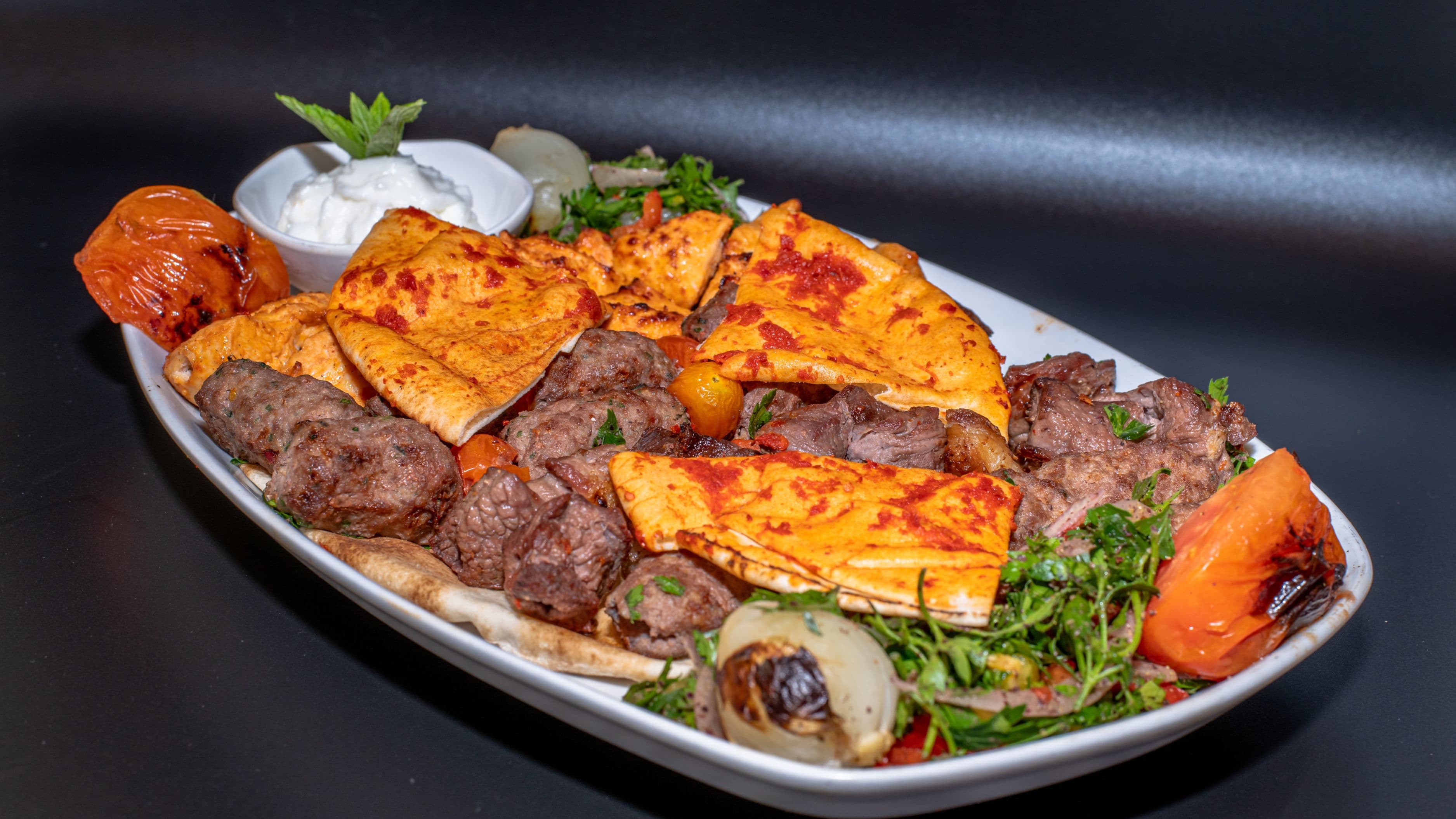
Why Lebanese Cooking Is One of the Easiest to Start at Home
If you've ever eaten at a Lebanese restaurant and thought "I'd love to cook like this at home but I wouldn't know where to begin" – you might be surprised by how close you already are. Lebanese cuisine is built on a short list of pantry staples, a handful of core techniques, and a philosophy that values fresh ingredients over complicated methods. It's one of the most beginner-friendly world cuisines you can explore.
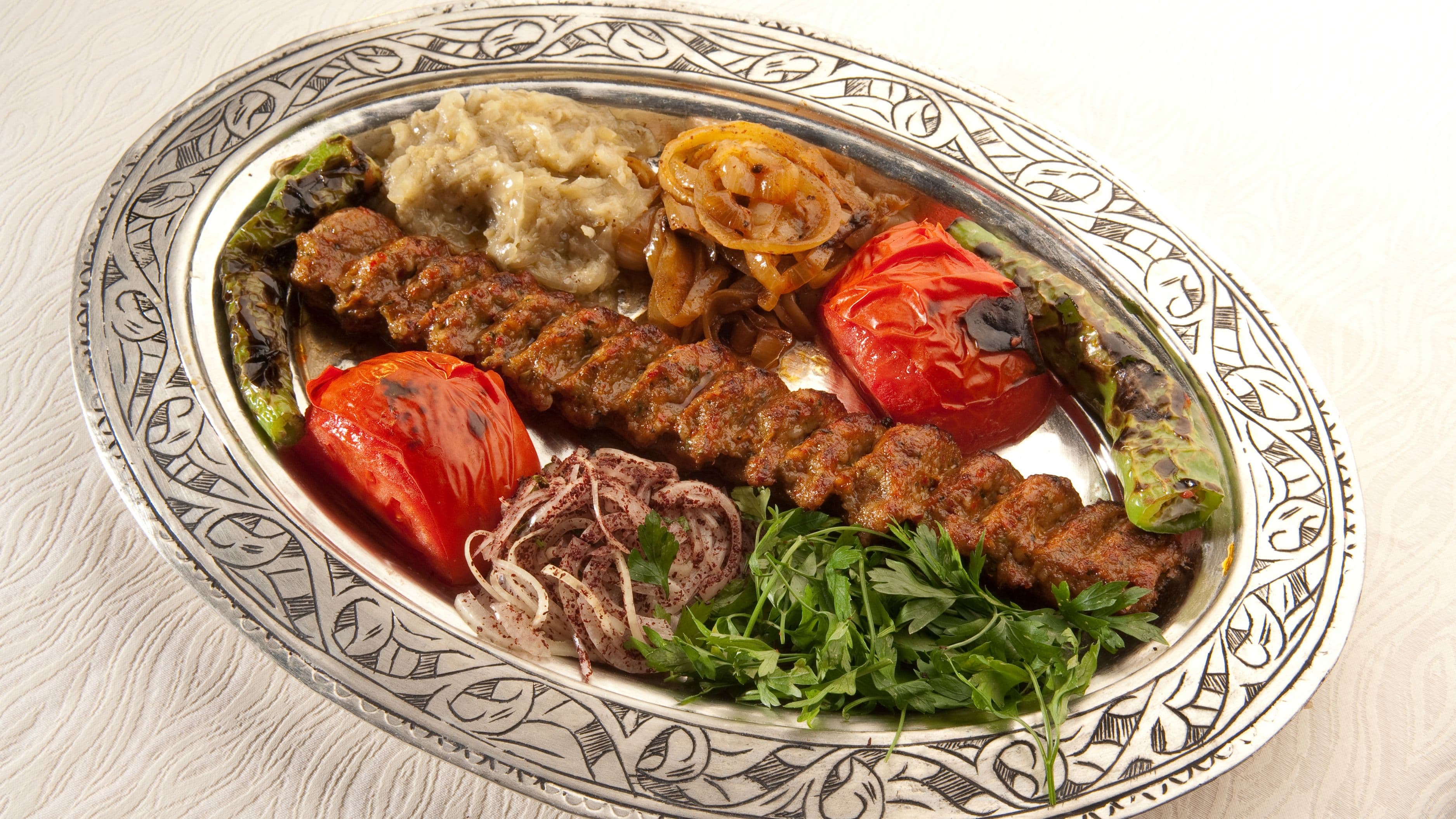
Why Turkish Cuisine Should Be in Every Home Cook's Rotation
Turkish food is one of those cuisines that delivers results well beyond what the effort seems to justify. The flavors are bold and layered without requiring complicated techniques. The ingredient list for most dishes is shorter than it looks. And the cuisine spans so much range – from slow-cooked lamb stews to quick pan-sautéed vegetables to one of the world's best uses of a humble eggplant – that once you start cooking it regularly, you find yourself returning to it across different moods, seasons, and occasions.
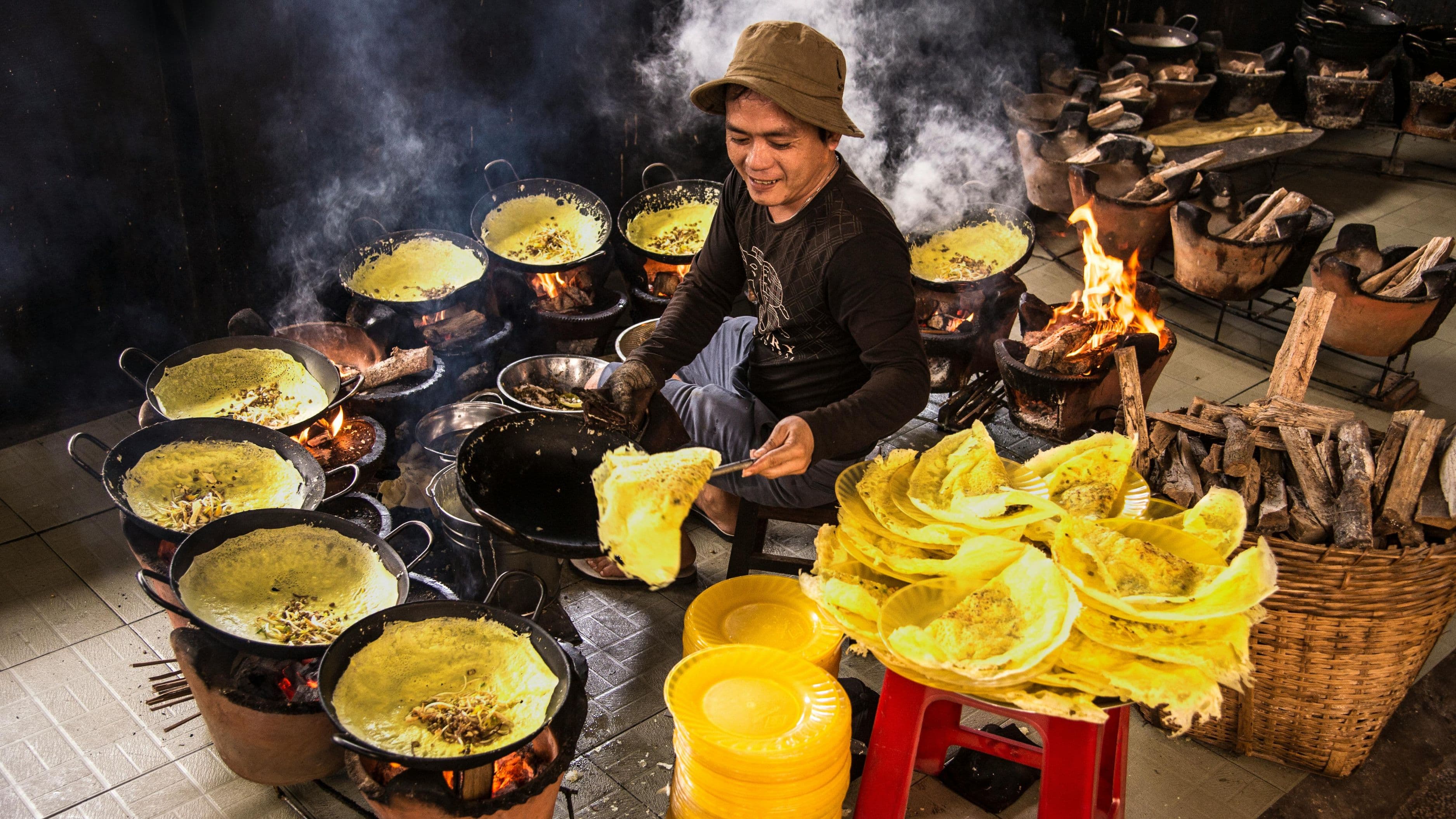
Can You Taste History Through Traditional Dishes?
Every bite of food carries a story—migrations, conquests, trade routes, survival, celebration. Traditional dishes aren't just recipes passed down; they're edible archives of human experience, preserving cultural memory in ways that textbooks never could. When you taste authentic pho, you're experiencing French colonialism meeting Vietnamese ingenuity. When you eat soul food, you're connecting with resilience born from oppression and creativity born from scarcity. Food doesn't just feed us; it transports us through time, letting us literally consume history one delicious mouthful at a time.
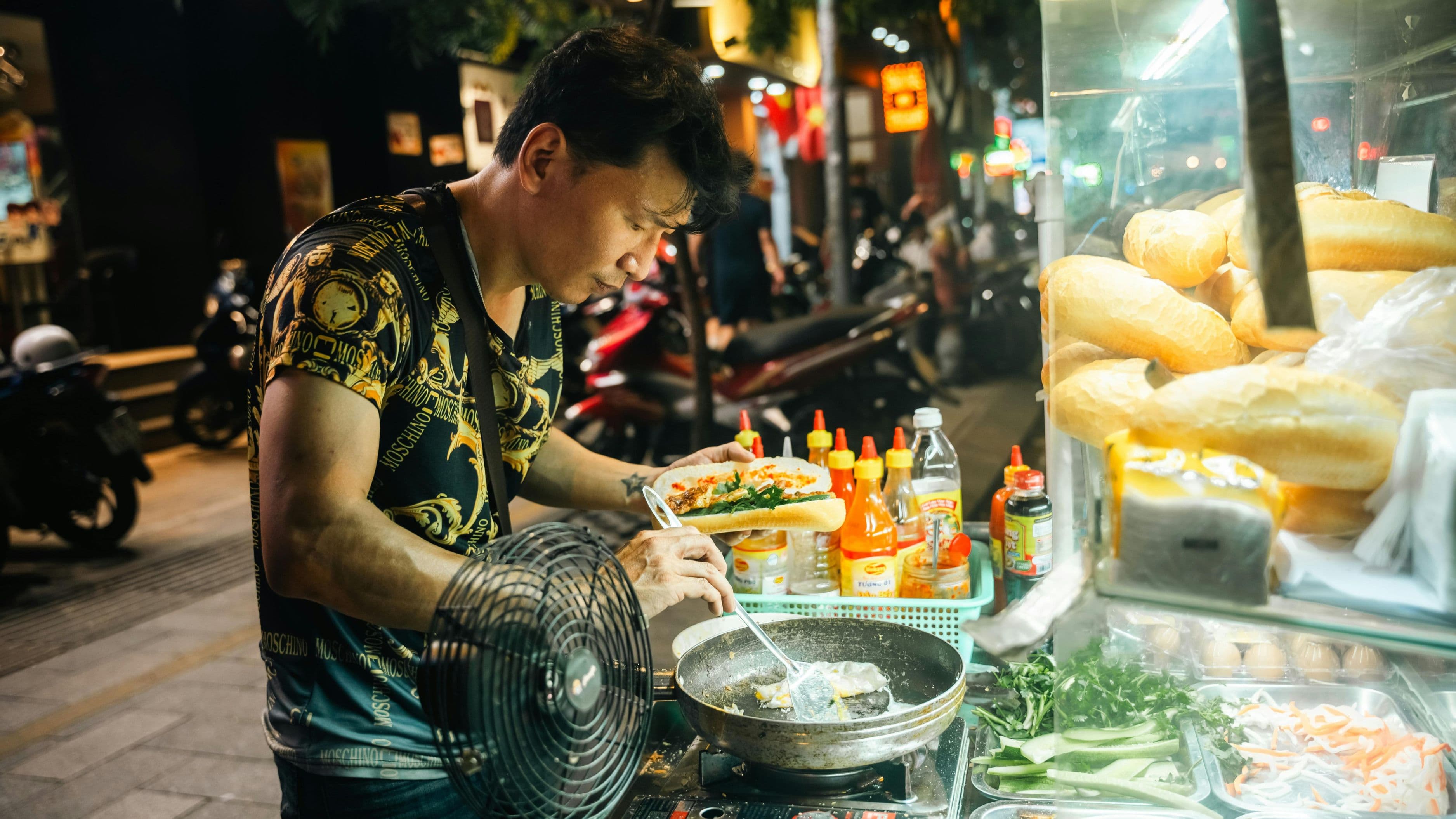
Explore These Global Street Foods Without Leaving Home
If Anthony Bourdain and your favorite food influencer had a baby, and that baby decided to raid your kitchen instead of booking flights, this would be it. Street food represents the soul of a culture—unpretentious, accessible, and bursting with flavors that tourists pay thousands to experience for thirty seconds on a crowded sidewalk. But here's the plot twist: you don't need a passport, international data plan, or even pants to recreate these global treasures. Armed with your regular grocery store, maybe one specialty ingredient ordered online, and a willingness to get a little messy, you can transform your kitchen into a world tour where the only jet lag comes from staying up too late because you can't stop eating.

Is Authenticity in Food Even a Real Thing Anymore?
If Gordon Ramsay time-traveled to critique medieval cooking, he'd probably have an aneurysm discovering that tomatoes didn't exist in Italian cuisine until the 1500s and that "authentic" ramen is barely a century old. We've become obsessed with food authenticity—shaming fusion restaurants, gatekeeping ingredient substitutions, and treating recipes like archaeological artifacts that must be preserved exactly as discovered. But here's the uncomfortable truth: the "authentic" dishes you're defending online probably didn't exist in their current form fifty years ago, and the grandmother whose recipe you're protecting likely learned it from a magazine or neighbor who changed it from the "original" anyway. Food has always evolved, migrated, and transformed, so maybe it's time we examined whether authenticity even matters—or if we're just using it as a weapon in culture wars that have nothing to do with flavor.

Learn Any Cuisine Faster with These 8 Flavor Rules
If Anthony Bourdain and a food scientist had a baby who then wrote a cheat sheet for home cooks, this would be it. You've probably stood in your kitchen, staring at a recipe for pad thai or chicken tikka masala, feeling like you need a doctorate in culinary anthropology just to understand why certain ingredients appear together. But here's the secret professional chefs and grandmas worldwide have known forever: every cuisine follows predictable flavor patterns, and once you crack the code, you can cook anything without feeling like you're faking your way through a cultural experience you don't understand.
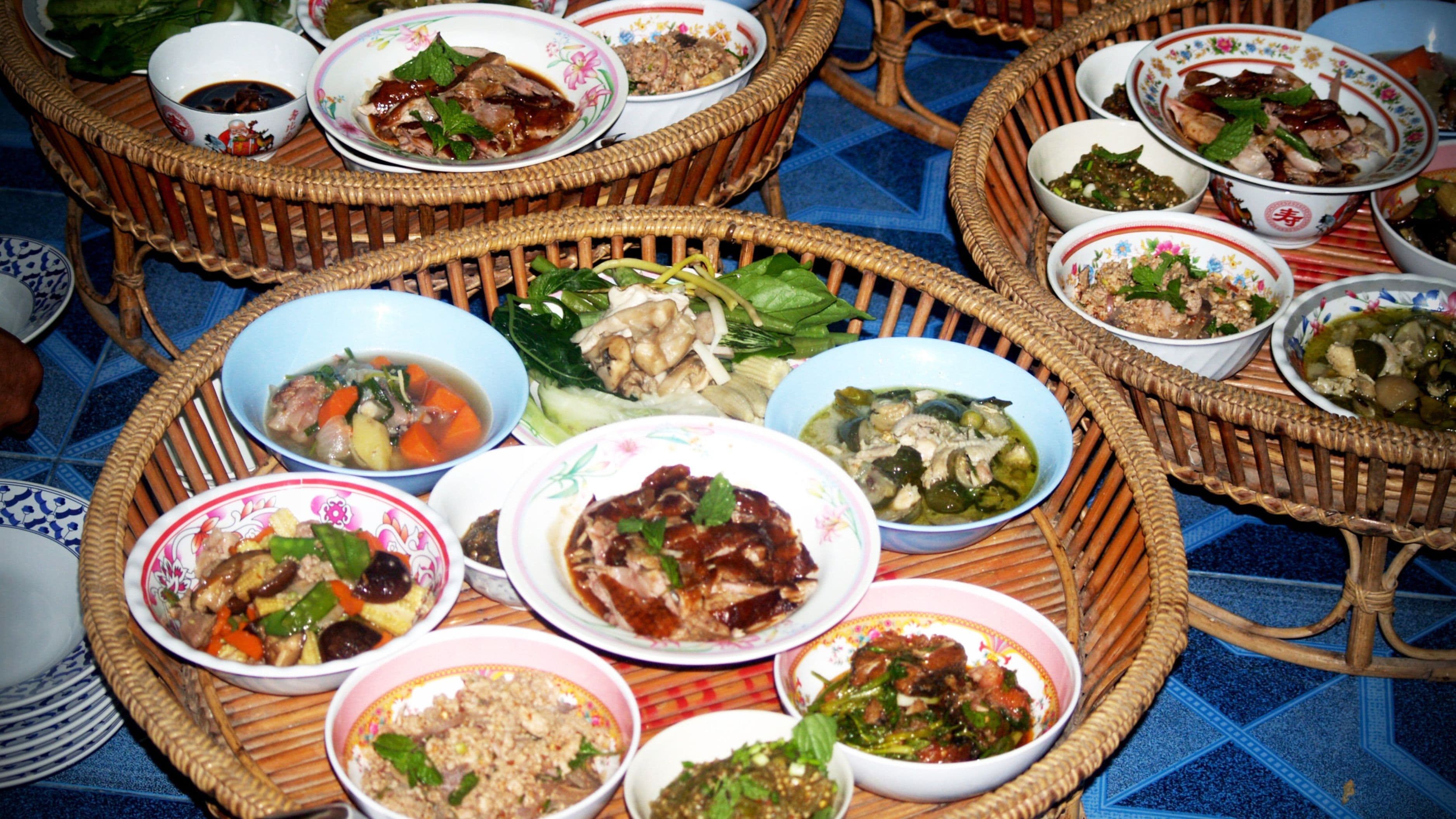
The Dishes That Made Me Fall in Love with Thai Cuisine
If Anthony Bourdain were a fairy godmother waving a magic wand over your taste buds, he'd transport you straight to a Bangkok street cart at 2 AM where the real magic happens. My own culinary awakening to Thai food didn't happen at some trendy fusion restaurant or through a carefully curated cooking class—it happened accidentally, messily, and absolutely transformatively through a series of dishes that rewrote everything I thought I knew about flavor. These aren't necessarily the most Instagram-famous Thai dishes or the ones tourists flock to photograph, but they're the ones that grabbed me by the palate and refused to let go, each one teaching me something profound about balance, boldness, and the art of making every single bite matter.
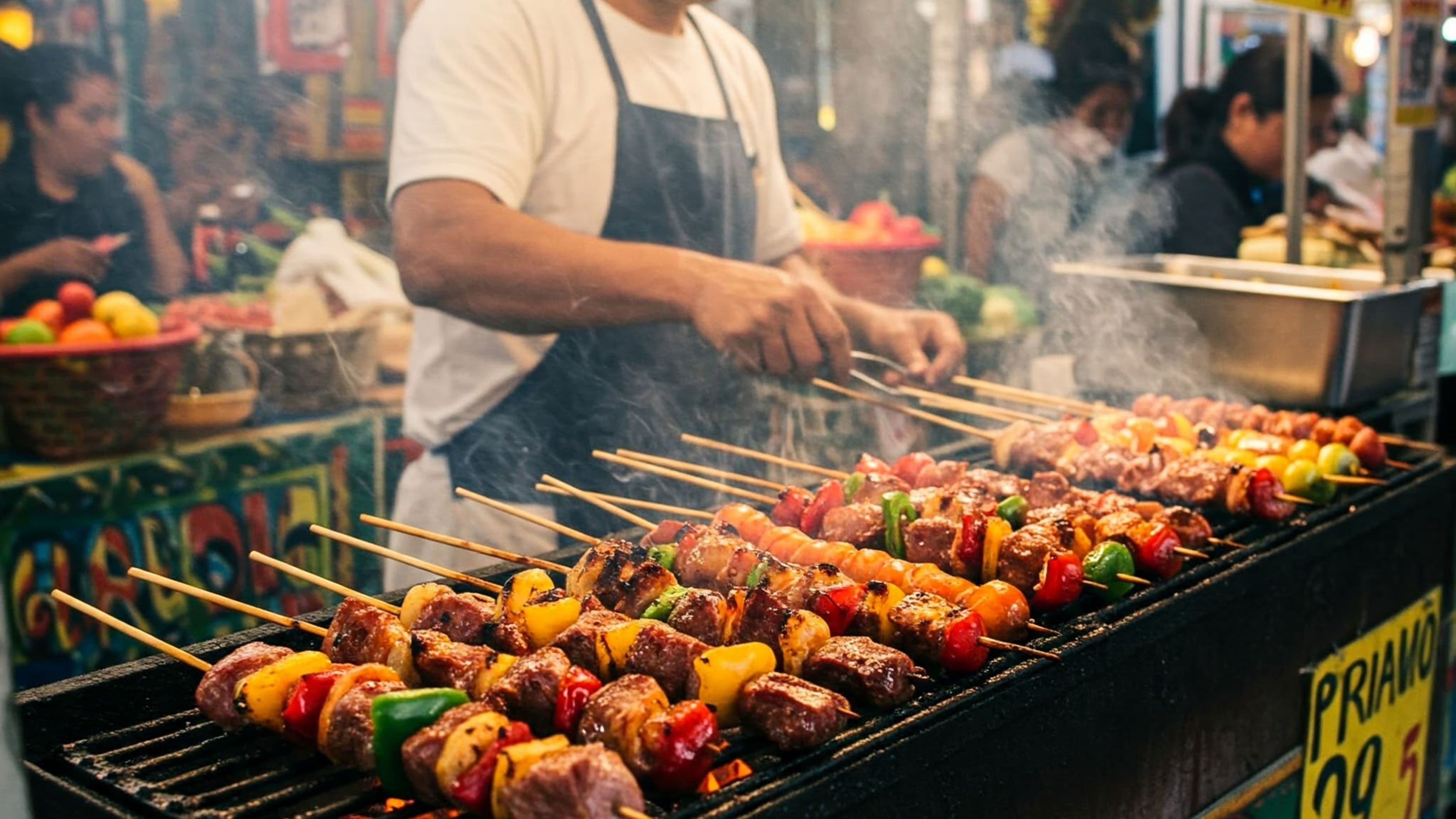
What I Learned About Culture by Cooking One Country a Month
I challenged myself to cook authentic dishes from a different country every month for a year. No shortcuts, no Americanized versions—just me, my kitchen, and twelve culinary traditions I barely understood. What started as a cooking project became an education in culture, history, and human connection that no documentary or travel blog could replicate. Here's what standing in front of my stove taught me about the world.
What Makes Italian Food So Universally Comforting?
If comfort food had a passport, it would probably be Italian with stamps from every country on earth. Think about it: when Stanley Tucci isn't melting our hearts with his silver fox charm, he's making us weep over a simple plate of cacio e pepe in his travel show "Searching for Italy." Italian cuisine has somehow become the world's emotional support food, the culinary equivalent of a warm hug from someone who actually knows how to hug properly. From Tokyo ramen shops serving carbonara to American suburbs where "Olive Garden Italian" counts as ethnic cuisine, Italian food has colonized our collective comfort zone without firing a single shot—just by being absolutely, undeniably delicious in the most soul-satisfying ways possible.
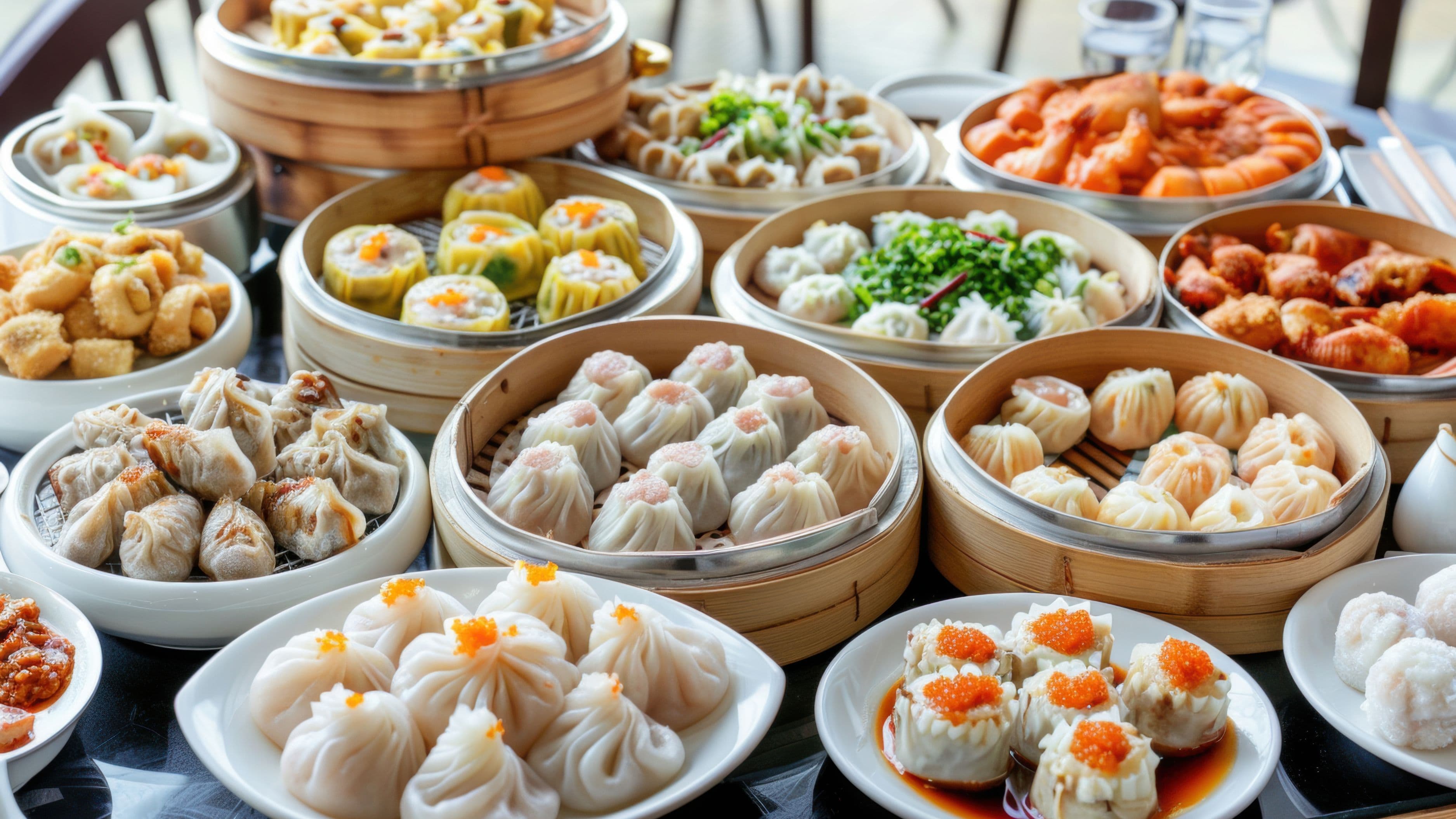
Why Every Culture Has Its Own Comfort Food
If Netflix made a documentary series about humanity's greatest achievements, comfort food would deserve its own episode—right between "Fire" and "The Wheel." We've sent people to the moon, invented the internet, and created AI that can write sonnets, yet nothing quite compares to the universal magic of a warm bowl of whatever your grandmother made when you were sad. From Japanese ramen to Mexican pozole, from Italian risotto to Korean juk, every culture on Earth has developed its own edible hug, and the reasons why tell us something profound about what it means to be human.
Explore other categories
Same editorial standard, different decisions.