01
Kitchen Chemistry
We explain *why* steps are taken. From starch gelatinization to protein coagulation, understanding the physics unlocks culinary mastery.

Culinary Science & Precision
Welcome to Gourme Haven, a professional food resource built for meticulous cooks. Every recipe is double-tested in our R&D kitchen, measured in both Metric and Imperial weights, and broken down by culinary physics so you achieve flawless results every time.
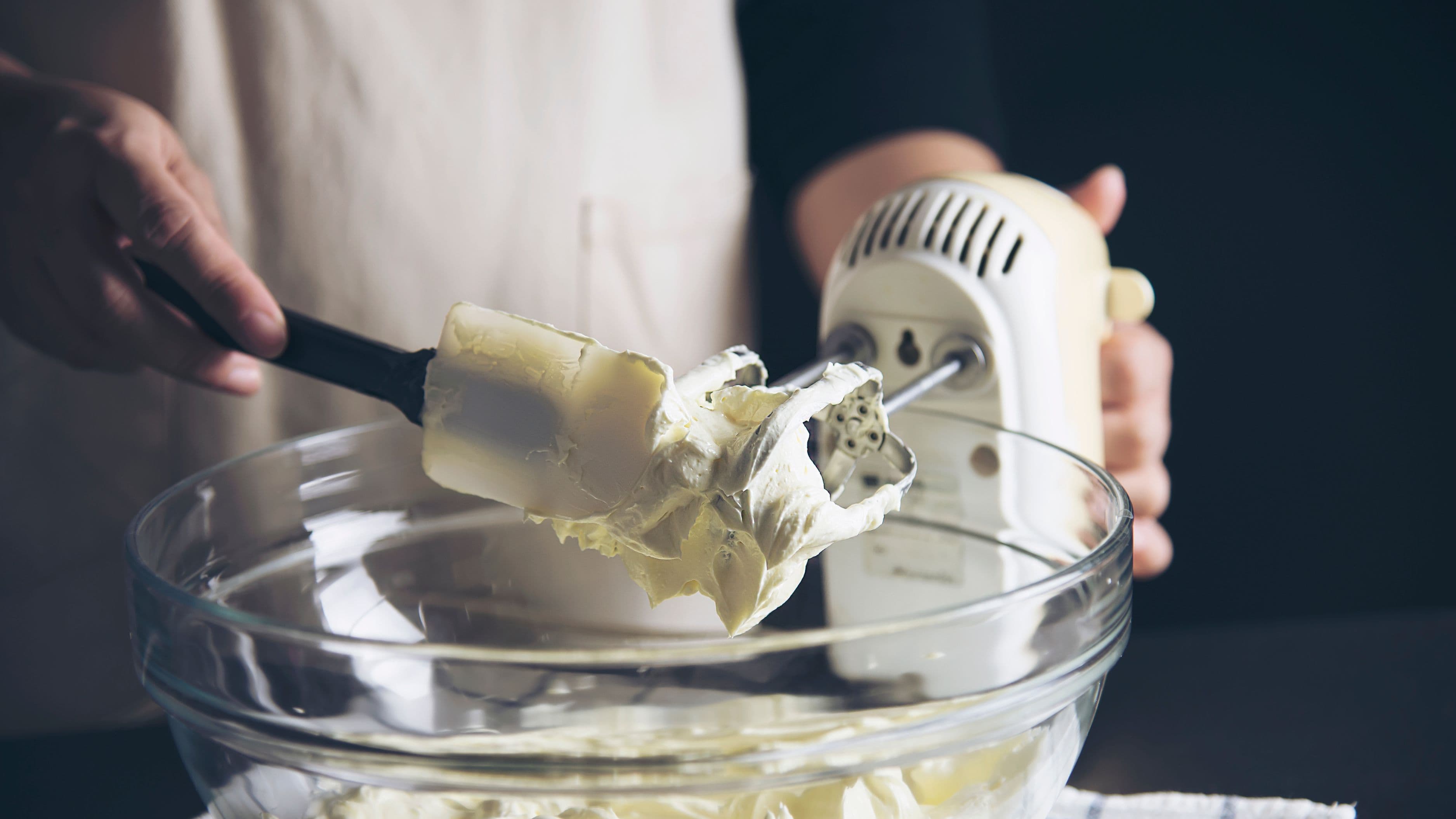
There's a 30-second window between perfect whipped cream and grainy, half-churned butter. Miss it, and the silky topping you wanted for your pie turns stiff and clumpy. Catch it, and you can control exactly how your cream behaves – soft and pillowy for hot cocoa, sturdy enough to pipe onto cupcakes, or somewhere in between.
Read Recipe & ScienceOur Philosophy
We reject vague directions and unscientific cooking instructions. Here is how we ensure your kitchen success.
We explain *why* steps are taken. From starch gelatinization to protein coagulation, understanding the physics unlocks culinary mastery.
All recipes include precise Metric grams/milliliters and Imperial cups/ounces. We advocate for weight-based accuracy in baking and cooking.
We run every recipe through multiple cooking trials, varying heat levels, timings, and ingredient brands to identify critical failure points.
Flagship Tutorials
Start your scientific culinary journey with our highest-rated, deeply researched guides.
There's a 30-second window between perfect whipped cream and grainy, half-churned butter. Miss it, and the silky topping you wanted for your pie turns stiff and clumpy. Catch it, and you can control exactly how your cream behaves – soft and pillowy for hot cocoa, sturdy enough to pipe onto cupcakes, or somewhere in between.
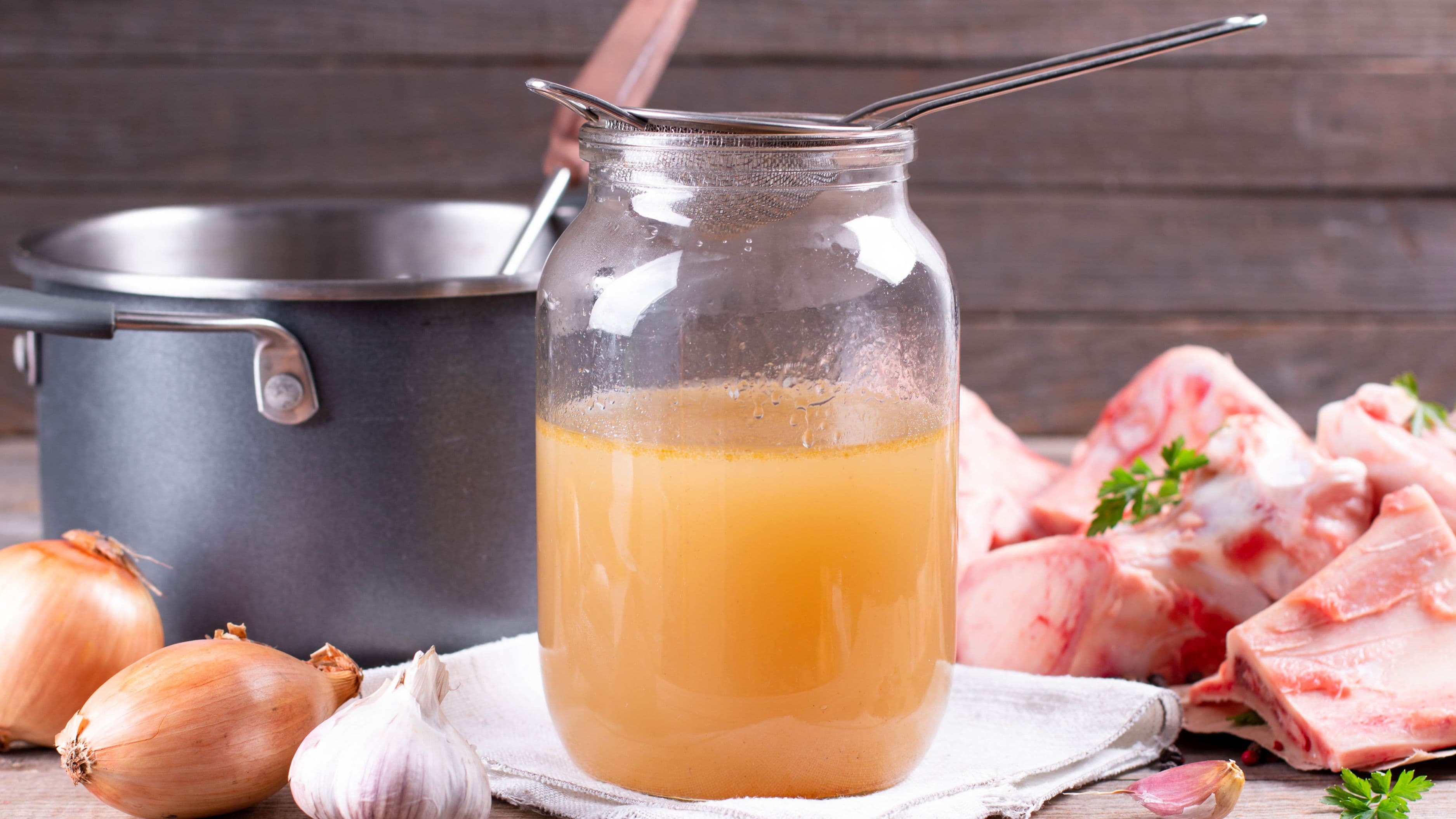
That roast chicken carcass you're about to toss? It's worth several quarts of rich, golden stock. So are the onion ends, carrot peels, and celery tops sitting in your crisper drawer. With a simple freezer habit and a two-pass cooking method, you can turn kitchen scraps into stock that beats almost anything from a carton – and waste almost nothing along the way.
The difference between a dish that tastes flat and one that tastes complex often has nothing to do with a fancy ingredient added at the end. It comes down to when flavor gets built into the dish, not just what goes into it. Home cooks tend to think of seasoning as a final step – a pinch of salt, a squeeze of lemon before serving – but the most flavorful dishes are built in layers from the very first thing that hits the pan.
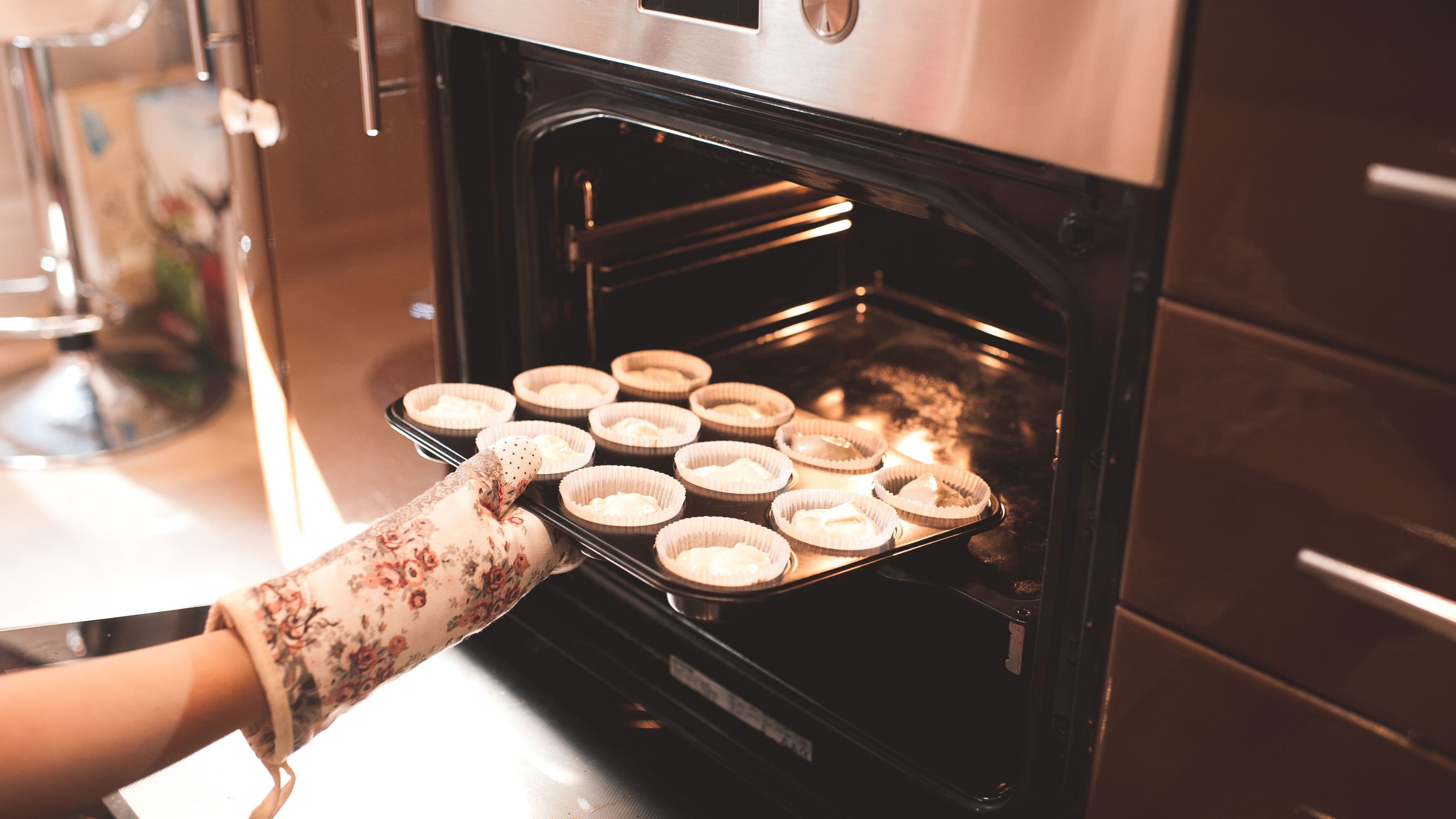
Ask a home baker why a cake sank in the middle or why cookies spread into flat, greasy puddles, and the answer almost always traces back to heat – not the ingredients, not the recipe, but how heat was actually managed during baking. Controlled heat is one of those phrases that sounds vague until you understand exactly what's being controlled and why it matters at every stage, from preheating to the moment something comes out of the oven.
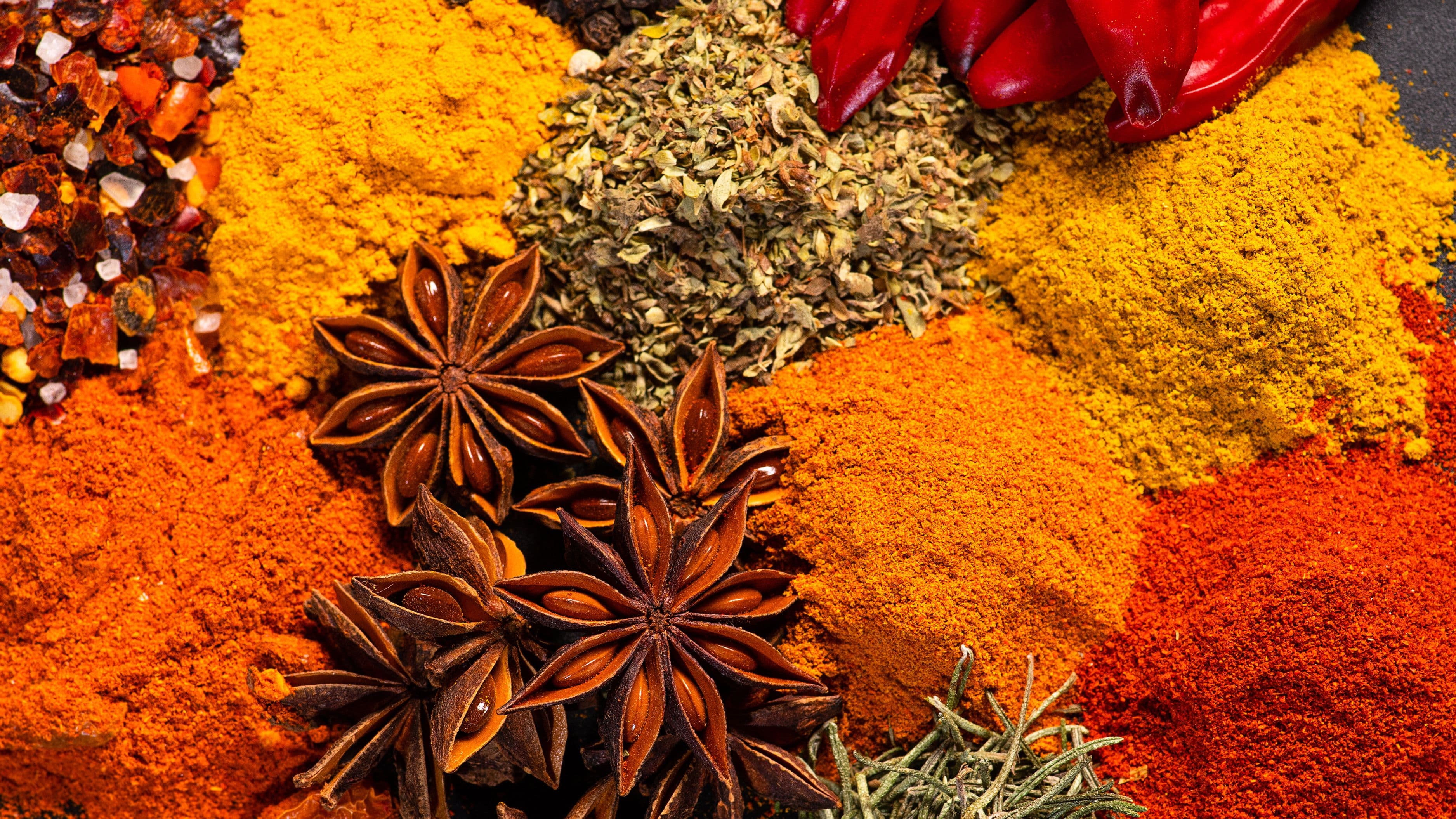
If you've ever followed a recipe to the letter and still felt like something was missing – some depth, some warmth, that intangible quality that makes restaurant food taste different from home cooking – there's a good chance the answer is bloom. Blooming spices is one of those foundational techniques that separates cooks who understand flavor from those who simply follow instructions. It takes 60 seconds. It costs nothing extra. And the difference in your finished dish is not subtle.
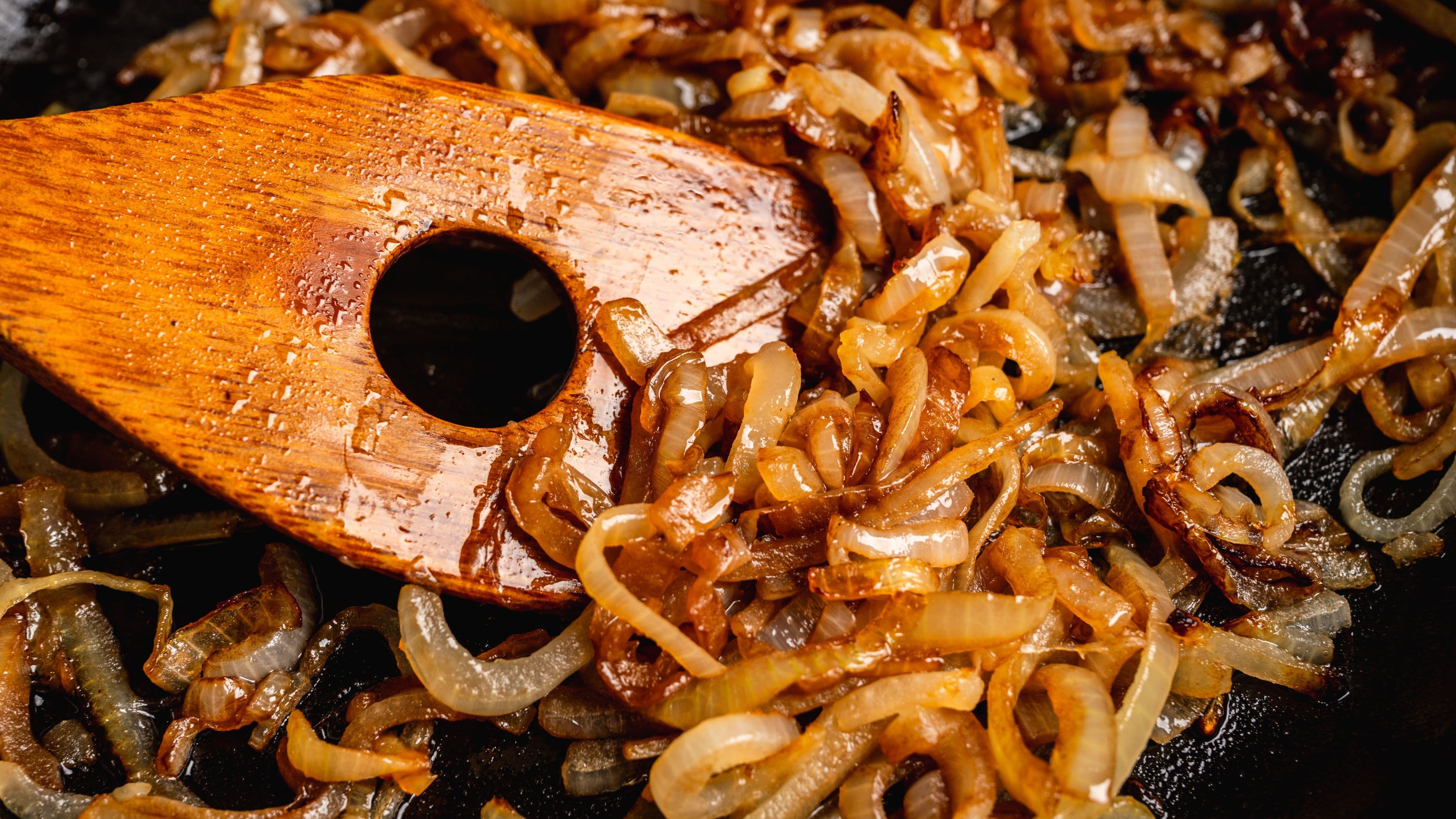
Caramelized onions are one of the most transformative things you can make in a kitchen. A pile of raw, pungent onions goes into the pan and something deeply sweet, silky, and complex comes out – the kind of thing that makes a simple burger, a basic pasta, or a humble piece of toast taste like something deliberate and excellent. The problem is that most people have burned them at least once, sometimes more than once, and come away thinking caramelizing onions is harder than it is.
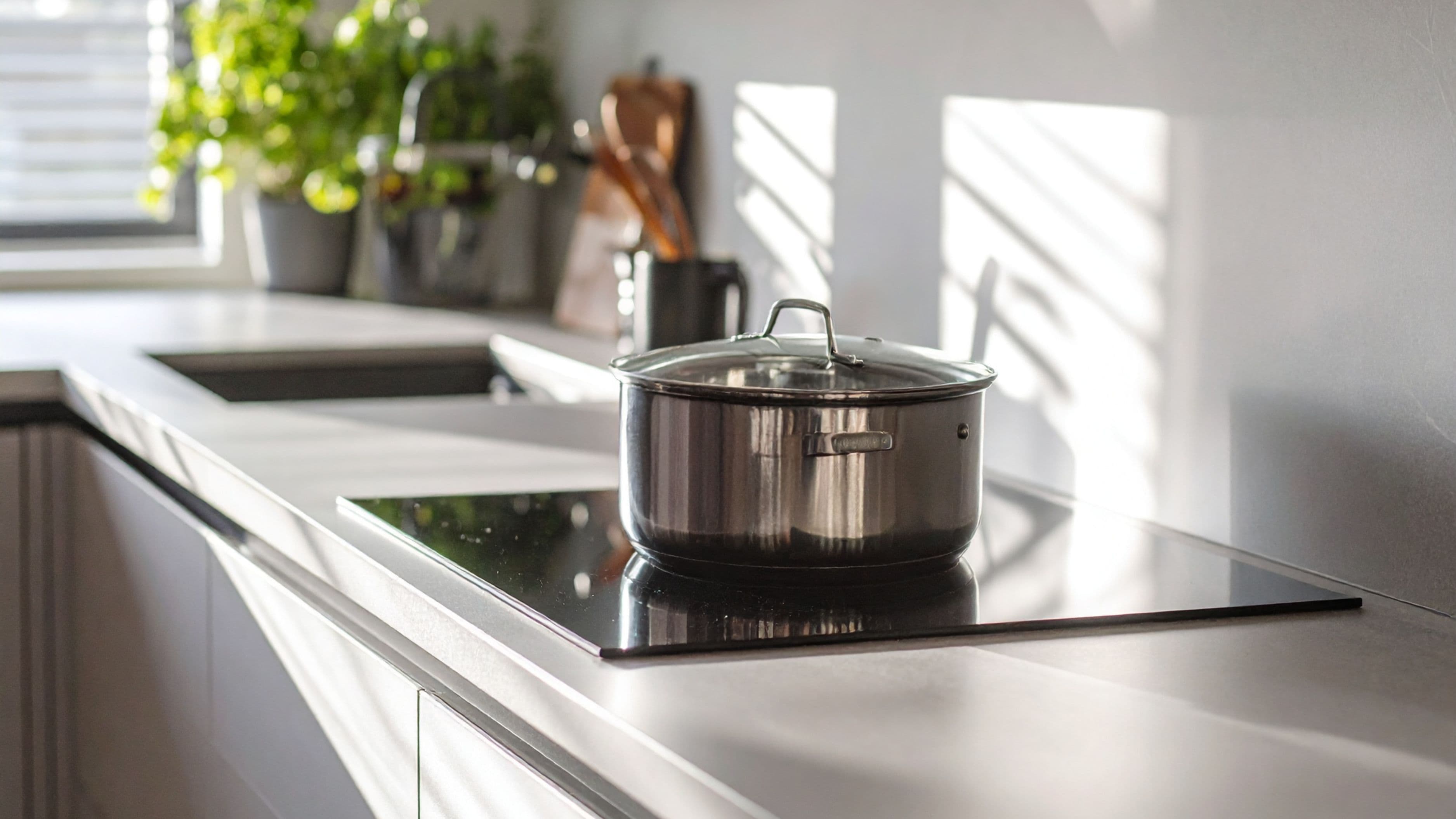
That frustrating moment when the center of your pancake is golden brown while the edges are still pale and undercooked isn't a sign you're bad at cooking. It's almost always a heat distribution problem, and once you understand why it happens, fixing it is surprisingly simple.
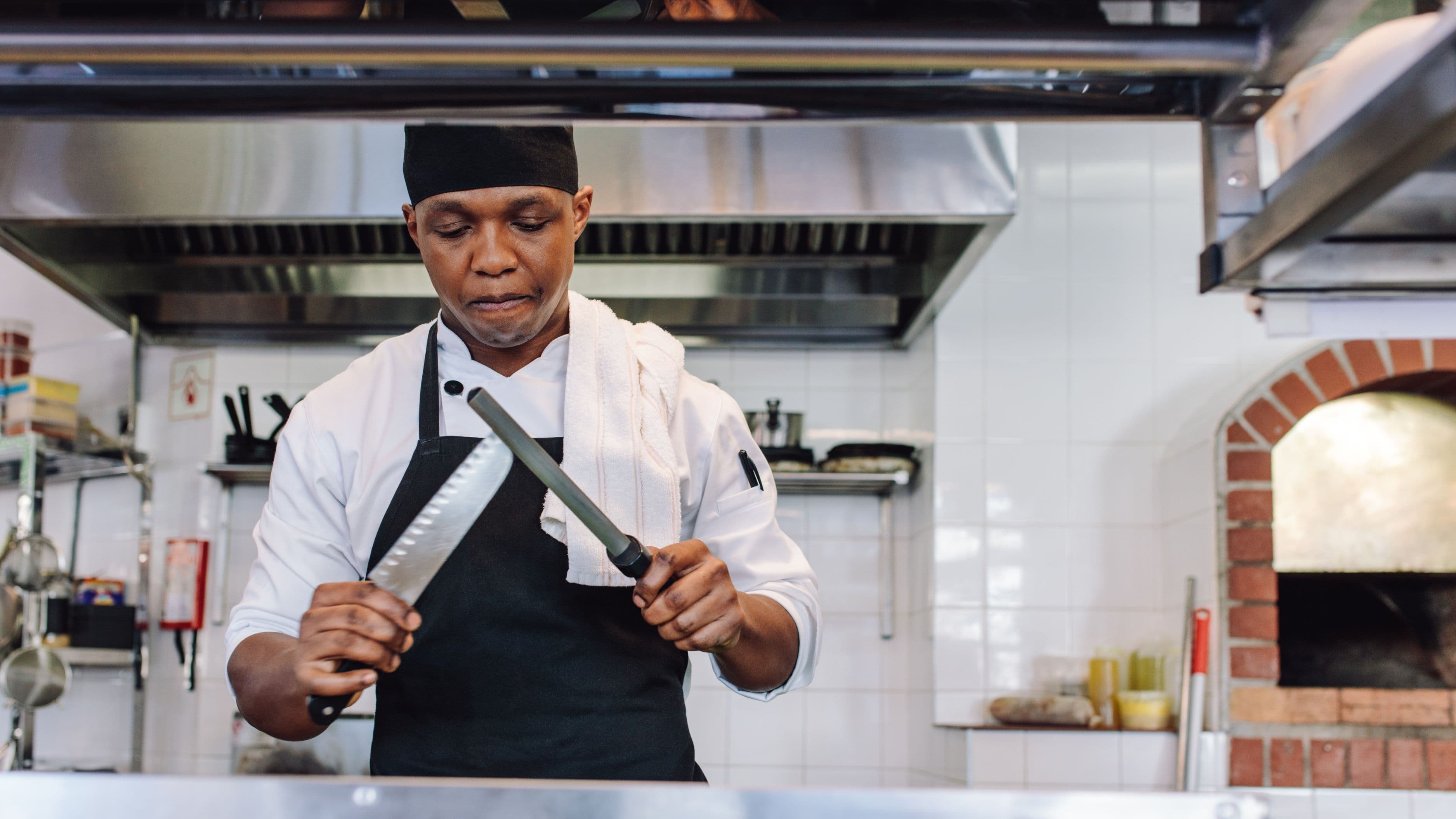
You've probably watched a video of someone dicing an onion in about eight seconds and thought, that's never going to be me. Here's the good news: it doesn't need to be. Real knife skills that actually stick aren't about speed, they're about a handful of repeatable motions that become automatic once you've done them enough times with the right technique. This is less about mastering fancy cuts and more about building a few reliable habits that make every single meal you cook a little faster and a lot safer.
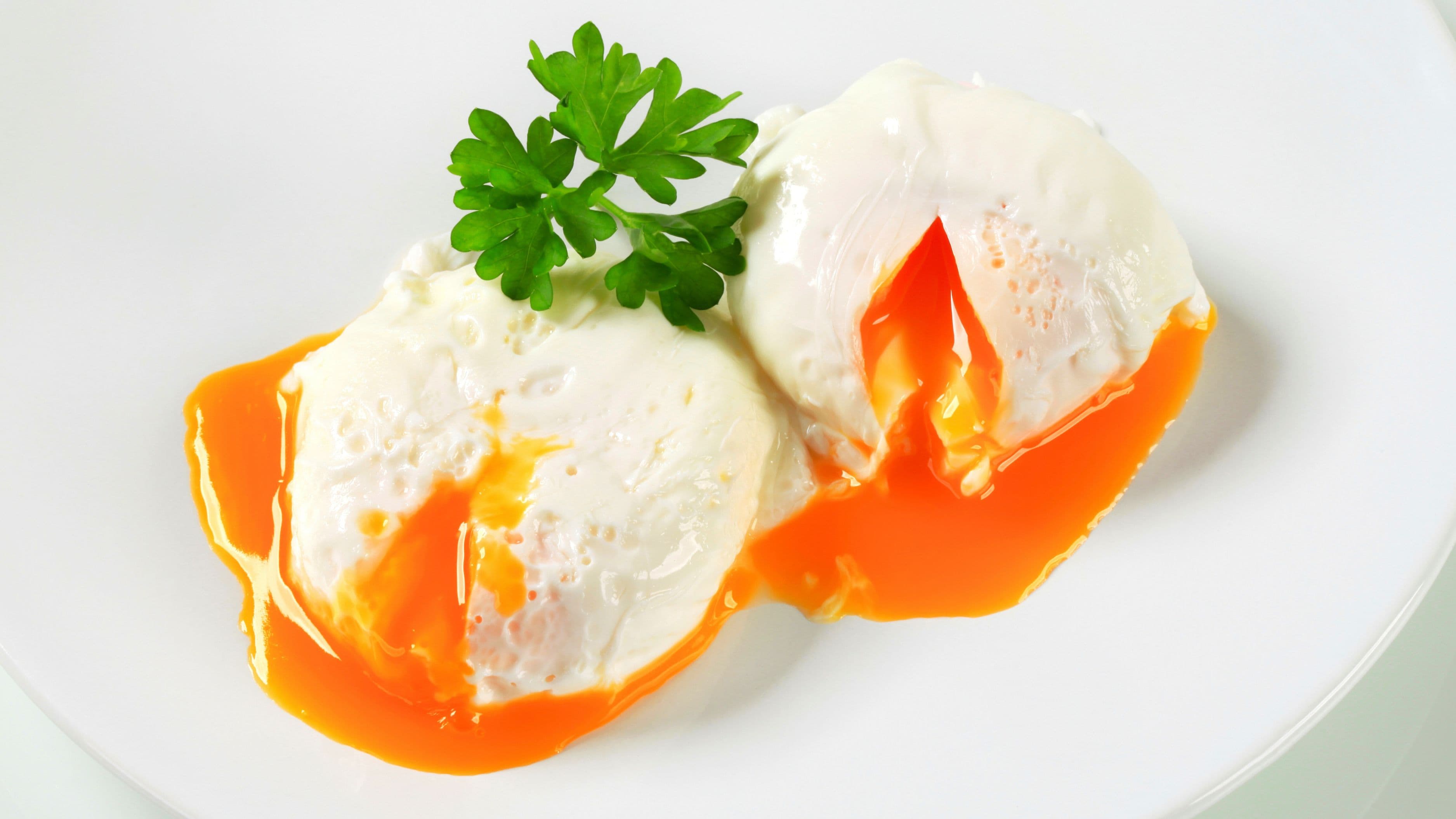
Poached eggs have a reputation for being finicky, requiring a specific swirling technique, a splash of vinegar, and sometimes a dedicated poaching pan with little cups molded into it. None of that is actually necessary. A genuinely good poached egg, with that soft, jammy yolk and delicately set white, comes down to a few simple principles you can pull off with just a pot, a spoon, and eggs you probably already have.

Crispy duck skin, perfectly golden pork belly, or a pan full of liquid lard for the best roast potatoes you've ever made – all of these start with the same technique: rendering fat slowly. Get it right and the fat melts out gently, leaving behind beautifully caramelized skin and a pool of flavorful cooking fat you can use for weeks. Get it wrong and you end up with burnt skin, bitter drippings, and a pan to scrub.
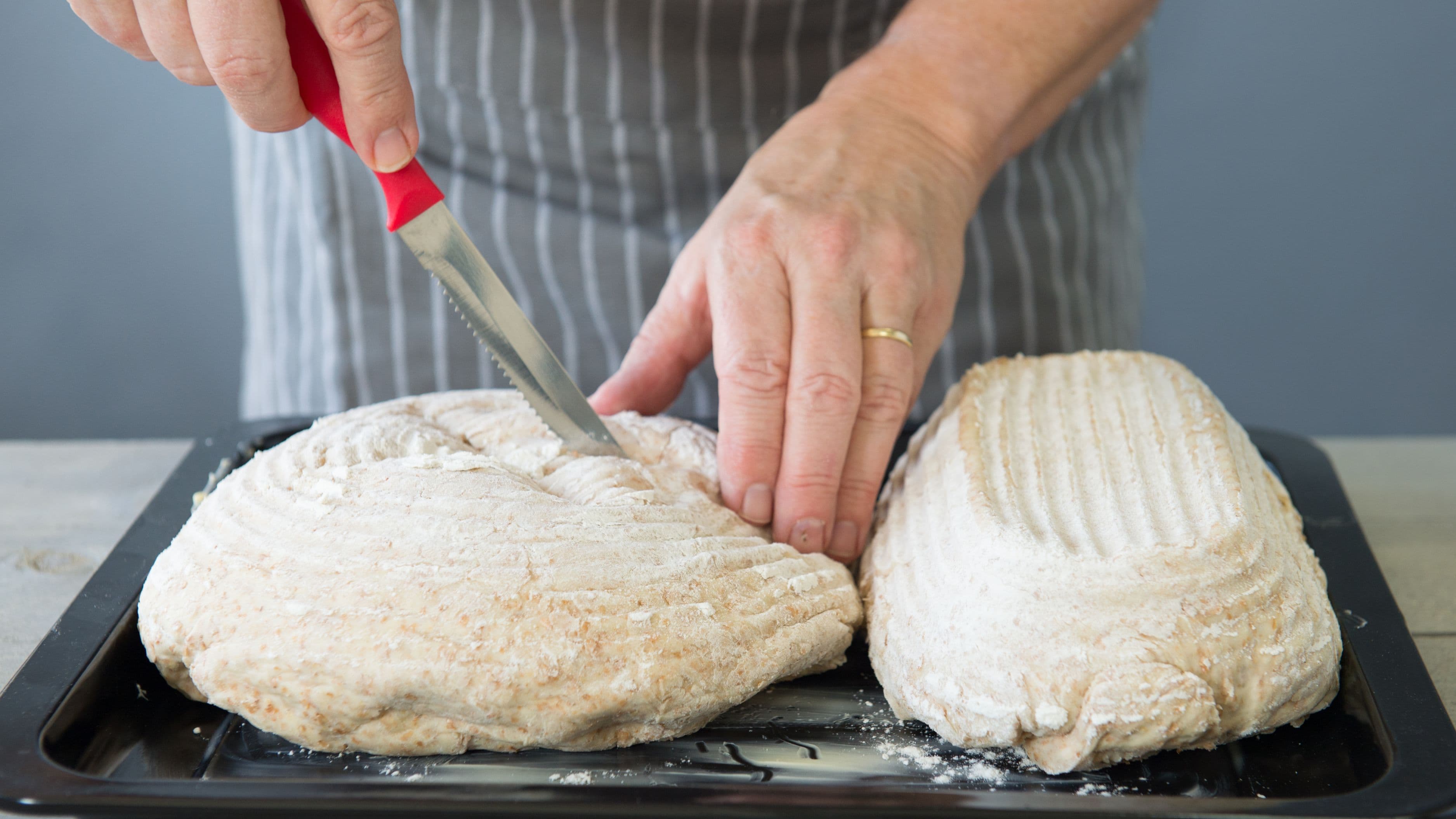
If you've ever pulled a loaf of bread out of the oven only to find it split open on the side in a way you didn't intend, you've experienced exactly why scoring matters. That messy, uncontrolled crack happens because the dough has to expand somewhere during baking, and if you haven't given it a deliberate place to do that, it'll find its own – usually not where you wanted. Scoring solves this, and once you understand what it's actually doing, it becomes one of the easiest techniques to add real control and a professional look to your homemade bread.
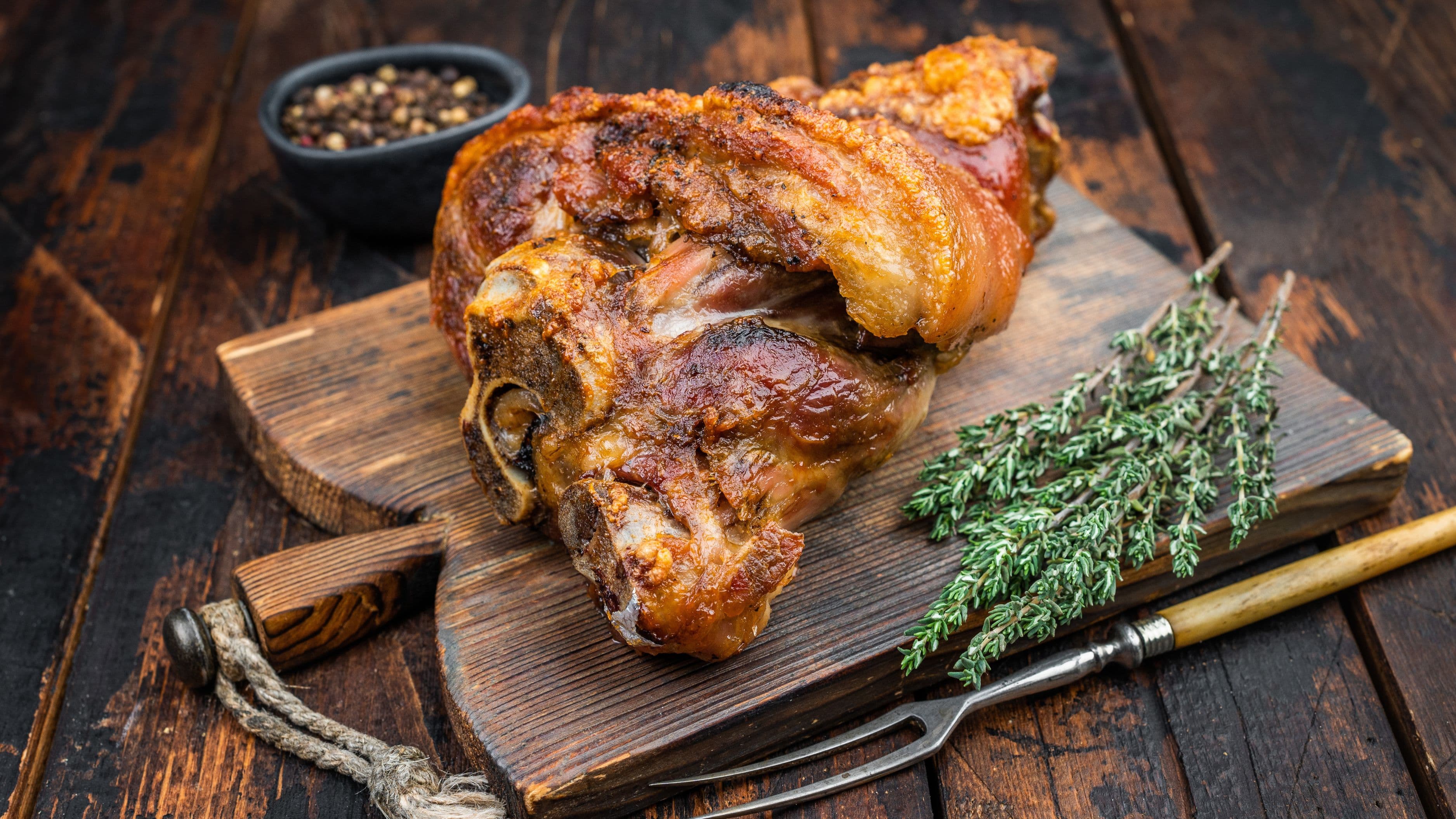
Most home cooks have been there: the pan is hot, the steak goes in, and instead of that aggressive sizzle and deep brown crust you see in cooking videos, the meat steams, sticks, and comes out pale gray with maybe a few brown patches around the edges. It's one of the most common cooking frustrations, and the fix isn't complicated once you understand what's actually happening in the pan.
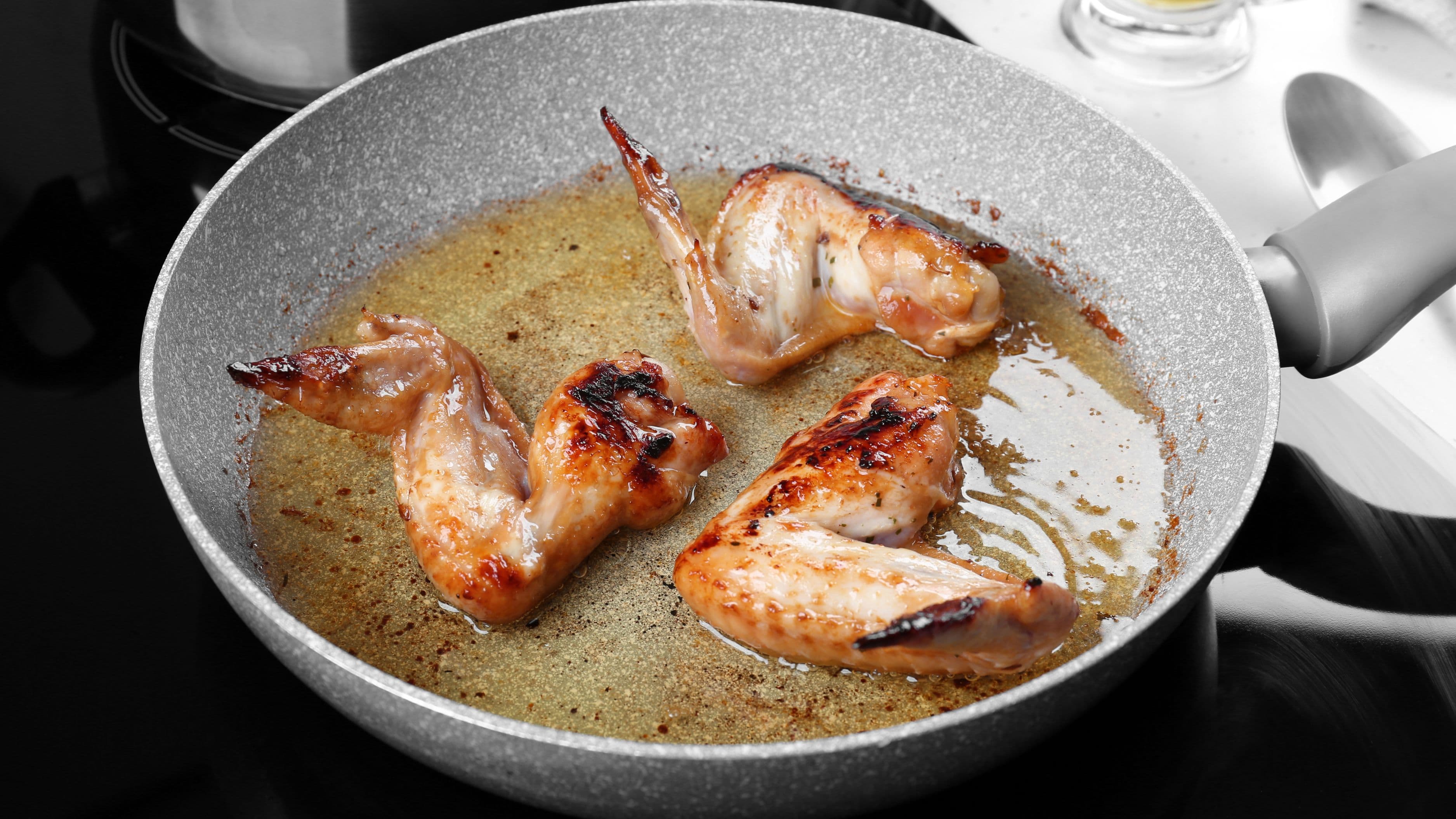
Shallow frying is one of those techniques that sounds simple until your first batch comes out soggy on one side, burnt on the other, and greasy all the way through. The good news is that the technique itself genuinely is simple – it just has a few non-obvious rules that, once you understand them, make the difference between inconsistent results and food that turns out right every time. Crispy chicken cutlets, golden fish fillets, perfectly browned croquettes – all of these are well within reach once you know what you're actually controlling.
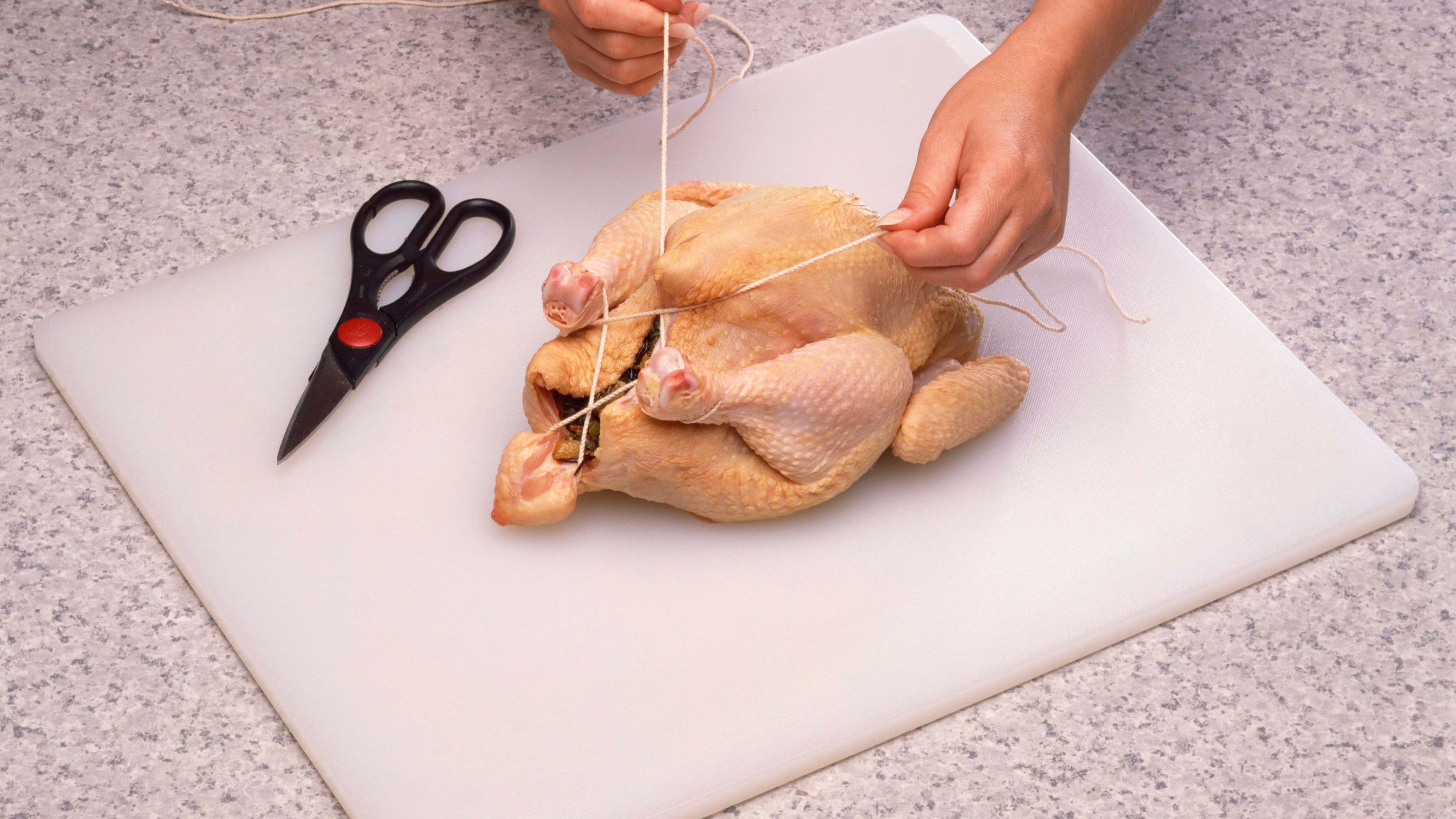
Trussing looks intimidating the first time you watch someone do it quickly, all those loops of twine tightening around a bird in what seems like a single fluid motion. The good news is that the basic technique is far simpler than it looks, and once you understand the logic behind it, actually doing it becomes fast and almost second nature. This guide breaks it down step by step so your very first attempt turns out clean and secure.
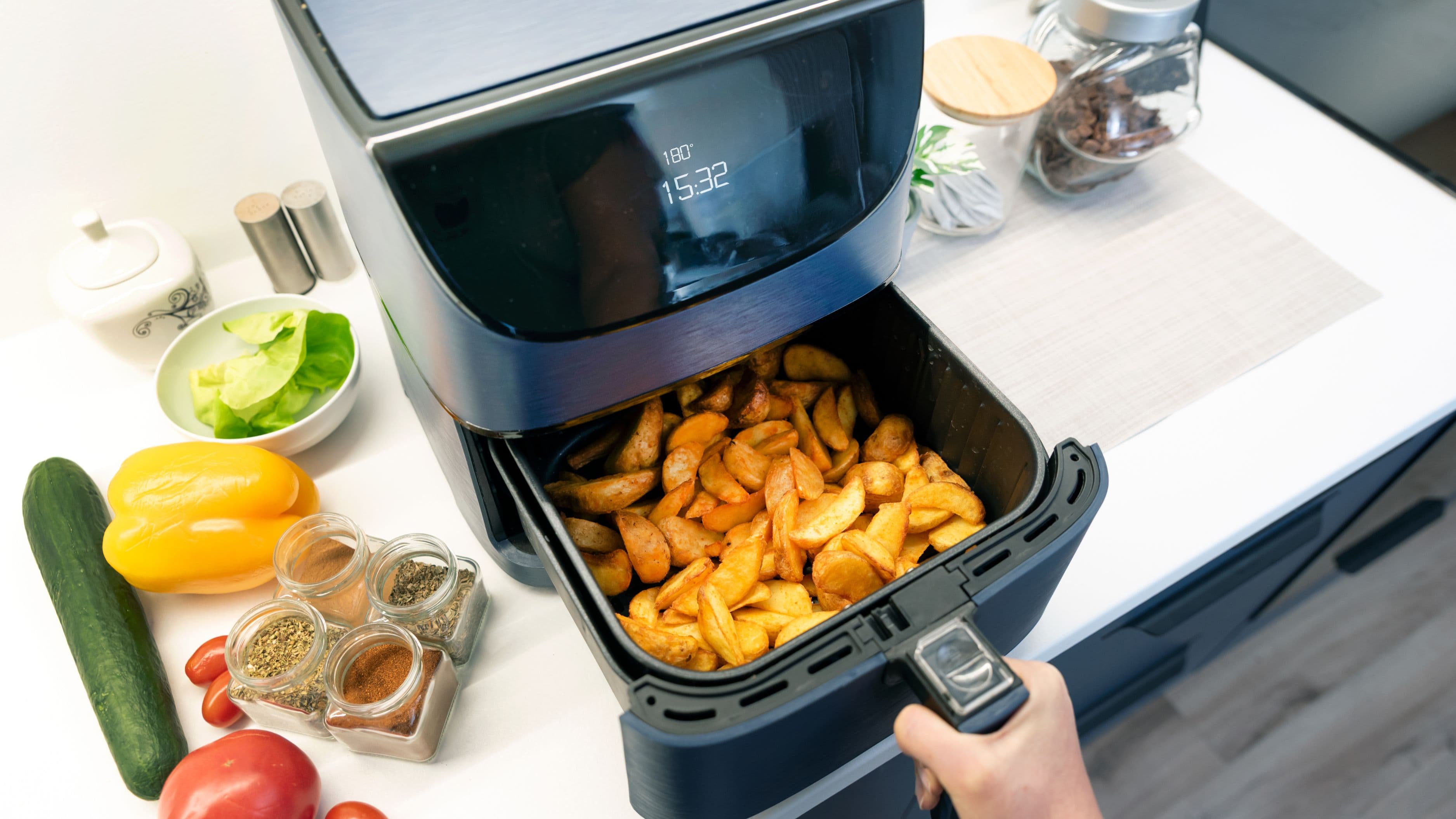
The air fryer promises crispy vegetables in minutes, and it usually delivers – until you pull out a batch of sad, shriveled broccoli or rubbery zucchini that you could have gotten away with just tossing in the trash. The machine isn't the problem. The technique is. Once you understand what actually causes vegetables to dry out in an air fryer, you can fix it fast and start getting consistently great results every time.
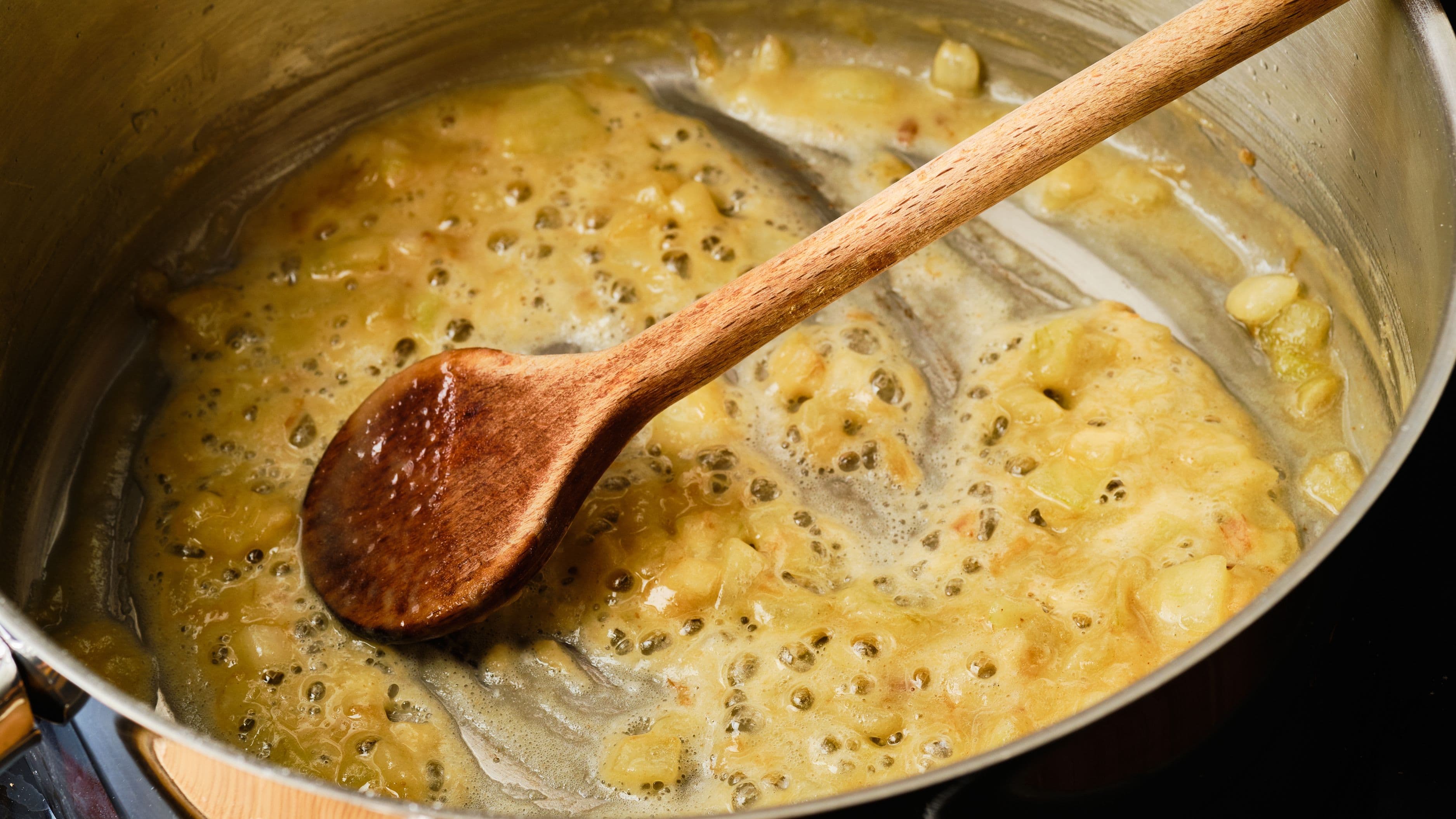
A lumpy roux is one of those small kitchen frustrations that can throw off an entire dish, turning what should be a silky gravy or a smooth gumbo base into something grainy and uneven. The good news is that lumps almost always come down to a small number of fixable habits, not some mysterious cooking talent you either have or don't. Once you understand what's actually causing them, building a perfectly smooth roux becomes a reliable, repeatable step in your cooking.
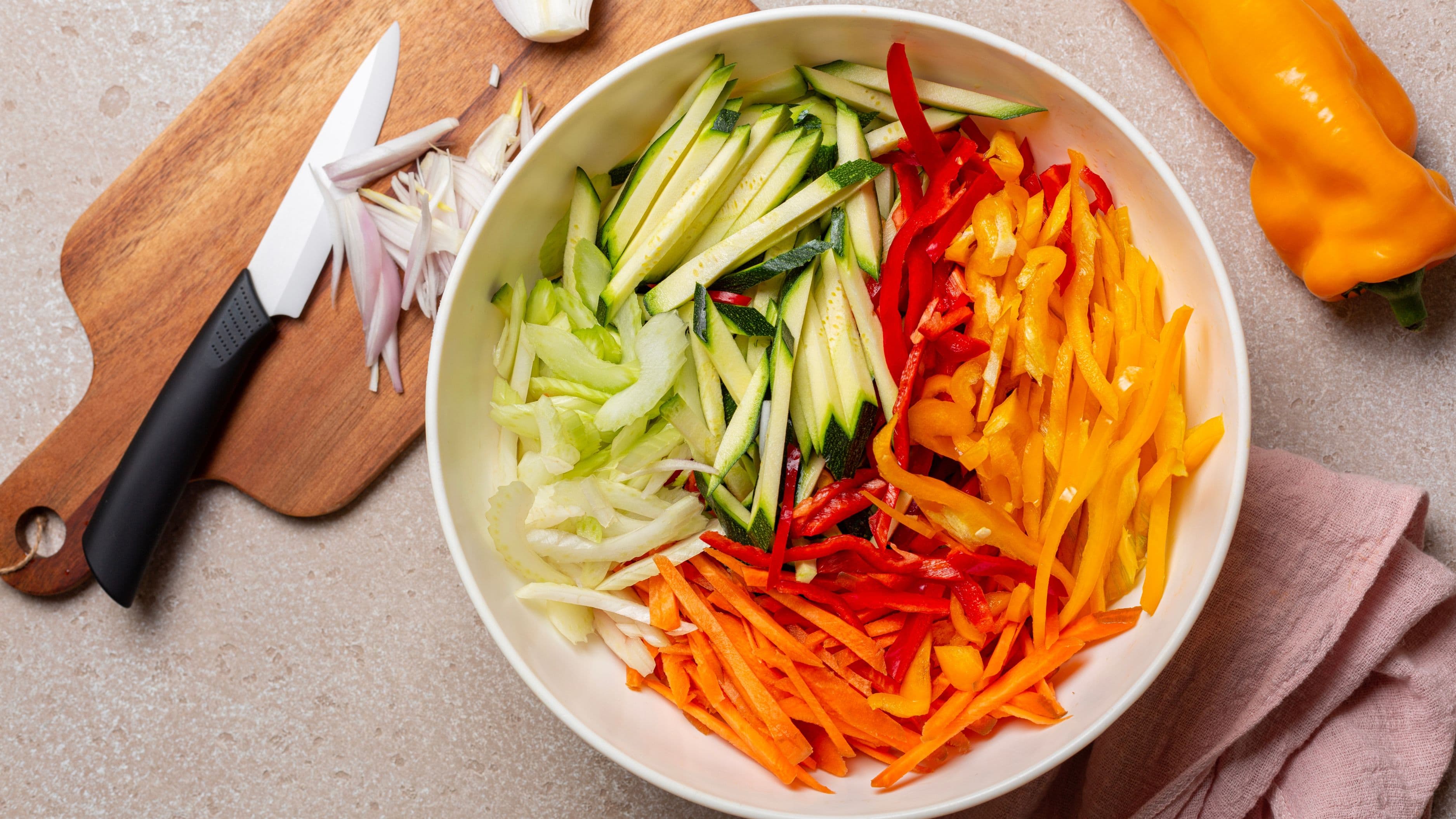
Julienne cuts look impressive – those neat, matchstick-thin strips of carrot, zucchini, or bell pepper that show up in stir-fries, salads, and spring rolls. They also have a reputation for being fiddly and time-consuming, which puts a lot of home cooks off attempting them at all. That reputation is mostly undeserved. With a basic knife and a straightforward approach, you can julienne most vegetables quickly and consistently, even if your knife skills are still developing.
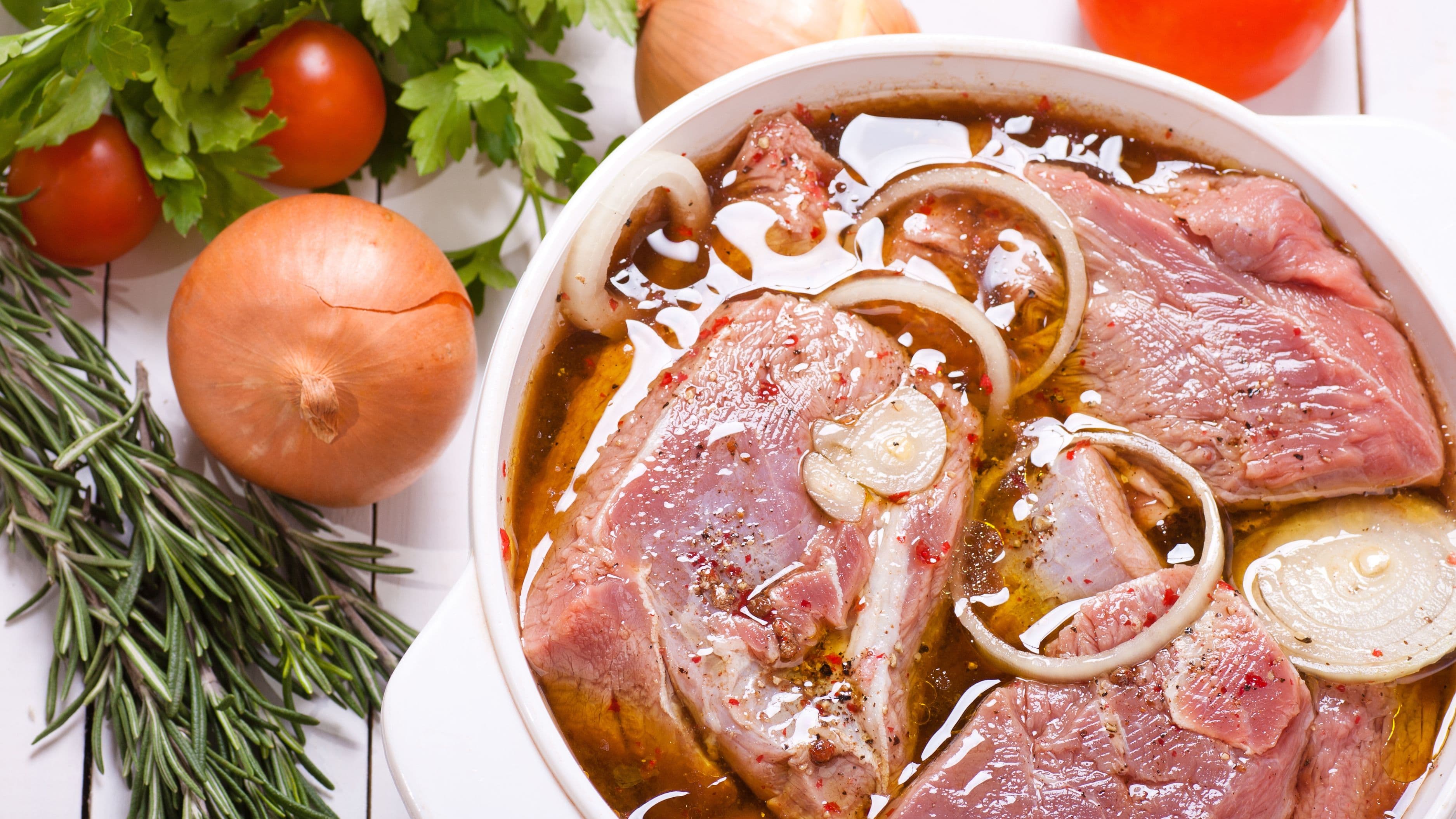
Cut into a steak straight off the grill and the juices run out across the cutting board. Wait ten minutes first, cut the same steak, and most of those juices stay in the meat. That's the whole argument for resting, and it's a compelling one – but understanding why it works, and how to do it properly for different cuts, makes the difference between meat that's merely good and meat that's genuinely excellent.
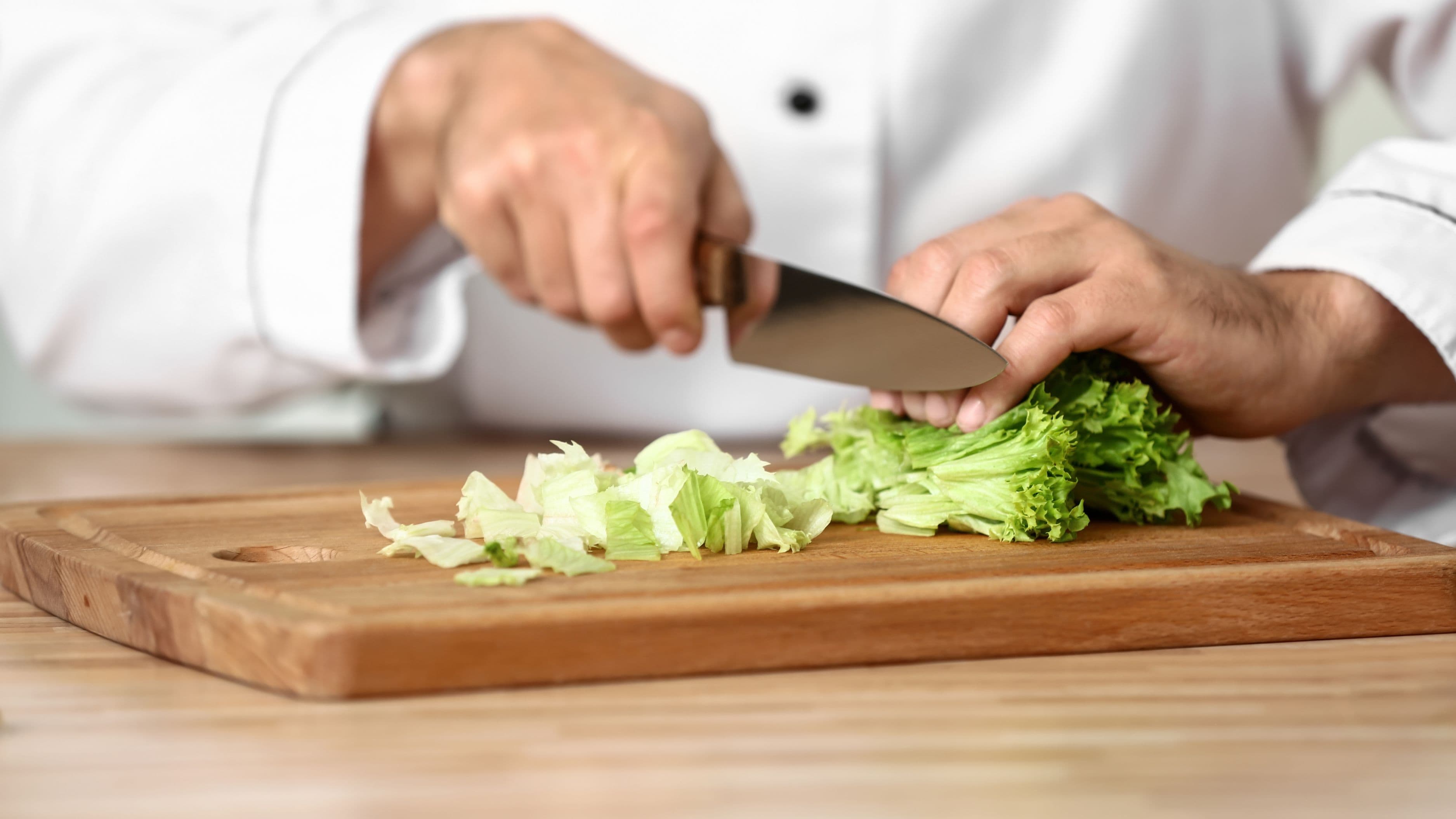
Most kitchen cuts don't happen because someone was using a knife that was too sharp. They happen because of a dull blade, a wobbly cutting board, or a grip that leaves fingers exactly where a slipping knife is likely to land. Safer cutting isn't really about being extra cautious or slow, it's about a few specific habits that remove the most common causes of kitchen accidents almost entirely. Once these become second nature, you'll actually cut with more confidence, not less, because you won't be second-guessing your grip or your setup every time you pick up the knife.
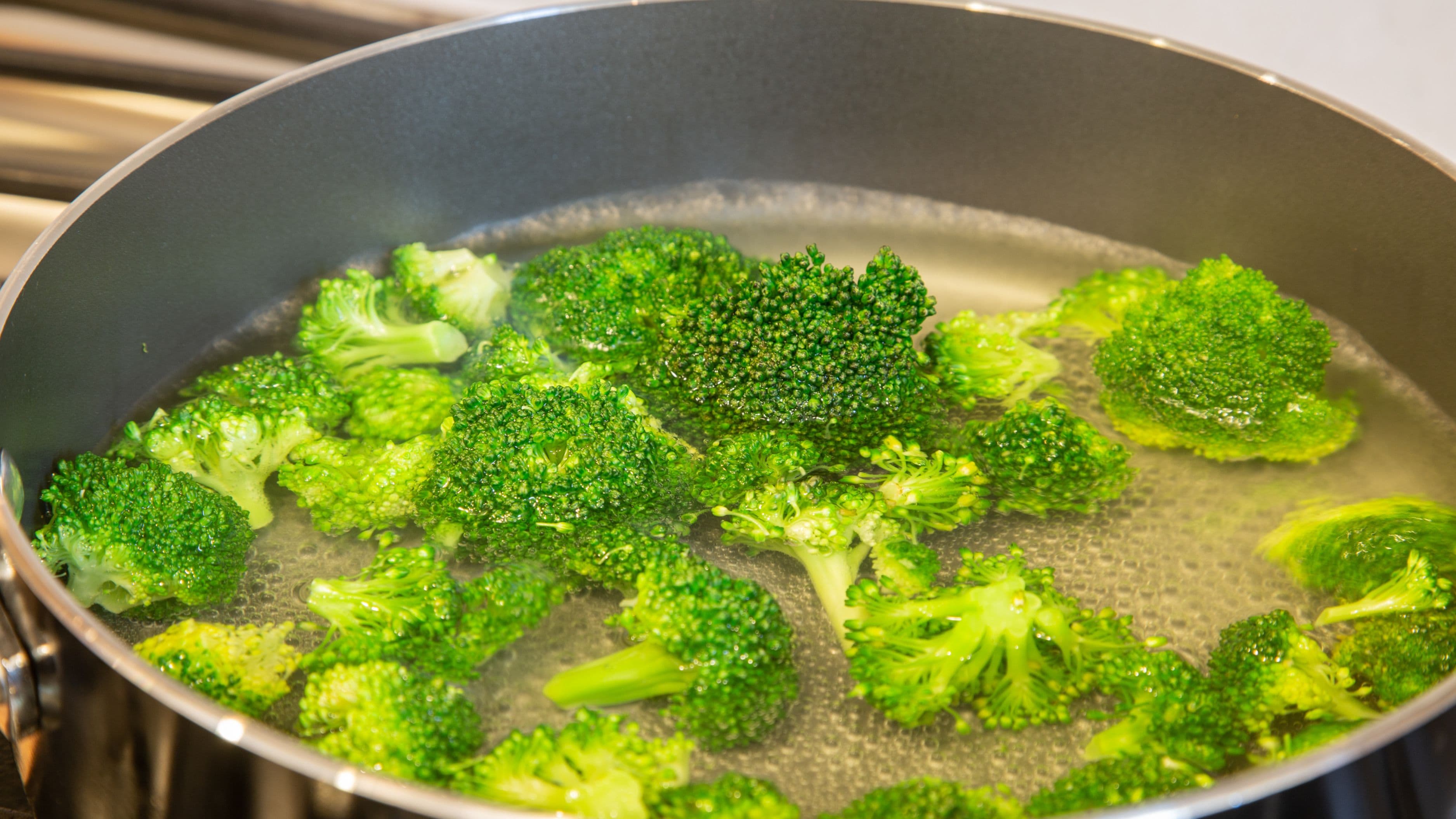
Blanching is one of those techniques that sounds more complicated than it actually is. You drop vegetables into boiling water for a short time, pull them out, and plunge them straight into ice water. That's it. The whole thing takes a few minutes, and once you understand what it's actually doing to your food, you'll know exactly when it's worth doing and when you can skip it.
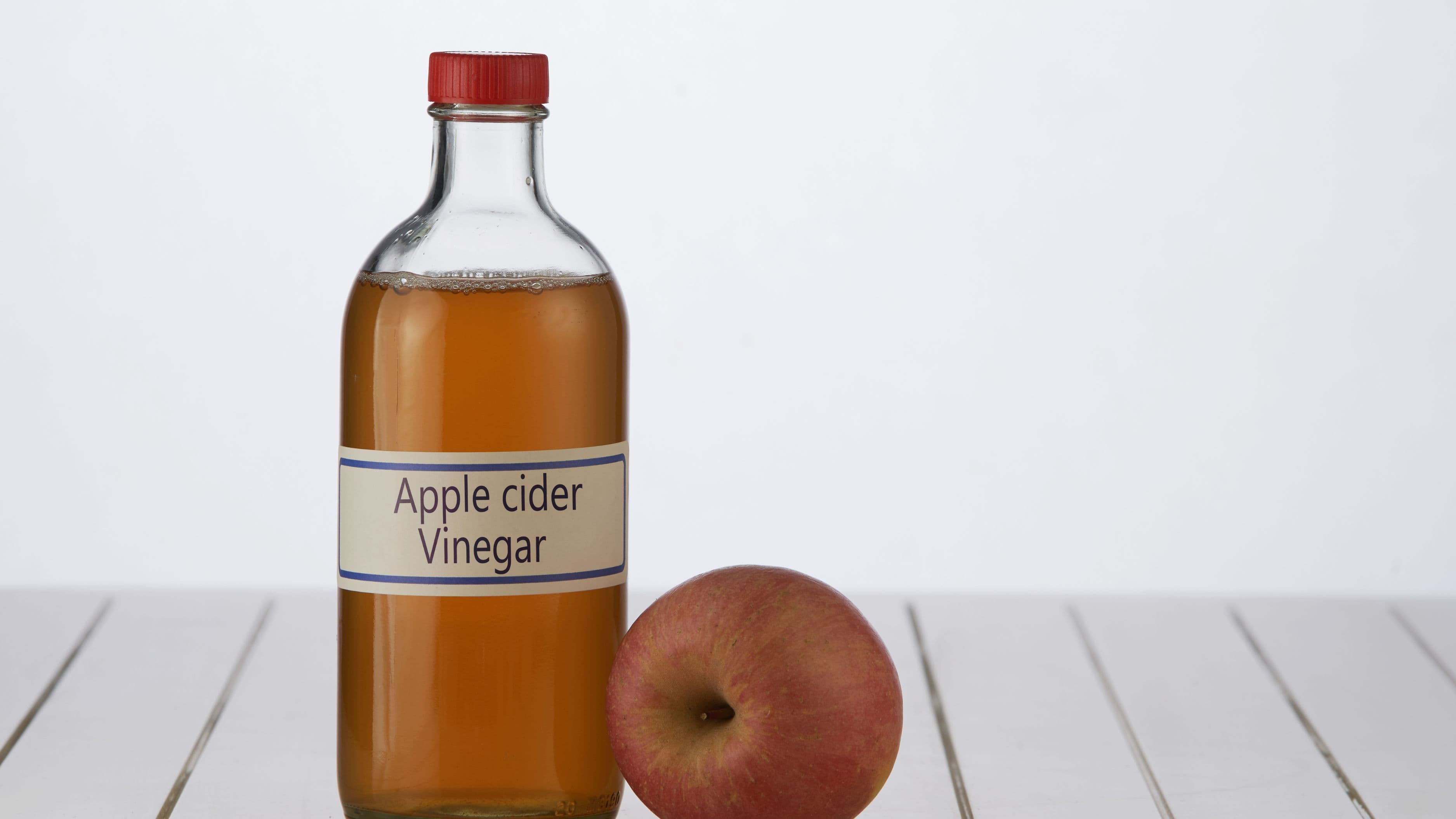
Vinegar is one of those ingredients that almost every cook uses regularly without thinking too carefully about which type they're reaching for. Grab the nearest bottle, splash some in – it'll be fine. And often it is fine. But occasionally it isn't, and the difference between a bright, well-balanced dish and one that tastes sharp or flat often comes down to whether the vinegar you used actually suited the job.
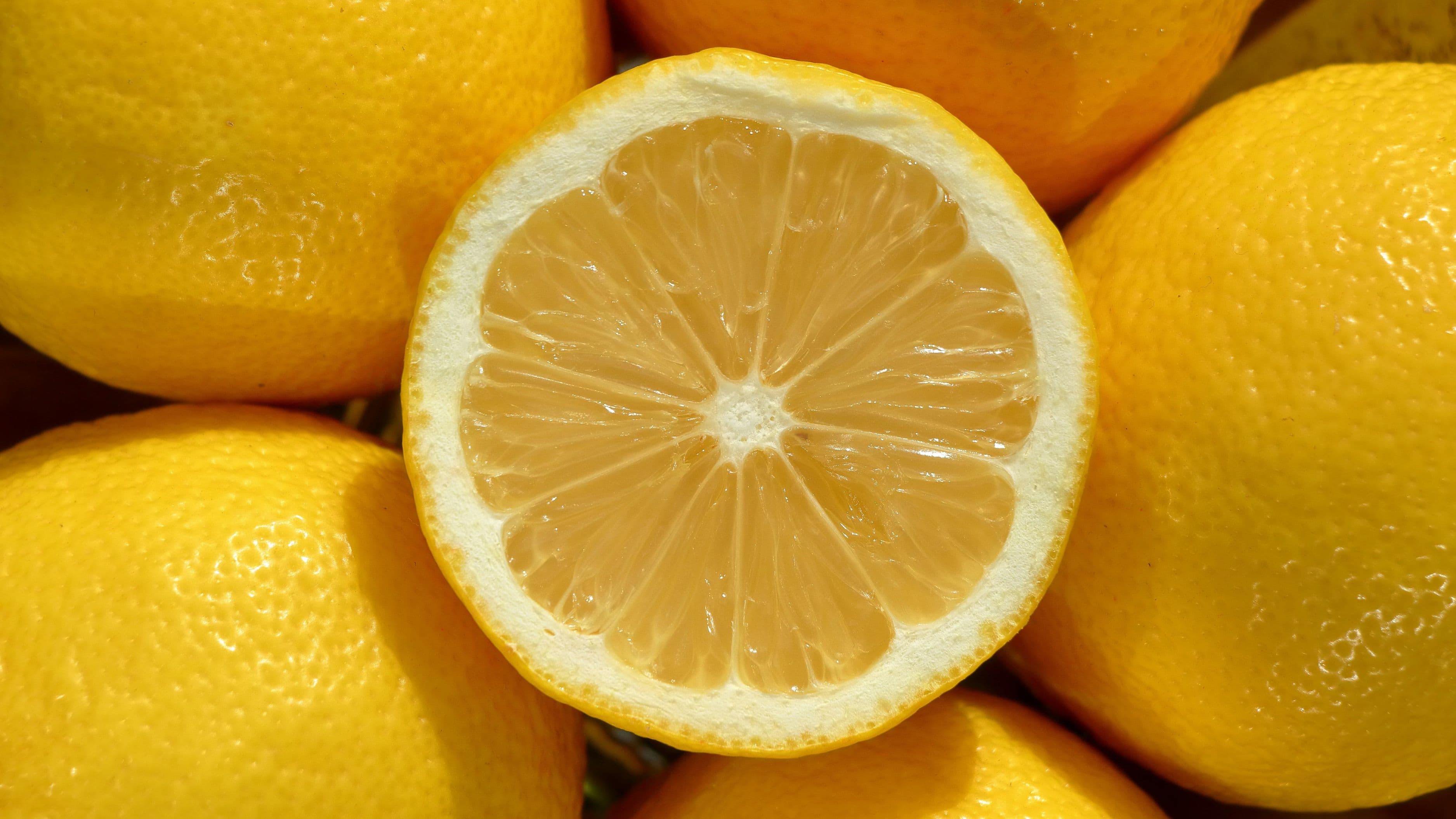
Most people use about half of what a lemon has to offer. They squeeze the juice, toss the rest, and move on. But a single lemon is actually three ingredients in one: the juice, the zest, and the pith – each with a different flavor, a different function, and a different place in the kitchen. Learning to use all three doesn't require any special skill. It just requires knowing where to start.
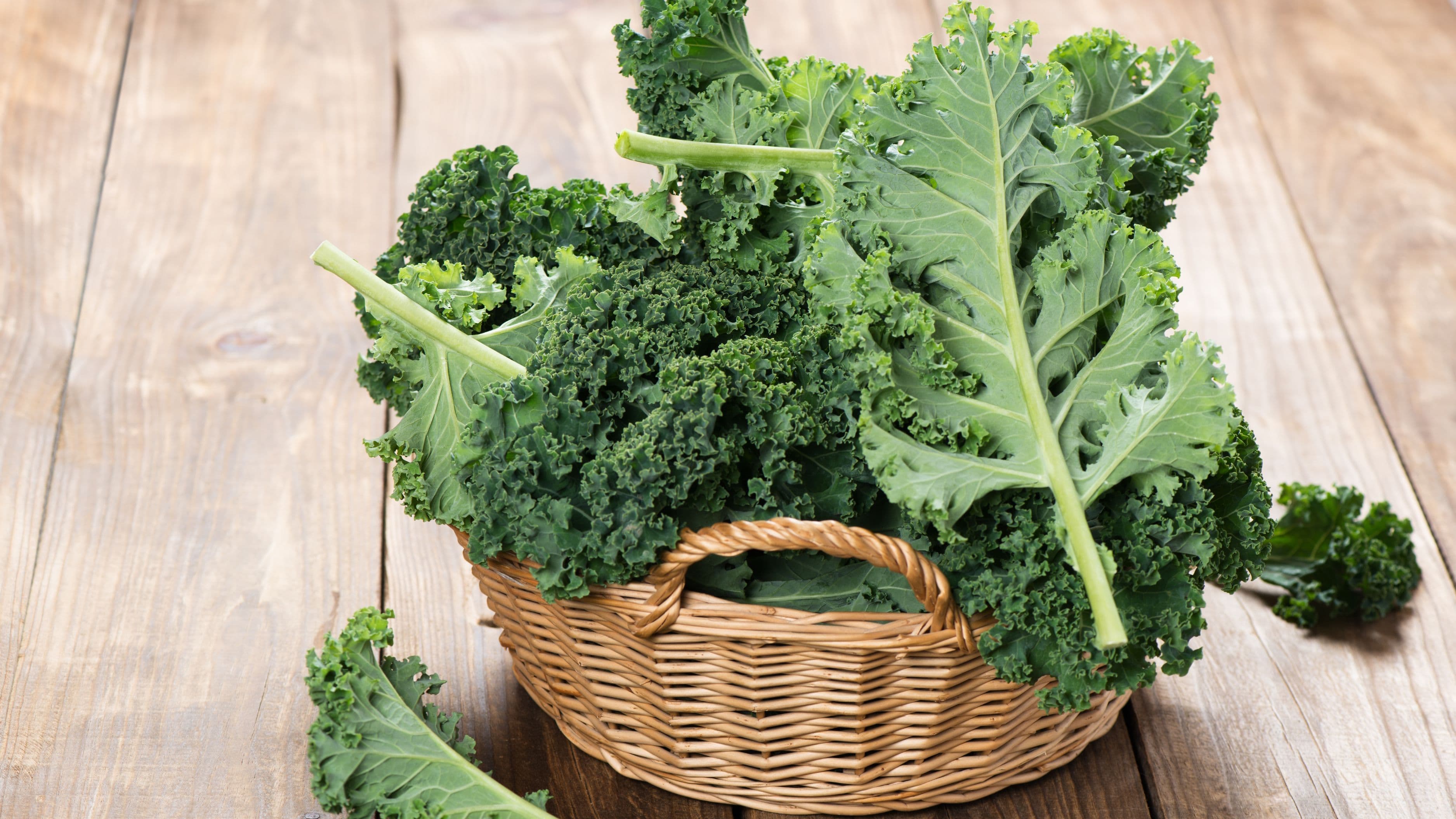
Kale has a reputation for being the vegetable people buy with good intentions and then find wilting in the crisper drawer a week later. Part of the problem is that kale doesn't behave like more forgiving greens, it needs a little know-how to actually taste good, but once you understand how to handle it, a single bunch can carry you through several very different meals.
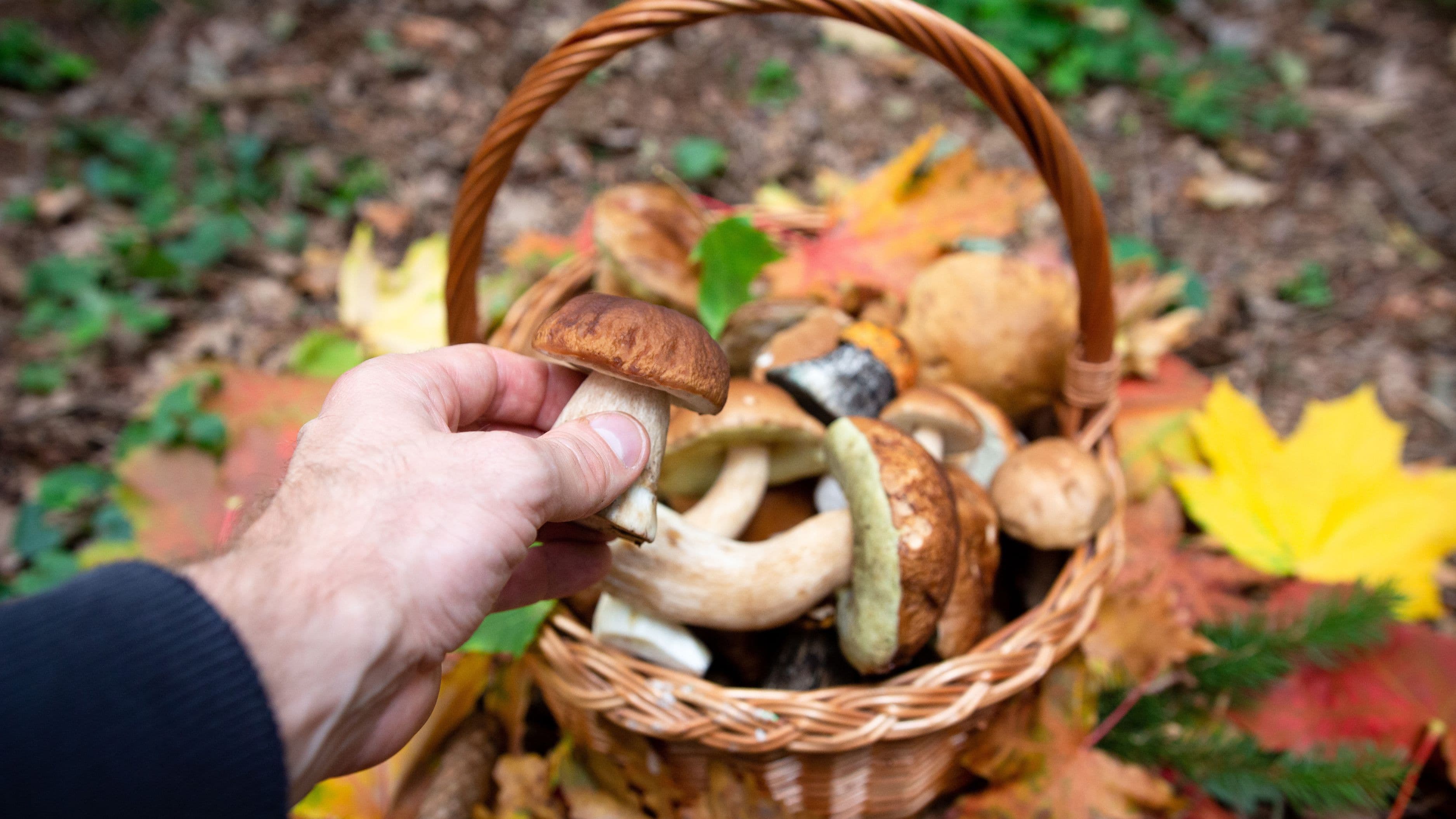
Standing in front of the mushroom section trying to decide between six similar-looking varieties is a genuinely common moment of hesitation, especially since the differences between them aren't always obvious just by looking. But mushrooms vary considerably in texture, flavor intensity, and how they behave when cooked, and matching the right variety to the right dish makes a real difference in the final result.
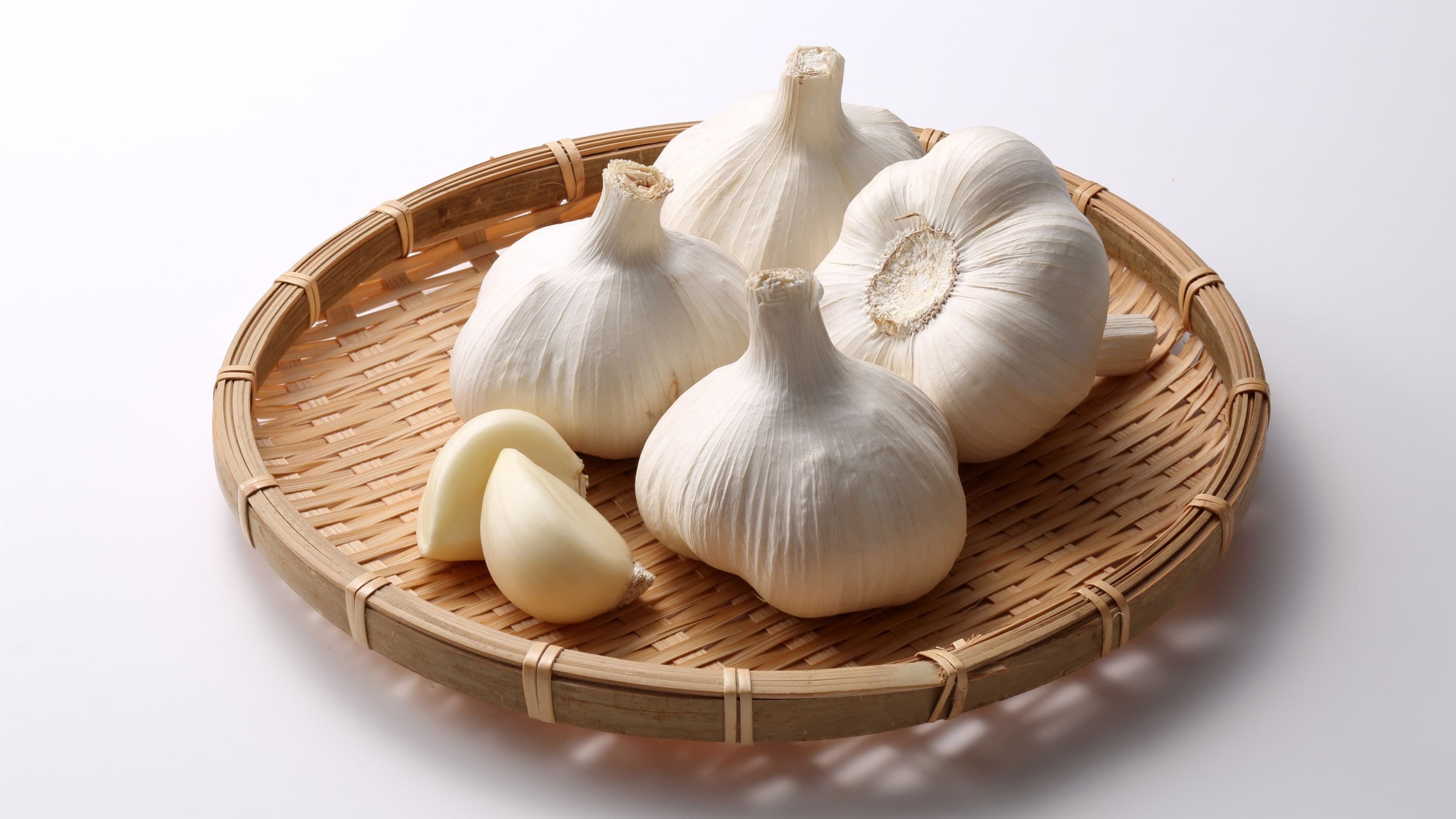
Garlic is one of those ingredients you always want on hand — until you reach for a bulb and find it shriveled, moldy, or already sprouting green shoots from every clove. It's a frustrating waste, especially when it happens regularly. The good news is that garlic is actually one of the easier ingredients to store well once you understand what it needs. A few simple habits can keep a full bulb fresh for weeks, and in some cases months, without any special equipment.
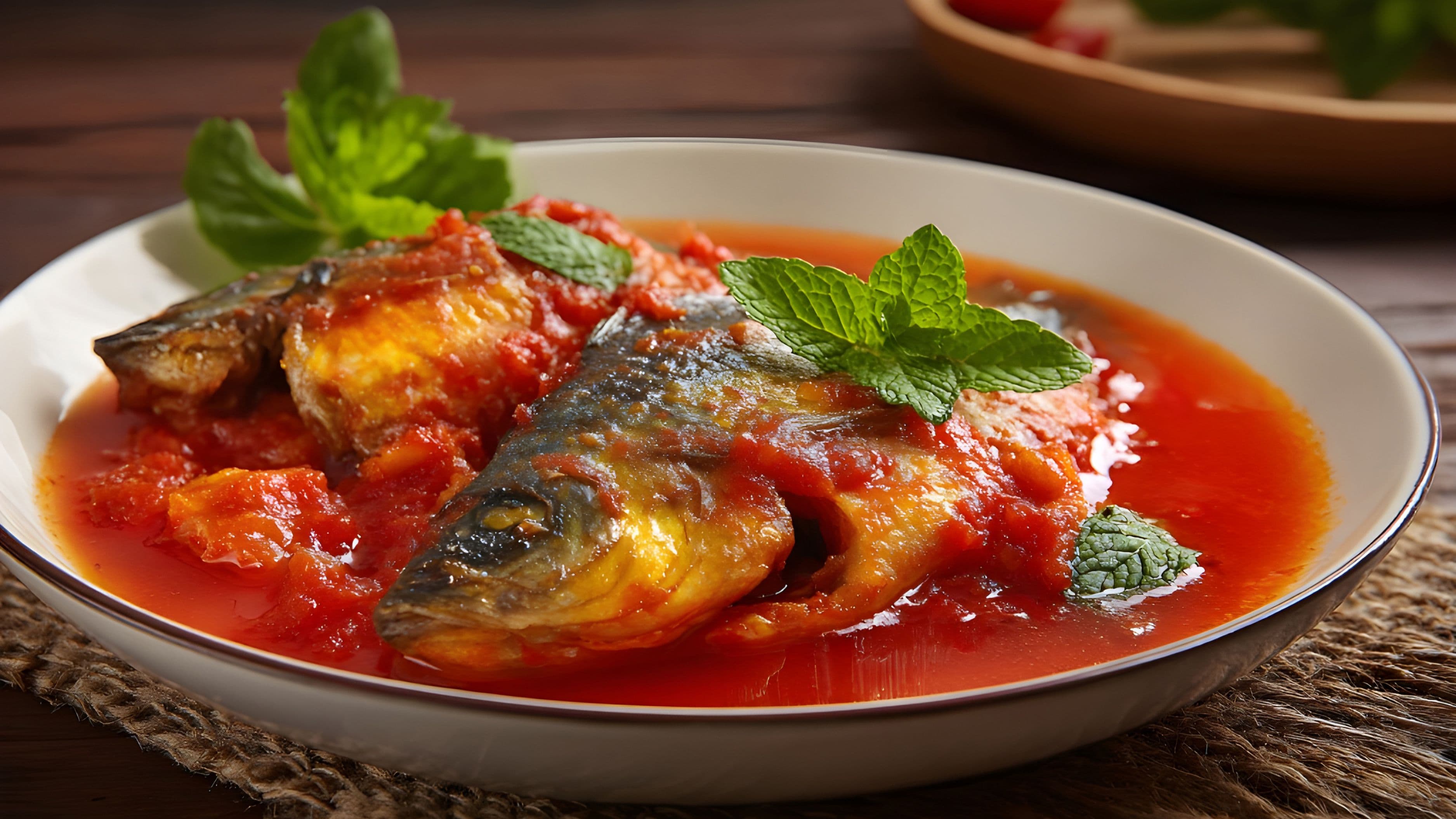
Fish sauce has a bit of a reputation problem. The moment you open the bottle, the smell is assertive enough to make first-timers question the whole enterprise. But here's the thing: once it hits heat, or gets stirred into a sauce or dressing, that sharp, fermented smell transforms into something completely different – a deep, rounded saltiness that makes food taste more like itself. It's one of the most useful bottles in the kitchen, and it has no reason to be limited to Thai food.
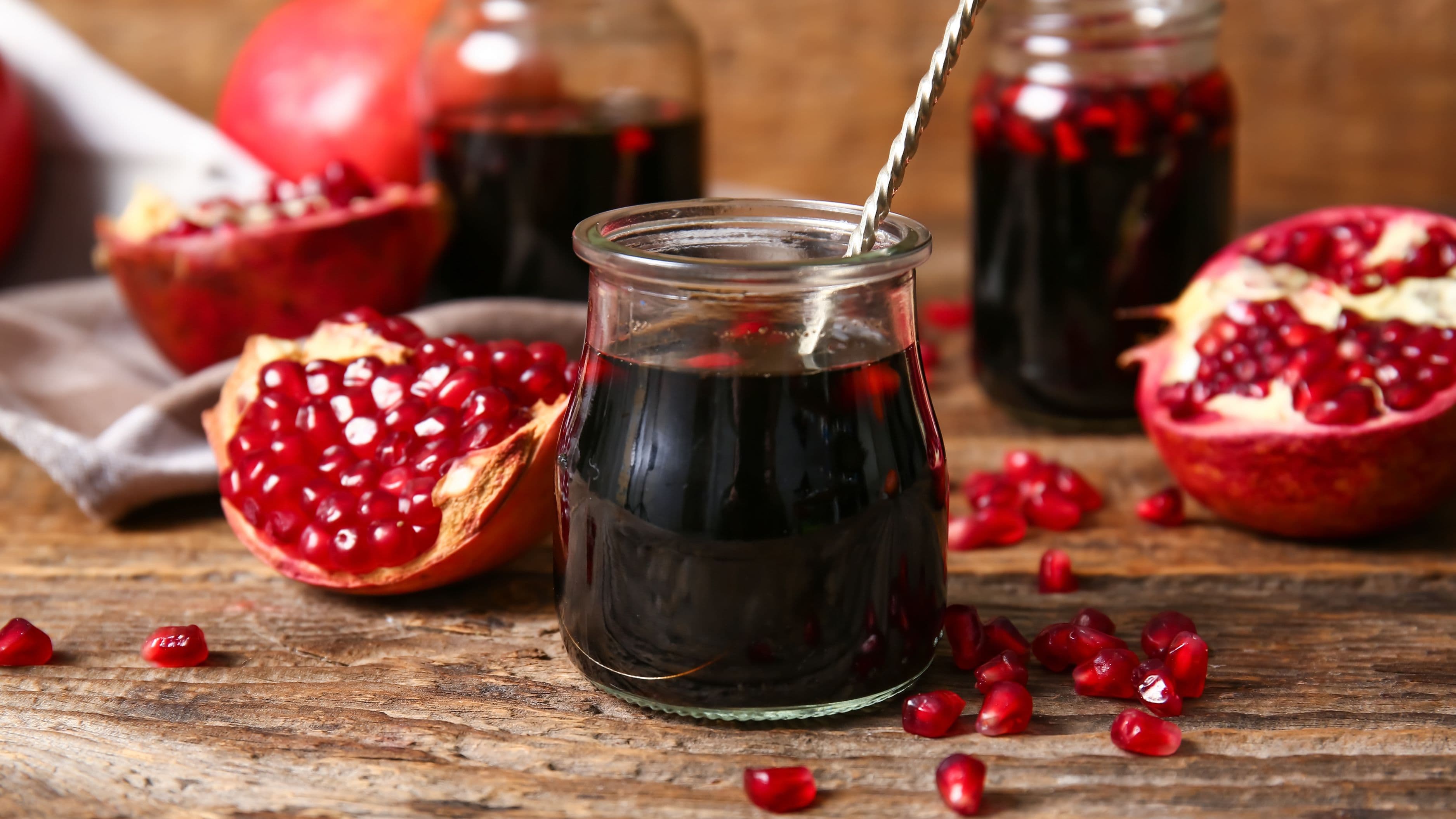
If you've ever tasted a dish with a deep, tangy-sweet complexity you couldn't quite place, there's a good chance pomegranate molasses was involved. This thick, dark syrup punches well above its weight in the kitchen, and once you understand how to use it, it becomes one of those ingredients you'll reach for constantly, well beyond the Middle Eastern dishes it's traditionally associated with.
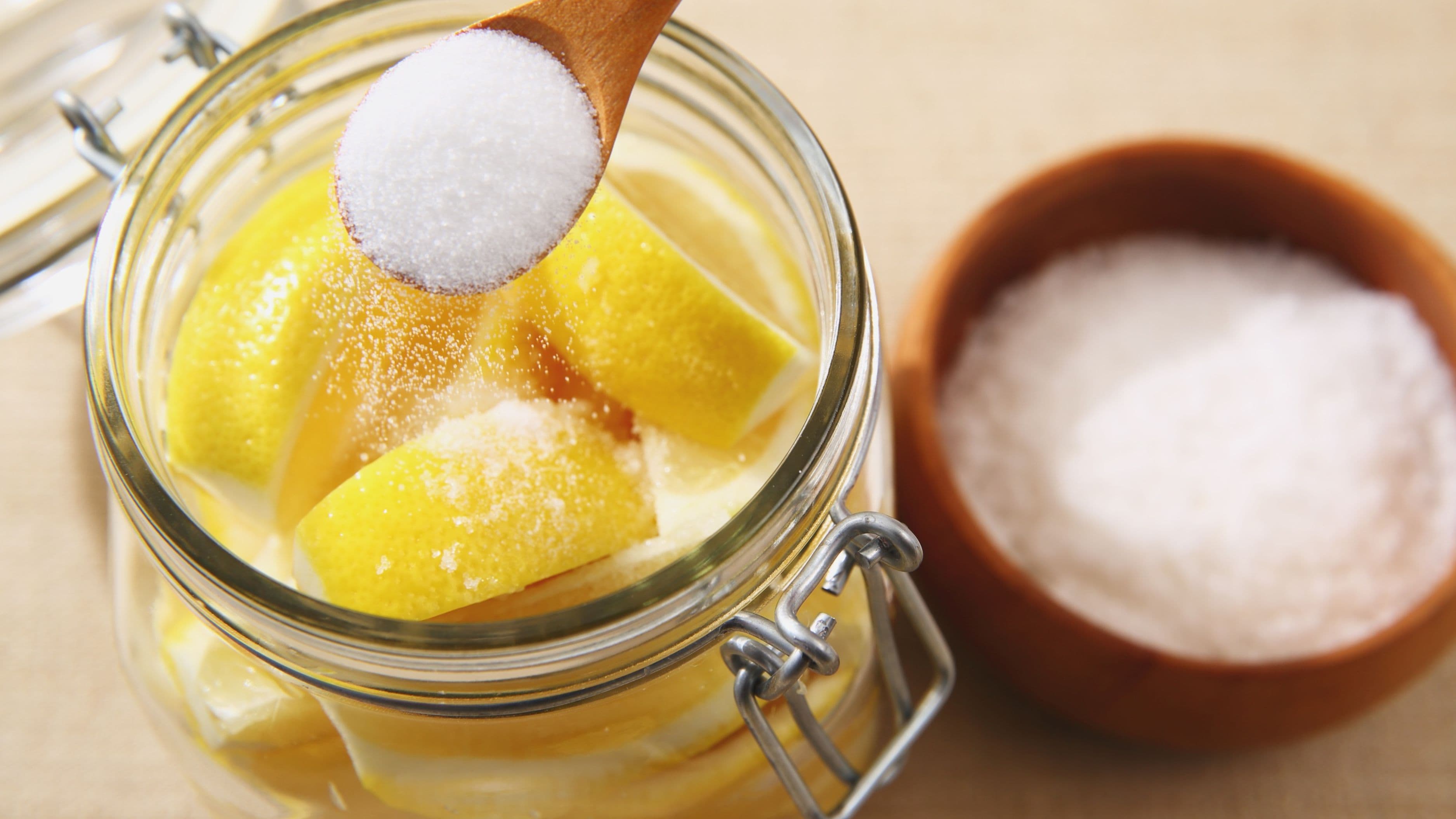
Preserved lemons have a reputation for being a specialty ingredient reserved for Moroccan tagines and fancy restaurant dishes, but once you have a jar in your fridge, you'll find yourself reaching for it constantly. The intense, salty-sour, almost floral flavor they bring is genuinely different from fresh lemon, and it works its way into far more everyday cooking than most people expect.
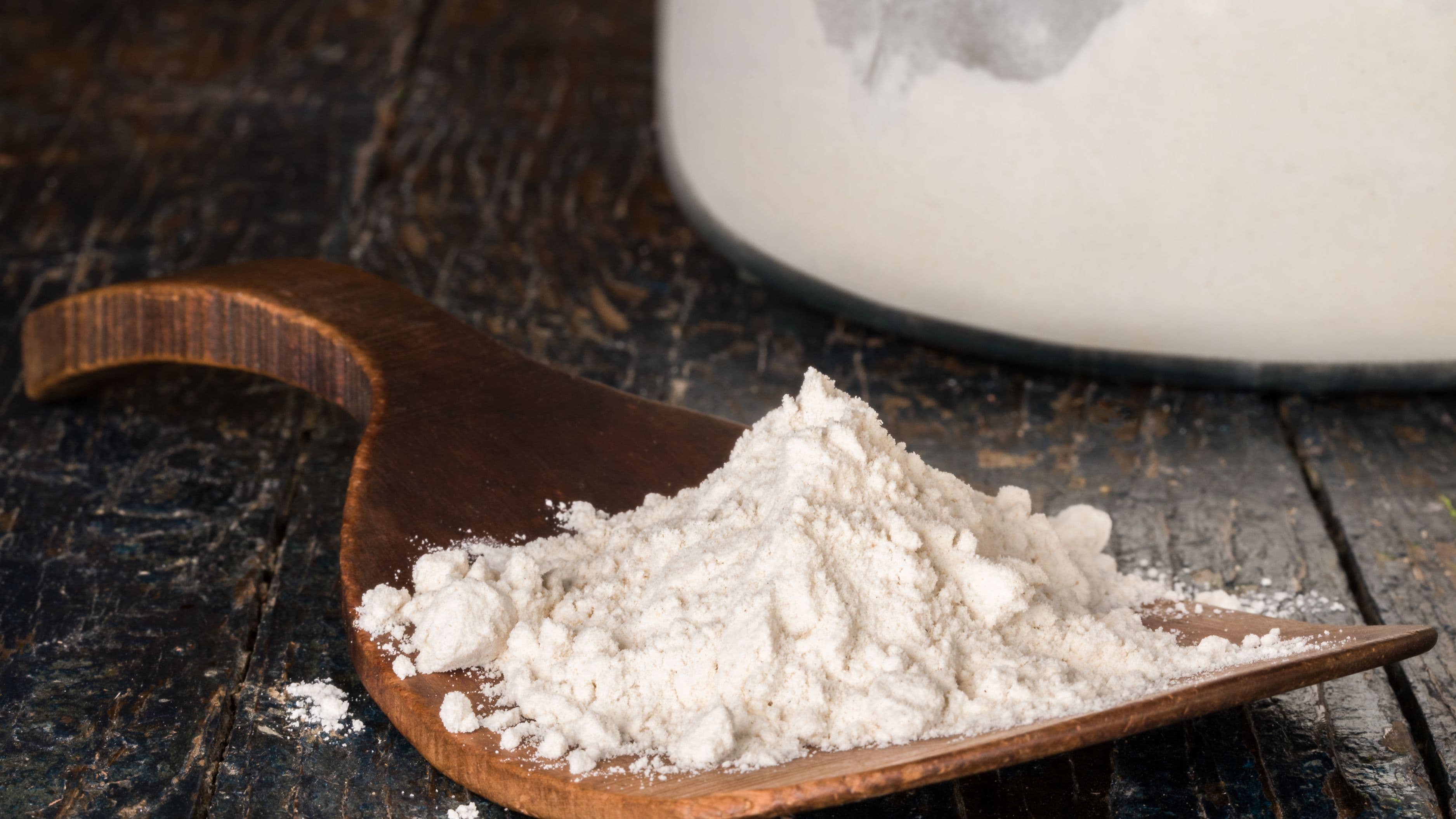
You're halfway through a bread recipe and it calls for bread flour, but all you have in the cupboard is all-purpose. Can you swap them? Will it matter? And why are there two different flours in the first place when they look completely identical sitting in their bags?
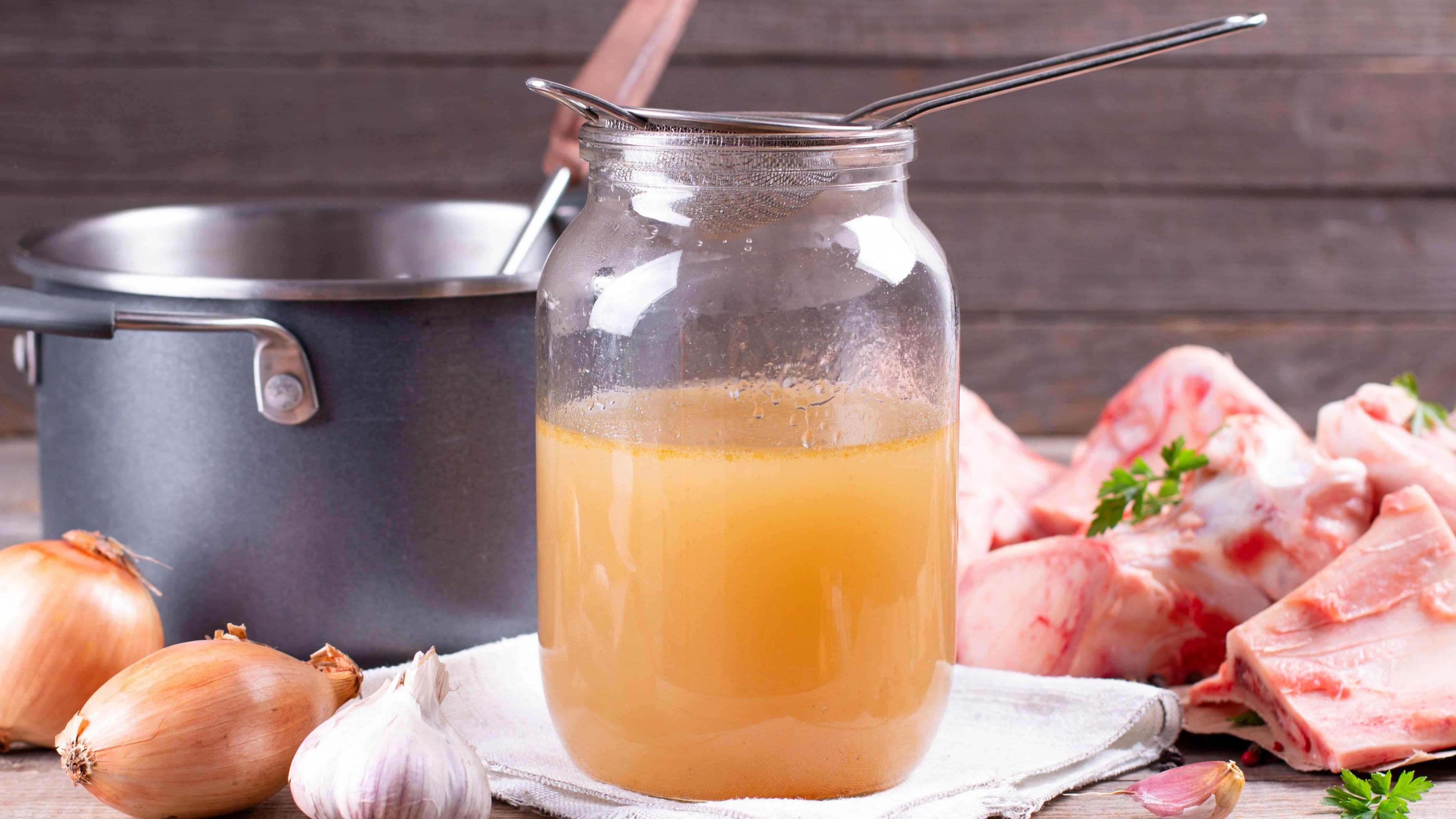
The words stock, broth, and bone broth get used interchangeably in recipes and on grocery store shelves, which makes it easy to assume they're all the same thing. They're not – and the differences matter more than you'd think when you're actually cooking. Using the wrong one can leave a sauce thin and flat, or make a light soup taste heavier than you wanted. Understanding what separates them takes about five minutes and will make you a noticeably better cook.
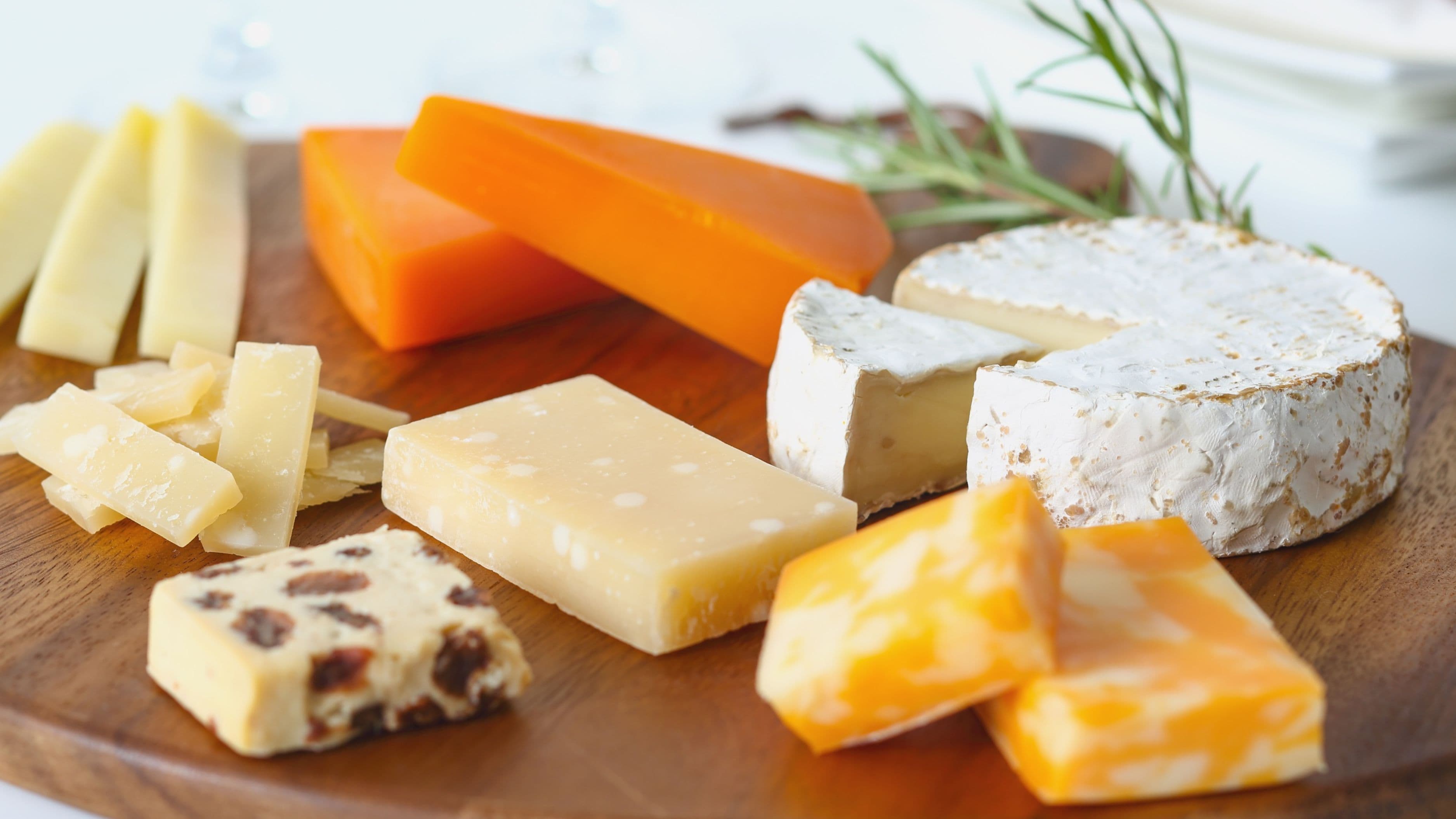
Standing in the cheese aisle trying to figure out which block will actually melt properly into your pasta sauce versus which one is better saved for a cheese board is a genuinely common source of kitchen frustration. Not all cheese behaves the same way once heat gets involved, and picking the wrong one can leave you with a grainy sauce or a cheese that never quite melts the way you pictured.
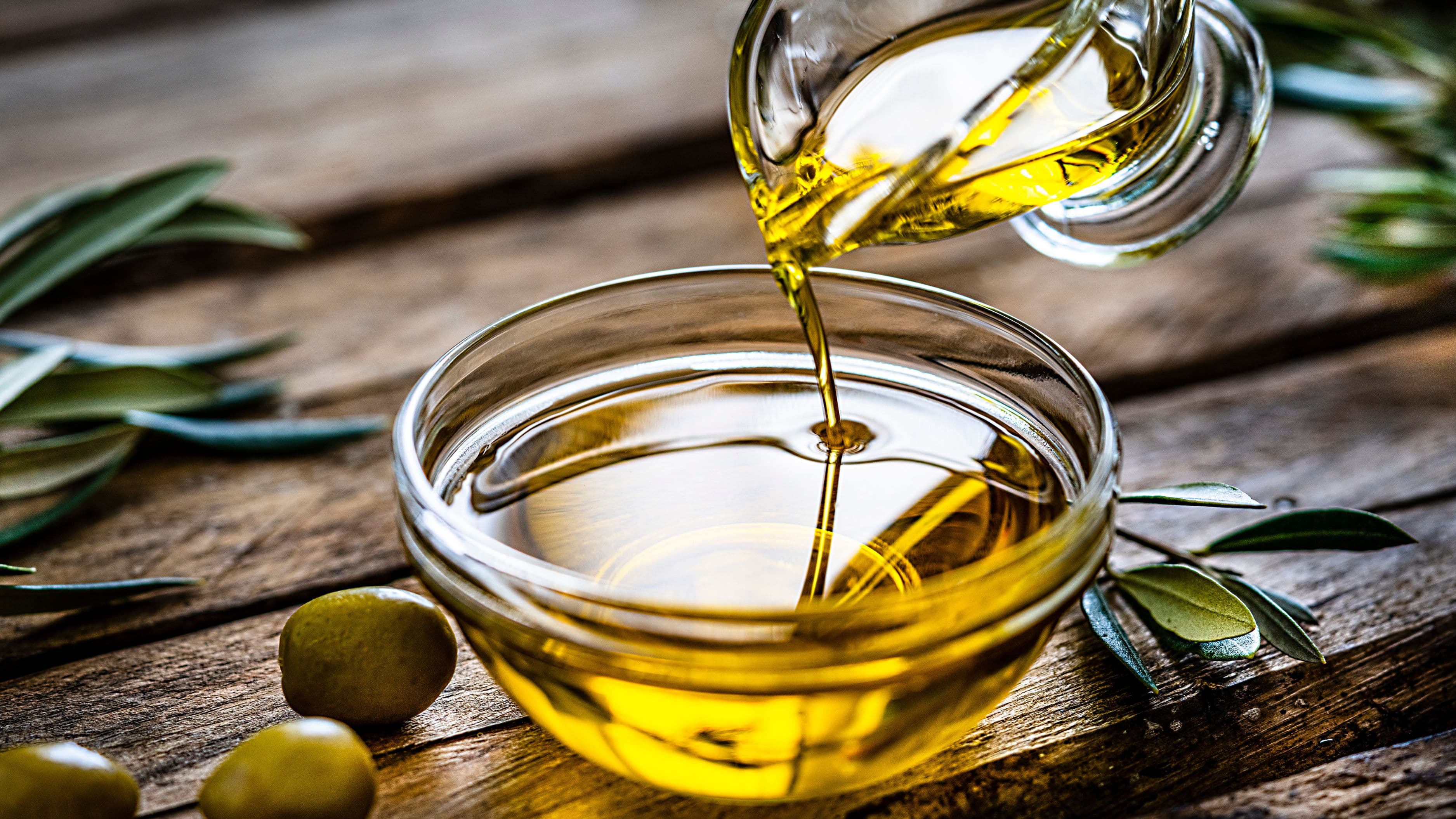
Standing in the grocery store aisle facing forty bottles of olive oil, most claiming to be "extra virgin" and "premium," it's genuinely hard to know what you're actually buying or whether it's worth the price difference between a $8 bottle and a $30 one. Here's how to actually choose well, and how to use good olive oil in a way that lets its quality actually show through in your cooking.
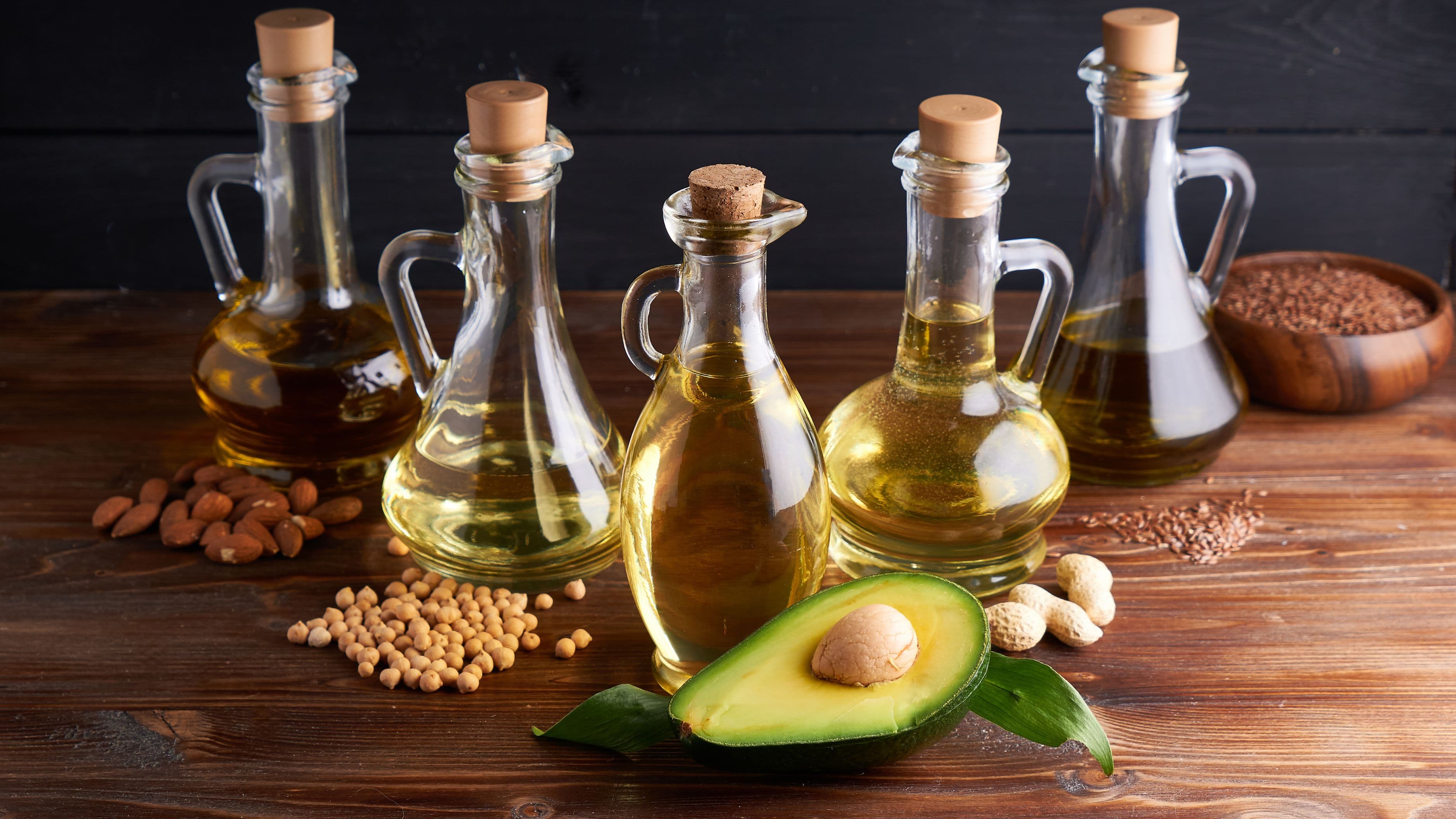
If you've ever grabbed whatever oil was closest to the stove without really thinking about it, you're in good company. Most home cooks use one or two oils for everything and never give it much more thought. But using the right oil in the right situation actually does make a difference – not just in flavor, but in how well your food cooks and whether the oil stays stable at the temperature you're using. The good news is that understanding cooking oils doesn't require a chemistry degree. A handful of concepts covers most of what you need, and after that it's just a matter of matching the oil to what you're making.
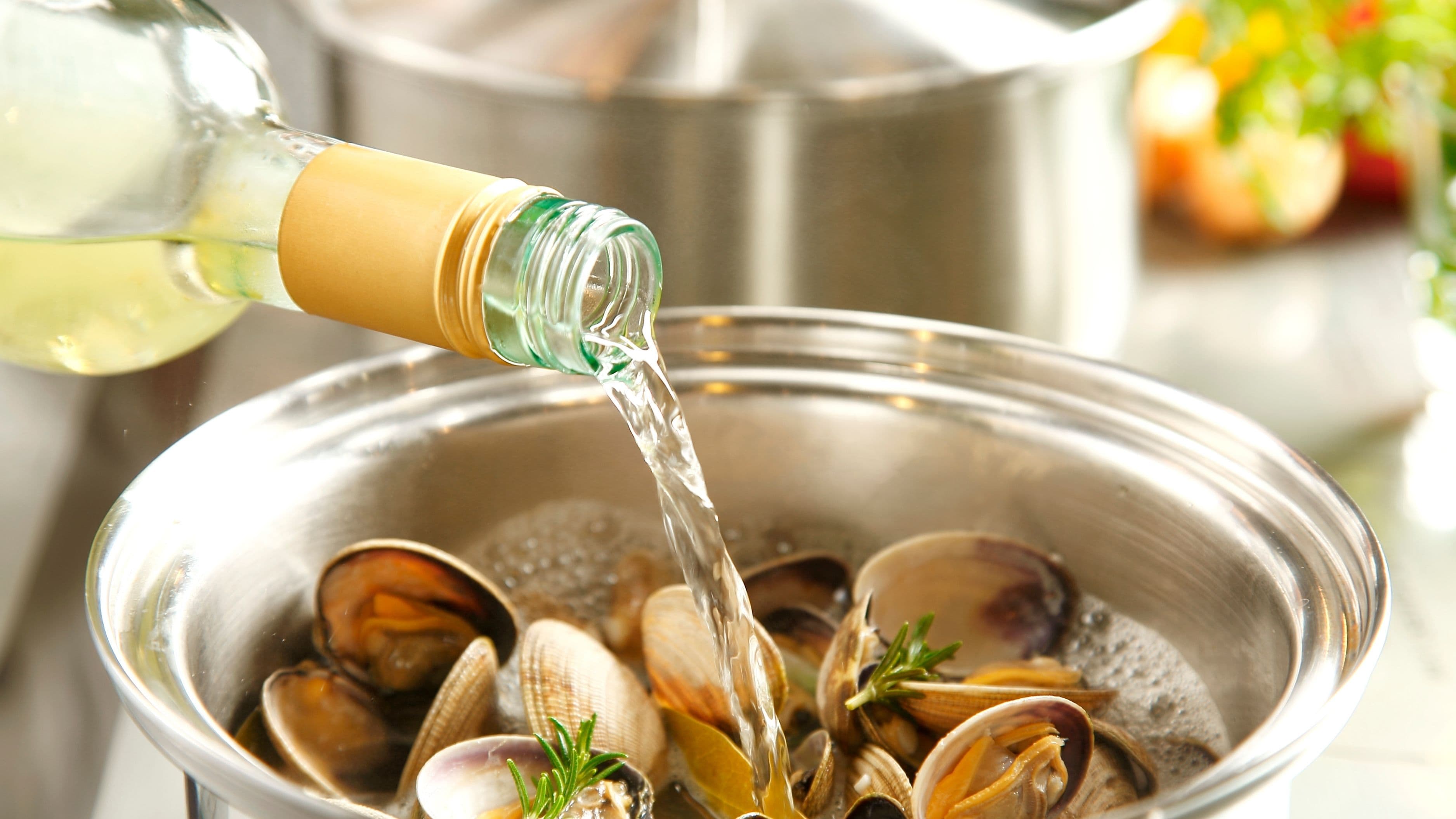
Cooking with wine has a reputation for being wasteful, since most recipes call for a splash while the rest of the bottle sits around wondering what its purpose in life is. With a bit of planning, you can cook with wine regularly without constantly ending up with half-finished bottles going flat in the back of your fridge. Here's how to actually make the most of every bottle you open for cooking.
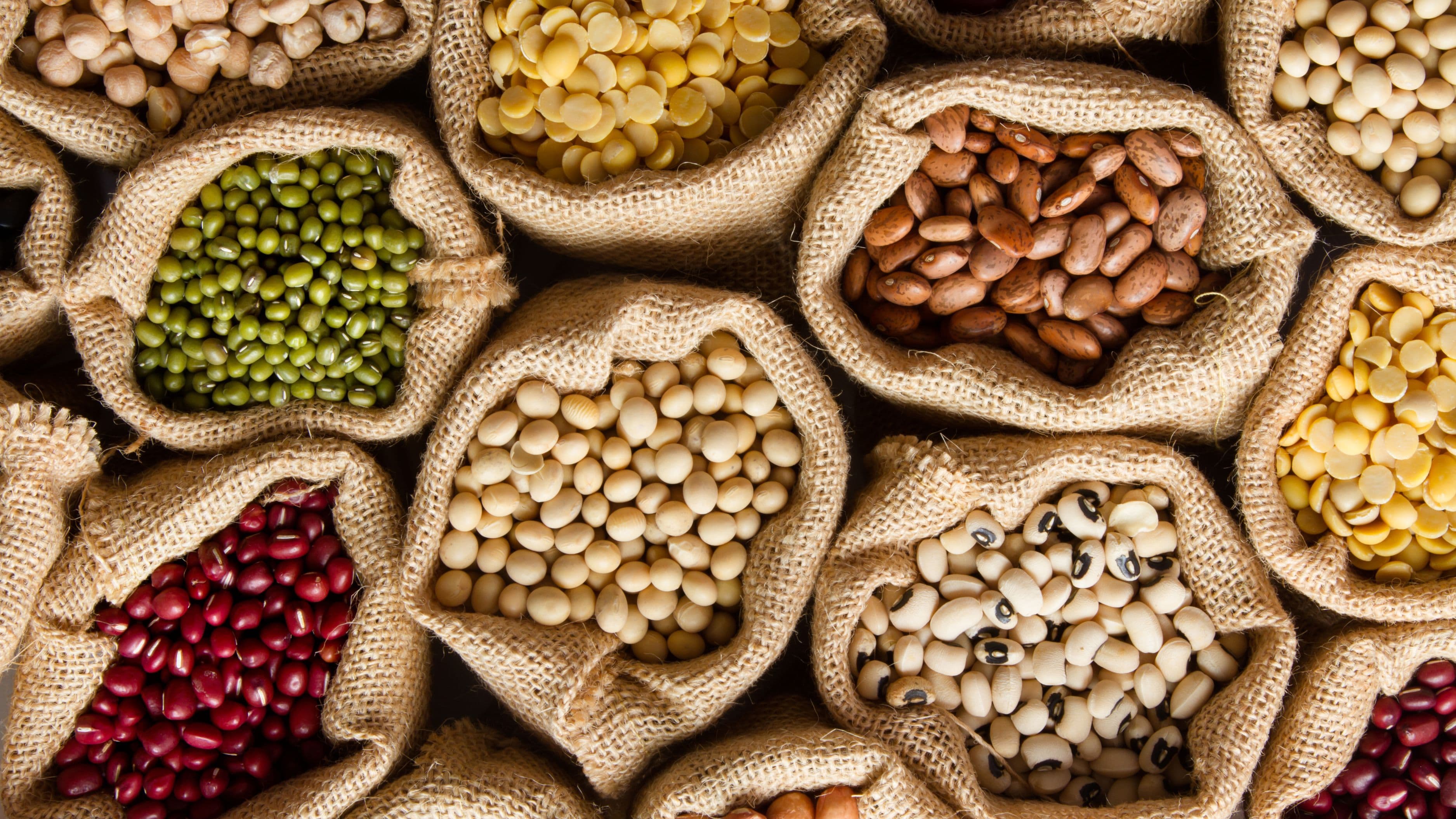
Chickpeas and black beans get all the attention, but they're really just the tip of a much bigger, more interesting category sitting quietly in the dry goods aisle. Legumes as a whole are some of the most affordable, versatile, and genuinely satisfying ingredients you can cook with, and once you branch out beyond the usual suspects, you unlock a whole range of textures and flavors that make weeknight cooking a lot more interesting.
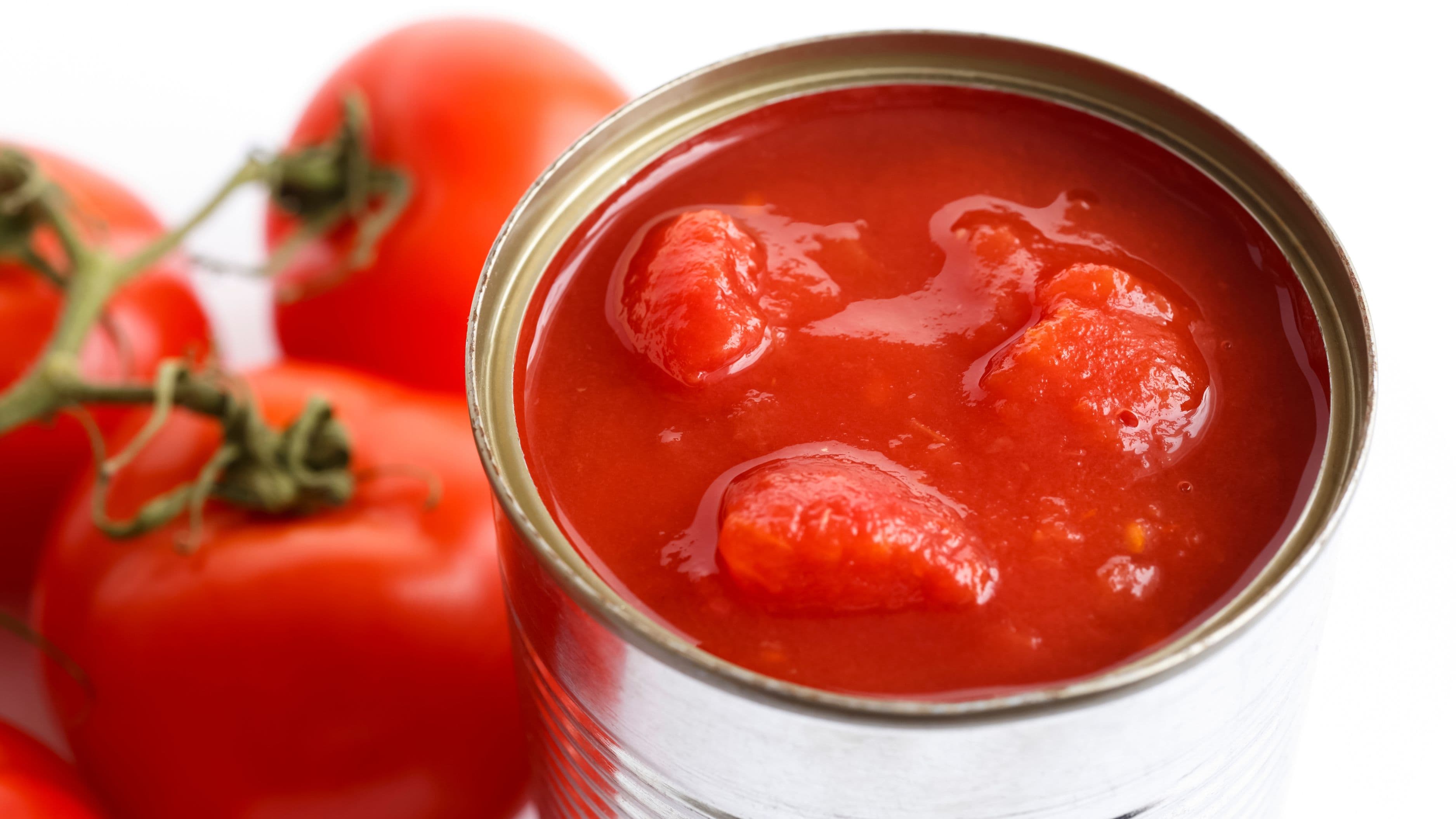
If there's one pantry staple worth understanding deeply, it's canned tomatoes. They're behind some of the best pasta sauces, braises, soups, and curries you've ever eaten – and some of the worst, when the wrong type gets used in the wrong dish. The difference between a flat, watery sauce and one with deep, rounded flavor often comes down to which can you reach for and what you do with it.
If you've only ever used miso for soup, you're leaving most of its potential untouched. Miso is one of the most versatile ingredients you can keep in your fridge – it adds depth, saltiness, and that hard-to-place savory richness to everything from salad dressings to roasted vegetables to chocolate desserts. Once you understand the basics of what it is, how it differs by type, and how to cook with it, you'll find yourself reaching for it constantly.
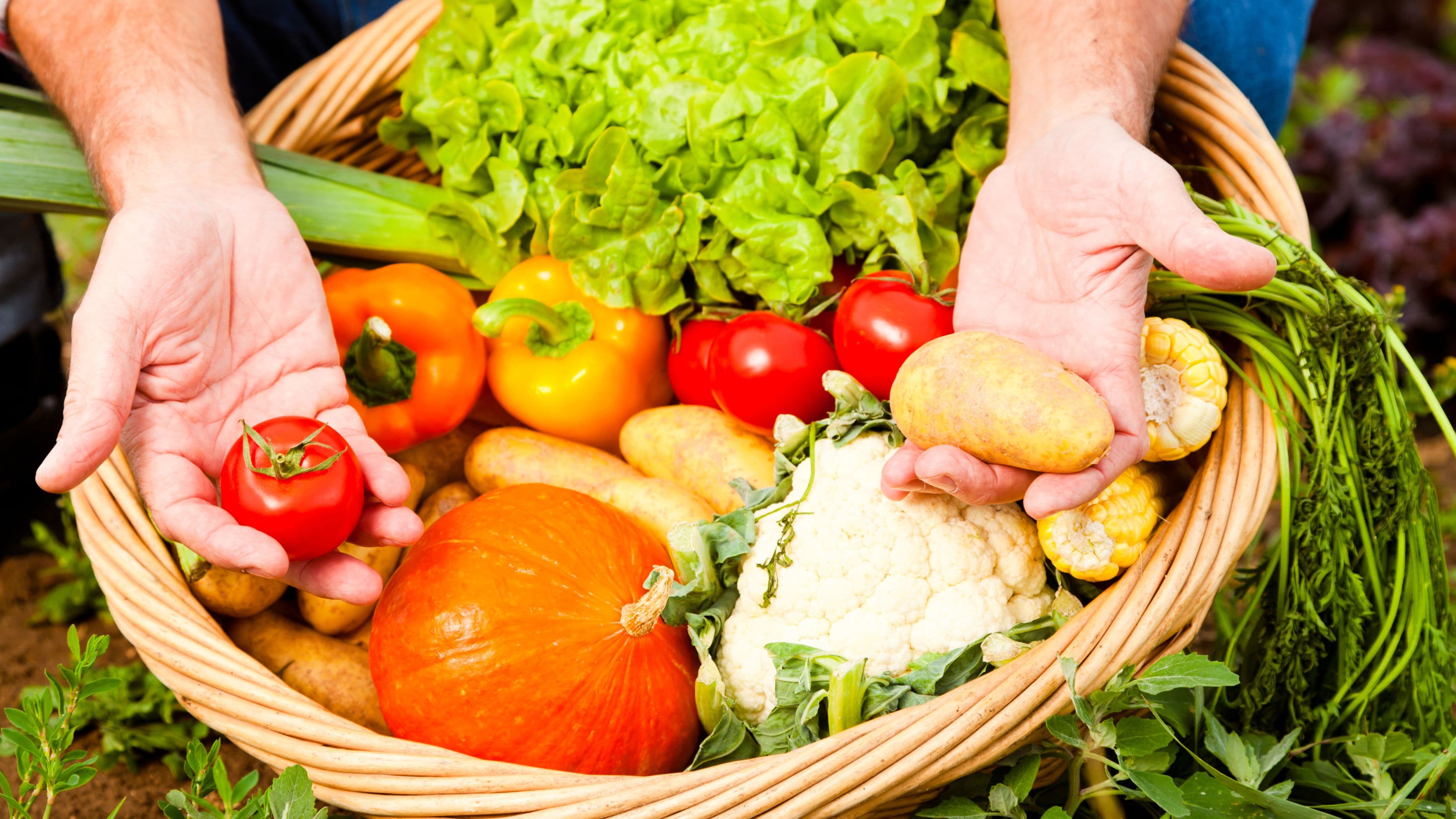
Ever made a recipe you loved in summer, then tried it again in January only to find the tomatoes tasted like nothing and the whole dish fell flat? That's the seasonal produce problem, and it trips up even confident home cooks. The good news is you don't need to abandon a favorite recipe just because its star ingredient is out of season – you just need to know what to swap it for.
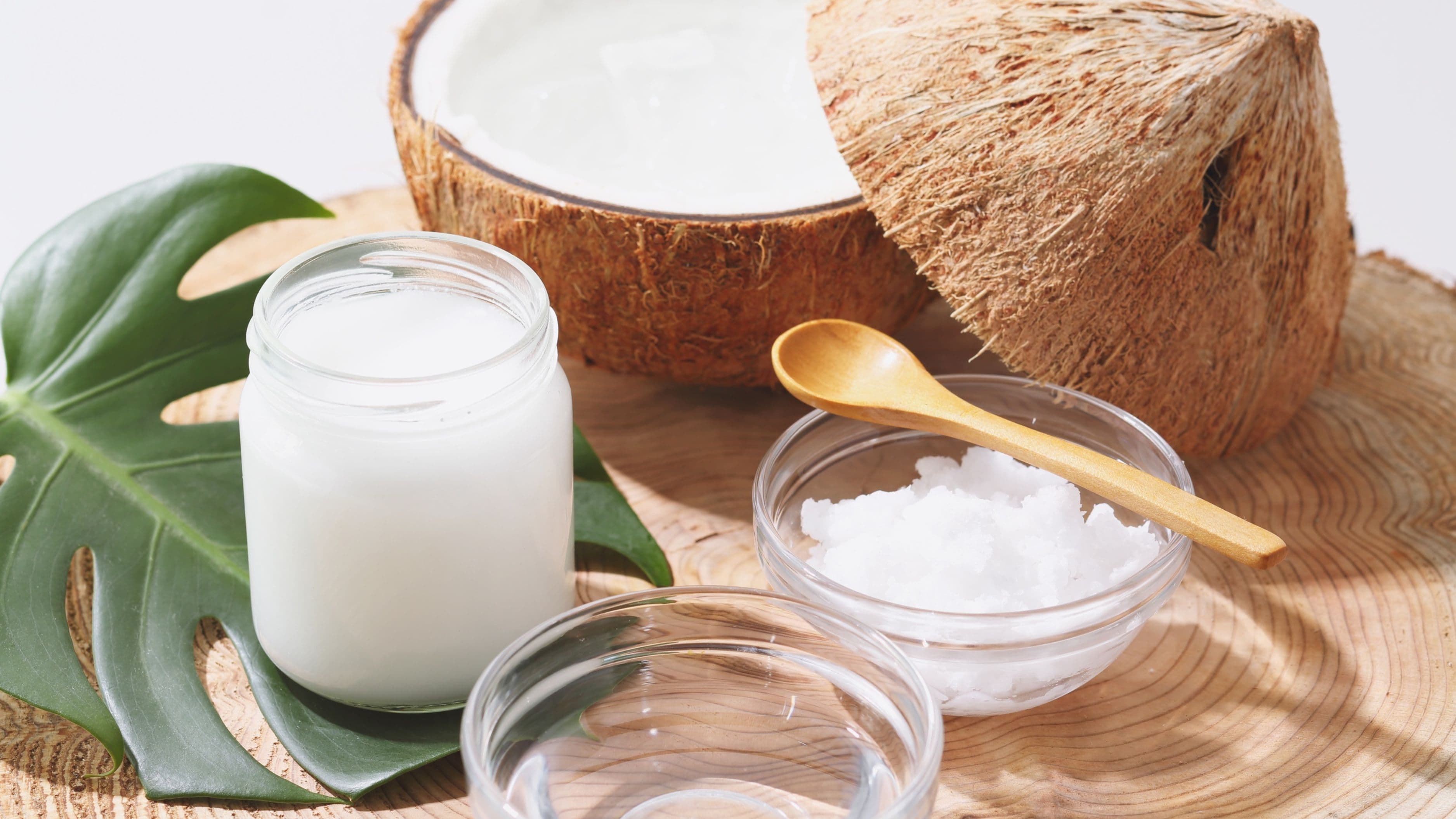
Coconut milk shows up in recipes from completely different parts of the world — Thai curries, Indian dals, Caribbean rice dishes, tropical smoothies, and even chocolate cake. It's one of those ingredients that looks simple on the shelf but does very different things depending on how and when you use it. If you've ever wondered why one recipe calls for a full can and another just a splash, or why your curry came out watery instead of rich, understanding what coconut milk actually does in cooking changes everything.
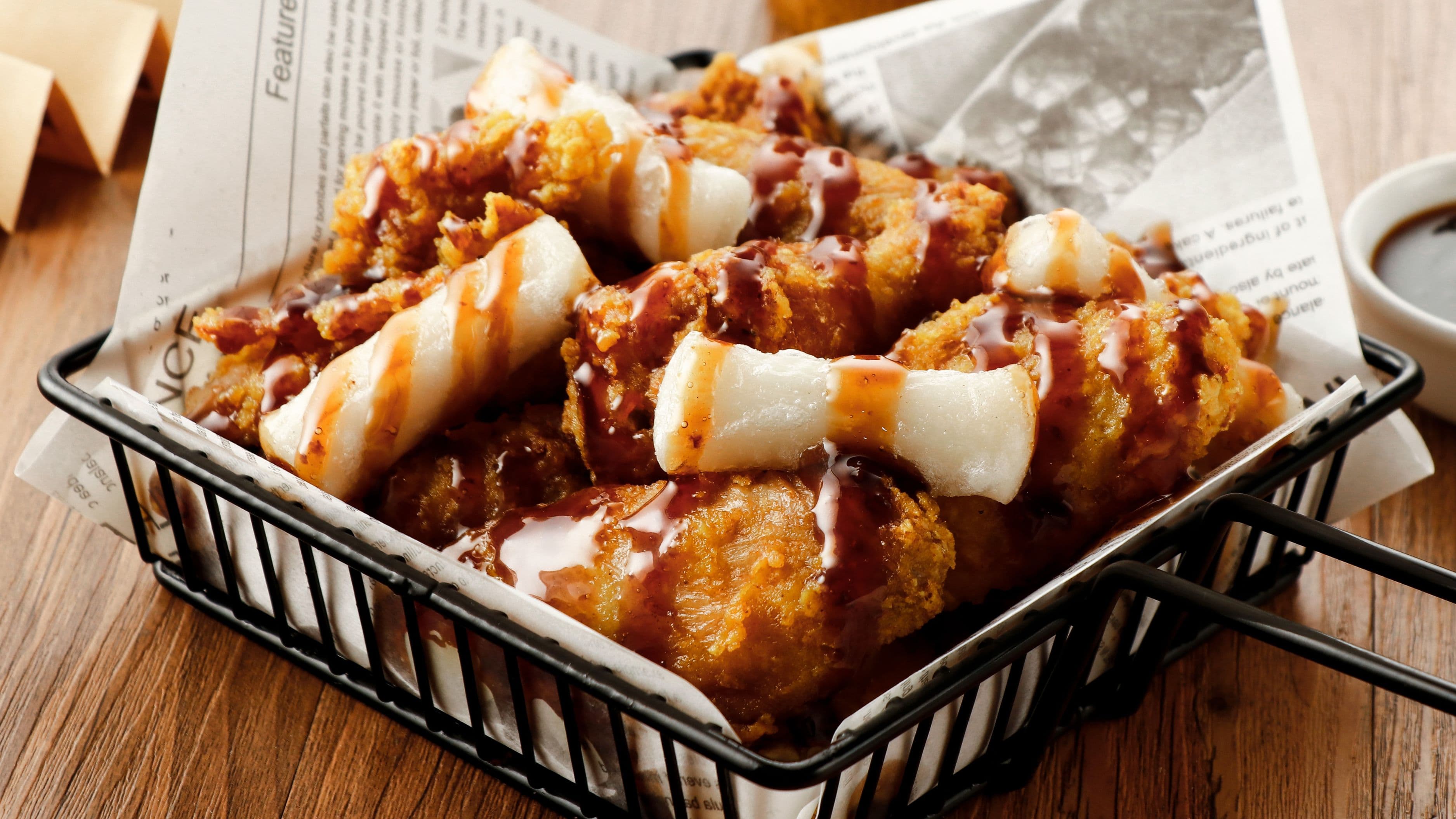
Cornstarch sits in most pantries, quietly waiting to be used for something beyond the occasional thickening emergency. Once you understand how it actually behaves when it hits heat and liquid, you'll start reaching for it far more intentionally, whether you're rescuing a thin sauce or trying to get that satisfying crunch on fried chicken.
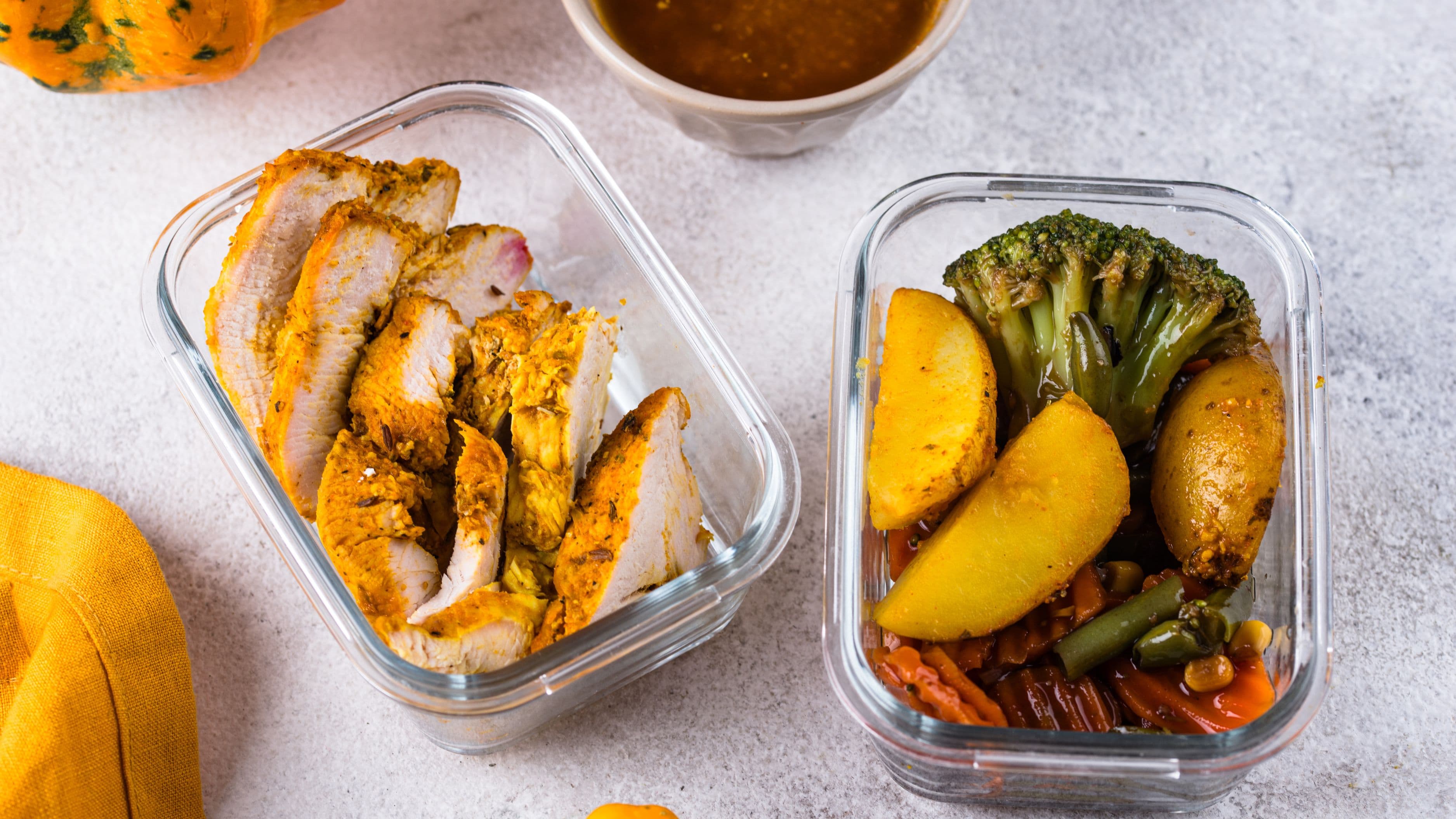
Standing in front of the fridge at 6 p.m., mentally negotiating between three half-used containers and a nagging feeling you should just order takeout again, is one of the most avoidable stress points in a home cook's week. A leftover library fixes this by turning random fridge contents into a genuinely organized, easy-to-navigate system, so dinner decisions stop feeling like a daily puzzle you have to solve from scratch.
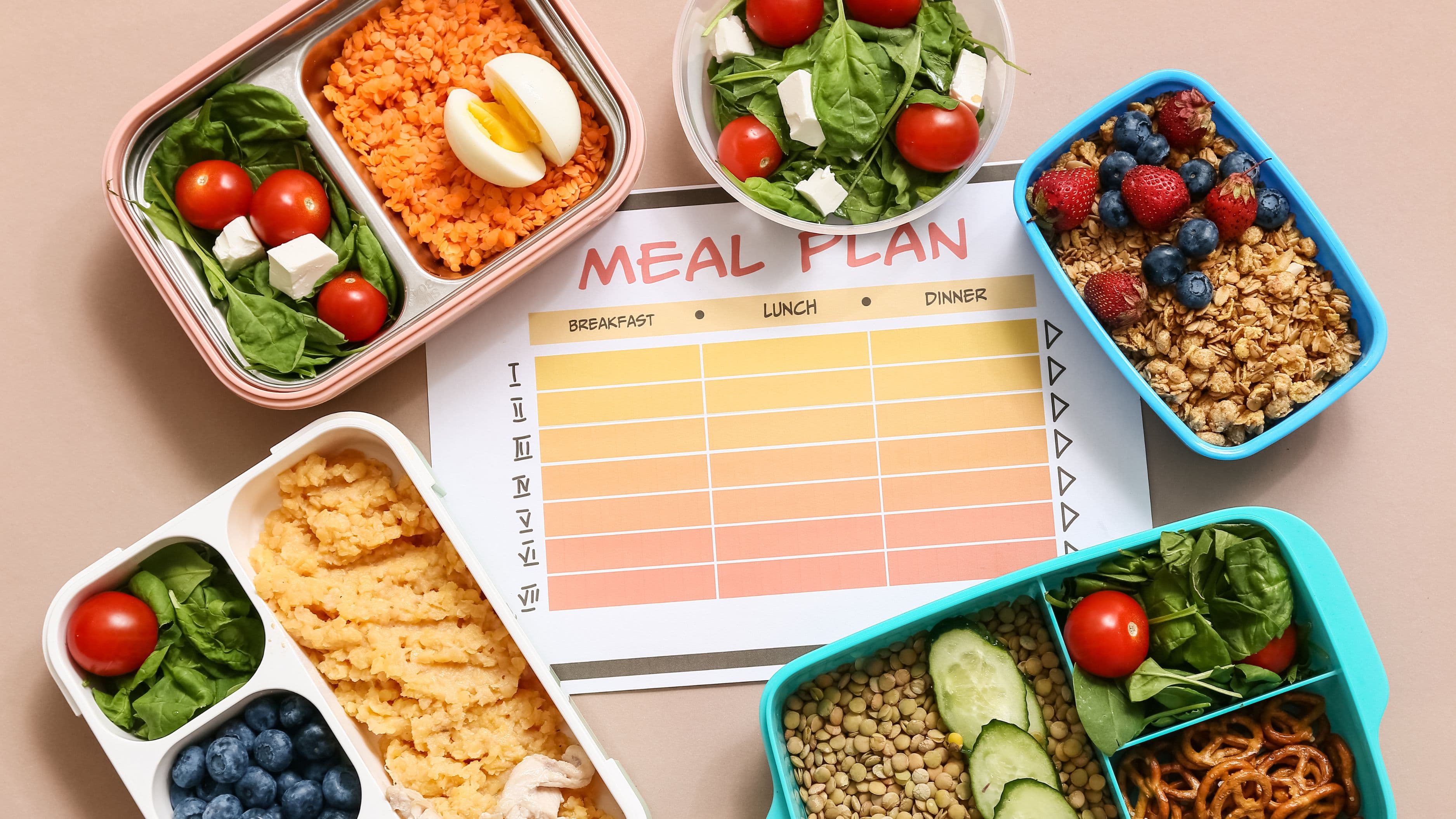
Most people build their meal plan first and then go shopping. That works fine if you're not worried about the bill, but if you want to cut your grocery costs significantly without eating worse, doing it the other way around changes everything. Start with what's on sale, then build your meals from there. It sounds simple because it is – and once you get the hang of it, you'll wonder why you ever did it any other way.
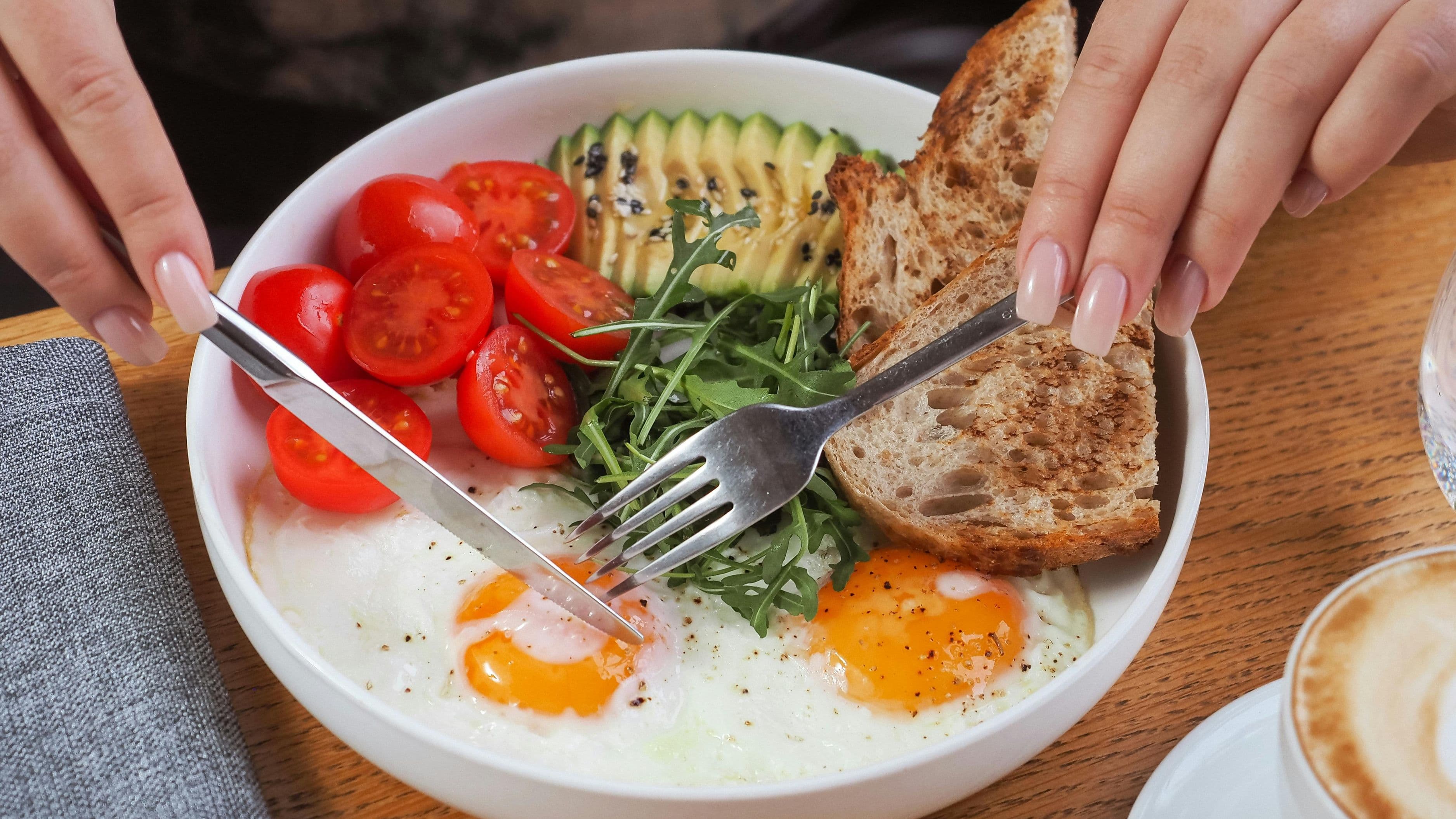
Cooking on a tight budget often gets framed as a trade-off: either you spend more or you eat something boring. That's not actually true. Flavor mostly comes from technique, a handful of inexpensive ingredients used well, and a bit of planning, not from expensive cuts of meat or specialty products. With a few smart habits, you can eat genuinely satisfying meals all week without your grocery bill creeping up.

If you've ever planned a week of dinners, shopped for everything, cooked a full meal, and watched your child push it to the edge of the plate and declare "I don't like it" – you already know this problem. Picky eaters don't just make dinnertime hard, they make the entire system of meal planning feel pointless. Why plan ahead when half your ideas will get vetoed at the table?
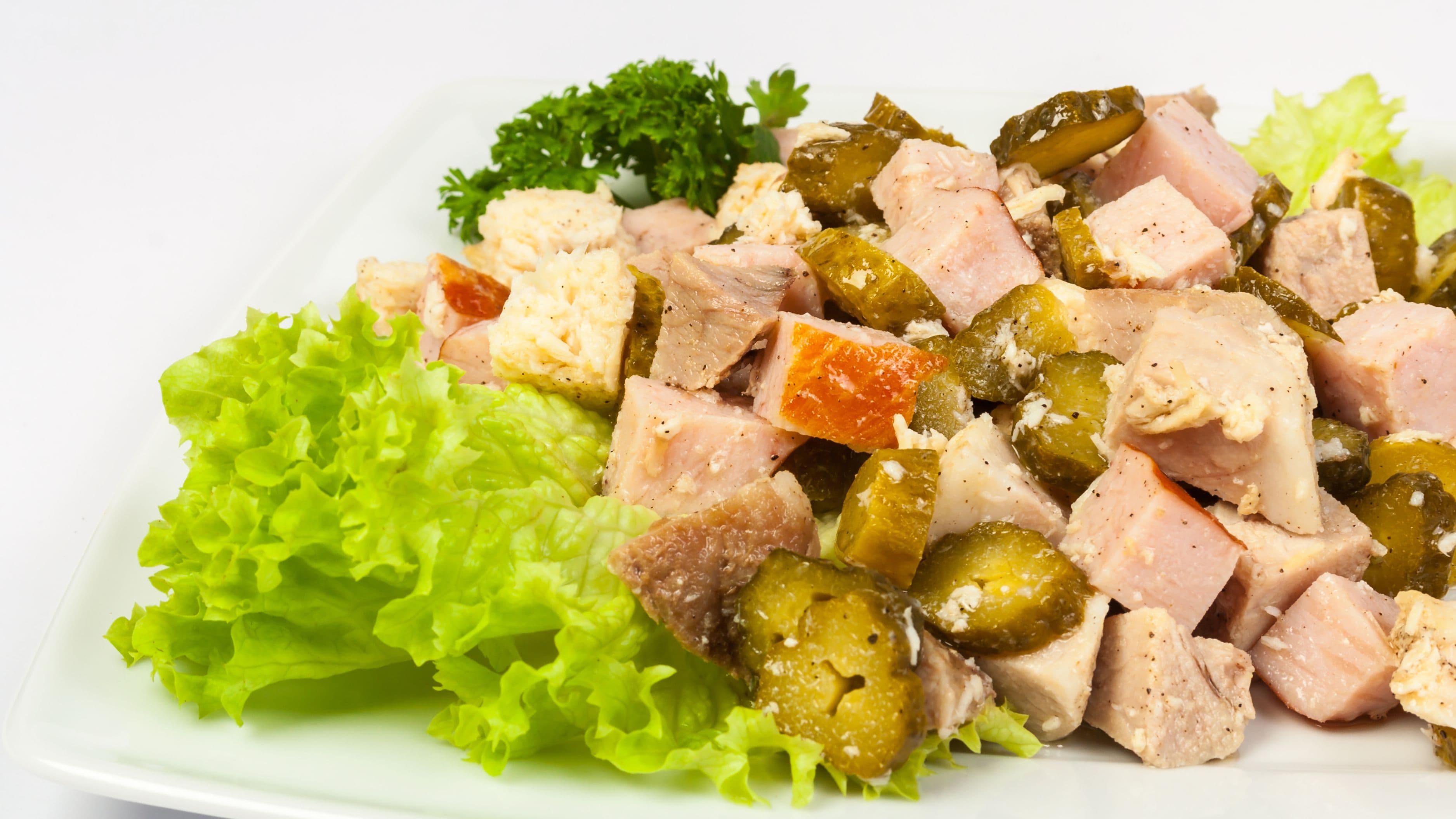
If the thought of tracking macros or counting anything makes meal planning feel like homework, you're not alone – and you don't actually need to do any of that to eat in a way that keeps your energy steady through the day. This is a simple, intuitive system built around how foods actually make you feel, not numbers on a label.
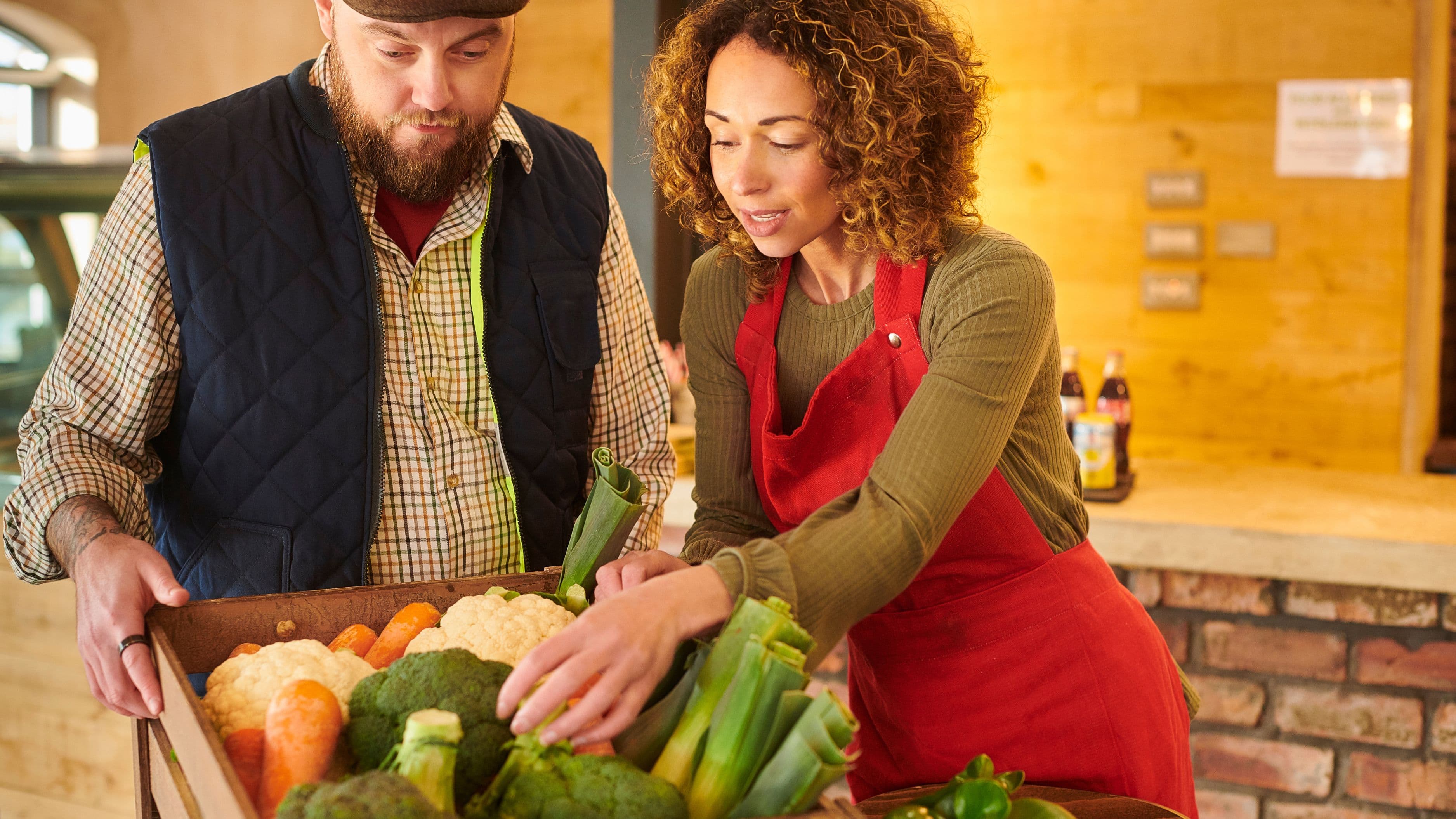
Cooking with the seasons sounds lovely until week three of zucchini, when you've made the same sautéed side three nights running and you're starting to resent the vegetable. Seasonal eating is cheaper, fresher, and tastier – but it can absolutely trap you in a rut if you let one ingredient run the whole show.
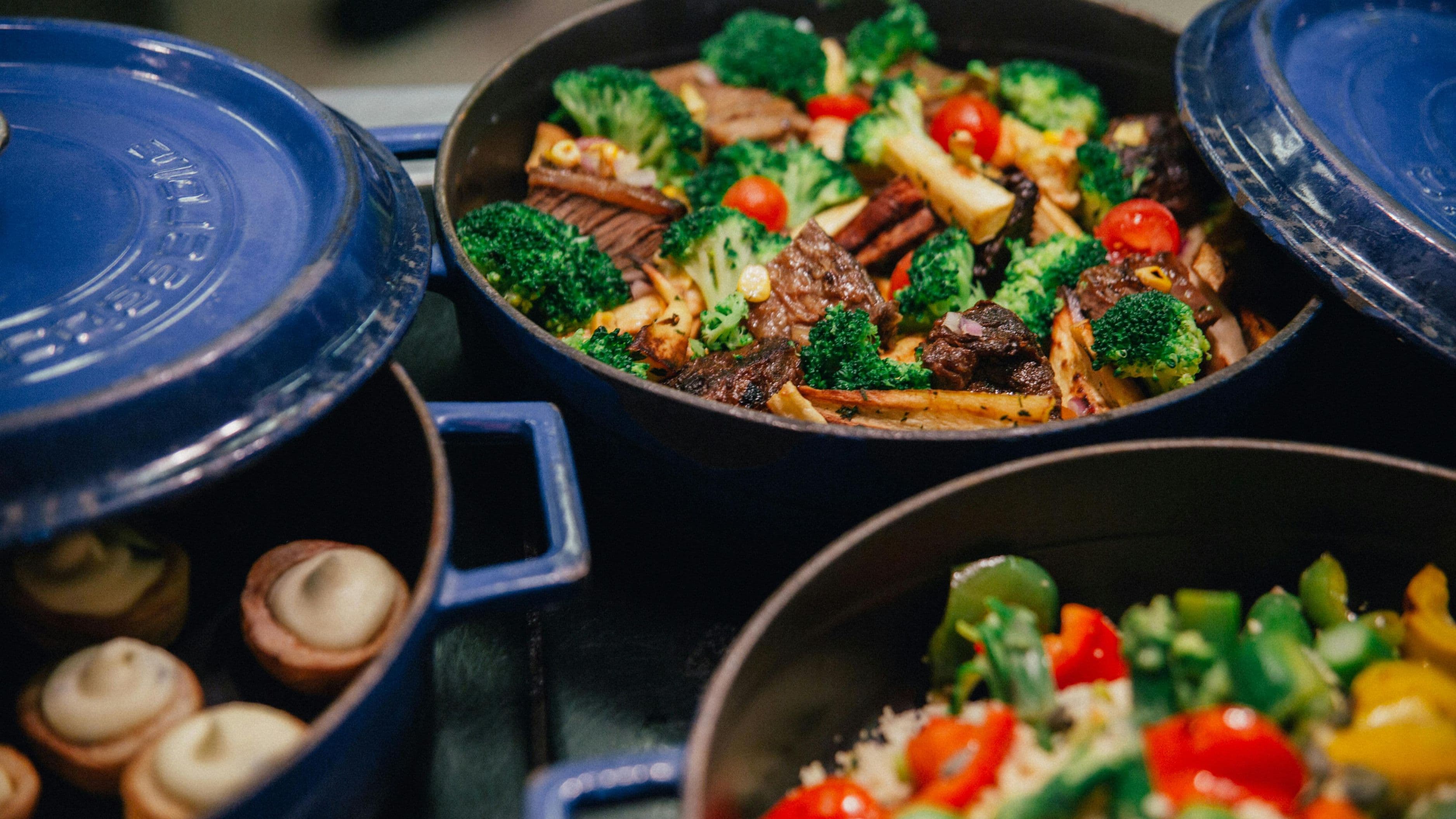
Most meal planning advice focuses on nutrition targets, budgets, or prep time, but rarely addresses a factor that quietly determines whether a meal plan actually gets followed: your energy level at the moment you're supposed to cook. A beautifully planned week of ambitious dinners falls apart fast if half of them require more energy than you have left after a long day.
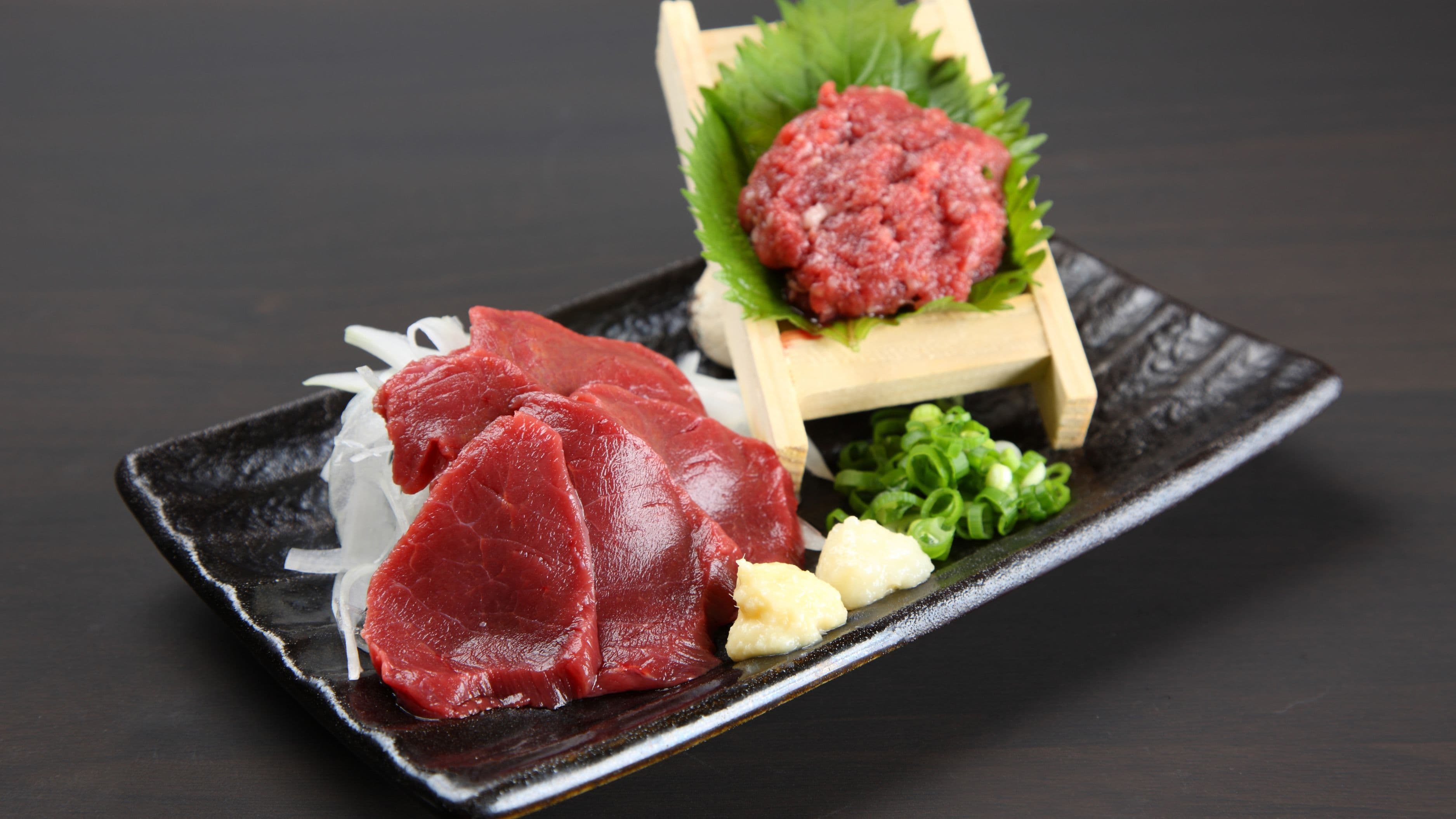
Cooking for a household where some people eat meat and others don't can feel like running two kitchens at once if you're not approaching it strategically. The good news is that with a few practical planning habits, you can cook one cohesive meal that satisfies everyone at the table without doubling your grocery list or your cooking time.
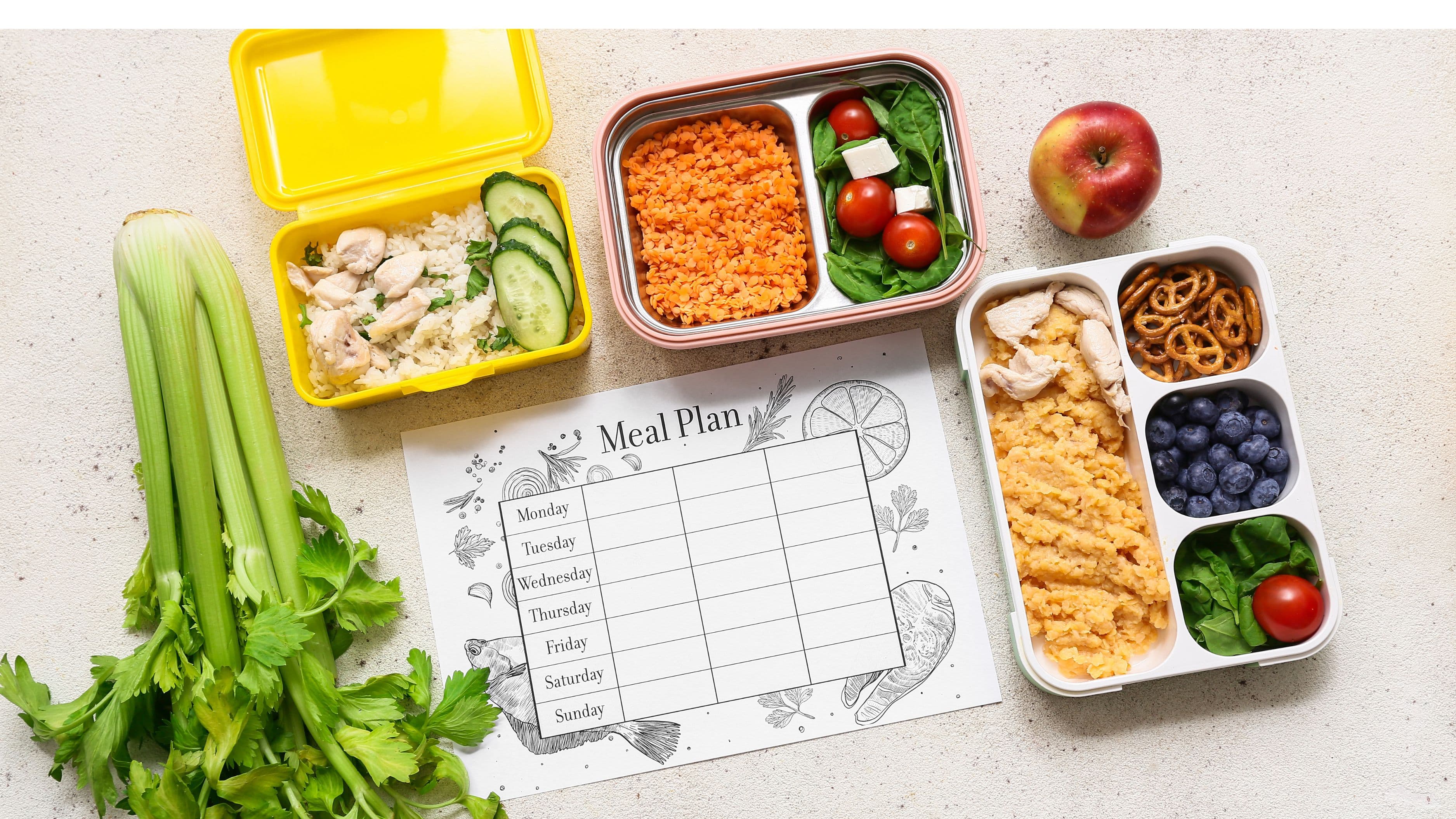
Meal planning advice is almost always built for people with consistent schedules. Pick a day to prep, plan five dinners, shop once, done. It's clean, logical — and completely useless if your week looks different every single time.

Most grocery trips are longer than they need to be because the list was made wrong. Not wrong as in missing items — wrong as in organized in a way that sends you back and forth across the store, forces you to improvise in the aisle because you're not sure what you're actually making, and leaves you buying things you don't need while forgetting things you do.
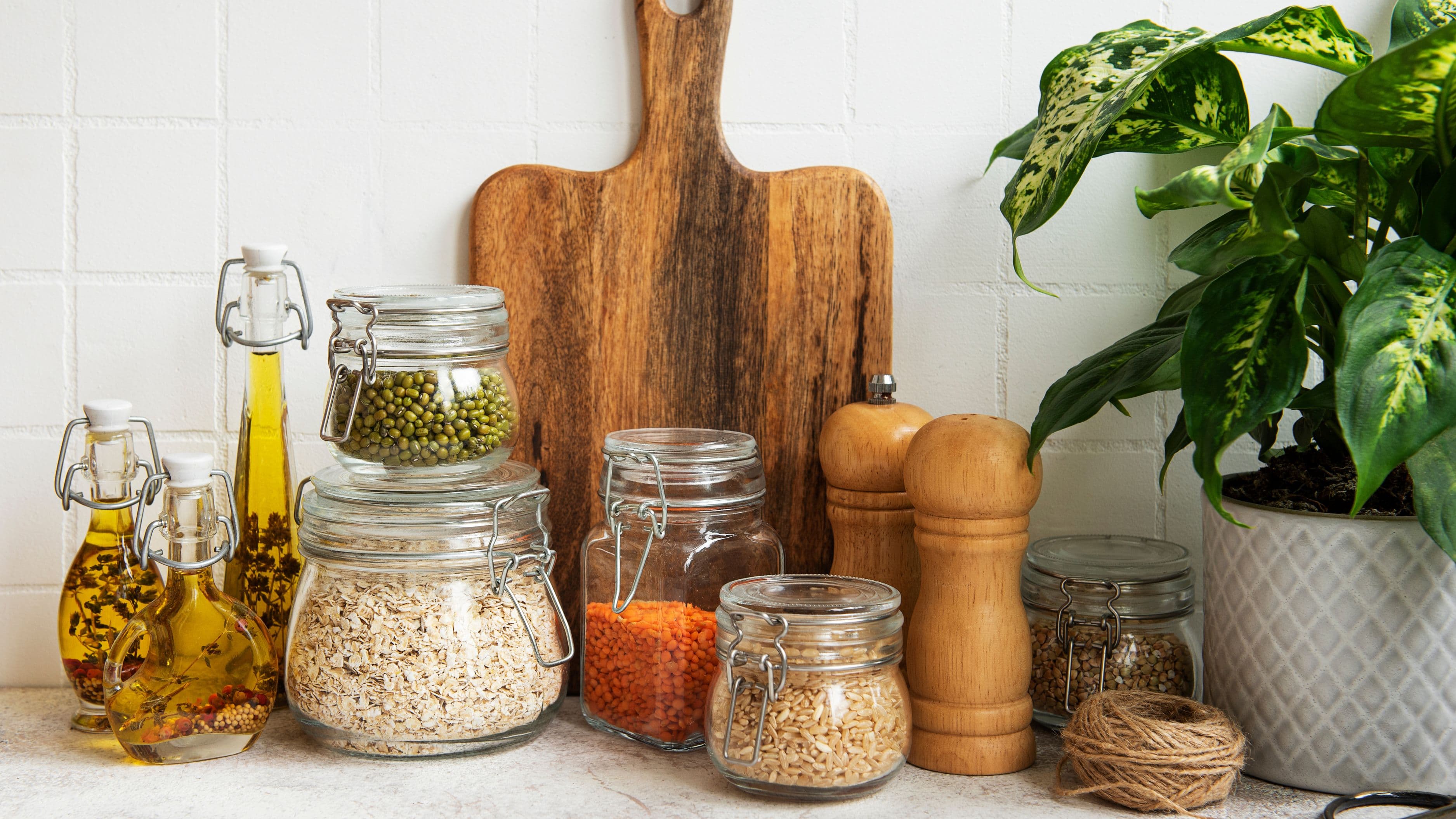
There's a particular kind of relief in opening your pantry and realizing you already have everything you need for dinner, no last-minute grocery run, no scrambling to figure out what to cook. Building a month of meals around pantry staples isn't about eating boring, repetitive food, it's about stocking a smart, versatile base and knowing how to combine it in different ways so the same core ingredients feel like different meals all month long.
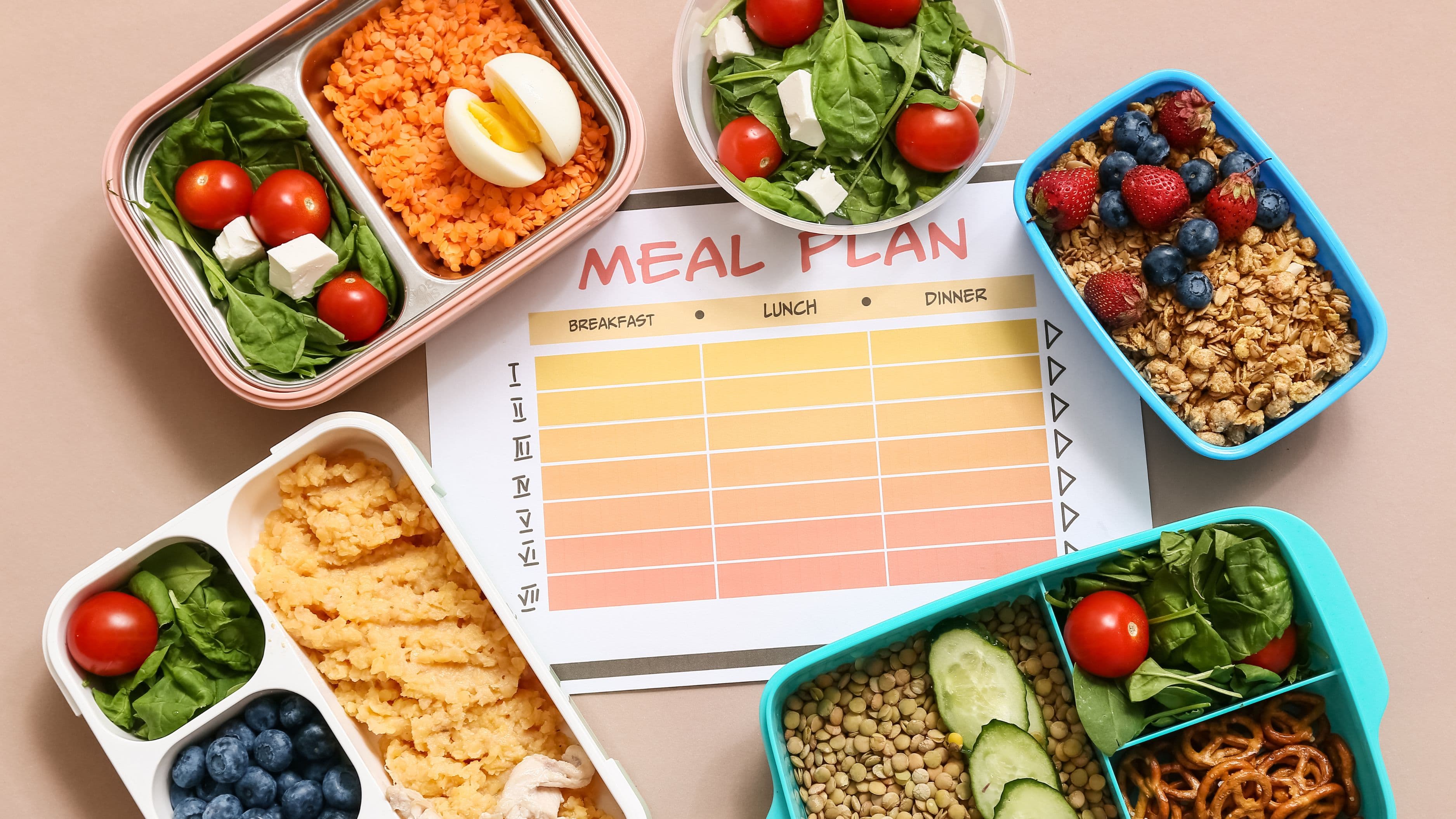
You've probably done it – filled the cart with the best intentions, cooked three out of seven planned dinners, and spent the end of the week quietly throwing out wilted herbs, half a block of cheese, and vegetables that never made it into anything. Overbuying isn't a willpower problem. It's a planning problem, and the fix is simpler than most people think.
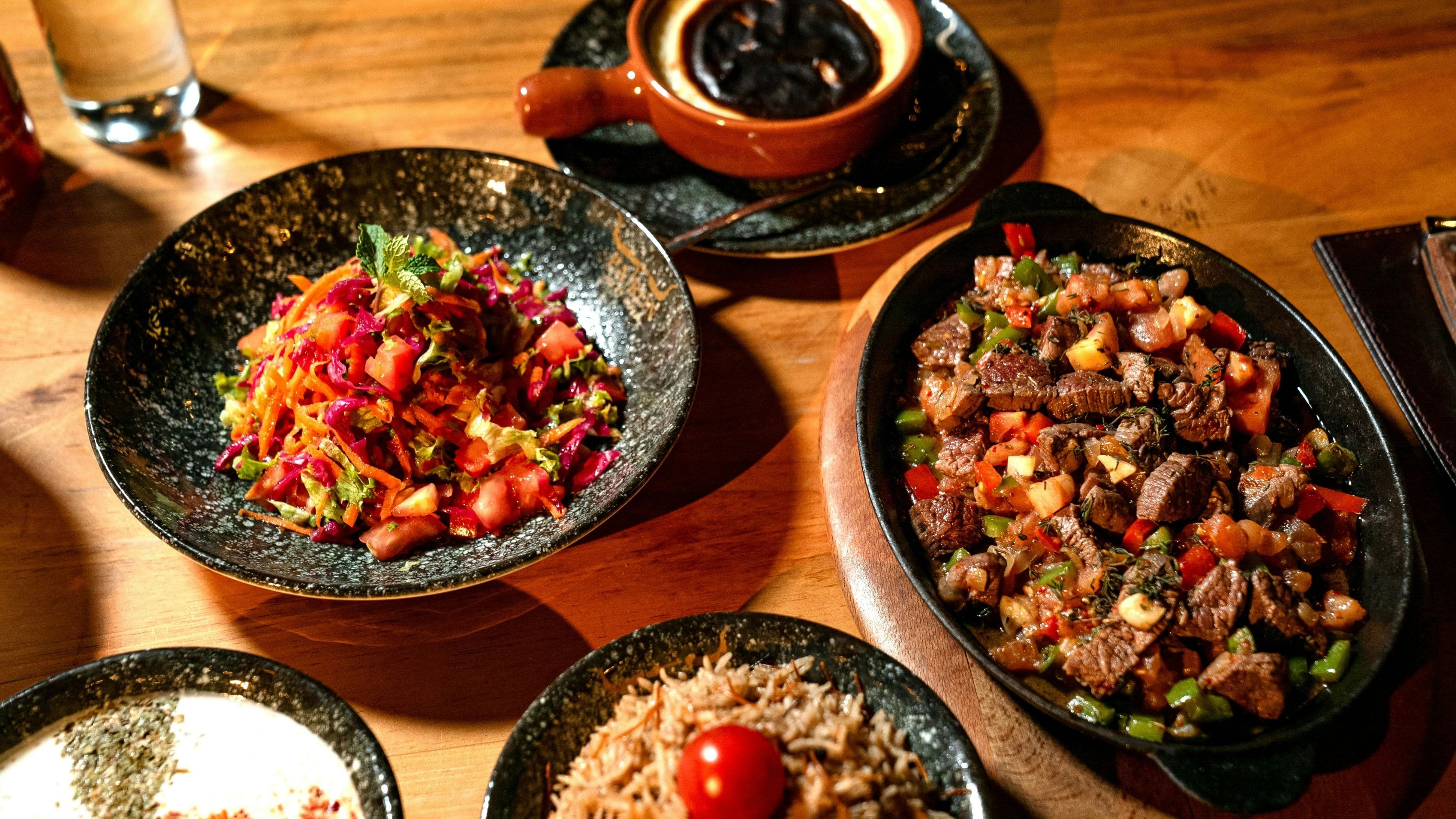
Eating the same five dinners every week isn't a planning failure – it's actually what most people naturally fall into because familiar meals are fast, low-effort, and reliably edible. The problem is that after a few months, even your favourite pasta feels like a punishment. The goal isn't to cook something entirely new every night. It's to build a rotation that feels varied enough to stay interesting without adding significant time or stress to your week.
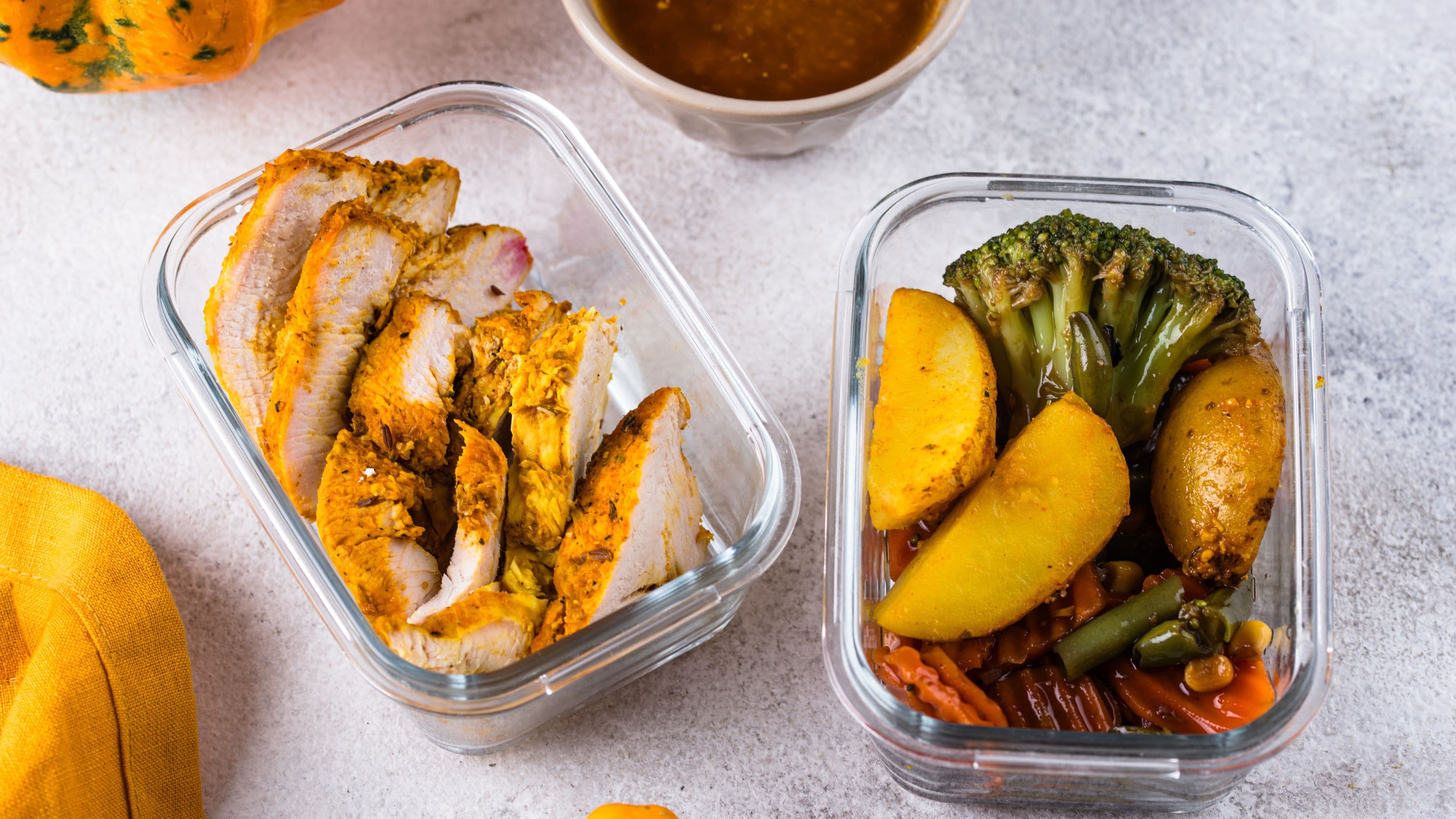
Most of us treat leftovers as a single, static meal, reheat exactly what was on the plate last night, eat it again tonight. That approach works fine occasionally, but it's also the fastest way to get bored of your own cooking. Thinking about leftovers strategically, as ingredients to repurpose rather than meals to repeat, turns yesterday's dinner into something that feels genuinely new.
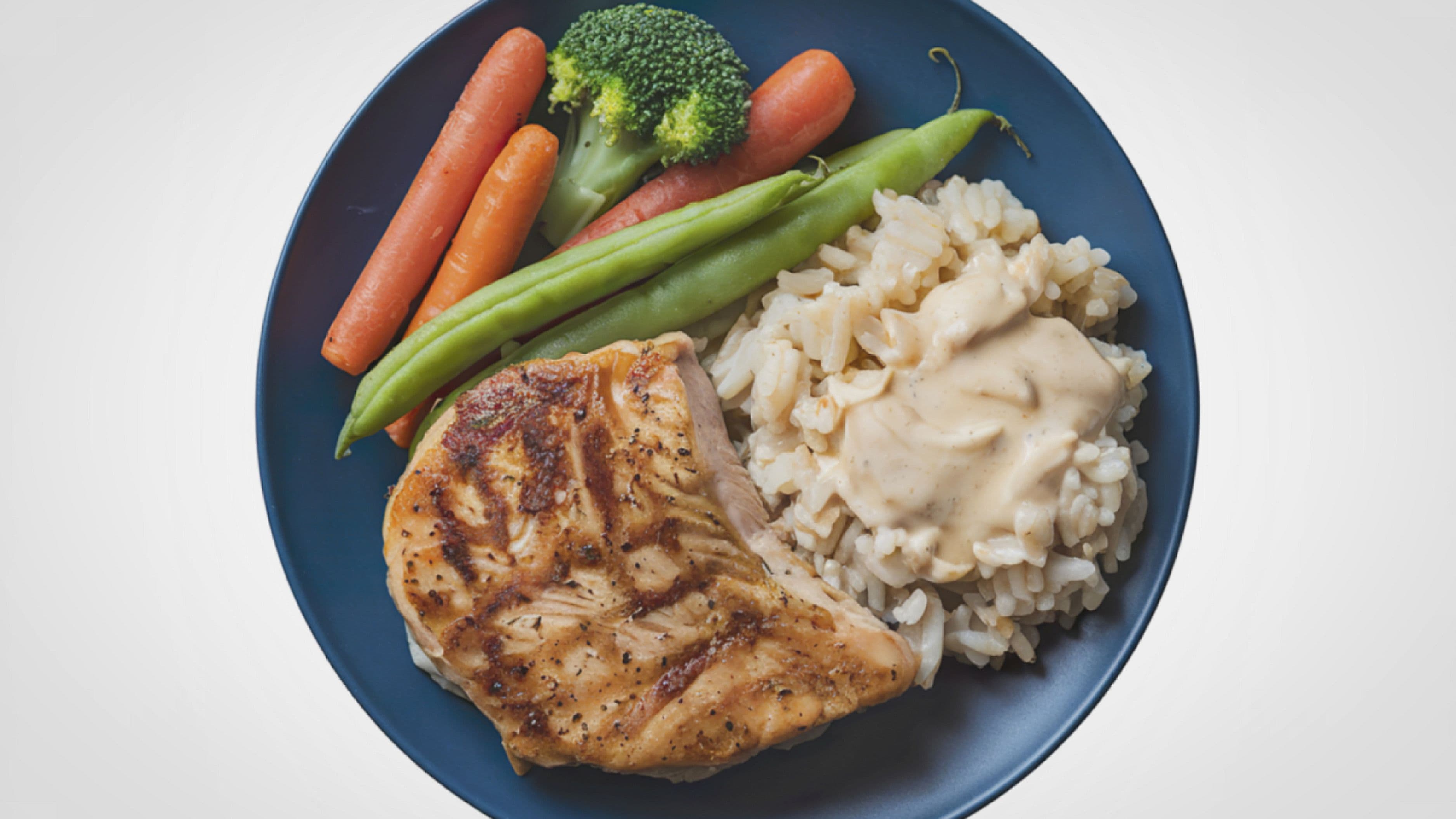
Buying a large cut of chicken, a big piece of salmon, or a pound and a half of ground beef all at once is one of the easiest ways to eat well on a budget without standing at the stove for an hour every night. The idea is simple: cook once, eat three times – but each meal feels completely different. It saves money, cuts down on midweek grocery runs, and takes most of the "what's for dinner?" stress off the table.
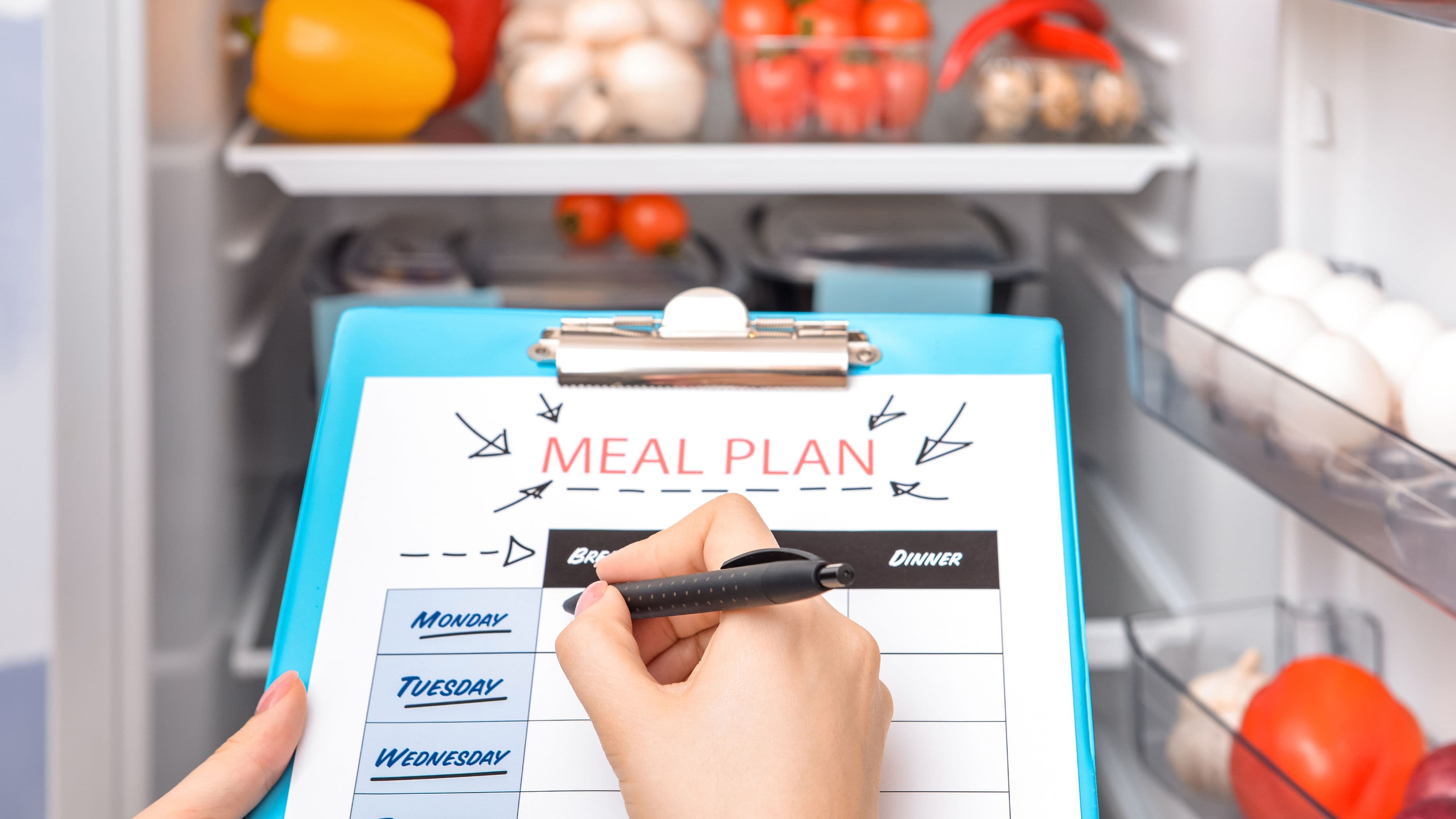
Most people treat their freezer as a place things go to be forgotten, not a genuine meal-planning tool. Flip that relationship around and your freezer becomes one of the most useful resources in your kitchen, cutting down on both food waste and the mental effort of figuring out dinner on busy nights. Here's how to start planning meals with your freezer as the foundation, not an afterthought.

For years, dinner planning meant staring into the fridge around 5pm with no real plan, then either scrambling to cook something from whatever ingredients were left or giving up and ordering takeout again. It took a lot of trial and error, and a lot of wasted groceries, to land on a system that actually works consistently, and it's simpler than most meal planning advice makes it sound.
Most grocery trips are longer than they need to be because the list was made wrong. Not wrong as in missing items — wrong as in organized in a way that sends you back and forth across the store, forces you to improvise in the aisle because you're not sure what you're actually making, and leaves you buying things you don't need while forgetting things you do.
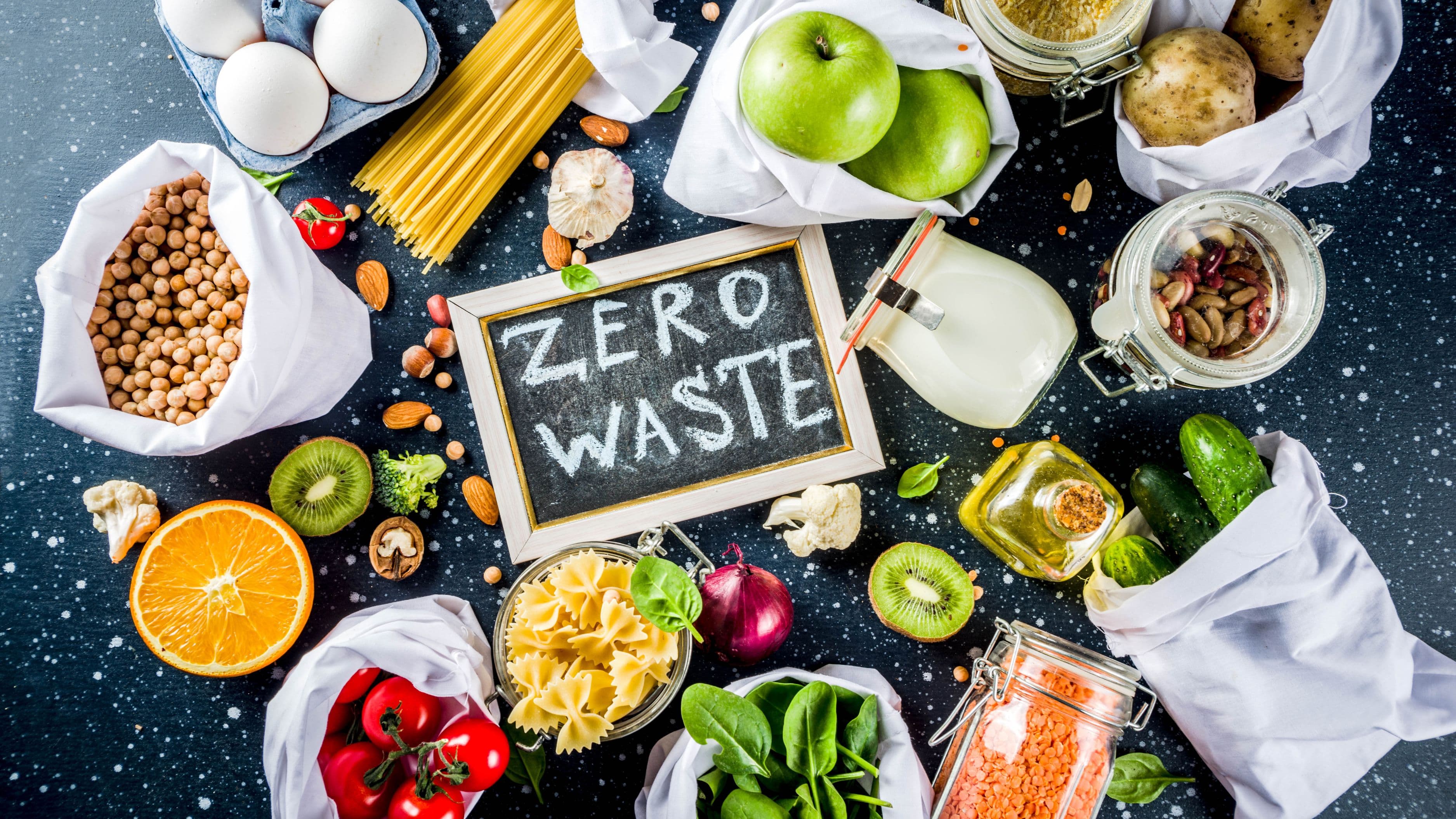
Open your fridge right now and there's a decent chance something in there is quietly going bad – a half bag of spinach, a forgotten container of leftovers, herbs wilting in the back. It's not carelessness. It's just what happens when we shop and cook without a plan, and it adds up to a startling amount of food (and money) thrown away every year.
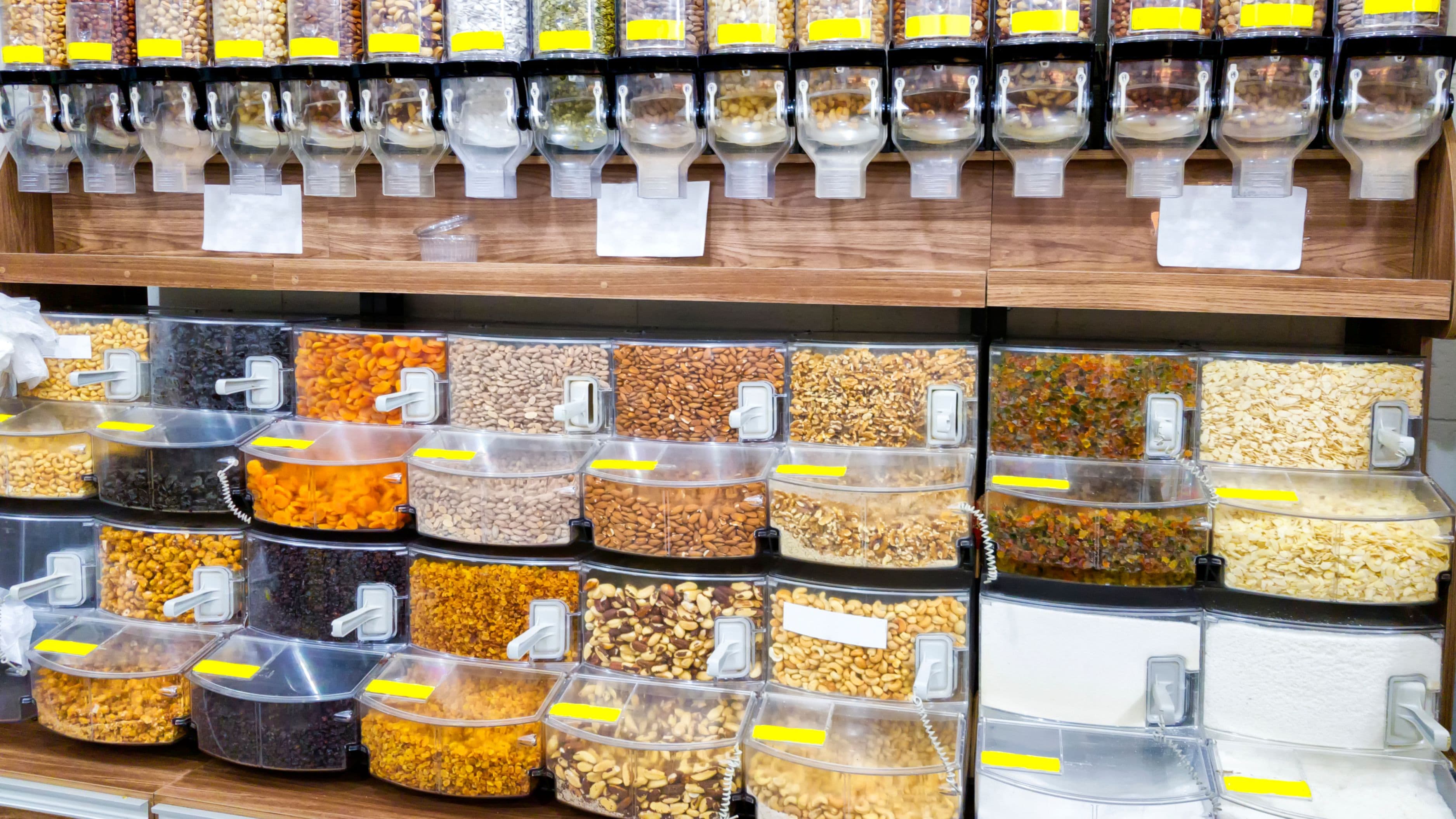
If you've ever backtracked across a grocery store three times because you forgot the item was in the section you just walked past, you already know how much time and frustration a disorganized shopping list creates. Organizing your list by aisle, or more precisely, by store section and typical layout flow, turns grocery shopping from a scattered scavenger hunt into a quick, linear pass through the store.
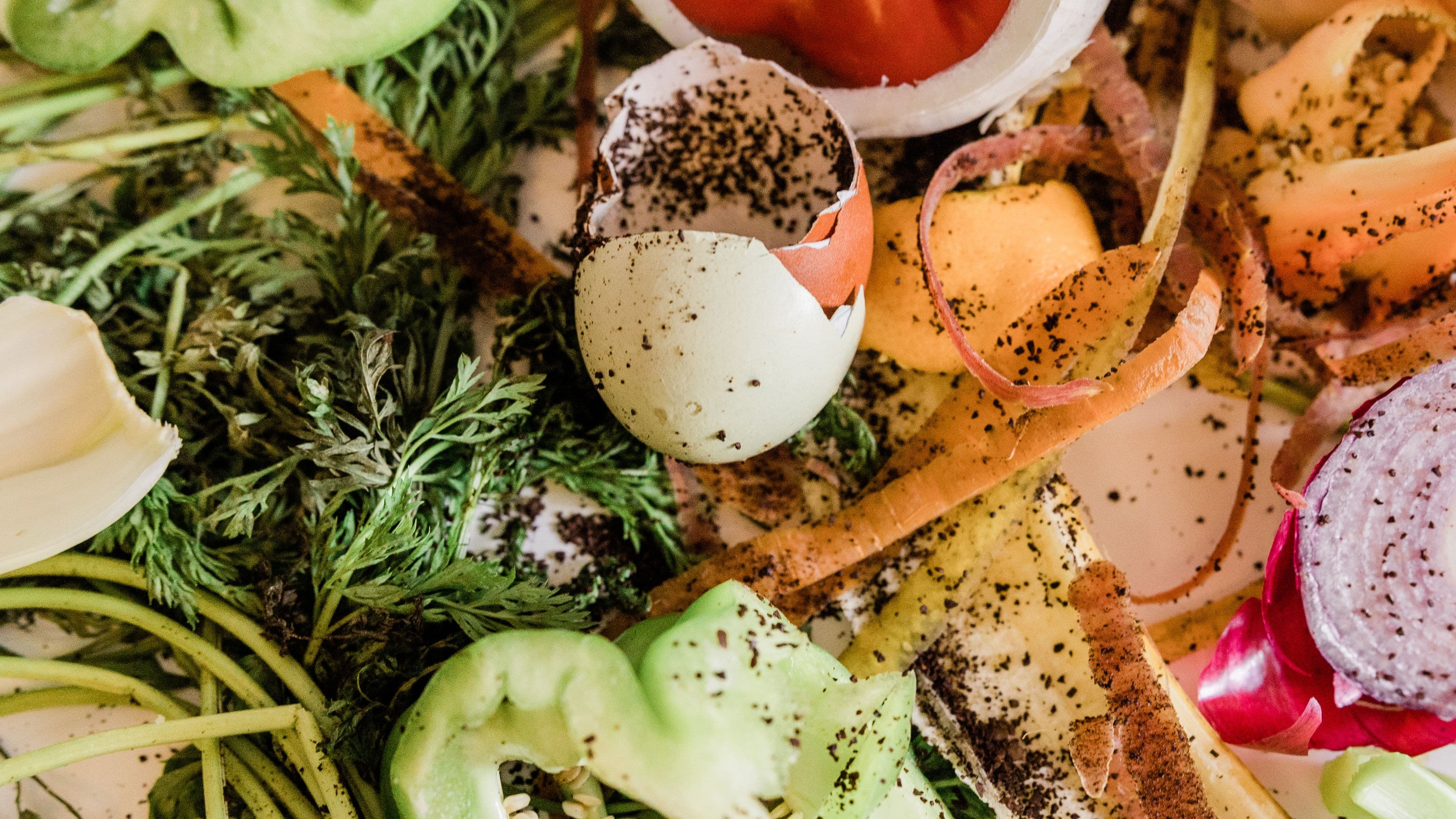
Every week, a small pile of onion ends, carrot peels, and celery tops goes straight into the trash. That pile is actually the start of a rich, savory broth that costs you almost nothing and beats most store-bought cartons for flavor.
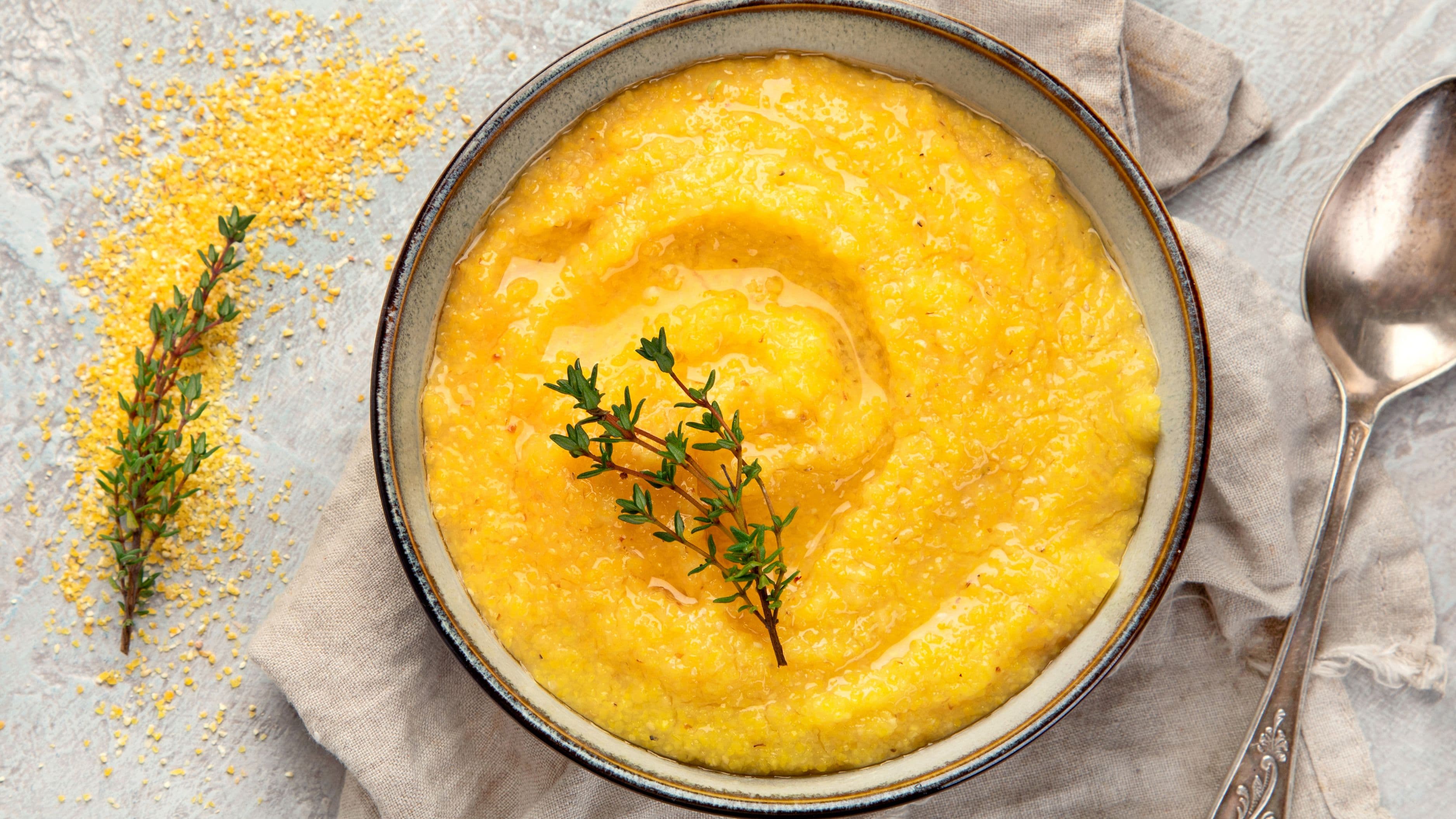
If your polenta has ever turned out gritty, lumpy, or set up like a brick five minutes after you plated it, you're in good company. Polenta has a reputation for being fussy, and a lot of recipes make it worse by rushing it or skimping on liquid.
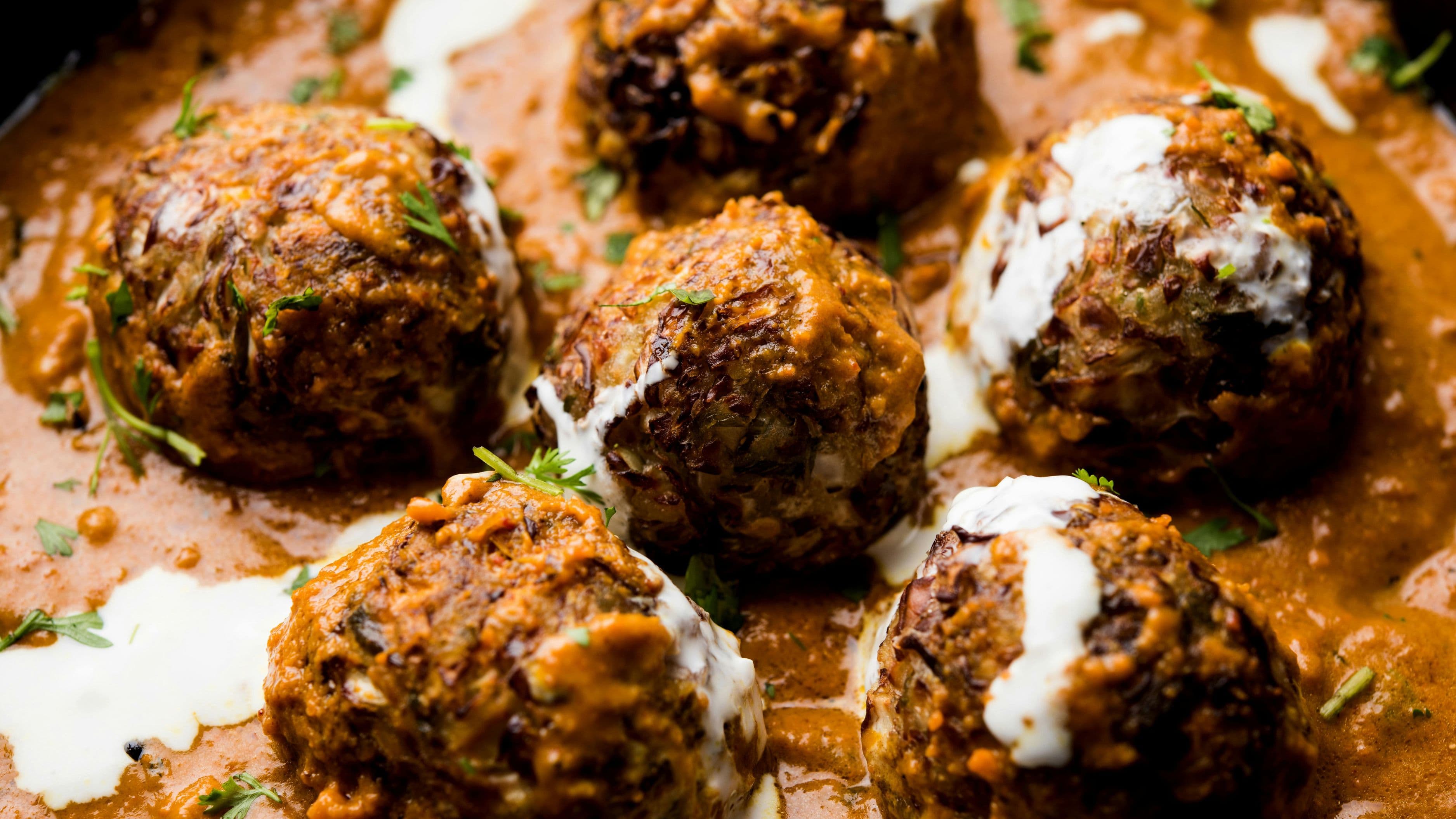
Lamb kofta sounds like the kind of dish reserved for a slow weekend or a dinner party, but the actual recipe is closer to meatballs on a skewer than anything requiring special technique. Once you've made the spice mix once, this becomes one of the faster proteins in your rotation, with a flavor payoff that outpaces the actual effort involved.
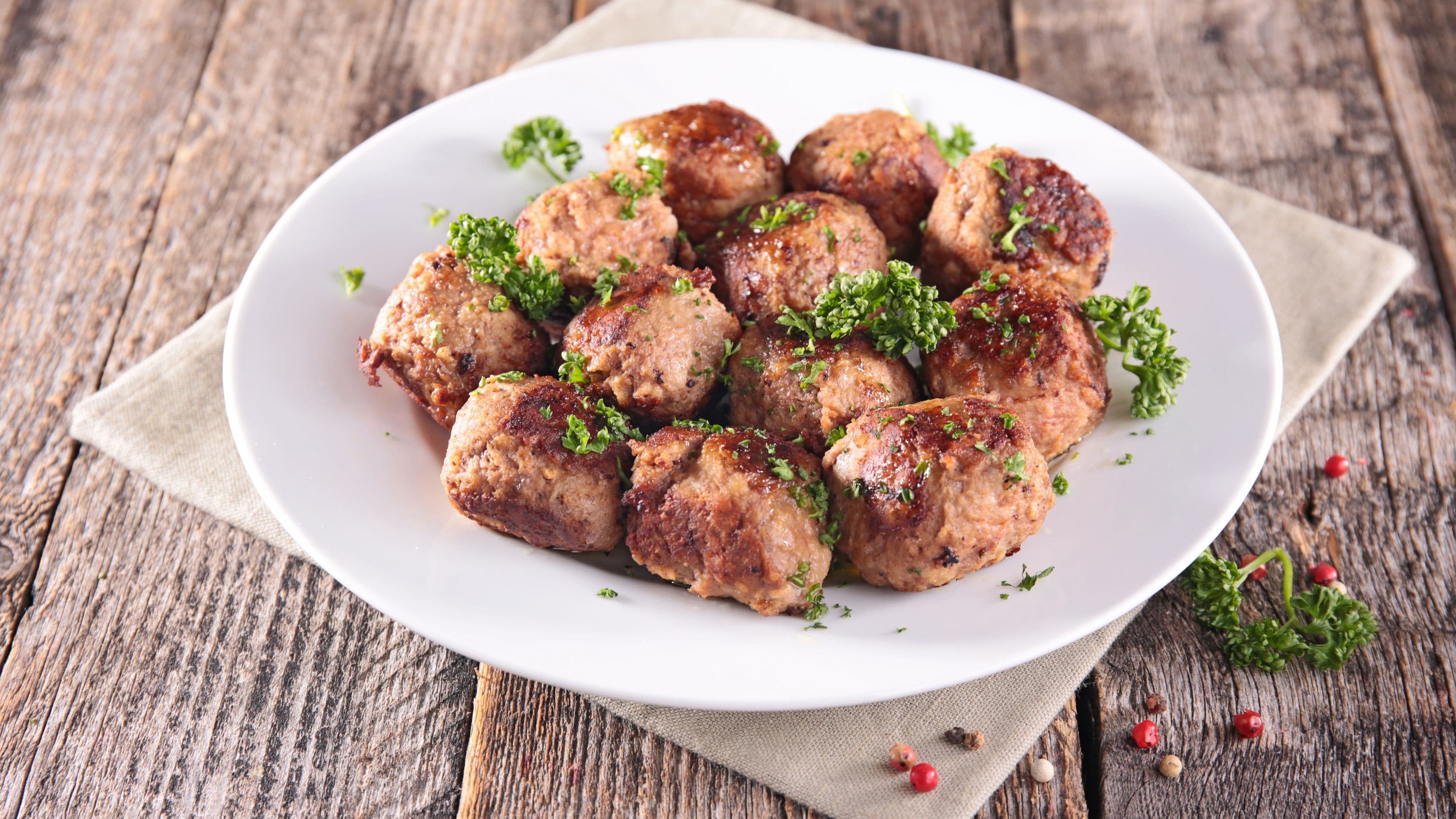
Having a batch of good meatballs in the freezer feels like a small superpower. Dinner in 15 minutes. A quick pasta sauce that tastes like you spent the afternoon on it. A crowd-pleasing appetizer pulled together on short notice. This recipe is designed specifically to be made ahead – the texture holds up well through freezing and reheating, the flavor is versatile enough to work in Italian-style tomato sauce, Swedish-style cream sauce, or as a standalone dish, and the process is efficient enough that making a double batch takes almost no extra effort.
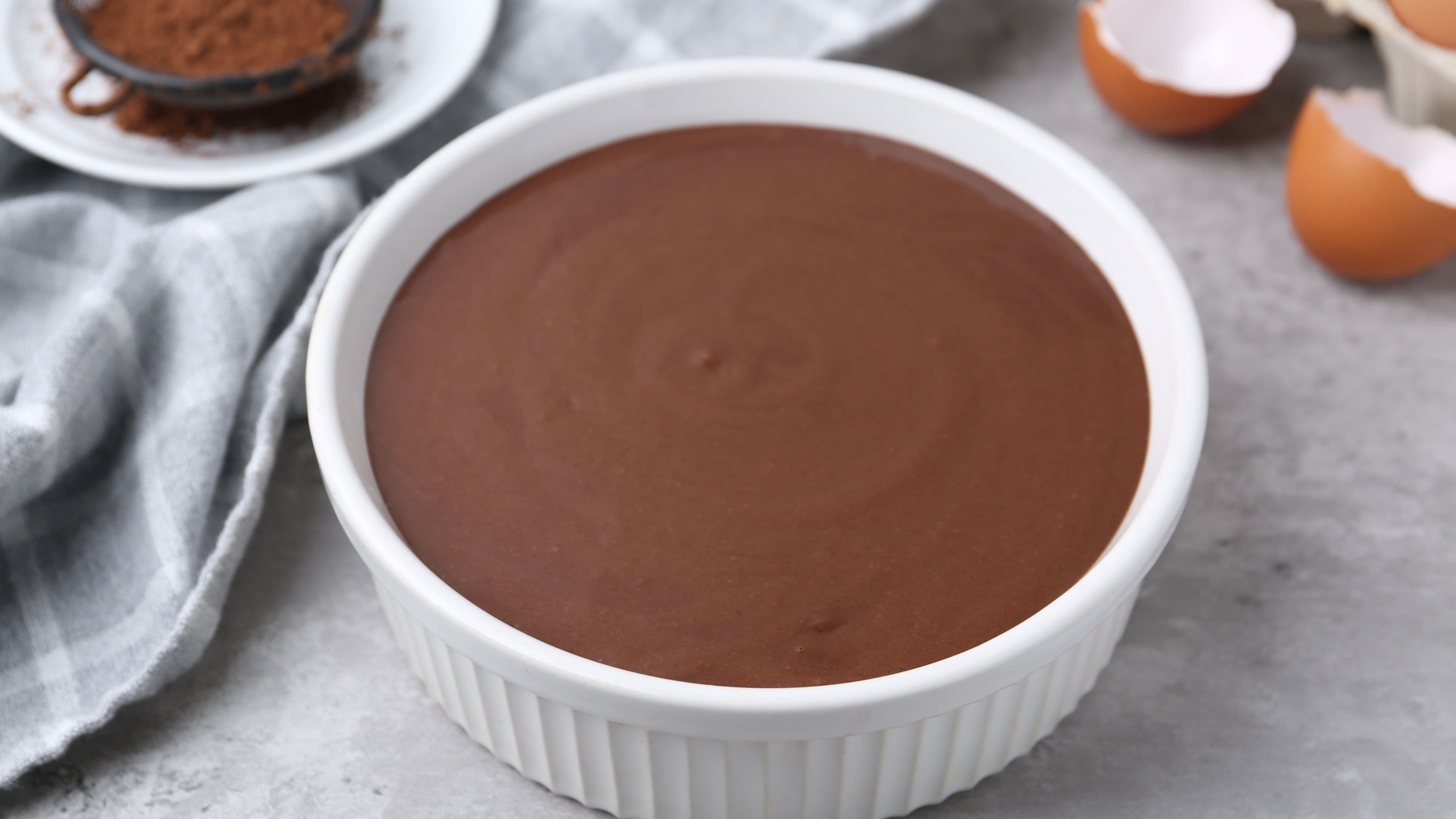
There's a specific kind of intimidation that comes with chocolate cake recipes calling for creaming butter and sugar, sifting three different dry ingredients separately, and folding things together with careful precision. If that's kept you from baking a chocolate cake from scratch, here's genuinely good news: this recipe skips almost all of that, uses one bowl, and still produces a moist, rich cake that tastes like it took far more effort than it actually did.
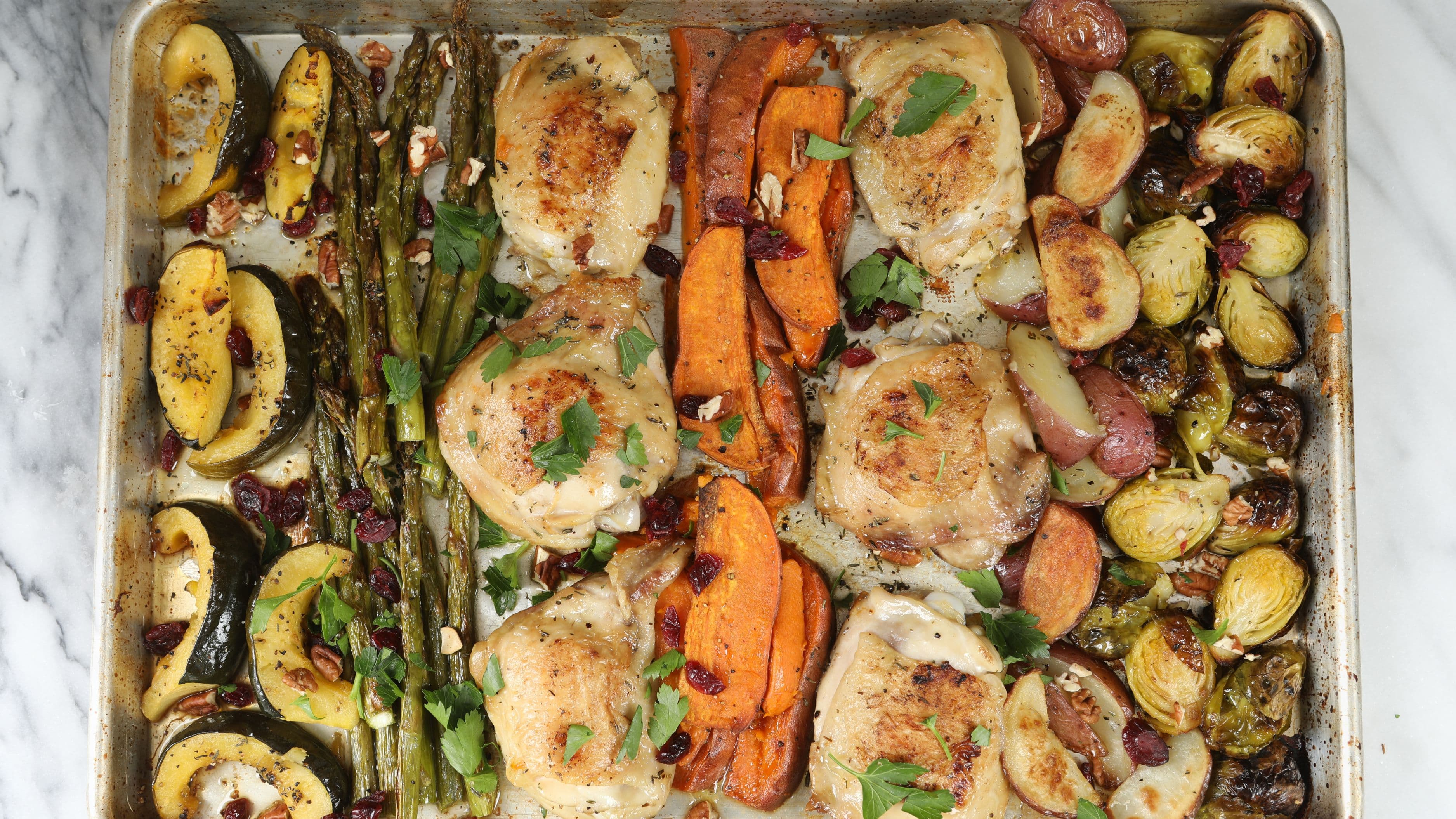
Some nights you open the fridge, stare at it for a solid 30 seconds, and decide you're not cooking. This recipe is for those nights – except you actually will cook, because it takes about 10 minutes of hands-on effort, uses whatever vegetables you have, and produces a hot, genuinely satisfying dinner with almost nothing to clean up.
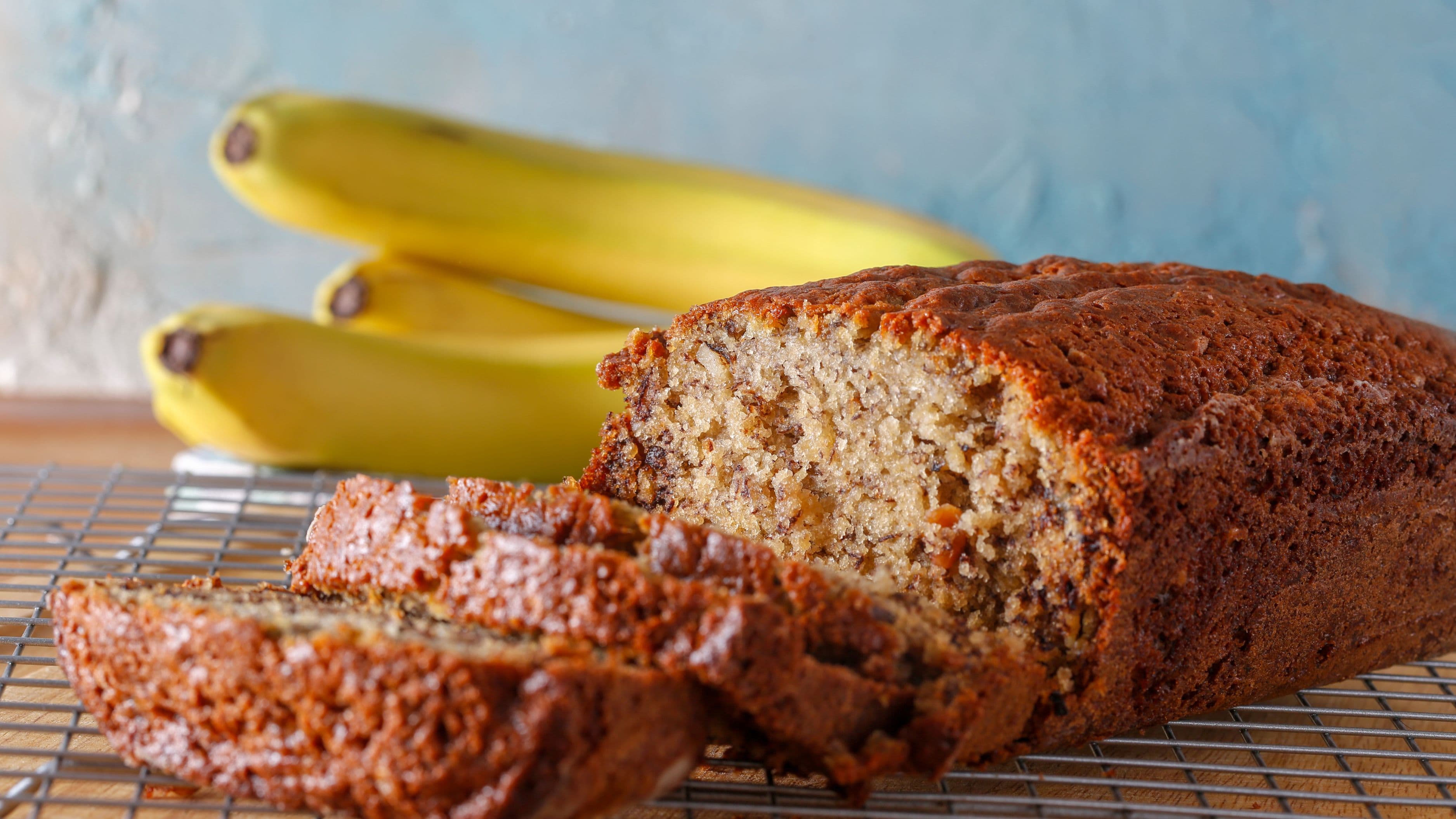
There are banana bread recipes that look perfect in photos and fall apart in practice – dense in the middle, pale on the outside, or inexplicably gummy despite following every step. Then there's the kind of recipe that actually delivers: a loaf that comes out moist, well-risen, golden on top, and full of real banana flavor every single time you make it. This is that recipe.
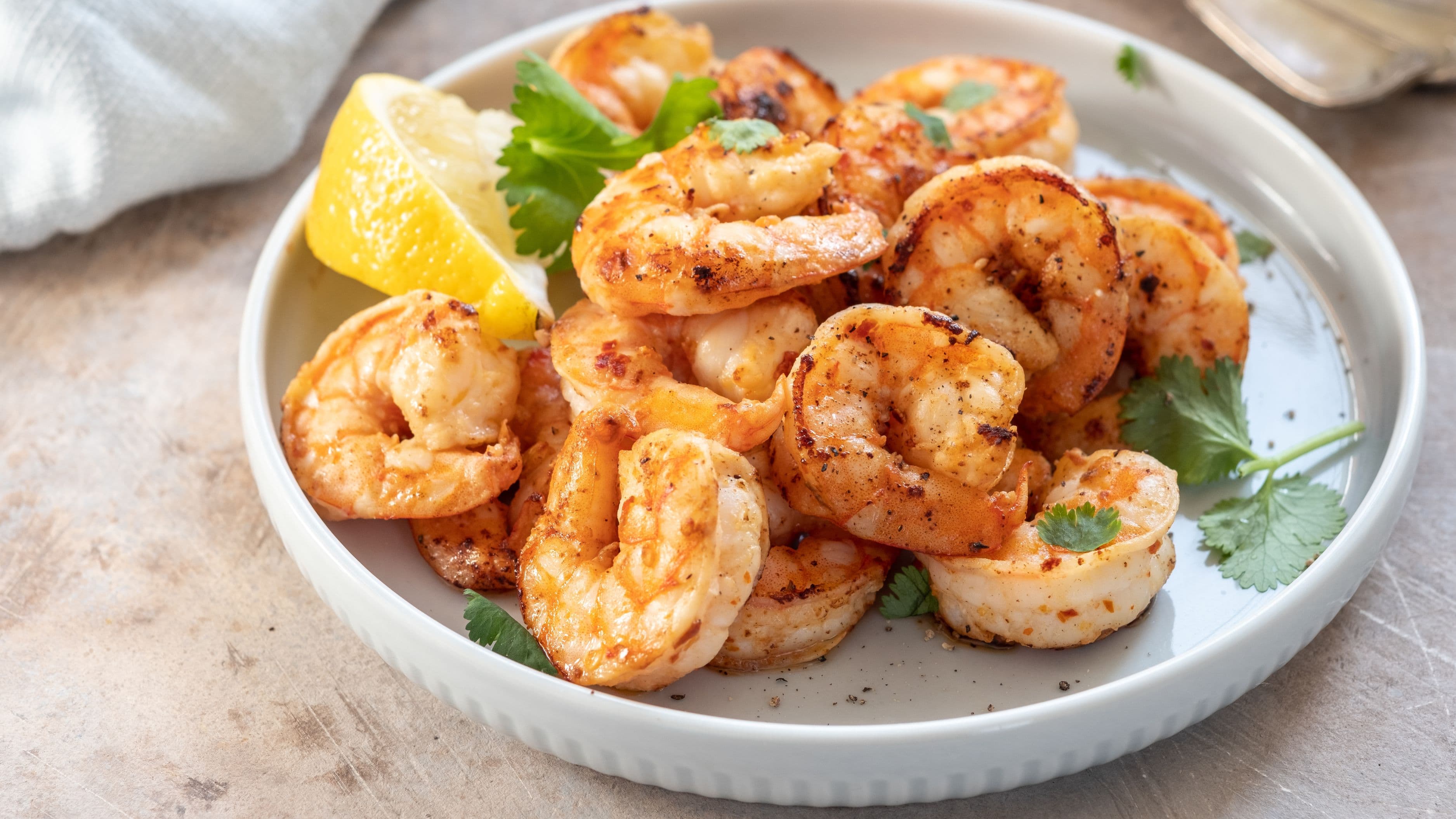
Some weeknights call for something that tastes genuinely good without requiring much from you. Garlic butter shrimp is that dish. It's quick enough to land on the table faster than delivery, impressive enough to serve to guests, and built on ingredients that most home kitchens already have. The sauce alone – glossy, garlicky, slightly tangy from lemon, with a whisper of heat – is reason enough to make it.
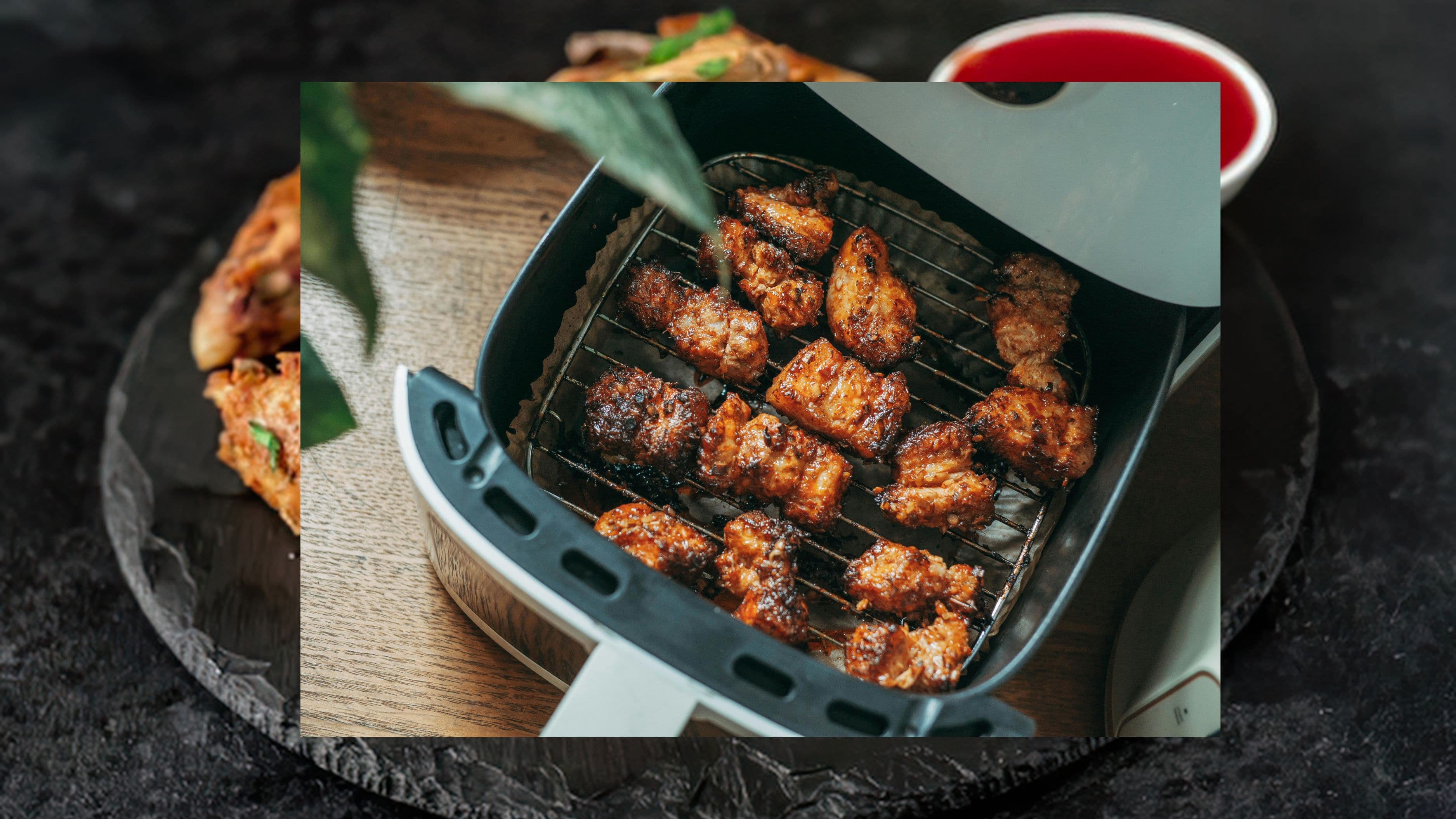
Bar-style wings get their signature crunch from a deep fryer, but you can get remarkably close using just an air fryer and one simple trick most home cooks skip: a light dusting of baking powder before cooking. It changes the surface chemistry of the skin just enough to produce genuinely crispy results without a single drop of deep-frying oil.
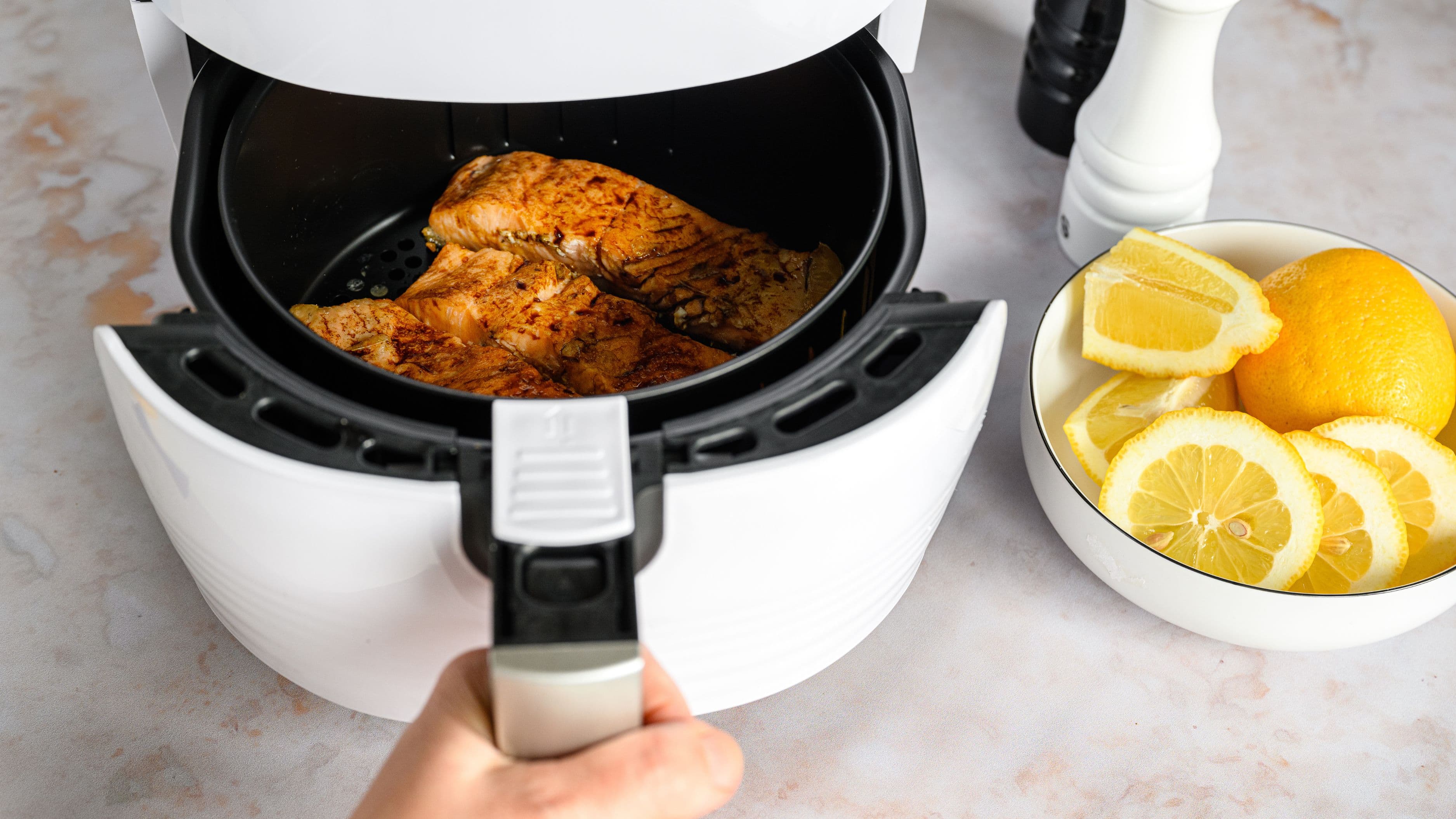
Weeknight dinners have a way of narrowing down to the same three meals on repeat, and salmon often gets skipped simply because it feels like it needs more attention than a tired weeknight can spare. An air fryer changes that math completely. It cooks salmon fast, keeps it moist without babysitting a pan, and cleans up in about the same time it takes to load a dishwasher.
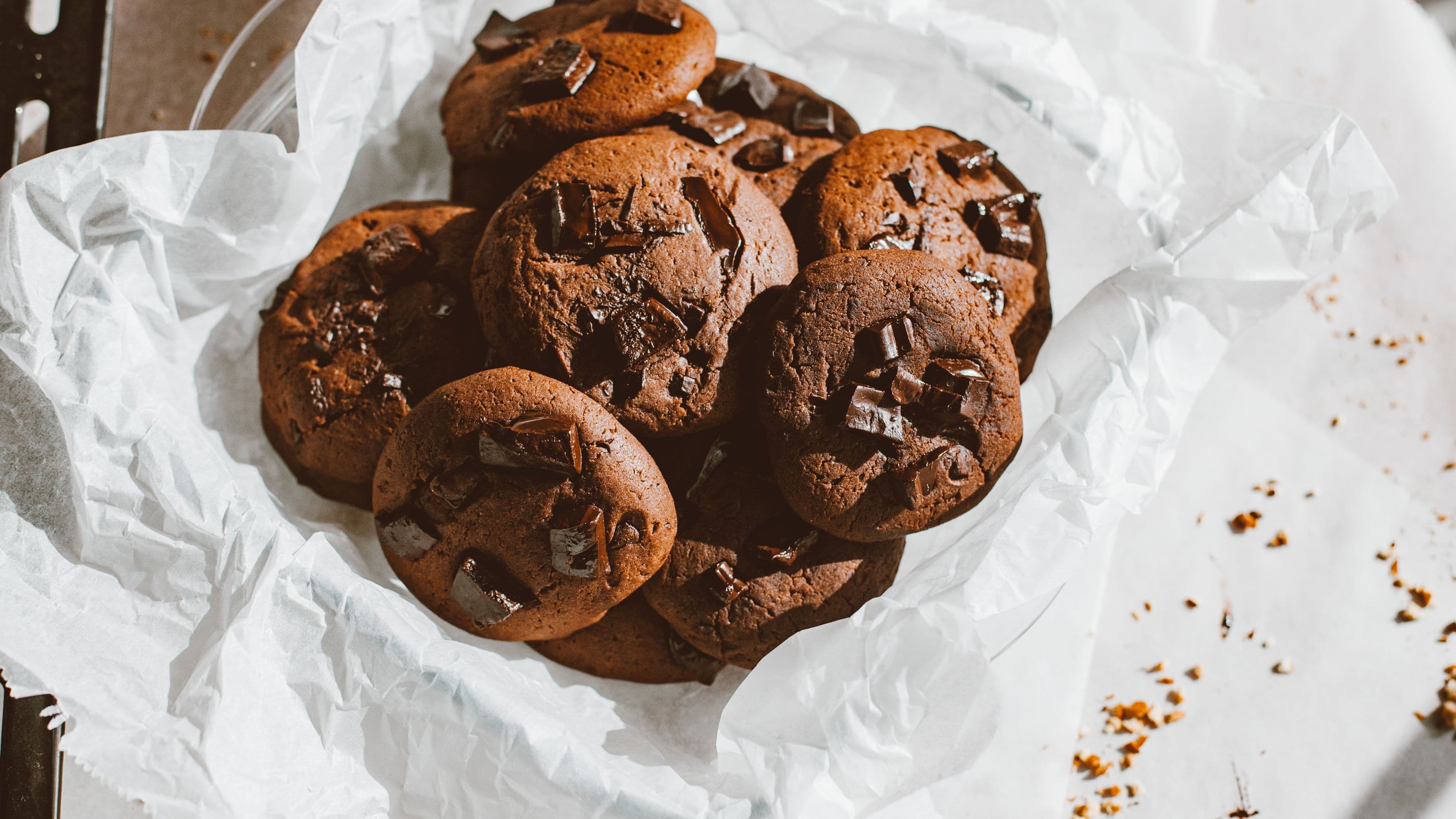
There's a special kind of disappointment in baking a batch of soft, chewy cookies, only to bite into one the next day and find it's gone hard and crumbly. The good news is that chewiness isn't luck or magic – it comes from a handful of specific choices about ingredients and technique, and once you know them, you can get bakery-style chewy cookies that stay chewy every time.
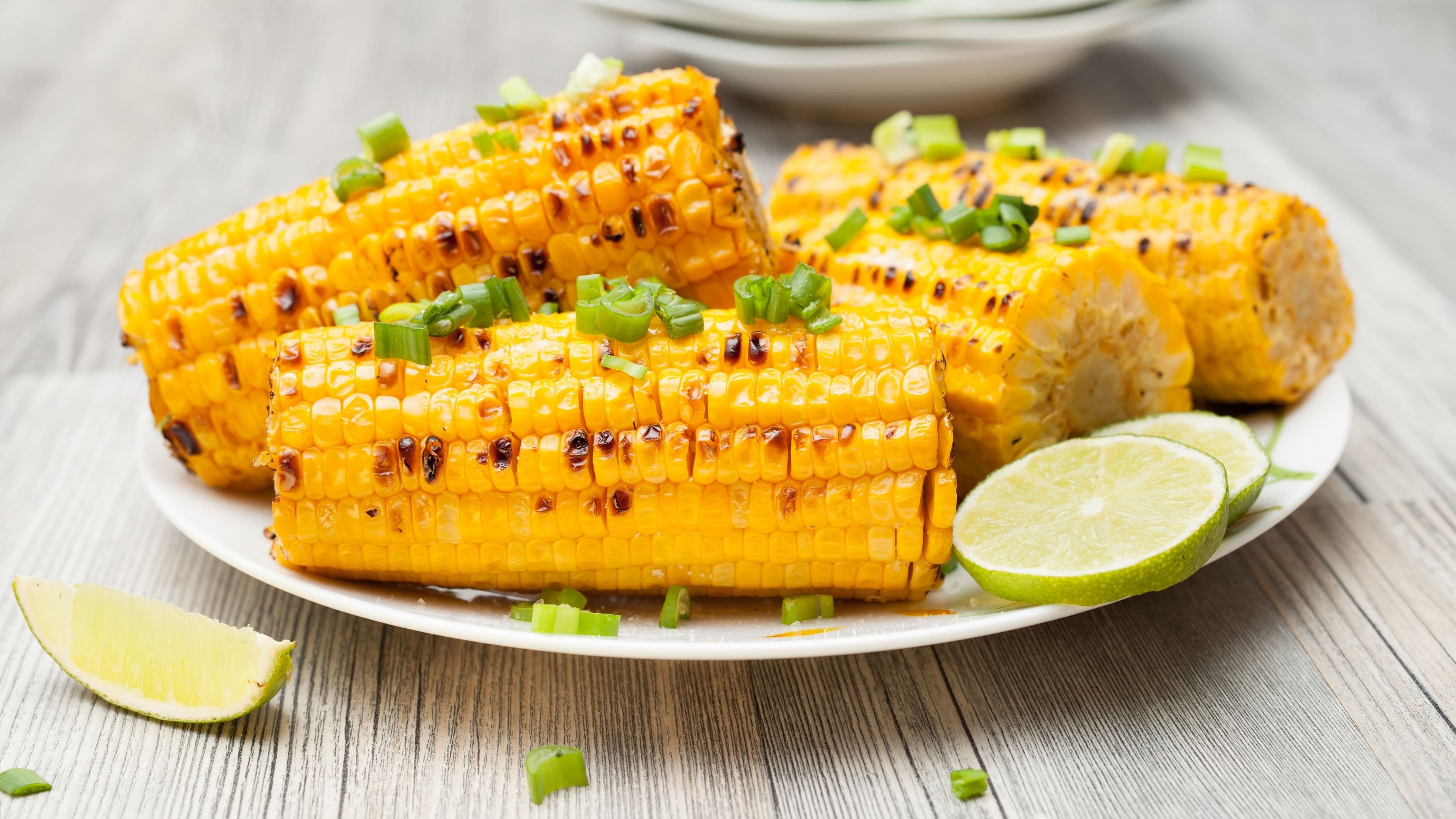
Corn on the cob has a reputation problem. Most of us learned one version, boiled, buttered, maybe a sprinkle of salt, and never questioned whether there was more to it. There is. With a few technique swaps and flavor additions, corn on the cob can go from a predictable side dish to something people actually ask for by name.
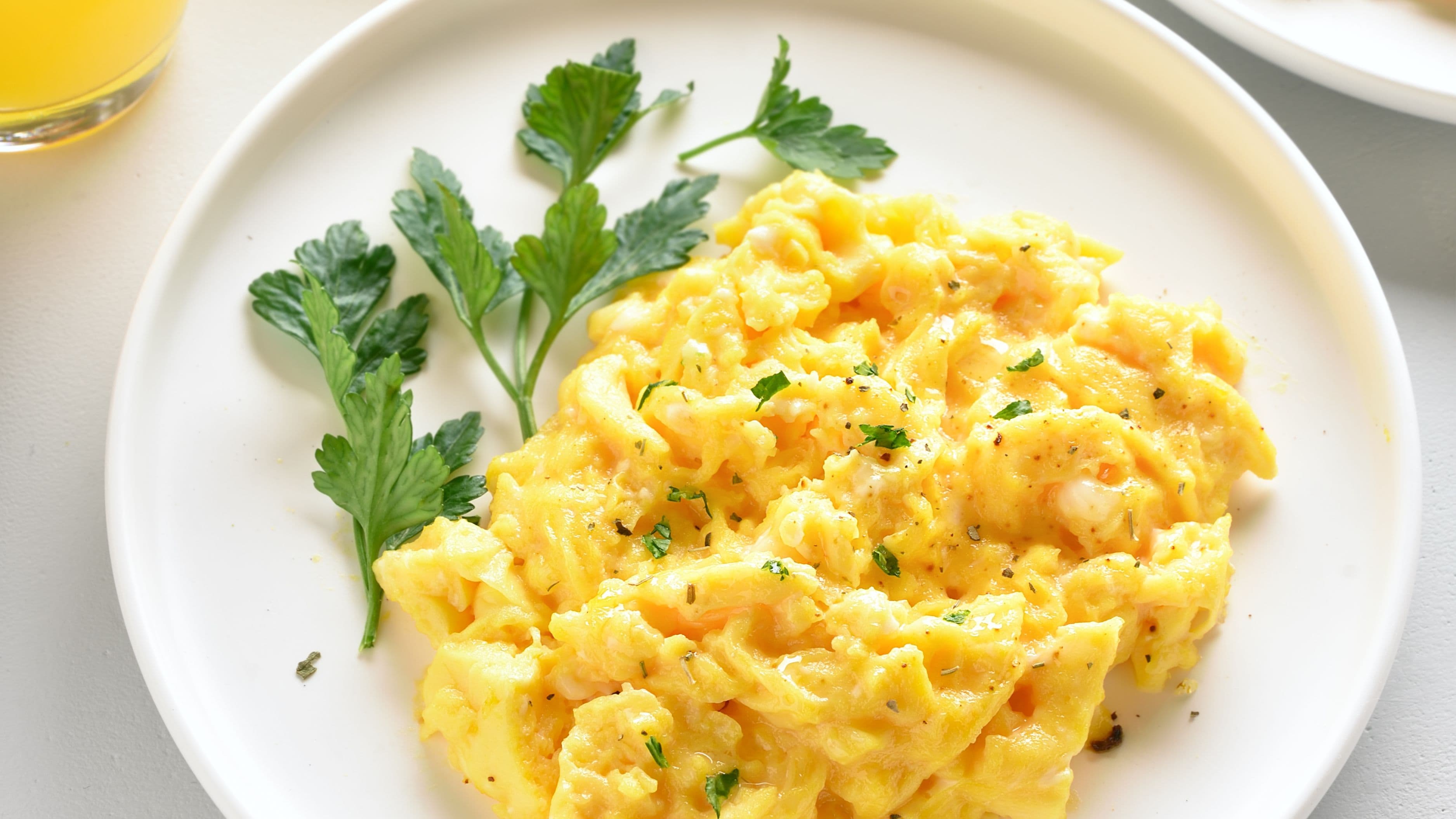
Most people have been making scrambled eggs wrong their entire life, and it's not their fault. The standard approach – hot pan, fast cook, stir until done – gets eggs on the plate quickly, but what you end up with is rubbery, dry, and nothing like the silky, custardy result you get at a good brunch spot. The difference isn't a secret ingredient or a special piece of equipment. It's entirely about heat and timing. Once you understand those two things, you'll never make dry scrambled eggs again.
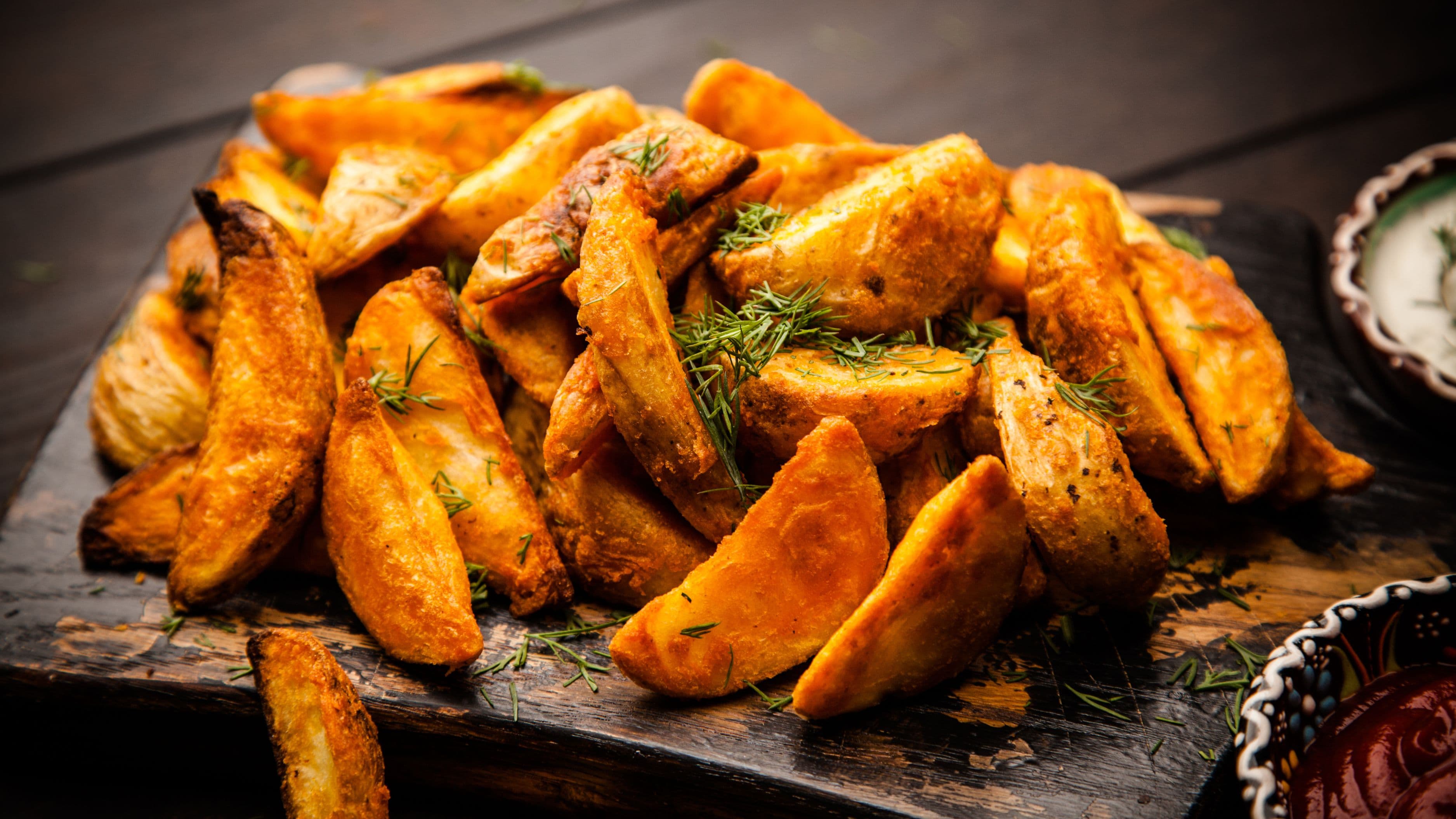
There's a specific kind of disappointment that comes from cutting into a "baked" potato and finding a soft, steamed skin instead of the deep, shattering crunch you were hoping for. The good news is that crispy skin isn't about a special ingredient or a professional oven – it's about a few small technique choices that most home cooks skip without realizing how much they matter. Get those right, and you'll have restaurant-quality crispy baked potatoes with almost no extra effort.
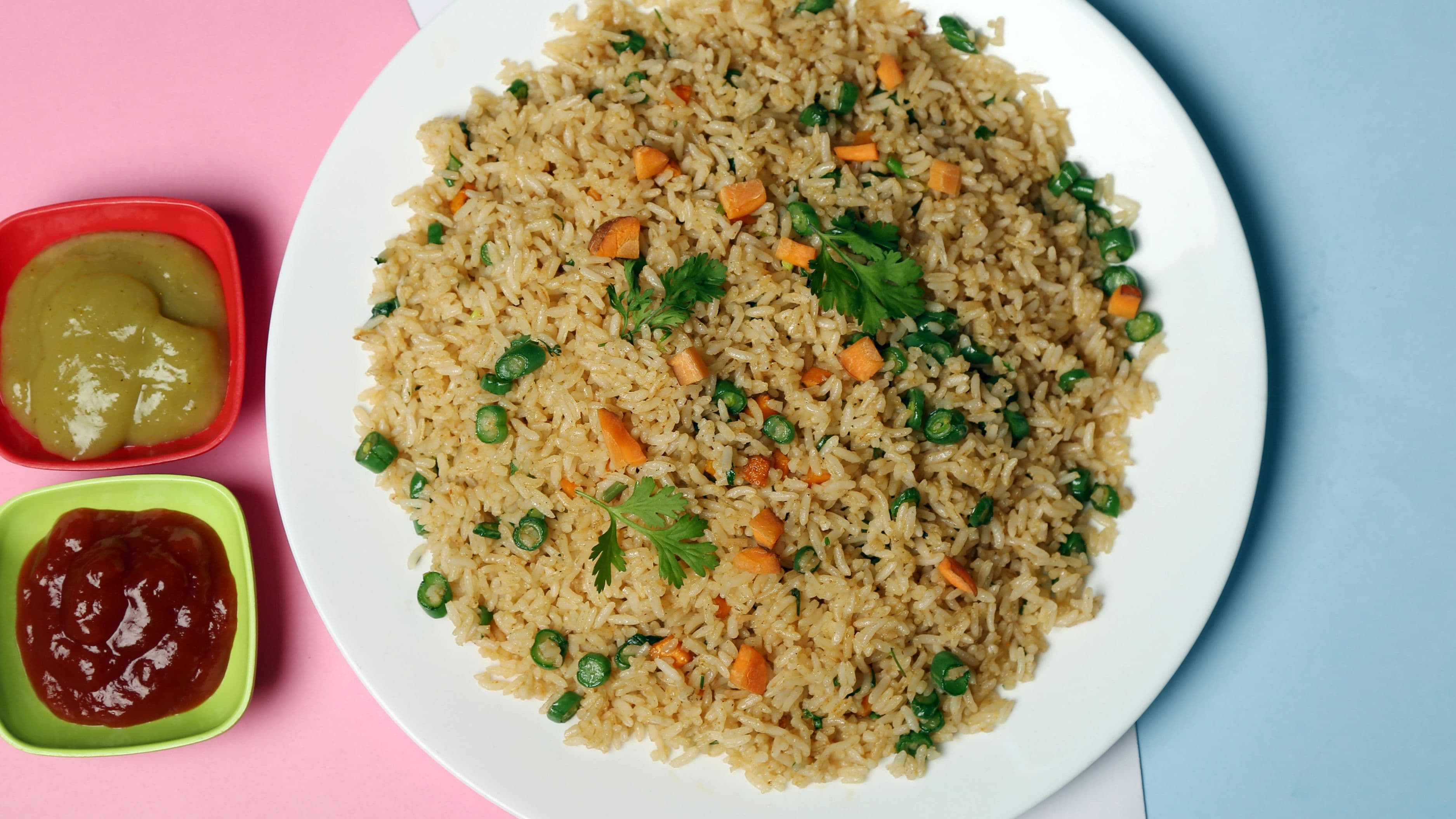
Most homemade fried rice ends up soggy, clumpy, and missing that satisfying wok-charred flavor you get from a good takeout order. It's not a complicated dish, but there are a few things happening in a restaurant kitchen that most home recipes don't explain. Once you understand them, fried rice becomes one of the fastest and most satisfying meals you can make – and yours will genuinely rival what you'd order in.
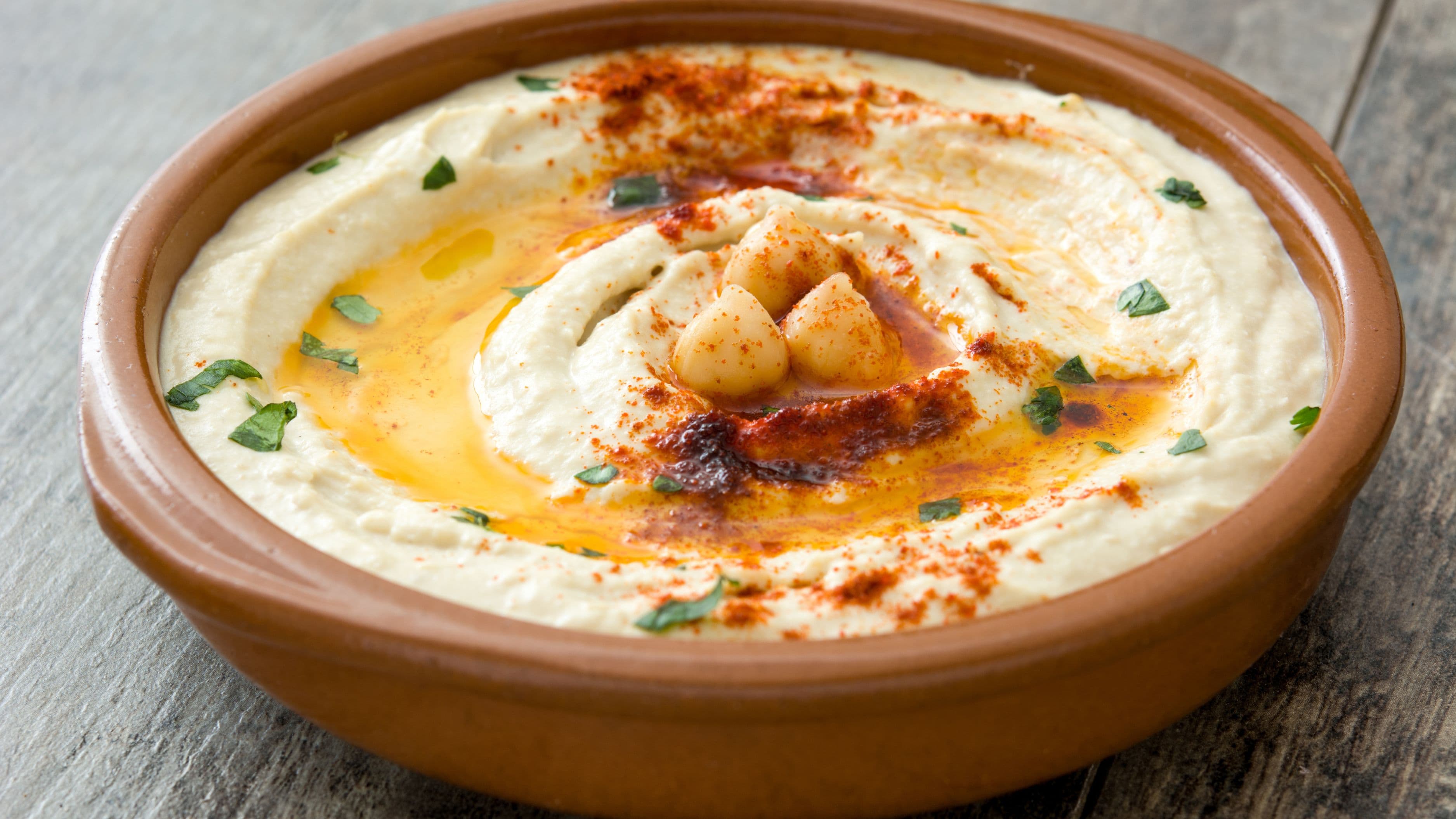
Store-bought hummus has a certain uniform, almost whipped texture that homemade versions often struggle to match, usually ending up grainy or too thick no matter how long you blend. The good news is that the smoothness gap comes down to a handful of specific techniques, not some industrial equipment you don't have access to at home.
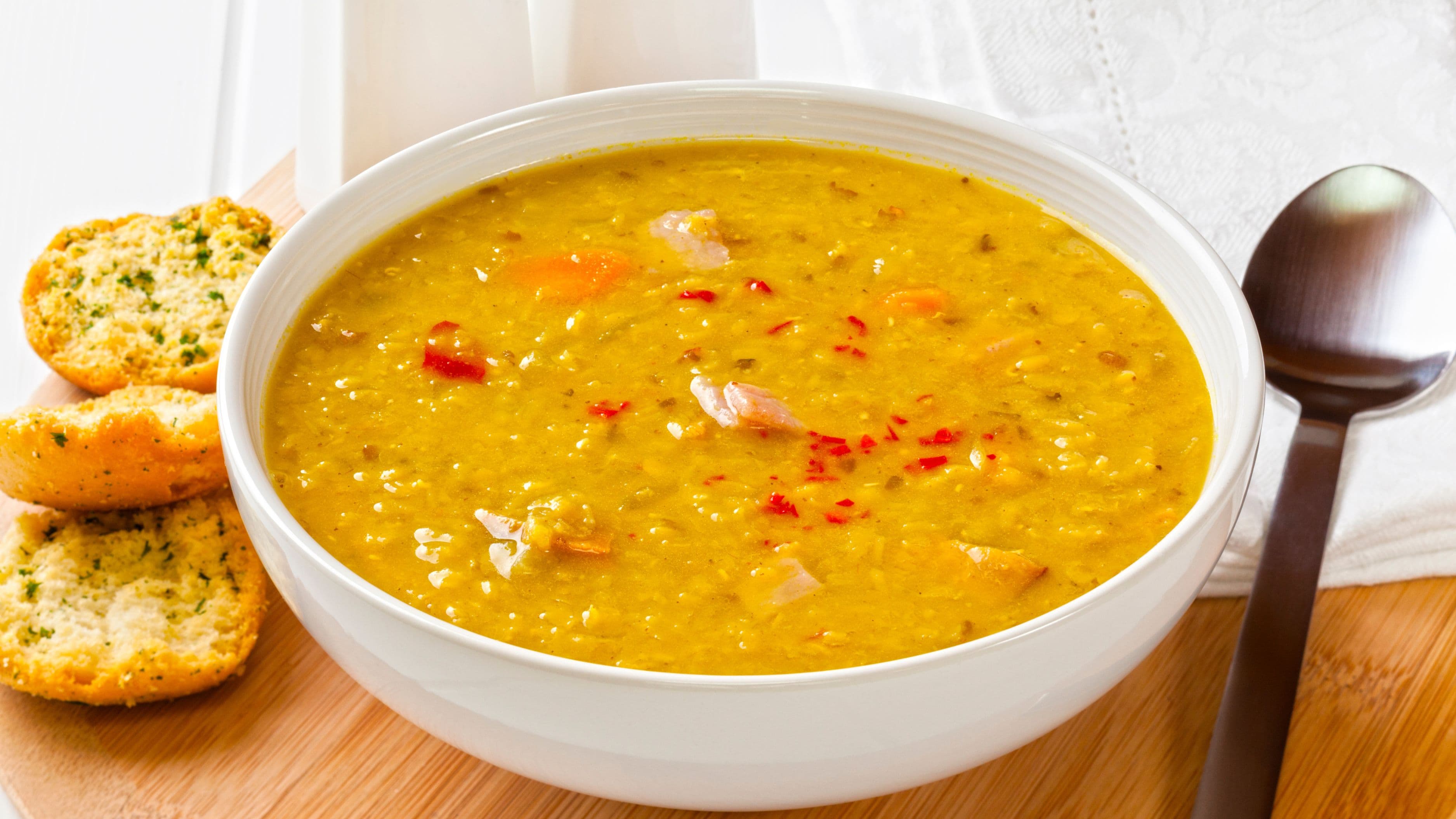
Most lentil soup is fine. It's warm, it's filling, it's nutritious – and nobody asks for the recipe. The version people actually request is something different: deep, savory, with a richness that doesn't come from anything complicated, just from understanding a few things about how lentils and spices work together. This recipe delivers that. It's genuinely weeknight-simple, uses ingredients you probably already have, and takes about 45 minutes start to finish.
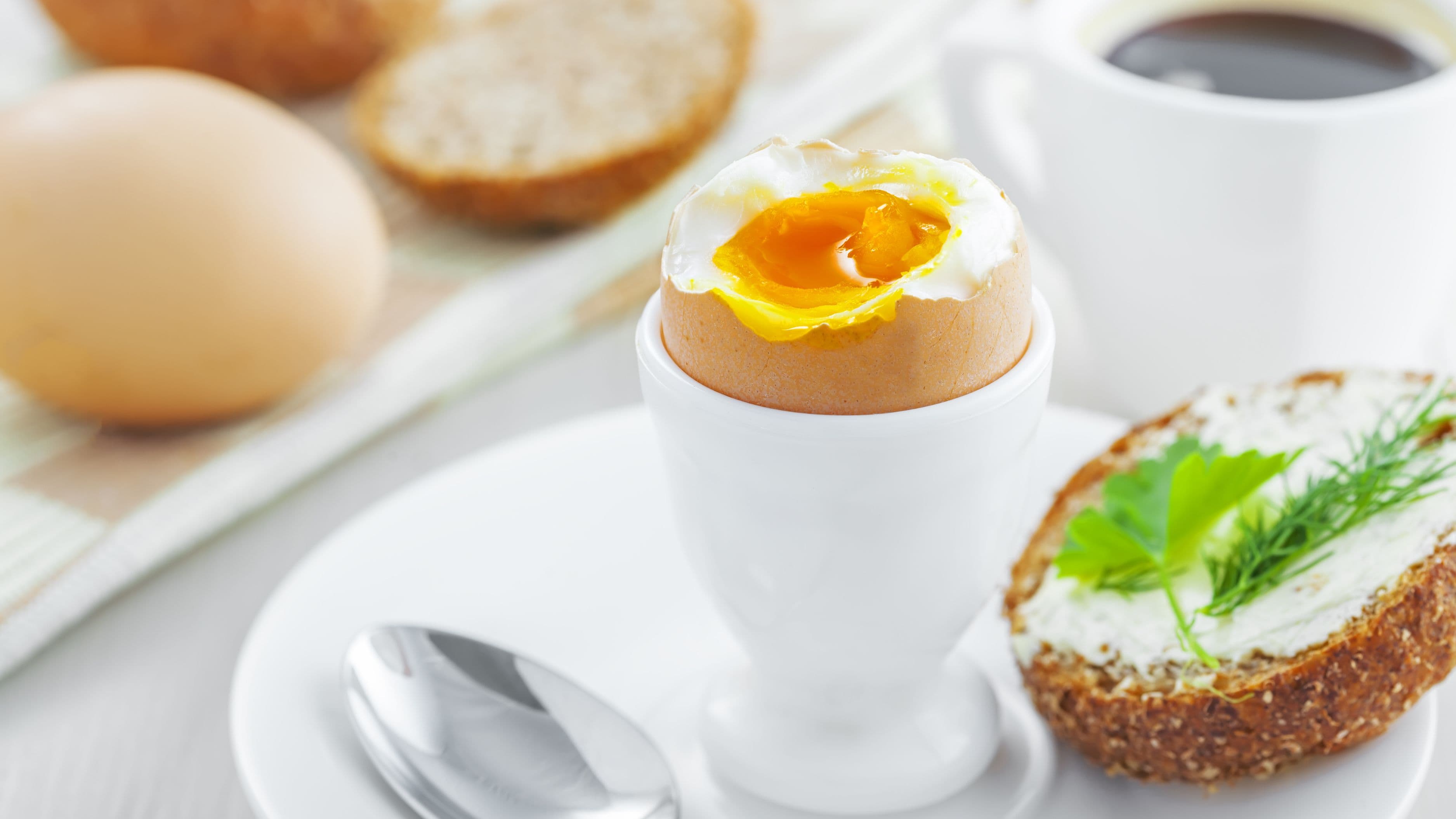
A soft-boiled egg sounds simple until you're staring at one with a rubbery white and a yolk that's gone chalky instead of silky. The good news is that the difference between a mediocre soft-boiled egg and a genuinely great one comes down to just a few controllable variables: timing, water temperature, and how you handle the egg right after cooking. Once you get those dialed in, you'll get the same perfect result every single time.
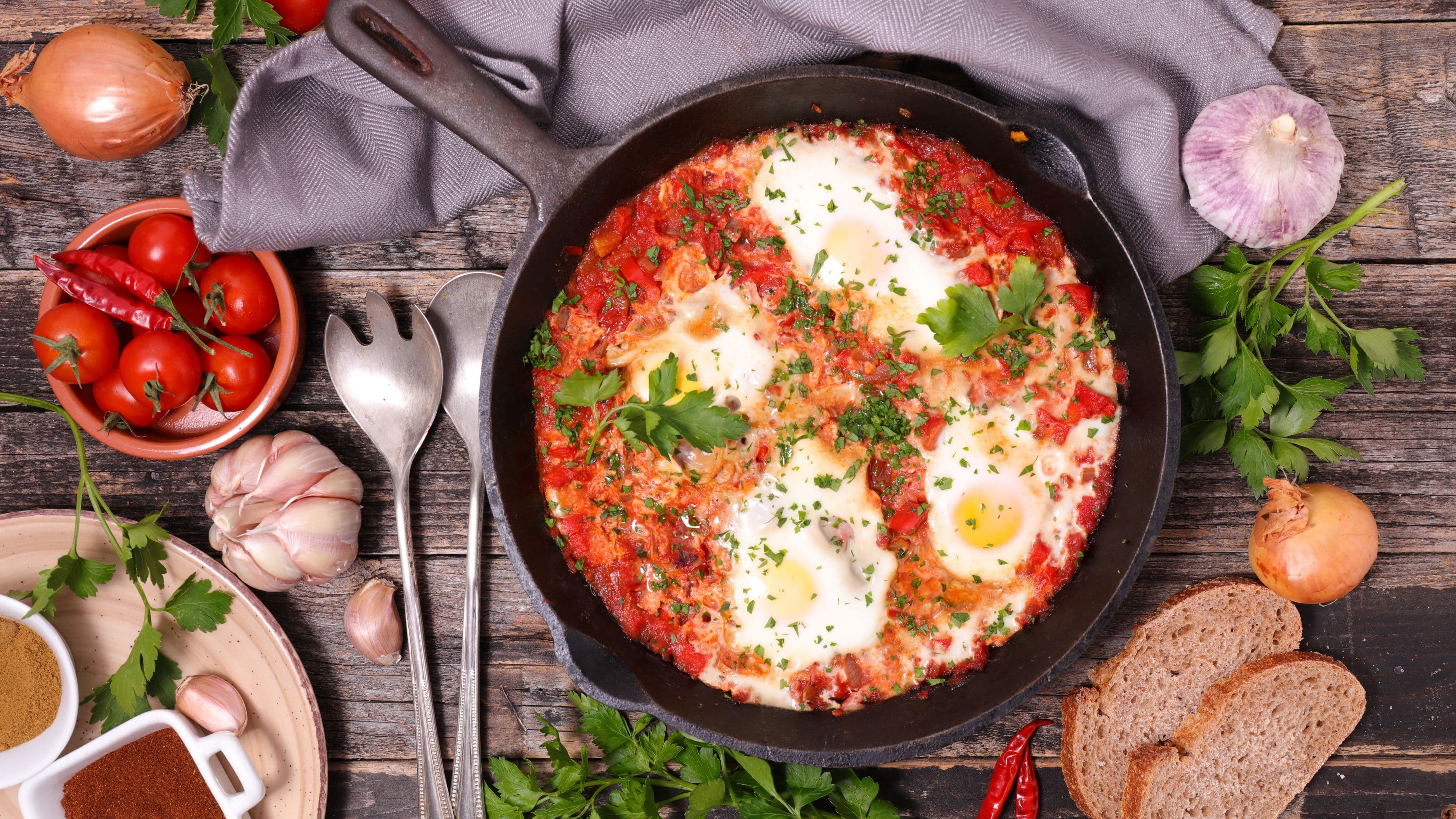
Shakshuka has quietly become one of the most requested brunch dishes for good reason: it's a single pan of gently spiced tomatoes with eggs poached right in the sauce, and it looks genuinely impressive without demanding much technical skill. The tricky part most people run into is scaling it up. A recipe built for two people doesn't just multiply cleanly when you're feeding eight or ten, especially when it comes to cooking that many eggs evenly in one pan.
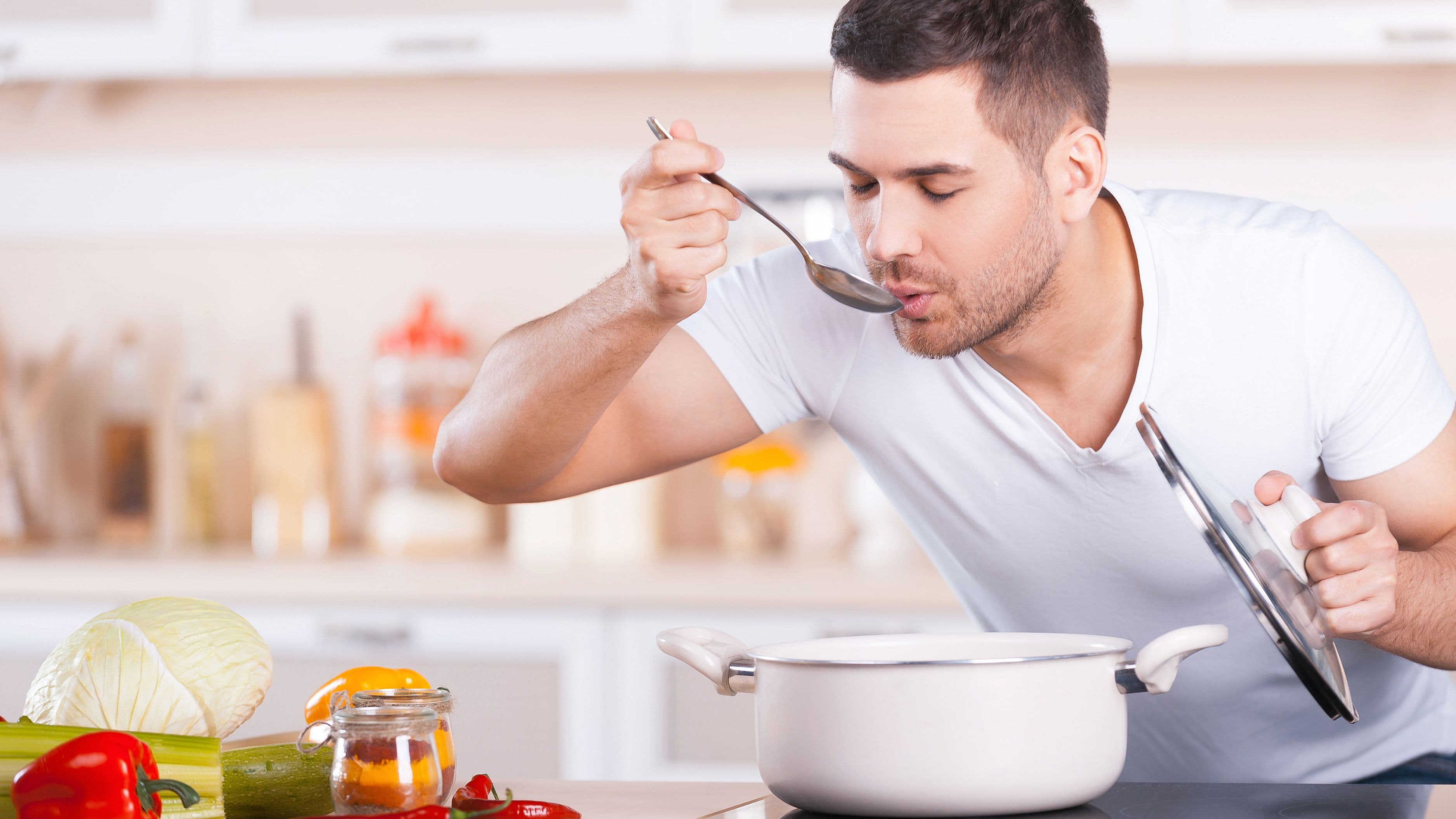
Most disappointing soups share the same problem: they taste like hot water with vegetables floating in it. You followed a recipe, you simmered everything for the right amount of time, and somehow the result is flat, thin, and forgettable. The issue isn't your ingredients or your patience. It's that a few specific things happen at the start and end of a soup that determine whether it tastes like something or nothing – and most recipes either gloss over them or assume you already know.
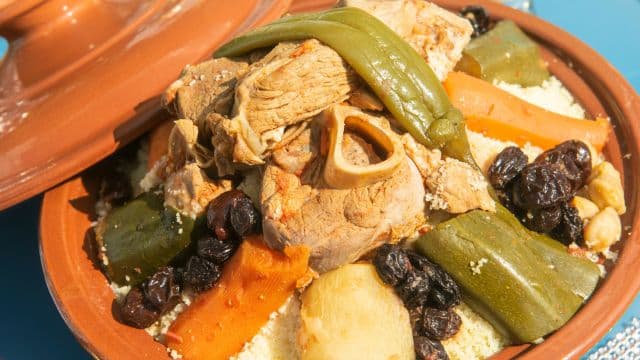
Algerian food doesn't get nearly the attention it deserves compared to some of its North African neighbors, but it has its own distinct identity, built on slow-cooked stews, fragrant spice blends, and a couscous tradition that anchors most family meals. If you've never cooked Algerian food before, a few foundational dishes will get you further than you'd expect, and none of them require hard-to-find ingredients.
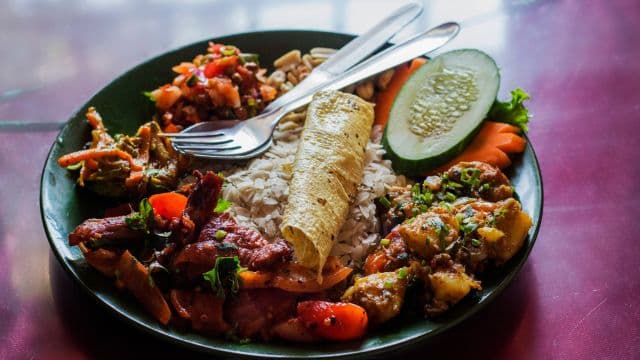
Nepali food often gets lumped in with Indian or Tibetan cuisine in casual conversation, which sells it short. It has its own identity, shaped by Nepal's geography, mountainous terrain in the north bordering Tibet, fertile valleys in the middle, and tropical lowlands near India, and that geographic range shows up directly in the food. Understanding what actually makes it distinct makes it a lot easier to know where to start cooking it yourself.
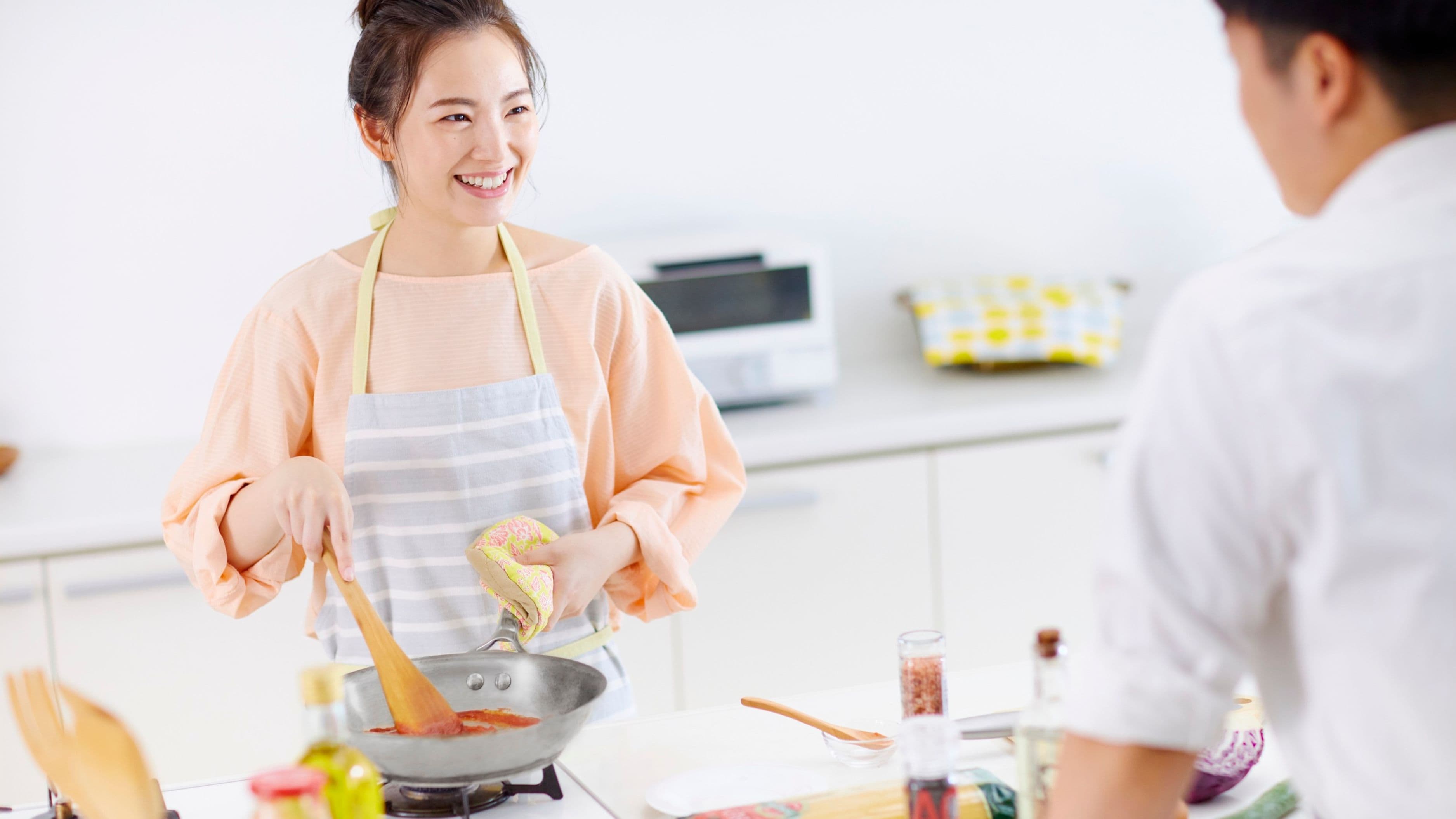
Japanese food has a reputation for being difficult, technical, and time-consuming. Some of it is – but most of what you actually want to eat at home isn't. Once you understand a handful of core ingredients and how they work together, you'll find that Japanese home cooking is some of the most practical, satisfying cooking you can do. Simple techniques, clean flavours, and meals that genuinely come together in under 30 minutes once you have the pantry sorted.
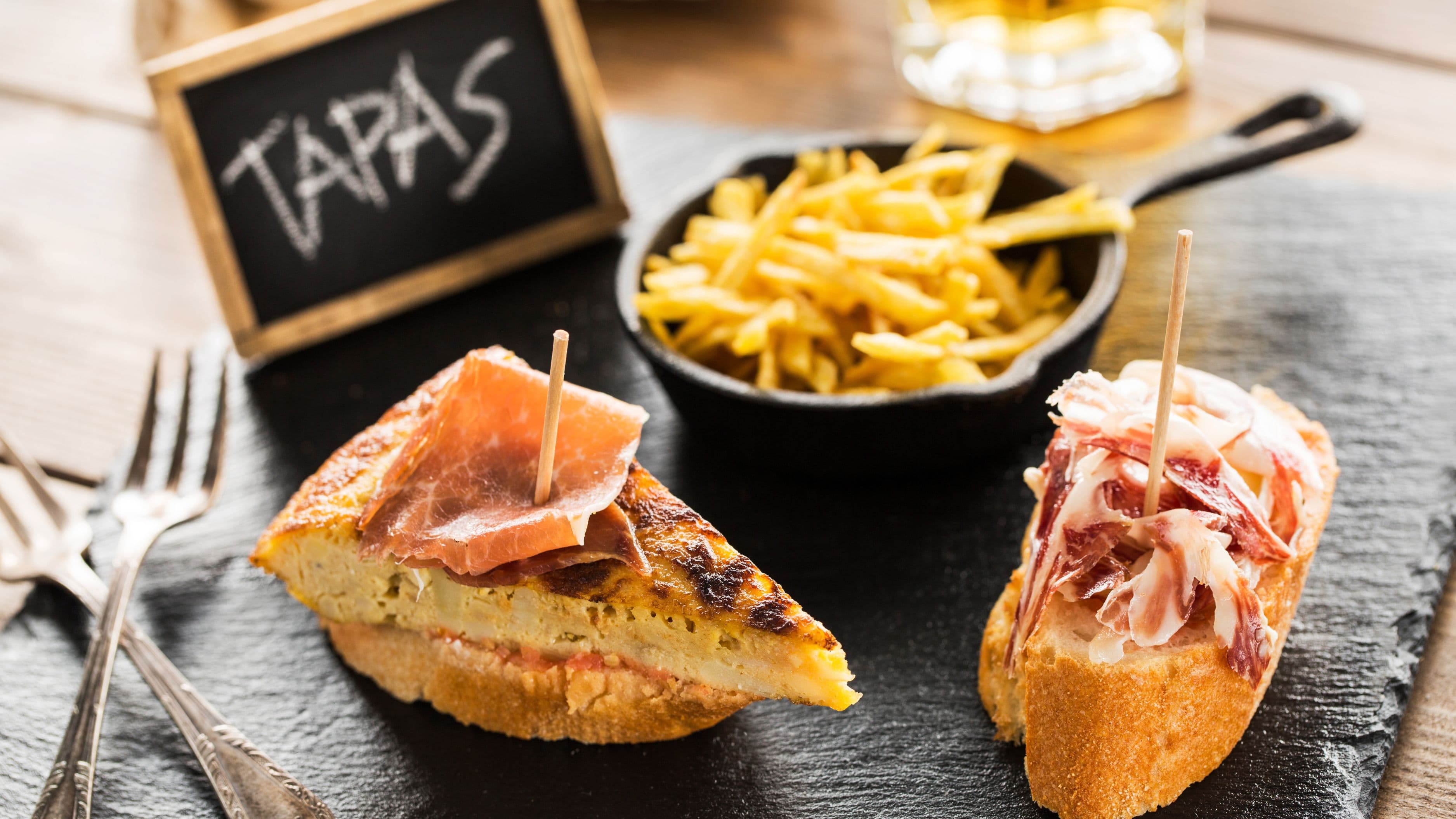
Tapas have a reputation for being a restaurant thing – small plates, skilled hands, ingredients you can't find at a regular grocery store. That reputation is mostly wrong. The majority of classic Spanish tapas are genuinely simple, built from pantry staples, and designed to be made in quantity without much fuss. That's the whole point: tapas culture is about relaxed, communal eating, not elaborate production.
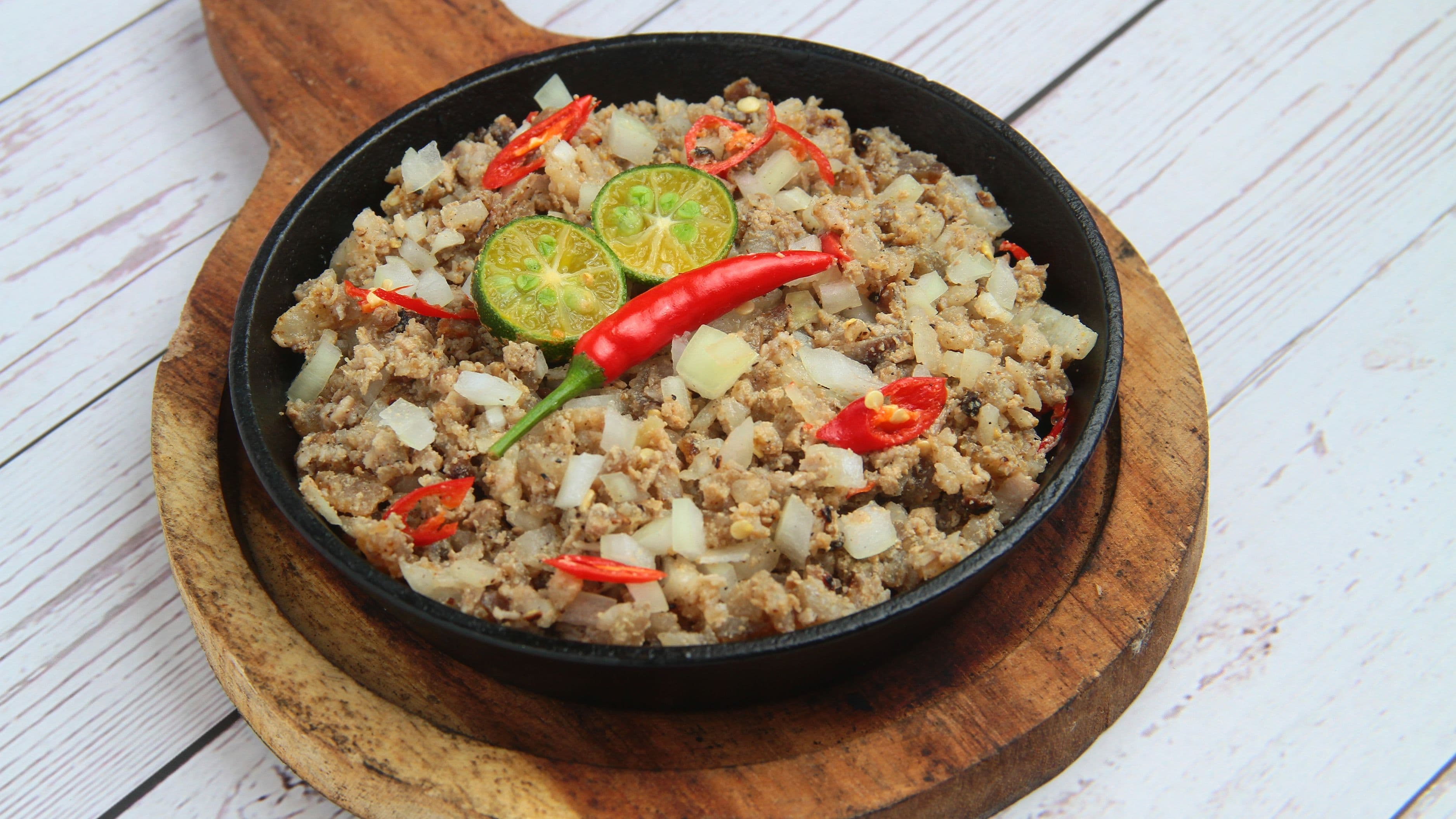
Filipino food doesn't fit neatly into the flavor categories most home cooks already know, and that's actually part of why it's so worth exploring. It pulls sour, salty, and savory into the same dish at once, often in a single sauce, rather than leaning on one dominant note the way a lot of cuisines do. Once you understand the handful of techniques and pantry staples behind that balance, Filipino cooking becomes a lot more approachable than its reputation as an "undiscovered" cuisine might suggest.
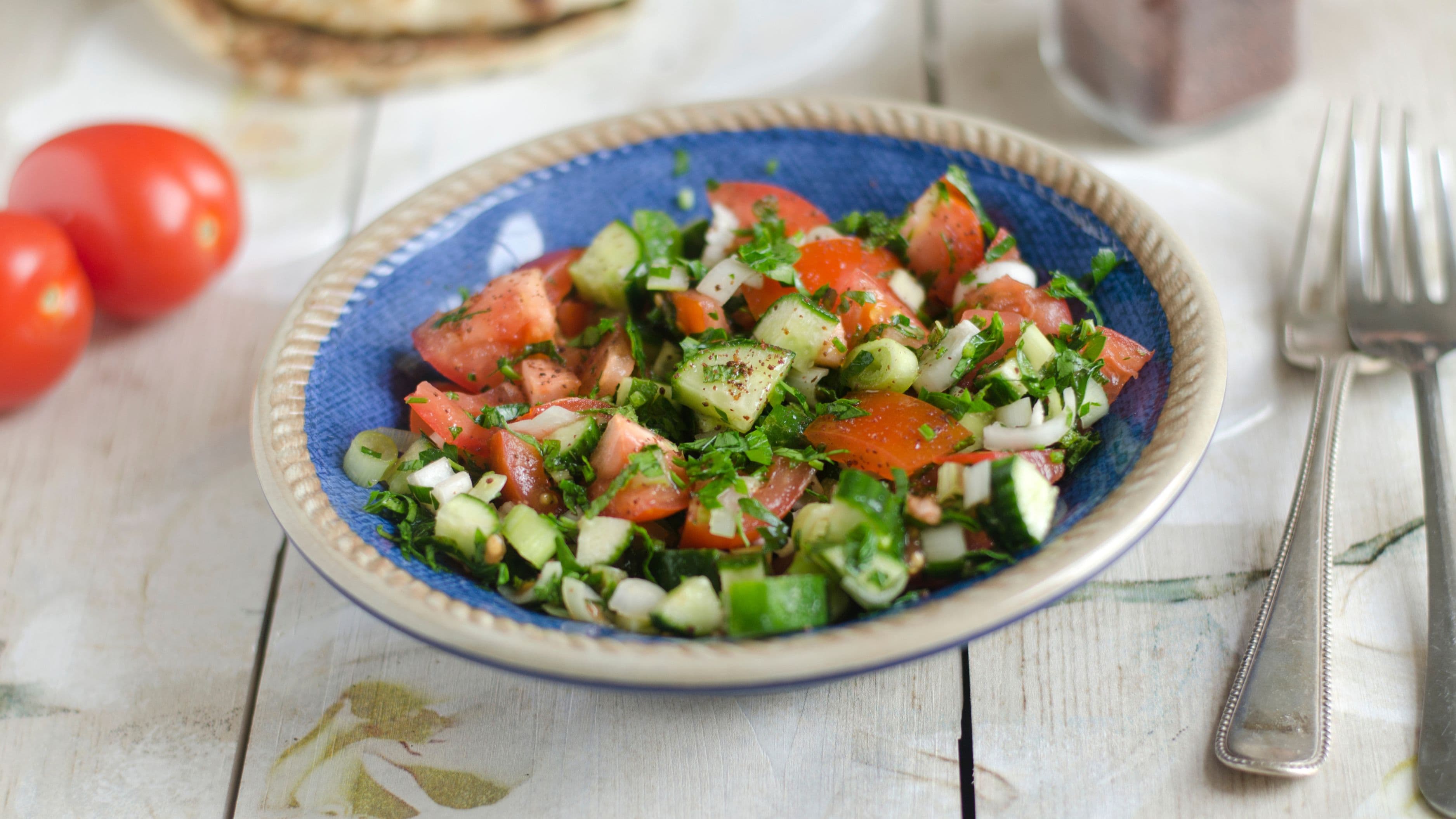
If you've ever had Israeli salad at a falafel stand or a friend's dinner table, you know the appeal instantly: crisp, bright, refreshing, and somehow more than the sum of its very simple parts. The good news is that this dish isn't hiding some complicated technique behind its flavor. It's built almost entirely on knife skills and good ingredients, which means you can make a genuinely authentic version at home tonight with almost no cooking involved at all.
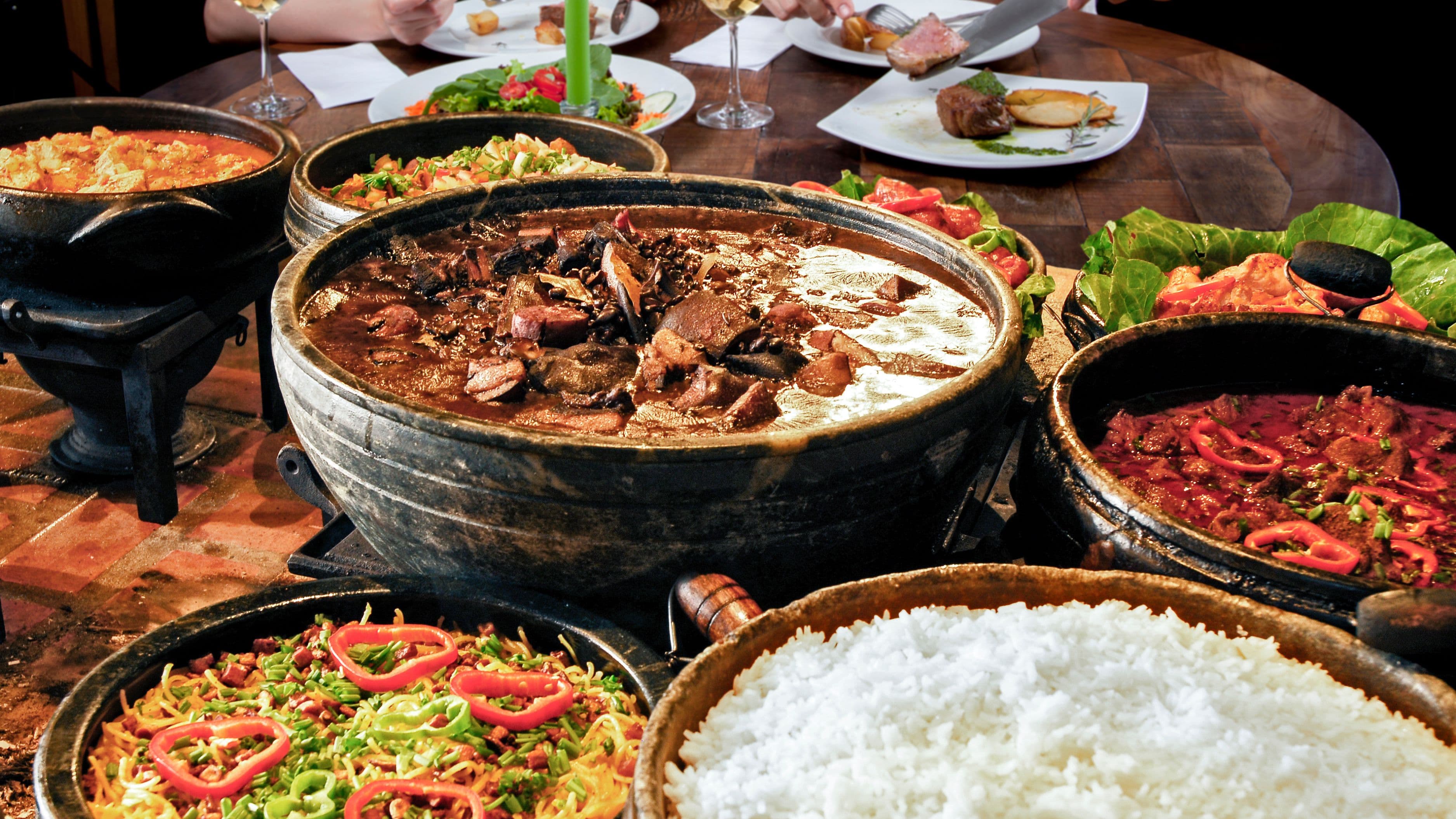
You don't need to live near a Brazilian grocery store to bring the flavors of Brazil into your kitchen. Many of the ingredients behind Brazil's most beloved dishes have easy substitutes hiding in your regular grocery store, once you know what to look for. Here's how to recreate these staples with what's actually available to you.
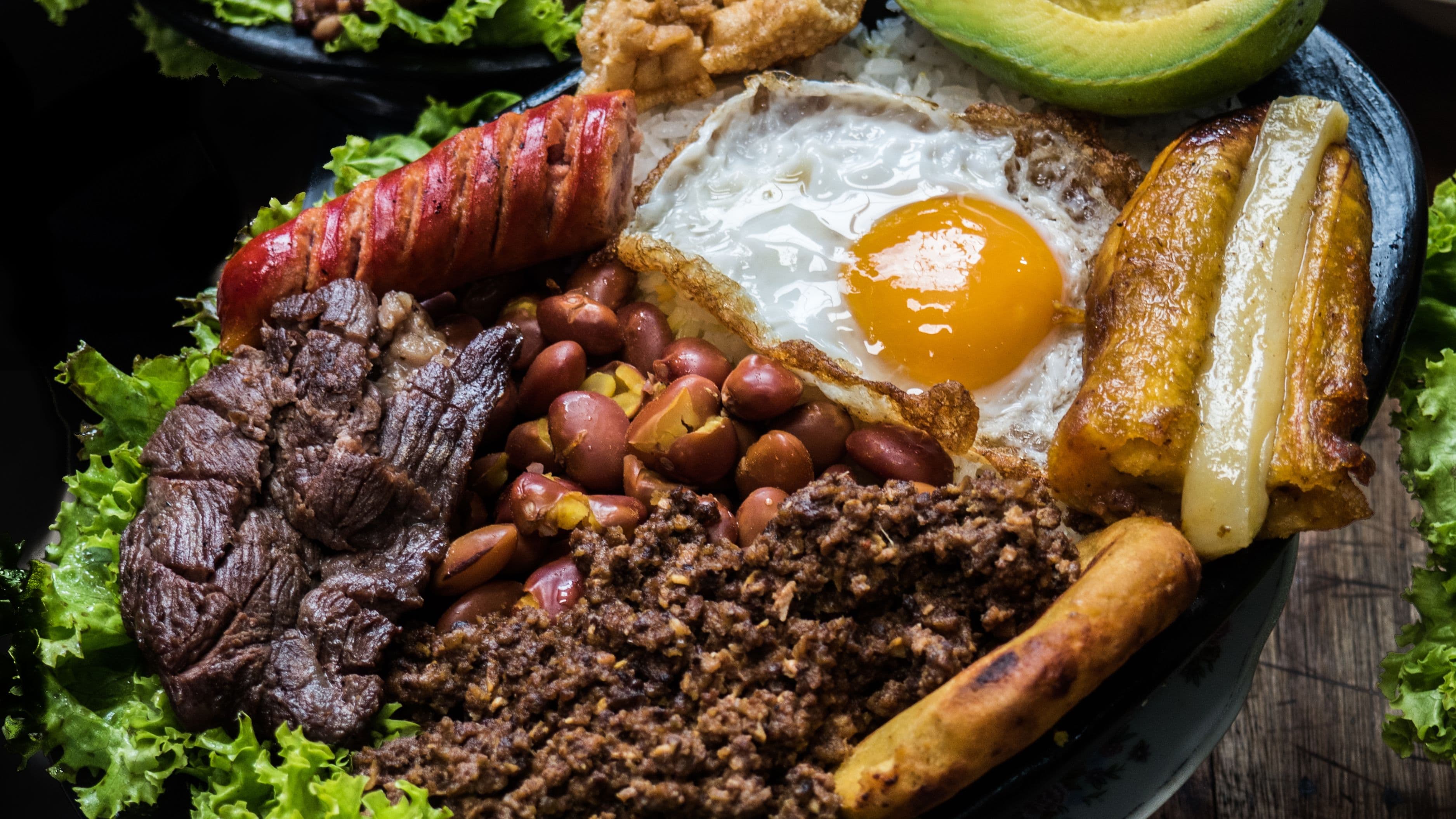
Colombian cooking has a reputation for warmth and heartiness that doesn't require expensive ingredients to achieve. Most of the cuisine's foundational dishes were built around affordable staples – rice, beans, potatoes, corn, and cheaper cuts of meat – stretched further with simple, flavorful seasoning rather than costly imports. That makes it one of the more approachable world cuisines to start cooking regularly without straining your grocery budget.
Cuban food is one of those cuisines that looks like it requires a specialty grocery run but actually doesn't. Most of the dishes that define Cuban cooking are built on things you probably already have: dried black beans, white rice, canned tomatoes, garlic, cumin, bay leaves, and a good bottle of olive oil. The flavors are bold and savory, the techniques are forgiving, and the meals are the kind that fill a kitchen with a smell that makes everyone wander in asking what's for dinner.
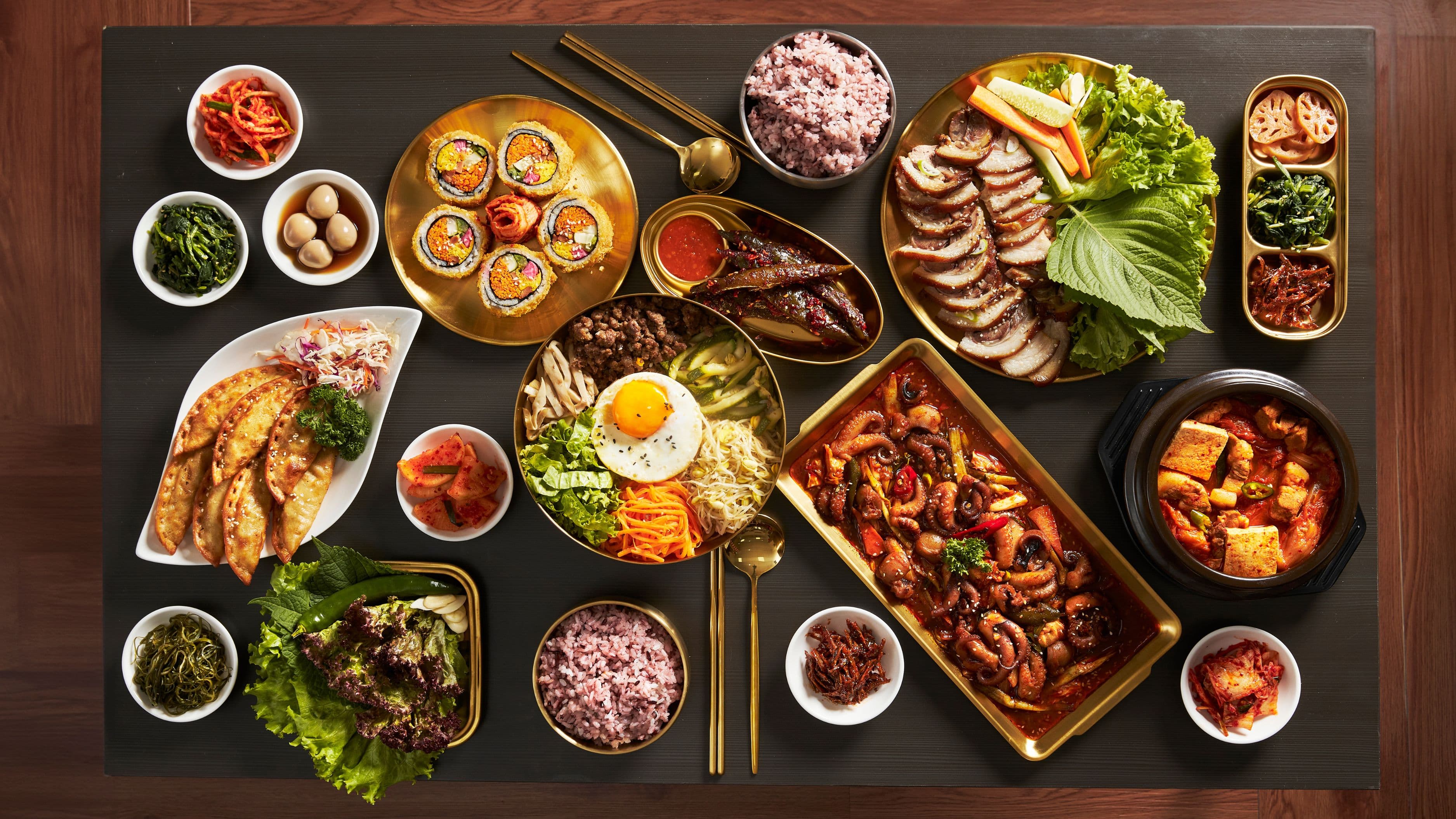
Korean food has a reputation for being ingredient-dependent – and if you've ever looked up a recipe and hit a wall trying to find gochugaru or doenjang at a regular grocery store, that reputation feels earned. But the reality is that most of the flavor foundation of Korean cooking can be built with ingredients that are increasingly available at mainstream supermarkets, accessible online, or substitutable without sacrificing the dish. You don't need a Korean grocery store to cook Korean food well. You need to know what actually matters and where to find it.
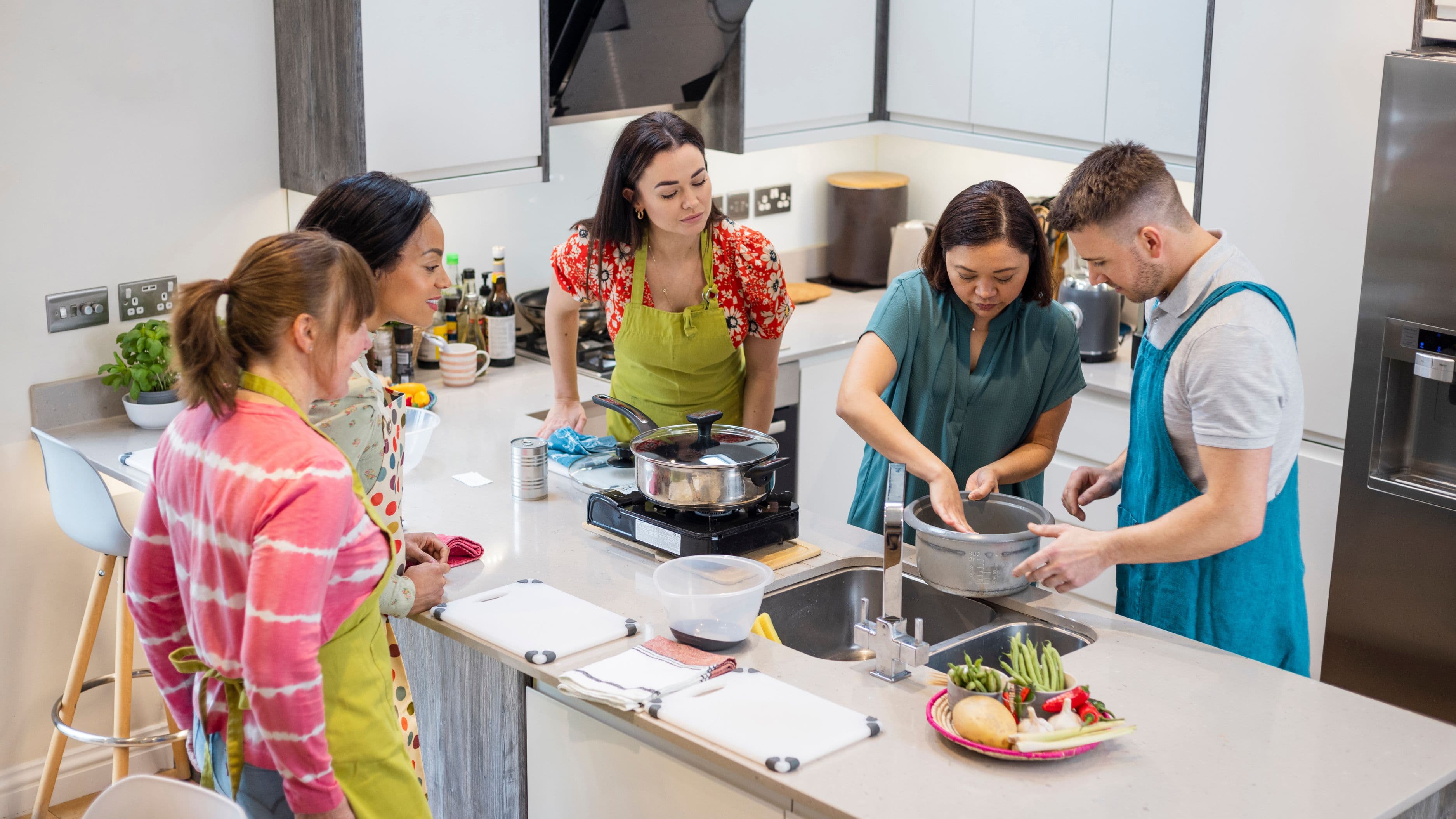
Store-bought curry paste is convenient and not without merit. But if you've ever made Thai food from jarred paste and felt like something was missing – a brightness, a layered freshness, a sense that the dish was actually alive – you've identified exactly what the scratch approach provides. Making your own paste and building Thai dishes from base ingredients isn't as complicated as it seems. It mostly requires the right aromatics, a mortar and pestle or food processor, and understanding why each ingredient goes in when it does.
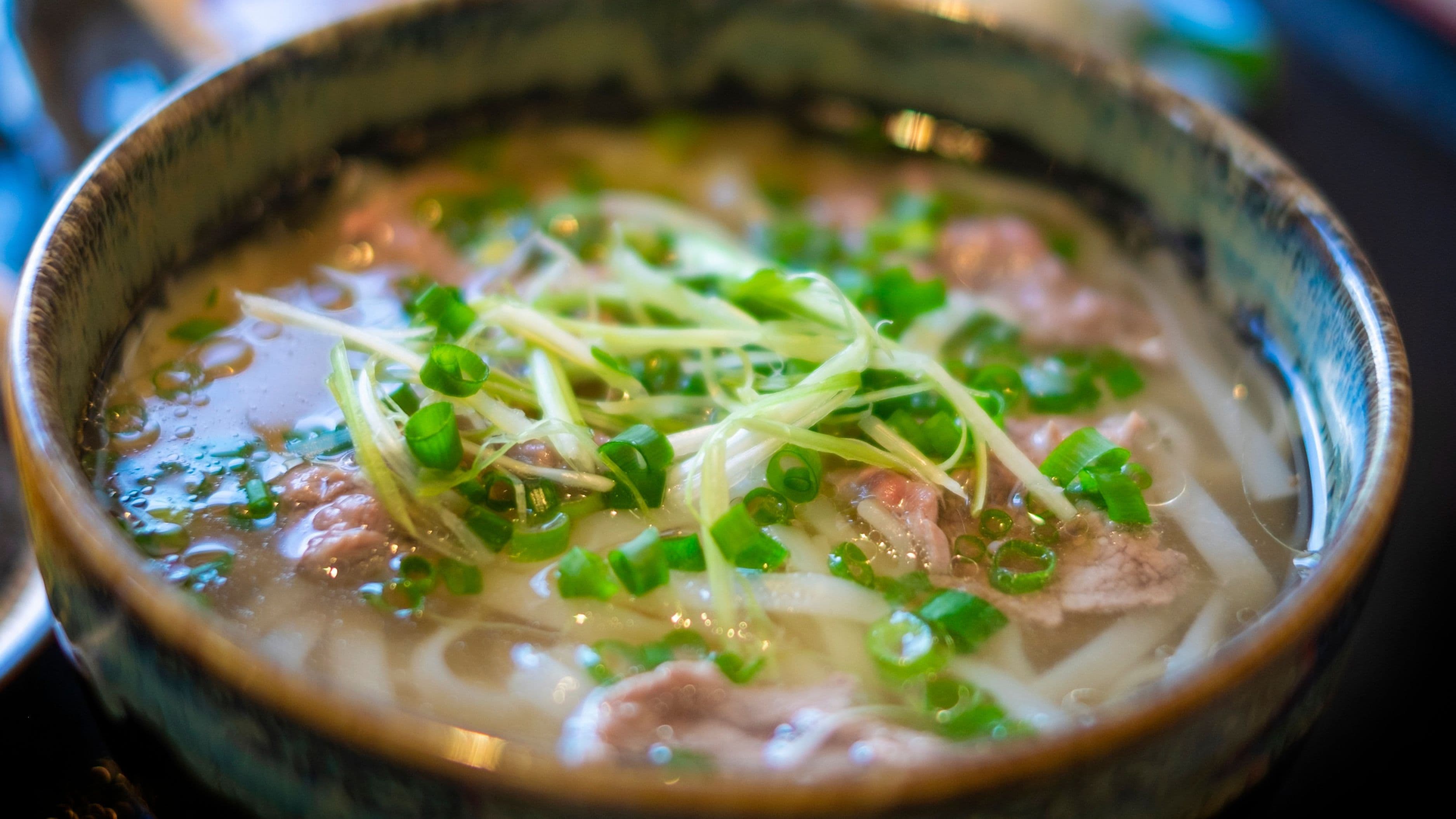
Vietnamese food has a reputation for being complex, but most of what makes it so good – the brightness, the balance of fresh herbs, the depth of broth – comes from technique and ingredients, not specialist tools. You don't need a clay pot, a bamboo steamer, or a specialized pho strainer to make genuinely good Vietnamese food at home. A large pot, a skillet, and a basic knife will get you surprisingly far.
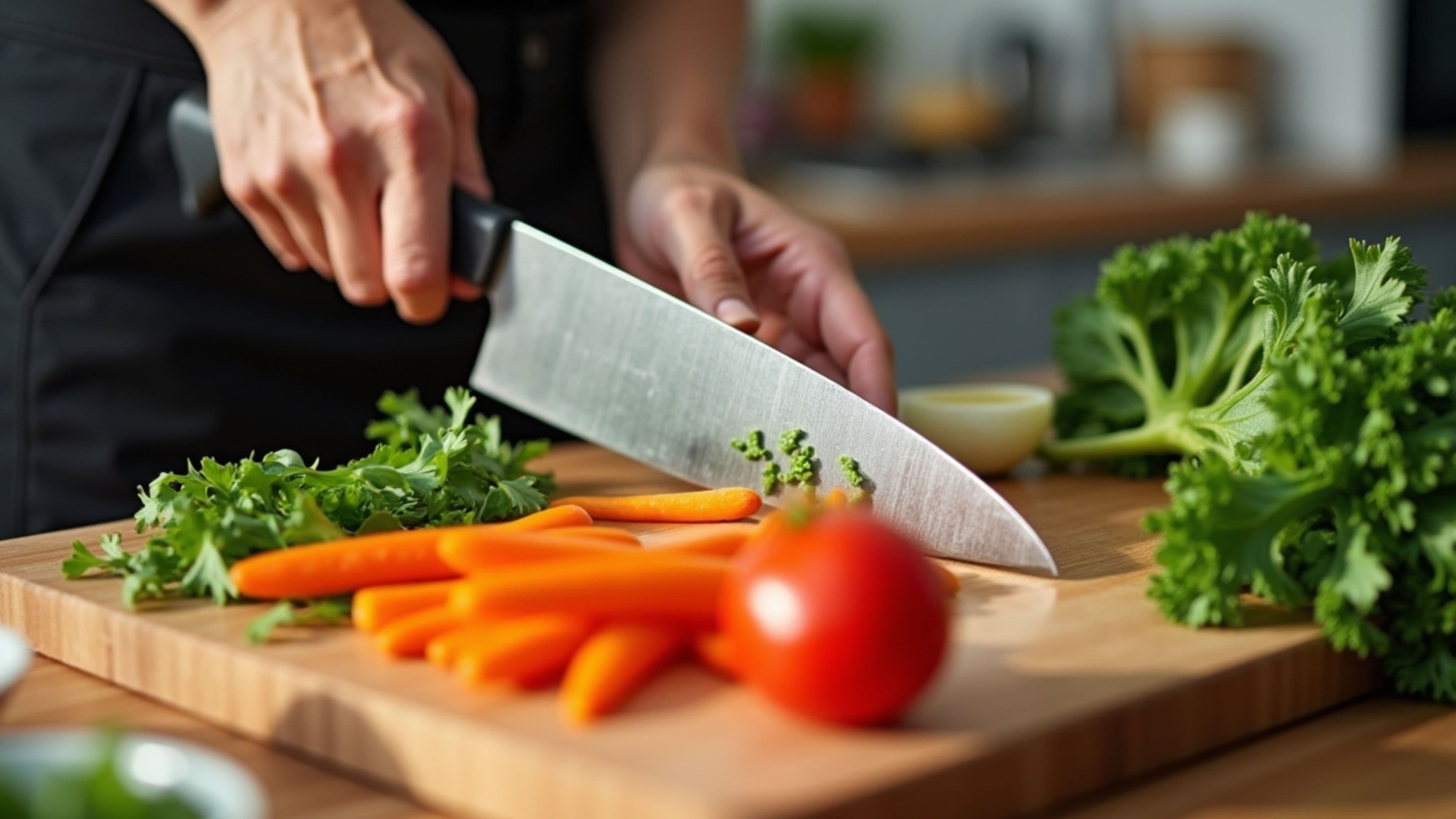
Moroccan food looks intimidating from the outside. Long spice lists, unfamiliar techniques, dishes that simmer for hours. But the home cooking version – the kind that Moroccan families make on weeknights – is surprisingly approachable once you understand how it's built. A handful of spices used repeatedly, a few core techniques, and a slow, gentle cooking style that's actually more forgiving than most Western recipes.
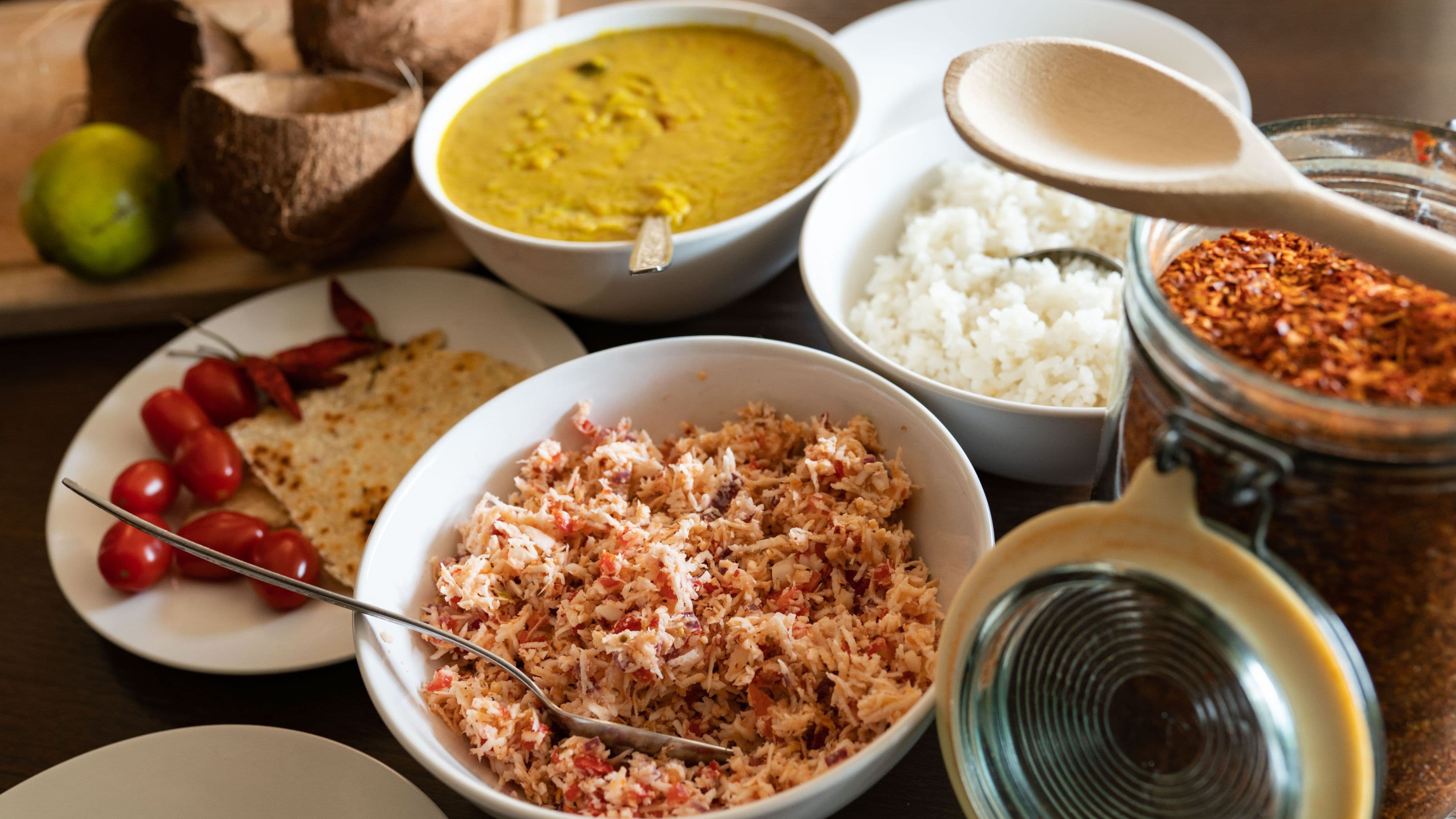
Sri Lankan curry has a flavor profile unlike most other South Asian curries you might already be familiar with, built around roasted, deeply toasted spices rather than the raw or lightly cooked spice blends common in many Indian curries. That roasting step is the real secret behind the dish's distinctive smoky, almost nutty depth, and once you understand it, making an authentic-tasting Sri Lankan curry at home becomes a lot more approachable than it might seem.
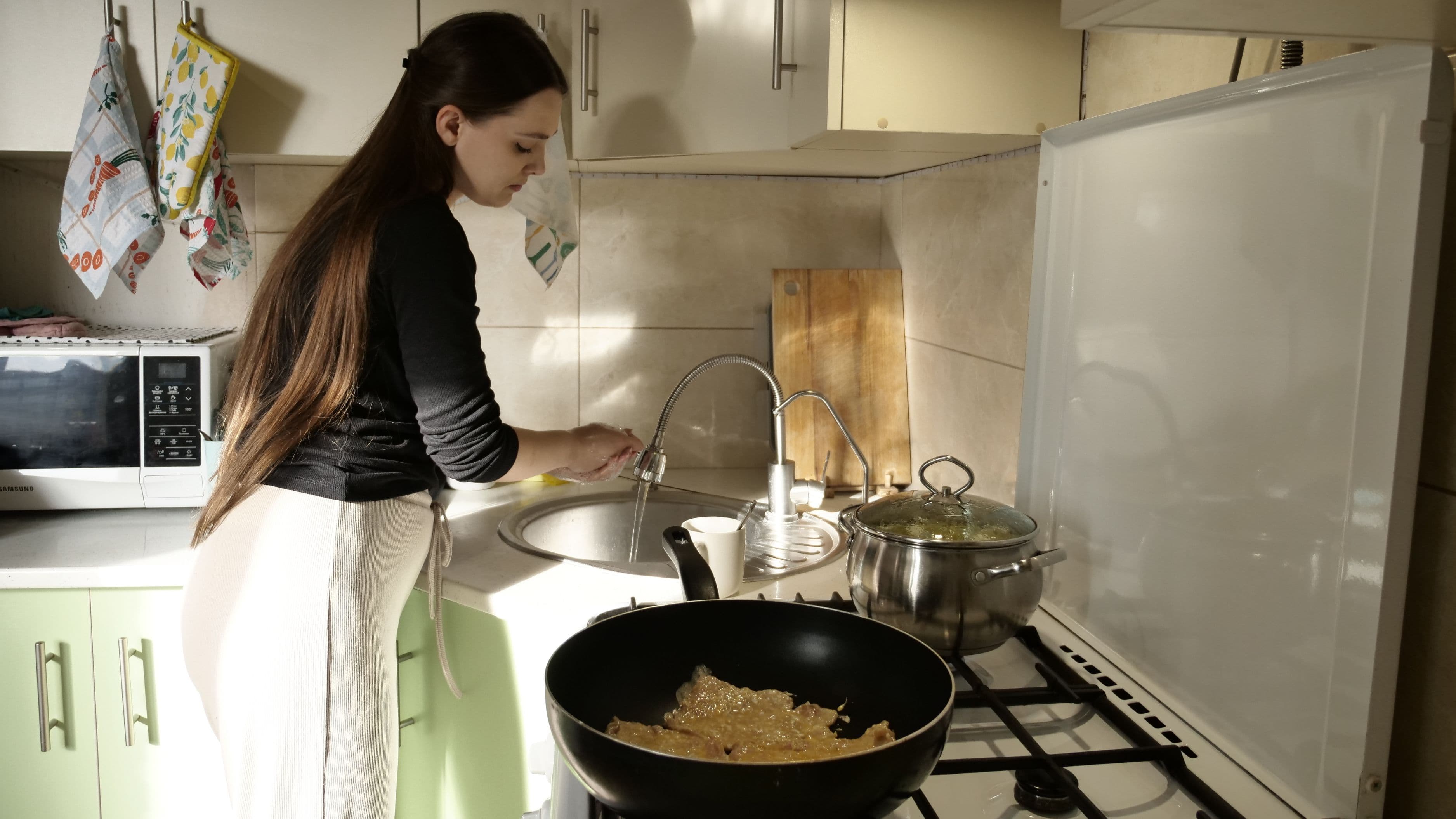
Bangladeshi cuisine often gets grouped loosely under a broader "South Asian food" umbrella, but it has its own distinct character – built around rice, fish, mustard oil, and a specific approach to spicing that's genuinely different from the more widely known Indian regional cuisines many home cooks are already familiar with. If you're curious to start cooking it at home, here's a practical entry point that doesn't require an overwhelming pantry overhaul on day one.
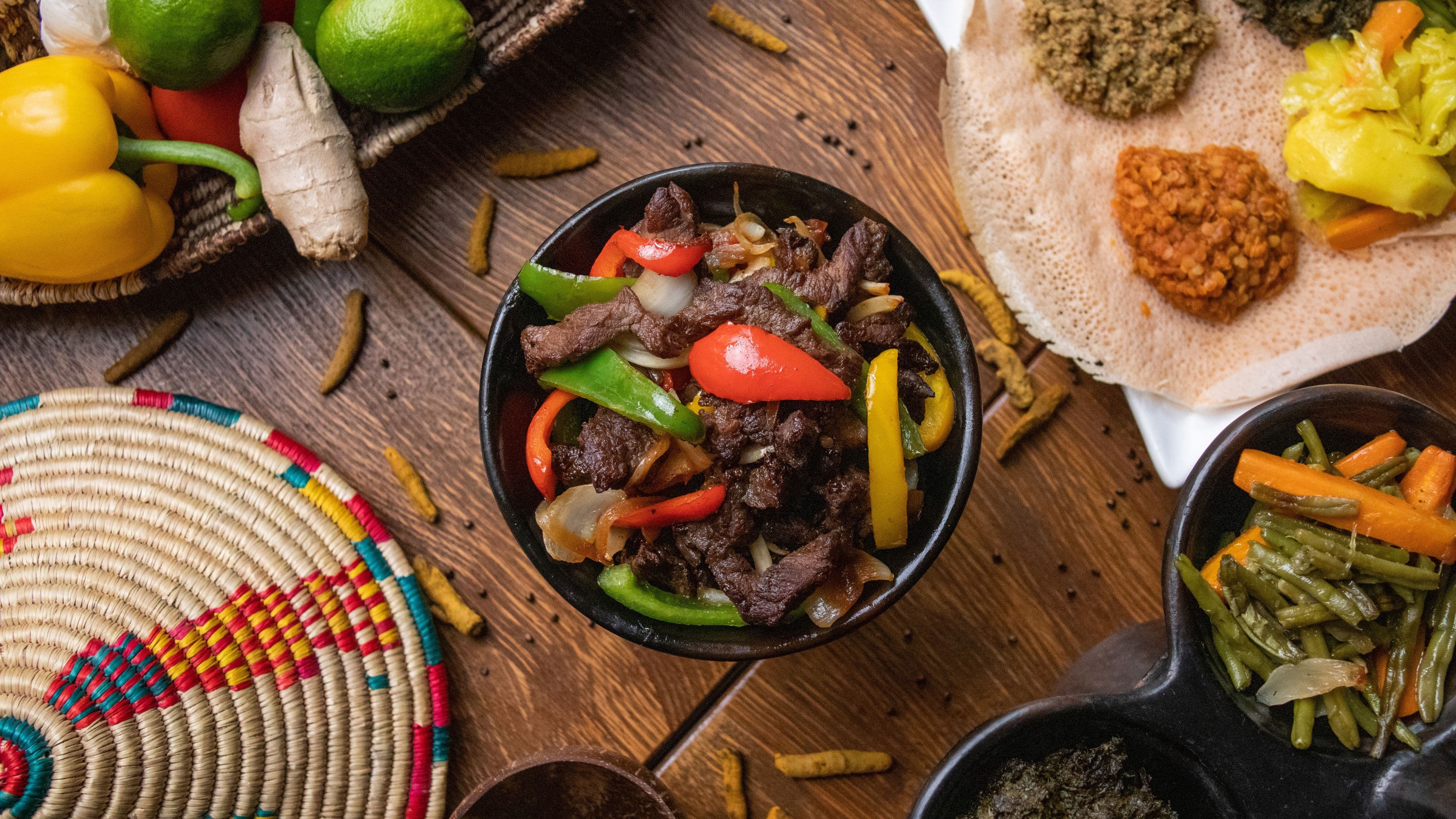
Ethiopian food is one of the most rewarding cuisines to learn at home — and one of the most underestimated in terms of approachability. It has a reputation for being complex, but most of the complexity lives in a single spice blend that you make once, store in a jar, and reach for constantly. Once you have that blend ready and understand the basic cooking logic, dishes that seem exotic become genuinely straightforward. The flavor payoff per effort is unusually high.
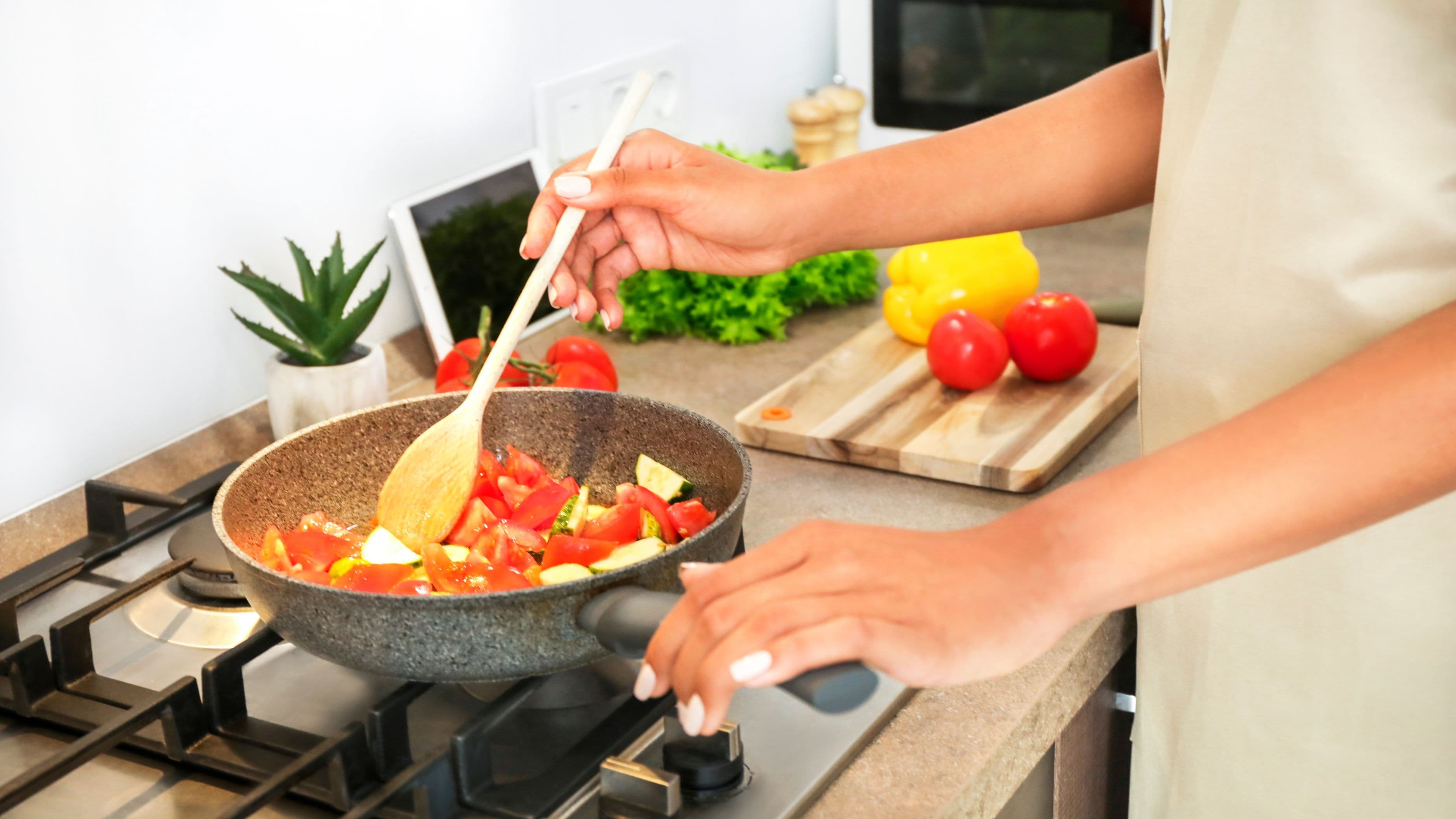
Indonesian cuisine tends to fly under the radar compared to some of its more globally recognized Southeast Asian neighbors, but its flavor profile is genuinely distinctive: a deep, complex layering of aromatics, sweetness from palm sugar and kecap manis, and a foundational reliance on freshly ground spice pastes that give many dishes their characteristic depth. Getting started is more approachable than it might initially seem, even without prior experience in this specific cuisine.
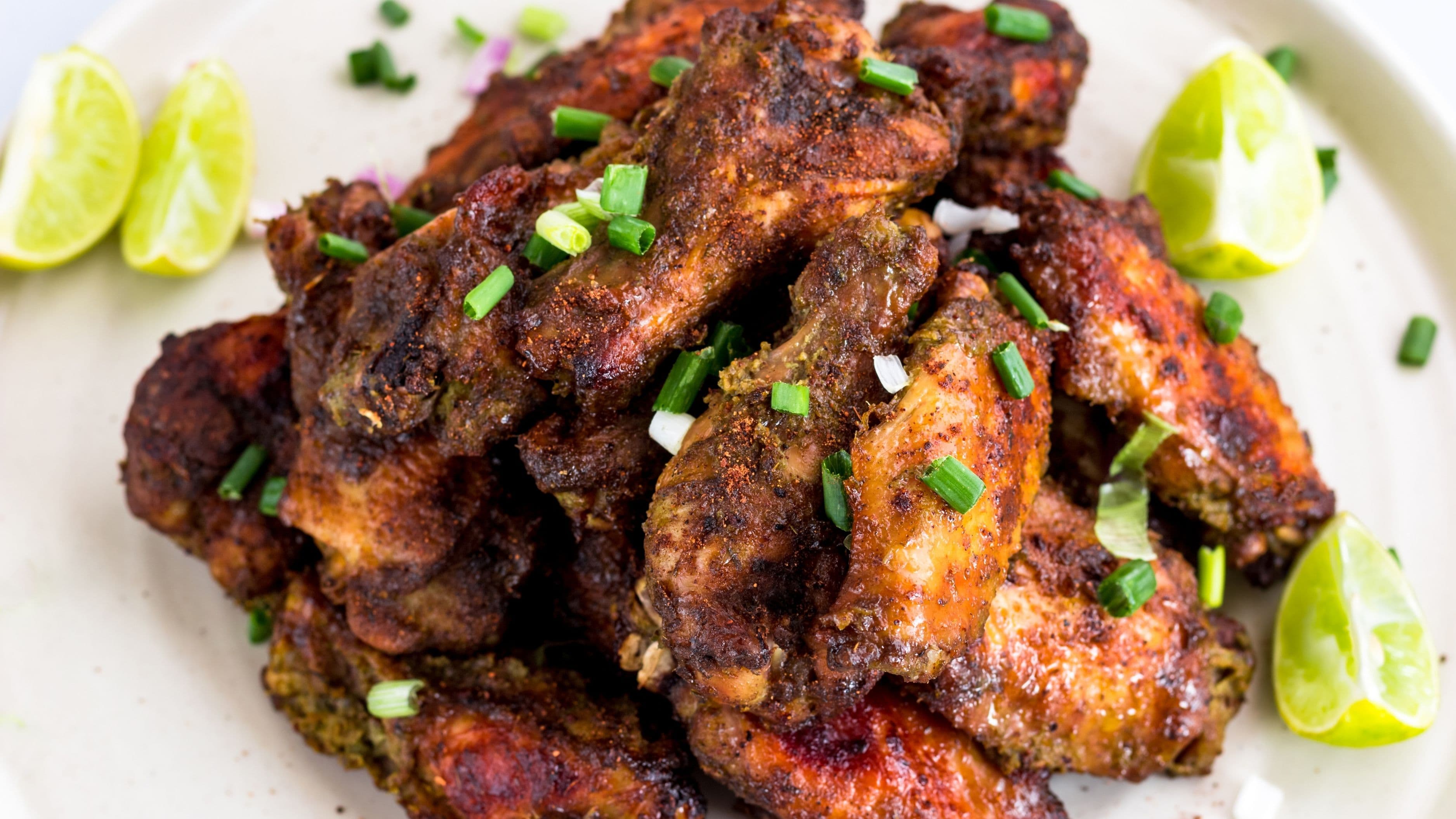
Jamaican cooking gets reduced to jerk seasoning more often than any other part of its food culture, which means a lot of home cooks assume they need a jar of jerk paste to even get started. Jamaican cuisine is actually built on a much wider foundation, rice and peas, stewed proteins, curries, and fried plantain, all achievable with a fairly short list of pantry staples and none of them require jerk paste at all.
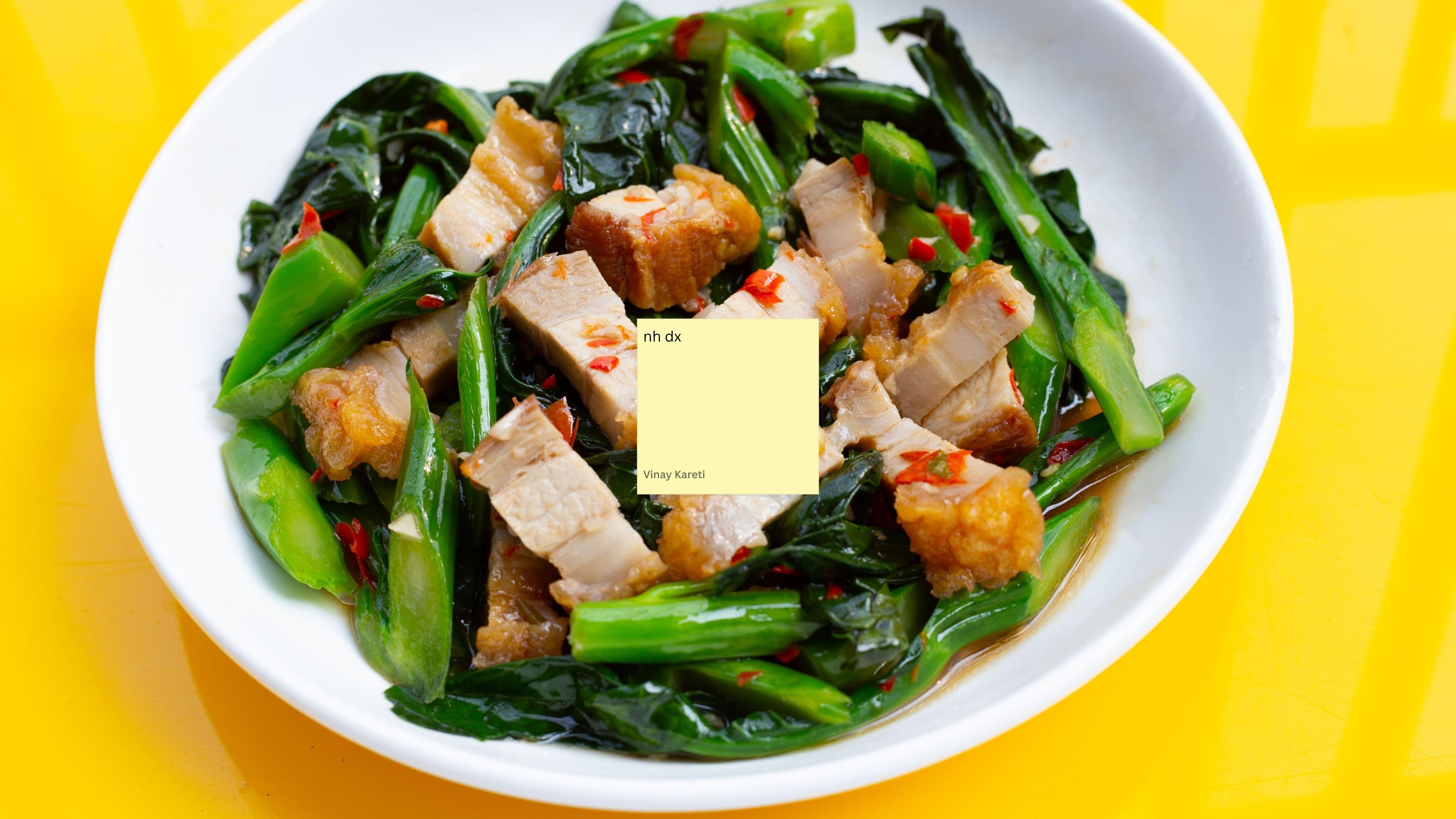
"Chinese food" as a single category doesn't really exist in the way most menus present it. China's culinary traditions span a landmass with wildly different climates, staple crops, and historical trade routes, which means Sichuan cooking and Cantonese cooking can feel like they're barely related once you look past the shared use of a wok. Understanding the major regional traditions makes it much easier to know what you're actually trying to cook, and why.
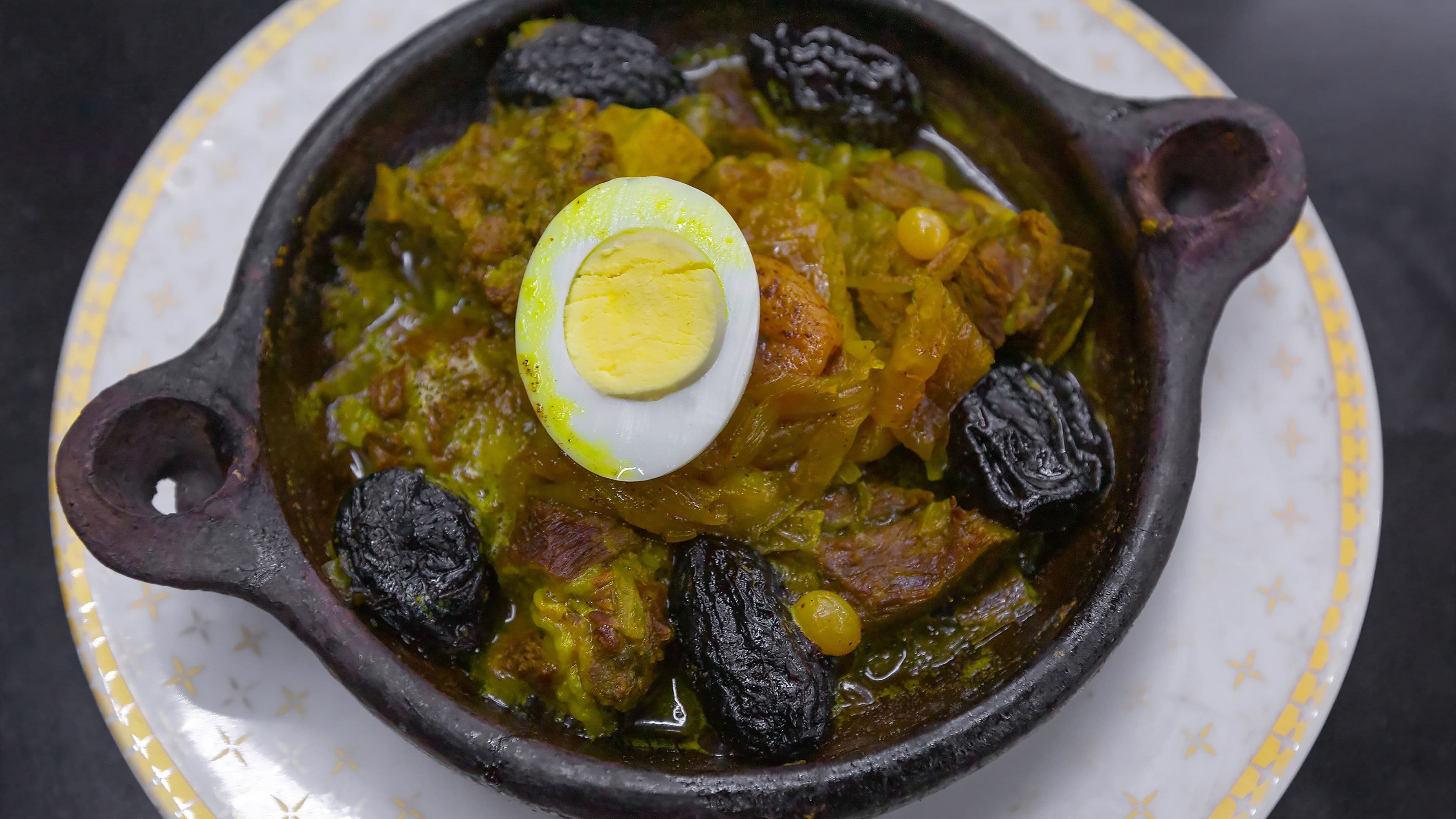
Yemeni food has gained increasing visibility in recent years, particularly through the growing popularity of Yemeni restaurants specializing in slow-cooked meats and distinctive bread, but the cuisine itself remains less broadly understood than many of its Middle Eastern neighbors. Understanding the handful of dishes that genuinely define this cuisine gives you a solid entry point, whether you're cooking at home or exploring a Yemeni restaurant for the first time.
Instantly convert units between Metric (grams, milliliters, Celsius) and Imperial (ounces, cups, Fahrenheit) using precise scientific culinary ratios.
At Gourme Haven, we believe that understanding the fundamental principles of food science, physics, and chemistry transforms cooking from a game of chance into a predictable, highly repeatable science. When a recipe fails, it is rarely the cook's fault; rather, it is a failure of instructions to account for the physical variables at play inside the kitchen.
Consider the simple cucumber. Composed of approximately 95% water, its structural integrity and crunchy mouthfeel rely entirely on turgor pressure—the force of water pushing against the rigid cellulose cell walls. When you slice a cucumber and immediately toss it in a salted dressing, you trigger the process of osmosis.
Water molecules naturally migrate across the semi-permeable cell membranes from areas of low solute concentration (inside the cells) to areas of high solute concentration (the salted dressing). If left unchecked, this water extraction collapses the cell walls, rendering the cucumber limp, soggy, and waterlogged.
By understanding osmotic pressure, we can pre-treat cucumbers with a precise ratio of salt, drawing out excess moisture while reinforcing the cellular matrix before the dressing is ever applied. This guarantees a crunch that lasts for hours.
The science of ice cream is a delicate balance of three phases: solid ice crystals, liquid fat-emulsified syrup, and air cells. Traditional ice cream makers rely on high fat contents (from heavy cream and egg yolks) to coat ice crystals and prevent them from fusing into large, icy matrices.
When engineering high-protein, low-fat alternatives—such as those popularized by the Ninja Creami—we face a severe thermodynamic challenge. Without ample butterfat, water molecules freeze into large, needle-like ice structures that feel gritty on the tongue. To bypass this, we utilize two scientific levers: micro-chlorination mechanics and hydrocolloid stabilization.
Hydrocolloids, specifically stabilizer gums like xanthan, guar, and tara, work by binding free water molecules within a highly viscous three-dimensional network. This prevents water molecules from migrating and coalescing into large ice crystals during the freezing phase, ensuring a commercial-grade, velvety texture even with minimal fat.
To achieve the ultimate crunch on baked or air-fried foods, we must exploit the process of starch gelatinization. When starches are hydrated and exposed to high heat, their semi-crystalline granules absorb water and swell. Eventually, these granules rupture, releasing amylose and amylopectin polymers into a messy gel.
When this gel is blasted with high-velocity, dry convection air (as in an air fryer), the moisture rapidly evaporates, leaving behind a rigid, hollow, glass-like starch matrix. This matrix is what we perceive as "crunch." By blending starches—combining the high-amylose properties of cornstarch with the tender, moisture-retaining properties of wheat flour—we can engineer a batter that crisps beautifully without requiring immersion in boiling oil.
Lab Reference Guide
When a recipe fails, it is not a personal shortcoming—it is a chemical variable left unmanaged. Use our R&D lab's quick reference guide to troubleshoot and correct structural, textural, and chemical anomalies in your cooking.
| Culinary Failure | Physical / Chemical Cause | Scientific Correction |
|---|---|---|
| Broken / Grainy Cheese Dip | Casein proteins coagulate and squeeze out bound water and fat under excessive thermal stress (>68°C / 154°F). | Incorporate an emulsifying salt (such as sodium citrate) and whisk constantly, keeping temperatures strictly below 65°C (149°F). |
| Soggy Pastry / Tart Base | Water vapor evaporates from the filling and condenses inside the starch matrix of the dough before the gluten network sets. | Pre-heat a heavy baking steel or stone to maximize bottom conduction heat transfer, and apply an egg-wash lipid barrier. |
| Gritty / Needle-like Ice Cream | Slow freezing rates allow free water molecules to migrate and coalesce into large, gritty ice crystal lattices (>50 microns). | Add 0.1% hydrocolloid stabilizer gums (like xanthan or guar) to bind free water, and maximize sub-zero micro-chlorination speed. |
| Limp / Soggy Salad Greens | High osmotic pressure from salted dressings draws intracellular turgor water out across semi-permeable cell walls, collapsing them. | Pre-treat vegetables with a 1% salt rub beforehand to extract excess moisture, drain, and apply emulsified dressing immediately before serving. |
| Tough, Dry Braised Meat | Rapid heat exposure (>75°C / 167°F) denatures myofibrillar proteins into a tight, hydrophobic squeeze before collagen can hydrolyze. | Maintain low, steady temperatures (80°C–85°C / 176°F–185°F) to allow slow, complete thermal cleavage of tough collagen into gelatin. |
| Bitter, Pungent Brassica Broth | Excessive boiling of sulfurous vegetables activates myrosinase enzymes, hydrolyzing glucosinolates into bitter isothiocyanates. | Exclude brassicas (like broccoli or cabbage) from long-simmered broths; limit their extraction to 20 minutes or substitute with neutral root vegetables. |
Food Physics Q&A
Explore the molecular mechanisms that govern heat transfer, enzyme activity, and structural transformations in our R&D test kitchen.

Meet the Founder
Director of Culinary Research & Development
Chef Julian Mercer is a professional culinary scientist and developer with over fifteen years of experience in Michelin-starred establishments and corporate food research laboratories. Having studied food physics and molecular gastronomy, Mercer founded Gourme Haven in 2026 to bridge the gap between rigorous scientific methodologies and home cooking.
Every guide published on Gourme Haven undergoes an extensive testing phase, during which variables such as temperature fluctuations, humidity, and ingredient acidity are meticulously documented. Our mission is to empower home cooks with the exact science, precise measurements, and practical insights required to master their kitchen.
Get our weekly deep-dive R&D kitchen notes, scientific troubleshooting charts, and exclusive tested recipes delivered straight to your inbox.