Cooking Techniques
How to Properly Whip Cream to Different Consistencies
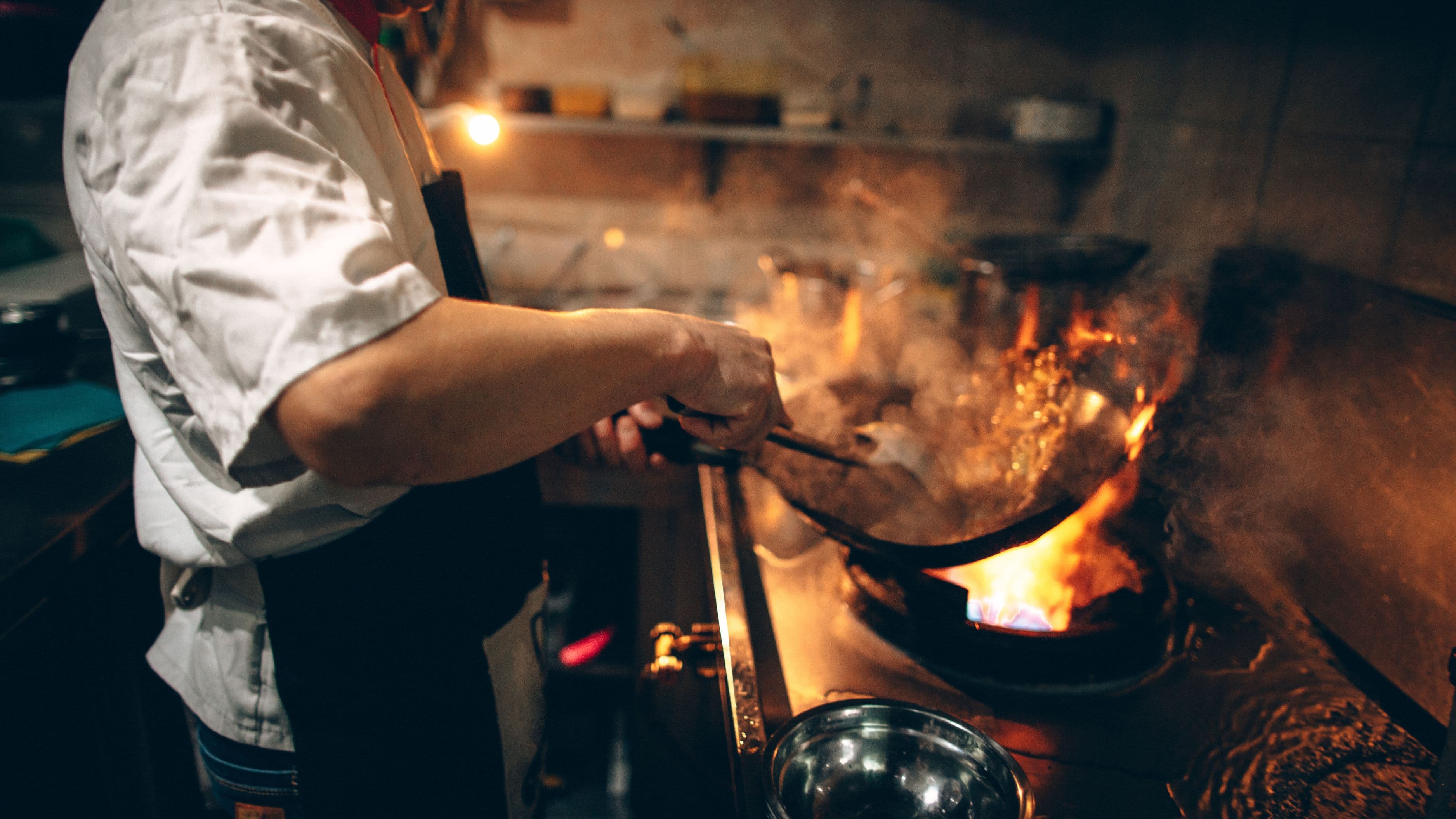
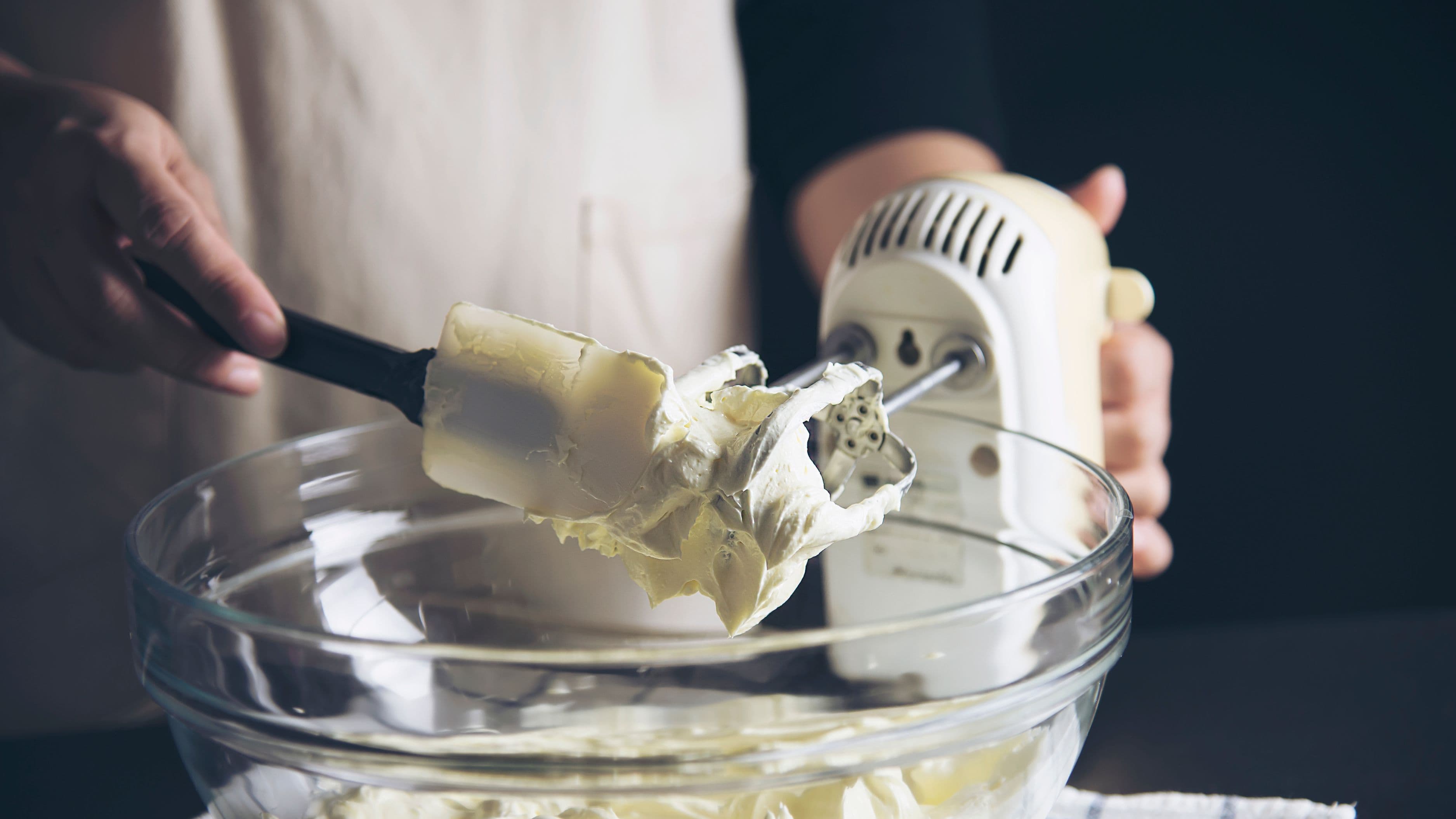
There's a 30-second window between perfect whipped cream and grainy, half-churned butter. Miss it, and the silky topping you wanted for your pie turns stiff and clumpy. Catch it, and you can control exactly how your cream behaves – soft and pillowy for hot cocoa, sturdy enough to pipe onto cupcakes, or somewhere in between.
The Bone Stock Technique That Wastes Nothing
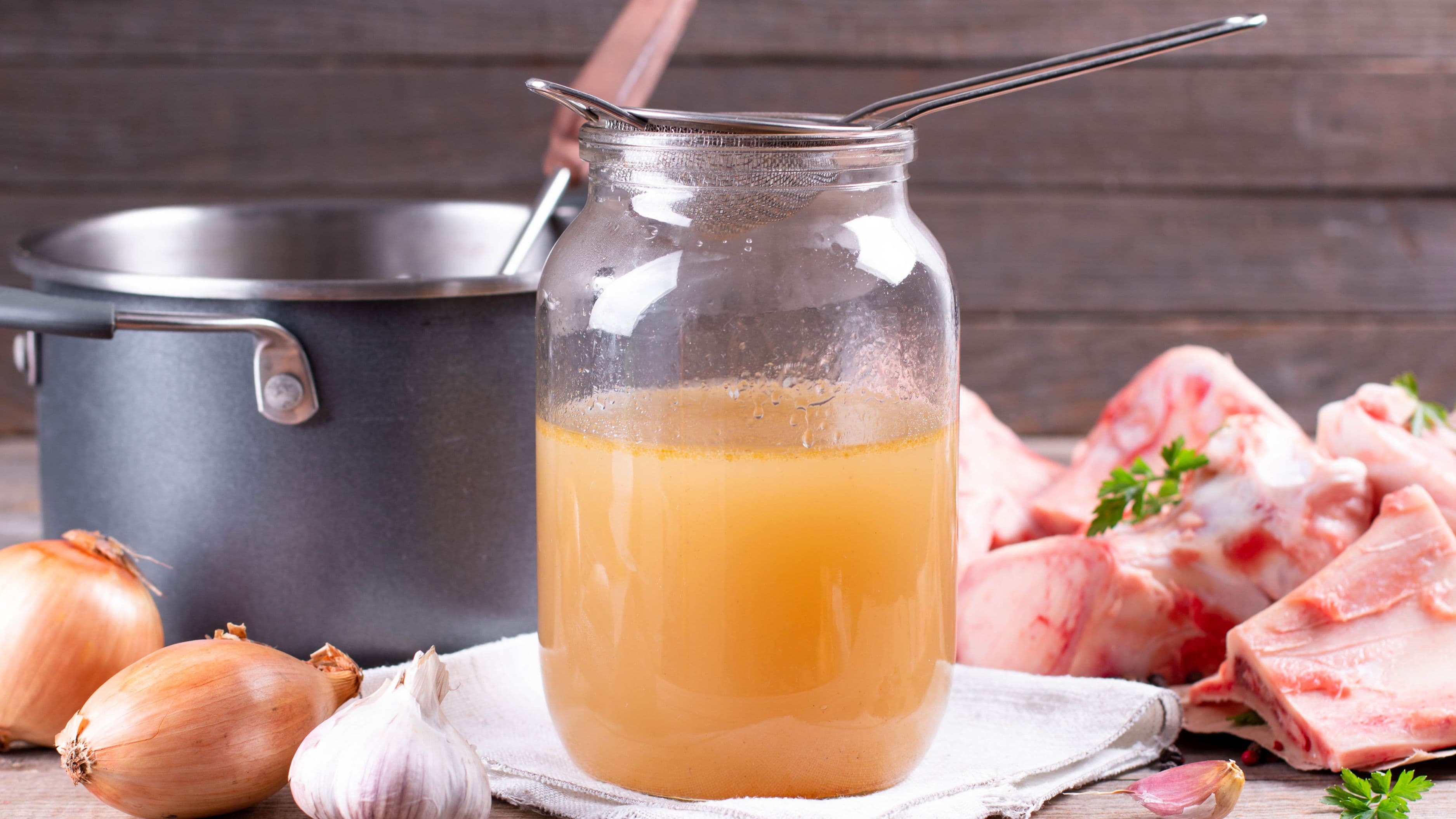
That roast chicken carcass you're about to toss? It's worth several quarts of rich, golden stock. So are the onion ends, carrot peels, and celery tops sitting in your crisper drawer. With a simple freezer habit and a two-pass cooking method, you can turn kitchen scraps into stock that beats almost anything from a carton – and waste almost nothing along the way.
How to Build Flavor Layers From the Start of a Recipe
The difference between a dish that tastes flat and one that tastes complex often has nothing to do with a fancy ingredient added at the end. It comes down to when flavor gets built into the dish, not just what goes into it. Home cooks tend to think of seasoning as a final step – a pinch of salt, a squeeze of lemon before serving – but the most flavorful dishes are built in layers from the very first thing that hits the pan.
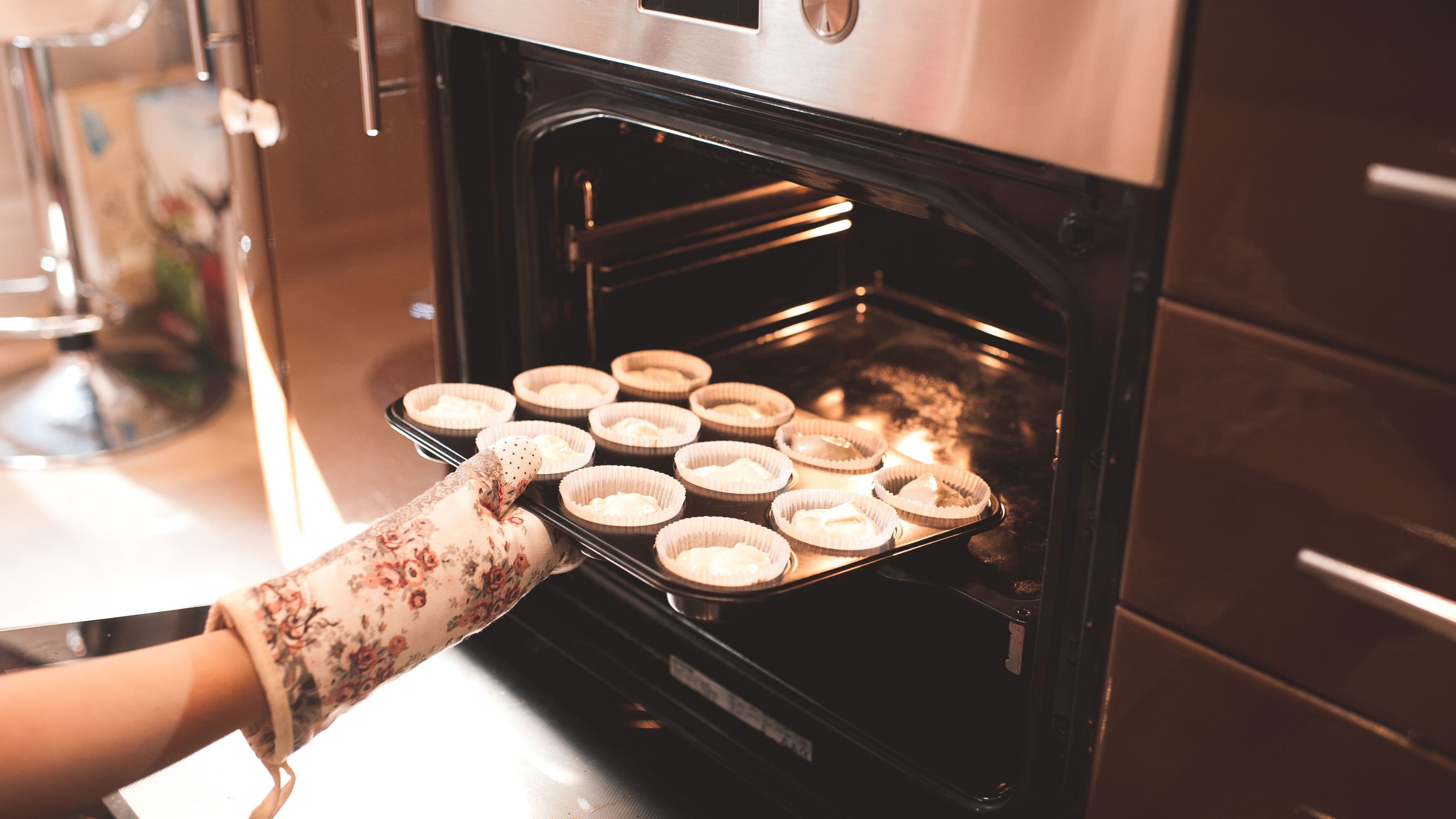
What Controlled Heat Really Means in Baking
Ask a home baker why a cake sank in the middle or why cookies spread into flat, greasy puddles, and the answer almost always traces back to heat – not the ingredients, not the recipe, but how heat was actually managed during baking. Controlled heat is one of those phrases that sounds vague until you understand exactly what's being controlled and why it matters at every stage, from preheating to the moment something comes out of the oven.
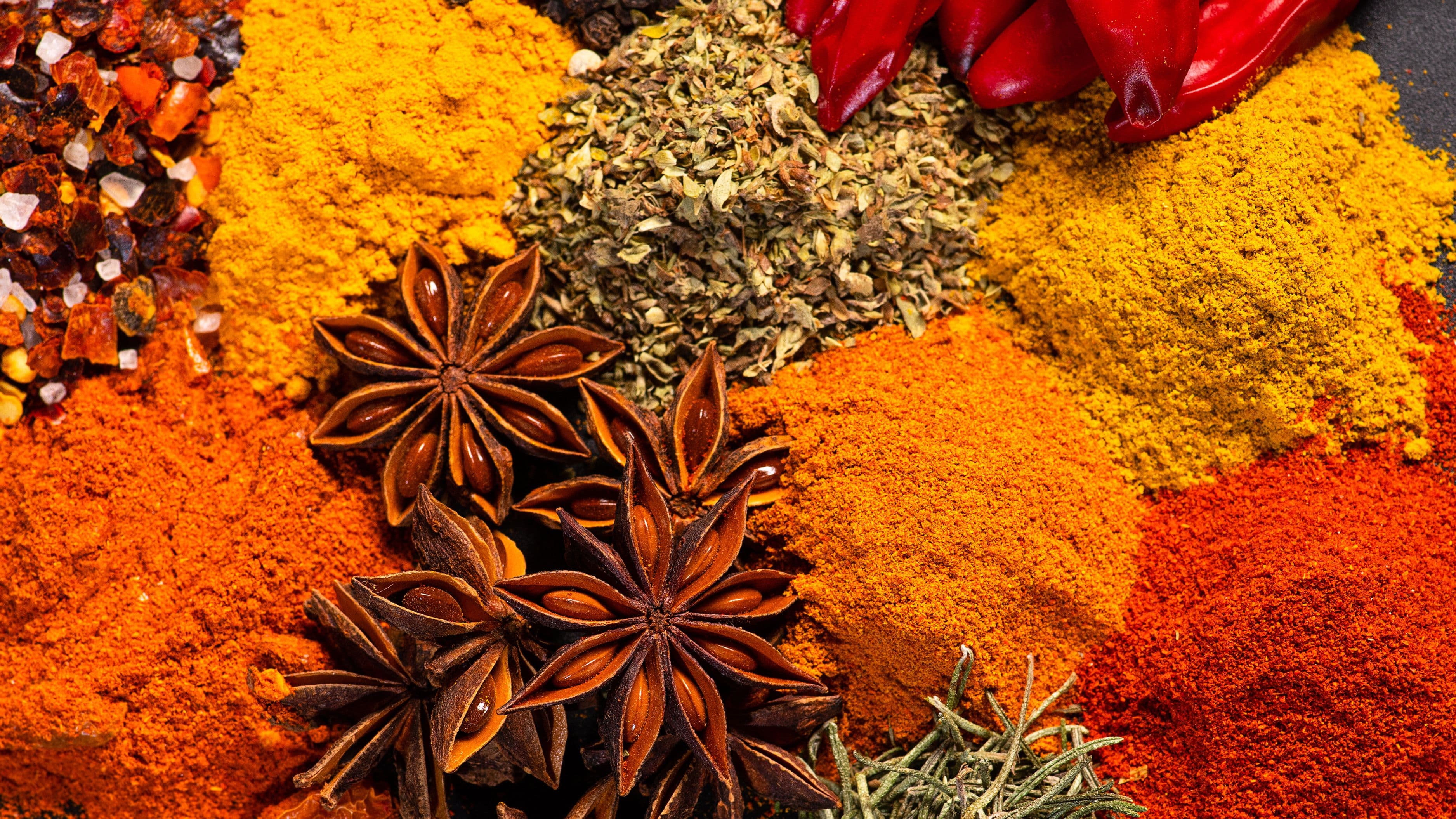
How to Bloom Spices and Why It Changes Everything
If you've ever followed a recipe to the letter and still felt like something was missing – some depth, some warmth, that intangible quality that makes restaurant food taste different from home cooking – there's a good chance the answer is bloom. Blooming spices is one of those foundational techniques that separates cooks who understand flavor from those who simply follow instructions. It takes 60 seconds. It costs nothing extra. And the difference in your finished dish is not subtle.
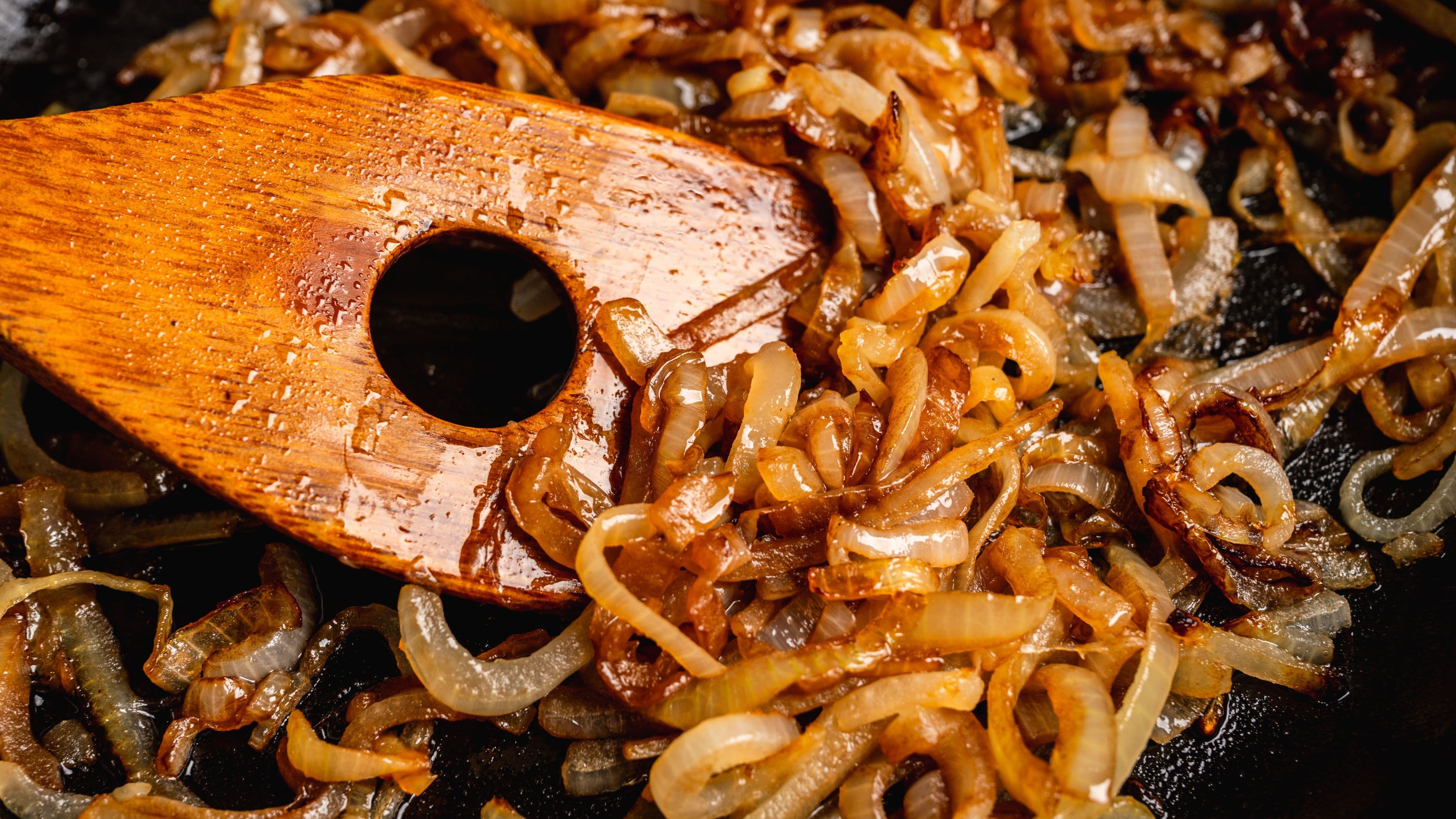
How to Caramelize Onions Without Burning Them
Caramelized onions are one of the most transformative things you can make in a kitchen. A pile of raw, pungent onions goes into the pan and something deeply sweet, silky, and complex comes out – the kind of thing that makes a simple burger, a basic pasta, or a humble piece of toast taste like something deliberate and excellent. The problem is that most people have burned them at least once, sometimes more than once, and come away thinking caramelizing onions is harder than it is.
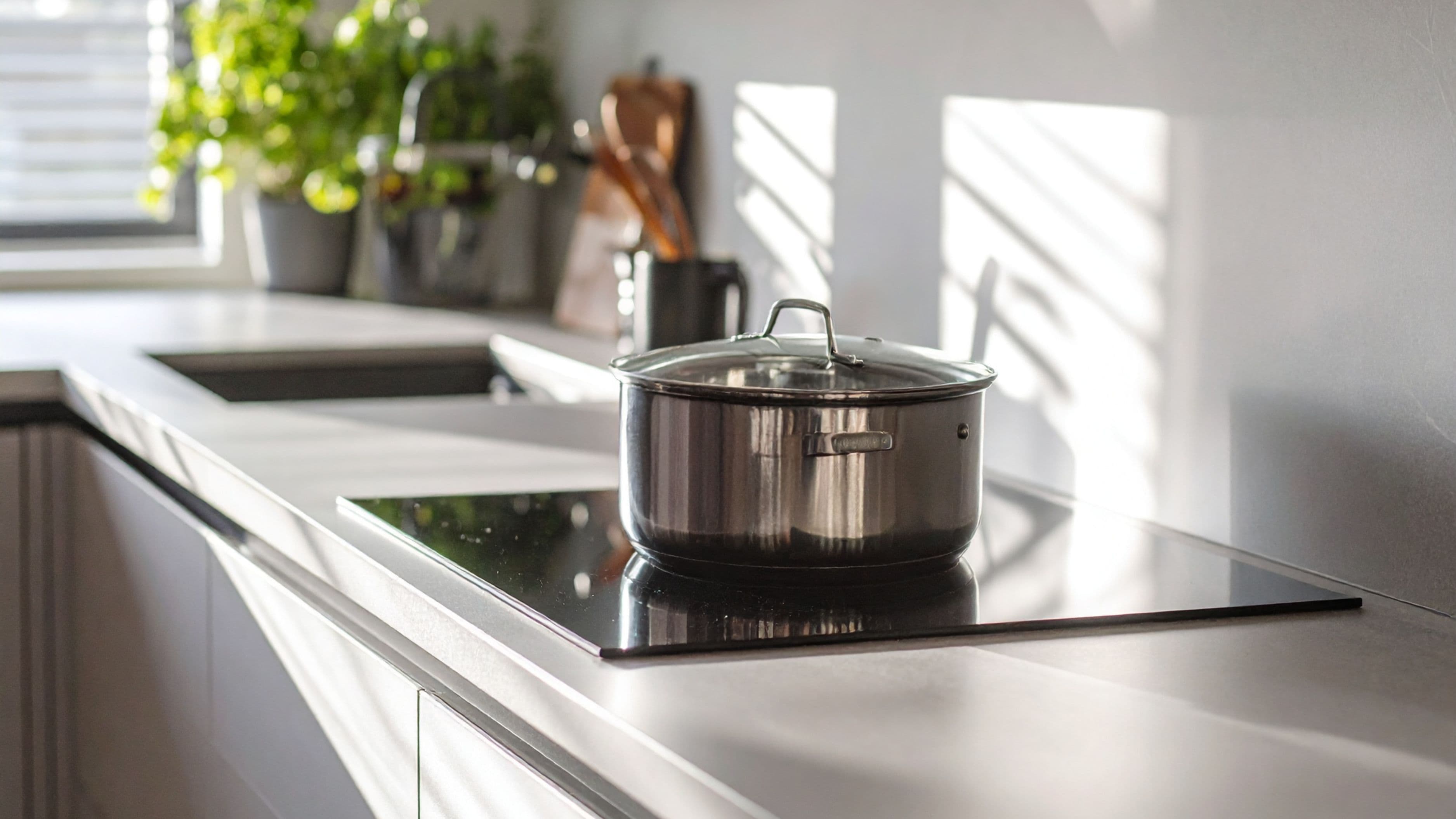
How to Get Even Heat on a Home Stovetop
That frustrating moment when the center of your pancake is golden brown while the edges are still pale and undercooked isn't a sign you're bad at cooking. It's almost always a heat distribution problem, and once you understand why it happens, fixing it is surprisingly simple.
How to Make Knife Skills Actually Stick
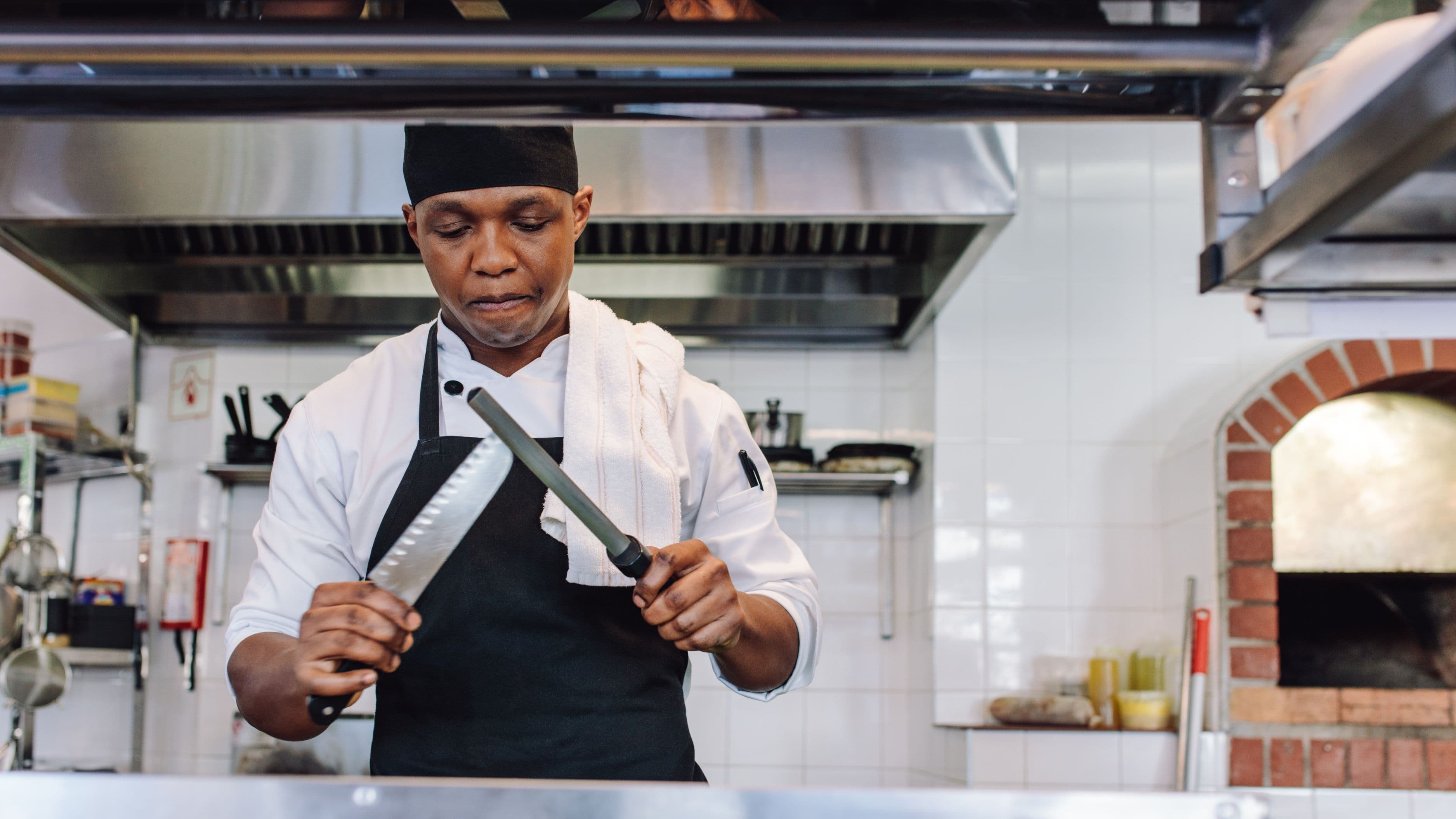
You've probably watched a video of someone dicing an onion in about eight seconds and thought, that's never going to be me. Here's the good news: it doesn't need to be. Real knife skills that actually stick aren't about speed, they're about a handful of repeatable motions that become automatic once you've done them enough times with the right technique. This is less about mastering fancy cuts and more about building a few reliable habits that make every single meal you cook a little faster and a lot safer.
How to Poach Eggs Without Vinegar or a Fancy Pan
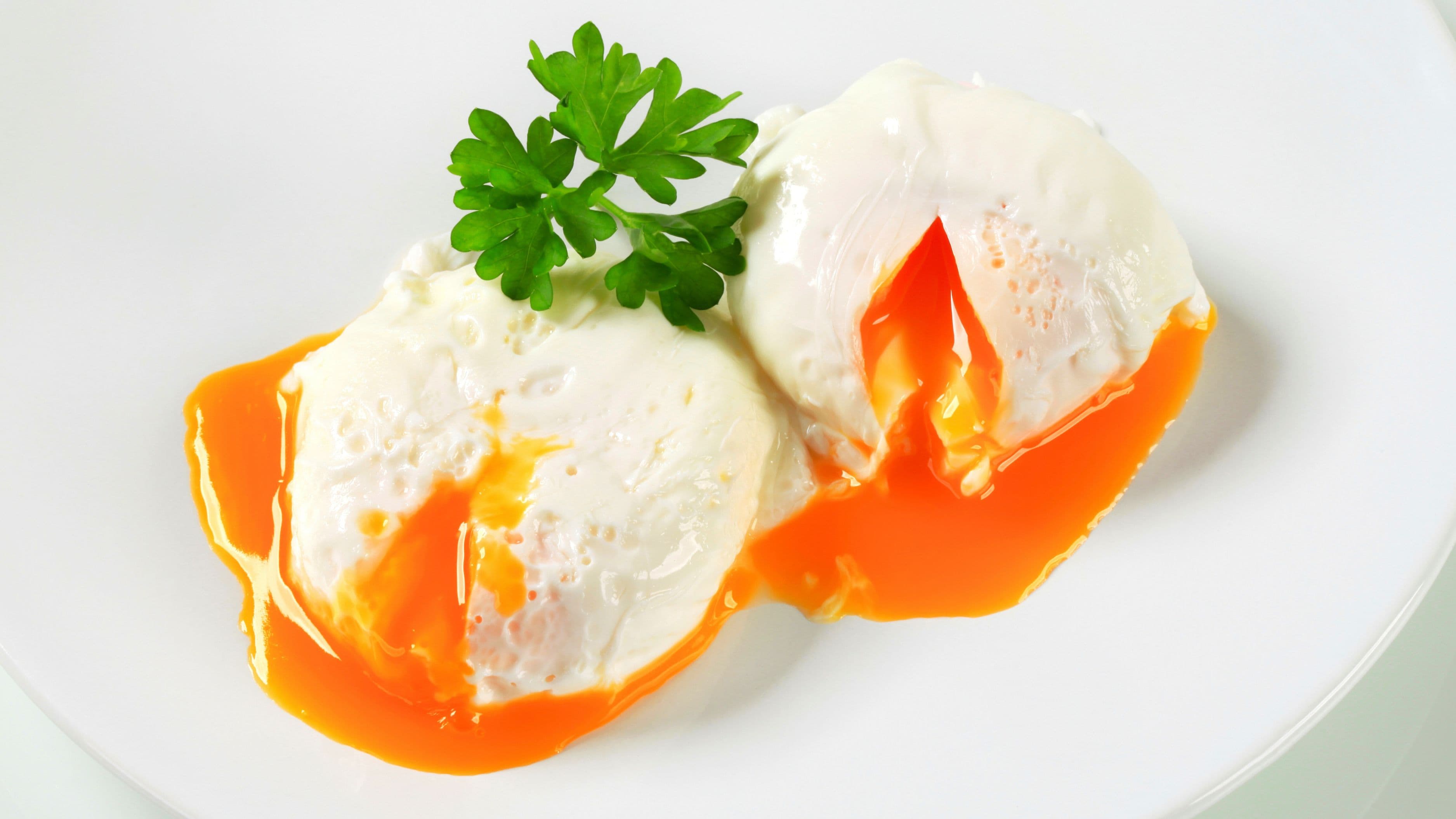
Poached eggs have a reputation for being finicky, requiring a specific swirling technique, a splash of vinegar, and sometimes a dedicated poaching pan with little cups molded into it. None of that is actually necessary. A genuinely good poached egg, with that soft, jammy yolk and delicately set white, comes down to a few simple principles you can pull off with just a pot, a spoon, and eggs you probably already have.

How to Render Fat Slowly So It Doesn't Burn
Crispy duck skin, perfectly golden pork belly, or a pan full of liquid lard for the best roast potatoes you've ever made – all of these start with the same technique: rendering fat slowly. Get it right and the fat melts out gently, leaving behind beautifully caramelized skin and a pool of flavorful cooking fat you can use for weeks. Get it wrong and you end up with burnt skin, bitter drippings, and a pan to scrub.
How to Score Dough Before Baking and Why It Matters
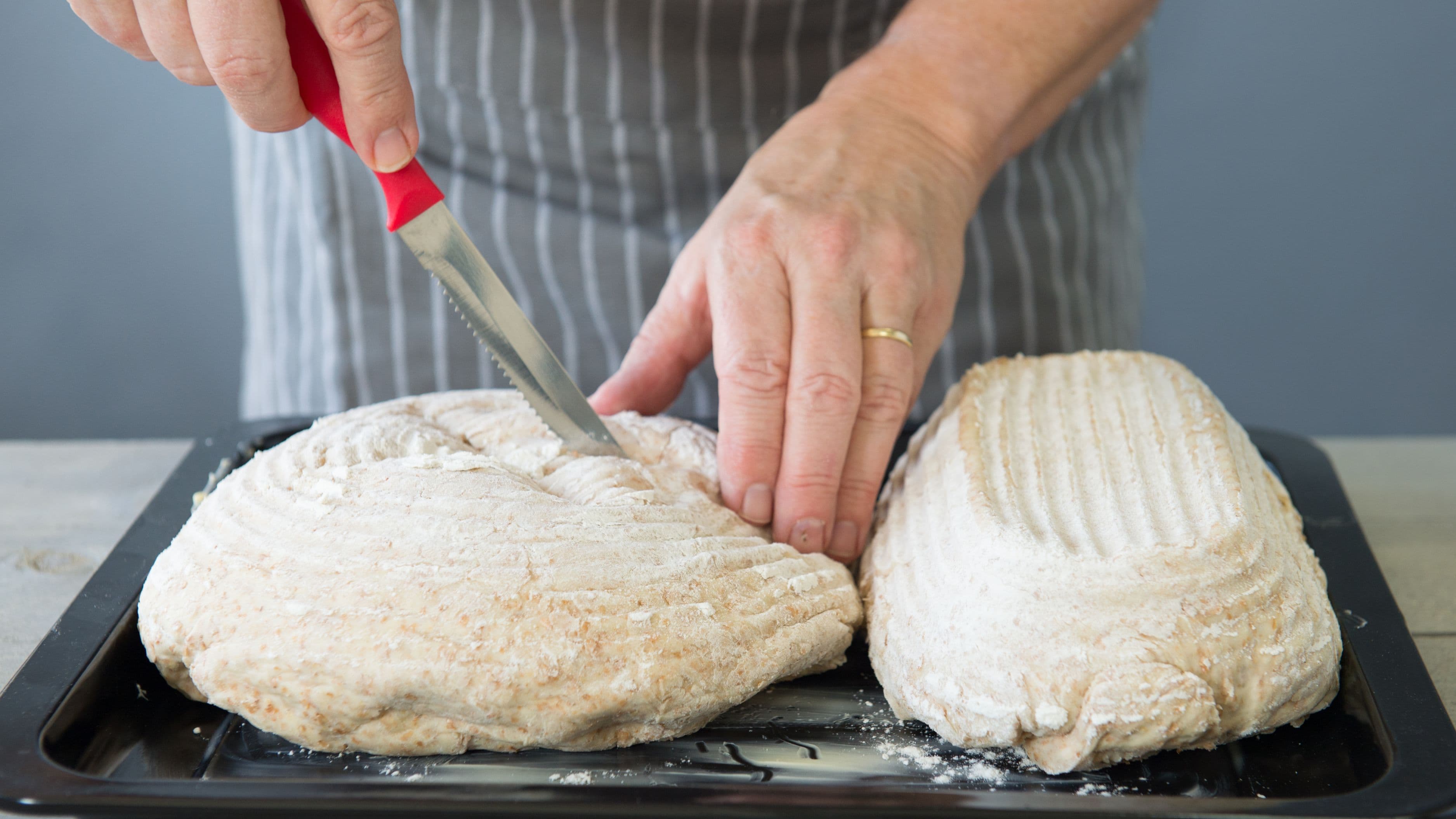
If you've ever pulled a loaf of bread out of the oven only to find it split open on the side in a way you didn't intend, you've experienced exactly why scoring matters. That messy, uncontrolled crack happens because the dough has to expand somewhere during baking, and if you haven't given it a deliberate place to do that, it'll find its own – usually not where you wanted. Scoring solves this, and once you understand what it's actually doing, it becomes one of the easiest techniques to add real control and a professional look to your homemade bread.
How to Sear Meat So It Actually Gets a Crust
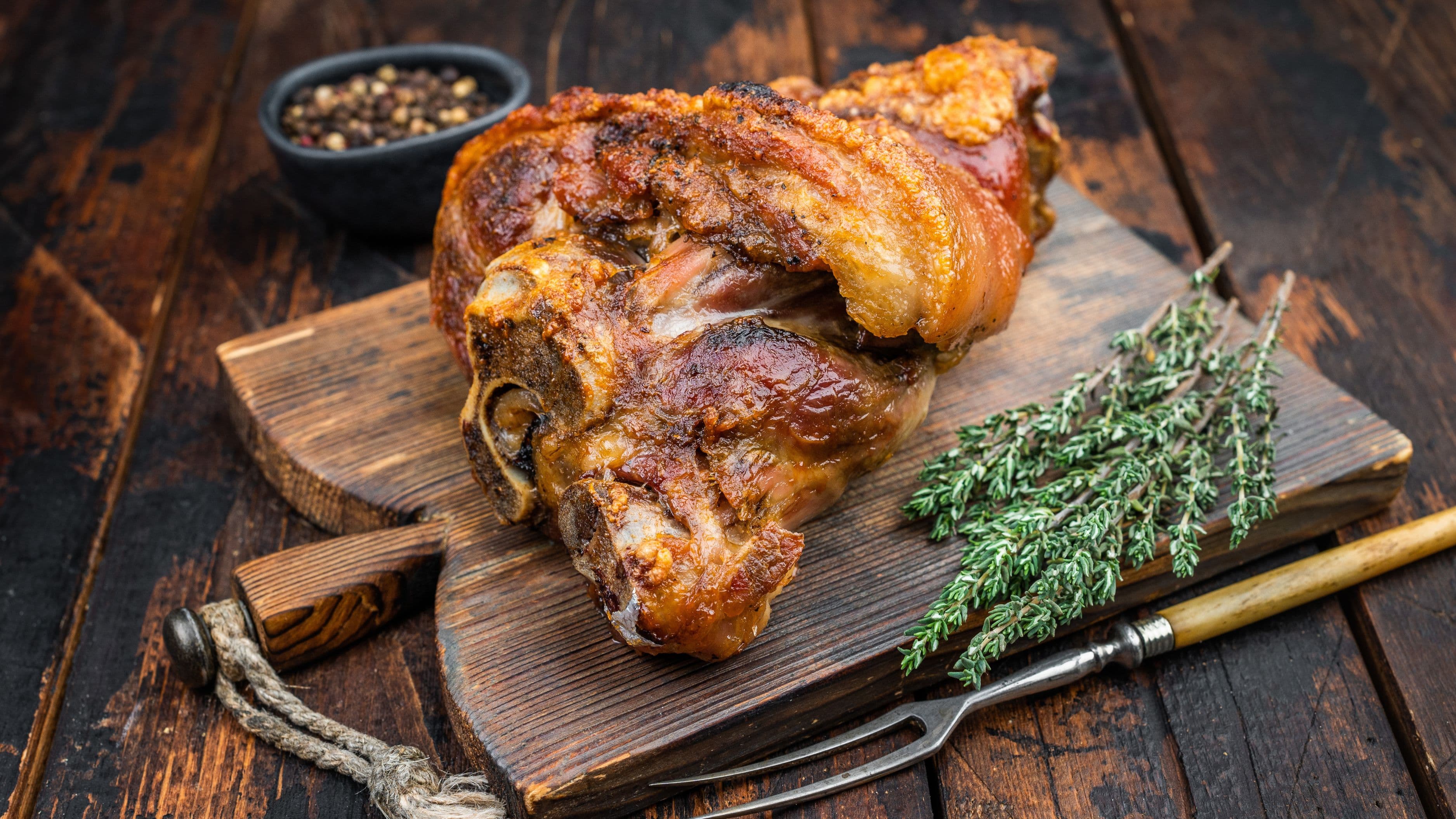
Most home cooks have been there: the pan is hot, the steak goes in, and instead of that aggressive sizzle and deep brown crust you see in cooking videos, the meat steams, sticks, and comes out pale gray with maybe a few brown patches around the edges. It's one of the most common cooking frustrations, and the fix isn't complicated once you understand what's actually happening in the pan.
How to Shallow Fry at Home and Get Consistent Results
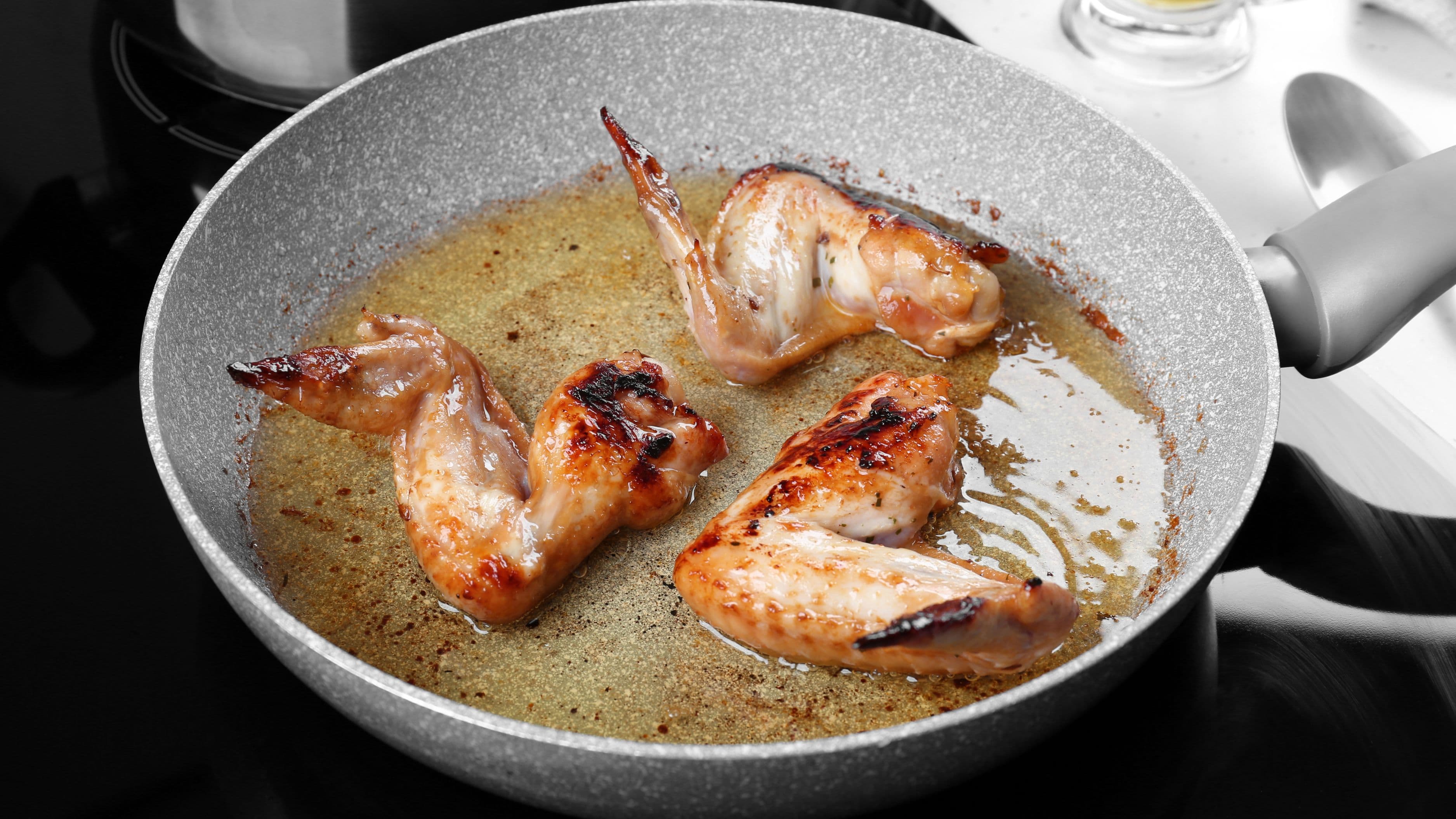
Shallow frying is one of those techniques that sounds simple until your first batch comes out soggy on one side, burnt on the other, and greasy all the way through. The good news is that the technique itself genuinely is simple – it just has a few non-obvious rules that, once you understand them, make the difference between inconsistent results and food that turns out right every time. Crispy chicken cutlets, golden fish fillets, perfectly browned croquettes – all of these are well within reach once you know what you're actually controlling.
How to Truss Poultry Even If You've Never Tried
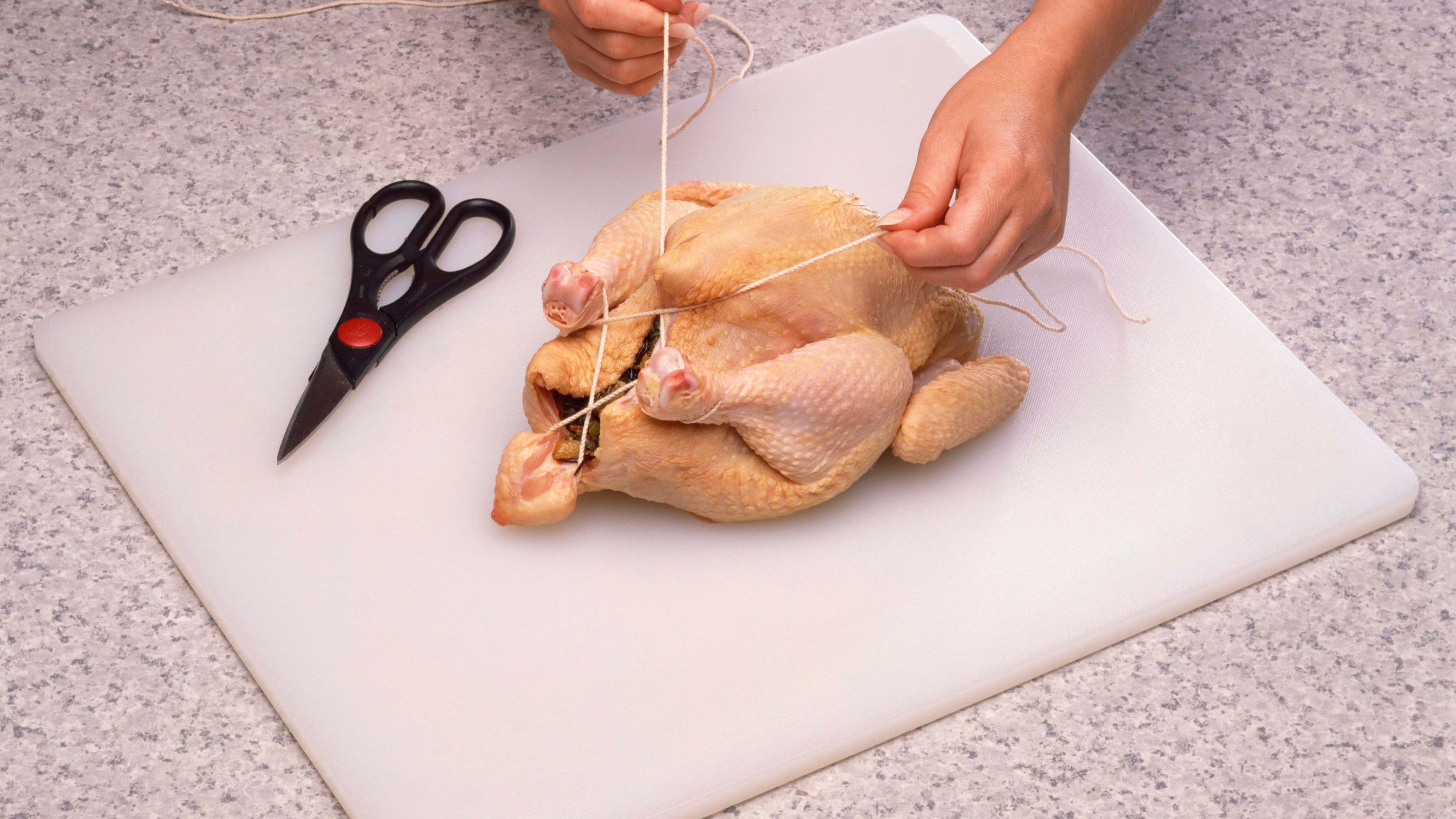
Trussing looks intimidating the first time you watch someone do it quickly, all those loops of twine tightening around a bird in what seems like a single fluid motion. The good news is that the basic technique is far simpler than it looks, and once you understand the logic behind it, actually doing it becomes fast and almost second nature. This guide breaks it down step by step so your very first attempt turns out clean and secure.
How to Use the Air Fryer for Vegetables Without Drying Them Out
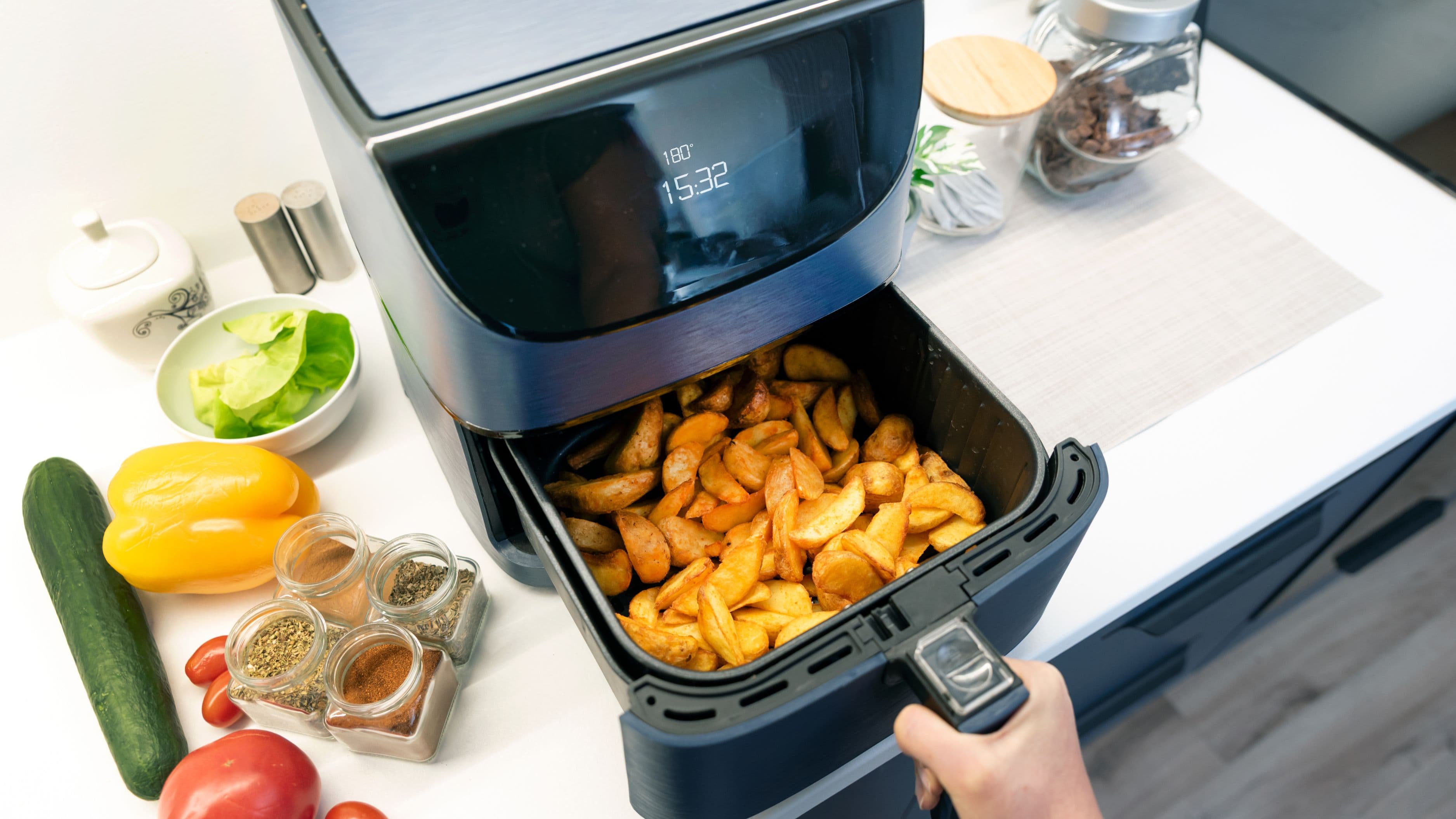
The air fryer promises crispy vegetables in minutes, and it usually delivers – until you pull out a batch of sad, shriveled broccoli or rubbery zucchini that you could have gotten away with just tossing in the trash. The machine isn't the problem. The technique is. Once you understand what actually causes vegetables to dry out in an air fryer, you can fix it fast and start getting consistently great results every time.
The Art of Building a Roux Without Lumps
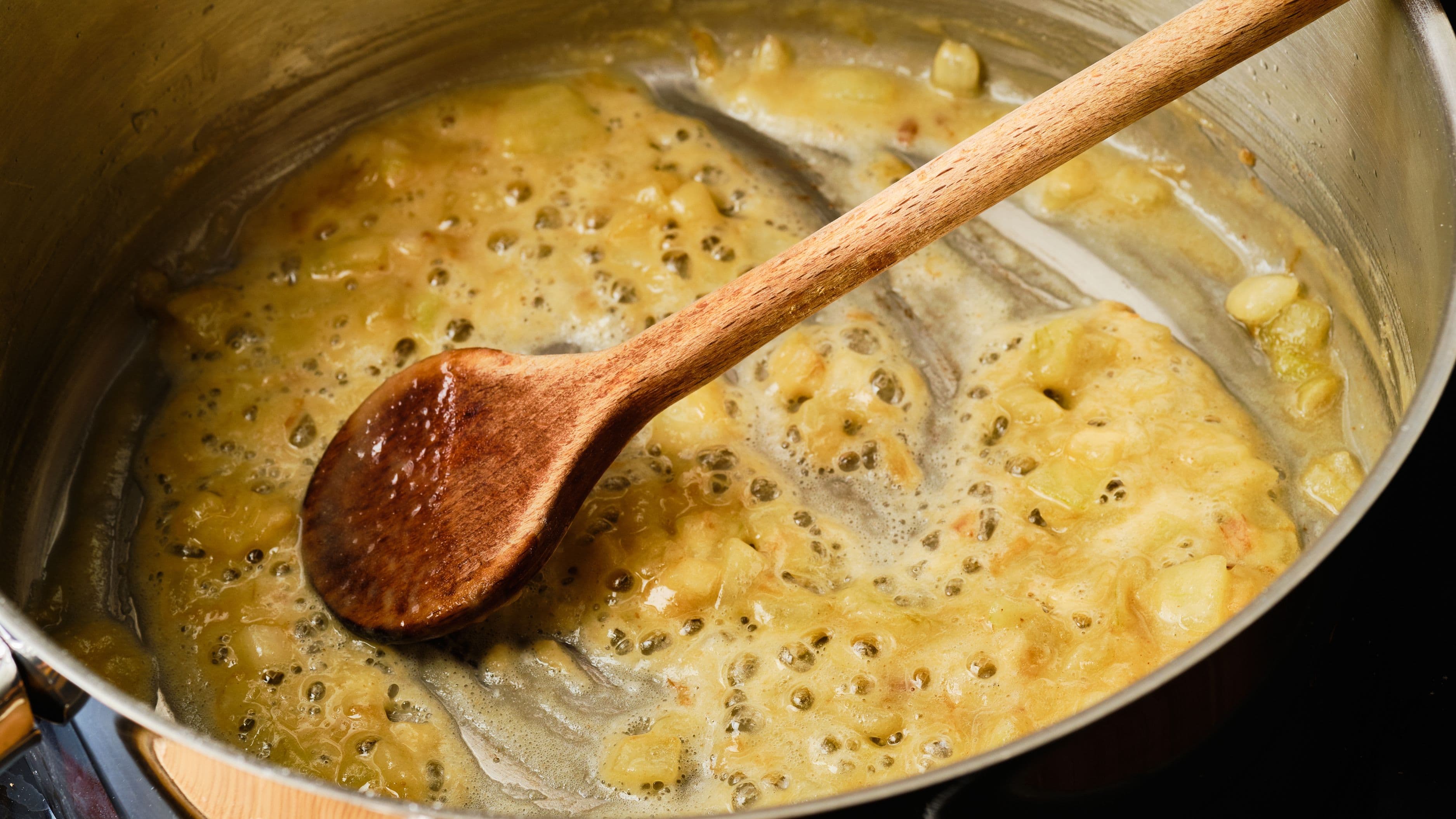
A lumpy roux is one of those small kitchen frustrations that can throw off an entire dish, turning what should be a silky gravy or a smooth gumbo base into something grainy and uneven. The good news is that lumps almost always come down to a small number of fixable habits, not some mysterious cooking talent you either have or don't. Once you understand what's actually causing them, building a perfectly smooth roux becomes a reliable, repeatable step in your cooking.
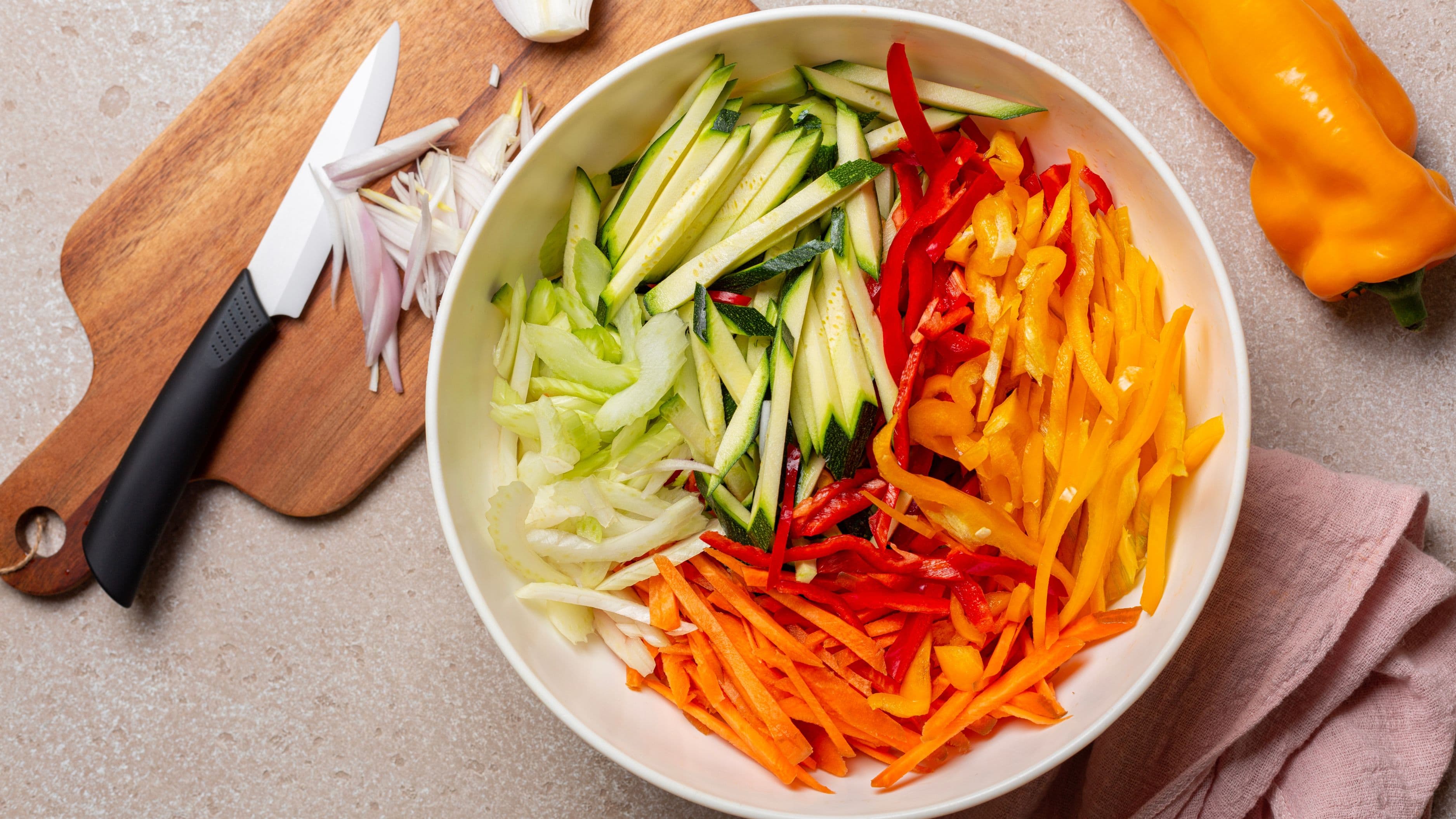
The Easiest Way to Julienne Vegetables Without Stress
Julienne cuts look impressive – those neat, matchstick-thin strips of carrot, zucchini, or bell pepper that show up in stir-fries, salads, and spring rolls. They also have a reputation for being fiddly and time-consuming, which puts a lot of home cooks off attempting them at all. That reputation is mostly undeserved. With a basic knife and a straightforward approach, you can julienne most vegetables quickly and consistently, even if your knife skills are still developing.
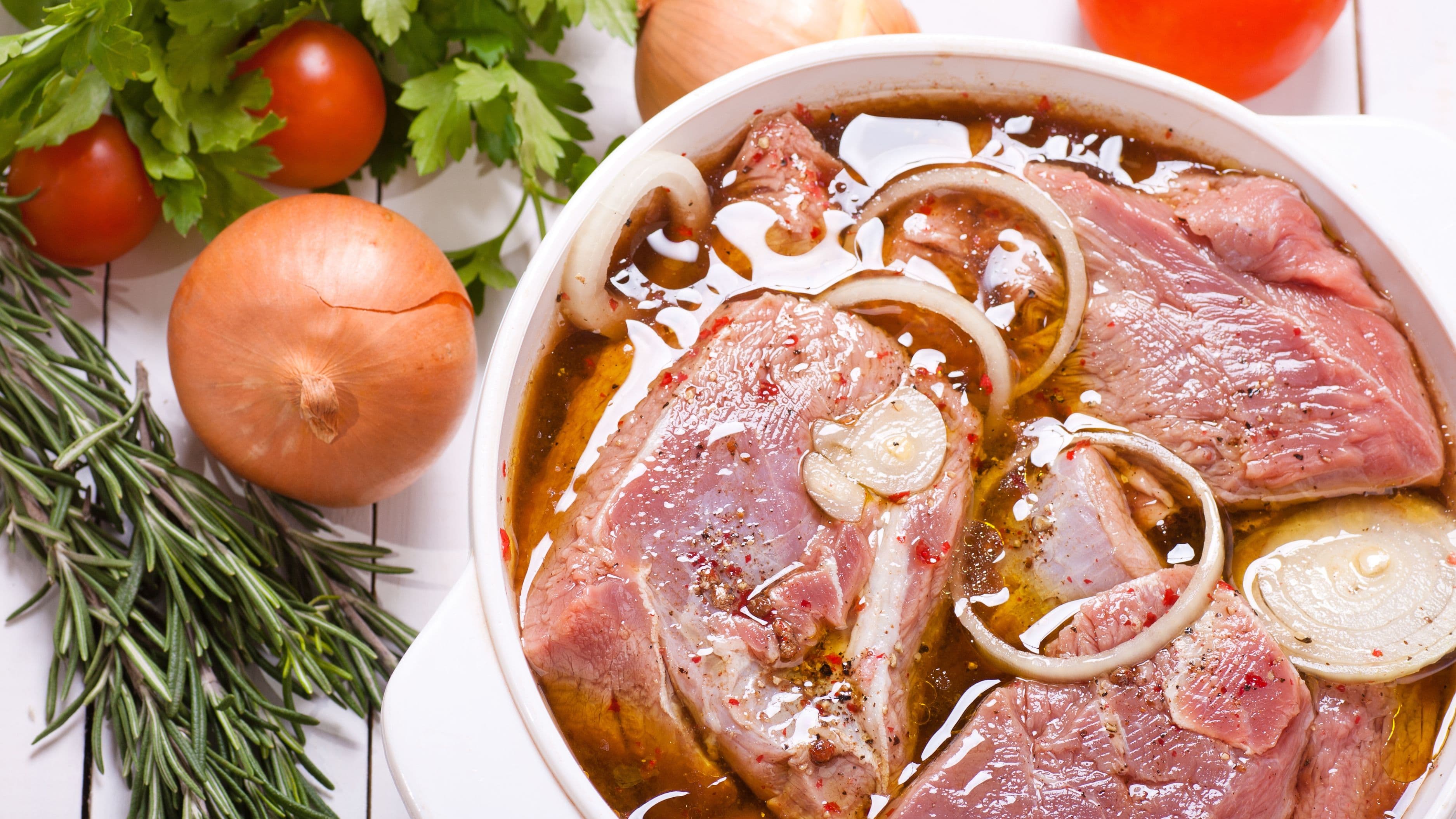
The Right Way to Rest Meat After Cooking
Cut into a steak straight off the grill and the juices run out across the cutting board. Wait ten minutes first, cut the same steak, and most of those juices stay in the meat. That's the whole argument for resting, and it's a compelling one – but understanding why it works, and how to do it properly for different cuts, makes the difference between meat that's merely good and meat that's genuinely excellent.
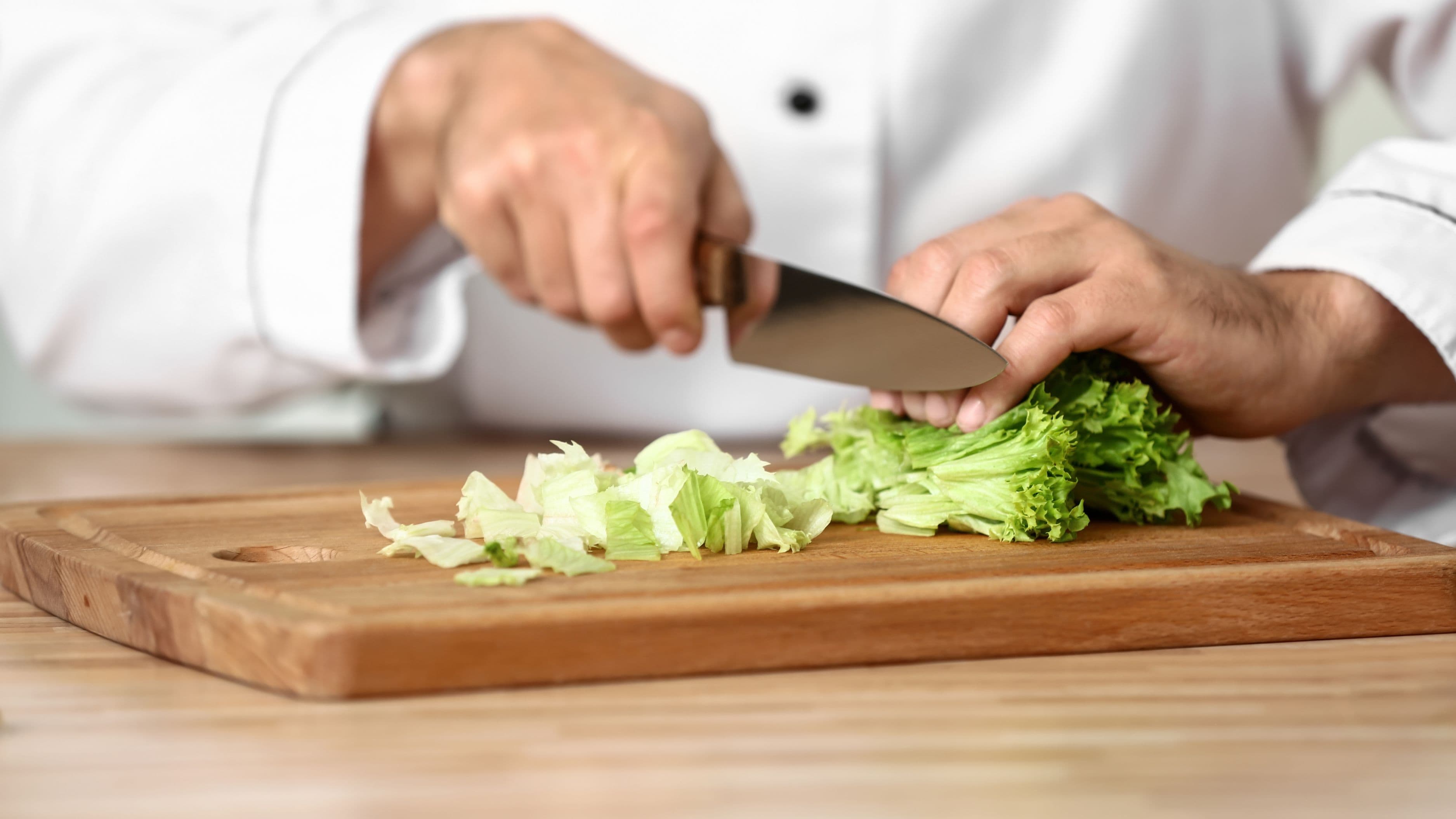
The Right Way to Use a Chef's Knife for Safer Cutting
Most kitchen cuts don't happen because someone was using a knife that was too sharp. They happen because of a dull blade, a wobbly cutting board, or a grip that leaves fingers exactly where a slipping knife is likely to land. Safer cutting isn't really about being extra cautious or slow, it's about a few specific habits that remove the most common causes of kitchen accidents almost entirely. Once these become second nature, you'll actually cut with more confidence, not less, because you won't be second-guessing your grip or your setup every time you pick up the knife.
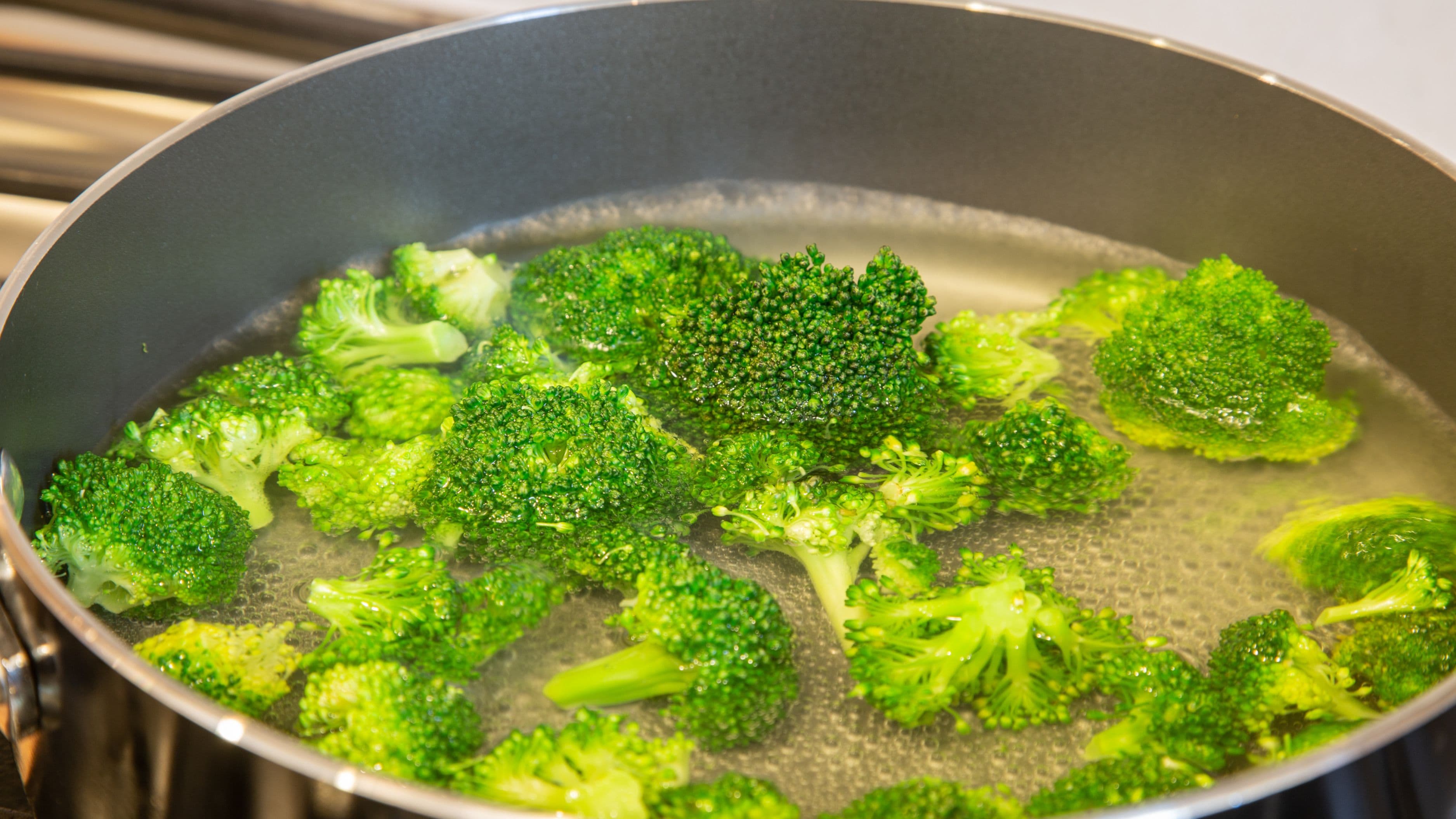
What Blanching Does and When Home Cooks Should Use It
Blanching is one of those techniques that sounds more complicated than it actually is. You drop vegetables into boiling water for a short time, pull them out, and plunge them straight into ice water. That's it. The whole thing takes a few minutes, and once you understand what it's actually doing to your food, you'll know exactly when it's worth doing and when you can skip it.
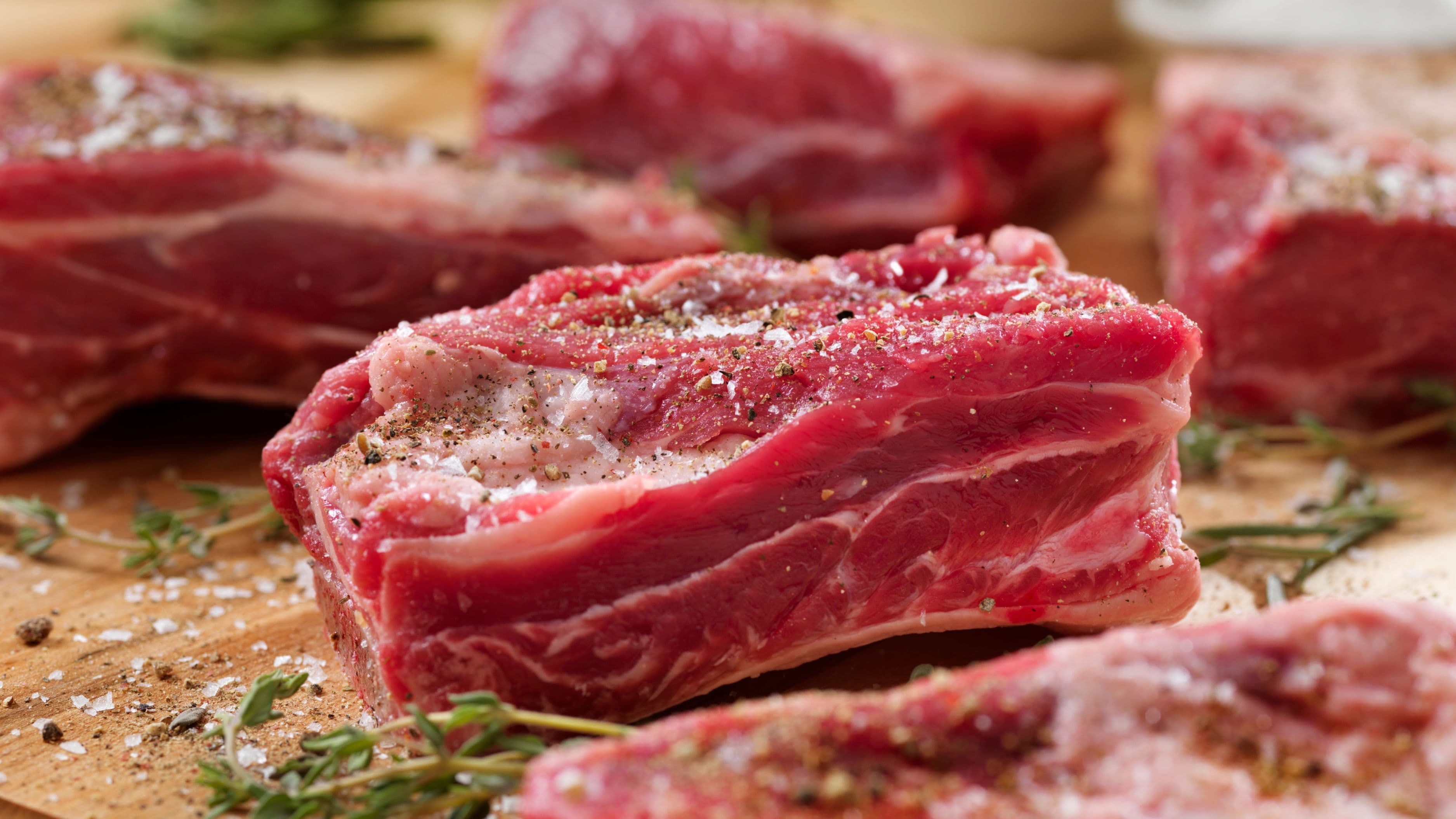
What Braising Does to Tough Cuts of Meat
There's something almost magical about what happens when you put a tough, cheap cut of meat in a heavy pot with some liquid and leave it alone for a few hours. What goes in chewy and difficult comes out falling apart, rich, and deeply flavored. That transformation isn't luck or alchemy – it's a specific set of chemical changes happening slowly inside the meat, driven by heat, moisture, and time. Once you understand what's actually going on, you'll not only braise with more confidence but also understand why certain shortcuts work and others don't.
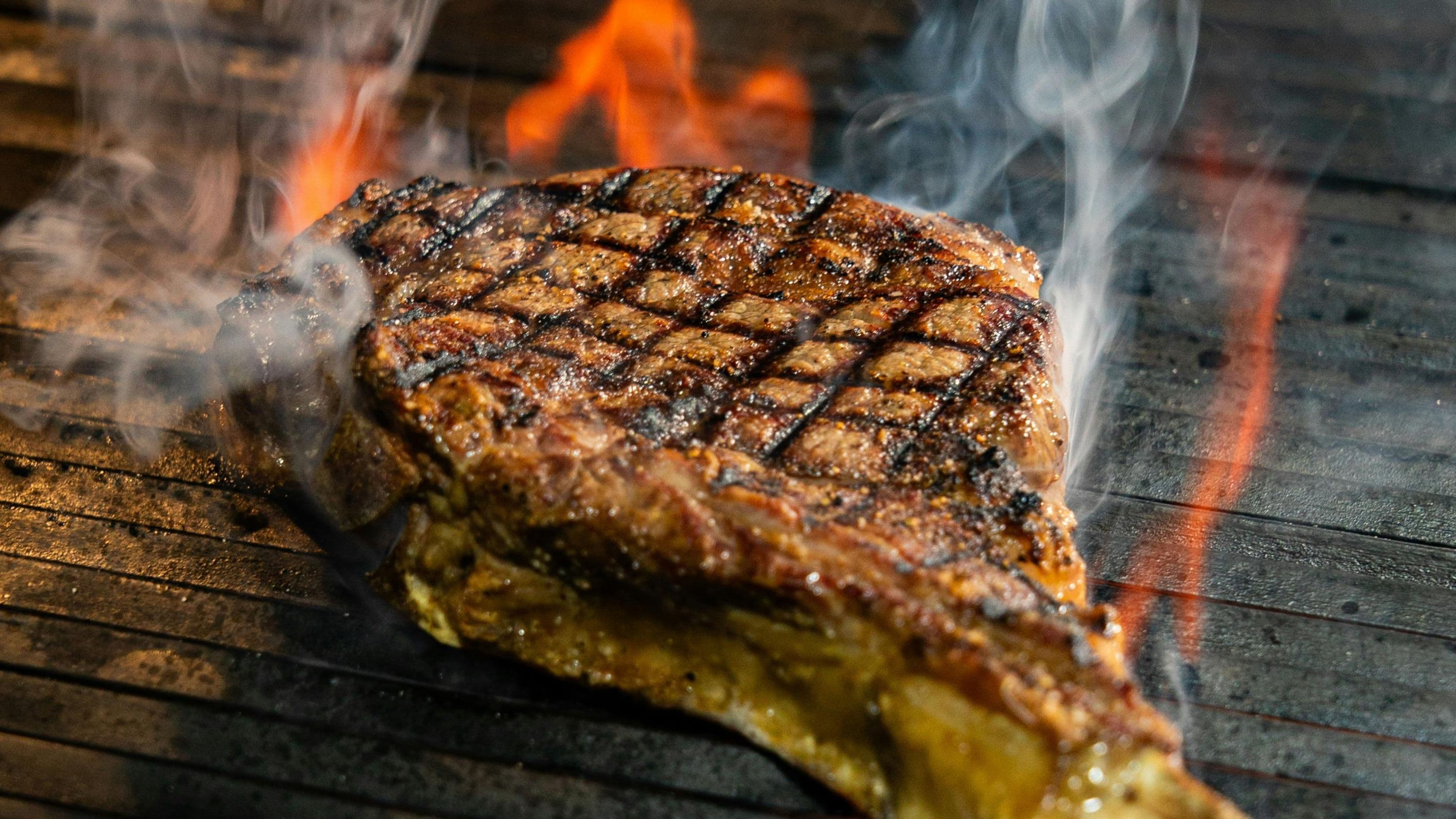
What Deglazing Does and Why You Should Do It More
If you've ever finished searing a steak or sautéing onions and noticed all those dark, sticky bits welded to the bottom of your pan, you've been one step away from the best part of the meal – and probably just washed it down the drain. Those browned bits aren't burnt residue. They're concentrated flavor, and deglazing is how you turn them into a sauce in under two minutes.
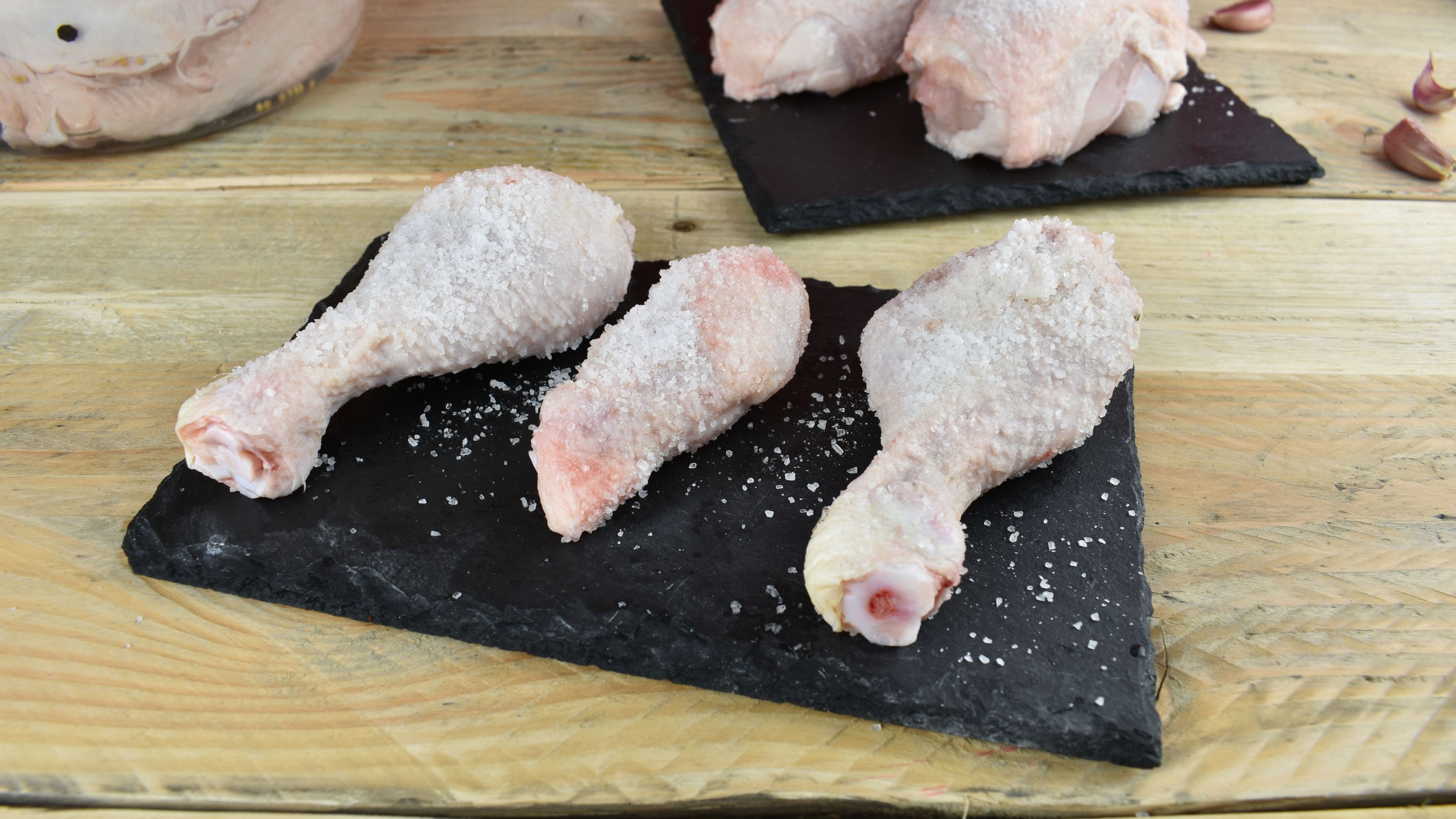
What Dry Brining Does That Wet Brining Doesn’t
If you've spent a holiday wrestling a turkey into a giant bucket of saltwater, only to find your fridge doesn't have room for anything else for two days, you've experienced the biggest practical downside of wet brining firsthand. Dry brining solves that exact problem, but it also does something wet brining genuinely can't – and understanding the actual difference between the two techniques will change which one you reach for depending on what you're cooking.

What Maillard Reaction Means for Everyday Cooking
That deep golden crust on a seared steak, the crisp brown edges of a well-toasted piece of bread, and the rich complexity of roasted vegetables all come from the same underlying chemical process happening in your kitchen every time you cook. Understanding what's actually going on gives you real control over flavor, instead of just following a recipe's instructions and hoping for the best.
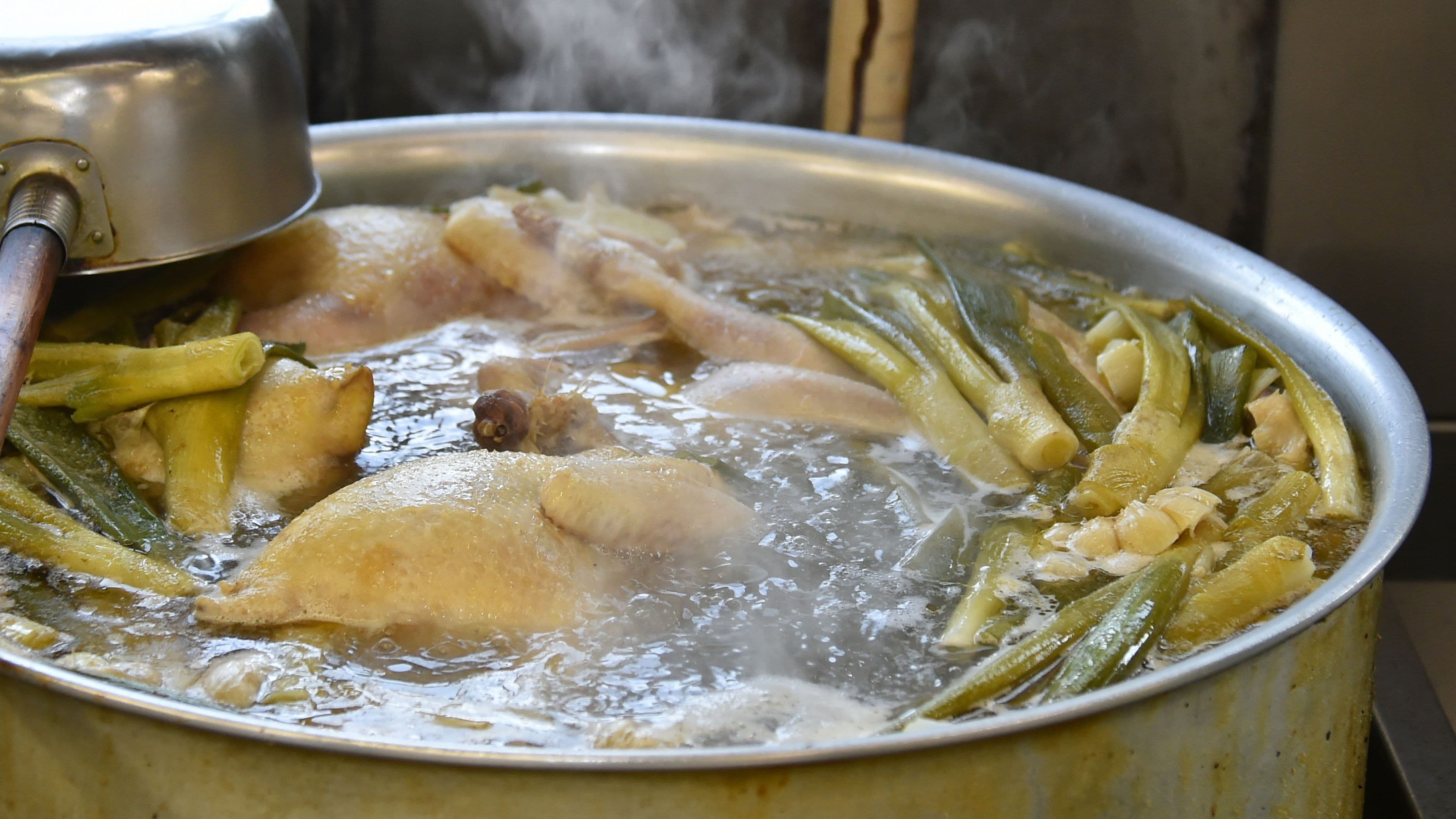
What Reduction Means and How to Control It
If a recipe has ever told you to "reduce until thickened" and left you standing over a pan wondering exactly what that's supposed to look like, you're not alone. Reduction is one of those techniques that sounds vague until you actually understand what's happening in the pan, and once you do, it becomes one of the easiest ways to turn a thin, watery sauce into something rich and restaurant-quality. Here's what you'll walk away with: a clear understanding of what reduction actually does, how to control the process instead of just guessing, and how to fix it when things go sideways.
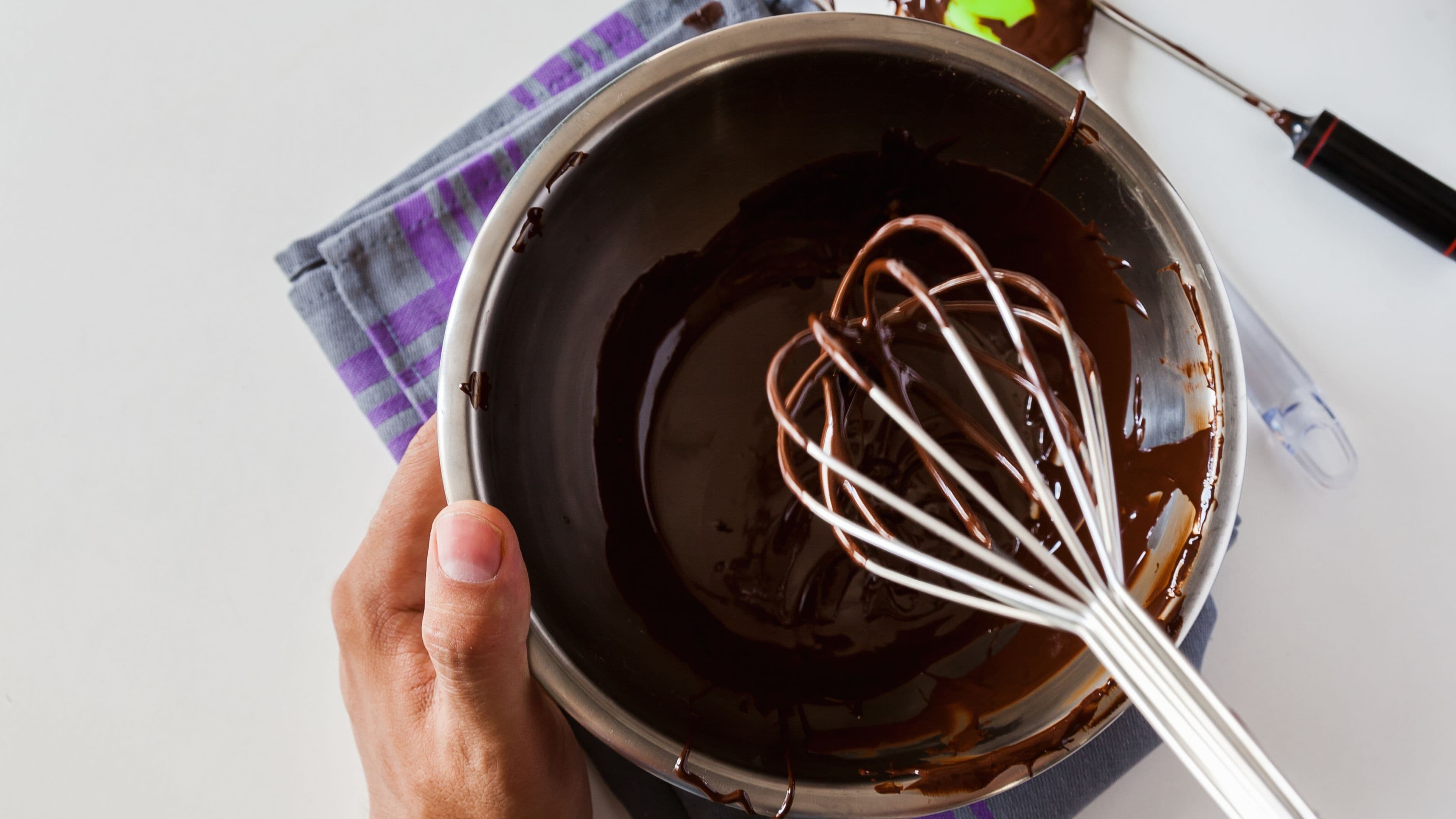
What Tempering Means and When You Actually Need It
"Temper the eggs" shows up in custard recipes and everyone quietly skips it, adds the hot cream directly, and ends up with scrambled eggs in their ice cream base. "Temper the chocolate" appears in a candy recipe and people either ignore it and wonder why their bark doesn't snap, or they attempt it and give up halfway through. Tempering has a reputation for being difficult and fussy – a technique for professionals with marble slabs and laser thermometers. That reputation is only half-earned.

What a Water Bath Does for Delicate Baked Goods
A recipe calling for a "water bath" can feel like an extra, fussy step you're tempted to skip, especially when you're just trying to get a cheesecake into the oven. But this technique exists for genuinely good reasons, and understanding what it's actually doing helps explain why some delicate baked goods turn out cracked, rubbery, or unevenly cooked without it, and why the water bath fixes those specific problems rather than just being an old-fashioned habit passed down without purpose.
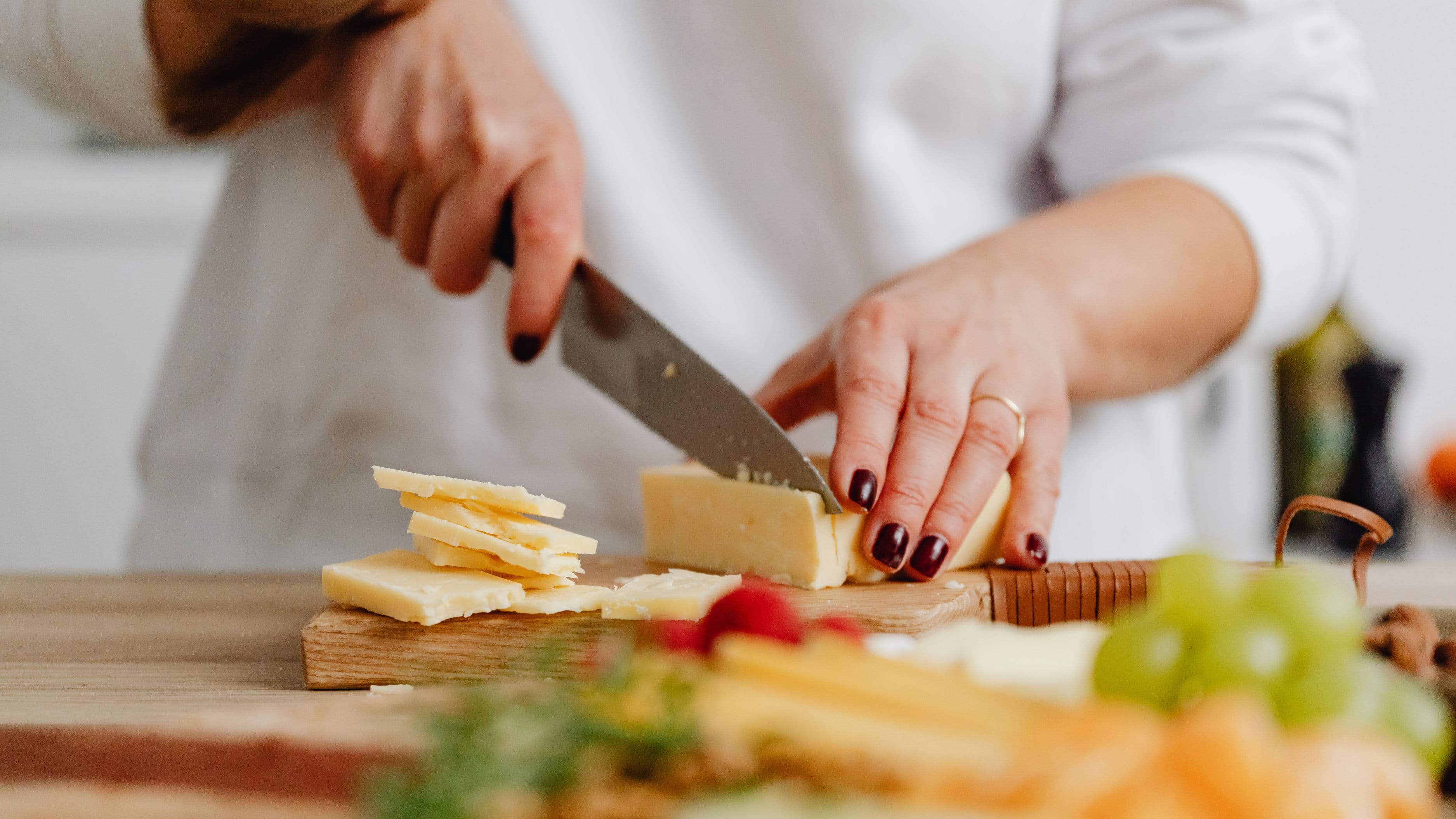
Are You Holding Your Knife Wrong? Most Home Cooks Are
I'll never forget the moment I realized I'd been holding a knife incorrectly for fifteen years. I was watching a cooking competition show—one of those high-stakes culinary battles where contestants create restaurant-quality dishes in impossible timeframes—when the camera zoomed in on a chef's hands. Something about the way their fingers curled around the handle, the effortless precision of each cut, looked fundamentally different from my own awkward chopping technique. I paused the show, walked to my kitchen, picked up my chef's knife, and suddenly felt like I'd been trying to write with my non-dominant hand my entire adult life. That night, I fell down a rabbit hole of culinary technique videos, and what I discovered shocked me: the vast majority of home cooks grip their knives in ways that professional chefs would never dream of. We're not just being inefficient—we're actually making cooking harder, slower, and potentially more dangerous than it needs to be.
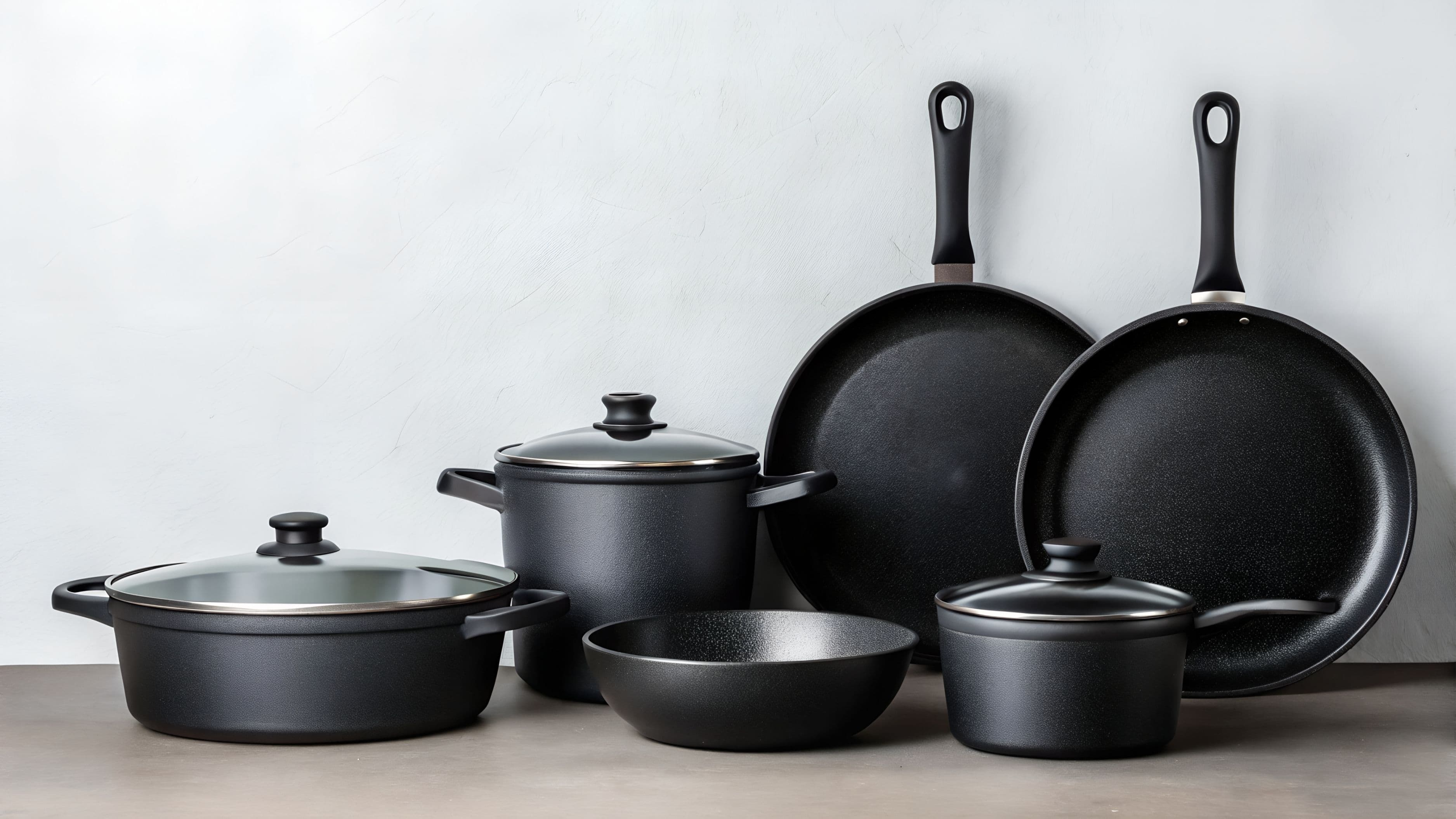
Can One Pan Really Change How Your Food Tastes?
Yes, and the difference is dramatic. The pan you cook with directly affects heat distribution, browning, moisture retention, and flavor development. What seems like a minor kitchen detail actually determines whether your chicken gets a golden crust or steams in its own juices, whether your vegetables caramelize or turn soggy, whether your eggs slide onto the plate or stick like concrete. Here's how different pans transform your food and which ones deserve space in your kitchen.
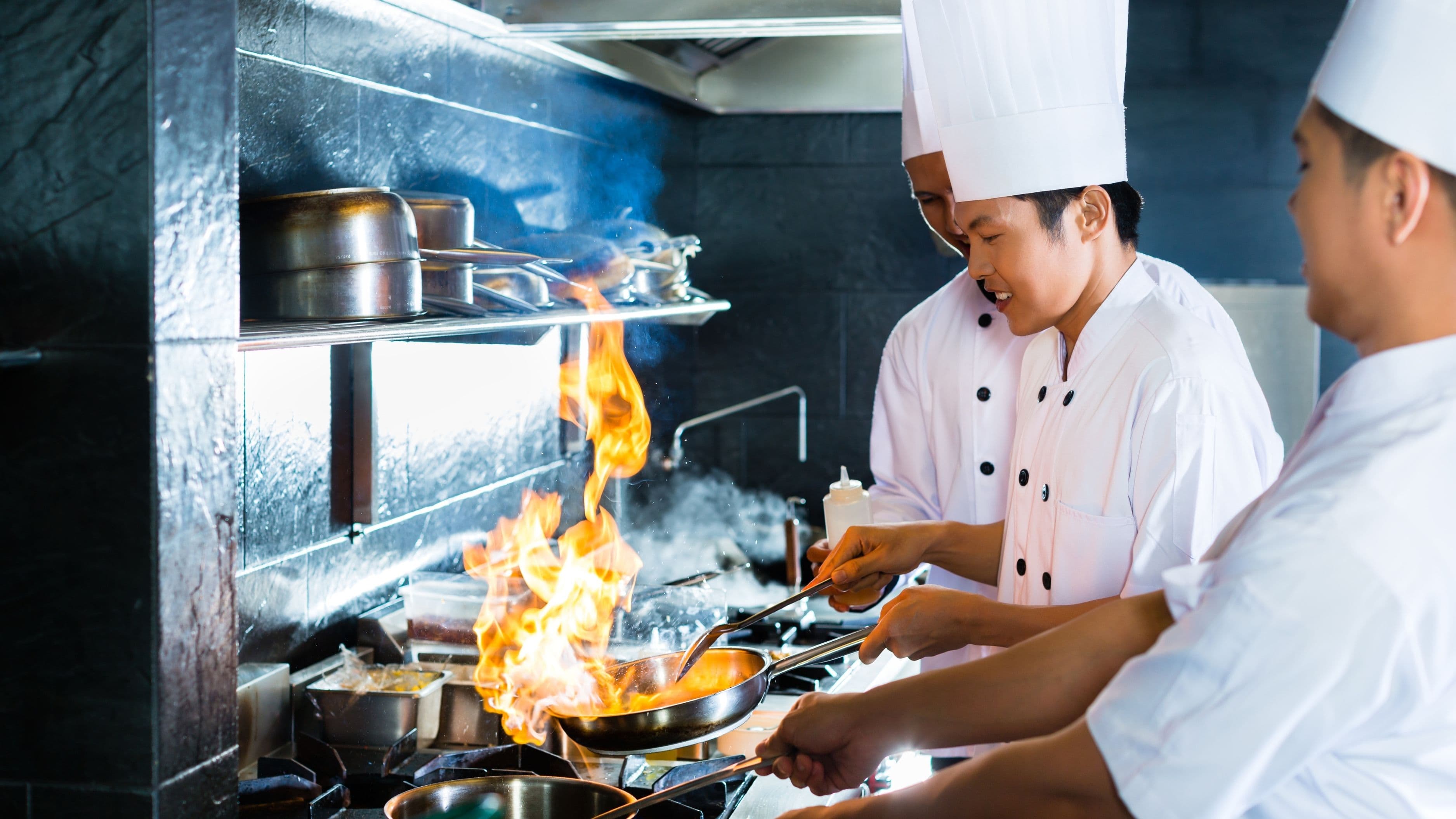
Master These 7 Techniques and Every Recipe Gets Easier
Most recipes fail because people skip the fundamentals. You're following instructions perfectly but missing the underlying techniques that make everything work. Master these seven core methods and you'll stop needing recipes altogether—you'll understand cooking at a level that makes improvisation natural and mistakes nearly impossible.
Should You Follow Recipes Exactly—or Trust Your Instincts?
You're standing in your kitchen, recipe open on your phone, and it calls for fresh thyme but you only have dried oregano. Do you panic and order takeout, or do you trust yourself to make a substitution? This decision—whether to follow recipes like sacred texts or treat them as loose suggestions—shapes your entire relationship with cooking. Here's how to know when to stick to the script and when to let your instincts take over.
The Cooking Skills I Wish I’d Learned Before Age 30
I still remember the night I invited my boss and three colleagues over for what I ambitiously called a "dinner party." I was 27, living in a cramped Brooklyn apartment, and convinced that my ability to follow a Blue Apron recipe made me competent enough to host. The evening started promisingly—wine flowing, conversation easy—until I served what can only be described as rubber chicken breasts next to rice that had somehow achieved both mushiness and crunchiness simultaneously. My boss politely pushed food around her plate while I died inside, realizing that adulthood had arrived but my cooking skills had stayed firmly planted in college. That humiliating evening became my culinary wake-up call, the moment I understood that knowing how to cook wasn't just about feeding yourself—it was about confidence, creativity, and honestly, survival in the adult world. Here are the essential cooking skills I desperately wish someone had taught me before I turned 30, skills that would have saved me from countless kitchen disasters and takeout receipts that made my bank account weep.
The Most Common Cooking Mistakes—and Why They’re Totally Normal
Every home cook makes the same mistakes. Professional chefs made them too before they learned better. Here's what's probably going wrong in your kitchen right now and why you shouldn't feel bad about it—plus how to fix each one immediately.
What I Learned After Cooking the Same Dish 20 Different Ways
You've been told that following recipes exactly is the path to cooking success—but that advice might be holding you back from actually understanding food. For three months, I made chicken piccata twenty different ways, varying one element each time, documenting every change, and tasting the results side-by-side when possible. What started as a quarantine experiment became a masterclass in how cooking actually works versus how we're taught to think it works. The myths I discovered—and the truths that replaced them—changed not just how I cook, but how I think about learning any skill. Here's what cooking the same dish over and over taught me about the lies we believe and the realities we ignore.
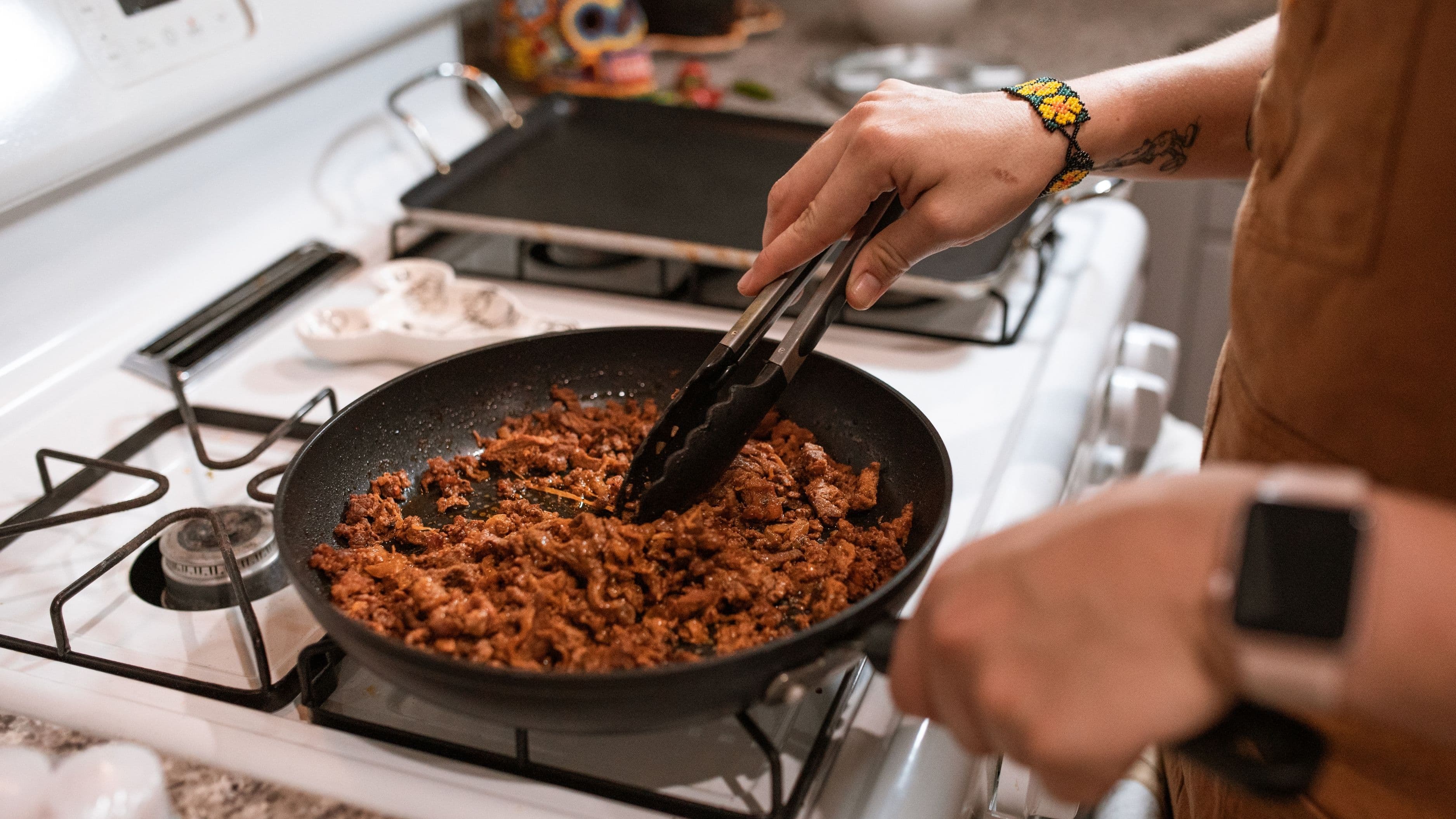
Why Slowing Down in the Kitchen Actually Makes You Faster
The frantic energy doesn't work. You've probably noticed this yourself—rushing through meal prep leads to forgotten ingredients, burned garlic, cut fingers, and somehow taking twice as long as the recipe promised. The counterintuitive truth that professional chefs understand is that deliberate, mindful cooking actually speeds up your process while producing better results. When you slow your mind down, your hands move with precision instead of panic, and what felt chaotic becomes rhythmic and efficient. Here's why taking your time is the fastest way to cook.
Explore other categories
Same editorial standard, different decisions.