Ingredient Guides
How to Choose the Right Vinegar for Any Recipe
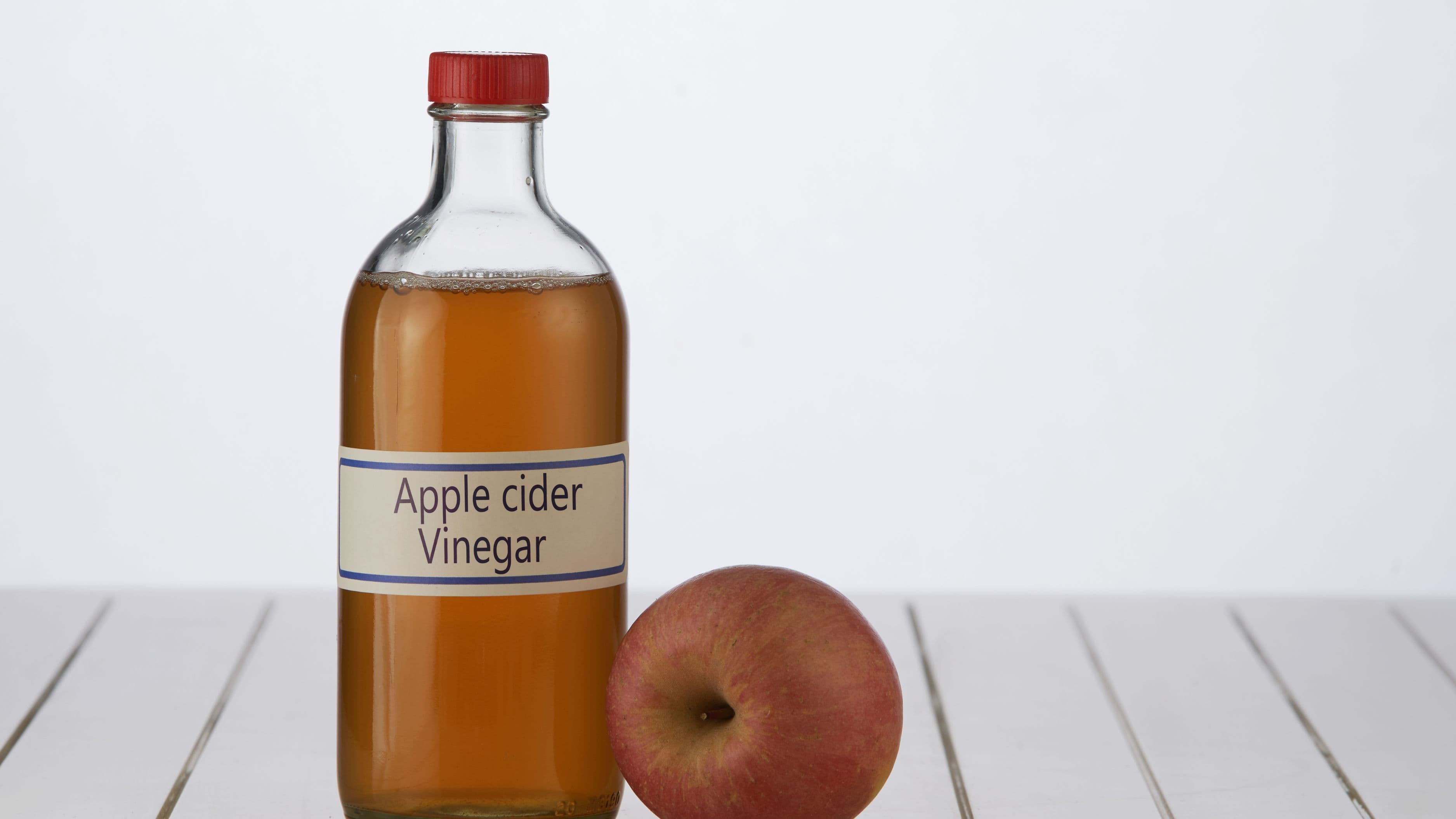
Vinegar is one of those ingredients that almost every cook uses regularly without thinking too carefully about which type they're reaching for. Grab the nearest bottle, splash some in – it'll be fine. And often it is fine. But occasionally it isn't, and the difference between a bright, well-balanced dish and one that tastes sharp or flat often comes down to whether the vinegar you used actually suited the job.
How to Get the Most Out of a Lemon
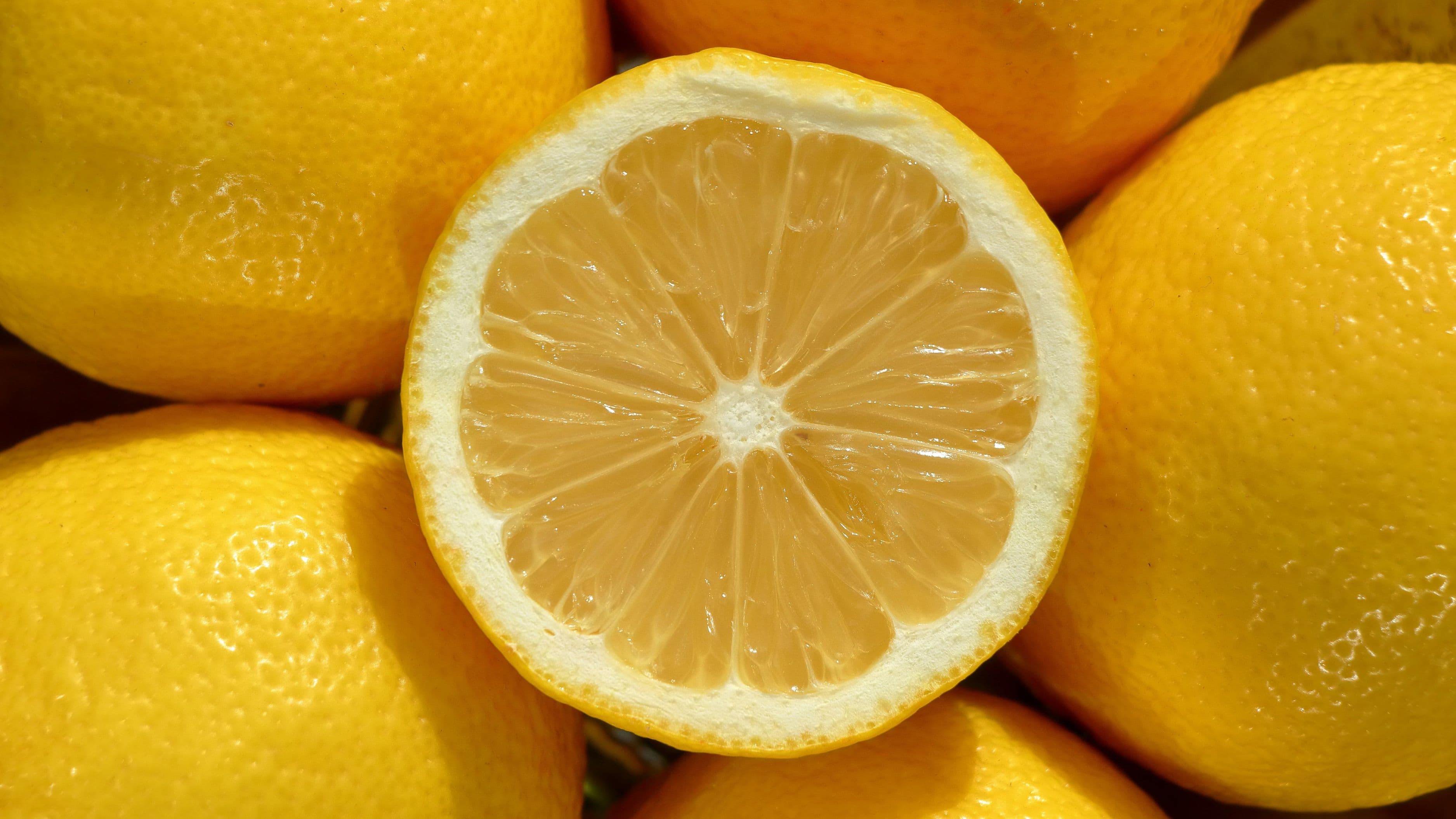
Most people use about half of what a lemon has to offer. They squeeze the juice, toss the rest, and move on. But a single lemon is actually three ingredients in one: the juice, the zest, and the pith – each with a different flavor, a different function, and a different place in the kitchen. Learning to use all three doesn't require any special skill. It just requires knowing where to start.
How to Make the Most of a Bunch of Kale
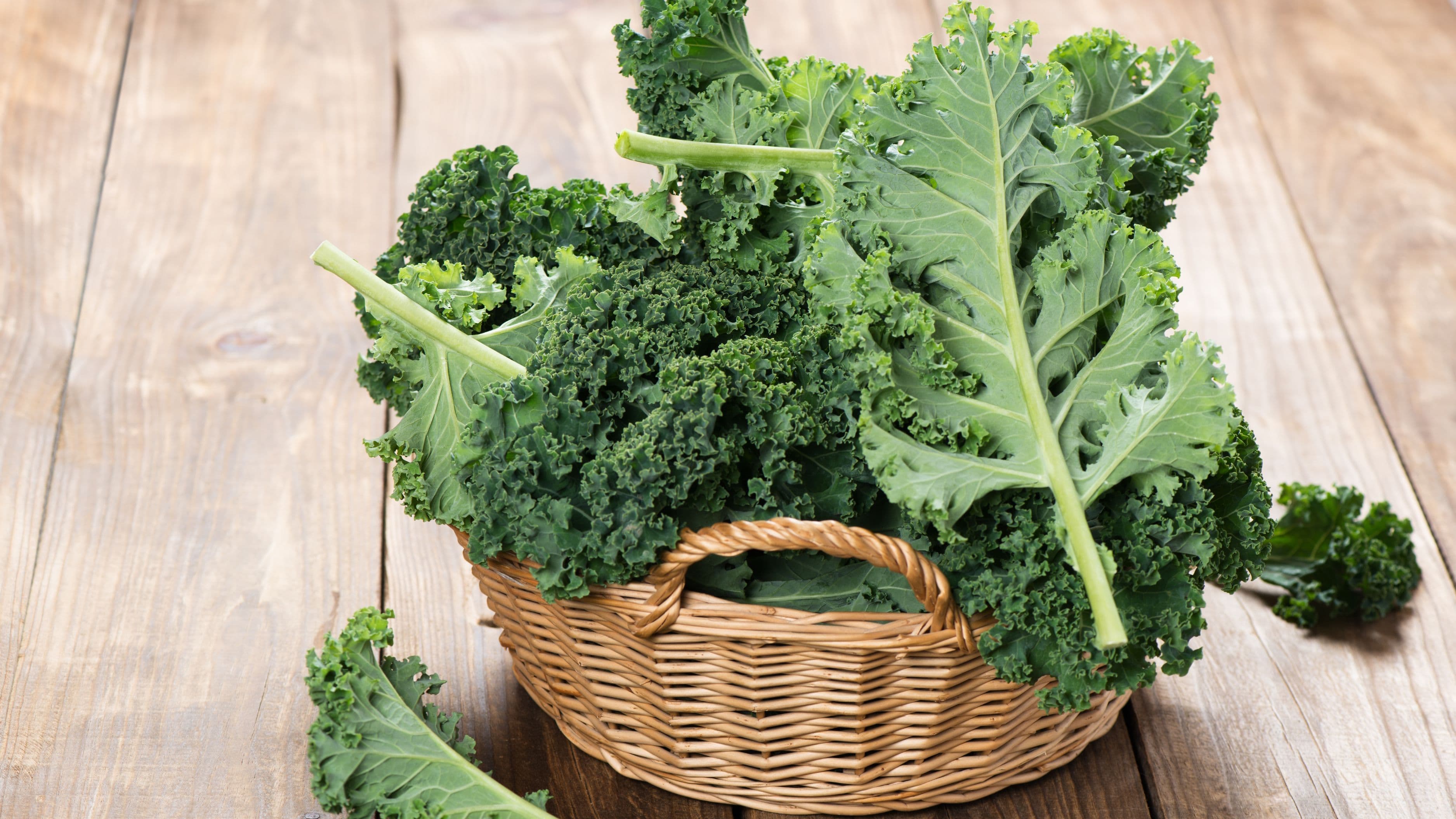
Kale has a reputation for being the vegetable people buy with good intentions and then find wilting in the crisper drawer a week later. Part of the problem is that kale doesn't behave like more forgiving greens, it needs a little know-how to actually taste good, but once you understand how to handle it, a single bunch can carry you through several very different meals.
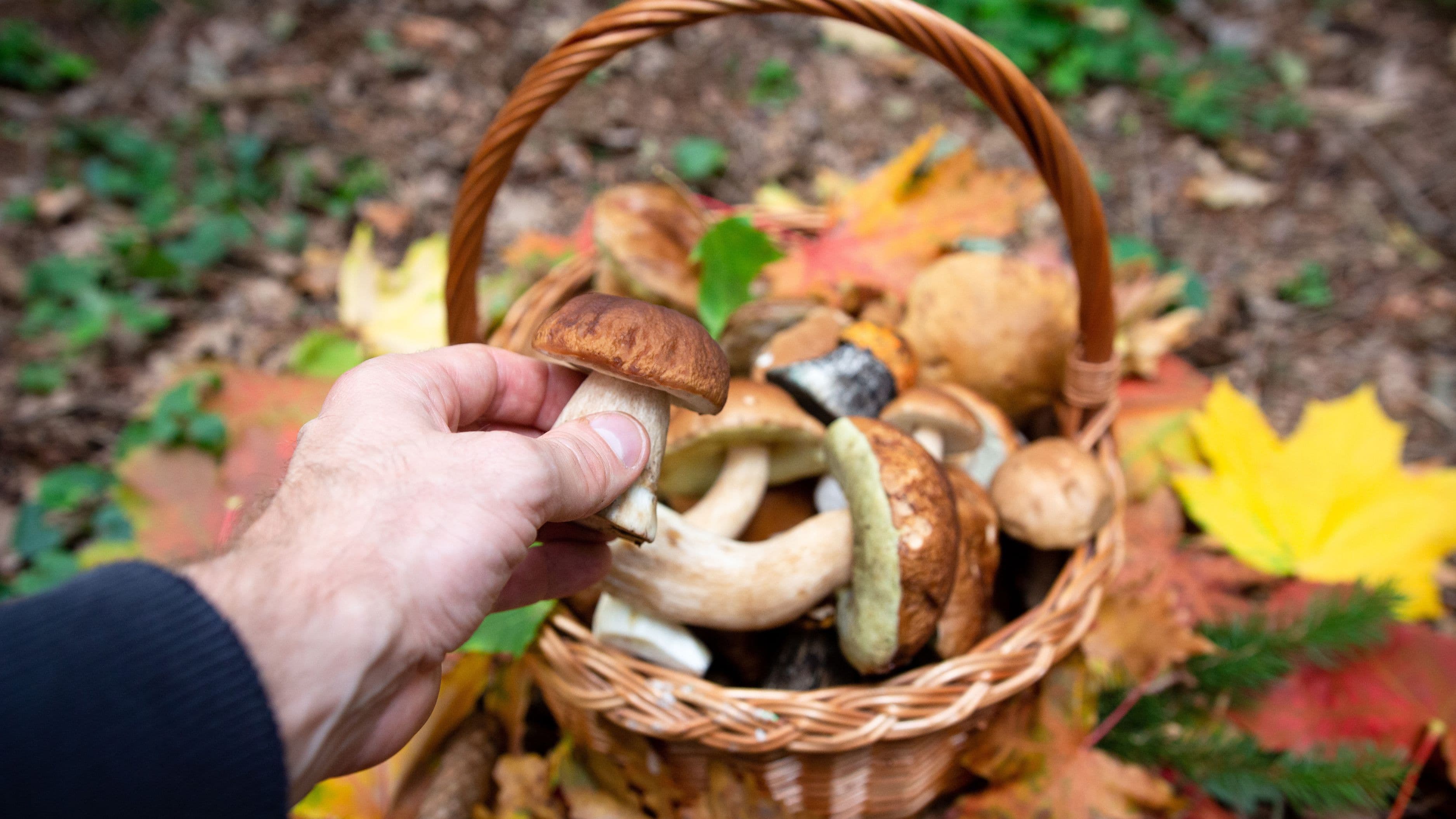
How to Pick the Right Mushroom for the Right Dish
Standing in front of the mushroom section trying to decide between six similar-looking varieties is a genuinely common moment of hesitation, especially since the differences between them aren't always obvious just by looking. But mushrooms vary considerably in texture, flavor intensity, and how they behave when cooked, and matching the right variety to the right dish makes a real difference in the final result.
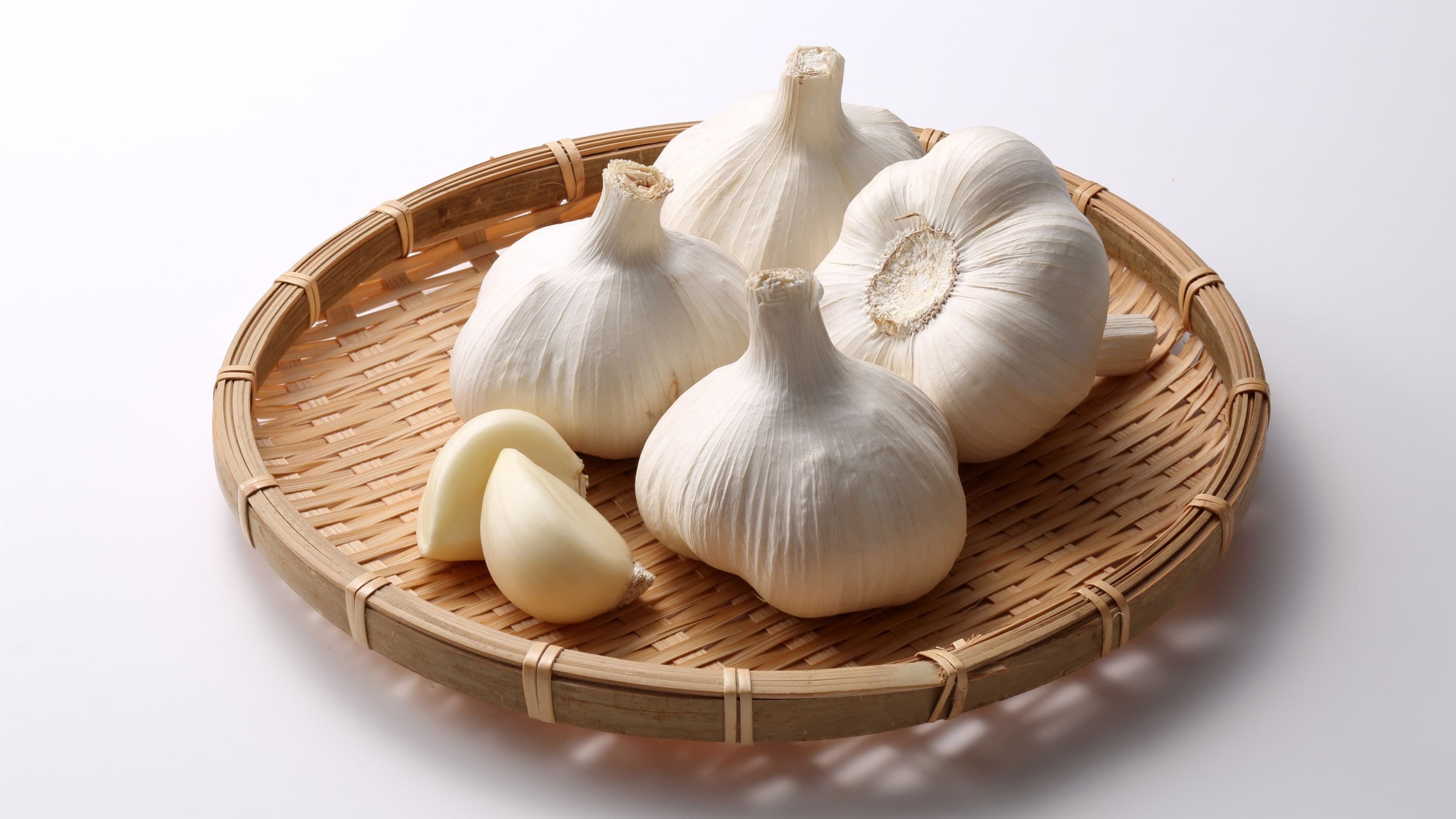
How to Store Garlic So It Lasts for Weeks
Garlic is one of those ingredients you always want on hand — until you reach for a bulb and find it shriveled, moldy, or already sprouting green shoots from every clove. It's a frustrating waste, especially when it happens regularly. The good news is that garlic is actually one of the easier ingredients to store well once you understand what it needs. A few simple habits can keep a full bulb fresh for weeks, and in some cases months, without any special equipment.
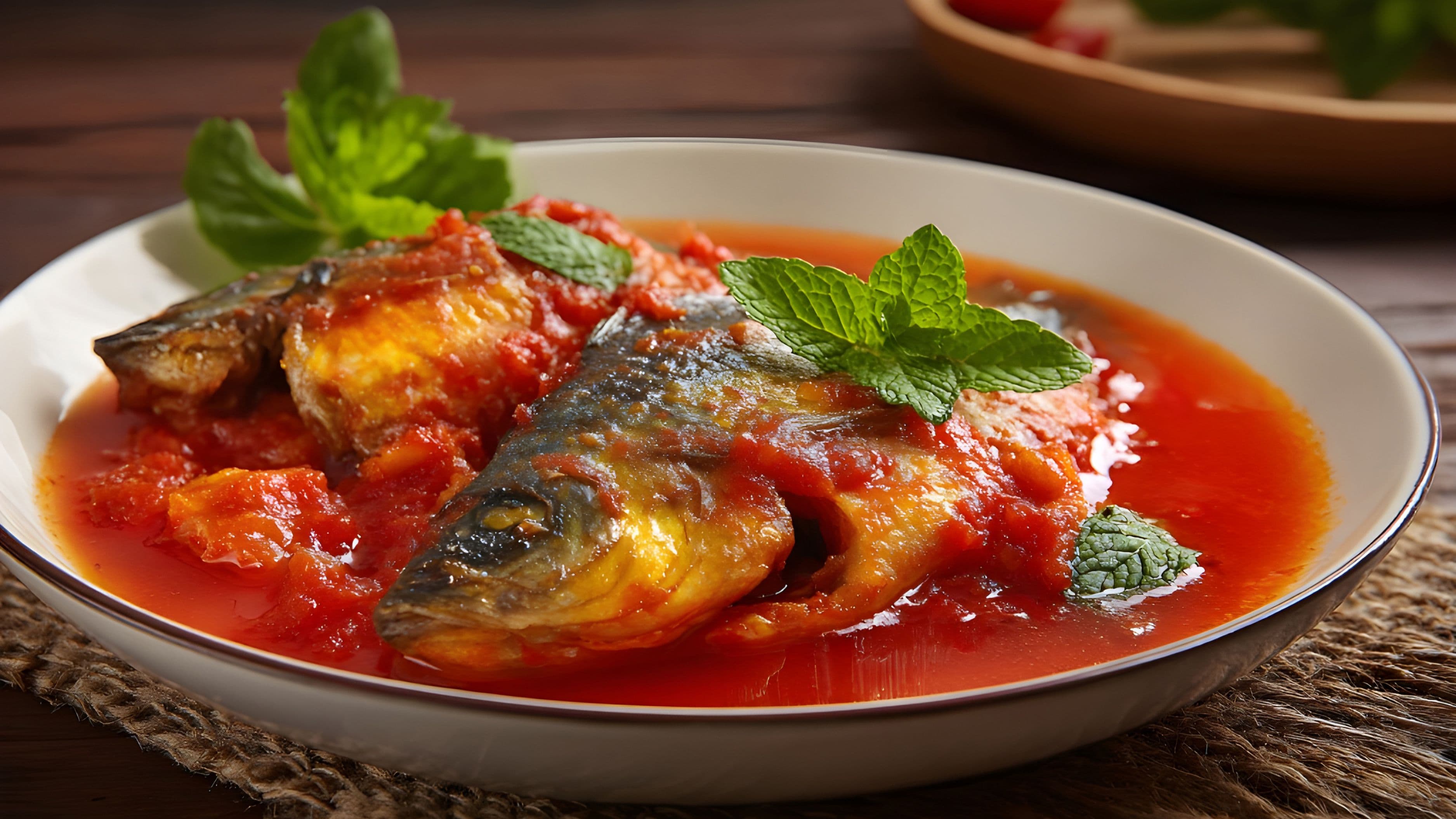
How to Use Fish Sauce in Dishes That Aren't Thai
Fish sauce has a bit of a reputation problem. The moment you open the bottle, the smell is assertive enough to make first-timers question the whole enterprise. But here's the thing: once it hits heat, or gets stirred into a sauce or dressing, that sharp, fermented smell transforms into something completely different – a deep, rounded saltiness that makes food taste more like itself. It's one of the most useful bottles in the kitchen, and it has no reason to be limited to Thai food.
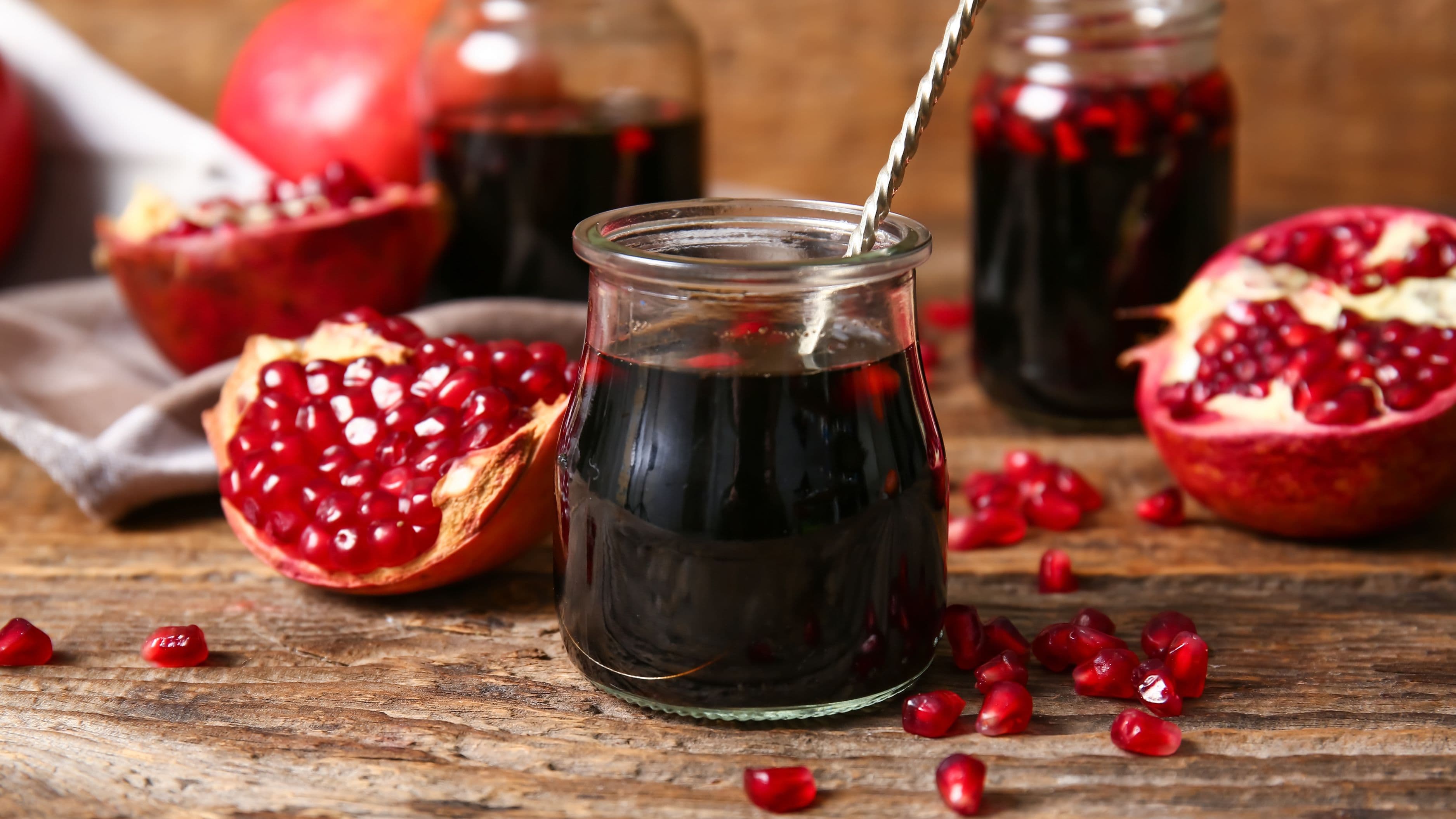
How to Use Pomegranate Molasses in Everyday Cooking
If you've ever tasted a dish with a deep, tangy-sweet complexity you couldn't quite place, there's a good chance pomegranate molasses was involved. This thick, dark syrup punches well above its weight in the kitchen, and once you understand how to use it, it becomes one of those ingredients you'll reach for constantly, well beyond the Middle Eastern dishes it's traditionally associated with.
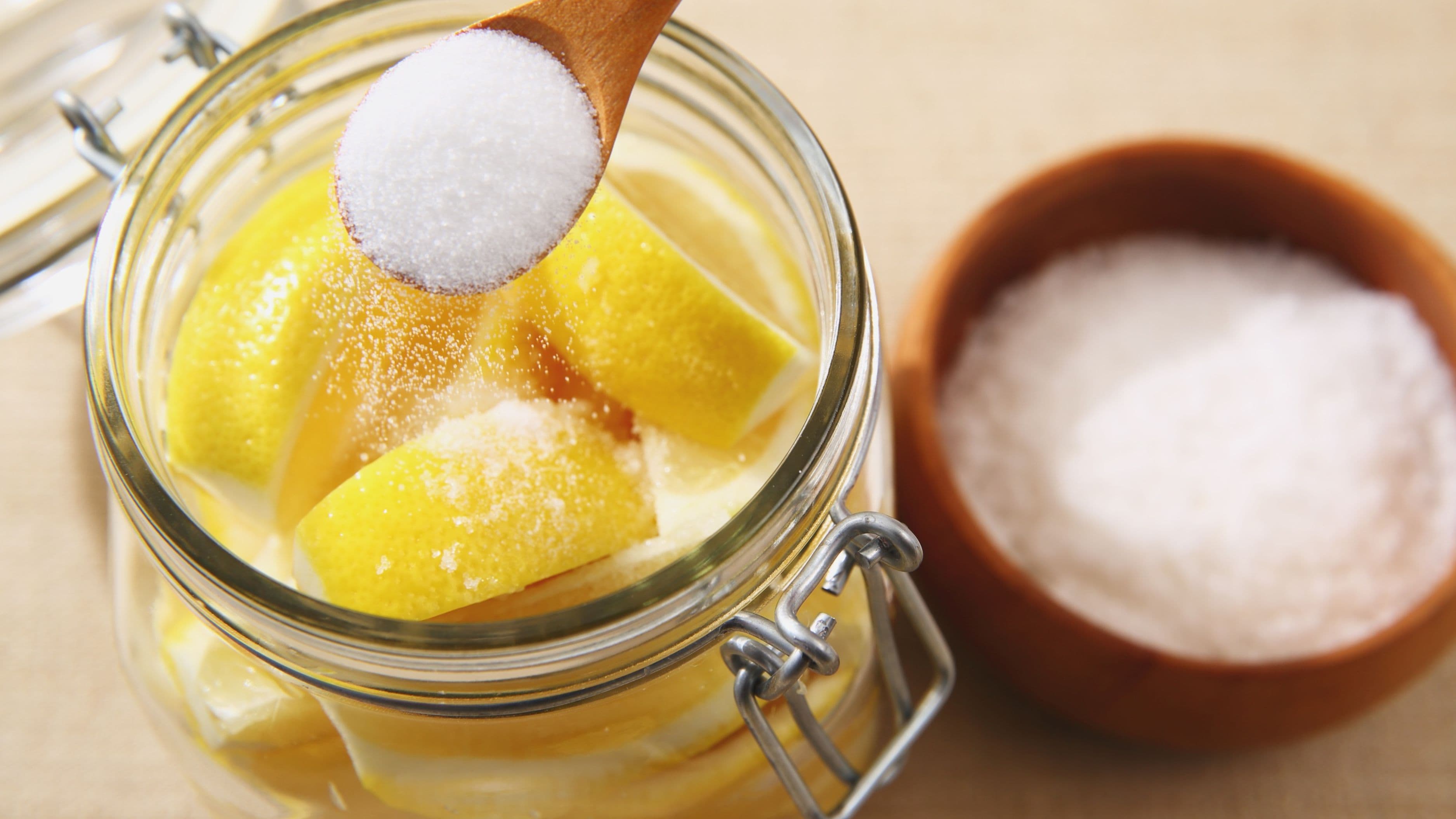
How to Use Preserved Lemons in Everyday Meals
Preserved lemons have a reputation for being a specialty ingredient reserved for Moroccan tagines and fancy restaurant dishes, but once you have a jar in your fridge, you'll find yourself reaching for it constantly. The intense, salty-sour, almost floral flavor they bring is genuinely different from fresh lemon, and it works its way into far more everyday cooking than most people expect.
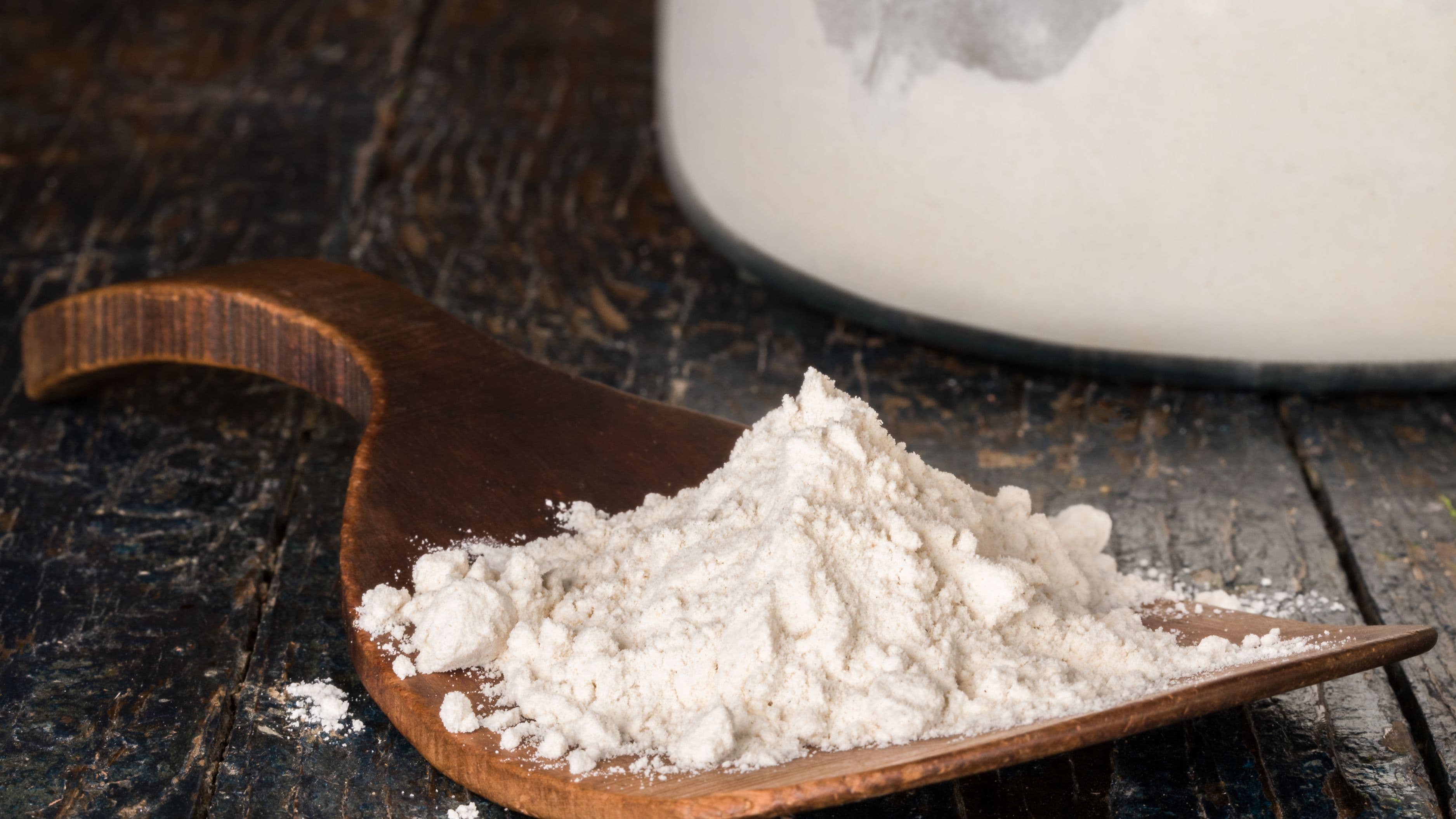
The Difference Between All-Purpose and Bread Flour
You're halfway through a bread recipe and it calls for bread flour, but all you have in the cupboard is all-purpose. Can you swap them? Will it matter? And why are there two different flours in the first place when they look completely identical sitting in their bags?
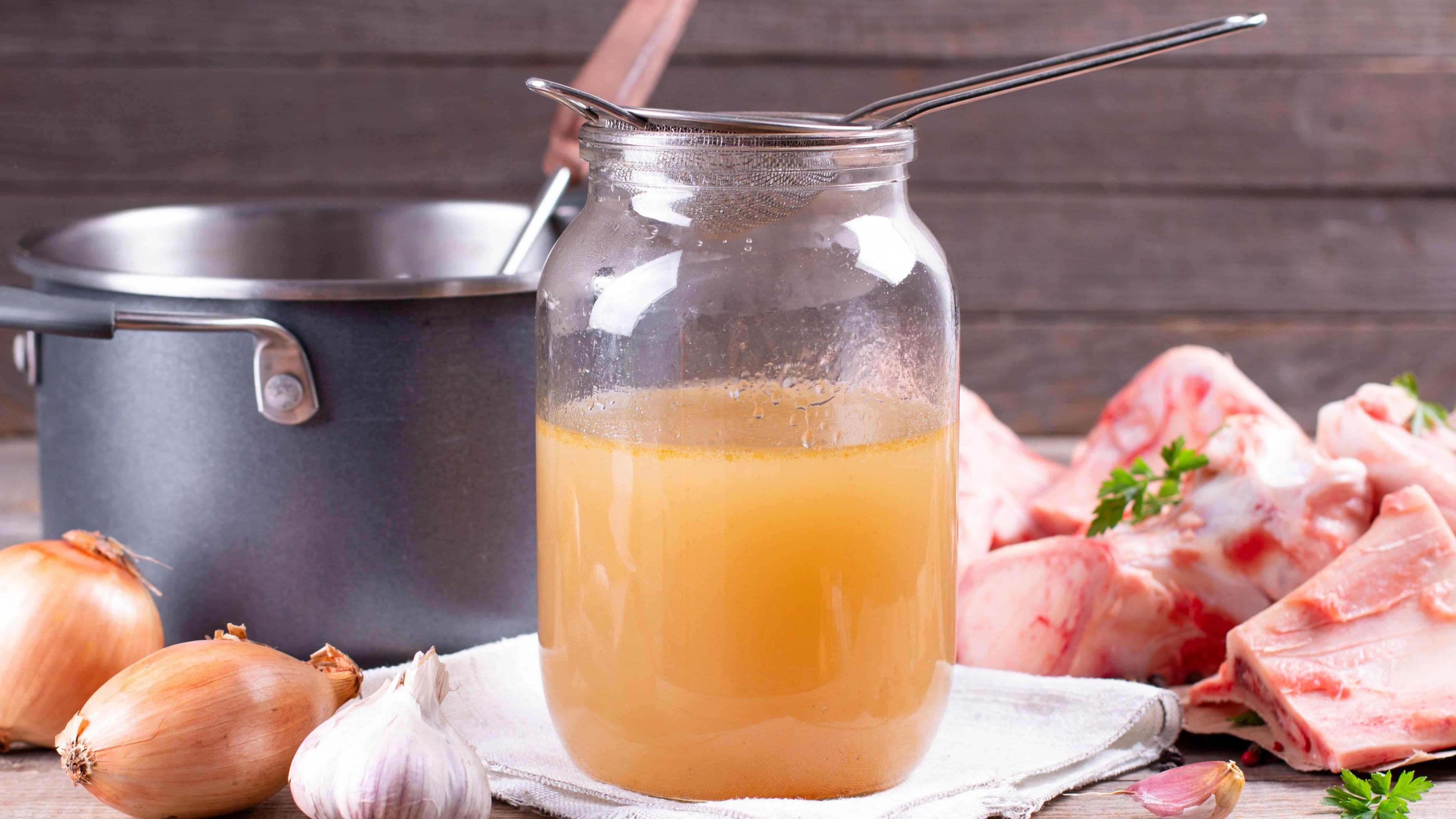
The Difference Between Stock, Broth, and Bone Broth
The words stock, broth, and bone broth get used interchangeably in recipes and on grocery store shelves, which makes it easy to assume they're all the same thing. They're not – and the differences matter more than you'd think when you're actually cooking. Using the wrong one can leave a sauce thin and flat, or make a light soup taste heavier than you wanted. Understanding what separates them takes about five minutes and will make you a noticeably better cook.
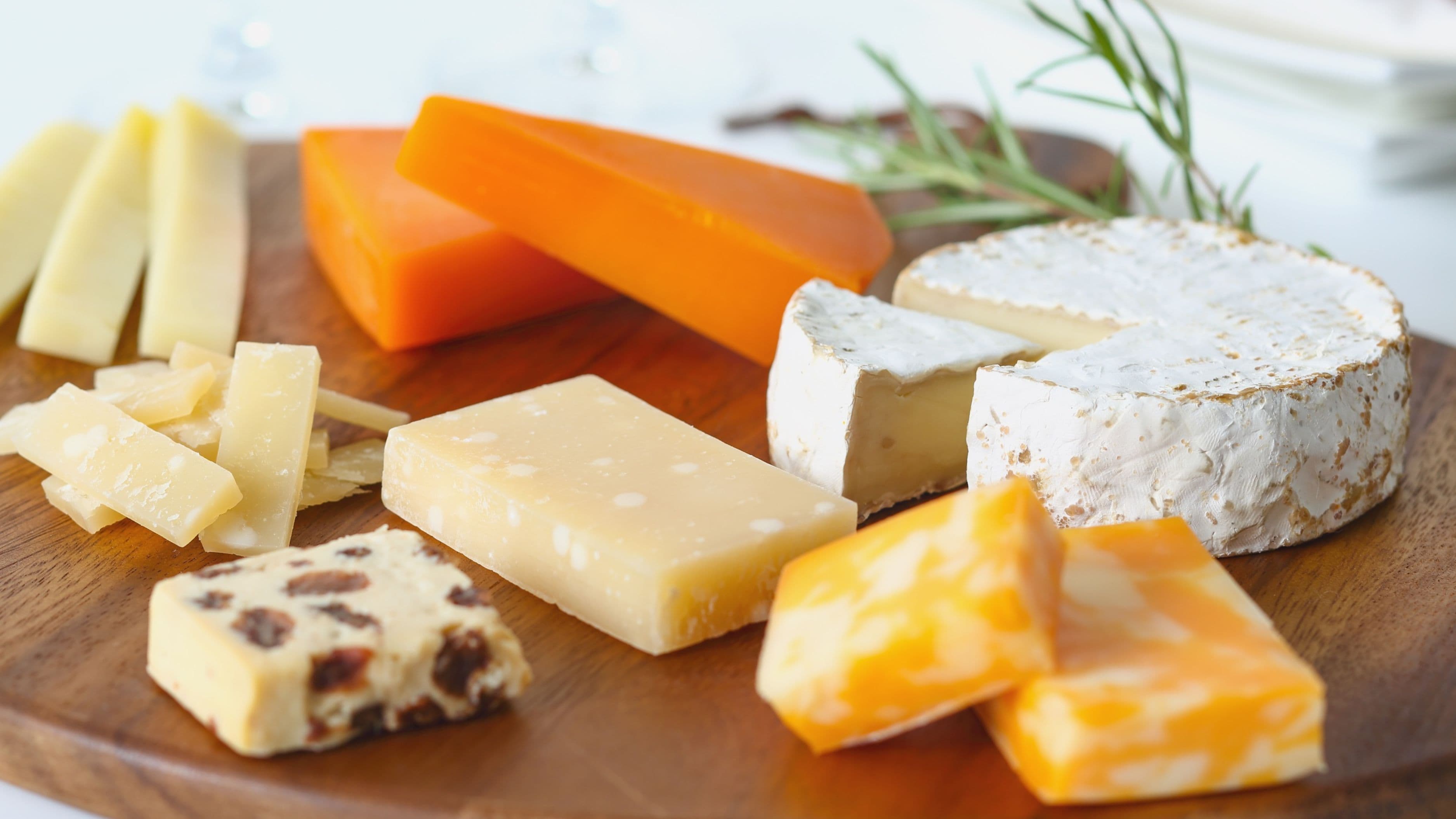
The Guide to Buying Cheese That Works for Cooking
Standing in the cheese aisle trying to figure out which block will actually melt properly into your pasta sauce versus which one is better saved for a cheese board is a genuinely common source of kitchen frustration. Not all cheese behaves the same way once heat gets involved, and picking the wrong one can leave you with a grainy sauce or a cheese that never quite melts the way you pictured.
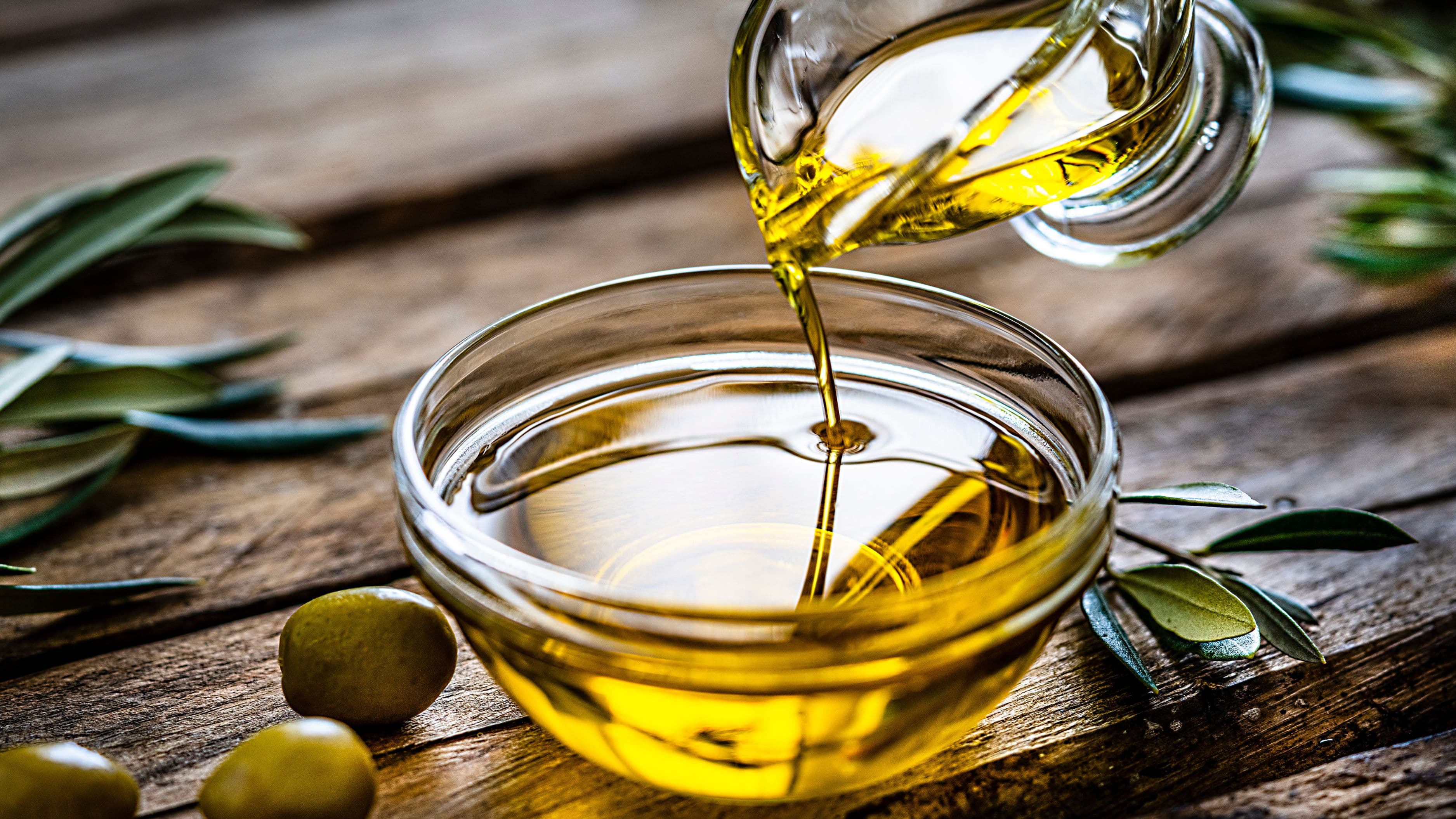
The Guide to Buying and Using Good Olive Oil at Home
Standing in the grocery store aisle facing forty bottles of olive oil, most claiming to be "extra virgin" and "premium," it's genuinely hard to know what you're actually buying or whether it's worth the price difference between a $8 bottle and a $30 one. Here's how to actually choose well, and how to use good olive oil in a way that lets its quality actually show through in your cooking.
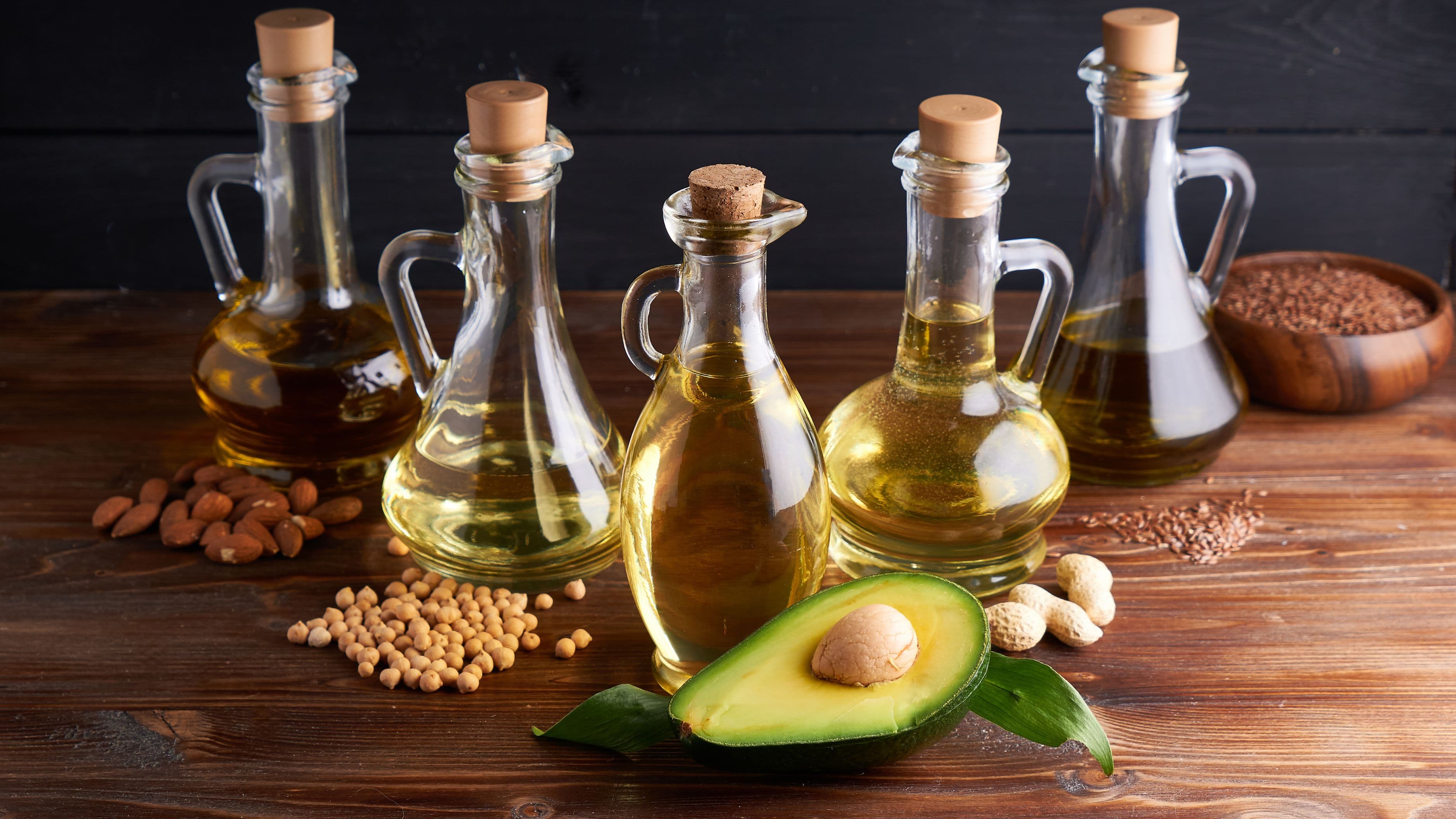
The Guide to Cooking Oils and When to Use Each One
If you've ever grabbed whatever oil was closest to the stove without really thinking about it, you're in good company. Most home cooks use one or two oils for everything and never give it much more thought. But using the right oil in the right situation actually does make a difference – not just in flavor, but in how well your food cooks and whether the oil stays stable at the temperature you're using. The good news is that understanding cooking oils doesn't require a chemistry degree. A handful of concepts covers most of what you need, and after that it's just a matter of matching the oil to what you're making.
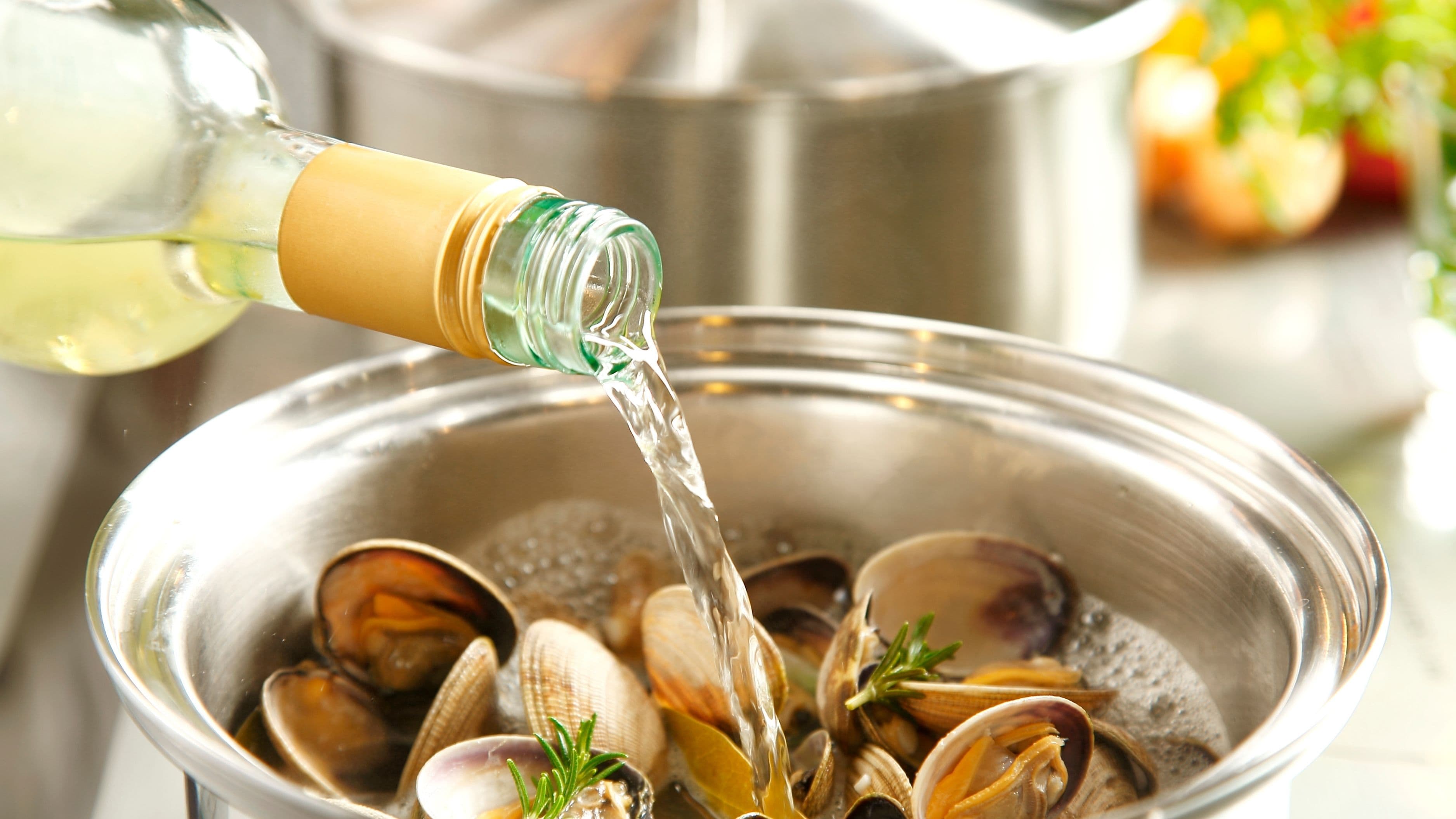
The Guide to Cooking with Wine Without Wasting the Bottle
Cooking with wine has a reputation for being wasteful, since most recipes call for a splash while the rest of the bottle sits around wondering what its purpose in life is. With a bit of planning, you can cook with wine regularly without constantly ending up with half-finished bottles going flat in the back of your fridge. Here's how to actually make the most of every bottle you open for cooking.
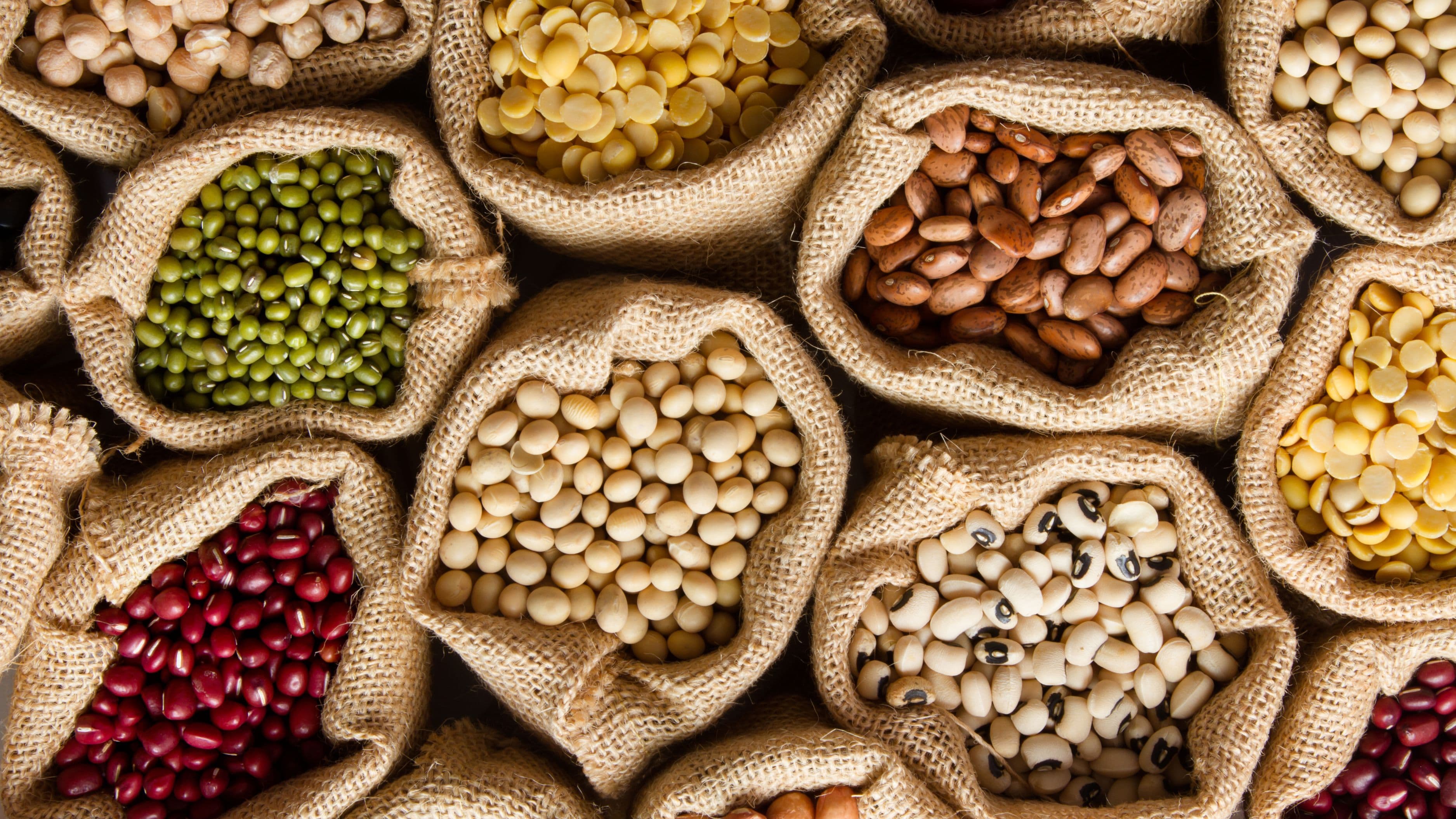
The Guide to Legumes You're Probably Underusing
Chickpeas and black beans get all the attention, but they're really just the tip of a much bigger, more interesting category sitting quietly in the dry goods aisle. Legumes as a whole are some of the most affordable, versatile, and genuinely satisfying ingredients you can cook with, and once you branch out beyond the usual suspects, you unlock a whole range of textures and flavors that make weeknight cooking a lot more interesting.
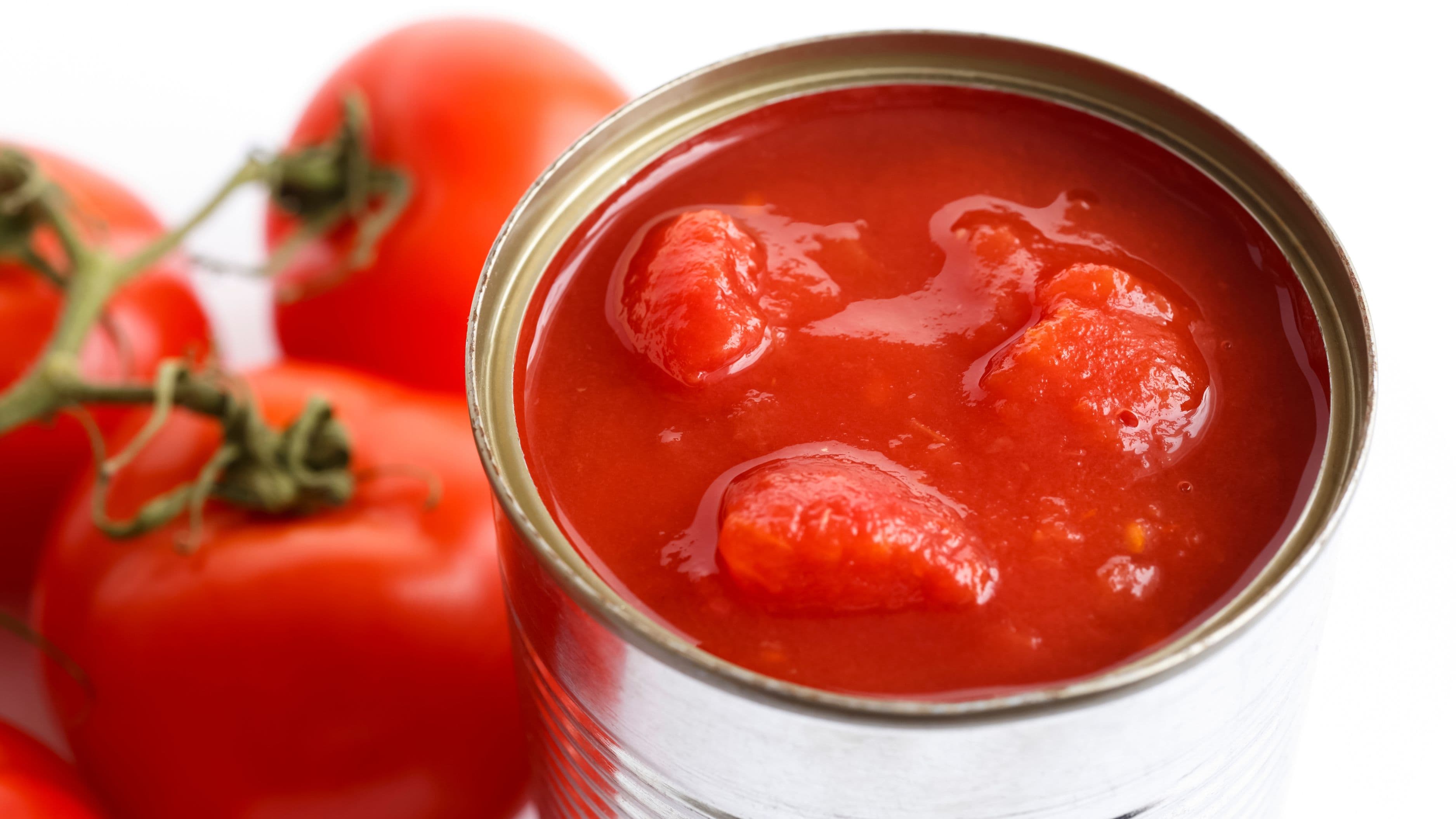
The Home Cook's Guide to Canned Tomatoes
If there's one pantry staple worth understanding deeply, it's canned tomatoes. They're behind some of the best pasta sauces, braises, soups, and curries you've ever eaten – and some of the worst, when the wrong type gets used in the wrong dish. The difference between a flat, watery sauce and one with deep, rounded flavor often comes down to which can you reach for and what you do with it.

The Home Cook's Guide to Using Miso
If you've only ever used miso for soup, you're leaving most of its potential untouched. Miso is one of the most versatile ingredients you can keep in your fridge – it adds depth, saltiness, and that hard-to-place savory richness to everything from salad dressings to roasted vegetables to chocolate desserts. Once you understand the basics of what it is, how it differs by type, and how to cook with it, you'll find yourself reaching for it constantly.
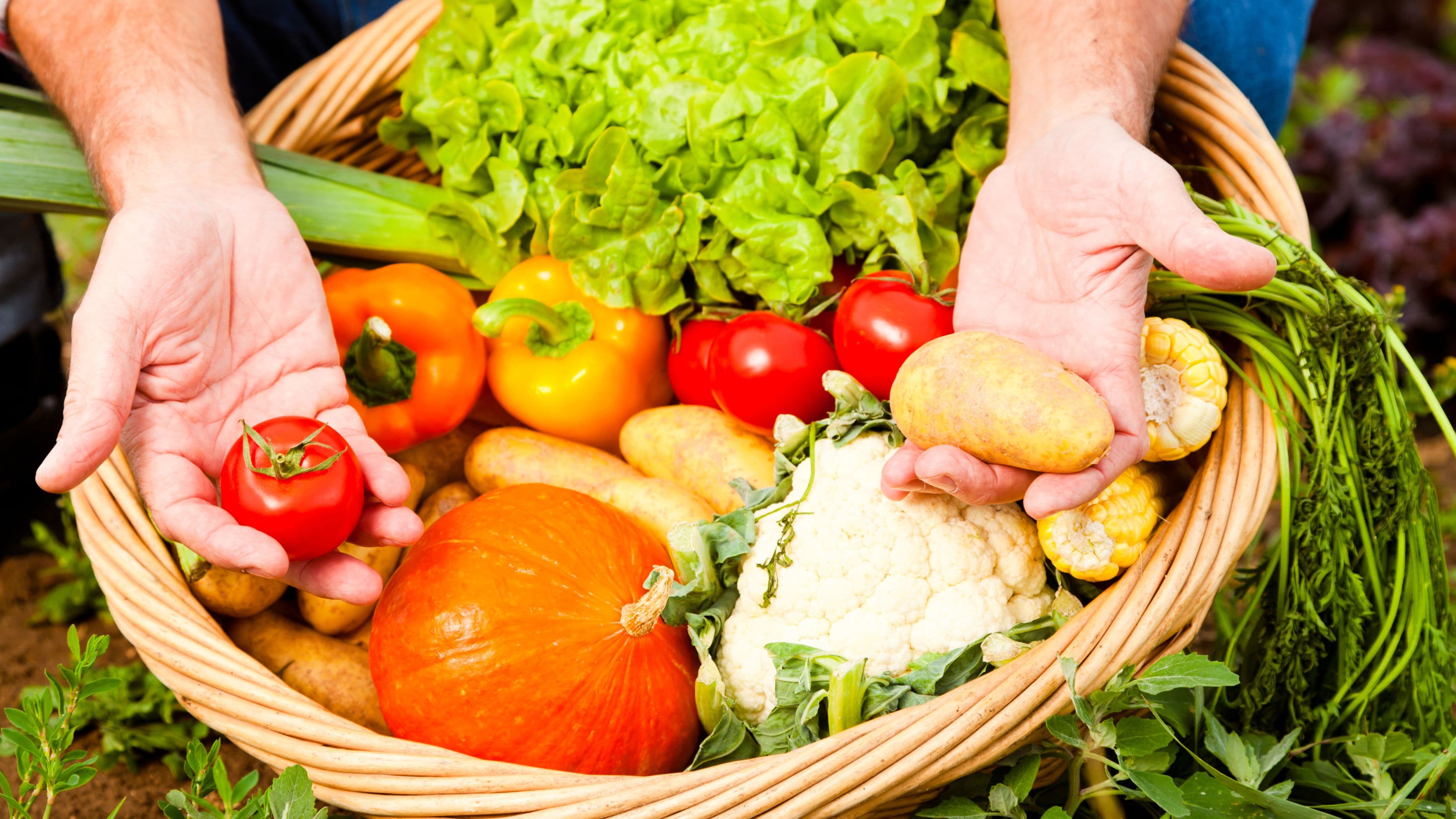
The Seasonal Produce Swap Guide for Year-Round Cooking
Ever made a recipe you loved in summer, then tried it again in January only to find the tomatoes tasted like nothing and the whole dish fell flat? That's the seasonal produce problem, and it trips up even confident home cooks. The good news is you don't need to abandon a favorite recipe just because its star ingredient is out of season – you just need to know what to swap it for.
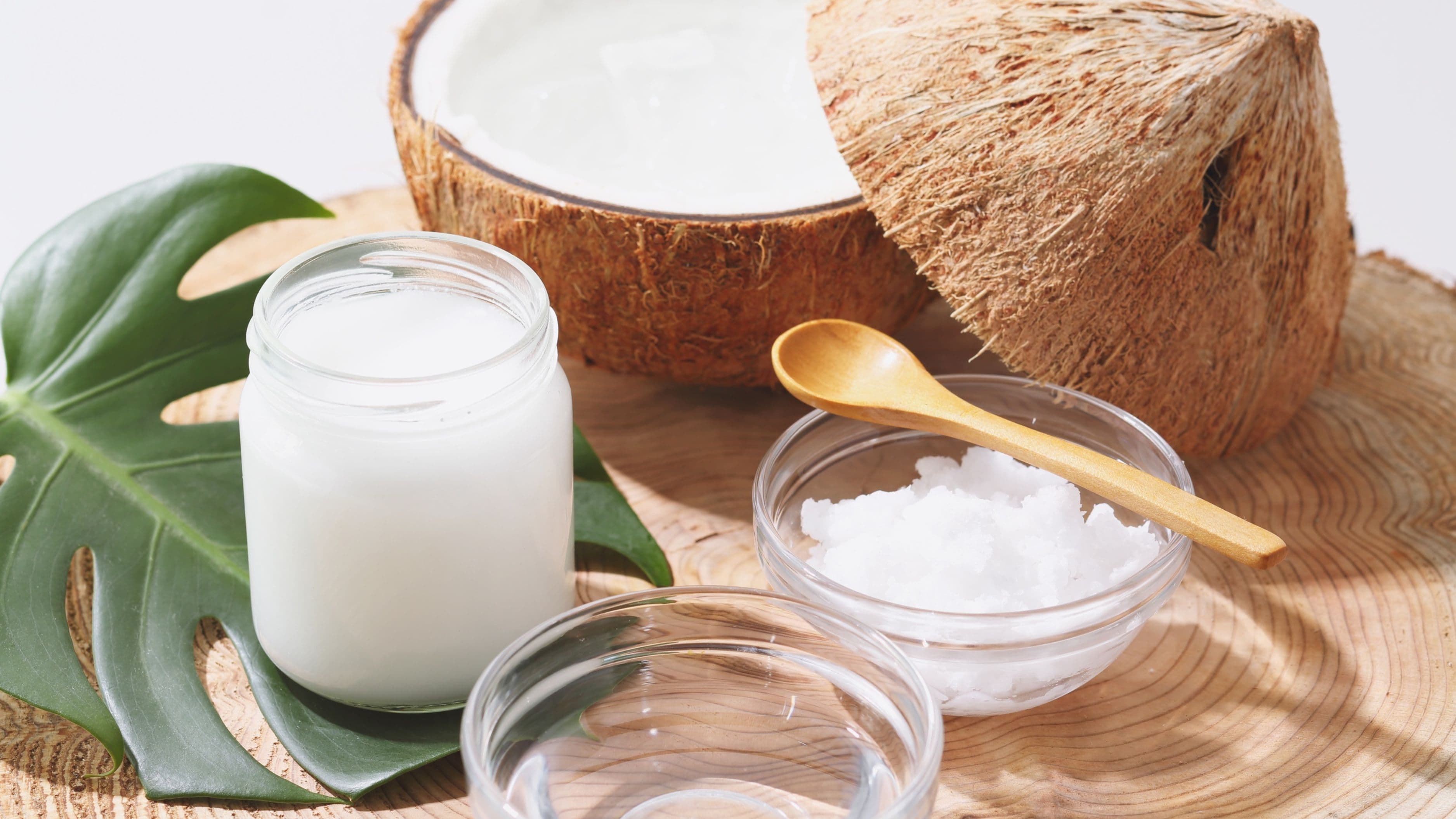
What Coconut Milk Does in a Recipe and When to Use It
Coconut milk shows up in recipes from completely different parts of the world — Thai curries, Indian dals, Caribbean rice dishes, tropical smoothies, and even chocolate cake. It's one of those ingredients that looks simple on the shelf but does very different things depending on how and when you use it. If you've ever wondered why one recipe calls for a full can and another just a splash, or why your curry came out watery instead of rich, understanding what coconut milk actually does in cooking changes everything.
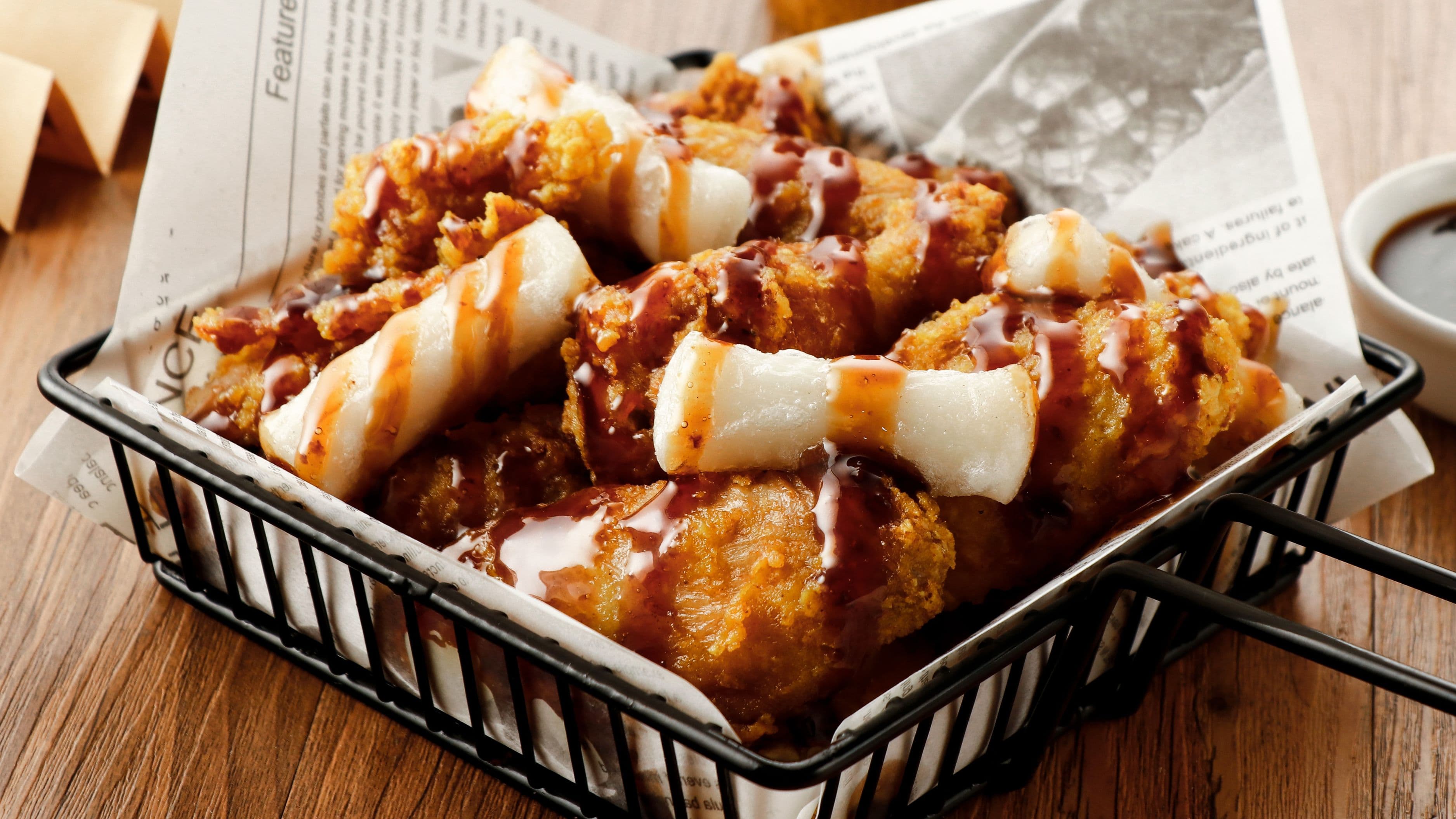
What Cornstarch Does in Sauces, Batters, and Bakes
Cornstarch sits in most pantries, quietly waiting to be used for something beyond the occasional thickening emergency. Once you understand how it actually behaves when it hits heat and liquid, you'll start reaching for it far more intentionally, whether you're rescuing a thin sauce or trying to get that satisfying crunch on fried chicken.
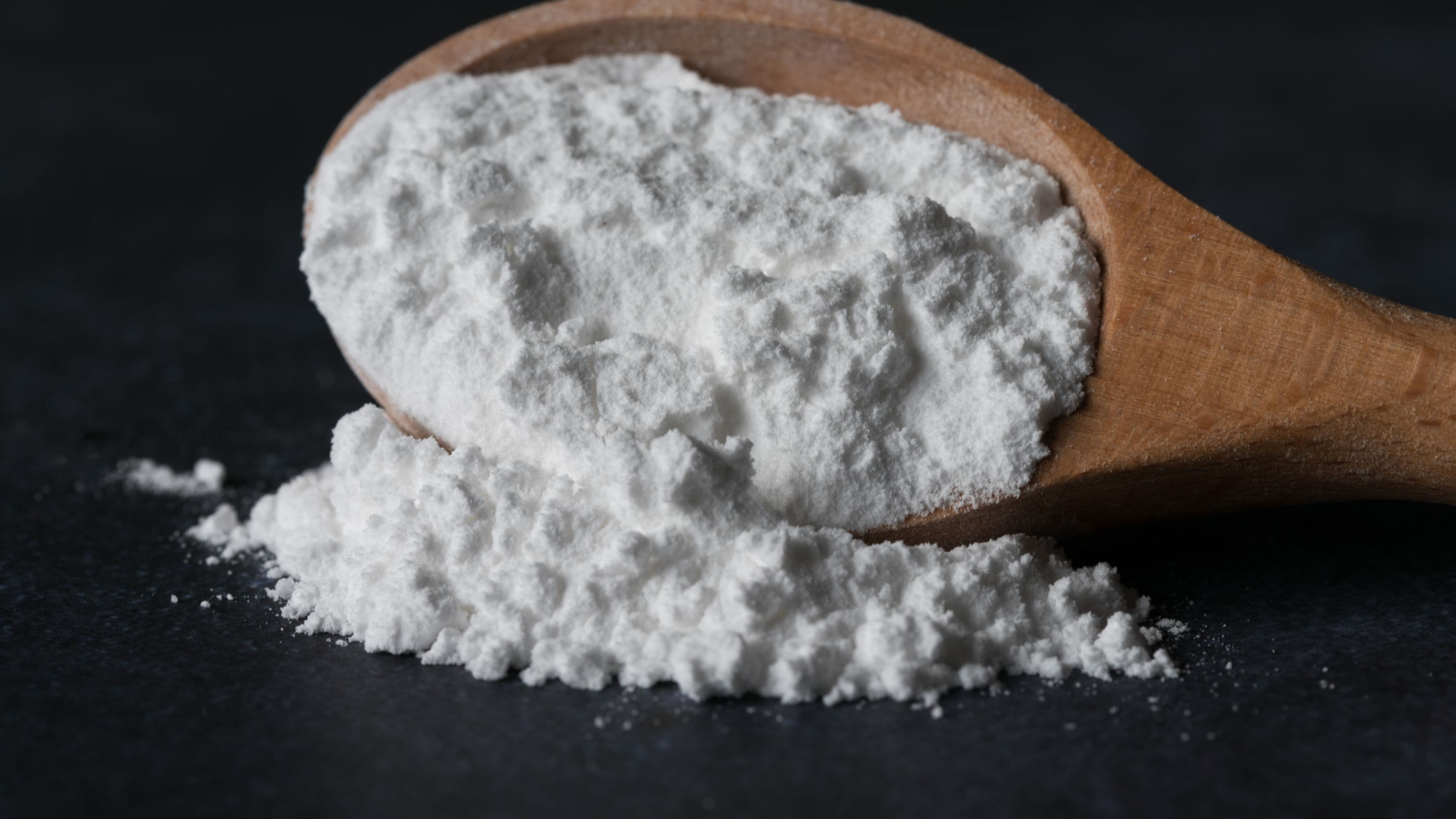
What Cream of Tartar Does and When You Actually Need It
There's a good chance you have a small container of cream of tartar sitting untouched in your baking cabinet, bought for one recipe years ago and never opened since. It's one of those ingredients that shows up in recipes without much explanation, leaving most home cooks unsure whether it's actually necessary or just a leftover habit from older cookbooks. It turns out cream of tartar does several genuinely specific jobs – it's just rarely explained clearly.
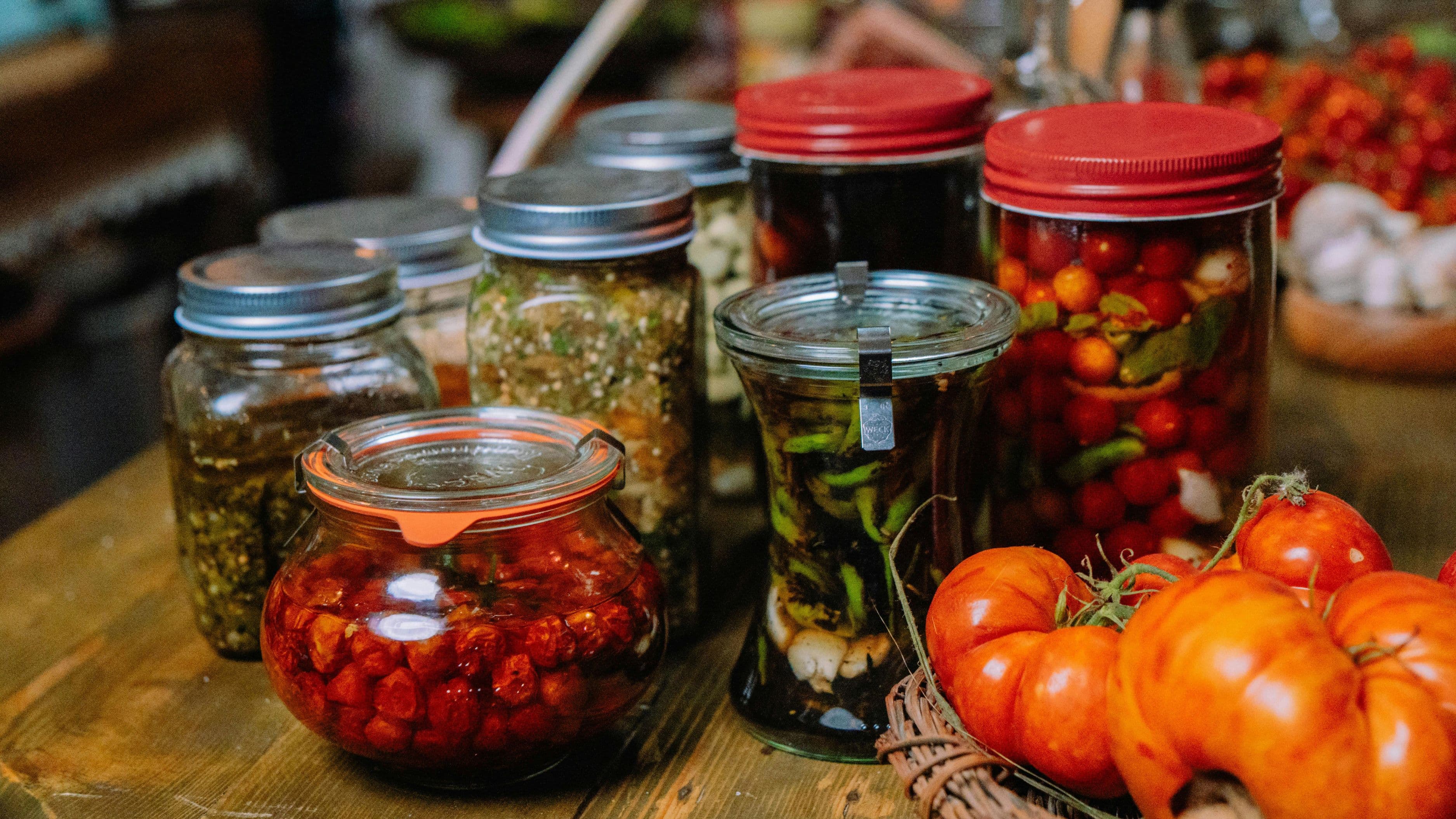
What Fermented Foods Do in a Recipe Beyond Flavor
When most people think about fermented ingredients – miso, kimchi, buttermilk, soy sauce, yogurt – they think about flavor. And the flavor contribution is real: that deep, savory, complex taste that's hard to pin down but instantly recognizable. But fermented foods are doing more in your cooking than just making things taste interesting. They're changing textures, tenderizing proteins, building structure in baked goods, and creating chemical reactions that no unfermented ingredient can replicate in quite the same way.
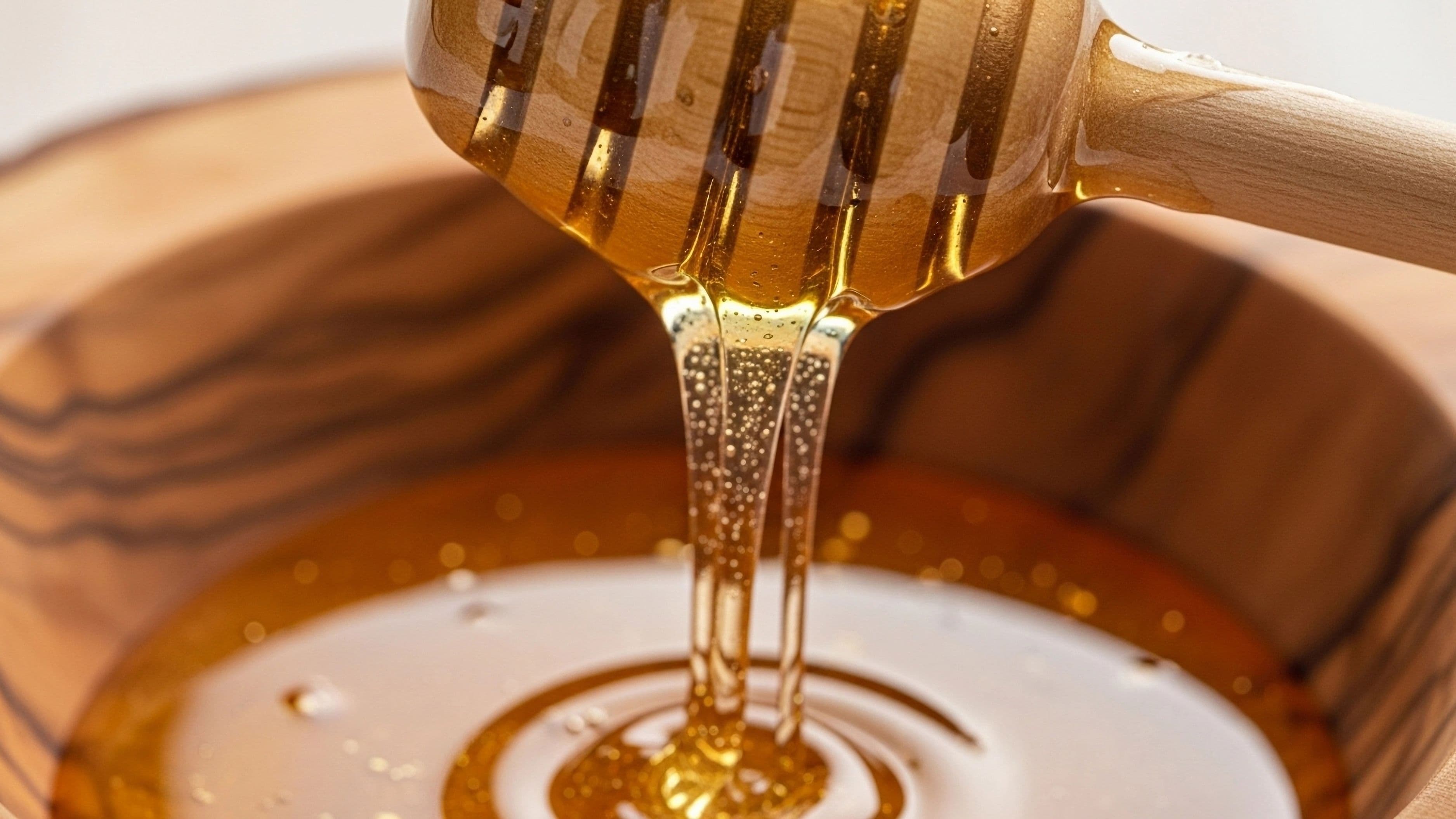
What Happens When You Substitute Honey for Sugar
Swapping honey for sugar seems like a simple one-ingredient switch. Same sweetness, natural source, done. What actually happens in the bowl or the pan is considerably more interesting – and if you're baking, considerably more consequential. Honey and sugar behave differently in almost every way that matters in cooking, and knowing what changes and why helps you make the substitution work instead of ending up with flat cookies, a burned cake, or a sauce that won't set.
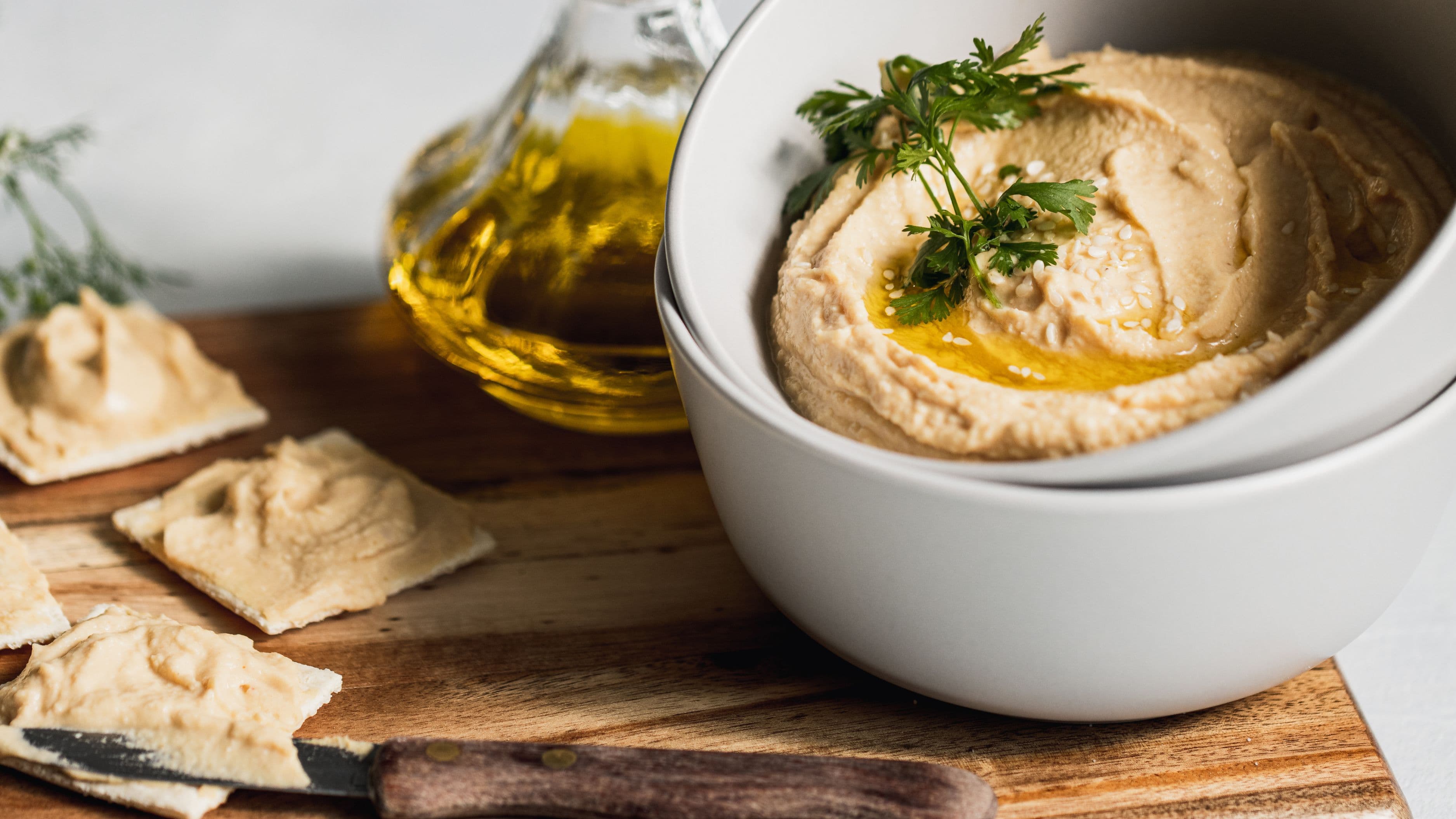
What Makes Tahini Worth Keeping in Your Pantry
If you've only ever used tahini to make hummus, you're leaving a lot of flavor on the table. This creamy, nutty paste made from ground sesame seeds is one of those ingredients that quietly makes everything it touches more interesting – salad dressings, marinades, noodle sauces, baked goods, even chocolate desserts. It's also one of the most forgiving pantry staples you can have on hand, since it keeps well, works in both savory and sweet cooking, and can pull a meal together in under five minutes.
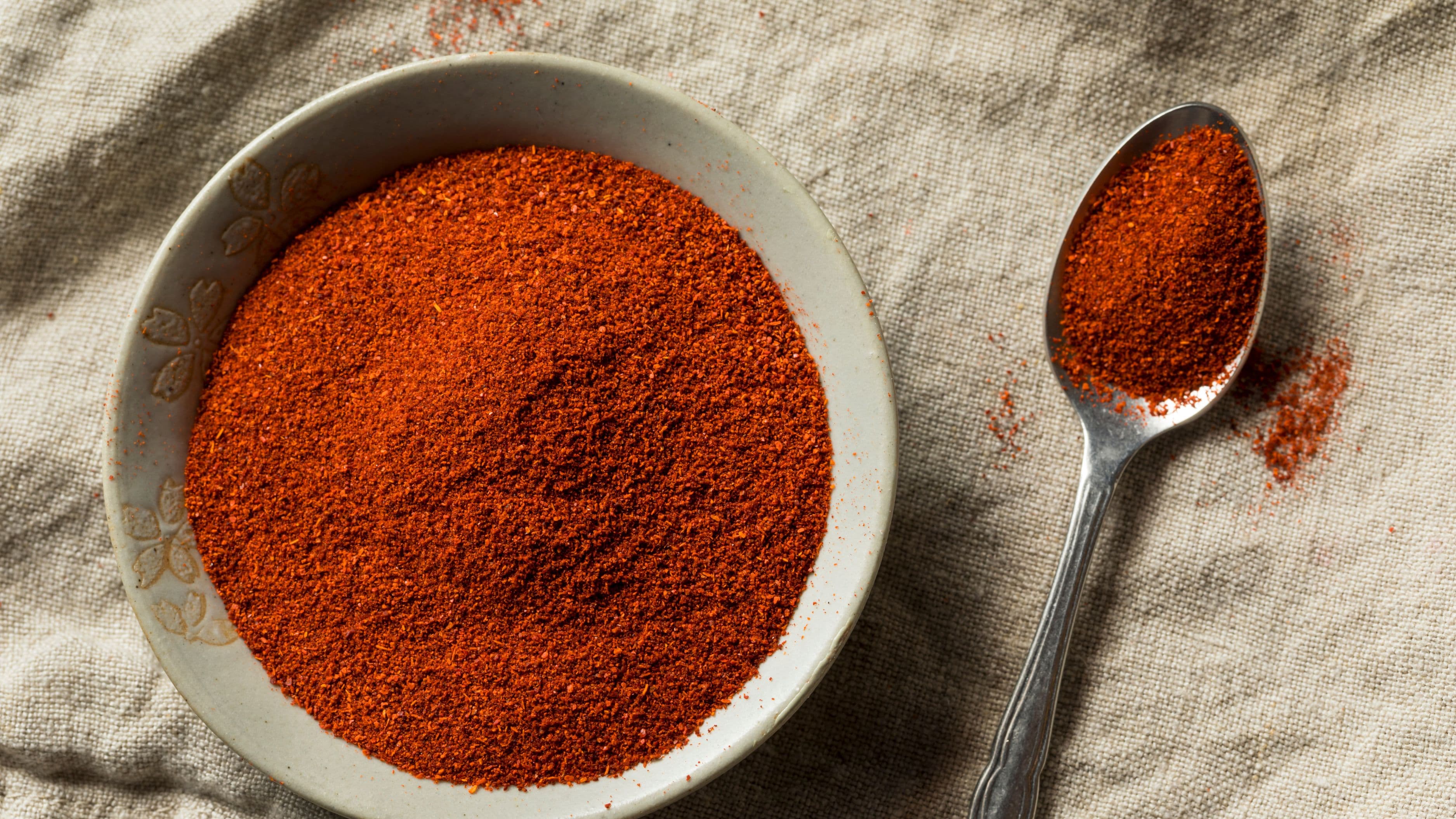
What Smoked Paprika Does That Regular Paprika Doesn't
Grabbing the wrong paprika from your spice cabinet won't ruin a dish, but it will change it more than the similar names and near-identical color might suggest. These two spices come from the same base pepper family, but the way they're processed creates a genuinely different flavor profile, and knowing the difference helps you use each one where it actually belongs.
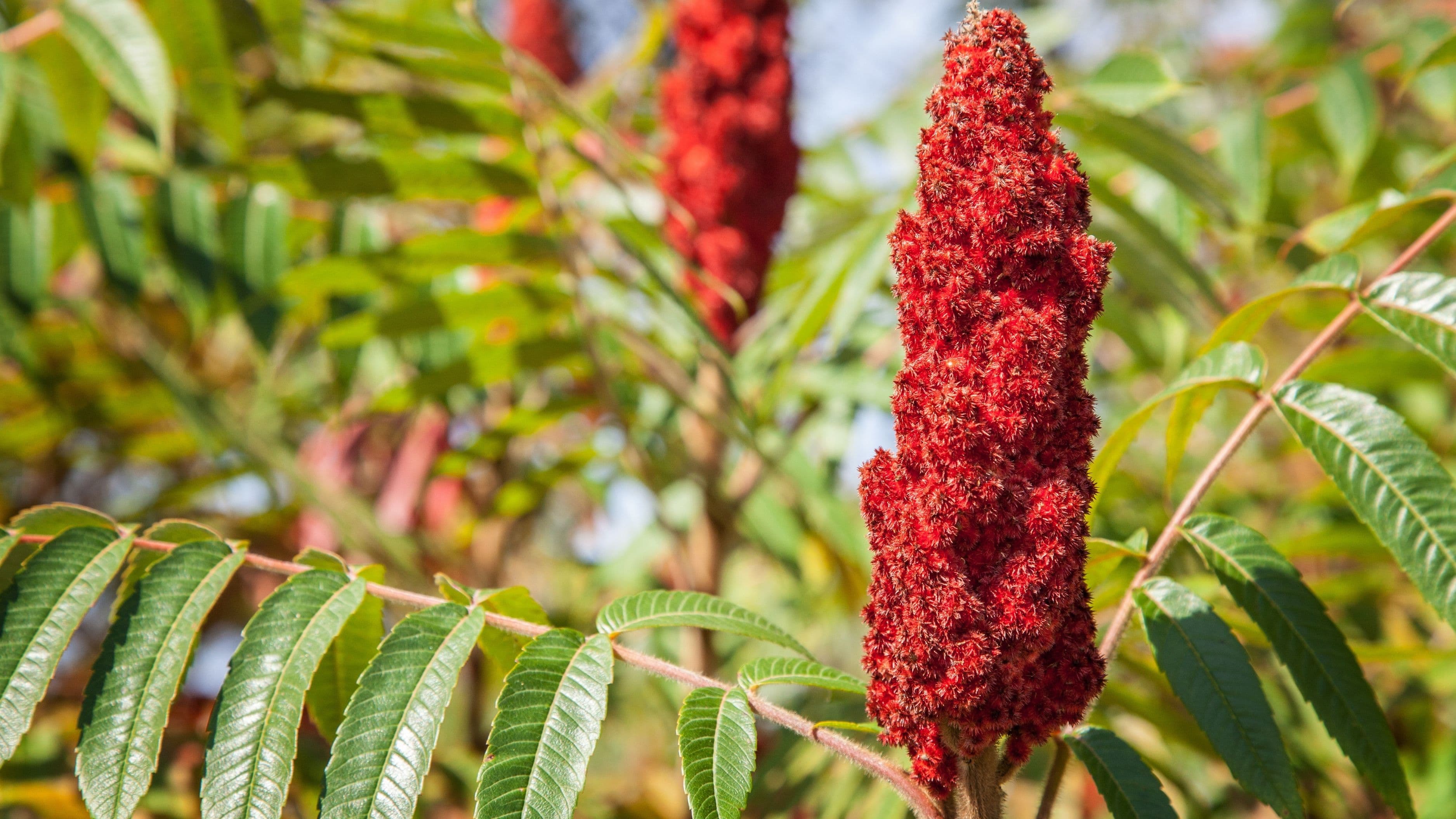
What Sumac Is and Why It Belongs in Your Pantry
If you've ever eaten a bright, tangy sprinkle of deep red spice over hummus or a Middle Eastern salad and wondered what gave it that lemony punch without any actual lemon involved, there's a good chance you were tasting sumac. It's one of those ingredients that quietly transforms a dish the moment you start using it regularly, and once it earns a permanent spot in your spice rack, you'll find yourself reaching for it far more often than you expected.
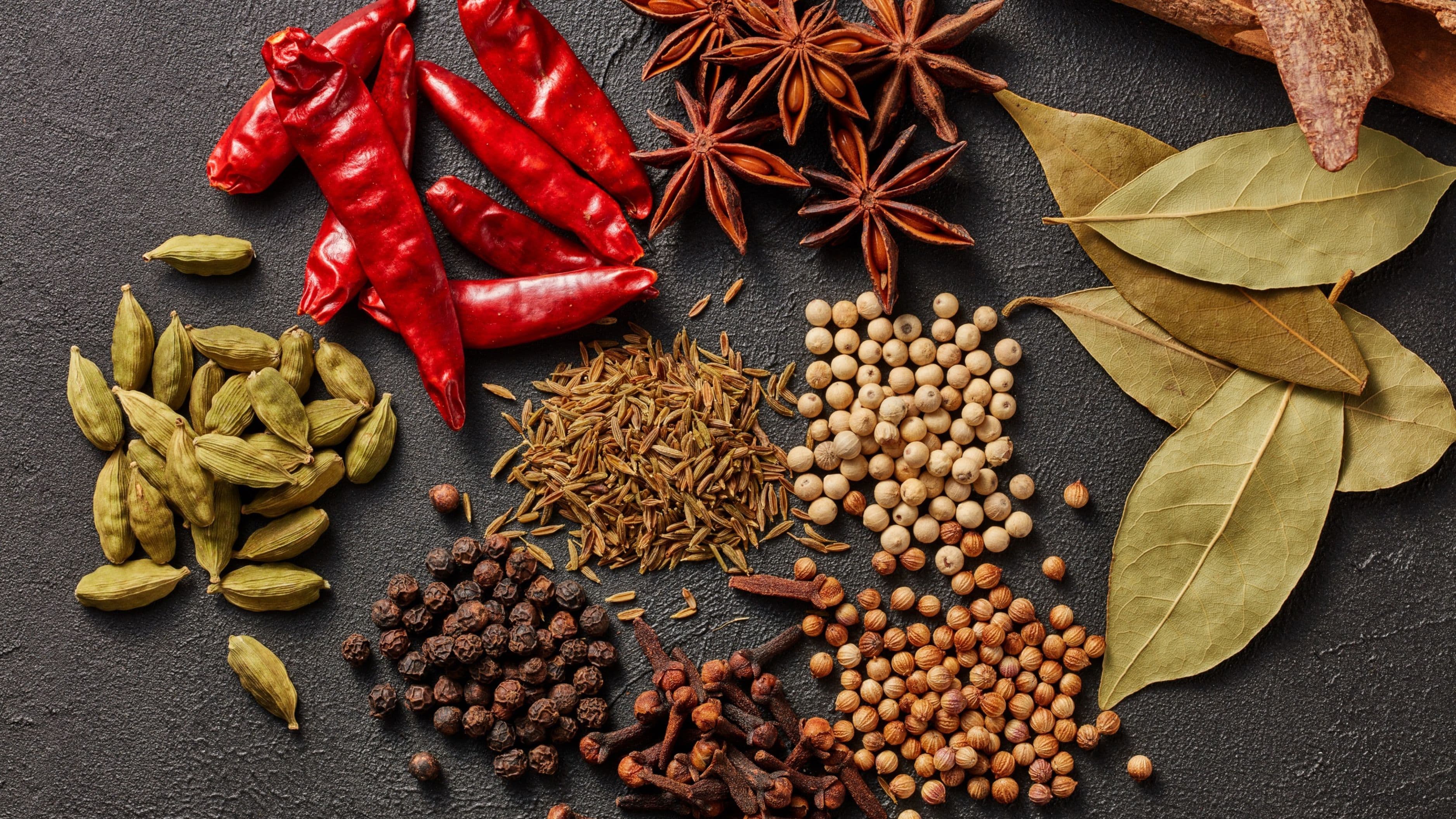
What Whole Spices Do That Pre-Ground Ones Don't
If you've ever tasted a dish made with freshly toasted and ground cumin next to one made with the powder that's been sitting in your cabinet for two years, the difference is genuinely dramatic – and it's not just in your head. Whole spices behave completely differently from pre-ground versions in terms of flavor strength, aroma, and how they interact with heat during cooking. Understanding why makes a real, noticeable difference in your everyday cooking.

What to Do with Leftover Fresh Herbs Before They Die
You bought a bunch of fresh parsley for one recipe, used two tablespoons, and now the rest is sitting in your fridge slowly turning yellow. It's one of the most common small frustrations in home cooking – fresh herbs are sold in quantities far larger than most recipes call for, and they deteriorate fast once you get them home.
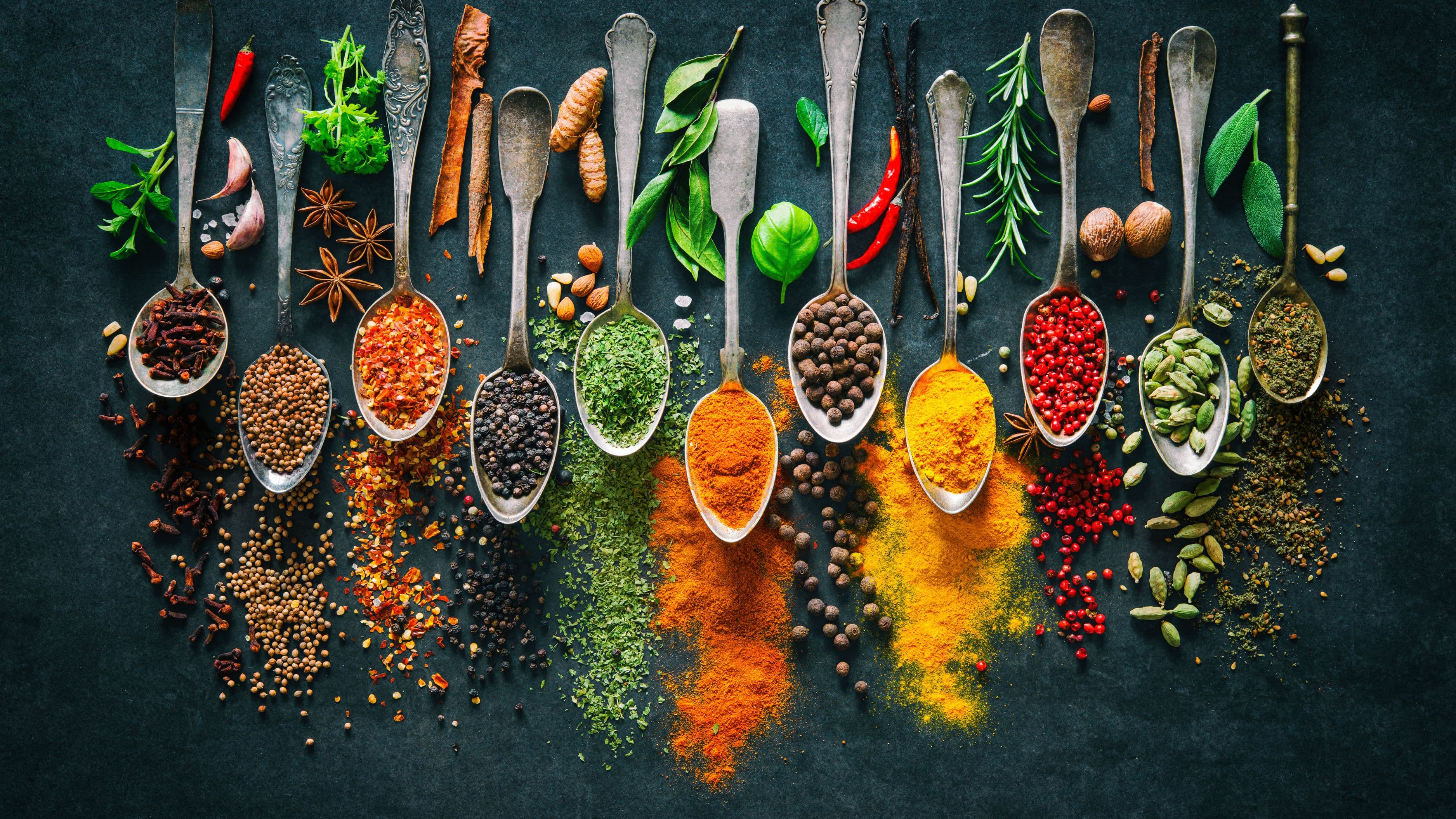
9 Ingredients That Instantly Upgrade Any Meal
If Gordon Ramsay walked into your kitchen right now, he probably wouldn't yell about your knife skills or burnt chicken—he'd open your pantry, stare at the bare shelves, and ask why you're cooking like someone who just moved in yesterday. The difference between home cooking that tastes like takeout and food that makes people ask for recipes often comes down to a handful of game-changing ingredients most people never buy. These aren't exotic specialties requiring trips to gourmet stores or massive investments—they're affordable workhorses that transform boring meals into crave-worthy dishes with minimal effort. Stock these nine ingredients, and suddenly you're not just following recipes anymore—you're creating food that actually tastes like something worth eating.
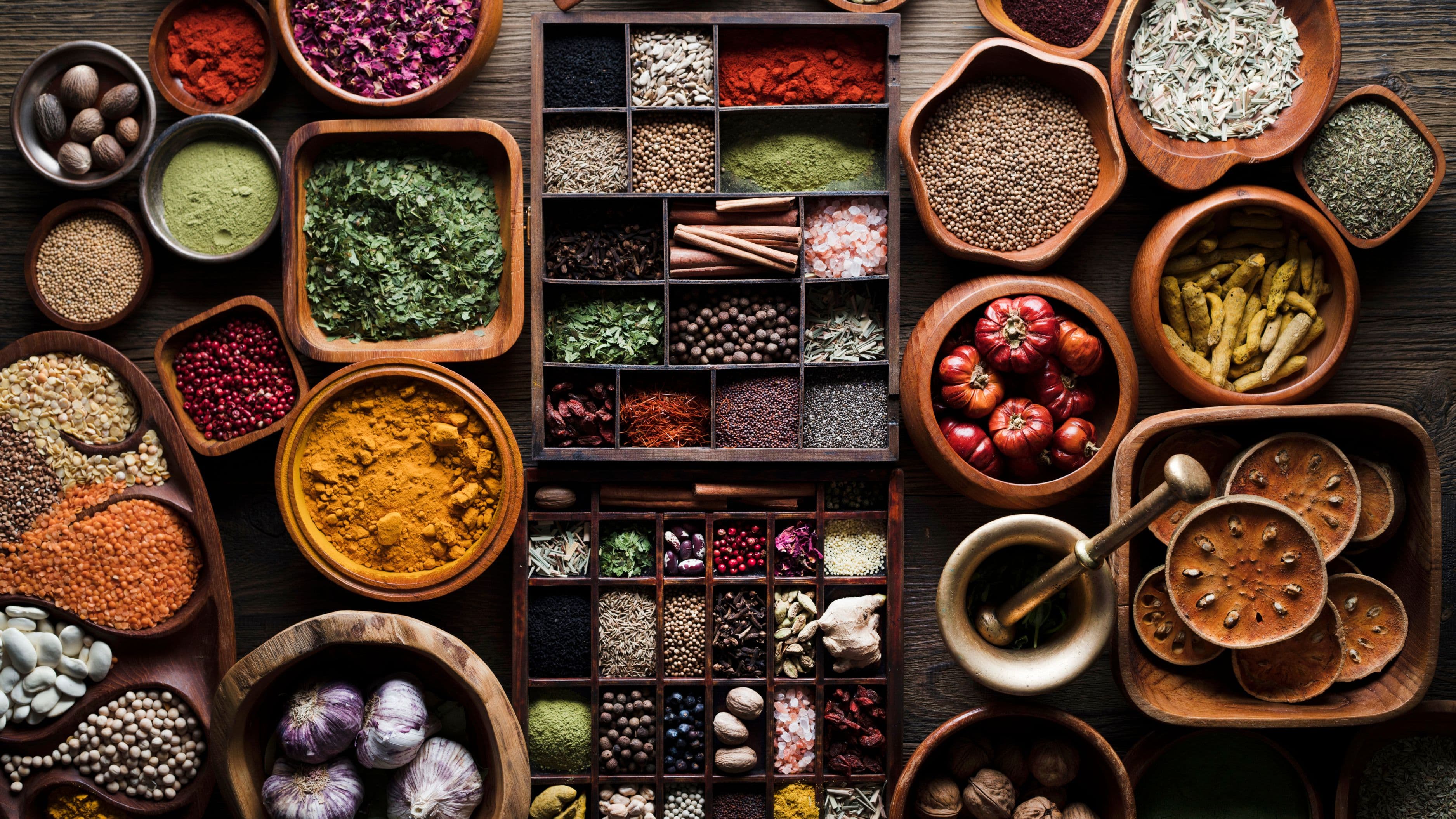
Are You Storing Your Spices All Wrong?
You've been told to display your spices in cute matching jars on open shelves above your stove—but that Instagram-worthy setup might be destroying the flavor compounds you paid good money for. Those beautiful spice racks positioned near heat sources and bathed in sunlight look gorgeous in photos, but they're essentially creating a degradation chamber for your seasonings. Let's dismantle the myths about spice storage that have been passed down through kitchen Pinterest boards and replace them with practices that actually preserve flavor, potency, and your grocery budget.
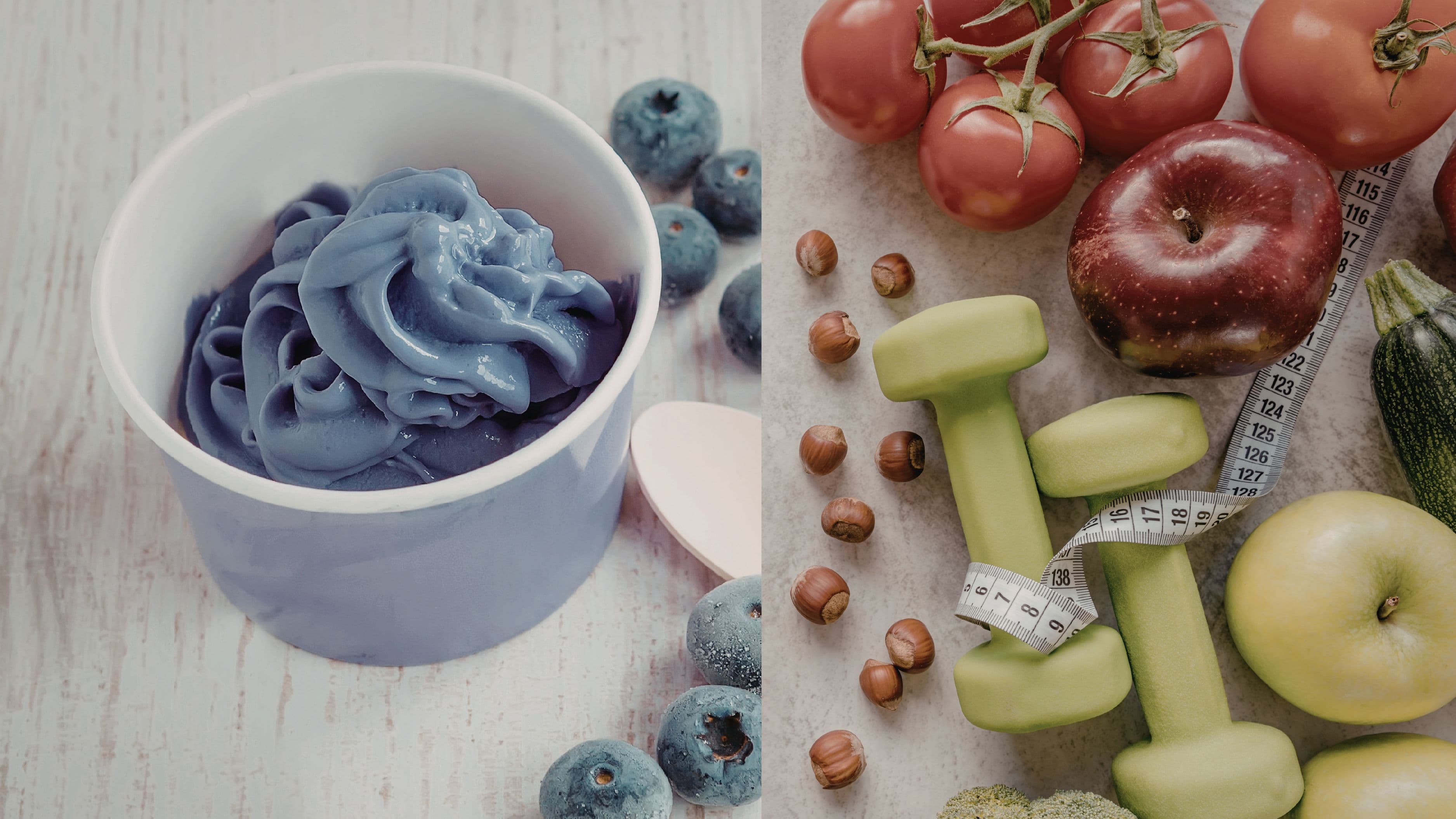
Does Fresh Always Beat Frozen? Not So Fast
If Gordon Ramsay decluttered your freezer, he might actually tell you to keep more stuff in there—not throw it out. We've been programmed to believe that "fresh" automatically means better, healthier, more virtuous somehow, while "frozen" gets relegated to the sad-meal-prep corner reserved for bachelor dinners and lazy Sundays. But what if I told you that those perfectly snap-frozen peas have been judging your wilted "fresh" spinach this whole time, and they might actually be right? The cult of fresh has convinced us to waste money, nutrients, and perfectly good food based on vibes rather than facts. Let's freeze-frame this conversation and examine what's really going on in your fridge versus your freezer.
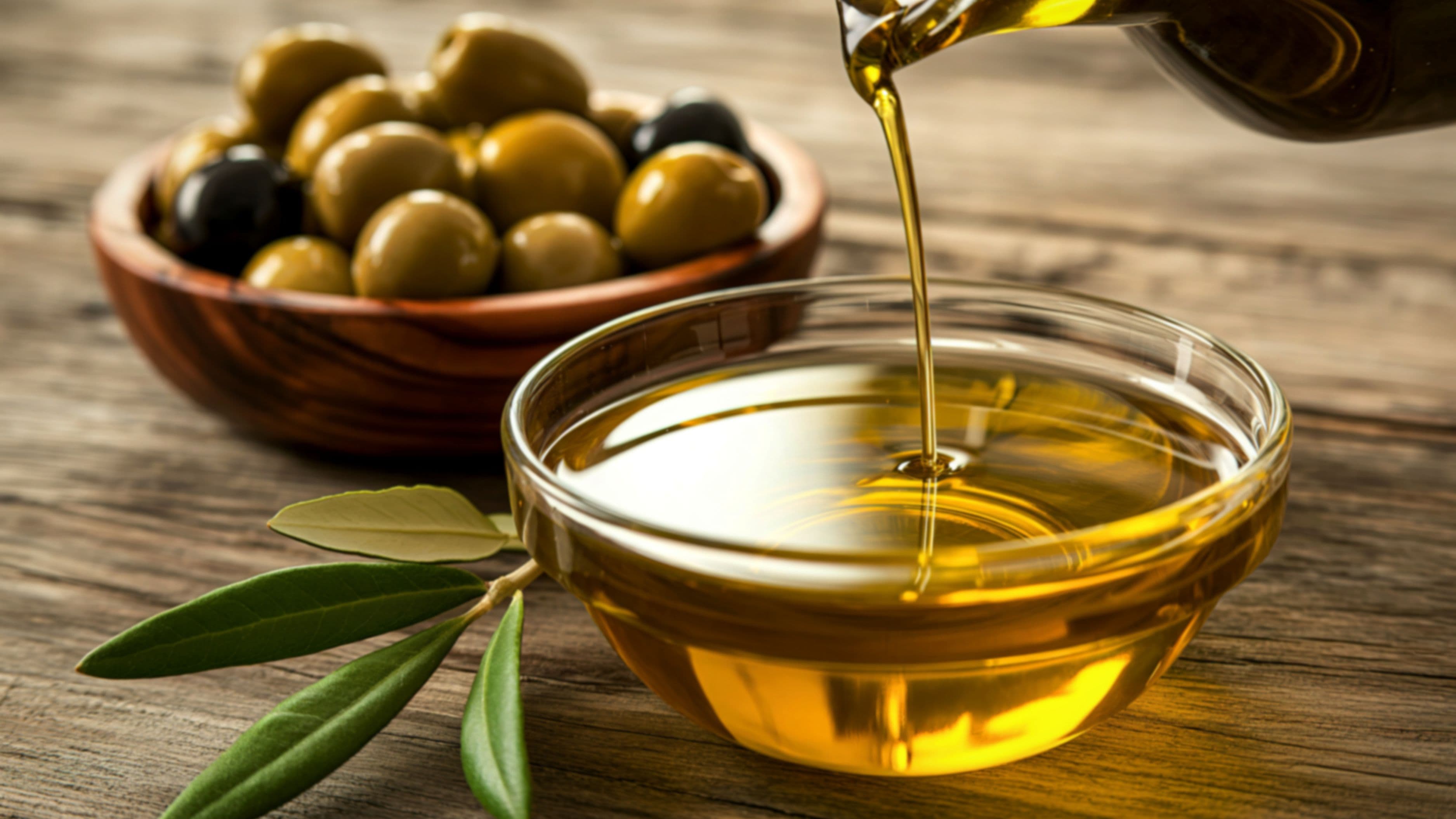
The Only Olive Oil Guide You’ll Ever Need
You've been told that expensive olive oil is always better, that "extra virgin" on the label guarantees quality, and that you should never cook with your good stuff. But these common beliefs might be costing you money and preventing you from actually enjoying one of the world's most versatile ingredients. The olive oil industry is riddled with misconceptions, confusing labels, and outright fraud that leaves even experienced cooks second-guessing their purchases. Let's dismantle the myths and rebuild your understanding of olive oil from the ground up, so you can shop smarter, cook better, and actually taste the difference between marketing hype and the real thing.
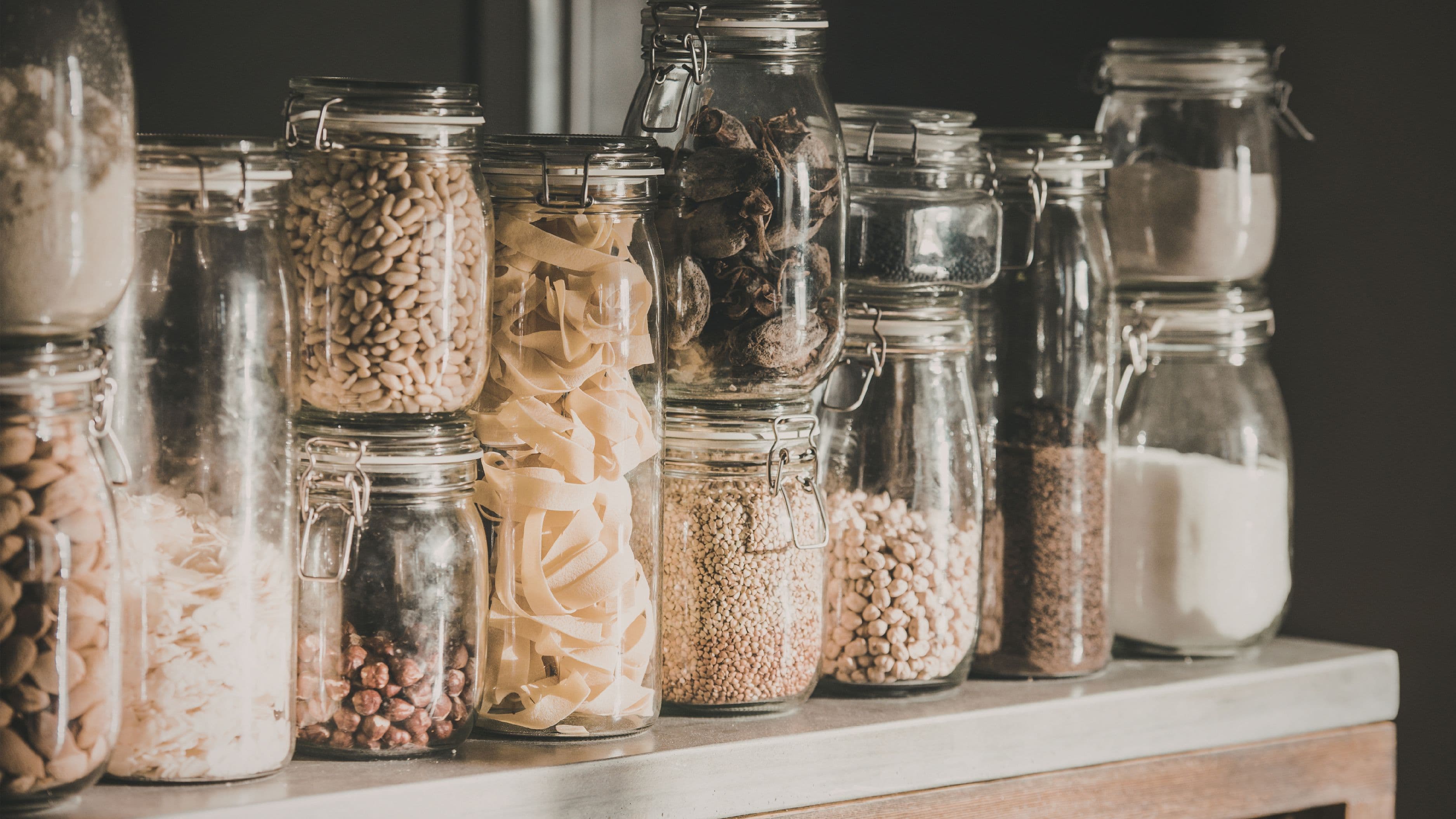
The Secret Lives of Pantry Staples You Take for Granted
If your pantry staples were characters in a Netflix series, they'd be the underappreciated supporting cast that deserves their own spin-off. You reach for them mindlessly, maybe grumble when you're out of them, but rarely stop to appreciate the bizarre journeys, unexpected uses, and frankly wild histories hiding behind those boring labels. That bottle of vanilla extract? It's been on a more dramatic adventure than most reality TV contestants. Your humble baking soda has more side hustles than a millennial with a podcast. Let's pull back the curtain on these everyday heroes sitting quietly in your cabinet, waiting for their moment to shine beyond their basic job descriptions.
What Happens When You Cook with Seasonal Produce Only?
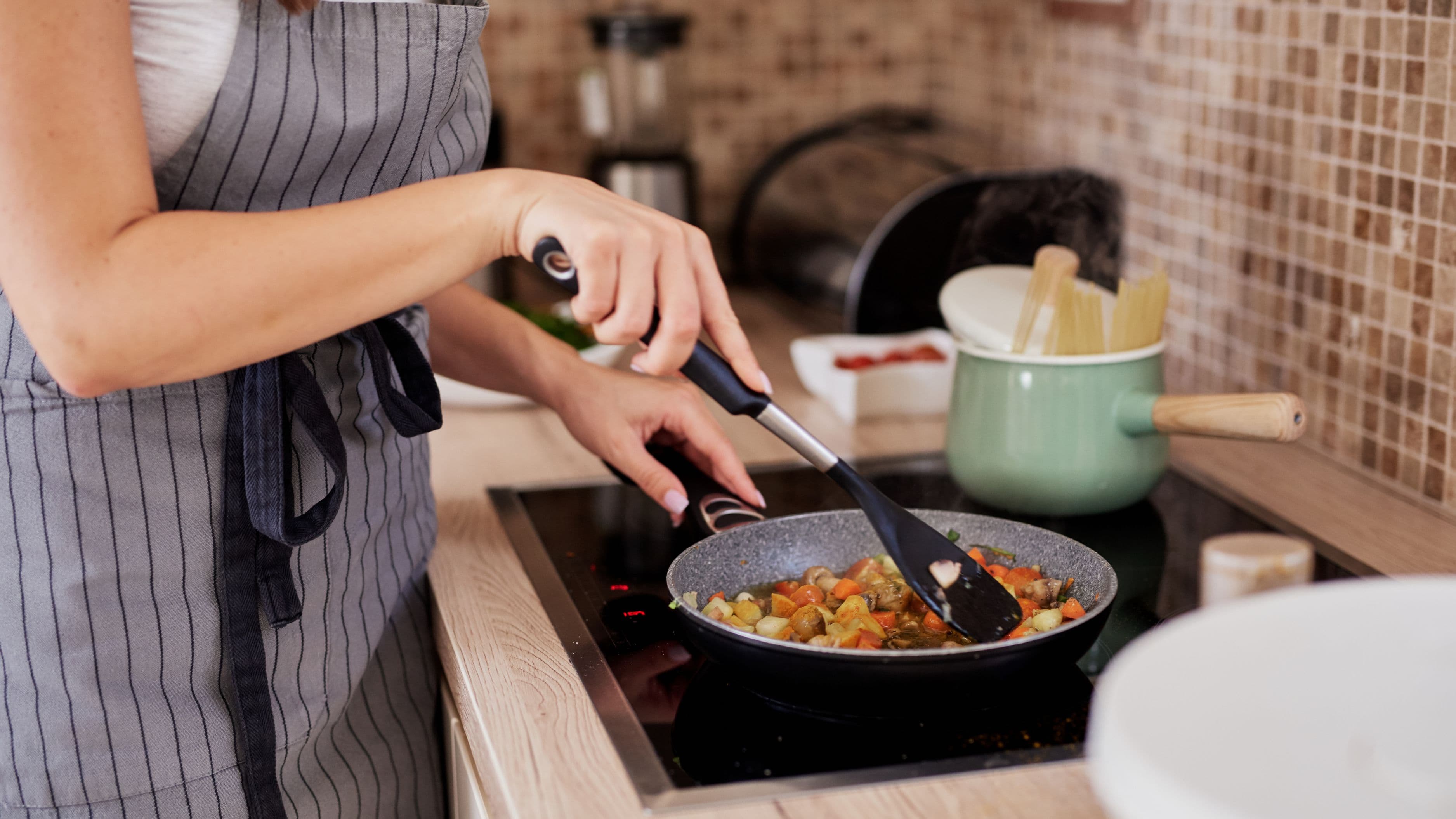
You've been told that modern grocery stores with year-round strawberries and imported asparagus in December represent progress and convenience—but this abundance might be destroying your relationship with food, flavor, and the planet. The industrial food system has convinced us that having every ingredient available every day is normal, even desirable. But what if limiting yourself to only what's actually in season right now could transform not just your cooking, but your entire approach to eating, budgeting, and connecting with where your food comes from?

Why Learning One Ingredient Well Can Transform Your Cooking
If Marie Kondo walked into your kitchen and asked which ingredient "sparks joy," could you answer? Most of us have cabinets crammed with half-used spice jars, wilting herbs we bought for one recipe, and ingredients we can't quite remember purchasing. We collect recipes like Pokemon cards and ingredients like trophies, convinced that variety equals skill. But what if the secret to actually becoming a confident cook isn't learning 500 recipes—it's obsessively mastering just one ingredient until you know it better than you know your own Netflix password? Let's explore why going deep instead of wide might be the cooking hack that finally makes you stop ordering takeout five nights a week.
Why Onions Are the Backbone of Nearly Every Cuisine
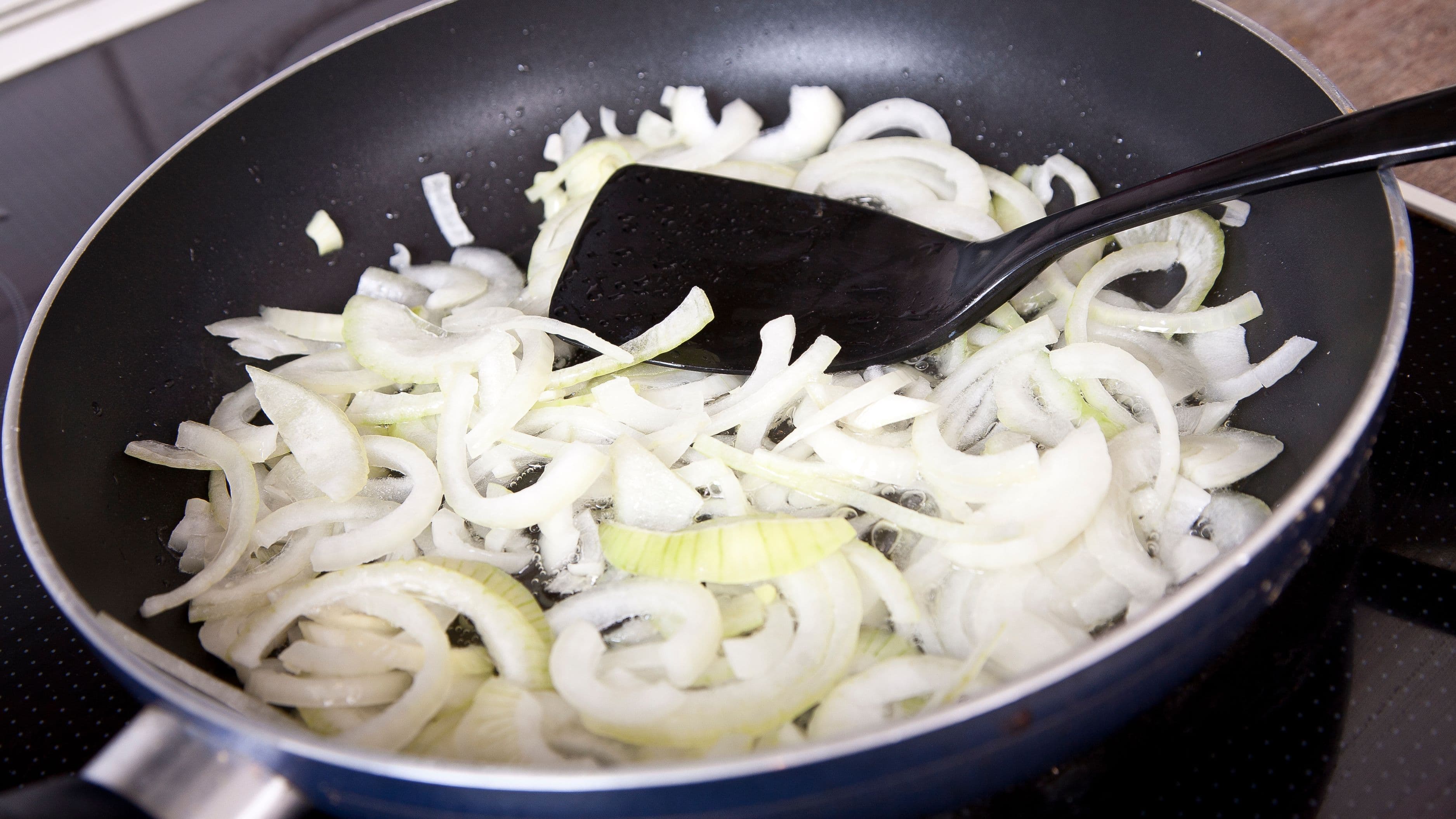
You've been told that fancy ingredients make great food—that truffle oil, saffron, and exotic spices separate amateur cooking from professional mastery. But this belief ignores the humble, tear-inducing vegetable that's been quietly holding together nearly every savory dish you've ever loved. Onions aren't just cheap filler or aromatic background noise—they're the structural foundation upon which most global cuisines build their flavor profiles, and understanding why reveals everything about how cooking actually works versus how we think it works.
Explore other categories
Same editorial standard, different decisions.