Meal Planning
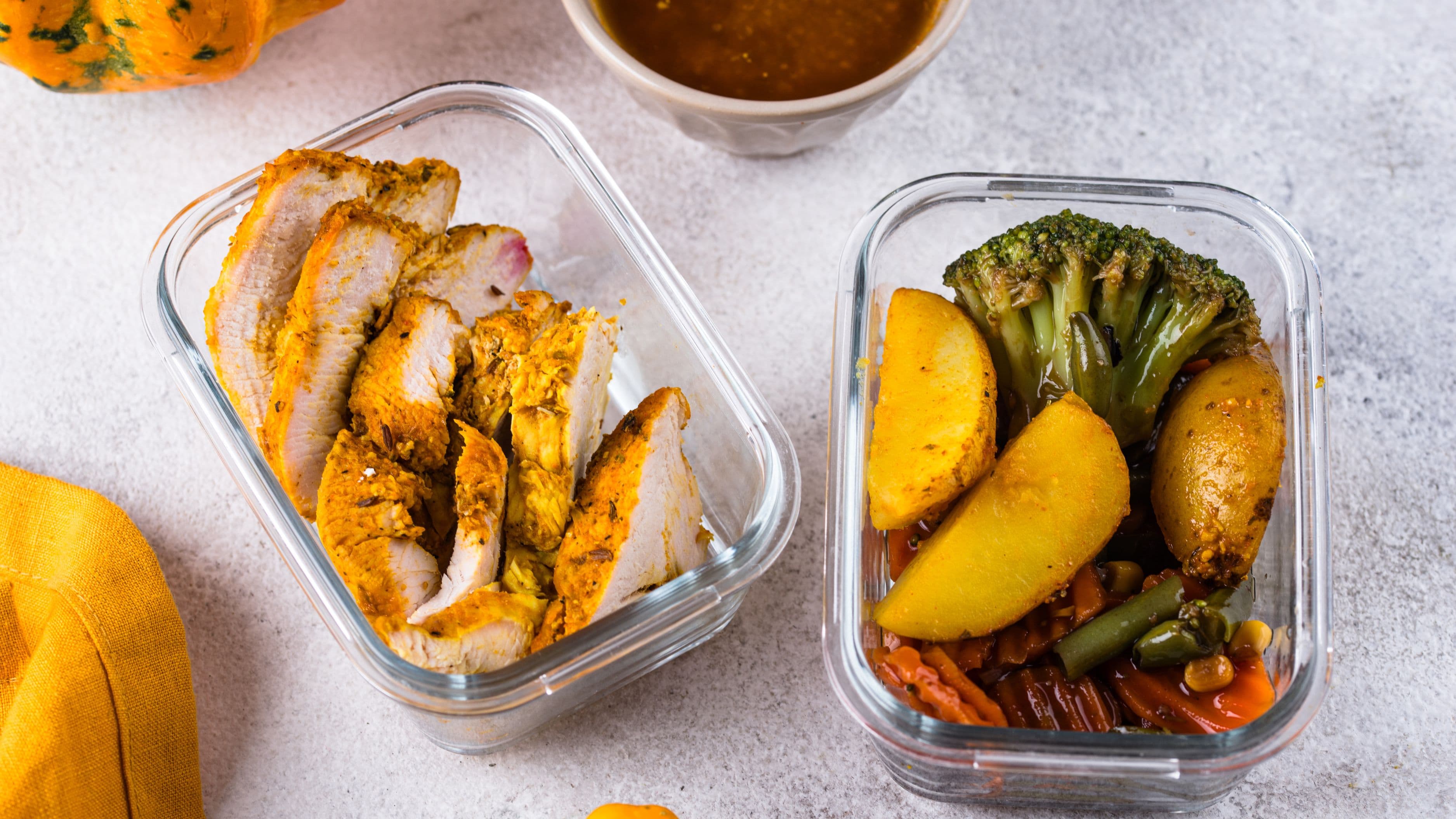
How to Build a Leftover Library That Reduces Daily Decisions
Standing in front of the fridge at 6 p.m., mentally negotiating between three half-used containers and a nagging feeling you should just order takeout again, is one of the most avoidable stress points in a home cook's week. A leftover library fixes this by turning random fridge contents into a genuinely organized, easy-to-navigate system, so dinner decisions stop feeling like a daily puzzle you have to solve from scratch.
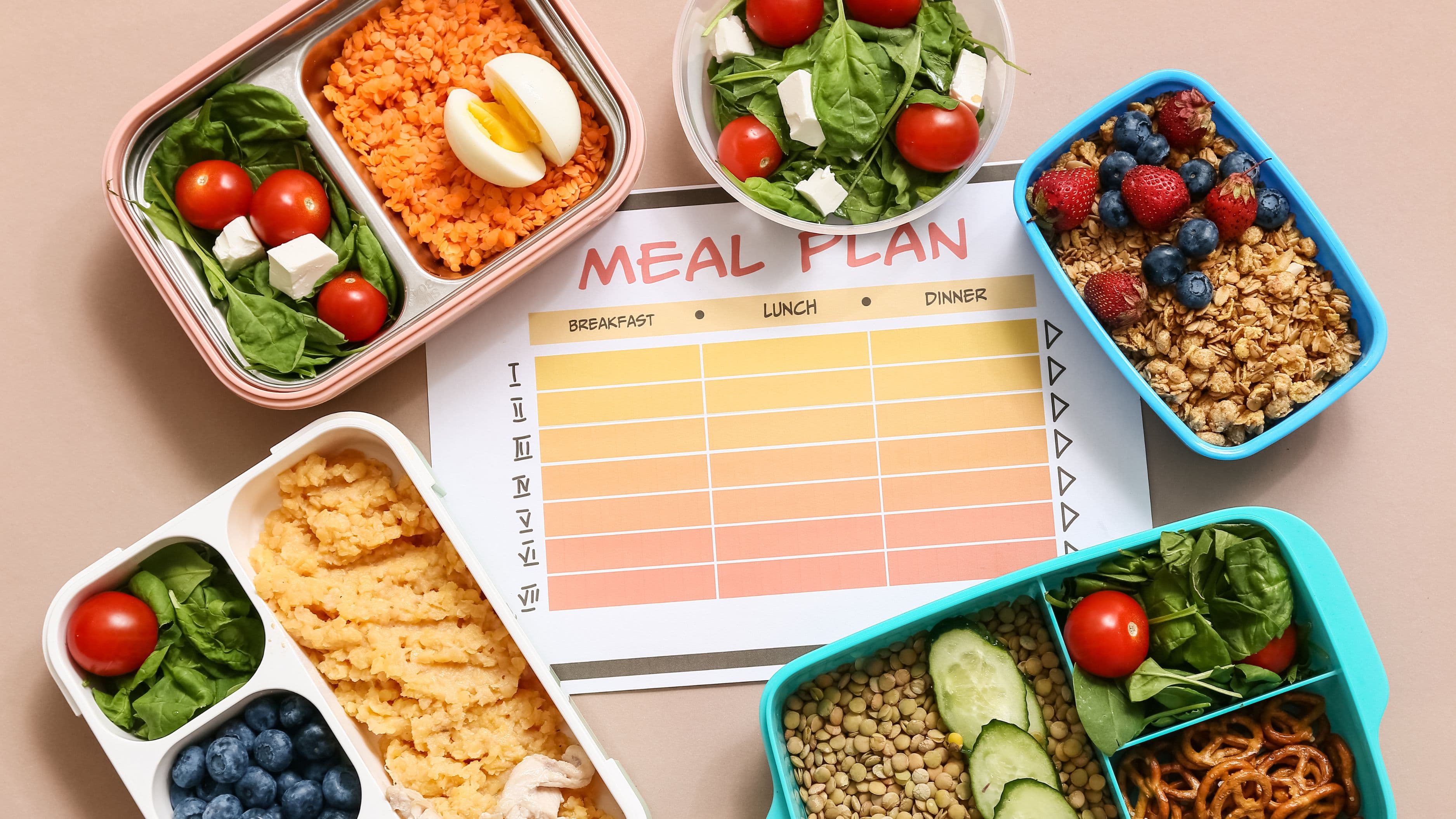
How to Build a Meal Plan Around Your Grocery Store's Sales
Most people build their meal plan first and then go shopping. That works fine if you're not worried about the bill, but if you want to cut your grocery costs significantly without eating worse, doing it the other way around changes everything. Start with what's on sale, then build your meals from there. It sounds simple because it is – and once you get the hang of it, you'll wonder why you ever did it any other way.

How to Eat Well on a Tight Budget Without Skimping on Flavor
Cooking on a tight budget often gets framed as a trade-off: either you spend more or you eat something boring. That's not actually true. Flavor mostly comes from technique, a handful of inexpensive ingredients used well, and a bit of planning, not from expensive cuts of meat or specialty products. With a few smart habits, you can eat genuinely satisfying meals all week without your grocery bill creeping up.

How to Meal Plan with Kids Who Reject Half the Menu
If you've ever planned a week of dinners, shopped for everything, cooked a full meal, and watched your child push it to the edge of the plate and declare "I don't like it" – you already know this problem. Picky eaters don't just make dinnertime hard, they make the entire system of meal planning feel pointless. Why plan ahead when half your ideas will get vetoed at the table?
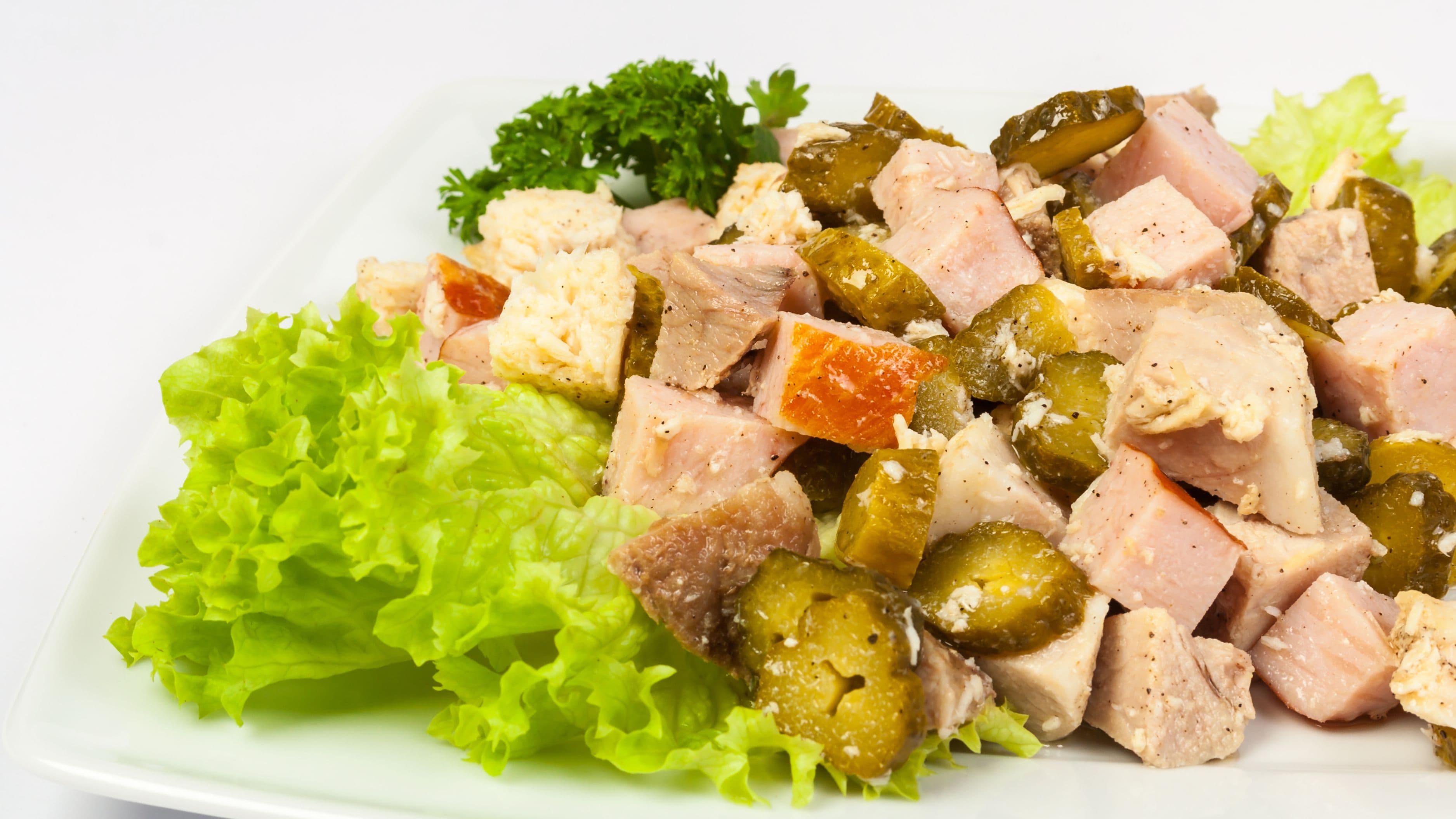
How to Plan High-Energy Meals Without Counting Anything
If the thought of tracking macros or counting anything makes meal planning feel like homework, you're not alone – and you don't actually need to do any of that to eat in a way that keeps your energy steady through the day. This is a simple, intuitive system built around how foods actually make you feel, not numbers on a label.

How to Plan Meals Around Seasonal Produce Without Boring Yourself
Cooking with the seasons sounds lovely until week three of zucchini, when you've made the same sautéed side three nights running and you're starting to resent the vegetable. Seasonal eating is cheaper, fresher, and tastier – but it can absolutely trap you in a rut if you let one ingredient run the whole show.
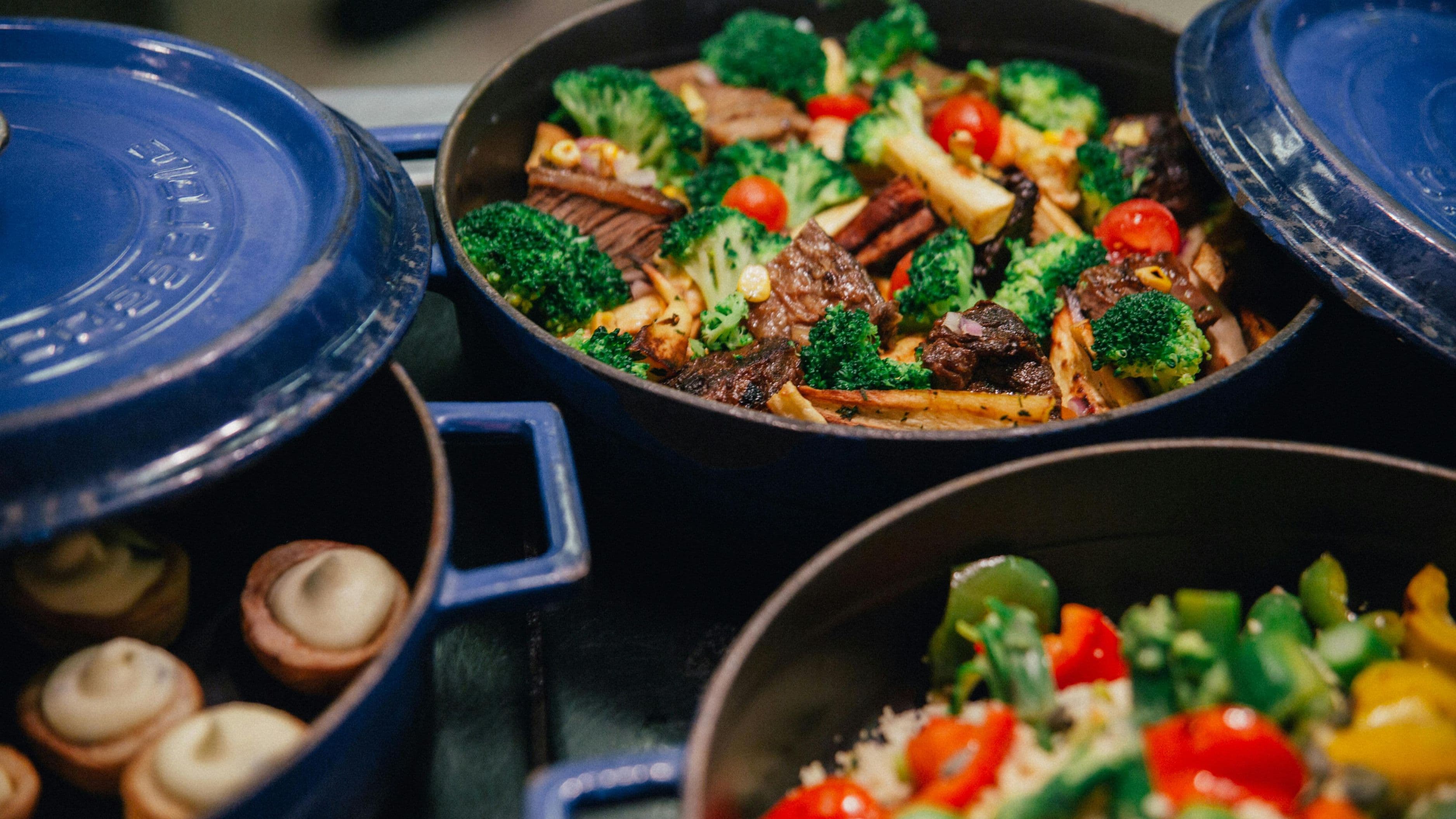
How to Plan Meals That Actually Account for Your Energy Levels
Most meal planning advice focuses on nutrition targets, budgets, or prep time, but rarely addresses a factor that quietly determines whether a meal plan actually gets followed: your energy level at the moment you're supposed to cook. A beautifully planned week of ambitious dinners falls apart fast if half of them require more energy than you have left after a long day.
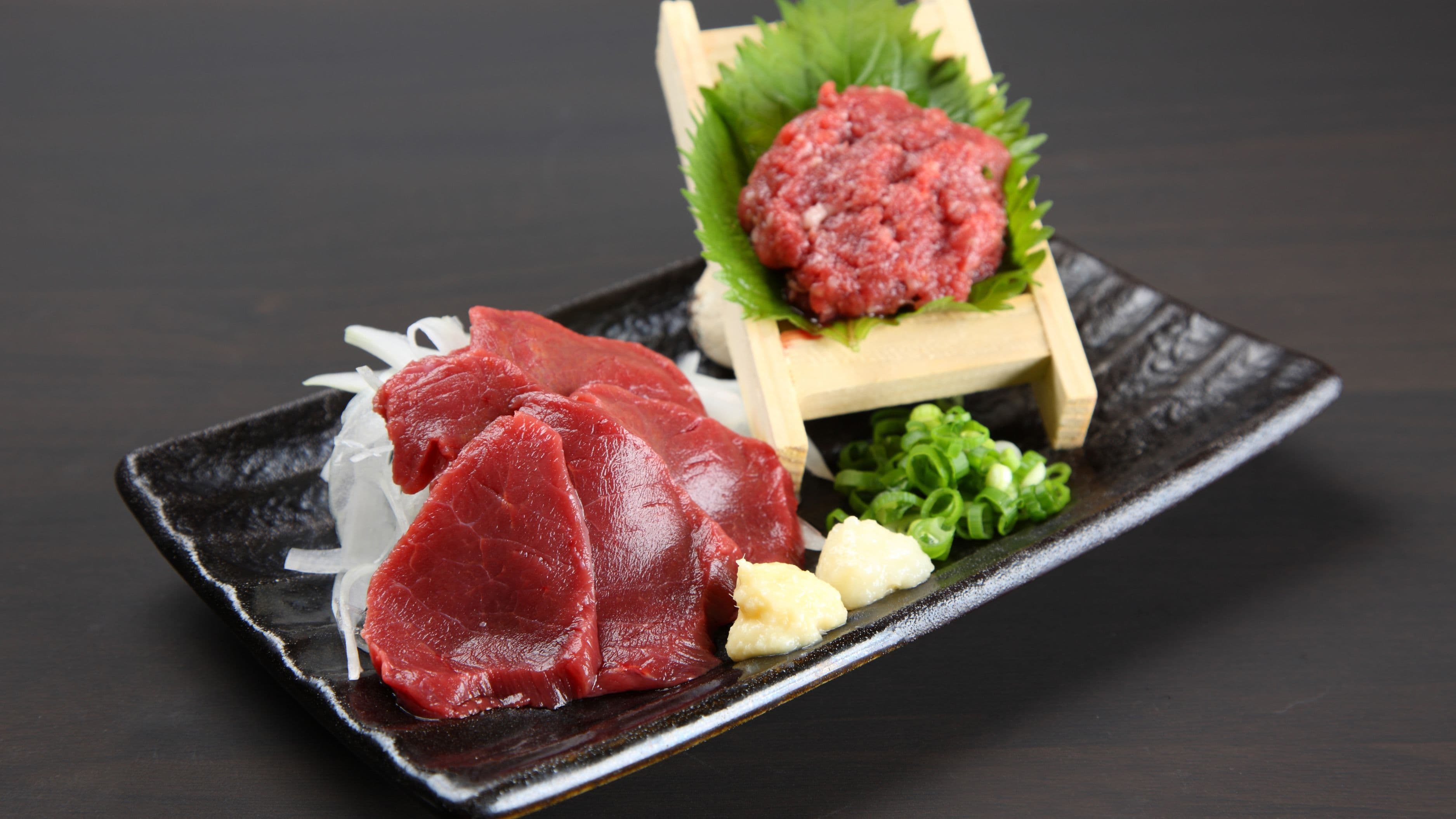
How to Plan Meals That Work for Both Meat Eaters and Non-Meat Eaters
Cooking for a household where some people eat meat and others don't can feel like running two kitchens at once if you're not approaching it strategically. The good news is that with a few practical planning habits, you can cook one cohesive meal that satisfies everyone at the table without doubling your grocery list or your cooking time.
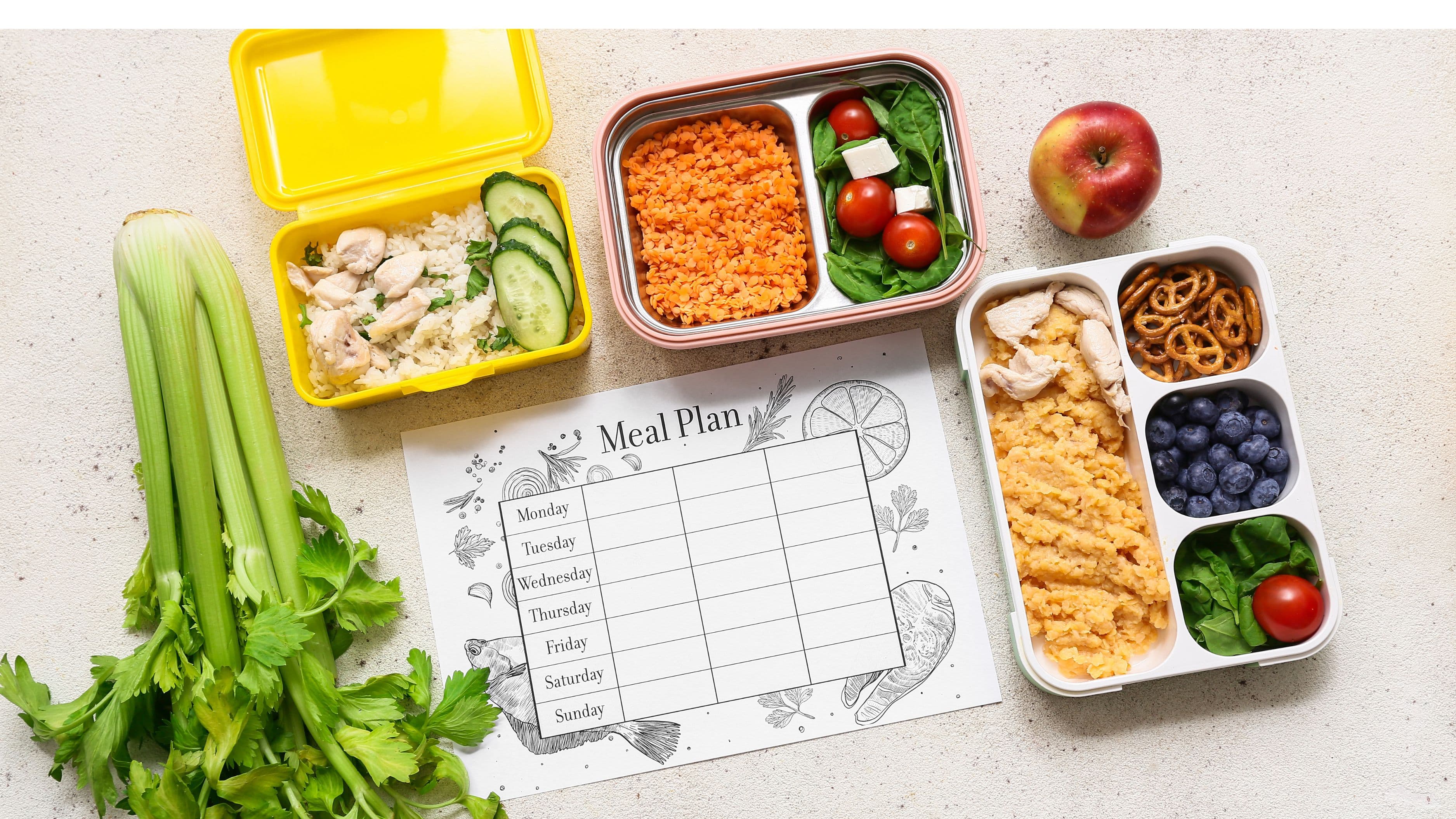
How to Plan Meals When Your Week Is Completely Unpredictable
Meal planning advice is almost always built for people with consistent schedules. Pick a day to prep, plan five dinners, shop once, done. It's clean, logical — and completely useless if your week looks different every single time.

How to Plan Meals When Your Week Is Completely Unpredictable
Most grocery trips are longer than they need to be because the list was made wrong. Not wrong as in missing items — wrong as in organized in a way that sends you back and forth across the store, forces you to improvise in the aisle because you're not sure what you're actually making, and leaves you buying things you don't need while forgetting things you do.
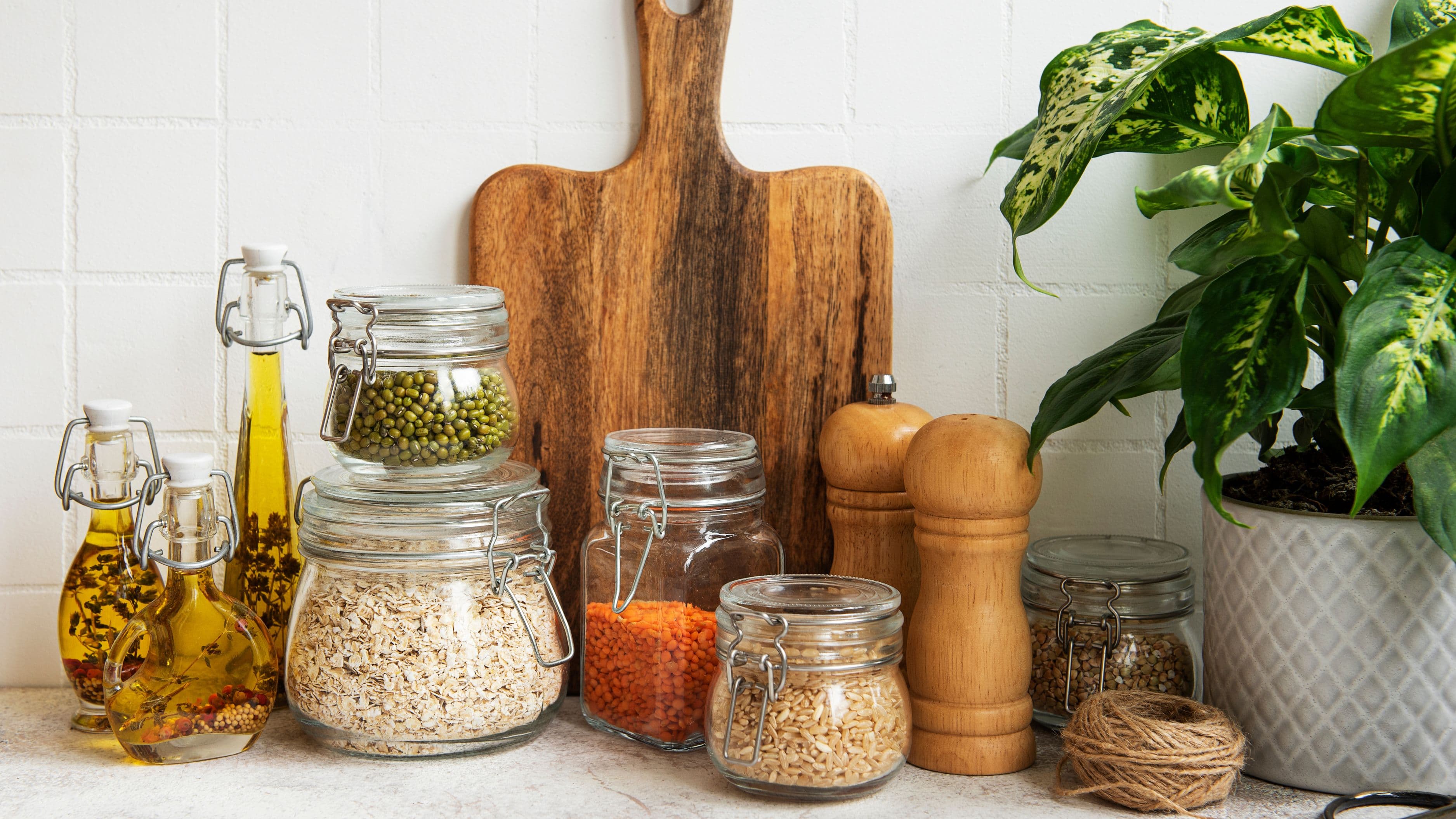
How to Plan a Month of Meals Using Only Pantry Staples
There's a particular kind of relief in opening your pantry and realizing you already have everything you need for dinner, no last-minute grocery run, no scrambling to figure out what to cook. Building a month of meals around pantry staples isn't about eating boring, repetitive food, it's about stocking a smart, versatile base and knowing how to combine it in different ways so the same core ingredients feel like different meals all month long.
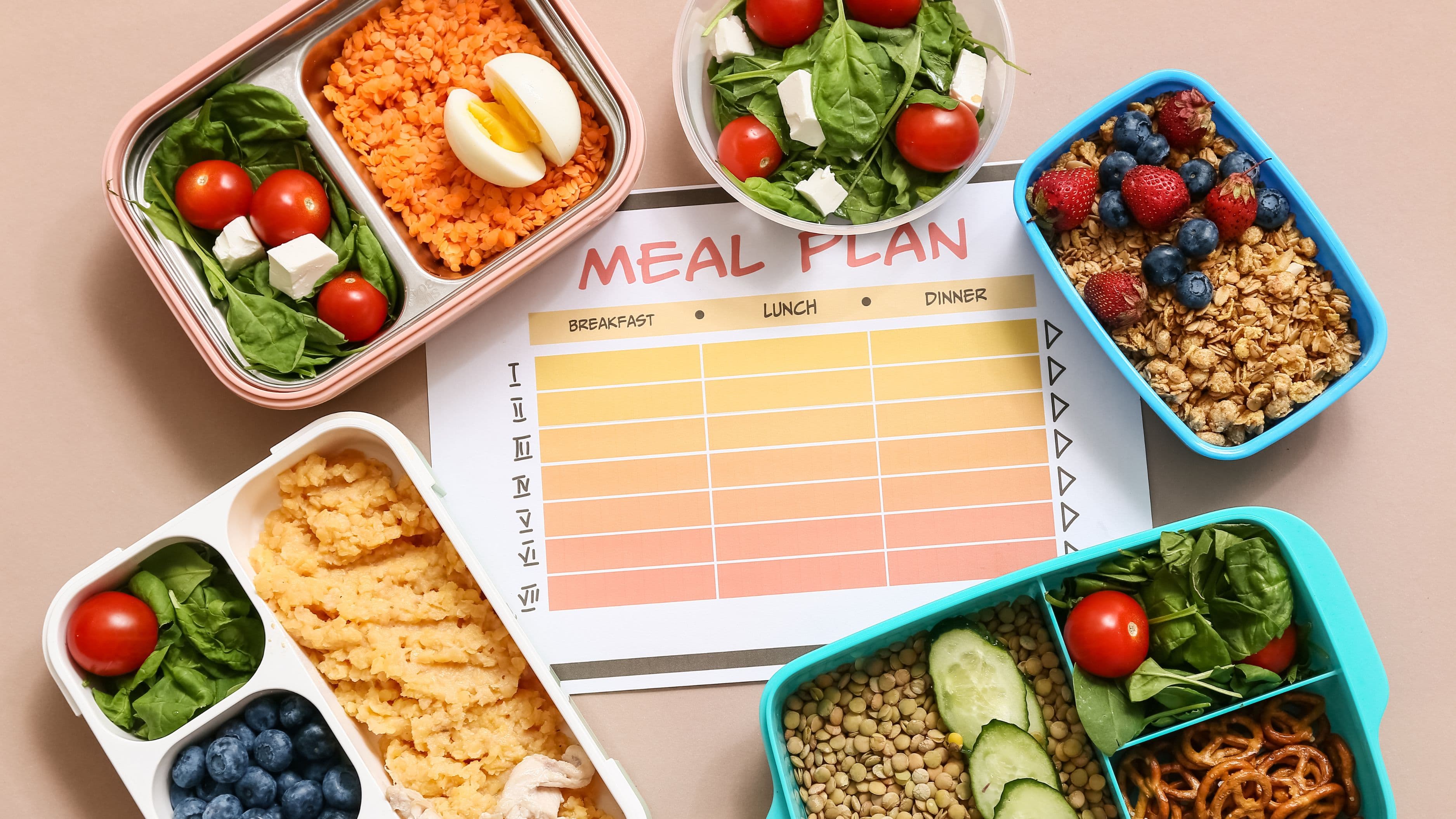
How to Plan a Week of Meals Without Overbuying Groceries
You've probably done it – filled the cart with the best intentions, cooked three out of seven planned dinners, and spent the end of the week quietly throwing out wilted herbs, half a block of cheese, and vegetables that never made it into anything. Overbuying isn't a willpower problem. It's a planning problem, and the fix is simpler than most people think.

How to Rotate Meals Without Getting Bored
Eating the same five dinners every week isn't a planning failure – it's actually what most people naturally fall into because familiar meals are fast, low-effort, and reliably edible. The problem is that after a few months, even your favourite pasta feels like a punishment. The goal isn't to cook something entirely new every night. It's to build a rotation that feels varied enough to stay interesting without adding significant time or stress to your week.
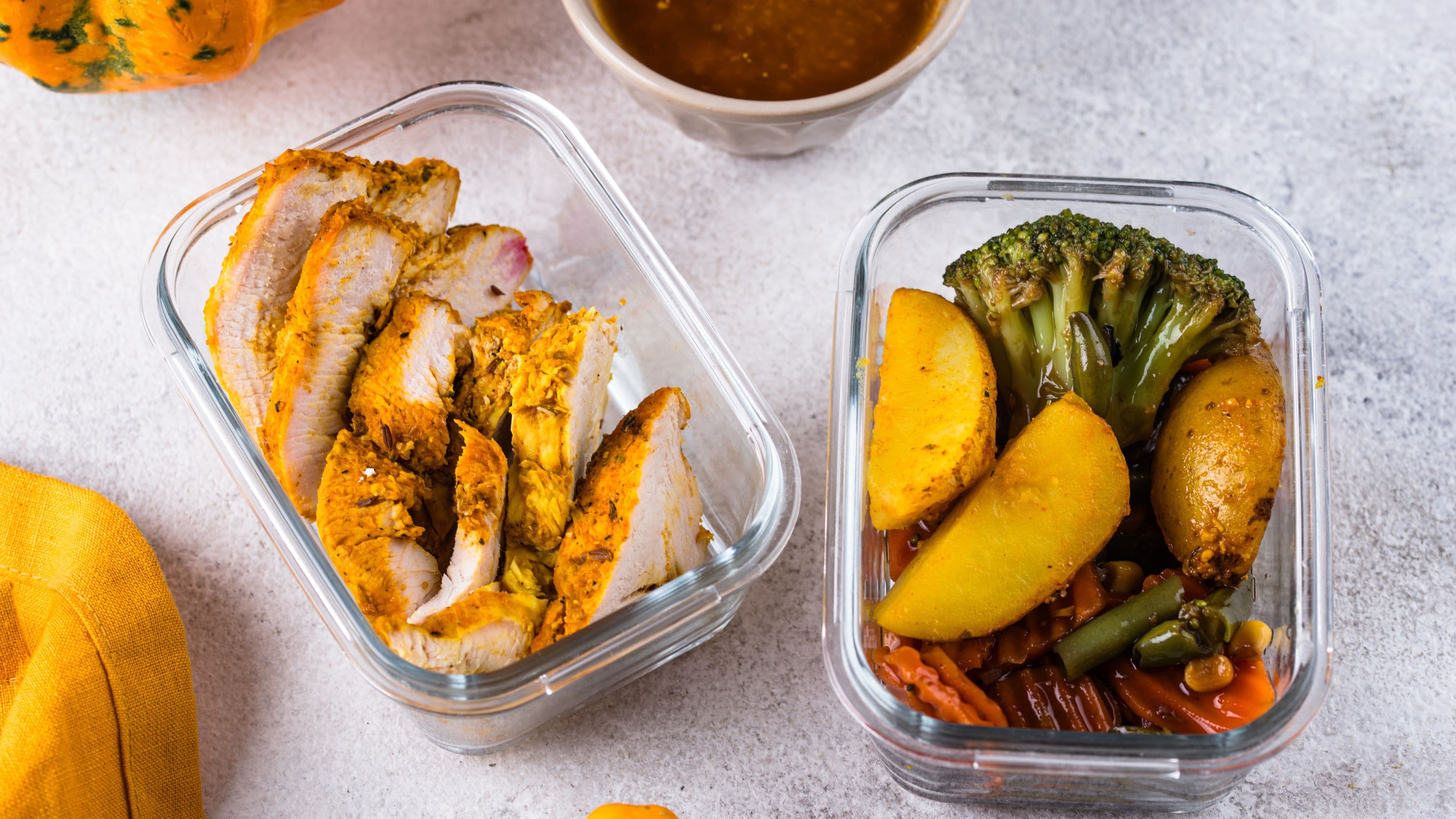
How to Use Leftovers Strategically Instead of Just Reheating Them
Most of us treat leftovers as a single, static meal, reheat exactly what was on the plate last night, eat it again tonight. That approach works fine occasionally, but it's also the fastest way to get bored of your own cooking. Thinking about leftovers strategically, as ingredients to repurpose rather than meals to repeat, turns yesterday's dinner into something that feels genuinely new.
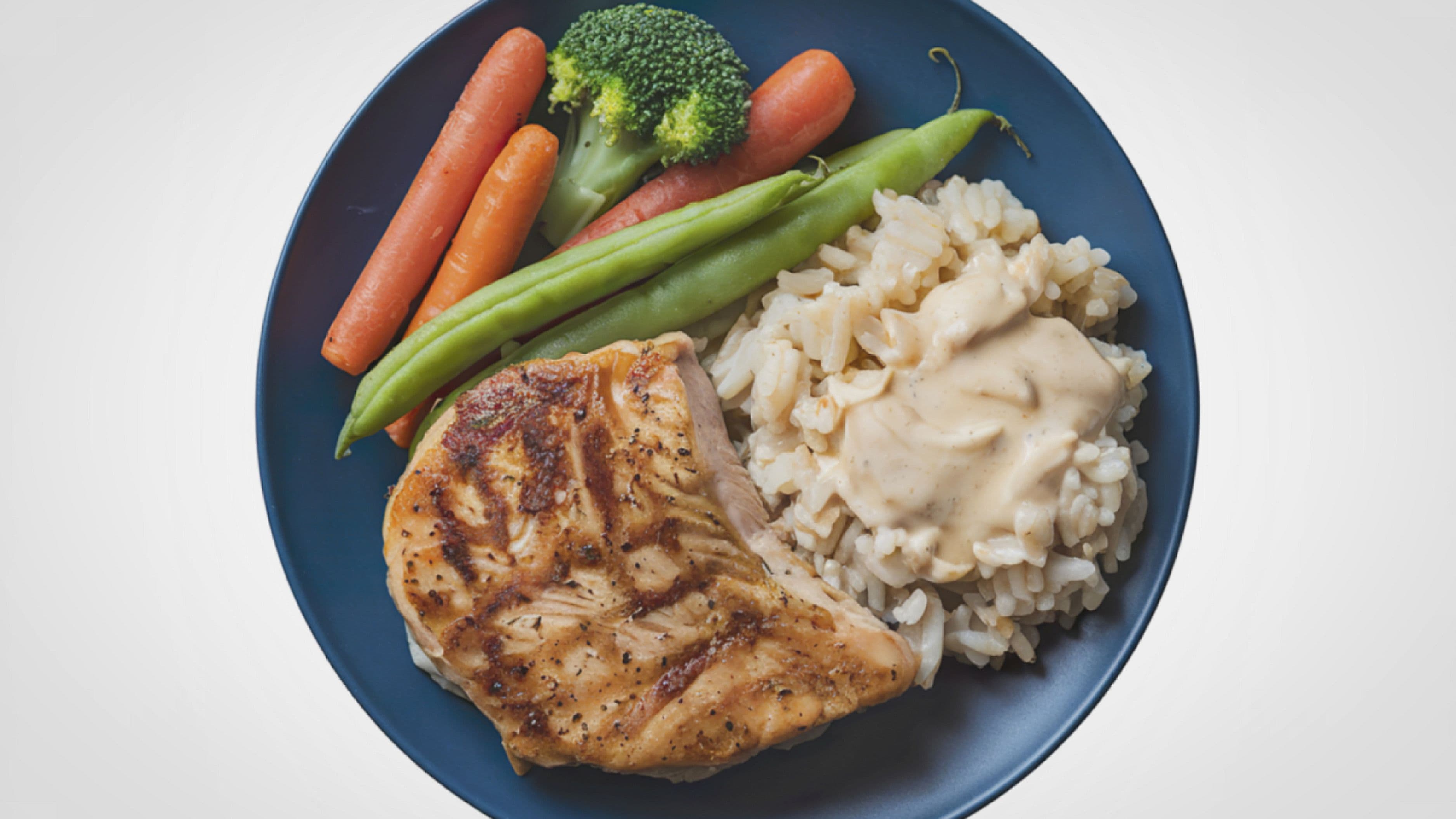
How to Use One Protein for Three Different Weeknight Meals
Buying a large cut of chicken, a big piece of salmon, or a pound and a half of ground beef all at once is one of the easiest ways to eat well on a budget without standing at the stove for an hour every night. The idea is simple: cook once, eat three times – but each meal feels completely different. It saves money, cuts down on midweek grocery runs, and takes most of the "what's for dinner?" stress off the table.
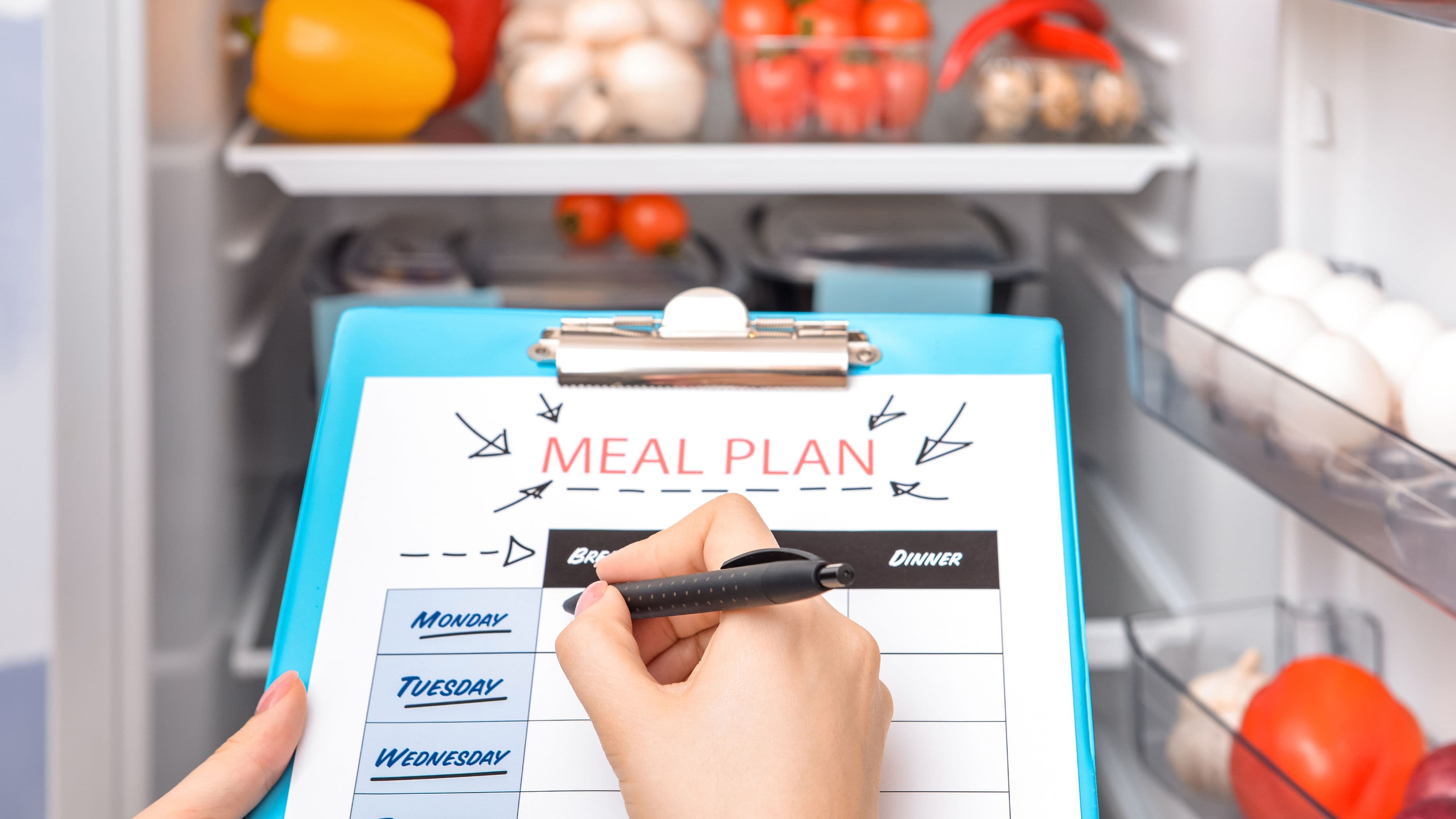
The Beginner's Guide to Planning Meals Around Your Freezer
Most people treat their freezer as a place things go to be forgotten, not a genuine meal-planning tool. Flip that relationship around and your freezer becomes one of the most useful resources in your kitchen, cutting down on both food waste and the mental effort of figuring out dinner on busy nights. Here's how to start planning meals with your freezer as the foundation, not an afterthought.

The Dinner Planning Framework That Took Me Three Years to Find
For years, dinner planning meant staring into the fridge around 5pm with no real plan, then either scrambling to cook something from whatever ingredients were left or giving up and ordering takeout again. It took a lot of trial and error, and a lot of wasted groceries, to land on a system that actually works consistently, and it's simpler than most meal planning advice makes it sound.
The Grocery List Strategy That Cuts Your Shopping in Half
Most grocery trips are longer than they need to be because the list was made wrong. Not wrong as in missing items — wrong as in organized in a way that sends you back and forth across the store, forces you to improvise in the aisle because you're not sure what you're actually making, and leaves you buying things you don't need while forgetting things you do.
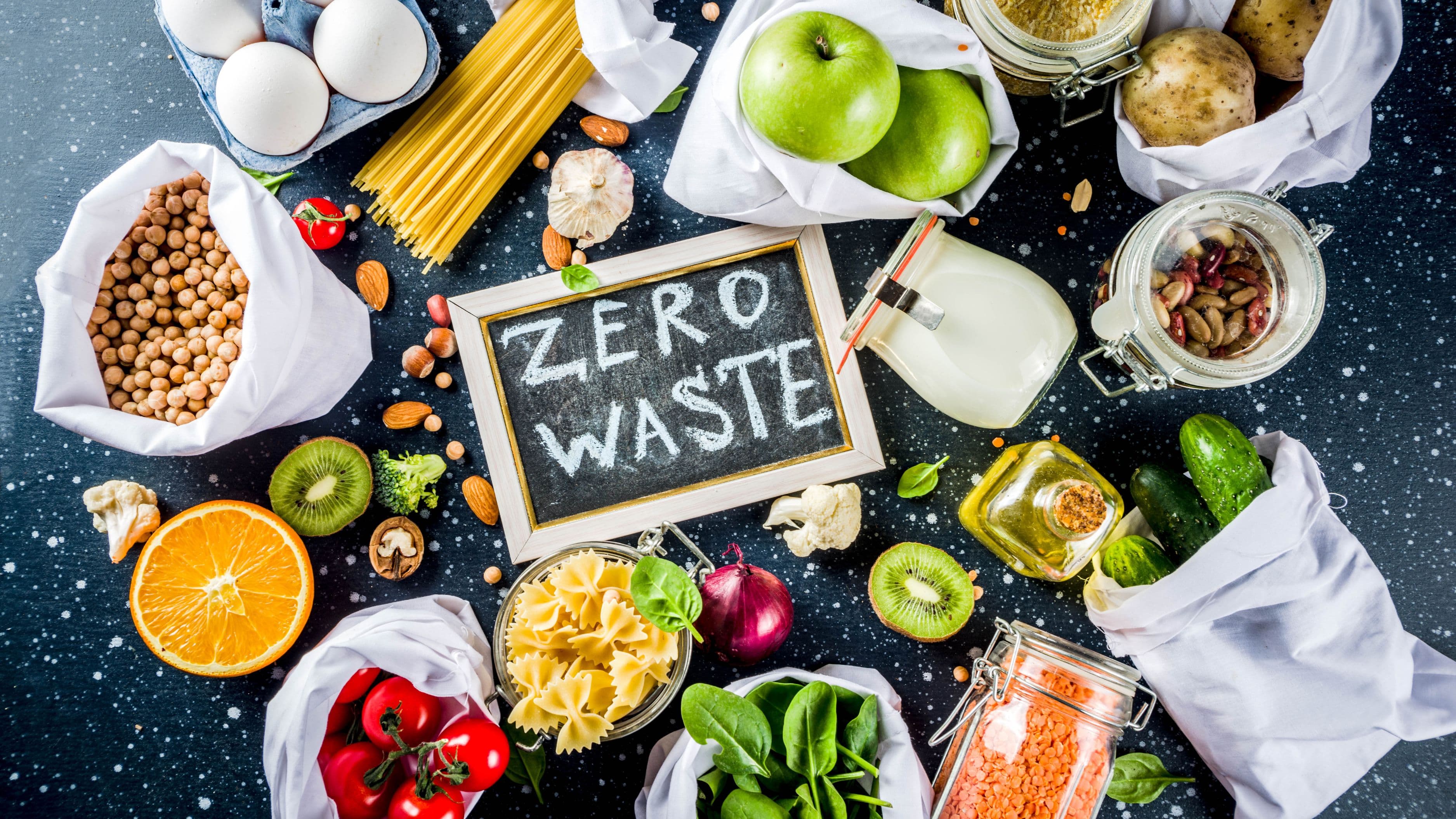
The Simple Way to Reduce Food Waste Through Meal Planning
Open your fridge right now and there's a decent chance something in there is quietly going bad – a half bag of spinach, a forgotten container of leftovers, herbs wilting in the back. It's not carelessness. It's just what happens when we shop and cook without a plan, and it adds up to a startling amount of food (and money) thrown away every year.
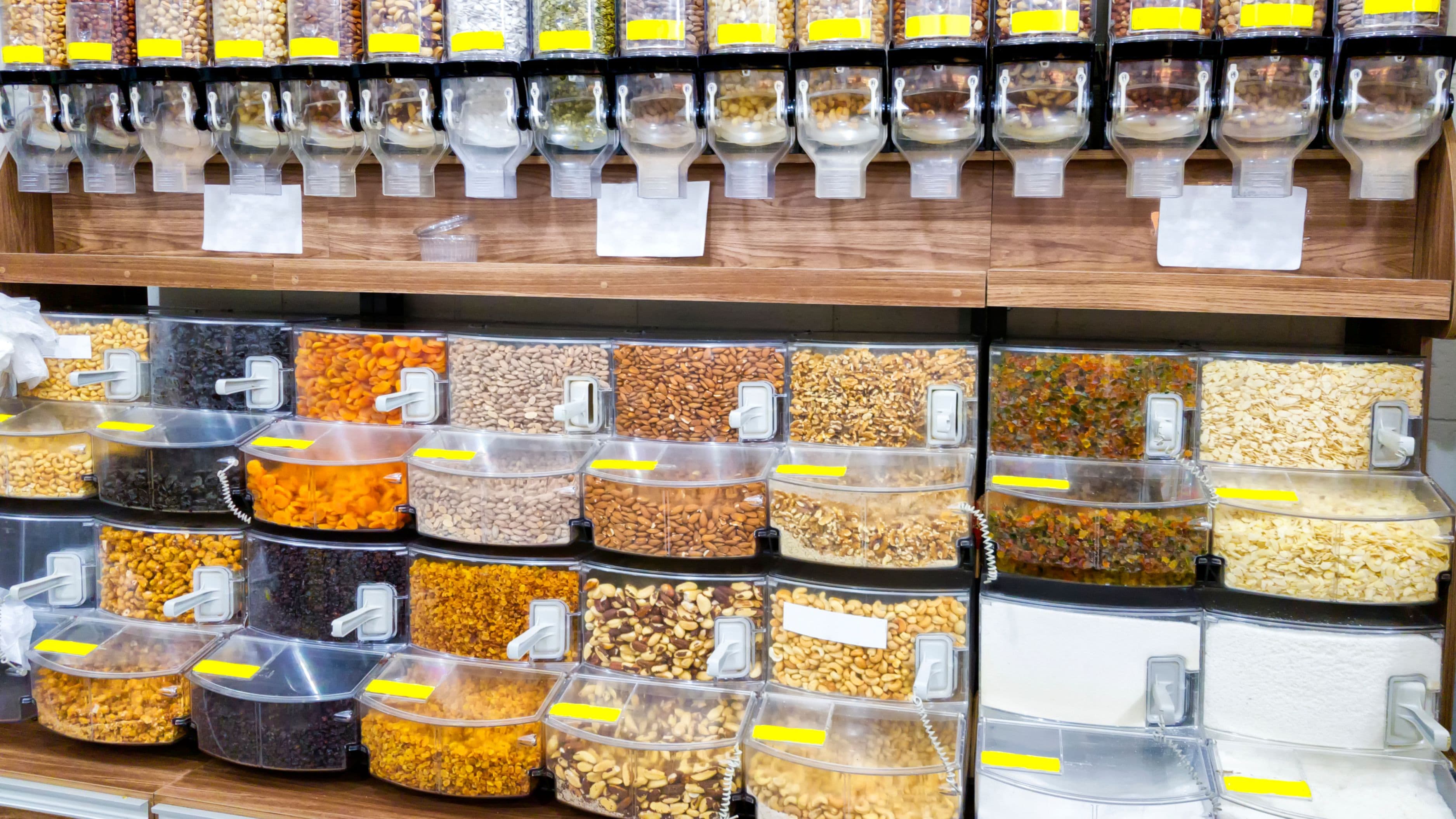
The Smarter Way to Organize Your Grocery Store Trip by Aisle
If you've ever backtracked across a grocery store three times because you forgot the item was in the section you just walked past, you already know how much time and frustration a disorganized shopping list creates. Organizing your list by aisle, or more precisely, by store section and typical layout flow, turns grocery shopping from a scattered scavenger hunt into a quick, linear pass through the store.
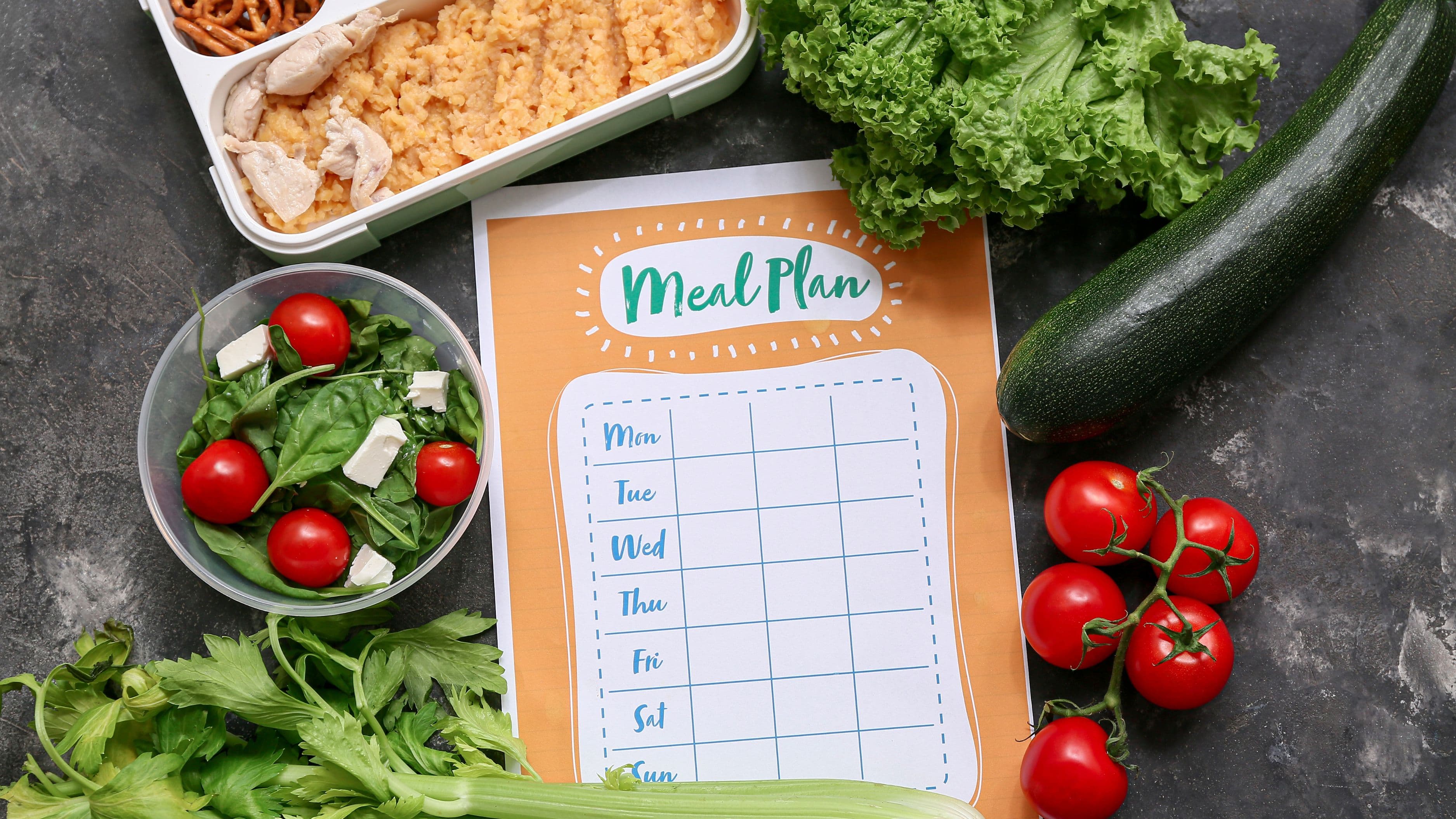
The System for Planning Meals When You're Cooking for One
Cooking for one is its own particular challenge, and it doesn't get talked about enough. Most recipes serve four. Most grocery store packaging is sized for families. Most meal planning advice assumes you're feeding multiple people, which means half the strategies out there simply don't translate. The result for a lot of solo cooks is a cycle of buying too much, cooking too much, eating the same thing five days in a row out of obligation, and eventually giving up on cooking entirely in favor of whatever's easiest.
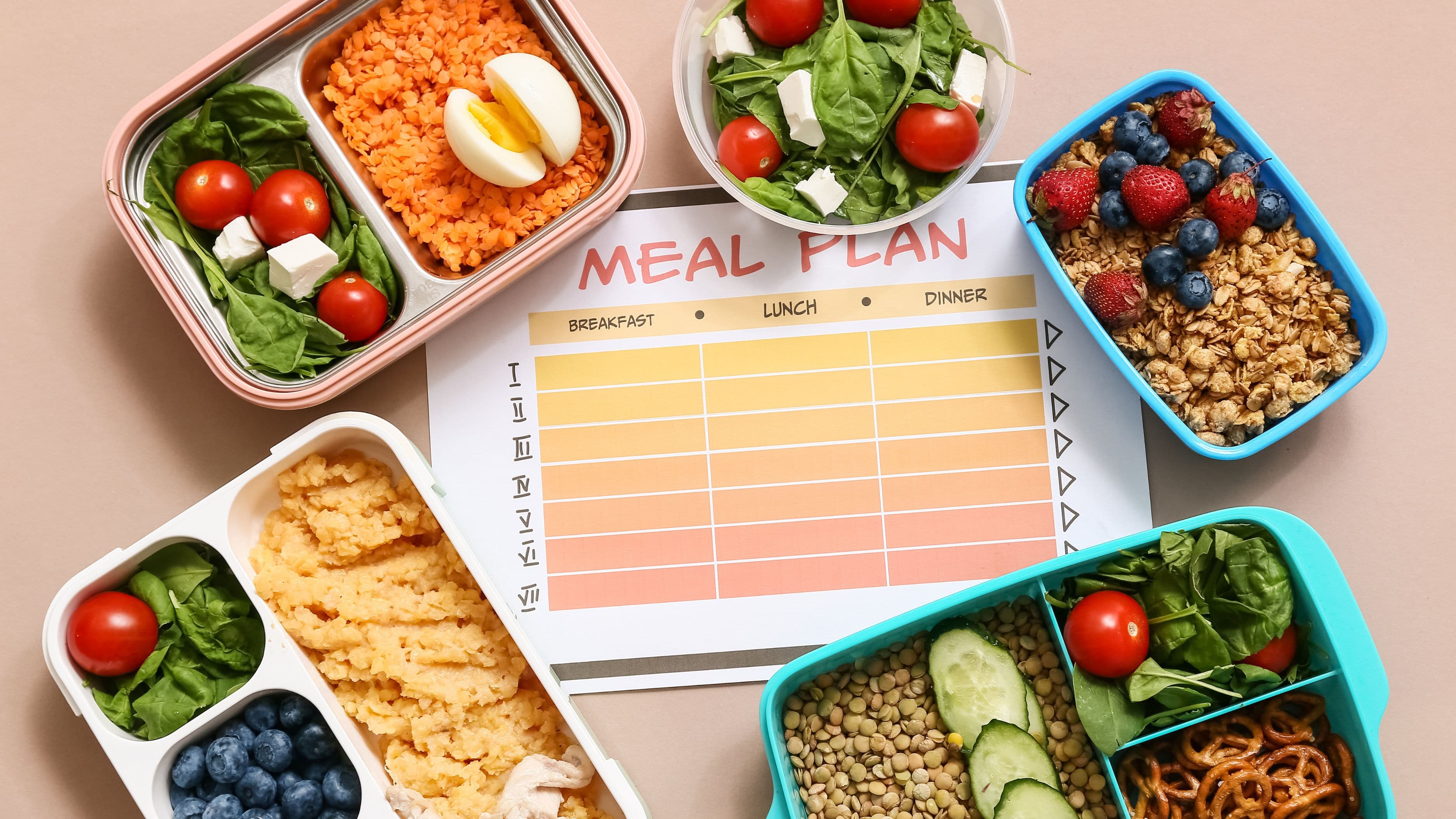
The Weekly Reset Routine That Makes Cooking Feel Lighter
Cooking doesn't usually feel hard because of the actual cooking part – it's everything leading up to it. The "what do we even have," the wilted vegetables you forgot about, the decision fatigue of standing in front of the fridge with no plan. A short weekly reset routine fixes most of that before it ever becomes a problem, so the actual cooking each night feels more like following through than starting from scratch.
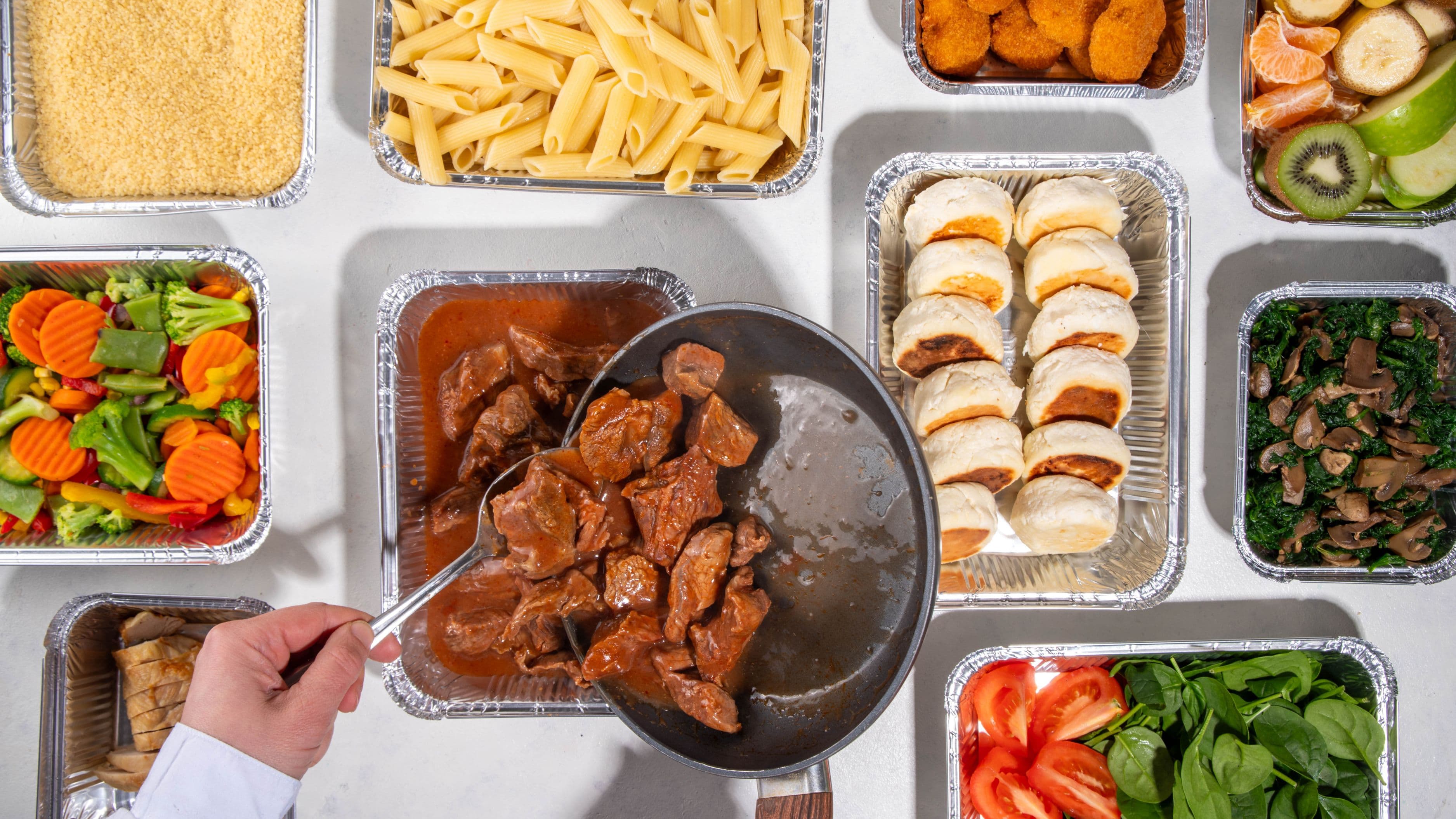
What Batch Cooking Actually Means for a Busy Household
Batch cooking gets talked about like it requires a free Sunday, a detailed spreadsheet, and seventeen matching glass containers. For most busy households, that version of it is never going to happen – and it doesn't need to. The real version is simpler, more flexible, and genuinely useful even if you only have 45 minutes and no particular plan.

What Weekly Meal Planning Looks Like When You're Feeding Teenagers
Feeding a household with teenagers is a different math problem than feeding younger kids or just adults. Portions grow, appetites become unpredictable, and the same meal that satisfied everyone last year suddenly isn't enough. Building a weekly meal plan around this reality, rather than fighting it, makes the whole week easier instead of feeling like a constant scramble to have enough food on hand.
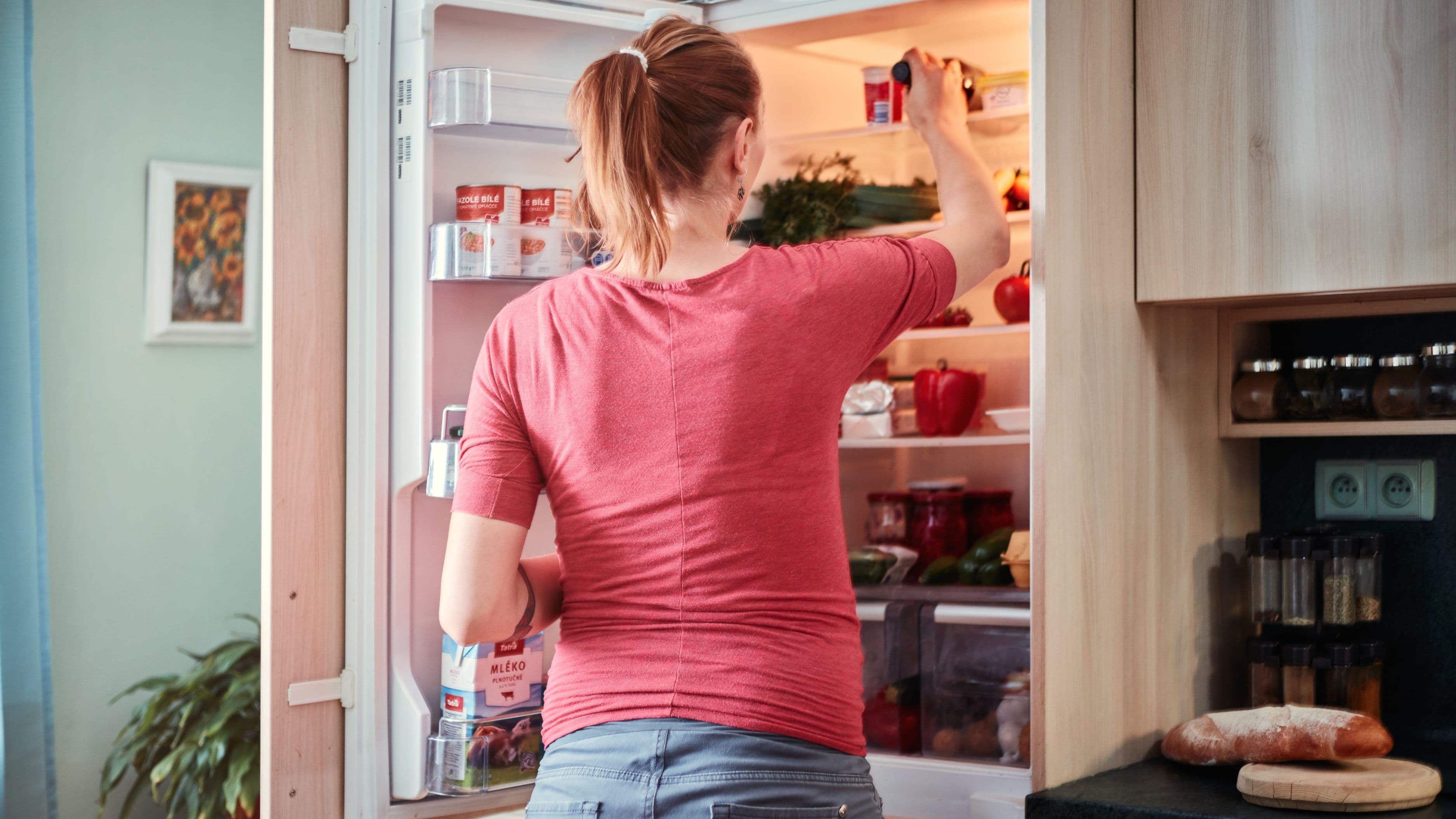
What Your Fridge Should Look Like on a Sunday VS. a Friday
A fridge tells a pretty honest story about how the week went. Sunday's fridge, freshly stocked and organized after a grocery run, looks nothing like Friday's fridge, picked over and running on odds and ends. That's completely normal, but understanding what each stage of the week is supposed to look like – and planning around it – makes a real difference in whether you're eating well right up until the next shopping trip, or scrambling and ordering takeout by Thursday.
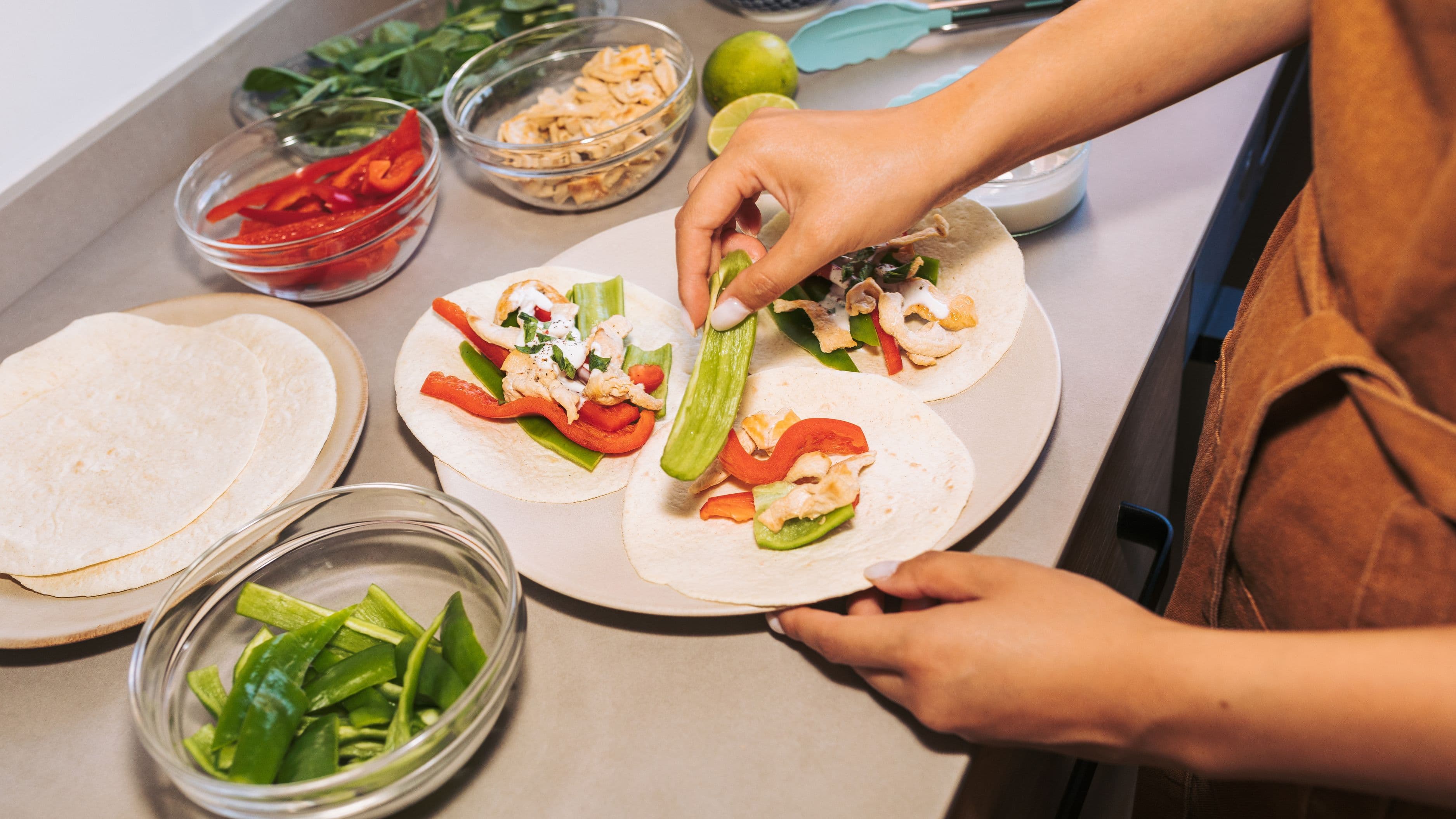
What a Prep Day Looks Like When You Only Have 2 Hours
Two hours isn't much time, but it's enough to change the entire shape of your cooking week – if you use it right. The problem most people run into is trying to cram a full meal prep session into a small window. They start cooking three different dishes, run out of time, finish nothing properly, and end up with a messy kitchen and half-done food. Two hours works best when you stop thinking about it as "cooking meals in advance" and start thinking about it as "removing all the friction from the week ahead."
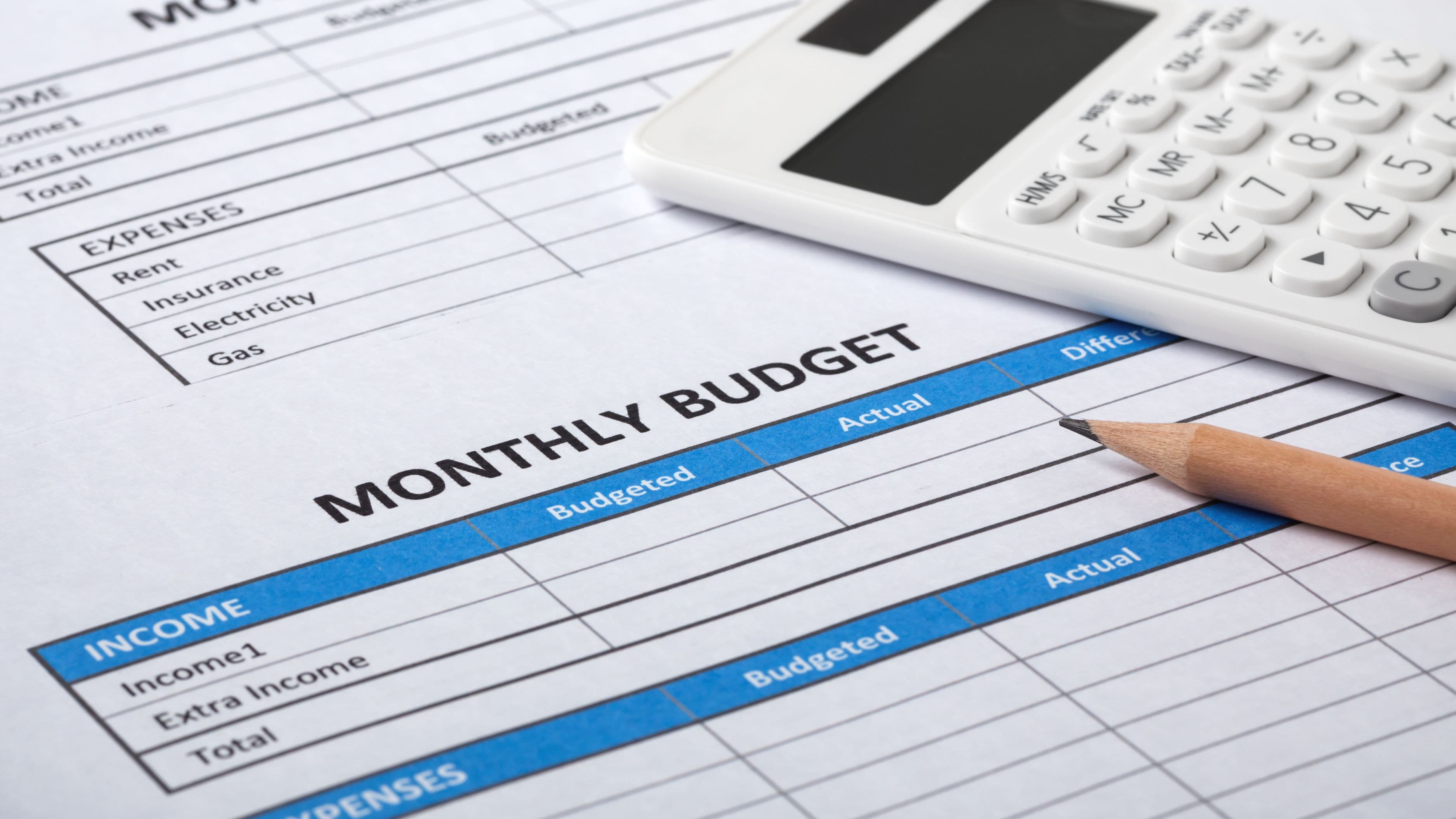
What a Realistic Monthly Meal Budget Actually Looks Like
Most food budgeting advice falls into two categories: aspirational ("feed your family of four for $200 a month!") and vague ("just cook at home more"). Neither one is actually helpful when you're standing in a grocery store trying to figure out if you can afford dinner this week. What helps is a realistic picture of what people actually spend, what drives those costs, and what you can genuinely change without turning meal prep into a second job.

What a Stress-Free Sunday Meal Prep Routine Really Looks Like
Search "Sunday meal prep" and you'll find rows of perfectly portioned containers, color-coded labels, and a two-hour cooking marathon that looks more like a food blogger's photoshoot than something a regular person does after a busy week. The version that actually works for most people looks a lot less polished, and considerably less stressful.
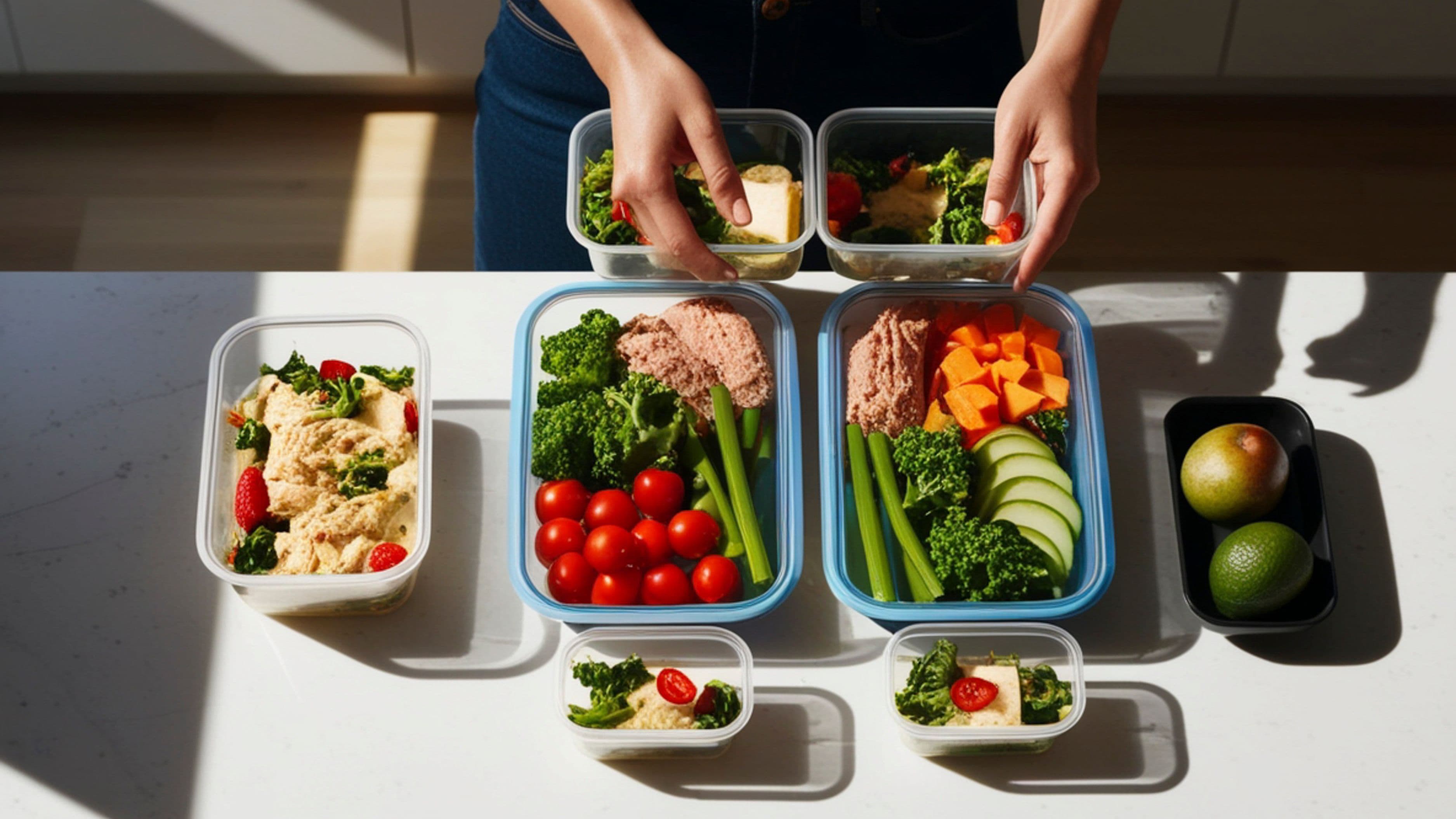
What a Zero-Waste Weekly Meal Plan Actually Looks Like
The average household throws away roughly a third of the food it buys. That's money in the bin, a wilted bunch of cilantro you bought for one recipe, half a can of coconut milk sitting open in the fridge, and three zucchinis that slipped to the back of the vegetable drawer. Zero-waste meal planning isn't about perfection or composting every peel – it's about shopping and cooking in a way that means you actually use what you buy, week after week.
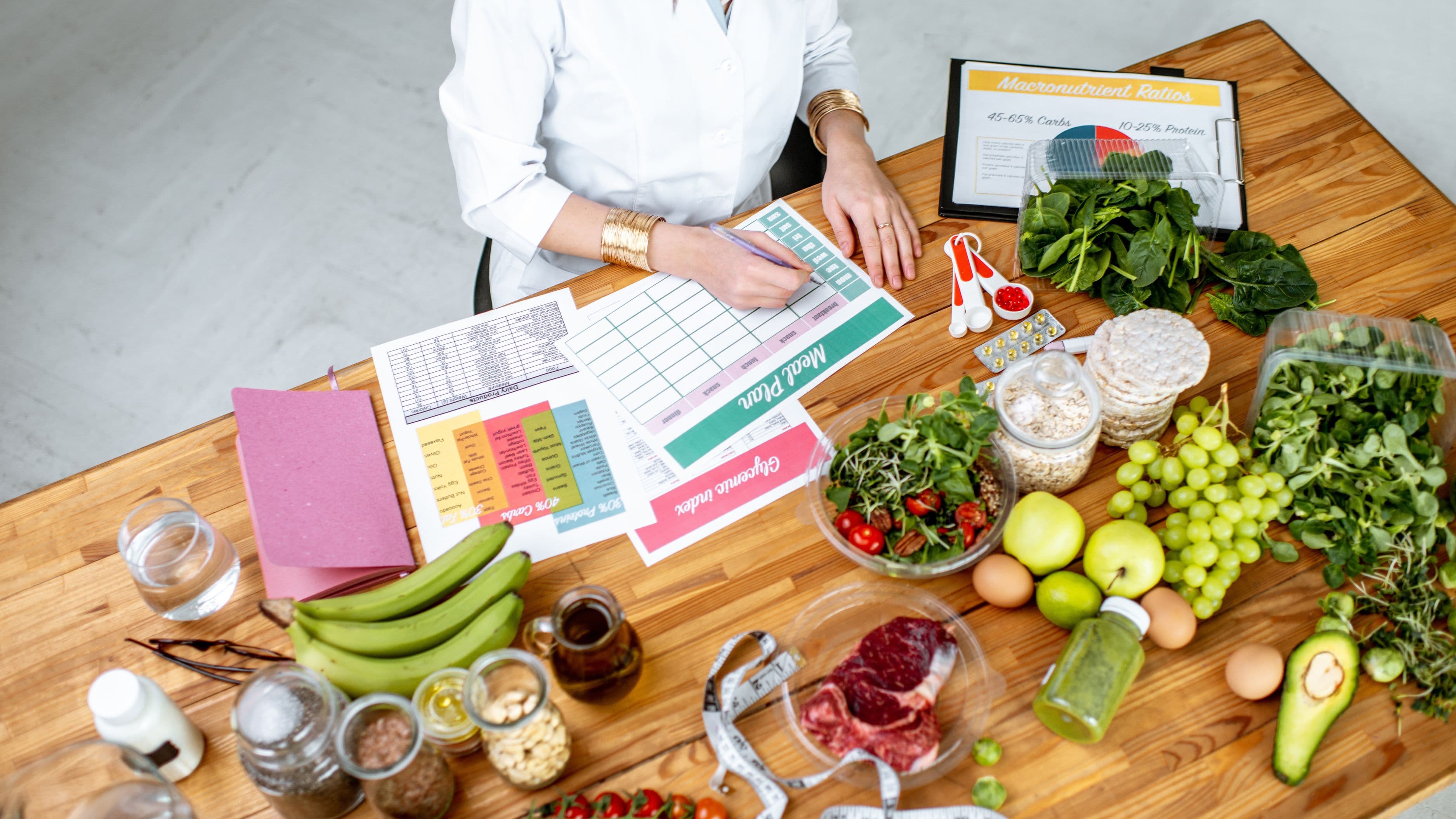
Build a Week of Stress-Free Meals in 30 Minutes
What if I told you that the difference between weeknight chaos and weeknight calm is just half an hour on Sunday? Most of us spend more time scrolling through recipe apps deciding what to cook than we'd spend actually planning our meals for the week. According to research from Ohio State University, households that meal plan save an average of $40 per week and reduce food waste by nearly 50%. But here's the real magic: they also report significantly lower dinnertime stress levels. The secret isn't complicated cooking or expensive ingredients—it's having a simple system that works with your life, not against it.

Can Meal Planning Help You Enjoy Food More, Not Less?
Here's a confession: I used to think meal planning was the culinary equivalent of filing taxes—necessary, perhaps, but utterly joyless. The idea of mapping out every breakfast, lunch, and dinner felt like I was scheduling spontaneity right out of my kitchen. But then something unexpected happened. After reluctantly trying meal planning for just two weeks, I found myself actually savoring my food more, not less. The aroma of garlic hitting hot olive oil suddenly felt like an event I'd been anticipating. The crunch of fresh vegetables in my stir-fry tasted sharper, more intentional. How could adding structure possibly create more pleasure?
Do You Really Need a Meal Plan—or Just a Better System?
Here's something that might surprise you: Americans throw away nearly $240 billion worth of food every year—roughly 40% of what we produce. Meanwhile, we're spending more time than ever scrolling through beautifully photographed meal plans on Pinterest, downloading apps that promise to revolutionize our dinner routine, and feeling guilty about the wilted greens in our crisper drawer. If meal planning is supposed to make cooking easier, why does it often feel like just another task we're failing at?

How I Cut My Grocery Bill in Half Without Sacrificing Flavor
Have you ever stood in the grocery store checkout line, watching the total climb higher and higher, and wondered if eating well has to cost this much? According to the USDA, the average American family of four spends between $975 and $1,249 per month on groceries—that's roughly $12,000 to $15,000 annually. When I saw my own grocery bills creeping toward the higher end of that range, I knew something had to change. But here's the twist: I wasn't willing to sacrifice the vibrant curries, fresh herbs, weekend brunches, and spontaneous baking sessions that made my kitchen feel alive. What followed was a year-long experiment that slashed my grocery spending by 52% while actually improving the quality and variety of meals on my table. No deprivation, no flavorless chicken and rice every night—just smarter strategies that transformed how I shop, cook, and think about food.
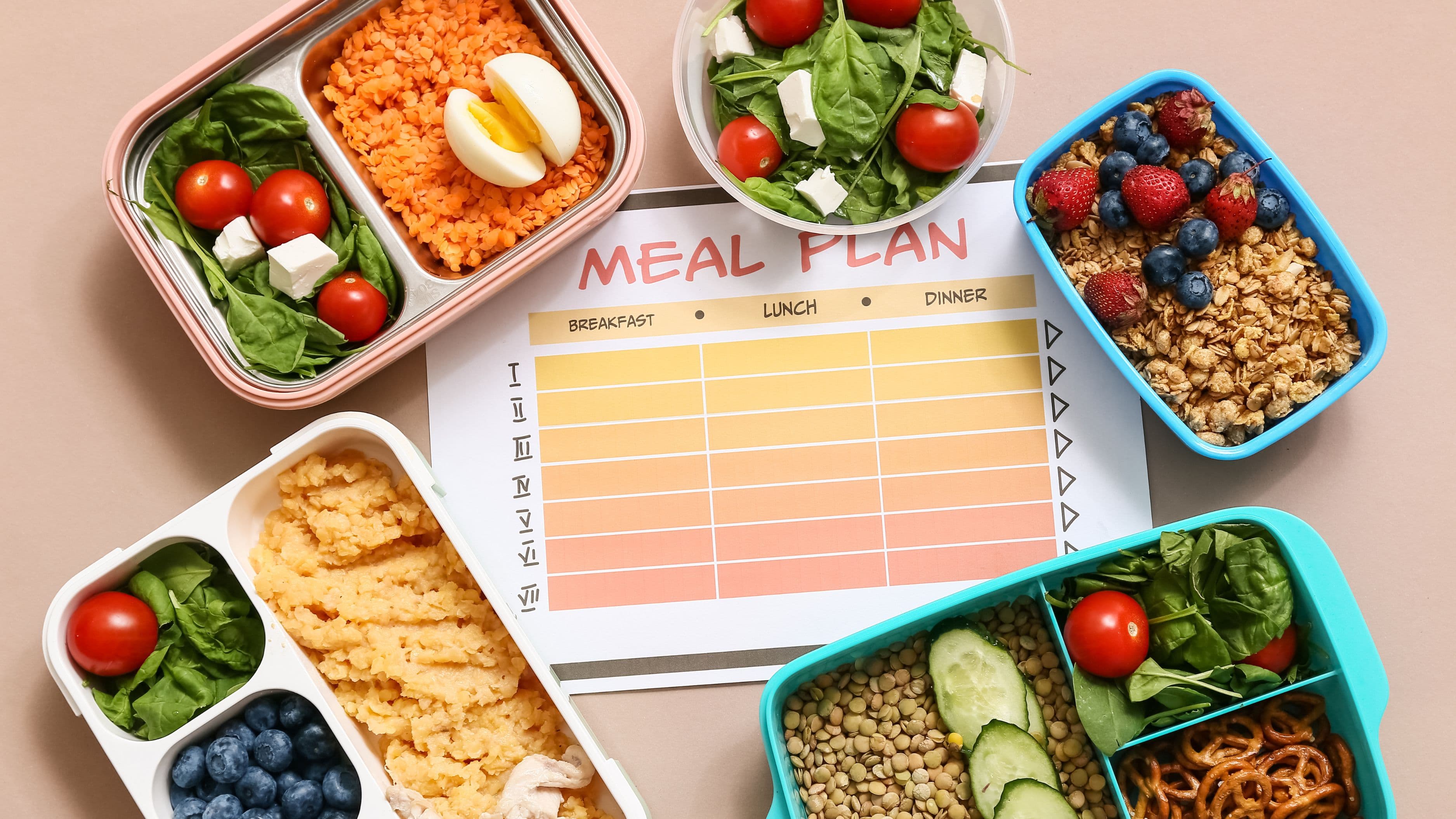
Is Meal Planning the Secret to Eating Better—or Just More Boring?
Meal planning has become the wellness world's answer to everything: save money, eat healthier, reduce stress, lose weight. But scroll through enough Sunday meal prep posts and you'll notice something—the same chicken, rice, and broccoli divided into identical containers, week after week. Is this really the path to better eating, or have we confused organization with actually enjoying food? Let's break down whether meal planning deserves its hype or if it's secretly killing your relationship with cooking.
The Most Common Meal Planning Mistakes (and How to Laugh at Them)
Did you know that nearly 60% of home cooks admit to throwing away food every single week because their meal plans fell apart? We've all been there—standing in front of the refrigerator at 7 PM, staring at wilted herbs, forgotten chicken breasts, and that ambitious butternut squash we swore we'd roast. Meal planning sounds like the ultimate adulting achievement, a way to reclaim our kitchens and our sanity. But somewhere between Pinterest-perfect prep containers and reality, things get wonderfully, hilariously messy. The good news? These mishaps aren't failures—they're learning opportunities wrapped in comedy gold. Let's explore the most common meal planning mistakes with a generous side of humor and discover how to navigate them with grace (and maybe a backup pizza menu).

What Happens When You Plan Meals Around Energy Instead of Calories?
Have you ever noticed how some meals leave you feeling like you could conquer the world, while others send you straight to the couch for an afternoon nap? Here's something most calorie-counting apps won't tell you: a 400-calorie bowl of steel-cut oats with berries and nuts will fuel your body completely differently than a 400-calorie pastry and latte. The numbers match, but your energy levels? They're worlds apart. What if the secret to feeling consistently vibrant, focused, and satisfied wasn't about restricting portions or hitting a magic number—but about choosing foods that actually power your life?

Why Planning Your Meals Can Actually Free Your Mind
Have you ever found yourself standing in front of the refrigerator at 6 PM, mentally exhausted from the day, staring blankly at ingredients you can't quite turn into dinner? You're not alone. Research suggests that the average person makes over 200 food-related decisions every single day—from what to eat for breakfast to whether that afternoon snack is worth it. Each tiny choice chips away at our mental energy, leaving us drained before we've even sat down to eat. But here's the beautiful paradox: spending a little time planning your meals can actually give you back the mental freedom you're desperately seeking.
Explore other categories
Same editorial standard, different decisions.