This guide walks through exactly what to do differently, which vegetables behave well in the air fryer, which ones need a little more care, and the small adjustments that make a real difference.
Why Vegetables Dry Out in the Air Fryer
The air fryer works by circulating very hot air rapidly around your food. That's what creates the crispy exterior – but it's also what pulls moisture out of vegetables if you're not careful. Unlike roasting in an oven, where there's more space and lower airflow, the concentrated heat of an air fryer works faster and more aggressively. Vegetables with a high water content lose that moisture quickly, and if you've cut them too thin, not coated them with enough oil, or cooked them at too high a temperature for too long, you end up with dry, tough, or shrunken results.
The good news is that fixing this is straightforward. It mostly comes down to oil, size, temperature, and timing – and once you get those four things dialed in for a vegetable, the results are reliably good.
The Four Things That Actually Matter
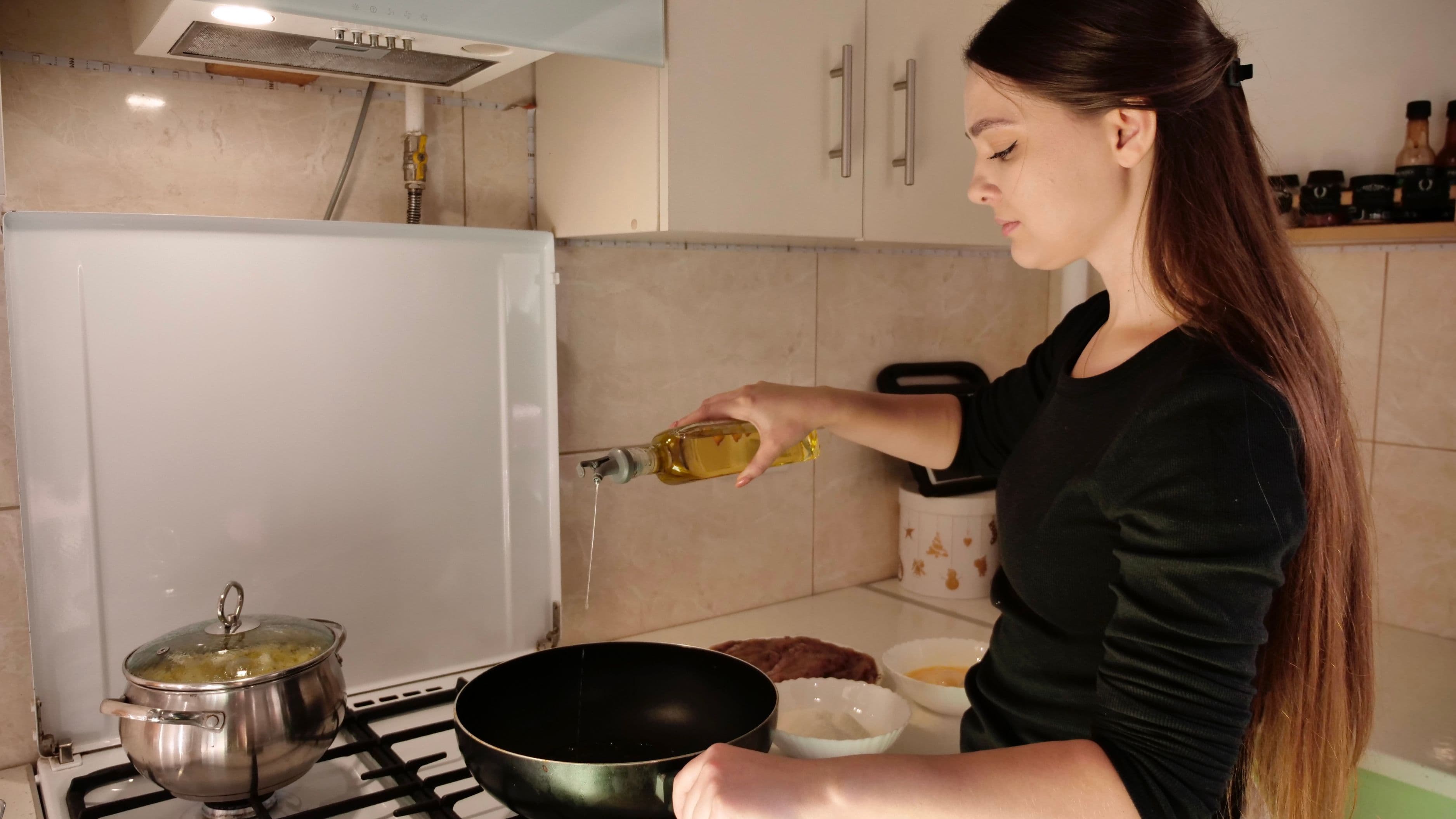
Oil is not optional. A thin, even coat of oil on every surface is what protects vegetables from the hot circulating air and keeps moisture locked in. You don't need a lot – about one to two teaspoons per pound of vegetables is usually enough – but you do need to actually coat the vegetables rather than just drizzling oil over the top. Toss them in a bowl with the oil before they go in the basket. If you add seasoning at this stage too, it adheres much better than when sprinkled on after.
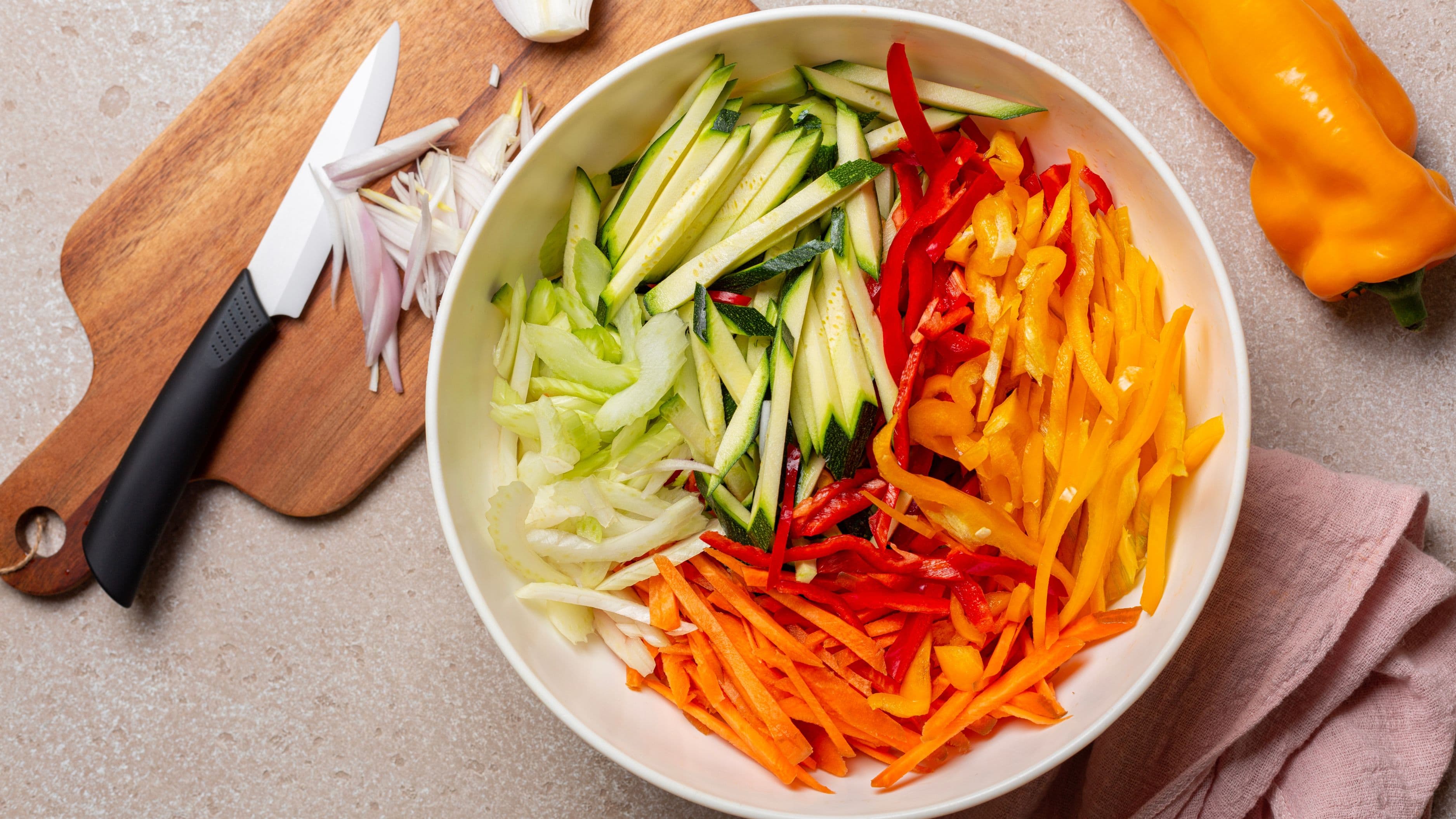
Cut size matters more than you'd think. Thinner cuts dry out faster. Vegetables cut into larger, chunkier pieces hold their moisture better and have time to cook through before the outside gets over-dried. For most vegetables, aim for pieces that are at least three-quarters of an inch to one inch in size. Florets, chunks, and rounds work well. Paper-thin slices are better suited to chips, where the goal is maximum crispness and dryness – not everyday vegetable sides.
Temperature needs to match the vegetable. Not every vegetable does well at 400°F. Delicate vegetables like zucchini, asparagus, or green beans cook fast and can over-dry at very high temperatures. Starting them at 375°F and checking a few minutes early gives you more control. Denser vegetables like potatoes, carrots, and beets actually benefit from higher heat to get that caramelized exterior, but they also take longer, which means they have more time to stay moist in the center.
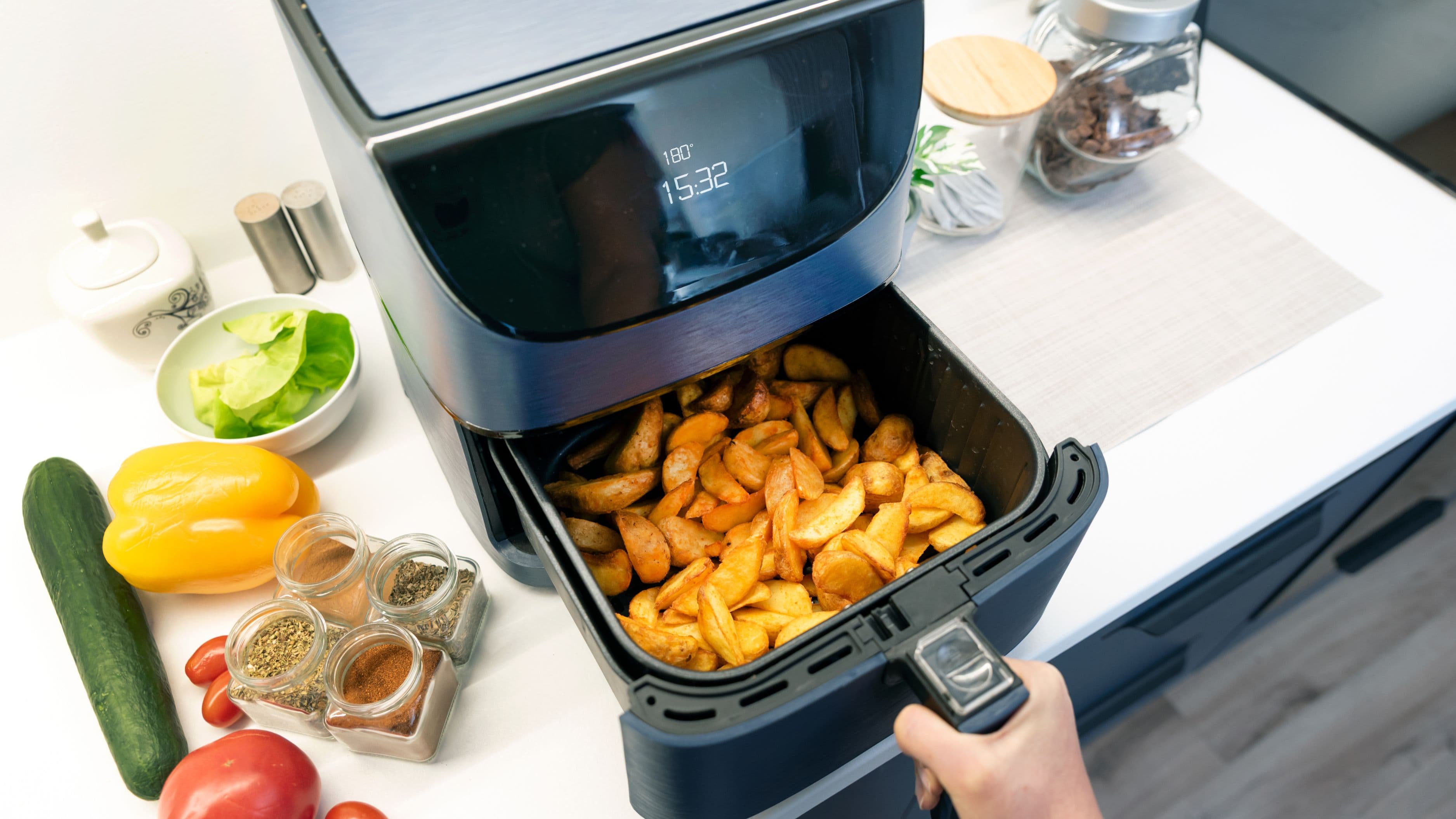
Don't overcrowd the basket. This is probably the most commonly broken rule in air fryer cooking, and it's a direct cause of dry, steamed-tasting vegetables. When you pile the basket too full, the hot air can't circulate properly around each piece. The vegetables end up steaming each other rather than crisping, and the result is soggy on the inside and dry on the outside. Cook in a single layer, or close to it, with a little space between pieces. If you're making a large batch, do two rounds rather than one crowded one.
A Simple Starting Framework by Vegetable Type
Different vegetables behave differently in the air fryer, and knowing the general category your vegetable falls into makes it much easier to get right without trial and error every time.
Dense root vegetables – potatoes, sweet potatoes, carrots, beets, parsnips – need longer cooking times and benefit from slightly higher heat (390–400°F) to develop caramelization. They hold moisture well because of their density, so drying out is less of a concern here than with lighter vegetables. Cube or slice them into even pieces so they cook at the same rate. 18–22 minutes with a shake halfway through is a reliable starting point.
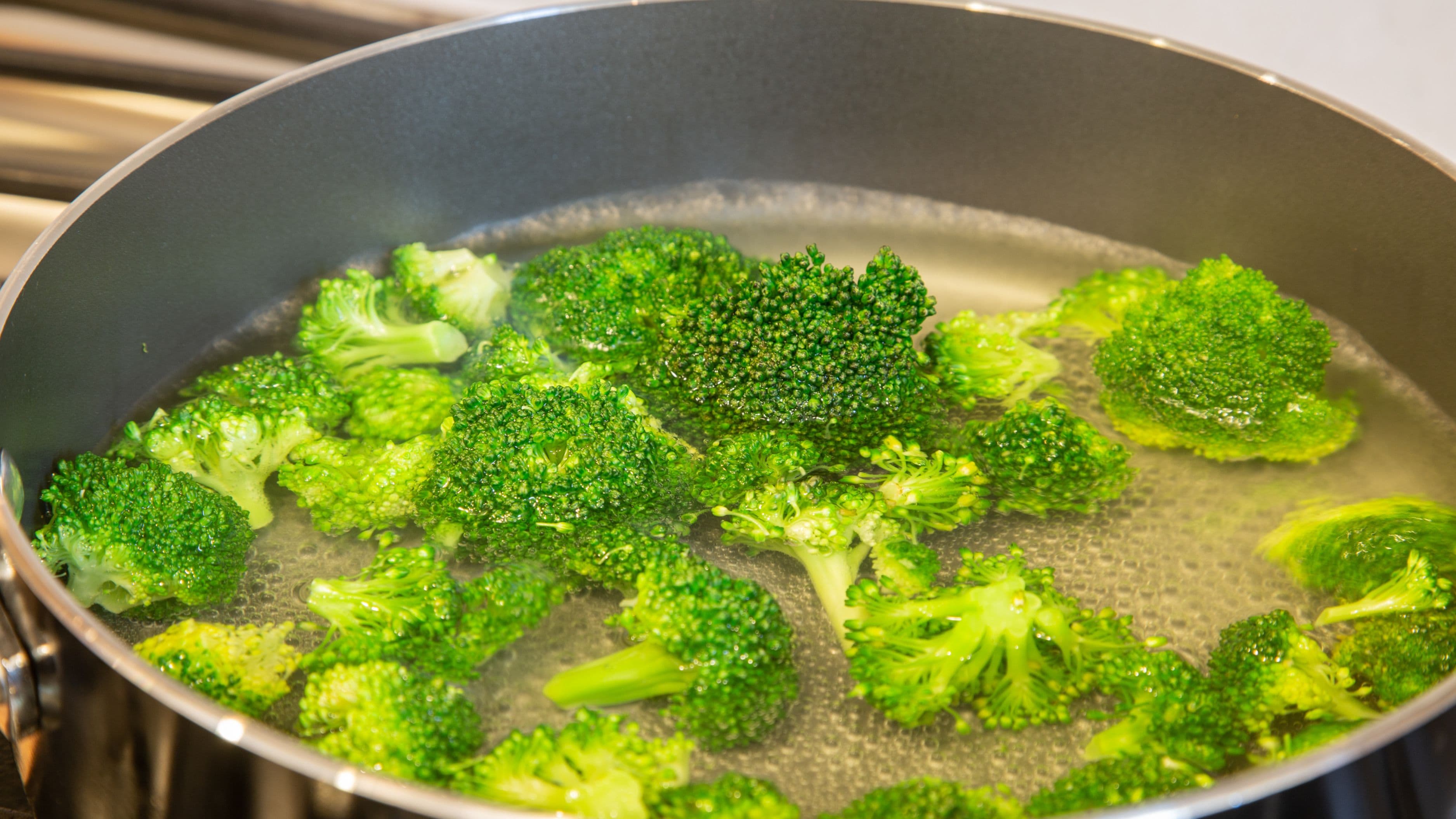
Brassicas – broccoli, cauliflower, Brussels sprouts – do exceptionally well in the air fryer when they're not overcrowded. The key is making sure they're completely dry before going in – any surface moisture from washing will steam instead of roast. Pat them dry with a kitchen towel, coat well with oil, and cook at 375–390°F for 10–15 minutes depending on floret size. They go from good to great when a few edges start to char slightly.
Tender summer vegetables – zucchini, yellow squash, eggplant – have high water content and need a little extra attention. Salting zucchini and squash for 10 minutes before cooking and then patting dry pulls out excess surface moisture before the air fryer does the work, which prevents the dreaded soggy-then-dry result. Cook at 370–375°F for 8–12 minutes and check early.
Asparagus and green beans – these cook fast. At 375°F they're typically done in 7–10 minutes. Their long shape means good air circulation without overcrowding, and a generous coat of oil keeps them from shriveling. Toss them at the halfway point to expose all sides.
Leafy or delicate vegetables – spinach, kale chips, thin-cut peppers – require a lower temperature (around 300–325°F) and a close eye. They're the most prone to going from perfectly cooked to over-dried in under a minute. Kale chips are a specific case where you want that ultra-dried texture; for most other leafy greens, the air fryer isn't the ideal tool – a quick sauté is usually better.
Tips That Make a Real Difference
Preheat the air fryer. Most models preheat in 2–3 minutes. Adding vegetables to a cold basket means the first few minutes of cook time are spent heating up rather than actually cooking, which can result in uneven results. A preheated basket also helps the outside of the vegetable develop texture faster, which means less time in the air overall.
Shake or flip halfway through. This exposes all sides to the hot air and ensures even cooking. Vegetables sitting against the basket will cook differently from those exposed to full airflow. A quick shake at the midpoint makes a noticeable difference, especially for smaller pieces.
Add a small splash of water for very delicate vegetables. For vegetables you're worried about drying out, a teaspoon of water added to the bottom of the air fryer drawer (not the basket itself) creates a tiny bit of steam that moderates the drying effect. This works particularly well for green beans, asparagus, and sugar snap peas. Don't overdo it – too much water defeats the purpose of air frying.
Finish with acid and fresh elements after cooking. A squeeze of lemon, a splash of balsamic, or a scattering of fresh herbs after the vegetables come out of the air fryer does more for the final result than almost any adjustment during cooking. The brightness of acid counteracts any edge of over-dryness and lifts the whole dish.
Season generously before cooking. Vegetables need more seasoning than you'd think, especially at high heat. Salt draws a tiny amount of surface moisture out immediately before cooking, which can actually help certain vegetables – like zucchini – cook more evenly. Don't be shy with salt, pepper, garlic powder, or whatever spices you're using. The high heat of the air fryer mutes flavors slightly, so what seems like enough often isn't.
Common Mistakes to Avoid
Skipping the oil entirely – either out of habit or in an attempt to cut calories – is the most direct path to dry vegetables. Even a very light coating makes a significant difference in both texture and moisture retention. If you're watching oil intake, use a spray bottle to apply a fine mist rather than skipping it altogether.
Cutting vegetables too small is a mistake that's easy to make when you're used to oven roasting, where smaller pieces can work fine. In the air fryer, small pieces lose their moisture much faster because they have more surface area relative to their volume. When in doubt, cut a bit bigger than you think you need.
Not adjusting temperature and time for your specific air fryer model is worth flagging. Air fryers vary quite a bit – some run hotter than their settings indicate, some have more powerful fans. The first time you cook a new vegetable, check it a few minutes before the suggested time. Once you've cooked in your machine a few times, you'll develop a feel for how it runs and can adjust accordingly.
Using vegetables straight from the fridge without letting them come toward room temperature can result in uneven cooking, where the outside is done but the inside is still cold. A few minutes on the counter before air frying makes a difference for denser vegetables in particular.
Quick Reference: Temperature and Timing
These are starting points – check a few minutes early the first time, and adjust based on how your specific air fryer runs.
Broccoli and cauliflower: 375–390°F, 10–14 minutes, shake halfway
Brussels sprouts (halved): 375°F, 12–15 minutes, shake halfway
Carrots (sliced or chunked): 390°F, 14–18 minutes, shake halfway
Potato wedges or cubes: 400°F, 18–22 minutes, shake twice
Zucchini and squash (chunked): 370°F, 9–12 minutes, shake halfway
Asparagus: 375°F, 7–10 minutes, toss halfway
Green beans: 375°F, 8–10 minutes, shake halfway
Bell peppers (sliced): 370°F, 10–12 minutes, shake halfway
Sweet potato cubes: 390°F, 16–20 minutes, shake halfway
FAQ
Do I really need to preheat the air fryer every time? It genuinely helps, especially for vegetables where you want a good exterior texture. Preheating only takes 2–3 minutes for most machines, and it makes the cooking more predictable. That said, root vegetables like potatoes aren't dramatically affected if you skip it – the difference is most noticeable with quick-cooking vegetables.
Can I use parchment paper or foil in the air fryer with vegetables? You can use parchment paper specifically designed for air fryers (it has holes to allow airflow), but plain parchment or foil without holes will block circulation and defeat the purpose. For most vegetables, cooking directly in the basket gives the best results – the basket allows maximum airflow on all sides.
Why do my vegetables always come out soggy even though I'm following the right temperature? Sogginess is almost always caused by too much moisture going in or too many vegetables in the basket. Make sure your vegetables are dry before they go in – pat them dry after washing and let them sit for a minute. Then check that you're not overcrowding; if they're steaming each other, they'll never crisp up properly.
Can I add a sauce before air frying? Wet sauces or marinades with a lot of liquid will cause steaming and work against the crisping effect. If you want flavor from a sauce, use dry seasonings before cooking and add sauce after, or use very small amounts of a thick sauce that won't pool in the basket. Soy sauce, miso, or tahini in small amounts work reasonably well as pre-cook coatings.
What's the best oil to use for air frying vegetables? Oils with a high smoke point work best since you're cooking at high heat. Avocado oil, light olive oil, grapeseed oil, and refined coconut oil all hold up well. Extra virgin olive oil has a lower smoke point but works fine for temperatures under 375°F and has a good flavor. Spray-on butter-flavored oil is a convenient option for lighter coating.
Final Thoughts
Once you get the technique right, air fried vegetables become one of the easiest wins in the kitchen. The key is oil coverage, appropriate cut size, not overcrowding, and matching your temperature to the vegetable. Start with broccoli or Brussels sprouts if you want a confidence-building first try – they're forgiving and consistently come out well. From there, you'll quickly develop a feel for how your machine runs and how different vegetables respond. The air fryer is genuinely one of the most useful tools for getting more vegetables into your meals with minimal effort.
📚 Sources
America's Test Kitchen – The Science of Air Frying: https://www.americastestkitchen.com/articles/5842-air-fryer-vegetables-guide
Serious Eats – Air Fryer Vegetables: Tips and Techniques: https://www.seriouseats.com/air-fryer-vegetables
USDA FoodData Central – Vegetable Nutritional Composition and Moisture Content: https://fdc.nal.usda.gov/
The Kitchn – The Best Vegetables to Cook in Your Air Fryer: https://www.thekitchn.com/best-air-fryer-vegetables-23440484
Bon Appétit – How to Actually Use Your Air Fryer: https://www.bonappetit.com/story/air-fryer-tips