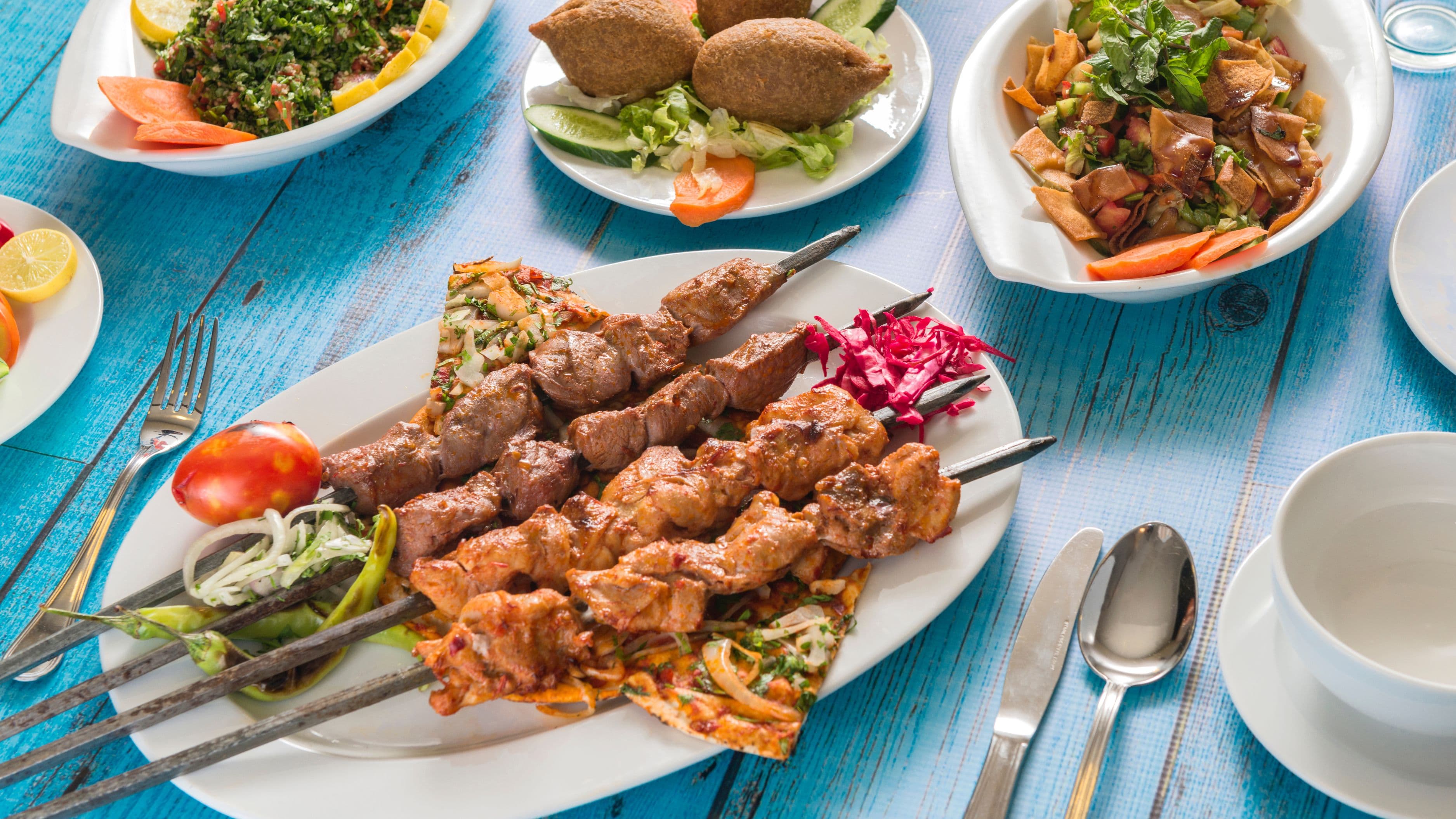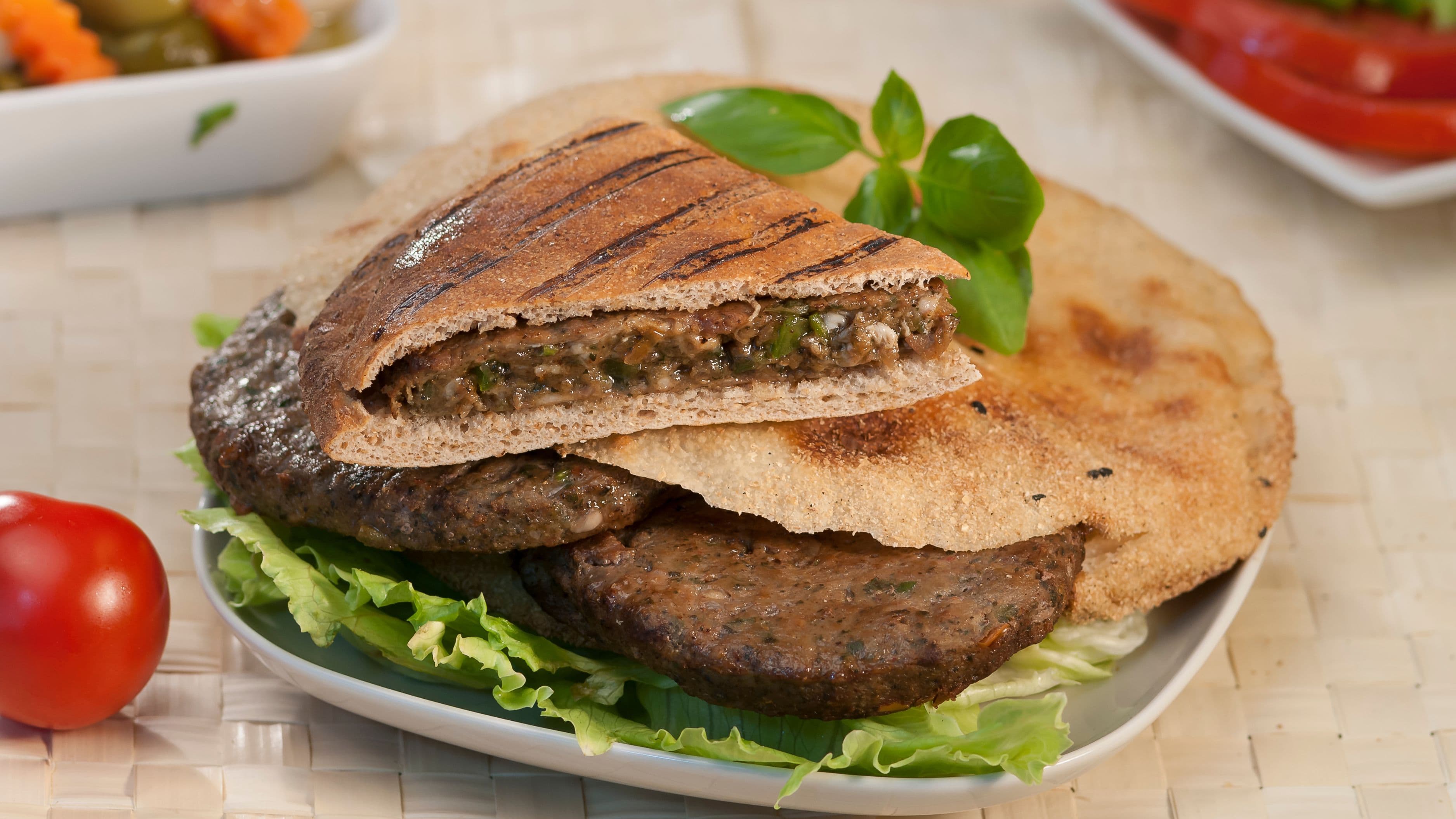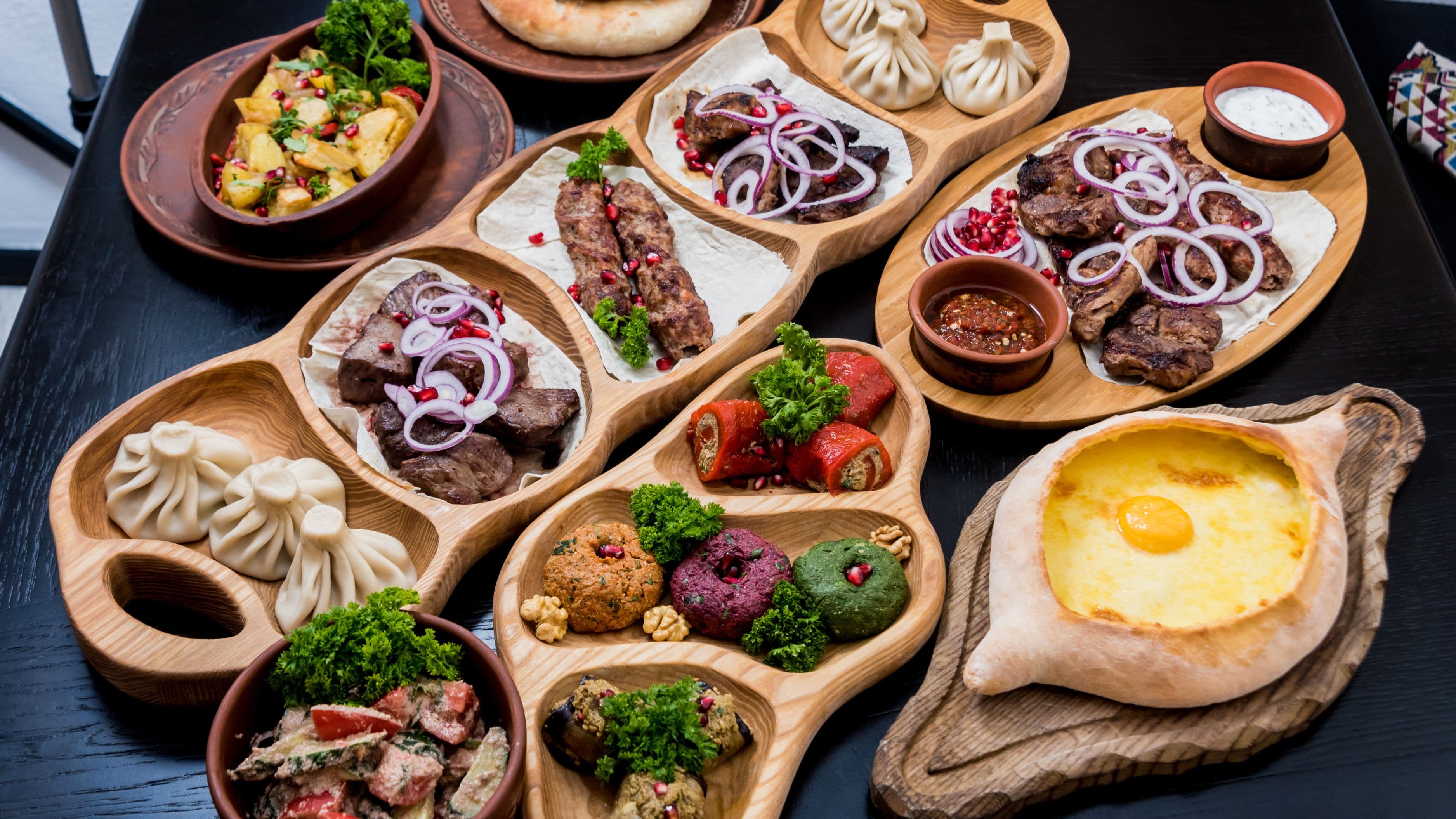
What Makes Algerian Cooking Distinct
Algerian cuisine draws from Berber, Arab, Ottoman, and French influences, layered together over centuries, which is part of why it can feel both familiar and distinct if you've cooked other North African or Mediterranean food before. The backbone of most Algerian cooking is a warm, earthy spice profile, built around cumin, coriander, cinnamon, and a touch of saffron in special-occasion dishes, along with generous use of tomatoes, onions, and fresh herbs like parsley and cilantro.
Couscous, the steamed semolina grain, is the most iconic element of Algerian cooking and is traditionally served on Fridays as a family meal, though it appears throughout the week in many households. Unlike some couscous served elsewhere, properly made Algerian couscous is light and fluffy, achieved through a multi-step steaming process rather than the quick-soak method common in packaged versions.
Start With Chorba Frik
Chorba is the soup that opens most Algerian meals, especially during Ramadan, and chorba frik, made with cracked young wheat, is one of the most beloved versions. It's a tomato-based soup with lamb, cracked wheat, chickpeas, and a bright finish of fresh cilantro and lemon.
To make it, brown lamb pieces in a pot with onion, then build the base with tomato paste, cumin, coriander, and a stick of cinnamon, added early so the spices bloom in the fat rather than staying raw-tasting. Add water or broth and simmer until the lamb is tender, then stir in the frik (cracked wheat) and cooked chickpeas toward the end, since frik cooks relatively quickly and turns mushy if added too early. Finish with a generous handful of chopped cilantro and parsley, plus a squeeze of lemon just before serving, which brightens the whole dish.
The Centerpiece: Algerian Couscous With Lamb and Vegetables
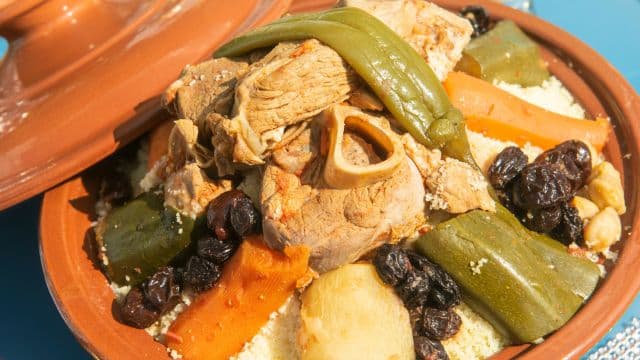
This is the dish most associated with Algerian home cooking, and while it looks involved, it breaks into manageable stages. The dish has two components that come together at the end: a tomato-based lamb and vegetable stew, and properly steamed couscous.
For the stew, brown lamb shoulder pieces, then soften onions in the same pot before adding tomato paste, cumin, coriander, black pepper, and a cinnamon stick. Add water to cover, along with root vegetables like carrots, turnips, and potatoes, plus zucchini added later since it cooks faster. Simmer until the lamb is fork-tender and the vegetables are cooked through, adjusting seasoning as it goes.
For the couscous, the traditional method uses a couscoussier, a pot with a steaming basket that sits above the simmering stew, allowing the couscous to absorb aromatic steam while it cooks. If you don't have one, a fine-mesh steamer basket over a pot of simmering water works as a substitute. The process involves steaming the dry semolina, then removing it to rake through with a fork while drizzling in a small amount of water and oil, breaking up any clumps, and repeating the steaming process two to three times. This is the step that produces properly light, separate grains rather than a dense, sticky mass, and it's worth doing properly rather than rushing.
To serve, mound the couscous on a large platter, top with the lamb and vegetables, and ladle some of the flavorful cooking broth over everything.
A Simpler Weeknight Option: Chakhchoukha or Rechta
If a full couscous production feels like too much for a weeknight, rechta, a dish of hand-rolled noodles in a light chicken and vegetable broth, is a gentler entry point that still captures the flavor profile of Algerian cooking, using dried vermicelli-style noodles or angel hair pasta as a practical substitute for the traditional hand-cut version.
Simmer chicken pieces with onion, a cinnamon stick, and the same core spice blend of cumin and coriander, along with chickpeas and root vegetables. Cook the noodles separately, then serve them topped with the broth, chicken, and vegetables, finished with fresh herbs.
Building an Algerian Spice Pantry
A few pantry staples cover most of what you'll need across these dishes: ground cumin, ground coriander, cinnamon sticks, black pepper, and good quality tomato paste. Preserved lemon and harissa, while more associated with neighboring Tunisian cuisine, also show up in some Algerian households and are worth having on hand if you want to experiment further. Fresh cilantro and parsley, used generously rather than as a garnish afterthought, are just as essential as the dried spices for getting the flavor right.
What to Avoid
Don't rush the couscous steaming process by using only a single steaming cycle, this is the step that separates properly light couscous from a dense, gummy result. Don't skip browning the meat at the start of the stew, this step builds a depth of flavor that's hard to replicate later in the cooking process. And don't over-salt early in the stew, since the broth reduces as it simmers and concentrates in flavor, meaning it's easy to oversalt if you season aggressively before that reduction happens.
📚 Sources
BBC Good Food, "North African Cuisine Guide" – https://www.bbcgoodfood.com/
Smithsonian Folklife Festival, "Algerian Culinary Traditions" – https://festival.si.edu/
Saveur, "Understanding Couscous Across North Africa" – https://www.saveur.com/