These are genuinely useful questions, and the answers are straightforward once you understand what the difference actually is. This guide explains it clearly – what sets the two flours apart, how that affects your baking, and when one is genuinely better than the other.
The One Key Difference: Protein Content
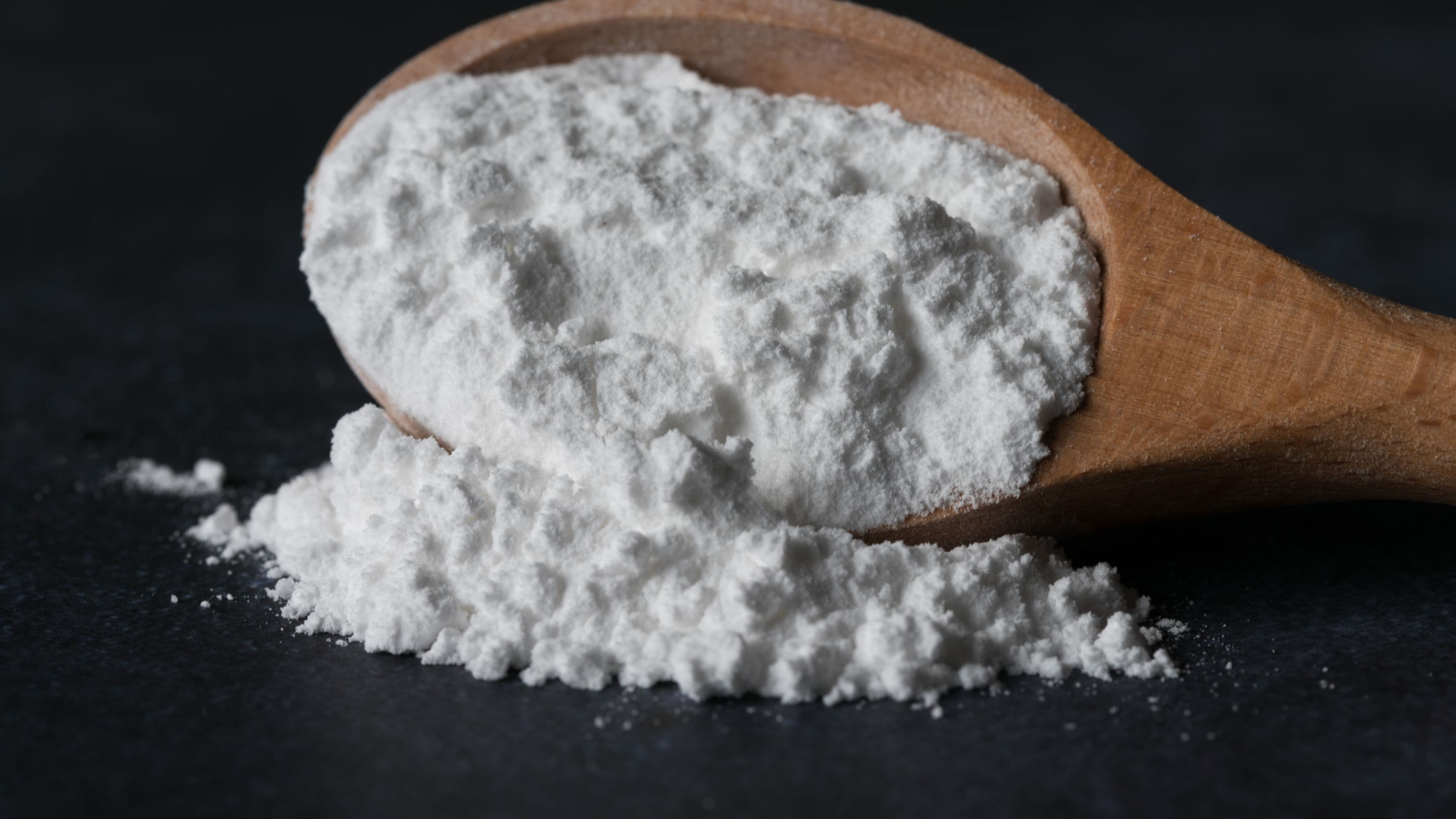
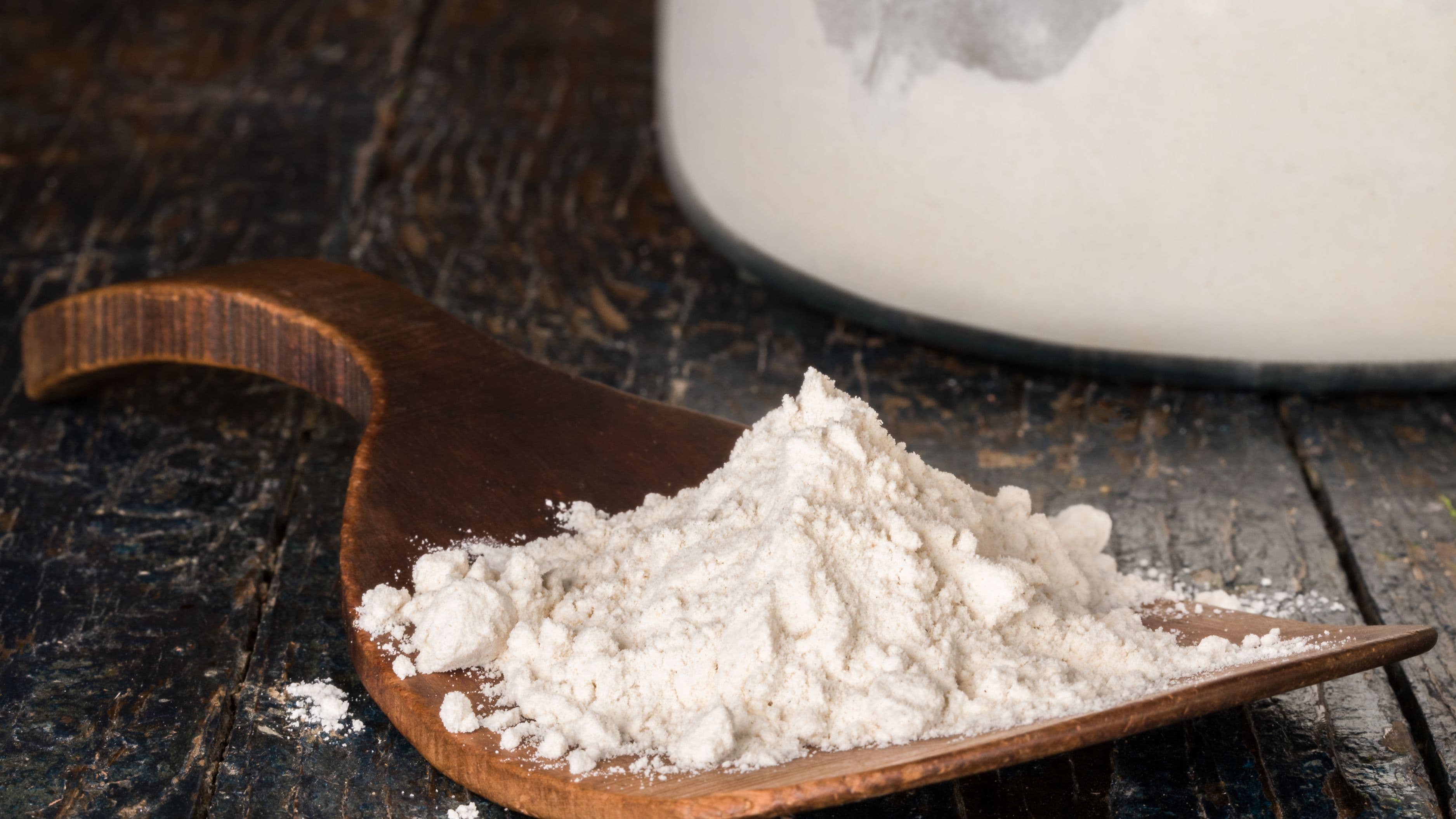
The only meaningful difference between all-purpose flour and bread flour is the amount of protein in each. That's it. They're both made from milled wheat, they're both white, and they look and feel nearly identical. But bread flour contains more protein – typically 12 to 14 percent – while all-purpose flour contains less, usually 9 to 11 percent depending on the brand.
That difference in protein percentage sounds small, but it has a significant effect on how the flour behaves when you add water and start mixing or kneading.
Why Protein Content Matters in Baking
When flour gets wet and is worked – whether you're kneading dough by hand or beating batter with a mixer – the proteins in the flour combine to form gluten. Gluten is the network of stretchy, elastic strands that gives dough its structure. It's what allows bread dough to trap the gas bubbles produced by yeast, which is how bread rises and develops its open, airy texture inside.
More protein means more gluten potential. Bread flour, with its higher protein content, develops a stronger, more elastic gluten network than all-purpose flour does. That strength is exactly what you want in yeasted bread – it holds the dough together under the pressure of fermentation, allows a good rise, and produces a chewy, satisfying crumb with a proper bite to it. Think of the pull you feel when you tear apart a slice of good sourdough or a chewy bagel. That texture comes directly from a well-developed, strong gluten structure.
All-purpose flour, with less protein, develops a more moderate gluten network. That's not a flaw – it's a feature. For cakes, biscuits, pancakes, and many pastries, too much gluten would make the result tough and rubbery. All-purpose flour gives you enough structure to hold a cake together without developing so much gluten that tenderness is lost.
What Each Flour Is Best For
Understanding what each flour does makes it easy to know which one a recipe needs.
Bread Flour Is Best For
Bread flour earns its name in any baked good where a chewy, structured crumb is the goal. Sandwich loaves, sourdough, pizza dough, bagels, dinner rolls, and focaccia all benefit from the higher protein content. The extra gluten strength means the dough can handle longer fermentation times, stretch without tearing, and produce a loaf that holds its shape well in the oven.
It also works well for any enriched dough – brioche, cinnamon rolls, challah – where eggs and butter are worked into the dough. These rich doughs need the extra structural support of bread flour to rise properly despite the fat content, which can inhibit gluten development.
All-Purpose Flour Is Best For
All-purpose flour lives up to its name by working reliably across a wide range of baked goods. Most cakes, cookies, muffins, quick breads, pancakes, waffles, pie crusts, crepes, and biscuits are built around all-purpose flour because its moderate protein level provides enough structure without creating toughness. It's also the default for thickening sauces, coating proteins before frying, and most general cooking applications.
All-purpose flour also works for basic yeast breads – it just produces a slightly softer crumb and less chew than bread flour would. For a simple homemade sandwich loaf or a forgiving pizza dough, all-purpose flour gets the job done without any issues.
Can You Substitute One for the Other?
This is the practical question most people are asking, and the answer is: usually yes, but with adjustments in some cases.
Substituting All-Purpose for Bread Flour
If a bread recipe calls for bread flour and you only have all-purpose, your loaf will still work. The texture will be slightly softer and less chewy, and the dough may feel a little slacker and less elastic while you're working with it. For most home bread recipes – a simple sandwich loaf, homemade pizza dough, rolls – the difference is noticeable but not dramatic. The bread will taste good.
Where the substitution matters more is in recipes that depend on strong gluten structure for their texture: chewy bagels, New York-style pizza, sourdough with an open crumb, or any bread where chewiness is the whole point. In these cases, using all-purpose flour will produce a softer, less chewy result that may not match what the recipe intended.
Substituting Bread Flour for All-Purpose
Going the other direction – using bread flour where all-purpose is called for – requires a bit more care, particularly in tender baked goods. If you use bread flour in a cake, cookie, or muffin recipe, the higher protein content will develop more gluten and the result will be noticeably tougher and denser than intended. The more you mix batter made with bread flour, the more pronounced the toughness becomes.
For cookies and muffins, bread flour is generally not recommended as a direct swap. For a basic yeast bread or pizza dough recipe that calls for all-purpose flour, substituting bread flour works fine and actually improves the chewiness.
A Practical Tip: Boosting All-Purpose Flour
If you want to approximate bread flour using all-purpose and you bake bread regularly enough for it to matter, there's a simple trick. Adding vital wheat gluten – a concentrated form of wheat protein available in most grocery stores – to all-purpose flour increases its protein content and brings it closer to bread flour performance. The standard ratio is about one teaspoon of vital wheat gluten per cup of all-purpose flour. This won't produce an identical result to bread flour, but it significantly improves dough strength and chewiness compared to using all-purpose flour alone.
This is particularly useful if you bake bread only occasionally and don't want to keep two types of flour in your pantry.
What About Other Flours?
While all-purpose and bread flour are the two you'll encounter most often in everyday recipes, it helps to know briefly where they sit in the broader picture.
Cake flour has even less protein than all-purpose, typically 7 to 9 percent, and produces an exceptionally tender, fine-textured crumb. It's used in delicate layer cakes, angel food cake, and some pastries where maximum tenderness is the priority.
Whole wheat flour is made from the entire wheat kernel including the bran and germ, giving it a nuttier flavour and more fibre. It has a higher protein content than white all-purpose flour, but the bran particles in it physically cut through gluten strands, which actually weakens the overall structure. Breads made with 100% whole wheat flour tend to be denser than those made with white flour.
00 flour, commonly used in Italian pasta and Neapolitan pizza, is very finely milled and has a silky texture. Its protein content varies by type, but the fine grind produces a smooth, extensible dough that's excellent for pasta and thin-crust pizza.
Knowing these exist helps you understand why specific recipes call for a specific flour. Substituting freely between these types will change the result in predictable ways – usually in texture and tenderness.
How to Choose and Store Both Flours
When buying either flour, the choice between brands matters more than most people realise. In the US, King Arthur is widely regarded as the most consistent and reliably labelled flour brand – their all-purpose flour has a notably higher protein content (around 11.7%) than most other all-purpose brands, which makes it closer to bread flour in performance than the national average. Gold Medal and Pillsbury all-purpose flours run at the lower end of the all-purpose range, around 10 to 10.5 percent protein. If you're baking yeast breads regularly with all-purpose flour and getting slack, underwhelming results, switching to King Arthur can make a meaningful difference.
Both flours should be stored in a cool, dry place in an airtight container. Stored this way, they keep well for six to twelve months. Heat and moisture are the main enemies of stored flour – they accelerate rancidity (particularly in whole grain flours) and allow humidity to clump the flour. If your kitchen is warm, storing flour in the freezer is perfectly fine and extends its life significantly. Just bring it to room temperature before using it in a recipe where temperature matters, like yeast bread.
What to Avoid
Don't use bread flour in a tender cake, cookie, or muffin recipe expecting the same result as all-purpose. The extra protein will produce a noticeably tougher texture, especially if you mix the batter more than minimally.
Don't over-knead dough made with all-purpose flour hoping to compensate for the lower protein. Over-kneading all-purpose flour dough can actually tighten the gluten past the point of elasticity, making the dough springy and difficult to shape. The solution is to use bread flour if you need more strength, not more mixing time with the wrong flour.
Don't confuse self-raising flour with either all-purpose or bread flour. Self-raising flour is all-purpose flour with baking powder and salt already mixed in, and using it in place of plain flour in recipes that call for separate leavening will throw off the balance of your recipe entirely.
FAQ
Is bread flour worth buying if I only bake bread occasionally? If you bake yeast bread once or twice a month, bread flour is worth having on hand. The difference in chewiness and crumb structure is real and noticeable, especially in pizza dough and bagels. If you bake bread only a few times a year, all-purpose flour is a reasonable substitute that avoids keeping a second bag in the pantry.
Can I use bread flour for pasta? You can, but it's not the best choice. The strong gluten in bread flour makes pasta dough very stiff and elastic, which is harder to roll out and produces a chewier texture than most pasta recipes intend. All-purpose flour or a finely milled 00 flour produces a more workable, silky pasta dough.
My bread dough feels sticky – is it the flour? Stickiness in bread dough is usually a hydration issue rather than a flour problem. All-purpose flour absorbs slightly less water than bread flour, so if you switch flours in a recipe, you may need to reduce the water slightly to achieve the same dough consistency. Start by reducing the liquid by a tablespoon or two and adjust from there.
Does protein content vary between different brands of bread flour? Yes, modestly. Most bread flour brands in the US fall in the 12 to 13 percent protein range, but King Arthur bread flour is on the higher end at around 12.7 percent. For most home baking, this variation doesn't make a dramatic difference, but if you're comparing results across recipes and brands it's worth knowing.
What's the best flour for pizza dough? It depends on what style of pizza you're making. For a chewy, New York-style pizza with a foldable slice, bread flour gives the best result. For Neapolitan-style pizza baked at very high heat, 00 flour produces a light, blistered crust with a good chew. For a thicker, more bread-like crust, all-purpose flour works perfectly well.
📚 Sources
King Arthur Baking – "Flour 101: What's the Difference Between All the Flours?": https://www.kingarthurbaking.com/blog/2022/10/14/types-of-flour
Serious Eats – "The Science of Bread Flour vs. All-Purpose Flour": https://www.seriouseats.com/bread-flour-vs-all-purpose-flour
USDA FoodData Central – Wheat Flour Nutrient Data: https://fdc.nal.usda.gov/
Cook's Illustrated – "Which Flour for Which Baked Good?": https://www.cooksillustrated.com/articles/638-the-role-of-protein-in-flour
The Fresh Loaf – "Understanding Flour Protein Content": https://www.thefreshloaf.com/handbook/flour