Why Homemade Mac and Cheese Sometimes Falls Short
Two problems come up most often. The first is a broken or grainy cheese sauce, usually from cheese added too quickly to hot liquid or the wrong type of cheese used entirely. The second is a sauce that's fine on the stovetop but turns dry and separated after baking, because it wasn't built with enough moisture and stability to survive the oven.
Both issues trace back to the base sauce technique, a proper roux-based béchamel, and to cheese selection. Get those two things right, and the baking step becomes the part that adds a golden top and deepened flavor rather than the part that ruins an otherwise good sauce.
Step 1: Build a Real Roux-Based Sauce
Melt butter in a saucepan, whisk in flour, and cook the mixture for a minute or two until it smells slightly toasted rather than raw. This is your roux, and it's the thickening base that gives the final sauce body and stability, both on the stovetop and through the baking process later. Skipping this step and just melting cheese into milk directly is the most common reason homemade sauces turn grainy or separate.
Gradually whisk in warm milk, a little at a time at first, letting the mixture come together smoothly before adding more. Rushing this by dumping all the milk in at once tends to create lumps that are hard to smooth back out.
Step 2: Choose Cheeses for Flavor and Melt Quality Separately
Not every cheese melts smoothly, and not every good-melting cheese has strong flavor on its own. Sharp cheddar brings flavor but can turn slightly grainy if it's the only cheese in the mix, since aged cheeses have less moisture and don't always melt as smoothly as younger cheeses. Combining sharp cheddar with a smoother-melting cheese like Gruyère or Monterey Jack gives you both real flavor and a silkier final texture.
Grate your own cheese rather than relying on pre-shredded bags when possible. Pre-shredded cheese is often coated with anti-clumping agents that can affect how smoothly it melts into a sauce.
Step 3: Add Cheese Off Heat, Gradually
Once your béchamel base is smooth and slightly thickened, remove the pan from direct heat before adding cheese. Add it gradually, in small handfuls, stirring until each addition melts fully before adding more. Adding all the cheese at once, especially while the pan is still over active heat, is one of the most common causes of a broken, oily-looking sauce.
Step 4: Undercook the Pasta Slightly
Cook your pasta a minute or two less than the package instructions suggest for al dente. The pasta will continue absorbing moisture and softening slightly during baking, so starting it a touch undercooked prevents mushy, overcooked noodles by the time the dish comes out of the oven.
Step 5: Build in Extra Moisture Before Baking
Baking pulls moisture out of a dish over time, which is exactly why stovetop-perfect mac and cheese can turn dry after twenty-five minutes in the oven. Make your sauce slightly looser and more generous than you think you need before combining it with the pasta, since it will thicken further as it bakes.
Step 6: Top and Bake for Real Texture Contrast
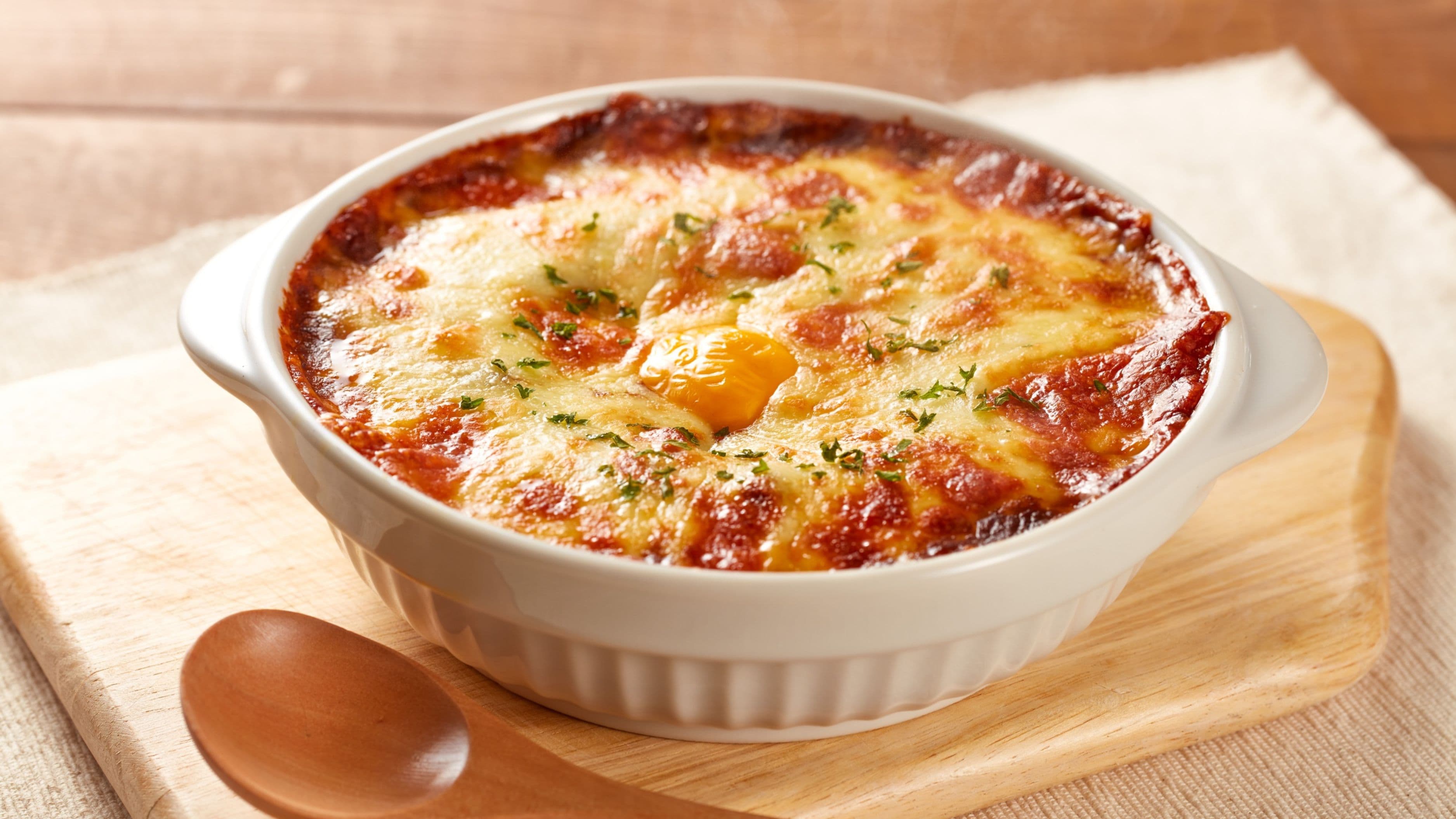
A simple breadcrumb topping, tossed with a little melted butter, adds the textural contrast that separates baked mac and cheese from its stovetop cousin. Bake at 375°F until the top is golden and the edges are bubbling, typically 20–25 minutes, giving the cheese sauce time to set slightly while the topping crisps.
What to Avoid
Don't skip the roux step to save time. A cheese sauce built directly on milk without a proper roux base is far more likely to separate or turn grainy, both immediately and especially after baking.
Don't rely entirely on pre-shredded, low-moisture cheeses for your whole cheese blend. A mix of a flavorful aged cheese and a smoother-melting younger cheese consistently produces better texture than either used alone.
Don't overbake past the point where the top is golden and the edges are bubbling. Extended baking beyond that point tends to dry the dish out even with a properly moist sauce base.
FAQ
Can I make this ahead of time and bake it later? Yes, assemble the full dish up through adding the topping, then refrigerate covered for up to a day before baking. Add a few extra minutes to the bake time if starting from cold.
What's the best cheese combination for flavor and smoothness together? Sharp cheddar for flavor paired with Gruyère or Monterey Jack for smoother melt quality is a reliable, widely loved combination.
Why does my sauce keep breaking even with a roux? This usually means the heat was too high when adding cheese, or too much cheese was added too quickly. Removing the pan from heat before adding cheese gradually usually resolves this.
📚 Sources
Béchamel sauce technique guidance – https://www.seriouseats.com/how-to-make-bechamel-sauce
Cheese melting properties and selection – https://www.bonappetit.com/story/best-cheese-for-mac-and-cheese