An Overview of the Cuisine
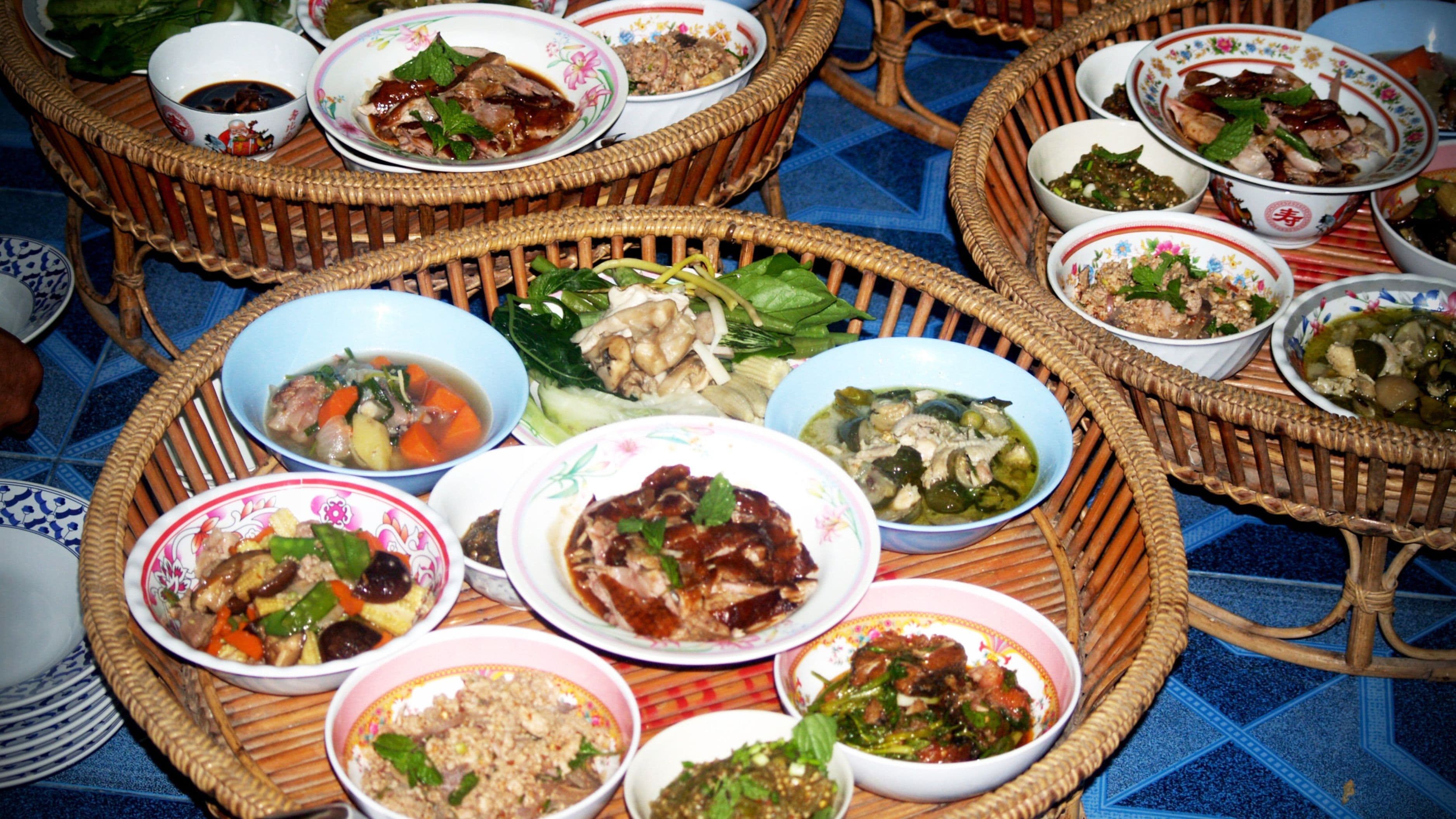
Bangladeshi food centers heavily on rice as the daily staple, paired with an enormous variety of fish preparations, given the country's extensive river systems and coastline, along with lentils, vegetables, and a smaller but still significant presence of meat dishes, particularly around special occasions. The cuisine's flavor profile leans on a distinct combination of mustard, particularly mustard oil and mustard seed paste, alongside the more commonly recognized South Asian spices like cumin, coriander, turmeric, and various chilies.
What distinguishes it most from neighboring regional cuisines is this mustard-forward flavor base, along with a strong emphasis on fish prepared in dozens of different ways – smoked, fried, in thin broths, in rich curries – reflecting the country's deep culinary relationship with its waterways.
Key Ingredients to Start With
Mustard oil is genuinely foundational to a lot of Bangladeshi cooking, providing a distinctive pungent, slightly sharp flavor that's central to many traditional dishes. It's typically heated until it just starts to smoke before other ingredients are added, which mellows its sharpness into a deeper, more rounded flavor.
Panch phoron, a five-spice blend of cumin, fennel, fenugreek, nigella, and mustard seeds, is a signature Bangladeshi spice mix used to temper oil at the start of cooking many dishes, providing a distinctive aromatic base that's genuinely different from the garam masala blends more commonly known from other South Asian cuisines.
Turmeric, cumin, coriander, and dried red chilies form the core supporting spice foundation, similar to much of the broader region, and are worth having on hand as a base before adding the more distinctive mustard components.
Fresh fish, ideally a firmer white fish if you don't have access to the specific varieties traditionally used, works as a reasonable starting substitute for many classic preparations, though frozen fish fillets are a perfectly practical starting point for a home cook not near specialty markets carrying the traditional varieties.
Popular Dishes Worth Starting With
Shorshe Ilish (mustard fish curry) is one of the most iconic Bangladeshi dishes, traditionally made with hilsa fish in a mustard seed paste-based curry, though a firm white fish works as an accessible substitute for a first attempt at understanding the flavor profile this dish represents.
Bhuna Khichuri, a spiced rice and lentil dish cooked together with vegetables and warming spices, is a comforting, relatively straightforward starting point that doesn't require specialty fish and introduces the cuisine's spicing approach in a more familiar rice-and-lentil format many home cooks already have some experience with.
Aloo Bhorta, a simple mashed potato dish seasoned with mustard oil, chilies, and onion, is one of the simplest, fastest ways to experience the cuisine's characteristic mustard-forward flavor without requiring a long ingredient list or complex technique.
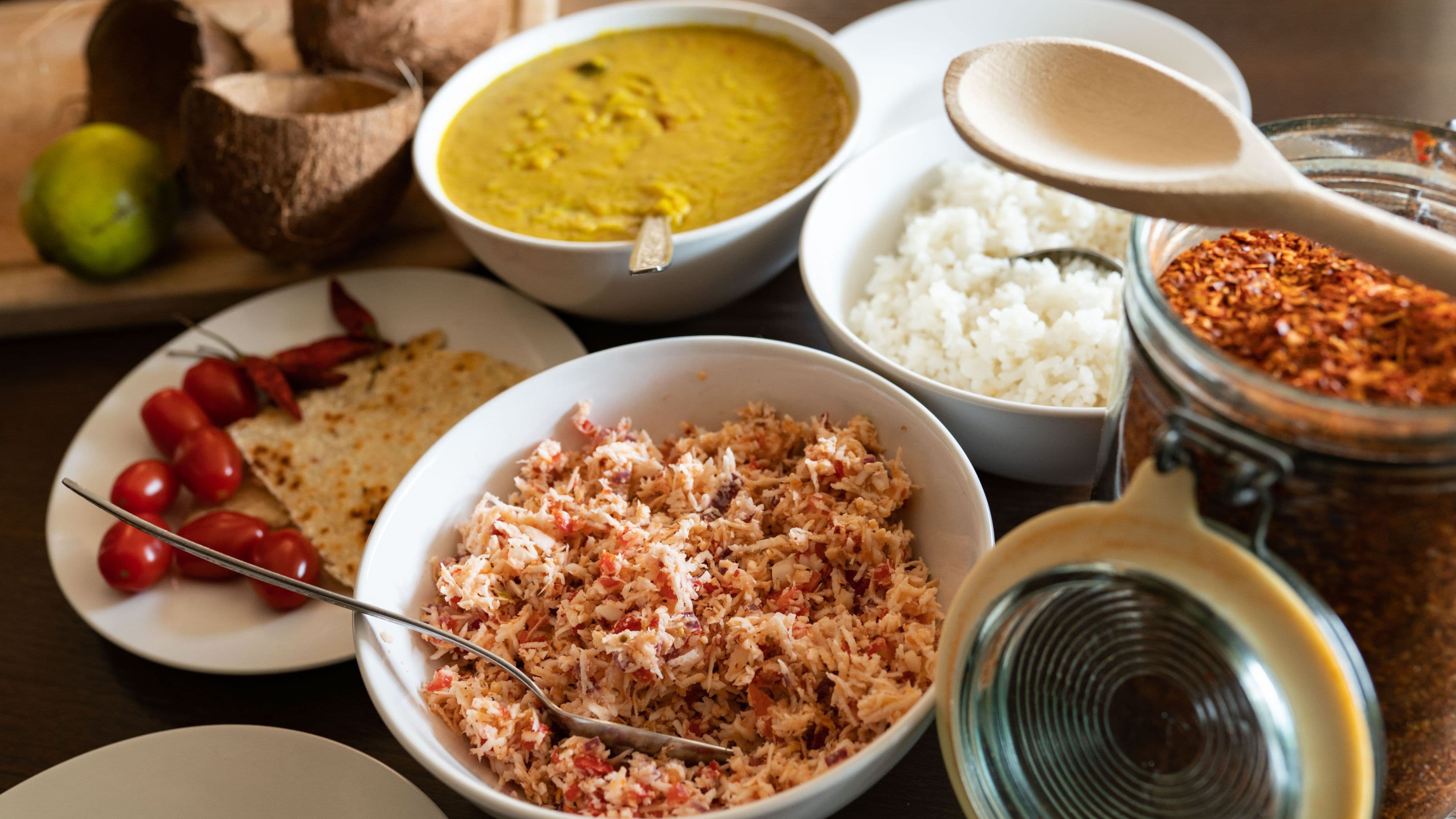
Dal (lentil soup), prepared with panch phoron tempering, offers a familiar entry point for anyone who's cooked lentils from other cuisines before, while still introducing the specific spice blend that distinguishes Bangladeshi preparation from other regional approaches to a similar base ingredient.
How to Start at Home Without Overwhelm
Begin with Aloo Bhorta or a simple dal, since both require a manageable, short ingredient list and introduce mustard oil and panch phoron without the added complexity of sourcing specific fish varieties. Once you're comfortable with the base flavor profile these simpler dishes establish, move toward a fish curry using whatever firm white fish is accessible to you locally, treating it as an approximation of the traditional dish rather than an exact replica, which is a perfectly reasonable way to start learning the cuisine's core techniques.
Building a small, dedicated section of your pantry specifically for these Bangladeshi staples – mustard oil, panch phoron, and dried red chilies – makes it meaningfully easier to cook these dishes regularly once you've made the initial investment, rather than needing to source ingredients fresh for every single attempt.
Tips for Success
Toast whole spices, particularly panch phoron, briefly in hot oil at the very start of cooking rather than adding them later, since this tempering step is central to how the cuisine builds its distinctive aromatic base and skipping it changes the final flavor significantly. Don't rush the mustard oil heating step in recipes that call for it – letting it heat until just barely smoking, then briefly cooling for a moment before adding other ingredients, mellows its sharpness into the rounder flavor the cuisine is actually going for, rather than leaving it too raw and pungent.
Common Mistakes to Avoid
Using mustard oil straight from the bottle without heating it first leaves an overly sharp, almost bitter flavor that isn't representative of how it's meant to taste once properly tempered through cooking. Skipping panch phoron in favor of a more familiar garam masala blend changes the fundamental character of many dishes, since these two spice blends serve genuinely different roles and aren't interchangeable substitutes for each other.
Overcooking delicate fish preparations, particularly in a thinner curry base, can make the fish fall apart and lose the texture these dishes are meant to have – add fish toward the later stage of cooking a curry rather than simmering it for the full cooking time alongside other ingredients.
FAQ
Where can I find mustard oil and panch phoron? South Asian grocery stores typically carry both, and many are also available through online specialty grocers if you don't have a local South Asian market nearby.
Is Bangladeshi food very spicy? Heat levels vary by dish and household, similar to much of South Asian cooking generally, and chili quantity in most recipes can be adjusted to your own preference without compromising the dish's core flavor profile.
Can I substitute a different oil if I don't have mustard oil? You can, though it will noticeably change the dish's characteristic flavor, since mustard oil's distinctive pungency is a defining element of many traditional preparations rather than an interchangeable cooking fat.
Bangladeshi cuisine offers a genuinely distinct entry point into South Asian home cooking, built around mustard oil, panch phoron, and a deep relationship with fish and rice that sets it apart from more commonly known regional cuisines. Starting with a simple dal or Aloo Bhorta gives you an accessible first taste of the flavor profile before working up to the more involved fish preparations the cuisine is best known for.
📚 Sources
Serious Eats: An Introduction to Bangladeshi Cuisine – https://www.seriouseats.com/
The Spruce Eats: Bangladeshi Food Guide – https://www.thespruceeats.com/
Saveur: Exploring Bengali and Bangladeshi Cooking – https://www.saveur.com/