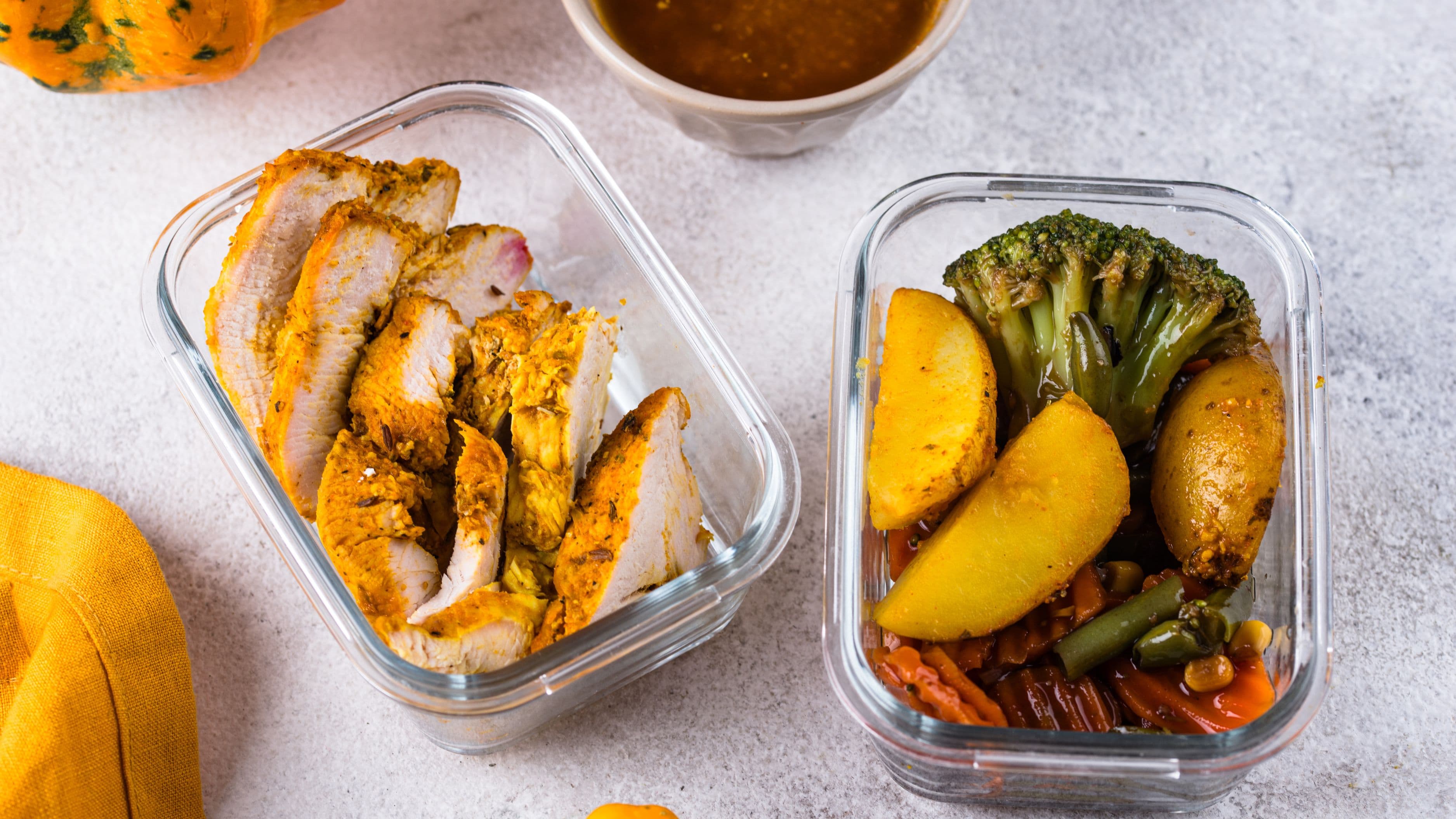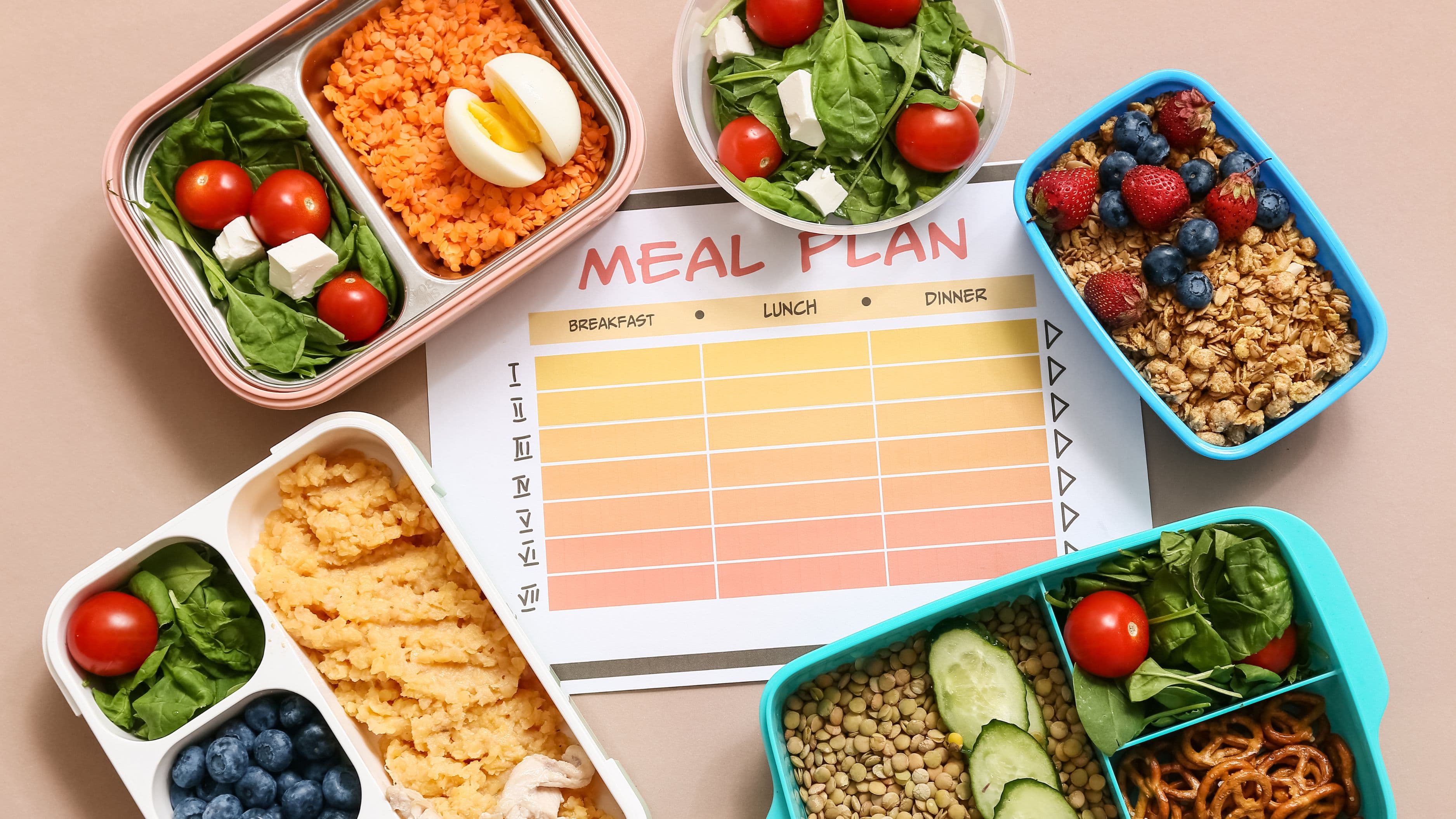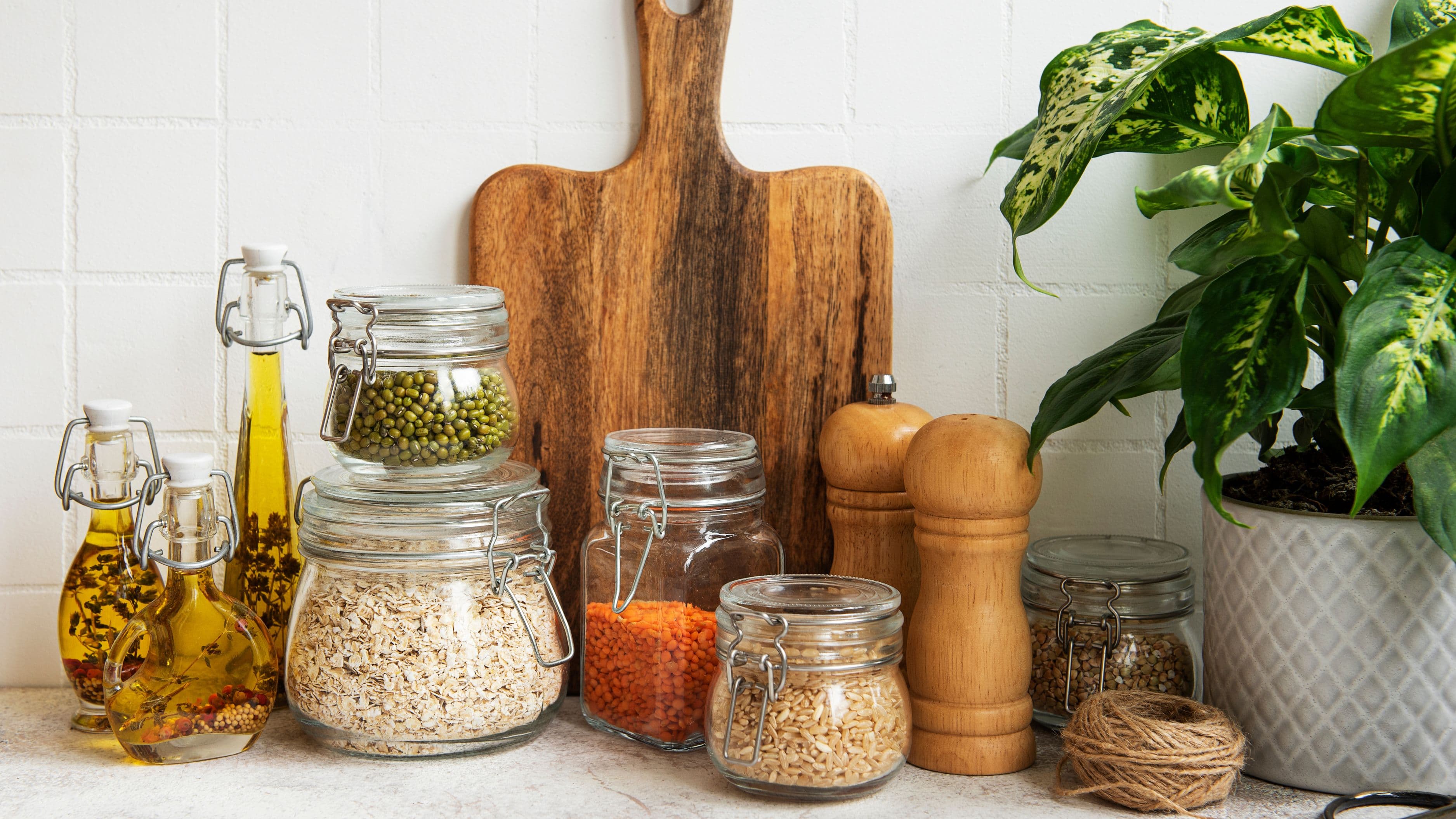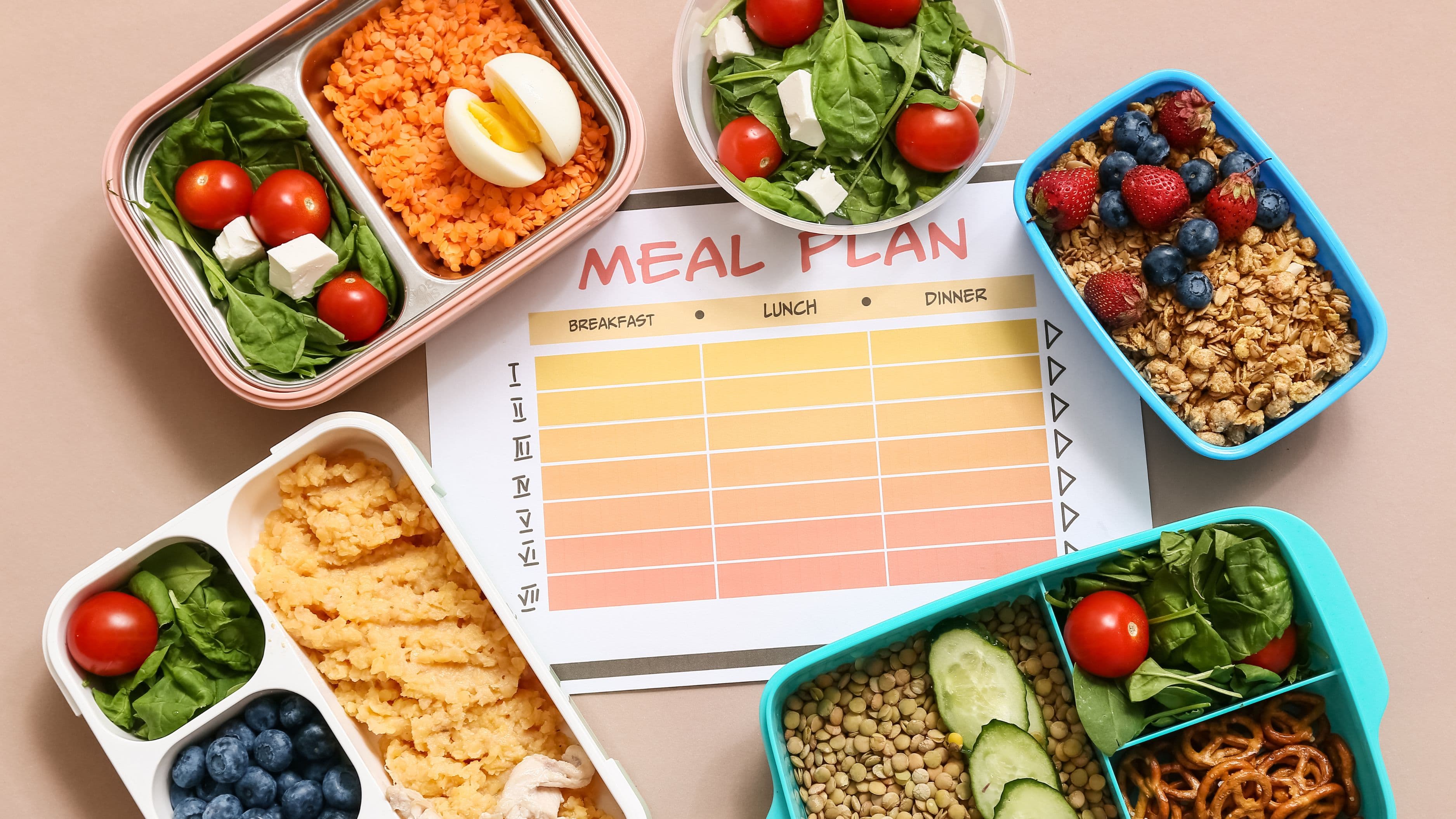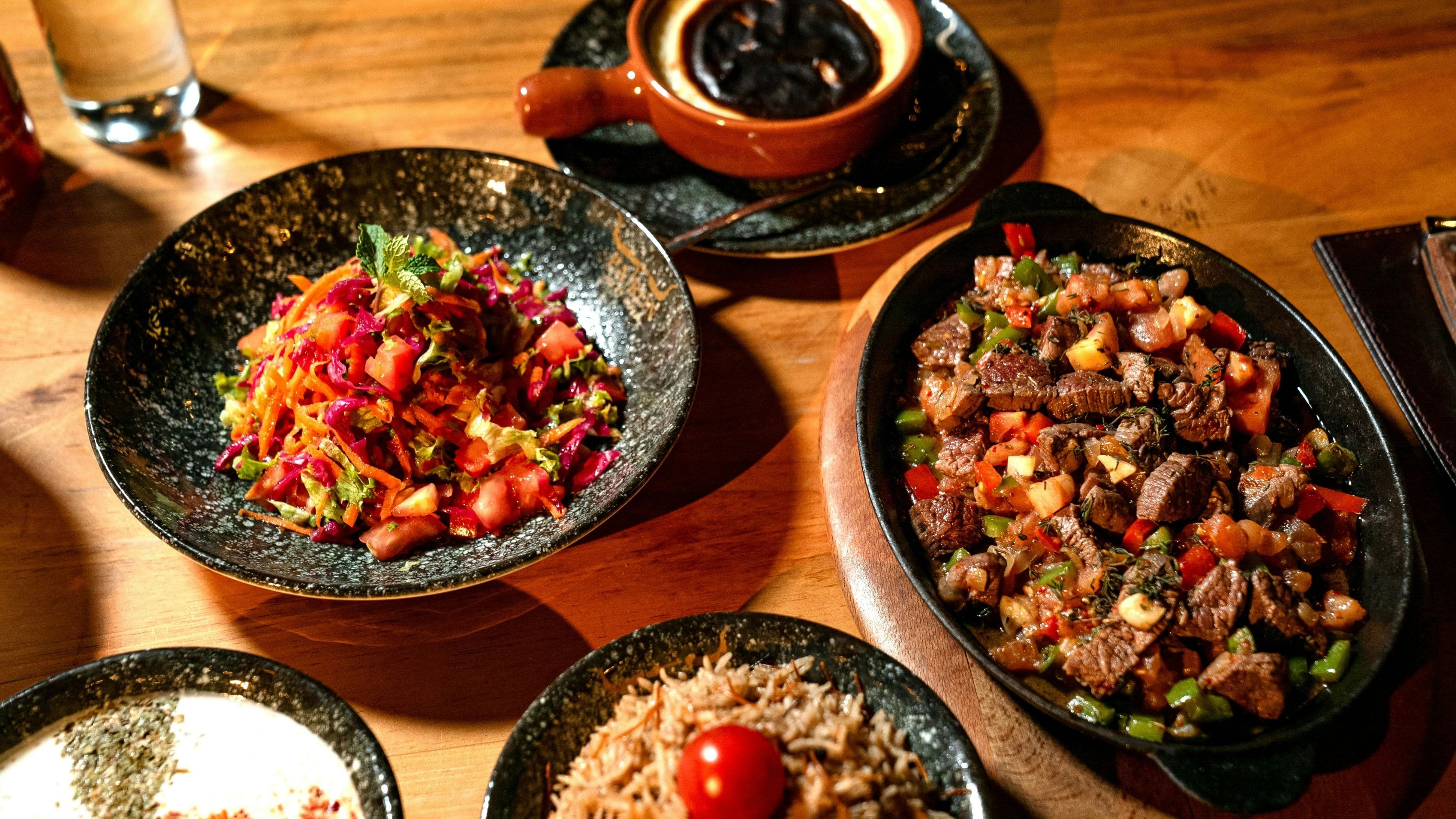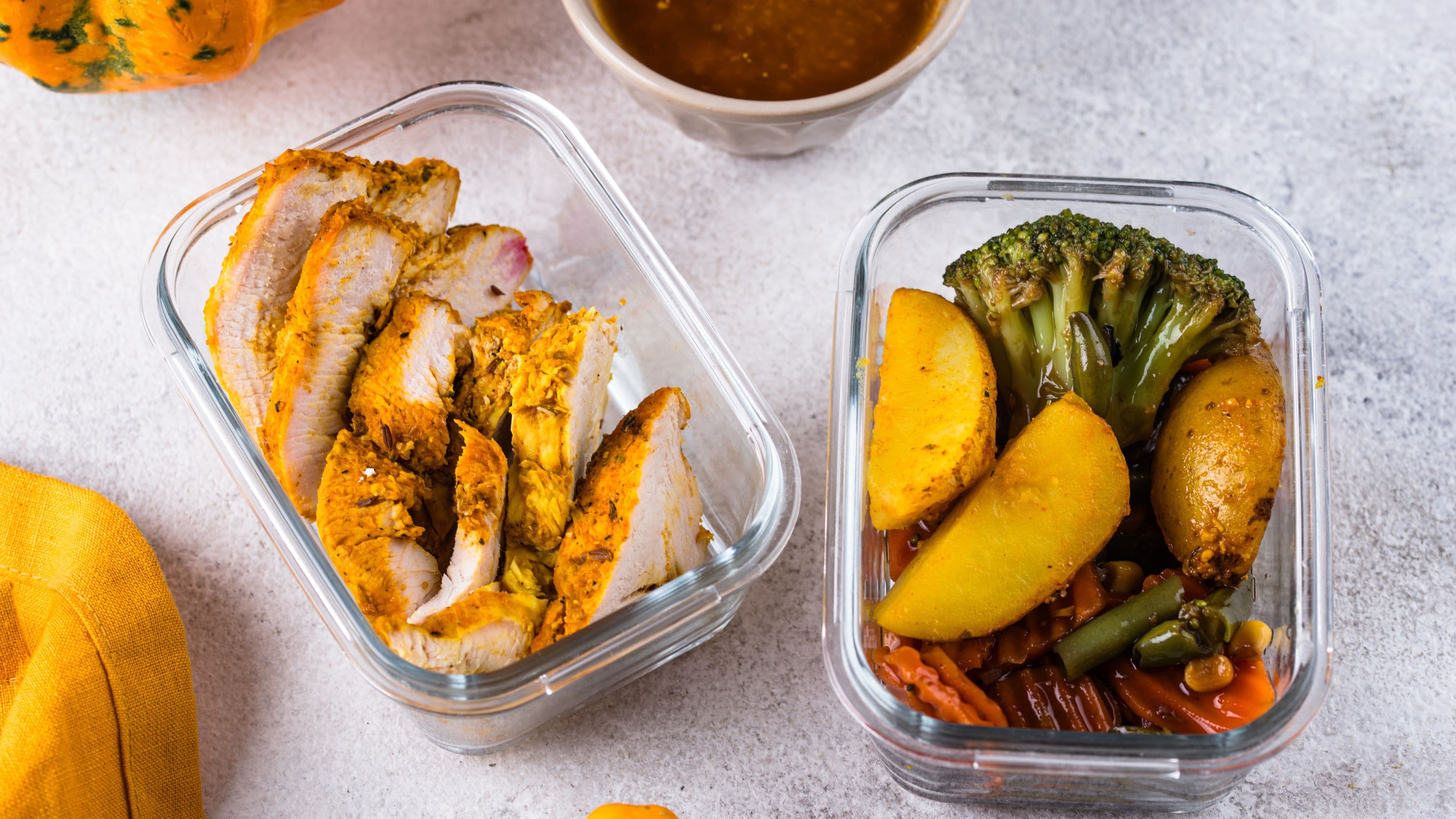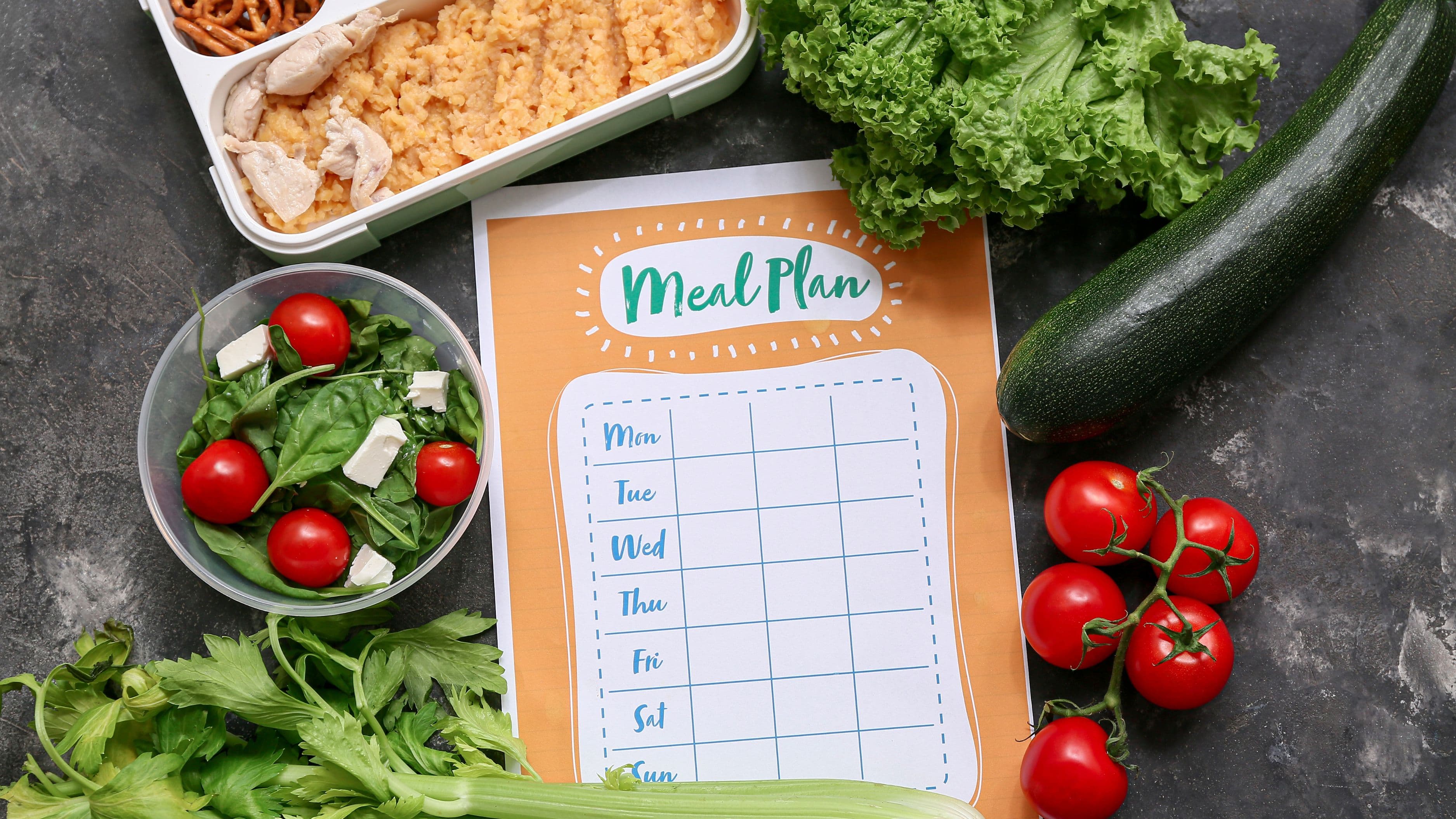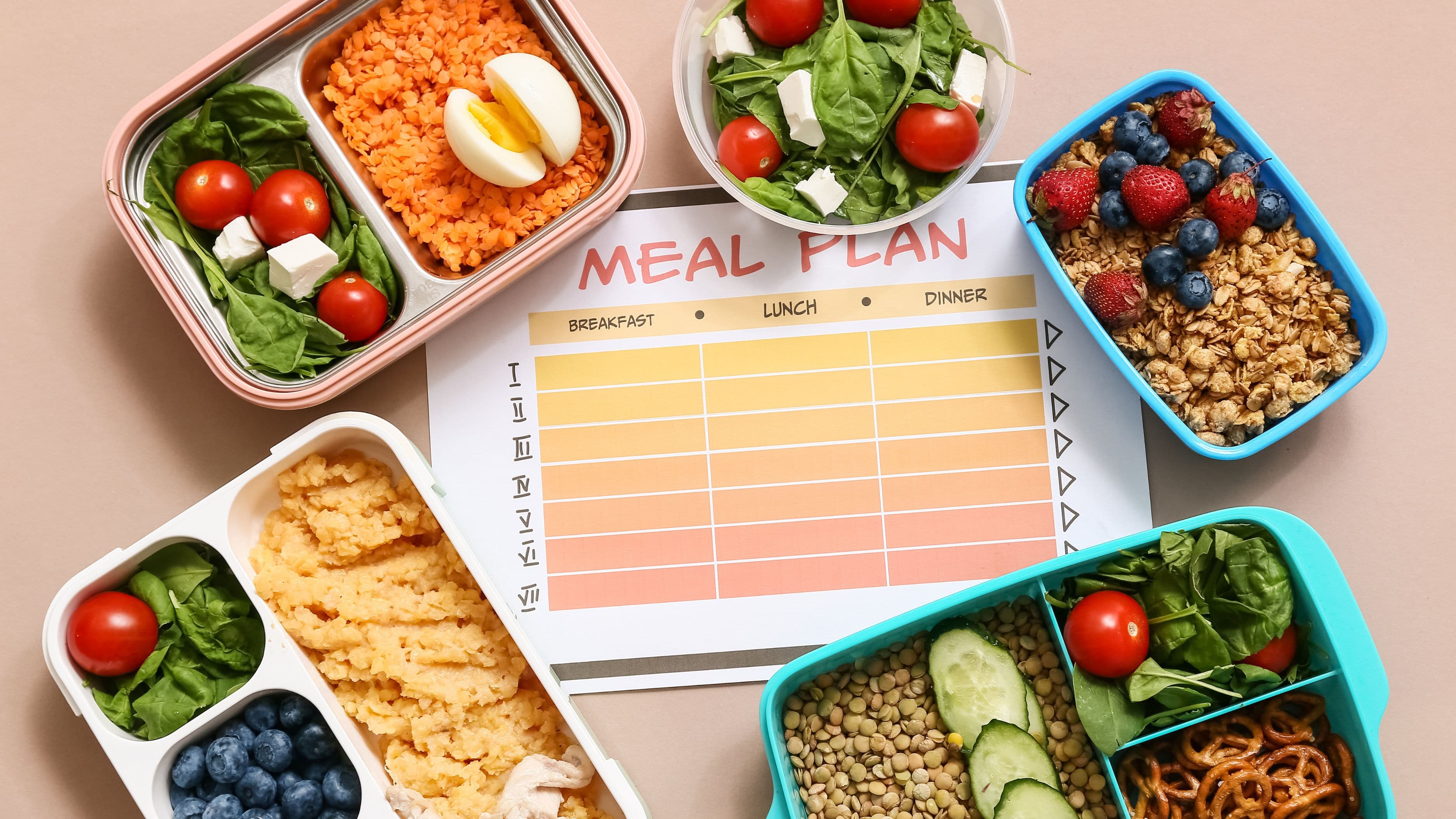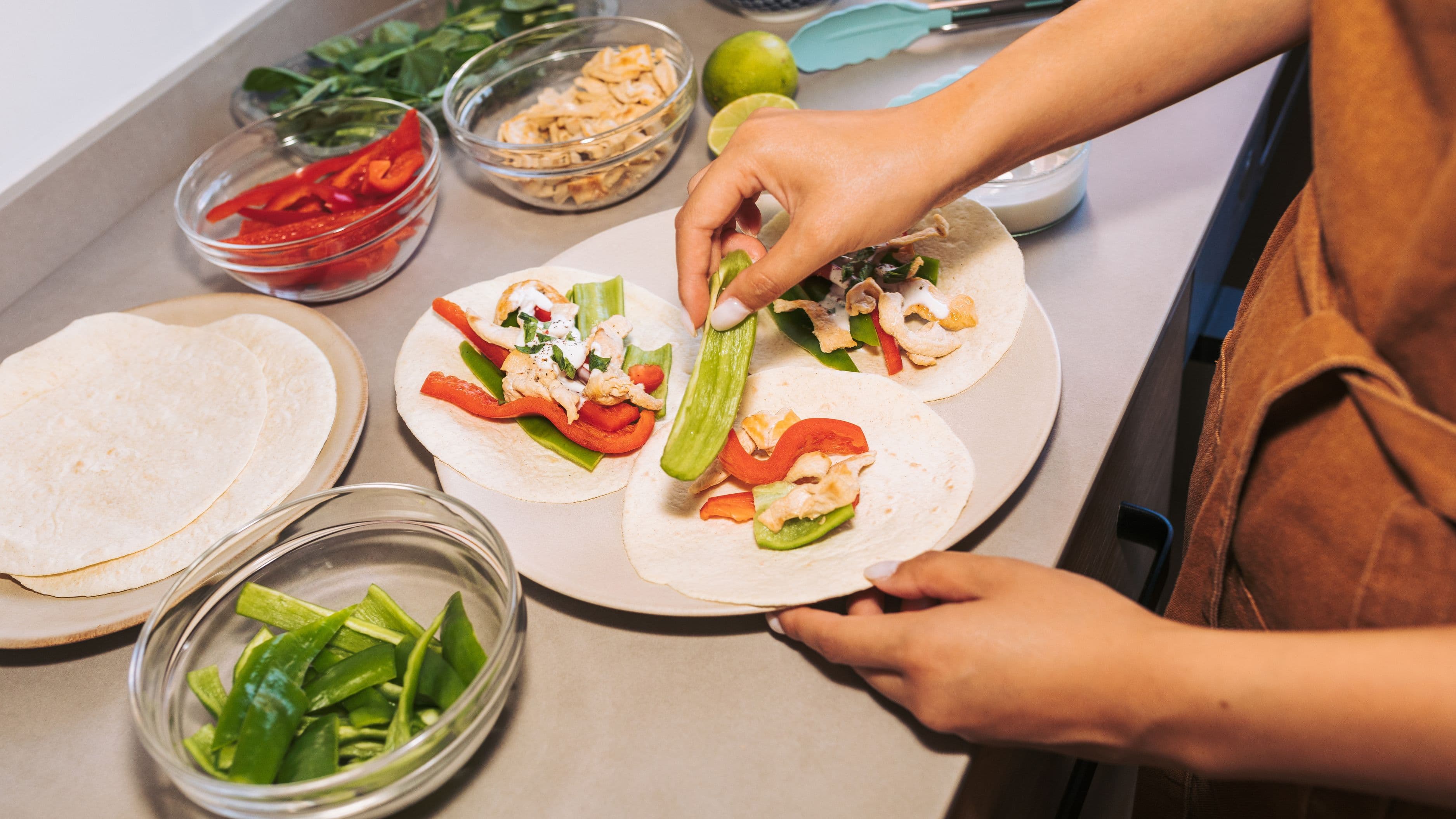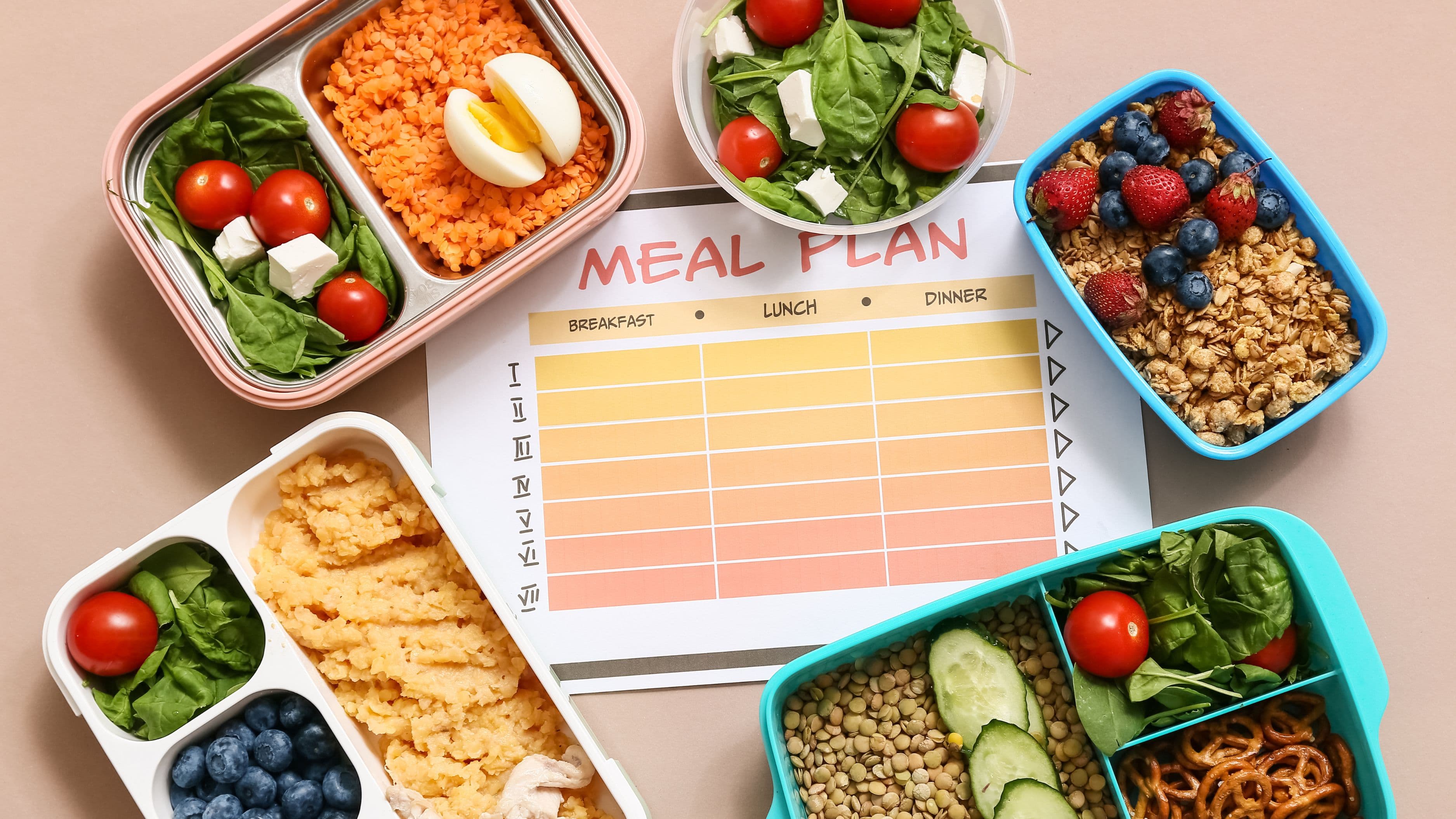
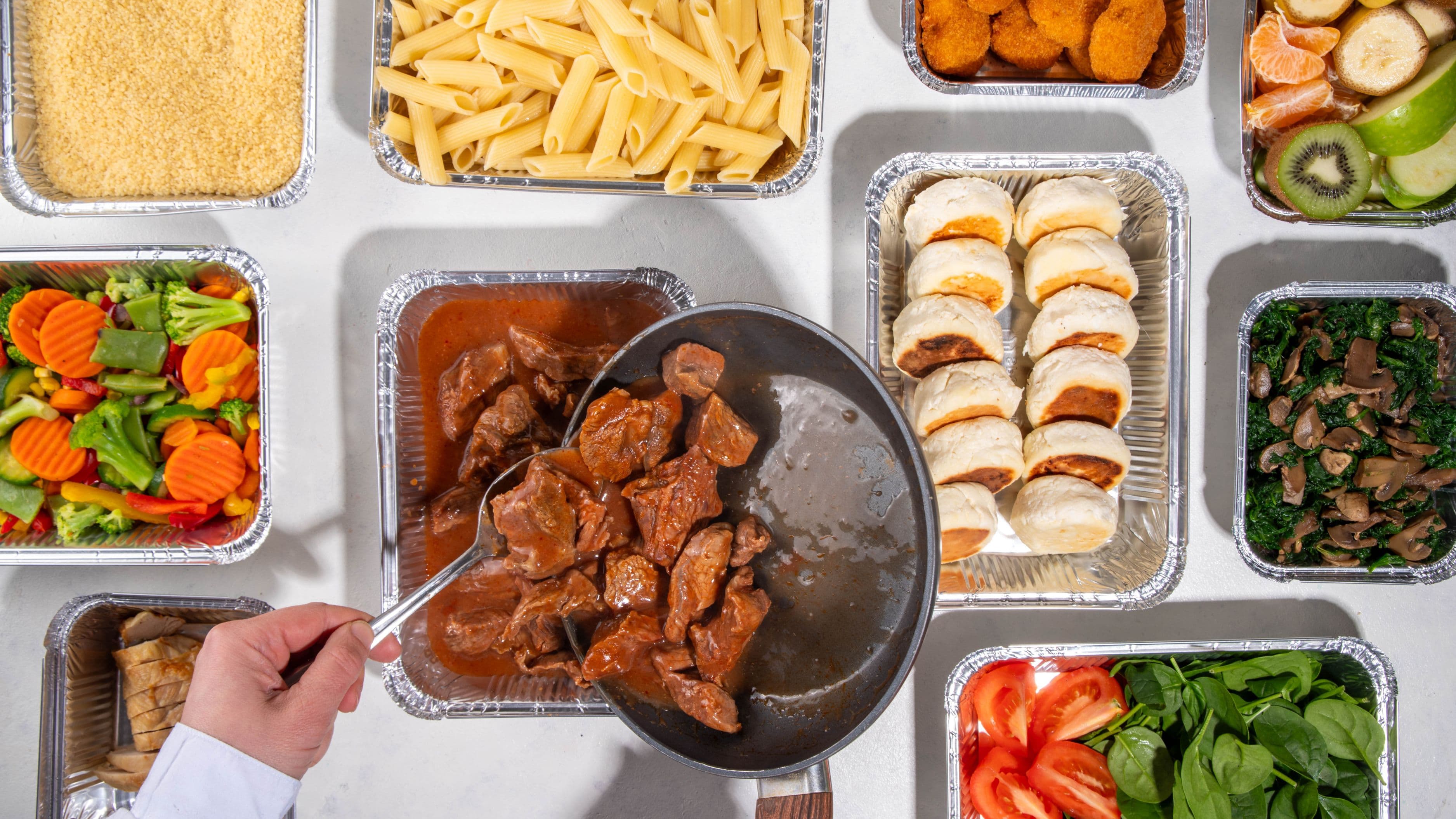
At its core, batch cooking just means making more of something than you need right now so that future-you has less work to do. That's it. How much more, what you make, and how you use it later can all be adjusted to fit the actual shape of your week.
What Batch Cooking Is (and Isn't)
There's a version of batch cooking that gets a lot of social media attention: an entire day dedicated to cooking every meal for the week, dozens of identical containers stacked in a perfectly organized fridge, and precise portions for every day. Some people run their households this way and love it. Most people try it once, find it overwhelming, and conclude that batch cooking isn't for them.
That conclusion is worth questioning. The exhausting version isn't the only version. Batch cooking doesn't have to mean full meals prepped in advance, rigid meal plans, or spending your Sunday in the kitchen instead of with your family. It can mean something as small as cooking twice as much rice as you need tonight and using the rest in three other ways this week. Or roasting a tray of vegetables while the oven is already on for something else. Or browning two pounds of ground beef instead of one and refrigerating the second portion for a faster dinner later in the week.
The useful mental shift is this: batch cooking is a cooking habit, not a performance. It's about reducing the number of times you start from scratch on a weeknight – not about achieving a particular aesthetic.
Why It Actually Helps Busy Households
The friction of weeknight cooking isn't usually the cooking itself. It's the decisions, the startup time, and the number of separate tasks that have to happen simultaneously. When you're tired and it's 6 PM and everyone is hungry, figuring out what to make, realizing you need to cook the rice first, and watching multiple things at different stages all pile up in a way that makes delivery feel more appealing than it should.
Batch cooking works by moving the startup work to a time when you have more bandwidth and less pressure. Cooking rice on a weekend afternoon takes about the same amount of time as cooking it on a Wednesday night, but doing it on the weekend means Wednesday night dinner is measurably faster and requires fewer decisions. The mental load reduction is as real as the time reduction – knowing there's already a cooked grain in the fridge changes how you approach the evening entirely.
For households with kids, irregular schedules, or different people eating at different times, having batch-cooked components available means anyone in the household can assemble something real without cooking from scratch every single time. That's a practical win that compounds across the week.
What's Actually Worth Batching
Not everything is worth making in advance. The foods that batch well are ones that reheat without losing quality, that work in multiple contexts, and that you use often enough that having extra on hand is reliably useful rather than a pressure to eat the same thing repeatedly.
Grains are the most universally useful batch item. Rice, quinoa, farro, and barley all keep well in the fridge for four to five days and reheat easily. They can go under stir-fries, into grain bowls, alongside proteins, inside wraps, or become fried rice with a bit of extra effort. Cooking a large pot of grain once at the start of the week effectively removes that step from every subsequent meal it could appear in.
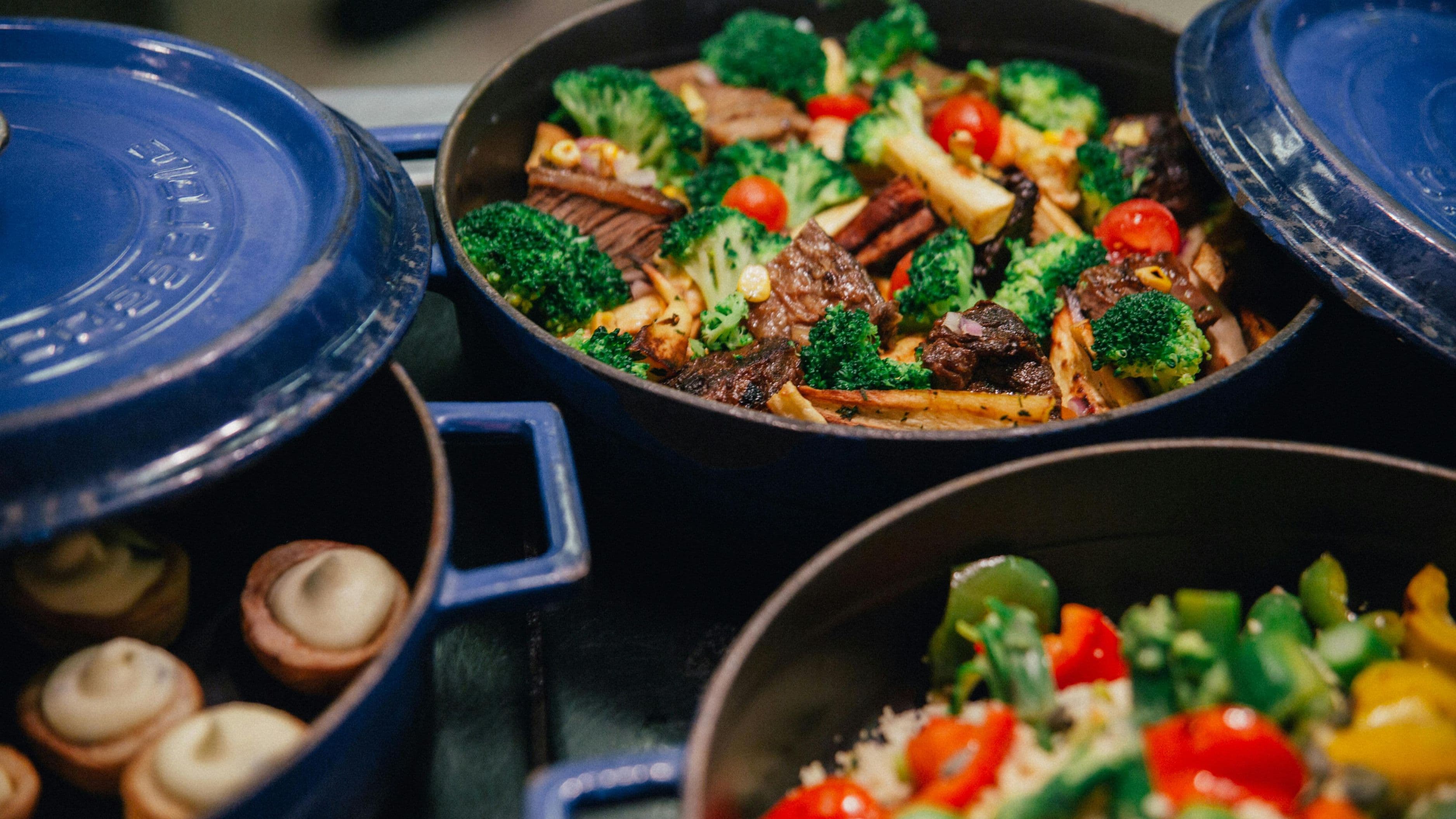
Roasted vegetables are the second most practical batch item for most households. Toss whatever vegetables you have in olive oil, salt, and pepper, and roast at 425°F (220°C) until caramelized – most vegetables take 20–30 minutes. Roasted vegetables work as a side dish, in grain bowls, mixed into scrambled eggs, stirred into pasta, or layered onto flatbreads. Unlike fresh vegetables, which wilt quickly, properly roasted vegetables hold up well in the fridge for three to four days and often taste better the next day once the flavors have deepened.
Cooked proteins are the highest-impact batch item for reducing weeknight cooking time. A batch of cooked chicken thighs, browned ground beef, or hard-boiled eggs provides an instant head start for multiple meals without requiring you to plan specifically how you'll use them. As long as the base cook is kept simple and unseasoned (see the protein article concept), the protein can go in multiple flavor directions across the week.
Legumes – chickpeas, lentils, black beans – batch exceptionally well. Dried legumes cooked from scratch in a large pot yield more than most households can use in a day, and they store well for up to five days in the fridge or months in the freezer. Canned legumes are a reasonable shortcut, but batch-cooking dried legumes is significantly cheaper and produces better texture for applications where the bean is a focal point rather than a background ingredient.
Sauces and dressings are smaller-scale but still valuable batch items. A jar of homemade vinaigrette in the fridge makes salads consistently easier. A batch of tomato sauce or pesto keeps for a week and works across pasta, pizza, grain bowls, and dipping. Making these in any quantity more than you need for one use is technically batch cooking and saves the small-but-real friction of making them from scratch every time.
A Realistic Weekly Batch System
The version of batch cooking that actually works for busy households is usually built around a short window of active cooking during a lower-pressure time – often a Sunday evening after dinner, or a Saturday morning when the pace is slower. The goal isn't to cook everything for the week; it's to give the week a better foundation.
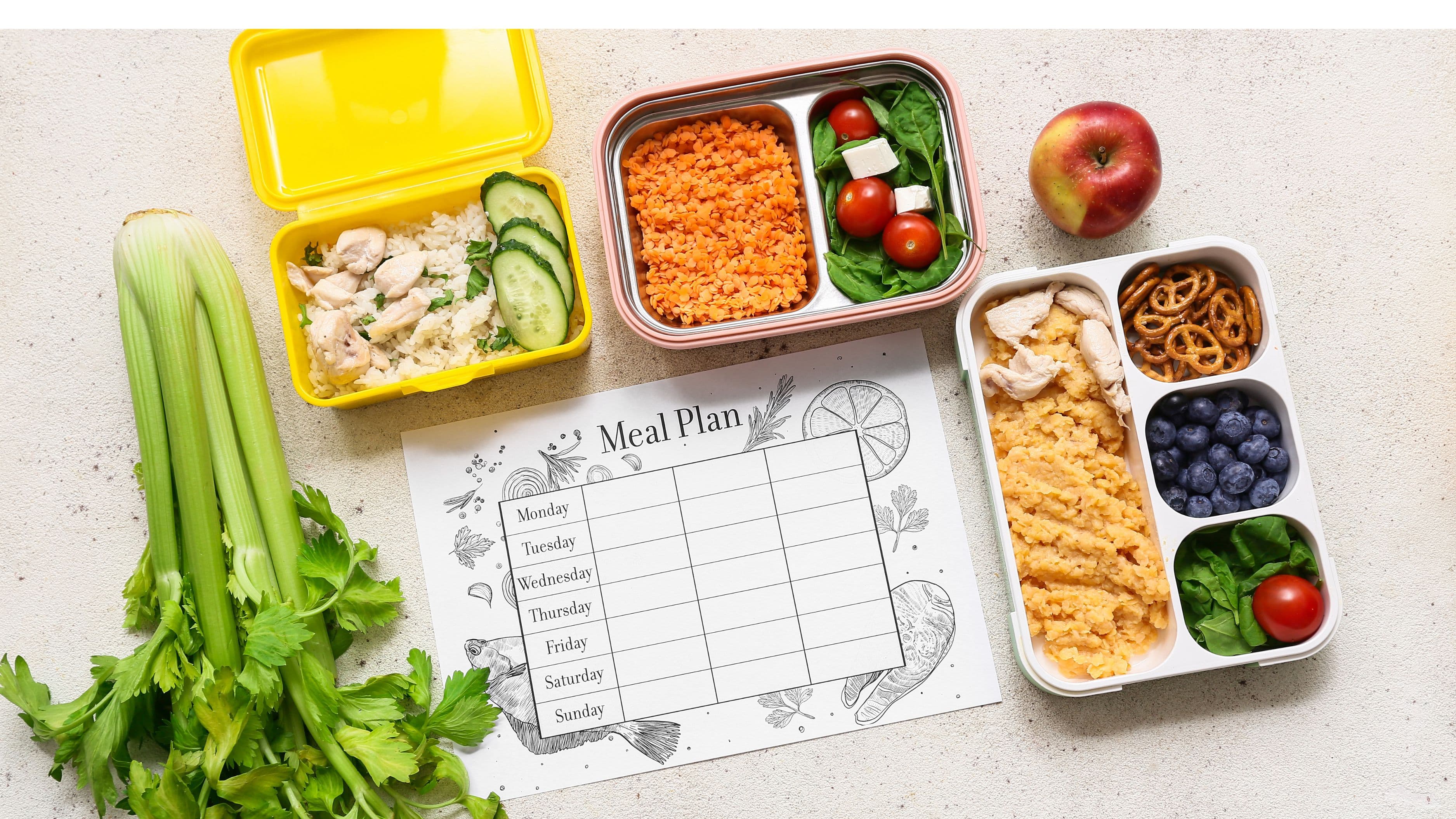
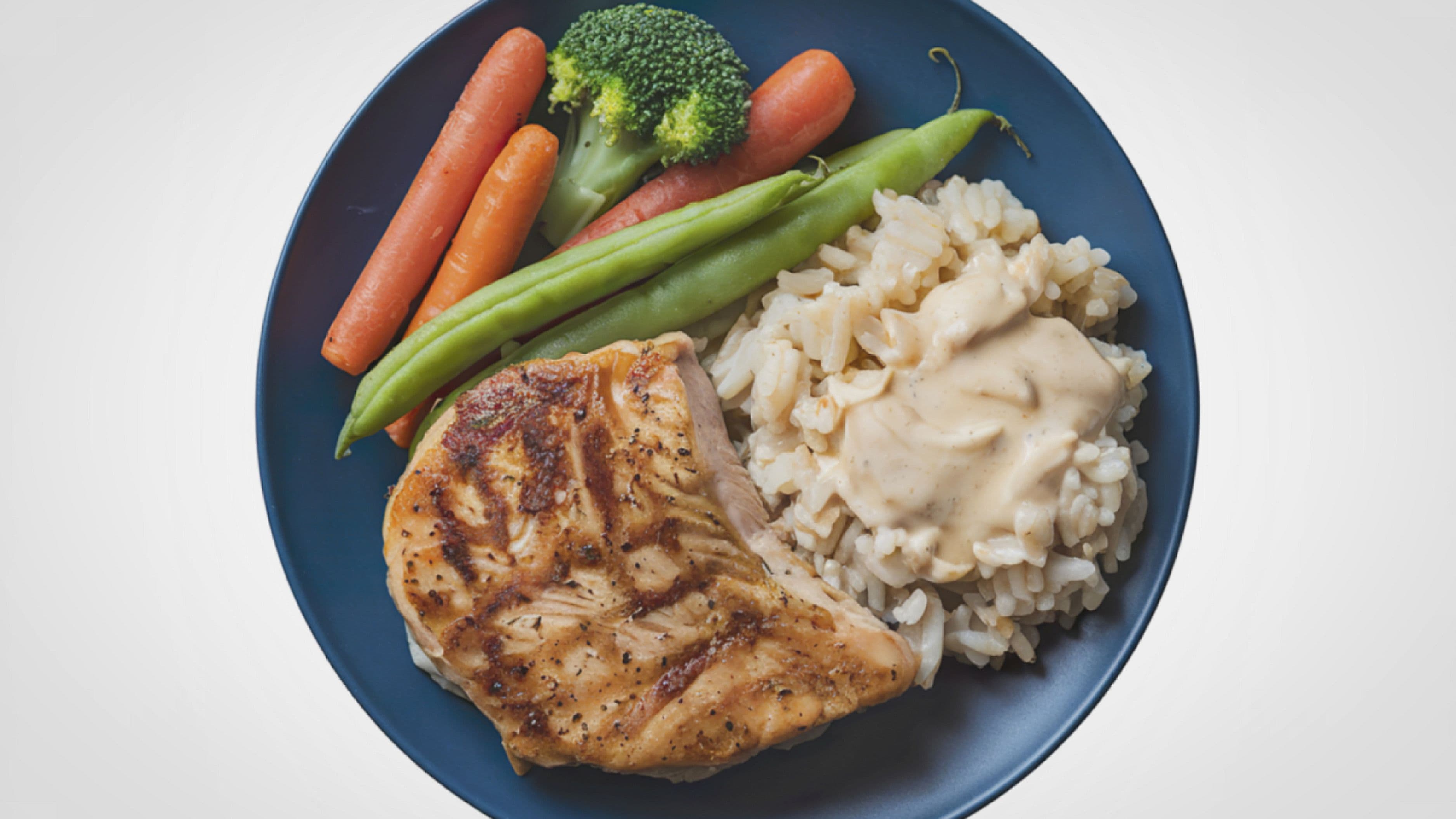
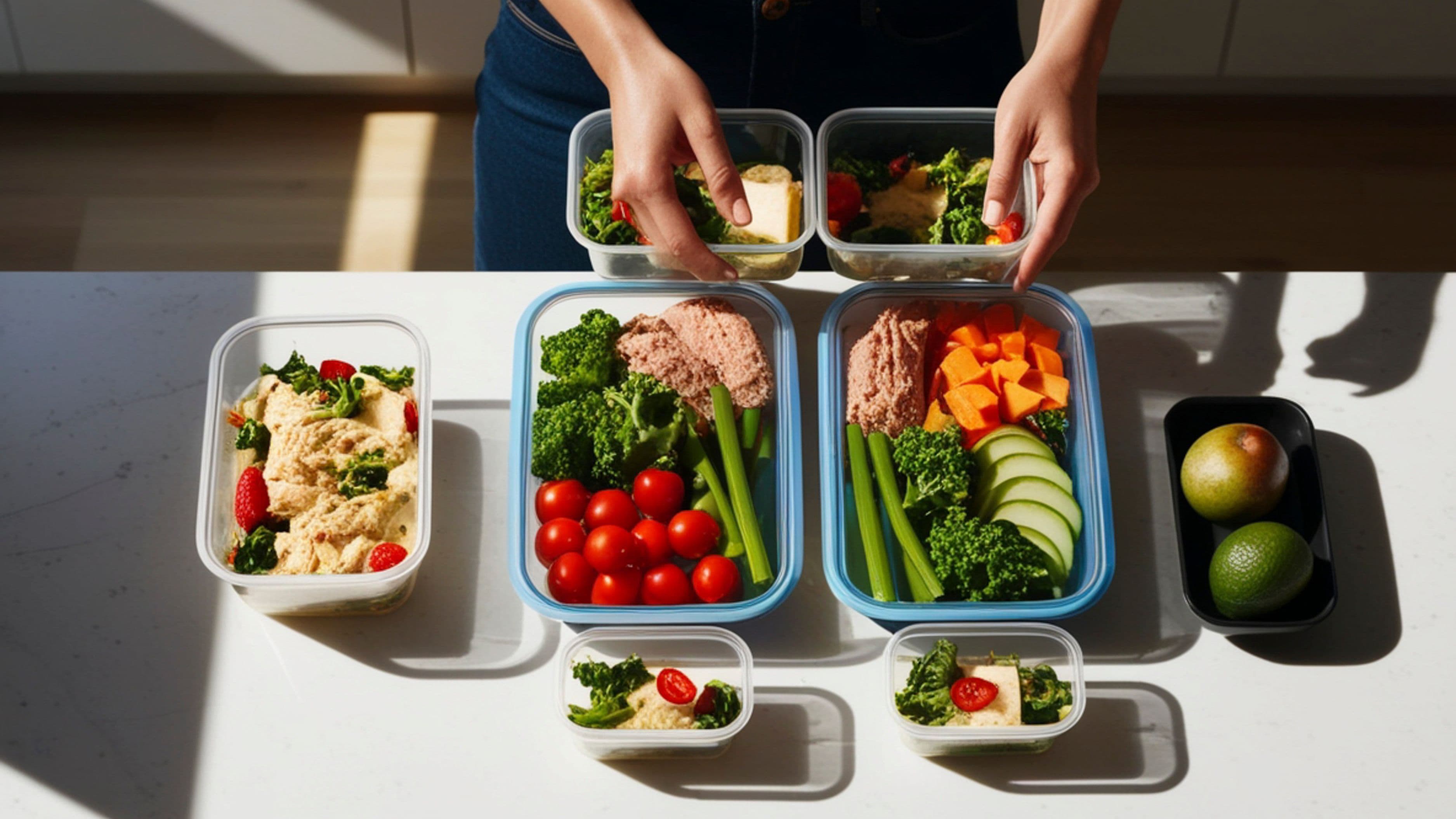
A useful 45–60 minute batch session might look like this: cook a large pot of grain, roast one or two sheet pans of vegetables, and prepare a batch of protein. These three components – grain, vegetable, protein – form the backbone of multiple quick meals during the week and can be assembled in different combinations with minimal additional cooking required. Tuesday night dinner becomes: grain from the fridge, roasted vegetables reheated in a pan, protein warmed in a skillet, sauce from a jar. That's a 10-minute dinner from mostly pre-made components rather than a 40-minute dinner from scratch.
The key to making this sustainable is keeping the batch session simple. The more elaborate you make the batch cook, the harder it is to do it consistently. A batch of plain rice and a tray of roasted vegetables done every week is far more valuable than an elaborate batch session done once a month.
Using What You Batch
One of the common ways batch cooking breaks down is when the prepared food sits in the fridge unused and eventually gets thrown away. This happens when the batch cook is too ambitious, when there's no clear plan for how to use the components, or when the portions are so large that eating them feels obligatory rather than convenient.
Solving this starts with batching things you already eat regularly rather than ingredients you're aspirationally adding to your diet. If your household doesn't naturally eat quinoa, a large batch of it sitting in the fridge will not get used. Batch the grain you actually put on plates most often. Roast the vegetables your household will eat cold, in a wrap, or reheated – not the ones you only enjoy fresh.
Keeping visual reminders helps. A clear container at eye level in the fridge is far more likely to be used than a container pushed to the back shelf. Labeling with the date is useful for food safety and removes the guesswork about whether something is still good to eat.
The other practical adjustment is thinking in components rather than complete meals. Complete meals batch less flexibly than components – if you've made a full lasagna for the week, you're eating lasagna for the week. If you've made cooked pasta, tomato sauce, and roasted vegetables separately, you have three components that can combine into pasta, but can also go in other directions when lasagna doesn't suit everyone.
What to Avoid
Batching too many things at once in the beginning. Starting with one item – just the grain, or just a protein batch – and building the habit from there is far more sustainable than going all-in immediately. The goal is a habit that fits your kitchen and schedule, not a perfect system implemented all at once.
Over-portioning the fridge. Four days of food for two people is useful. Eight days of food for two people is stressful and leads to waste. Match batch size to your household's actual consumption rate.
Using complex recipes for the base batch cook. Save elaborate recipes for when you're cooking to eat immediately. Batch cooking is most useful when the base components are simple – plain grains, simply seasoned proteins, straightforwardly roasted vegetables. The complexity comes later in the week when you're combining and flavoring, not at the batch cooking stage.
Forgetting the freezer. Some batch items freeze well and give you much longer than a week to use them. Soups, cooked legumes, and some cooked grains freeze without significant quality loss. Building a small freezer reserve from batch cooking extends the usefulness of the habit beyond the immediate week.
FAQ
How long does batch-cooked food last in the fridge? Cooked grains keep for four to five days. Cooked proteins (chicken, beef, pork) keep for three to four days. Roasted vegetables keep for three to four days. Hard-boiled eggs keep for up to a week in their shells. Cooked legumes keep for four to five days. Label everything with the cook date so you're not guessing.
Do I need special containers for batch cooking? No. Standard food storage containers work fine. Glass containers are useful because they're microwave and oven-safe and don't absorb food odors, but they're not required. What matters more than container type is having enough containers that you're not reusing the same three constantly.
What if I don't have a full hour for batch cooking? Fifteen to twenty minutes is enough for one useful batch item. Cook rice while you're doing something else in the kitchen. Throw vegetables in the oven at the same time you're making dinner. These micro-batch moments add up without requiring a dedicated session at all.
Is it safe to reheat batch-cooked food multiple times? Best practice is to reheat only what you're going to eat in that sitting rather than reheating the entire batch each time. This means portioning what you need into a separate container or plate for reheating, and keeping the rest of the batch cold. Repeated full reheating degrades texture and increases the time food spends in the temperature danger zone (40–140°F / 4–60°C).
Can batch cooking work for a household with picky eaters or different dietary needs? Yes – component-based batch cooking is particularly good for this. Plain rice, roasted vegetables, and simply cooked protein can each be served or seasoned differently for different people at the table, rather than a single complete meal that either works for everyone or doesn't. Having neutral components gives each person more flexibility to assemble what they'll actually eat.
Outro
Batch cooking doesn't require a personality transplant or a lifestyle overhaul. It requires cooking slightly more of what you're already making and using it thoughtfully across a few days. Start with one item this week – a pot of grain, a tray of roasted vegetables, or a batch of protein – and notice how much that one change affects the rest of the week. The habit builds from there, and it builds fastest when it actually fits your kitchen rather than someone else's Instagram.
📚 Sources
USDA Food Safety and Inspection Service – Refrigerator and Freezer Food Safety: https://www.fsis.usda.gov/food-safety/safe-food-handling-and-preparation/food-safety-basics/leftovers-and-food-safety
USDA FoodKeeper App – Food Storage Times: https://www.foodsafety.gov/keep-food-safe/foodkeeper-app
FDA – Food Safety for Moms-to-Be (Temperature Danger Zone Reference): https://www.fda.gov/food/people-risk-foodborne-illness/food-safety-moms-be-during-pregnancy