
This guide is your starting point. Not a deep dive into every corner of Japanese cuisine – just what you need to start cooking real Japanese food at home with confidence.
What Makes Japanese Cuisine Distinct
Japanese cooking is built around a concept called umami – the fifth taste, described as savoury, deep, and satisfying in a way that neither salt nor fat fully explains. Most Japanese dishes get their depth from a few core flavour builders: dashi (a light savoury stock), soy sauce, mirin (sweet rice wine), and sake. These four ingredients appear in some combination in an enormous proportion of Japanese recipes, which is actually great news for beginners. Once you learn how they interact, you can cook a huge range of dishes without starting from scratch every time.
Japanese cooking also places significant emphasis on freshness, balance, and not overcomplicating things. Many classic dishes involve very few ingredients because the goal is to let each one come through clearly. That restraint is part of what makes the cuisine feel so clean and satisfying to eat – and, once you get used to it, to cook.
The Pantry Essentials to Stock First
Before you cook a single dish, spend one trip to an Asian grocery store – or order online – to build a basic Japanese pantry. You don't need everything at once, but these six staples will cover the vast majority of beginner recipes:
Soy sauce is the backbone of Japanese flavour. Japanese soy sauce (shoyu) is slightly sweeter and less harsh than Chinese soy sauce, though in a pinch either works. Kikkoman is a widely available and reliable brand for everyday cooking.
Mirin is a sweet rice wine used in sauces, glazes, and simmered dishes. It adds a gentle sweetness and a glossy finish that you can't quite replicate with sugar alone. Look for hon mirin (real mirin) rather than mirin-style seasoning, which contains less actual rice wine and more additives.
Sake is used in cooking to add depth and help tenderise proteins. Basic cooking sake is inexpensive and widely available. Dry vermouth can substitute in a pinch, though the flavour won't be identical.
Dashi is a light stock made from kombu (dried seaweed) and katsuobushi (dried bonito flakes). It's the flavour foundation of miso soup, simmered dishes, and many sauces. You can make it from scratch – it takes about 20 minutes – or use instant dashi powder (dashi no moto), which is an entirely reasonable shortcut for home cooks and the version most Japanese households rely on for daily cooking.
Miso paste comes in white (shiro), yellow (shinshu), and red (aka) varieties, each progressively stronger and saltier. White miso is the mildest and most versatile for beginners. It lasts for months in the fridge and goes into soups, marinades, dressings, and glazes.
Japanese short-grain rice is the starchy, slightly sticky rice that forms the foundation of most Japanese meals. It's different in texture from long-grain or jasmine rice and worth buying correctly. Koshihikari is the most common and widely available variety.
Popular Dishes to Start With
Starting with dishes that are both achievable and genuinely satisfying is the best way to build confidence in a new cuisine. Here are four that work well for beginners.
Miso soup is the ideal first Japanese dish. It's made with dashi, miso paste, and whatever additions you like – tofu, wakame seaweed, spring onion, mushrooms. The process takes about ten minutes once you have the ingredients, and the result is a deeply comforting, restorative bowl that pairs with almost any Japanese meal. The key technique to learn here is not boiling the miso after you've added it – boiling kills the beneficial bacteria and dulls the flavour. Stir the miso in off the heat or at a gentle simmer.
Oyakodon is a chicken and egg rice bowl that's become a staple of Japanese home cooking for good reason. Sliced chicken thighs and onion are simmered in a sweet-savoury sauce made from dashi, soy sauce, mirin, and a little sugar, then finished with beaten egg that sets in a soft, custardy layer over the top. The whole dish takes about 20 minutes and is served over steamed rice. It's the kind of meal that's easy enough to make on a weeknight and good enough that you'll want to.
Tamagoyaki is a rolled Japanese omelette made with egg, dashi, a little soy sauce, mirin, and sugar. It's sweeter and softer than a Western omelette, and the rolling technique takes a few tries to get right but isn't difficult once you see the logic. A rectangular tamagoyaki pan helps but isn't strictly necessary – you can use a regular small frying pan and fold rather than roll. Tamagoyaki is common in bento boxes, as a side dish, and inside sushi rolls.
Teriyaki is so widely imitated that people are sometimes surprised how simple and good the real thing is. A proper teriyaki sauce is just soy sauce, mirin, sake, and a little sugar reduced in the pan after cooking your protein. The result is a glossy, intensely savoury glaze that works on chicken thighs, salmon, tofu, and beef. No bottled sauce needed. Once you've made it from scratch once, you won't go back.
How to Cook Japanese Rice Correctly
Rice is important enough in Japanese cooking to address separately. Japanese short-grain rice requires washing before cooking – rinse it in cold water until the water runs mostly clear, which takes about two to three rinses. This removes excess surface starch and prevents the cooked rice from being gluey. After washing, let it soak for 20 to 30 minutes before cooking if you have time, though this step can be skipped if you're in a hurry.
The standard ratio is 1 cup of rice to 1.1 cups of water. Bring to a boil, reduce to the lowest heat, cover, and cook for 12 minutes. Turn off the heat and let it steam, covered, for another 10 minutes before fluffing. A rice cooker simplifies this process significantly and is a worthwhile investment if you plan to cook Japanese food regularly – even a basic model produces consistently good results and keeps rice warm for hours.
Tips for Better Results at Home
A few habits separate frustrating early attempts from genuinely good results.
Taste as you go and adjust slowly. Japanese sauces are built on balance between salty (soy sauce), sweet (mirin, sugar), and savoury (dashi). If something tastes too salty, a little more mirin or dashi will pull it back. If it lacks depth, a splash more soy sauce usually helps. Getting used to adjusting these three in relation to each other is the core skill of Japanese home cooking.
Use the right heat. Many Japanese dishes involve a gentle simmer rather than a vigorous boil. Simmering proteins in a sauce keeps them tender and allows the flavours to absorb properly. Boiling hard makes chicken tough and breaks up delicate tofu.
Don't skip the resting time on rice. The 10-minute covered steam after cooking is what finishes the rice properly. Lifting the lid too early lets the steam escape and leaves the rice unevenly cooked.
Start with recipes that use your pantry staples. Oyakodon, teriyaki, and miso soup all use the same four or five base ingredients in slightly different proportions. Getting comfortable with those combinations early means you'll eventually be able to improvise without a recipe.
What to Avoid
Substituting regular long-grain rice. Jasmine or basmati rice doesn't behave the same way as short-grain Japanese rice and won't give you the right texture for rice bowls or onigiri. The difference is noticeable and worth buying the right variety.
Over-salting with soy sauce. Soy sauce is already salty, and Japanese cooking uses it in combination with other ingredients rather than as a standalone seasoning. Taste before adding more – it's easier to add than to fix.
Using sweetened rice wine vinegar in place of mirin. They're not the same ingredient. Mirin adds sweetness and a glossy body to sauces that vinegar can't replicate. If you can't find mirin, a small amount of dry sherry with a pinch of sugar is a closer substitute.
Treating unfamiliar ingredients as optional. When a recipe calls for dashi, it's not just flavoured water – it's the flavour base of the dish. Substituting plain water will produce a noticeably flatter result. Take the time to make or buy proper dashi, at least until you understand what it contributes.
Frequently Asked Questions
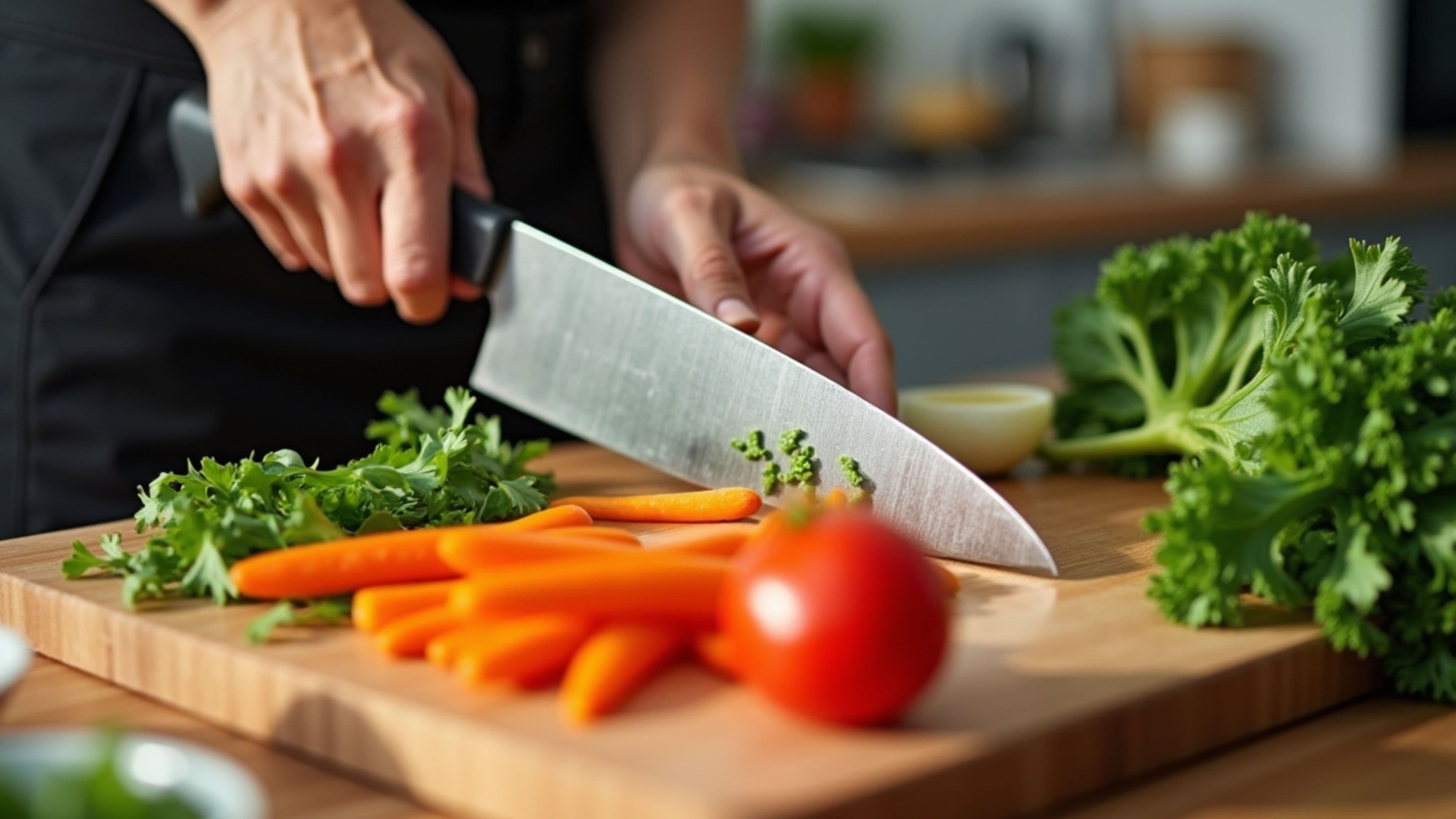
Do I need special equipment to cook Japanese food? Not much. A sharp knife, a medium saucepan, and a frying pan will cover most beginner recipes. A rice cooker is convenient but not essential. A tamagoyaki pan is nice to have but not required to start.
Where can I find Japanese ingredients? Asian grocery stores are the most reliable source and usually have the best prices. Many Japanese pantry staples are now also available at well-stocked supermarkets and online. Kombu, katsuobushi, mirin, and miso are all increasingly easy to find outside of specialist stores.
Is Japanese cooking healthy? Japanese cuisine is broadly considered one of the healthier food traditions globally, associated with high fish consumption, abundant vegetables, fermented foods like miso, and relatively modest portion sizes. That said, soy sauce is high in sodium, so it's worth being mindful of quantities if that's a concern for you.
Can I cook Japanese food if I don't eat fish? Yes, with adjustments. Dashi can be made with kombu alone (kombu dashi) for a lighter but still flavourful stock. Many Japanese dishes – including tamagoyaki, teriyaki with chicken or tofu, oyakodon, and miso soup – don't require fish at all.
Start Simple, Cook Often
Japanese home cooking rewards consistency more than ambition. Start with miso soup and a teriyaki dish, cook them a few times until they feel natural, and then add a new dish to your rotation. The pantry builds itself over the first month, and the techniques you learn early – balancing soy, mirin, and dashi; cooking rice correctly; gentle simmering – apply across dozens of recipes you haven't tried yet.
You don't need years of training or professional equipment to cook genuinely good Japanese food at home. You just need the right starting point and a little patience with the process.
📚 Sources
Japan Centre – Introduction to Japanese ingredients: https://www.japancentre.com/en/pages/54-japanese-pantry-essentials
NHK World – Dining with the Chef: Japanese cooking basics: https://www3.nhk.or.jp/nhkworld/en/tv/dining
Serious Eats – How to make dashi: https://www.seriouseats.com/dashi-japanese-stock-recipe
Just One Cookbook – Japanese pantry essentials guide: https://www.justonecookbook.com/japanese-pantry-essentials
Umami Information Center – What is umami?: https://www.umamiinfo.com/what-is-umami
Harvard T.H. Chan School of Public Health – The Nutrition Source: Traditional Dietary Patterns – Japanese Diet: https://www.hsph.harvard.edu/nutritionsource/healthy-weight/diet-reviews/traditional-japanese-diet