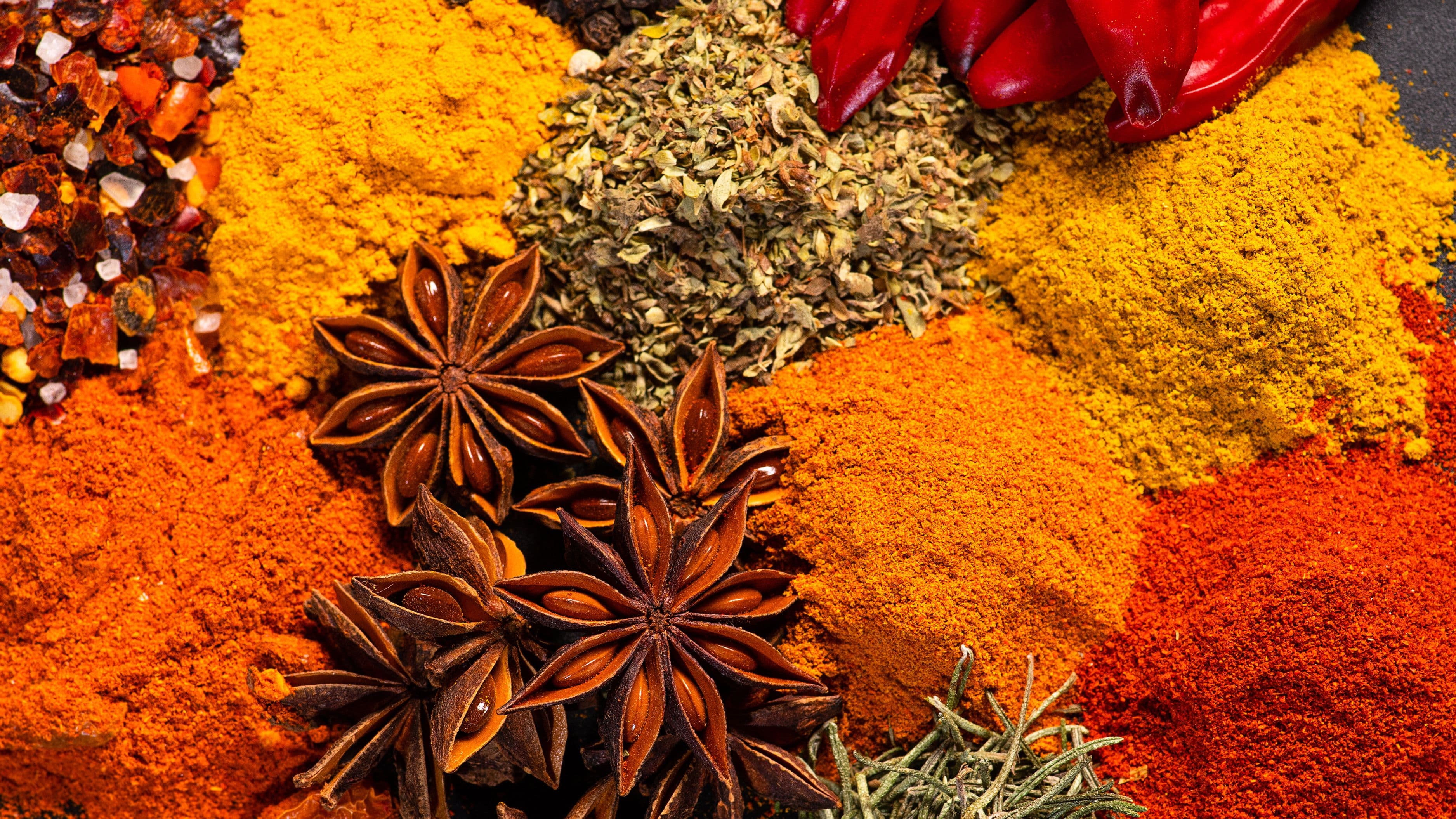
What Blooming Actually Means
Blooming a spice means briefly exposing it to heat in fat – oil, butter, or ghee – before adding any liquids or other ingredients to the pan. The heat causes the fat-soluble flavor compounds inside the spice to release and dissolve into the fat, which then carries those flavors throughout the entire dish as it cooks.
This matters because most of the complex aromatic molecules in spices are fat-soluble, not water-soluble. When you add ground cumin to a curry that's already simmering in liquid, the cumin flavor disperses into the water but the fat-soluble compounds don't fully release. You get a flat, one-dimensional version of the spice. When you bloom that same cumin in oil first, you're extracting the full spectrum of its flavor before anything else enters the pan – and that flavor then infuses into every ingredient that follows.
Think of it like brewing coffee. You wouldn't add coffee grounds to cold water and call it done. You apply heat to extract what's inside. Blooming spices is the same principle, applied to flavor compounds rather than caffeine.
Whole Spices vs. Ground Spices: Different Approaches
The blooming process works differently depending on whether you're working with whole spices or ground, and both are worth understanding.
Blooming Whole Spices
Whole spices – cumin seeds, mustard seeds, coriander seeds, cardamom pods, cloves, star anise, dried chiles – are bloomed first because they take longer to release their flavor and need direct heat to crack open their cell structures. You add them to warm oil at the very beginning of cooking, before anything else, and let them sizzle until they become fragrant and begin to pop or deepen slightly in color.
The process usually takes 30 to 90 seconds over medium heat. Watch for the visual and auditory cues: mustard seeds will begin to pop and jump in the pan, cumin seeds will darken slightly and release a toasty aroma, cardamom pods may puff slightly. As soon as you smell the spice – a clear, immediate fragrance – you're there. Don't wait for the color to go too dark; over-bloomed whole spices become bitter.
After the whole spices have bloomed, you add aromatics like onion, garlic, and ginger, which then cook in fat that's now infused with those base flavors. Everything you add afterward builds on that foundation.
Blooming Ground Spices
Ground spices have more surface area exposed, which means they release flavor faster but also burn faster. They're added later than whole spices – typically after aromatics like onion and garlic have softened – and bloomed for a shorter time, usually just 45 to 60 seconds.
The technique here is to push your aromatics to the side of the pan or add the ground spices directly to the center, let them make contact with the hot oil or fat, and stir actively so they don't scorch. You're looking for a color shift (ground cumin goes from pale tan to a deeper amber) and a significant release of fragrance. When the smell shifts from raw and dusty to roasted and complex, the bloom is done.
A common mistake is adding liquid too soon after adding ground spices. Give them their 45 to 60 seconds of contact with heat before adding stock, tomatoes, coconut milk, or water. That brief window is when the fat-soluble extraction happens.
The Oils and Fats That Work Best
Not all fats bloom spices equally, and the fat you choose affects the flavor of the final dish.
Neutral oils (vegetable, canola, avocado) bloom spices cleanly without adding their own flavor, which makes them the right choice when you want the spices to be the primary note. They also have high smoke points, so they can handle the heat required to bloom whole spices without burning.
Olive oil adds its own mild fruitiness, which pairs well with warm spices in Mediterranean and Middle Eastern preparations – think blooming coriander and cumin for a Moroccan-style dish. Use extra-virgin olive oil for low to medium heat blooms; it smokes at higher temperatures.
Butter adds richness and the mild sweetness of dairy fat. It blooms spices beautifully for European-style preparations, but its lower smoke point means you need to watch the heat carefully and move quickly. Brown butter with bloomed spices – particularly black pepper, cardamom, or warm baking spices – is one of the more transformative things you can do to a simple preparation.
Ghee is the gold standard for spice blooming in Indian cooking. Its clarified nature means the milk solids that cause butter to burn have been removed, giving it a much higher smoke point while retaining butter's richness. It also has a slightly nutty flavor that complements warm spices particularly well. If you cook Indian food regularly, having ghee on hand is worth it.
Coconut oil works well for blooming spices in Southeast Asian or Caribbean preparations where coconut flavor is already part of the dish's flavor profile. Its medium smoke point and distinct flavor make it less versatile as a general-purpose blooming fat.
Step-by-Step: How to Bloom Spices
Here's the process for a typical dish that uses both whole and ground spices – for example, a simple dal, a curry, or a spiced rice preparation.
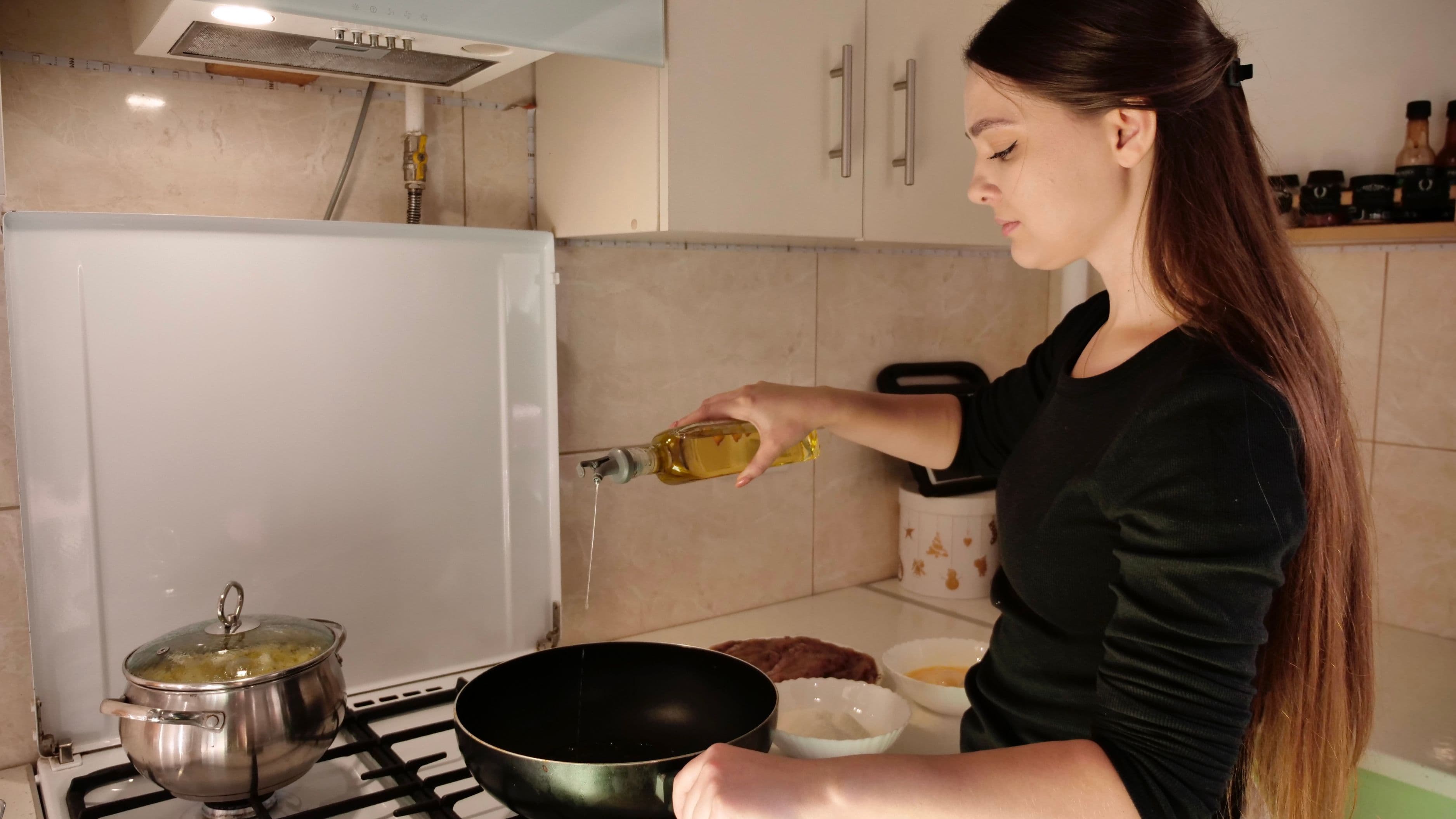
Step 1: Heat your fat first. Add your oil, ghee, or butter to a cold pan and bring it to medium heat. You want the fat warm before the spices go in, but not smoking. Test the heat by adding a single cumin seed – it should sizzle gently within a second or two.
Step 2: Add whole spices. Add whole spices to the warm fat and watch them actively. Stir occasionally but not constantly – you want contact time with the pan. Listen for popping or crackling, and watch for color deepening. The moment the fragrance hits you clearly, move to the next step.
Step 3: Add aromatics. Onion, garlic, ginger, and shallots go in next. They'll sizzle in the spice-infused fat, absorbing those flavors as they cook down. Take your time here – properly caramelized aromatics are the other major factor in depth of flavor.
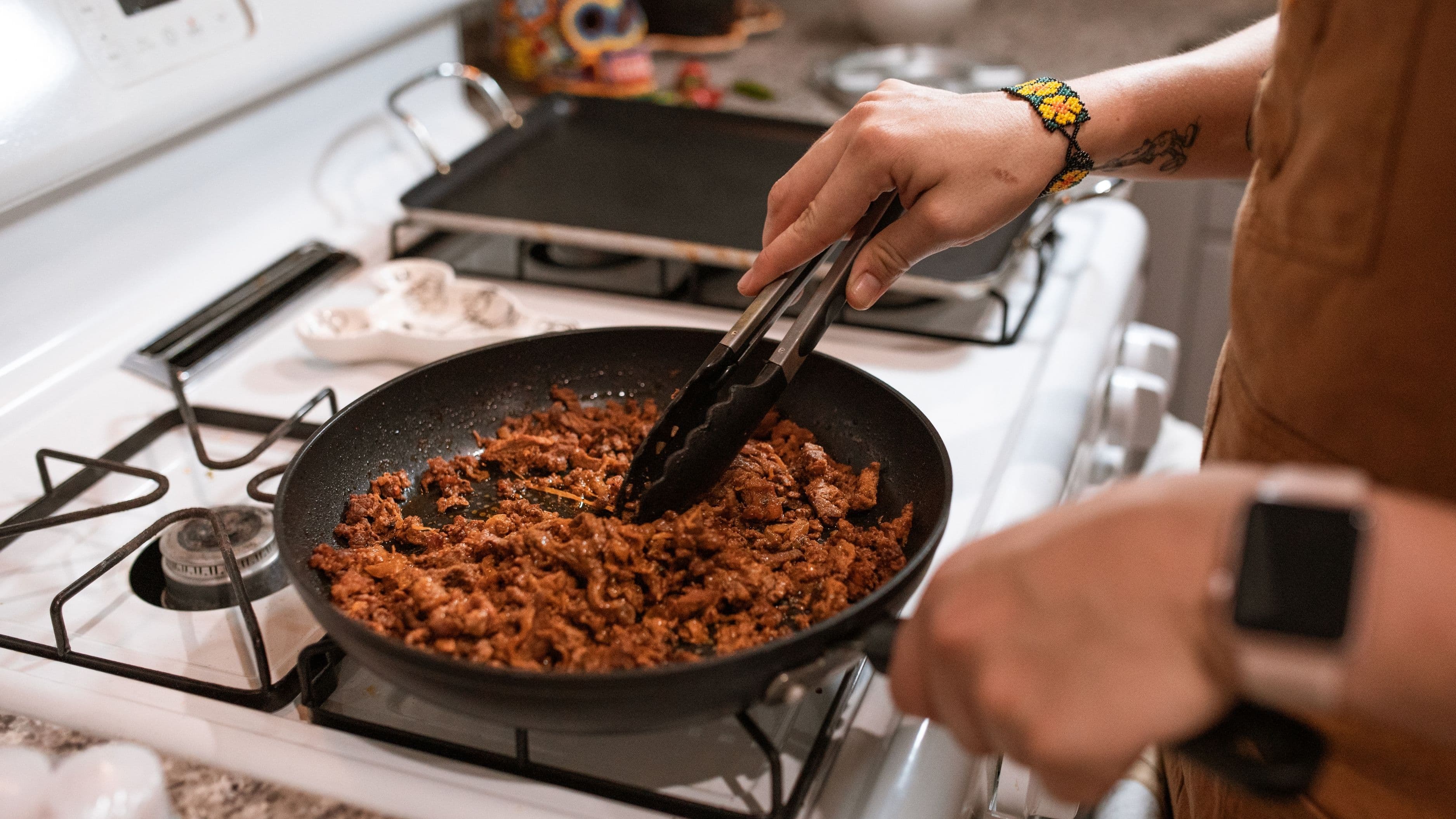
Step 4: Add ground spices. Once aromatics are softened and beginning to color, push them aside if you can, or make a small well in the center. Add your ground spices to the exposed fat. Stir actively for 45 to 60 seconds, incorporating them with the aromatics. Watch carefully – this is the step most prone to burning.
Step 5: Add liquid immediately after. Once ground spices are bloomed, add your liquid (stock, crushed tomatoes, coconut milk, water) without delay. The liquid stops the cooking and begins incorporating all those released flavors into the sauce or braise.
Which Spices Benefit Most
Almost every dried spice benefits from blooming, but some show a more dramatic transformation than others.
Cumin is perhaps the most striking example. Raw ground cumin has a sharp, slightly medicinal edge. Bloomed cumin becomes round, warm, and deeply savory – almost smoky. The difference is large enough to taste in a finished dish.
Coriander softens from a bright, citrusy rawness into something warmer and more complex with a hint of nuttiness. It pairs especially well with cumin, and the two bloomed together form the base of countless dishes across South Asian, Middle Eastern, and Latin American cuisines.
Mustard seeds pop beautifully and release a nutty, almost horseradish-adjacent warmth that you don't get from the raw seed. Bloomed black mustard seeds in oil are fundamental to South Indian tempering, called tadka.
Turmeric becomes less sharp and more integrated when bloomed. Its color blooms too – it deepens and distributes more evenly into fat, which then carries the color through the whole dish.
Smoked paprika and regular paprika develop a richer, more complex depth when briefly bloomed in olive oil or butter before other ingredients are added. Unblooomed, they sit on top of a dish. Bloomed, they sink into it.
Cardamom, cloves, and cinnamon – particularly when whole – release their essential oils slowly but completely in warm fat, creating a warm, aromatic base that carries through a biriyani, a braised meat dish, or a spiced dessert.
Red pepper flakes and dried chiles bloom to release capsaicin and fat-soluble flavor compounds that create a rounded heat rather than a sharp spike.
Common Mistakes to Avoid
Blooming at too high a temperature. High heat burns ground spices in seconds and can make whole spices bitter rather than fragrant. Medium heat gives you control and a window to respond.
Adding too many spices at once without watching them. It's easy to add your spice blend to the pan, walk away to prepare something else, and return to burned spices. Blooming requires your full attention for its short duration.
Not having your next ingredients ready. Because blooming happens quickly and the transition to the next step needs to happen fast, especially for ground spices, having onion already chopped or liquid already measured before you bloom is a practical necessity.
Using old, stale spices. Blooming amplifies what's in the spice. If the spice is old and its volatile compounds have already dissipated, blooming extracts very little. Ground spices lose significant potency after 6 to 12 months. Whole spices last longer – up to 2 to 3 years – which is one reason many cooks prefer to buy whole and grind as needed.
Adding spices to liquid before fat. Some home cooks add spices directly to a simmering liquid or sauce. You do get some flavor extraction this way, but you're missing the fat-soluble compounds that give bloomed spices their depth. For sauces that already have fat incorporated, you can add ground spices earlier in the process, but a dedicated bloom step in fat still produces more flavor.
Beyond Savory: Blooming Spices in Sweet Preparations
Blooming isn't exclusively a savory technique. Brown butter with bloomed warm spices – cardamom, cinnamon, nutmeg – is a game-changing addition to shortbreads, pound cakes, banana bread, or anything else that benefits from warm, complex sweetness. The process is the same: warm the butter until it browns (which is its own form of fat-based flavor extraction), add whole or ground spices, let them bloom in the hot fat for 30 to 45 seconds, then pour the infused fat into your batter or dough. The aroma alone tells you it's working.
Bloomed vanilla in brown butter, poured over pancakes or French toast instead of plain syrup, is another simple application that rewards the extra 90 seconds of effort.
Frequently Asked Questions
Can I bloom spices in a dry pan without fat? Yes – this is called dry toasting, and it's a related but distinct technique. Dry toasting extracts water-soluble and some volatile aromatic compounds through direct heat, which improves flavor. But it doesn't extract fat-soluble compounds the way blooming in fat does, and the flavor profile is different – more roasted and concentrated, less integrated into a sauce or liquid. Both techniques are useful; dry toasting is often used to prepare spices before grinding them, while blooming in fat is used during cooking.
How do I know if I've gone too far and burned the spice? Burned spices smell acrid and bitter rather than fragrant and round. The color shifts from toasted to dark brown or black. If this happens, it's usually best to start over with fresh fat and spices – burned spice flavors are strong and pervasive and are difficult to mask in a finished dish.
Does blooming work with spice blends like garam masala or curry powder? Yes, and it's one of the best things you can do with pre-mixed blends. Add them as you would ground spices – to the hot fat after aromatics have softened – and bloom for 45 to 60 seconds before adding liquid. The blend will smell noticeably more complex after blooming than it does from the jar.
Can I bloom spices in advance? You can make spice-infused oils by blooming spices in oil and then straining them out, which gives you a flavored oil for finishing dishes or dressings. But for cooking purposes, blooming is most effective done fresh at the start of a recipe because you want those extracted compounds to infuse into the dish as it cooks, not to sit in oil separately.
Do I need to remove whole spices before serving? It depends on the spice and the dish. Mustard seeds and small whole spices can be left in. Cardamom pods, cinnamon sticks, star anise, and cloves are typically removed before serving or simply eaten around, since biting into them is unpleasant. Mention in your recipe if large whole spices are present so guests aren't surprised.
Blooming is one of those techniques that becomes automatic once you've done it a few times. You won't think twice about adding spices to cold liquid again after you've tasted the difference. Start with a dish you make regularly – a simple curry, a rice pilaf, a spiced soup – and bloom the spices properly this time. The flavor return for 60 extra seconds of attention is one of the best ratios in cooking.
📚 Sources
Harold McGee – On Food and Cooking: The Science and Lore of the Kitchen (flavor compound extraction in fats): https://www.simonandschuster.com/books/On-Food-and-Cooking/Harold-McGee/9780684800011
Serious Eats – The Science of Spice Blooming: https://www.seriouseats.com/how-to-bloom-spices
America's Test Kitchen – Why Blooming Spices Matters: https://www.americastestkitchen.com/articles/3204-what-is-blooming-spices
Kenji López-Alt – The Food Lab: Better Home Cooking Through Science: https://www.kenjilopezalt.com/books
McCormick Science Institute – Spice Flavor Chemistry Overview: https://www.mccormickscienceinstitute.com/resources/spices-overview
Fine Cooking – Tempering and Blooming Spices: https://www.finecooking.com/article/get-the-most-out-of-your-spices