This guide walks you through collecting scraps, making a first batch of rich stock, pulling a second lighter batch from the same bones, and using what's left over.
Skill level: Beginner Active time: 30 to 45 minutes Total time: 4 to 8 hours on the stovetop, or about 2 hours in a pressure cooker Yield: About 3 to 4 quarts first stock, plus 2 to 3 quarts second stock
What You'll Learn
The "waste nothing" approach has three parts. First, you save bones and vegetable trimmings in the freezer until you have enough. Second, you make a rich first stock. Third, you use a classic French technique called remouillage – "rewetting" – where you simmer the same bones a second time to extract more flavor and gelatin for a lighter stock.
This works for chicken, turkey, beef, pork, or a mix. Chicken and turkey are the easiest place to start.
Step 1: Build a Freezer Scrap Bag
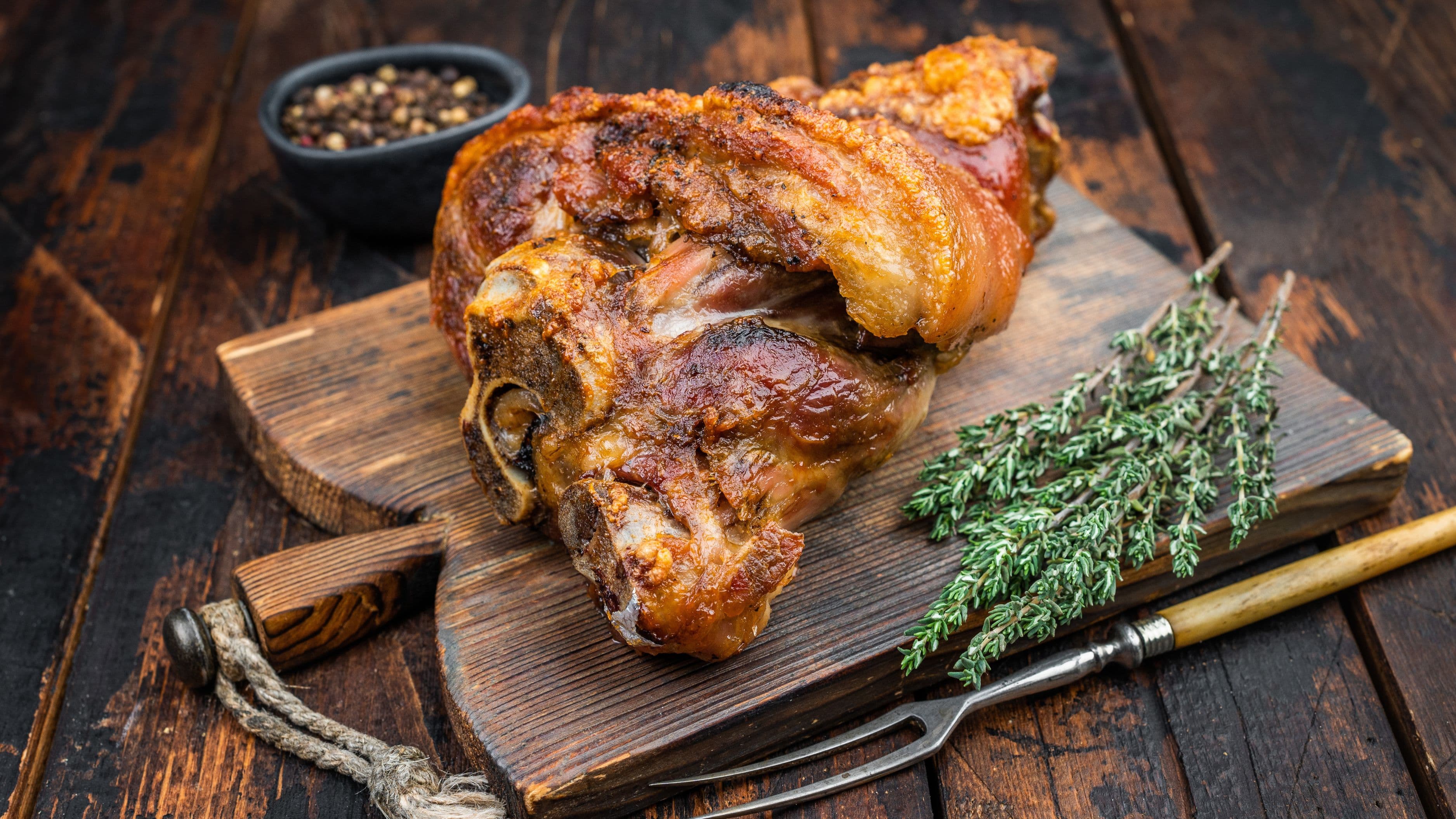
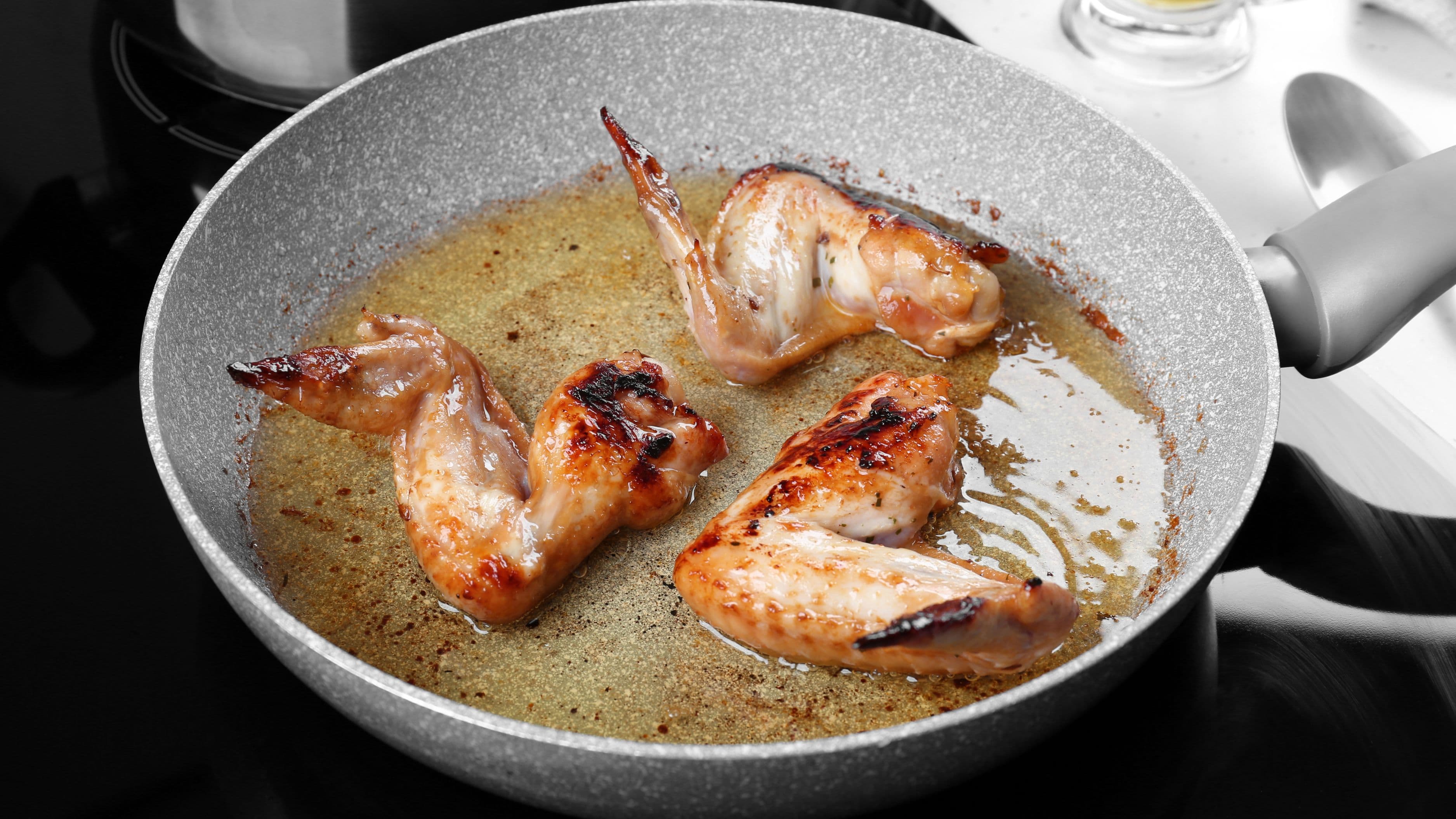
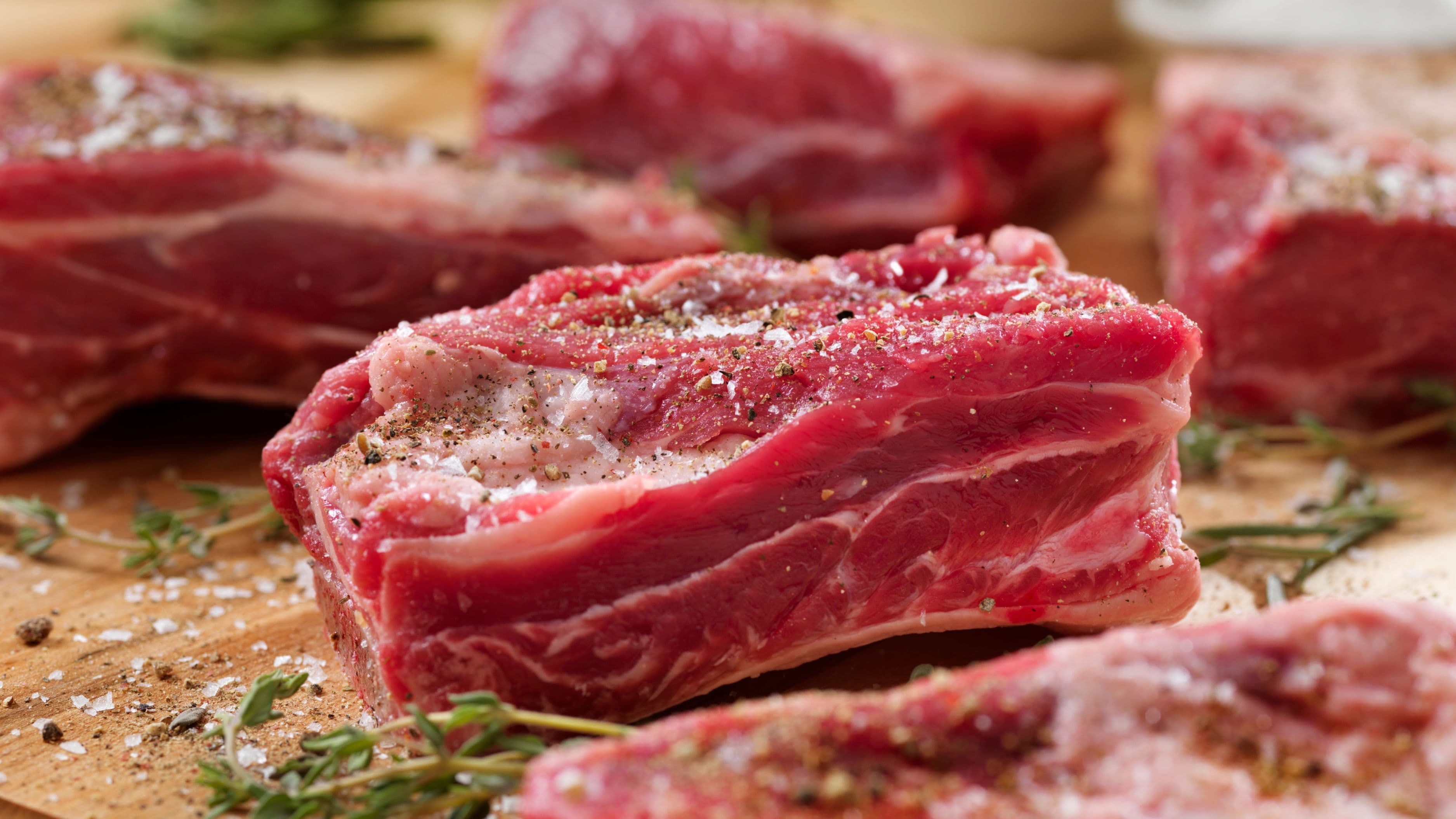
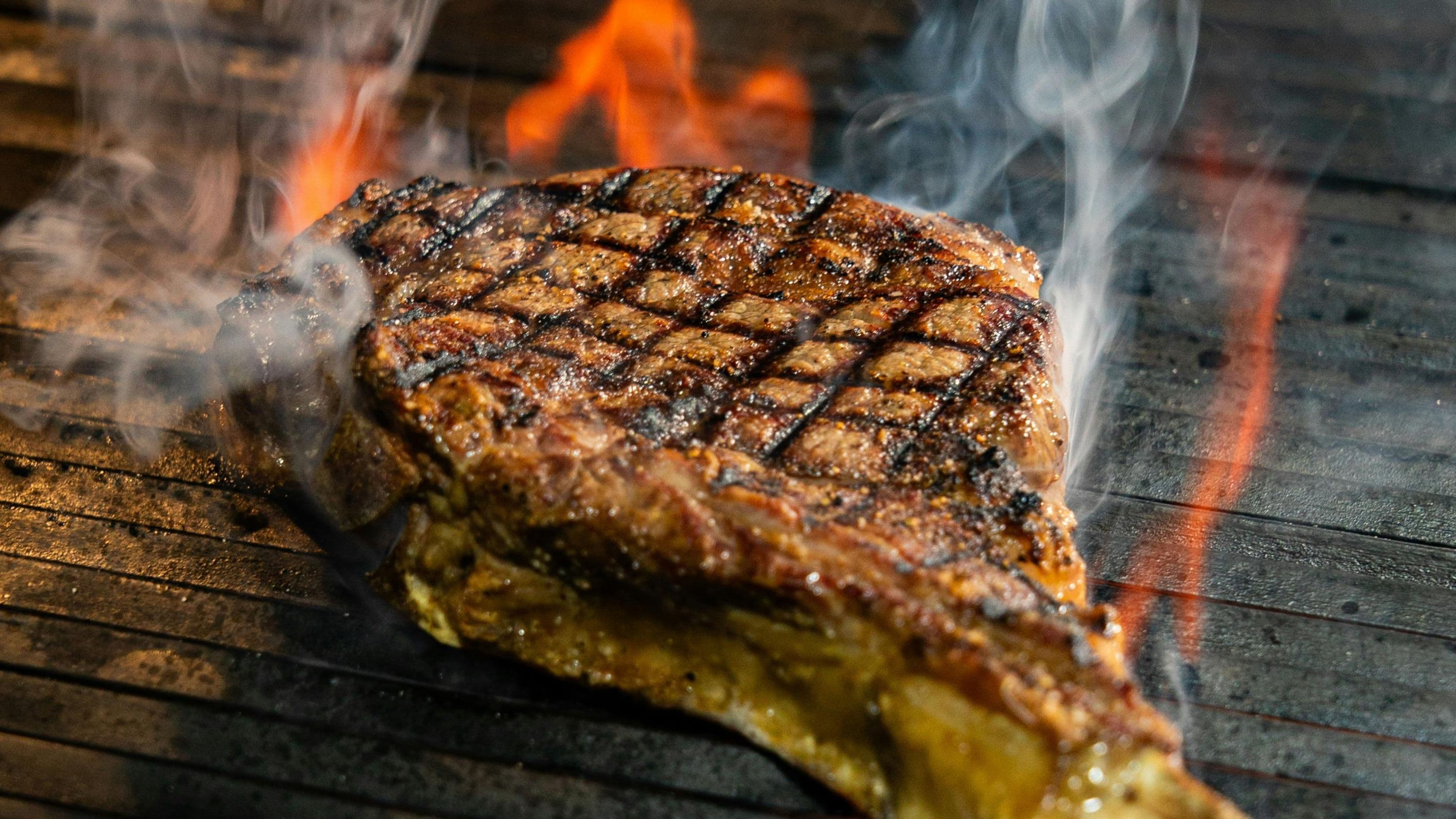
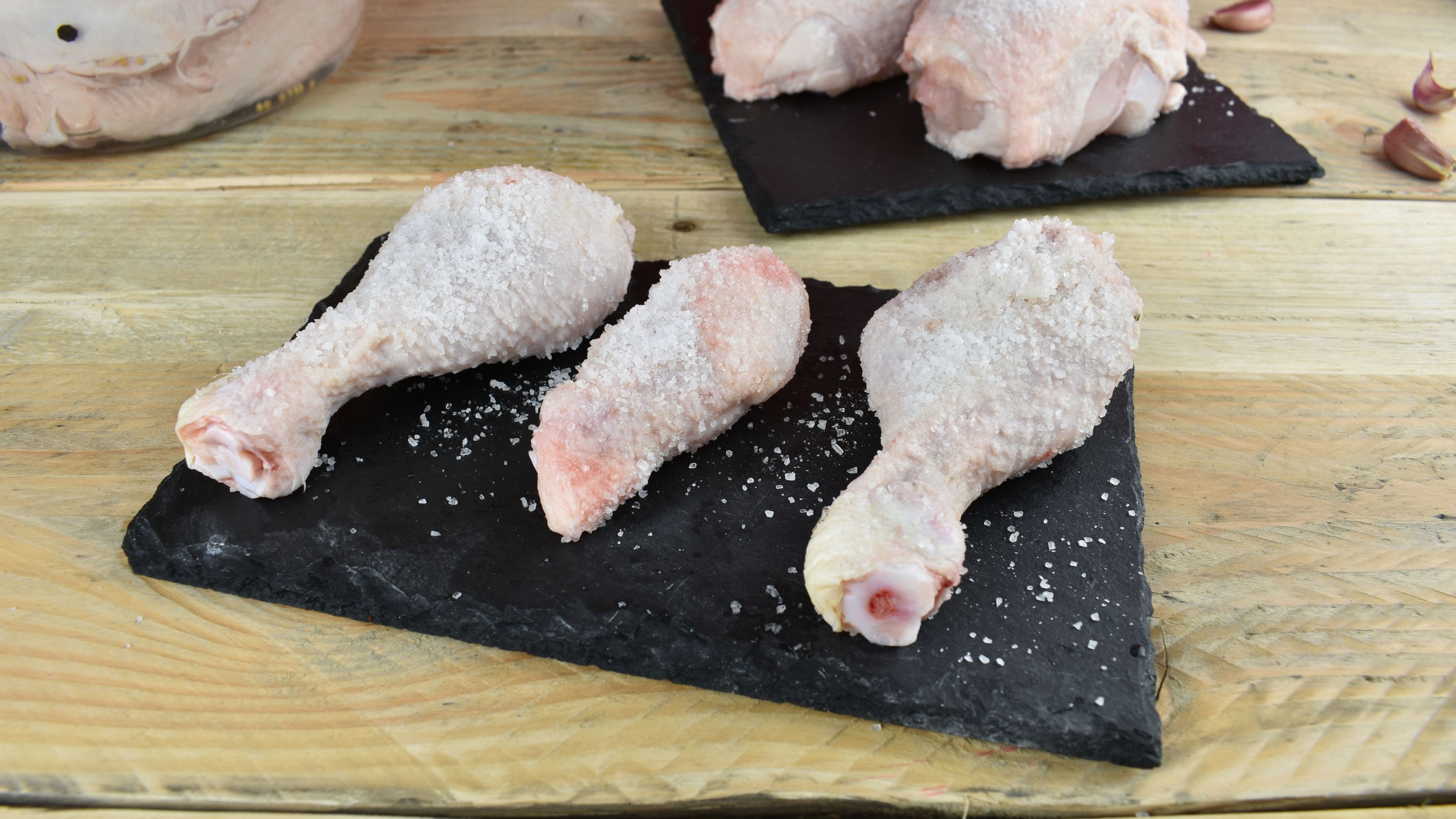
Keep a large zip-top bag or container in your freezer. Add bones from roasted chicken, pork chops, or steak, along with trimmings like onion ends and skins, carrot peels, celery leaves, leek greens, mushroom stems, and parsley stems. Chicken wings, backs, and feet are especially good because they're rich in collagen, which turns into gelatin.
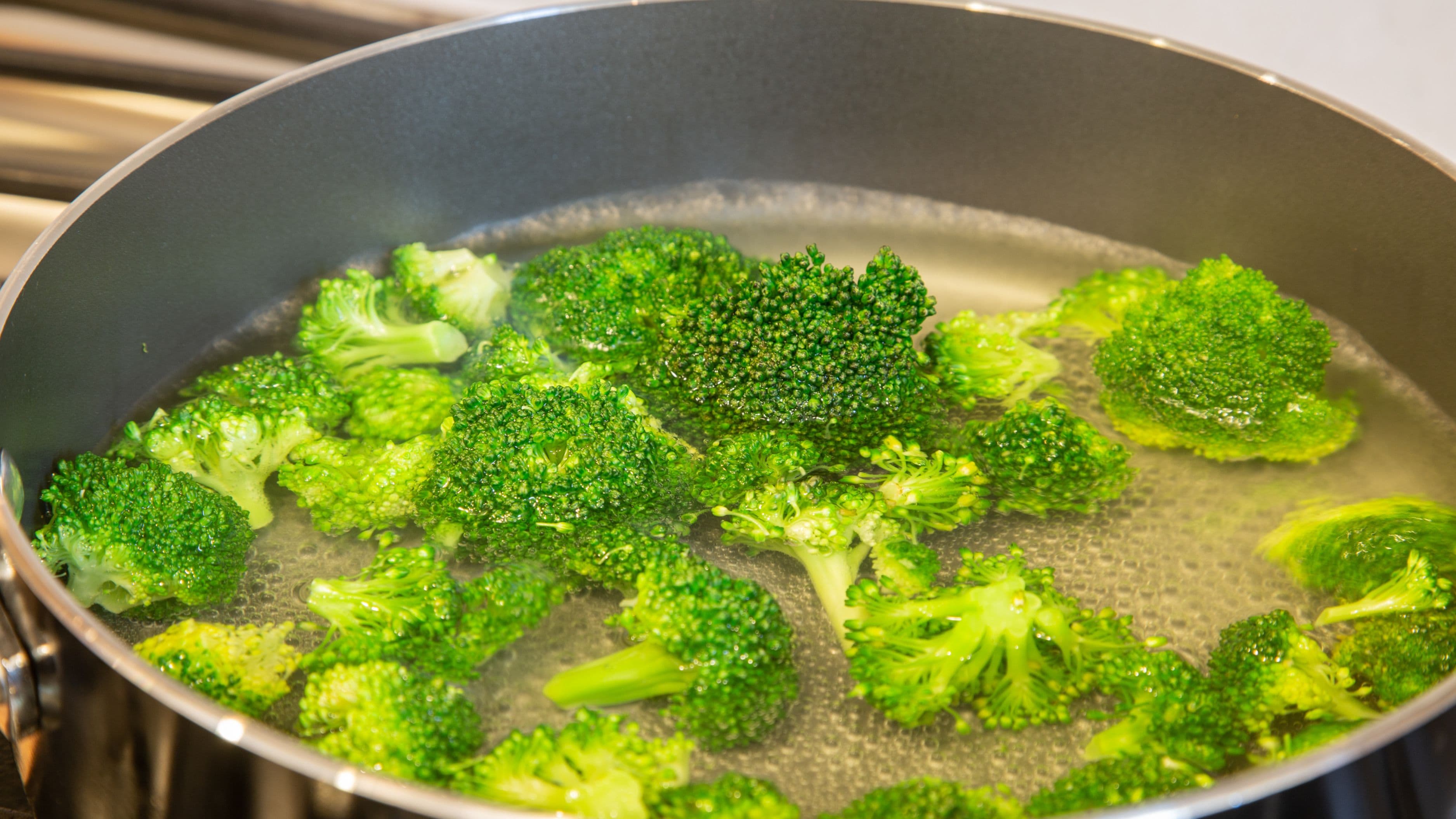
Avoid strong or bitter vegetables like broccoli, cabbage, and Brussels sprouts, which can make stock taste sulfurous. Skip anything spoiled or moldy – stock is a way to use scraps, not rescue food that's gone bad.
When your bag holds about 3 to 4 pounds of bones plus a few cups of vegetables, you're ready.
Step 2: Roast the Bones (Optional but Recommended)
For a deeper, darker flavor, roast raw bones on a sheet pan at 425°F for 30 to 45 minutes until well browned. Already-roasted bones, like a leftover chicken carcass, can skip this step.
Pour a splash of water onto the hot pan and scrape up the browned bits. Add that liquid to your pot – it's full of flavor.
Step 3: Make the First Stock
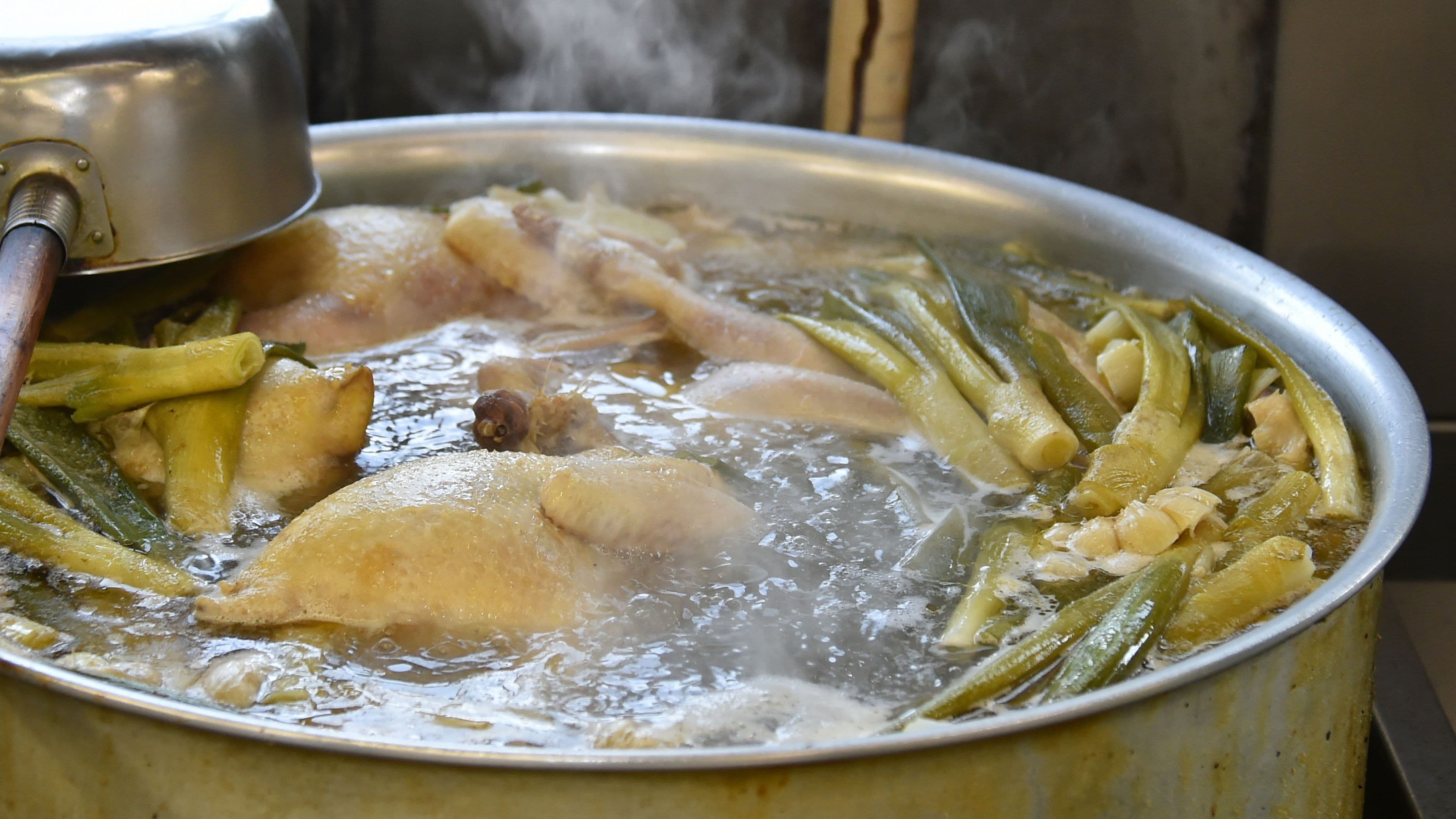
Place bones in a large stockpot and cover with cold water by about 2 inches. Starting with cold water helps draw out proteins gradually, leading to clearer stock. Bring slowly to a gentle simmer over medium heat. Skim off the foam that rises in the first 20 to 30 minutes.
Add vegetable scraps, a bay leaf, and a few peppercorns. Keep the stock at a bare simmer – small bubbles breaking occasionally – rather than a rolling boil, which clouds the stock. Simmer chicken or turkey stock 4 to 6 hours and beef or pork 6 to 8 hours, adding water if bones become exposed.
Step 4: Strain and Save the Bones
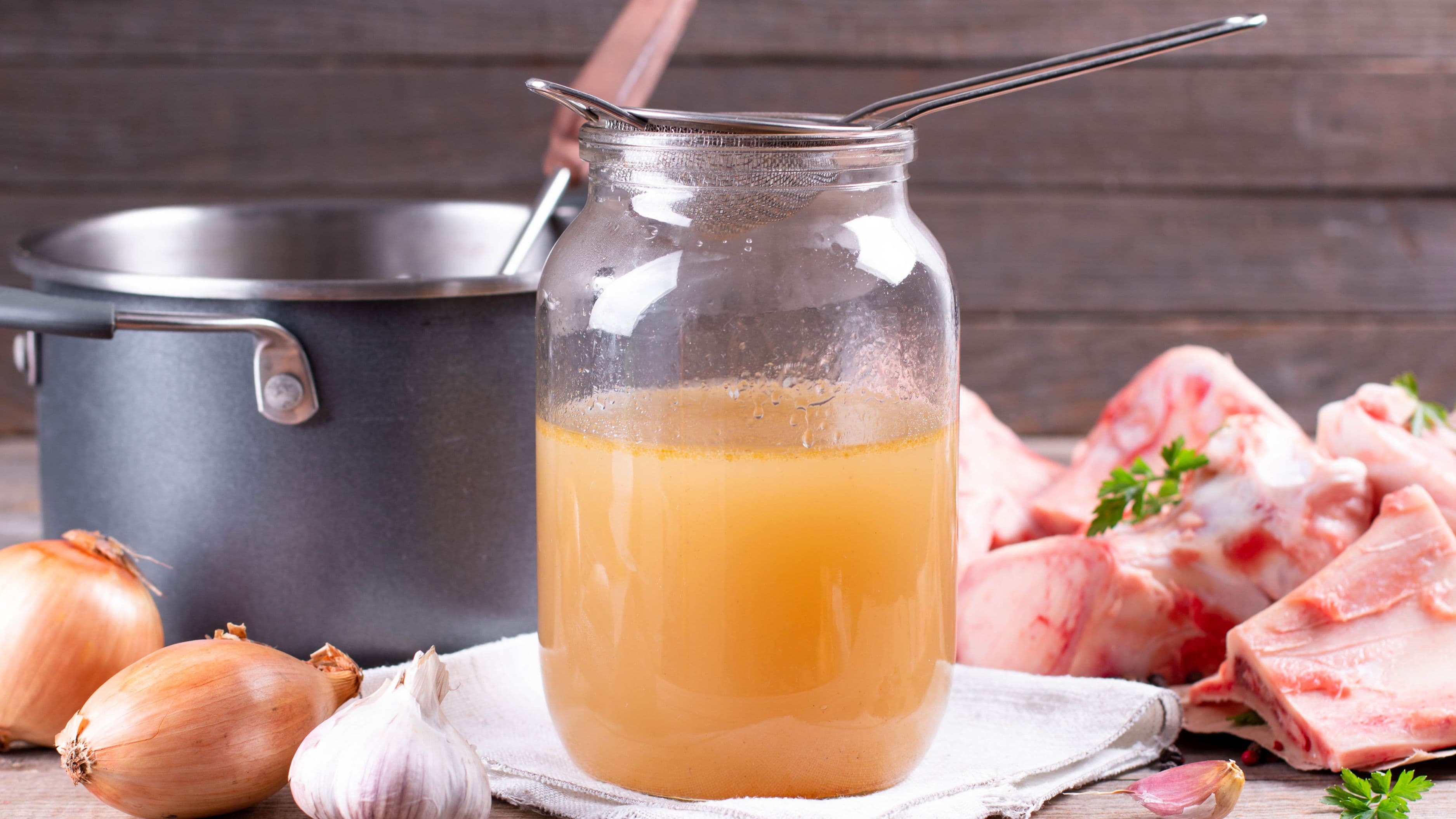
Strain the stock through a fine mesh strainer into a large bowl or container. Keep the bones. Discard spent vegetables to compost if you can, since they've given up most of their flavor.
Step 5: Make the Second Stock (Remouillage)
Return the bones to the pot and cover with fresh cold water. Add a few fresh vegetable scraps if you have them. Simmer again for 2 to 4 hours. This second stock is lighter but still flavorful and often rich in gelatin.
Use remouillage for cooking grains, thinning soups, braising vegetables, or as the base for your next batch of stock instead of plain water.
Step 6: Cool Quickly and Safely
Hot stock needs to cool fast to stay safe. Food safety guidance recommends dividing large amounts into shallow containers so they cool quickly in the refrigerator. You can also set the container in an ice bath and stir to bring the temperature down faster. Don't leave a large pot of stock sitting on the counter overnight.
Step 7: Use the Fat
Once chilled, fat rises and hardens on top. Lift it off and save it. Chicken fat, also called schmaltz, is excellent for roasting potatoes, sautéing onions, or making matzo balls. Beef fat can be used for searing or roasting vegetables. Store rendered fat in the refrigerator for several weeks or freeze it.
Pressure Cooker Option
A pressure cooker cuts stock-making time dramatically. Cook bones and water on high pressure for about 90 minutes to 2 hours, then allow a natural release. You can make a second batch the same way. Keep liquid below the cooker's max fill line.
Tips for Best Results
Add a tablespoon of vinegar per batch if you like – many cooks do this to help draw minerals from bones, though its effect on flavor is modest. Don't salt the stock heavily while cooking. Unsalted stock is more versatile, and you can season the final dish instead.
Freeze stock in several sizes: quart containers for soups and ice cube trays for small amounts to deglaze pans or flavor sauces.
Variations
For a richer, more gelatinous stock, add chicken feet or pork trotters. For Asian-inspired flavors, add ginger slices, scallion greens, and a piece of star anise. For a mushroom-forward stock, save plenty of mushroom stems and add a dried mushroom or two.
What to Avoid
Avoid boiling stock hard, which makes it cloudy and greasy. Don't overload the pot with starchy vegetables like potatoes, which can make stock cloudy. Don't add raw poultry scraps that have been left out too long.
Never give cooked bones to pets, since they can splinter and cause serious injuries.
FAQ
How long does homemade stock last?
Refrigerated, use it within 3 to 4 days. Frozen, it keeps well for several months.
Why didn't my stock gel?
It may have had too much water compared to bones, or too few collagen-rich parts. It's still usable and flavorful.
Can I mix different types of bones?
Yes. Mixed stocks work well for soups and sauces. Keep poultry and red meat separate if you want a specific flavor.
What's the difference between stock and broth?
Stock is typically made mainly from bones and has more body, while broth is often made with more meat and seasoned for sipping.
Final Thoughts
A freezer scrap bag and a second simmer turn leftovers into two batches of stock, plus rendered fat for cooking. It's one of the simplest ways to cook more thriftily and get deeper flavor into everyday meals.
Start saving your next chicken carcass today. By the end of the month, you'll have enough for your first batch.
📚 Sources
USDA Food Safety and Inspection Service – Leftovers and Food Safety: https://www.fsis.usda.gov/food-safety/safe-food-handling-and-preparation/food-safety-basics/leftovers-and-food-safety
FoodSafety.gov – FoodKeeper App: https://www.foodsafety.gov/keep-food-safe/foodkeeper-app
U.S. EPA – Preventing Wasted Food at Home: https://www.epa.gov/recycle/preventing-wasted-food-home
U.S. FDA – No Bones About It: Bones Are Unsafe for Your Dog: https://www.fda.gov/animal-veterinary/animal-health-literacy/no-bones-about-it-bones-are-unsafe-your-dog