What Defines Brazilian Home Cooking
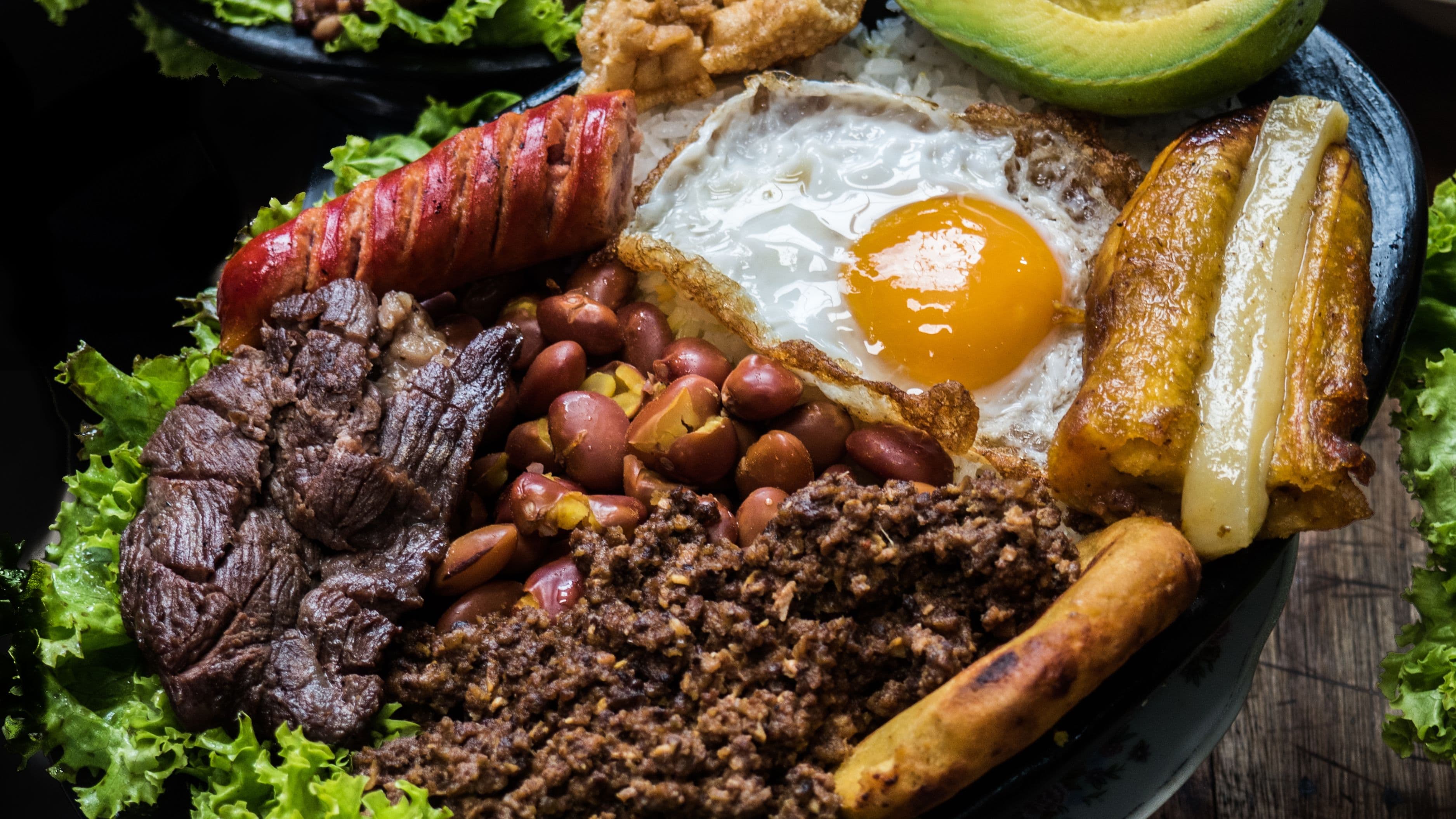
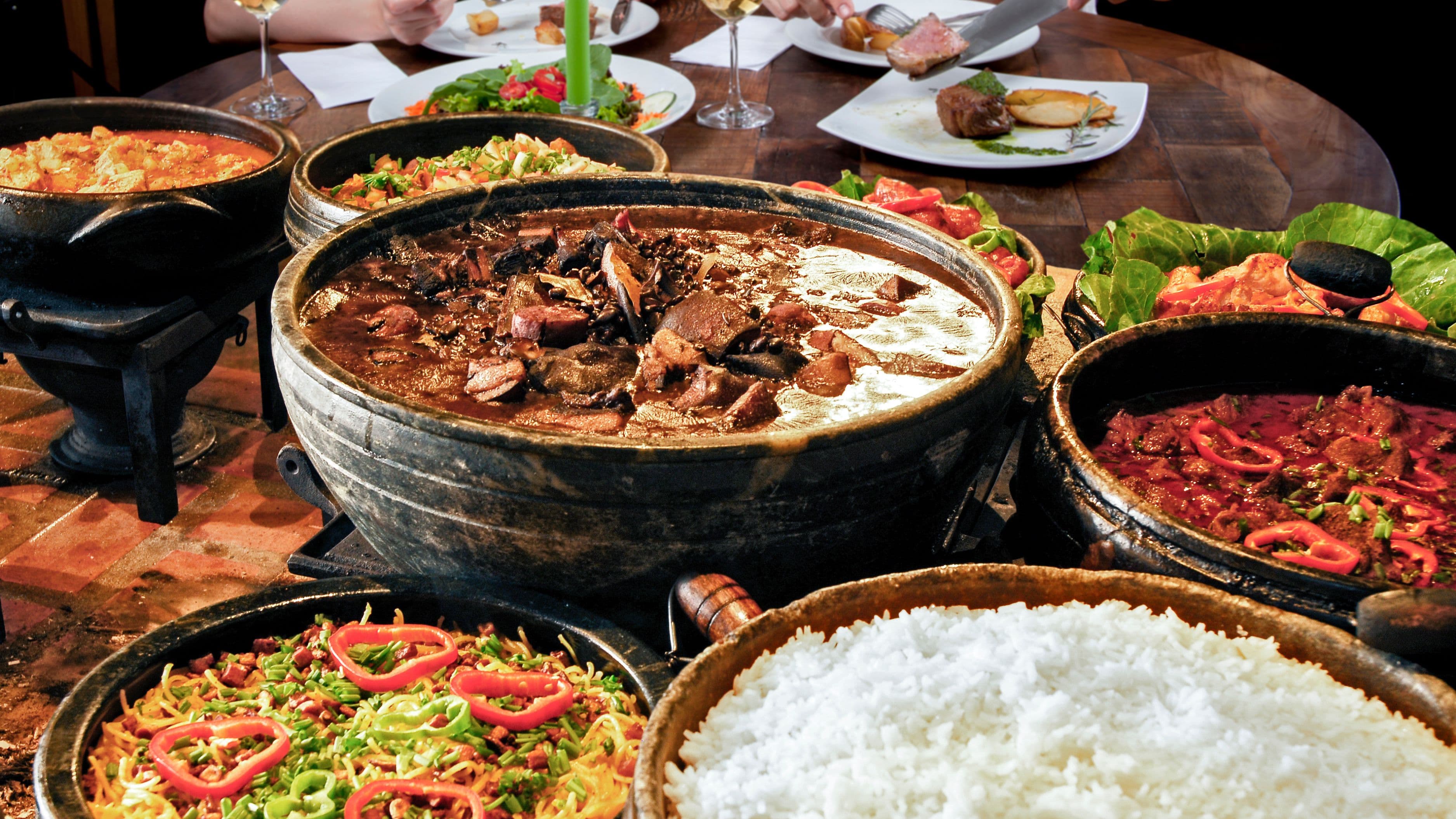
Brazilian cuisine draws from an incredibly diverse set of influences – Indigenous, Portuguese, West African, and immigrant communities from Italy, Japan, and the Middle East have all shaped what ends up on the table in different regions of the country. What unites much of everyday Brazilian home cooking is a reliance on a few foundational elements: rice and beans as a near-daily base, cassava (also called manioc) in various forms, and a comfort with slow-cooked, richly seasoned dishes built from simple, accessible ingredients rather than expensive or hard-to-find ones.
This foundation is actually good news if you're working without a specialty market nearby, since many of the building blocks are more adaptable than they might first appear.
Rice and Beans (Arroz com Feijão)
This is genuinely the heart of daily Brazilian cooking, and it's fully achievable with a standard grocery store. Black beans are the most traditional choice and are widely available dried or canned in most regular supermarkets. The key technique that makes this dish distinctly Brazilian rather than just "rice and beans" is sautéing garlic and onion in oil before adding the beans and their cooking liquid, letting the flavors build together rather than simply boiling the beans on their own. The rice is typically cooked separately, first toasted briefly in oil with garlic before adding water, which gives it a slightly nutty flavor and helps the grains stay separate rather than clumping.
Substitution note: If dried black beans aren't available, canned black beans work as a reasonable substitute, though you'll want to season the cooking liquid more assertively since canned beans come with less inherent depth than beans cooked from dried.
Feijoada (Without the Specialty Cuts)
Feijoada, Brazil's iconic black bean and pork stew, traditionally uses specific cuts like pork ears, tails, and smoked sausage that can be genuinely difficult to source outside specialty markets. The good news is that the dish's core flavor comes from smoked pork and a long, slow simmer, which you can approximate using more accessible ingredients like smoked ham hocks, bacon, and any smoked sausage available at your regular grocery store, such as kielbasa or andouille.
The technique matters more than sourcing the exact traditional cuts: browning the meats first, then simmering everything slowly with the black beans, onion, garlic, and bay leaf until the meat is tender and the beans have thickened into a rich, hearty stew. It won't be identical to a version made with traditional cuts, but it captures the same smoky, comforting character that makes feijoada beloved.
Farofa (Toasted Cassava Flour)
Farofa is a toasted flour mixture served alongside many Brazilian meals, traditionally made with cassava flour (farinha de mandioca), which can sometimes be found in the international aisle of larger grocery stores or ordered online if unavailable locally. If cassava flour genuinely isn't accessible, some cooks substitute with a combination of breadcrumbs or cornmeal toasted in butter, though this changes the texture and flavor meaningfully, so treat it as an approximation rather than an equivalent.
The technique is simple: toast the flour in butter or oil with diced onion and bits of bacon until golden and fragrant, creating a savory, crunchy topping that adds texture to a plate of rice, beans, and meat.
Pão de Queijo (Brazilian Cheese Bread)
This one requires slightly more specific sourcing, since it relies on tapioca starch (also called tapioca flour), which is genuinely different from cassava flour and not easily substituted with regular wheat flour without significantly changing the texture. Fortunately, tapioca starch has become increasingly common in regular grocery stores due to its use in gluten-free baking, often found in the baking or gluten-free section rather than requiring a specialty Brazilian market.
Once you have tapioca starch, the rest of the ingredients (eggs, milk, oil, and cheese) are all standard grocery items. A firm, salty cheese like Parmesan works well as a substitute for the traditional Brazilian cheeses used in the original recipe.
Brazilian-Style Grilled Meats (Churrasco at Home)
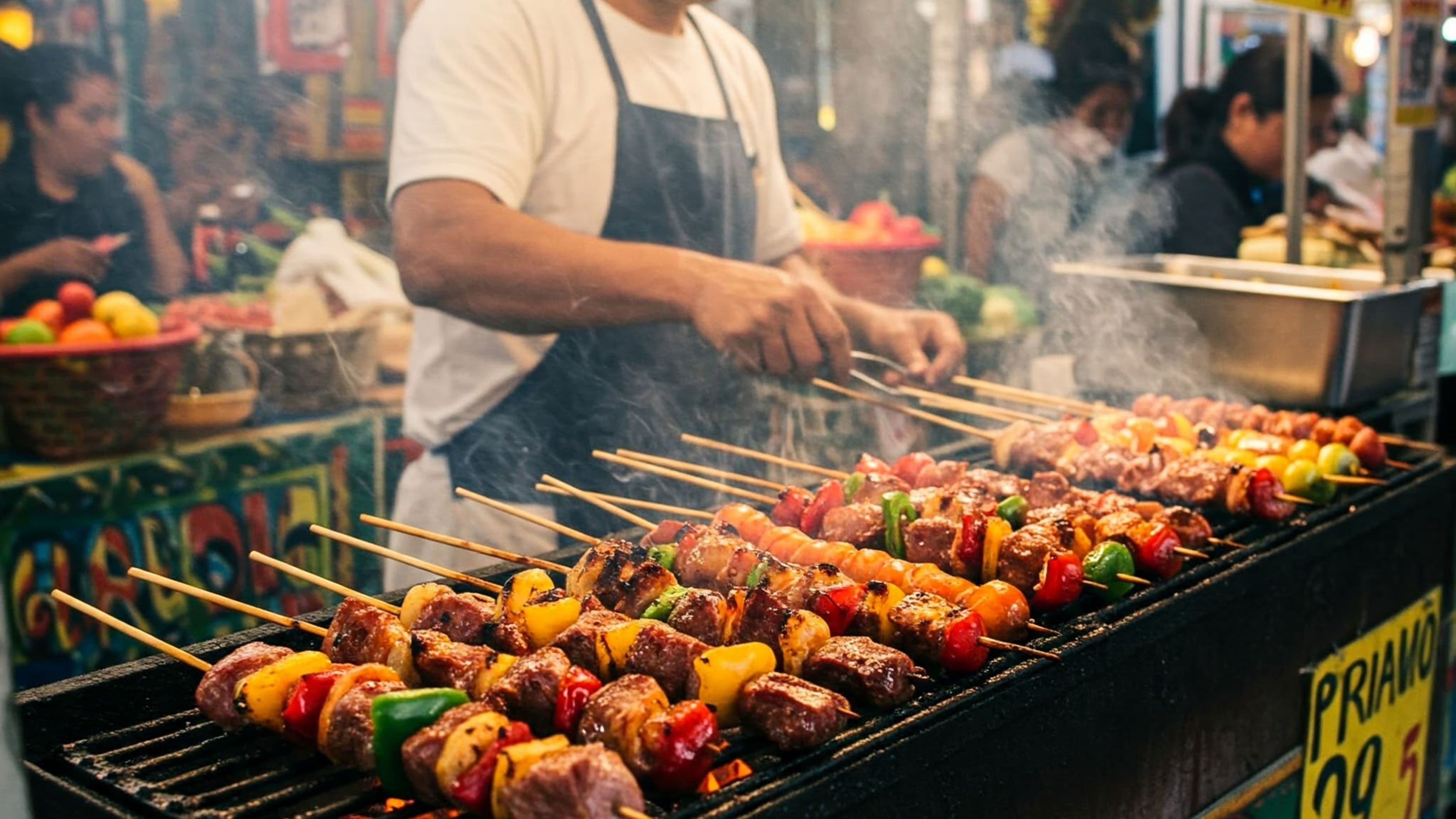
Traditional churrasco relies on specific cuts like picanha (a cut of sirloin cap that's become more available in recent years at larger grocery stores and butcher counters) but the technique translates well to more widely available cuts like sirloin or flank steak. The defining Brazilian technique is simple, generous seasoning with coarse salt and slow grilling over consistent heat, letting the meat develop a flavorful crust without needing an elaborate marinade or specialty seasoning blend.
What to Avoid
Don't expect an exact replica of dishes made with the traditional specific cuts and ingredients if you're substituting – the goal with these adaptations is capturing the spirit and technique of the dish, not achieving an identical result. Avoid skipping the toasting step for rice or farofa, since this technique is central to the flavor profile of Brazilian cooking and easy to overlook if you're used to simply boiling rice or serving flour untoasted. Be mindful with substitutions for tapioca starch specifically, since regular wheat flour will not produce the signature chewy texture of pão de queijo, so it's worth sourcing the correct starch rather than skipping this dish entirely.
FAQ
Where can I find tapioca starch if my grocery store doesn't carry it? Check the gluten-free baking section first, since tapioca starch is commonly used in gluten-free recipes. If it's still unavailable locally, it's widely available through online grocery retailers.
Can I make feijoada vegetarian? Traditional feijoada relies heavily on smoked pork for its signature flavor, but a vegetarian adaptation using smoked paprika, liquid smoke, and hearty vegetables like mushrooms can approximate some of that smoky depth, though it will taste notably different from the traditional dish.
What's the easiest Brazilian dish to start with if I'm new to this cuisine? Rice and beans (arroz com feijão) is the most accessible starting point, requiring no specialty ingredients and forming the foundation you'll see repeated across many other Brazilian dishes.
📚 Sources
Smithsonian Folklife Festival – Brazilian Foodways – https://festival.si.edu/2017/on-the-move
Serious Eats – Guide to Brazilian Cuisine – https://www.seriouseats.com/brazilian-food-recipes-guide