Why Layering Matters More Than Any Single Ingredient
A dish built with flavor layered in from the start develops depth that's almost impossible to replicate by seasoning only at the end. Each stage of cooking – browning, sweating aromatics, deglazing, simmering – creates its own distinct flavor compounds, and skipping a stage means skipping a layer that a single final seasoning adjustment can't recreate. This is why the same basic ingredients, cooked in a different order or with different early-stage attention, can produce a noticeably more complex result.
Understanding this shifts how you think about a recipe. Instead of treating the ingredient list as a set of things to combine, think of it as a sequence of opportunities to add a distinct layer of flavor before moving to the next step.
Start With the Fond: Browning as the First Layer
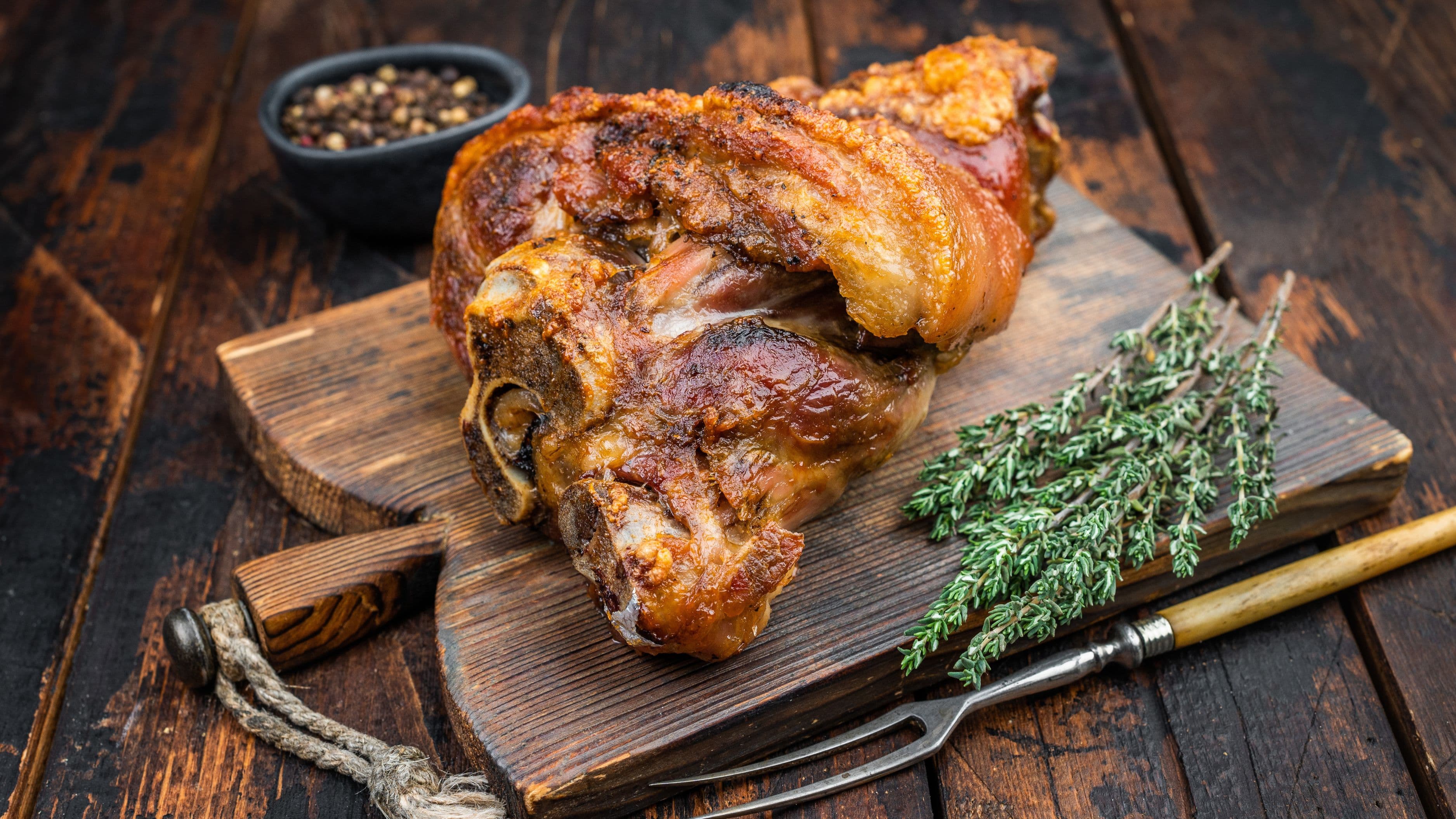
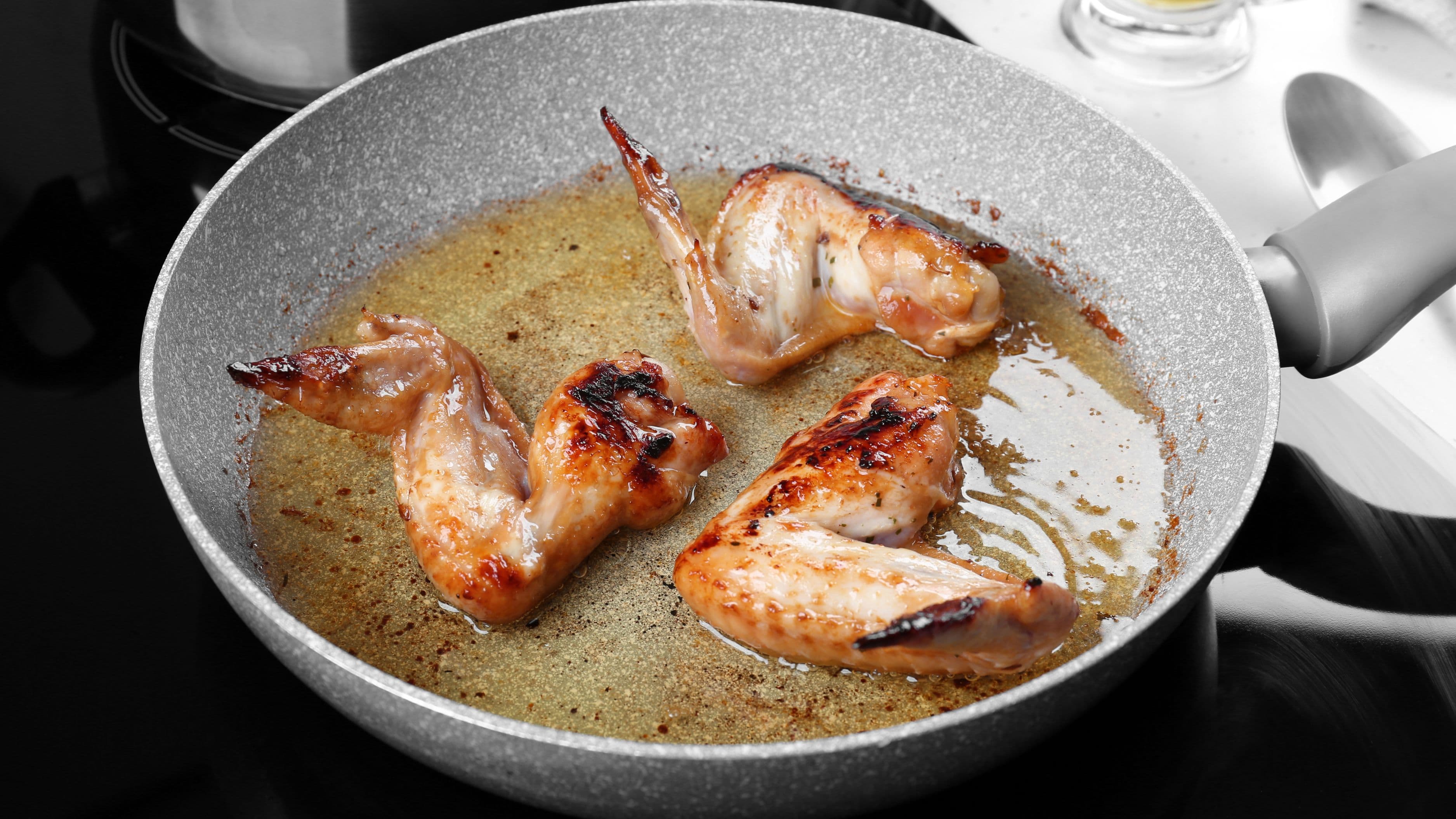
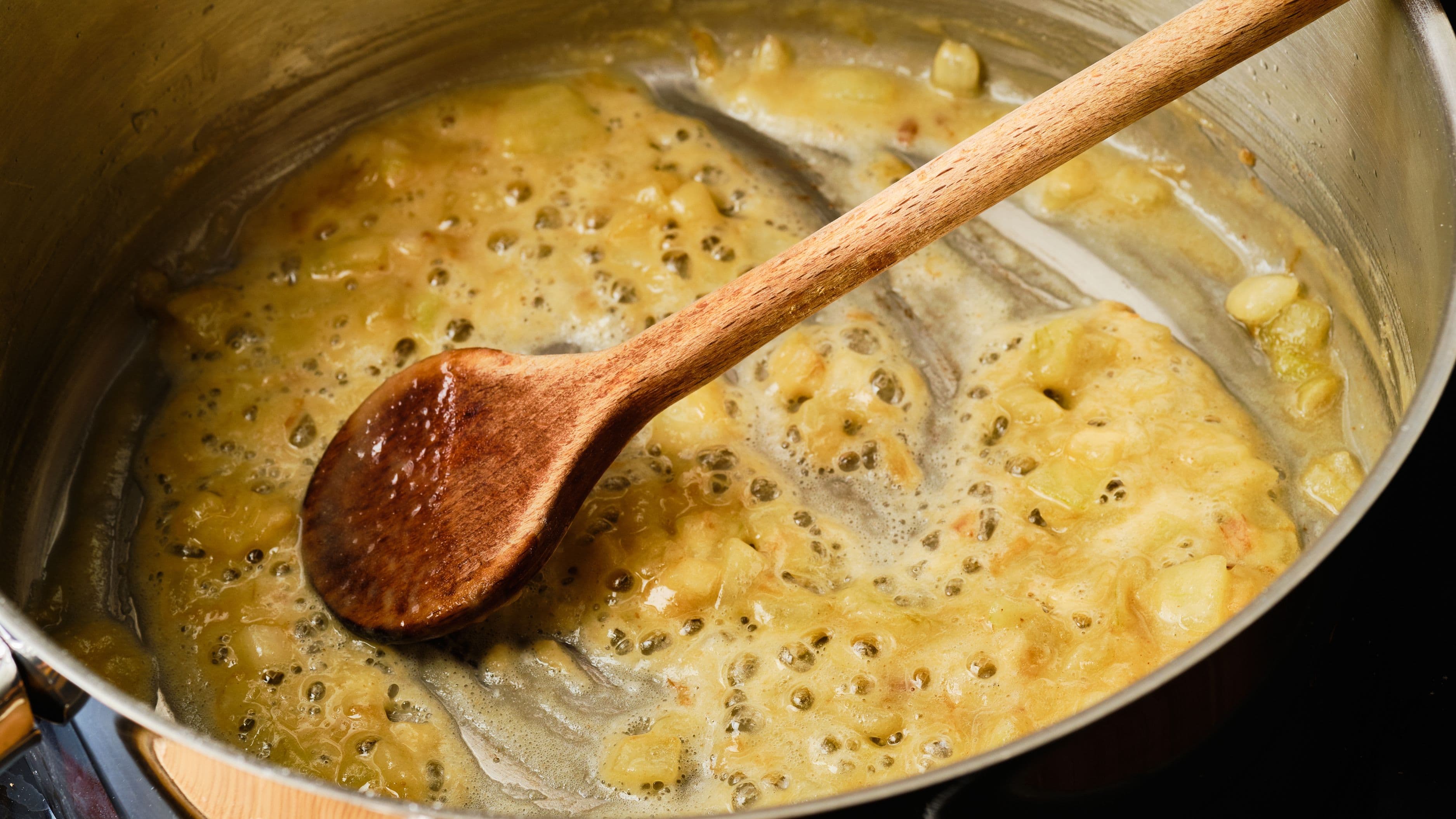
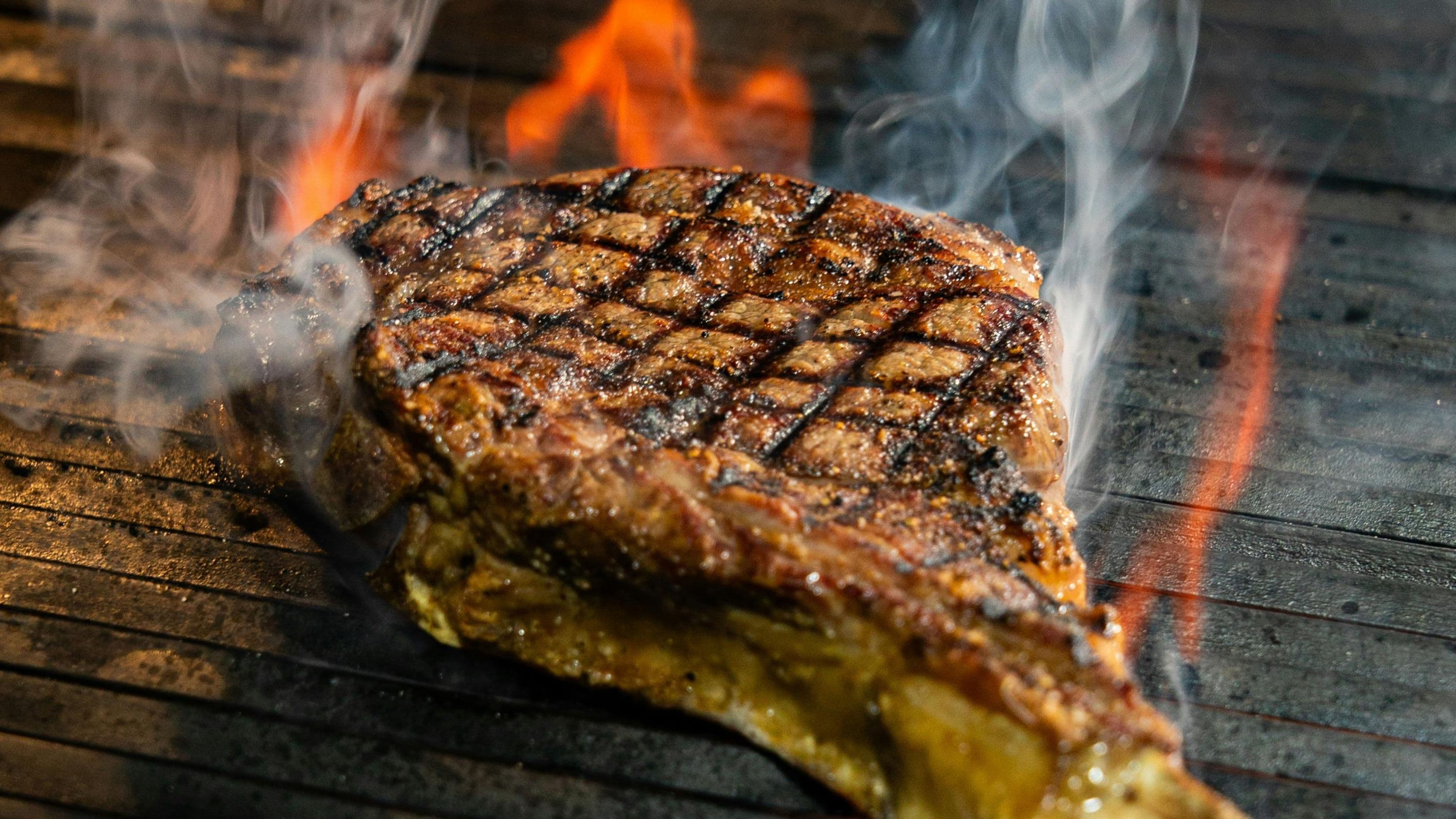
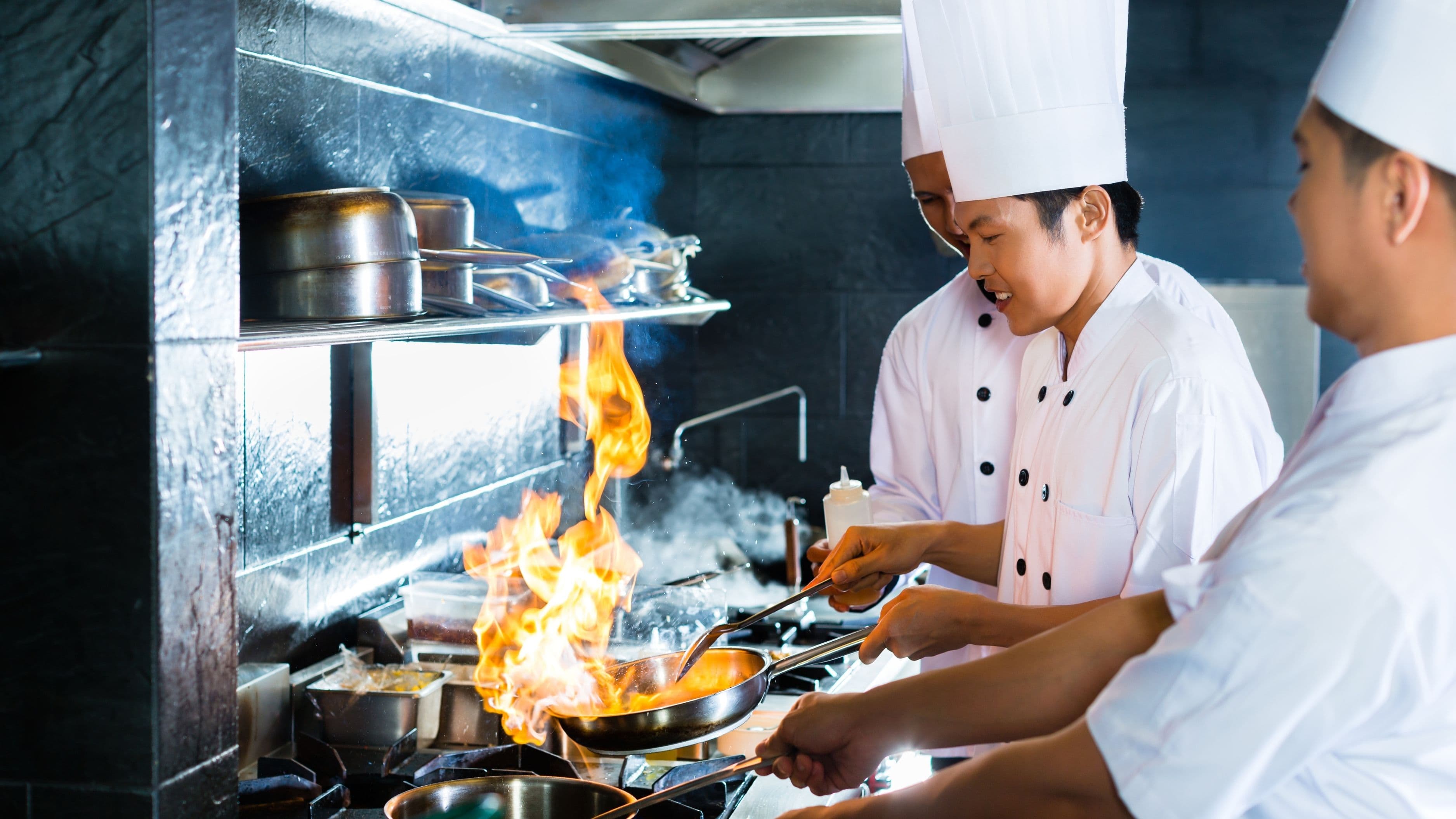
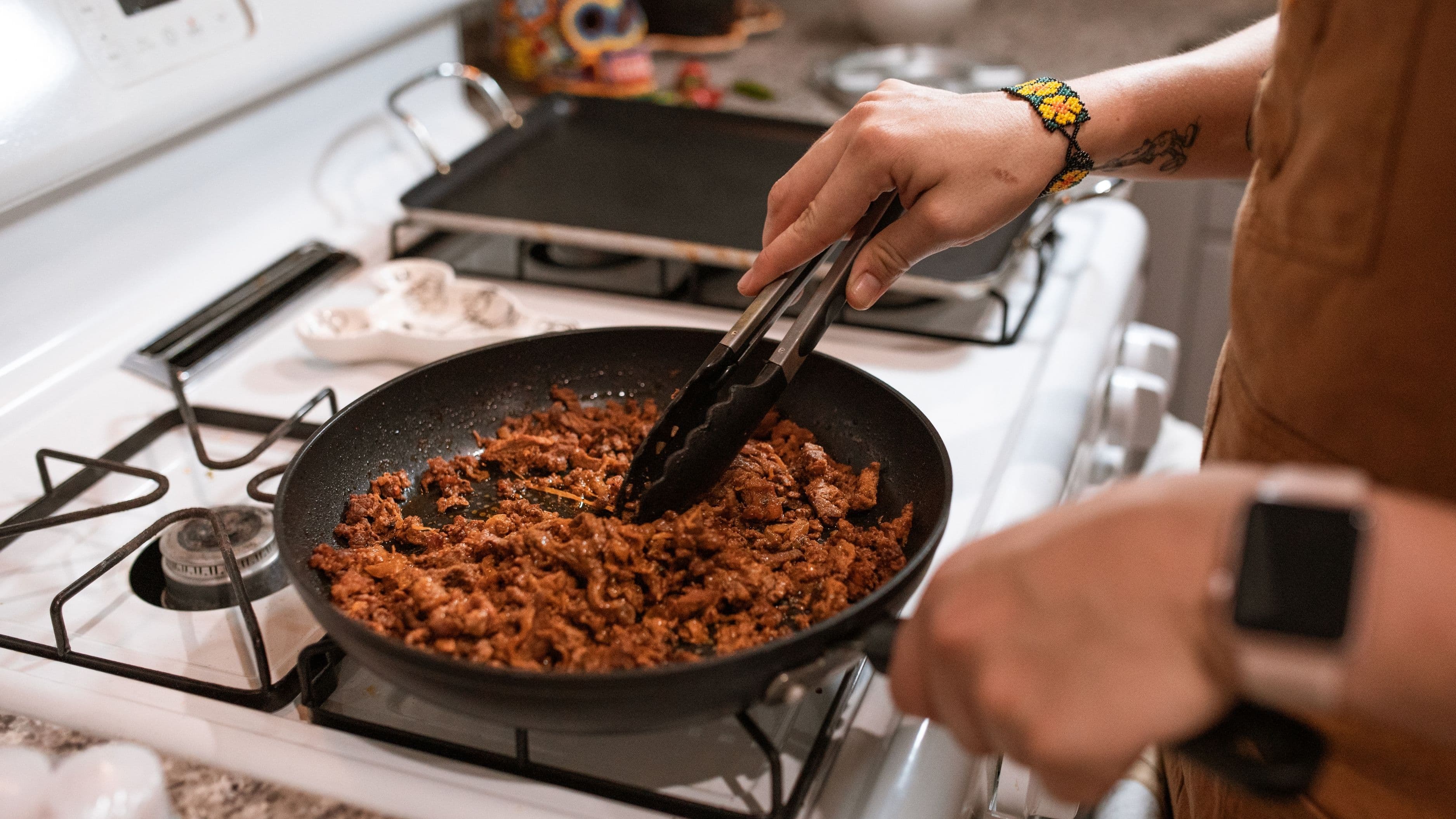
The first opportunity for flavor almost always comes from properly browning your protein or vegetables before adding liquid. That browned layer stuck to the bottom of the pan, known as fond, is concentrated flavor that dissolves back into the dish once you add liquid and scrape the pan – a step called deglazing. Skipping proper browning, or rushing it by overcrowding the pan so everything steams instead of sears, means losing this layer entirely before the dish even really begins.
Give your pan time to heat properly before adding food, and resist the urge to move ingredients around too soon. Letting a piece of meat or a batch of vegetables sit undisturbed until it releases naturally from the pan is usually the sign that proper browning has occurred.
Build the Aromatic Base With Intention
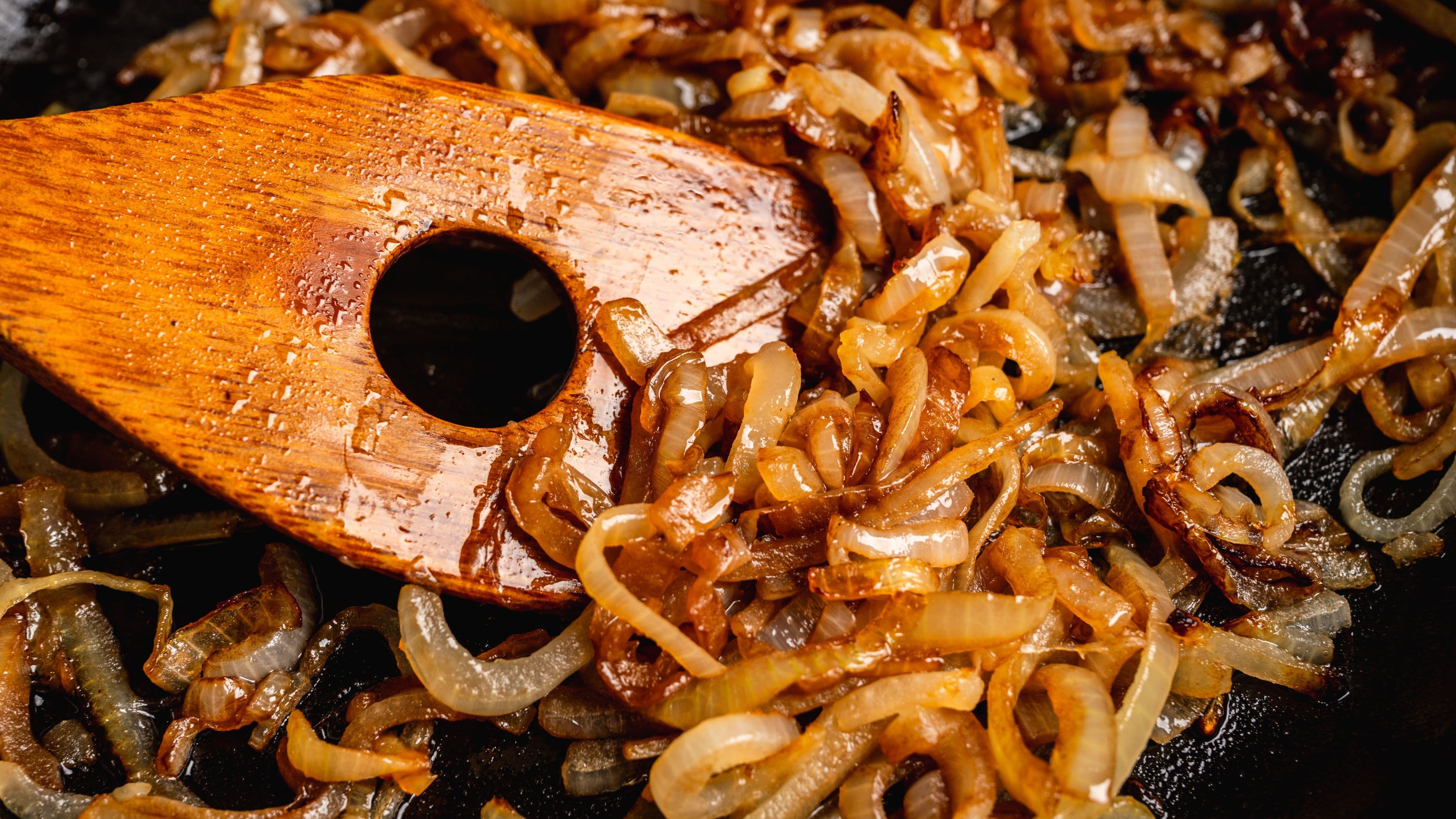
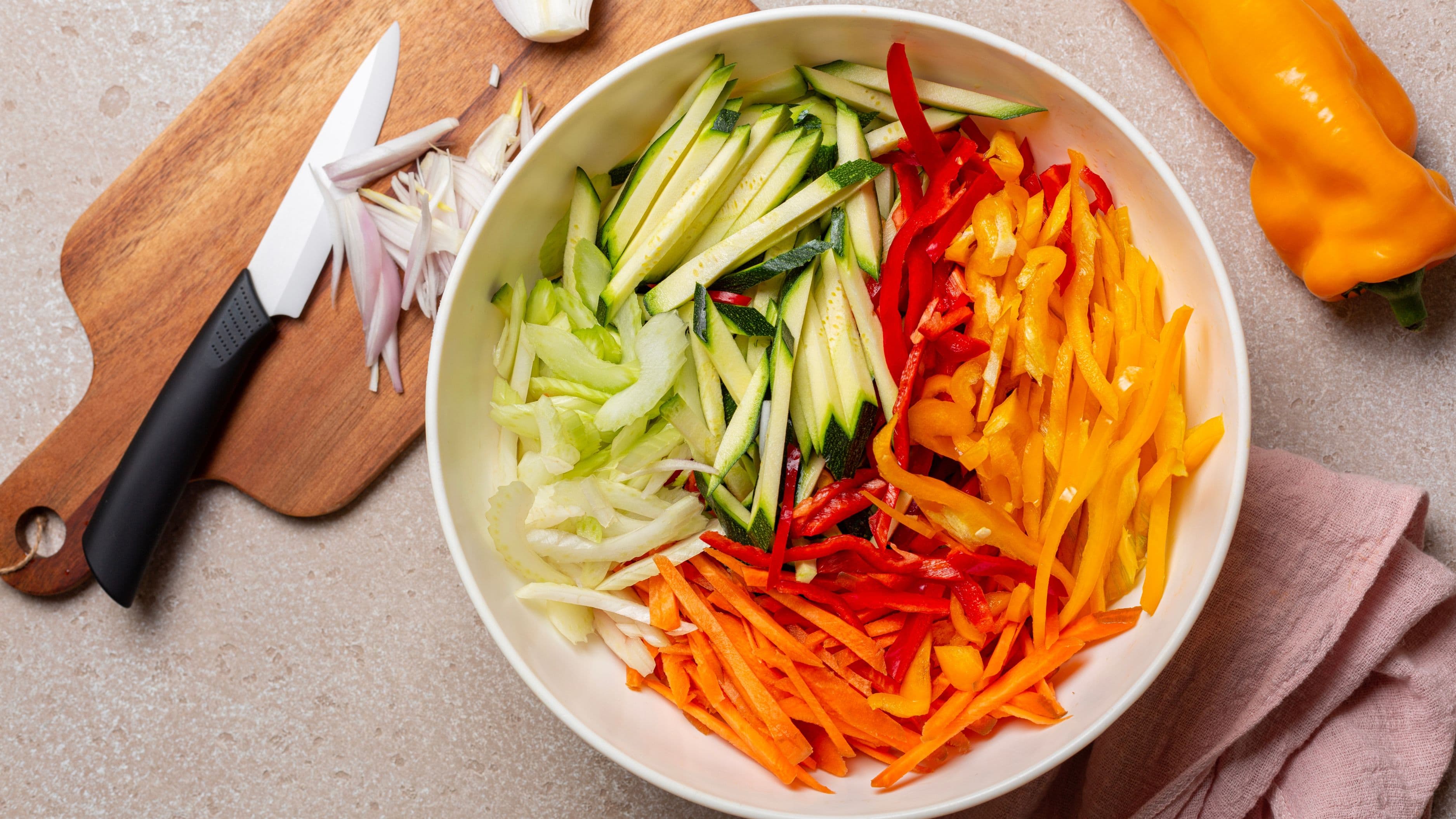
Onions, garlic, celery, carrots – whatever your recipe's aromatic base calls for – deserve more attention than a quick toss into the pan before you move on to the next ingredient. Cooking aromatics slowly enough to soften and lightly caramelize, rather than just until they're translucent, develops a sweetness and depth that a rushed version misses entirely. This stage typically takes longer than most recipes suggest, and it's one of the most common places where a home cook accidentally shortcuts flavor without realizing it.
Adding aromatics in stages, rather than all at once, is another layering technique worth learning. Garlic burns much faster than onion, so adding it a minute or two after the onion has already started softening prevents the bitter, acrid flavor that burnt garlic can carry through an entire dish.
Season in Stages, Not Just at the End
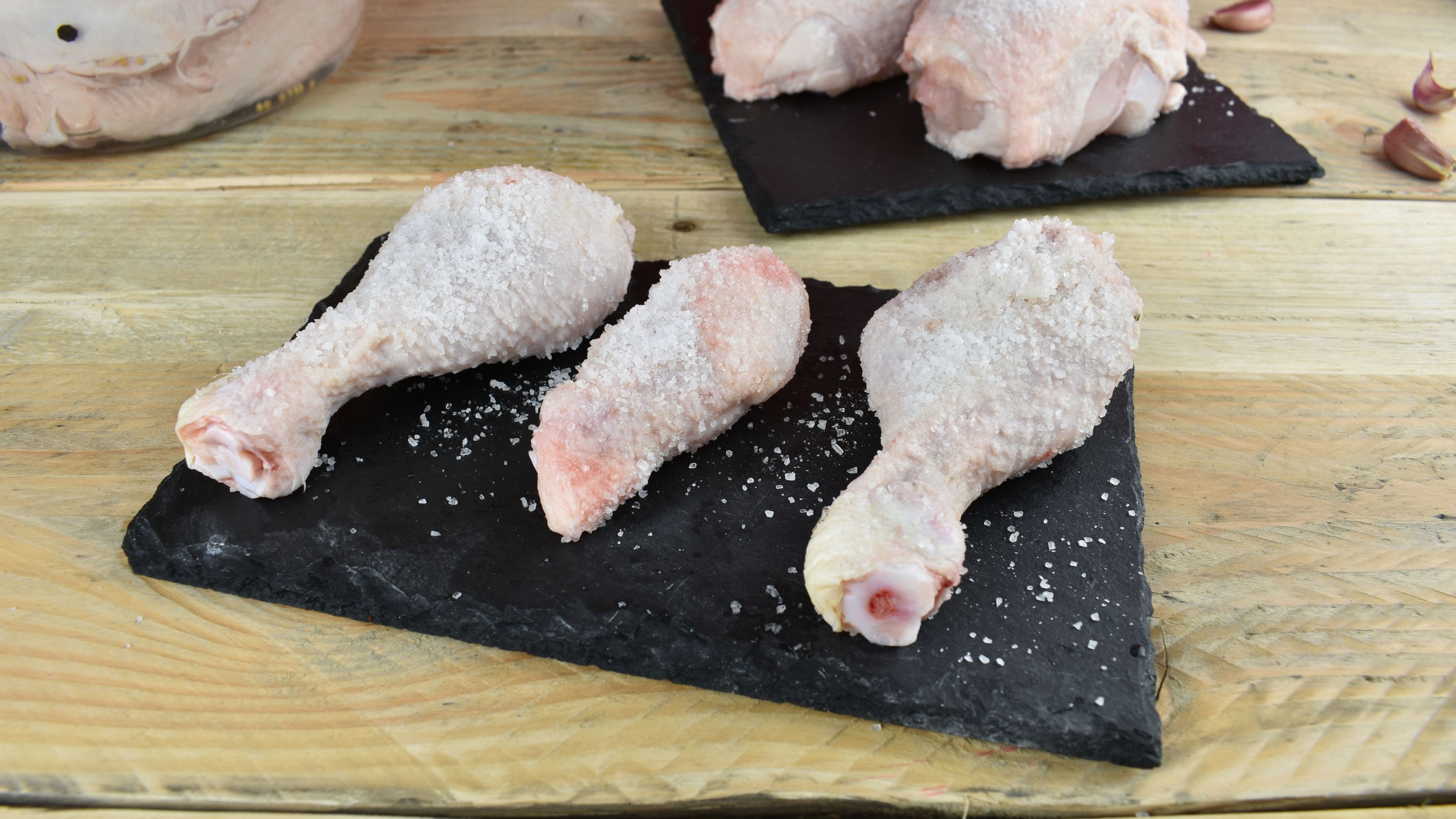
Salt added only at the end of cooking sits on the surface of a dish rather than becoming part of it. Seasoning in stages – a bit when you brown your protein, more when you add your aromatics, an adjustment partway through simmering, and a final taste-and-adjust before serving – allows salt to penetrate and balance flavor throughout the cooking process rather than just coating the finished dish.
This same principle applies to acid and heat. A splash of vinegar or wine added early, during deglazing, cooks off some of its sharpness and integrates into the dish's overall flavor. The same acid added only at the very end provides a brighter, more immediate contrast. Both are valid techniques – the key is understanding that they produce different effects, and a well-built dish often uses both at different stages rather than relying on just one.
Use Liquid Additions as Flavor-Building Moments
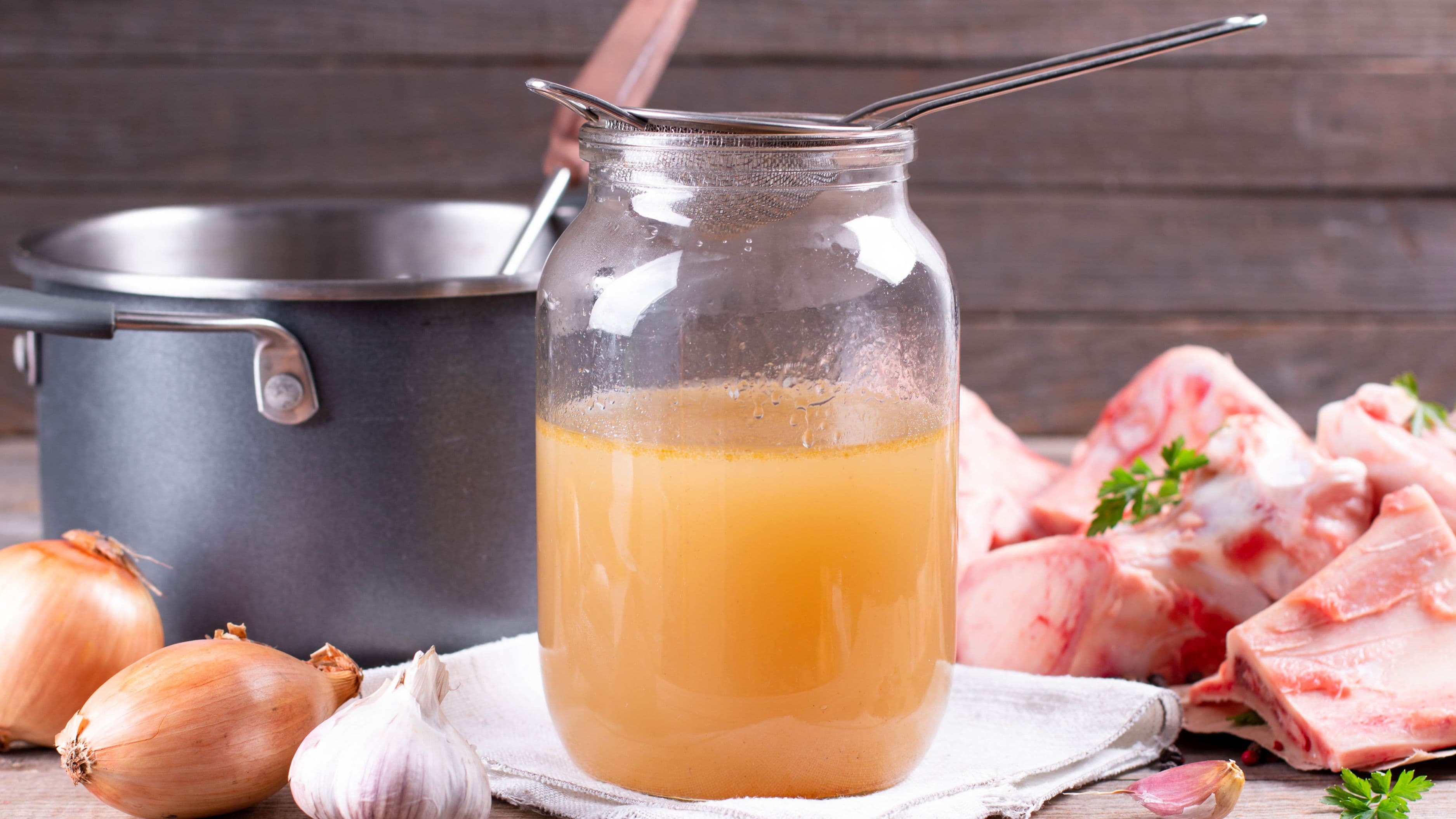
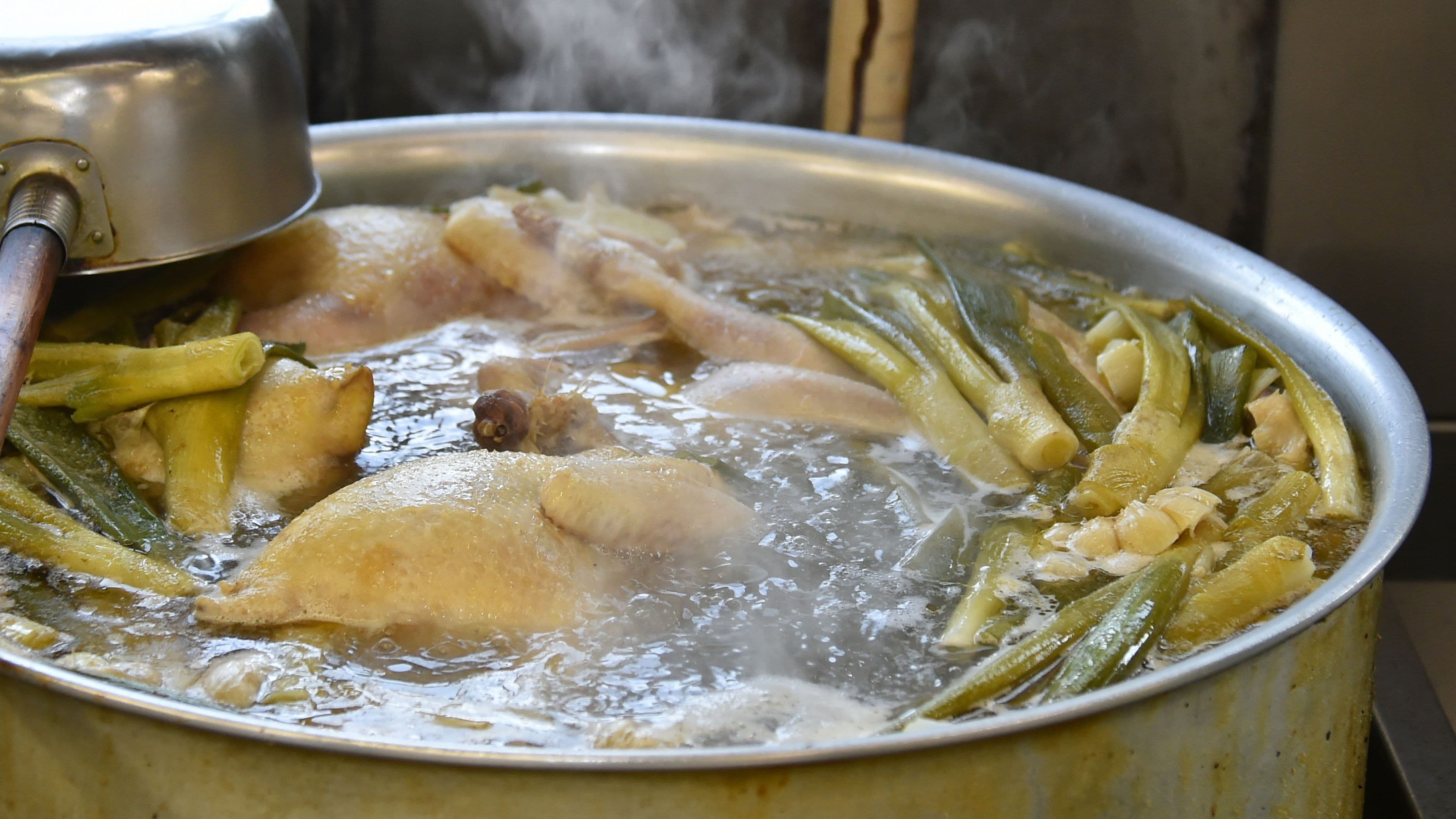
When a recipe calls for adding stock, wine, or water, that moment is an opportunity, not just a mechanical step. Deglazing with wine or stock instead of plain water pulls the fond off the pan and dissolves it directly into your cooking liquid, carrying that first layer of flavor forward into the rest of the dish. Using a well-made stock instead of water as your base liquid is one of the simplest, highest-impact swaps for building a more flavorful final result, since stock itself is already a layered, concentrated flavor base rather than a neutral filler.
What to Avoid
Don't rush the early stages of a recipe expecting to fix flavor gaps with seasoning at the end – some flavor layers, like proper browning or well-developed aromatics, simply can't be recreated once you've moved past that stage of cooking. Avoid overcrowding your pan when browning, since a crowded pan traps steam and prevents the caramelization that creates real flavor. And be cautious about adding all your seasoning at once early in the process without tasting and adjusting again later – seasoning is a cumulative process, not a single decision made at the start.
A Simple Way to Practice This Skill
Next time you make a basic soup, stew, or pan sauce, pay deliberate attention to four checkpoints: how well you browned your starting ingredients, how much time and attention you gave your aromatics, whether you deglazed with a flavorful liquid instead of water, and whether you tasted and adjusted seasoning at more than one point in the process. Most home cooks find that even without changing a single ingredient, paying attention to these four checkpoints noticeably improves the final result.
Frequently Asked Questions
Does layering flavor take significantly more time? A little, mostly in the early stages – proper browning and aromatic cooking take patience rather than active extra work, so the total time increase is often smaller than people expect.
Can I layer flavor in a slow cooker or one-pot meal? Yes – browning your protein and sautéing aromatics in a separate pan before adding everything to a slow cooker still builds that first flavor layer, even though the rest of the cooking happens hands-off.
What's the single easiest layering technique to start with? Deglazing your pan with stock or wine instead of skipping that step or using water is one of the simplest, most noticeable upgrades to try first.
📚 Sources
The Culinary Institute of America – "The Professional Chef" fundamentals resources – https://www.ciachef.edu/
USDA – "Safe Cooking Temperatures" – https://www.fsis.usda.gov/food-safety/safe-food-handling-and-preparation/food-safety-basics/safe-minimum-internal-temperature