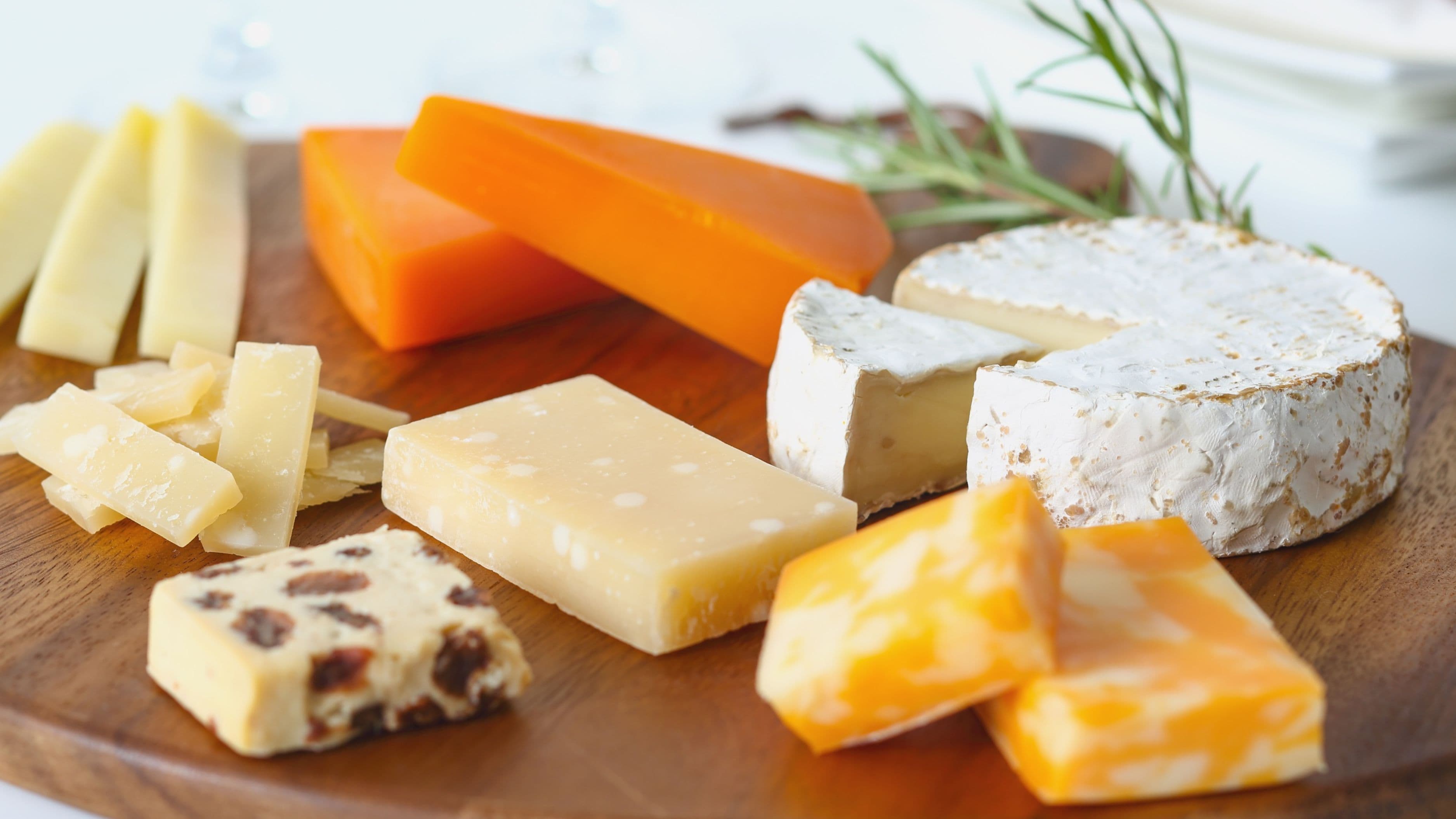
Here's how to actually choose cheese for cooking, broken down by what you're trying to accomplish in the pan or oven.
What Is It: Why Cooking Cheese Is Different From Eating Cheese
Cheese behaves differently under heat depending on its moisture content, fat content, and how it was aged. Younger, higher-moisture cheeses tend to melt smoothly, while aged, harder cheeses often become oily or separate when overheated rather than melting into a cohesive texture. This is why a beautiful aged cheddar you'd happily eat on its own can turn grainy and disappointing in a sauce.
Understanding this distinction upfront saves you from buying based purely on flavor reputation and instead choosing based on how a specific cheese will actually perform in the dish you're planning to make.
How to Choose Cheese for Melting
For sauces, grilled cheese, or anything where a smooth, stretchy melt matters, look for cheeses with higher moisture content and a more elastic protein structure – mozzarella, young cheddar, gruyère, and fontina are reliable choices here. These cheeses share a similar quality: they haven't been aged long enough to lose much of their moisture, which is what allows them to melt smoothly rather than separating into oil and solid clumps.
Avoid extra-aged, harder cheeses for a primary melting application, since their lower moisture content means they're more prone to becoming greasy or grainy under sustained heat rather than achieving that smooth, cohesive melt most cooked cheese dishes are going for.
How to Choose Cheese for Sauces Specifically
Sauces demand a bit more precision than a simple grilled cheese, since you're often combining the cheese with liquid, and some cheeses simply don't emulsify well into a sauce base. Gruyère, fontina, and a good quality young cheddar all work well here, melting smoothly into a roux-based sauce without breaking or turning grainy.
For a classic mac and cheese or cheese sauce, combining two cheeses often works better than relying on just one – a sharper cheese for flavor, like an aged cheddar, paired with a smoother-melting cheese, like a young gruyère or mozzarella, to balance flavor depth against a genuinely smooth final texture.
How to Choose Cheese for Baking
Baked dishes like lasagna or baked pasta benefit from cheeses that hold their shape somewhat while still melting into the surrounding layers – mozzarella remains the standard choice here because of its balance of meltability and structural integrity, giving you that stretchy, cohesive top layer without fully dissolving into the sauce beneath it.
Parmesan or a similar hard, aged cheese works well as a finishing layer on top of a baked dish specifically because you want a slightly crisp, browned texture on the surface, which these harder, lower-moisture cheeses achieve better than a softer melting cheese would.
How to Choose Cheese for Grating Over Finished Dishes
For finishing a pasta dish, salad, or soup with a savory, salty top note, hard aged cheeses like parmesan, pecorino romano, or aged gouda are the better choice, since you're not looking for melt here – you want concentrated flavor and a bit of texture. These cheeses are specifically made to hold up well when grated fresh, releasing their flavor without needing any heat at all.
Pre-grated cheese in shaker containers is convenient, but it's worth knowing that these often contain anti-caking agents that affect both flavor and how well the cheese melts if you do decide to use it in a cooked application, so buying a block and grating fresh yourself typically delivers noticeably better results.
How to Store Cheese to Keep It Cooking-Ready
Wrap cheese in wax or parchment paper rather than plastic wrap for longer-term storage, since plastic can trap moisture against the surface and encourage mold growth faster than a breathable wrap. For hard cheeses like parmesan, this method can keep the cheese usable for several weeks past when tightly plastic-wrapped cheese might start showing issues.
If you buy cheese specifically for grating, consider grating a larger batch and freezing it in a sealed container. Frozen grated cheese, particularly harder varieties like parmesan, holds up well and thaws quickly, making it a genuinely convenient time-saver for regular cooking.
Substitutes When You Don't Have the "Right" Cheese
If a recipe calls for gruyère and you only have cheddar on hand, a young, mild cheddar can substitute reasonably well in most melting applications, though the flavor profile will shift noticeably. For parmesan specifically, pecorino romano makes a reasonable substitute in most finishing applications, though it's saltier and slightly sharper, so you may want to use a bit less than the recipe calls for.
Mozzarella is harder to substitute effectively in baked applications specifically because of its unique stretch and structural qualities under heat – a lower-moisture cheese like cheddar will melt but won't replicate that same stretchy, cohesive quality mozzarella is known for in a baked pasta dish.
What to Avoid
Don't buy pre-shredded cheese assuming it performs identically to a block you grate yourself, particularly for sauces where a smooth melt matters most. The anti-caking agents in most pre-shredded products can prevent a fully smooth melt, leaving a slightly grainy texture even in an otherwise well-made sauce.
Avoid using very aged, hard cheeses as your primary melting cheese in a sauce or grilled cheese application. While delicious on their own, their lower moisture content makes them prone to becoming oily or grainy rather than achieving a smooth melt.
Don't skip tasting a cheese before committing it to an important dish if you haven't used that specific brand or variety before. Cheese quality and flavor intensity can vary meaningfully between producers even within the same broad category, like cheddar or mozzarella.
FAQ
Is mozzarella always the best choice for melting? It's a reliable, versatile choice for baked dishes specifically because of its stretch and structural qualities, but for sauces, cheeses like gruyère or a young cheddar often deliver a smoother result.
Why does my cheese sauce turn grainy even when I follow the recipe? This usually happens when the cheese used has lower moisture content than the recipe was designed for, or when the sauce is overheated, causing the proteins in the cheese to separate. Choosing a higher-moisture melting cheese and keeping heat moderate helps prevent this.
Can I freeze cheese without ruining its texture? Hard, grating cheeses like parmesan freeze well, particularly if pre-grated. Softer, higher-moisture cheeses like mozzarella can become somewhat crumbly after freezing, which is less noticeable in cooked applications but more apparent if eaten fresh afterward.
Choosing the right cheese for cooking comes down to matching moisture content and melting behavior to what your specific dish actually needs, rather than picking based purely on flavor preference. Once you understand that distinction, cheese shopping for cooking becomes a lot more straightforward.
📚 Sources
Serious Eats: The Science of Melting Cheese - https://www.seriouseats.com/the-food-lab-complete-guide-to-mac-and-cheese
America's Test Kitchen: Best Cheeses for Cooking - https://www.americastestkitchen.com/