What "Extra Virgin" Actually Means
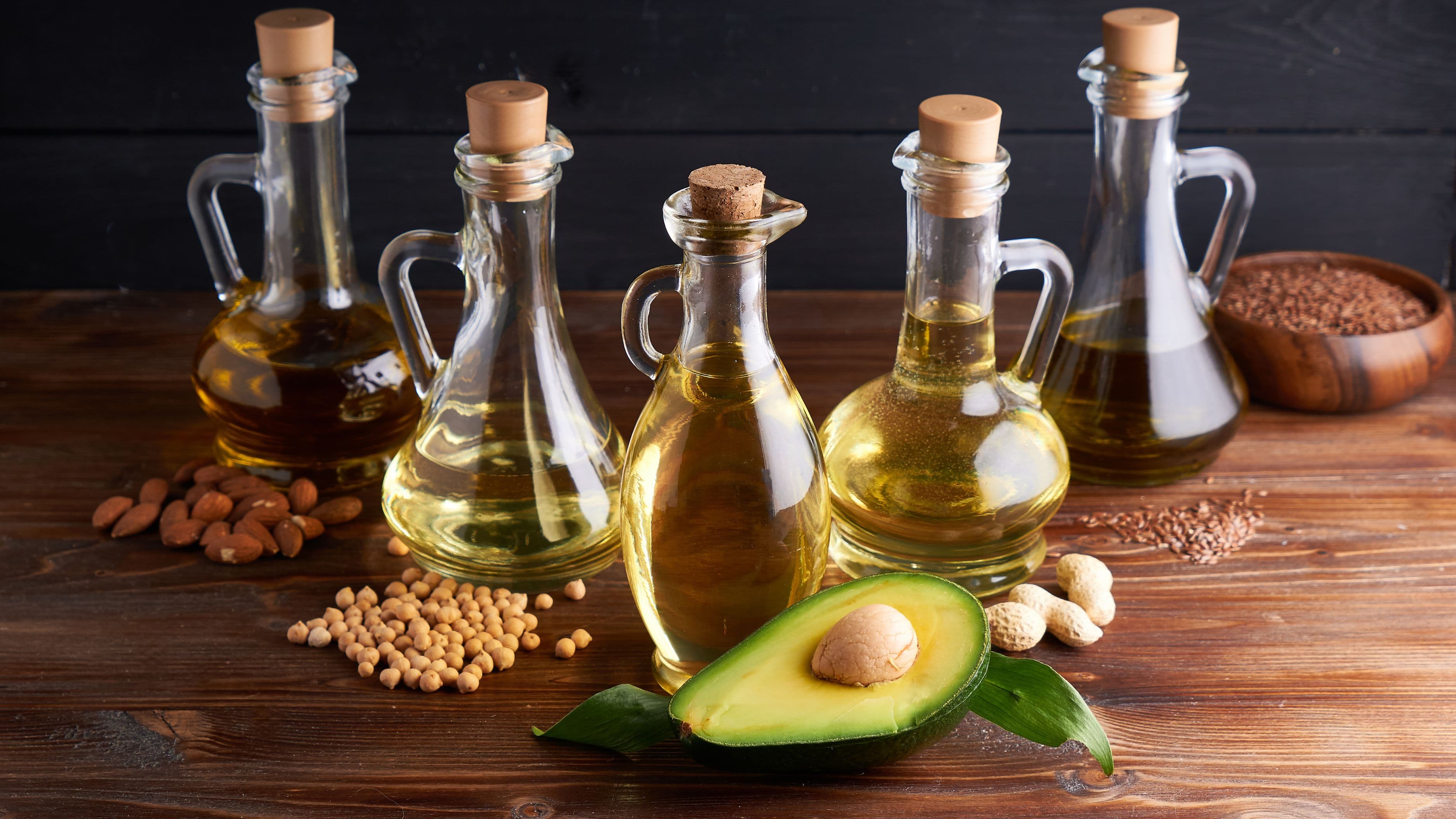
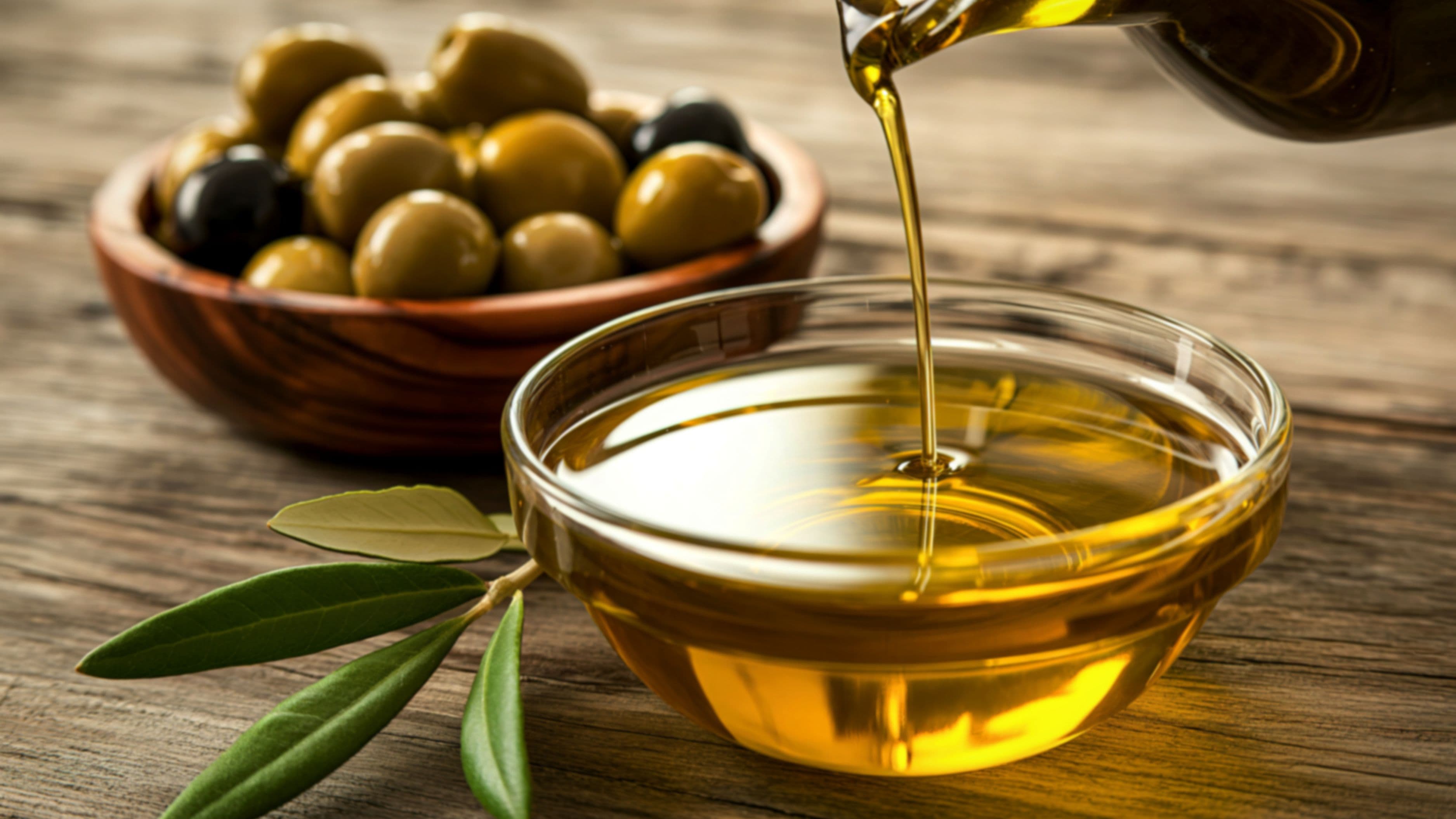
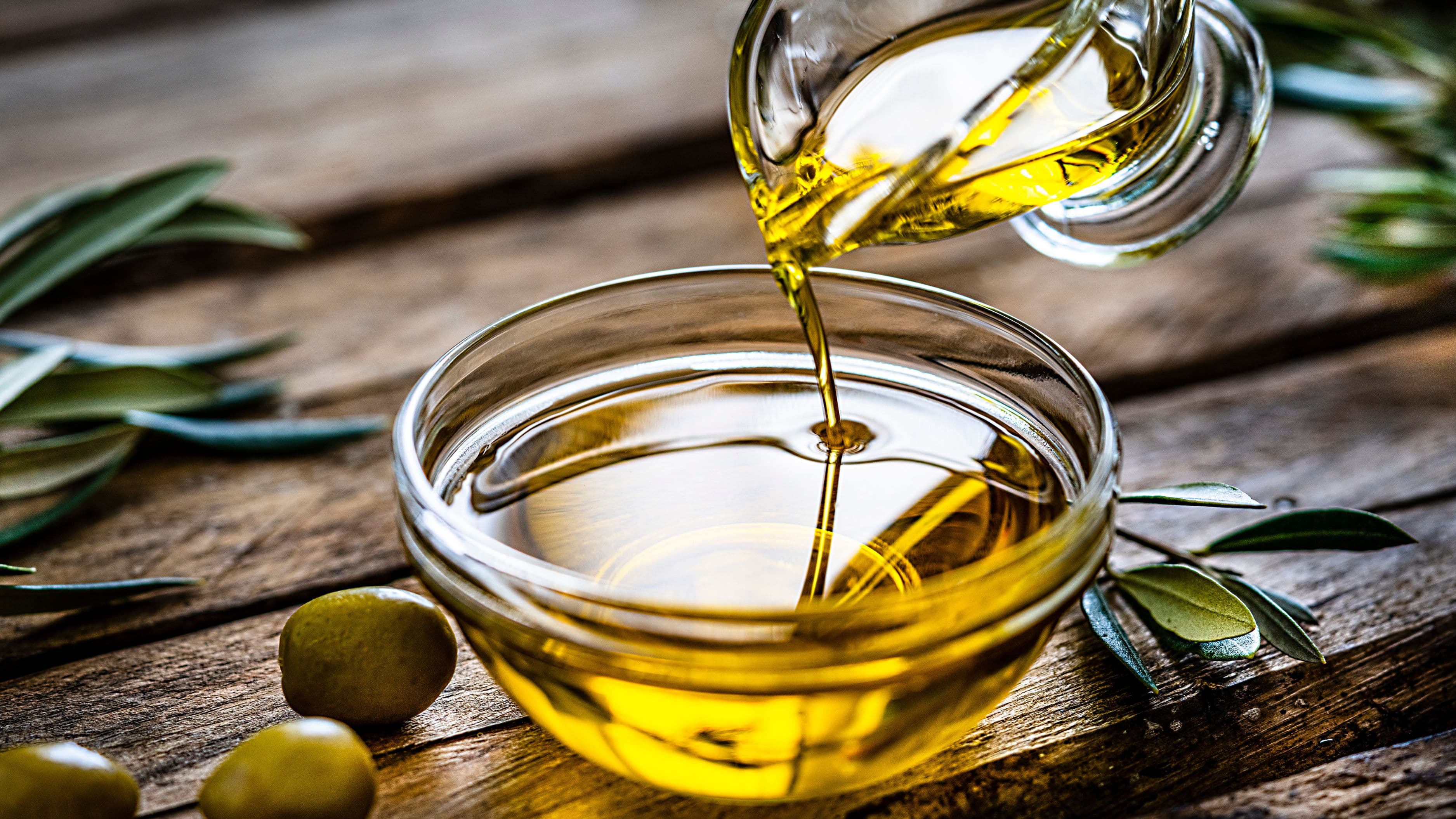
Extra virgin olive oil refers to oil extracted from olives using only mechanical pressing, without heat or chemical processing, and meeting specific low acidity standards. This matters because it's the least processed category of olive oil, retaining the most natural flavor compounds and antioxidants compared to more refined "light" or "pure" olive oil, which undergo additional processing that strips out much of the flavor along with some impurities.
Unfortunately, "extra virgin" labeling isn't always rigorously enforced everywhere, and some studies over the years have found a meaningful percentage of bottles labeled extra virgin don't actually meet the technical standard, which is part of why knowing what else to look for on a bottle matters beyond the label claim alone.
What to Actually Look For on the Bottle
A harvest date is one of the most reliable quality indicators, since olive oil is a fresh product that degrades in flavor and nutritional value over time, similar to fresh juice rather than a shelf-stable pantry staple with an indefinite lifespan. Look for oil harvested within the past year, and be skeptical of bottles that only list a vague "best by" date without an actual harvest date, since this makes it much harder to judge true freshness.
A dark glass or tin container also matters more than people expect, since light exposure degrades olive oil's quality over time, and oil sold in clear glass bottles, particularly if displayed under bright store lighting for extended periods, is more likely to have already lost some of its original quality by the time you buy it.
Country or region of origin, ideally a single specific region rather than a vague "blend of oils from various countries" label, tends to correlate with more traceable, generally higher quality production, though this isn't an absolute rule and good oils exist across many origins.
Understanding Price and Quality
Higher price doesn't automatically guarantee better quality, but extremely cheap extra virgin olive oil, particularly well below the price of other bottles on the same shelf, is worth approaching skeptically, since quality olive oil production is genuinely more expensive than the deeply refined "light" oils that sometimes get blended into lower-quality products marketed under an extra virgin label. A reasonable, mid-range price point from a specific single-origin producer with a recent harvest date is often a better indicator of quality than either extreme.
How to Actually Taste-Test Olive Oil
A genuinely good extra virgin olive oil should have a noticeable peppery finish at the back of your throat, a sign of the natural polyphenol compounds that indicate real quality and freshness, along with a distinctly grassy or fruity aroma rather than a flat, neutral smell. Taste a small amount plain, at room temperature, ideally with a piece of bread to cleanse your palate between different oils if you're comparing options, rather than judging quality purely by pouring it into a dish where other flavors mask its actual character.
When to Use Your Best Olive Oil
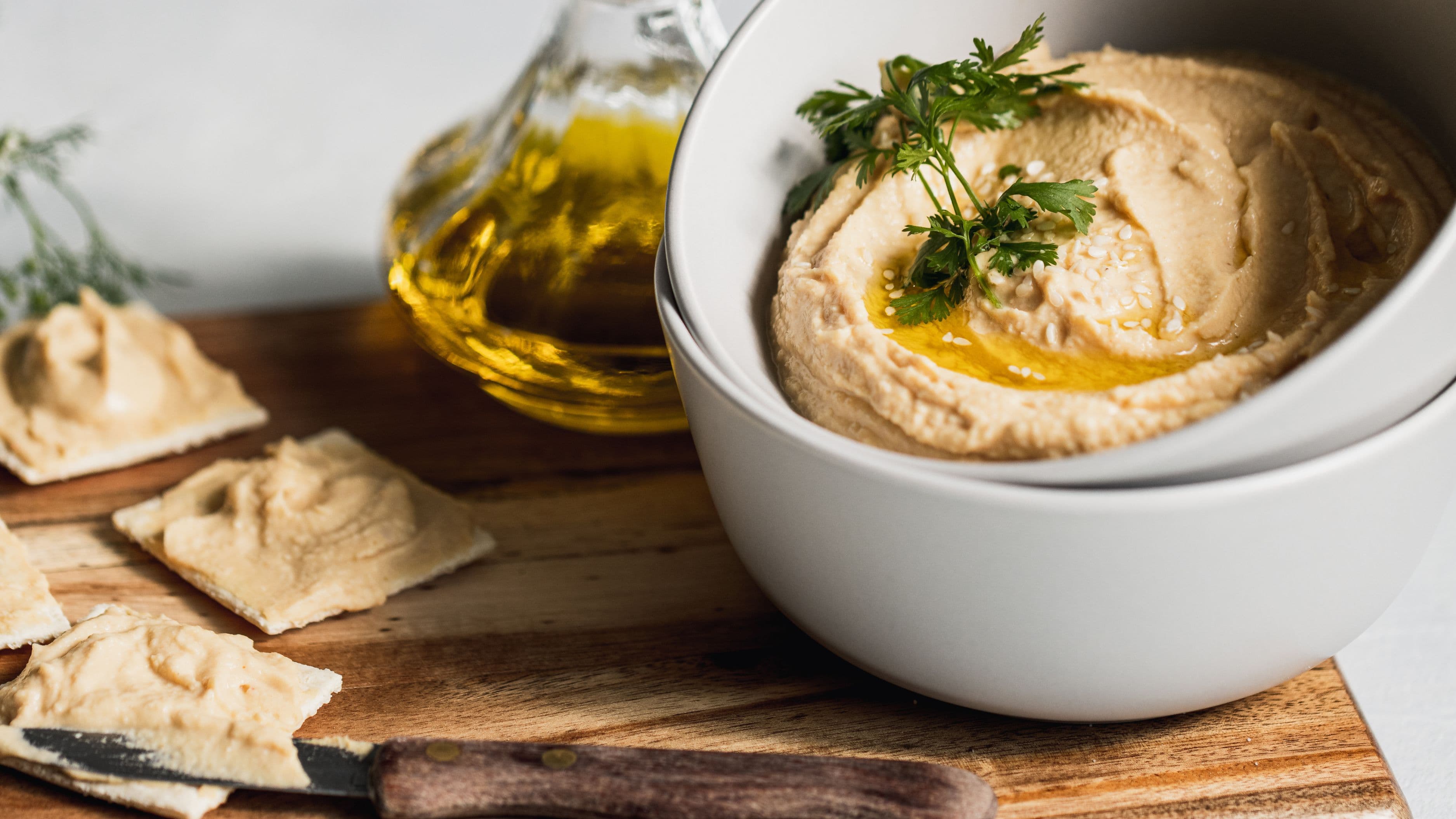
Save your highest-quality, most expensive extra virgin olive oil for uses where its flavor is genuinely the star – drizzled over finished dishes like a caprese salad, a bowl of soup right before serving, fresh bread for dipping, or a simple vinaigrette where the oil's character comes through directly rather than getting muted by cooking or competing with many other strong flavors.
When a More Basic Olive Oil Makes More Sense
For high-heat cooking – searing, deep frying, or extended roasting – much of a premium extra virgin olive oil's delicate flavor compounds break down under sustained high heat anyway, meaning a more basic, less expensive olive oil or a refined "light" olive oil is a more practical, cost-effective choice for these specific cooking methods without meaningfully sacrificing the final dish's flavor.
What this means practically: keep two bottles in rotation if your budget allows – a genuinely good extra virgin for finishing and raw applications, and a more basic, affordable oil for everyday higher-heat cooking – rather than using your best oil for every single cooking task regardless of method.
How to Store Olive Oil Properly
Keep olive oil in a cool, dark cabinet away from direct heat sources like your stove, since both light and heat accelerate flavor degradation over time. Avoid storing it near your stovetop, even though this is a common kitchen habit for convenience, since the ambient heat there shortens the oil's usable freshness window more than most people realize.
What to Avoid
Avoid buying olive oil in bulk quantities larger than you'll realistically use within a few months, since freshness genuinely matters and a large bottle sitting half-used for a year loses meaningful quality well before you finish it. Don't judge quality purely by an "extra virgin" label without checking for a harvest date and appropriate dark packaging, since the label alone doesn't guarantee the freshness or authenticity that actually determines how good the oil tastes.
FAQ
How long does an opened bottle of olive oil actually stay good? Generally 3 to 6 months for best flavor once opened, though it remains safe to use beyond that timeframe, simply with gradually diminishing flavor quality rather than any safety concern.
Is it worth paying significantly more for a specialty single-origin olive oil? For finishing uses where the oil's flavor is genuinely prominent in the dish, many people do notice and appreciate the difference, though for everyday cooking uses, a solid mid-range extra virgin oil is often perfectly sufficient.
Can I use olive oil for baking? Yes, particularly in certain cakes and quick breads where it's called for specifically, though it will impart a slightly different, more savory flavor note compared to neutral oils, which some recipes are specifically designed around and others are not.
Good olive oil is genuinely one of the more impactful ingredient upgrades you can make in a home kitchen, but getting real value from that investment means understanding what to actually look for on the bottle and knowing when to use it in ways that let its quality shine through, rather than assuming any bottle labeled extra virgin performs the same in every application.
📚 Sources
UC Davis Olive Center: Olive Oil Quality Research – https://olivecenter.ucdavis.edu/
Serious Eats: How to Buy the Best Olive Oil – https://www.seriouseats.com/
North American Olive Oil Association: Understanding Olive Oil Grades – https://www.naooa.org/